Some places on Earth treat winter like a permanent houseguest who simply refuses to leave. From remote Russian villages to bustling Arctic capitals, there are cities where temperatures drop so low that even the air feels dangerous.
These frozen destinations are home to real people living real lives in conditions most of us can barely imagine. Get ready to meet 15 cities where winter is not just a season – it is a way of life.
1. Yakutsk, Russia
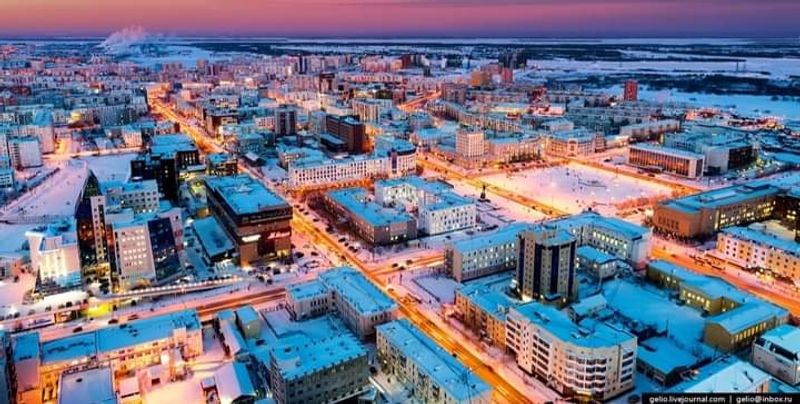
Stepping outside in Yakutsk is less of a morning routine and more of a survival decision. With average winter temperatures between −30°C and −40°C, this city of around 300,000 people holds the title of the coldest major city on Earth.
Cars here are never fully switched off in winter – letting an engine freeze could mean it never starts again.
The ground beneath Yakutsk is permanently frozen, known as permafrost, which means buildings must be constructed on stilts to avoid sinking. Despite the brutal cold, locals go about their daily lives with impressive calm.
Markets stay open, children go to school, and life carries on.
Furs are not a fashion statement here – they are armor. Eyelashes freeze, breath turns to instant mist, and exposed skin feels the bite within seconds.
Yakutsk does not apologize for its cold. It simply expects you to keep up.
2. Norilsk, Russia
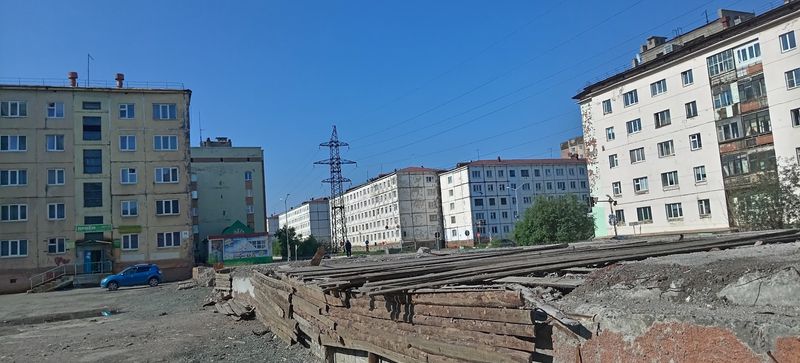
Norilsk is the kind of place that makes other cold cities feel like beach resorts. Sitting far above the Arctic Circle, this industrial city of around 180,000 people endures average winter temperatures of −30°C, paired with months of polar darkness.
The sun simply disappears for weeks at a time.
Built by Soviet-era labor camps, Norilsk carries a heavy history alongside its heavy snowfall. Today it is one of the world’s largest producers of nickel and palladium, drawing workers willing to brave conditions that would send most people running south fast.
Blizzards here are called “black storms” because the wind-driven snow turns visibility to near zero. Streets are connected by underground tunnels in some areas just to help people survive the commute.
Norilsk is proof that humans can build a functioning city almost anywhere – even where winter feels like a full-time occupation.
3. Verkhoyansk, Russia
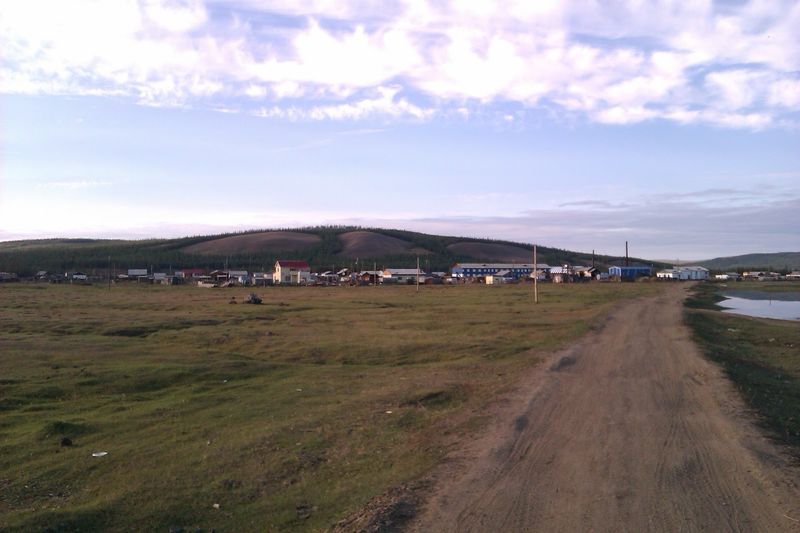
Verkhoyansk is tiny, remote, and absolutely ferocious in winter. With a population of just a few hundred people, this northeastern Russian town has recorded winter lows that drop below −50°C, making it one of the coldest inhabited places ever documented on record.
In January 1892, Verkhoyansk registered −67.8°C, a temperature so extreme it became legendary in climate science. Yet people have lived here for centuries, originally as Yakut reindeer herders before Russian settlers arrived.
The town sits in a deep river valley that traps cold air like a bowl trapping ice water.
There is something quietly remarkable about a community that has persisted here across generations. Locals rely on reindeer fur, wood stoves, and tightly built homes to survive.
Verkhoyansk rarely makes headlines, but every winter it quietly reminds the world just how cold our planet can actually get.
4. Oymyakon, Russia
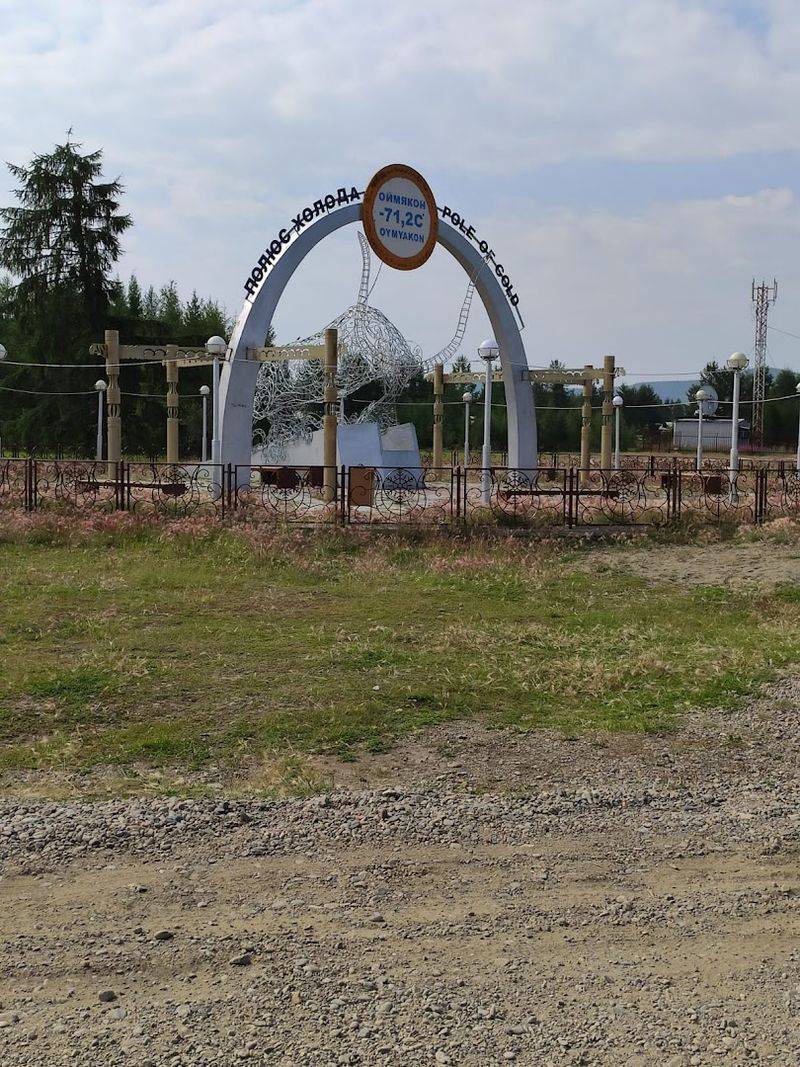
Hold on to your mittens – Oymyakon once recorded a temperature of −67.7°C, earning it the title of the coldest permanently inhabited place on Earth. This tiny village in Siberia has fewer than 500 residents, yet its name is known by meteorologists and cold-weather enthusiasts worldwide.
At those temperatures, diesel fuel gels, metal becomes brittle, and even breath can freeze before it fully leaves your mouth. Locals rely on wood fires burning constantly through the night.
Digging graves in winter is nearly impossible because the permafrost is frozen solid several meters deep.
Oymyakon has become a strange tourist attraction, drawing adventurous travelers who want to say they survived the coldest spot on the planet. There is even a monument marking the record low.
Visitors arrive with cameras, heavy parkas, and wide eyes – and most leave with an enormous appreciation for central heating.
5. Dudinka, Russia
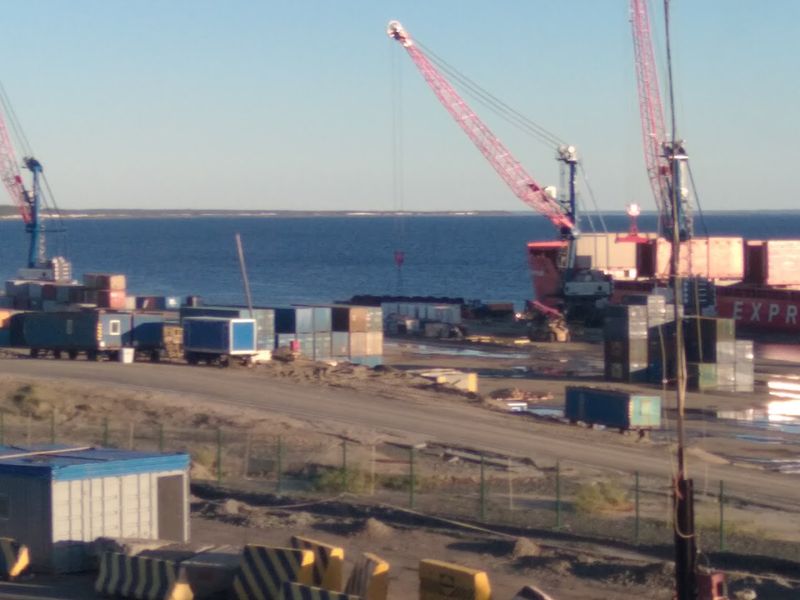
Perched on the frozen banks of the Yenisei River above the Arctic Circle, Dudinka is one of Russia’s most remote and cold port cities. Average winter temperatures hover around −30°C, and the river that gives the city its economic purpose freezes completely solid for months each year.
Dudinka serves as the main supply hub for Norilsk, meaning ships loaded with goods must battle sea ice just to reach the dock. When the river freezes, heavy vehicles actually drive across it as a makeshift road.
The frozen river becomes infrastructure – which says everything about how extreme the conditions truly are.
Polar nights stretch on for weeks here, and temperatures can plunge far below the seasonal average without much warning. Despite all this, Dudinka functions steadily as a working Arctic city.
It may not be famous, but among cold-weather cities, Dudinka absolutely earns its place on this list.
6. Yellowknife, Canada
Canada is no stranger to cold weather, but Yellowknife takes things to a whole different level. As the capital of the Northwest Territories, this city of about 20,000 people regularly sees winter temperatures between −25°C and −30°C, making it the coldest major city in Canada by a comfortable margin.
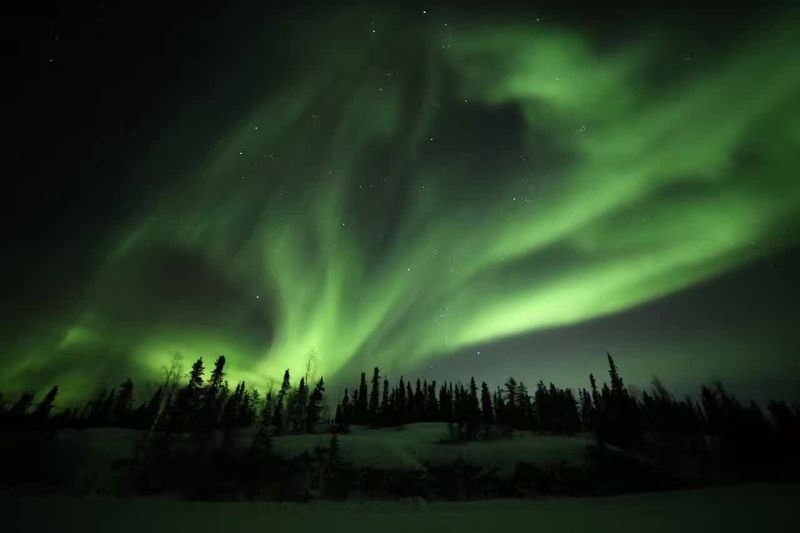
What makes Yellowknife special beyond the cold is its spectacular winter sky. The northern lights dance overhead on clear nights, turning the freezing darkness into something genuinely breathtaking.
Ice road trucking, a profession made famous by reality TV, actually originates from routes around this region.
Great Slave Lake, one of the deepest lakes in North America, freezes so solidly that it supports vehicle traffic for months. Locals embrace the cold with ice fishing, snowmobiling, and dog sledding.
Yellowknife does not hide from winter – it turns it into an entire lifestyle worth admiring.
7. Fairbanks, USA (Alaska)
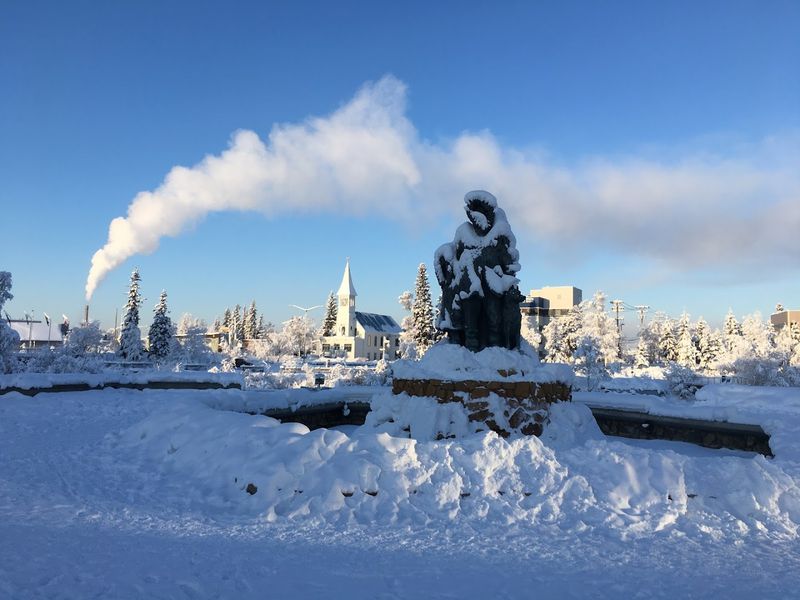
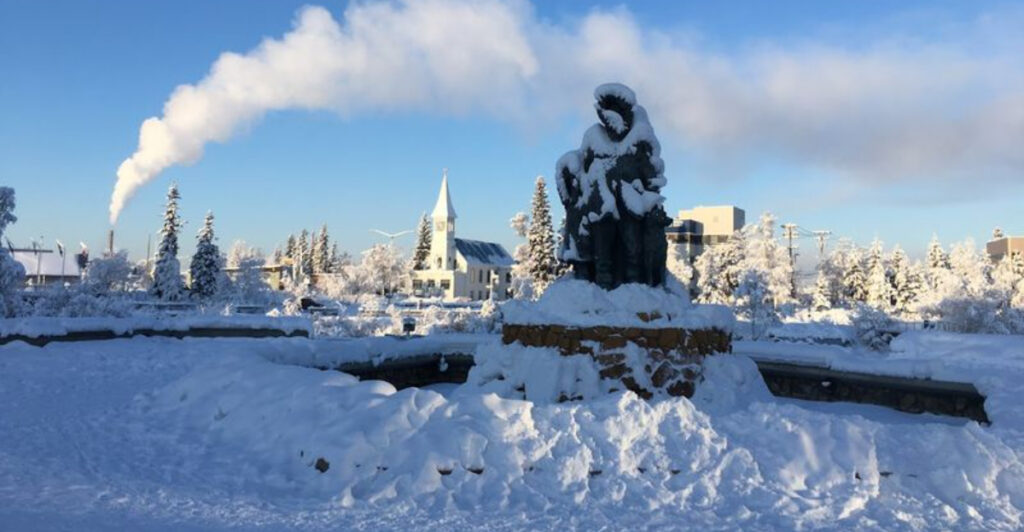
Fairbanks, Alaska has a personality all its own – tough, adventurous, and completely unbothered by the cold. Sitting in Alaska’s interior, far from the coast’s moderating ocean influence, Fairbanks experiences winter temperatures ranging from −20°C to −30°C, with occasional cold snaps pushing far below that.
The city has a quirky pride about its winters. Local shops sell bumper stickers that read things like “I survived Fairbanks in February,” and residents genuinely compete to see who can handle the cold the longest without a coat.
Ice sculptures dot the city during the World Ice Art Championships, turning the deep freeze into a celebrated art form.
Aurora borealis sightings are almost guaranteed on clear nights here, drawing photographers from around the globe. Dog mushing culture is alive and thriving, connecting modern Fairbanks to its frontier past.
Winter here is not an obstacle – it is the main event that defines everything.
8. Ulaanbaatar, Mongolia
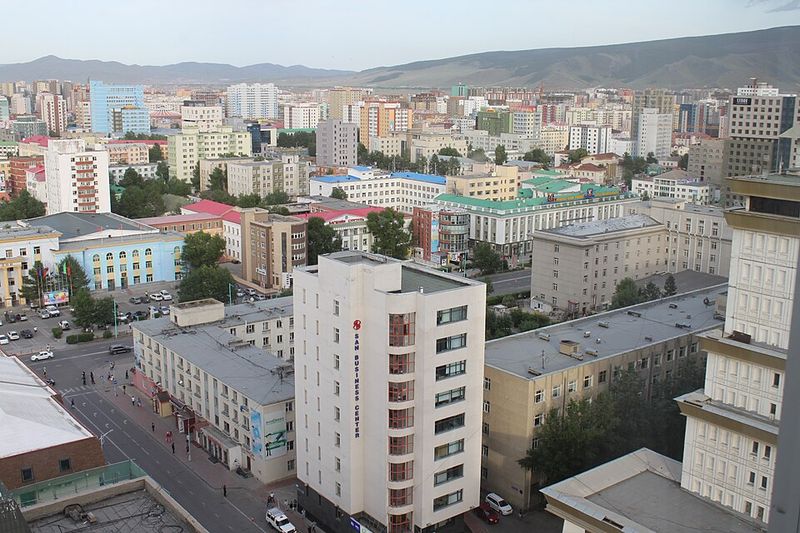
Ulaanbaatar holds the unusual distinction of being the coldest national capital city on Earth. With winter temperatures regularly falling between −20°C and −30°C, this sprawling city of over 1.5 million people endures winters that are both long and brutally cold.
It sits far inland on a high plateau, cut off from any warming ocean influence.
Traditional Mongolian ger tents – round felt structures that have kept nomads warm for thousands of years – still dot the outskirts of the city. Many residents burn coal and wood for heat, which creates a thick smog that blankets the city on cold, still days.
Air quality becomes a serious concern during the deep winter months.
Despite the cold, Ulaanbaatar buzzes with energy. Festivals, restaurants, and markets stay lively year-round.
The city is a fascinating collision of ancient nomadic culture and rapid modern development, all wrapped inside one of the planet’s most extreme winter climates.
9. Harbin, China
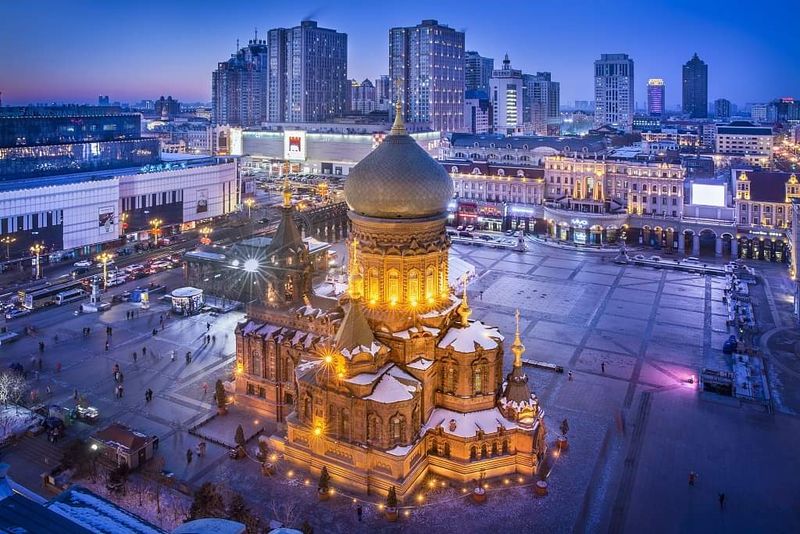
Harbin turns its brutal winters into pure spectacle. Every January, this northeastern Chinese city of over 10 million people hosts the world’s largest ice and snow festival, where artists carve entire castles, bridges, and monuments out of blocks of ice cut from the frozen Songhua River.
It is jaw-dropping, and completely worth the cold.
Average winter temperatures sit between −15°C and −25°C, which is cold enough to keep the ice sculptures perfectly preserved for weeks. Visitors come from all over the world, bundled in their thickest layers, to walk through glowing ice palaces lit up in vivid colors after dark.
Beyond the festival, Harbin has a fascinating cultural mix shaped by Russian, Japanese, and Chinese influences across its history. Its European-style architecture, earned from Russian settlers in the early 1900s, gives the city a unique look unlike anywhere else in China.
Cold has never looked this beautiful.
10. Winnipeg, Canada
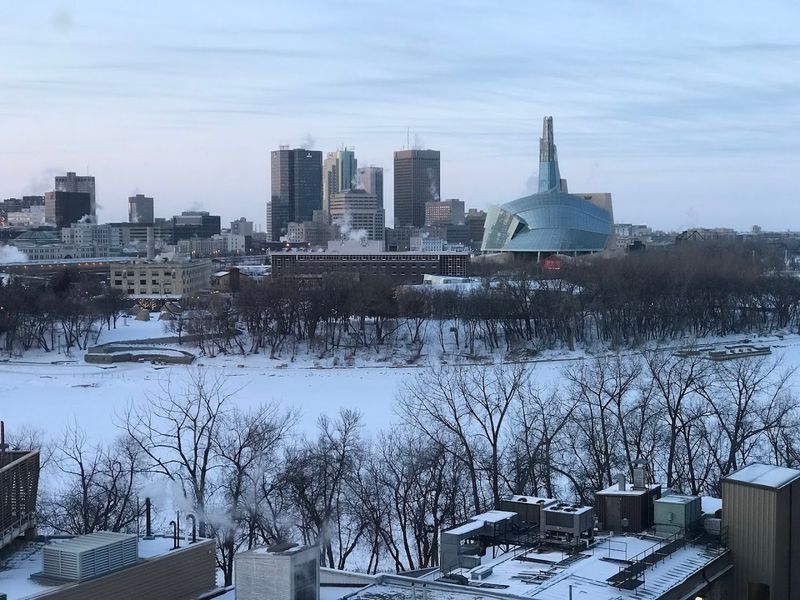
Winnipeg does not just get cold – it gets cold with attitude. Known across Canada for its ferocious wind chill, this prairie city of around 800,000 people sits at the geographic center of North America, where there is nothing to slow down the Arctic air that barrels south without mercy.
Wind chill readings in Winnipeg can make −20°C feel like −40°C, which is the kind of cold that takes your breath away – literally. The city holds the nickname “Winterpeg” with a mix of pride and dark humor.
Cold weather warnings are issued regularly, and residents learn fast to dress in proper layers from a young age.
Despite all of that, Winnipeg has a vibrant arts scene, lively festivals, and a warmth of community spirit that defies the thermometer. The Forks, a popular gathering spot where two rivers meet, stays busy even in January.
Winnipeg proves that spirit beats temperature every single time.
11. Astana (Nur-Sultan), Kazakhstan
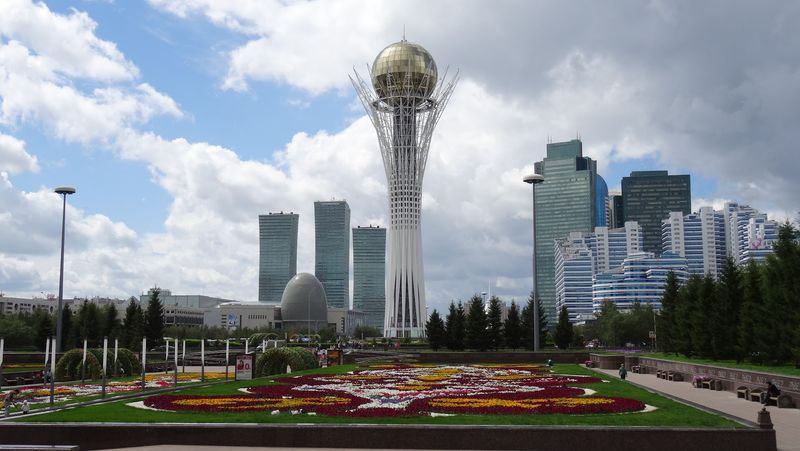
Astana looks like a city from the future, but its winters are ancient and unforgiving. The capital of Kazakhstan sits on an exposed Central Asian steppe where temperatures regularly drop between −15°C and −25°C, with wind making it feel considerably colder.
It ranks among the coldest capital cities anywhere on the planet.
What makes Astana visually striking is the contrast between its gleaming, futuristic architecture and the raw, icy wilderness surrounding it. Glass domes, pyramid-shaped buildings, and massive towers rise from a frozen plain that stretches in every direction.
The government built this city from scratch in the late 1990s, choosing a location that architects and engineers had to design specifically to survive severe winters.
Indoor shopping complexes and heated walkways help residents navigate the city without constant exposure. Astana is a bold statement that modern ambition can thrive even where winter hits with full, unrelenting force six months of the year.
12. Irkutsk, Russia
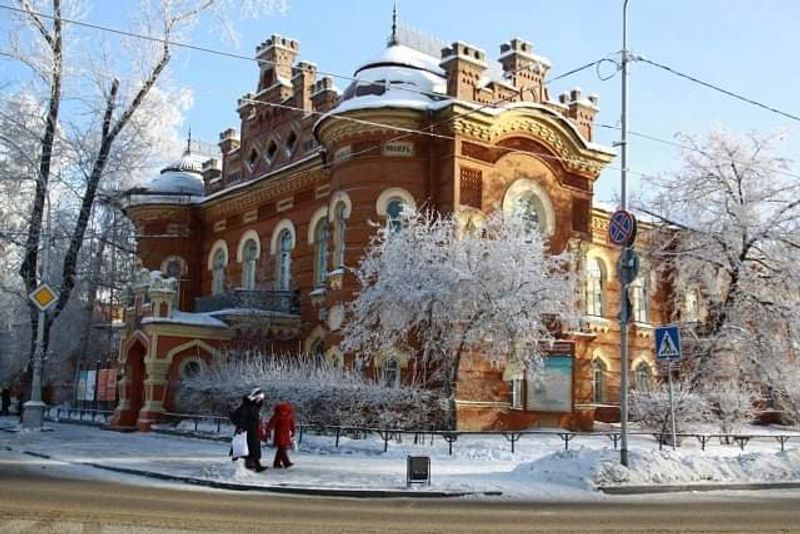
Irkutsk has a charm that surprises most visitors – beautiful 19th-century wooden architecture, a lively cafe culture, and streets that hum with activity even when temperatures crash to −20°C. Located in southern Siberia near the shores of Lake Baikal, this city of around 600,000 people is often called the “Paris of Siberia” by locals who are clearly proud of their city.
Lake Baikal, the world’s deepest lake, freezes completely each winter, creating an otherworldly surface of crystal-clear ice that adventurous travelers actually hike and cycle across. The lake holds 20 percent of the world’s unfrozen surface freshwater – a staggering fact for any geography fan.
Irkutsk served as a major stop on the Trans-Siberian Railway, giving it a cosmopolitan feel unusual for a Siberian city. Winters are long and cold, but the city compensates with culture, history, and one of the most extraordinary natural wonders on the planet right next door.
13. Novosibirsk, Russia
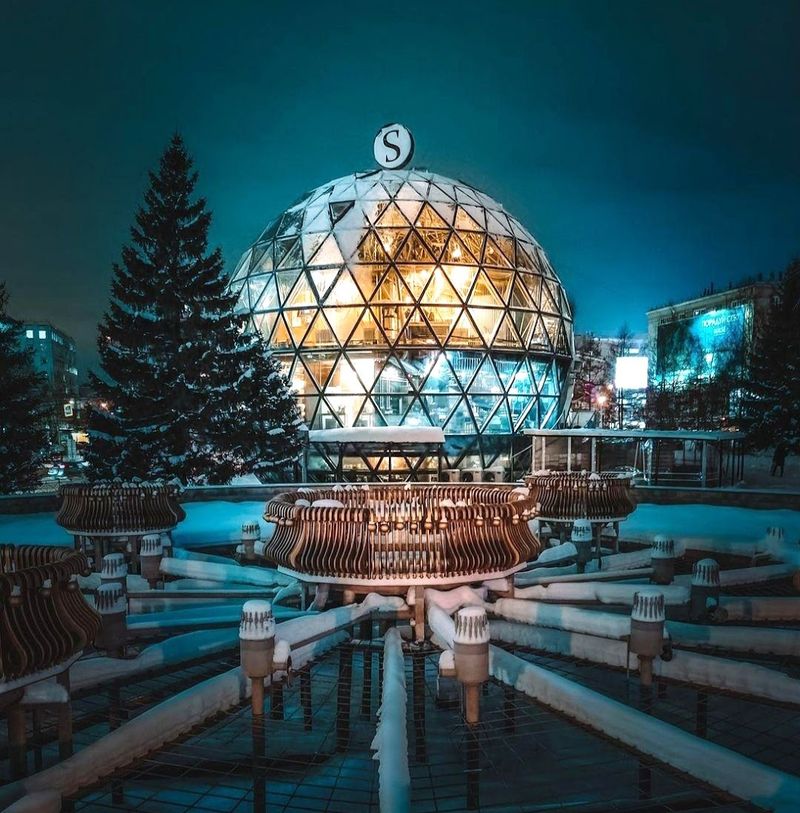
Novosibirsk is the biggest city in Siberia, home to over 1.6 million people, and it takes its winters with remarkable composure. Average temperatures between −15°C and −25°C are simply part of the seasonal rhythm here.
The city sits along the Ob River, which freezes solid and transforms into a flat white highway stretching to the horizon.
Founded in 1893 as a crossing point for the Trans-Siberian Railway, Novosibirsk grew rapidly into a major industrial and scientific hub. It hosts one of Russia’s most respected universities and a famous academic district called Akademgorodok, where top scientists have lived and worked since Soviet times.
The city’s opera house is considered one of the grandest in all of Russia, which feels wonderfully unexpected for a place buried in Siberian snow. Novosibirsk shows that intellectual and cultural life does not pause for winter – it just puts on an extra coat and carries on regardless.
14. Anchorage, USA (Alaska)
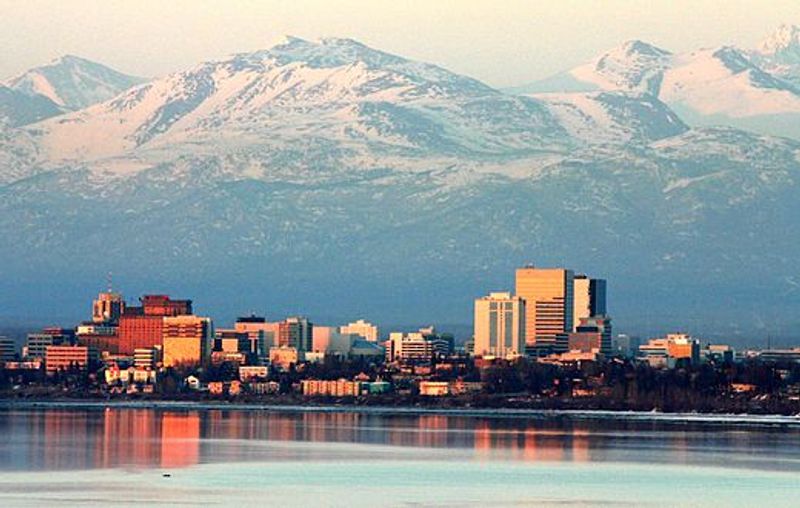
Anchorage gets a bit of a break compared to interior Alaska – but do not mistake “milder” for warm. The city sits on a coastal inlet where ocean air softens the worst extremes, keeping average winter temperatures between −10°C and −20°C.
That is still cold enough to make most of the continental United States feel tropical by comparison.
What Anchorage trades in extreme cold, it makes up for in sheer duration. Winters are long, dark, and persistent, with snowfall piling up from October through April without much pause.
Moose wander city streets regularly, sometimes blocking traffic or helping themselves to garden shrubs buried under the snow.
The Iditarod Trail Sled Dog Race, one of the most grueling sporting events on Earth, starts ceremonially in downtown Anchorage every March. Outdoor culture is enormous here – skiing, snowshoeing, and ice climbing are weekend hobbies, not extreme activities.
Anchorage simply decided that winter is for living, not hiding.
15. Reykjavik, Iceland
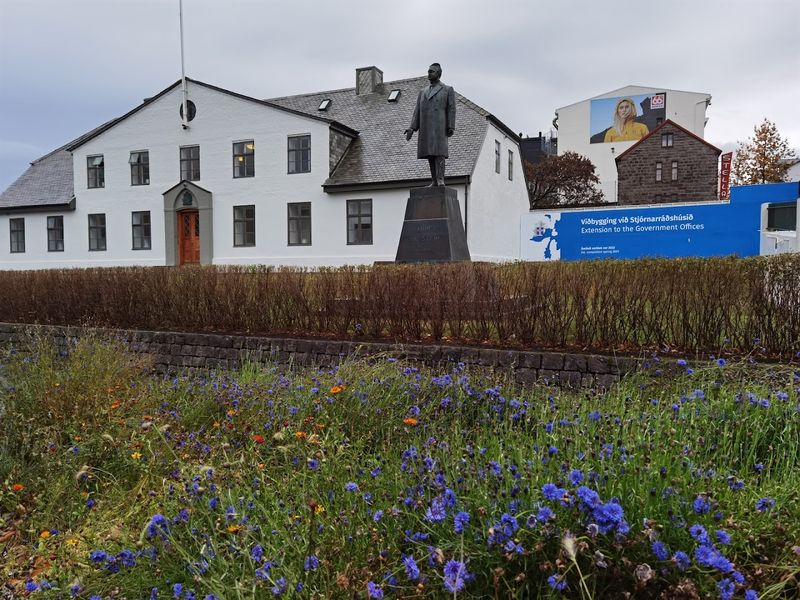
Reykjavik is the odd one out on this list – its temperatures rarely plunge to the extremes of Siberia or Arctic Canada. But what Iceland’s capital lacks in record-breaking cold, it makes up for in sheer relentlessness.
Winter here hovers between −1°C and −5°C for months on end, rarely warming, rarely letting the sun linger for more than a few dim hours each day.
The wind and damp air make even mild temperatures feel cutting and raw. Gray skies and short daylight hours define the season from November through March.
There is a reason Icelanders invented cozy indoor culture long before it became a global trend.
Despite the gloom, Reykjavik is genuinely charming in winter. The colorful buildings pop against grey skies, geothermal pools stay warm year-round, and northern lights occasionally blaze overhead.
Reykjavik proves that you do not need record lows to make winter feel like it has absolutely no intention of leaving anytime soon.
Share this story