South America is home to some of the most breathtaking buildings on the planet, from centuries-old colonial churches to futuristic modern landmarks. Each structure tells a story about the culture, history, and creativity of the people who built it.
Whether you love history, art, or just stunning design, these buildings will leave you speechless. Get ready to explore 15 architectural masterpieces spread across this incredible continent.
1. Teatro Colon, Buenos Aires, Argentina
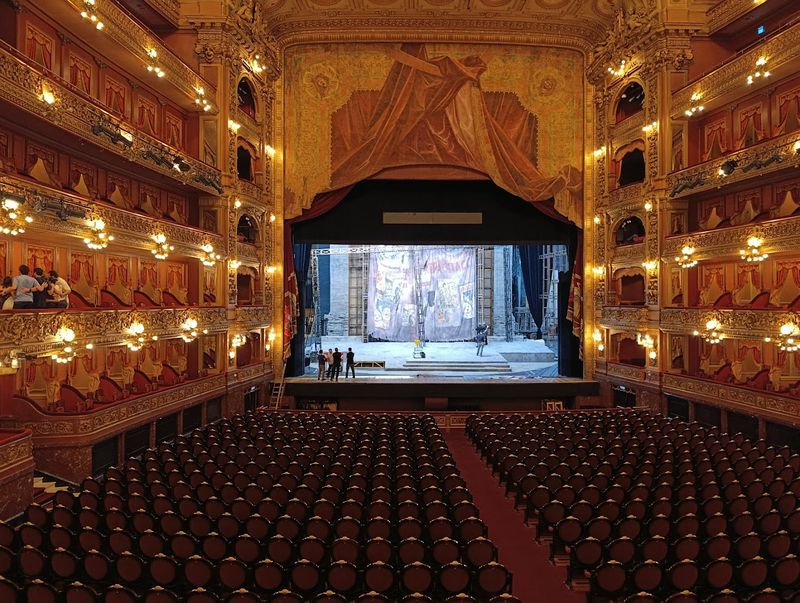
Walking into Teatro Colon feels like stepping into a dream. Opened in 1908, this legendary opera house in Buenos Aires is consistently ranked among the top five in the entire world, and one visit makes it easy to understand why.
The building’s Beaux-Arts exterior is stunning on its own, but the interior is where the real magic happens. Marble staircases, velvet seats, golden balconies, and hand-painted ceilings create an atmosphere that feels almost unreal.
The acoustics here are so perfect that performers say even a whisper carries clearly to the back row.
Tours are available for visitors who want to explore backstage areas, costume workshops, and rehearsal rooms. If you can catch a live opera, ballet, or symphony performance, that experience is absolutely unforgettable.
Teatro Colon is not just a building; it is a living monument to artistic excellence.
2. Cathedral of Brasilia, Brasilia, Brazil
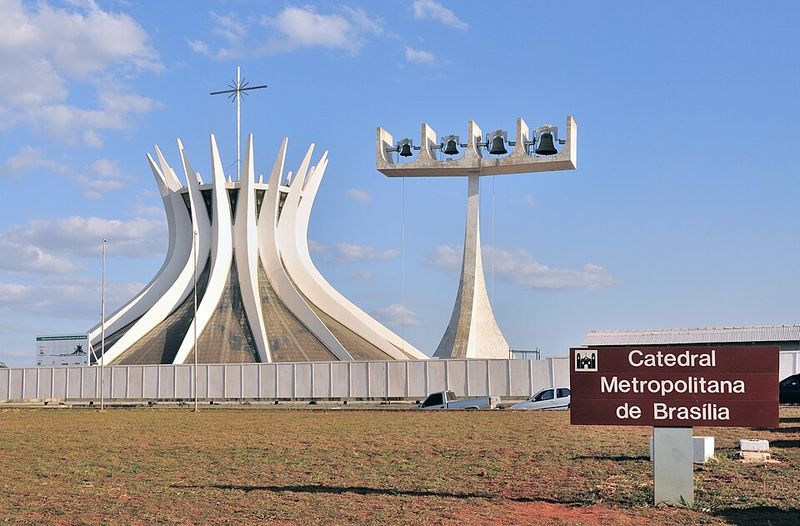
Sixteen curved white columns rising toward the sky like hands reaching upward, that is your first glimpse of the Cathedral of Brasilia. Designed by the legendary Brazilian architect Oscar Niemeyer and completed in 1970, this building looks unlike any other church on Earth.
From the outside, the structure appears mostly underground, which makes the moment you step inside even more dramatic. Stained glass panels in shades of green, blue, and white flood the interior with colorful light, creating a calming and otherworldly atmosphere.
Suspended angel sculptures hang from the ceiling, adding to the sense of wonder.
Niemeyer wanted the design to represent two hands opening toward heaven, and that vision comes through powerfully. The cathedral sits within Brasilia’s broader modernist city plan, which earned the city UNESCO World Heritage status in 1987.
Visiting this landmark feels like traveling to the future and the sacred all at once.
3. Palacio Barolo, Buenos Aires, Argentina
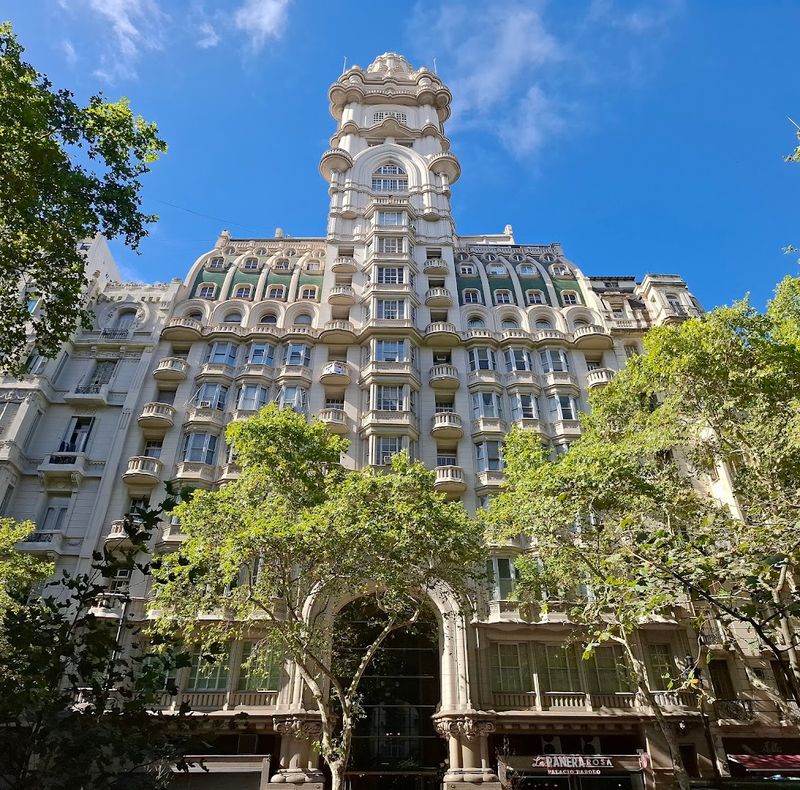
Few buildings in the world are built around a poem, but Palacio Barolo is one of them. Completed in 1923, this remarkable Buenos Aires landmark was designed by Italian architect Mario Palanti and inspired entirely by Dante Alighieri’s Divine Comedy.
The building’s 22 floors are divided symbolically into Hell, Purgatory, and Heaven, mirroring the structure of Dante’s masterpiece. Its height of 100 meters represents the 100 cantos of the poem.
The architectural style blends Gothic arches, Art Nouveau details, and neo-Romanesque elements in a combination that feels both historic and fantastical.
For years, Palacio Barolo held the title of tallest building in South America. Today, guided tours take visitors through its rich history and up to the lighthouse at the top, which offers sweeping views of the city.
It is a building that rewards curiosity at every single level, literally and figuratively.
4. Salt Cathedral of Zipaquira, Colombia
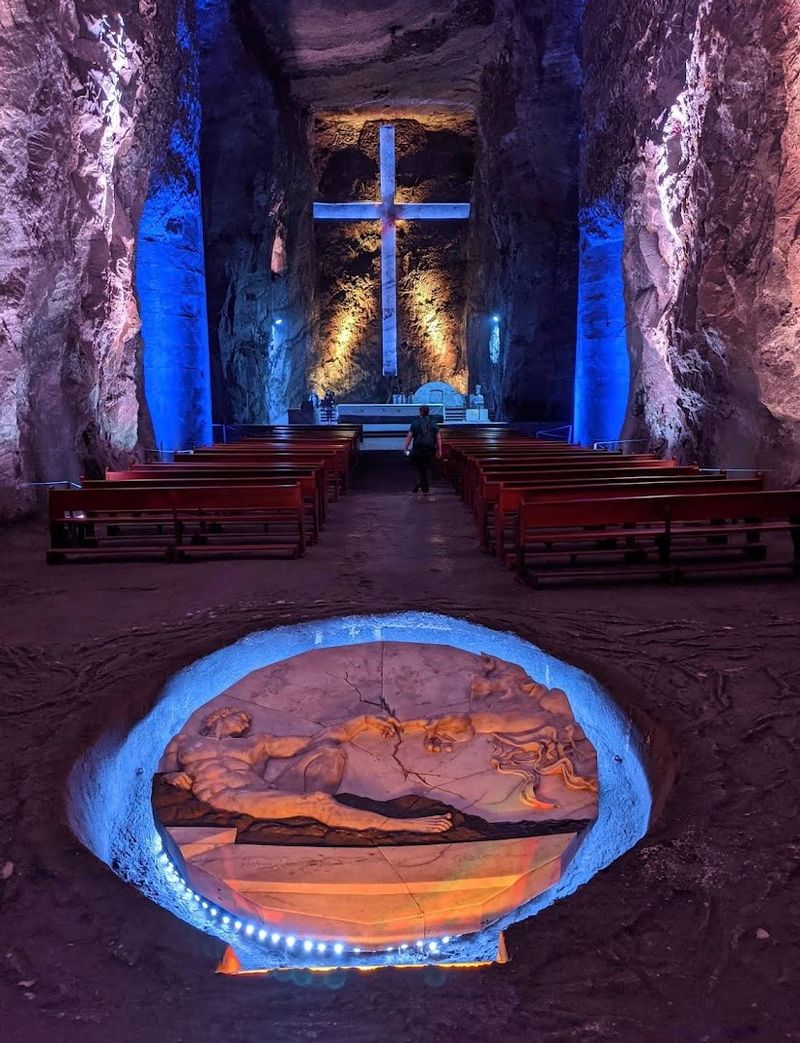
Imagine a cathedral built not above the ground, but deep inside a mountain made entirely of salt. That is exactly what you will find in Zipaquira, a small city about 49 kilometers north of Bogota, Colombia.
The Salt Cathedral was carved by miners into the tunnels of an ancient salt mine, and the current version was completed in 1995. Inside, you will find a series of chapels representing the Stations of the Cross, leading to a massive main nave where a giant illuminated cross glows dramatically from the salt walls.
The scale of it is breathtaking, with ceilings reaching up to 23 meters high in some sections.
Around 3,000 visitors can fit inside at one time, and it remains an active place of worship for the local community. Colombia named it the first wonder of Colombia in a national poll.
No photograph fully captures the awe of standing inside this extraordinary underground space.
5. Casa Pueblo, Punta Ballena, Uruguay
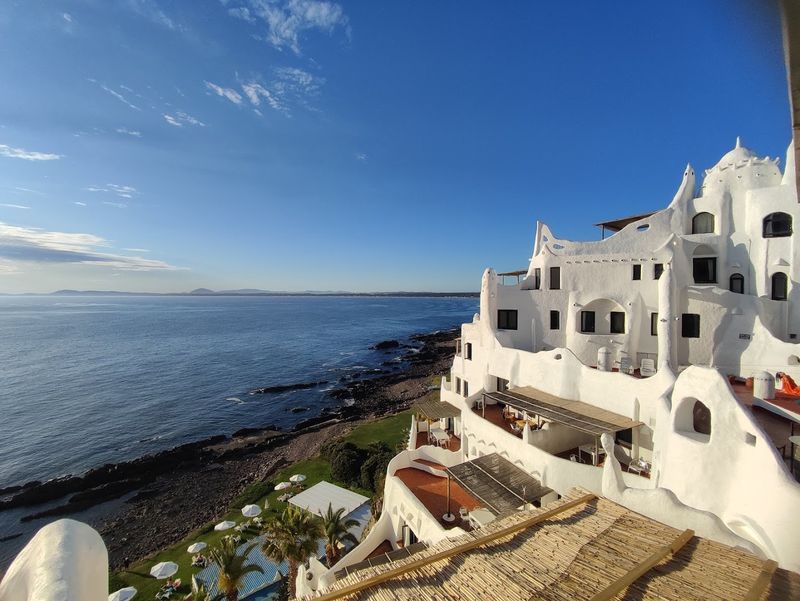
Part home, part hotel, part art gallery, and entirely one-of-a-kind, Casa Pueblo is the kind of place that makes you stop and stare. Built by Uruguayan artist Carlos Paez Vilaro starting in 1958, this cliffside structure in Punta Ballena was never built from a blueprint.
Vilaro constructed it slowly and organically over decades, adding rooms, terraces, and curves as he felt inspired. The result is a white sculptural building that clings to a rocky cliff above the Atlantic Ocean, looking almost like it grew there naturally.
Its Mediterranean influence is clear, but the free-flowing shapes give it a dreamlike quality all its own.
Today, part of the building operates as a boutique hotel and museum. Visitors come especially at sunset, when the fading golden light turns the white walls into something magical.
Casa Pueblo is proof that architecture can be just as personal and expressive as any painting or sculpture.
6. National Congress of Brazil, Brasilia, Brazil
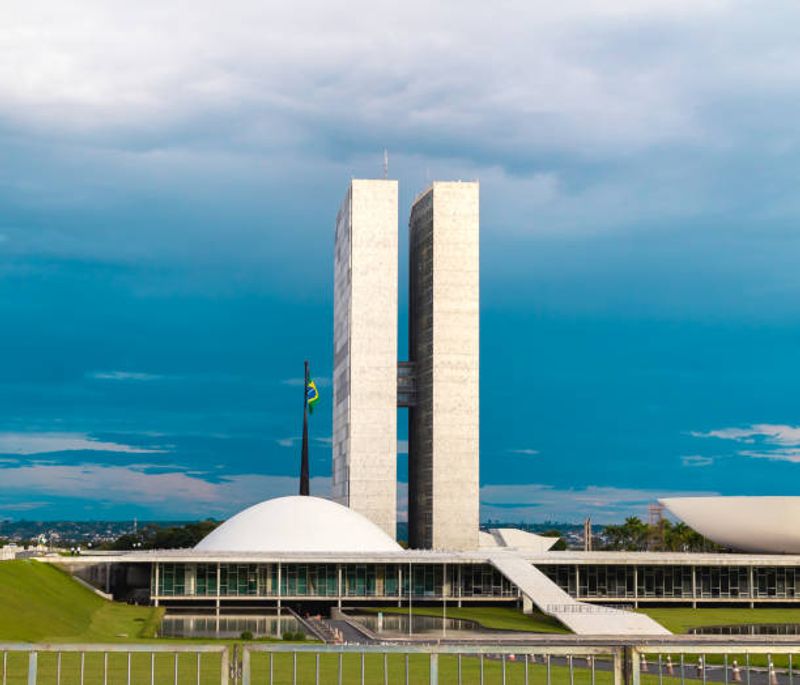
There is no building in the world quite like the National Congress of Brazil. Designed by Oscar Niemeyer and completed in 1960, this iconic structure helped define what modernist government architecture could look like in the 20th century.
Twin towers rise 28 floors above the Brazilian capital, flanked by two massive bowl-shaped chambers. One bowl faces upward, housing the Senate, while the other faces downward and contains the Chamber of Deputies.
The contrast between the vertical towers and the horizontal domes creates a visual balance that is both bold and elegant.
The building sits at the heart of Brasilia’s Monumental Axis, a city planned entirely from scratch in the late 1950s. That ambitious urban experiment earned Brasilia its UNESCO World Heritage designation.
Free guided tours of the Congress are available to the public, making this one of the most accessible architectural wonders in all of South America.
7. San Francisco Church and Monastery, Quito, Ecuador
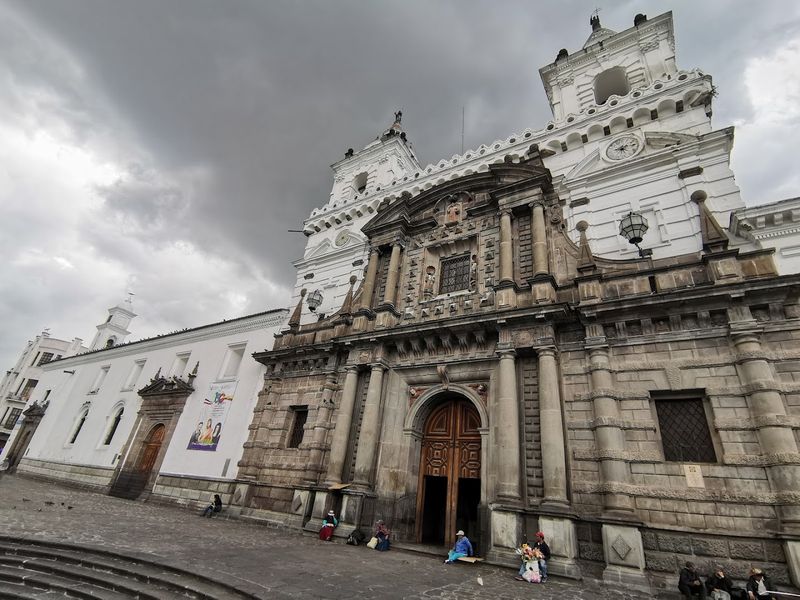
Standing in Quito’s Plaza de San Francisco and looking up at this massive white church is a humbling experience. Construction began in 1535, just a few years after the Spanish arrived in Ecuador, making this complex one of the oldest and largest colonial religious sites in all of South America.
The church took roughly 70 years to complete, and the result is a sweeping mix of Spanish Renaissance, Baroque, and even indigenous artistic influences. Inside, the altars are covered in gold leaf, and intricate carvings fill nearly every surface.
The adjoining monastery houses a museum with colonial-era paintings, sculptures, and religious artifacts that offer a fascinating window into the past.
The complex covers roughly three hectares of Quito’s historic center, which is itself a UNESCO World Heritage Site. Visiting San Francisco Church feels like stepping several centuries back in time, with every detail telling a story about the cultural fusion that shaped this region.
8. The Pink House (Casa Rosada), Buenos Aires, Argentina
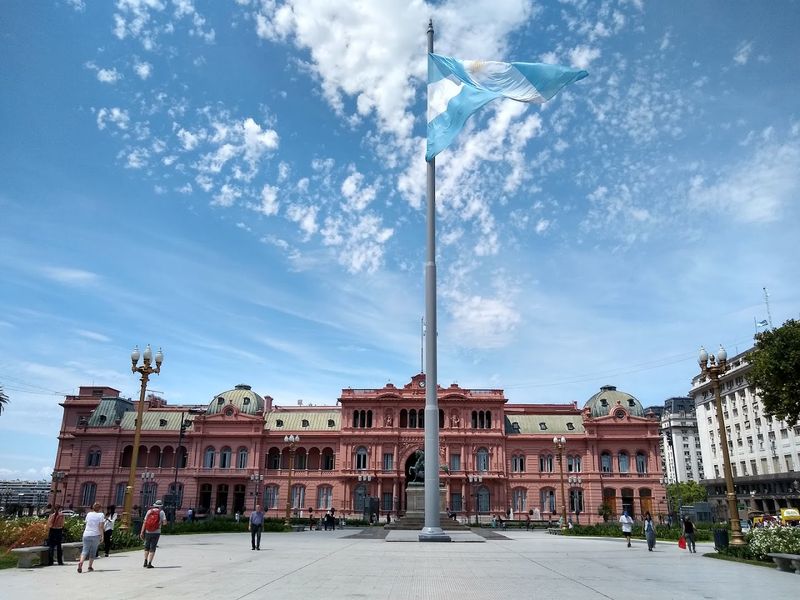
There is something almost storybook-like about a pink presidential palace, and yet Casa Rosada pulls it off with complete authority. Argentina’s executive mansion has stood on Buenos Aires’ Plaza de Mayo since the 19th century, and its rosy salmon color is one of the most recognizable sights in all of South America.
The building’s Italianate design features grand arched windows, decorative columns, and an elegant central balcony that has hosted some of Argentina’s most historic moments. Eva Peron once addressed massive crowds from that very balcony, and the image remains deeply embedded in Argentine cultural memory.
A free museum inside the palace traces the history of Argentina’s government and its many presidents. The building also backs up against a colonial-era fort that once stood on the same site.
Whether you visit during the day or see it illuminated at night, Casa Rosada delivers a powerful sense of Argentina’s proud and complex national identity.
9. Palacio Salvo, Montevideo, Uruguay
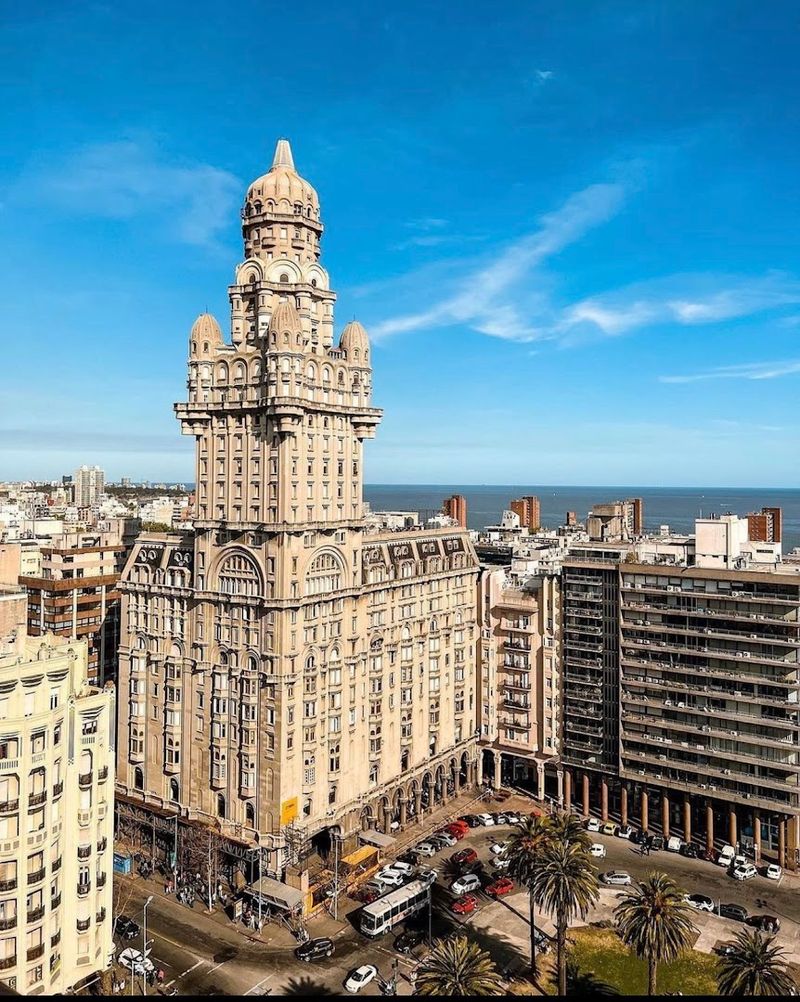
When Palacio Salvo was completed in 1928, it was the tallest building in all of South America, and it wore that title with style. Rising 26 floors above Montevideo’s Plaza Independencia, this early skyscraper remains one of the most distinctive and beloved buildings in Uruguay.
Designed by Italian architect Mario Palanti, the same man behind Buenos Aires’ Palacio Barolo, the building blends Art Nouveau details with Gothic tower elements and Renaissance touches. The result is a structure that feels dramatic and romantic, like something you might find in a European fairy tale rather than a South American capital.
For decades it served as a hotel and residential building, and today it houses offices, apartments, and a small museum. Guided tours are available for those who want to climb toward the tower and enjoy panoramic views over Montevideo and the Rio de la Plata.
Palacio Salvo is an undeniable symbol of Uruguayan architectural pride.
10. Museum of Tomorrow, Rio de Janeiro, Brazil
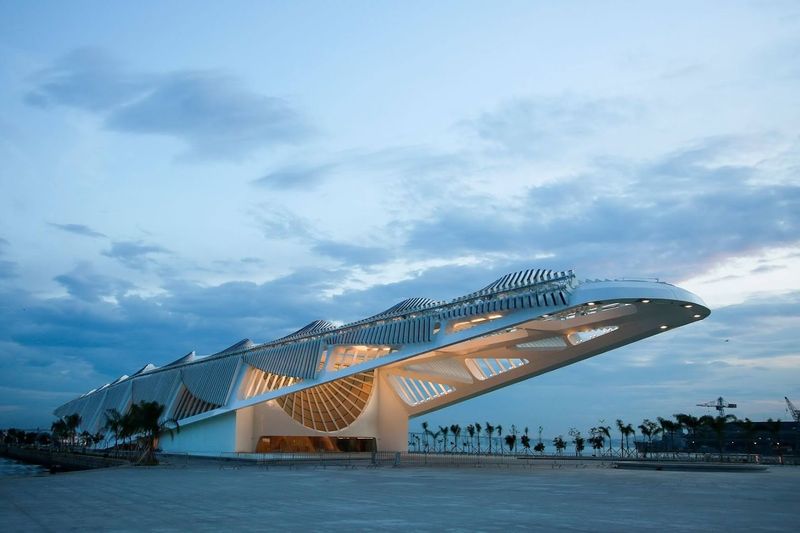
Opened in 2015 along Rio de Janeiro’s revitalized waterfront, the Museum of Tomorrow is one of the most visually striking buildings built anywhere in the world in recent decades. Designed by Spanish architect Santiago Calatrava, the structure stretches 276 meters along the Porto Maravilha pier like a sleek futuristic creature resting beside the water.
Its most distinctive feature is a series of movable solar panel fins that extend outward from the roof, adjusting throughout the day to follow the sun. The building generates much of its own energy and uses water from Guanabara Bay for cooling, making it as environmentally thoughtful as it is beautiful.
Inside, the museum explores questions about the future of humanity, climate, and our planet through immersive and interactive exhibits. The architecture itself feels like part of the message, showing that sustainable design can also be breathtakingly beautiful.
It is one of Rio’s most visited modern attractions and absolutely worth your time.
11. Monserrate Sanctuary, Bogota, Colombia
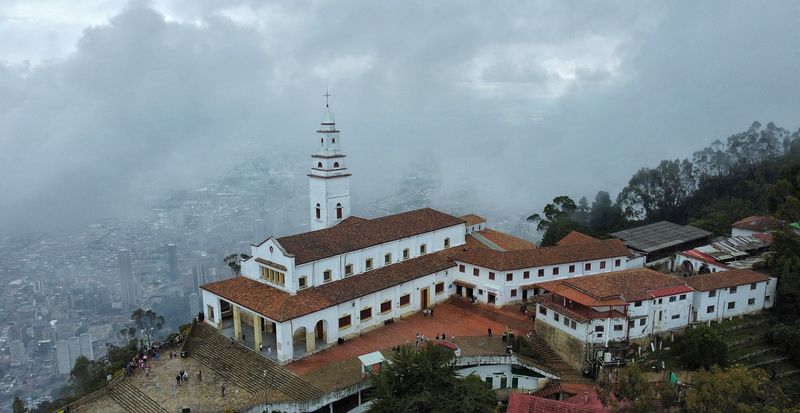
Perched 3,152 meters above sea level on a peak overlooking Bogota, the Monserrate Sanctuary has been a place of pilgrimage and wonder for centuries. Getting there is part of the experience, with options including a cable car, a funicular railway, or a steep hiking trail that locals and tourists tackle together on weekends.
The current church dates to the 17th century, though the site has held religious significance for much longer. Its white facade and ornate details stand out beautifully against the surrounding Andean cloud forest.
Inside, a statue of the Fallen Christ draws thousands of devoted pilgrims every year, many of whom climb the mountain path on their knees as an act of faith.
From the sanctuary’s terraces, the view of Bogota spreading across the savanna below is simply spectacular. The combination of natural beauty, colonial architecture, and living spiritual tradition makes Monserrate one of the most meaningful sites in all of Colombia.
12. Government Palace of Peru, Lima, Peru
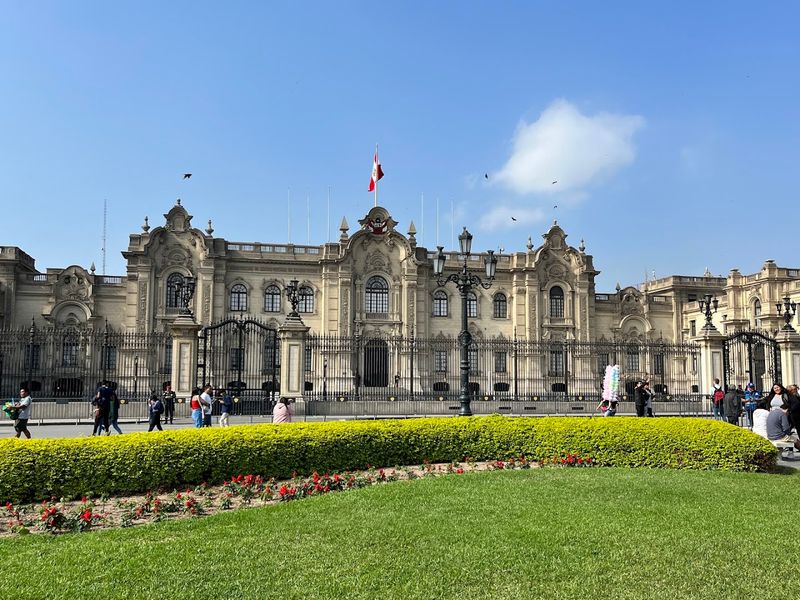
Sitting at the heart of Lima’s historic Plaza Mayor, the Government Palace of Peru carries more than five centuries of history within its walls. The site was originally chosen by Spanish conquistador Francisco Pizarro himself in 1535, making it one of the oldest continuously used government sites in the Western Hemisphere.
The current building’s elegant facade blends Baroque Revival and colonial Spanish influences, with ornate iron balconies, grand archways, and a formal dignity that suits its role as the official residence of Peru’s president. The interior features lavishly decorated rooms, gilded halls, and a golden throne room that reflects the grandeur of past centuries.
Every day at noon, the changing of the guard ceremony takes place outside the palace with military precision and traditional music, drawing large crowds of visitors. Free public tours of certain interior areas are available on select days.
The palace is a proud centerpiece of Lima’s UNESCO-listed historic district.
13. Church of San Francisco, Salvador, Brazil
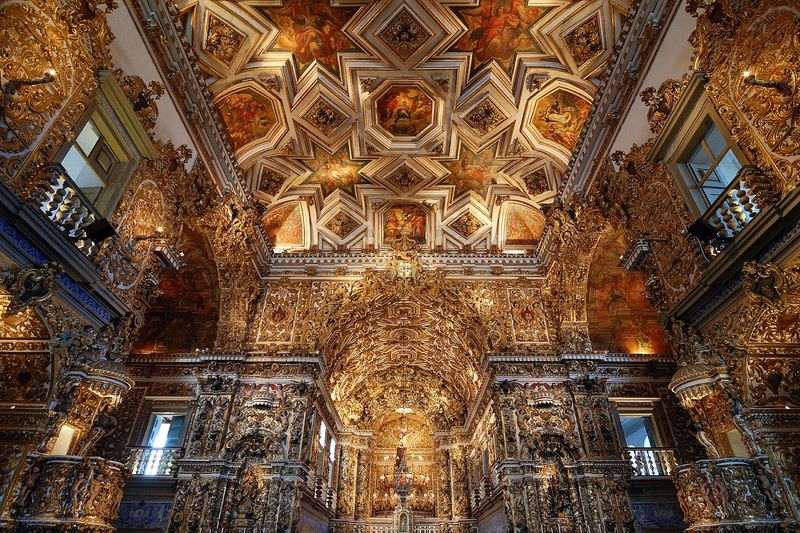
Gold covers nearly every surface inside the Church of San Francisco in Salvador, and the effect is nothing short of overwhelming. Completed in the early 18th century, this Baroque masterpiece is estimated to contain between 800 kilograms and one ton of gold leaf applied to its elaborately carved wooden interior.
The church is part of a larger Franciscan convent complex in Salvador’s historic Pelourinho neighborhood. The exterior is modest by comparison, which makes stepping inside feel like discovering a hidden treasure.
Surrounding the gold-covered nave are stunning blue and white azulejo tile panels imported from Portugal, depicting scenes from the life of Saint Francis of Assisi.
Salvador was the first capital of colonial Brazil, and this church reflects the enormous wealth and religious ambition of that era. UNESCO has recognized the Pelourinho neighborhood as a World Heritage Site.
The Church of San Francisco stands as one of the finest examples of Portuguese colonial Baroque architecture anywhere in the Americas.
14. The Royal Portuguese Cabinet of Reading, Rio de Janeiro, Brazil
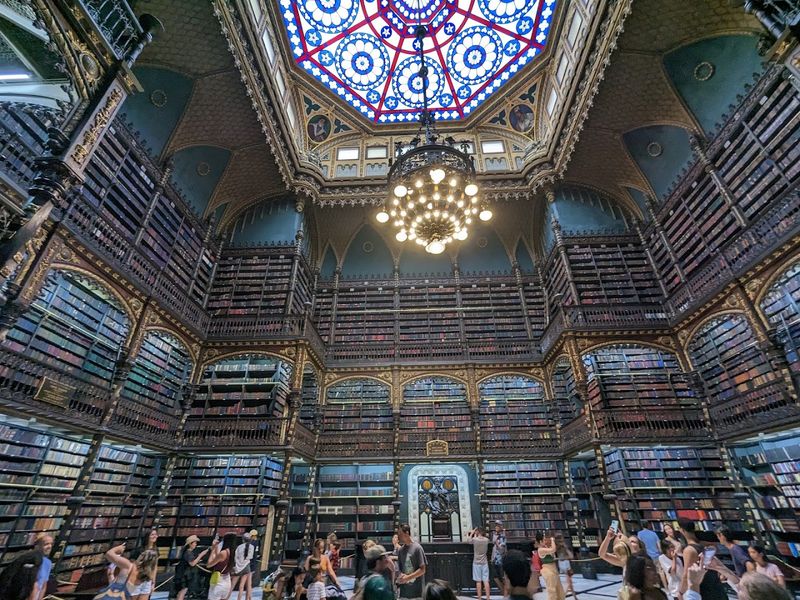
If you have ever imagined what the most beautiful library in the world might look like, the Royal Portuguese Cabinet of Reading in Rio de Janeiro comes remarkably close to that vision. Founded in 1837 by Portuguese immigrants, this extraordinary institution houses over 350,000 volumes, including some of the rarest books and manuscripts in the Portuguese-speaking world.
The current building was completed in 1887 in a neo-Manueline style, a decorative Portuguese architectural tradition inspired by maritime exploration. Carved stone facades featuring armillary spheres, ropes, and sea creatures cover the exterior, while inside, three floors of dark wood bookshelves rise toward a stunning iron and stained glass skylight.
Many visitors say it resembles a setting from a fantasy novel, and it is easy to see why. The library is open to the public and free to enter.
Spending even just 30 minutes inside this space is a genuinely magical experience that book lovers will never forget.
15. Cusco Cathedral, Cusco, Peru
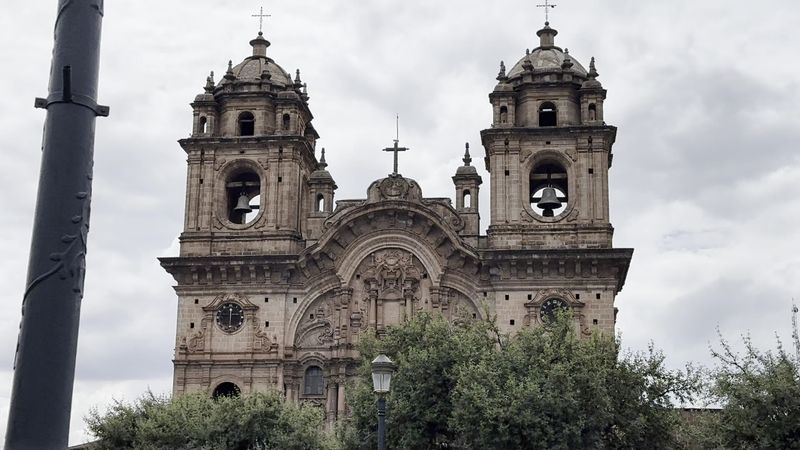
Built on top of the palace of the Inca emperor Viracocha, Cusco Cathedral carries layers of history that very few buildings in the world can match. Construction began in 1559 and took nearly 100 years to complete, using stones taken directly from the nearby Inca fortress of Sacsayhuaman.
The facade is a commanding example of Spanish Renaissance architecture, with twin bell towers that dominate the Plaza de Armas and can be seen from across the city. Inside, the cathedral blends European Baroque design with indigenous Andean artistic traditions in a style known as mestizo or Andean Baroque.
One of its most famous works is a painting of the Last Supper that depicts Jesus and his disciples eating traditional Peruvian food, including guinea pig.
That small detail speaks to something larger about Cusco Cathedral: it is a building where two worlds genuinely met and merged. Visiting here, at over 3,400 meters elevation, is both a cultural and a physical adventure worth every step.
Share this story