 Unearth The Voyage
From radar returns to eyewitness testimony, some UFO sightings stand out for their scale, detail, and official attention. This curated list revisits 15 of the most discussed cases worldwide, balancing what was reported with what investigators later found.
You will see where accounts align, where they conflict, and why some incidents still spark debate. Use it as a clear, credible guide to the events people still ask about.
1. Roswell Incident (USA, 1947)
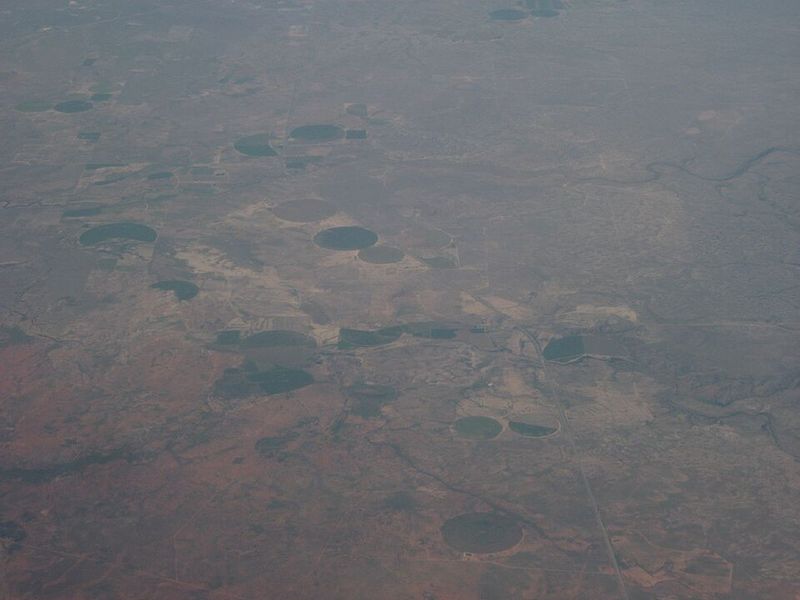
In July 1947, a rancher near Roswell found unusual debris scattered across the desert. Local Army Air Field personnel initially stated they had recovered a flying disc, a claim that sparked national headlines.
Within a day, the military retracted the statement, saying the debris came from a weather balloon. That reversal fueled decades of speculation and media attention.
Later investigations, including a 1990s US Air Force report, attributed the debris to Project Mogul, a classified program using high altitude balloons to detect Soviet nuclear tests. The Air Force also addressed later body claims by citing test dummies and misremembered timelines.
Still, competing narratives persisted in books, television, and conventions, reinforcing Roswell as a cultural touchstone. Researchers continue to analyze eyewitness accounts and archival records.
For many, Roswell represents the moment UFOs entered mainstream conversation. It highlights media dynamics, military secrecy, and public curiosity working together.
2. Phoenix Lights (USA, 1997)
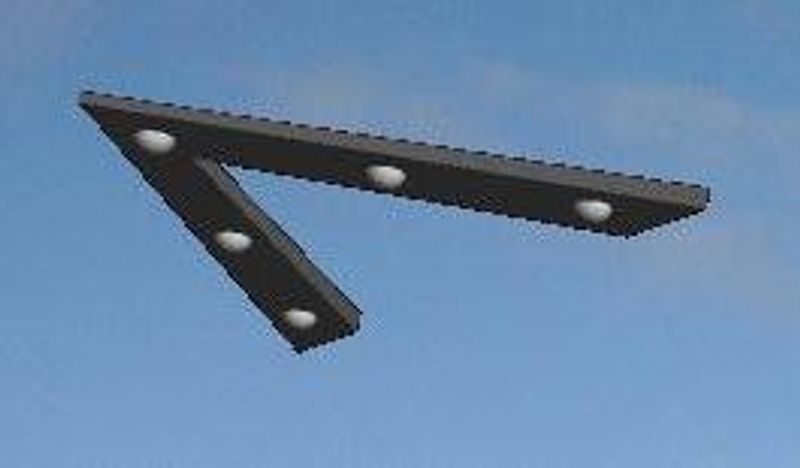
On March 13, 1997, thousands across Arizona reported a massive V shaped arrangement of lights moving silently overhead. Witnesses described a slow, coherent formation, sometimes likened to a solid craft blocking stars, although video mostly captured separate lights.
The event unfolded over hours, generating hotlines, media coverage, and long term debate. Explanations diverged, from flares to unconventional aircraft.
Authorities later said parts of the display were illumination flares dropped during a training exercise near the Barry Goldwater Range. That accounted for some videos, especially those showing lights drifting and winking out behind mountains.
Yet many witnesses insisted they saw a structured object earlier in the evening. The contrast between accounts and footage kept the case alive.
The Phoenix Lights remain a landmark mass sighting. They illustrate how timing, geography, and perception shape what people report and what cameras record.
3. Rendlesham Forest Incident (UK, 1980)
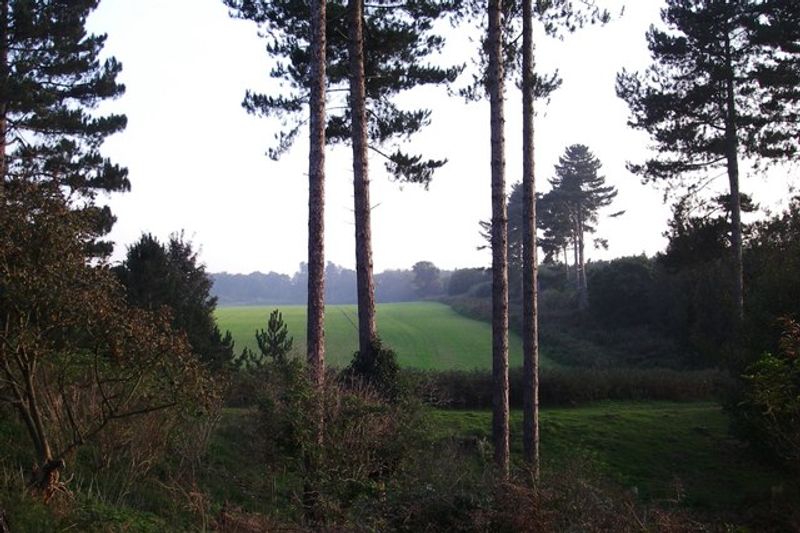
Between December 26 and 28, 1980, US Air Force personnel from RAF Woodbridge and RAF Bentwaters investigated unusual lights in Rendlesham Forest, Suffolk. Key figures documented observations, including ground impressions, radiation readings, and a sketch of a triangular craft.
Deputy base commander Lt. Col.
Charles Halt recorded an audio tape during a later foray, noting moving lights and beams. Official memos later surfaced, fueling public interest.
Skeptics point to misidentified lighthouse beams from Orfordness, bright stars, and mundane sources for the impressions. The radiation readings have been debated, with critics calling them within background range.
Nonetheless, multiple trained observers, logs, and the Halt memo give the case unusual depth. Media dubbed it Britain’s Roswell, amplifying scrutiny.
Rendlesham endures because it features military witnesses, contemporaneous documentation, and conflicting interpretations. It remains a carefully dissected case in books, documentaries, and skeptical analyses.
4. Tic Tac UFO (USA, 2004)
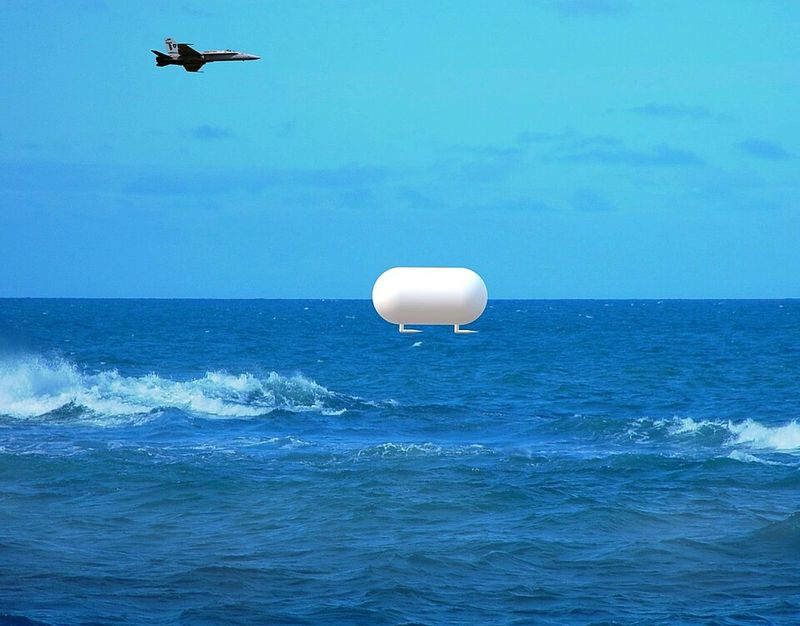
In 2004, US Navy pilots from the USS Nimitz Carrier Strike Group encountered an object described as white, tic tac shaped, and capable of rapid acceleration. Commander David Fravor’s account details erratic movement over the Pacific, with a later FLIR video showing a target with unusual behavior.
Radar operators reported corroborating contacts, and training exercises were briefly disrupted. The case entered mainstream coverage years later.
Released Navy videos and official confirmations of their authenticity elevated the discussion. Analysts debated sensor artifacts, range ambiguity, and gimbal effects, noting limitations of infrared imagery.
Even so, experienced aviators’ testimony plus radar reports gave the incident unusual credibility. Official programs studying UAPs added context to ongoing inquiries.
The Tic Tac case is often cited in policy debates about pilot reporting and sensor upgrades. It underscores the need for rigorous data collection, standardized procedures, and transparency.
5. Belgian UFO Wave (Belgium, 1989-1990)
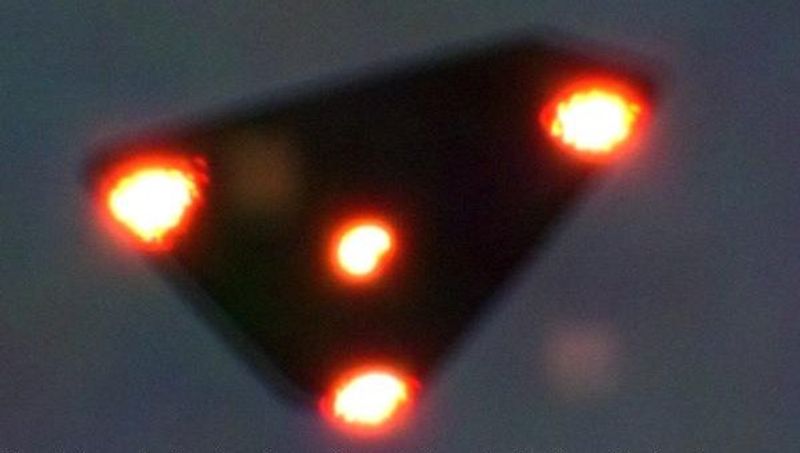
From late 1989 into 1990, Belgium experienced a wave of UFO reports, often describing large triangular objects with lights at the corners. Witnesses included civilians, police, and air force personnel.
The Belgian Air Force investigated and released a measured report, acknowledging radar contacts and attempted intercepts without definitive identification. A famous photograph later faced authenticity questions.
Scrambles of F 16 jets recorded radar locks that vanished unpredictably, which some analysts attributed to clutter or processing artifacts. Others argued flight characteristics seemed unconventional.
The wave’s breadth made it notable, yet hard data remained limited. Authorities emphasized transparency, which was unusual at the time and appreciated by researchers.
The Belgian wave stands out for official engagement and consistent triangle descriptions. It sparked lasting interest in triangular UFOs.
The case is frequently cited in discussions about radar reliability, perception at night, and public communication strategies.
6. Westall UFO (Australia, 1966)
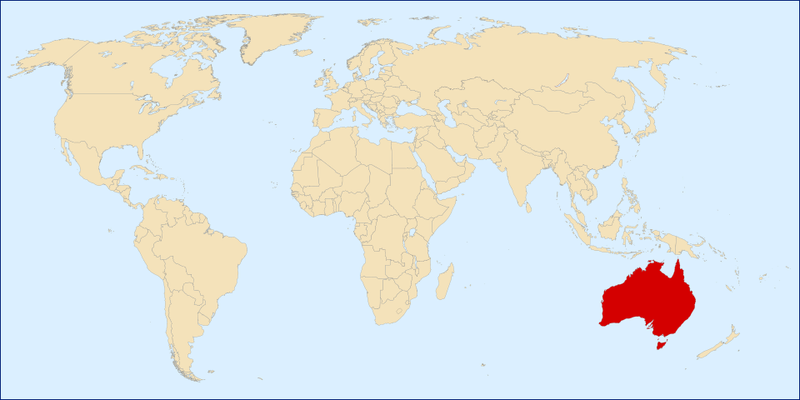
On April 6, 1966, students and staff near Melbourne reported a disc shaped object descending toward a field by Westall High School. Hundreds allegedly watched as it maneuvered and then departed at speed.
Some recalled ground traces in a nearby paddock and a quick response by authorities. The event became one of Australia’s most discussed schoolyard cases.
Contemporary newspaper coverage was limited, and official records are sparse, leaving researchers to rely on interviews decades later. Skeptical explanations suggest balloons or aircraft, with memory drift affecting details.
Supporters cite multiple independent testimonies and consistent core elements. Documentaries and reunions revived public interest, collecting new statements.
Westall endures because of the number of youthful witnesses and the daytime setting. It illustrates challenges in reconstructing events when documentation is thin.
The case invites careful weighing of testimony, environment, and potential prosaic triggers.
7. Ariel School Encounter (Zimbabwe, 1994)
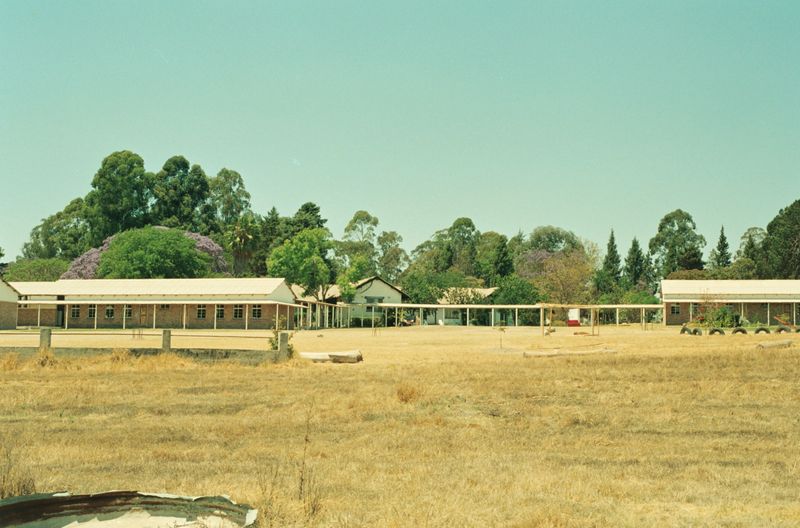
In September 1994, dozens of children at Ariel School in Ruwa reported seeing a small craft land near the playground and figures nearby. Psychologist John Mack later interviewed students, documenting strikingly consistent narratives and emotional reactions.
Teachers did not witness the core event but noted the children’s urgency. Media coverage brought global attention.
Critics argue that contagion, suggestion, and interview techniques could shape the accounts. Supporters point to the children’s independent drawings and similar descriptions.
No physical evidence definitively tied to the report emerged. The case remains a focal point for discussions about witness reliability, especially with young observers.
Ariel School stands out because testimonies were recorded soon after the event with on camera interviews. The setting, daylight conditions, and number of witnesses make it influential in UFO literature.
It underscores the role of psychology and methodology in evaluating extraordinary claims.
8. Lonnie Zamora / Socorro Incident (USA, 1964)
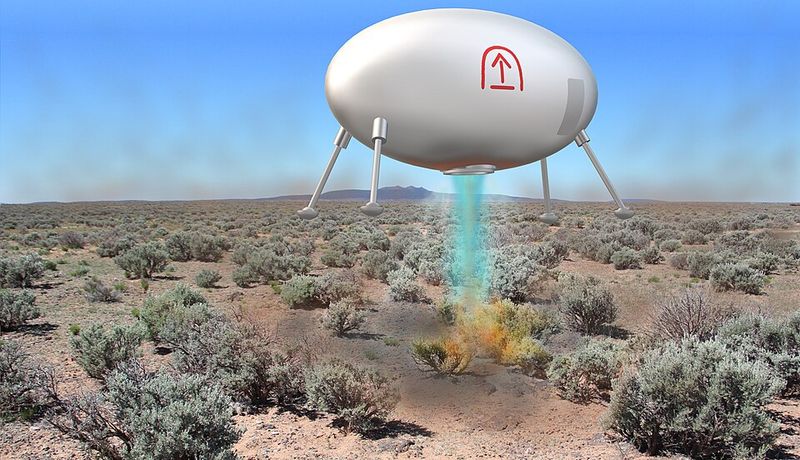
On April 24, 1964, police officer Lonnie Zamora pursued a speeding car and then diverted toward a roaring sound and smoke. He reported seeing an oval, egg shaped object on legs and two small figures before it lifted off rapidly.
Physical traces, including landing impressions and scorched brush, were documented on site. The case drew swift media and military attention.
Investigators from Project Blue Book and NICAP interviewed Zamora, who remained consistent and credible. Explanations have included a prank, test craft, or misidentified phenomenon, but no consensus emerged.
Soil and vegetation effects suggested a real event, though their cause is debated. The location became a point of interest for researchers.
Socorro is often cited as a strong close encounter case with a trained witness and ground evidence. It highlights how trace cases can be compelling yet inconclusive.
The mystery endures.
9. Washington, D.C. UFO Incidents (USA, 1952)
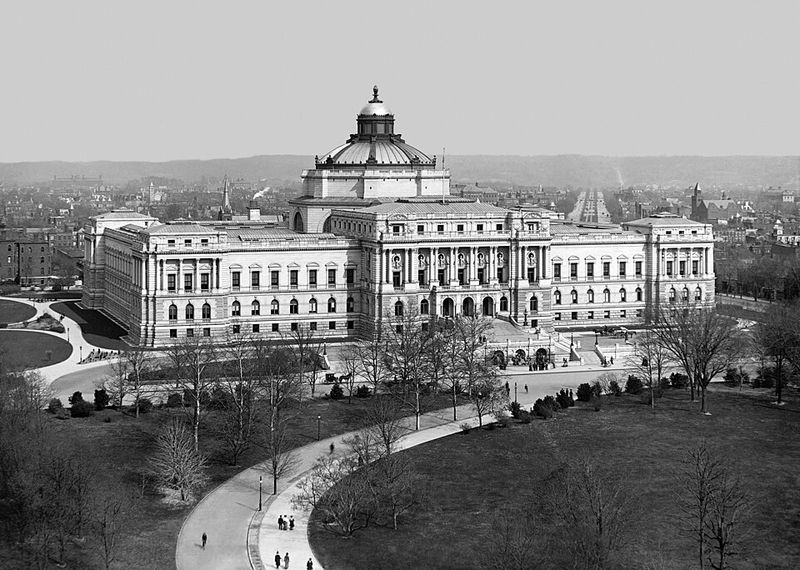
In July 1952, radar operators and pilots reported unidentified targets over Washington, D.C., on multiple nights. Interceptors were scrambled, and newspapers ran front page stories, prompting a Pentagon press conference.
Witnesses described lights maneuvering at high speed, while radar showed returns that came and went. The scale of attention was extraordinary for the era.
Explanations included temperature inversions creating false radar targets and misidentifications of stars or aircraft. The Air Force’s Project Blue Book leaned toward atmospheric causes, though not every detail was settled.
The event significantly shaped public and policy discussions around UFOs. It also influenced later reporting protocols.
The Washington incidents demonstrate the complexities of radar interpretation and nighttime observation. They show how technical and environmental factors can converge during periods of heightened vigilance.
The case remains a benchmark in the history of official UFO responses.
10. The Battle of Los Angeles (USA, 1942)
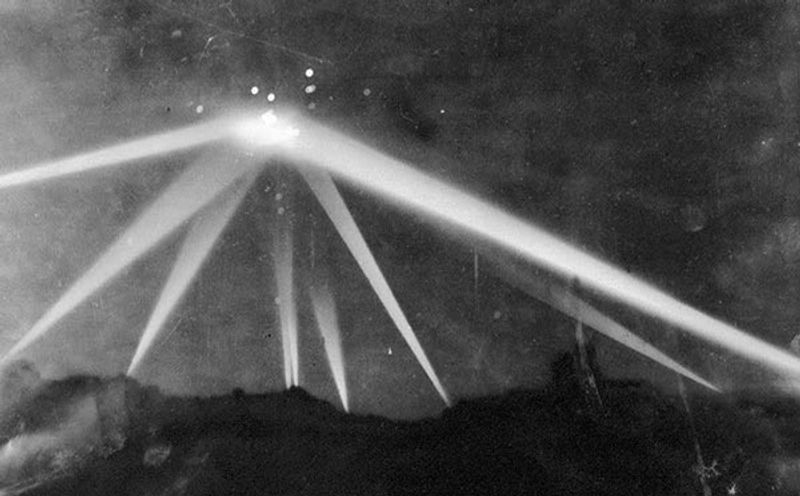
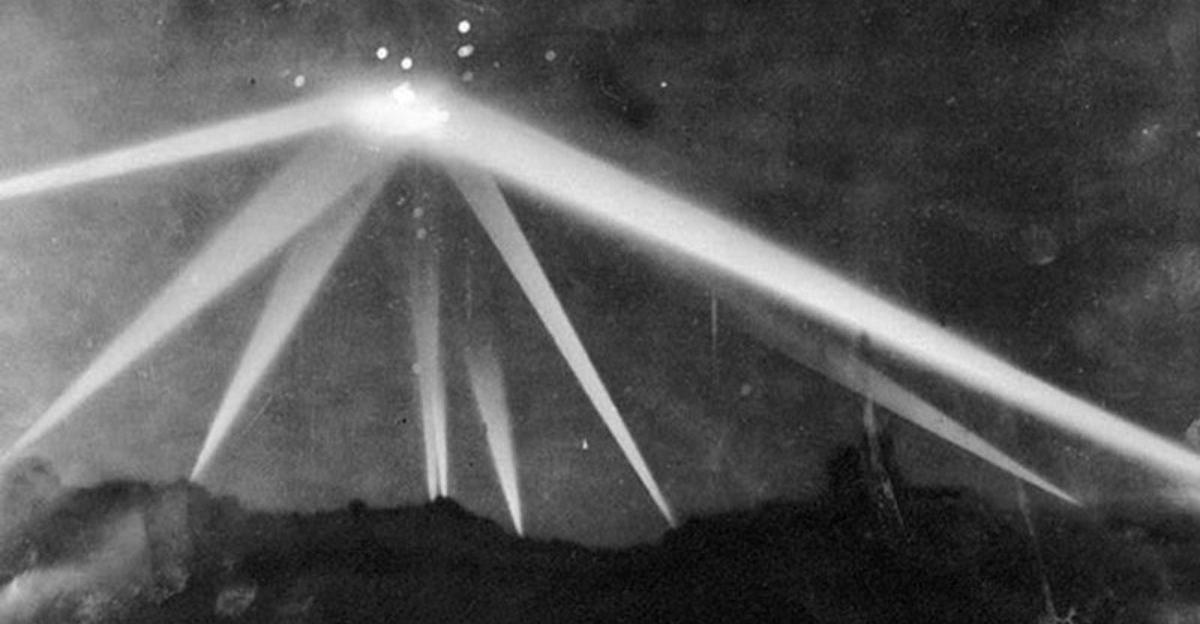
In February 1942, weeks after Pearl Harbor, anti aircraft batteries opened fire over Los Angeles amid reports of an object in the sky. Searchlights crisscrossed as shells burst, and civilians watched from neighborhoods.
Newspapers published dramatic photos, and initial speculation ranged from enemy aircraft to something unknown. The incident heightened wartime anxiety.
Later assessments suggested weather balloons and nerves contributed to the barrage, with shrapnel causing most damage on the ground. Official statements leaned toward false alarm, noting no confirmed enemy craft.
The episode entered UFO lore due to the striking imagery and uncertainty about the target. It also shaped civil defense procedures.
The Battle of Los Angeles is often revisited to illustrate how context influences interpretation. Under stress, ambiguous cues can escalate into large responses.
It remains a cautionary example of perception under pressure and limited information.
11. Shag Harbour UFO (Canada, 1967)
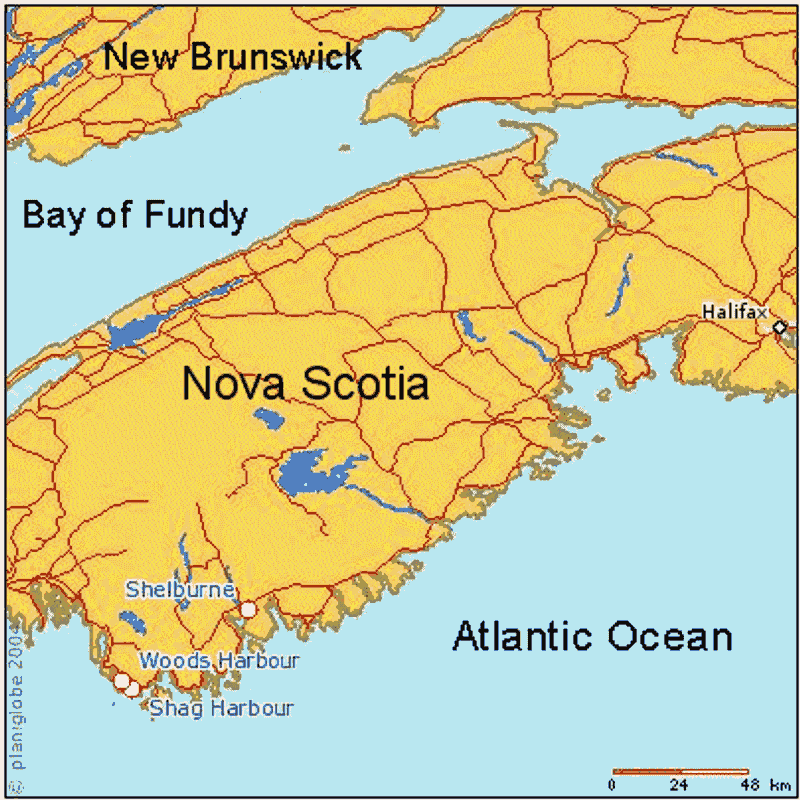
On October 4, 1967, witnesses in Shag Harbour reported a low flying illuminated object that appeared to hit the water. The Royal Canadian Mounted Police documented calls and coordinated a search with local boats and later naval assistance.
An oil like slick was observed, but no wreckage was recovered. Official reports listed the event as an unknown.
Some researchers proposed that a conventional aircraft crash could explain initial observations, yet no missing aircraft matched. Others suggested meteor activity.
Canadian government files, including Maritime Command communications, added credibility to the record. The case is one of the few with immediate official response focused on a possible impact.
Shag Harbour is valued for documentation, rapid investigation, and a clear timeline. Despite diligent searches, physical evidence proved elusive.
The incident remains a structured, well recorded mystery in Canadian UFO history.
12. Tehran UFO Incident (Iran, 1976)
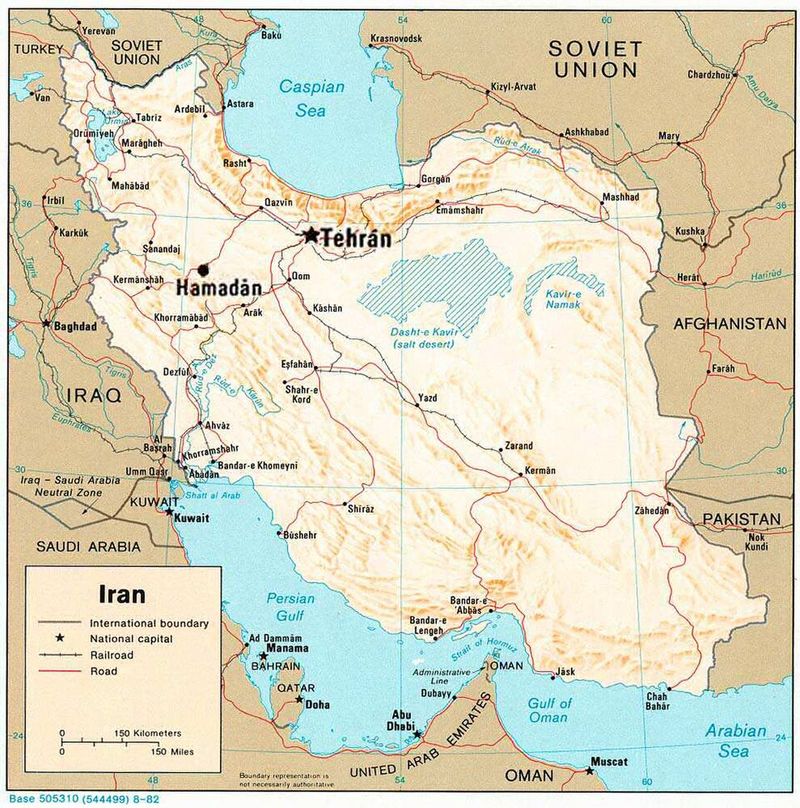
In September 1976, Iranian Air Force F 4 jets were scrambled to investigate a luminous object over Tehran. Pilots reported equipment malfunctions when approaching, including weapons control issues that resolved when they withdrew.
Radar and visual observations were documented, and a US Defense Intelligence Agency memo later summarized the case. The event received attention for technical specifics.
Skeptics cite astronomical sources, such as bright stars or meteors, combined with instrument issues and stress. Supporters emphasize multiple radar returns and pilot testimony.
The memo’s detail made it a staple in UFO literature. Discrepancies among accounts complicate definitive conclusions.
Tehran’s incident is frequently used in discussions about electromagnetic interference claims in UFO reports. It highlights the value of cross checking radar, cockpit logs, and maintenance data.
The combination of military context and reported system effects keeps it in focus.
13. Valensole UFO (France, 1965)

On July 1, 1965, farmer Maurice Masse near Valensole reported encountering a small domed craft in his field and two short figures. He described being briefly immobilized before the object departed.
Investigators noted ground impressions and changes to soil and plants, though methodologies varied. The rural setting added vivid detail to the account.
Skeptical analyses propose misinterpretation or hoax, pointing to inconsistent elements and the lack of corroborating witnesses. Supporters argue Masse was a respected local with little incentive to fabricate.
French investigators cataloged physical traces, though laboratory conclusions remain debated. The case became a classic in French ufology.
Valensole is notable for claimed physiological effects on the witness and vegetation. It demonstrates how trace evidence can be compelling but open to alternative explanations.
The story continues to be revisited with agricultural and forensic perspectives.
14. The Cash-Landrum Incident (USA, 1980)
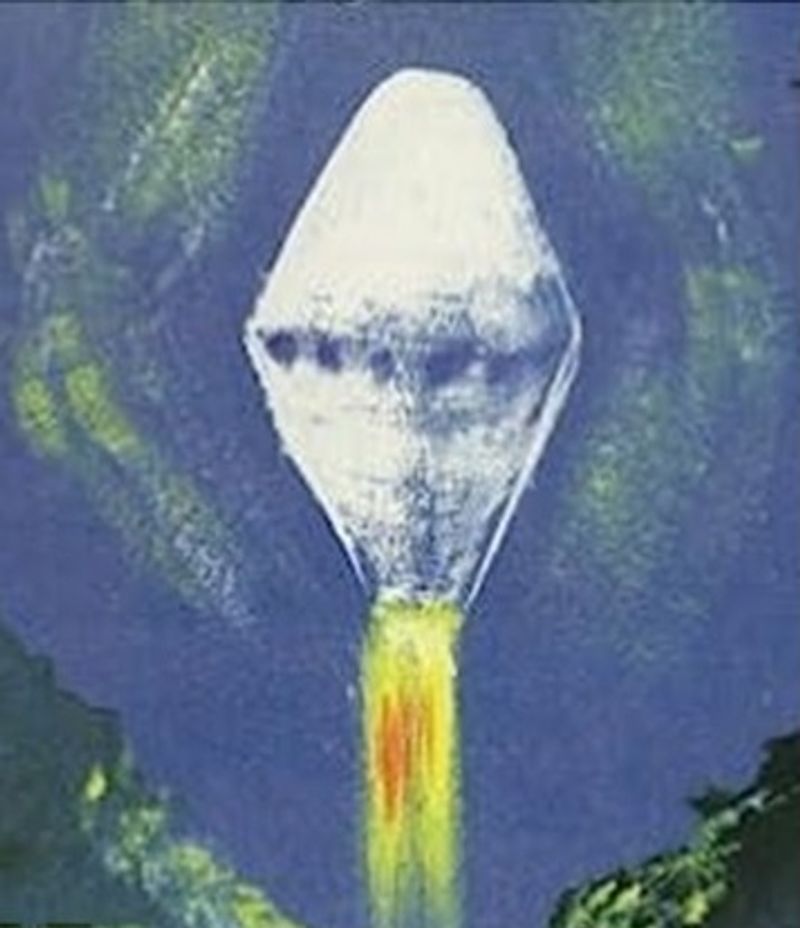
In December 1980, Betty Cash, Vickie Landrum, and Colby Landrum reported encountering a bright, diamond shaped object over a Texas road. They described intense heat, after which Betty Cash suffered significant health issues.
Numerous helicopters were allegedly seen in pursuit. The witnesses later sought legal redress, prompting broader attention.
Investigations searched for military records of helicopter activity but found no confirmation. Medical documentation exists, though direct causation remains unproven.
Skeptics suggest a misidentified aircraft plus unrelated illnesses, while supporters cite timing and symptoms. The absence of clear official records complicates conclusions.
Cash Landrum remains one of the most discussed close encounters with reported injuries. It underscores the need for meticulous medical and environmental data collection in such cases.
The incident’s human dimension, including health impacts and legal efforts, has kept it prominent.
15. The “Foo Fighters” (Europe, WWII era)
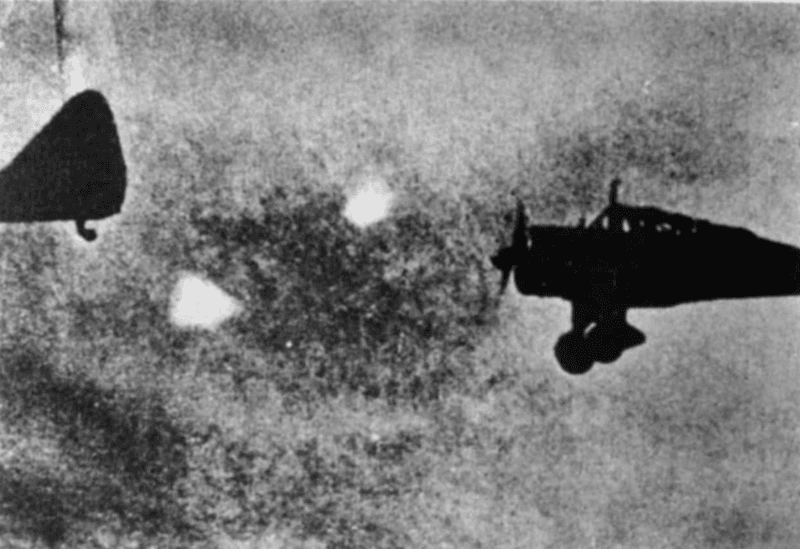
During World War II, Allied and Axis pilots reported glowing lights that paced aircraft, often called foo fighters. Descriptions included spheres or orbs that maneuvered seemingly intelligently without obvious threat.
Reports came from multiple theaters, especially night missions. Newspapers and military briefings noted the phenomenon without firm identification.
Proposed explanations range from St. Elmo’s fire and ball lightning to psychological effects under stress and misidentified enemy technology. Postwar reviews found no single solution that fit all accounts.
The lack of physical evidence left the topic open. Pilots’ credibility and consistent themes kept it in discussion.
Foo fighters illustrate how high stress, low visibility operations can yield perplexing observations. They also show how wartime secrecy limited data sharing.
The term became part of aviation folklore, reminding investigators to consider atmospheric, physiological, and tactical factors together.



