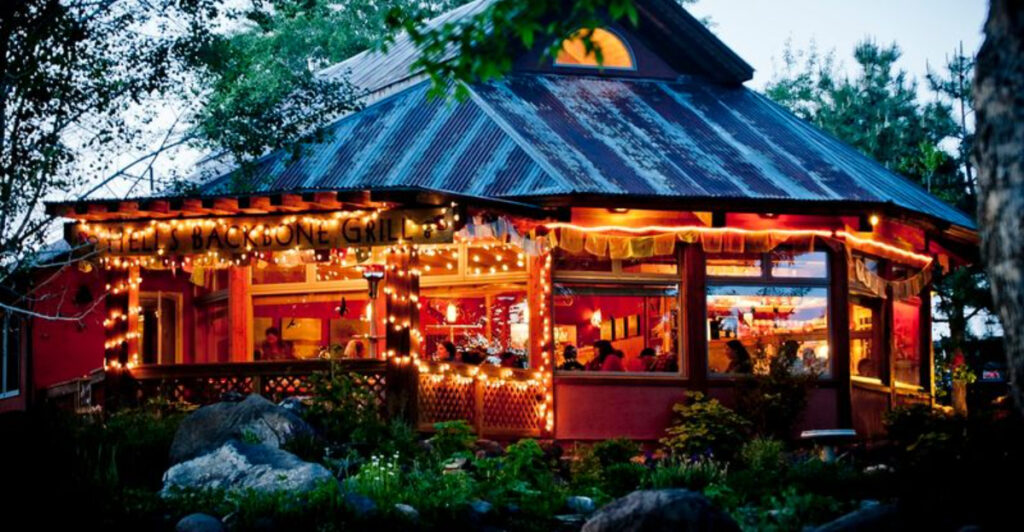
Some restaurants are worth driving hours to reach, crossing water to find, or hiking miles into the mountains just to sit down for a meal. These places are not just about the food, though the food is often spectacular.
They are about the journey, the setting, and the feeling that you have discovered something truly special. From Alaska’s misty coastlines to the peaks of the Great Smoky Mountains, these 15 remote restaurants prove that the best tables are sometimes the hardest ones to reach.
The Saltry — Halibut Cove, Alaska
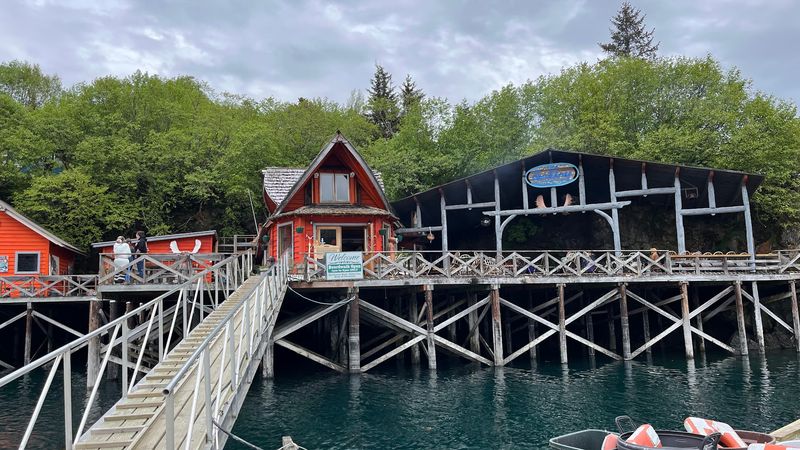
Getting to The Saltry means hopping on a boat from Homer, Alaska, and cruising across Kachemak Bay to a tiny island most people could not find on a map. The journey alone sets the mood for something extraordinary.
By the time the dock comes into view, you already feel miles away from ordinary life.
The menu leans hard into wild Alaskan seafood, with halibut, salmon, and fresh-caught shellfish prepared simply and brilliantly. Local ingredients shine here because there is no pretense, just honest cooking in a breathtaking place.
The Saltry has operated since 1984, quietly earning its reputation one boat ride at a time.
Halibut Cove itself is a community of artists and fishermen connected entirely by water. No roads run through it, which means the only vehicles you will see are boats.
That isolation gives every meal a quality that is hard to put into words but impossible to forget once you have experienced it firsthand.
Tennessee Pass Cookhouse — Leadville, Colorado
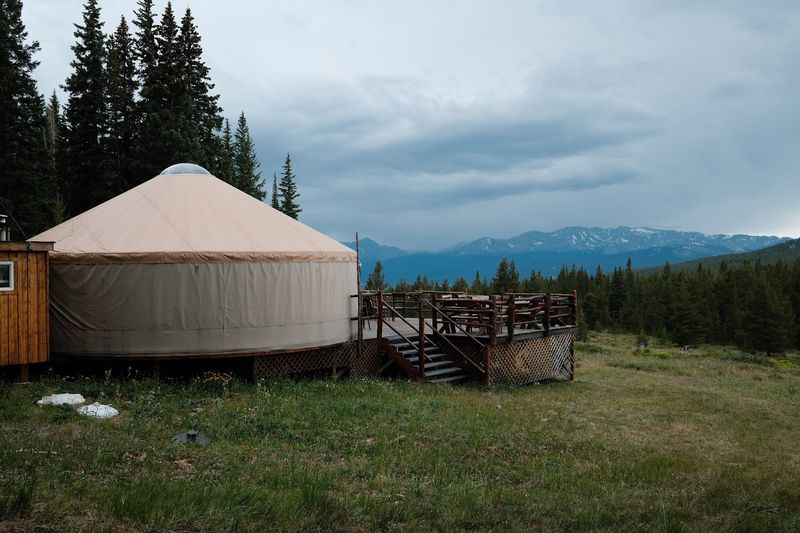
Strapping on snowshoes and trekking a mile through a snow-covered Rocky Mountain forest is not the typical way people start a dinner reservation. At Tennessee Pass Cookhouse, that snowy hike is the opening act.
The anticipation builds with every crunching step through the pines.
Sitting at 10,600 feet above sea level near Leadville, Colorado, this canvas yurt restaurant serves a four-course prix fixe menu that changes with the seasons. Think roasted elk, wild mushroom soups, and locally sourced root vegetables prepared with genuine care.
The warmth inside the yurt after the cold outside hits like a hug from a very good chef.
Summer visitors can arrive by foot or mountain bike along scenic trails, making the Cookhouse a year-round adventure. The surrounding San Isabel National Forest provides a backdrop that no interior designer could ever replicate.
Leadville is already the highest incorporated city in the United States, so dining here genuinely feels like eating on top of the world, because you basically are.
Hell’s Backbone Grill — Boulder, Utah
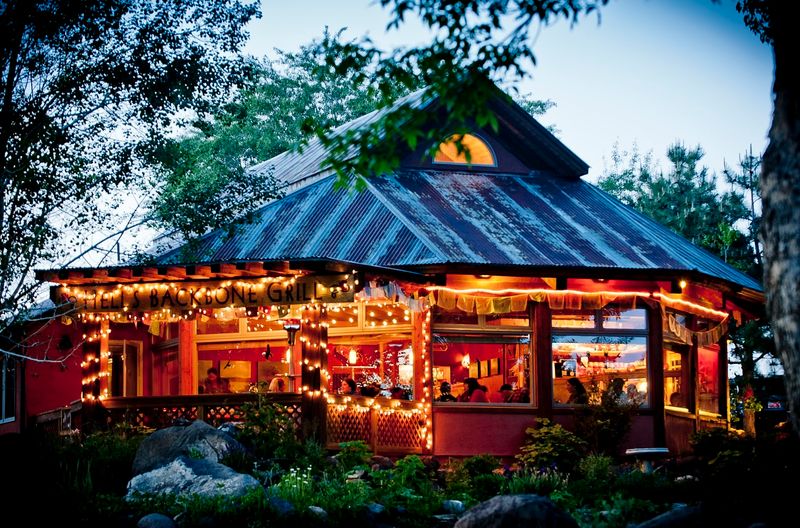
Boulder, Utah has a population of around 200 people, which makes the national fame of Hell’s Backbone Grill all the more remarkable. Travelers cross miles of winding desert highway through Grand Staircase-Escalante country just to eat here, and they leave talking about it for years.
The red rock scenery along the drive is its own kind of appetizer.
Founded by two Buddhist practitioners, the restaurant operates on principles of sustainability, community, and respect for the land. Everything on the menu reflects the surrounding environment, from the garden-fresh vegetables grown on their own farm to the locally raised meats and foraged ingredients.
The Southwestern flavors are bold, earthy, and deeply satisfying.
The restaurant also serves as a gathering place for hikers, road trippers, and curious food lovers passing through one of Utah’s most spectacular but undervisited regions. Breakfast, lunch, and dinner are all available during the season.
Plan ahead though, because Hell’s Backbone operates seasonally and tables fill up fast once word spreads that you can actually eat this well in the middle of nowhere.
Rattlesnake Saloon — Tuscumbia, Alabama
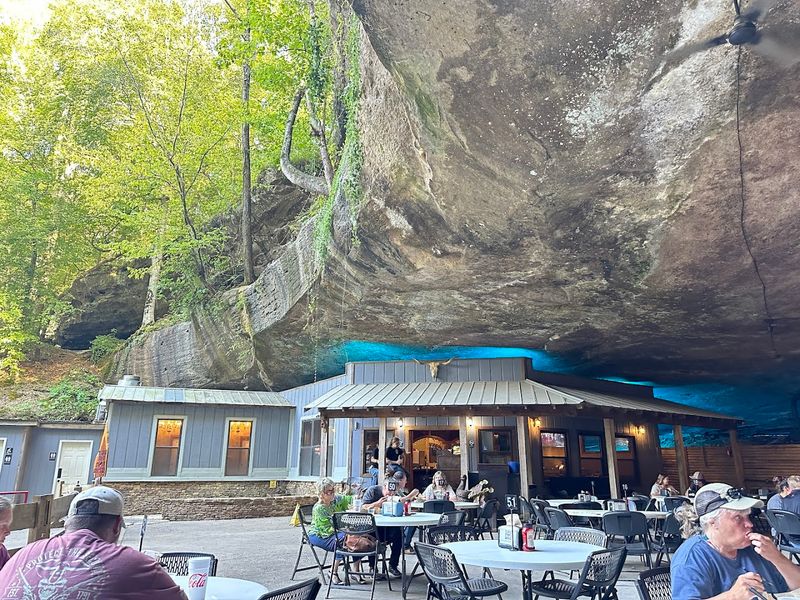
Tucked beneath a natural rock overhang in the rural hills of northwest Alabama, Rattlesnake Saloon is the kind of place you stumble upon in a dream and spend years trying to describe to people who were not there. The canyon setting is genuinely jaw-dropping, and that is before you even order a burger.
Nature did most of the interior decorating here.
Getting there involves driving down a dirt road and descending into a wooded canyon, which already feels like a small adventure. Once you arrive, picnic tables, live music, cold drinks, and a lively crowd make the atmosphere feel like a party that nature itself is hosting.
The menu keeps things classic with burgers, ribs, and Southern comfort food done right.
Weekend nights bring live bands and a festive energy that fills the rock overhang with music in a way no concert hall could replicate. Rattlesnake Saloon has been featured on national travel programs and in countless road trip guides, yet somehow it still feels like a local secret.
Visiting on a warm summer evening, with fireflies flickering at the canyon edges, is a genuine bucket-list kind of moment.
SmacNally’s Waterfront Bar and Grill — Ocracoke, North Carolina
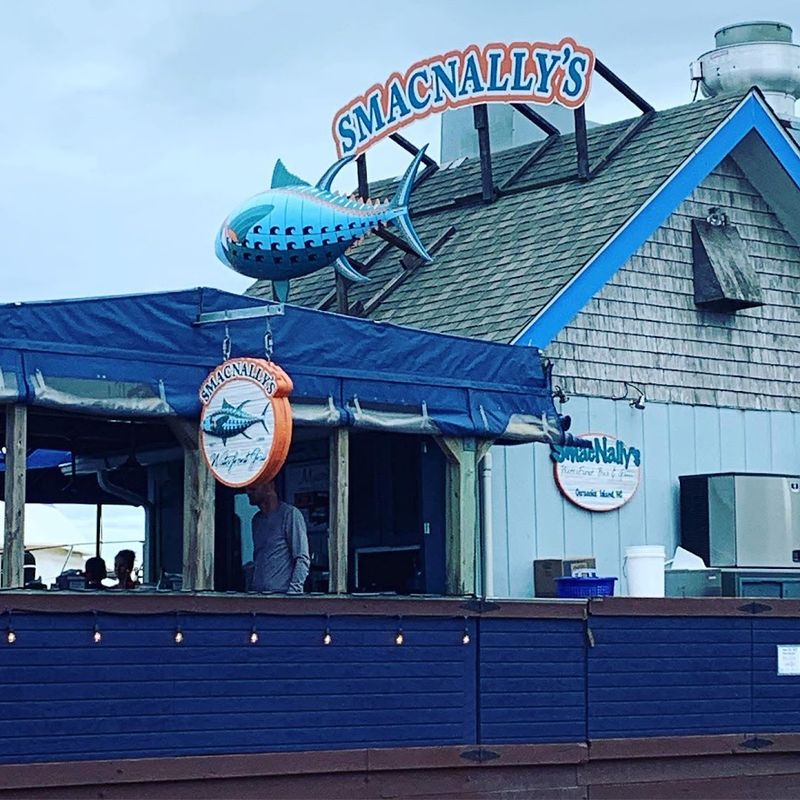
Ocracoke Island sits at the end of North Carolina’s Outer Banks, reachable only by ferry, private boat, or small plane. That built-in barrier keeps the island wonderfully unhurried, and SmacNally’s Waterfront Bar and Grill fits right into that laid-back rhythm.
The ferry ride over already puts you in vacation mode before you take your first sip.
Positioned right on Silver Lake harbor, the restaurant offers front-row seats to one of the most photogenic sunsets on the East Coast. Fresh seafood is the obvious order of business here, with local catches prepared in ways that highlight the island’s maritime heritage.
Fried shrimp, crab cakes, and fresh fish sandwiches hit differently when eaten with salty air and harbor views.
Ocracoke has a fascinating pirate history too, as Blackbeard himself used to haunt these waters. Knowing that while watching shrimp boats drift past your table adds a certain swashbuckling charm to the whole meal.
SmacNally’s is the kind of place where you plan to stay for one drink and end up watching the stars come out over the water several hours later.
Perini Ranch Steakhouse — Buffalo Gap, Texas
Buffalo Gap, Texas is so small it barely registers as a dot on the map, yet Perini Ranch Steakhouse has earned a reputation that stretches far beyond state lines. People drive hours across the wide, flat expanse of West Texas ranchland specifically for a steak dinner here.
That kind of loyalty does not happen by accident.
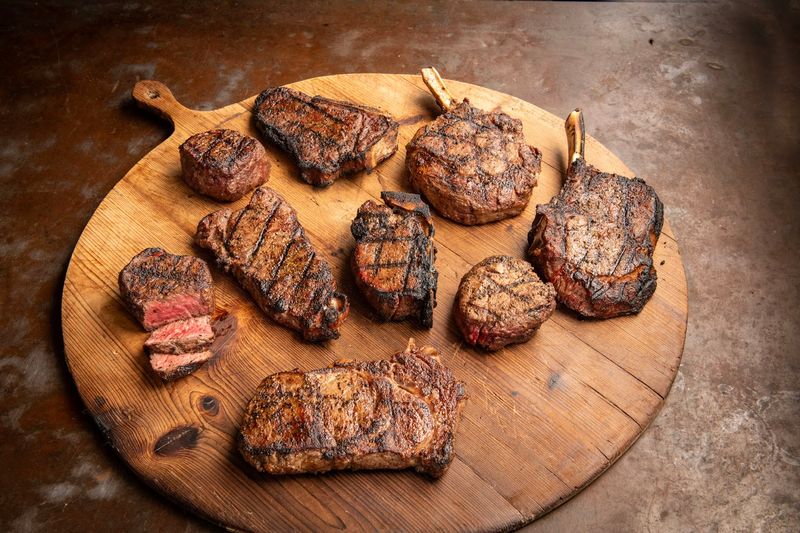
Tom Perini has been cooking here since the 1980s, and his mesquite-grilled beef has won awards, appeared in national publications, and fed a Who’s Who list of Texas celebrities and politicians. The ribeyes and beef tenderloin are cooked over open mesquite fire, which gives every cut a smoky depth that gas grills simply cannot match.
The sides are generous, the portions are enormous, and the atmosphere is pure Texas.
The surrounding landscape of rolling ranch country and big open sky sets a mood that indoor restaurants can only dream about. Dining at Perini Ranch feels like stepping into a chapter of Texas history, where cattle, land, and fire still mean something real.
Reservations are strongly recommended, especially on weekends when the dining room fills with devoted regulars who made the long drive without a second thought.
Sea Ranch Lodge Restaurant — Sea Ranch, California
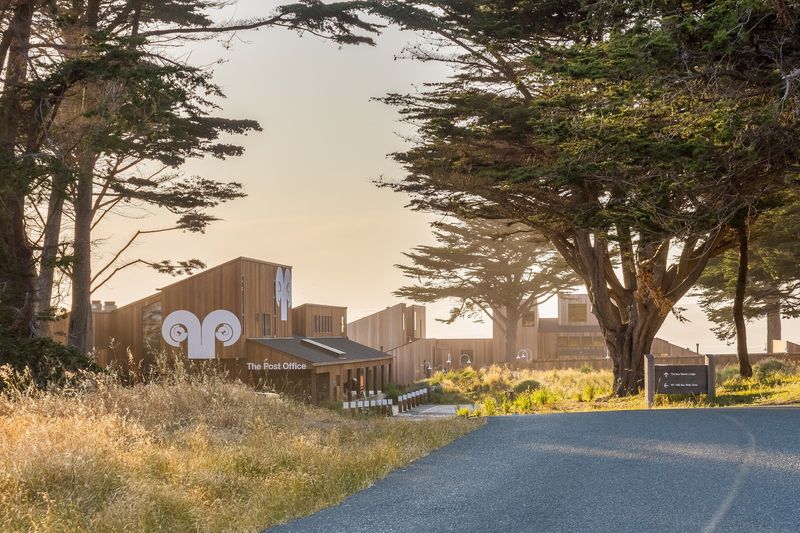
About 100 miles north of San Francisco, the planned community of Sea Ranch sits on one of the most rugged and beautiful stretches of Northern California coastline. The Sea Ranch Lodge Restaurant takes full advantage of its spectacular position, offering sweeping Pacific Ocean views that make even a simple lunch feel cinematic.
Fog rolling in off the water only adds to the drama.
The menu focuses on Northern California ingredients, with local seafood, seasonal produce, and wine from nearby Sonoma and Mendocino counties. Dishes are thoughtfully prepared without being fussy, letting the quality of the ingredients do the heavy lifting.
A bowl of chowder here, eaten while watching waves crash against the rocks below, is the definition of a perfect moment.
Sea Ranch itself was designed in the 1960s as an experiment in living harmoniously with the natural landscape, and the Lodge reflects that philosophy. There are no neon signs, no loud commercial distractions, just architecture that blends into the bluffs and a restaurant that honors its surroundings.
The drive up Highway 1 to reach it is one of the most scenic roads in America, which means the journey is genuinely half the reward.
Gallatin River Grill — Bozeman, Montana
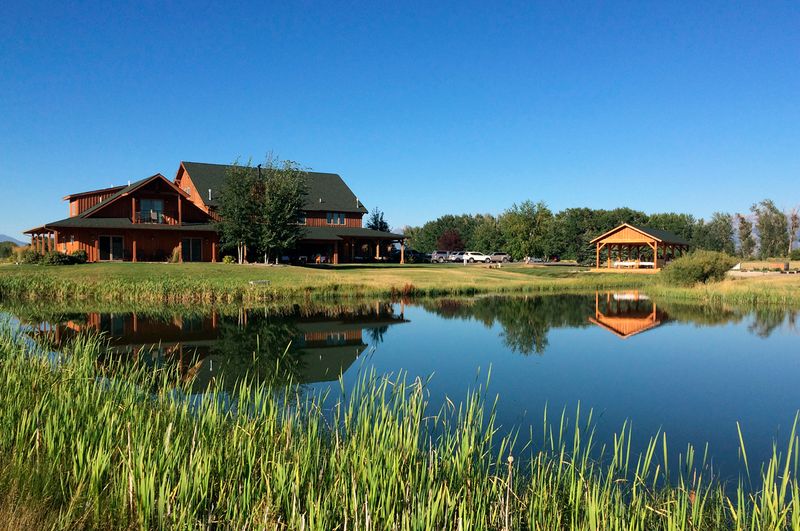
Montana’s Gallatin River is world-famous among fly fishermen, and the Gallatin River Grill makes the most of that legendary setting. Situated on a sprawling property where the river runs cold and clear through stands of pine and cottonwood, this restaurant feels less like a dining room and more like a reward for choosing the right adventure.
The elk on the menu likely grazed somewhere nearby.
The kitchen takes its sourcing seriously, working with regional ranches and farms to build a menu that tastes unmistakably of Big Sky Country. Bison, trout, huckleberries, and locally foraged mushrooms appear regularly, prepared with a finesse that surprises first-time visitors expecting simpler lodge fare.
Montana has always had incredible ingredients; the Gallatin River Grill just knows what to do with them.
Even if you never touch a fly rod, spending an evening here with the sound of the river nearby and the mountains going purple in the fading light is deeply satisfying. The surrounding Gallatin National Forest stretches in every direction, and the sense of wilderness just outside the window is impossible to fake.
This is the kind of meal that makes you seriously consider moving to Montana.
The Lost Kitchen — Freedom, Maine
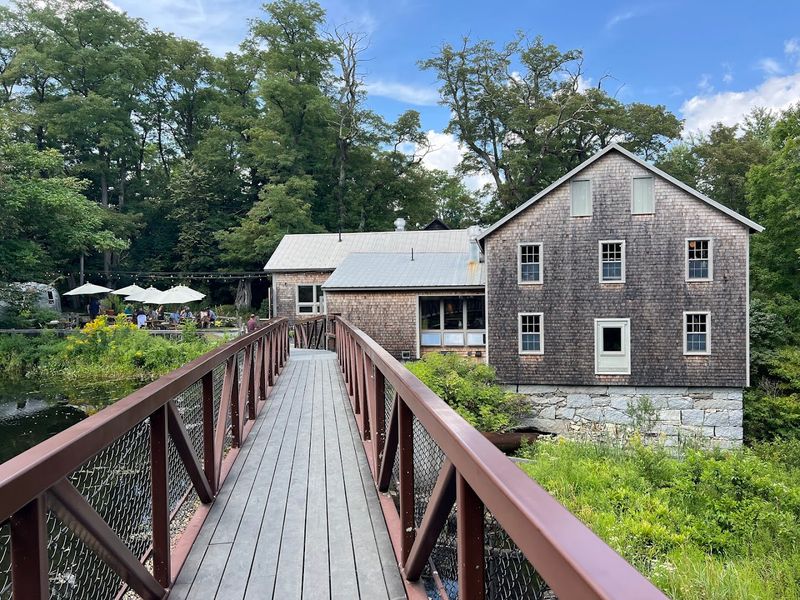
Every spring, The Lost Kitchen opens its reservation system by accepting postcards, and thousands of people mail in their requests hoping to snag one of the coveted spots. That is not a gimmick.
It is a genuine reflection of how sought-after this tiny restaurant in Freedom, Maine has become. Freedom has a population of about 700 people, which makes the whole phenomenon even more delightful.
Chef Erin French transformed a restored grist mill beside a stream into one of the most talked-about dining rooms in America. The menu changes based on what local farms and foragers bring in each week, so no two dinners are ever exactly the same.
Guests sit together at communal tables, share dishes, and often end up having conversations that last long after the meal ends.
The surrounding countryside of mid-coast Maine provides the restaurant with an incredible pantry of seasonal ingredients. Wild mushrooms, fresh herbs, locally raised meats, and produce from nearby farms make every plate feel like a love letter to the region.
The Lost Kitchen has been featured in documentaries, books, and television programs, yet somehow it still feels like a secret shared between people who truly appreciate the effort it takes to get there.
Isle Royale Lodge Dining Room — Isle Royale, Michigan
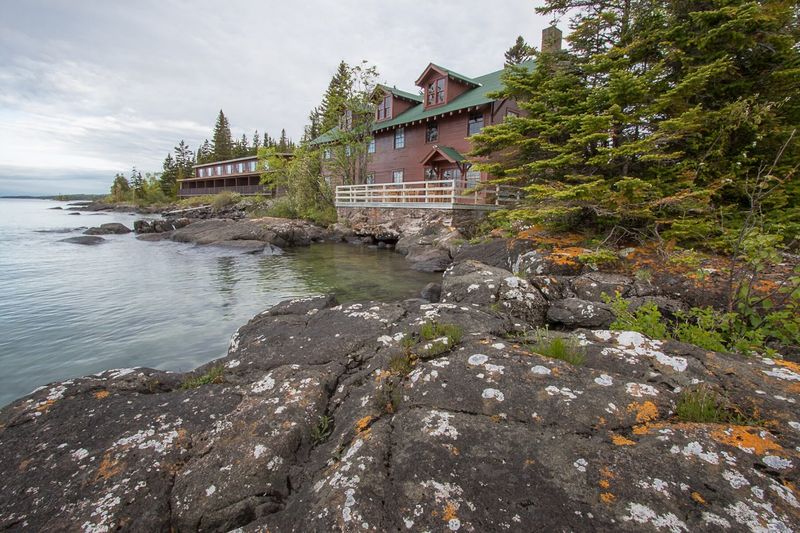
Isle Royale National Park receives fewer visitors each year than Yellowstone does in a single week, which tells you everything you need to know about how remote this place truly is. Reaching the Isle Royale Lodge Dining Room requires a ferry ride or seaplane flight across Lake Superior, one of the world’s largest freshwater lakes.
That crossing alone earns you something special.
The dining room serves guests staying at Rock Harbor Lodge, offering hot meals that feel like genuine luxuries after days of hiking and kayaking through one of America’s most untouched wilderness areas. Menus lean toward hearty, satisfying food, exactly what you want after exploring trails where wolves and moose roam freely.
The walleye, when available, is outstanding.
Isle Royale has no roads, no cars, and no quick way in or out, which creates a sense of absolute disconnection from the modern world. Sitting down to a meal here after a full day on the trail, with Lake Superior shimmering just outside the window, produces a kind of contentment that is genuinely hard to manufacture anywhere else.
This dining room is not fancy, but it is unforgettable in the way that only truly remote places can be.
McCarthy Lodge Restaurant — McCarthy, Alaska
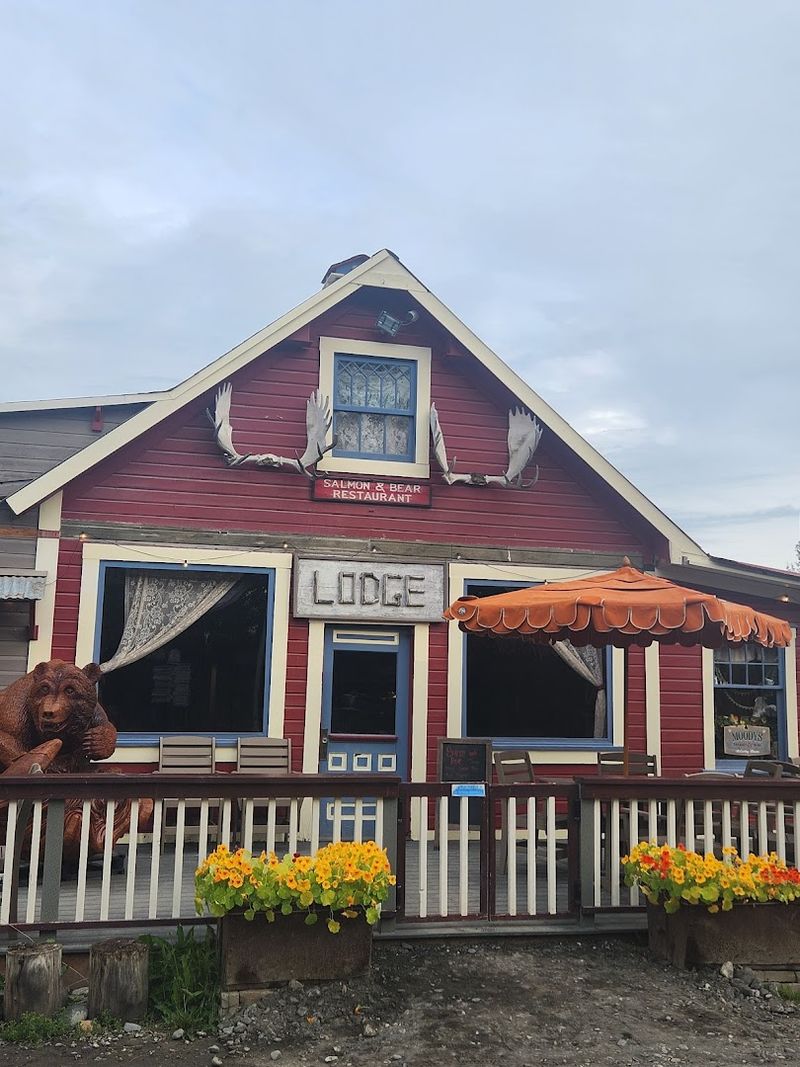
McCarthy, Alaska sits deep inside Wrangell-St. Elias National Park, the largest national park in the United States, and getting there is a commitment. Visitors drive a long gravel road through spectacular mountain scenery, then cross the Kennicott River on a footbridge to reach the tiny town on the other side.
After all that, a warm meal at McCarthy Lodge feels genuinely triumphant.
The restaurant serves hearty, satisfying food that matches the rugged spirit of the surrounding wilderness. Burgers, locally sourced proteins, and comfort classics fuel hikers and adventurers who have spent their days exploring glaciers, historic copper mines, and some of the most dramatic terrain on the continent.
The kitchen works with what is available this far from any supply chain, and the results are consistently impressive.
McCarthy itself has fewer than 50 permanent residents, giving the town an end-of-the-road energy that is equal parts thrilling and peaceful. Sitting on the lodge porch after dinner, looking up at peaks that dwarf anything in the lower 48, is the kind of experience that resets your entire sense of scale.
Alaska has many remote restaurants, but McCarthy Lodge earns its place at the top of that very exclusive list.
Jenny Lake Dining Room — Grand Teton National Park, Wyoming
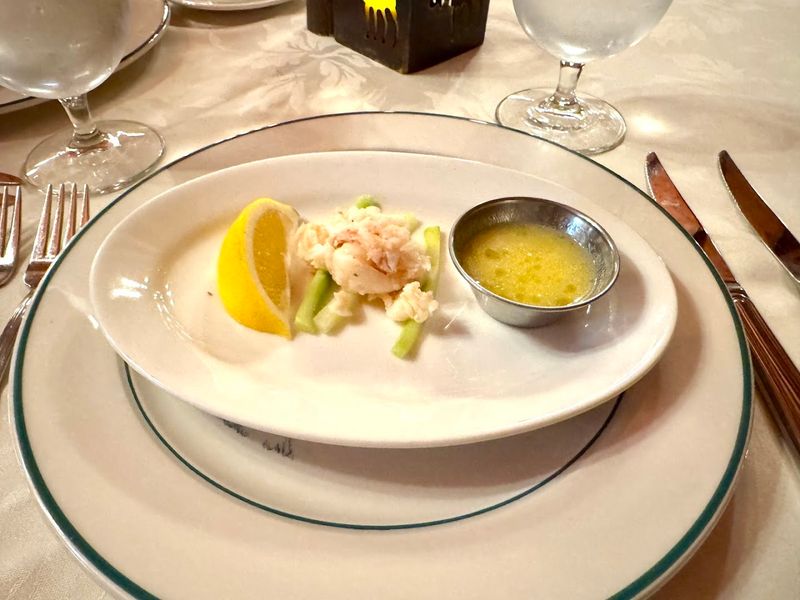
The Teton Range is one of the most dramatic mountain backdrops on Earth, and the Jenny Lake Dining Room puts those peaks front and center through floor-to-ceiling windows. Staying at Jenny Lake Lodge is its own adventure, accessible via a scenic drive through Grand Teton National Park, with moose and bison occasionally wandering across the road to slow your arrival.
Nobody complains about that particular delay.
The dining room operates on a prix fixe format, serving multi-course meals that blend Western ingredients with refined technique. Wild game, locally foraged mushrooms, and regional produce appear on a menu that changes to reflect the season.
Breakfast here, eaten while the morning light hits the Tetons, is one of the most quietly spectacular meals you can have anywhere in the American West.
Jenny Lake Lodge is a historic property that has been welcoming guests since the 1920s, and the dining room carries that legacy with genuine warmth. The staff are knowledgeable, the atmosphere is unhurried, and the setting is impossibly beautiful.
Even visitors who are not staying at the lodge can sometimes arrange dinner reservations, making it worth a phone call well in advance of any Teton adventure.
The Cookhouse at Stehekin — Washington
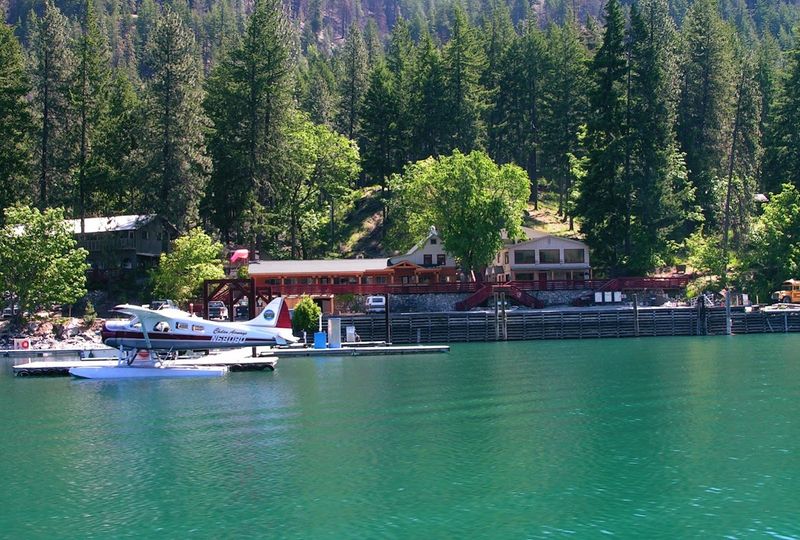
Stehekin is not just remote, it is gloriously, stubbornly, magnificently remote. Reachable only by passenger ferry across Lake Chelan, floatplane, or a multi-day hike through North Cascades National Park, this valley community has no road connection to the outside world.
Arriving feels like crossing a threshold into somewhere that plays by completely different rules.
The Cookhouse at Stehekin serves the valley’s visitors and small permanent community with hearty, satisfying meals that match the physical energy required to reach the place. Fresh-baked pastries, generous sandwiches, and warming dinners fuel hikers and kayakers who have spent their days surrounded by waterfalls, glaciers, and old-growth forest.
The cinnamon rolls from the nearby Stehekin Pastry Company, often enjoyed on the same trip, have achieved near-legendary status among Pacific Northwest hikers.
Eating here after arriving by ferry across one of Washington’s deepest lakes, with the Cascade peaks rising steeply on every side, is a sensory experience that sticks with you. The valley feels preserved in a way that few places in the lower 48 still manage to be.
Every meal at the Cookhouse carries the quiet satisfaction of having actually earned your way to the table through genuine effort and adventure.
Cliff House Restaurant at Pikes Waterfront Lodge — Fairbanks, Alaska
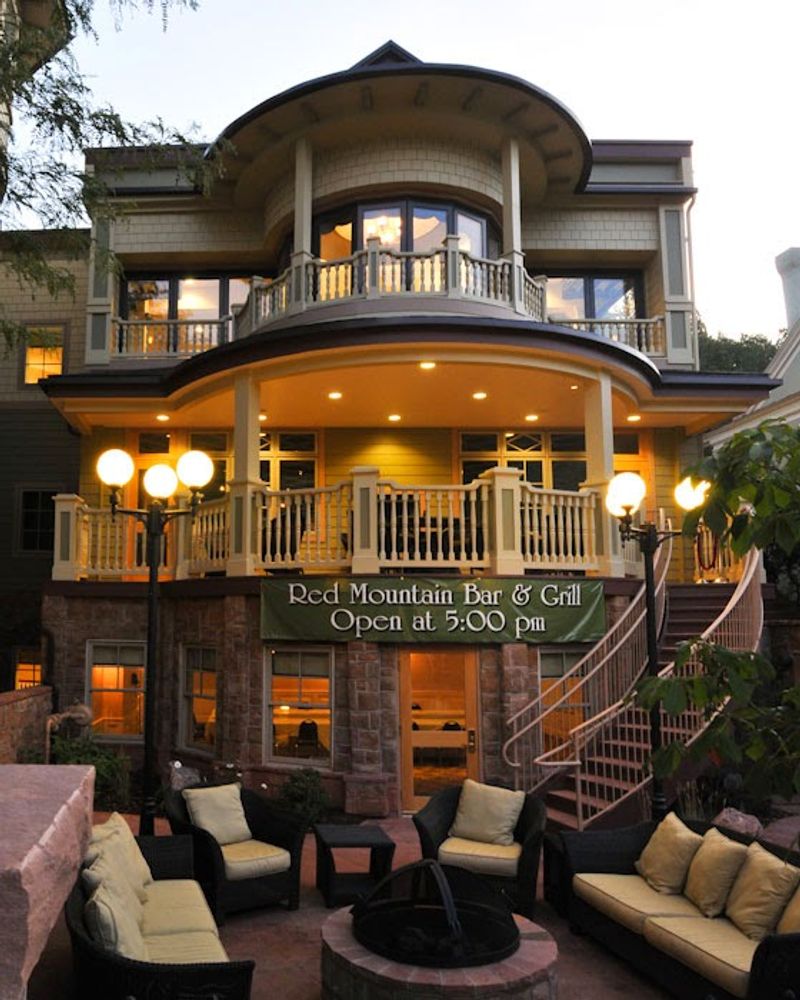
Fairbanks sits in Alaska’s vast interior, hundreds of miles from the nearest major city, which already qualifies it as remote by most people’s standards. The Cliff House Restaurant at Pikes Waterfront Lodge pushes that feeling further by placing you right on the banks of the Chena River, where the midnight sun can keep the sky glowing at 11 p.m. during summer.
Eating dinner in broad daylight at midnight is a disorienting and wonderful experience.
The menu features Alaskan seafood brought in from the coast, including salmon, halibut, and king crab prepared with the care those ingredients deserve. Northern specialties and hearty entrees round out a menu built for people who have spent their days exploring the surrounding wilderness.
The riverside setting adds a calming, almost meditative quality to every meal.
Fairbanks is also prime territory for northern lights viewing in winter, meaning a dinner here can easily turn into a full-sky aurora show just by stepping outside after dessert. Pikes Waterfront Lodge has been a fixture of Fairbanks hospitality for decades, and the Cliff House earns its reputation by combining good food with one of the most genuinely otherworldly settings in American dining.
Not many restaurants can claim aurora borealis as a potential after-dinner entertainment option.
LeConte Lodge Dining Hall — Great Smoky Mountains, Tennessee
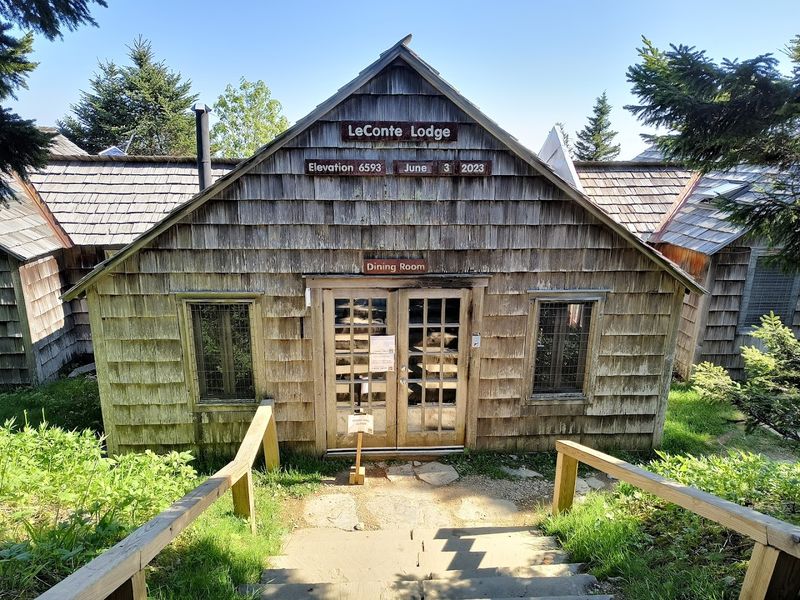
There is no road to LeConte Lodge. The only way to reach this mountaintop retreat is to hike at least five miles straight up through the heart of Great Smoky Mountains National Park, gaining thousands of feet in elevation along the way.
By the time you push open the dining hall door, you have absolutely, unquestionably earned your meal.
Mount LeConte is the third highest peak in the Smokies, and the lodge near its summit has been welcoming guests since 1926. The dining hall serves simple, satisfying meals to guests who have booked one of the coveted overnight cabins, with hearty breakfasts and dinners designed to fuel people who just climbed a mountain and plan to do it again tomorrow.
The food is straightforward, nourishing, and tastes impossibly good after a long ascent.
On clear mornings, the views from LeConte stretch across a sea of rolling, forested ridges fading into the blue haze that gives the Smokies their name. Clouds sometimes drift below the lodge, creating the surreal sensation of eating above the weather itself.
Reservations open a year in advance and fill almost immediately, which means planning a meal here requires the same kind of commitment as the hike itself.
Share this story