 Unearth The Voyage
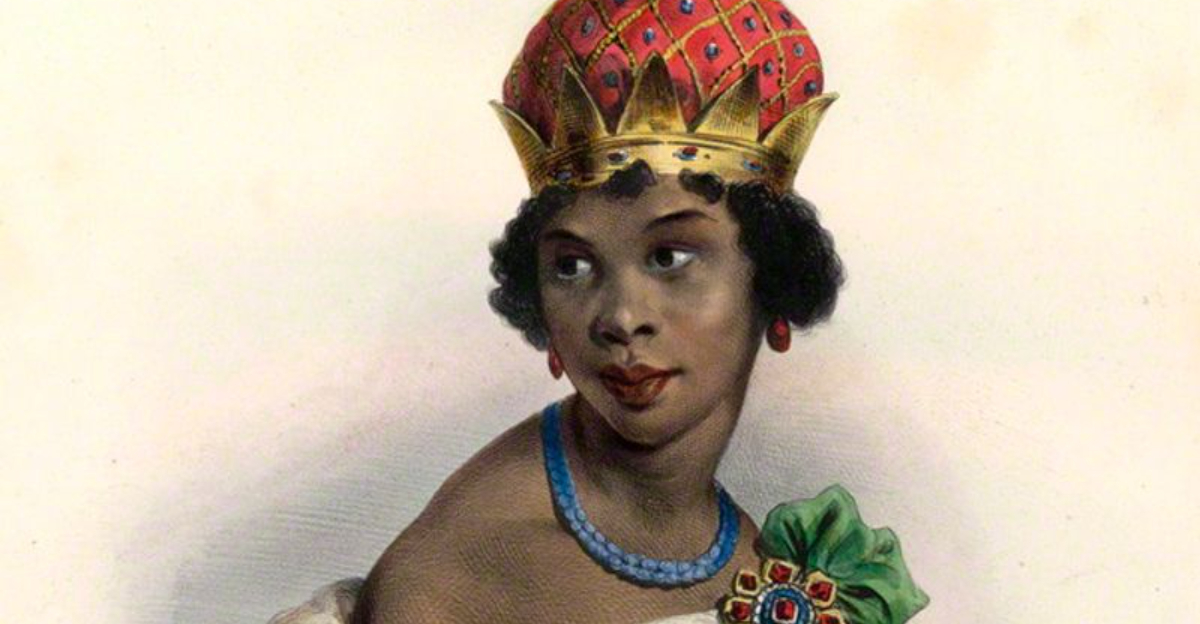
History books are filled with powerful women who refused to play by the rules, and some of them were genuinely terrifying to cross. From ancient Egypt to medieval Europe, female rulers proved they could be just as calculating and fierce as any king.
These women seized power, crushed rebellions, and made decisions that shaped entire nations. Their stories are complicated, fascinating, and worth knowing.
Wu Zetian (China)
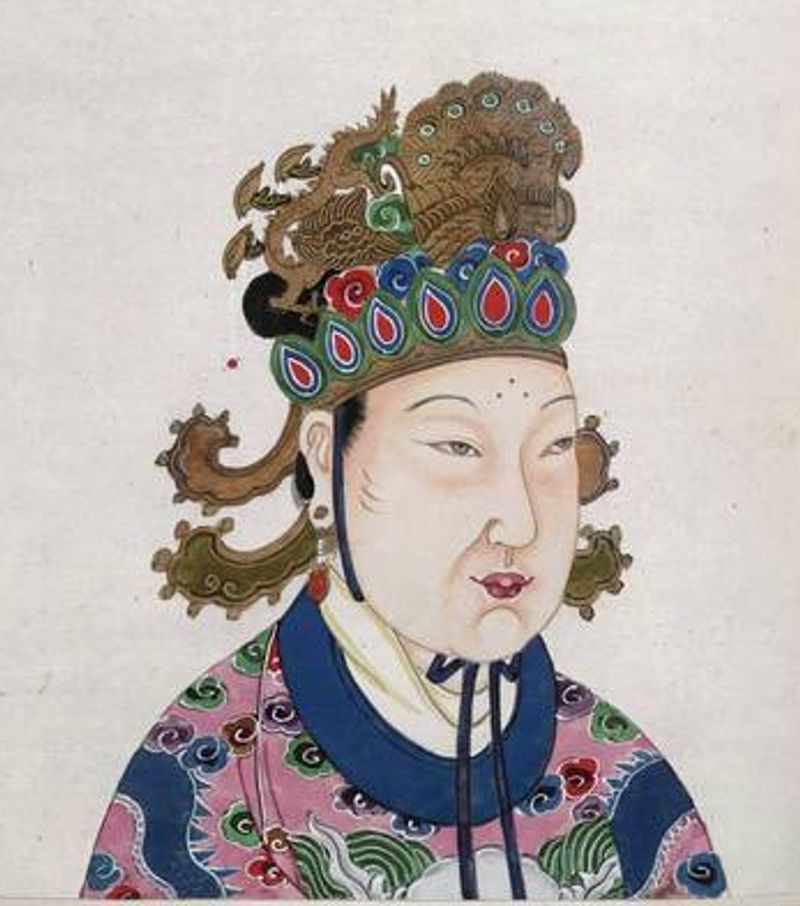
No woman in Chinese history climbed higher or held on tighter than Wu Zetian. Rising from a palace concubine to the only female emperor China ever recognized, she ruled from 690 to 705 CE with absolute authority.
Her path to the top was paved with political purges and eliminated rivals.
She reportedly had members of her own family removed when they stood in her way, and officials who challenged her rarely kept their positions for long. Later dynasties painted her as a monster, but historians today believe some of that reputation was exaggerated by men who resented her power.
What is certain is that she ran a real government, reformed the civil service, and kept China stable for decades. Love her or fear her, Wu Zetian was undeniably one of the most capable and ruthless leaders the ancient world ever produced.
Catherine de Medici (France)
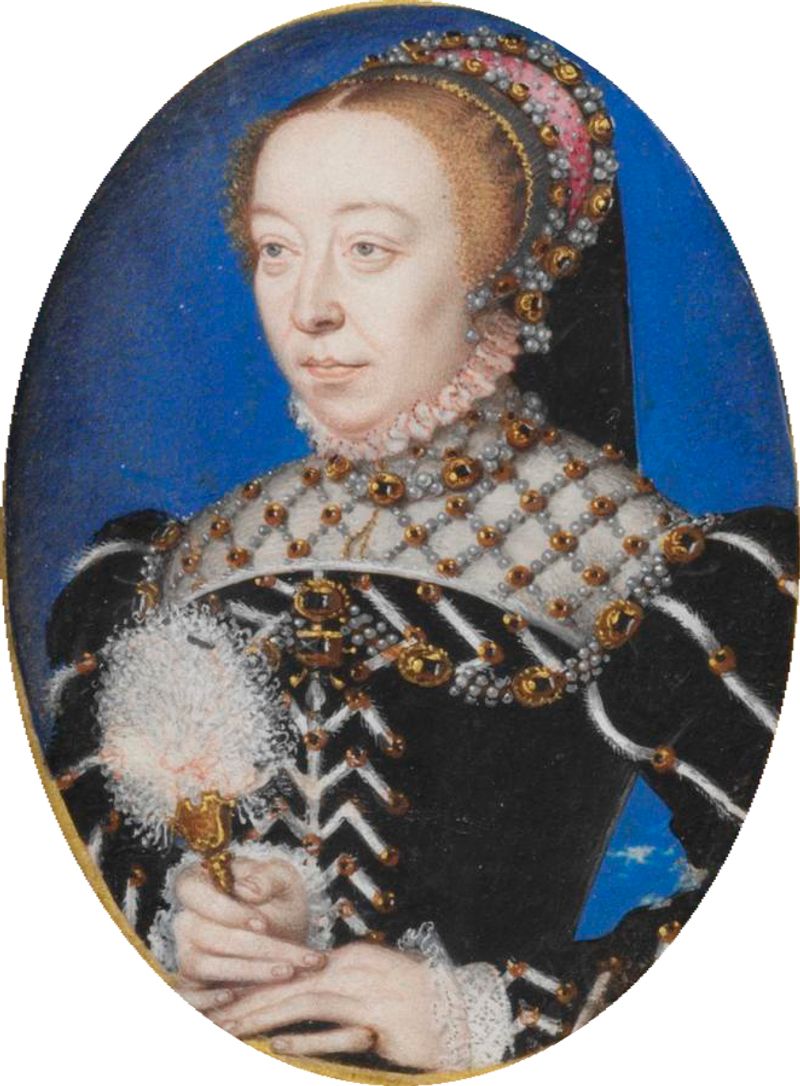
Catherine de Medici arrived in France as a teenage bride and spent decades quietly gathering influence behind the scenes. As regent of France from 1560 to 1574, she steered the kingdom through some of its bloodiest years, navigating religious wars between Catholics and Protestants with cold political calculation.
Her name became permanently linked to the St. Bartholomew’s Day Massacre of 1572, when thousands of Protestant Huguenots were killed across France. Historians still argue about exactly how much she ordered versus how much simply spiraled out of control around her.
What is clear is that Catherine played a central role in the political machinery that made the massacre possible. She was a survivor in every sense, protecting her sons’ claims to the throne at almost any cost.
Her legacy remains one of the most debated in French royal history.
Bloody Mary (Mary I of England)
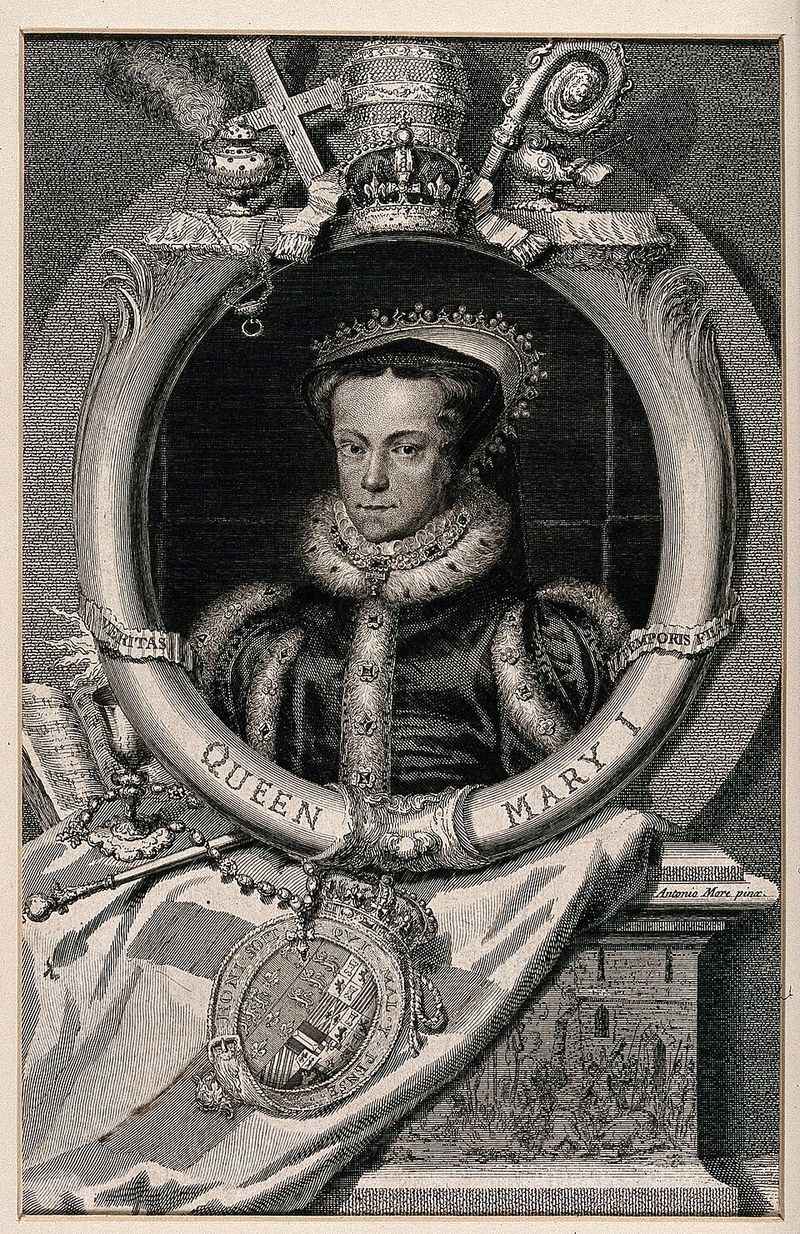
When Mary I took the English throne in 1553, she was determined to undo everything her father Henry VIII had changed about religion. A devout Catholic, she set about reversing the Protestant Reformation in England with a campaign that earned her one of history’s most chilling nicknames.
During her five-year reign, nearly 300 Protestants were burned at the stake for refusing to convert back to Catholicism. The victims included bishops, priests, and ordinary people.
The nickname “Bloody Mary” came largely from Protestant writers of the time, but the executions themselves are thoroughly documented history.
It is worth remembering that burning heretics was not unusual for the era, and her father and sister also executed people for religious reasons. Mary genuinely believed she was saving souls.
Her reign ended with her death in 1558, leaving England to her Protestant half-sister, Elizabeth I.
Empress Dowager Cixi (China)
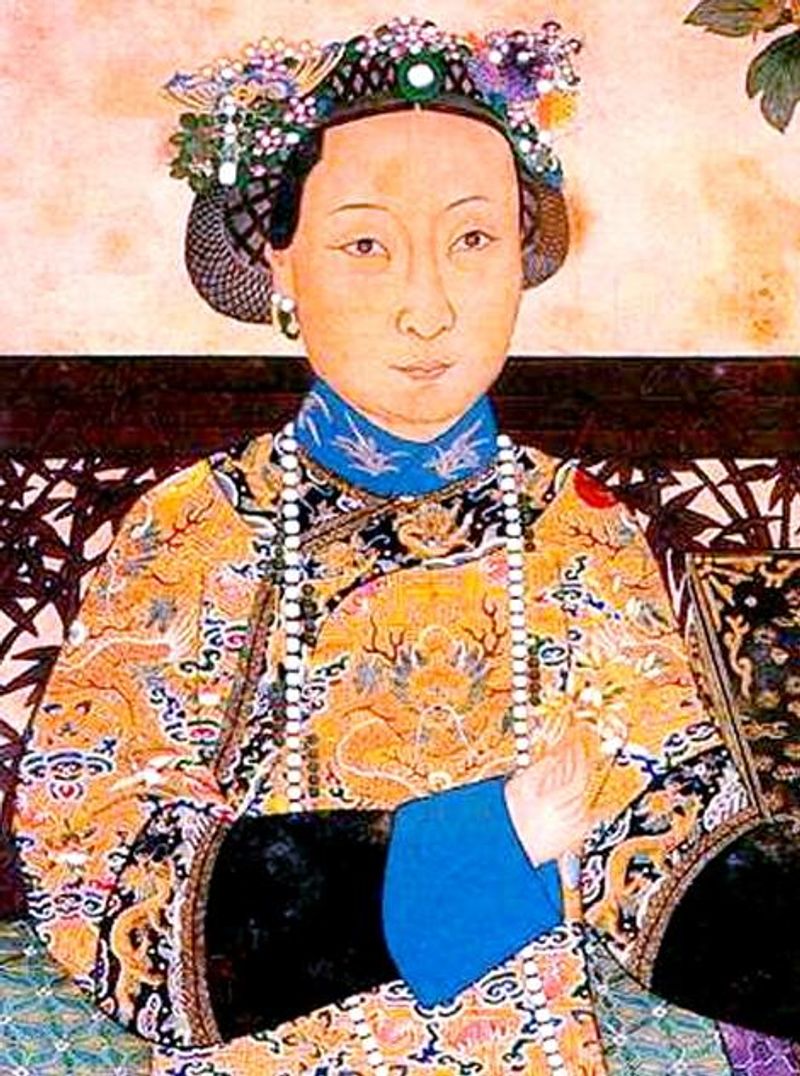
For nearly five decades, Empress Dowager Cixi was the true power behind the Chinese imperial throne. She entered the Forbidden City as a low-ranking concubine and left as the woman who shaped the fate of the entire Qing Dynasty.
That kind of rise does not happen without serious political skill and a willingness to act decisively.
She orchestrated two major coups, sidelined reformers who threatened her authority, and effectively controlled multiple emperors, including her own son and nephew. Western accounts from the 1800s portrayed her as a scheming villain, but modern historians recognize those portrayals were often biased and exaggerated.
What remains undisputed is that she was deeply authoritarian and resistant to reforms that might have modernized China in time to resist foreign pressure. She ruled until her death in 1908, and her decisions influenced China’s path for generations.
A complicated figure by any measure.
Isabella I of Castile (Spain)
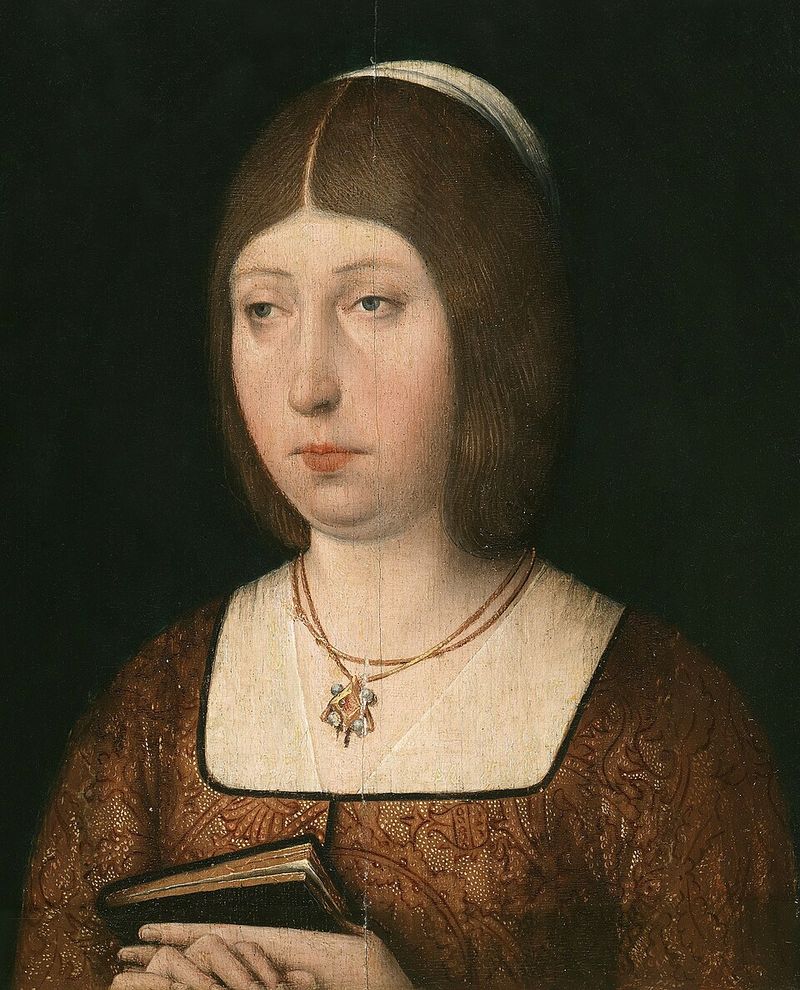
Queen Isabella I is often remembered for funding Christopher Columbus and unifying Spain, but her reign had a much darker chapter that cannot be separated from her legacy. In 1478, she and her husband Ferdinand II established the Spanish Inquisition, one of the most feared institutions in European history.
The Inquisition used torture, imprisonment, and public executions to enforce Catholic orthodoxy. Jews, Muslims, and people accused of secretly practicing other faiths faced interrogation, forced conversion, or death.
In 1492, the same year Columbus sailed, Isabella signed the Alhambra Decree expelling all Jews from Spain.
Historians confirm these events are not myths or exaggerations. Isabella genuinely believed she was serving God, and by the standards of her time, religious unity was considered essential to a stable kingdom.
Her faith was real, but its enforcement caused enormous suffering to hundreds of thousands of people.
Queen Ranavalona I (Madagascar)
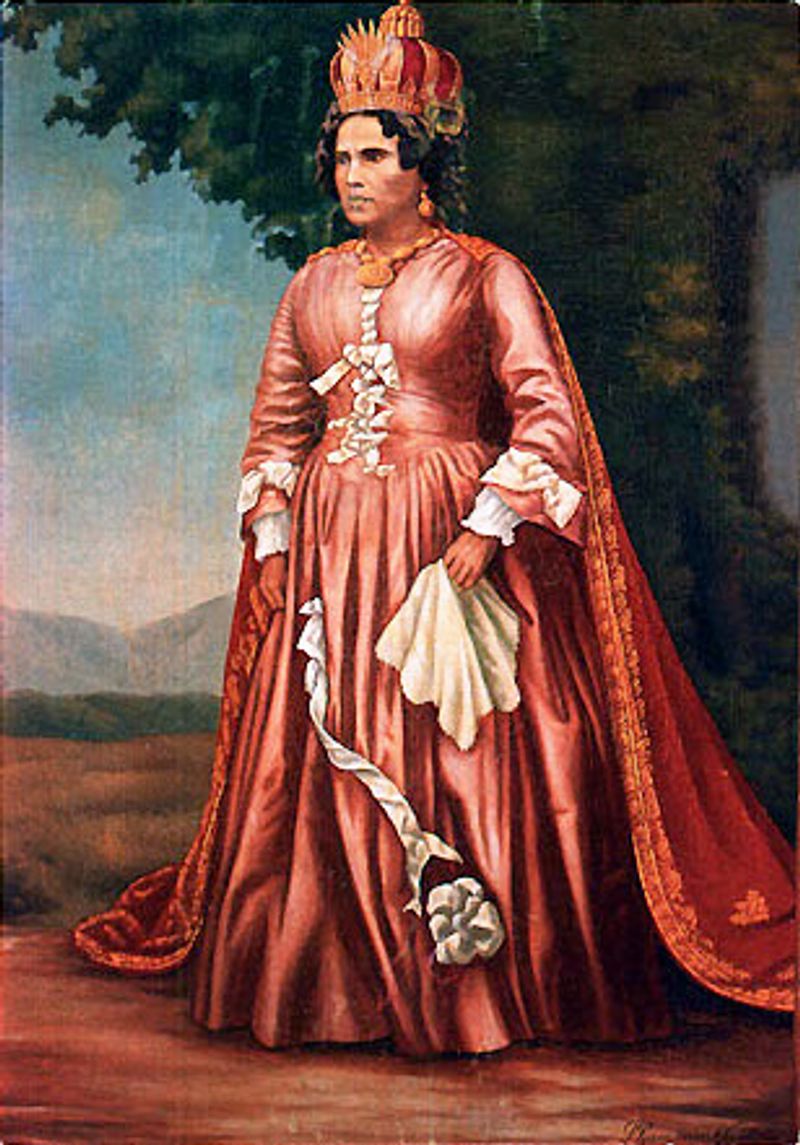
Queen Ranavalona I ruled Madagascar for 33 years, and during that time she made it very clear that outside influence was not welcome. After taking the throne in 1828 following her husband’s death, she expelled most Europeans, banned Christianity, and worked aggressively to keep Madagascar independent from colonial powers.
Her methods for maintaining control were brutal by any standard. She used a traditional poison ordeal called tangena to identify criminals and enemies, a process that killed many people.
Forced labor was widespread, and those who defied her authority faced harsh punishment or execution.
Madagascar’s population is estimated to have declined significantly during her reign, though exact numbers are debated among historians. Europeans called her “Mad Queen” and “Female Caligula,” but some modern scholars argue those labels reflect colonial bias as much as reality.
Whatever the framing, her reign was undeniably harsh and her grip on power was absolute.
Cleopatra VII (Egypt)
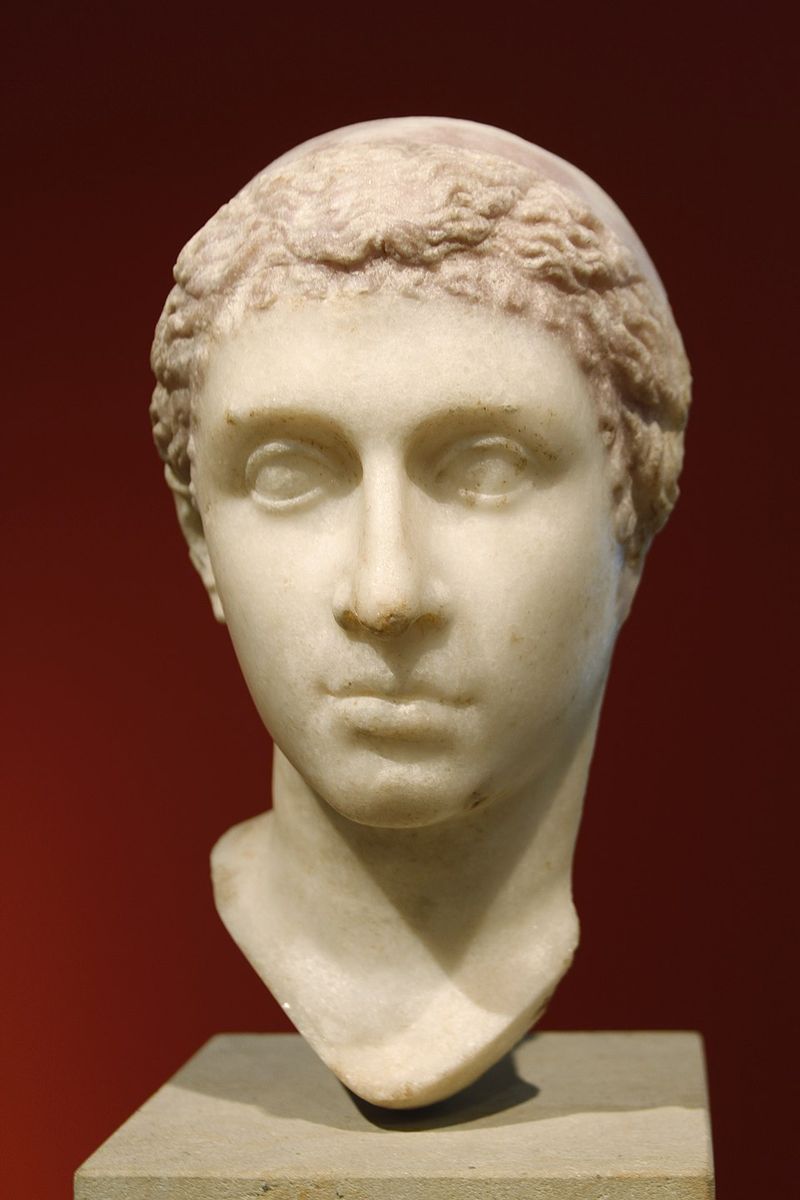
Cleopatra VII is one of the most famous rulers in world history, but the romantic image of her often overshadows just how politically ruthless she actually was. She took the Egyptian throne at around age 18 and spent years outmaneuvering everyone who tried to take it from her, including members of her own family.
She had her brother Ptolemy XIII driven out and later drowned during conflict with Julius Caesar. Her sister Arsinoe IV, who had dared to challenge her authority, was eventually executed at Cleopatra’s request while seeking sanctuary at a temple.
These were not impulsive acts but calculated moves to eliminate threats.
Within the Ptolemaic dynasty, sibling rivalry and political killings were practically tradition, so Cleopatra was operating by the brutal rules of her world. She kept Egypt independent longer than almost anyone could have managed, using alliances, intelligence, and an iron will to stay in power until her death in 30 BCE.
Elizabeth Bathory (Hungary)
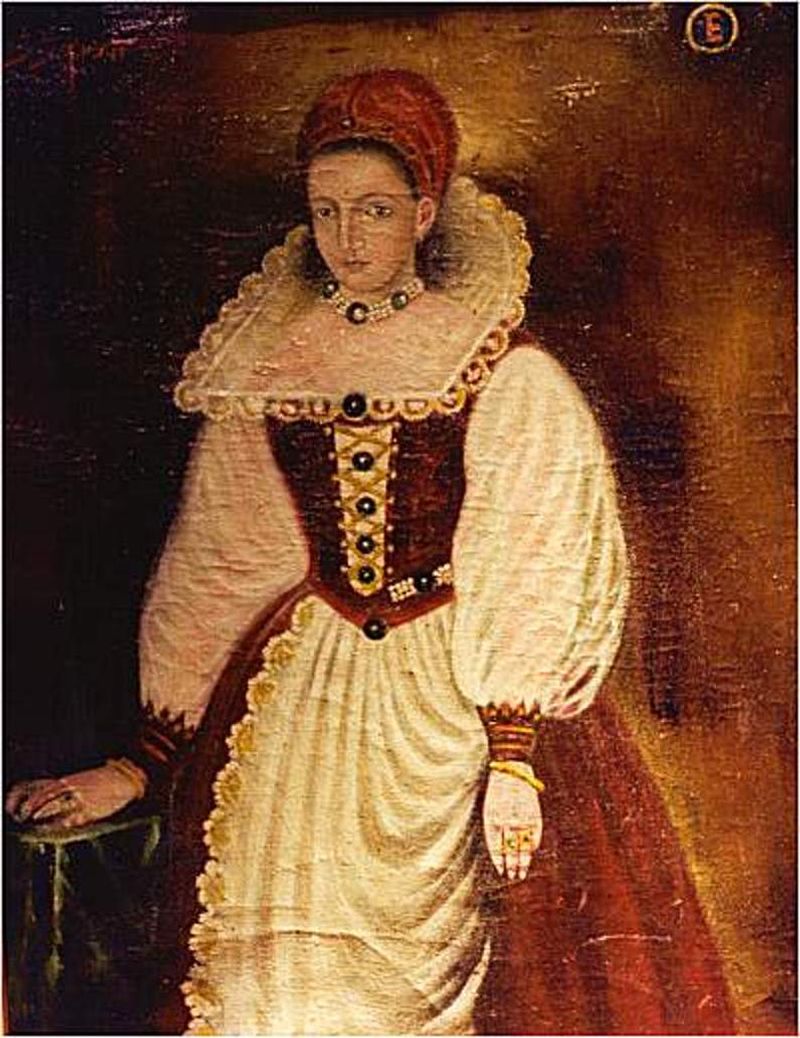
Few names in European history carry the kind of dark weight that Elizabeth Bathory’s does. A Hungarian countess born in 1560, she was arrested in 1610 and accused of torturing and killing young women, many of them servants brought to her castle.
The accusations were horrifying and the trial that followed was one of the most sensational of the era.
Witnesses testified to brutal acts, and over 300 victims were alleged, though historians debate whether the actual number was that high or whether political motivations inflated the charges. Bathory was enormously wealthy and powerful, and some scholars believe her accusers had financial reasons to want her locked away.
She was never formally convicted in open court but was walled into a set of rooms in her castle, where she died four years later. Whether monster or victim of a conspiracy, her story has fascinated and disturbed people for over 400 years.
Olga of Kiev (Kievan Rus)
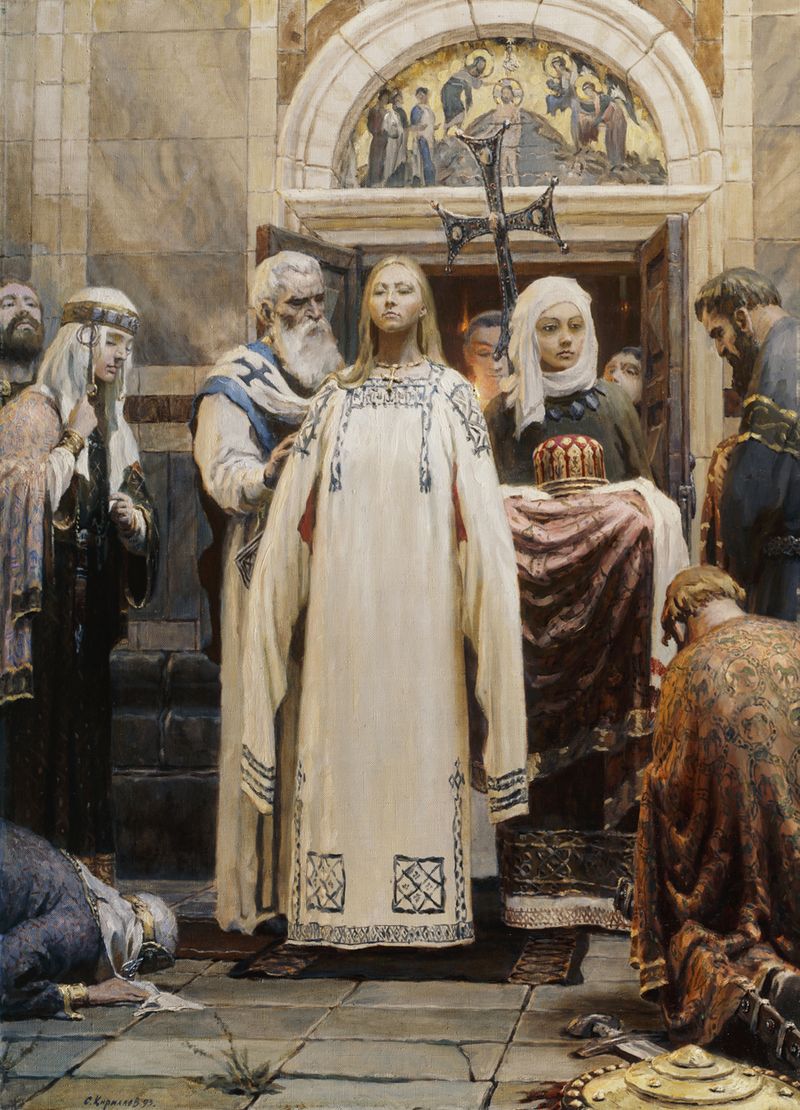
Princess Olga of Kiev did not wait for permission to take revenge. When her husband Prince Igor was murdered by the Drevlian tribe in 945 CE, she became regent for her young son and proceeded to deliver one of the most methodical acts of vengeance recorded in early medieval history.
According to the Primary Chronicle, she buried the first group of Drevlian envoys alive, burned a second group in a bathhouse, and eventually burned the Drevlian capital city of Iskorosten to the ground. Whether every detail is historically accurate or somewhat dramatized, the core events of her brutal campaign against the Drevlians are widely accepted.
What makes Olga especially fascinating is the contrast in her legacy. Later in life she converted to Christianity and was eventually canonized as a saint by the Orthodox Church.
She remains one of the most complex and compelling figures in early Slavic history, ruler and saint in one.
Empress Theodora (Byzantine Empire)
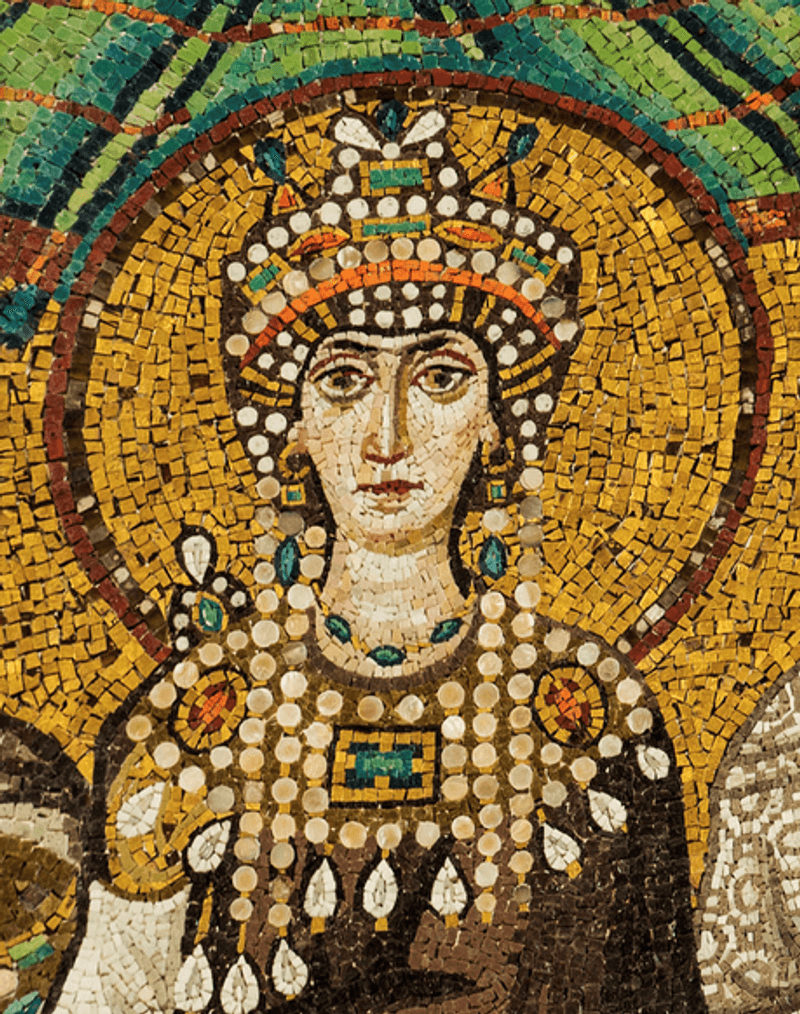
Empress Theodora rose from extremely humble beginnings to become one of the most powerful women in Byzantine history. The daughter of a bear trainer, she worked as an actress and performer before catching the attention of the future Emperor Justinian.
Their partnership would shape one of the most consequential reigns in the ancient world.
In 532 CE, when the Nika Revolt threatened to destroy Justinian’s rule, it was Theodora who refused to flee. Her famous speech reportedly shamed her husband and his generals into staying and fighting.
The revolt was crushed, but at a horrifying cost: tens of thousands of rioters were killed in the Hippodrome.
The historian Procopius wrote about her extensively, though his Secret History was clearly hostile and likely exaggerated her flaws. What is undeniable is that Theodora wielded real political power, influenced imperial policy, and helped define an empire.
She was formidable in every sense of the word.
Queen Tamar of Georgia
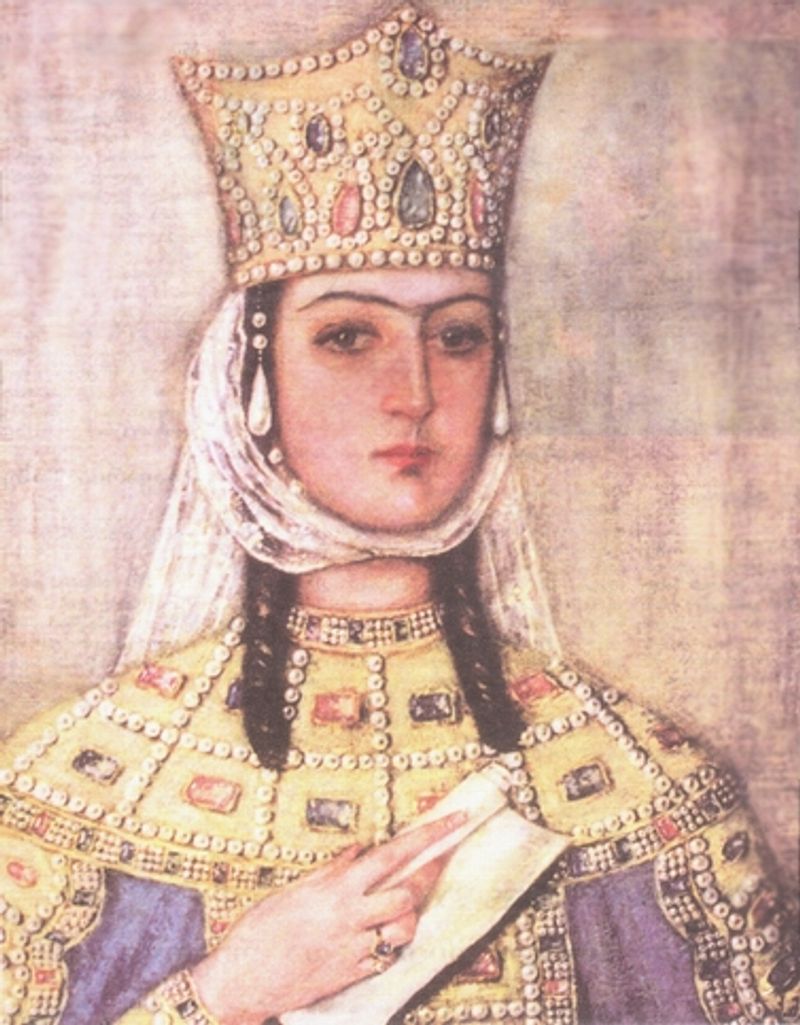
Queen Tamar of Georgia is celebrated in her country as a golden-age ruler, and the title she held was not Queen but “King of Kings.” She came to power in 1184 and led Georgia into a period of territorial expansion, cultural flourishing, and military dominance that historians still call the Georgian Golden Age.
Her path was not peaceful. Tamar crushed multiple rebellions from nobles who refused to accept a woman on the throne, and she launched military campaigns that extended Georgian control deep into neighboring territories.
Battles were won decisively, and enemies were dealt with firmly. She did not negotiate from weakness.
Tamar was also known for her legal reforms and support of the arts, including commissioning the national epic poem “The Knight in the Panther’s Skin.” She was later canonized by the Georgian Orthodox Church. Her reign proved that military strength and cultural greatness could exist together under the right leader.
Catherine the Great (Russia)
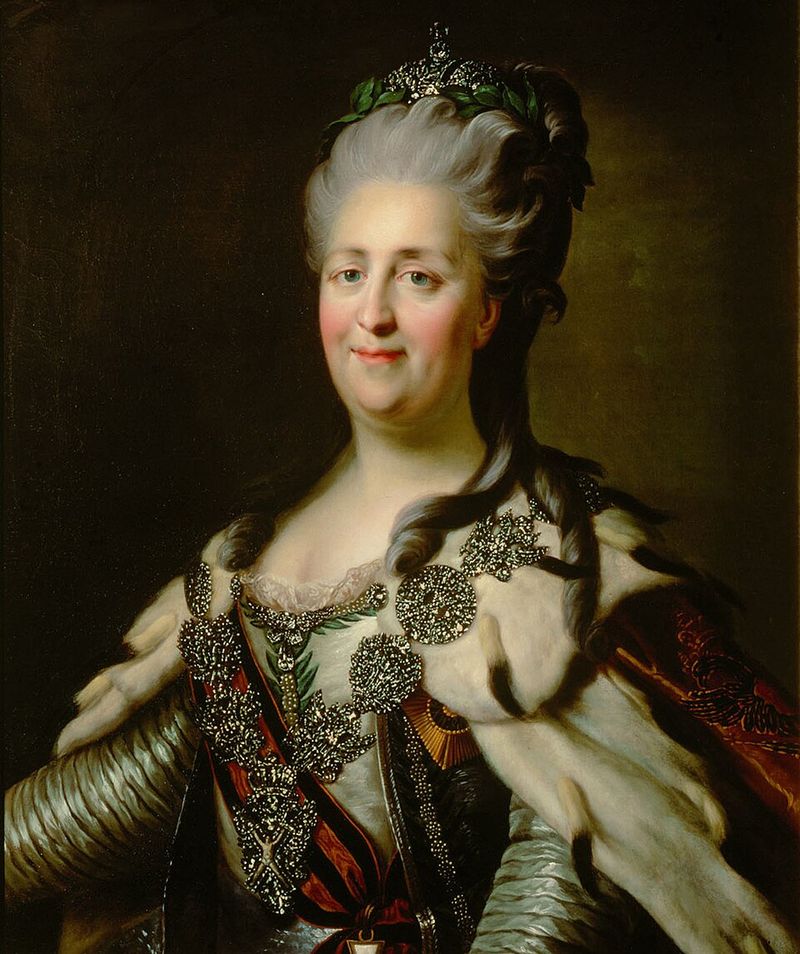
Catherine the Great is one of history’s most celebrated rulers, but her rise to power started with a palace coup that removed her own husband from the throne. In 1762, just six months after Peter III became emperor of Russia, Catherine led a military overthrow that left her as sole ruler.
Days later, Peter was dead under circumstances that remain disputed.
She never faced serious consequences for the coup, partly because she was extremely effective as a ruler. She expanded Russian territory significantly, modernized the government, promoted education and the arts, and corresponded with Enlightenment thinkers across Europe.
But she also suppressed the massive Pugachev Rebellion with considerable force, executing its leader publicly.
Serfdom remained brutal under her reign despite her Enlightenment ideals, a contradiction that historians frequently highlight. Catherine ruled for 34 years and transformed Russia into a major European power.
Her legacy is enormous, layered, and impossible to reduce to a simple verdict.
Queen Nzinga (Angola)
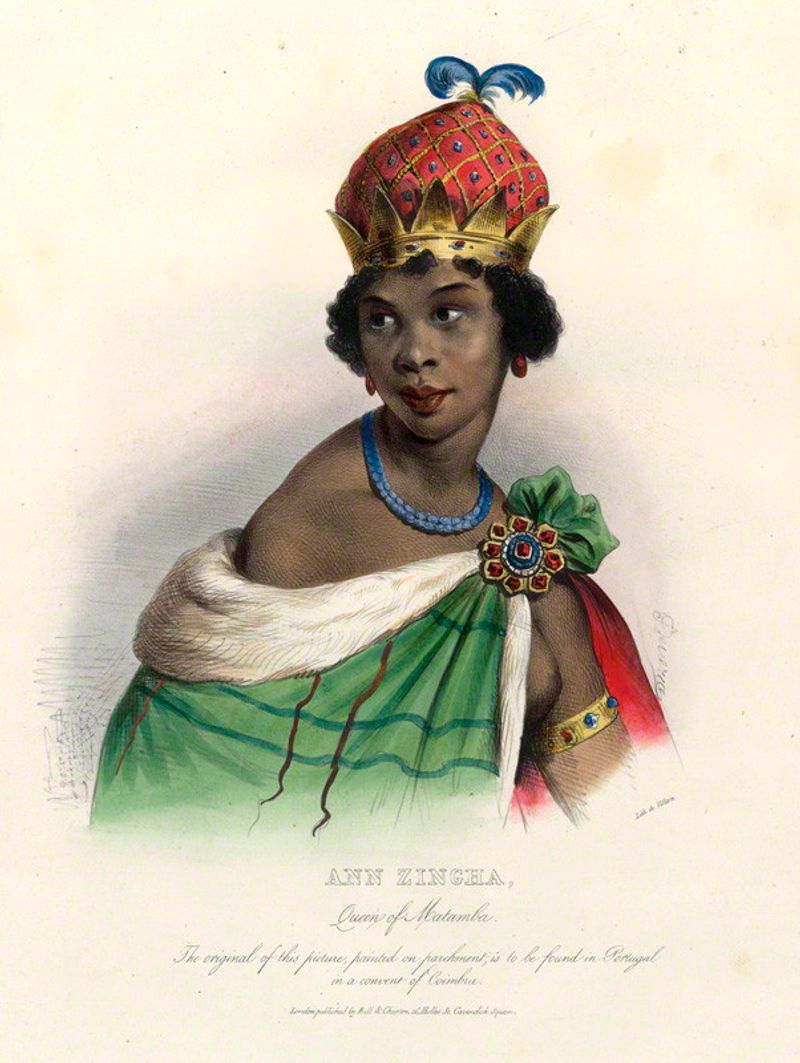
Queen Nzinga of Ndongo and Matamba was one of the most skilled political and military leaders Africa has ever produced, and she spent most of her life fighting the Portuguese colonial presence in what is now Angola. She came to power in the 1620s and immediately proved she would not be a pushover for anyone.
A famous story describes her first meeting with a Portuguese governor who offered no chair to insult her. Nzinga reportedly sat on the back of one of her attendants rather than stand below him.
Whether that story is exactly true or not, it captures her personality perfectly.
She formed alliances with the Dutch, led armies personally into battle, and used every diplomatic and military tool available to resist colonial domination. Some accounts from colonial sources describe extreme tactics, but historians note those sources had every reason to portray her negatively.
She ruled until her death in 1663, never fully conquered.
Margaret of Anjou (England)
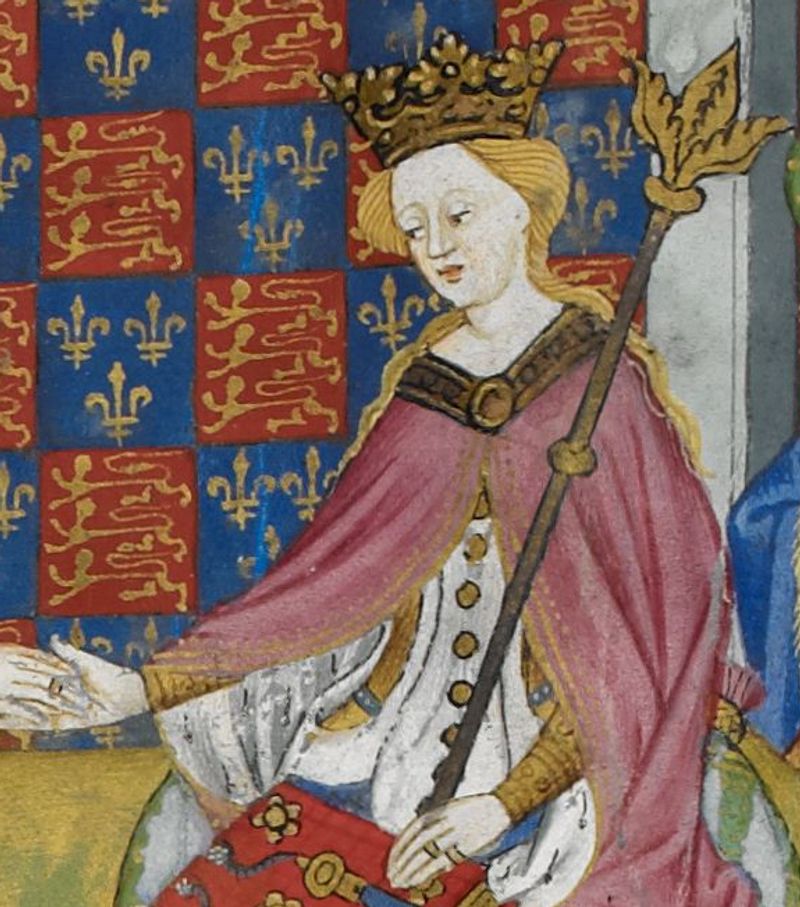
Margaret of Anjou did not start the Wars of the Roses, but she became one of its most ferocious combatants. Married to the weak and mentally unstable King Henry VI of England, she effectively took over leadership of the Lancastrian cause when her husband could not manage it himself.
She was not simply a queen consort waiting in the background.
She raised armies, negotiated foreign alliances, and personally led military campaigns to protect her son’s claim to the throne. Her forces were known for harsh treatment of captured enemies, and she supported the execution of key Yorkist rivals without hesitation.
The civil war she fought in was genuinely brutal, and she matched it step for step.
After years of fighting, her side ultimately lost. Her son was killed at the Battle of Tewkesbury in 1471, and she was captured and imprisoned.
She was eventually ransomed back to France, where she died in 1482, never having reclaimed what she fought so hard to keep.
Razia Sultan (Delhi Sultanate)
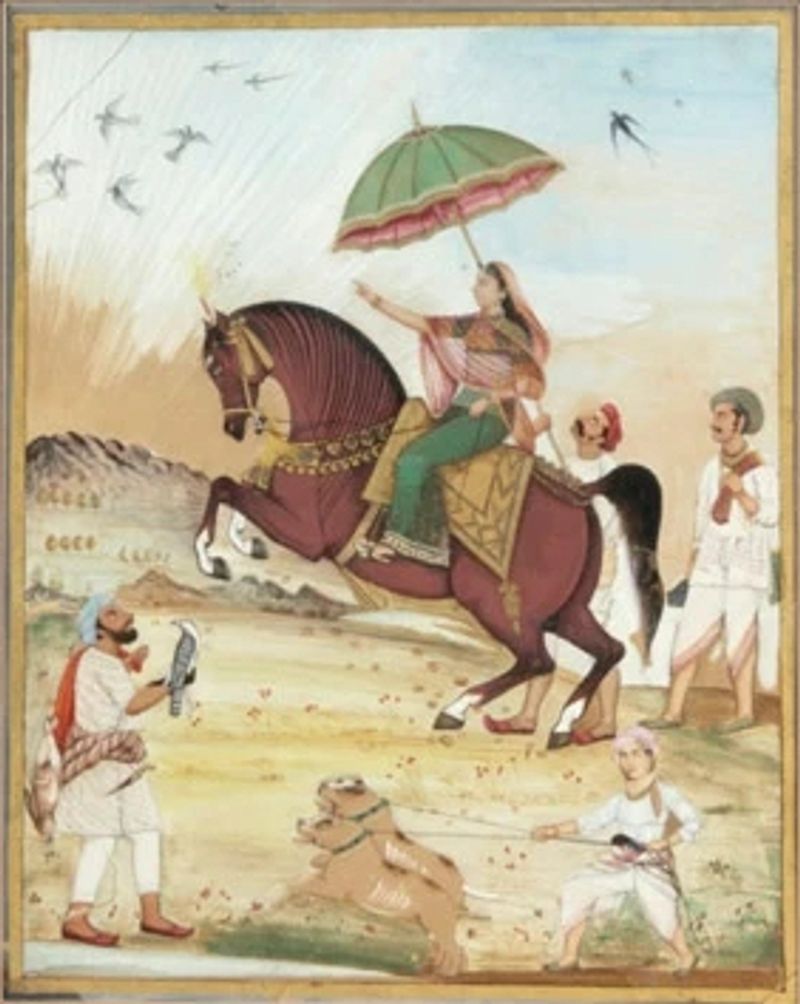
Razia Sultan made history in 1236 when she became the first and only female ruler of the Delhi Sultanate, one of the most powerful kingdoms in medieval South Asia. Her father, Sultan Iltutmish, reportedly believed she was more capable than his sons and named her his successor.
The court and military did not immediately agree.
She faced constant resistance from nobles who refused to accept a woman in command. Razia responded by dropping the veil, appearing publicly on horseback, and leading military campaigns herself.
She crushed several rebellions during her short reign and governed with a directness that her opponents found deeply unsettling.
Her reign lasted only about four years before a coalition of nobles overthrew her. She was captured and killed in 1240.
But in that brief time, she demonstrated that a woman could hold real military and administrative authority in a male-dominated empire. Her story remains remarkable more than 700 years later.



