 Unearth The Voyage
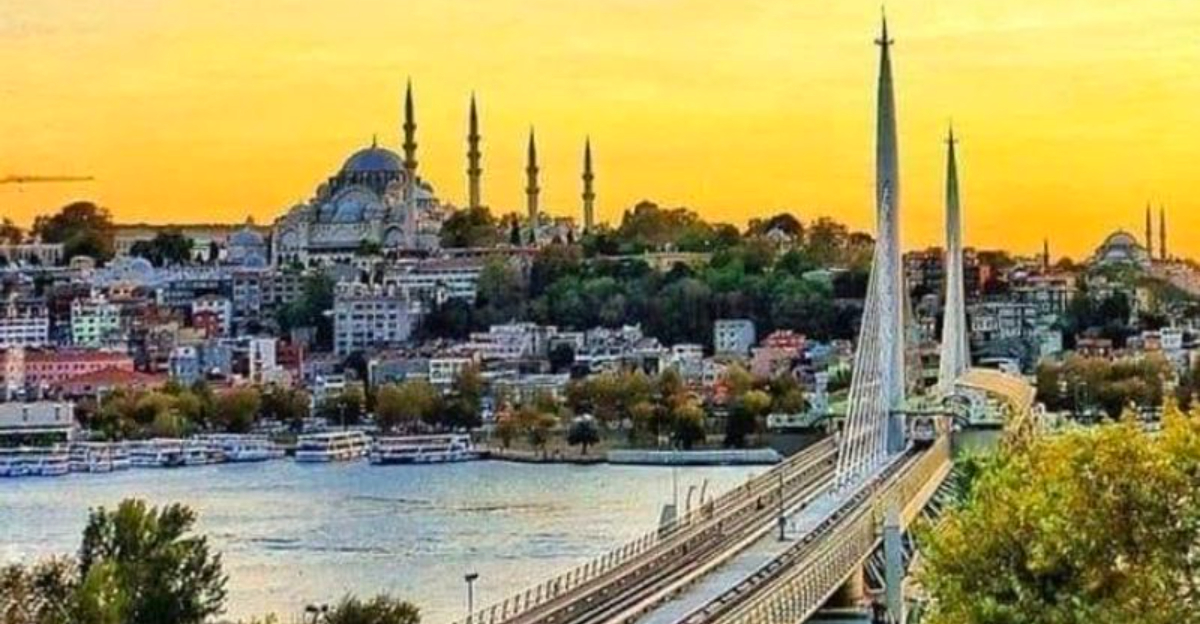
Europe is home to some of the oldest cities on the planet, where ancient streets, crumbling ruins, and centuries-old buildings tell stories that go back thousands of years. From the hilltops of Greece to the coastlines of Spain, these cities have survived wars, empires, and the test of time.
What makes them truly remarkable is that people still live, work, and thrive in them today. Get ready to travel back in time without ever leaving the present.
Plovdiv, Bulgaria
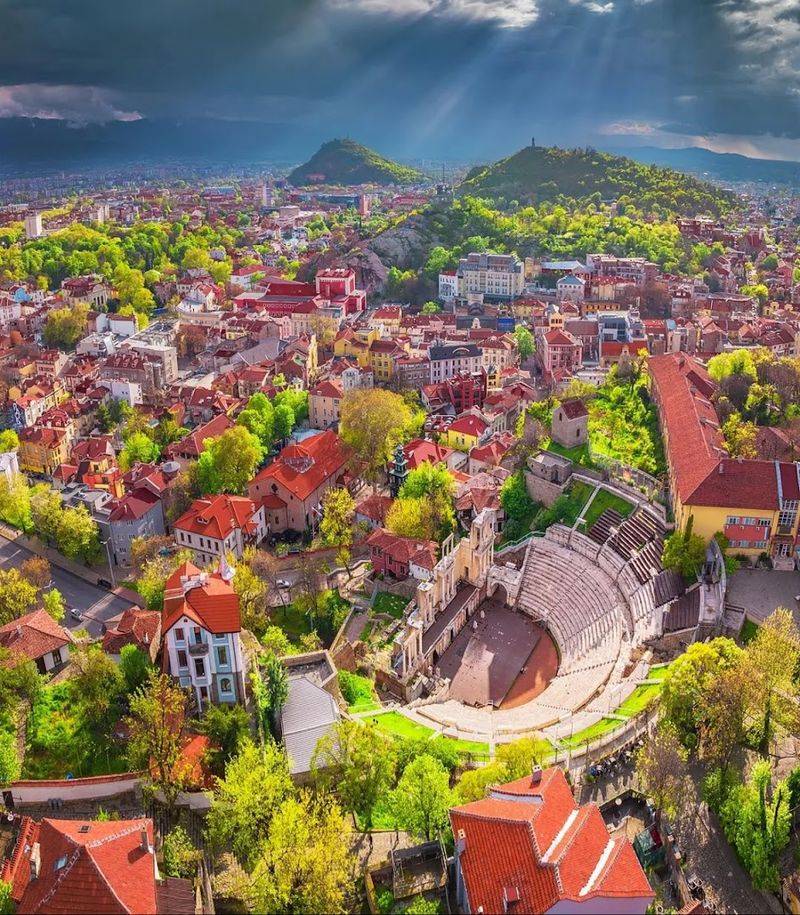
Walk through Plovdiv and you get the strange, wonderful feeling that time forgot to move on. Settled around 6000 BC, this Bulgarian city is widely considered the oldest continuously inhabited city in all of Europe — and it wears that title with serious style.
Built across seven hills, Plovdiv has been home to Thracians, Romans, Byzantines, and Ottomans. Each civilization left behind something worth seeing.
The Roman amphitheater, still used for concerts today, is one of the most jaw-dropping spots in the entire Balkans.
The Old Town is packed with colorful 19th-century houses that lean over cobblestone streets like they’re eavesdropping on passersby. Art galleries, cozy cafes, and ancient ruins share the same neighborhood without any awkwardness.
Plovdiv was also the European Capital of Culture in 2019, proving it’s not just resting on ancient laurels. It’s a city that keeps reinventing itself while never forgetting where it came from.
For anyone curious about how old and new can coexist beautifully, Plovdiv delivers that answer with every corner turned.
Argos, Greece
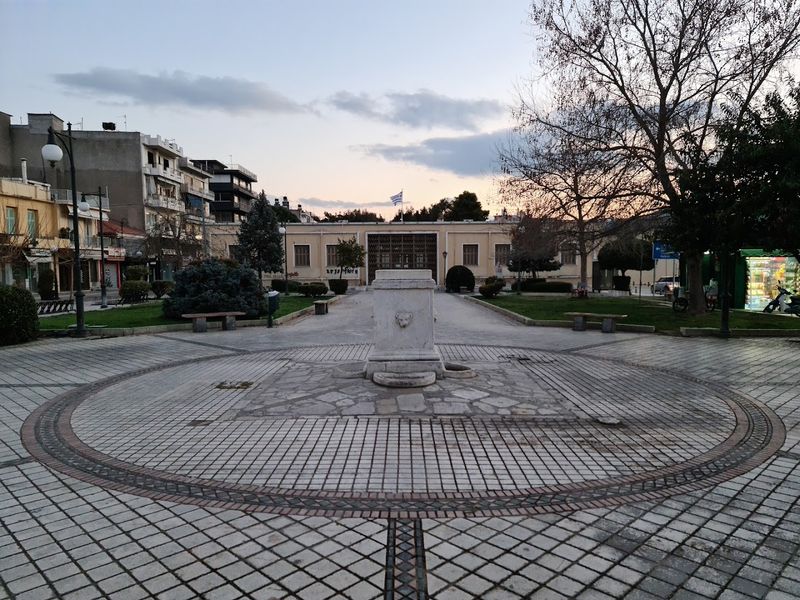
Argos holds a quiet kind of fame — not as flashy as Athens, but arguably older and just as historically loaded. With roots stretching back to around 5000 BC, this Greek city has been continuously inhabited longer than most civilizations have even existed.
In ancient times, Argos was one of the most powerful city-states in Greece. It had its own army, its own gods, and its own fierce pride.
The ancient theater carved into the hillside could seat up to 20,000 people, which was basically the ancient world’s version of a sold-out stadium show.
Today, Argos functions as a busy market town in the Peloponnese region. It may not be overrun with tourists, and honestly, that’s part of its charm.
The archaeological museum houses artifacts that trace thousands of years of human activity in the region. Wandering through the ruins here feels less like a guided tour and more like stumbling onto something genuinely forgotten by the modern world.
For history lovers who want depth without the crowds, Argos is a seriously underrated destination worth putting on the map.
Athens, Greece
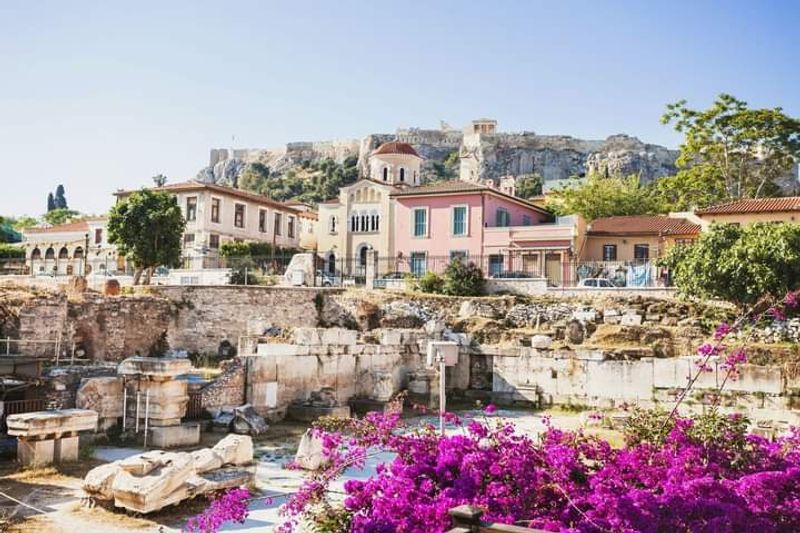
Few cities on Earth carry the weight of history quite like Athens. Standing beneath the Acropolis, you are literally looking at the birthplace of democracy, philosophy, and Western civilization — and it still gives people chills after all these centuries.
Athens has been continuously inhabited for over 5,000 years, making it the oldest capital city in Europe. Ancient thinkers like Socrates, Plato, and Aristotle once debated ideas on these very streets.
The Parthenon, perched high on the Acropolis, remains one of the most recognized structures in the entire world.
Beyond the ancient landmarks, Athens is a fully alive modern city buzzing with rooftop bars, street art, and incredible food. The Monastiraki flea market is chaotic and wonderful.
Neighborhoods like Psiri and Exarchia pulse with creative energy. Visitors often expect a city frozen in the past but find instead a place that’s confidently moving forward.
Athens proves that a city can carry thousands of years of legacy without feeling like a museum. It’s messy, energetic, and absolutely unforgettable in the best possible way.
Thebes, Greece
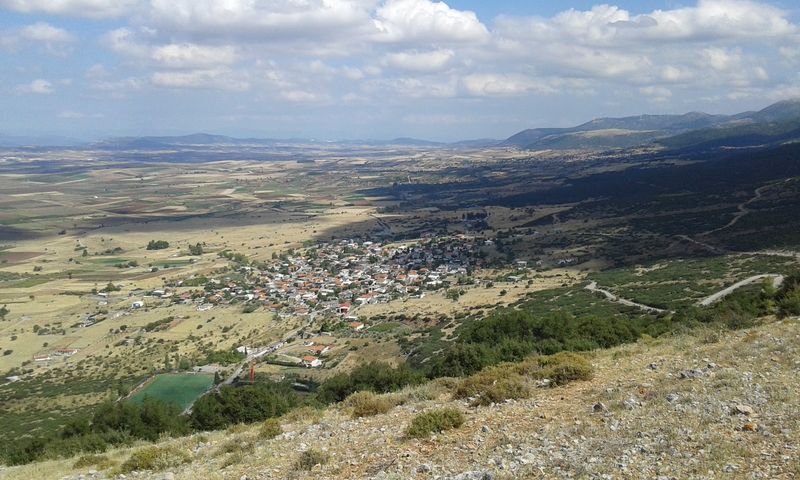
Thebes doesn’t always make the top of the tourist list, but ancient Greeks would have been shocked to hear that. Around 3000 BC, this city was already building a reputation as one of the most powerful and mythologically rich places in the Greek world.
Heroes like Hercules and Oedipus are tied to Thebes through legend. The city also produced the Sacred Band of Thebes — an elite military unit made up of 150 pairs of soldiers — who were considered one of the most formidable fighting forces in ancient Greece.
That’s a pretty remarkable footnote in military history.
The city defeated Sparta at the Battle of Leuctra in 371 BC, briefly becoming the dominant power in Greece. Today’s Thebes is a mid-sized modern town in central Greece, sitting directly on top of its ancient self.
Excavations continue to uncover Bronze Age artifacts and Mycenaean palace ruins beneath the streets. It’s the kind of place where someone might dig a foundation for a new building and accidentally find a 3,000-year-old artifact.
For mythology fans and history buffs, Thebes rewards curiosity in unexpected ways.
Chania, Greece (Crete)
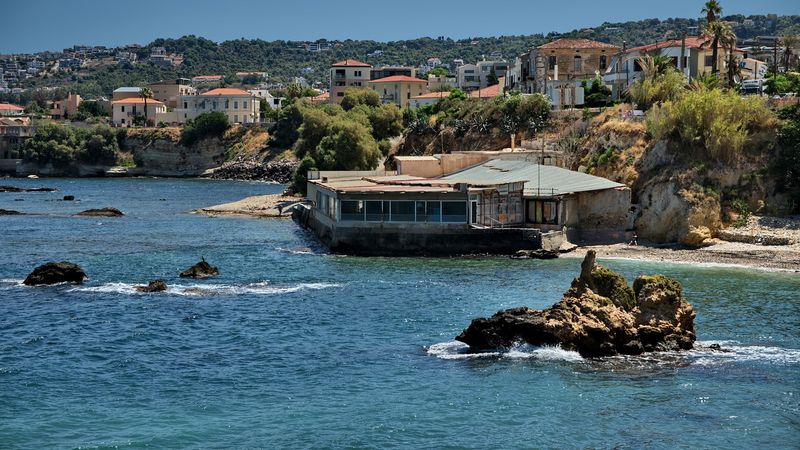
The harbor at Chania looks like someone painted it straight out of a dream — pastel buildings, a Venetian lighthouse, fishing boats bobbing gently, and the warm Cretan sun doing its best work. But beauty aside, this city has been around since the 4th millennium BC, founded by the Minoans, one of Europe’s earliest advanced civilizations.
The Minoans were remarkable people. They had running water, multi-story buildings, and a writing system long before many other cultures had figured out basic agriculture.
Chania grew from their settlements and later absorbed layers of Venetian, Ottoman, and Greek culture, all of which are still visible in the architecture today.
The old town is a maze of narrow streets, leather shops, and tiny tavernas where the food is outrageously good. The covered market, built in the shape of a cross, is worth visiting just for the atmosphere.
Chania also serves as a gateway to some of Crete’s most stunning beaches and gorges, including the famous Samaria Gorge. It manages to be historic and lively at the same time, which is exactly the kind of travel experience most people spend years searching for.
Shkodra, Albania
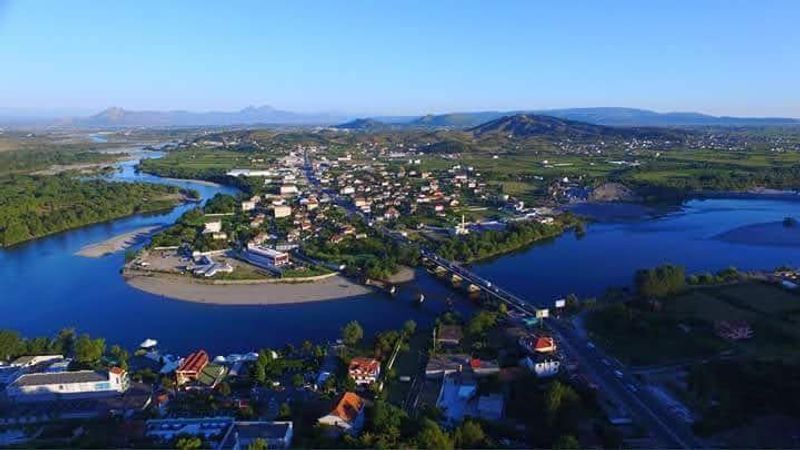
Perched dramatically above the meeting point of three rivers, Rozafa Castle has been watching over Shkodra for thousands of years. This Albanian city has been continuously inhabited since the Bronze Age, around 2000 BC, and its strategic location made it a prize worth fighting over across many centuries.
The Illyrians built Shkodra into a powerful stronghold. After them came the Romans, Byzantines, Venetians, and Ottomans — each adding their own chapter to the city’s layered story.
The legend of Rozafa herself, a woman said to have been built into the castle walls to ensure its strength, is one of the most haunting and memorable folk tales in the Balkans.
Today, Shkodra is considered Albania’s cultural capital. It has a well-preserved old bazaar, a lively arts scene, and a population known for warmth and hospitality.
Lake Shkodra, the largest lake in Southern Europe, sits right at the city’s doorstep and adds serious natural beauty to the mix. Albania remains one of Europe’s most underexplored destinations, and Shkodra is a big reason why that’s starting to change.
History, scenery, and culture all wrapped into one overlooked gem.
Larisa, Greece
Larisa might not ring a bell for most travelers, but it has been quietly inhabited for at least 4,000 years, making it one of Greece’s longest-running cities. Mythology even credits its founding to a granddaughter of Zeus, which is honestly a more impressive origin story than most cities can claim.
Sitting in the fertile plains of Thessaly, Larisa was always an agricultural powerhouse. Ancient writers mentioned it frequently, and Hippocrates — the father of medicine — is said to have died there around 370 BC.
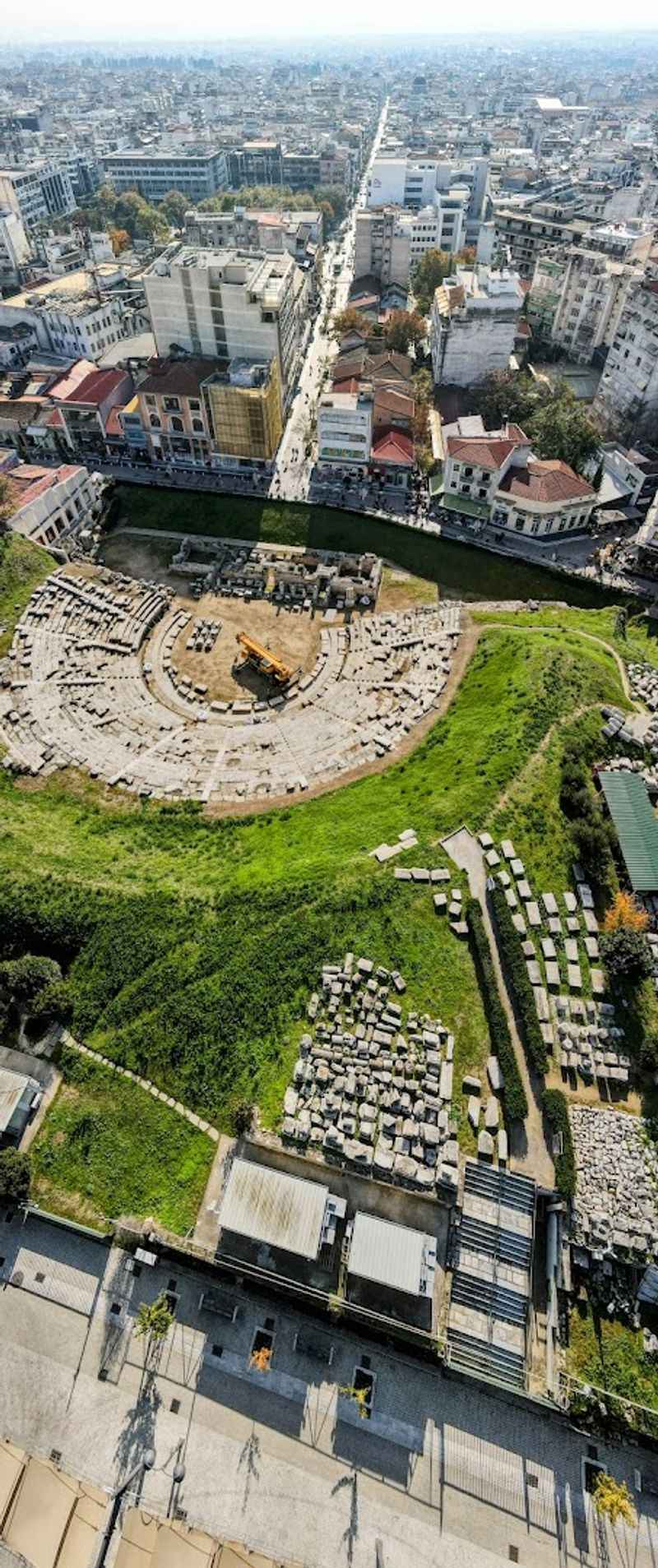
The city has two ancient theaters, one of which was discovered beneath a modern square and is still being excavated today.
Larisa is now the fifth-largest city in Greece and a busy regional hub. It has a relaxed, lived-in feel that’s quite different from tourist-heavy Greek cities.
The central park along the Pineios River is a great spot to slow down and watch daily Greek life unfold. While it may lack the headline attractions of Athens or Santorini, Larisa offers something rarer — the experience of an ancient city that has simply never stopped being itself.
That kind of continuity is genuinely hard to find anywhere in the world.
Rome, Italy
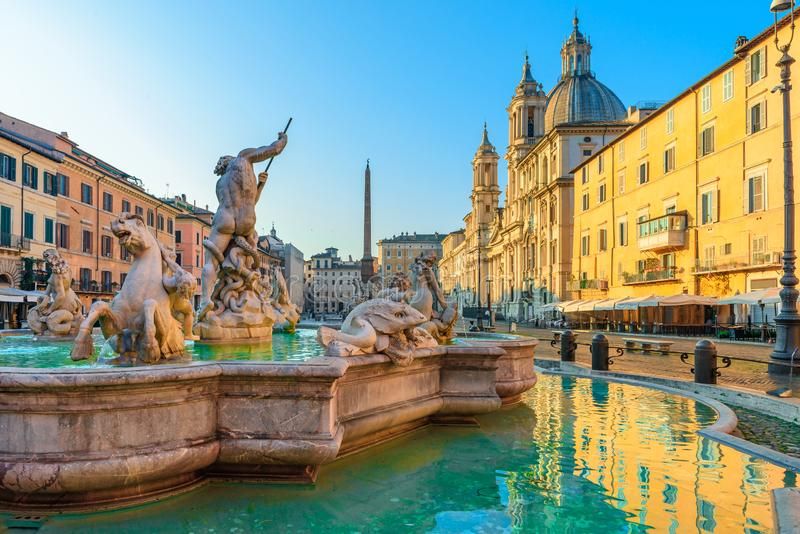
They say all roads lead to Rome, and after spending even one day here, you start to understand why. Founded over 2,700 years ago according to tradition, Rome grew from a small settlement on the Tiber River into the capital of an empire that stretched across three continents.
That’s not a small achievement.
The Colosseum, the Roman Forum, the Pantheon — these are not just tourist attractions. They are physical proof that human beings once built something so extraordinary that it survived centuries of earthquakes, invasions, and neglect.
Standing inside the Pantheon, which has been in continuous use since 125 AD, is a genuinely humbling experience.
Modern Rome layers centuries of history without apology. Ancient temples become churches, Roman roads run beneath modern streets, and world-class restaurants operate in buildings older than most countries.
The food alone — carbonara, supplì, gelato from a tucked-away gelateria — is worth the trip. Rome can be overwhelming at first, but it rewards slow exploration.
The more time you give it, the more it reveals. It is, without question, one of the most extraordinary cities human civilization has ever produced.
Matera, Italy
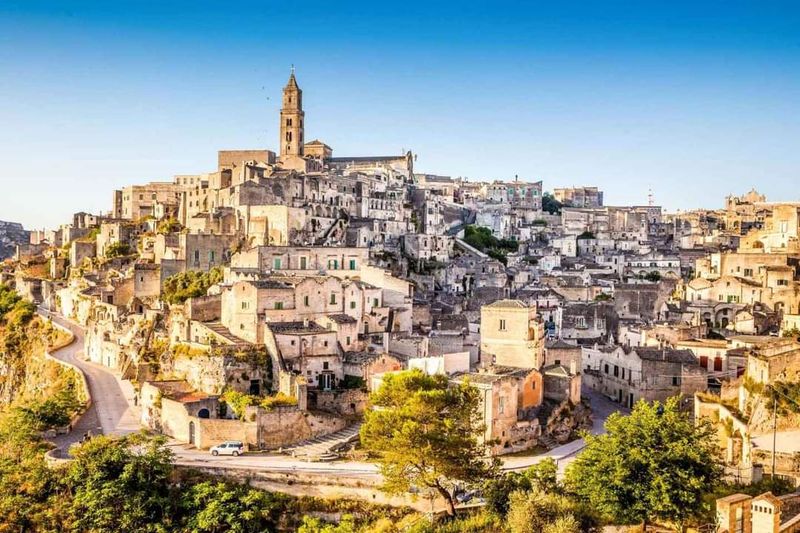
Imagine waking up in a house carved directly into a rock face that people have been living in since the Stone Age. That’s not a fantasy — that’s just a Tuesday in Matera.
This remarkable southern Italian city contains cave dwellings, known as the Sassi, that were inhabited continuously from the Paleolithic era, making it one of the oldest human settlements on the planet.
For much of the 20th century, the Sassi were considered an embarrassment. Thousands of poor families lived in the caves without running water or electricity, and the Italian government forcibly relocated residents in the 1950s.
The caves were labeled a national disgrace. Then, decades later, the world suddenly woke up and realized what Matera actually was — a breathtaking, irreplaceable piece of human history.
In 1993, UNESCO declared the Sassi a World Heritage Site. By 2019, Matera had become a European Capital of Culture alongside Plovdiv.
The cave churches, decorated with ancient frescoes, are particularly stunning. Many of the old dwellings have been converted into boutique hotels and restaurants, where guests can sleep inside history.
Matera’s transformation from forgotten slum to celebrated destination is one of the most remarkable comeback stories in all of Europe.
Cádiz, Spain
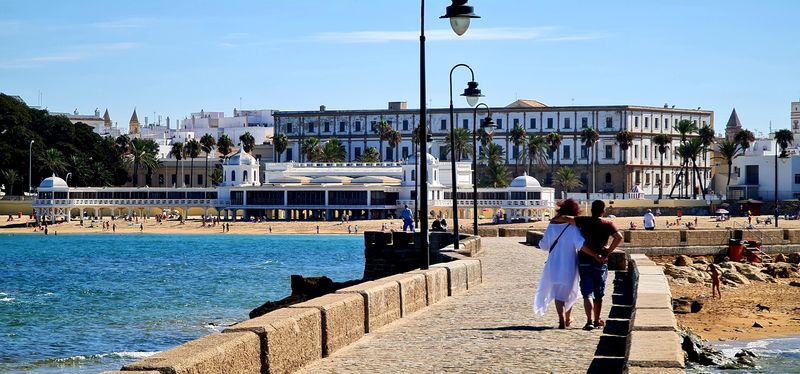
Cádiz has been throwing parties longer than almost any other city in Western Europe. Founded by the Phoenicians around 1100 BC, it holds the title of the oldest continuously inhabited city in Western Europe — a claim backed by serious archaeological evidence and a lot of civic pride.
The Phoenicians chose this spot for good reason. Cádiz sits on a narrow peninsula jutting into the Atlantic, making it a natural harbor and trading goldmine.
Over the centuries, it became a launching point for Spanish expeditions to the Americas, a hub of commerce, and a city that seemed to attract history like a magnet. Columbus departed from here on his second and fourth voyages.
Today, Cádiz is one of Spain’s most charming and underrated cities. The old town is compact, walkable, and full of golden-domed churches, hidden plazas, and fresh seafood that tastes exactly as good as the ocean air smells.
The annual Carnival of Cádiz is one of the most famous in Spain, known for sharp political satire delivered through song. For a city this old, it has an infectious youthfulness that catches visitors completely off guard.
Cádiz is proof that age and energy are not mutually exclusive.
Lisbon, Portugal
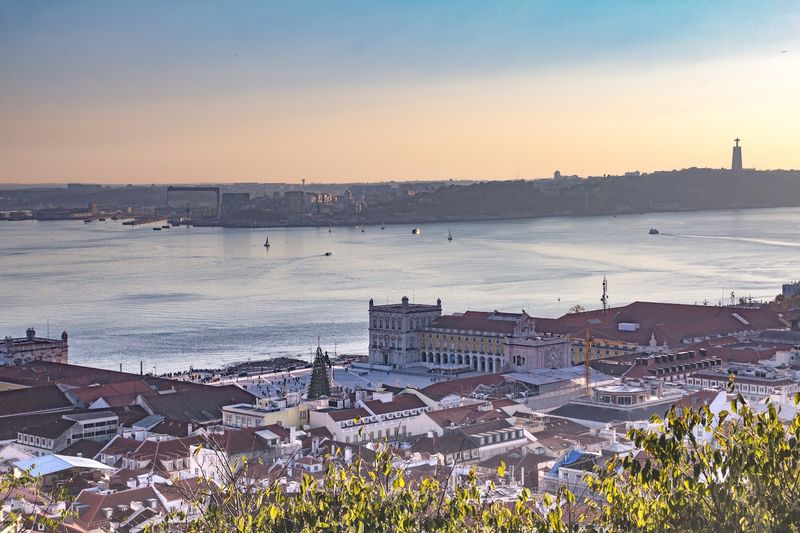
Lisbon has a way of making you feel nostalgic for a place you have never even been before. Maybe it is the fado music drifting out of an open window, or the way the light hits the azulejo tiles in the late afternoon.
Whatever it is, this city has been casting that spell for over 3,000 years.
Phoenicians settled the hills above the Tagus River long before the Romans arrived and named it Olisipo. Later came the Visigoths, the Moors, and eventually the Portuguese kingdom that would go on to build one of history’s greatest maritime empires.
The Age of Discovery launched from these very shores, sending explorers to Africa, India, and Brazil.
The historic neighborhoods of Alfama and Mouraria climb steep hills lined with laundry-strung streets and tiny restaurants. The famous yellow trams creak their way through the city like they have somewhere important to be but are in absolutely no rush.
Belém Tower and the Jerónimos Monastery are stunning reminders of Portugal’s golden age. Lisbon also has a surprisingly vibrant food and nightlife scene that keeps younger visitors coming back.
It balances melancholy and joy in a way that feels deeply and unmistakably Portuguese.
Istanbul, Turkey
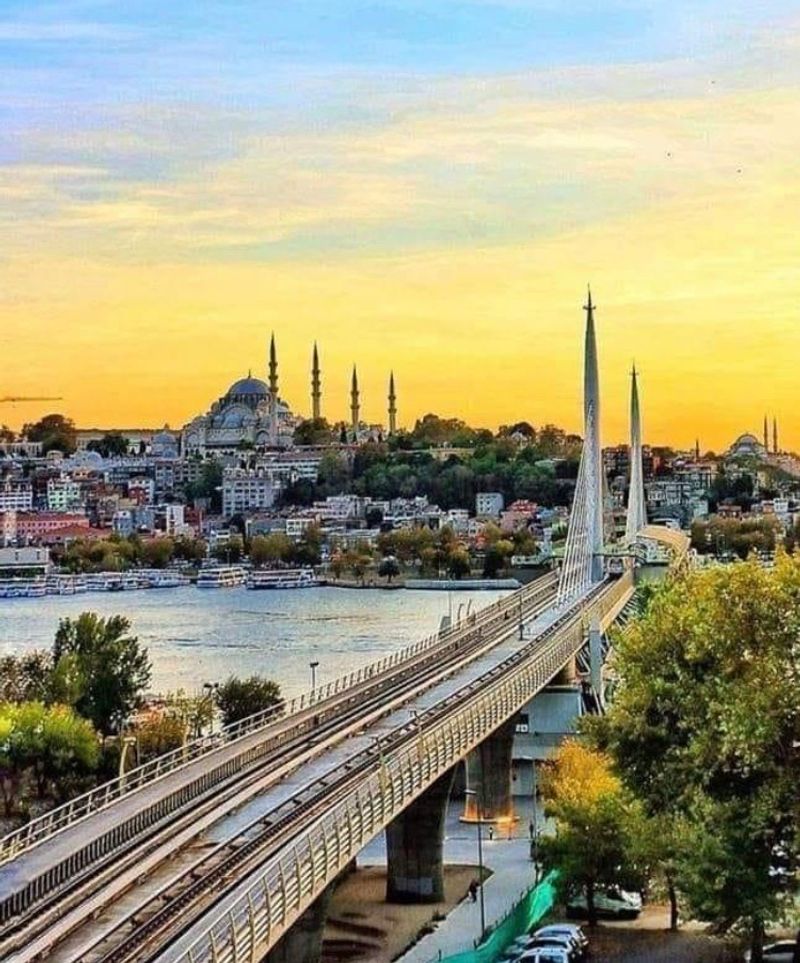
No city on Earth sits quite like Istanbul — literally straddling two continents, with one foot in Europe and the other in Asia. This geographic drama is fitting for a city that has been at the center of world history for over 2,600 years, serving as the capital of the Byzantine and Ottoman empires.
Originally founded as Byzantium by Greek colonists around 657 BC, it was later renamed Constantinople and became the crown jewel of the Roman Empire’s eastern half. When the Ottomans conquered it in 1453, they didn’t tear it down — they made it even more magnificent.
The Hagia Sophia, built in 537 AD, is a masterpiece of engineering that still leaves architects speechless today.
Modern Istanbul is one of the world’s most dynamic megacities, home to over 15 million people. The Grand Bazaar, one of the largest and oldest covered markets in the world, sells everything from spices to handwoven carpets in a labyrinth of more than 4,000 shops.
The food scene is extraordinary — think freshly caught fish sandwiches on the Bosphorus bridge. Istanbul rewards curiosity at every turn, making it impossible to see everything in just one visit, which is exactly the right kind of problem to have.
Marseille, France
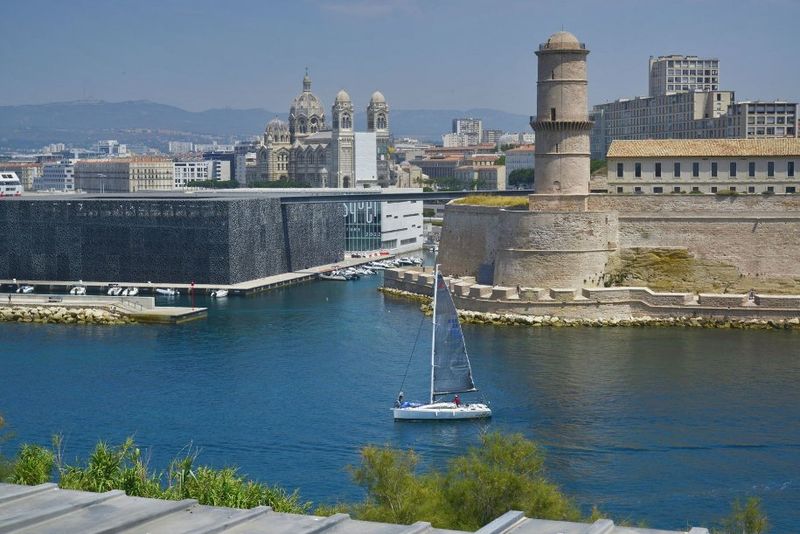
Marseille is loud, colorful, a little rough around the edges, and absolutely magnificent for it. Founded by Greek sailors from Phocaea around 600 BC, it is the oldest city in France — and it has the personality to match all those centuries of history, trade, and sea salt.
The ancient Greeks called it Massalia, and it quickly became a thriving port and cultural hub in the western Mediterranean. It maintained close ties with Athens and even had its own calendar and coinage.
The Romans eventually absorbed it, but Marseille’s independent streak never really went away — a fact any local will confirm with great enthusiasm.
Today, the Vieux-Port, or Old Port, remains the beating heart of the city. Fishermen still sell their morning catch there every day, just as they have for centuries.
The bouillabaisse — a rich, saffron-laced fish stew — is practically a civic religion here, and every restaurant claims theirs is the authentic original. The neighborhood of Le Panier, perched above the port, is one of France’s oldest residential areas, full of street art and tiny squares.
Marseille is not a city that tries to impress you — it just does, without even trying.
Cologne, Germany
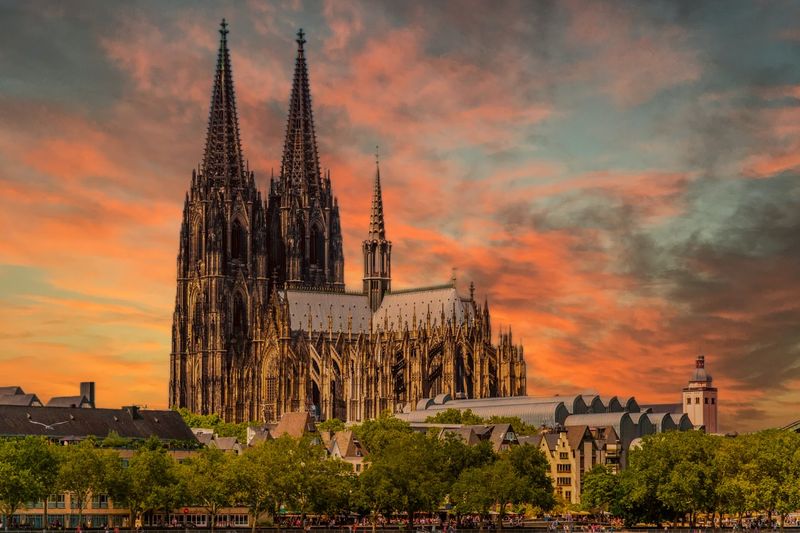
The Romans showed up on the banks of the Rhine around 38 BC and decided this was an excellent place to set up camp. They were not wrong.
What started as a Roman military settlement called Colonia Claudia Ara Agrippinensium — yes, that is a mouthful — eventually became Cologne, one of Germany’s most important and beloved cities.
The city was actually named after Agrippina the Younger, a Roman empress who was born there and later convinced Emperor Claudius to grant it full colony status. That is some impressive hometown lobbying.
Cologne grew into a major Roman city with temples, baths, and a population of around 20,000 people during its peak ancient period.
The Cologne Cathedral, begun in 1248 and completed in 1880, is the city’s undisputed icon. Standing 157 meters tall, it dominated the European skyline for centuries as the tallest structure in the world.
Today, Cologne is a vibrant, modern city known for its friendly locals, world-class museums, and the famous Cologne Carnival, which transforms the city every February. The Roman-Germanic Museum, built around a preserved Roman mosaic found during World War II construction, is a must-see reminder of just how deep the city’s roots actually run.
Vienna, Austria
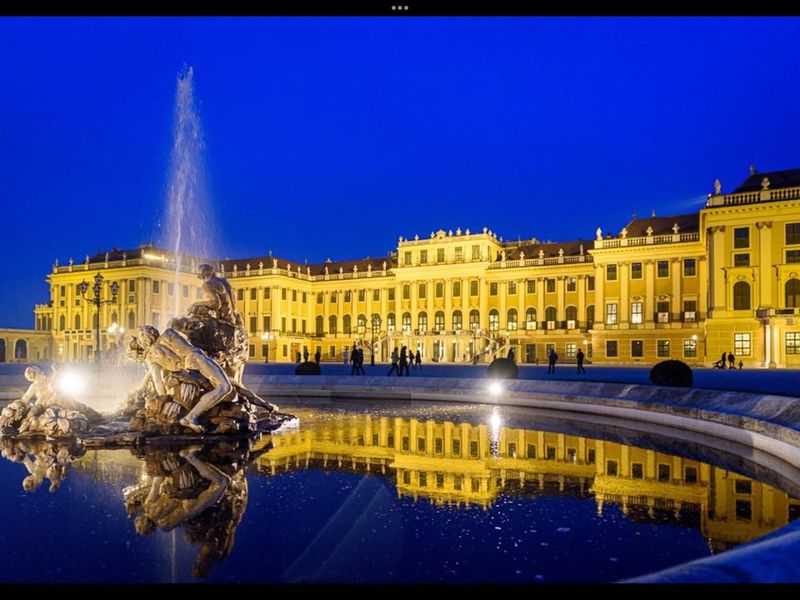
Vienna has always had a flair for the dramatic. Originally established as a Roman military camp called Vindobona around 15 BC, it grew from a frontier outpost into one of the most culturally powerful cities in European history.
Mozart composed here. Beethoven lived here.
Freud developed psychoanalysis on a couch here. Not bad for a former army base.
The Habsburg dynasty turned Vienna into an imperial showpiece over several centuries, filling it with grand palaces, sweeping boulevards, and world-class museums. The Hofburg Palace alone has over 2,600 rooms.
Schönbrunn Palace, the summer residence of the Habsburgs, has 1,441 rooms and gardens that seem to go on forever. Vienna perfected the art of making everything feel slightly over the top — in the best possible way.
Today, Vienna consistently ranks among the world’s most livable cities, blending imperial grandeur with modern efficiency. The coffee house culture is legendary — Viennese cafes are UNESCO-recognized cultural heritage, where people sit for hours over a single melange and a newspaper.
The Vienna Philharmonic, the opera house, and the museum district keep the city’s cultural engine running at full speed. Vienna proves that a city born as a Roman military camp can, with enough ambition and pastry, become truly extraordinary.



