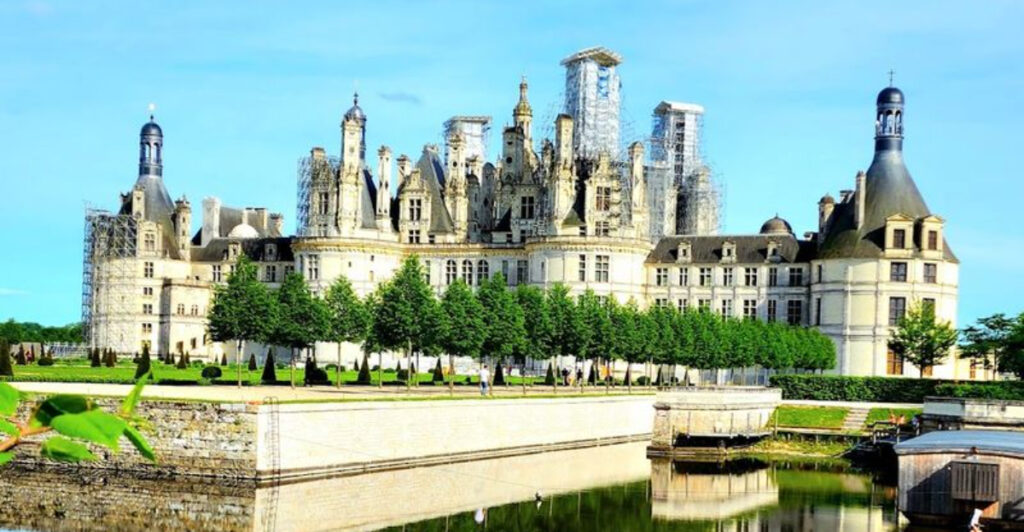
Some castles were built to defend kingdoms. Others were built to show off royal wealth.
But a handful of castles around the world were built for reasons that are harder to explain, and that is exactly what makes them worth visiting. From a fortress jammed inside a cliff face to a love story frozen in stone on a river island, these 15 castles are weird, wonderful, and completely real.
Predjama Castle, Slovenia
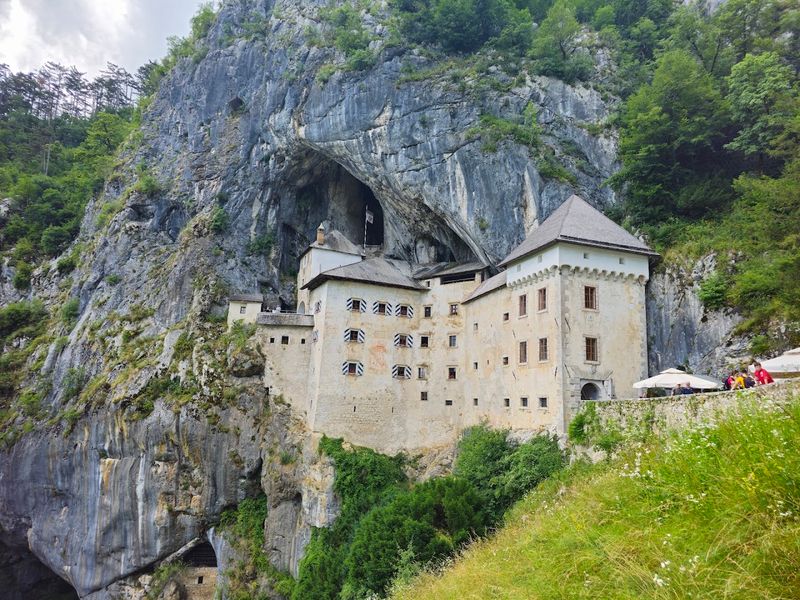
A castle crammed inside a cave mouth is not something you see every day, and Predjama delivers exactly that. Built directly into a limestone cliff in Slovenia, this fortress looks like the mountain simply decided to grow a front door.
The combination of medieval stonework and natural rock shelter is jaw-dropping in person.
The castle’s most famous resident was Erazem, a rebellious knight who reportedly used secret cave tunnels to smuggle supplies during a siege. His enemies camped outside for over a year.
Spoiler: the tunnels were a solid strategy until someone tipped off the attackers about a bathroom break at the worst possible moment.
Today the castle is open to visitors and pairs nicely with the nearby Postojna Cave. Go early to beat the crowds.
The interior is genuinely atmospheric, with dark rooms, tight passages, and enough medieval drama to keep any history fan happy for hours.
Pena Palace, Portugal
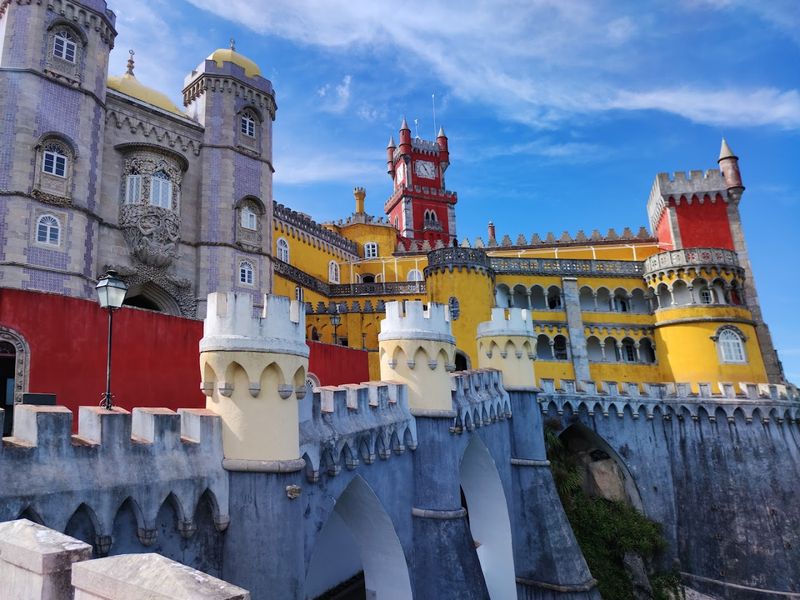
Pena Palace looks like someone handed a child a box of crayons and said, go ahead, design a royal residence. The result is a riot of yellow walls, red towers, blue tiles, and Romantic-era decoration stacked on a hilltop above Sintra.
Subtle it is not, and that is entirely the point.
Built in the 19th century for King Ferdinand II, the palace blends Moorish, Gothic, Manueline, and Renaissance styles with zero apology. Every corner reveals something new: a carved archway here, a sculpted figure there, a dome that belongs in a completely different building.
It is theatrical architecture at its most committed.
The surrounding park is huge and worth exploring beyond the palace walls. Wear comfortable shoes because the uphill walk is real.
Visiting on a misty morning adds an extra layer of mystery that photographs cannot fully capture. Sintra is only about 40 minutes from Lisbon by train.
Quinta da Regaleira, Portugal
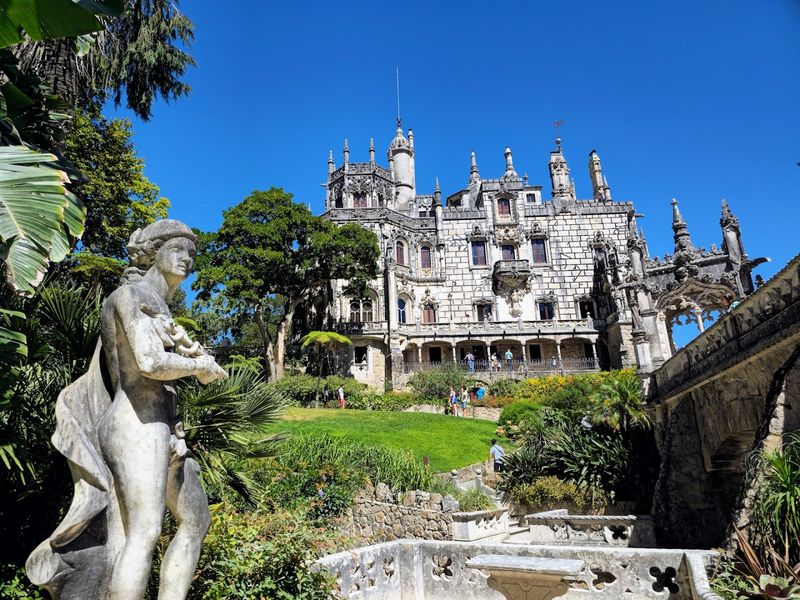
Most estates have a garden. Quinta da Regaleira has tunnels, grottoes, a tarot-themed layout, and an underground spiral staircase that descends deep into the earth like something from a secret society handbook.
Because, well, it kind of is.
Built around 1910 for a wealthy eccentric named Carvalho Monteiro, the estate blends Gothic, Manueline, Renaissance, and Masonic symbolism into every stone. The famous Initiation Well is the highlight: a spiraling staircase that winds downward through nine landings, reportedly linked to Masonic initiation rituals.
It is genuinely one of the strangest structures I have walked through.
Self-guided visits let you explore at your own pace, which is ideal because this place rewards slow wandering. The tunnels connect different parts of the grounds, and getting slightly lost is part of the experience.
Buy tickets online ahead of time since Sintra gets busy fast, especially on weekends.
Neuschwanstein Castle, Germany
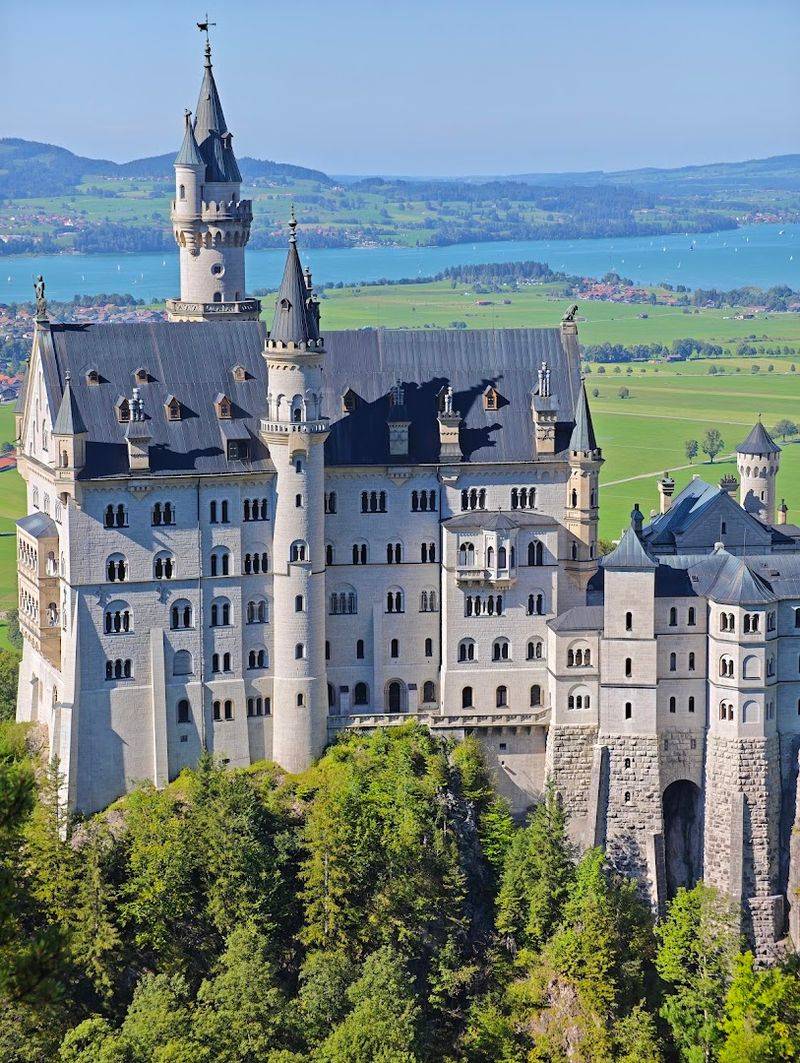
Everyone has seen Neuschwanstein on a poster, a puzzle, or a Disney logo, but seeing it in person for the first time still stops you cold. The castle is genuinely, almost aggressively beautiful, and also deeply bizarre when you learn the backstory behind it.
King Ludwig II of Bavaria commissioned it not as a military fortress but as a personal fantasy retreat inspired by medieval legends and Wagner’s operas. He barely lived in it.
The castle was unfinished at his death in 1886, and the rooms that were completed are packed with theatrical murals, gilded ceilings, and symbolic decoration. It is less a castle and more a stage set built at mountain scale.
Guided tours move quickly through the interior, so pay attention. The view from Marienbrucke bridge above the gorge is the classic photo spot, but arrive early because the line grows fast.
The surrounding Bavarian scenery makes the whole trip worth it regardless.
Bran Castle, Romania
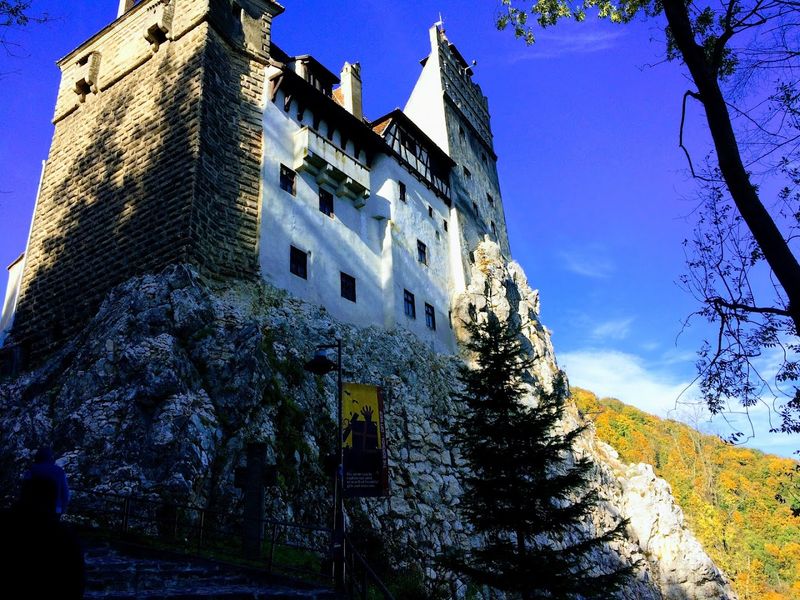
Bran Castle has one of the greatest marketing stories in history: a moody Transylvanian fortress forever linked to Dracula, despite the real Vlad the Impaler having almost nothing to do with it. The castle ran with the vampire association anyway, and honestly, who can blame it.
The real history is fascinating on its own terms. Built in the 14th century, Bran served as a customs post and royal residence over the centuries.
Queen Marie of Romania actually loved the place and did significant restoration work in the early 20th century. The rooms reflect her taste rather than any vampire’s lair.
That said, the setting absolutely earns its gothic reputation. Narrow staircases, thick stone walls, and forest-covered hills create an atmosphere that needs no fictional assistance.
The castle is well set up for visitors with museum exhibits throughout. A short walk through the village below adds local flavor to the trip.
Corvin Castle, Romania
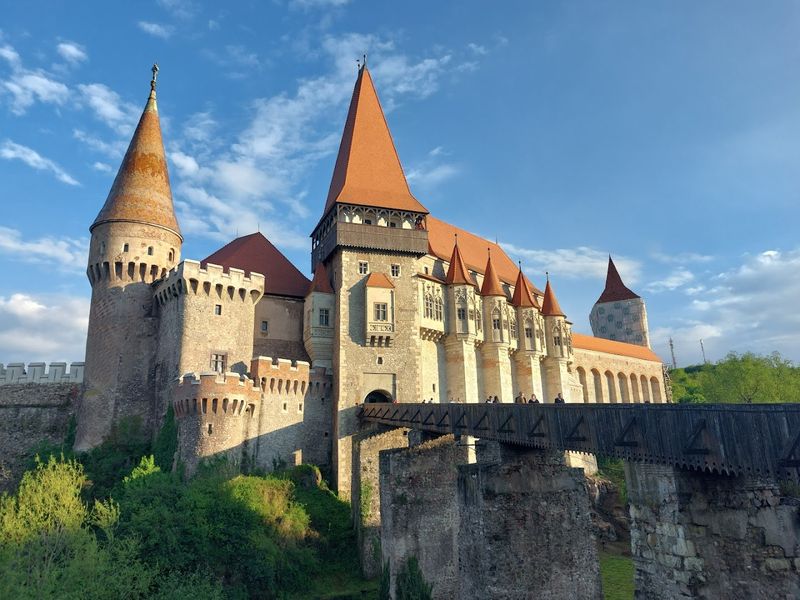
Corvin Castle looks like it was designed by someone who received the brief “make it as Gothic as physically possible” and then exceeded expectations. The long wooden bridge leading to the main gate, the towers shooting upward, the stone courtyards: all of it feels almost too dramatic to be real.
Built in the 15th century by John Hunyadi, the castle was a genuine military and political power base before it became a tourist landmark. It passed through several hands over the centuries and survived enough sieges and renovations to give any historian a full afternoon of material.
The scale of the place is what hits you first.
Museum spaces inside cover the castle’s long history with exhibitions spread across multiple rooms. The Knights’ Hall is a standout.
Corvin is located in Hunedoara, which is less visited than Bran but arguably more rewarding for castle fans who want the full Gothic experience without the Dracula crowds.
Castel del Monte, Italy
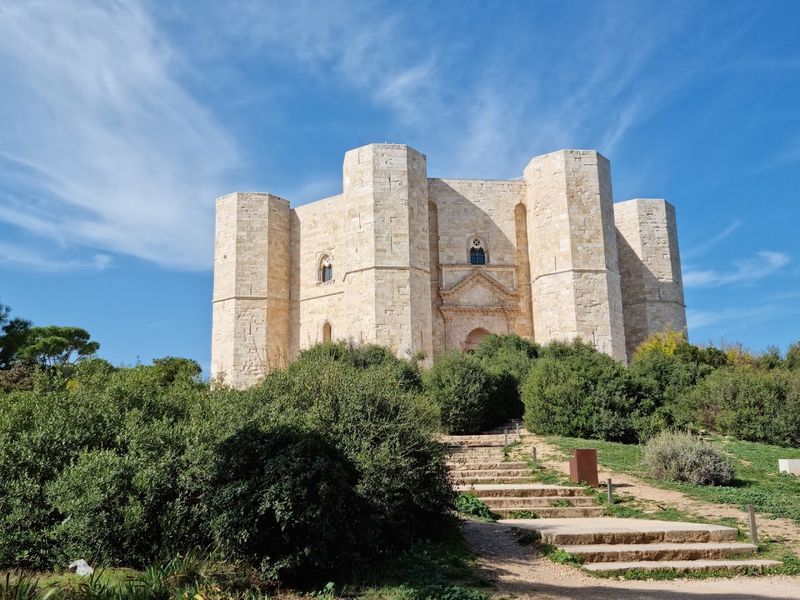
Eight sides. Eight towers.
An octagonal courtyard. Frederick II did not stumble into this design by accident.
Castel del Monte was built in the 13th century with a mathematical precision that still puzzles historians today, and its exact purpose remains a genuinely open debate.
Was it a hunting lodge? A monument to astronomy?
A symbol of imperial power? Possibly all three.
What is clear is that it does not look like any other medieval fortress in Europe. No moat, no drawbridge, no obvious defensive features.
Just this perfect geometric shape sitting alone on a hill in Puglia like a stone riddle nobody has fully solved.
The UNESCO listing is well deserved. The interior is spare but striking, with carved marble details and light that shifts dramatically through the day.
Getting there requires a car or a shuttle from the nearby town of Andria. Go in the late afternoon when the light turns golden and the hilltop is at its most cinematic.
Bishop Castle, Colorado, USA
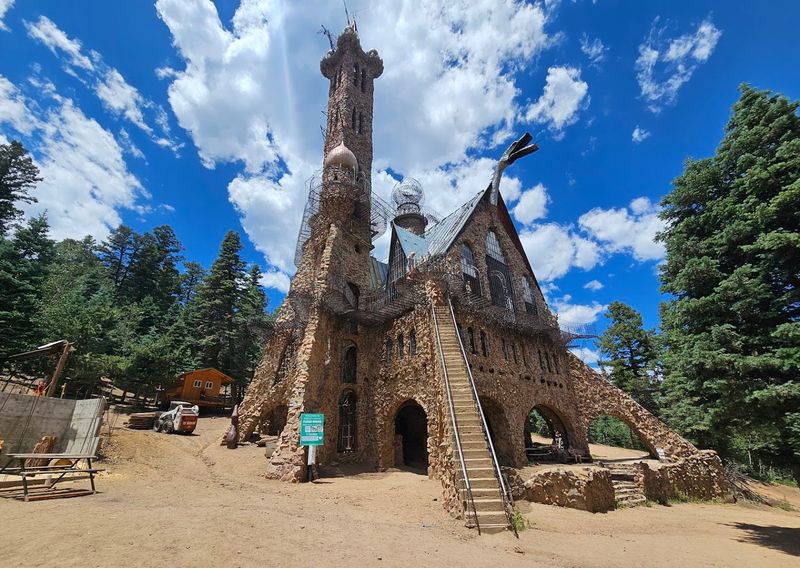
Jim Bishop started building his castle in the Colorado mountains in 1969 with no formal training, no blueprint, and apparently no intention of ever stopping. Decades later, Bishop Castle stands as one of the most wonderfully stubborn construction projects in American history.
The castle features stone towers, iron bridges, stained glass windows, and a massive metal dragon head mounted over the main tower that actually breathes fire during events. Jim himself can often be found on site, occasionally shouting his opinions about government from the upper levels.
It is that kind of place.
Admission is free, though donations are welcomed and genuinely appreciated. The structure is open to visitors who are comfortable with steep stairs, open railings, and the general vibe of a one-man passion project built at castle scale.
Go with a spirit of adventure rather than expecting a polished museum. Bishop Castle is raw, personal, and unlike anything else on this list.
Castle of Ravadinovo, Bulgaria
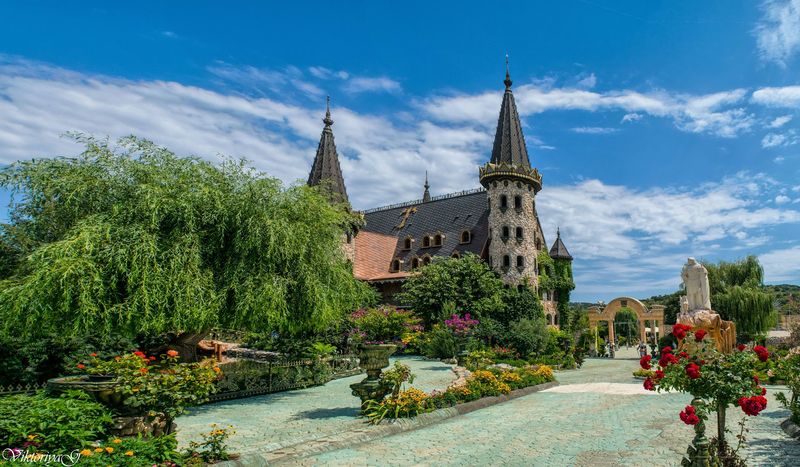
Built in the 1990s by a Bulgarian businessman named Georgi Tumpalov, the Castle of Ravadinovo is proof that the Middle Ages have nothing on modern ambition. Also known as “In Love with the Wind,” this is not an ancient ruin but a deliberately fairy-tale fortress built from scratch using traditional stone techniques.
The result is genuinely magical in the most literal sense of the word. Towers rise above manicured gardens, swans glide across ornamental ponds, and every corner is designed to feel like a scene from a storybook.
The castle also hosts weddings, concerts, and wine tastings, so it earns its keep in a very 21st-century way.
Located near Sozopol on the Black Sea coast, it makes a great day trip from the popular beach resorts nearby. Entrance fees are reasonable, and the grounds are extensive enough to fill a couple of hours easily.
It is the kind of place that surprises you by being far more impressive than you expected.
Kellie’s Castle, Malaysia
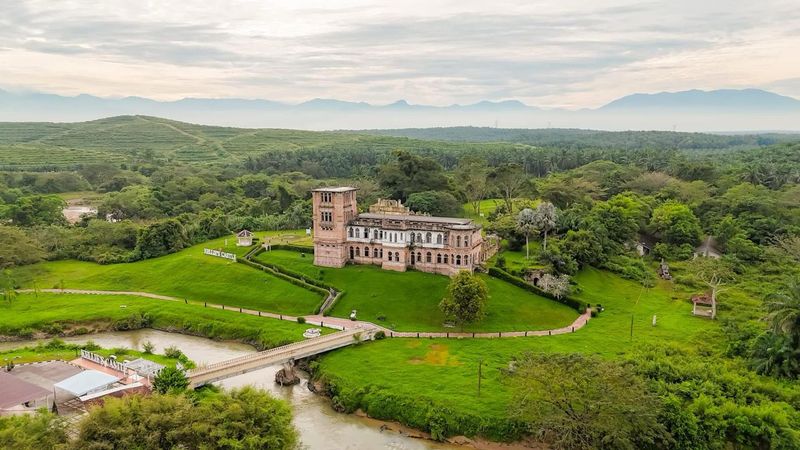
An unfinished mansion rotting beautifully in the Malaysian jungle is not your typical castle, but Kellie’s Castle earns its place on this list through sheer atmospheric weirdness. Scottish rubber planter William Kellie Smith began construction in 1915 and never lived to see it finished, which gives the whole place a melancholy edge that no amount of restoration could remove.
The building combines Moorish and Renaissance styles in a way that feels oddly grand for a plantation estate in Perak. Open corridors lead nowhere.
Staircases stop at the sky. Rooftop views stretch over palm trees and jungle.
There are also persistent local legends about hidden passages and a resident ghost, though the management is refreshingly neutral on the supernatural claims.
The site is well maintained and easy to visit from Ipoh, about 45 minutes away. Guided tours add useful historical context.
The combination of tropical setting, colonial history, and unfinished grandeur makes this one of Southeast Asia’s most genuinely haunting heritage stops.
Egeskov Castle, Denmark
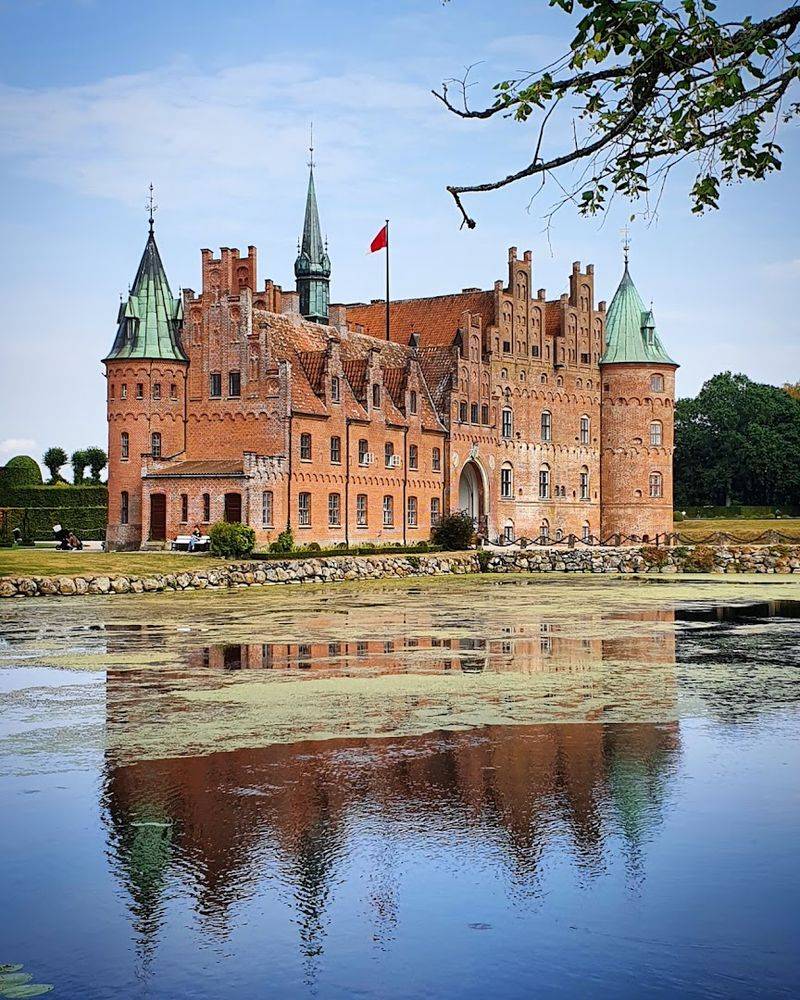
Egeskov Castle sits in the middle of a moat on the Danish island of Funen, and its reflection in the still water makes the whole scene look like a painting that got a bit too confident. It is often called one of the best-preserved Renaissance water castles in Europe, and the title is not an exaggeration.
Built in 1554 on a foundation of thousands of oak piles driven into the lake bed, the castle has survived centuries of Scandinavian weather with remarkable dignity. The name Egeskov literally means “oak forest,” a nod to all those trees that went into the foundations.
That is a lot of oak for one building.
What makes a visit here genuinely fun is the range of attractions beyond the castle itself. Hedge mazes, vintage car museums, treetop walks, and beautifully kept gardens fill the grounds.
It works equally well for history buffs and families looking for a full day out. Summer is the best time to visit.
Boldt Castle, New York, USA
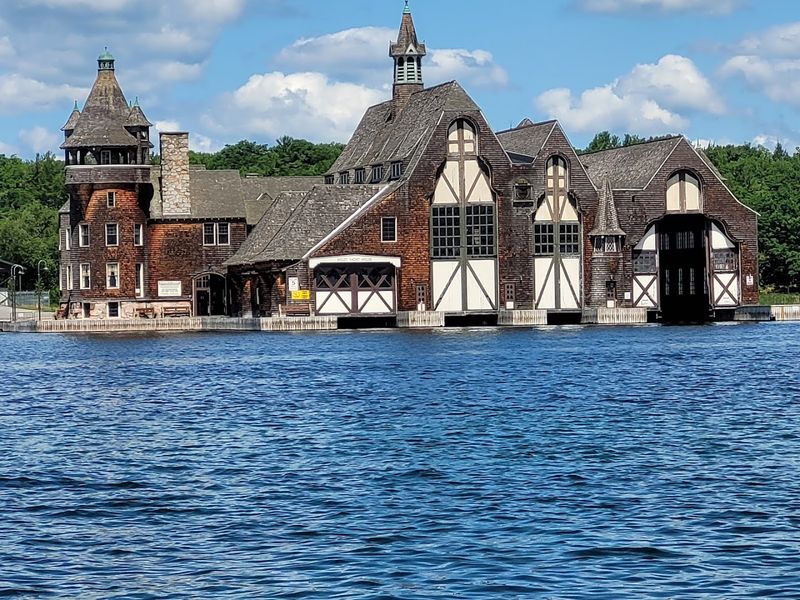
George Boldt was a hotel magnate who decided that the best way to express love for his wife Louise was to build her a six-story castle on a heart-shaped island in the St. Lawrence River. Construction employed 300 workers and was going beautifully until Louise died suddenly in 1904, and George stopped everything overnight.
The island sat abandoned for 73 years.
When the Thousand Islands Bridge Authority took over restoration in 1977, they turned an unfinished love story into one of the most visited attractions in upstate New York. The castle now has fully restored rooms, exhibitions, and manicured grounds that give a clear sense of what George had originally planned.
The story behind it makes every room feel loaded with meaning.
Getting there requires a short boat ride from Alexandria Bay or Kingston, Ontario, which adds to the drama. Tours run from May through October.
The island setting, the romantic backstory, and the sheer scale of the building make Boldt one of the most emotionally interesting castles in North America.
Trakai Island Castle, Lithuania
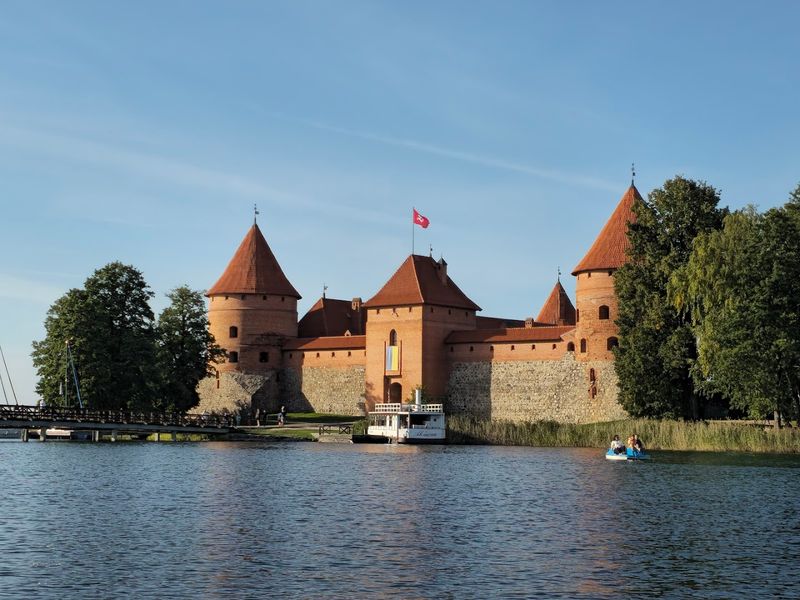
Trakai Island Castle is the kind of place that makes you wonder why more people have not heard of Lithuania. Sitting on an island in Lake Galve, connected to shore by a series of wooden bridges, the red-brick Gothic fortress looks like it was placed there specifically for dramatic effect.
It kind of was.
Built in the 14th and 15th centuries as a residence for the Grand Duchy of Lithuania, the castle served as one of the most important political centers in the region. It fell into ruin over the centuries and was heavily restored in the Soviet era, a fact that purists note but that does not diminish the visual impact one bit.
The castle museum inside covers Lithuanian history with genuine depth. Kayaking on the lake offers a different perspective that is hard to beat on a clear day.
Trakai is only about 28 kilometers from Vilnius, making it an easy and very rewarding half-day trip from the capital.
Matsumoto Castle, Japan
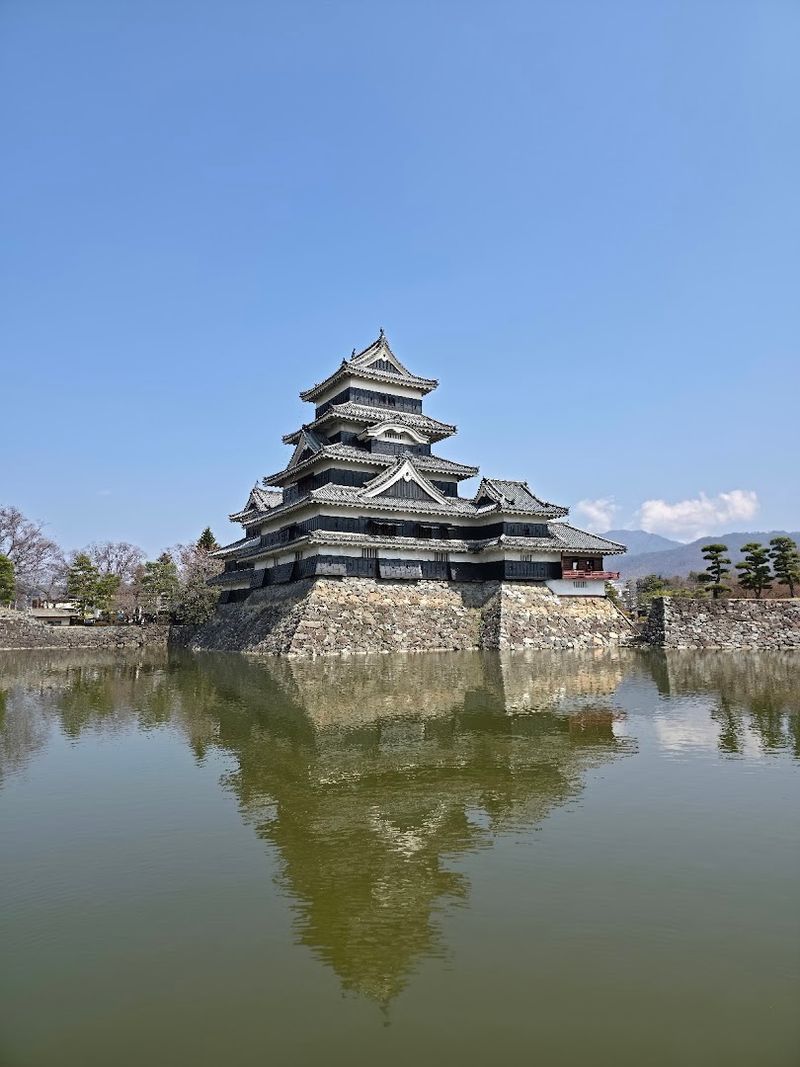
Nicknamed the Crow Castle for its striking black exterior, Matsumoto is one of those buildings that looks completely different from every angle you approach it. Unlike most Japanese castles perched on hills for defensive advantage, Matsumoto sits on flat land, which means the dark keep rises starkly against the sky with nowhere to hide and no apology for the drama it creates.
Built in the late 16th century, it is one of Japan’s twelve remaining original castles, meaning the main keep has never been destroyed and rebuilt. That historical authenticity gives the interior a texture that replica castles cannot match.
The wooden floors, low beams, and steep ladder-like staircases are the real thing.
Visitors climb through six floors of the keep, passing displays of weapons, armor, and castle history. The upper floors offer views of the Japanese Alps that frame the city beautifully.
Cherry blossom season in spring turns the moat area into something genuinely spectacular. Arrive early to avoid the longest queues.
Chateau de Chambord, France
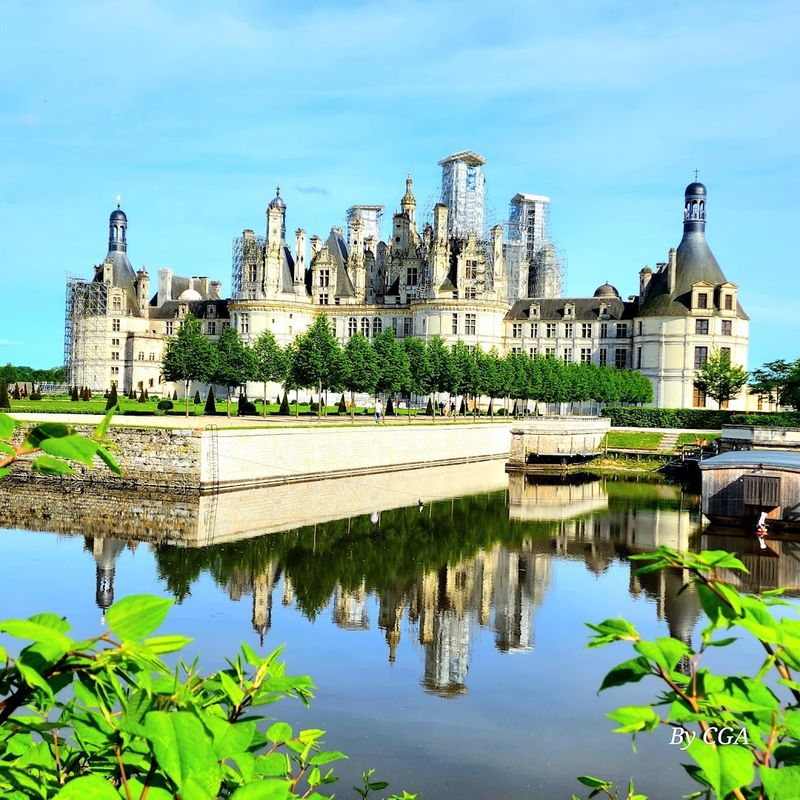
Chambord has 440 rooms, 365 fireplaces, and a roofline so crowded with towers, chimneys, and sculptural details that it genuinely looks like a small city decided to climb on top of a palace. Francis I commissioned it in 1519 as a hunting lodge.
A hunting lodge. With 440 rooms.
The interior highlight is the famous double-helix staircase, two spiral staircases intertwined so that people ascending and descending never actually meet. It is often linked to Leonardo da Vinci, who spent his final years near Amboise at Francis I’s invitation.
Whether Leonardo designed it remains debated, but the staircase is extraordinary regardless of who gets the credit.
The surrounding estate covers 5,440 hectares, making it the largest enclosed forest park in Europe. Bike rentals are available for exploring the grounds.
The chateau is open year-round, though spring and autumn offer the best light and smaller crowds. From Paris, it is about two hours by car or a train-plus-shuttle combination.
Share this story