Some homes are more than just buildings. They look like they jumped straight off the pages of a storybook, complete with crooked rooftops, flower-filled gardens, and walls made of ancient stone.
Around the world, there are real places where the houses are so magical, so charming, and so unbelievably beautiful that you have to remind yourself they are actually real. From tiny hobbit holes in New Zealand to colorful cottages in Morocco, here are 15 of the most enchanting homes on the planet.
1. The Mushroom House (Charlevoix, Michigan, USA)
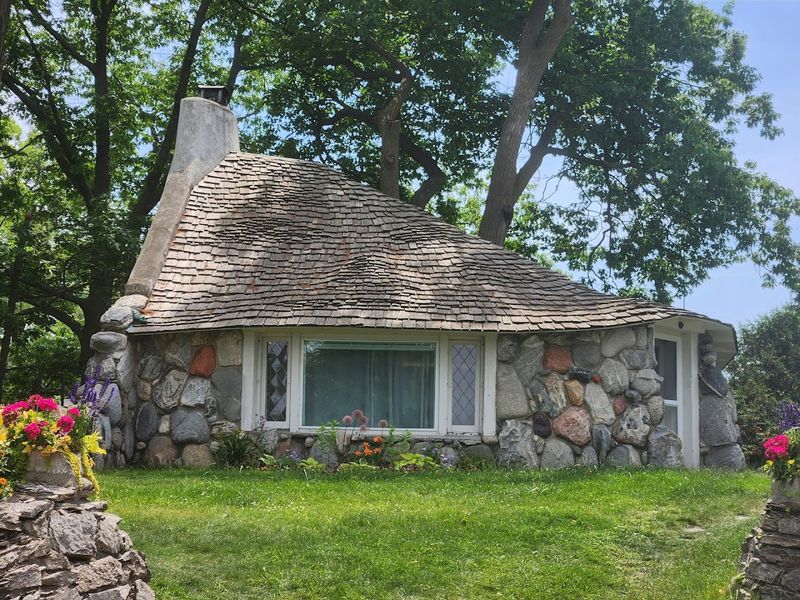
Earl Young was not your typical architect. Working in Charlevoix, Michigan during the mid-1900s, he built a series of homes that looked more like they belonged in an enchanted forest than a quiet American town.
Rounded stone walls, wavy rooftops, and tiny curved windows give these homes a wonderfully odd, magical quality.
People often stop their cars just to stare. The thick stone walls were carefully stacked without mortar in many places, and the rooflines seem to sag and curve in all the right ways.
Young never used blueprints, trusting his instincts instead.
Today, these homes are privately owned, but visitors are welcome to walk the neighborhood and admire them from the street. If you ever find yourself near Lake Michigan, a stop in Charlevoix is absolutely worth it.
These homes prove that real life can be just as magical as any fairy tale.
2. The Hobbiton Homes (Matamata, New Zealand)
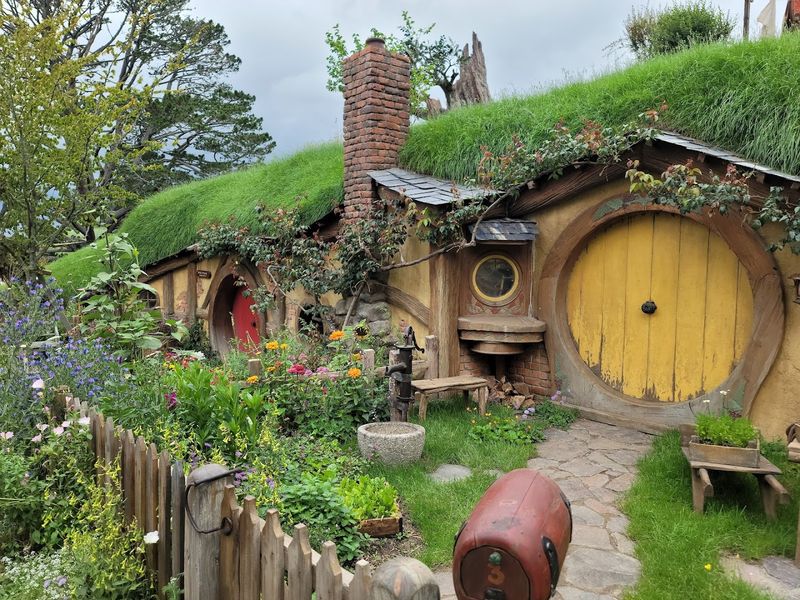
Few places on Earth capture the imagination quite like Hobbiton. Built originally for Peter Jackson’s Lord of the Rings films in the rolling green hills of Matamata, New Zealand, these cozy hillside homes have become one of the most visited fantasy-inspired destinations in the world.
Each hobbit hole features a round front door painted in cheerful colors, tiny windows peeking out from the hillside, and lush flower gardens overflowing with color. Walking through the set feels less like a movie location and more like stepping into another world entirely.
After filming wrapped, the set was rebuilt permanently so fans could visit year-round. Tours take guests through the Shire, past the Green Dragon Inn, and right up to Bag End itself.
Whether you are a fan of the films or simply love breathtaking scenery, Hobbiton delivers a one-of-a-kind experience that stays with you long after you leave.
3. Anne Hathaway’s Cottage (Warwickshire, England)
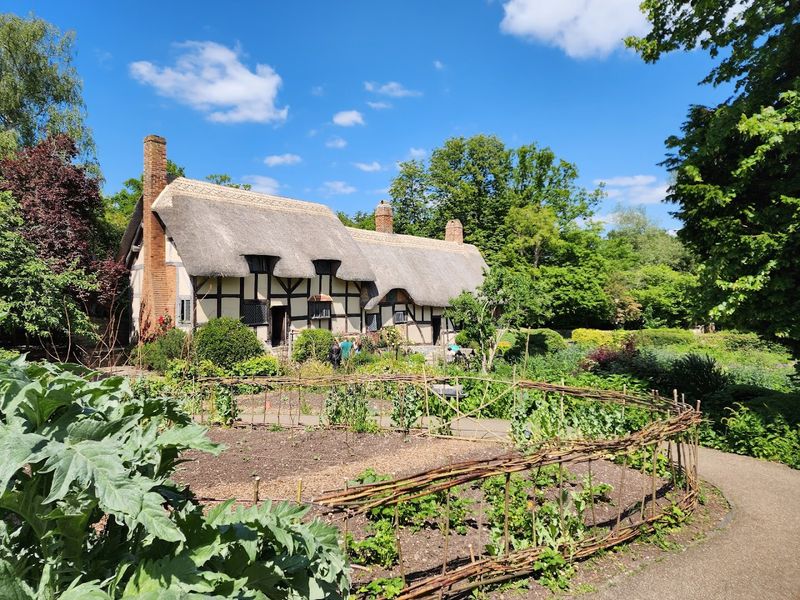
Long before Shakespeare became the most famous writer in the English language, he was a young man in love with a woman named Anne Hathaway. Her childhood home in Shottery, near Stratford-upon-Avon, still stands today, and it looks almost exactly as it did over 400 years ago.
The thatched roof sweeps low over the walls, and the front garden bursts with roses, lavender, and wildflowers in every season. Inside, original furniture and wooden beams give visitors a genuine glimpse into Tudor-era life.
The cottage is now managed by the Shakespeare Birthplace Trust and is open to visitors throughout the year. Many people say standing in front of it feels like opening a book to an illustrated page.
The beauty here is not manufactured or staged. It is simply the result of centuries of careful preservation and genuine English countryside charm at its most irresistible best.
4. Giethoorn Farmhouses (Netherlands)
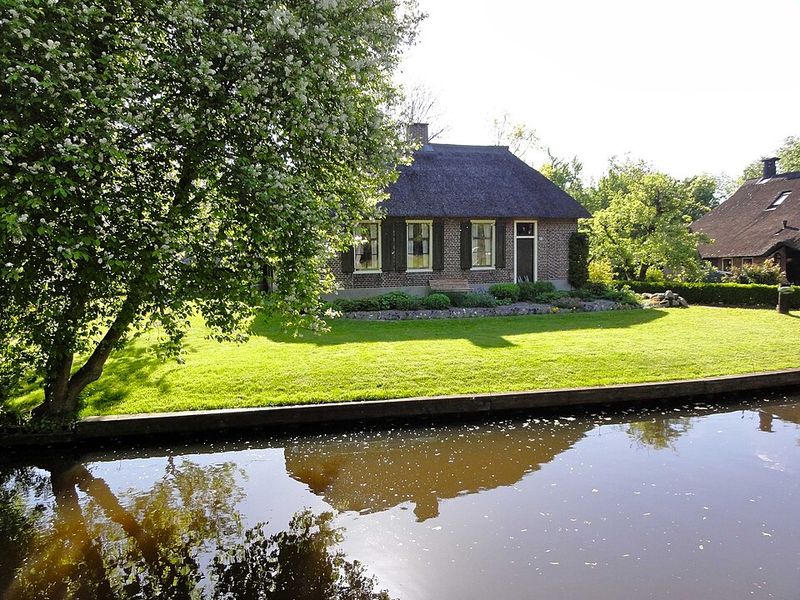
Imagine a village with no roads, only canals. That is exactly what you find in Giethoorn, a tiny Dutch village in the province of Overijssel.
Farmhouses with thick thatched roofs sit along peaceful waterways, connected to one another by narrow wooden footbridges.
The village earned the nickname the Venice of the Netherlands, though honestly it feels even more romantic than that comparison suggests. Visitors travel through the canals by whisper boat, a small electric vessel that glides silently past gardens and picture-perfect homes without disturbing the calm.
Giethoorn was founded around 1230, and its layout has changed very little since then. The absence of modern traffic noise makes the whole place feel wonderfully frozen in time.
Spring and summer bring blooming flowers to every garden, making the scenery almost unbelievably beautiful. For anyone dreaming of a slow, peaceful, storybook kind of life, Giethoorn offers the perfect real-world example.
5. The Painted Ladies (San Francisco, California)
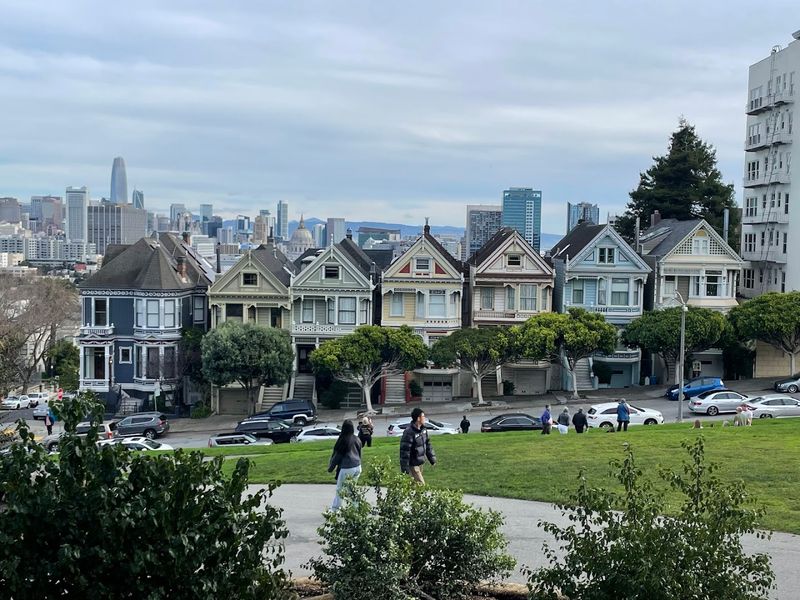
Alamo Square Park in San Francisco holds one of the most photographed views in the entire United States. A row of Victorian homes, painted in soft pastels with ornate carved details, lines the street while the city skyline rises dramatically behind them.
These are the famous Painted Ladies.
Built between the 1890s and early 1900s, these houses represent the Queen Anne and Eastlake styles of Victorian architecture at their most decorative. Turrets, bay windows, decorative woodwork, and layered paint colors all work together to create homes that feel almost too beautiful to be real.
San Francisco once had thousands of Victorian homes like these, but many were lost to the 1906 earthquake and subsequent fires. The Painted Ladies survived and became symbols of the city’s spirit and history.
Today they attract tourists from every corner of the globe who come simply to stand, stare, and take photographs of real-life storybook houses.
6. The Half-Timbered Houses of Colmar (France)
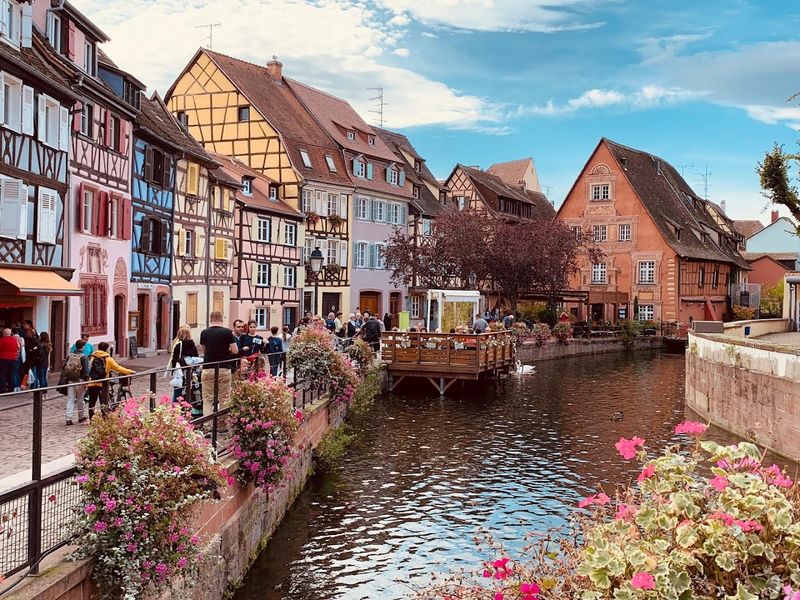
Walking through Colmar in the Alsace region of northeastern France feels genuinely surreal. The old town is filled with half-timbered houses painted in shades of yellow, pink, green, and orange, their window boxes overflowing with geraniums and petunias in warm months.
The most famous neighborhood, called Petite Venise or Little Venice, sits along a gentle canal where flower-decorated boats drift past impossibly charming facades. It is widely believed that Colmar’s visual style was one of the inspirations behind the town of Arendelle in Disney’s Frozen, though Disney has never officially confirmed it.
The buildings date back to the medieval period, with some structures standing since the 1300s and 1400s. Cobblestone lanes wind between them, and the whole town has been so well preserved that it genuinely looks like a living, breathing Disney set.
Visiting Colmar once is usually enough to make you want to move there permanently.
7. Casa do Penedo (Portugal)
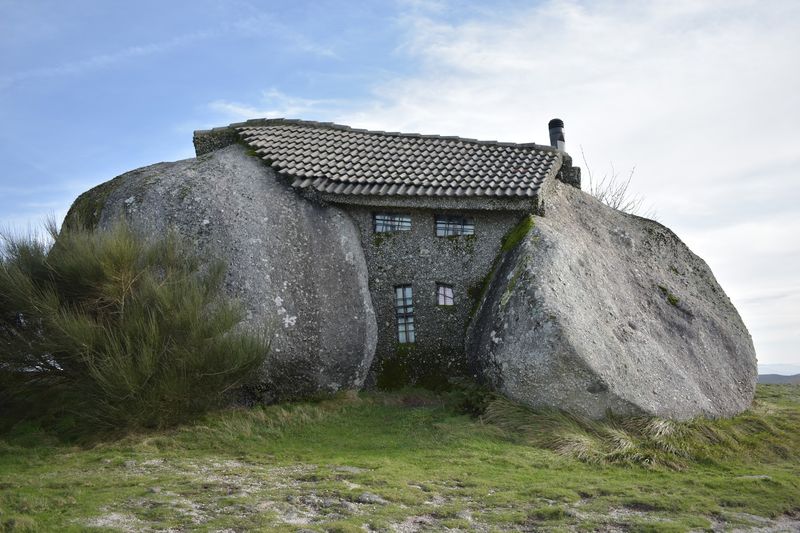
Somewhere in the rocky hills of Fafe, in northern Portugal, sits a house that looks like it was designed by a giant who ran out of building materials and simply used what was already lying around. Casa do Penedo, which translates to House of the Rock, was built between four enormous granite boulders that serve as its walls, floor, and roof.
Constructed in 1974, the house was originally meant as a private holiday retreat. It has a fireplace, a pool carved into the rock, and just enough quirky charm to make architects worldwide scratch their heads in admiration.
There are no modern utilities inside, which adds to its wild, off-grid appeal.
The house became famous after photos of it spread online, and it now attracts curious visitors from around the world. It is not open for overnight stays, but walking up to it and seeing it in person is a genuinely jaw-dropping experience unlike anything else.
8. The Fairytale Cottages of Bibury (England)
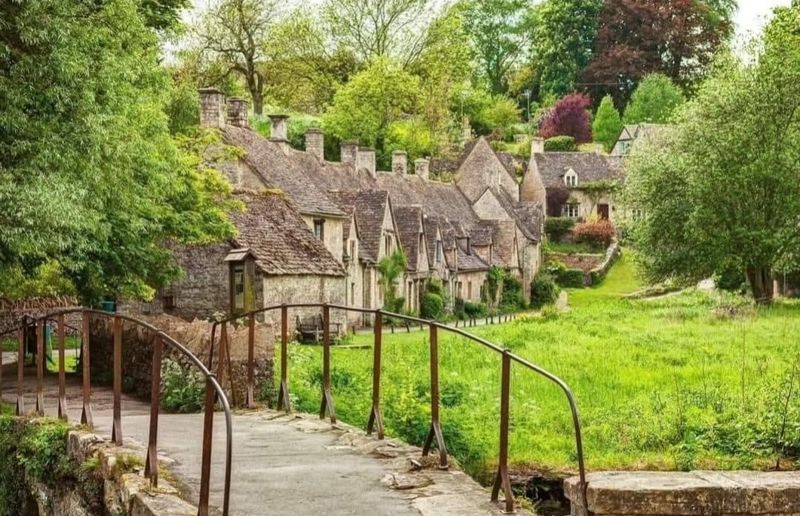
Arlington Row in Bibury, Gloucestershire, is one of the most photographed streets in all of England, and once you see it, the reason is immediately obvious. A row of honey-colored stone cottages, built around 1380 as a monastic wool store and later converted into weavers’ homes, lines a narrow lane beside the River Coln.
The Cotswold stone used to build them turns a warm golden color in sunlight, and the surrounding meadow, known as Rack Isle, fills with wildflowers and nesting birds in spring. William Morris, the famous Victorian designer, once called Bibury the most beautiful village in England.
Today, Arlington Row is owned by the National Trust and is protected as an ancient monument. Visitors come from every continent to walk the lane, photograph the cottages, and soak in the atmosphere.
There is something deeply peaceful about standing here, as if the modern world has simply agreed to leave this corner of England alone.
9. The Gingerbread Houses of Martha’s Vineyard (USA)
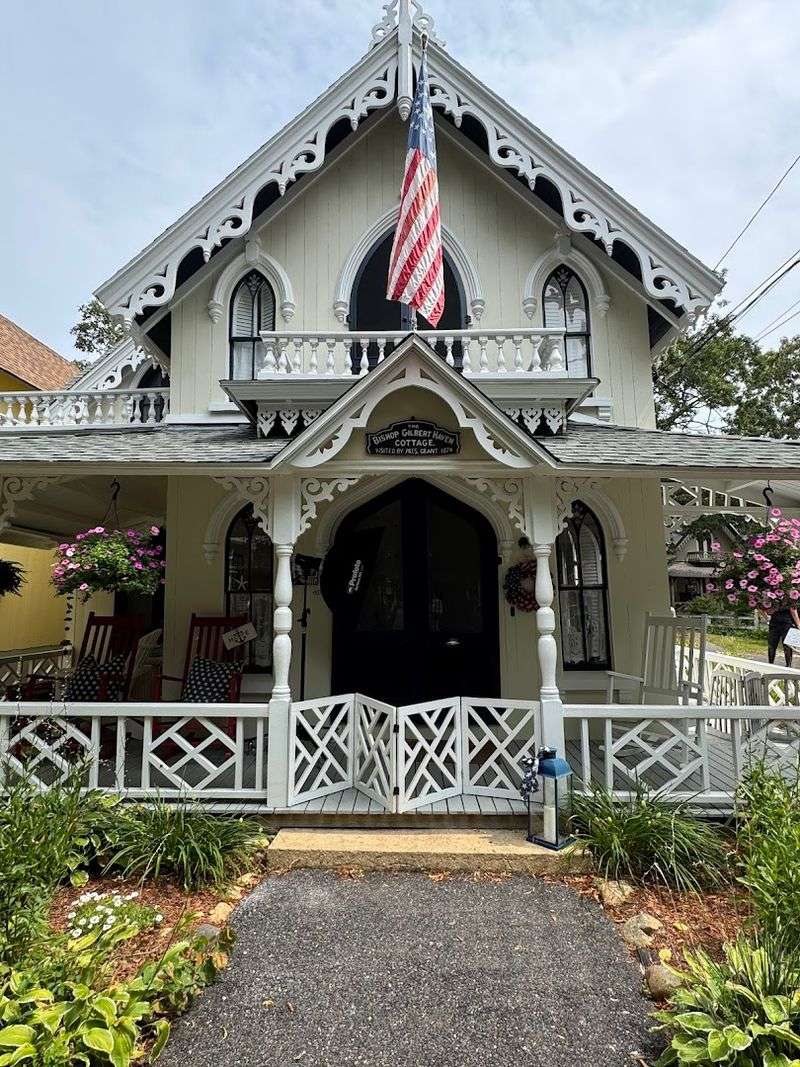
Oak Bluffs on Martha’s Vineyard is home to one of the most delightfully unusual neighborhoods in the United States. Over 300 tiny Victorian cottages, decorated with intricate wooden trim in every color imaginable, are clustered together in a tight circular pattern around an open-air tabernacle.
The community began in the 1830s as a Methodist camp meeting site, where families pitched tents for religious gatherings. Over time, the tents were replaced by permanent cottages, each one decorated more elaborately than the last.
The result looks exactly like a neighborhood built from actual gingerbread.
Pink, purple, yellow, and green paint covers the ornate scrollwork and latticework that frames every porch and window. Walking through the neighborhood feels like wandering through a life-sized dollhouse village.
The Martha’s Vineyard Camp Meeting Association still oversees the area today, and residents take enormous pride in maintaining the whimsical, cheerful character that makes this place so completely one of a kind.
10. Hallstatt Lakeside Homes (Austria)
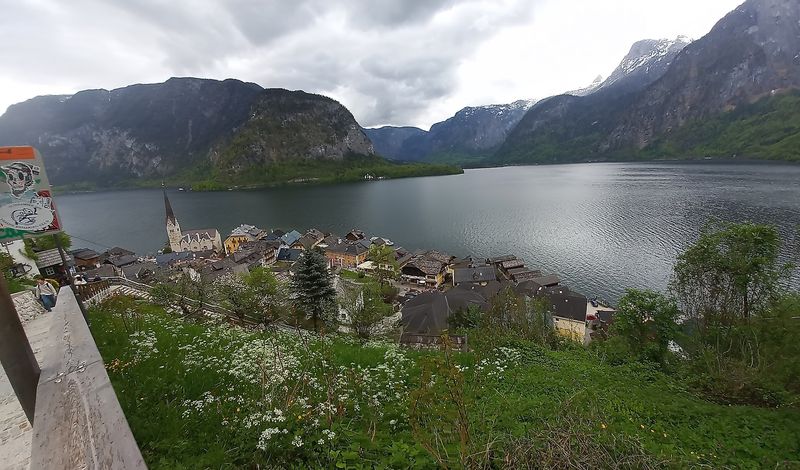
Tucked between a steep mountain and the glassy surface of Hallstattersee lake in the Austrian Alps, the village of Hallstatt looks like it was painted by someone who wanted to capture the most beautiful place imaginable. Narrow pastel-colored homes rise directly from the water’s edge, their reflections shimmering below.
The village has been inhabited for over 7,000 years, making it one of the oldest continuously occupied settlements in Europe. Salt mining brought wealth to the region, and the charming architecture that remains today is a testament to centuries of careful, proud craftsmanship.
Hallstatt is so breathtaking that China actually built an exact replica of the entire village in Guangdong province. The original, however, carries something no copy ever could: a living, breathing history that you can feel in every cobblestone and flower box.
Sunrise over the lake, when mist rolls across the water, is genuinely one of Europe’s most magical sights.
11. Trulli Houses (Alberobello, Italy)
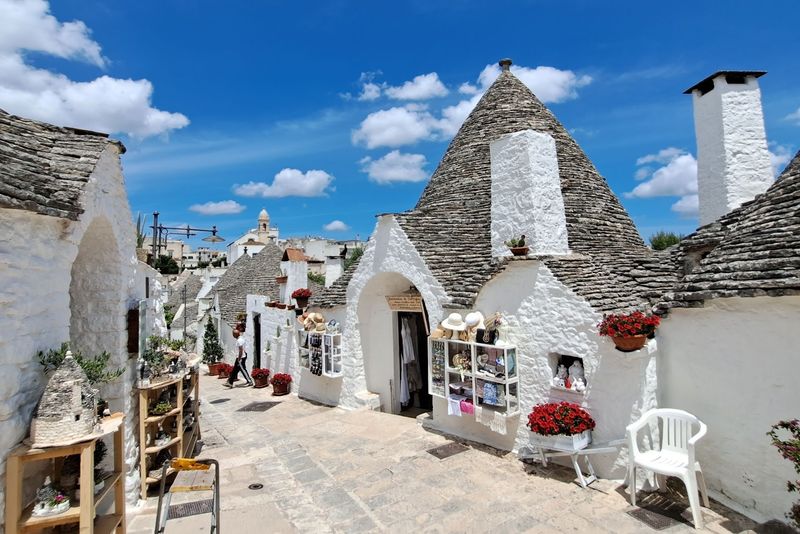
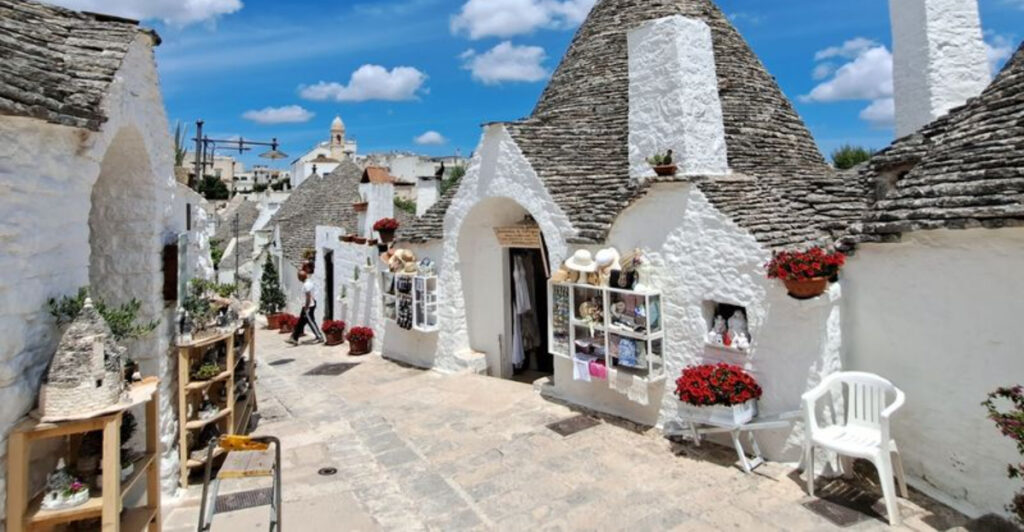
At first glance, the trulli of Alberobello look like something out of a fantasy novel set in ancient times. These small, circular stone buildings with cone-shaped roofs made from dry-stacked limestone slabs have been built in the Puglia region of southern Italy for centuries, possibly as far back as the 1300s.
One popular theory suggests the unusual construction method, using no mortar, was deliberately chosen so the buildings could be quickly dismantled to avoid taxation. Whether that story is true or not, the result is an architectural style found nowhere else on Earth.
The Rione Monti and Rione Aia Piccola districts of Alberobello contain over 1,500 trulli, and the town was designated a UNESCO World Heritage Site in 1996. Many are still used as homes, shops, and small hotels.
Staying overnight in a trullo is an experience that combines history, beauty, and genuine coziness in equal measure.
12. The Blue Village of Chefchaouen (Morocco)
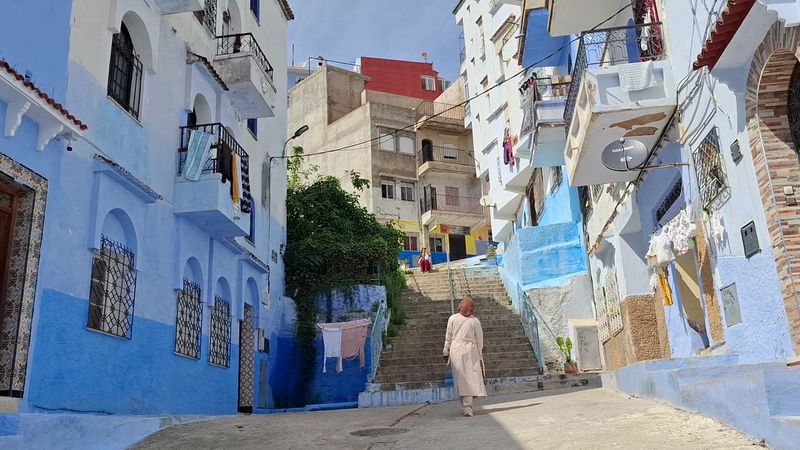
There are blue cities, and then there is Chefchaouen. Nestled in the Rif Mountains of northern Morocco, this small city has painted nearly every wall, stairway, and doorway in shades of blue, from pale sky blue to deep cobalt, creating an effect that is simultaneously dreamlike and completely real.
The tradition of painting the buildings blue is believed to date back to the 1930s, when Jewish refugees settled in the town and introduced the color as a symbol of the sky and heaven. Over generations, the practice became a beloved local tradition that now defines the city’s identity worldwide.
Narrow alleyways wind between stacked blue buildings, with potted plants, hanging lanterns, and handwoven textiles adding splashes of warm color. Photographers travel from every continent to capture it, but no photograph fully does it justice.
Walking through Chefchaouen at golden hour, when the light turns the blue walls violet, is pure magic.
13. The Storybook Houses of Carmel-by-the-Sea (California)
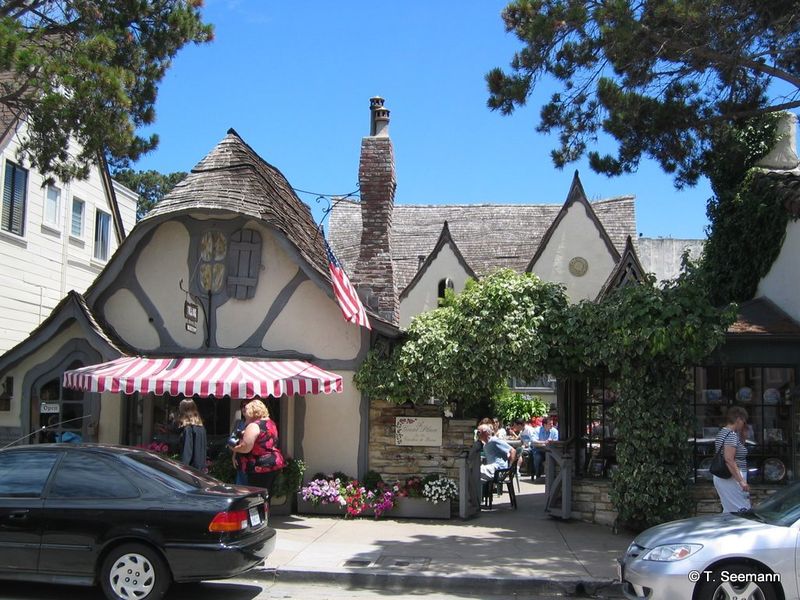
In the 1920s, a man named Hugh Comstock began building cottages in the small coastal town of Carmel-by-the-Sea, California, and the results were unlike anything anyone had seen before. Wavy rooflines that seem to droop like melting candle wax, tiny arched doors, crooked chimneys, and hand-carved wooden details gave each home the look of a building from a Brothers Grimm illustration.
Comstock originally built the first cottage, named Hansel, as a small shop for his wife to sell her handmade dolls. Neighbors loved it so much they commissioned their own versions, and soon an entire neighborhood of storybook homes had sprouted up near the beach.
Today, over two dozen original Comstock cottages still stand throughout Carmel, and the town actively protects their unique character. Walking the residential streets here feels like a gentle, sun-warmed dream.
The ocean is nearby, the gardens are lush, and every cottage seems to whisper a story of its own.
14. Reine Fishing Cabins (Norway)
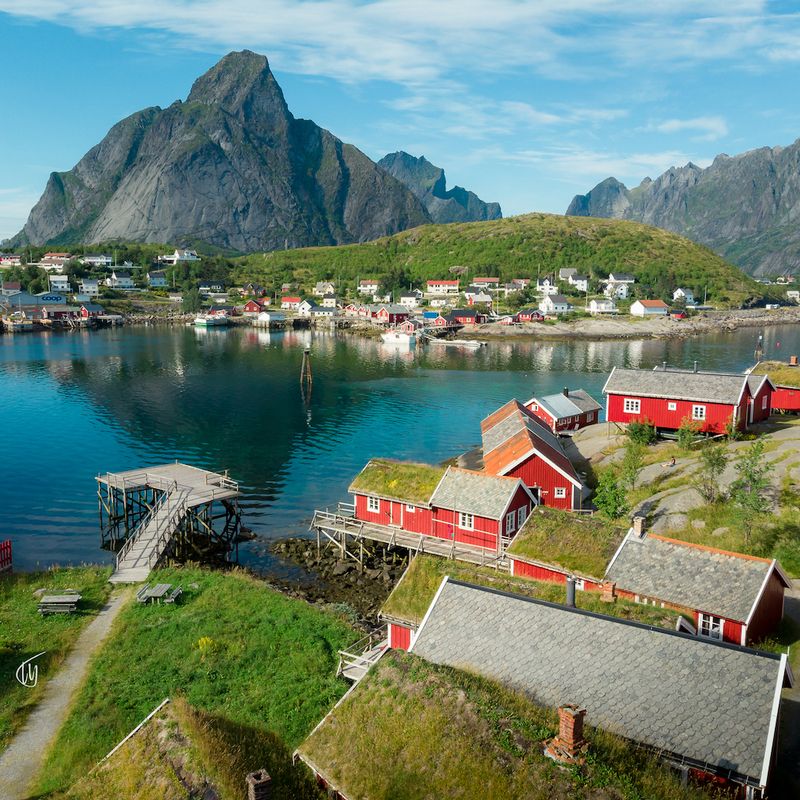
Reine sits on a small island in Norway’s Lofoten archipelago, and it has been voted the most beautiful village in Norway so many times that the title almost feels official. Clusters of bright red wooden cabins, called rorbuer, perch on stilts over the dark, still water of the fjord while jagged snow-capped peaks rise dramatically behind them.
The rorbuer were originally built as simple seasonal shelters for fishermen who traveled to the Lofoten Islands for the annual cod harvest. Today, many have been converted into cozy tourist accommodations, giving visitors the rare opportunity to sleep inside a piece of living Norwegian history.
The scenery shifts with every season. Winter brings the northern lights dancing above the red rooftops.
Summer delivers the midnight sun, which bathes everything in a golden glow that photographers find impossible to resist. Reine is one of those places where reality surpasses imagination, and every view looks better than the last.
15. The Forest Cottages of the Cotswolds (England)
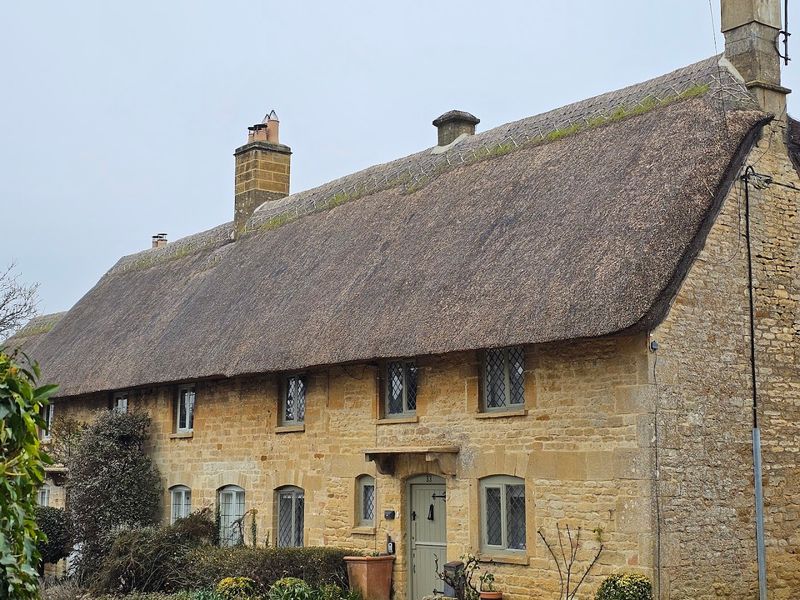
The Cotswolds region of central England has long been considered the heartland of the classic English fairytale cottage. Villages like Bourton-on-the-Water, Castle Combe, and Lower Slaughter are filled with stone cottages so perfectly charming that they almost seem designed by a movie studio rather than built by human hands over hundreds of years.
Thick walls of warm Cotswold limestone, covered in ivy and climbing roses, support heavy thatched roofs that have kept families dry and warm for centuries. Front gardens overflow with hollyhocks, foxgloves, and lavender, and wooden garden gates squeak pleasantly in the breeze.
The region is designated an Area of Outstanding Natural Beauty, covering nearly 800 square miles of rolling hills and ancient villages. Autumn turns the surrounding beech forests into a blaze of gold and amber that frames the cottages like a painting.
If there is one place on Earth that most closely resembles the setting of a classic fairy tale, the Cotswolds makes an exceptionally strong case for that title.
Share this story