Most travelers rush to Paris, Tokyo, or New York without ever glancing at the map’s forgotten corners. But some of the planet’s most jaw-dropping places get fewer visitors per year than a small-town football game.
I once stumbled across a travel forum listing countries that receive under 10,000 tourists annually, and my jaw genuinely hit the floor. These 15 overlooked nations are wildly underrated, and it’s high time they got the recognition they deserve.
Tuvalu
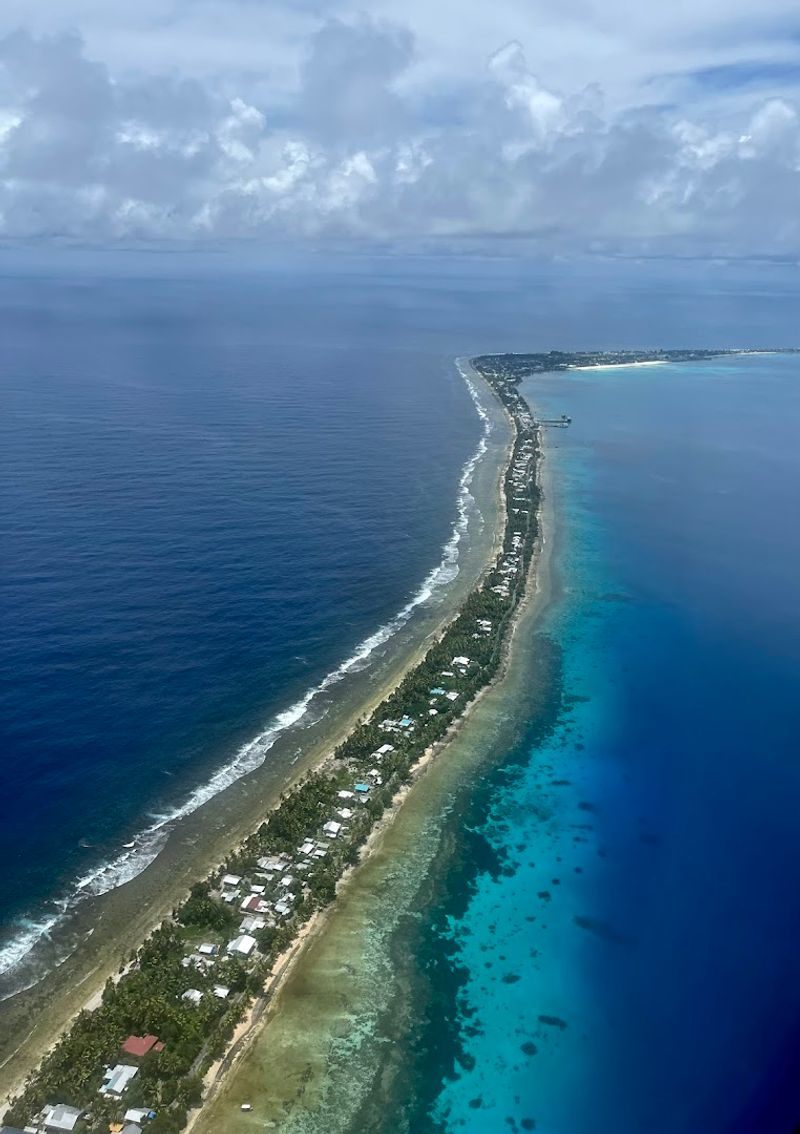
Tuvalu holds a record nobody brags about: it’s one of the least visited countries on Earth, welcoming fewer than 2,000 tourists annually. That’s not a typo.
This tiny Pacific nation is made up of nine coral atolls sitting so low in the ocean that climate change could swallow it whole within decades.
Getting here is half the adventure. Flights are rare, expensive, and connect only through Fiji.
But travelers who make the effort find pristine lagoons, untouched reef systems, and locals who are genuinely thrilled to see a new face.
Tuvalu runs at its own pace, and honestly, that’s refreshing. There are no resorts, no tourist traps, and no Instagram crowds.
Just real life on a tiny island. The government is also pioneering digital nationhood, creating an online version of Tuvalu to preserve its culture even if the land disappears.
That alone makes it worth knowing.
Nauru
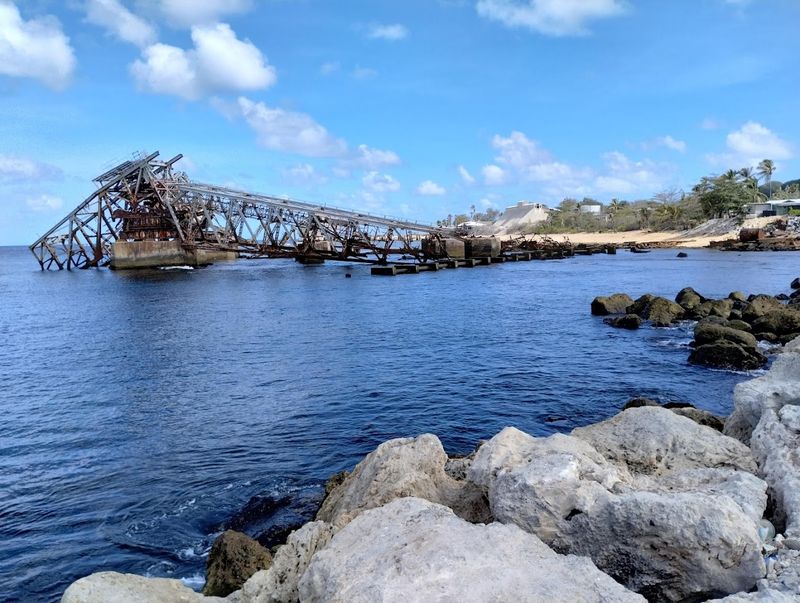
Nauru was once the richest country per capita on Earth, thanks to massive phosphate deposits. Then the phosphate ran out, and the money vanished almost overnight.
What remains is a fascinating, complicated island that almost nobody visits.
Fewer than 200 tourists make it here each year, which makes Nauru arguably the least touristed nation on the planet. It sits in the central Pacific with no real tourism industry, limited flights, and a landscape that looks like the moon after decades of heavy mining stripped the interior bare.
Yet Nauru’s coast is genuinely beautiful, with warm waters and decent snorkeling spots that remain completely uncrowded. The local culture is warm and welcoming, and the island’s bizarre rise-and-fall economic story makes for endlessly interesting conversation.
Visiting Nauru feels like reading a history book in real time. It’s strange, thought-provoking, and completely unlike anywhere else on Earth.
Marshall Islands
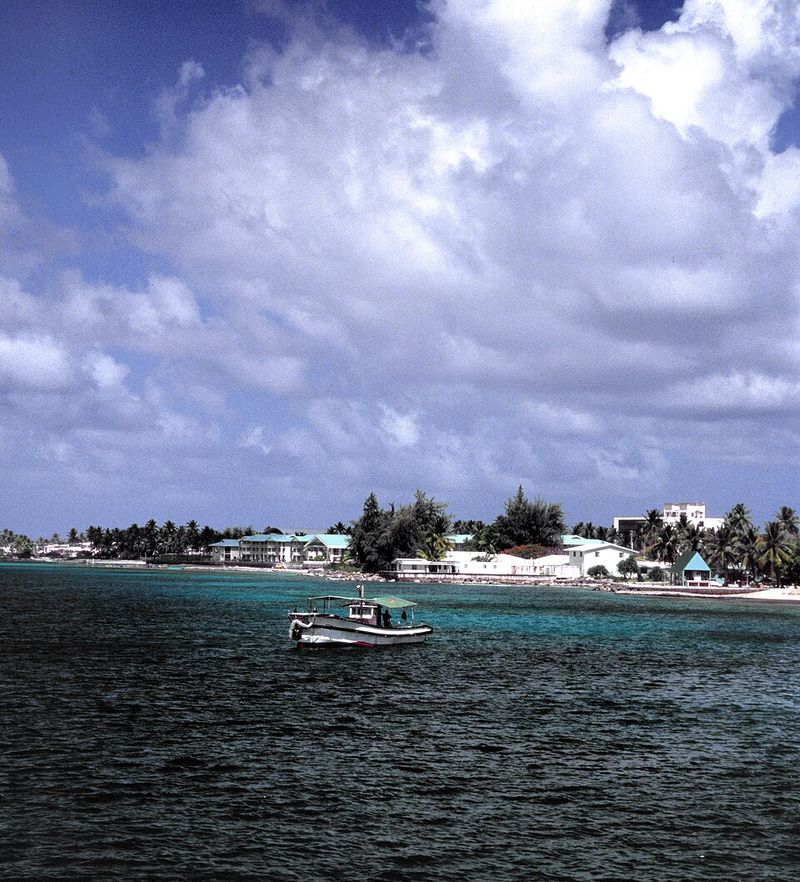
The Marshall Islands scatter across the Pacific like confetti tossed from a plane, forming 29 atolls and 5 islands that most people couldn’t find on a map. Only around 6,000 tourists visit each year, which means you’ll have stretches of beach entirely to yourself.
History runs deep here. The Bikini Atoll, a UNESCO World Heritage Site, was the location of American nuclear bomb tests in the 1940s and 50s.
Today, divers explore sunken warships in the lagoon, which has become one of the Pacific’s most unique wreck diving spots.
Beyond the history, the Marshall Islands offer serious natural beauty. The lagoons are enormous and brilliantly clear.
Traditional navigation using stick charts, a method Marshallese sailors developed centuries ago, is still taught and celebrated here. I read about those charts once and couldn’t believe humans figured out ocean currents using sticks and shells.
Absolutely brilliant.
Kiribati
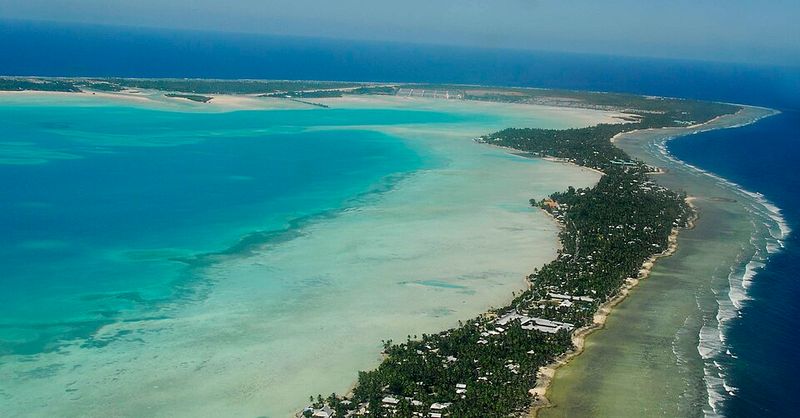
Kiribati, pronounced “Keer-ih-bas” because the Gilbertese language turns “ti” into “s,” is already winning the quirky-fact game before you even land. This island nation is spread across three million square kilometers of ocean, yet its total land area is smaller than many cities.
It also holds a wild geographic distinction: Kiribati straddles both the equator and the International Date Line, meaning it technically exists in all four hemispheres simultaneously. Travel nerds, rejoice.
Tourism infrastructure is minimal, which keeps visitor numbers low but keeps the experience deeply authentic. The Line Islands, part of Kiribati, contain some of the healthiest coral reefs left on the planet due to their extreme remoteness.
Fishing is central to daily life, and locals are genuinely proud of their seafaring traditions. Like Tuvalu, Kiribati faces existential threats from rising sea levels, which gives every visit a bittersweet urgency that’s hard to shake.
Federated States of Micronesia
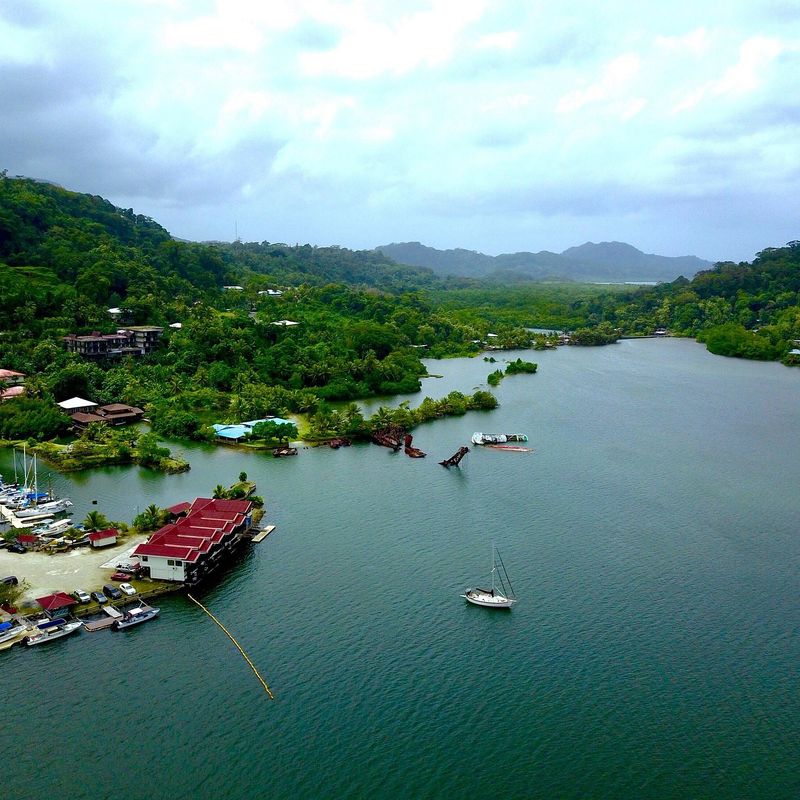
Few places on Earth pack this much variety into one name. The Federated States of Micronesia, or FSM, is made up of over 600 islands spread across the western Pacific, each with its own culture, language, and personality.
Only around 20,000 tourists visit annually, and many of those are divers chasing one specific destination.
Truk Lagoon, now called Chuuk Lagoon, is considered the best wreck diving site in the world. Dozens of Japanese warships from World War II lie on the seafloor, now covered in coral and swarming with fish.
It’s eerie, beautiful, and historically fascinating all at once.
Beyond diving, FSM offers traditional stone money on Yap Island, one of the most unique currencies ever created. The stones can weigh several tons and never actually move when they change hands.
Ownership is just agreed upon verbally. Economists would have a field day.
Travelers will have the time of their lives.
Solomon Islands
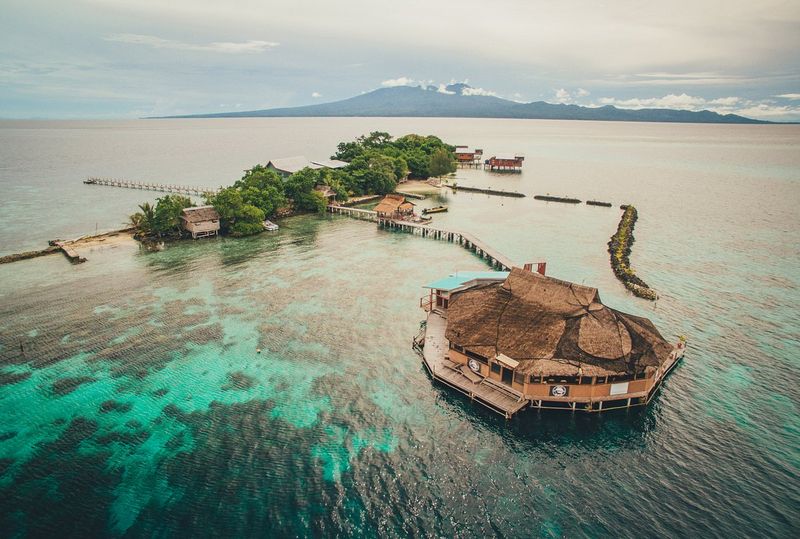
The Solomon Islands are a WWII history lover’s paradise wrapped inside a tropical nature documentary. Located east of Papua New Guinea, this archipelago of nearly 1,000 islands saw some of the Pacific War’s most brutal battles, and the relics are still scattered across the jungle floor and ocean bottom.
Guadalcanal, the largest island, contains war memorials, rusting tanks, and sunken aircraft that sit just beneath the surface in shallow water. Snorkelers can literally peer down at history from the surface.
Beyond the history, the Solomons boast extraordinary biodiversity. The coral reefs here are among the most biodiverse in the world, and the rainforests shelter species found nowhere else.
Fewer than 30,000 tourists visit per year, which keeps things refreshingly raw and unpolished. Local kastom culture, a blend of ancient Melanesian traditions, remains strong and proudly practiced.
The islands are genuinely wild, and that’s exactly the point.
São Tomé and Príncipe
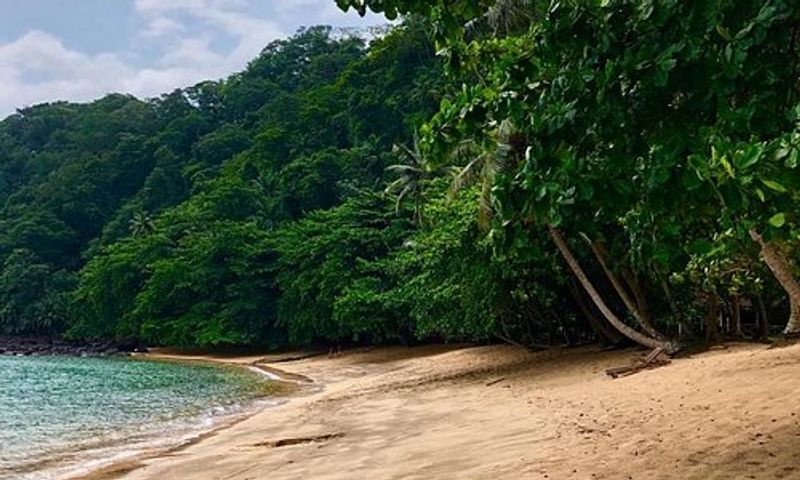
São Tomé and Príncipe is Africa’s second smallest country, and it might be the continent’s best-kept secret. Sitting in the Gulf of Guinea about 250 kilometers off the coast of Gabon, these two volcanic islands were uninhabited when Portuguese explorers arrived in the 15th century.
They built a sugar colony, and the architecture they left behind is stunning.
Crumbling colonial buildings draped in tropical vines line the streets of São Tomé city. The island interior is pure jungle, home to endemic bird species and waterfalls that require a machete and a good attitude to reach.
Cocoa grown here is considered some of the finest in the world, which means the chocolate is outrageously good.
Only around 30,000 visitors make the trip each year, which feels criminal given how beautiful this place is. Beaches on the southern tip are deserted and dramatic.
Príncipe island is even quieter. The whole country runs on island time, and I am absolutely here for it.
Comoros
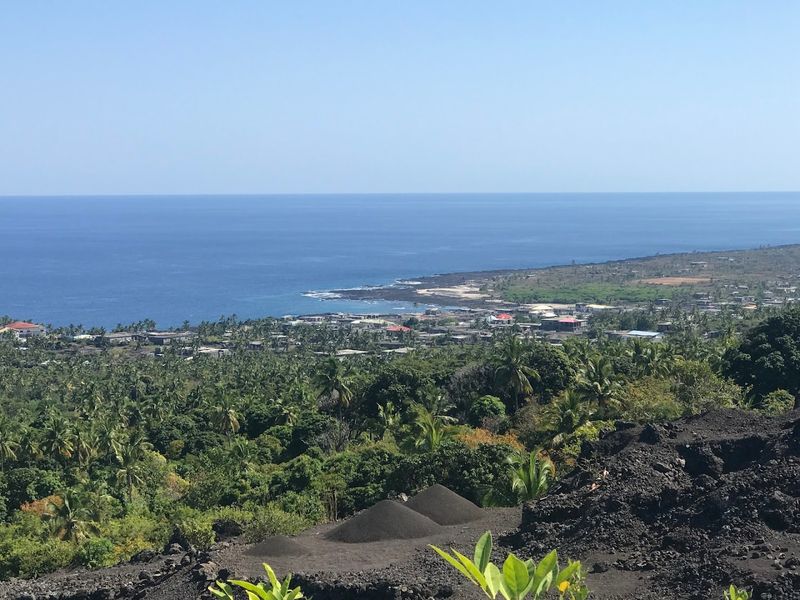
Comoros is one of those places that makes you wonder why nobody talks about it. This small island nation sits between Madagascar and the African mainland in the Indian Ocean, and it packs extraordinary geographic drama into a tiny space.
Mount Karthala, an active volcano on Grande Comore, is one of the world’s most active volcanoes and can be hiked to the rim.
The country has had more than 20 coups since independence in 1975, which sounds alarming but has settled considerably in recent years. Travelers who do make the trip find warm hospitality and a fascinating blend of African, Arab, and French cultures woven into daily life.
Ylang-ylang flowers, used in some of the world’s most famous perfumes, are grown here in abundance. The scent hits you as soon as you step off the plane.
Fewer than 30,000 tourists visit annually, which means the beaches, reefs, and volcanic trails are essentially yours to explore freely.
Guinea-Bissau
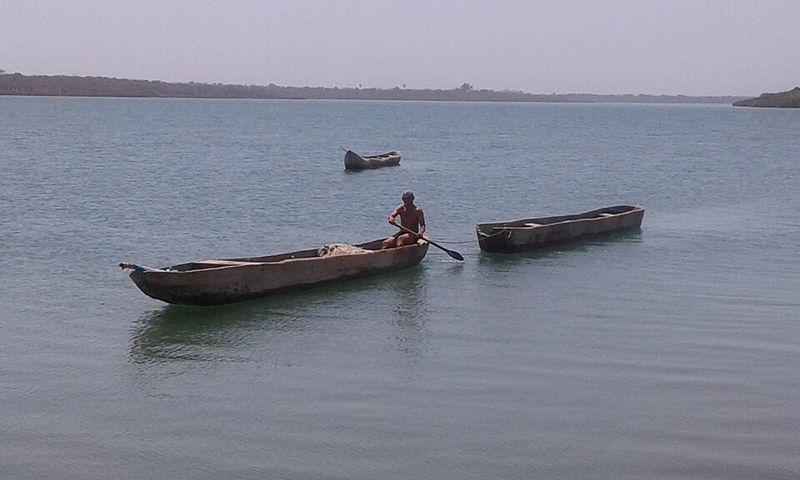
Guinea-Bissau doesn’t show up on many travel radars, but the Bijagos Archipelago alone should change that. This UNESCO Biosphere Reserve off the country’s coast contains 88 islands, most of them uninhabited and teeming with wildlife.
Hippos swim in saltwater here, which is genuinely rare and somewhat alarming when you’re in a small boat.
The islands are home to one of the largest nesting sites for saltwater crocodiles and green sea turtles in West Africa. Birdwatching is extraordinary throughout the region.
The mainland capital, Bissau, has a rough-around-the-edges energy that feels authentically West African without any tourist veneer.
Fewer than 30,000 people visit per year, and most are researchers or conservation workers rather than leisure travelers. That means the Bijagos remains wildly unspoiled.
Getting there requires effort, patience, and flexible plans, but the payoff is access to one of Africa’s most untouched wildlife sanctuaries. Worth every complicated connection.
Sierra Leone
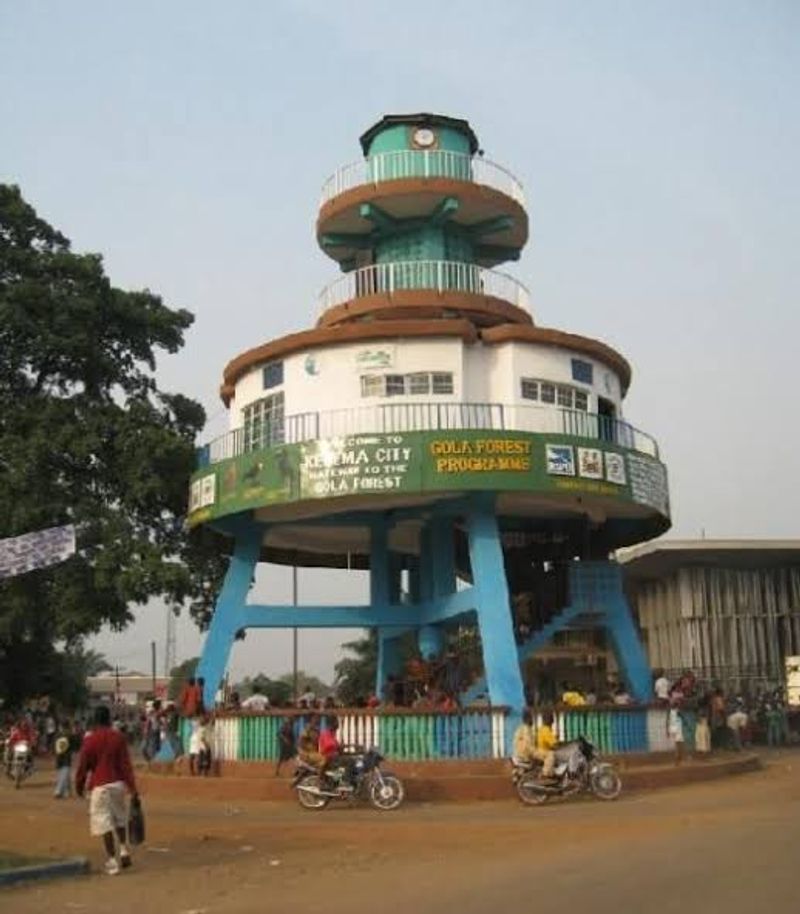
Sierra Leone spent years defined by conflict and headlines that scared travelers away. But that chapter closed a long time ago, and what’s emerged is a country with beaches so beautiful they genuinely stop you mid-sentence.
Tokeh Beach, just south of Freetown, is the kind of place that travel magazines use for covers but never reveal the name of.
Freetown itself is chaotic, loud, and completely alive. The cotton tree in the city center, a massive silk-cotton tree that has stood for centuries, is a symbol of freedom for the country’s history.
The food scene, built around cassava leaf stew and fresh Atlantic seafood, is seriously underrated.
Only around 50,000 tourists visit annually, which means Sierra Leone’s coastline is one of the most uncrowded in West Africa. Turtle Islands, Banana Islands, and the Outamba-Kilimi National Park offer wildlife and wilderness with virtually no crowds.
Sierra Leone is genuinely ready for its moment in the spotlight.
Timor-Leste
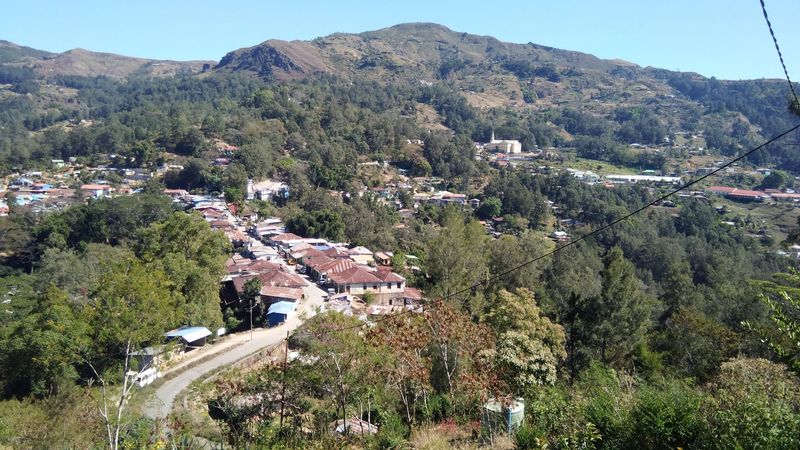
Timor-Leste became one of the world’s newest countries in 2002 after a long and painful struggle for independence from Indonesia. The country is still rebuilding, but what it lacks in infrastructure it more than makes up for in raw, unfiltered beauty.
The diving off the north coast is world-class and almost completely undiscovered.
Atauro Island, a short boat ride from the capital Dili, reportedly has the highest fish biodiversity ever recorded on a coral reef. Scientists documented over 250 species in a single dive.
That’s not a travel brochure exaggeration; that’s peer-reviewed science.
Dili has a scrappy, determined energy that I find genuinely inspiring. The coffee grown in Timor-Leste’s highlands is exceptional and has been exported globally for years, though few buyers know where it comes from.
Fewer than 75,000 tourists visit annually. The mountains, the reefs, the history, and the coffee alone make Timor-Leste worth the long-haul journey.
Tonga
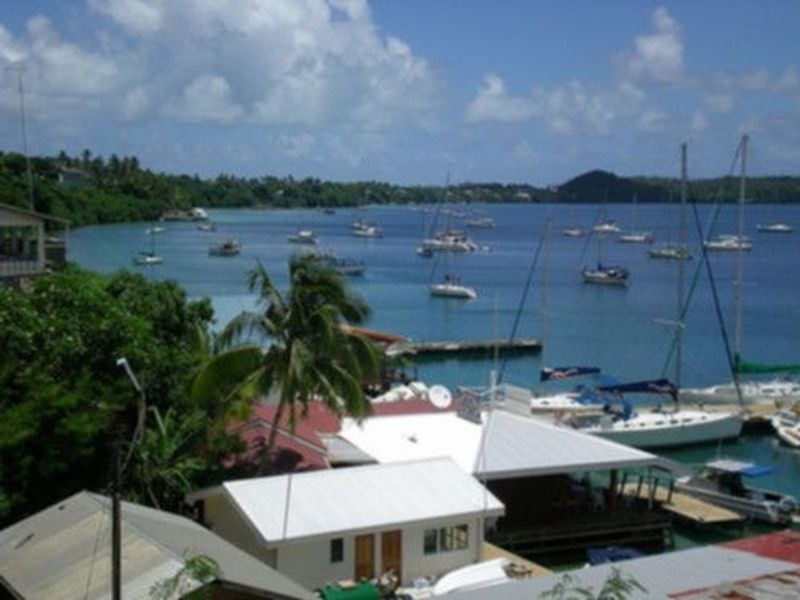
Tonga is the only Pacific island nation that was never colonized by a European power. It kept its monarchy, its traditions, and its pride fully intact, and that independence radiates through every interaction you have there.
The Tongan people are warm, funny, and deeply proud of their culture.
Humpback whales migrate to Tonga’s warm waters between July and October to breed and give birth. Tonga is one of the very few places in the world where you can legally swim with humpback whales.
That experience is genuinely unlike anything else available on this planet.
The Ha’apai island group is so quiet that you can walk for hours along beaches without seeing another person. Around 50,000 tourists visit Tonga annually, which is low even by Pacific island standards.
The food, particularly the underground umu feasts, is spectacular. Tonga is proof that the best places are often the ones that don’t need to shout about themselves.
Palau
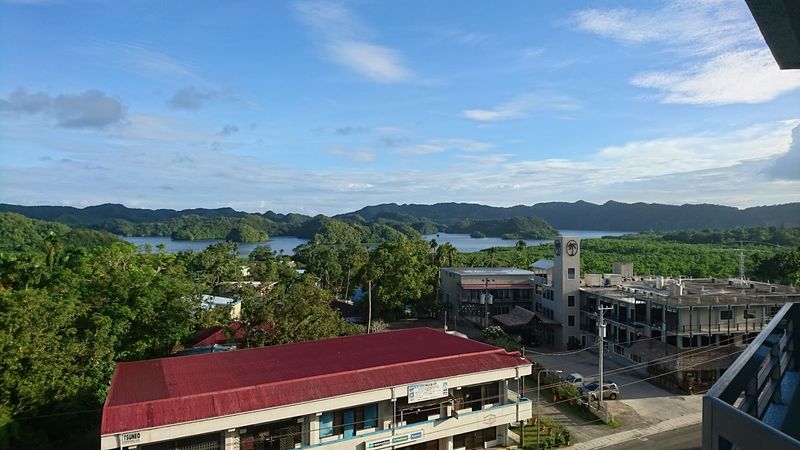
Palau might be the most visually stunning place I’ve ever seen in a photograph, and the real thing reportedly makes photos look underwhelming. This tiny Pacific nation has built its entire identity around conservation, and it shows in the health of its reefs and ecosystems.
Jellyfish Lake is Palau’s most famous attraction: a marine lake filled with millions of golden jellyfish that have evolved without stingers because they have no natural predators. Swimming through them is a surreal experience that travelers describe as life-changing.
The lake has temporarily closed before due to drought damage, so checking current conditions is essential before planning a visit.
The Rock Islands Southern Lagoon is a UNESCO World Heritage Site and one of the most biodiverse marine environments on Earth. Palau was also the first country to create a shark sanctuary.
Around 90,000 tourists visit annually, keeping it refreshingly quiet. Conservation fees apply to all visitors, and the money genuinely goes toward protecting what makes Palau extraordinary.
Liechtenstein
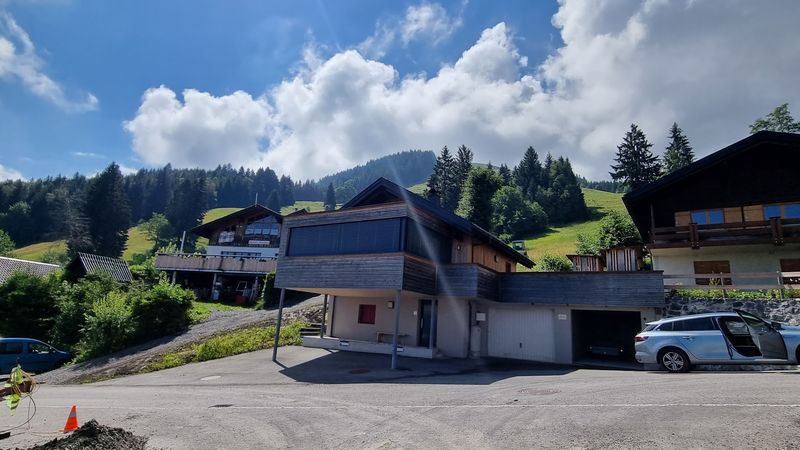
Liechtenstein is Europe’s fourth smallest country, sandwiched between Switzerland and Austria, and it’s the only country in the world that is doubly landlocked, meaning every country bordering it is also landlocked. Geography nerds, feel free to pause and appreciate that.
Only around 70,000 tourists visit per year, which is remarkably low for a European country that’s genuinely easy to reach. Most people pass through on a day trip from Zurich or Innsbruck without realizing they could actually stay.
Vaduz Castle, home to the ruling royal family, sits above the capital like something from a fairy tale.
The country has no airport and no motorway, which keeps the pace wonderfully slow. Hiking trails cut through Alpine meadows with views that rival anything Switzerland charges a fortune for.
Liechtenstein also has one of the highest GDP per capita figures in the world, so the infrastructure is excellent. Small country, massive personality, and criminally underrated as a destination.
Vanuatu
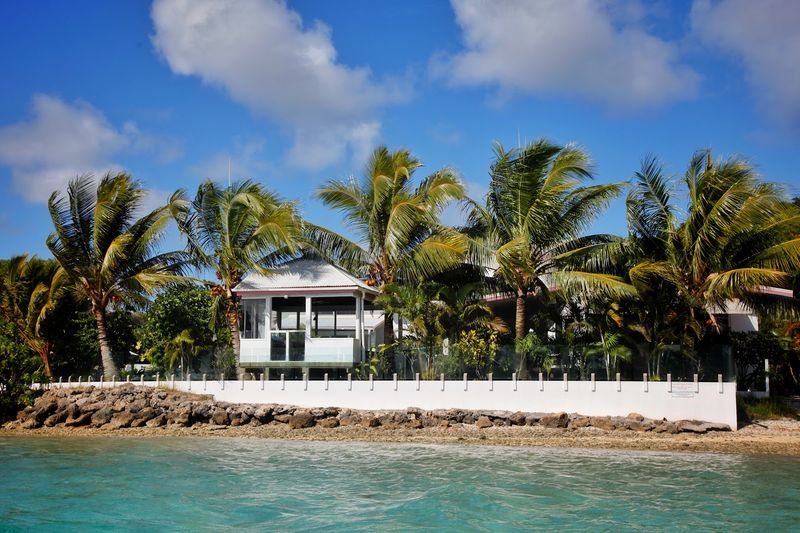
Vanuatu has an active volcano you can walk right up to the edge of. Mount Yasur on Tanna Island erupts multiple times per hour, every single day, and tourists stand at the rim watching lava explode into the sky.
It’s one of the most accessible active volcanoes on Earth, and it is every bit as terrifying and thrilling as it sounds.
Beyond the volcano, Vanuatu is an archipelago of 80-plus islands with extraordinary cultural diversity. Over 100 languages are spoken across the islands, making it one of the most linguistically dense countries per capita on the planet.
Traditional ceremonies, including the famous land diving ritual on Pentecost Island, predate bungee jumping by centuries and inspired it.
Around 100,000 tourists visit annually, which is low for such an accessible and dramatic destination. The underwater visibility is exceptional, and several famous shipwrecks including the SS President Coolidge sit in shallow, diveable water.
Vanuatu delivers adventure on every possible level.
Share this story