Some streets are a few blocks long, while others stretch so far they pass through entire cities, suburbs, and landscapes before reaching their end. These remarkably long roads have become famous not just for their distance, but for the history, culture, and urban life that have grown along their routes.
From the busy boulevards of New York City to the sprawling avenues of Buenos Aires, these streets tell the stories of the cities they connect. Get ready to explore 15 of the longest, most fascinating streets and avenues on the planet.
Yonge Street — Ontario, Canada
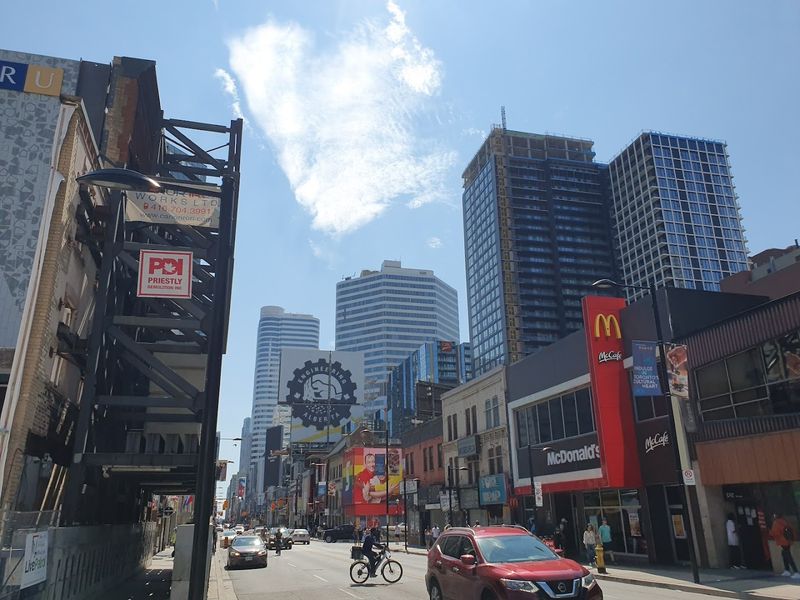
Yonge Street has sparked more arguments than almost any road on Earth. For years, people claimed it stretched nearly 1,900 kilometers, making it the longest street in the world.
That title has since been disputed, but even the officially recognized portion running about 57 kilometers through the Greater Toronto Area is seriously impressive.
Starting near Lake Ontario, Yonge Street heads north through downtown Toronto, passing through bustling shopping districts, quiet suburbs, and everything in between. Along the way, you will spot theaters, restaurants, historic buildings, and some of the most recognizable corners in Canadian urban life.
The street has served as Toronto’s central spine for more than two centuries.
Yonge Street was originally built as a military supply route in the 1790s under the orders of Lieutenant Governor John Graves Simcoe. Today, it functions as a major transit and commercial corridor.
Whether you are riding the subway beneath it or walking its sidewalks, Yonge Street constantly reminds you just how much life a single road can hold. Few streets anywhere carry as much history packed into every block.
Western Avenue — Chicago, Illinois
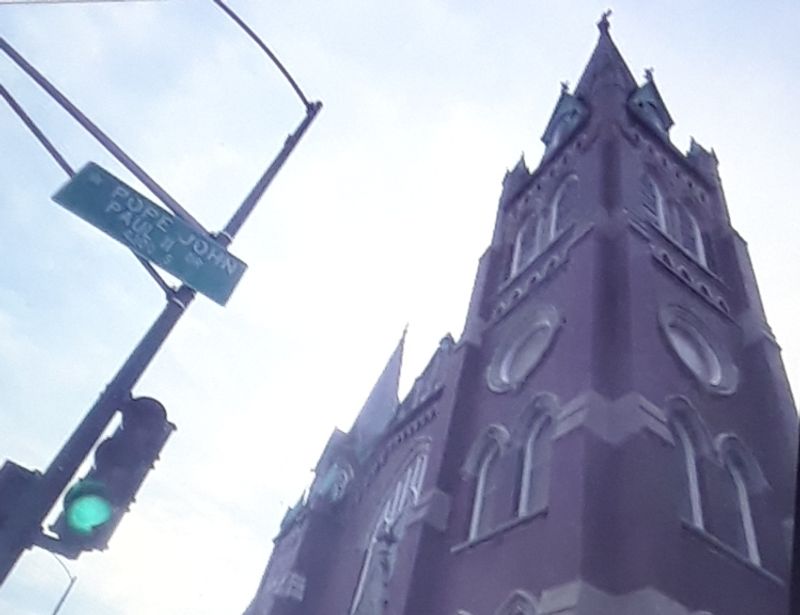
Chicago is a city built on a grid, and Western Avenue is that grid’s longest straight line. Stretching approximately 37 kilometers from north to south, it is the longest continuous street within Chicago’s city limits.
Drivers heading its full length pass through dozens of distinct neighborhoods, each with its own personality and history.
The avenue cuts through working-class communities, trendy districts, immigrant neighborhoods, and commercial strips all without ever taking a serious curve. That relentless straightness is part of what makes Western Avenue so fascinating.
You can almost feel the city shifting around you as you travel from one end to the other, block by block.
Western Avenue also serves a practical purpose as a major arterial road connecting residents to jobs, schools, and transit hubs across the city. Buses run its length constantly, and local businesses line much of the route.
Unlike flashier Chicago streets, Western Avenue is not particularly glamorous, but it is deeply real. It represents everyday Chicago life in a way that tourist-friendly roads rarely can.
If you want to understand the true scale and variety of this city, Western Avenue is your road.
Avenida Rivadavia — Buenos Aires, Argentina
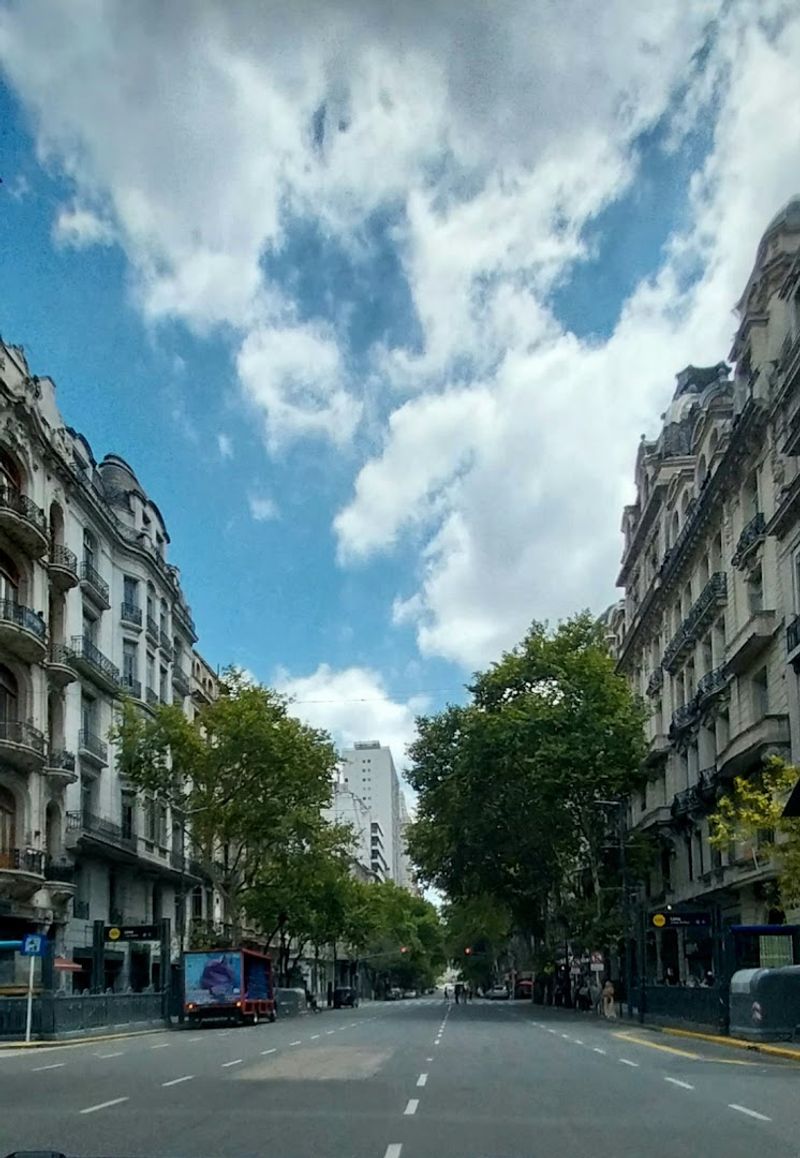
Stretching roughly 35 kilometers from the heart of Buenos Aires all the way into the western suburbs, Avenida Rivadavia is one of the longest avenues anywhere in the world. It begins near Plaza de Mayo, one of Argentina’s most historically significant public squares, and travels steadily westward through the city’s many layers.
Along the route, Rivadavia passes through elegant historic districts, lively commercial zones, residential barrios, and quieter suburban neighborhoods. The architectural variety alone is worth the journey.
You will spot grand early-twentieth-century buildings sitting next to modern storefronts, small cafes tucked between pharmacies, and tree-lined sidewalks that invite leisurely strolling.
Buenos Aires itself is a city of enormous energy and personality, and Avenida Rivadavia captures that spirit perfectly. Locals use it daily for commuting, shopping, and socializing.
The avenue is served by multiple bus lines and subway stations, making it one of the city’s most accessible corridors. Named after Bernardino Rivadavia, Argentina’s first president, the avenue carries both national pride and everyday practicality in equal measure.
Few roads in South America can match its combination of length, history, and constant urban vitality.
Sunset Boulevard — Los Angeles, California
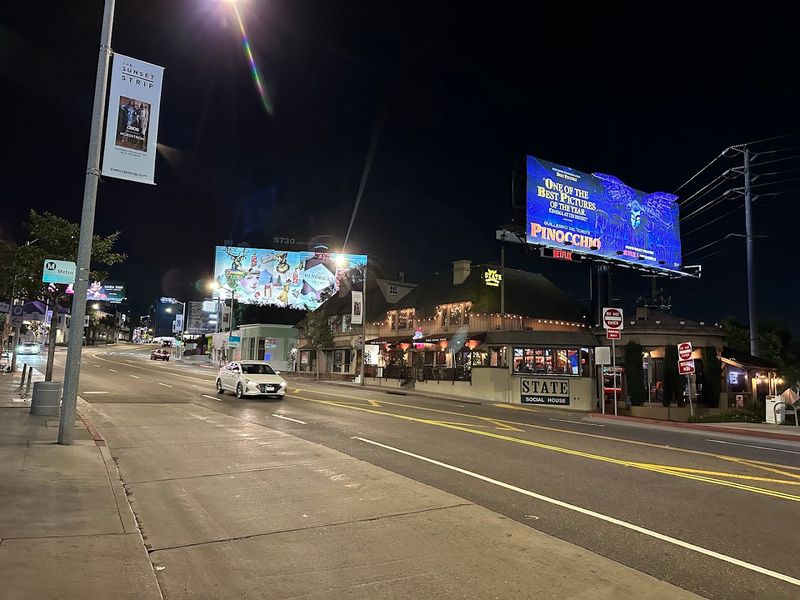
Hollywood has given Sunset Boulevard a level of fame that most streets can only dream about. Stretching approximately 35 kilometers across Los Angeles, this legendary road travels from downtown through Echo Park, Hollywood, West Hollywood, Beverly Hills, Bel Air, and finally down to the Pacific Coast Highway at the ocean.
That is quite a journey for a single street.
The Sunset Strip section, running through West Hollywood, is probably the most famous stretch. It has hosted rock clubs, celebrity hangouts, iconic billboards, and some of the most talked-about nightlife in American history.
Bands like The Doors and Led Zeppelin played venues along this strip, and the energy from those days still lingers in the area’s creative atmosphere.
Beyond the glitter, Sunset Boulevard also passes through quiet residential neighborhoods, tree-shaded canyons, and upscale estates hidden behind tall hedges. The contrast between glamorous and ordinary is part of what makes this road so compelling.
Driving it end to end gives you a genuine tour through the many different versions of Los Angeles, from gritty urban streets to breezy coastal landscapes. Billy Wilder’s classic 1950 film named after this boulevard only deepened its legendary status.
Broadway — New York City, New York
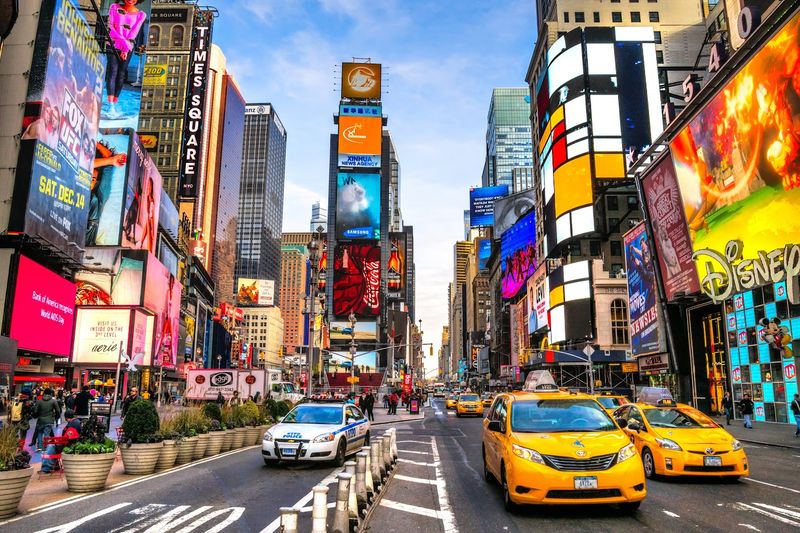
Every other street in Manhattan follows a tidy grid, and then there is Broadway, cutting diagonally across the entire island as if it never got the memo. Stretching more than 33 kilometers through New York City, Broadway is one of the oldest and most storied roads in the United States.
Its unusual diagonal path actually predates the city’s formal grid system, following an old Native American trail called the Wiechquaeskeck path.
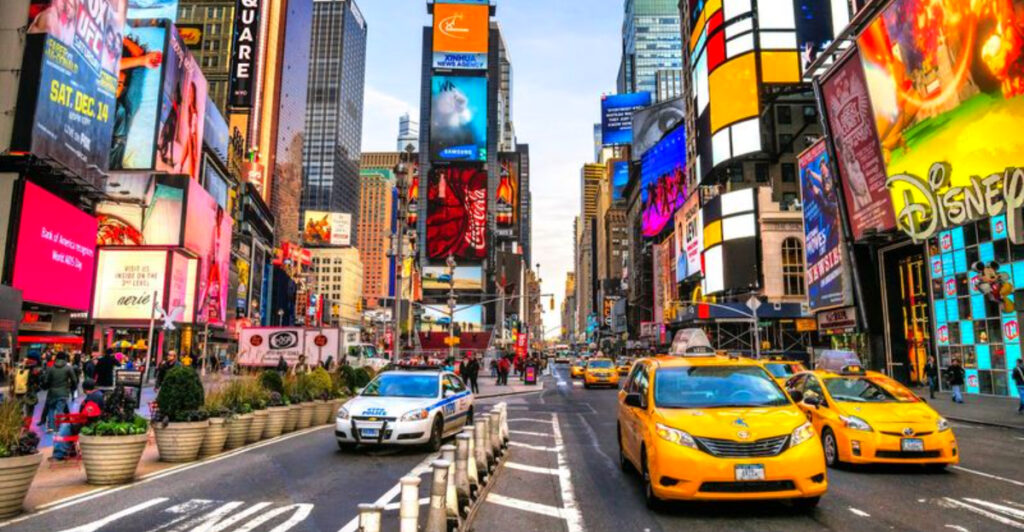
Times Square, where Broadway crosses Seventh Avenue, is arguably the most photographed intersection on the planet. Neon signs, theater marquees, and endless crowds make it feel like the center of the universe on any given night.
But Broadway extends far beyond that famous stretch, traveling through diverse neighborhoods like the Upper West Side, Harlem, and Washington Heights before crossing into the Bronx.
The avenue gives its name to the entire world of professional theater, even though most Broadway theaters are technically located on the side streets nearby. That cultural association alone speaks to the street’s enormous influence.
Whether you are catching a show, grabbing a slice of pizza, or just watching the city move, Broadway delivers a uniquely New York experience that no other road in the world can replicate.
Roskildevej — Copenhagen, Denmark
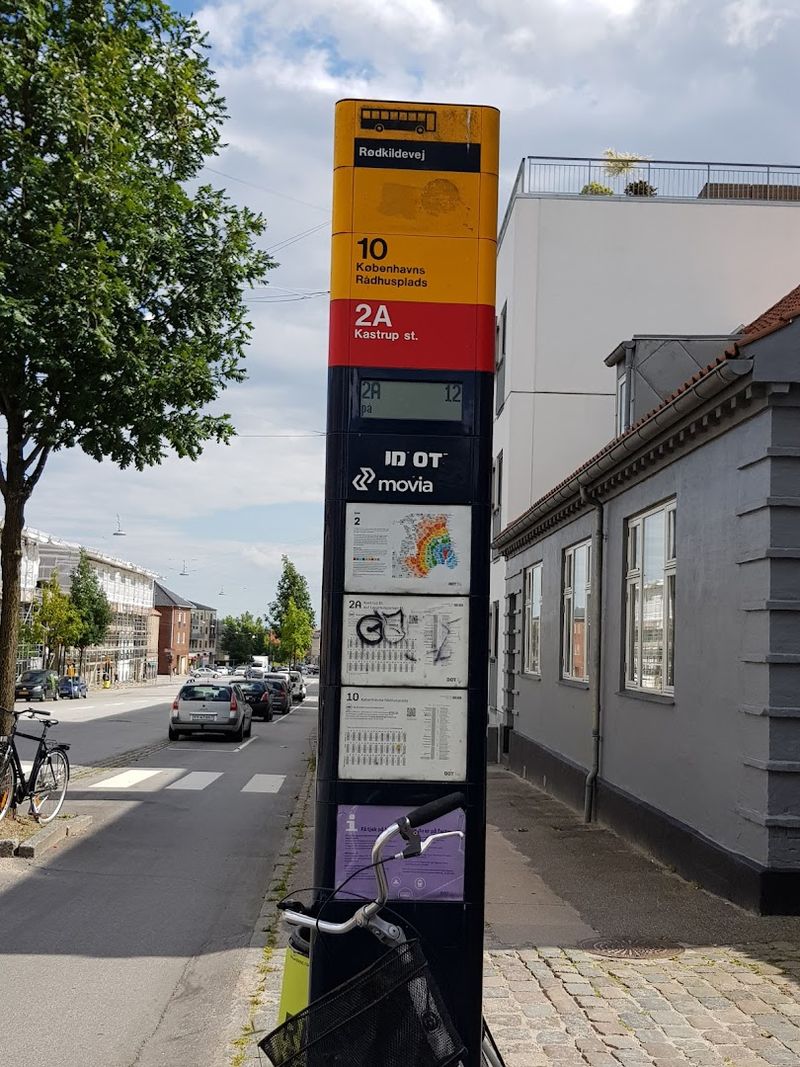
Copenhagen is famous for its cycling culture, clean design, and livable neighborhoods, and Roskildevej connects all of that to the wider region beyond the city. Stretching about 31 kilometers from central Copenhagen toward the historic city of Roskilde, this road has been an important transportation corridor for centuries.
Long before cars existed, travelers and traders used this route to move between the two cities.
Roskildevej passes through a variety of urban and suburban environments, shifting from dense city neighborhoods to quieter residential areas and green spaces as it heads westward. Along the way, it crosses several municipalities and connects communities that might otherwise feel disconnected from the capital.
The route is well-served by public transit, making it practical for daily commuters.
What makes Roskildevej especially interesting is its historical depth. Roskilde itself was once the capital of Denmark and home to Viking kings, so this road has been carrying people between power centers for more than a thousand years.
Today, it is also the road that leads to the famous Roskilde Festival, one of Europe’s largest music events. That combination of ancient history and modern culture gives this long Danish road a character that is hard to match anywhere else in Scandinavia.
Avenida de los Insurgentes — Mexico City, Mexico
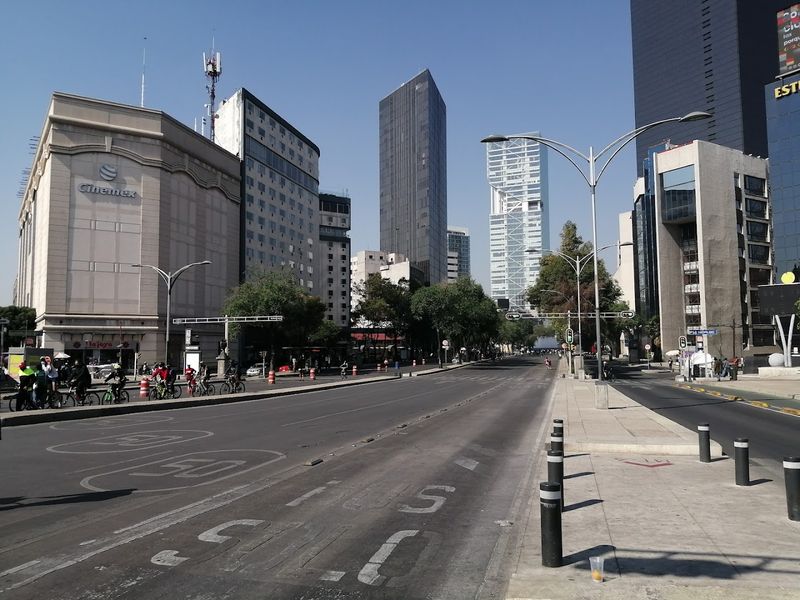
At nearly 29 kilometers, Avenida de los Insurgentes is Mexico City’s longest avenue, and it acts like the city’s backbone. Running roughly north to south through the capital, it connects some of the most important districts in one of the world’s largest metropolitan areas.
Business centers, universities, cultural venues, and residential neighborhoods all line its route.
The avenue passes landmarks like the National University of Mexico campus, the World Trade Center, the Insurgentes Theater, and dozens of major commercial zones. It also intersects with nearly every other major road in the city, making it an essential hub in Mexico City’s transportation network.
Buses and the metro BRT system run along it constantly, carrying millions of passengers each week.
Named in honor of the insurgents who fought for Mexican independence, the avenue carries a patriotic weight alongside its practical function. Murals and public art installations appear along the route, reflecting Mexico City’s deep commitment to visual culture.
Rush hour on Insurgentes is a famously intense experience, with traffic stretching as far as the eye can see. Still, the energy of the avenue is electric.
Few roads anywhere in Latin America carry quite the same combination of history, commerce, culture, and sheer urban momentum as this one does daily.
Sukhumvit Road — Bangkok, Thailand
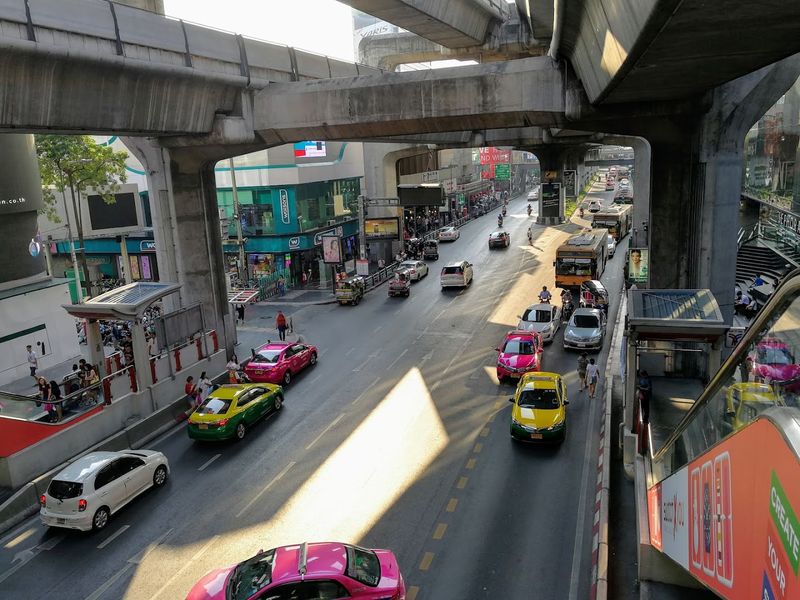
Sukhumvit Road is the kind of street that swallows you whole the moment you step onto it. In Bangkok, this famous thoroughfare stretches for kilometers through some of the city’s most vibrant and densely packed districts, lined with malls, street food stalls, rooftop bars, and luxury hotels.
The energy is relentless, day and night.
Beyond Bangkok, Sukhumvit Road continues as a major highway extending hundreds of kilometers eastward toward the Thai-Cambodian border. That makes its total length genuinely extraordinary, though most visitors and residents experience only the Bangkok section.
The BTS Skytrain runs above a significant stretch of the road, offering a slightly calmer way to navigate the legendary traffic below.
The street is numbered by sois, which are side alleys branching off the main road. Some sois are famous in their own right, each with a distinct vibe ranging from quiet residential lanes to buzzing nightlife corridors.
Sukhumvit is where expats settle, tourists explore, and Bangkok locals live their daily lives. The road reflects Thailand’s rapid modernization while still holding pockets of traditional street life.
Hawkers sell grilled skewers next to gleaming glass towers, and that contrast is exactly what makes Sukhumvit one of Southeast Asia’s most unforgettable urban streets.
Colfax Avenue — Denver, Colorado
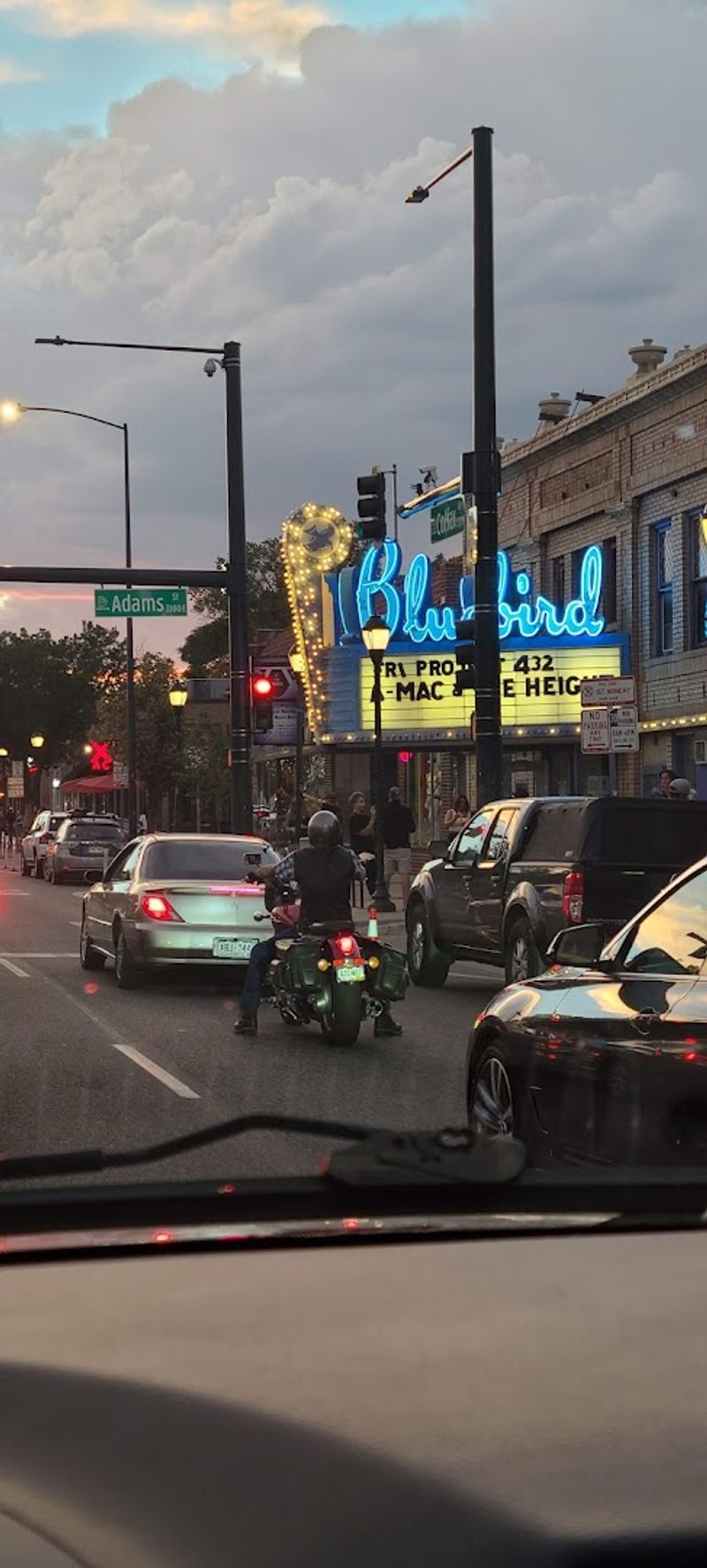
Playboy magazine once called Colfax Avenue the longest, most wicked street in America, and while Denver locals might debate the wicked part, nobody argues about the length. Stretching roughly 67 kilometers across the Denver metropolitan area, Colfax is widely recognized as the longest commercial street in the United States.
It is a road with a serious reputation and a genuinely fascinating history.
The avenue runs through a wild mix of neighborhoods, passing vintage theaters, late-night diners, tattoo parlors, record shops, and independent bookstores. It has attracted artists, musicians, and unconventional characters for decades.
Some of Denver’s most beloved local businesses have called Colfax home for generations, giving the street an authenticity that newer developments rarely achieve.
Colfax has also seen its share of ups and downs. Stretches that were once considered rough have been revitalized in recent years, with new restaurants and businesses breathing fresh energy into older blocks.
At the same time, longtime residents and shop owners work to preserve the street’s scrappy, independent spirit. Driving or walking its full length is practically a Denver rite of passage.
Whether you are hunting for a great burger, catching live music, or just soaking in the city’s character, Colfax Avenue always delivers something unexpected.
Sepulveda Boulevard — Los Angeles, California
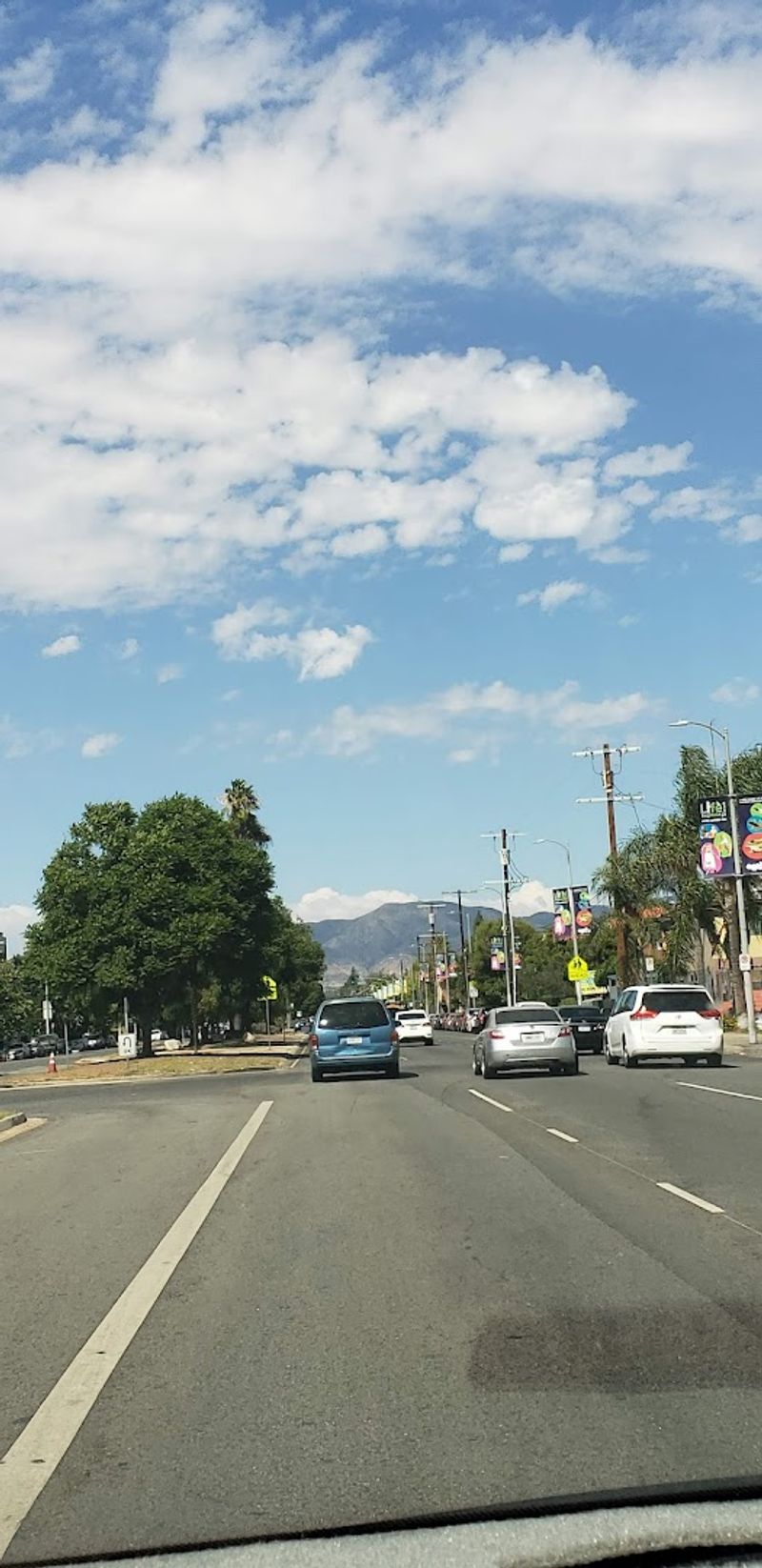
Running more than 40 kilometers through Los Angeles County, Sepulveda Boulevard is one of the region’s most essential roads even if it rarely gets the glamorous reputation of its neighbors. It passes through communities including Sherman Oaks, Van Nuys, Culver City, and El Segundo before reaching the coast near Manhattan Beach.
That is a serious stretch of Southern California real estate.
One of the most recognizable parts of the route passes directly beneath the runways of Los Angeles International Airport. Drivers on Sepulveda literally travel through a tunnel beneath active aircraft, which is a genuinely surreal experience the first time you encounter it.
The roar of jets overhead is a constant reminder of just how close you are to one of the world’s busiest airports.
Beyond the airport corridor, Sepulveda Boulevard shifts between residential streets, industrial zones, retail strips, and coastal neighborhoods. It is a working road used by commuters, delivery trucks, and locals navigating daily life across a sprawling metropolis.
Unlike Hollywood Boulevard or Sunset, Sepulveda is not famous for glitz. Its fame comes from utility and scale.
It quietly holds Los Angeles together, connecting communities that would otherwise feel miles apart from each other in every sense.
Primorskoye Highway — Saint Petersburg, Russia
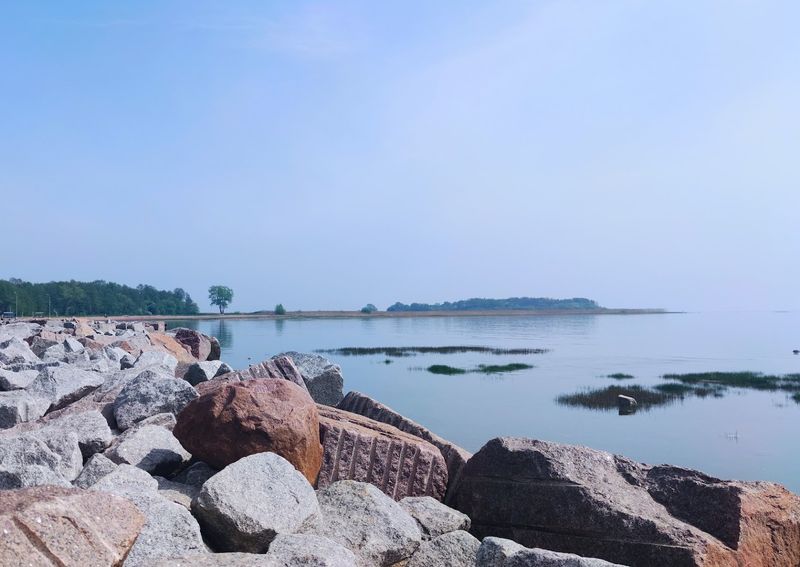
Hugging the southern shore of the Gulf of Finland, Primorskoye Highway is one of Russia’s most scenic long-distance roads. Stretching from Saint Petersburg westward through a chain of resort towns and coastal communities, it offers a very different view of Russia than most outsiders expect.
Pine forests, sandy shores, and historic dachas line much of the route.
During the Soviet era, this coastal stretch was a popular getaway for Leningrad residents seeking fresh air and relaxation. Many of the resort towns along the highway still carry that nostalgic character, with wooden cottages and quiet beaches that feel pleasantly removed from city life.
Today, the highway also serves as a practical commuter route for residents of communities west of Saint Petersburg.
The road passes through places like Sestroretsk, Zelenogorsk, and Vyborg, each with its own history and charm. Vyborg itself is a remarkable destination, featuring a medieval castle and architecture that reflects the city’s complex Finnish and Russian heritage.
Traveling Primorskoye Highway end to end is less about speed and more about discovery. The combination of coastal scenery, historic towns, and quiet forest stretches makes it one of the most rewarding long drives in northwestern Russia for anyone willing to take their time.
Sofiyskaya Street — Saint Petersburg, Russia
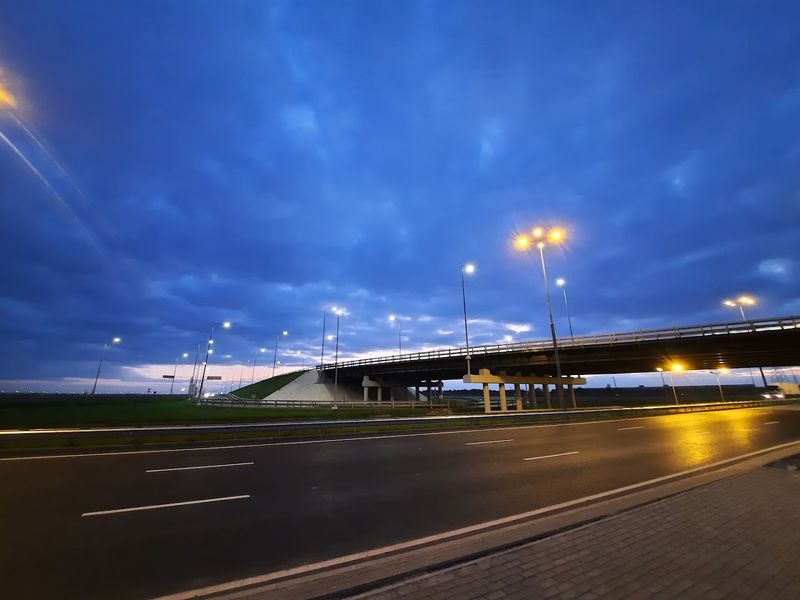
Saint Petersburg is an enormous city, and Sofiyskaya Street reflects that scale in the most straightforward way possible. Cutting through the southern parts of the city, it passes industrial zones, Soviet-era apartment blocks, commercial strips, and newer residential developments.
It is not a street that makes the tourist maps, but for the people who live and work along it, Sofiyskaya is a daily reality.
The street’s considerable length speaks to how far Saint Petersburg extends beyond its famous historic center. Most visitors to the city spend their time near the Hermitage, the canals, and the grand palaces.
Sofiyskaya Street exists in a different Saint Petersburg, one shaped by twentieth-century urban expansion and the practical needs of a modern metropolis.
What makes streets like Sofiyskaya genuinely interesting is the human story embedded in their ordinary appearance. Thousands of families live in the apartment buildings along its route.
Markets, schools, and community spaces cluster along the way. The architecture may lack the grandeur of Nevsky Prospekt, but the life happening here is just as real and just as important to the city’s identity.
Long streets in major cities often reveal more about how people actually live than any famous boulevard ever could, and Sofiyskaya is a perfect example of that truth.
Ulloi ut — Budapest, Hungary
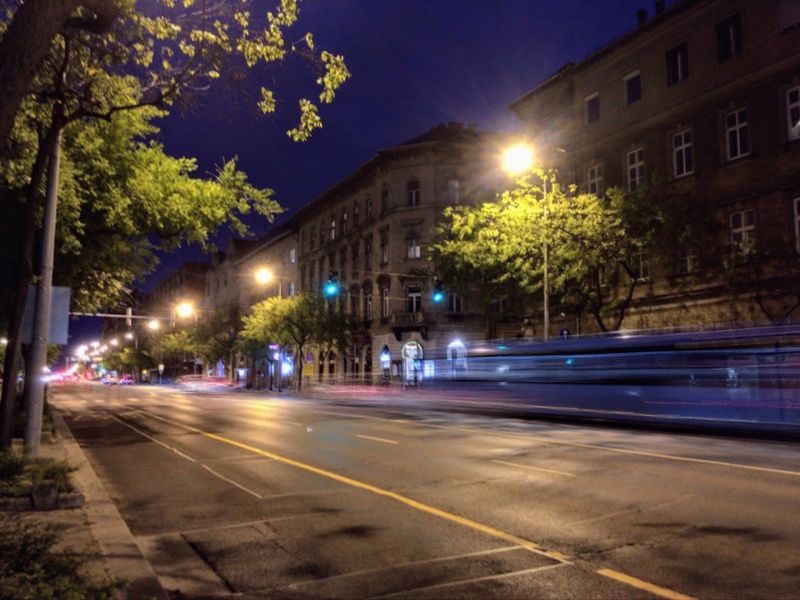
Budapest is a city of grand boulevards, and Ulloi ut is one of its most important. Extending roughly 15 kilometers from the heart of the city toward the southeastern suburbs, it serves as a major artery carrying trams, cars, cyclists, and pedestrians through some of Budapest’s most interesting urban landscapes.
The avenue begins near the Great Market Hall and heads steadily outward from there.
Along the route, Ulloi ut passes the Hungarian University of Fine Arts, several hospitals, the Ferenc Puskas Stadium area, and a mix of residential and commercial neighborhoods. The architecture shifts as you move outward, transitioning from ornate nineteenth-century buildings near the center to more utilitarian twentieth-century structures further out.
That architectural timeline makes the avenue feel like a compressed history lesson in Budapest’s urban development.
Tram line 1 runs along a significant portion of Ulloi ut, making it one of the city’s most accessible corridors for public transit users. The avenue is named after the Hungarian word for road, and it carries that humble designation with quiet confidence.
During spring, the trees lining the inner sections burst into green, softening the urban landscape considerably. For anyone wanting to see Budapest beyond its tourist highlights, a tram ride along Ulloi ut offers an honest and rewarding view of the city’s everyday life.
Fifth Avenue — New York City, New York
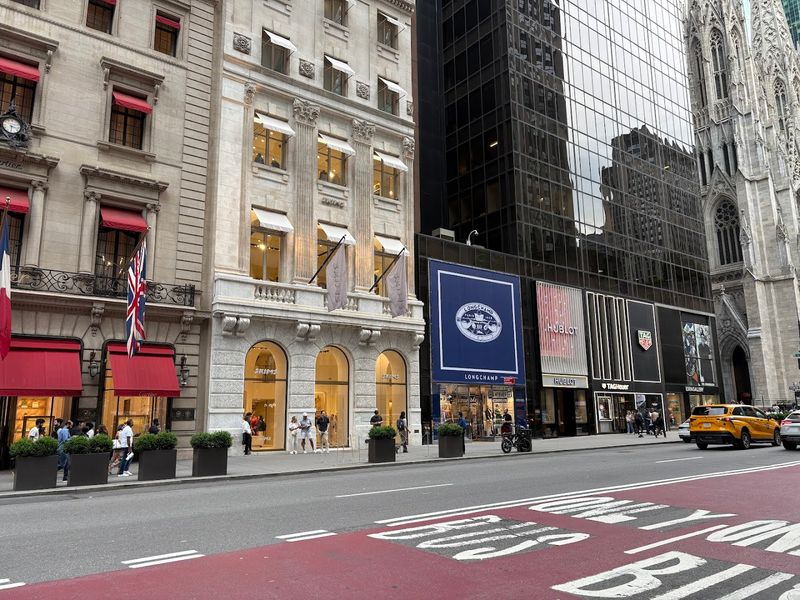
Fifth Avenue may not win any awards for raw length, but what it lacks in kilometers it more than makes up for in pure star power. Stretching about 14 kilometers through the full length of Manhattan, it runs from the Harlem River in the north all the way down to Washington Square Park in Greenwich Village.
Along the way, it passes some of the most recognizable addresses on the planet.
The stretch between 34th and 59th Streets is the most famous, lined with flagship stores from luxury brands, the Empire State Building, Rockefeller Center, St. Patrick’s Cathedral, and the main branch of the New York Public Library. Central Park borders Fifth Avenue on its western side for about 25 blocks, giving the street a surprisingly green and peaceful edge amid all the urban intensity.
Museum Mile, running from 82nd to 105th Streets along Central Park, is home to some of the world’s greatest museums, including the Metropolitan Museum of Art and the Guggenheim. Fifth Avenue also hosts the famous Macy’s Thanksgiving Day Parade and the St. Patrick’s Day Parade each year.
The avenue charges top dollar for retail space, consistently ranking among the most expensive shopping streets on Earth. Few roads anywhere pack this much cultural weight into a single stretch of asphalt.
Mulholland Drive — Los Angeles, California
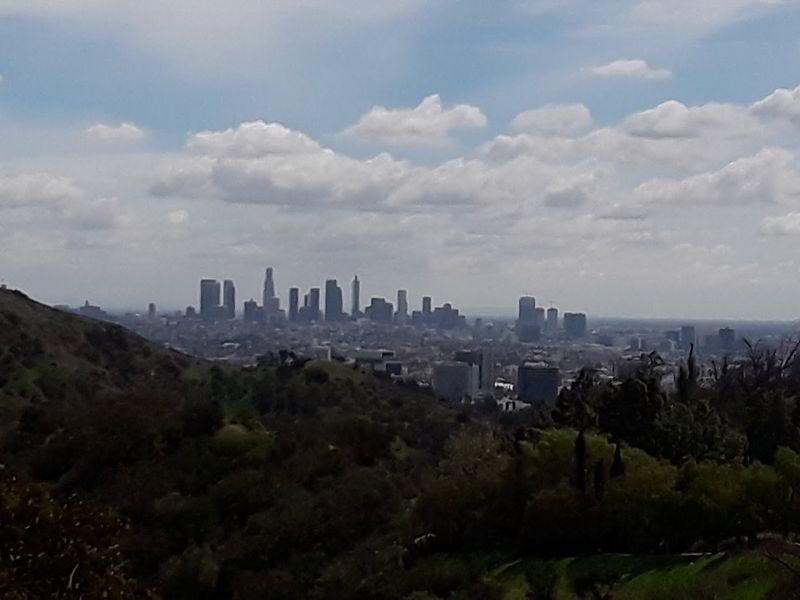
Winding along the crest of the Santa Monica Mountains, Mulholland Drive is the kind of road that makes you pull over just to stare. Covering more than 30 kilometers of dramatic ridgeline terrain, it offers some of the most spectacular views of Los Angeles available from any public road.
On a clear day, you can see from downtown skyscrapers all the way to the Pacific Ocean shimmering in the distance.
The drive separates the San Fernando Valley to the north from the Los Angeles basin to the south, and that geographic position gives it a unique dual perspective on the sprawling city below. Celebrities have long favored the hillside properties along Mulholland for their privacy and panoramic views.
The road has appeared in countless films, music videos, and television shows, cementing its place in popular culture.
David Lynch named one of his most mysterious films after this road, and the choice makes sense. Mulholland Drive has an atmospheric quality that is hard to describe but impossible to ignore.
At night, the city lights spread out below like a glittering blanket, and the road itself feels slightly removed from reality. Whether you are a first-time visitor or a lifelong Angeleno, driving Mulholland Drive at sunset remains one of those experiences that genuinely stays with you long after the trip ends.
Share this story