There is something hauntingly beautiful about a train station frozen in time. Once filled with the sounds of steam engines, rushing crowds, and distant whistles, these grand structures now stand silent, slowly being reclaimed by nature or simply waiting for the world to remember them.
From mountain palaces in Spain to hidden subway gems beneath New York City, abandoned train stations tell stories of history, ambition, and change. Get ready to explore 15 of the most breathtaking railway ruins found across the globe.
1. Michigan Central Station (Detroit, USA)
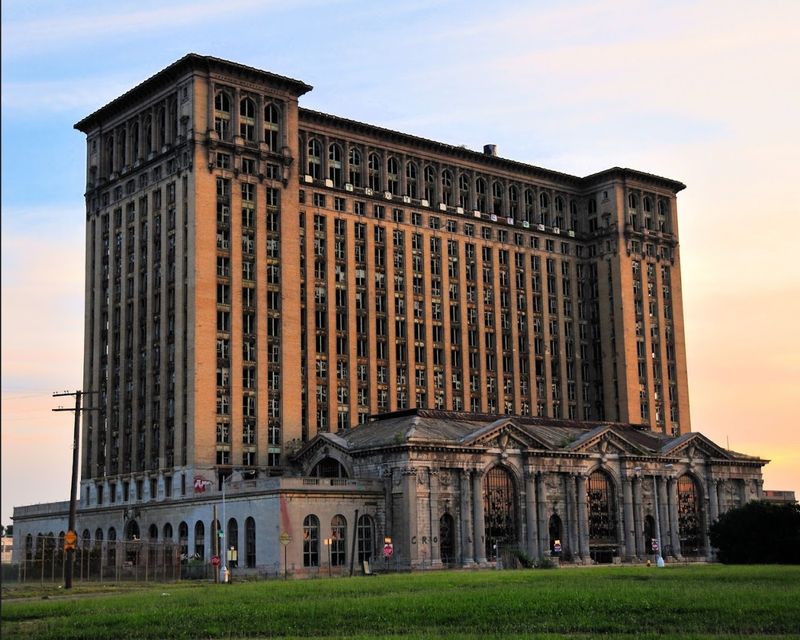
When Michigan Central Station opened in 1913, it was the tallest rail station in America. Its soaring Beaux-Arts facade, marble columns, and grand waiting hall made it one of the most impressive buildings in the country.
Thousands of passengers passed through its doors every single day.
After passenger rail service ended in 1988, the station sat empty for decades, slowly becoming a symbol of Detroit’s struggles. Broken windows, crumbling plaster, and overgrown platforms painted a dramatic picture of urban decay.
Yet even in ruin, the building’s bones remained breathtaking.
Ford Motor Company purchased the station in 2018 and began a major restoration effort. Today, it stands as a story of resilience as much as architecture.
Michigan Central Station proves that even the most forgotten places can find new life, making it one of America’s most compelling comeback stories in modern history.
2. Canfranc International Railway Station (Canfranc, Spain)
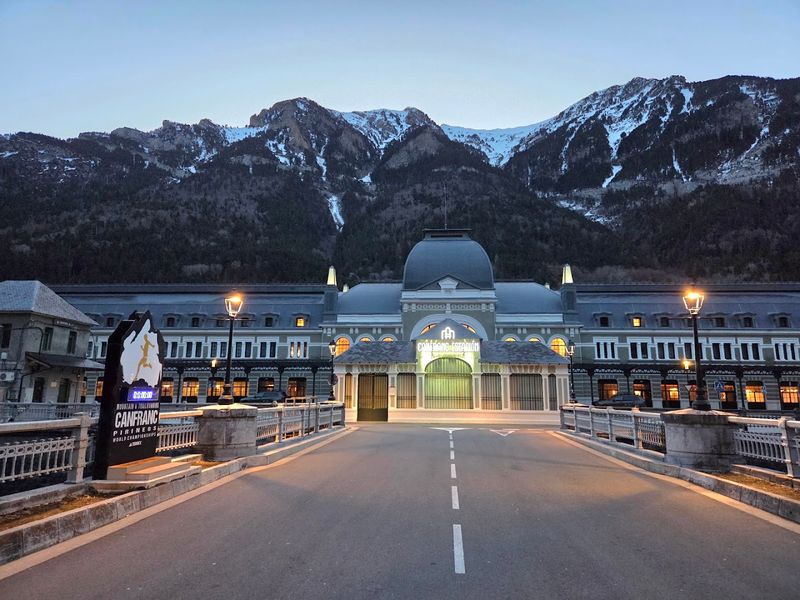
Tucked into the rugged Pyrenees Mountains, Canfranc International Railway Station looks more like a royal palace than a train stop. When it opened in 1928, it was considered the second-largest rail station in all of Europe.
Its 365 windows and elegant French-inspired facade left travelers absolutely speechless.
A tragic train accident in 1970 damaged a critical bridge on the French side, and the station was abruptly abandoned. For decades, it sat quietly in the mountain valley, its grand halls gathering dust while nature crept in around the edges.
Urban explorers and history lovers traveled from across Europe just to catch a glimpse.
Restoration efforts are now bringing parts of the station back to life, including a luxury hotel. Still, the romance of its long abandonment is hard to shake.
Canfranc remains one of the most hauntingly beautiful railway buildings anywhere in the world today.
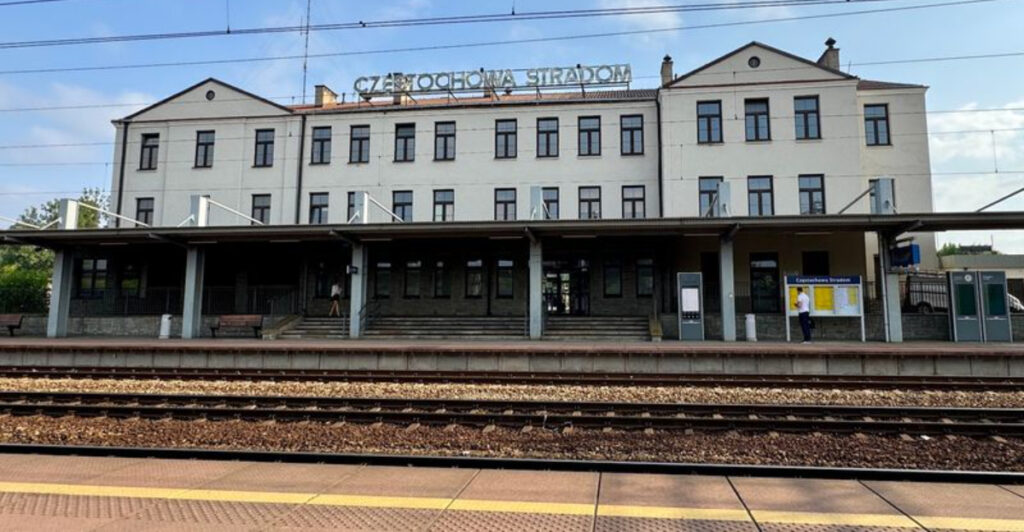
3. Czestochowa Stradom Roundhouse (Poland)
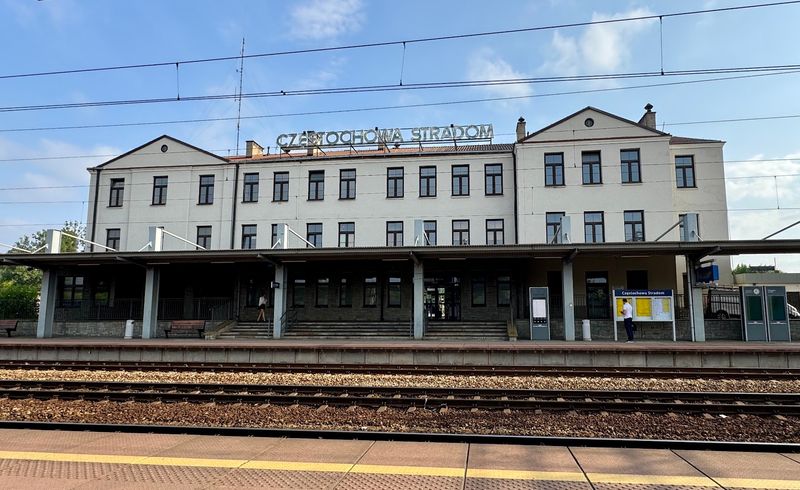
Not every beautiful abandoned station looks like a palace. The Czestochowa Stradom Roundhouse in Poland is proof that industrial architecture can be just as jaw-dropping as anything built for royalty.
This circular engine shed, with its Gothic brick arches and crumbling brick walls, has become one of Eastern Europe’s most beloved urban exploration destinations.
Once part of a thriving railway complex, the roundhouse served as a repair and storage hub for steam locomotives. When the facility shut down, the massive structure was left to the elements.
Rain poured through broken skylights, rust crept across the tracks, and moss slowly blanketed the floors.
Today, dramatic shafts of light filter through the damaged roof, creating an almost cathedral-like atmosphere inside. Photographers travel specifically to capture this moody, atmospheric space.
It is a reminder that beauty can be found in unexpected places, even in the heart of industrial decay.
4. Helensburgh Railway Tunnel Station (Australia)
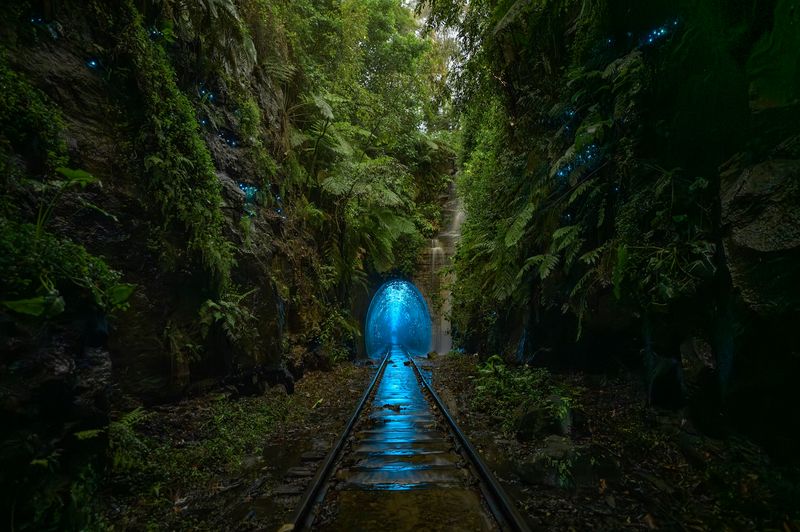
Hidden beneath the Australian bush south of Sydney, Helensburgh Railway Tunnel Station is unlike any abandoned station on this list. Closed in 1915 when a new rail route bypassed it entirely, the tunnel has since become home to something magical: thousands of tiny glowworms that light up the ceiling like a starry sky.
Visitors who make the hike to reach this hidden gem are rewarded with a genuinely otherworldly experience. Moss blankets nearly every surface, water trickles through cracks in the old stonework, and the soft blue glow of glowworms reflects off shallow pools on the tunnel floor.
It feels more like a fantasy cave than a former railway station.
The site is technically off-limits but has attracted curious adventurers for years. Its combination of natural beauty and forgotten history makes it one of Australia’s most talked-about hidden places.
Few abandoned spots anywhere in the world match its quiet, glowing magic.
5. Anhalter Bahnhof (Berlin, Germany)
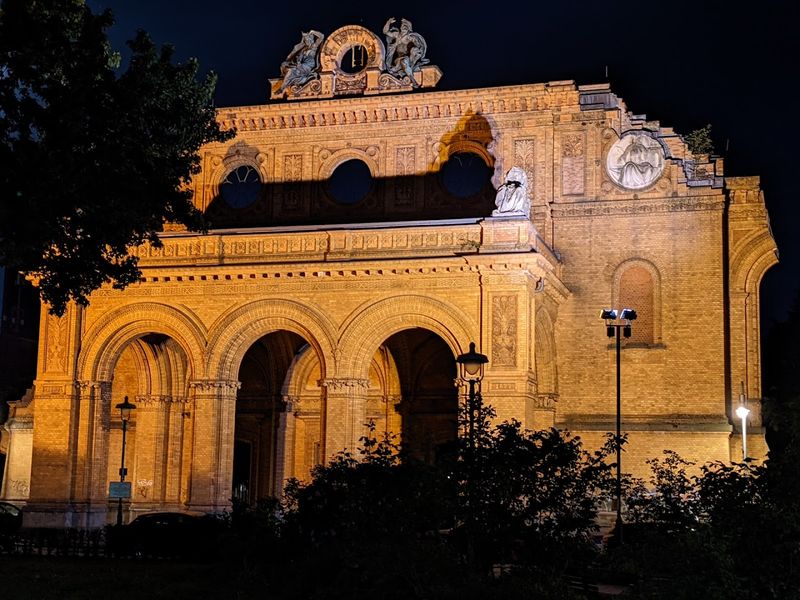
Before World War II, Anhalter Bahnhof was one of the busiest and most magnificent railway terminals in all of Europe. At its peak, it handled thousands of passengers every day, connecting Berlin to cities across the continent.
Its grand stone facade and soaring arched entrance were considered architectural masterpieces of the era.
Allied bombing during the war devastated the building almost completely. When the dust settled, only a fragment of the original entrance archway remained standing.
Rather than demolish it entirely, city planners chose to preserve the ruin as a memorial to both the station and the war’s enormous destruction.
Today, that surviving archway stands in an open park, framed by blue sky and green grass. It is a deeply moving sight, simultaneously beautiful and heartbreaking.
Anhalter Bahnhof may be mostly gone, but what remains carries more historical weight than many fully intact buildings across the entire city of Berlin.
6. Kacov Railway Station (Czech Republic)
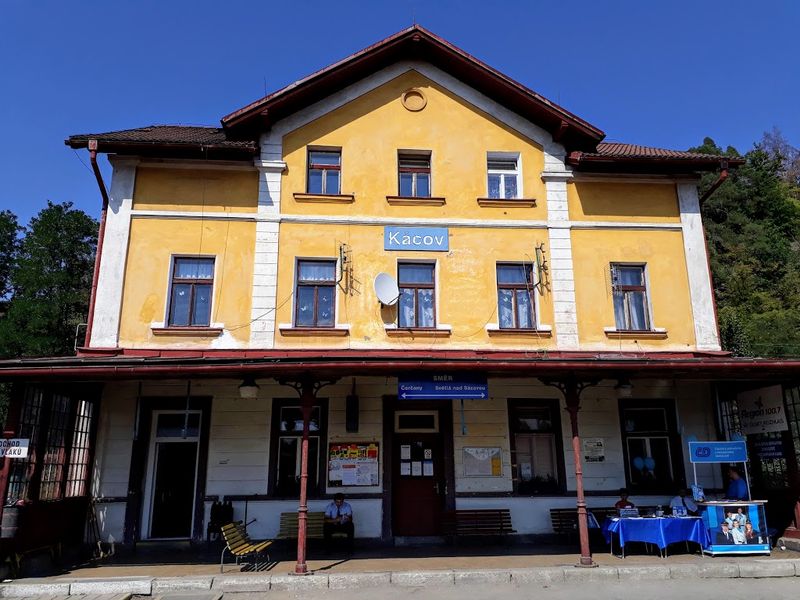
Sometimes the most beautiful abandoned places are the smallest ones. Kacov Railway Station in the Czech Republic is a modest rural stop that photographers have turned into something of a legend.
Its crumbling plaster walls, peeling paint, and overgrown platform have a quiet, melancholy charm that big city stations simply cannot replicate.
The station served a small community for many years before falling out of use as rail lines were reorganized and modernized. Left behind, it became a time capsule of mid-century Central European railway life.
Rusted tracks disappear into dense forest, and wildflowers push up through the platform cracks each spring.
What makes Kacov special is its sense of stillness. Nothing dramatic happened here, no bombing, no grand restoration story.
It simply faded away, and that quiet fading is exactly what makes it so photogenic and emotionally resonant. It is rural abandonment at its most honest and most beautiful.
7. Aldwych Station (London, England)
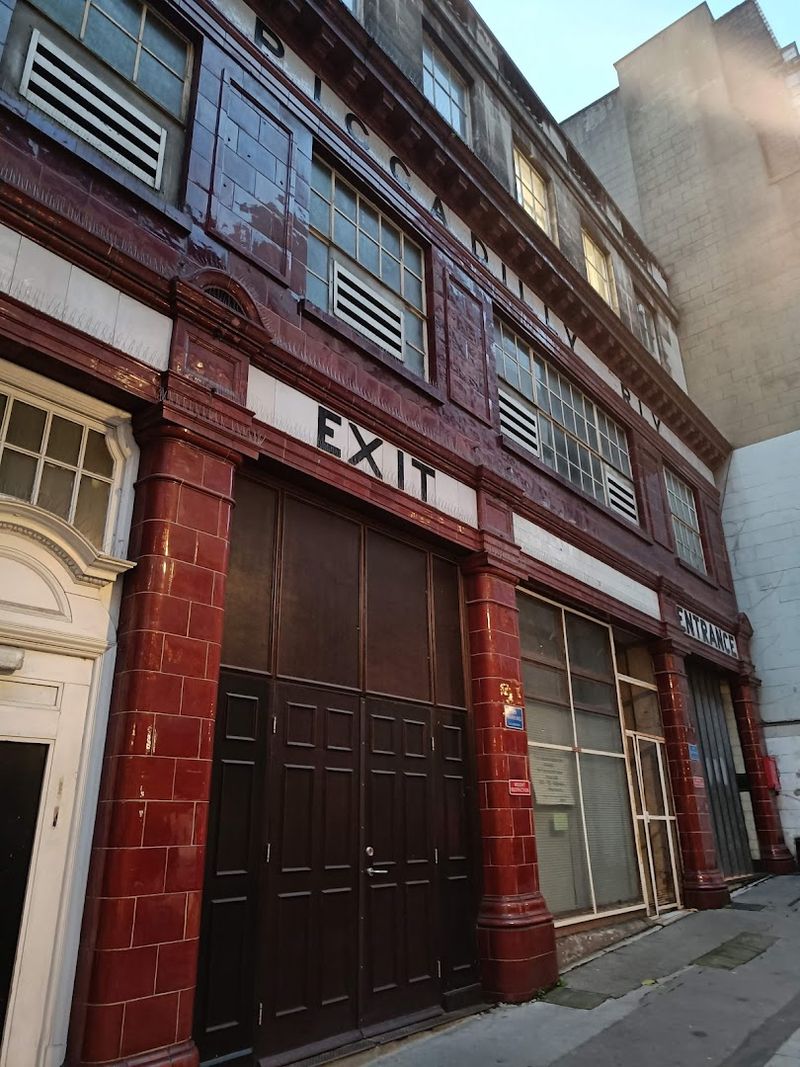
Aldwych Station holds a special place among London’s many hidden treasures. Closed to regular passengers in 1994 due to low ridership, this former London Underground stop was not demolished or gutted but simply locked up and left almost entirely intact.
Walking through its tiled corridors feels like stepping straight into the early 20th century.
The station’s Edwardian design is beautifully preserved, from its cream and green tiled walls to its vintage signage and wooden escalators. Film and television production crews have used Aldwych for decades as a stand-in for period-accurate underground scenes.
Recognizing it in movies and TV shows has become a fun game for London history enthusiasts.
Transport for London occasionally opens Aldwych to the public during special heritage events, giving visitors a rare and thrilling glimpse inside. Few places in London offer such an authentic window into the city’s early transit history.
It is genuinely one of a kind.
8. City Hall Station (New York City, USA)
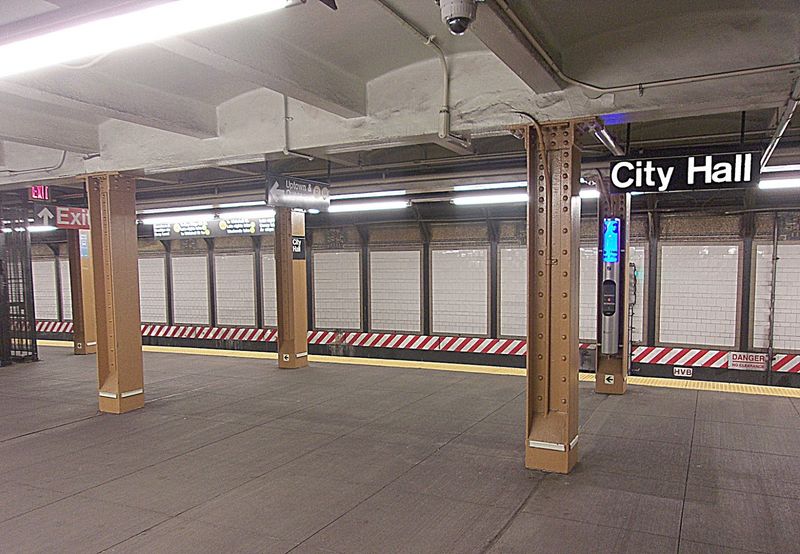
Buried beneath the streets of lower Manhattan lies one of the most stunning pieces of hidden architecture in New York City. City Hall Station opened in 1904 as the crown jewel of the original New York City subway system.
Its elegant curved platform, Guastavino tile vaults, brass chandeliers, and stained glass skylights made it unlike any other station in the world.
The station closed to passengers in 1945 because its curved platform was too short to accommodate the longer modern subway cars that replaced older models. Rather than demolish it, the city simply sealed it off.
The New York Transit Museum occasionally runs special tours that allow riders to view the station from passing 6 trains.
Seeing City Hall Station for the first time is a genuinely breathtaking experience. It is polished, ornate, and completely frozen in time.
For subway history fans, it remains the ultimate hidden gem sitting quietly beneath one of the world’s busiest cities.
9. Estacion de Canfranc Old Section (Spain)
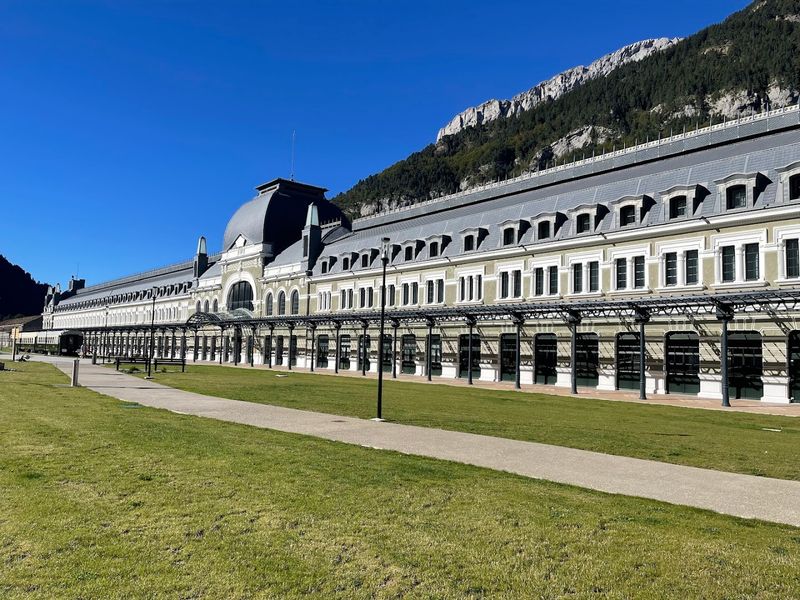
While the name appears earlier on this list, the old abandoned sections of Estacion de Canfranc deserve their own spotlight. Even as portions of the station move toward restoration, large stretches of the original building remained completely untouched for decades after the 1970 closure.
Walking through these sections felt like wandering through a faded dream of European rail travel at its grandest.
The contrast between the ornate French-inspired architecture and the silent, overgrown platforms was almost cinematic. Tall arched windows framed views of snowcapped peaks, while peeling paint and broken tiles told the story of fifty years of neglect.
Few abandoned buildings in Europe managed to feel simultaneously so elegant and so forlorn.
Spain’s government recognized its cultural importance and began investing in the site’s future. The station’s ghost-like quality, however, will always be part of its legend.
Canfranc taught the world that even forgotten places can carry extraordinary grace and dignity long after the last train has gone.
10. Shime Coal Mine Railway Station (Japan)
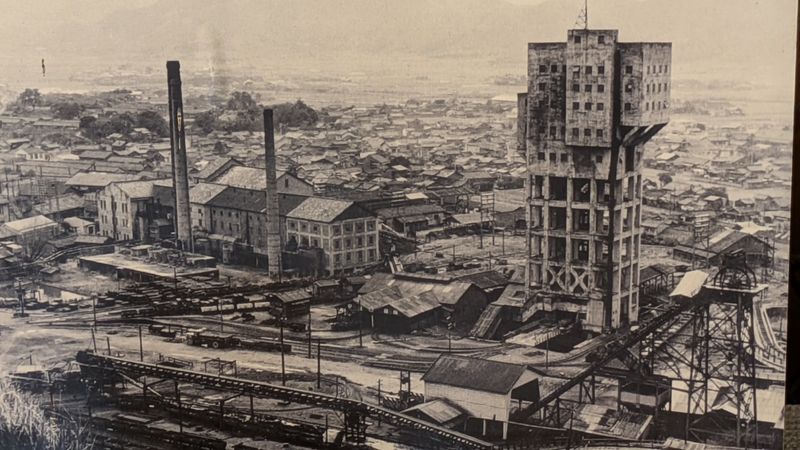
Japan is famous for its efficient, modern rail network, so it is easy to forget that the country also has some striking railway ruins. The Shime Coal Mine Railway Station in Fukuoka Prefecture is a fascinating example of industrial heritage slowly surrendering to nature.
Built to serve a busy coal mining operation, the station and surrounding structures were abandoned in 1964 when the mine closed.
Thick vegetation now wraps around the crumbling concrete buildings and rusted tracks. The contrast between the hard industrial materials and the soft, relentless growth of plants creates a visual tension that photographers find irresistible.
It is a scene that feels equally at home in a post-apocalyptic film and a nature documentary.
The main winding tower of the mine complex is now a registered historical site, drawing visitors who want to understand Japan’s industrial past. Shime is a quiet, reflective place where history and nature have reached an unusual and striking kind of balance.
11. Old Gare Maritime (Brussels, Belgium)
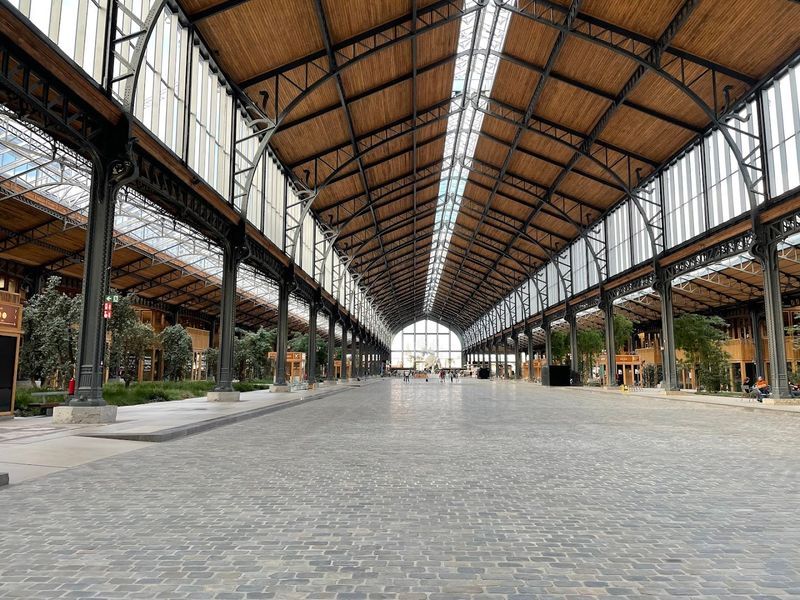
Brussels has a hidden giant that most tourists never see. The Old Gare Maritime, once a major freight and passenger hub, is one of the largest iron-and-glass structures in all of Belgium.
Its soaring arched roof and massive interior space give it the feeling of a cathedral built for trains rather than worship. At its peak, the building hummed with commercial energy day and night.
After falling out of active use, large sections of the complex sat dormant for years. The sheer scale of the building made redevelopment complicated and expensive, so it lingered in a kind of architectural limbo.
During that period, it became a favorite destination for urban explorers and architecture enthusiasts who marveled at its forgotten grandeur.
Renovation projects have since given parts of the building new purpose, but the original iron framework and glass roof remain largely intact. Gare Maritime stands as proof that industrial architecture can rival the beauty of any traditional monument in Europe.
12. Beelitz-Heilstatten Railway Station (Germany)
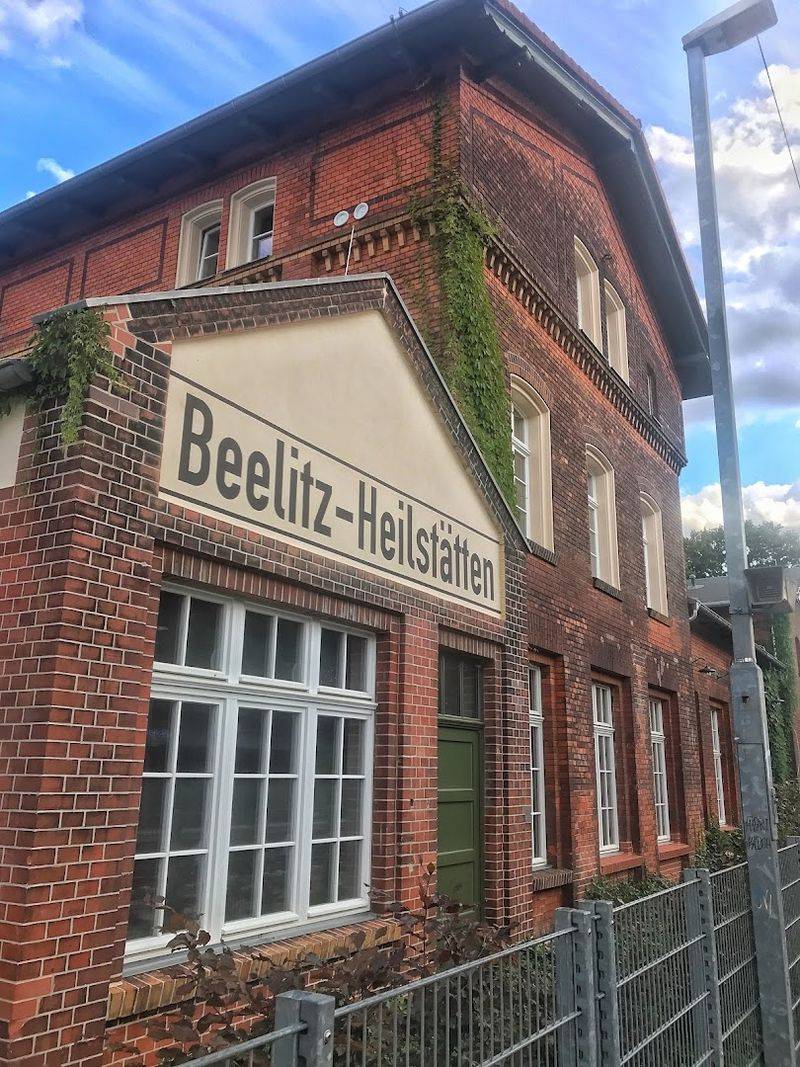
Germany’s Beelitz-Heilstatten complex is one of Europe’s most famous abandoned sites, a sprawling former hospital campus located southwest of Berlin. Serving this eerie complex was a small but atmospheric railway station that connected the facility to the outside world.
When the hospital finally closed, the station shared its fate and was left to slowly disappear into the surrounding forest.
Today, the platform is almost entirely consumed by vegetation. Trees grow up through the old track bed, ivy covers every available surface, and the surrounding historic brick buildings loom quietly through the greenery.
The atmosphere is deeply cinematic, moody, and strangely peaceful all at once. It has appeared in numerous photo essays and documentary films about European urban exploration.
Visitors can explore parts of the Beelitz complex through organized tours, making it more accessible than many ruins of similar fame. The railway station’s overgrown platform remains one of the most visually striking details in the entire abandoned complex.
13. Estacion de Jerez de la Frontera Old Platforms (Spain)
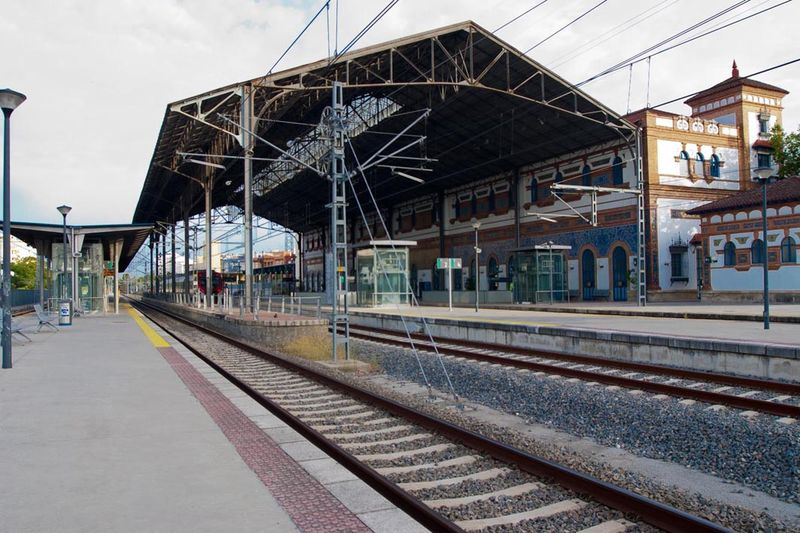
Southern Spain’s Jerez de la Frontera is world-famous for sherry wine and flamenco dancing, but it also hides a quietly beautiful piece of railway history. Parts of the station’s original 19th-century platform structures were bypassed and left behind following modernization efforts that reshaped the facility.
What remains carries the faded elegance of Andalusian architecture at its most charming.
Ornate ironwork canopies, decorative tilework, and warm terracotta tones speak to a time when railway travel was considered a luxurious and refined experience. The gentle decay of these older sections, with peeling paint and sun-bleached surfaces, only adds to their romantic appeal.
Photographers who stumble upon this corner of the station often describe feeling transported back in time.
Spain has countless examples of magnificent railway heritage, but Jerez stands out for the warmth and intimacy of its scale. It is not monumental like Canfranc, but its quiet, sun-drenched grandeur is deeply and unmistakably beautiful in its own right.
14. Dunedin Railway Yard Structures (New Zealand)
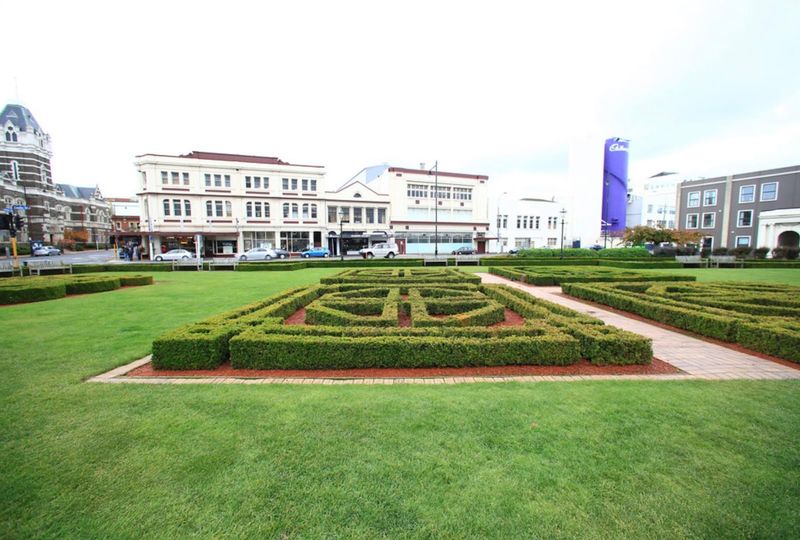
New Zealand is not the first country that comes to mind when thinking about railway heritage, but Dunedin tells a surprisingly rich story. While the city’s main Dunedin Railway Station remains one of the most photographed buildings in the country, several historic rail yard buildings and support structures surrounding it have quietly fallen out of use over the decades.
These abandoned structures share the same stunning Flemish Renaissance architectural style as the main station, featuring ornate stonework, decorative brickwork, and details that feel almost European in their refinement. Seeing them slowly deteriorate beside rusting tracks and overgrown yard areas creates a poignant contrast with the carefully maintained grandeur of the station nearby.
New Zealand’s railway history is tied directly to the growth of its South Island economy, and Dunedin was at the center of that story. The forgotten yard structures are a tangible, if melancholy, reminder of just how central the railways once were to everyday life here.
15. St. Martin Station (Paris, France)
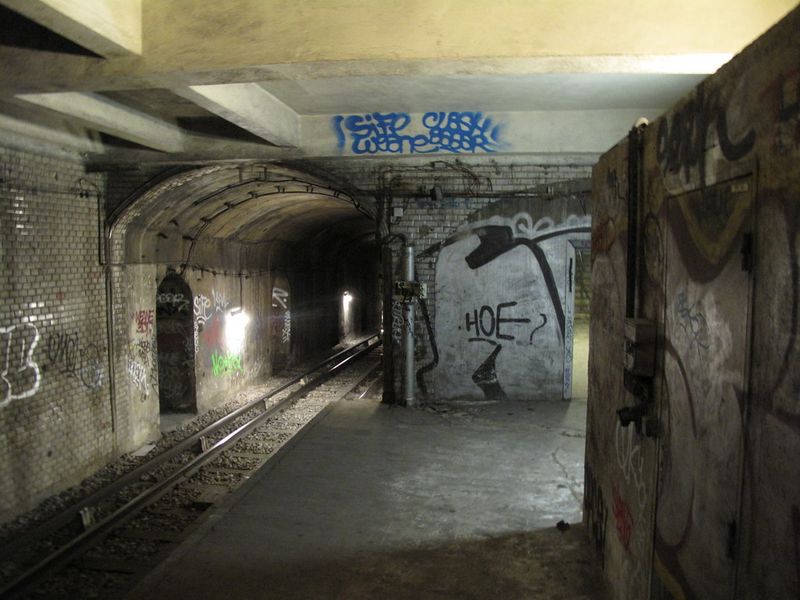
Paris has a well-kept secret running beneath its famous boulevards: a network of abandoned metro stations known as ghost stations. Among the most beautiful is St. Martin Station, which closed in 1939 at the outbreak of World War II and was never reopened to the public.
Unlike many abandoned spaces that have been stripped bare, St. Martin has been preserved in extraordinary detail.
Vintage advertising posters still cling to the tiled walls. Decorative ceramic work lines the platforms.
Old wooden benches sit exactly where they were left more than eighty years ago. The effect is like walking into a perfectly preserved snapshot of pre-war Parisian daily life, complete with Art Deco typography and long-forgotten brand names.
The station has been used occasionally for film shoots and private events. Paris occasionally opens it during European Heritage Days, giving lucky visitors a rare look inside.
For anyone fascinated by hidden history, St. Martin Station is nothing short of extraordinary.
Share this story