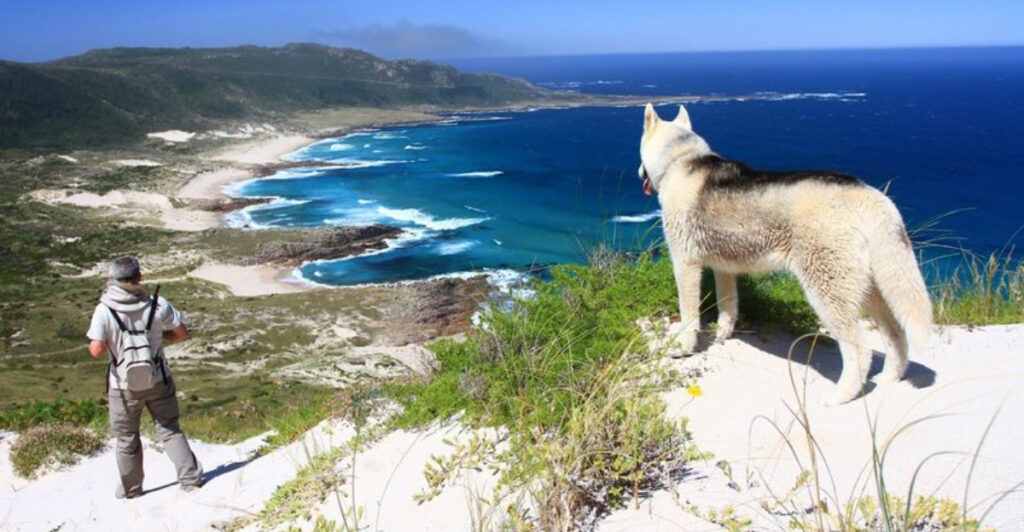
There is something about walking along a coastline that no other kind of travel can quite match. The ocean is always changing, the views are wide open, and every bend in the path reveals something new.
Whether you prefer rugged cliffs, quiet fishing villages, golden beaches, or dramatic headlands, the world has coastal trails that will leave you speechless. This list covers 15 of the most beautiful coastal walks on the planet, from short multi-day routes to epic long-distance trails that take weeks or even months to complete.
Some are easy and relaxed, others are serious wilderness challenges, but every single one earns its place here for the quality of its ocean scenery and the experience it offers walkers who love the sea.
King Charles III England Coast Path, England
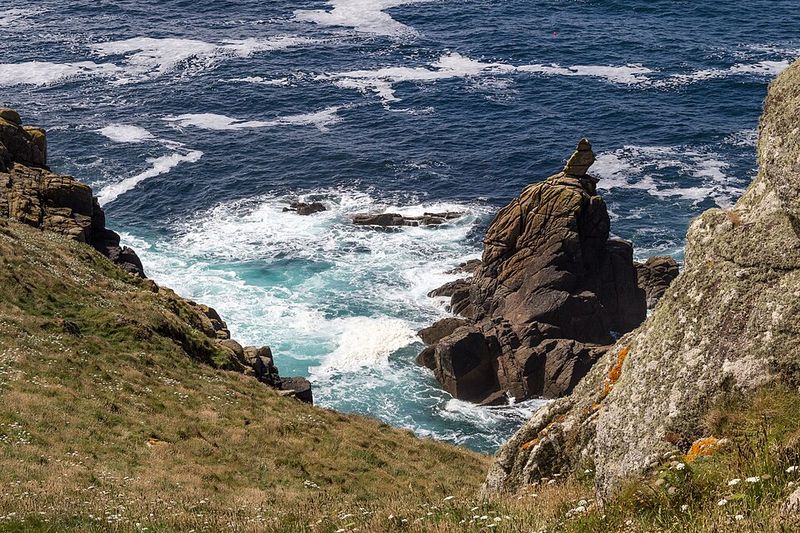
At roughly 2,700 miles when fully complete, the King Charles III England Coast Path is one of the most ambitious walking projects ever attempted. It is designed as a National Trail that stitches together the entire English coastline, connecting seaside towns, chalk cliffs, estuaries, wildlife habitats, and industrial heritage sites into a single continuous route.
Some sections are already open and welcoming walkers right now. Others are still being developed, so checking the official National Trails website before you plan any section is essential.
The route is not meant to be walked all at once, and most people tackle it in manageable chunks over multiple trips.
What makes this trail remarkable is its sheer variety. In a single week, you could walk past fishing harbors, nature reserves, sandy beaches, and historic fortifications.
No two stretches feel the same, and that keeps walkers coming back for more.
GR34, Brittany, France
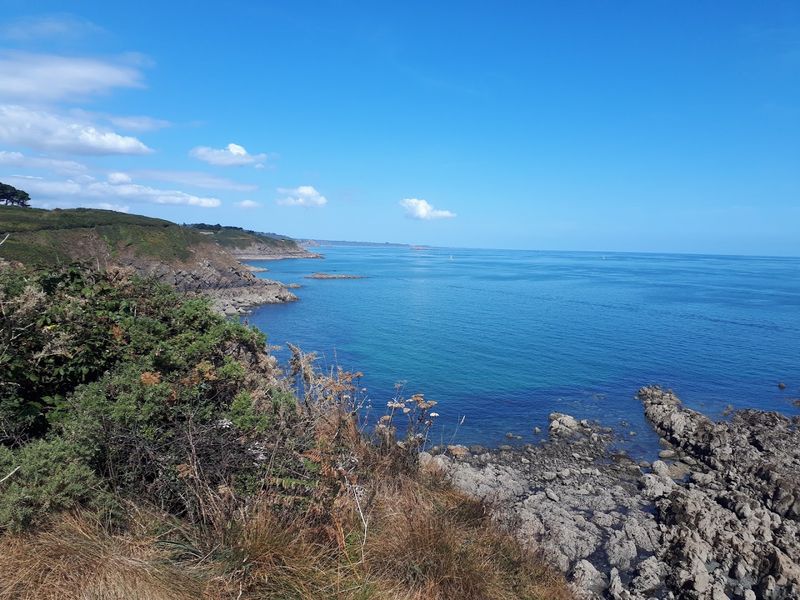
Known as the Customs Officers’ Path, the GR34 follows the Brittany coastline for more than 2,000 kilometers, stretching from the area around Mont-Saint-Michel all the way toward Saint-Nazaire. It is one of Europe’s great coastal epics, and its nickname comes from the revenue officers who once patrolled these shores watching for smugglers.
Brittany’s coastline is unlike anywhere else in France. Granite headlands jut into the Atlantic, tidal bays drain and fill with dramatic speed, and small fishing ports appear around corners when you least expect them.
Lighthouses punctuate the route, and the ocean is almost always in sight or within earshot.
The GR34 is a route that rewards slow travel. Spending a week on one section gives you a real feel for Breton coastal life, the local seafood culture, and the raw, sea-sprayed atmosphere that makes this part of France so distinct from the rest of the country.
Wales Coast Path, Wales
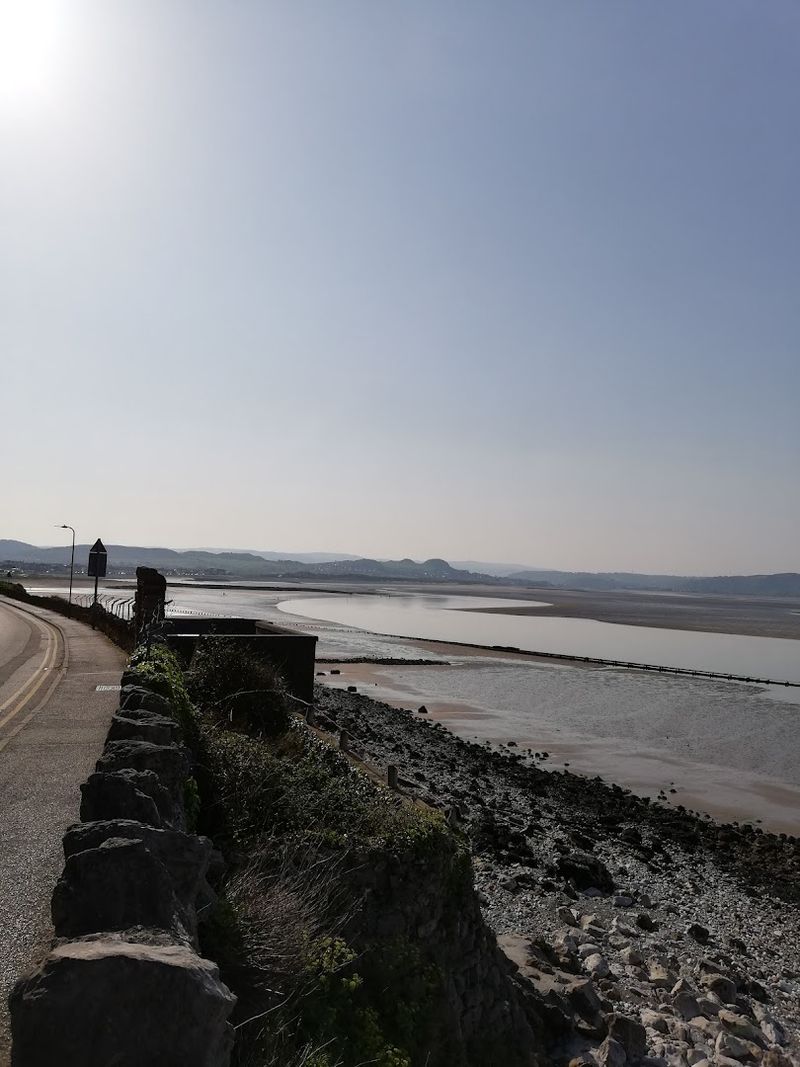
Wales made history in 2012 by becoming the first country in the world to open a continuous walking path around its entire coastline. The Wales Coast Path covers 870 miles of varied terrain, including sandy beaches, limestone cliffs, estuary boardwalks, harbor towns, and stretches of wild, empty headland.
The route is split into sections that suit walkers of all abilities. Pembrokeshire in the southwest is widely considered one of the most spectacular stretches, with cliffs, sea stacks, and crystal-clear water.
Further north, the Llyn Peninsula offers quieter, more remote walking with mountain backdrops behind and open sea ahead.
Castles appear regularly along the way, which gives the walk a historical depth you do not always get on purely natural trails. Conwy, Harlech, and Caernarfon are all close to the route.
For a coastal walk that combines scenery, history, and genuine variety, Wales delivers something genuinely hard to match anywhere in the world.
Michinoku Coastal Trail, Japan
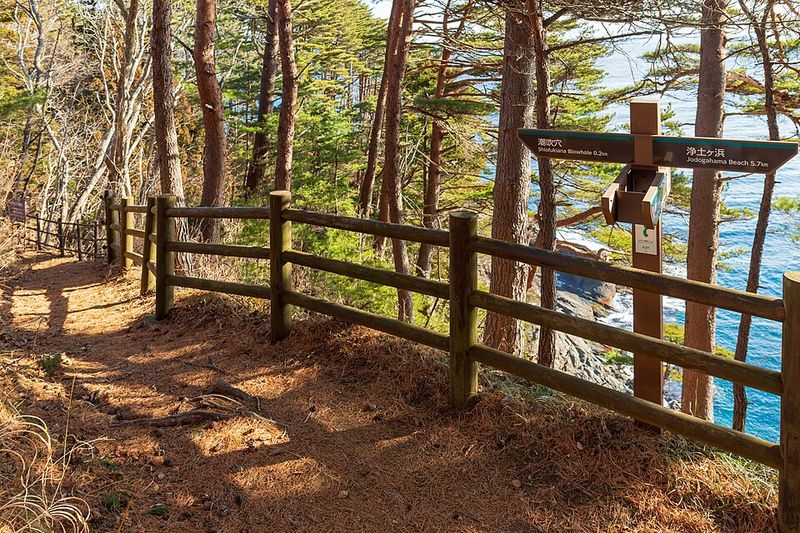
Stretching approximately 1,025 kilometers along Japan’s Pacific coast through Aomori, Iwate, Miyagi, and Fukushima prefectures, the Michinoku Coastal Trail carries more meaning than almost any other route on this list. It was developed as part of the Ministry of the Environment’s Green Reconstruction Project following the 2011 Great East Japan Earthquake and tsunami.
Walking this trail is a way of witnessing recovery, resilience, and the enduring relationship between Japanese coastal communities and the sea. The route passes through fishing towns, national park areas, cliff sections, forested headlands, and memorial sites that mark the scale of what these communities experienced and rebuilt.
The scenery itself is remarkable. Rugged volcanic cliffs, pine-covered hillsides, and quiet fishing harbors make for a visually rich walk.
The trail also passes through areas of Sanriku復興 National Park, where the coastline is among the most dramatic in all of Japan. This is a route that stays with you long after you finish.
South West Coast Path, England
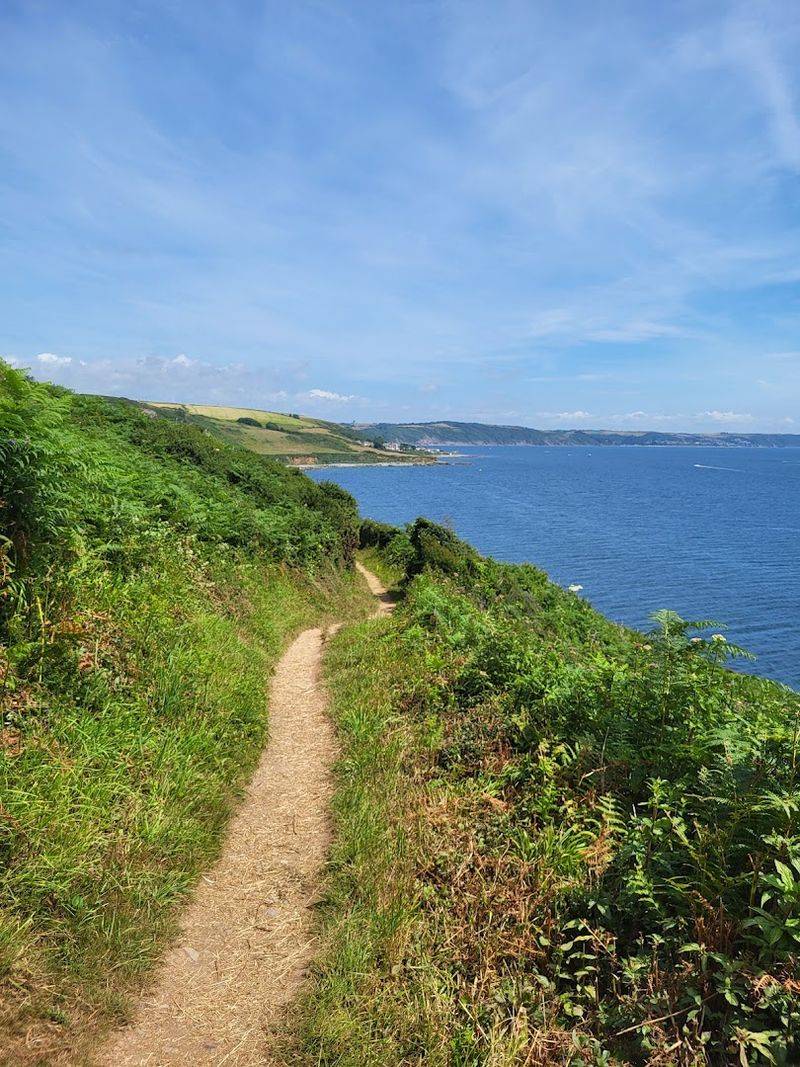
Running 630 miles from Minehead in Somerset to Poole Harbour in Dorset, the South West Coast Path is England’s longest National Trail and one of the most celebrated coastal walks anywhere in the world. It follows the entire southwest peninsula, taking in Exmoor, North Devon, Cornwall, South Devon, and the Jurassic Coast in Dorset.
Cornwall alone makes the route worth knowing about. The cliffs between Land’s End and St Ives are some of the most photographed in Britain, with granite headlands dropping sharply to turquoise coves below.
Further along, the South Devon coast offers gentler estuary crossings and cream tea villages that make the walk feel like a proper British adventure.
The path was originally created for coastguard officers patrolling for smugglers, which explains why it goes up and down so relentlessly rather than taking easier inland shortcuts. Experienced walkers often say the constant elevation change is tiring but worth every step for the views it delivers.
Lycian Way, Turkey
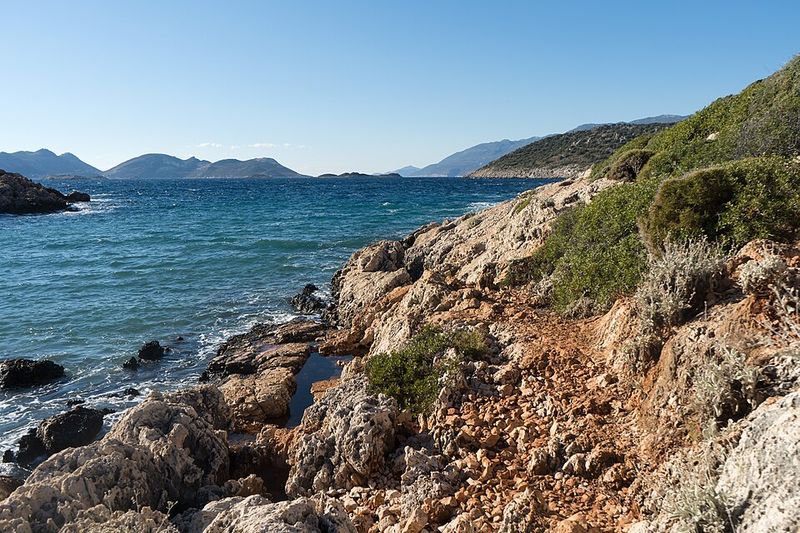
The Lycian Way runs approximately 520 to 540 kilometers along Turkey’s southwestern Mediterranean coast, passing through some of the most historically layered landscapes on any coastal trail in the world. Pine forests, rocky hillsides, quiet coves, and ancient Lycian ruins appear throughout the route, making it as much a history walk as a nature walk.
The trail was established in 1999 by Kate Clow, who mapped and waymarked the route using existing paths, mule tracks, and Roman roads. Villages along the way offer guesthouses and simple meals, giving the walk a genuinely local character that larger, more commercialized trails sometimes lack.
The Mediterranean views from the higher sections are stunning, with the sea sitting impossibly blue below clifftop paths. Walkers often spot ancient tombs carved directly into cliff faces, which is a Lycian burial tradition that goes back thousands of years.
Spring and autumn are the best seasons, as summer temperatures along the coast can be intense.
Fishermen’s Trail, Rota Vicentina, Portugal
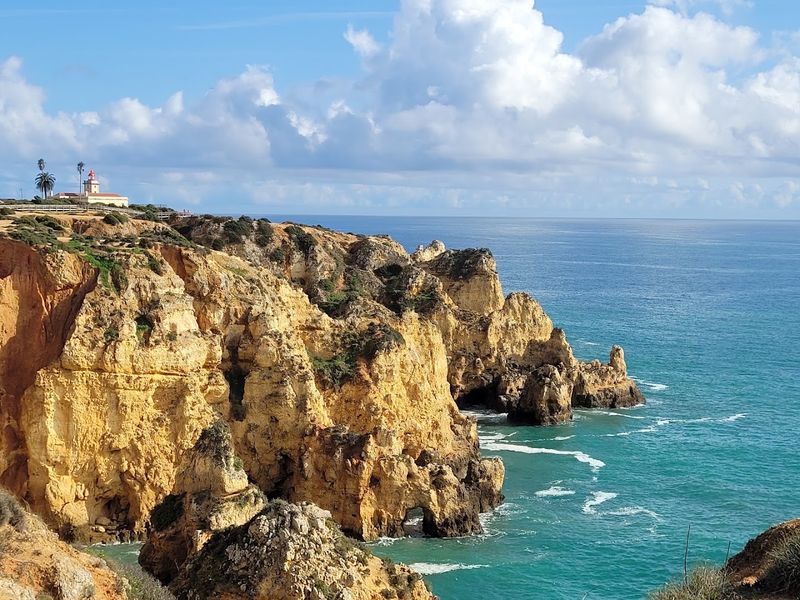
The Fishermen’s Trail covers 226.5 kilometers along Portugal’s southwest Atlantic coast, threading through the Alentejo region and into the Algarve. It is part of the larger Rota Vicentina network and earns a strong reputation among long-distance walkers for the quality and wildness of its coastal scenery.
Unlike many European coastal trails that pass through heavily developed resort areas, the Fishermen’s Trail feels genuinely remote for long stretches. The path runs close to the cliff edge above the Atlantic, dips into sandy fishing villages, and crosses protected natural park land where development is tightly controlled.
Small towns like Vila Nova de Milfontes, Almograve, and Odeceixe serve as natural overnight stops.
The trail gets its name from the fishermen who once used these paths to reach their boats and haul equipment along the shore. That working heritage gives the route a grounded, real-world character.
Sunsets here are extraordinary, with nothing between you and the open Atlantic as the light drops toward the horizon.
Camino dos Faros, Galicia, Spain
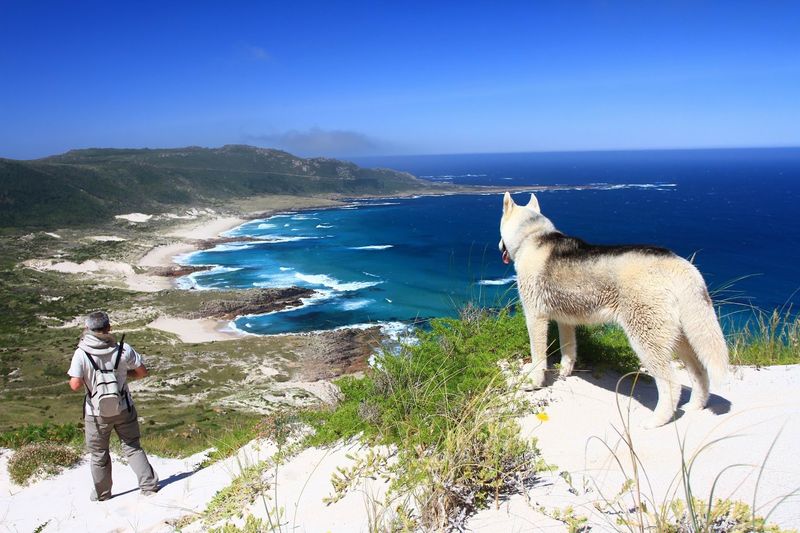
O Camino dos Faros, which translates as The Lighthouse Way, links the town of Malpica with Finisterre along 200 kilometers of Galicia’s Costa da Morte. That name, which means Coast of Death in Spanish, comes from the area’s long history of shipwrecks along its rocky, fog-prone Atlantic shoreline.
The route is designed to keep the sea in view as much as possible, following the cliff edge past the region’s iconic lighthouses. Each lighthouse marks a headland where the Atlantic crashes in from the open ocean, and on clear days the views stretch endlessly westward.
The trail passes fishing towns, sandy beaches, and wild coastal sections that feel genuinely far from the tourist trail.
Finisterre, the endpoint, was once believed to be the edge of the known world, and arriving there on foot after walking the coast carries a particular sense of achievement. Many walkers combine this route with the Camino de Santiago for an extended Galician adventure along both inland and coastal paths.
The Dingle Way, Ireland
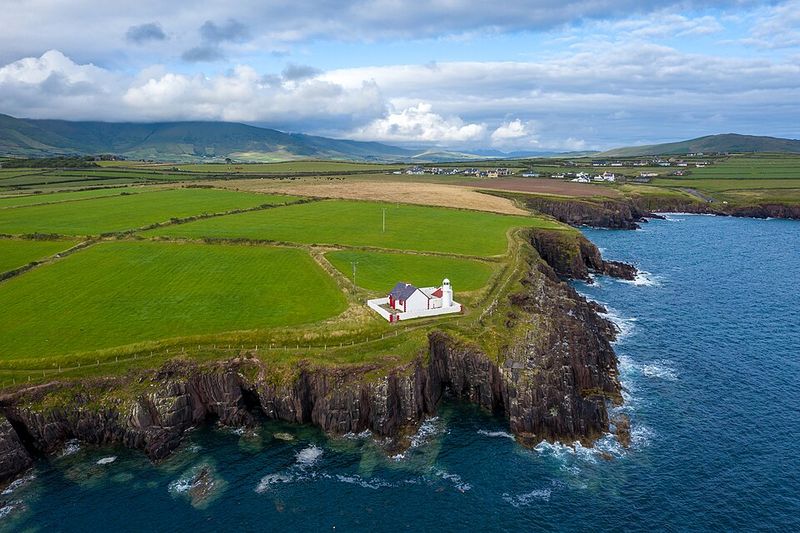
The Dingle Way circles Ireland’s Dingle Peninsula in County Kerry, covering 179 kilometers in a loop that starts and finishes in Tralee. Most walkers complete it in eight to nine days, moving through a landscape that feels like it belongs to another century.
Stone walls divide small fields, ancient beehive huts dot the hillsides, and the Atlantic sits wide and grey on the western horizon.
The peninsula reaches out into the ocean further than almost any other point in Europe, which gives the coastal sections an exposed, elemental quality. On clear days, the Blasket Islands appear offshore, their abandoned stone cottages visible from the mainland cliffs.
The Great Blasket Island was home to a small Irish-speaking community until 1953, and that history hangs quietly over this part of the walk.
Dingle town, roughly halfway around the route, makes a natural rest stop. It is a compact harbor town with a strong fishing tradition and a lively cultural scene that gives walkers a genuine taste of contemporary Kerry life.
The Kerry Way, Ireland
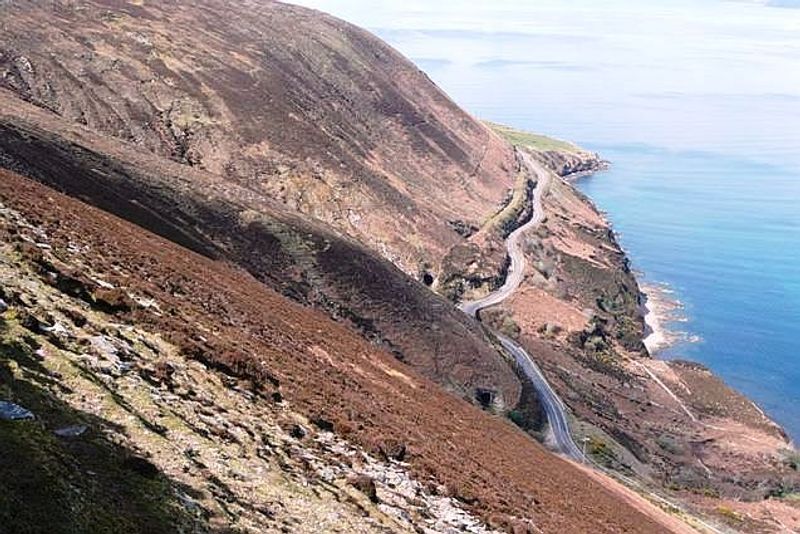
The Kerry Way loops around the Iveragh Peninsula in County Kerry, covering more than 200 kilometers in a route that begins and ends in Killarney. It is one of Ireland’s longest signposted walking trails and one of the most rewarding for walkers who want a mix of coastal scenery, mountain passes, and remote valley landscapes.
The route is not exclusively coastal, but the ocean is a recurring presence throughout. From higher sections of the trail, walkers look out over Kenmare Bay, the Skellig Islands, and the broad Atlantic beyond.
The Skellig Islands, visible from several points on the Kerry Way, are home to one of Europe’s largest gannet colonies and a remarkable early Christian monastic site on Skellig Michael.
Villages like Cahersiveen, Waterville, and Sneem provide accommodation and food along the way. The surrounding Ring of Kerry landscape is famous for good reason, and experiencing it on foot rather than from a tour bus window gives you an entirely different and more personal connection to this part of Ireland.
Cape to Cape Track, Western Australia
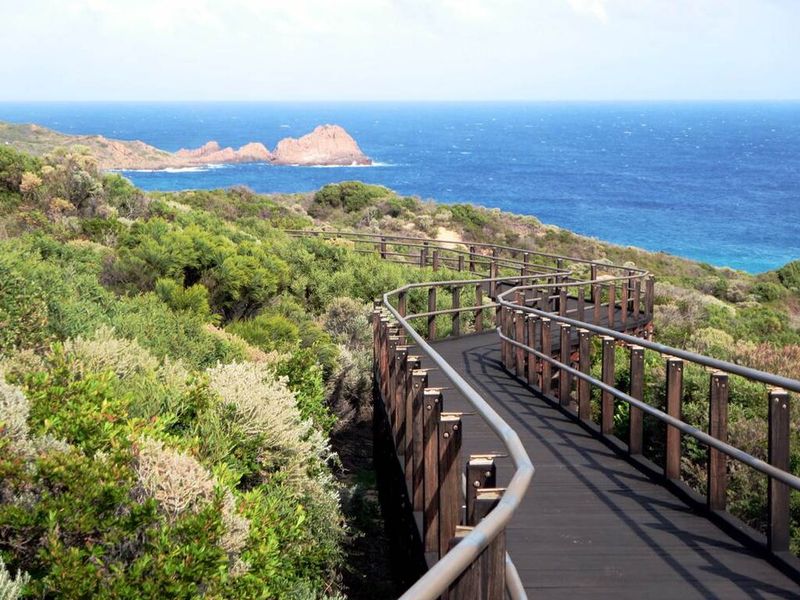
The Cape to Cape Track runs 130 kilometers through Leeuwin-Naturaliste National Park in the Margaret River region of Western Australia, connecting Cape Naturaliste in the north to Cape Leeuwin in the south. The trail overlooks Ngari Capes Marine Park, and the combination of cliff-top walking and beach sections makes it one of Australia’s most visually striking long-distance routes.
Limestone cliffs are a defining feature of the walk, with the Indian Ocean pressing against their base in long rolling swells. Between May and December, southern right whales and humpback whales migrate along this coastline, and sightings from the clifftops are a genuine possibility during those months.
Spring also brings wildflower displays through the coastal heath that border sections of the trail.
The track takes most walkers five to six days to complete and is well-marked throughout. Karri forest pockets and granite outcrops add variety between the open cliff sections.
Cape Leeuwin, where the Indian and Southern Oceans meet, is a powerful and memorable place to finish a coastal walk.
Great Ocean Walk, Victoria, Australia
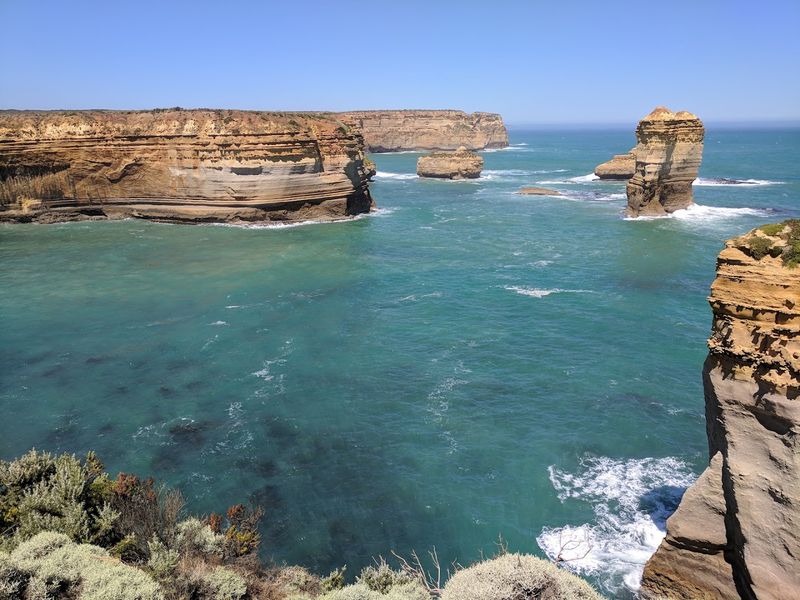
The Great Ocean Walk follows Victoria’s southern coastline for just over 110 kilometers from Apollo Bay to Glenample Homestead near the Twelve Apostles. Parks Victoria describes it as a one-way long-distance walk that passes through Great Otway National Park and Port Campbell National Park, typically completed over eight days.
One of the things that sets this walk apart from simply driving the Great Ocean Road is the access it provides to beaches and cliff sections that cars simply cannot reach. Walkers pass through sections of temperate rainforest in the Otways before emerging onto the open clifftops above the Southern Ocean.
The contrast between the green canopy interior and the wide, exposed coastal sections is genuinely dramatic.
Remote campsite bookings are required through Parks Victoria, and the Twelve Apostles at the end of the walk are best experienced early in the morning before tour buses arrive. Finishing a week of coastal walking at one of Australia’s most iconic rock formations is a satisfying way to close a serious outdoor journey.
West Coast Trail, Vancouver Island, Canada
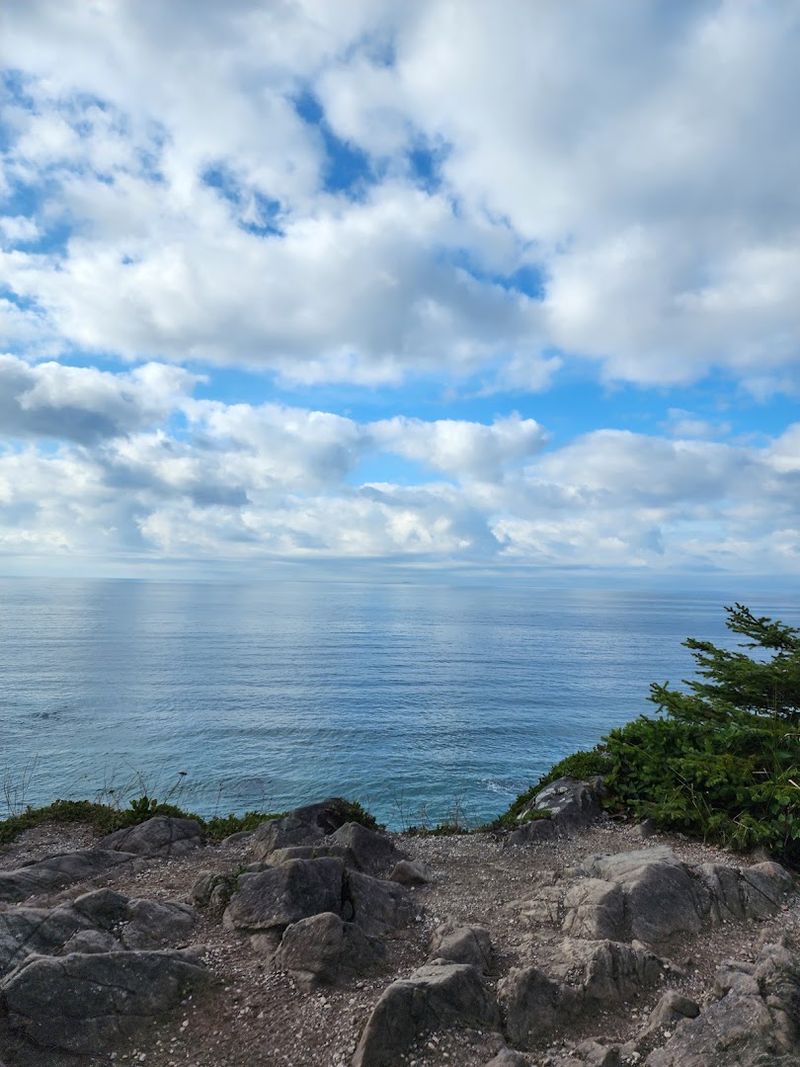
The West Coast Trail runs for approximately 75 kilometers along the southwest shore of Vancouver Island through Pacific Rim National Park Reserve. Parks Canada operates the trail seasonally from May 1 to September 30, and permits are required.
Reservations fill quickly, so planning well ahead is necessary for anyone serious about completing this route.
This is not a walk for beginners. The trail involves wooden ladders bolted to cliff faces, suspension bridges, muddy forest sections, cable car river crossings, and tidal beach passages that require careful timing.
The raw Pacific coast here is exposed and powerful, with sea stacks, sea caves, and surge channels adding to the wild character of the shoreline.
The trail was originally developed as a rescue route for shipwreck survivors along what was once called the Graveyard of the Pacific. That history gives the walk a sobering context as you move through some of the most remote and dramatic coastal wilderness in North America.
Every day on this trail feels earned.
Abel Tasman Coast Track, New Zealand
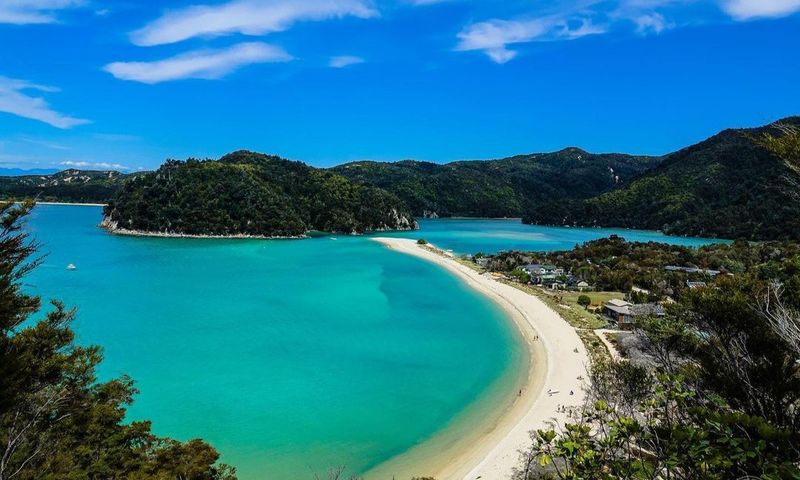
The Abel Tasman Coast Track is one of New Zealand’s eleven Great Walks, threading through Abel Tasman National Park at the top of the South Island. The Department of Conservation manages the route, and hut and campsite bookings are required year-round due to the trail’s popularity.
Tidal crossings on certain sections also require walkers to check tide timetables before finalizing their itinerary.
The scenery here is famously gentle compared to many other Great Walks, and that is part of its appeal. Golden beaches, clear turquoise water, forested coastal headlands, and easy terrain make it accessible to a wider range of walkers.
Fur seals and little blue penguins are occasionally spotted along the route, and the water is calm enough in summer for swimming from trail-side beaches.
Water taxis operate along the coast, allowing walkers to combine hiking with boat travel for a flexible experience. The full track covers around 60 kilometers and typically takes three to five days.
It is one of those rare coastal routes that genuinely lives up to its photographs.
Otter Trail, South Africa
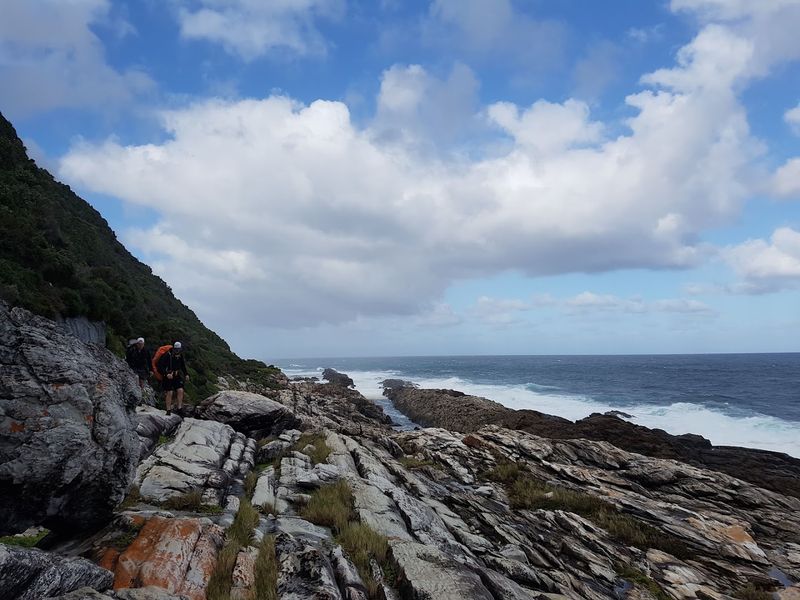
The Otter Trail is a five-day hiking route through Garden Route National Park, starting at Storms River Mouth Rest Camp and ending at Nature’s Valley. SANParks manages the trail, and permits are required well in advance because the route is limited to a small number of hikers each day.
Demand consistently outpaces availability, which reflects how highly regarded this walk is among South African hikers.
The Tsitsikamma coast is the defining feature of the trail. Dense coastal forest clings to clifftops above a rocky shoreline where the Indian Ocean arrives in long, powerful sets.
The path drops steeply to river crossings and climbs back up through forest sections that feel remarkably untouched. Cape clawless otters, which give the trail its name, live in the rivers and rock pools along the route.
At roughly 42 kilometers total, the Otter Trail is shorter than most routes on this list, but its intensity, beauty, and the quality of its coastal wilderness make it one of the world’s genuinely classic multi-day walks.
Share this story