Some places become legendary precisely because ordinary people are forbidden from entering them. Whether protected for safety, secrecy, environmental preservation, or cultural reasons, these restricted destinations continue fueling global curiosity and conspiracy theories.
From isolated islands to secret military zones, these places remain among the world’s most mysterious locations. Get ready to explore 15 spots that prove the best things in life are often the ones you absolutely cannot visit.
Area 51 — United States
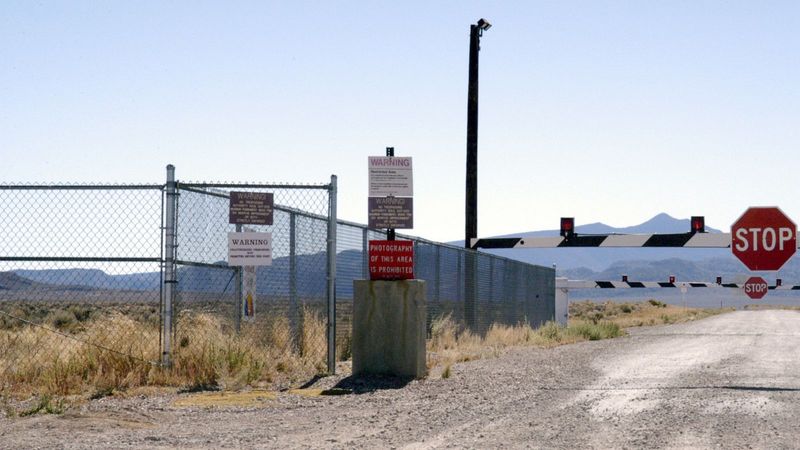
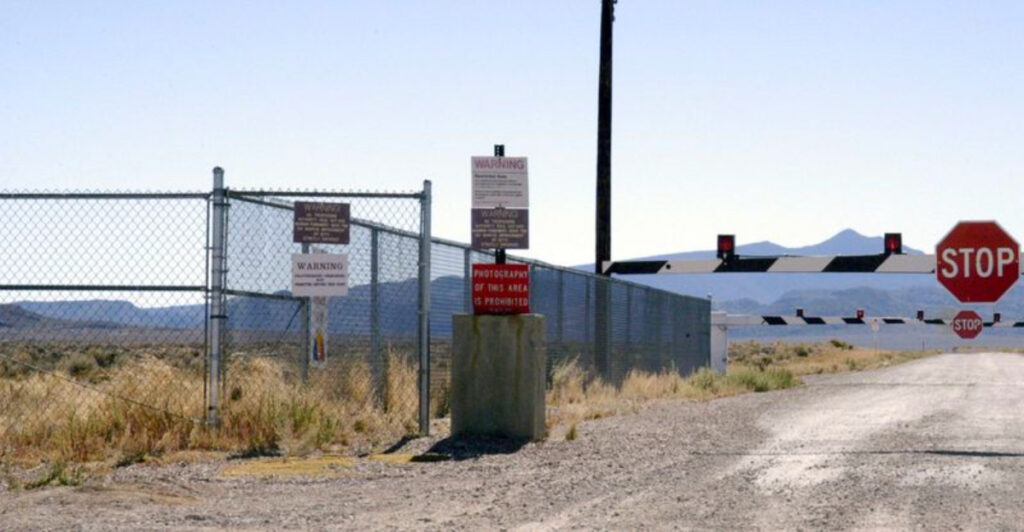
Somewhere in the Nevada desert, behind layers of armed guards, motion sensors, and some very serious “No Trespassing” signs, sits the world’s most talked-about military base. Area 51 is operated by the U.S.
Air Force and has been the center of classified aircraft testing for decades. Nobody disputes that part.
What gets people fired up is everything else. UFO sightings, alien storage rumors, and secret government experiments have turned this base into a pop culture phenomenon unlike anything else on Earth.
Books, documentaries, and movies have all tried to crack the mystery wide open.
In 2019, a Facebook event called “Storm Area 51” attracted over two million responses, which tells you everything about how obsessed people remain. The U.S. government officially acknowledged the base’s existence only in 2013.
Even that admission felt like it raised more questions than it answered. Locals near Rachel, Nevada, have built an entire tourist economy around the base’s mystique, selling alien-themed merchandise to curious visitors who stop just short of the restricted boundary.
North Sentinel Island — India
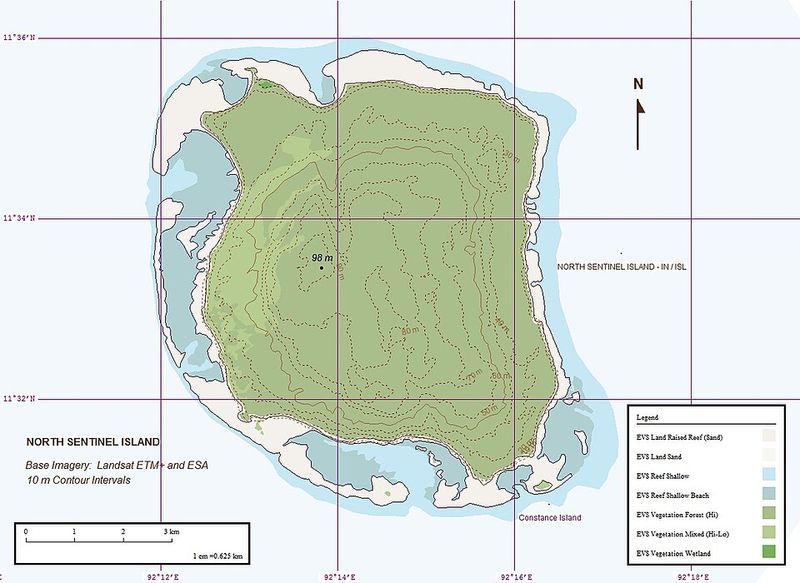
For thousands of years, the Sentinelese people have lived on their small island in the Bay of Bengal completely on their own terms. They want no visitors, no contact, and no exceptions.
Indian law backs them up entirely, making it illegal to approach within five nautical miles of the shore.
The island sits in the Andaman archipelago and is estimated to be home to somewhere between 50 and 400 people. Nobody knows for certain because, well, nobody is allowed close enough to count.
Attempts at contact over the decades have ranged from awkward to genuinely deadly.
In 2018, American missionary John Allen Chau illegally visited the island and was killed by the tribe. Rather than pursuing legal action against the Sentinelese, Indian authorities treated the incident as a reminder of why the law exists in the first place.
Scientists believe the tribe may have survived on the island for up to 60,000 years. Their complete isolation may actually be protecting them from modern diseases to which they have zero immunity, making the restrictions not just legal but genuinely life-saving for everyone involved.
Snake Island — Brazil
Imagine an island so dangerous that the Brazilian government made it illegal to visit. That is not a movie plot.
That is Snake Island, officially known as Ilha da Queimada Grande, sitting about 90 miles off the coast of Sao Paulo.
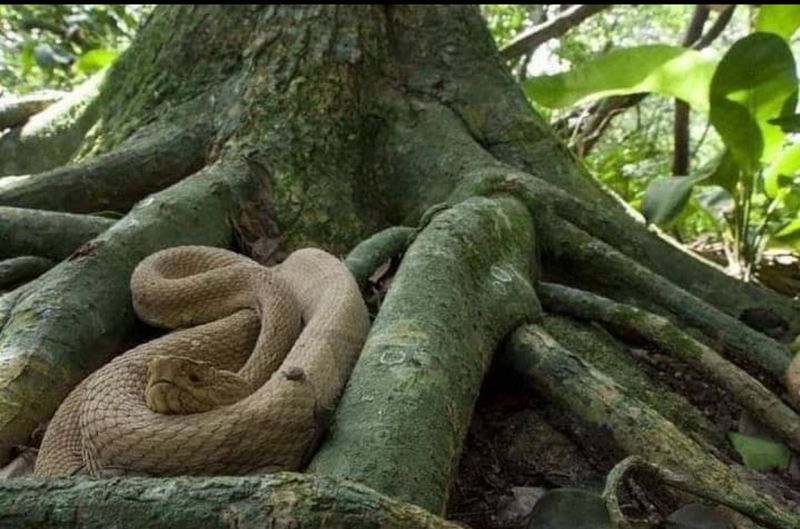
The island is home to the golden lancehead viper, one of the most venomous snakes on the planet. Estimates suggest there is roughly one snake for every square meter of land in some areas.
Researchers have described walking paths where snakes hang from tree branches at face level, which is exactly as terrifying as it sounds.
The golden lancehead’s venom is so potent it can melt human flesh around the bite wound. The species exists nowhere else on Earth, which is why the Brazilian government strictly limits access to approved scientific researchers only.
A lighthouse on the island was once staffed by a keeper and his family, but according to local legend, snakes found their way inside and the outcome was tragic. Whether true or embellished, the story fits the island’s reputation perfectly.
Scientists study the snakes to research potential medical applications, turning one of Earth’s scariest places into a source of possible cures.
Vatican Apostolic Archive — Vatican City

Tucked beneath Vatican City lies one of the most historically significant collections of documents ever assembled. The Vatican Apostolic Archive, renamed from “Secret Archive” in 2019, holds roughly 53 miles of shelving packed with papal correspondence, trial records, and church decisions spanning over twelve centuries.
Access is tightly controlled and granted only to credentialed scholars who submit formal applications. Even approved researchers cannot simply browse freely.
They must request specific documents and wait while trained archivists retrieve the materials under careful supervision. There is no casual browsing here.
The archive has held letters from Mary Queen of Scots written before her execution, documents from Galileo’s heresy trial, and correspondence between popes and some of history’s most powerful rulers. The sheer volume of material means researchers believe large portions remain unstudied.
Pope Leo XIII opened limited access to scholars in 1881, and the archive has slowly expanded access since then. Still, plenty of documents remain restricted for confidentiality reasons or simply because there are not enough researchers to work through everything.
For history enthusiasts, the archive represents a vault of answers to questions the world has been asking for centuries.
Poveglia Island — Italy
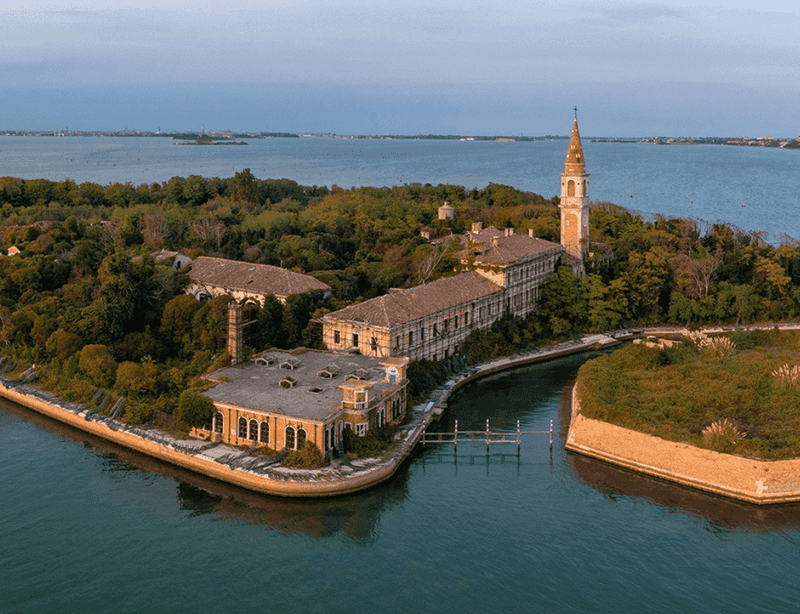
Just a short boat ride from the glamour of Venice sits an island that most Italians would rather pretend does not exist. Poveglia Island carries centuries of grim history, starting with its use as a plague quarantine zone during the Black Death.
Mass graves were dug here, and the soil is reportedly still mixed with ash and human remains.
The island’s reputation darkened further in the early 20th century when it housed a psychiatric hospital. Stories of patient mistreatment and a reportedly disturbed doctor have turned Poveglia into one of Italy’s most famous ghost story settings.
The hospital closed in 1968 and the buildings have been decaying ever since.
Italian authorities have banned regular tourism primarily because the crumbling structures pose serious safety risks. A private investor attempted to purchase and restore the island in 2014 but the deal eventually fell apart.
Ghost hunting television shows have featured Poveglia multiple times, and it frequently appears on lists of the world’s most haunted locations. Whether you believe in ghosts or not, the combination of plague history, abandoned asylum buildings, and lagoon mist creates an atmosphere that is genuinely difficult to shake.
The island practically writes its own horror story.
Surtsey Island — Iceland
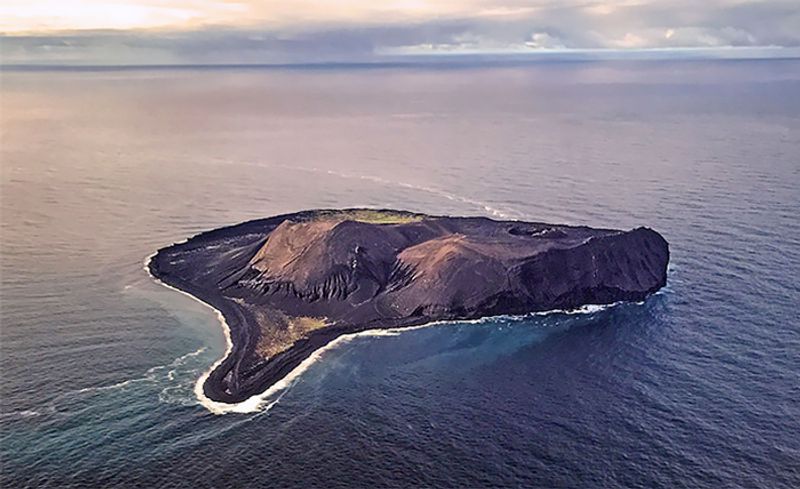
Most islands take millions of years to form. Surtsey managed it in four.
Between 1963 and 1967, a series of volcanic eruptions off the southern coast of Iceland pushed a brand-new island above the ocean surface. Scientists watching from boats witnessed something almost impossible to observe: the birth of land.
Iceland declared Surtsey a nature reserve almost immediately, and UNESCO added it to the World Heritage list in 2008. The reason for strict access restrictions is straightforward.
Researchers want to document how life colonizes completely new land without any human contamination skewing the results. Every plant, bird, and insect that arrives does so entirely on its own.
Only a tiny group of scientists receives permission to visit each year, and even they follow strict protocols to avoid accidentally introducing foreign seeds or organisms. Since the island formed, mosses, grasses, seabirds, and even seals have established themselves naturally.
Earthworms appeared after birds arrived and began depositing organic matter. The whole island functions as a living science experiment running in real time.
Tourists are completely barred, which means Surtsey remains one of the few places on Earth developing entirely according to nature’s own schedule without human interference.
Lascaux Cave — France
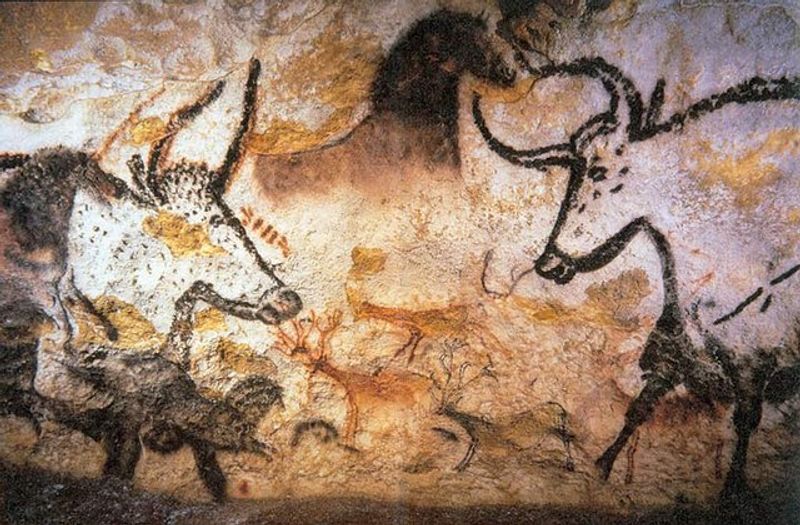
When teenagers stumbled across a hidden cave in the Dordogne region of France in 1940, they had no idea they had just found one of humanity’s greatest artistic treasures. The Lascaux Cave contains over 600 painted figures, including horses, bulls, deer, and abstract symbols, created approximately 17,000 years ago.
The level of skill and detail is genuinely jaw-dropping.
The French government opened the cave to visitors in 1948 and almost immediately began destroying what it sought to share. The carbon dioxide, heat, and moisture produced by thousands of breathing tourists triggered green algae and white calcite crystal growth directly on the ancient paintings.
By 1963, officials had no choice but to close the cave permanently.
Today, only a handful of scientists and preservation experts are permitted inside, and visits are strictly time-limited. An incredibly detailed replica called Lascaux IV opened nearby in 2016, offering visitors an immersive experience without risking the originals.
The replica is genuinely impressive, but knowing the real thing exists just meters away behind a sealed door gives the whole experience a bittersweet quality. Lascaux stands as a cautionary tale about how quickly human presence can damage irreplaceable history, even when the intentions are entirely good.
Niihau — Hawaii, United States
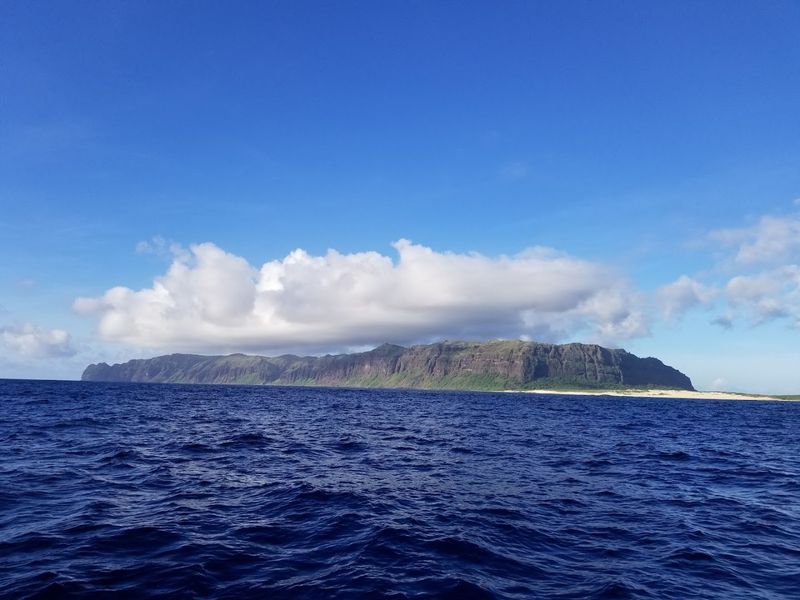
Hawaii has beaches, resorts, and millions of tourists every year. Then there is Niihau, sitting quietly 17 miles southwest of Kauai, completely off-limits to almost everyone on the planet.
The island earned its nickname, the Forbidden Island, honestly.
In 1864, a Scottish family named Robinson purchased Niihau from the Kingdom of Hawaii for $10,000 and a flock of sheep. The Robinson family still owns it today.
They have maintained a strict closed-door policy for generations, allowing only Native Hawaiian residents, invited guests, and occasional military personnel to set foot on the island.
Roughly 70 to 130 Native Hawaiians live on Niihau with no paved roads, no stores, and limited electricity. Hawaiian remains the primary language spoken daily, making Niihau one of the last places where the language is used in everyday life.
The isolation has preserved cultural traditions that have largely disappeared elsewhere in the state. Limited helicopter tours operated by the Robinson family allow brief landings on uninhabited parts of the island, but interaction with residents is not part of the deal.
For linguists, historians, and cultural preservationists, Niihau represents something genuinely precious: a living piece of pre-contact Hawaiian culture still breathing.
Mezhgorye — Russia
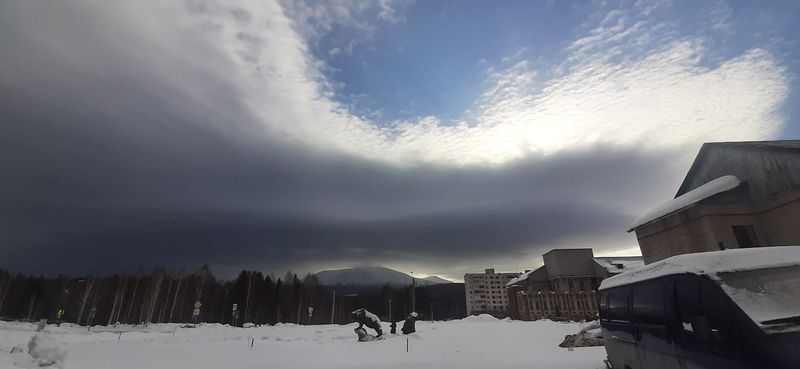
Russia has dozens of officially closed cities, but Mezhgorye stands out even among that secretive crowd. Nestled in the southern Ural Mountains near the peak of Mount Yamantau, the town has been off-limits to outsiders since Soviet times.
Nobody outside official channels knows exactly what goes on there.
American intelligence agencies have spent years trying to figure out what Mount Yamantau actually contains. Satellite images show extensive construction activity beginning in the 1990s, with thousands of workers reportedly involved.
Theories range from a massive nuclear bunker to a secret underground city designed to survive a catastrophic war.
Russian officials have offered different explanations over the years, including a mining facility and a food storage depot, but these answers have never fully satisfied Western observers. The contradictions and evasions have only deepened the mystery.
Mezhgorye has a population of roughly 17,000 people who live and work there under strict residency controls. Outsiders require special government permission just to enter the surrounding region, let alone the town itself.
Whether the mountain hides something truly extraordinary or just classified but mundane military infrastructure, the Kremlin’s tight-lipped approach has guaranteed that Mezhgorye will remain a subject of fascination for years to come.
Heard Island — Australia
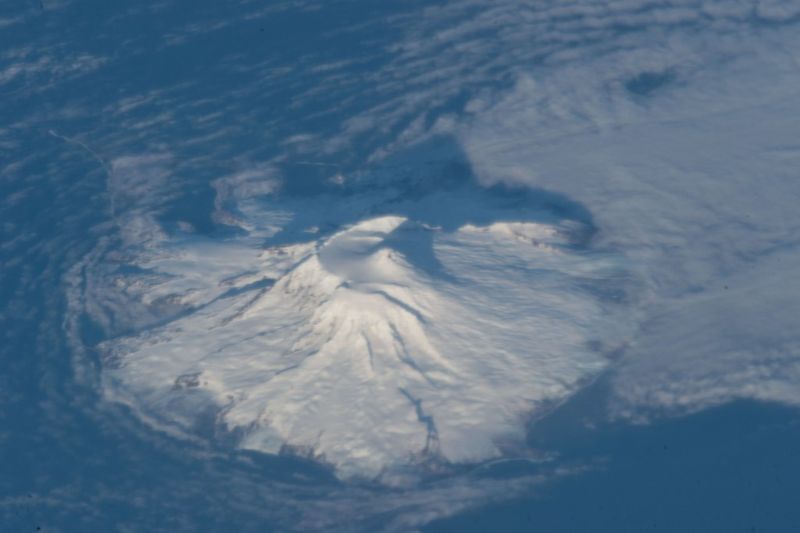
Heard Island is so remote that most Australians have never heard of it, which is a geographic irony the island wears without apology. Located about 4,000 kilometers southwest of Perth in the Southern Ocean, the island sits closer to Antarctica than to any Australian city.
Getting there requires roughly two weeks of sailing through some of the roughest seas on the planet.
The island is dominated by Big Ben, an active volcano that rises over 2,700 meters and is topped with glaciers. Volcanic eruptions and extreme weather make the environment genuinely hostile.
Australian authorities classify it as an external territory and restrict access heavily to protect its pristine ecosystem.
Because Heard Island has never been permanently settled and remains almost entirely untouched, it serves as a critical reference point for scientists studying climate change and natural ecosystems. The surrounding waters are part of a protected marine reserve teeming with wildlife including elephant seals, fur seals, and enormous seabird colonies.
Only occasional scientific expeditions receive permits to visit, and those trips are expensive, logistically brutal, and weather-dependent. Amateur radio operators occasionally mount expeditions because Heard Island is considered one of the most sought-after contacts in the global amateur radio community, making it famous in a surprisingly niche way.
Diego Garcia — Indian Ocean
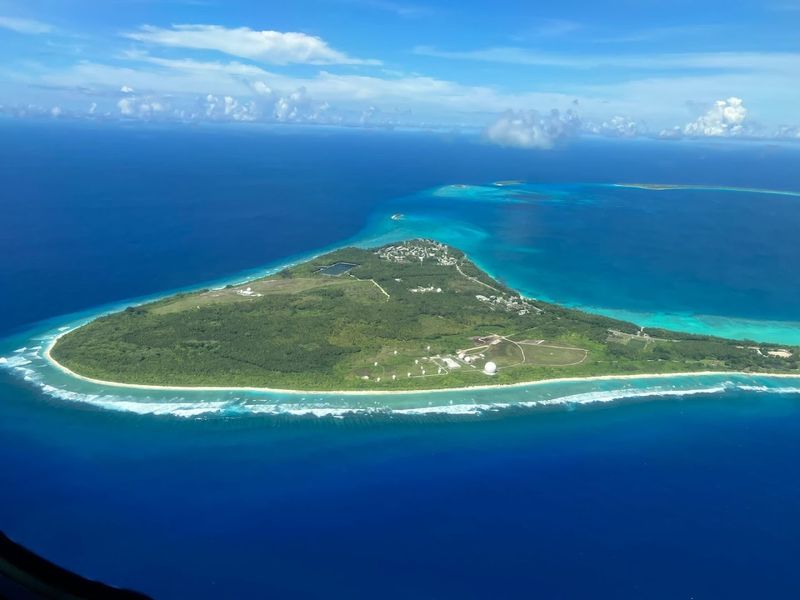
A horseshoe-shaped coral atoll in the middle of the Indian Ocean does not sound like a geopolitical flashpoint. Diego Garcia begs to differ.
The island serves as a joint U.S. and U.K. military base and has been at the center of some seriously significant global events since the Cold War era.
The original Chagossian inhabitants were forcibly removed by the British government between 1968 and 1973 to make way for the military installation. That displacement remains a deeply contested human rights issue, with former residents and their descendants continuing legal battles to return to their homeland.
The story of the Chagossians adds a deeply human dimension to what might otherwise seem like just another restricted military zone.
The base has been used to launch operations in the Persian Gulf, Afghanistan, and Iraq, making it one of the most strategically significant military locations on Earth. Civilian access is completely prohibited, and the island does not appear on many commercial maps in useful detail.
Diego Garcia gained additional public attention in 2014 when it became a focal point of speculation surrounding the disappearance of Malaysia Airlines Flight MH370. Theories placing the plane near the atoll were never confirmed, but they pushed this obscure island into headlines worldwide.
Qin Shi Huang Mausoleum — China
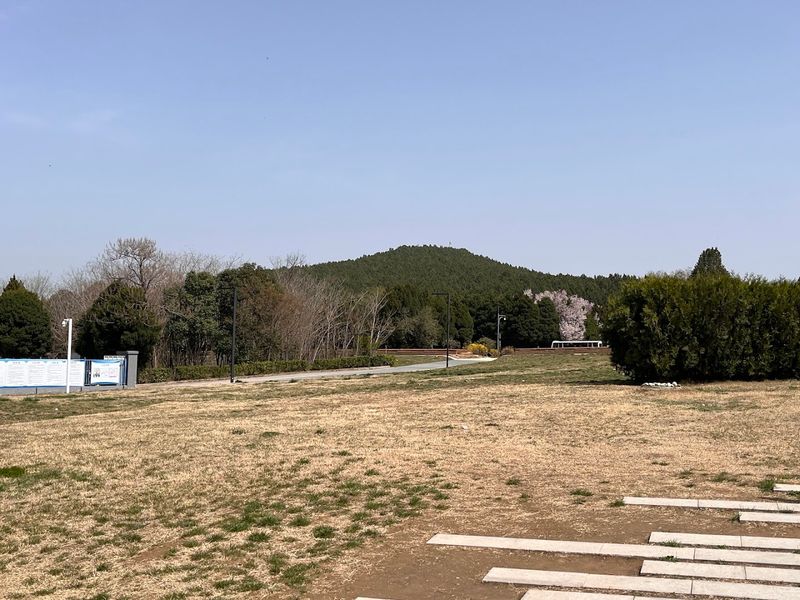
The Terracotta Army gets all the fame, but the real prize sits underneath a giant earthen mound just a kilometer away, completely sealed and untouched. Emperor Qin Shi Huang, the first ruler to unify China, was buried around 210 BCE inside a tomb that ancient texts describe as nothing short of extraordinary.
Historical records written by Sima Qian describe the tomb as containing rivers of flowing mercury, a ceiling mapped with constellations in pearls, and crossbow traps set to fire automatically at intruders. Modern soil tests have actually detected abnormally high mercury levels around the mound, which suggests at least part of the ancient account may be accurate.
Chinese authorities have deliberately chosen not to excavate the main tomb, citing both respect for the emperor’s resting place and very practical concerns about preservation. Current technology cannot guarantee that the artifacts inside would survive exposure to air without significant damage.
The Terracotta Army itself suffered color loss within minutes of being uncovered. Scientists prefer to wait until preservation methods improve before opening something that has stayed intact for over 2,200 years.
The patience required to leave it alone is remarkable, and the anticipation of what might eventually be found keeps archaeologists genuinely excited.
Inaccessible Island — South Atlantic Ocean
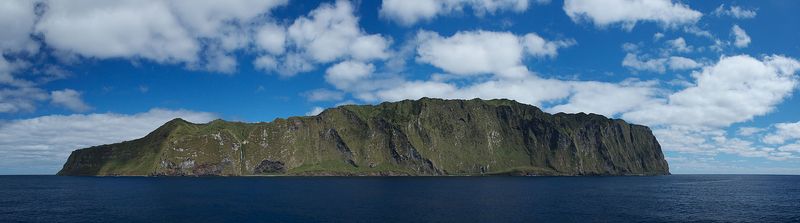
The name Inaccessible Island is not creative branding. It is a straightforward geographic warning.
Located in the Tristan da Cunha archipelago roughly halfway between South Africa and South America, the island earns its title through sheer physical hostility. Sheer cliffs drop straight into violent surf on nearly every side.
Landing on the island requires perfect weather conditions, a sturdy boat, and a fair amount of nerve. Even under good conditions, the approach is treacherous.
The island has no harbor, no beach to speak of, and no infrastructure of any kind. Visitors, when permitted, must scramble up rock faces to reach the interior plateau.
UNESCO designated Inaccessible Island as a World Heritage Site in 1995, recognizing its extraordinary biodiversity. The island is home to the Inaccessible Island rail, the world’s smallest flightless bird, found absolutely nowhere else on Earth.
Rare plants, seabird colonies, and invertebrates thrive in an environment that human activity has barely touched. The British government administers the island as part of the Tristan da Cunha territory and requires formal permission for any visit.
Researchers who manage the journey describe it as one of the most rewarding and exhausting fieldwork experiences possible, which pretty much sums up the island’s entire personality.
Chernobyl Inner Exclusion Zones — Ukraine
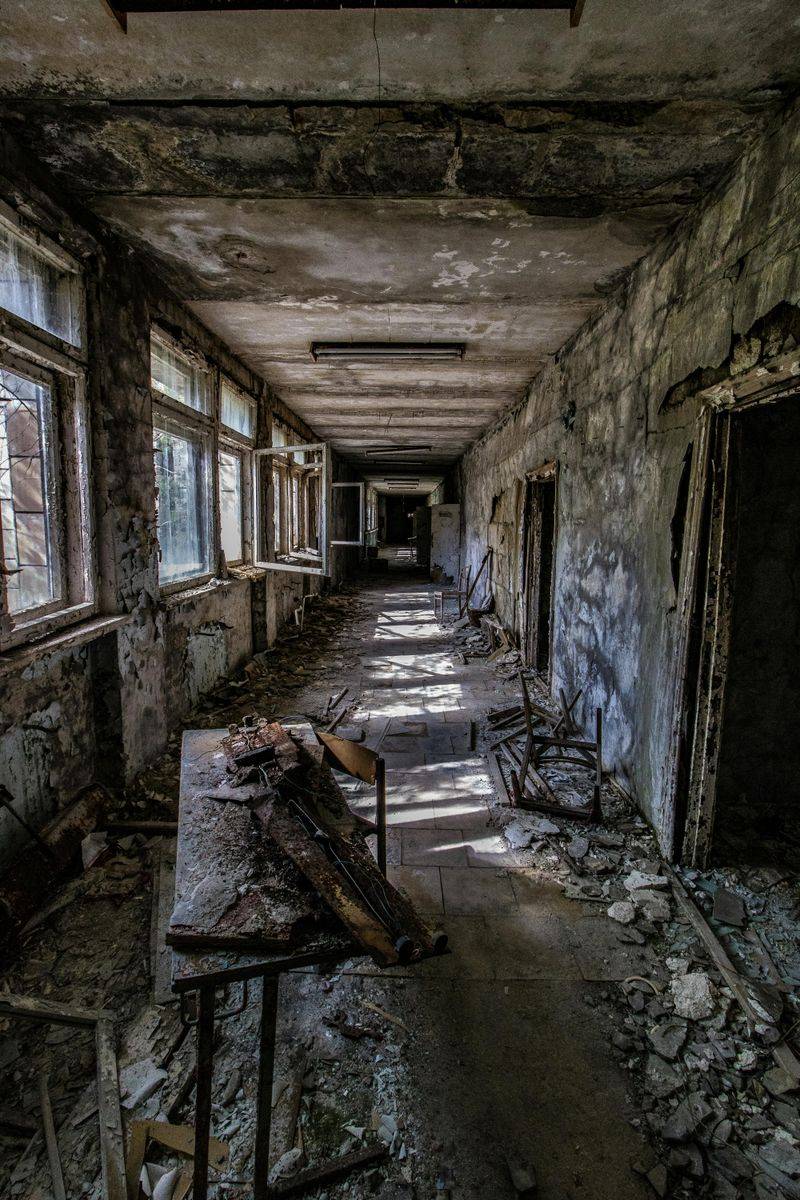
Guided tours of Chernobyl’s outer zone have become surprisingly popular since the HBO series brought renewed attention to the 1986 disaster. But the innermost areas around Reactor 4 remain completely off-limits, and the radiation readings there make the reason very clear.
This is not a place that forgives careless decisions.
The exclusion zone was established after the reactor explosion released roughly 400 times more radiation than the atomic bomb dropped on Hiroshima. Pripyat, the city built for plant workers, was evacuated in under three hours and has remained abandoned ever since.
Nature has dramatically reclaimed the area, creating an eerie, overgrown landscape that feels simultaneously beautiful and deeply unsettling.
The New Safe Confinement structure, a massive steel arch installed in 2016, now covers the remains of Reactor 4 to contain ongoing radiation. Scientists continue monitoring the site and the surrounding ecosystem, where wildlife has actually returned in surprising numbers despite residual contamination.
Wolves, horses, lynx, and bears have been documented inside the exclusion zone. The disaster site serves as both a warning about nuclear safety and a strange accidental nature reserve.
Radiation levels in the most contaminated areas will remain dangerous for thousands of years, making permanent human habitation essentially impossible for the foreseeable future.
North Brother Island — United States
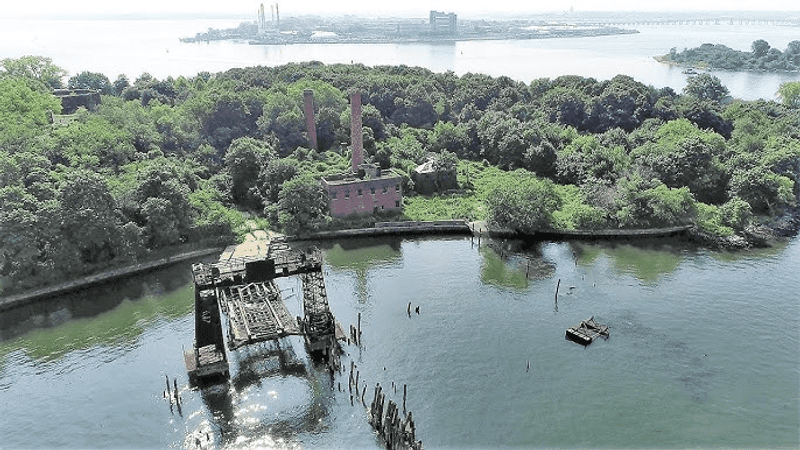
New York City is one of the most densely populated places on Earth, yet sitting right in the middle of the East River is an island nobody is allowed to visit. North Brother Island covers about 20 acres and is visible from the Bronx shoreline, which makes its off-limits status feel particularly tantalizing to curious New Yorkers.
The island’s history is genuinely remarkable. It served as a quarantine facility for tuberculosis and smallpox patients in the late 19th century.
Mary Mallon, better known as Typhoid Mary, was famously detained on the island twice. After World War II, it became a rehabilitation center for teenage drug users before being abandoned entirely in 1963.
Today, thick forest has swallowed most of the brick hospital buildings, creating a hauntingly photogenic ruin that urban explorers have dreamed about for decades. The New York City Parks Department administers the island as a bird sanctuary, particularly protecting a large nesting colony of black-crowned night herons.
Permits are rarely granted and almost exclusively for research purposes. Photographers have managed to document the crumbling wards, rusted staircases, and vine-covered corridors, and those images consistently go viral.
The island proves that sometimes the most fascinating place in a city is the one you are absolutely not allowed to enter.
Share this story