Some buildings hold more than just art and old bones. They hold entire civilizations within their walls.
The oldest museums on Earth have been welcoming curious visitors for centuries, long before the internet, smartphones, or even photography existed. From a hilltop in Rome to the shores of the Baltic Sea, these remarkable places prove that humans have always had a deep hunger to understand the past.
Capitoline Museums – Rome, Italy (1471 / Public Museum in 1734)
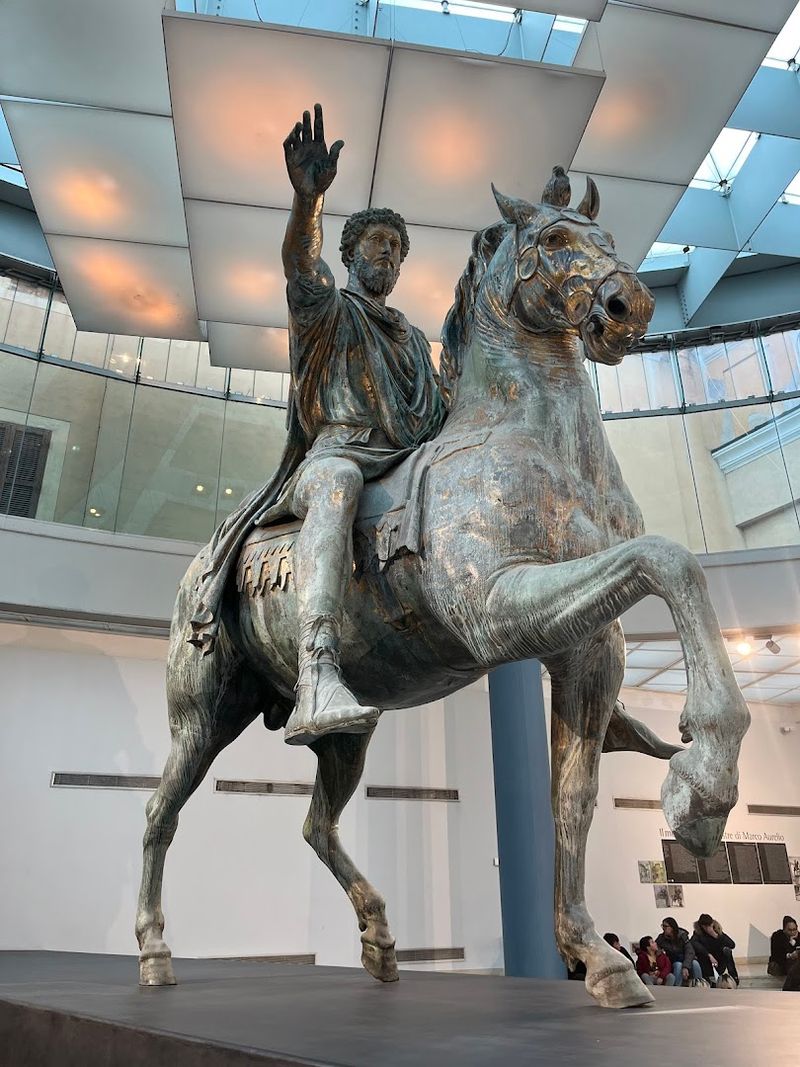
Long before any modern museum existed, a pope handed ancient bronze sculptures to the people of Rome. Pope Sixtus IV made that extraordinary gesture in 1471, placing priceless artifacts into public hands.
That single act planted the seed for what became the world’s oldest public museum.
Perched atop Capitoline Hill, just above the sprawling Roman Forum, the Capitoline Museums officially opened their doors to everyday visitors in 1734. The setting alone is enough to make your jaw drop.
You are literally standing on one of the most historically significant hills in all of human civilization.
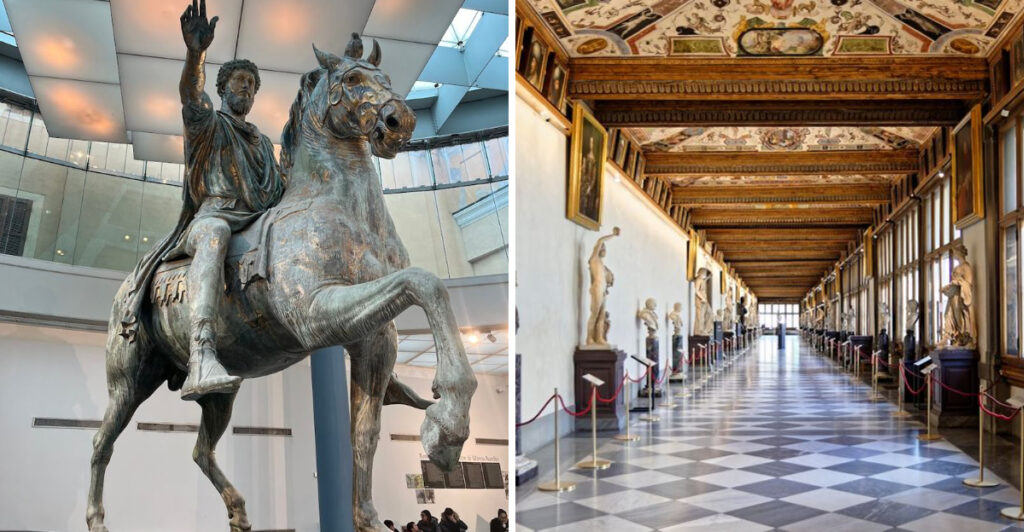
Inside, the galleries hold breathtaking classical sculptures, ancient coins, and archaeological treasures pulled from the soil of Rome itself. The famous bronze equestrian statue of Marcus Aurelius stands as a centerpiece that has survived for nearly two thousand years.
Walking these halls feels less like visiting a museum and more like slipping through a crack in time. Historians, students, and curious travelers from every corner of the world come here to feel connected to an empire that once ruled most of the known world.
It remains a must-see destination.
Vatican Museums – Vatican City (Founded 1506)
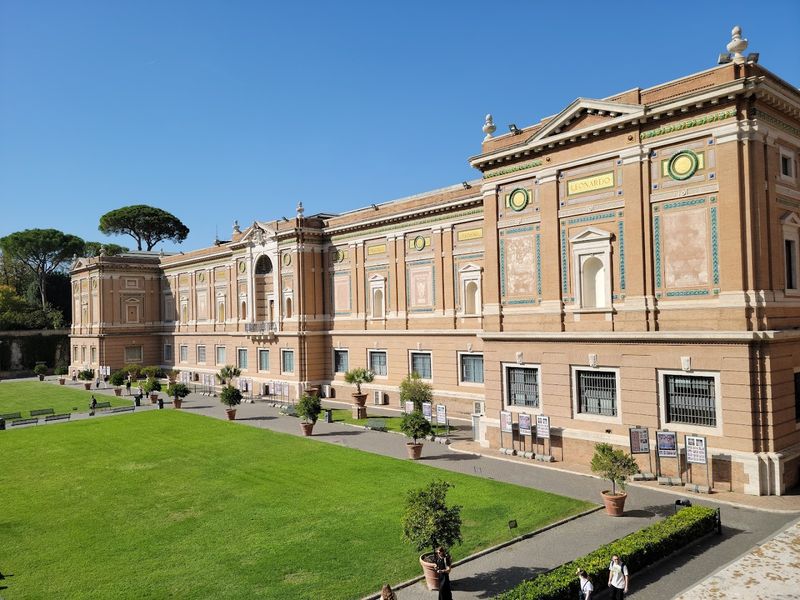
It all started with one breathtaking sculpture. In 1506, Pope Julius II paid a handsome sum for the Laocoon and His Sons, a masterpiece of ancient Greek artistry showing a Trojan priest and his sons being crushed by serpents.
He placed it on public display, and the Vatican Museums were essentially born from that single purchase.
Today, the museums stretch across an almost incomprehensible 54 galleries. Millions of visitors shuffle through each year, many with their necks craned upward inside the Sistine Chapel, staring at Michelangelo’s legendary ceiling.
It took the artist four years to complete, lying on scaffolding with paint dripping onto his face.
The collections include Egyptian mummies, ancient maps, Renaissance tapestries, and sculptures that predate Christianity itself. Raphael’s Rooms dazzle visitors with enormous frescoes painted when the artist was barely in his twenties.
Getting tickets in advance is strongly recommended because the lines outside can stretch for what feels like eternity. Despite the crowds, the experience of standing inside one of humanity’s greatest treasure troves is something that stays with visitors for the rest of their lives.
Teylers Museum – Haarlem, Netherlands (1778)
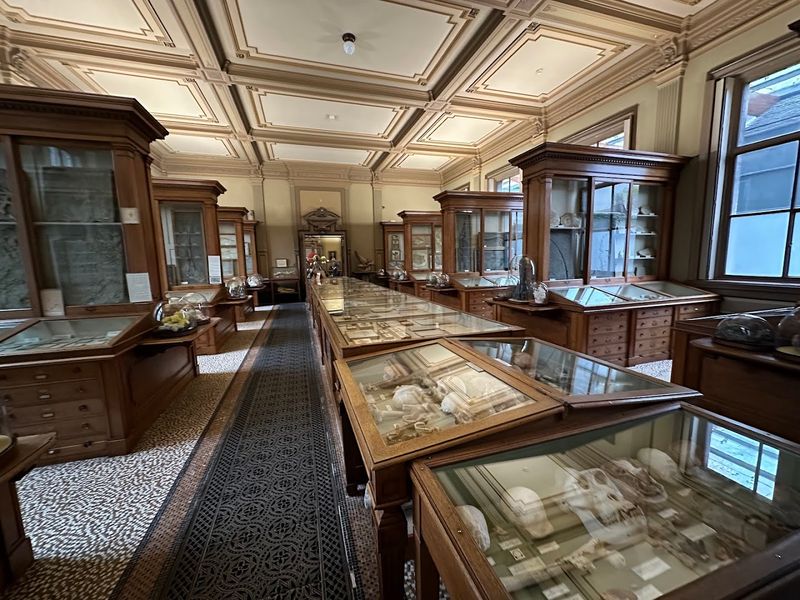
Stepping inside Teylers Museum feels like walking into an 18th-century dream that never ended. Founded in 1778 by wealthy merchant Pieter Teyler van der Hulst, this charming institution in Haarlem holds the proud title of the oldest museum in the Netherlands.
Remarkably, it has never closed its doors in all that time.
The museum sits in the sweet spot between art and science, which was a very Enlightenment thing to do. You will find fossil specimens displayed beside drawings by Michelangelo and Raphael.
Antique scientific instruments share shelf space with rare minerals and ancient coins. The building itself is a treasure, with a stunning oval hall topped by a glass dome that floods the space with soft, natural light.
Unlike many museums that have been heavily modernized, Teylers has deliberately kept its original atmosphere intact. The wooden display cases, the faded labels, and the creaking floors all contribute to a sense of genuine historical authenticity that is increasingly rare.
Visiting feels like being invited into a brilliant scholar’s private study, except that study happens to be the size of a palace. History lovers and science enthusiasts alike leave completely charmed by this underrated gem.
British Museum – London, England (1753)
When physician and naturalist Sir Hans Sloane died in 1753, he left behind a collection of over 71,000 objects and a request that they be offered to the British nation. Parliament agreed, paid his estate 20,000 pounds, and the British Museum was born.
It became one of the first institutions in the world designed specifically so that ordinary people could access knowledge and culture for free.
Today, the museum houses over eight million objects spanning two million years of human history. The Rosetta Stone, which cracked the code of Egyptian hieroglyphics, sits in a glass case drawing enormous crowds every single day.
Egyptian mummies, Greek sculptures, Viking artifacts, and Chinese ceramics all share space under one spectacular roof.
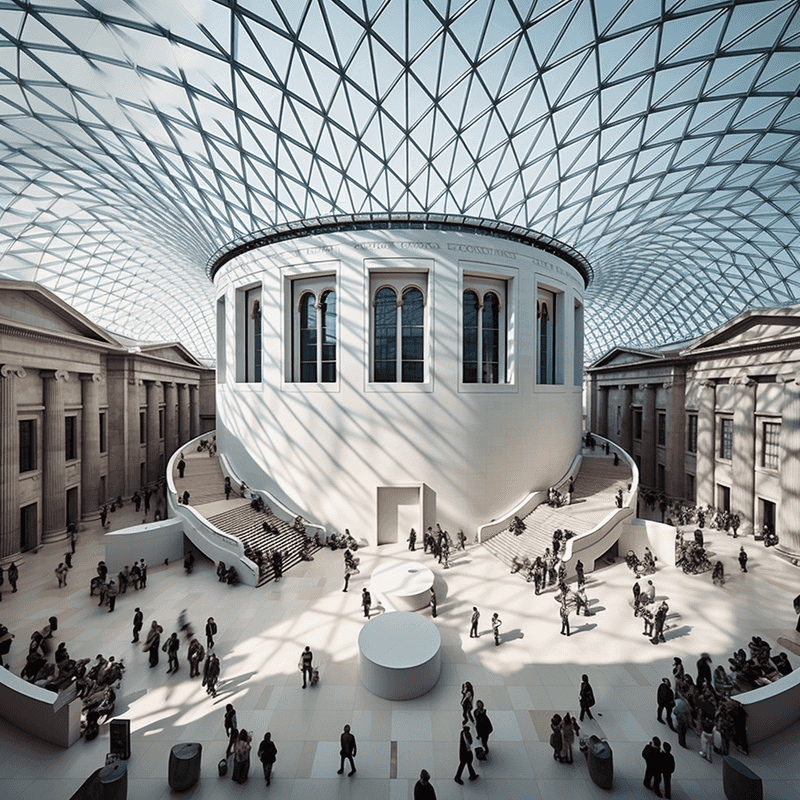
The Great Court, redesigned in 2000 with a stunning glass and steel canopy by architect Norman Foster, transformed the central courtyard into the largest covered public square in Europe. Entry to the permanent collection remains free, which is a radical and generous policy that reflects the museum’s founding belief that knowledge belongs to everyone.
Plan to spend a full day here and still feel like you have only scratched the surface of what this extraordinary institution holds.
Uffizi Gallery – Florence, Italy (Opened to Visitors in 1765)
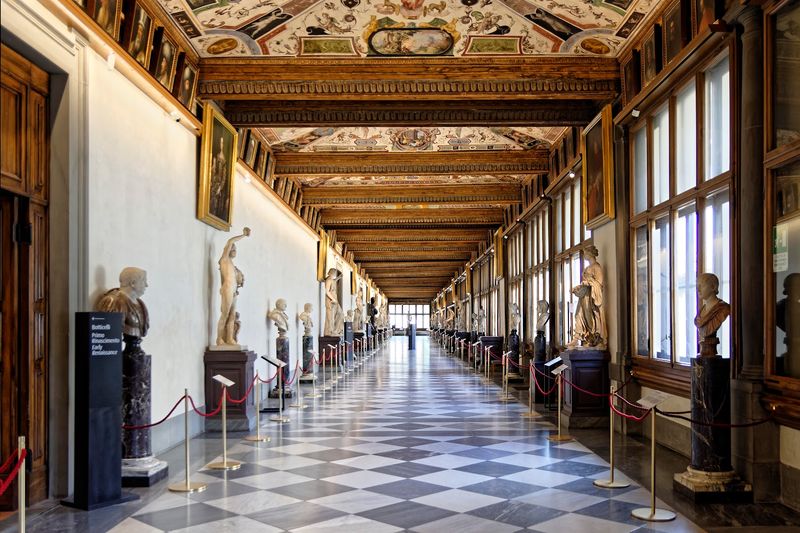
Originally built in the 1560s as boring government offices, the Uffizi had a spectacular career change. The Medici family, Florence’s legendary art-obsessed ruling dynasty, filled the building’s upper floors with their extraordinary private art collection.
By 1765, Grand Duke Pietro Leopoldo opened those galleries to the public, and the world has been grateful ever since.
Botticelli’s Birth of Venus and Primavera are perhaps the most celebrated works here, drawing visitors who sometimes wait hours just to stand before them. But the Uffizi is so much more than two famous paintings.
Works by Leonardo da Vinci, Caravaggio, Titian, Raphael, and Michelangelo crowd the long, light-filled corridors in breathtaking abundance.
The building itself runs along the Arno River, connected to the Pitti Palace across the river by a secret elevated corridor called the Vasari Corridor. Cosimo I de’ Medici commissioned it so he could move between buildings without mingling with ordinary citizens below.
Booking tickets well ahead of your visit is practically essential, especially during summer when Florence becomes one of the busiest tourist cities on the planet. Even a brief visit to the Uffizi leaves a permanent impression on anyone who loves art.
Louvre Museum – Paris, France (1793)
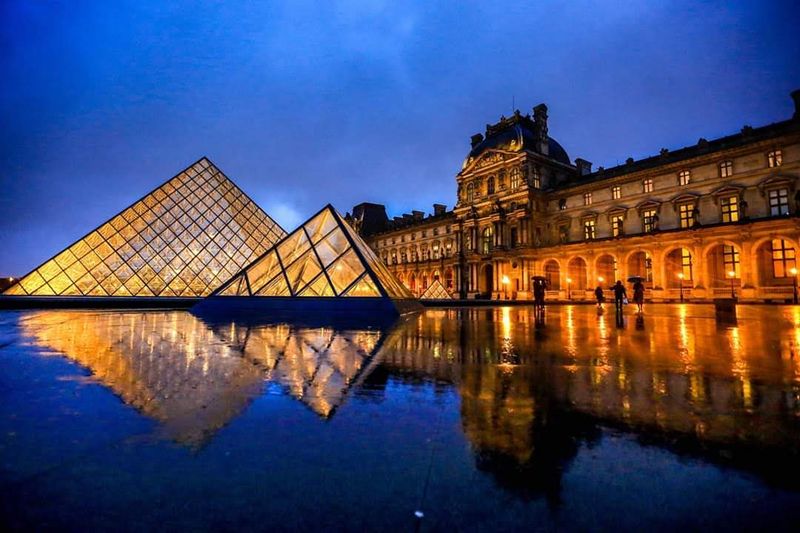
Few buildings in the world carry as much weight as the Louvre. For centuries it served as the home of French kings, a royal palace packed with power, luxury, and political intrigue.
Then the French Revolution arrived, the monarchy crumbled, and in 1793 the palace was handed over to the public as a museum. That was a very dramatic career change for a building.
The Mona Lisa is here, of course, famously smaller than most visitors expect and surrounded by a crowd of camera-wielding tourists at almost all hours. But limiting the Louvre to one painting would be like saying the ocean is just a puddle.
The museum holds over 380,000 objects across 35,000 works on display, spanning ancient civilizations through the mid-19th century.
The iconic glass pyramid entrance, designed by architect I.M. Pei and unveiled in 1989, caused enormous controversy when it was announced.
Parisians were outraged by the modern design planted in front of a historic palace. Today, that same pyramid is beloved and has become one of the most photographed structures in all of France.
The Louvre remains the most visited museum on Earth, welcoming around nine million people in a typical year.
Museo del Prado – Madrid, Spain (1819)
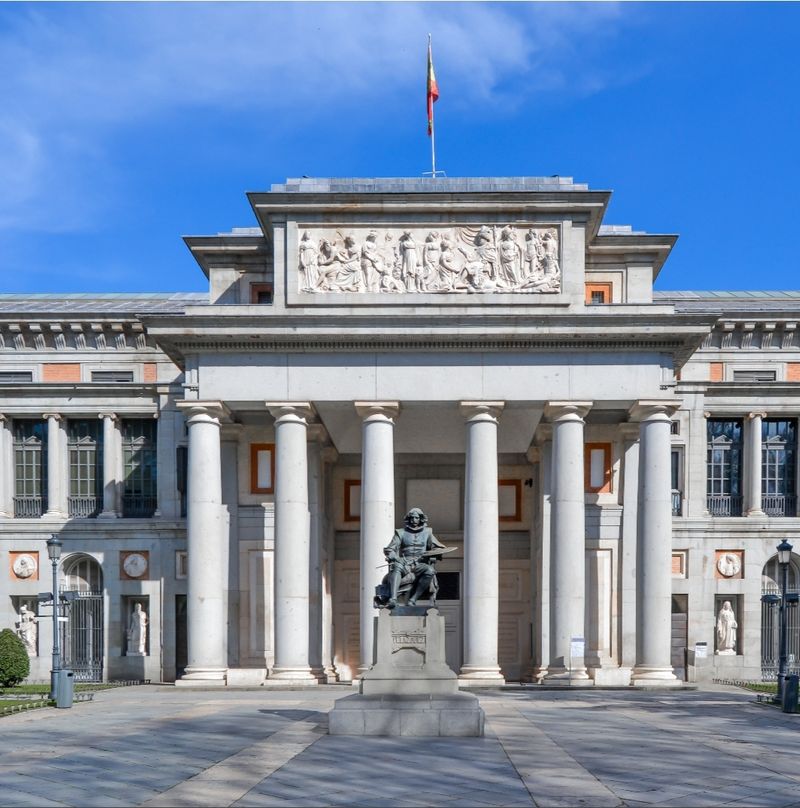
Spain’s greatest museum almost never happened. The Prado building was originally designed as a natural history museum, but the project kept getting delayed.
Then King Ferdinand VII’s wife, Queen Maria Isabella of Braganza, pushed hard for it to become a public art museum instead. She deserves enormous credit because when the Prado finally opened in 1819, it revealed one of the most jaw-dropping royal art collections ever assembled.
Velazquez’s Las Meninas is the crown jewel, a painting so layered with meaning and visual tricks that art historians have been arguing about it for centuries. Goya’s haunting Black Paintings, created directly on the walls of his own home, were later transferred to canvas and now hang here in all their disturbing, brilliant glory.
El Greco’s elongated spiritual figures and Hieronymus Bosch’s wildly surreal medieval visions round out a collection that feels genuinely unlike anywhere else.
The Prado focuses almost entirely on European art from the 12th through early 20th centuries, giving it a depth and focus that broader encyclopedic museums sometimes lack. Madrid as a city tends to be underrated by travelers who rush to Barcelona, but the Prado alone is worth the trip.
Weekday mornings offer the most peaceful experience for serious art lovers.
Brukenthal National Museum – Sibiu, Romania (1817)
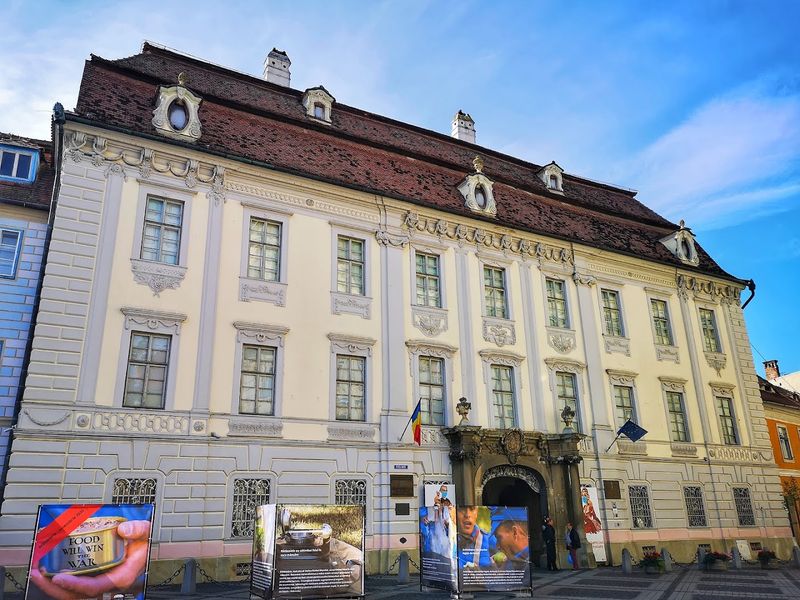
Hidden inside one of Romania’s most charming medieval cities is a baroque palace that quietly holds the title of the country’s oldest museum. Samuel von Brukenthal, the Habsburg governor of Transylvania, spent decades collecting art, rare books, coins, and natural history specimens.
When he died, he left instructions for his palace in Sibiu to become a public museum. It opened in 1817, making it older than many of the world’s most famous institutions.
The art collection is genuinely impressive and frequently surprises first-time visitors. Works by Dutch and Flemish masters, including pieces attributed to the school of Rubens, hang alongside portraits of European nobility and religious paintings spanning several centuries.
The building itself is as much of an attraction as the contents inside it.
Sibiu’s old town, a beautifully preserved medieval city with cobblestone streets and colorful facades, surrounds the museum and makes the entire visit feel like a step into a fairy tale. Romania tends to fly under the radar on European travel itineraries, which means the Brukenthal rarely suffers from the overwhelming crowds that plague more famous museums.
That relative quiet makes the experience all the more enjoyable for visitors who appreciate unhurried exploration and genuine discovery.
Hermitage Museum – St. Petersburg, Russia (1764 / Opened Publicly in 1852)
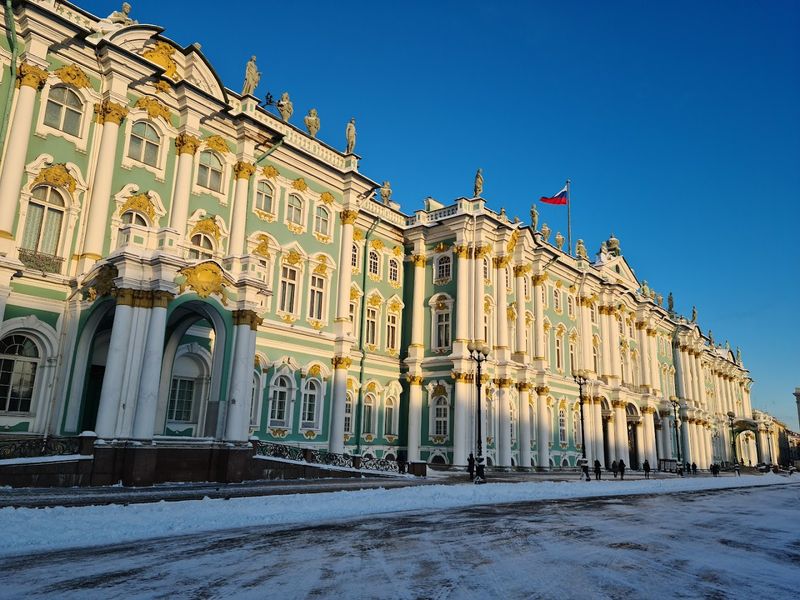
Catherine the Great had expensive taste and absolutely no apologies about it. In 1764, the Russian empress began purchasing enormous collections of European art, starting with 225 paintings bought from a Berlin merchant.
She called her growing private gallery the Hermitage, meaning a place of solitude. There was nothing solitary about it for long.
The collection grew so vast that additional palace buildings had to be constructed just to house it all. By the time the Hermitage opened to the public in 1852, it had become one of the largest and most ambitious art collections in the world.
Today, spread across six historic buildings along the Neva River, it holds over three million objects. Displaying them all would require walking about 22 kilometers if you stopped at each one for just a minute.
The Winter Palace, with its jaw-dropping turquoise and white baroque exterior, serves as the centerpiece of the complex. Inside, the opulence is almost overwhelming.
Gold ceilings, marble staircases, and priceless Rembrandts and Picassos line room after room. Visiting the Hermitage requires at least two full days to do it any justice.
Many art lovers return multiple times across different trips and still discover rooms they missed on previous visits.
Charleston Museum – South Carolina, USA (1773)

Before the United States even existed as a country, Charleston already had a museum. Founded in 1773, two years before the first shots of the American Revolution were fired, the Charleston Museum holds the remarkable distinction of being the oldest museum in America.
It started as a collection of natural history specimens assembled by members of the Charleston Library Society, who were determined to document the natural world around them.
The museum survived the Revolutionary War, the Civil War, several devastating earthquakes, and countless hurricanes over its 250-plus years of existence. That kind of institutional toughness deserves genuine respect.
Today, its collections focus on the natural history of the South Carolina Lowcountry, along with cultural artifacts tied to the colonial and antebellum periods of American history.
A massive replica of a blue whale skeleton greets visitors outside the building, which immediately signals that this place has personality. Inside, you will find everything from ancient Native American pottery to specimens of wildlife found nowhere else in the world.
The museum also holds historically significant objects connected to African American history in the region, adding important context to the complicated story of the American South. Charleston itself is a beautiful city well worth several days of exploration.
Museum of the History of Riga and Navigation – Latvia (1773)
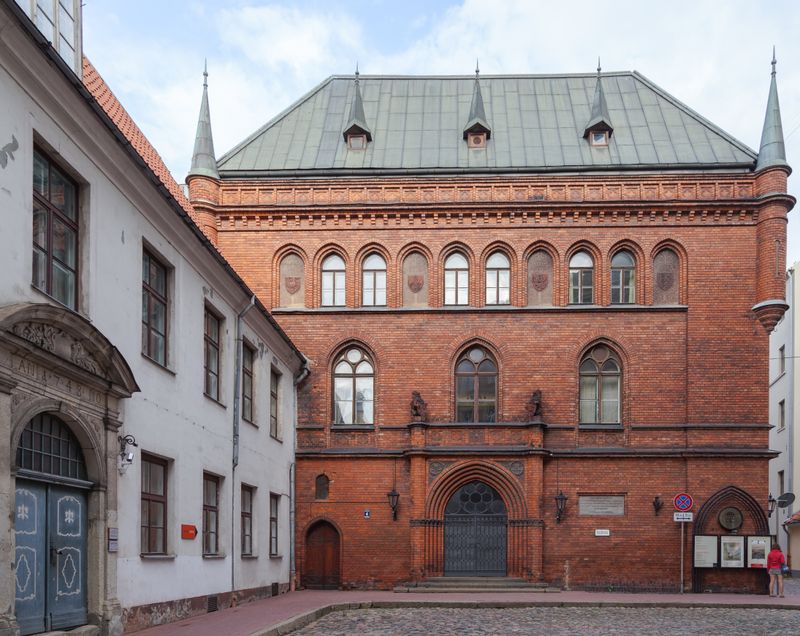
Tucked inside a Dominican monastery that has stood since the 13th century, the Museum of the History of Riga and Navigation is one of the Baltic region’s oldest cultural institutions. Founded in 1773, the same year as the Charleston Museum across the Atlantic, it tells the story of a city that was once one of the most important trading ports in all of Northern Europe.
Riga’s position on the Daugava River made it a commercial powerhouse for centuries.
The collections cover a sweeping range of topics, from medieval guild life and crafts to intricate navigational instruments used by Baltic sailors navigating treacherous northern seas. Ancient maps showing how cartographers imagined the Baltic coastline centuries ago are among the most fascinating items on display.
You can practically feel the cold sea air just looking at them.
The monastery building adds enormous atmospheric weight to every exhibit. Stone arches, thick walls, and the quiet hum of centuries of history make this museum feel profoundly different from modern purpose-built institutions.
Riga’s Old Town, a UNESCO World Heritage Site, surrounds the museum with medieval architecture that reinforces everything you see inside. For travelers exploring the Baltic states, this museum offers a rich and underappreciated window into a seafaring culture that shaped Northern European history.
Universalmuseum Joanneum – Graz, Austria (1811)
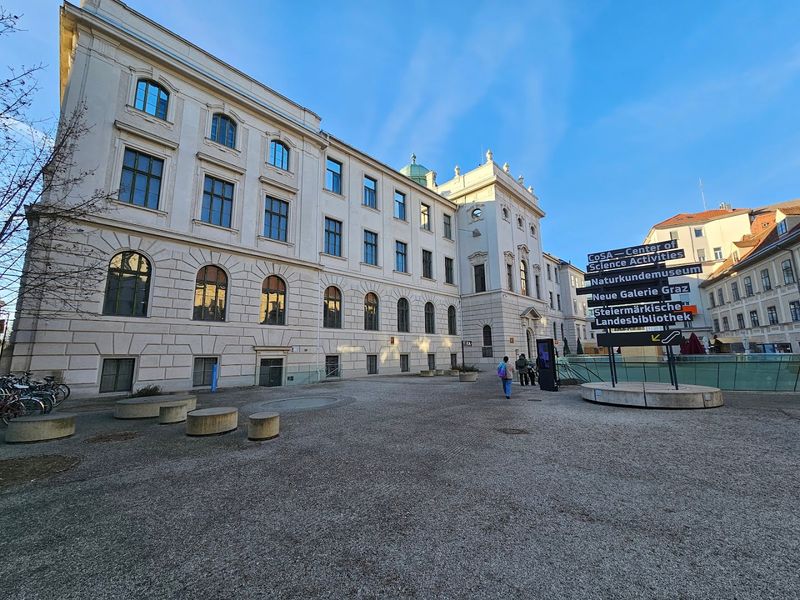
Archduke Johann of Austria was the kind of person who collected everything. In 1811, he founded the Joanneum in Graz as a museum dedicated to the entire natural and cultural world of the Styria region.
It was a bold and visionary concept that helped define what a universal museum could be. Today, it holds more than 4.5 million objects, making it one of the largest museum collections in the German-speaking world.
The Joanneum is not a single building but rather a network of museums spread across Graz and the surrounding region. Each branch focuses on a different subject, from geology and natural history to contemporary art and the history of technology.
This decentralized approach means that a single visit can feel like exploring an entire city of knowledge.
Graz itself is a UNESCO World Heritage city, and its old town architecture provides a stunning backdrop for the museum’s various locations. The combination of historic surroundings and diverse collections makes the Joanneum a genuinely rewarding destination for intellectually curious travelers.
Austria tends to attract visitors rushing toward Vienna and Salzburg, leaving Graz relatively uncrowded and refreshingly authentic. The Joanneum rewards those who take the time to seek it out with an experience that is broad, deep, and consistently surprising across every subject it covers.
National Museum of Archaeology, Anthropology, and History of Peru – Lima, Peru (1822)
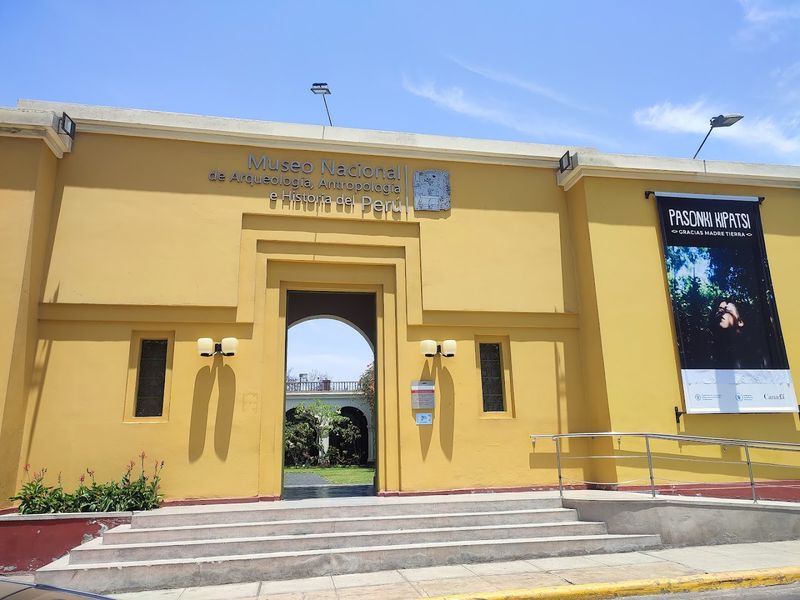
Peru declared independence in 1821, and barely a year later the country established its national museum. That says something powerful about how seriously the new nation took its extraordinary cultural heritage.
The National Museum of Archaeology, Anthropology, and History of Peru in Lima has been preserving the country’s ancient past ever since, making it the oldest museum in South America’s Pacific coast region.
The collections span thousands of years and dozens of civilizations. Incan textiles, ceramics, gold jewelry, and stone carvings sit alongside artifacts from the Moche, Chimu, Nazca, and Wari cultures, all of which flourished in Peru long before the Inca rose to power.
The sheer depth of pre-Columbian civilization on display here is staggering and humbling in equal measure.
One of the museum’s most famous objects is the Tello Obelisk, a carved stone monument from the Chavin culture dating back over three thousand years. The building itself is a handsome colonial structure set in the Pueblo Libre district of Lima, a quiet neighborhood that feels far removed from the city’s hectic center.
Visiting this museum before heading to Machu Picchu or the Sacred Valley dramatically enriches the experience of Peru’s ancient sites by giving them essential historical context.
Skansen – Stockholm, Sweden (1891)
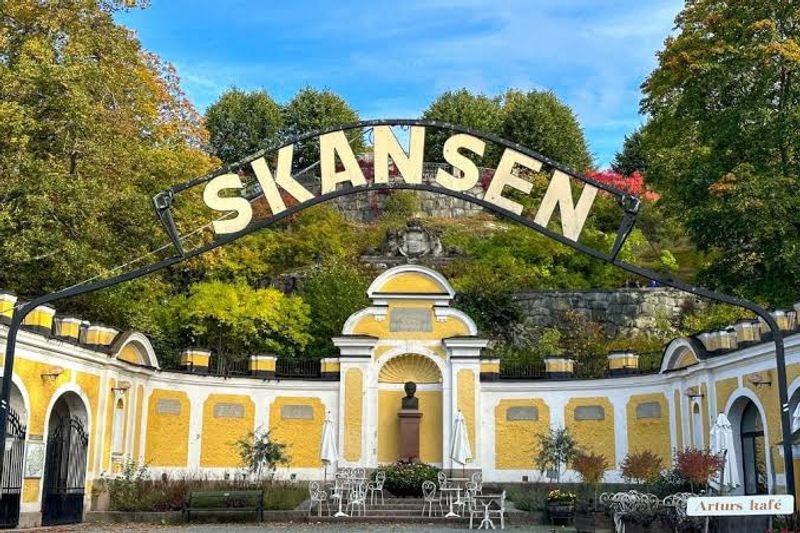
Artur Hazelius watched industrialization swallow traditional Swedish life and decided to do something about it. In 1891, he opened Skansen on the island of Djurgarden in Stockholm, moving entire historic buildings from across Sweden to a single outdoor site where visitors could walk through living history.
It was a completely new concept in museum-making, and it worked brilliantly. Skansen became the world’s first open-air museum, a model that has since been copied in dozens of countries.
Farm cottages, manor houses, a working glassblower’s studio, a bakery, and even a Sami camp are all scattered across the museum’s 75-acre hillside. Costumed staff demonstrate traditional crafts and skills that would otherwise have vanished completely.
In winter, Skansen transforms into a magical Christmas market that locals and visitors adore equally.
The museum also functions as a zoo, housing Nordic animals including brown bears, wolves, lynx, and elk in spacious naturalistic enclosures. Children absolutely love this combination of living history and wildlife.
Skansen sits within easy reach of Stockholm’s city center, making it a natural addition to any visit to the Swedish capital. The views across the water toward the city skyline from the museum’s upper paths are genuinely spectacular and worth the uphill walk on their own.
Croatian Natural History Museum – Zagreb, Croatia (1846)
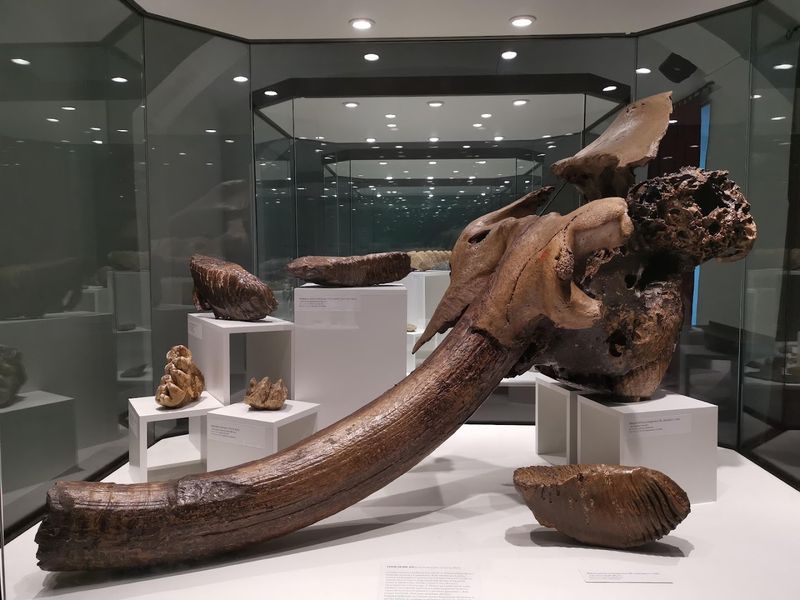
Zagreb’s Croatian Natural History Museum has a headline-grabbing claim to fame: it holds the remains of Krapina Neanderthals, one of the largest collections of Neanderthal fossils ever found in a single location. Discovered in a cave near Zagreb in the early 1900s, these bones represent individuals who lived roughly 130,000 years ago.
That kind of prehistoric celebrity status makes the museum immediately fascinating.
Founded in 1846, the museum has been collecting and studying the natural world of Croatia and beyond for nearly two centuries. Its collections cover mineralogy, paleontology, botany, and zoology, with millions of specimens catalogued across departments.
The sheer organizational effort required to maintain such a collection over so many generations of scientists deserves recognition on its own.
The building occupies a handsome 19th-century structure in Zagreb’s upper town, a neighborhood already packed with historic architecture, galleries, and museums. Zagreb has emerged in recent years as one of Europe’s most enjoyable and affordable city break destinations, with a cafe culture and creative energy that surprises most first-time visitors.
The Natural History Museum adds serious intellectual substance to what is already a deeply rewarding city to explore. For anyone even mildly curious about prehistoric life or the natural world, this museum offers far more than its modest reputation might suggest.
Share this story