 Unearth The Voyage
Remember when people spent their evenings sorting stamps or tuning into distant radio stations? The world of hobbies has changed dramatically over the past few decades.
Many pastimes that once brought families together and filled free time have quietly faded away, replaced by smartphones, streaming services, and online activities.
1. Stamp Collecting (Philately)
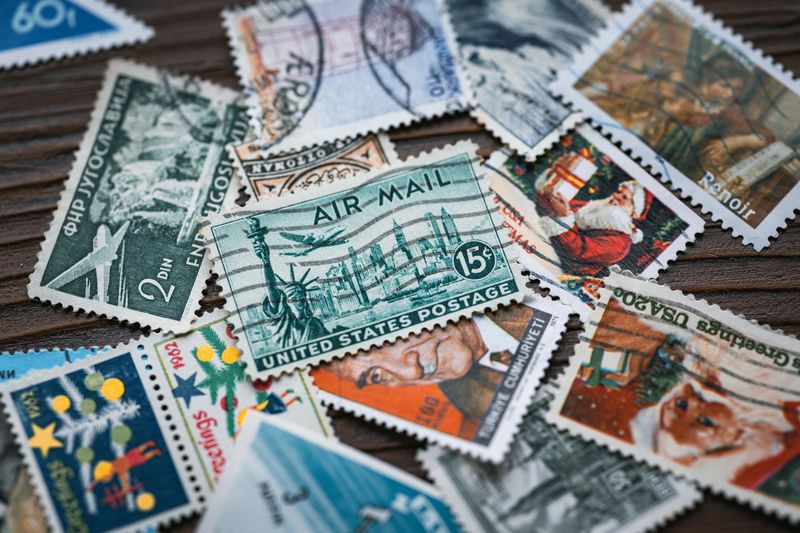
Millions of people worldwide once dedicated hours to organizing colorful stamps from distant countries. Stamp albums sat on living room shelves in nearly every household, and kids eagerly checked the mail for exotic postmarks.
The hobby reached its peak between the early 1900s and 1970s, when postal mail was the primary way people communicated across distances.
Collectors would trade stamps at club meetings, attend conventions, and spend weekends hunting for rare finds at flea markets. Schools even encouraged the hobby as a way to teach geography and history.
Parents saw it as a productive pastime that kept children engaged and learning.
Email and text messaging changed everything almost overnight. As physical mail declined, so did the variety and volume of stamps people encountered daily.
Younger generations never developed the same attachment to these tiny pieces of paper.
Today, serious philatelists are mostly older adults who started collecting decades ago. The community has shrunk considerably, and stamp shops have nearly disappeared from shopping districts.
What was once a universal hobby has become a niche interest for dedicated enthusiasts.
2. Ham Radio (Amateur Radio as a Home Hobby)
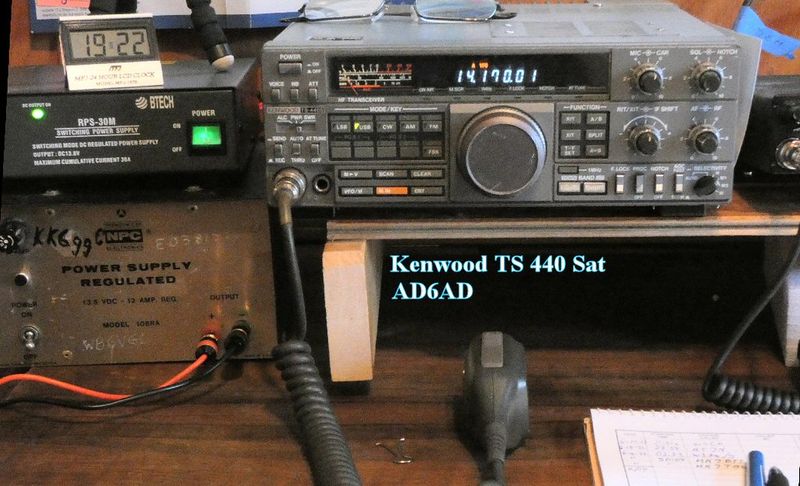
Crackling voices from across the globe once filled basements and spare rooms where amateur radio enthusiasts set up their equipment. Ham radio operators could talk to strangers thousands of miles away, long before the internet made global communication routine.
Families gathered around the radio as Dad made contact with someone in Australia or Japan, marveling at the technology.
The hobby required studying for a license, learning Morse code, and understanding radio frequencies. Operators took pride in their technical skills and their ability to provide emergency communications during disasters.
Local ham radio clubs were social hubs where members shared tips and showed off their latest equipment upgrades.
Cell phones and internet chat rooms offered easier ways to connect with people worldwide. The technical challenge that once attracted hobbyists became a barrier compared to simply opening an app.
Younger people saw little reason to invest time and money in equipment when they could video call anyone instantly.
While ham radio still has devoted followers, it is now dominated by retirees who learned the hobby decades ago. The once-crowded airwaves have grown quieter, and radio clubs struggle to attract new members.
3. Slide Photography & Slide Shows
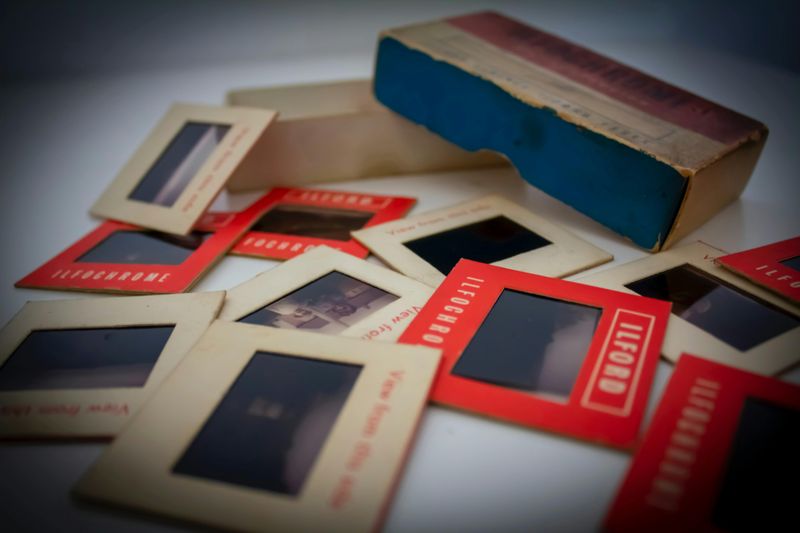
Living rooms transformed into mini theaters as families dimmed the lights and projected vacation photos onto white screens or blank walls. Kodak slides captured birthdays, road trips, and holiday gatherings in vivid color.
Neighbors would come over for slide show evenings, sitting through dozens of images while the host provided commentary about each scene.
Photographers carefully labeled and organized their slides in carousel trays, treating them like precious memories frozen in time. The ritual of developing film, mounting slides, and arranging them for viewing was part of the hobby itself.
Camera stores did brisk business selling projectors, screens, and storage boxes designed specifically for slides.
Digital cameras eliminated the need for physical film and projection equipment. People could now view hundreds of photos instantly on computer screens or share them online with friends across the country.
The hassle of setting up projectors and darkening rooms felt outdated compared to scrolling through images on a phone.
Boxes of old slides now gather dust in attics and basements, their contents largely forgotten. The shared experience of watching slide shows together has been replaced by scrolling alone through social media feeds.
4. Model Train Collecting (Home Layouts)

Entire basements were transformed into miniature worlds where tiny trains chugged through detailed landscapes complete with towns, mountains, and working signals. Model train enthusiasts spent years building elaborate layouts, painting scenery, and perfecting every detail.
The hobby boomed after World War II when returning veterans had time and disposable income to invest in their passion.
Fathers and sons bonded over building track layouts and wiring electrical systems. Hobby shops dedicated entire floors to model trains, offering countless locomotives, cars, buildings, and accessories.
Clubs held exhibitions where members displayed their creations, competing for awards and admiring each other’s craftsmanship.
Modern homes often lack the basement space needed for large layouts. The cost of quality model trains has increased significantly, making it an expensive hobby to start.
Younger generations gravitate toward video games and digital entertainment rather than hands-on building projects that take months or years to complete.
The hobby survives primarily among retirees who have the time, space, and money to maintain their layouts. Model train shops have closed in most communities, and manufacturers struggle to attract new collectors beyond nostalgic older adults.
5. CB Radio Enthusiast Culture
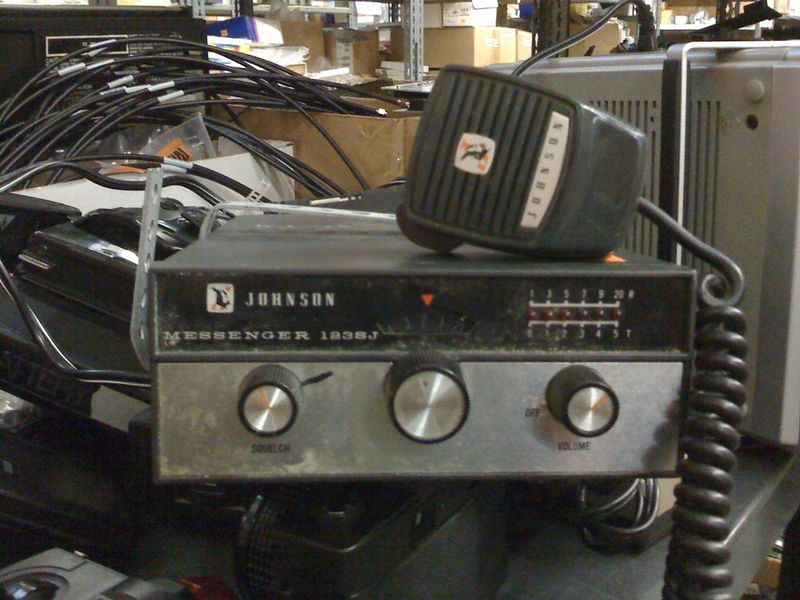
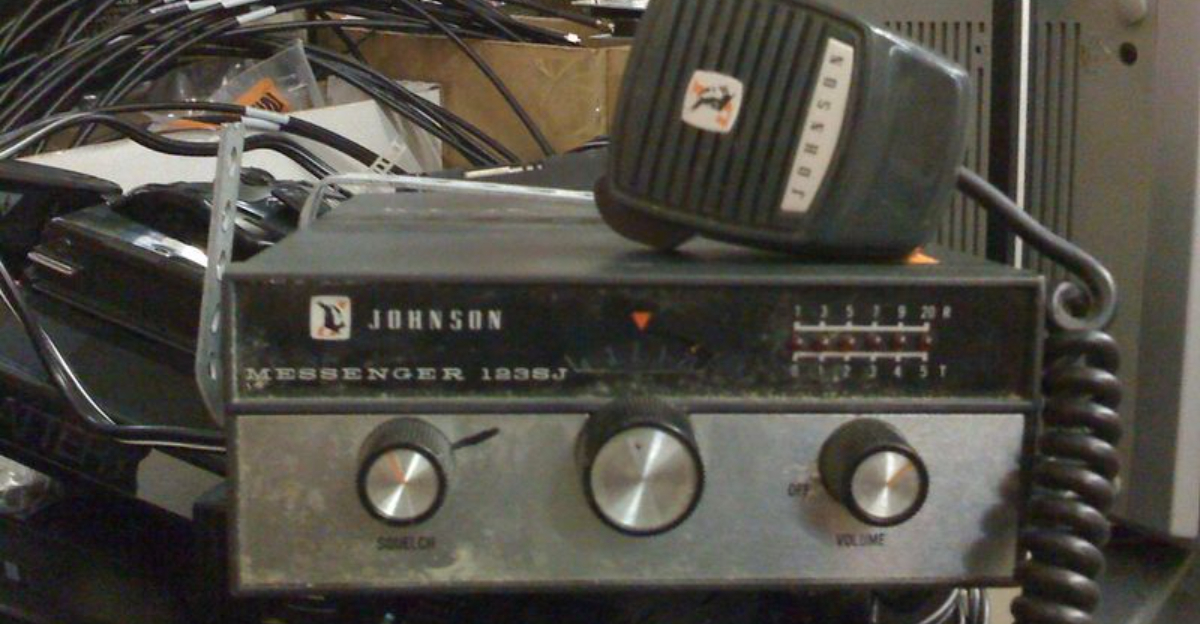
Truckers and everyday drivers once chatted with strangers on the highway using Citizens Band radios, creating a unique culture with its own slang and etiquette. Handles like Rubber Duck and Smokey Bear filled the airwaves as people warned each other about traffic jams and speed traps.
The 1970s saw CB radios installed in millions of vehicles and homes across America.
Families on road trips used CB radios to make long drives more entertaining, connecting with other travelers along the way. The technology required no license and was affordable, making it accessible to almost everyone.
Movies and songs celebrated CB culture, turning it into a nationwide phenomenon that defined an era.
Cell phones made CB radios obsolete for most people almost overnight. Why talk to random strangers when you could call specific friends and family directly?
The convenience and privacy of mobile phones won out over the open, public nature of CB communication.
Today, CB radios remain in some commercial trucks, but the vibrant community that once existed has vanished. The distinctive chatter and colorful language that filled Channel 19 has been replaced by silence, with only occasional voices breaking through.
6. Coin Collecting as a Youth Hobby
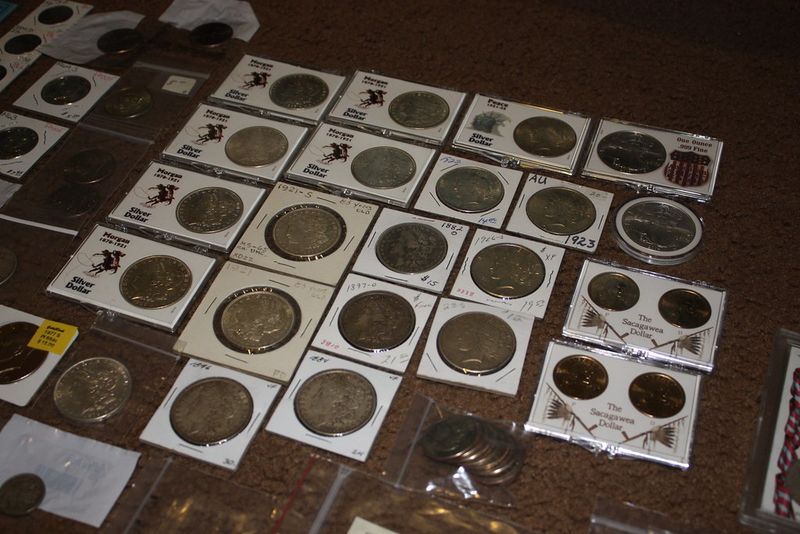
Kids once rushed home to check their pocket change for rare dates and mint marks, hoping to find a valuable coin worth keeping. Schools taught coin collecting as an educational activity that combined history, geography, and economics.
Banks offered special folders where young collectors could insert pennies, nickels, dimes, and quarters from different years to complete their sets.
Parents encouraged the hobby because it taught children about saving money and paying attention to details. Coin shops were common in shopping centers, and dealers would patiently help youngsters identify their finds.
Allowance money often went toward purchasing coins to fill gaps in collections, making it an affordable pastime for most families.
Digital payments have reduced the amount of physical change people handle daily. Kids today rarely use cash, so they never develop the habit of examining coins closely.
The hobby has shifted toward serious adult numismatists who invest thousands of dollars in rare coins rather than casually collecting from circulation.
While coin collecting still exists, it is no longer the widespread youth activity it once was. The simple pleasure of finding a wheat penny or a bicentennial quarter has become a rarity for modern children.
7. Home Darkroom Photography
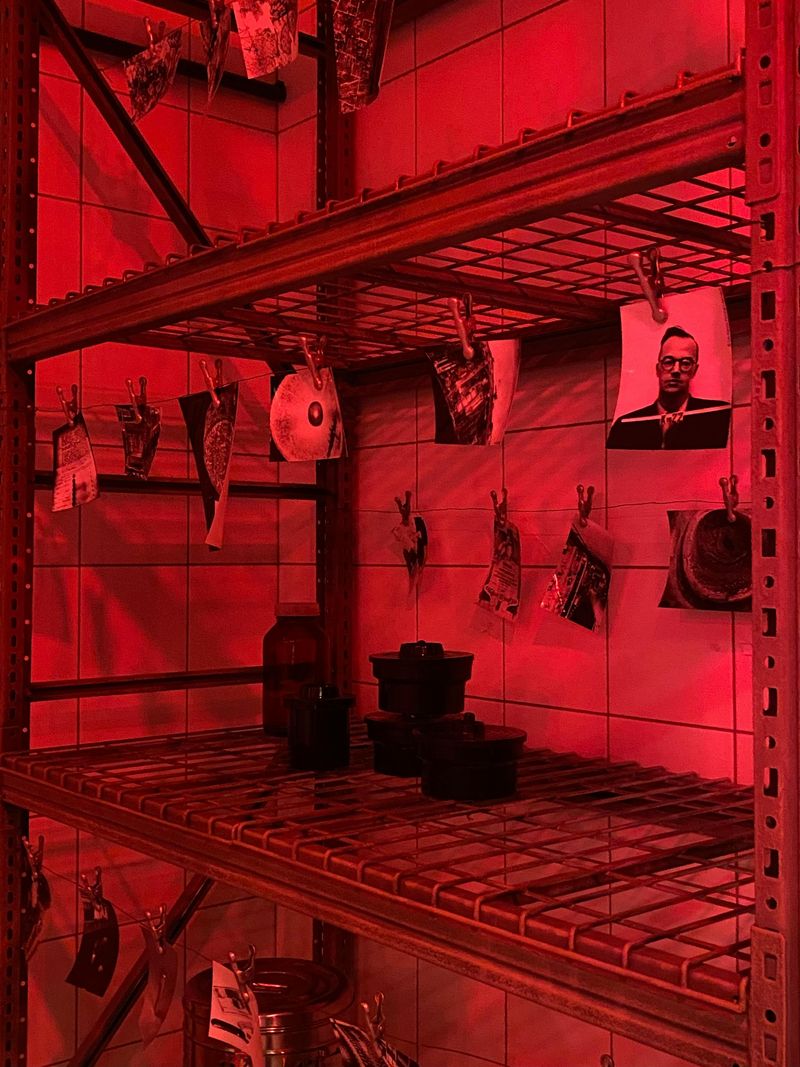
Bathrooms and closets were converted into darkrooms where amateur photographers developed their own film and prints using trays of chemicals. Red safelight bulbs created an eerie glow as images slowly appeared on blank paper submerged in developer solution.
The process felt magical, watching photographs emerge from nothing right before your eyes.
Serious hobbyists invested in enlargers, timers, and ventilation systems to improve their darkroom setups. Photography classes taught students the chemistry and techniques needed to control exposure, contrast, and grain.
The smell of fixer and developer became familiar to anyone who spent time creating prints by hand.
Digital cameras eliminated the need for film processing entirely. Photographers could now see their images instantly, edit them on computers, and print them without chemicals or darkrooms.
The convenience and immediate feedback of digital photography made traditional darkroom work seem slow and complicated.
Today, darkroom photography survives mainly as an art form practiced by purists and fine art photographers. The equipment has become harder to find, and photo labs that once developed film have closed.
What was once a common hobby has become a specialized skill known to relatively few.
8. Shortwave Radio Listening
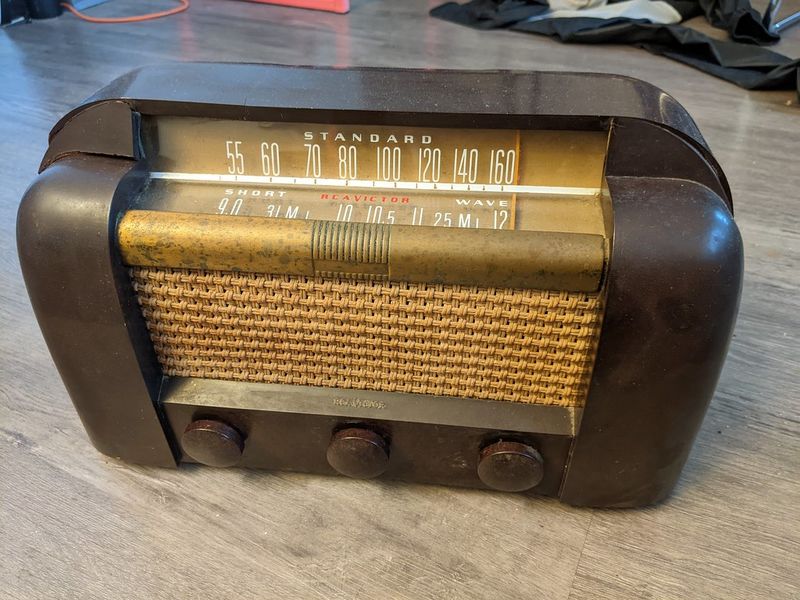
Turning the dial on a shortwave receiver brought voices speaking dozens of languages from countries most people would never visit. During the Cold War, listeners tuned in to Radio Moscow, Voice of America, and BBC World Service to hear news from different perspectives.
The hobby offered a window to the wider world when international travel and communication were limited for average people.
Enthusiasts kept detailed logs of stations they received, noting frequencies, times, and signal strength. Some collected QSL cards, colorful postcards that radio stations sent to confirm reception reports.
The technical challenge of pulling in distant, weak signals through atmospheric noise appealed to people who enjoyed tinkering with antennas and equipment.
Internet streaming now provides instant access to thousands of radio stations and news sources worldwide. Podcasts and news websites offer more convenient ways to hear international perspectives without wrestling with static and fading signals.
The mystery and effort that once made shortwave listening exciting now seem unnecessary.
Shortwave broadcasting itself has declined dramatically as stations shut down or moved online. The bands that once buzzed with activity have grown quiet, and younger people show little interest in reviving the hobby.
9. Autograph Collecting by Mail
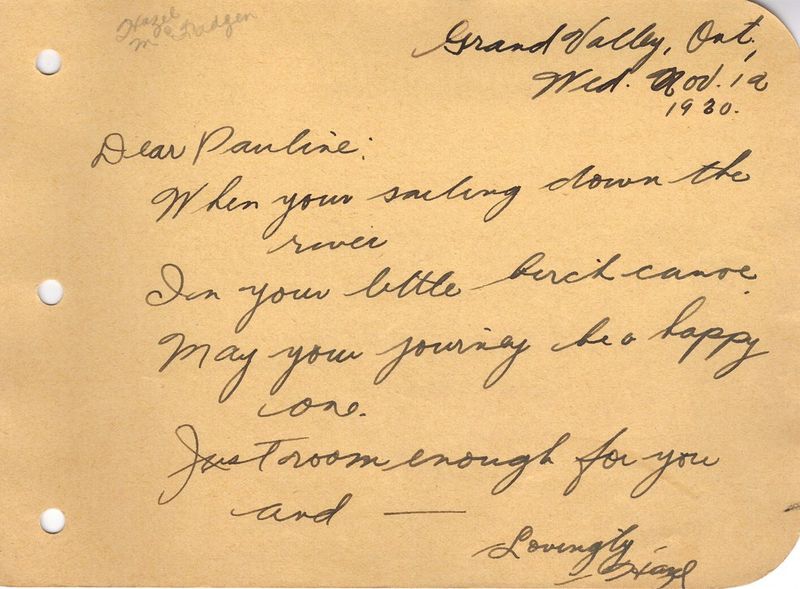
Young fans once carefully addressed envelopes to their favorite actors, musicians, and athletes, enclosing letters and hoping for signed photos in return. Weeks or months later, a response might arrive with an authentic autograph and a glossy headshot.
The thrill of finding that envelope in the mailbox made the long wait worthwhile.
Dedicated collectors maintained lists of addresses and kept track of which celebrities responded to fan mail. Some built impressive collections of signed photos, baseball cards, and letters from famous people.
The hobby taught patience and letter-writing skills while connecting fans to the stars they admired from afar.
Social media brought celebrities and fans into direct contact, eliminating the need for formal letters and long waits. Autograph seekers now attend conventions where they can meet celebrities in person and get signatures immediately.
The personal touch of handwritten letters has been replaced by tweets and Instagram comments.
Mail-in autograph collecting has nearly disappeared except among serious collectors seeking vintage signatures. Many celebrities no longer respond to fan mail personally, using assistants or autopen machines instead.
The simple joy of receiving a personal reply from a famous person has become rare.
10. Door-to-Door Sales as a Side Hobby

Teenagers and housewives once earned extra money by selling encyclopedias, vacuum cleaners, cosmetics, and household products directly to neighbors. Companies like Avon, Fuller Brush, and Kirby recruited armies of part-time salespeople who went door-to-door demonstrating products.
The work combined social interaction with entrepreneurship, and successful sellers built loyal customer bases in their communities.
Families invited salespeople into their homes for demonstrations that could last hours. Kids sold greeting cards, magazine subscriptions, and candy bars to raise money for school activities.
The personal touch of meeting sellers face-to-face built trust that mail-order catalogs could not match.
E-commerce made shopping from home easier and more convenient than ever before. Safety concerns about inviting strangers into homes grew, and people became less willing to answer their doors.
The rise of big-box stores and online retailers undercut prices that door-to-door sellers could offer.
Today, door-to-door sales have nearly vanished except for occasional pest control or solar panel companies. The social aspect that once made it appealing has been replaced by the convenience and security of online shopping.
What was once a common way to earn extra income has become obsolete.
11. Pen Pal Writing
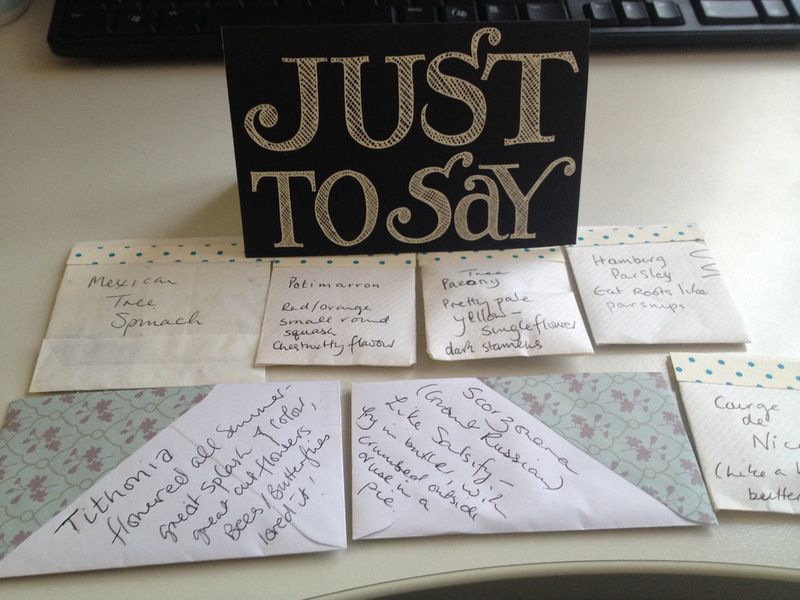
Classrooms around the world once connected through pen pal programs that matched students with peers in distant cities and foreign countries. Kids eagerly awaited letters describing life in places they had only read about in textbooks.
Writing to pen pals taught letter composition, geography, and cultural awareness while creating friendships that sometimes lasted for years.
Teachers encouraged the practice as an educational tool that made learning personal and exciting. Students decorated their letters with drawings and stickers, carefully crafting each message to share details about their lives.
The anticipation of receiving a reply made checking the mailbox an exciting daily ritual.
Email and instant messaging made pen pal letters feel slow and outdated. Why wait weeks for a response when you could chat in real time?
Social media platforms connected people globally without the effort of writing, addressing envelopes, and buying stamps.
The art of letter writing has largely disappeared from schools and homes. While some adults maintain email correspondence, the thoughtful, handwritten letters that characterized pen pal relationships have become extremely rare.
The personal connection built through patient, deliberate communication has been lost to speed and convenience.
12. Bottle Cap & Soda Memorabilia Collecting
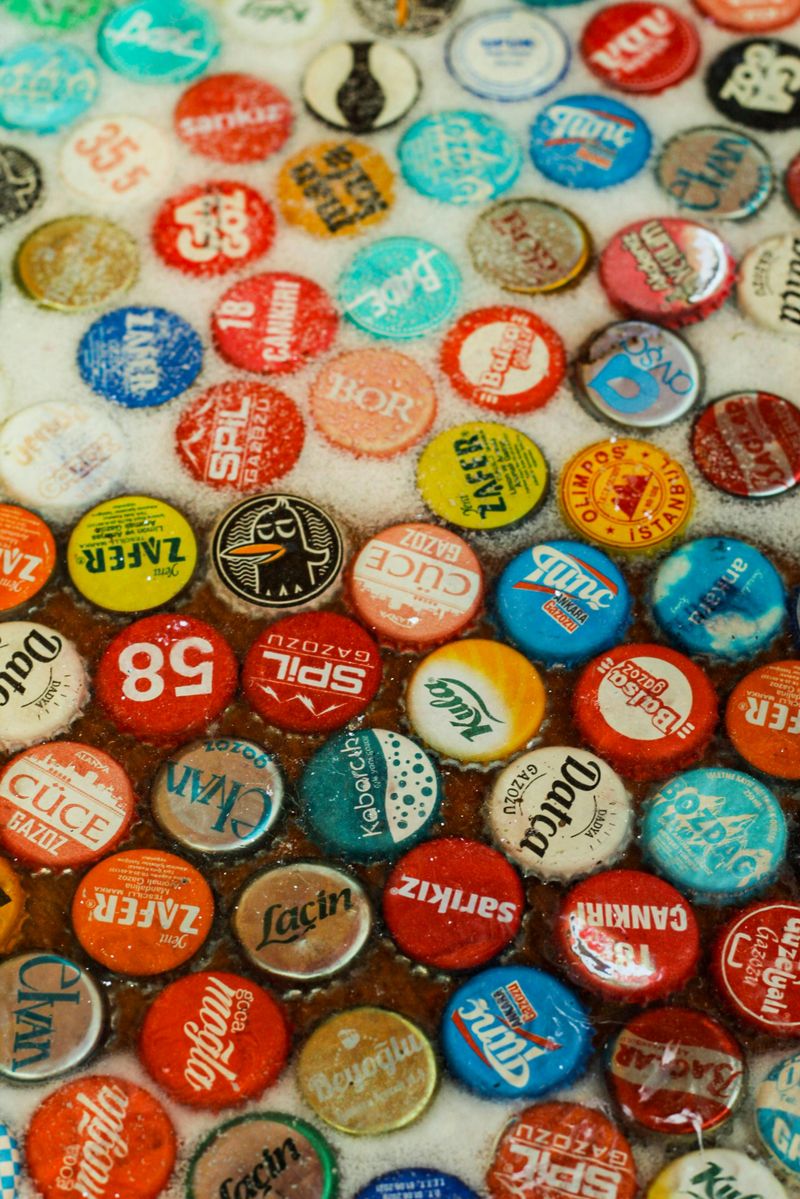
Colorful bottle caps from regional soda brands once covered bedroom walls and filled shoeboxes as kids collected them from every beverage they drank. Each cap featured unique designs, logos, and sometimes puzzles or games printed inside.
The variety was enormous when hundreds of local bottling companies produced their own distinctive sodas.
Collectors traded caps with friends, seeking rare finds from distant cities or discontinued brands. The hobby cost nothing since caps came free with drinks people were already buying.
Some enthusiasts expanded their collections to include bottles, signs, and other soda-related advertising materials.
Corporate consolidation reduced the number of soda brands dramatically as large companies bought out regional competitors. Plastic bottles with twist-off caps replaced glass bottles with crimped metal caps, making collecting less interesting.
The distinctive regional flavors and designs that made collecting fun disappeared as national brands dominated the market.
Today, soda memorabilia collecting exists mainly among vintage advertising enthusiasts who focus on older items. The simple pleasure of accumulating colorful caps has faded along with the local soda companies that produced them.
What was once a free, accessible hobby for kids has become a niche area of antique collecting.
13. Home Chemistry Sets

Budding scientists once conducted experiments in their bedrooms and basements using chemistry sets that contained real chemicals and lab equipment. Gilbert and other companies sold kits with test tubes, Bunsen burners, and dozens of compounds that allowed kids to perform genuine scientific procedures.
Parents saw these sets as educational tools that could inspire future careers in science.
The sets came with detailed manuals explaining chemical reactions and safe handling procedures. Kids could create colorful reactions, grow crystals, and learn principles of chemistry through hands-on experience.
The hobby encouraged curiosity and gave young people a taste of real laboratory work.
Safety concerns and liability fears led manufacturers to drastically reduce the contents of chemistry sets. Regulations restricted many chemicals that were once commonly included, making the experiments less impressive and educational.
Parents became wary of allowing potentially dangerous activities in their homes without supervision.
Modern chemistry sets contain mostly harmless substances that produce disappointing results compared to vintage kits. The sense of genuine scientific discovery has been replaced by simplified, safer activities that fail to capture children’s imaginations.
What was once a popular path to STEM careers has become a shadow of its former self.
14. Community Ballroom Dancing Nights
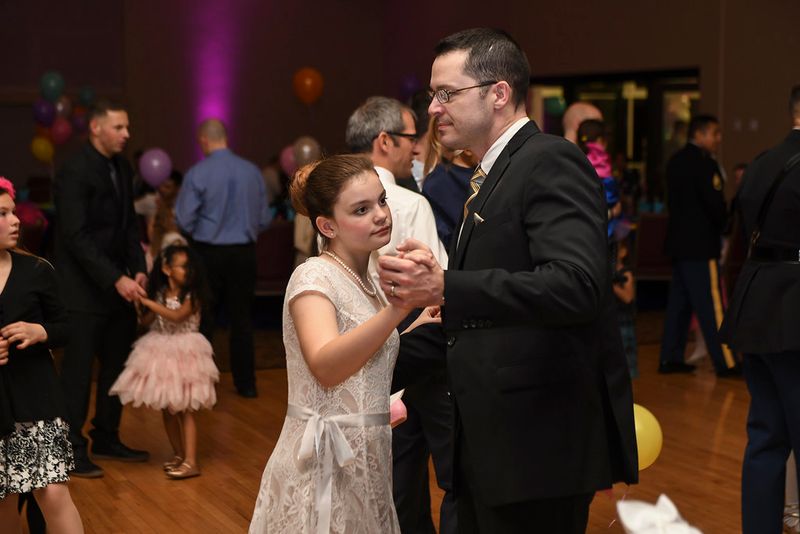
Every weekend, community centers and dance halls filled with couples dressed in their finest clothes, ready to waltz, foxtrot, and swing the night away. Ballroom dancing was a social norm that brought entire communities together regardless of age or background.
Learning proper dance steps was considered an essential social skill, taught in schools and passed down through generations.
Local bands provided live music, and experienced dancers helped beginners learn the steps on the spot. These events served as important social gatherings where people met potential partners, caught up with neighbors, and celebrated special occasions.
The tradition created a sense of community connection that extended beyond the dance floor.
Changing entertainment preferences shifted social activities away from formal dancing toward more casual options. Gyms, nightclubs, and home entertainment systems offered alternatives that required less skill and formality.
Younger generations never learned traditional ballroom dances, breaking the chain of knowledge that kept the tradition alive.
While ballroom dancing survives in competitive settings and among enthusiasts, the community dance nights that once defined social life have largely disappeared. The elegant, structured socializing of the past has been replaced by informal gatherings and digital entertainment consumed at home.
15. Building Crystal Radio Sets
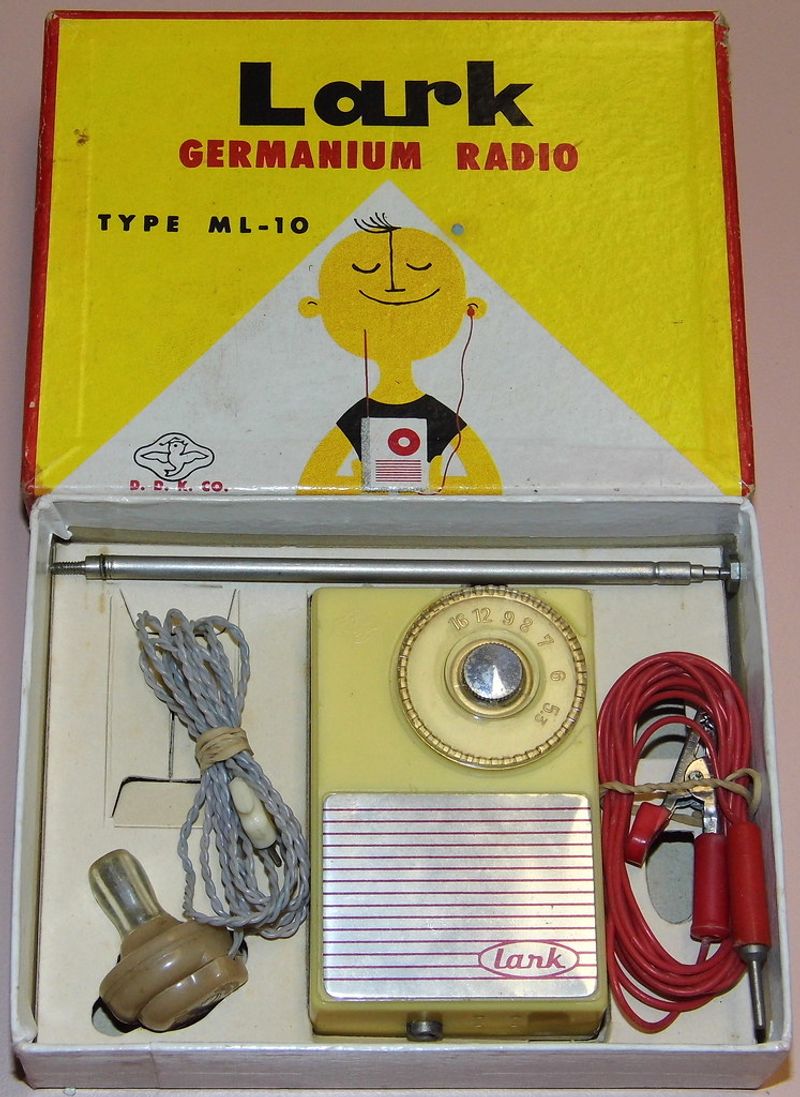
Young tinkerers once built simple radios from scratch using just a few basic components: a crystal detector, wire coil, capacitor, and earphone. No batteries or external power were needed because crystal radios ran entirely on the energy captured from radio waves themselves.
The hobby taught fundamental principles of electronics and gave kids a sense of accomplishment when they first heard broadcasts through their homemade devices.
Instructions appeared in magazines and hobby books, guiding builders through winding coils and assembling circuits. The materials were inexpensive and readily available at hardware stores and radio shops.
Schools sometimes included crystal radio projects in science classes to demonstrate electromagnetic principles in a hands-on way.
Modern electronics became too complex for simple home construction projects. Ready-made devices offered better performance and more features than anything hobbyists could build themselves.
The educational value of crystal radios diminished as radio technology became less relevant to everyday life.
Today, crystal radio building exists mainly as a nostalgic educational demonstration rather than a popular hobby. The simple satisfaction of creating a working device from basic parts has been lost as technology has advanced beyond what individuals can easily understand or replicate at home.



