The Philippines isn’t just about beaches—it’s a country of 7,000+ islands filled with unusual traditions, rare natural wonders, and cultural experiences you won’t find anywhere else. From eating adventurous street food to exploring surreal landscapes, the country offers moments that feel completely unique.
What makes it stand out is the mix of indigenous culture, tropical geography, and creative local traditions, creating experiences that are truly one of a kind. Here are 14 unforgettable things you can only experience in the Philippines.
Dine at a Waterfall Restaurant (Villa Escudero)
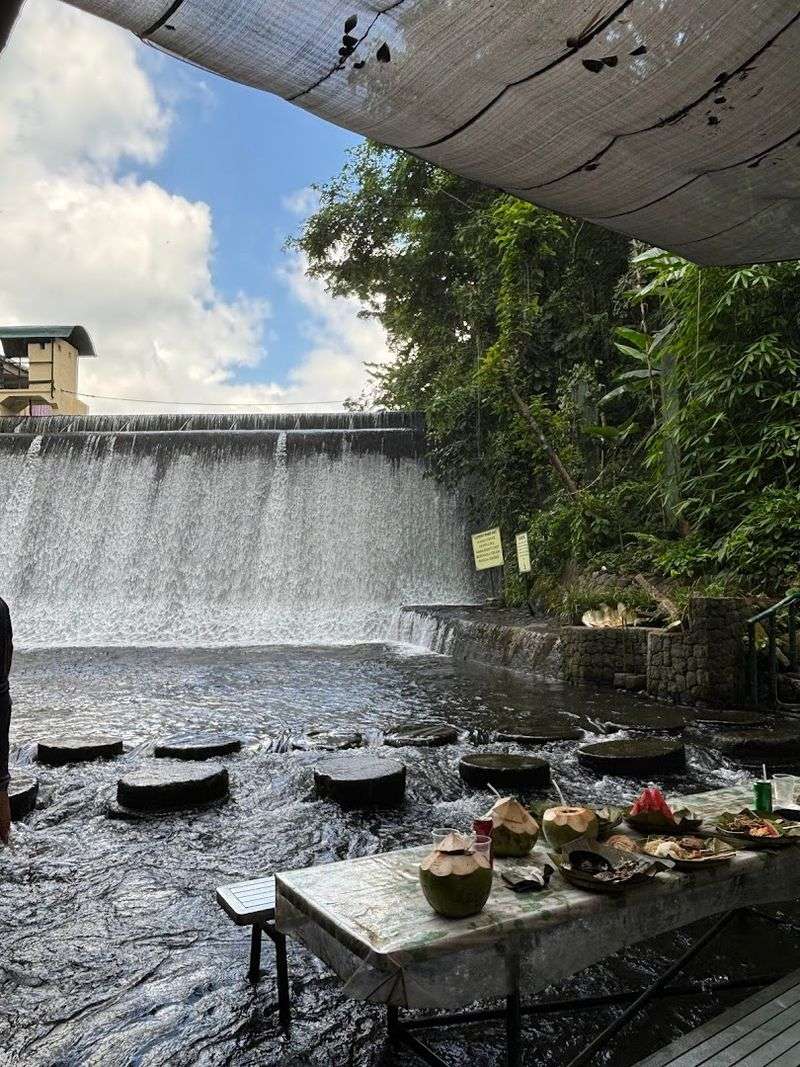
Picture yourself eating lunch while cool water rushes over your bare feet and a real waterfall roars just a few meters away. That’s exactly what happens at Villa Escudero, a coconut plantation resort in San Pablo, Laguna.
The dining setup is unlike anything you’d find at an ordinary restaurant.
Tables and chairs are placed directly in a shallow stream fed by the Labasin Waterfall. Guests wade through ankle-deep water to reach their seats and enjoy a traditional Filipino buffet while the waterfall creates a natural soundtrack.
The mist from the falls keeps everything cool, which is a welcome relief in the tropical heat.
The resort itself is a historical gem, offering bamboo raft rides and a museum showcasing Filipino folk art. It’s been drawing visitors since the 1980s and remains one of the most photographed dining spots in the country.
Families, couples, and solo travelers all leave with wide smiles and soaked feet. Reservations are recommended, especially on weekends, as this place fills up fast.
Wear water-friendly sandals—you’ll thank yourself later. It’s the kind of meal you’ll be telling stories about for years.
Island-Hop Through Hidden Lagoons in El Nido
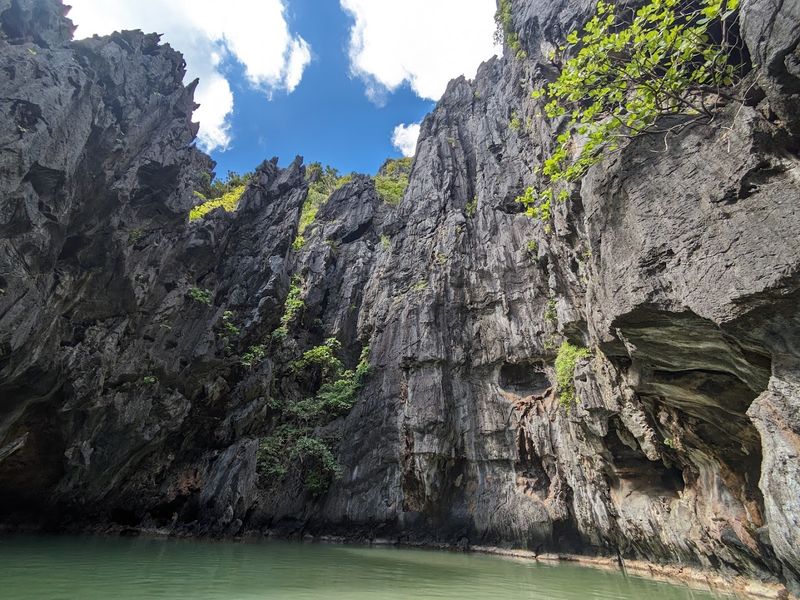
Somewhere between two towering limestone cliffs in El Nido, there’s a crack in the rock just wide enough for a kayak—and on the other side is a world most people never see. These hidden lagoons are among the most breathtaking natural features in all of Southeast Asia.
The water is so clear it looks like liquid glass.
El Nido sits in Palawan, often ranked as one of the world’s best islands. Tour packages labeled A, B, C, and D cover different lagoons, beaches, and snorkeling spots.
The Big Lagoon and Small Lagoon are fan favorites, both enclosed by dramatic karst cliffs that seem to grow straight out of the sea.
Kayaking is the only way to enter some lagoons, which makes the experience feel genuinely adventurous. You paddle quietly through the opening, and suddenly you’re inside a calm, sheltered cove with no crowds and no noise—just nature.
Mornings are the best time to visit before the tour boats arrive. Bring waterproof sunscreen, a dry bag for your phone, and plenty of water.
The beauty here isn’t exaggerated—it really does look like a screensaver come to life.
Walk the Banaue Rice Terraces
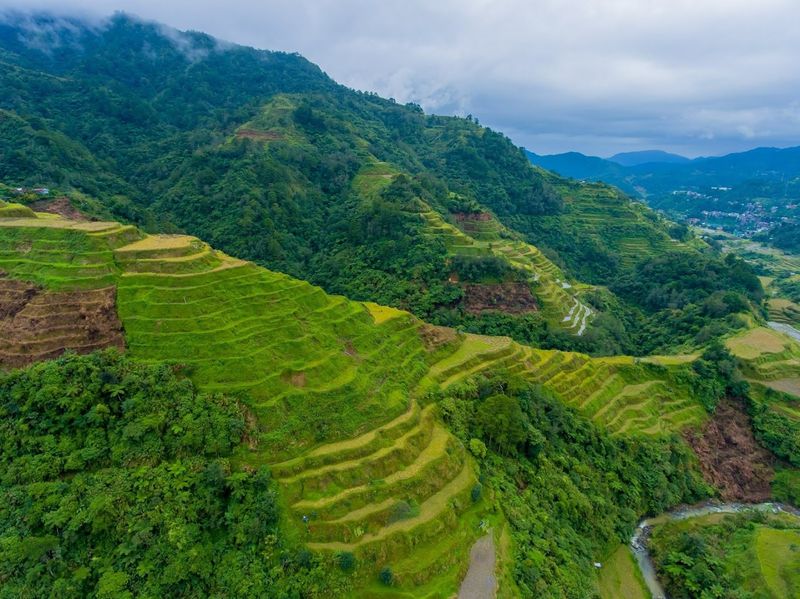
Carved by hand over 2,000 years ago using nothing but wooden tools and sheer determination, the Banaue Rice Terraces are one of humanity’s most jaw-dropping achievements. The Ifugao people shaped entire mountain ranges into cascading steps of green, creating an irrigation system that still works today.
No heavy machinery. No modern engineering.
Just generations of skill passed down through the centuries.
Located in the Cordillera region of northern Luzon, these terraces stretch across roughly 10,360 square kilometers. UNESCO recognized the Ifugao Rice Terraces as a World Heritage Site in 1995.
Walking along the narrow paths between paddies gives you a real sense of the scale and effort involved in maintaining them.
Local guides from the Ifugao community lead treks through the terraces, sharing stories about their ancestors and the rituals connected to planting and harvest seasons. The best views are from the Banaue viewpoint, especially in the early morning when mist settles over the valleys.
Visiting during the planting season (June) or harvest season (October) makes the experience even more vivid. Wear sturdy shoes—the paths can be muddy and steep.
This is history you can actually walk through.
Eat Balut (The Ultimate Street Food Challenge)
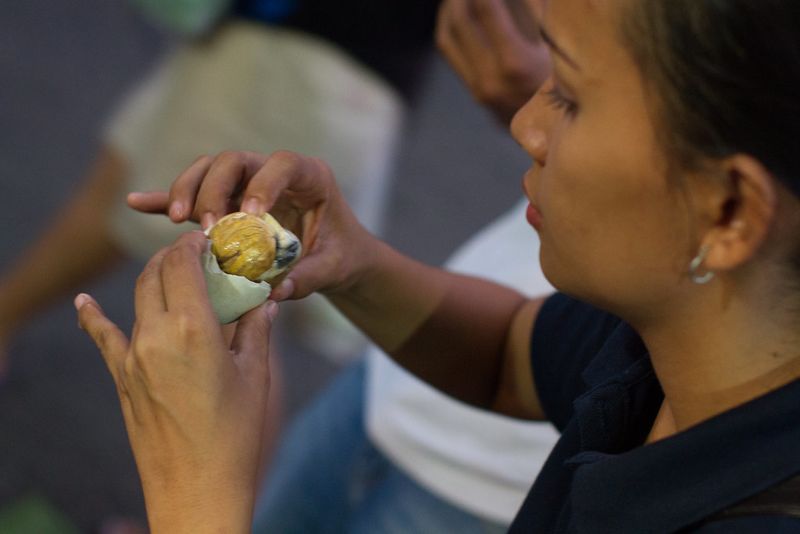
Few foods in the world spark as much curiosity—and nervous laughter—as balut. It’s a fertilized duck egg with a partially developed embryo inside, boiled and eaten straight from the shell.
Street vendors sell it warm, often at night, calling out “balut” in a low, singsong voice that echoes through Filipino neighborhoods.
To eat it properly, you crack a small hole at the top, sip the warm broth first, then season the inside with salt, vinegar, or chili before eating the rest. The texture is a mix of soft egg white, rich yolk, and something a little more… chewy.
First-timers often hesitate, but many are surprised by how good it actually tastes.
Balut has been a Filipino street food staple for centuries, believed by many locals to boost energy and stamina. It’s rich in protein and commonly eaten as a late-night snack.
Travelers who try it often describe it as one of the most memorable food moments of their trip—whether they loved it or not. You’ll find it sold near parks, bus terminals, and night markets.
Trying balut is basically an unofficial initiation into Filipino food culture. Be brave.
Sip first.
Ride a Colorful Jeepney
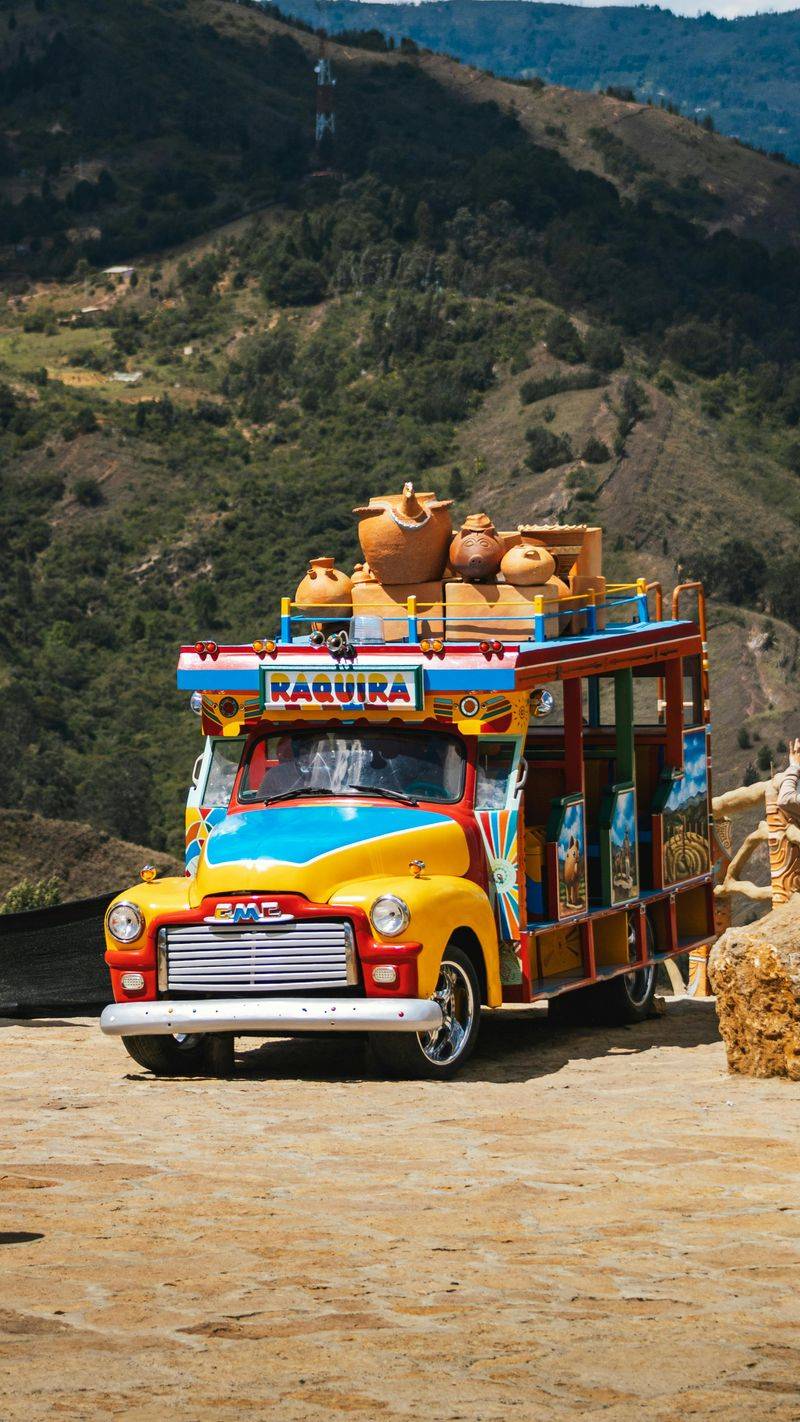
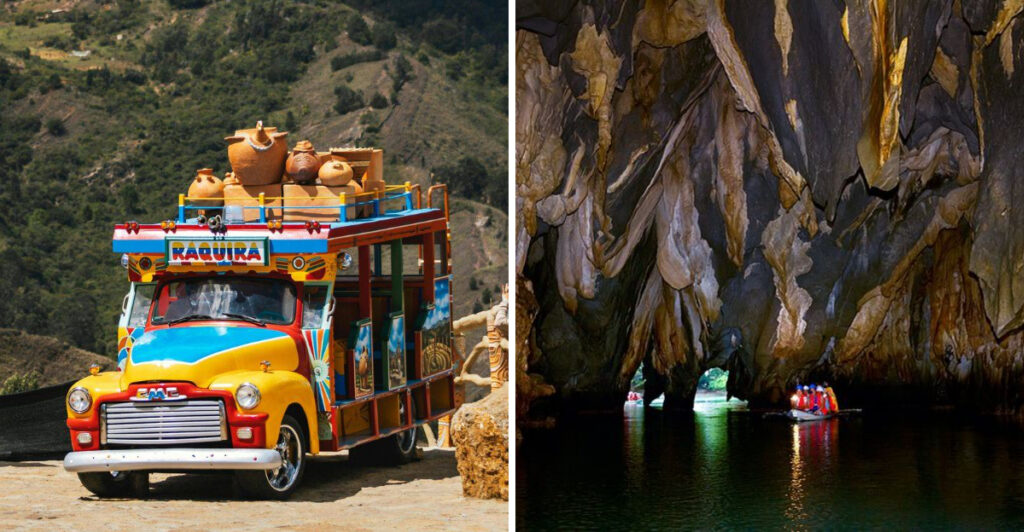
No vehicle on Earth looks quite like a Filipino jeepney. Originally built from U.S. military jeeps left behind after World War II, Filipinos transformed them into rolling works of art—painted in wild colors, covered in chrome horses, religious icons, neon lights, and hand-painted slogans.
Riding one is less like taking the bus and more like hopping into a moving mural.
Jeepneys are the most common form of public transportation in the Philippines, ferrying millions of commuters across cities and provinces every single day. Passengers sit facing each other on long benches inside, passing their fare forward to the driver through a chain of strangers—a small ritual of everyday trust that says a lot about Filipino community culture.
Each jeepney is unique. Drivers personalize their vehicles as a form of self-expression, displaying everything from their hometown names to their favorite basketball teams.
Newer electric jeepneys are now being introduced to reduce pollution, but classic models still dominate the roads. The fare is affordable—usually just a few pesos for a short ride.
Hailing one is easy: just wave at the roadside. It’s loud, colorful, occasionally cramped, and absolutely unforgettable.
No trip to the Philippines is complete without at least one jeepney ride.
Swim with Whale Sharks in Sorsogon or Cebu
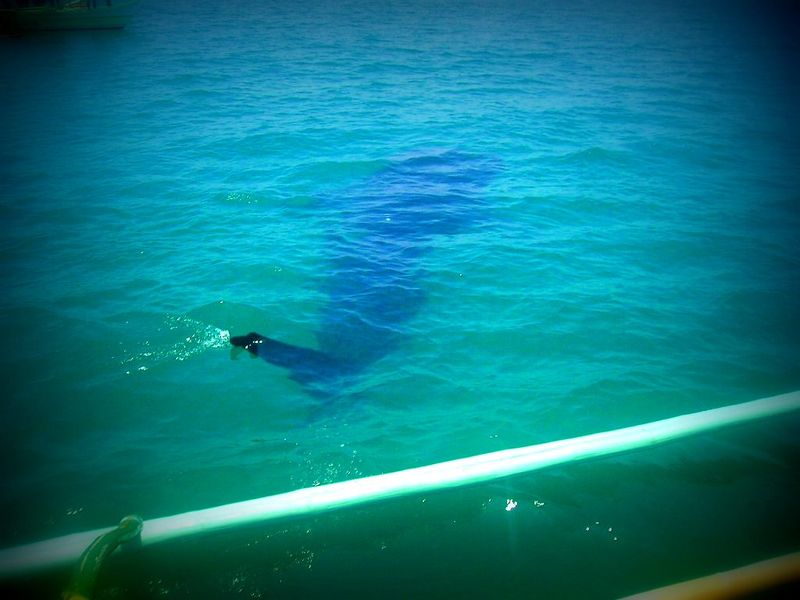
The ocean floor disappears beneath you, and then—out of nowhere—a shadow the size of a school bus glides past. Whale sharks, the largest fish in the world, can reach up to 12 meters long, yet they are completely harmless to humans.
Swimming next to one is the kind of moment that rewires your brain a little.
Two main spots in the Philippines offer this encounter: Donsol in Sorsogon and Oslob in Cebu. Donsol is considered the more ethical option, where whale sharks arrive naturally during feeding season from November to June.
Oslob offers year-round sightings but involves feeding the animals, which has sparked debate among conservationists.
Both locations require participants to follow strict rules—no touching, no flash photography, and maintaining a safe distance. These guidelines exist to protect the animals and ensure the experience remains sustainable for future visitors.
A registered spotter and guide accompany each group into the water. The interaction typically lasts about 30 minutes, but it feels both too short and completely overwhelming at the same time.
No diving certification is needed—just basic swimming ability. Watching a whale shark pass just a few feet away, completely unbothered by your presence, is humbling in the best possible way.
Explore the Underground River in Palawan
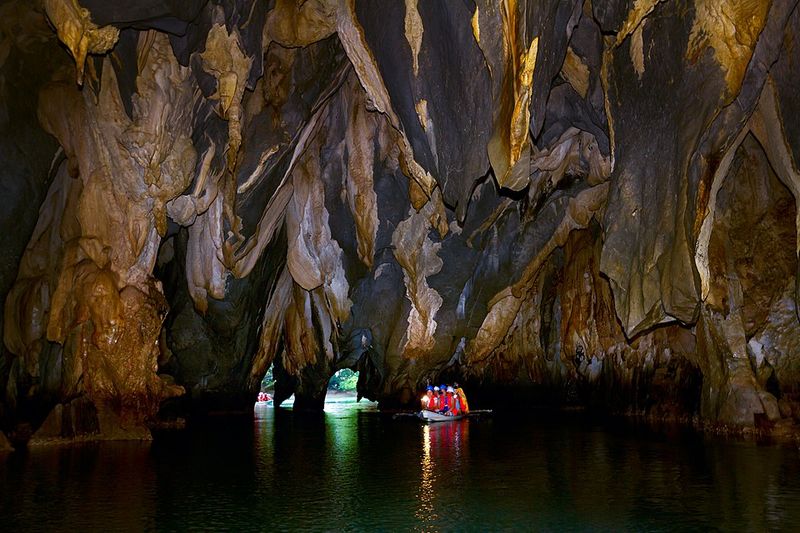
Somewhere beneath the mountains of Palawan, a river flows through a cave so massive it contains its own ecosystem. The Puerto Princesa Subterranean River, a UNESCO World Heritage Site and one of the New Seven Wonders of Nature, stretches over 24 kilometers underground—making it one of the longest navigable underground rivers in the world.
Visitors board small paddle boats and are guided through the cave’s entrance, which opens directly from the sea. Inside, the cave opens into enormous chambers with ceilings soaring up to 60 meters high.
Stalactites and stalagmites form wild shapes that guides have named after animals, religious figures, and famous landmarks. The acoustics inside are extraordinary—every sound echoes like a natural cathedral.
Wildlife inside the cave includes millions of bats and swiftlets that nest in the rocky ceiling. Monkeys and monitor lizards are often spotted near the cave entrance.
Permits are required and visitor numbers are limited each day to protect the environment, so booking in advance is essential. The boat tour covers about 4.3 kilometers of the navigable section.
Bring a light jacket—the cave stays surprisingly cool. Headlamps are provided.
The whole experience feels like something out of a fantasy novel, except it’s completely real.
Watch the Sardine Run in Moalboal
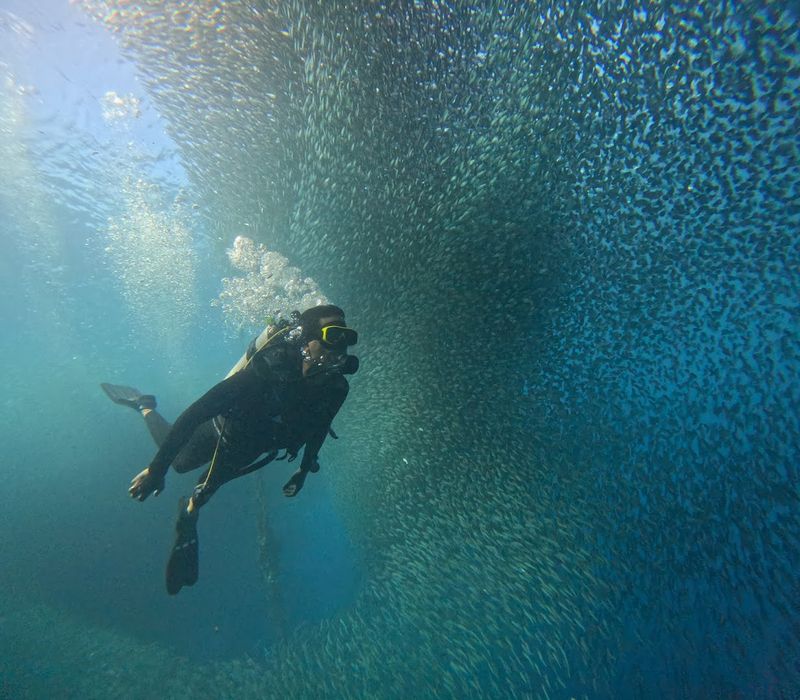
Just a few meters from Moalboal’s shoreline, millions of sardines swirl together in formations so dense they block out the sunlight. This isn’t a seasonal event you have to time perfectly—the sardine school in Moalboal is a permanent resident, hanging around the reef wall year-round.
That makes it one of the most accessible underwater spectacles on the planet.
The sardines move in synchronized waves, forming twisting columns and expanding clouds that shift and shimmer as they react to nearby predators. Watching them from above while snorkeling feels almost hypnotic.
Scuba divers get an even more immersive view, surrounded on all sides by a living, breathing wall of silver fish.
What makes Moalboal extra special is that you don’t need a boat to reach the sardines—they’re literally a shore dive, accessible from the beach in just minutes. Turtles, jacks, and thresher sharks are also regularly spotted in the same area.
Moalboal itself is a laid-back coastal town with affordable guesthouses and great local restaurants. It’s about two hours from Cebu City by bus.
Renting snorkel gear costs just a few dollars. Few places in the world let you witness something this spectacular without even getting on a boat.
Visit the Chocolate Hills of Bohol
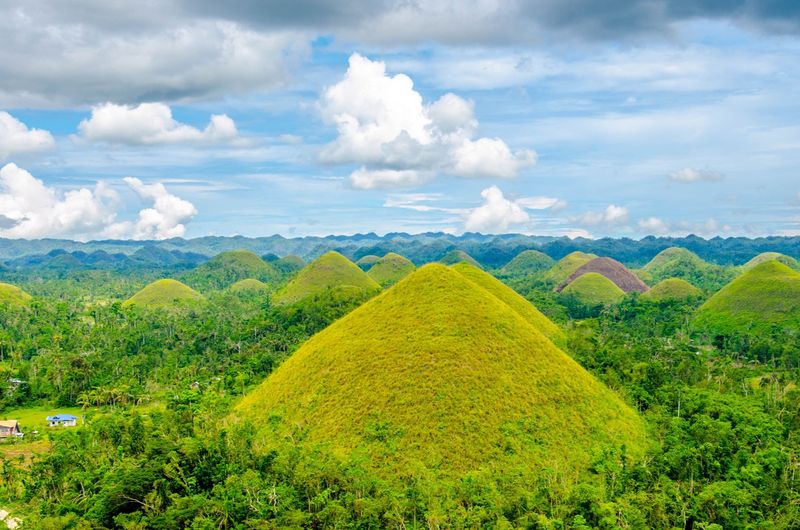
At first glance, they look like someone pressed a giant cookie cutter into the earth and walked away. The Chocolate Hills of Bohol are more than 1,200 nearly identical dome-shaped mounds spread across 50 square kilometers of central Bohol.
During the dry season, the grass covering them turns brown, giving them the appearance of giant chocolate drops—and the name that stuck forever.
Geologists believe the hills were formed through the uplift of coral deposits and erosion over millions of years, though local legend has a more romantic explanation involving two feuding giants throwing boulders at each other. The scientific story is impressive enough on its own, but the legend is definitely more fun to tell.
The main viewing area is in Carmen, where a hilltop observation deck gives you a sweeping 360-degree view of the formation. Sunrise and sunset are the best times to visit—the golden light makes the hills look almost surreal.
Bohol itself offers plenty of other attractions, including the tiny Philippine tarsier, one of the world’s smallest primates, and the Loboc River cruise. Getting to Bohol requires a ferry from Cebu or a short domestic flight.
The hills are a national geological monument, so climbing or digging into them is strictly prohibited.
Try Pottery in a Traditional Village (Antique)
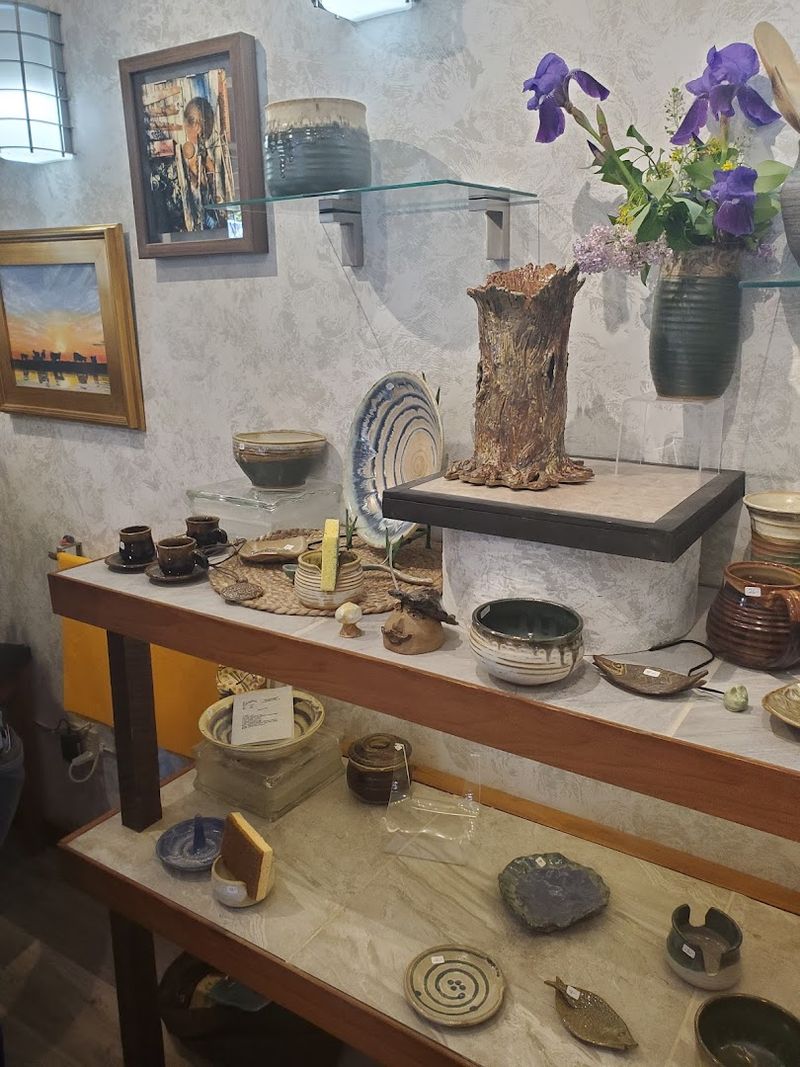
There’s something grounding about pressing your hands into wet clay and feeling a shape slowly emerge from nothing. In Tibiao, Antique, traditional pottery workshops offer visitors a chance to learn the craft the old-fashioned way—no fancy equipment, just technique, patience, and clay.
The methods used here have been passed down through families for generations.
Antique province on the island of Panay is known for preserving indigenous crafts that have largely disappeared in more commercialized parts of the Philippines. The pottery tradition here uses locally sourced clay and wood-fired kilns, producing pieces with a distinctly earthy, handmade quality that machine-made ceramics can’t replicate.
Workshops are typically led by community artisans who speak warmly about the history behind the craft.
Visitors don’t just watch—they get hands-on time at the wheel or hand-building station. Finished pieces can sometimes be fired and taken home as souvenirs, though drying and firing takes time.
The surrounding area of Tibiao also offers bamboo rafting on the Tibiao River and visits to the Tibiao Fish Spa. It’s a full cultural immersion in one of the Philippines’ lesser-visited provinces.
If you enjoy making things with your hands, this experience will stay with you long after the clay has dried. Antique is genuinely worth the detour.
See Hanging Coffins in Sagada
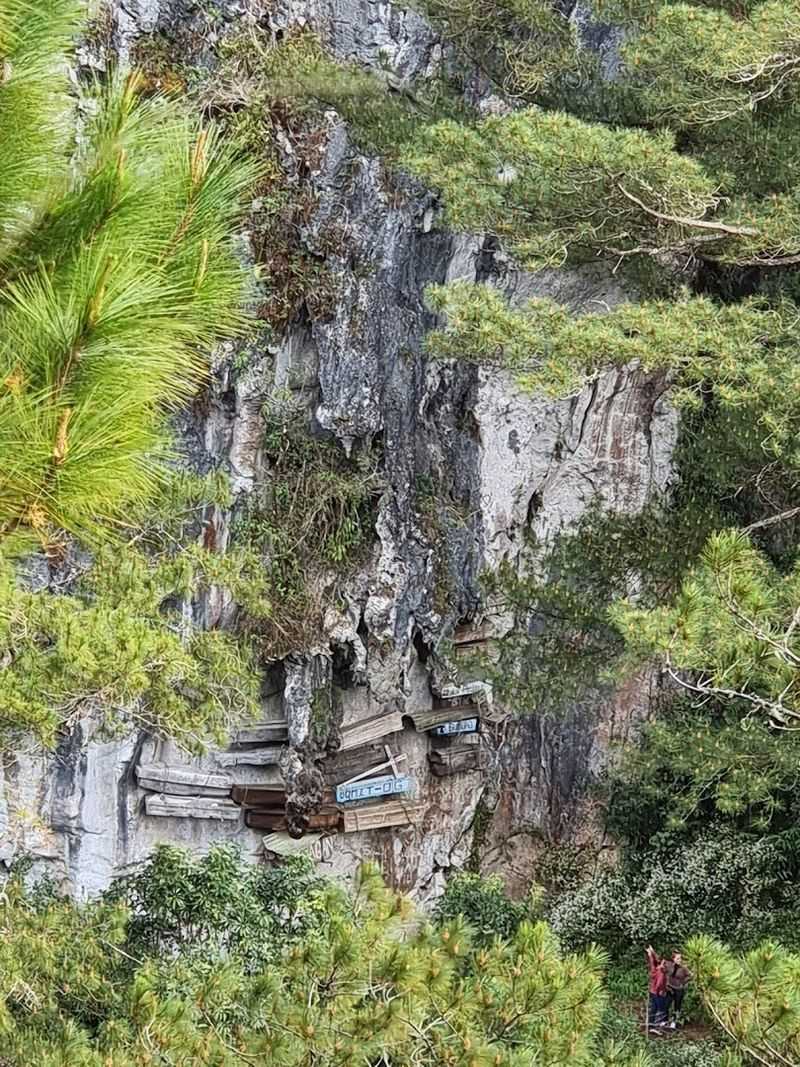
Clinging to sheer limestone cliffs in the misty mountains of Sagada are wooden coffins—some centuries old—placed there by the Kankanaey people as a final gift to their dead. The belief is that hanging the coffins high on the cliffs brings the deceased closer to their ancestors and to the heavens.
It’s one of the most visually striking burial traditions anywhere in the world.
The practice dates back at least 2,000 years, and some of the coffins currently on the cliffs are believed to be over 500 years old. Elders in the community still practice this tradition today, with some even carving their own coffins before they pass away.
The coffins are typically made from hollowed logs and are small—bodies were placed inside in a fetal position, symbolizing a return to the womb.
Sagada itself is a cool, quiet mountain town in the Cordillera region, sitting at roughly 1,500 meters above sea level. Besides the hanging coffins, visitors can explore the Sumaguing Cave, hike to scenic waterfalls, and enjoy some of the freshest mountain air in the country.
A registered local guide is required to visit the hanging coffin sites. The atmosphere in Sagada is peaceful, almost meditative—a sharp contrast to the busy cities below.
Walk on the Ocean Floor at Low Tide (Wadden-like flats in Palawan areas)
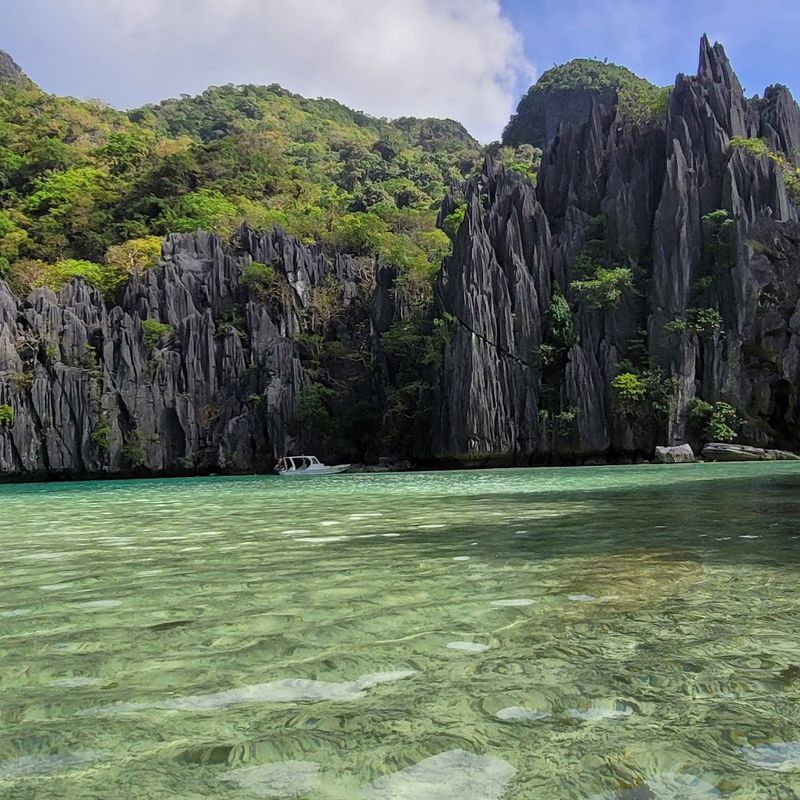
When the tide pulls back far enough along certain coastlines in Palawan, the ocean floor simply appears—stretching out like a wet, glittering plain dotted with sea stars, shells, and tiny tide pools. Walking across it feels like the sea has temporarily handed you its living room floor and said, go ahead, have a look around.
These tidal flats occur in several shallow coastal areas around Palawan and other parts of the Visayas. The phenomenon is most dramatic during extreme low tides, which can expose hundreds of meters of seabed.
The ground beneath your feet is soft and sandy, occasionally crunchy with broken coral, and teeming with marine life that stays behind when the water recedes.
Sea cucumbers, hermit crabs, brittle stars, and small reef fish trapped in tide pools make the walk feel like a free aquarium tour. The landscape blurs the boundary between land and sea in a way that’s genuinely disorienting—in the best possible way.
Locals know exactly when and where to go, so hiring a guide or asking at your guesthouse is a smart move. Wear reef-safe sandals to protect both your feet and the ecosystem.
Sunrise low tides are particularly magical, with pink light reflecting off the wet sand as far as the eye can see.
Explore a Jellyfish Sanctuary (Sohoton Cove)
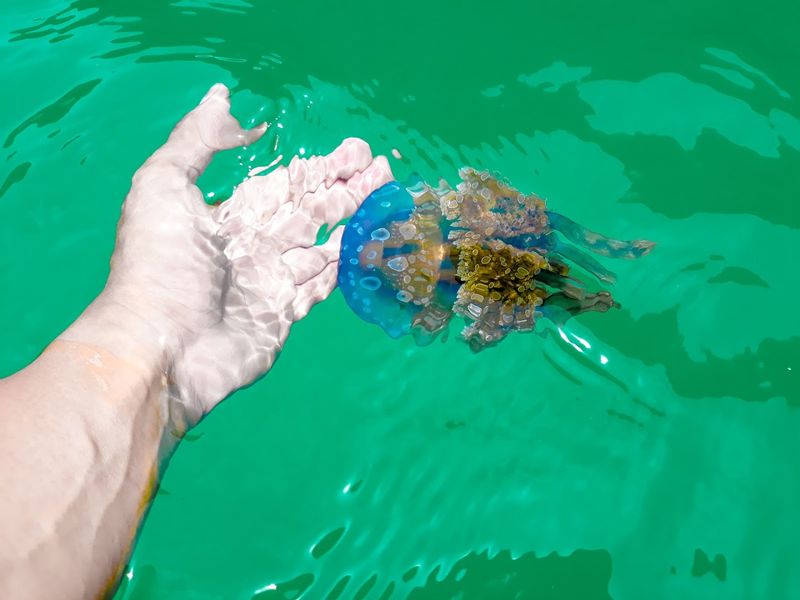
Imagine floating in warm, clear water while hundreds of jellyfish drift around you—and none of them can sting. Sohoton Cove in Bucas Grande, Surigao del Norte, is home to a population of stingless jellyfish that have evolved in the isolated lagoon over thousands of years.
Their stinging cells have become so weak through evolution that contact with human skin causes no pain at all.
The lagoon is only accessible during certain tide conditions, which adds to its mystical quality. Boats navigate through narrow cave passages and low-hanging rock formations to reach the cove.
Once inside, the water glows with the movement of thousands of golden jellyfish pulsing gently around swimmers. It’s one of only a handful of places in the world where this kind of interaction is possible.
The surrounding area of Sohoton also features dramatic rock formations, cathedral-like sea caves, and a freshwater cave pool called the Pangalo Cave. The entire journey to get there—from Surigao City by boat—takes a couple of hours but is absolutely worth it.
Visitor numbers are limited to protect the jellyfish population, so booking a tour in advance is necessary. No sunscreen is allowed in the water, as chemicals harm the jellyfish.
Biodegradable alternatives are sometimes available from local tour operators. This is one of those rare places that feels genuinely magical.
Join a Traditional Filipino Fiesta

Every town in the Philippines has a patron saint, and every patron saint has a fiesta—a full-blown, no-holds-barred celebration that takes over the streets with food, music, dancing, and more food. Fiestas are the heartbeat of Filipino community life, and showing up as a visitor almost guarantees you’ll be invited inside someone’s home for a plate of lechon before the afternoon is over.
The scale and style of each fiesta varies by location. The Sinulog Festival in Cebu draws millions of people with elaborate street dancing and religious processions.
The Pahiyas Festival in Quezon decorates entire houses with colorful rice wafers and vegetables. The Ati-Atihan in Aklan is often called the Philippines’ version of Mardi Gras.
Each one reflects the unique identity of its region.
What makes fiestas truly special isn’t just the spectacle—it’s the openness of the people. Strangers become guests, guests become friends, and somehow everyone ends up dancing by the end of the night.
No formal invitation is needed. Fiestas are public celebrations meant to be shared with anyone who shows up.
Bring an appetite, wear comfortable shoes, and don’t be shy about joining the dancing. The Philippines celebrates hard, and being part of a fiesta even once will completely change how you think about community and joy.
Share this story