 Unearth The Voyage
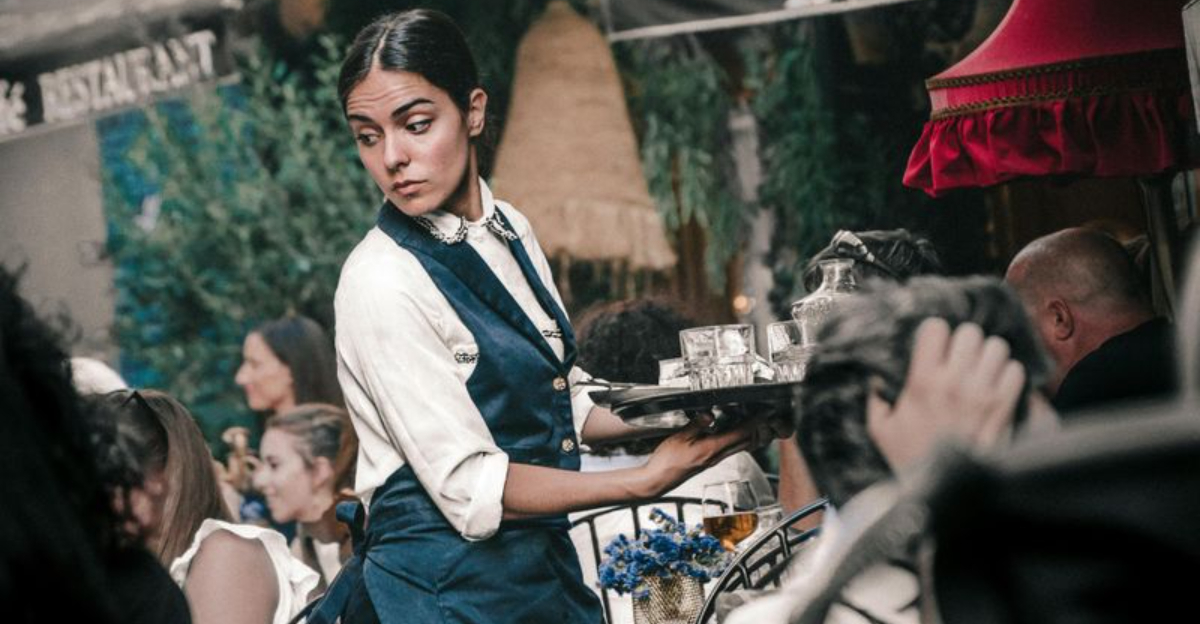
Working in a restaurant is no easy task. Servers juggle multiple tables, memorize orders, handle complaints, and keep smiles on their faces through long, exhausting shifts.
Yet some customers still say things that are outdated, disrespectful, or just plain awkward. Here are 15 comments that make servers everywhere quietly cringe.
1. Telling a Server to Smile More
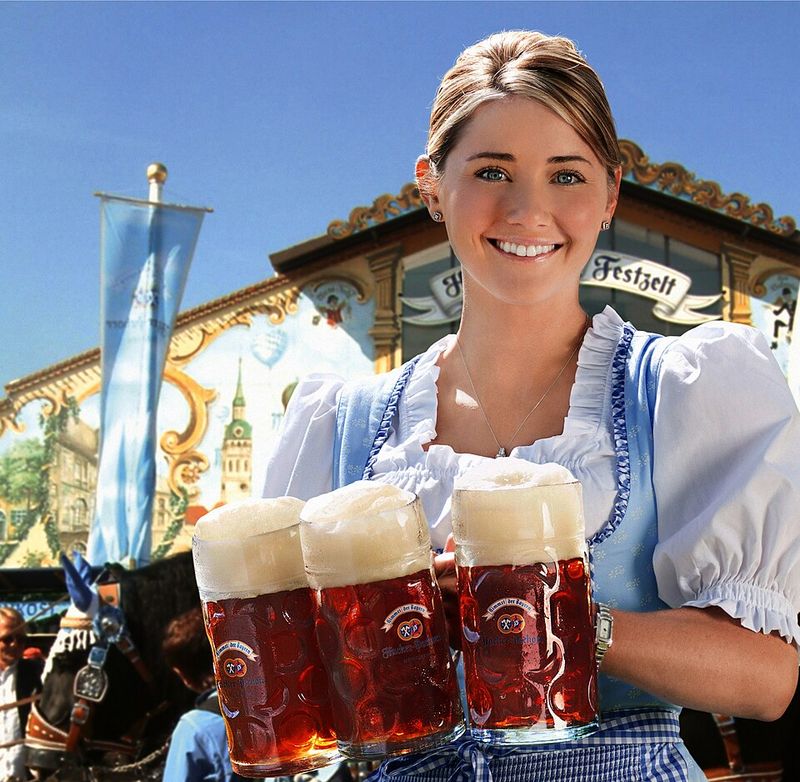
Nobody wants to be told how to arrange their face while carrying four plates and mentally calculating a six-table rotation. “Smile more” is one of those phrases that sounds harmless on the surface but lands like a small insult. It implies the server exists purely for the customer’s visual comfort, not as a working professional doing a demanding job.
Servers deal with spilled drinks, wrong orders, and demanding guests all in a single shift. Expecting a constant grin on top of all that is unrealistic.
Many servers are smiling plenty, just not performing joy on command.
A simple, genuine exchange goes much further than policing someone’s expression. Treat your server like a capable adult, and you will likely get warm, attentive service in return.
Respect works both ways at the table.
2. Calling a Server Sweetheart, Honey, or Darling Instead of Their Name
Most servers are wearing a name tag for a reason. Using pet names like “honey,” “sweetheart,” or “darling” instead of a person’s actual name can feel patronizing, especially when it comes from a stranger.
It creates an uneven power dynamic that many servers find uncomfortable but feel unable to address directly.
This habit is often generational, something passed down from an era when such terms felt casual and friendly. Today, most people prefer to be addressed by their name or simply with a polite “excuse me.”
A quick glance at a name tag takes less than a second. Using it shows basic respect and acknowledges the server as an individual rather than a role.
Small gestures like this make a real difference in how a shift feels for the person serving your meal.
3. Saying This Job Must Be Easy
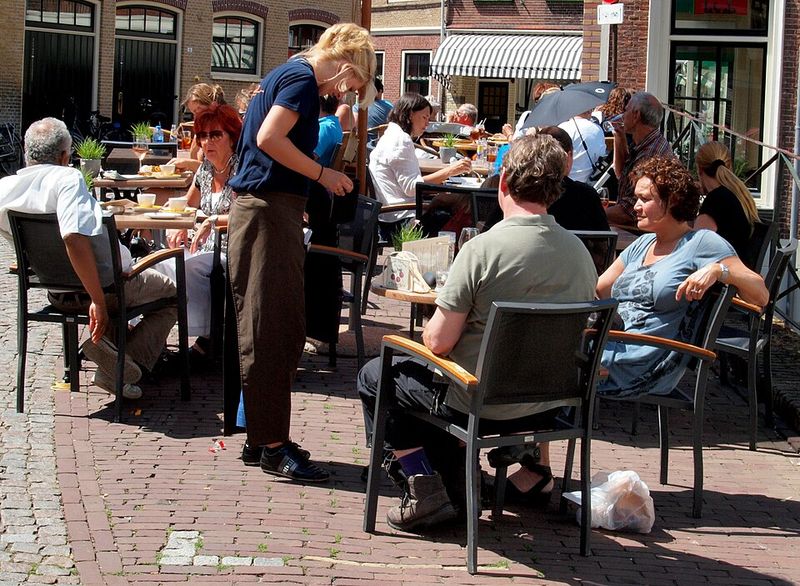
Anyone who has worked a double shift during a Saturday dinner rush knows there is nothing easy about restaurant work. Servers memorize menus, manage allergies, coordinate with kitchen staff, handle payment systems, and keep guests happy, all at the same time.
Calling it easy dismisses years of skill-building and physical endurance.
The restaurant industry has one of the highest burnout rates of any profession. Foot pain, back strain, and emotional exhaustion are common.
Many servers also deal with unpredictable income, no paid sick days, and limited benefits.
Saying the job looks easy might come from a place of casual observation, but it stings. A better approach is to express appreciation for the work being done.
Even a simple “thank you, you are doing a great job tonight” can genuinely lift someone’s spirits during a tough shift.
4. Asking When They Are Going to Get a Real Job
Restaurant work is a real job. Full stop.
Servers pay taxes, support families, build careers, and in many cases earn more than entry-level office workers. The idea that serving tables is somehow lesser than other employment is an outdated attitude that has no place in a modern dining room.
Many people choose the restaurant industry because they love hospitality, food culture, or the flexibility the schedule offers. Others are working their way through school or saving for a business.
Whatever the reason, their career path is not up for debate over an appetizer.
Asking this question, even as a joke, suggests that the person serving your food deserves pity rather than respect. Hospitality professionals keep restaurants running and contribute billions to the economy every year.
That sounds like a real job by any reasonable definition.
5. Snapping Fingers or Whistling to Get Attention
Snapping fingers or whistling at a server is the dining equivalent of treating a person like a household pet. It is rude, dehumanizing, and almost universally disliked by restaurant staff.
Servers are not on standby waiting to respond to noise cues; they are managing multiple responsibilities at once.
There is almost always a better option. Making brief eye contact, raising a hand slightly, or simply waiting a moment are all effective and respectful ways to get a server’s attention.
These approaches acknowledge that the server is a person, not a prop.
Interestingly, customers who snap or whistle often end up with slower service, not faster. Servers notice how they are treated.
Being polite and patient tends to result in more attentive, enthusiastic service throughout the meal. Courtesy is a surprisingly effective strategy.
6. Joking That You Will Skip the Tip if Something Goes Wrong

In many countries, tips make up the majority of a server’s income. Joking about withholding them is not funny to the person whose rent depends on gratuity.
Even when said with a laugh, the comment creates anxiety and signals that the customer sees tips as leverage rather than fair compensation.
Servers have almost no control over kitchen timing, ingredient availability, or pricing decisions. When something goes wrong that is outside their control, threatening the tip punishes them for problems they did not cause.
It also poisons the mood of the entire dining experience.
A better mindset is to tip based on the quality of service the server actually provided. If they were attentive, friendly, and communicative, they deserve fair compensation regardless of a slow kitchen.
Servers remember generous customers, and the goodwill tends to come back around.
7. Commenting on a Server’s Body, Hair, or Appearance
Complimenting a server’s looks might feel innocent, but in a professional setting, appearance comments can cross a line fast. Servers are at work.
They are not there to be evaluated on how they look, and unsolicited remarks about hair, weight, clothing, or physical features can feel invasive and inappropriate.
The power imbalance makes it worse. Servers cannot easily walk away or respond honestly without risking their tip or their job.
So they smile, say thank you, and feel uncomfortable for the rest of the shift. That is not a situation any worker should have to navigate.
Keeping conversation to the food, the menu, or general pleasantries keeps everyone comfortable. If you genuinely want to compliment your server, sticking to their professionalism or attentiveness is always a safe and appreciated choice.
Respect boundaries even in casual dining settings.
8. Saying the Customer Is Always Right to Shut Down a Discussion
“The customer is always right” was originally a business philosophy about stocking products customers want to buy. It was never meant to give individuals permission to be rude, demanding, or unreasonable to service workers.
Using it to win an argument with a server is a misuse of the phrase entirely.
Servers follow policies, health codes, and management guidelines. When they push back on a request, it is usually for a legitimate reason.
Invoking the customer-is-always-right rule tends to escalate situations rather than resolve them and puts the server in an impossible position.
A calm, direct conversation is almost always more effective. Explain the concern, listen to the server’s explanation, and work toward a solution together.
Most restaurant staff genuinely want guests to leave happy. Meeting them with respect instead of a tired slogan makes that outcome far more likely.
9. Asking Intrusive Personal Questions About Age, Relationship Status, or Income
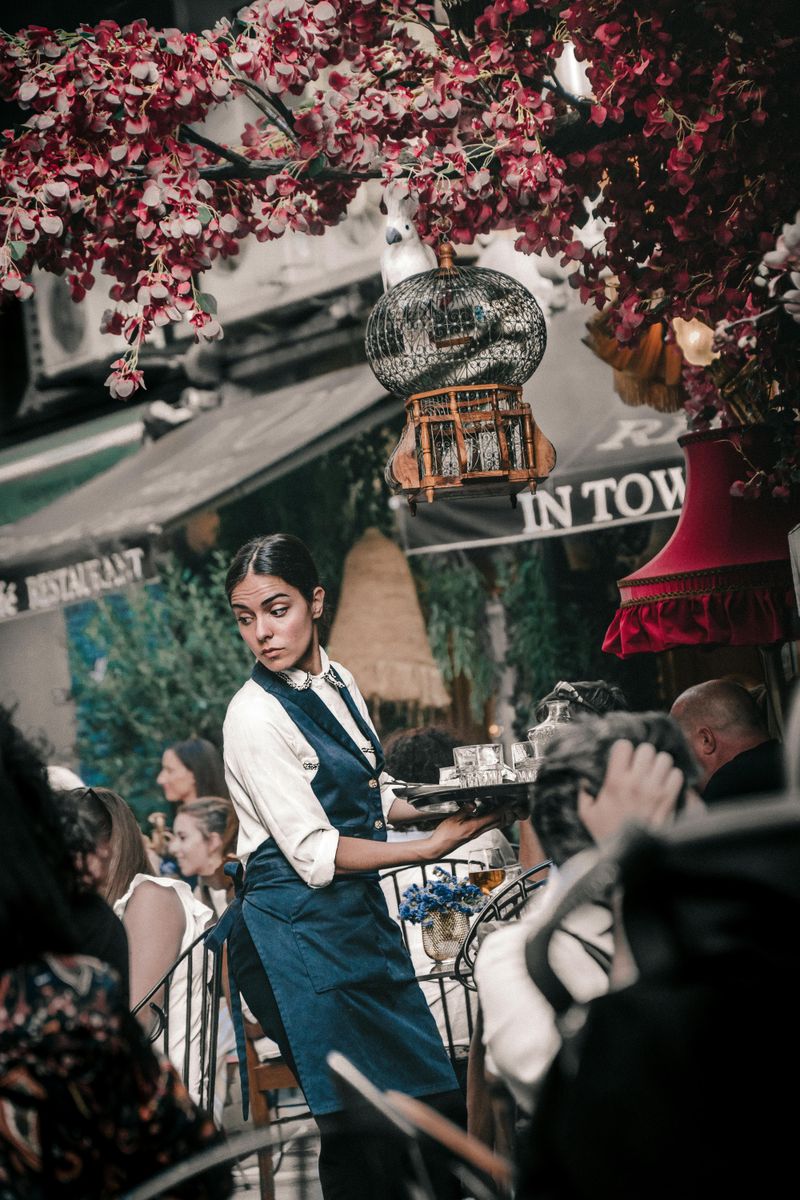
Servers are professionals doing a job, not conversation partners obligated to share their personal lives. Questions about age, whether they are dating someone, how much money they make, or where they live can feel deeply uncomfortable, especially coming from a stranger they just met two minutes ago.
The issue is context. In a social setting, personal questions can feel natural.
At a restaurant, the server has no polite escape. They are stuck at the table, expected to be friendly, and often worried about how their answer might affect their tip or the rest of the interaction.
Keeping table conversation light and food-focused is always a safe approach. If a server opens up and shares something personal, that is their choice.
But peppering them with personal questions from the moment they arrive puts them in an unfair spot. Read the room and keep it professional.
10. Comparing Them Negatively to How Restaurants Were Run Back in My Day
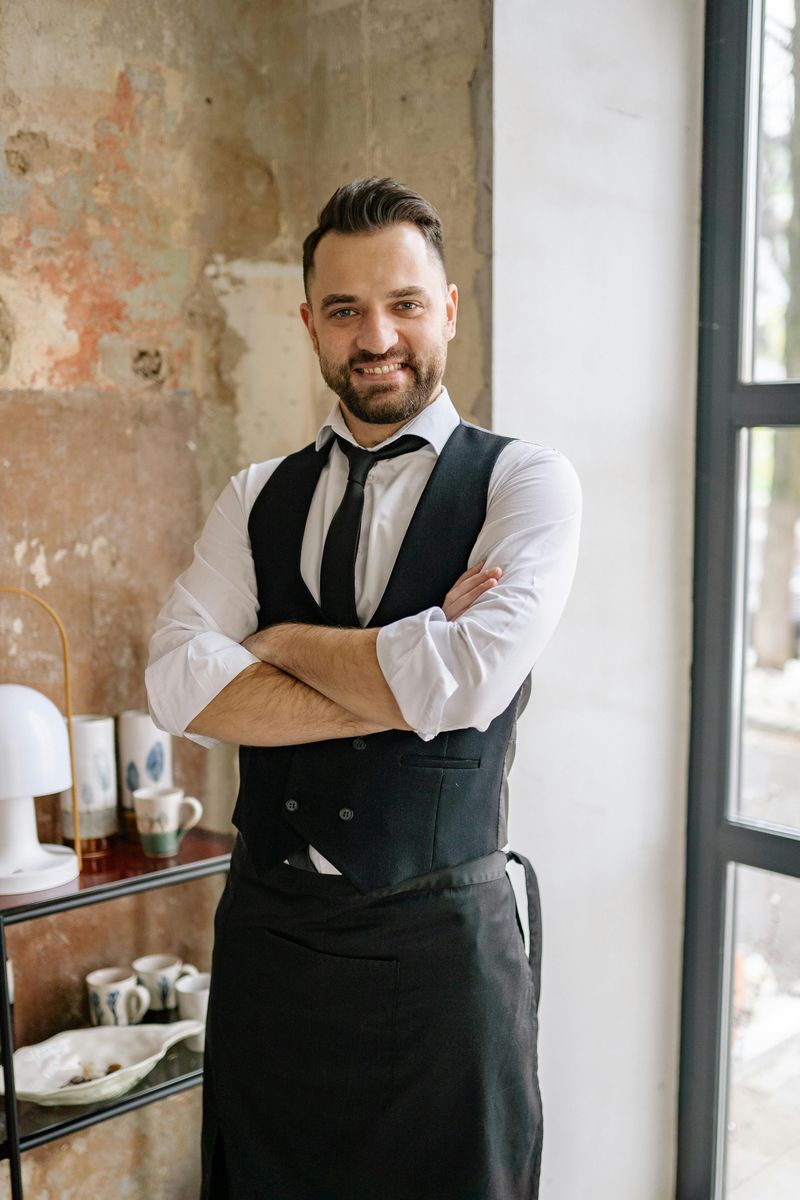
Nostalgia has a funny way of making the past seem better than it actually was. Telling a server that things were done better decades ago ignores the reality that restaurant work has always been hard, regardless of the era.
Comparing today’s staff unfavorably to a romanticized memory is not constructive feedback.
Restaurants today operate with thinner margins, more complex menus, and higher customer expectations than ever before. Staff shortages and post-pandemic challenges have added extra pressure.
Servers are doing more with less and still showing up every shift.
If there is a genuine concern about service quality, speaking with a manager in a calm, specific way is the appropriate path. Lecturing a server about how things used to be done does nothing helpful.
It just adds stress to an already demanding shift and leaves both parties feeling worse.
11. Blaming the Server for Kitchen Delays or Menu Prices
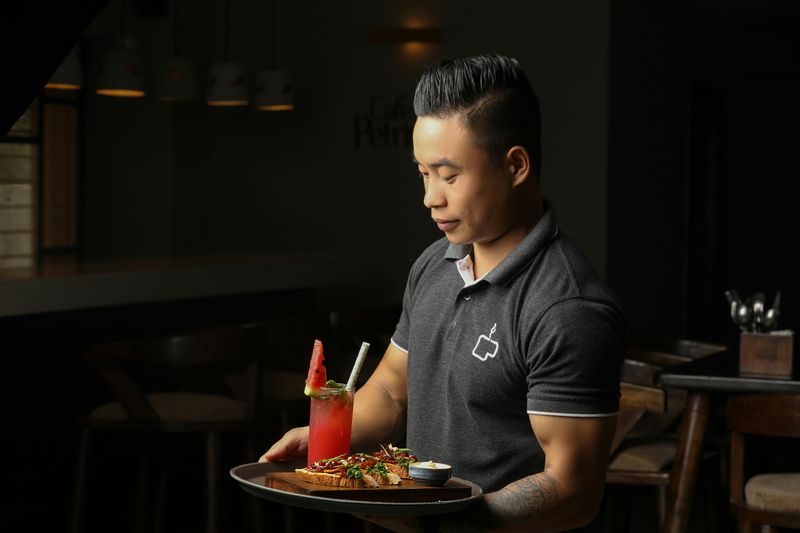
Servers do not set menu prices. They do not control how fast the kitchen works, what ingredients are available, or whether the chef is running behind on a busy Friday night.
When customers direct frustration about these things at their server, they are aiming at the wrong person entirely.
Prices are set by ownership and management. Kitchen delays are the domain of the back-of-house team.
The server is simply the messenger and the face of the experience. Shooting the messenger is never fair, and in this case, it directly affects someone’s livelihood through tip reduction.
Expressing patience and understanding when delays happen actually tends to speed things up. Servers advocate for their tables when they feel supported.
A customer who is kind during a rough service shift is far more likely to get extra attention and genuine effort from their server throughout the meal.
12. Saying You Must Make Great Money in Tips While Leaving a Poor Tip
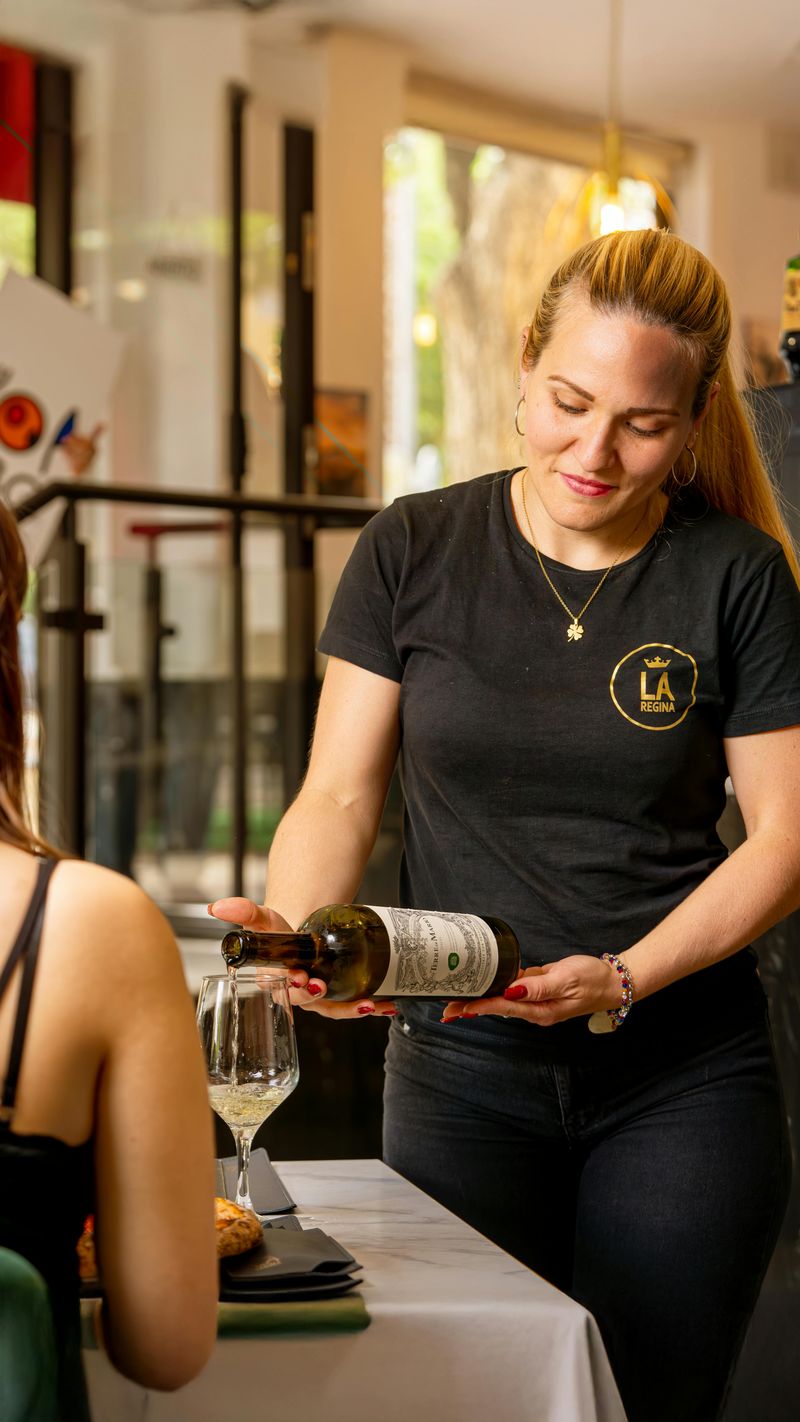
Few things sting quite like watching someone comment on how well servers must be paid right before they leave a two-dollar tip on a forty-dollar bill. It is a contradiction that servers notice immediately and remember long after the table is cleared.
Comments like this reveal a misunderstanding of how tip-based income actually works.
In the United States, many servers earn a tipped minimum wage that can be as low as two dollars and thirteen cents per hour before gratuity. Tips are not a bonus; they are the primary income.
A poor tip does not just feel bad, it directly impacts whether someone can pay their bills.
Leaving a fair tip based on the quality of service is one of the most straightforward ways to show respect. If the budget is tight, ordering less is always an option.
Tipping poorly while commenting on income is a combination that never lands well.
13. Touching a Server to Get Their Attention
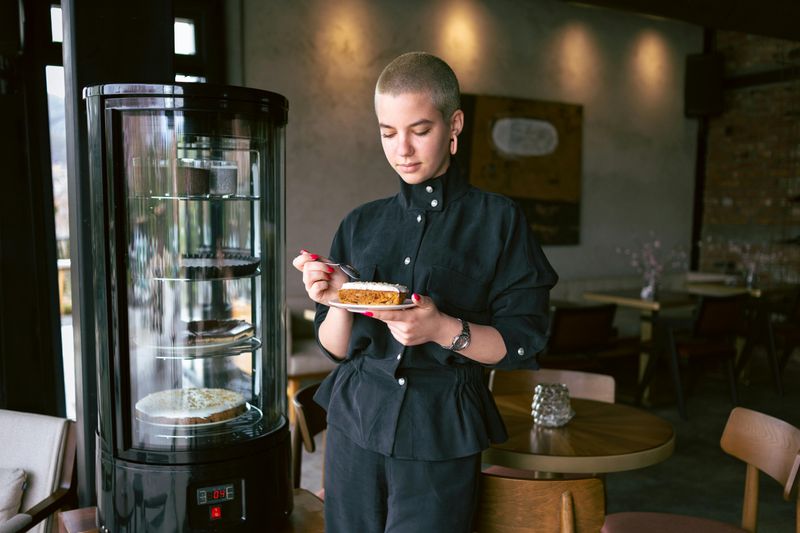
Grabbing, tapping, or touching a server to get their attention crosses a clear physical boundary. Servers are at work, and their bodies are not fair game for contact from strangers.
Even a light touch on the arm or shoulder can feel invasive, especially when it happens repeatedly throughout a shift.
Physical contact without consent is uncomfortable in any professional setting. In a restaurant, where servers are often moving quickly and juggling tasks, an unexpected touch can also be disorienting or even dangerous if they are carrying something hot or fragile.
There are so many better ways to get a server’s attention. A raised hand, a friendly wave, or simply waiting for them to pass nearby are all effective and respectful.
Servers are trained to scan their section regularly. A little patience goes a long way, and everyone stays comfortable.
14. Assuming a Server Is Uneducated or Lacks Ambition
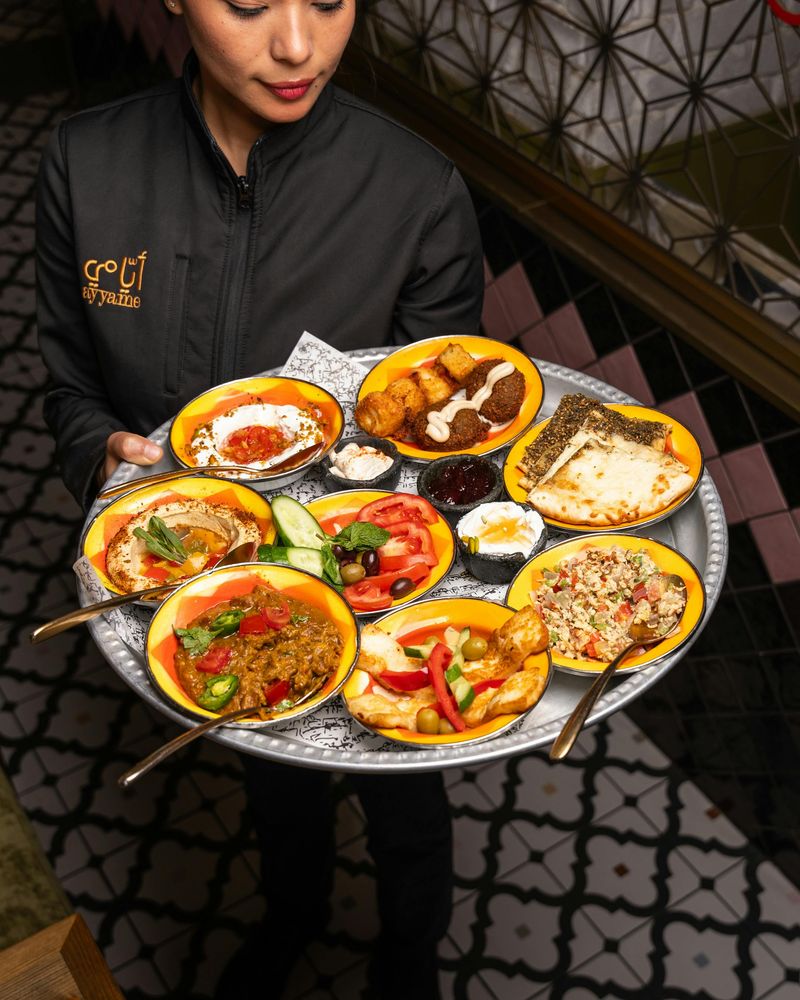
The assumption that someone serving tables must not have goals or education is both outdated and wrong. A huge percentage of restaurant workers are college students, graduate students, working artists, entrepreneurs saving startup funds, or career hospitality professionals with years of industry expertise behind them.
Hospitality management, culinary arts, and sommelier certifications are legitimate and respected fields of study. Many restaurant owners started as servers.
Some of the most successful people in the food and beverage industry spent years on the floor before rising to leadership roles.
Judging someone’s intelligence or ambition based on their current job is a lazy assumption that says more about the person making it than the server. A curious, open-minded customer who asks genuine questions about the menu or the restaurant will often discover they are talking to someone with a fascinating story and serious skills.
15. Saying We Are Friends With the Owner So We Expect Special Treatment

Name-dropping the owner to get special treatment puts the server in an awkward and unfair position. They have no way to verify the claim on the spot, and if they do not deliver extra perks, they risk being blamed for ignoring a supposed VIP.
If they do comply, they may be bending rules that could get them in trouble later.
Most restaurant owners do not leave standing instructions to give certain guests free items or priority seating simply because they know them socially. When customers make this claim, it usually creates confusion rather than results.
It also signals a sense of entitlement that tends to put staff on guard.
If there is a genuine relationship with the owner, let them handle it. A quick text or call to the owner directly is far more effective than pressuring a server mid-shift.
That approach respects everyone’s time and avoids putting staff in an impossible spot.



