 Unearth The Voyage
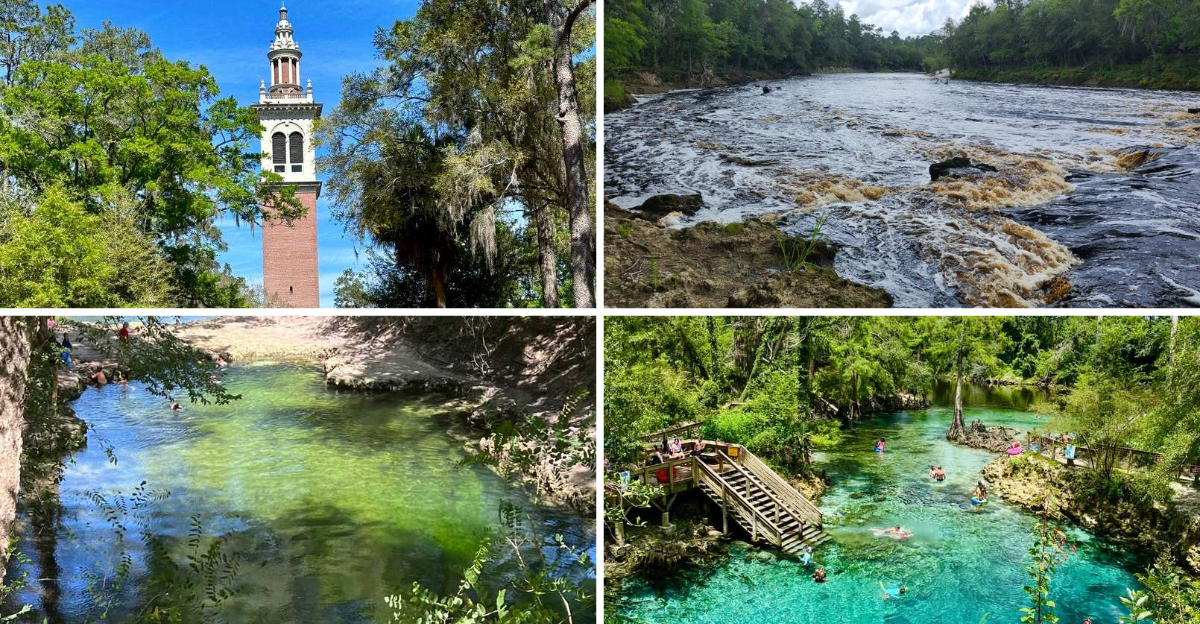
Between Jacksonville and Tallahassee, Holton Creek feels like a secret pocket of wild Florida waiting for you to step in. The Suwannee slides by in tannin stained ribbons while tall cypress and hardwoods whisper above quiet trails.
If you love springs, river views, and shady hammocks, this stretch delivers the real deal without the crowds. Lace up and let the river lead the way.
1. Holton Creek Wildlife Management Area
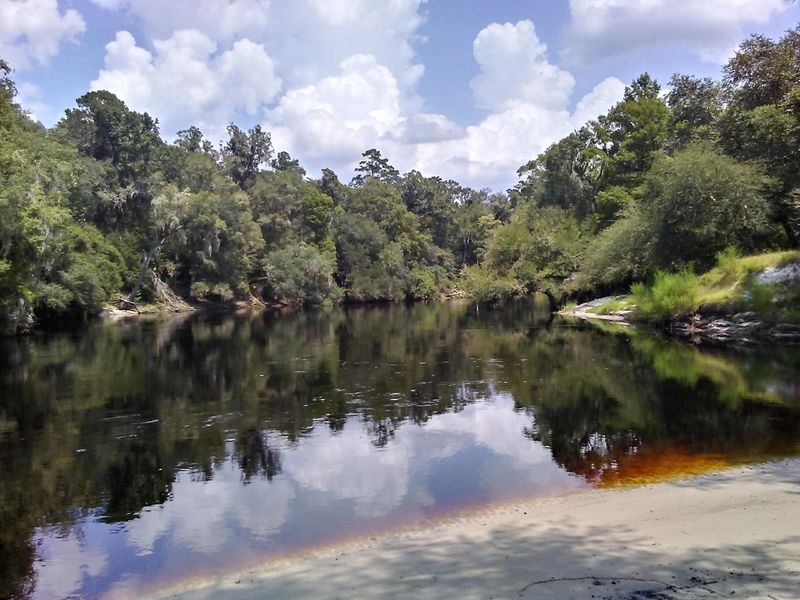
Holton Creek WMA wraps the Suwannee with quiet, shaded trails where you hear woodpeckers before you see them. The river runs tea colored, sliding along limestone nooks and sandy bends that invite you to pause.
You notice huge cypress rising like pillars, their roots gripping the floodplain while warblers flit through the canopy.
Walk the river’s edge and you will catch views of karst cuts, hidden seeps, and occasional springs when water is up. Even when a spring is low, the outflow cypress still feels ancient and cinematic.
You can drive much of the area if long hikes are tough, then hop out for short strolls to overlooks.
Bring water, bug spray, and a camera, because wildlife appears in soft bursts: deer ghosting through palmetto, turtles on logs, and hawks riding thermals. Trails stay mostly flat, which makes exploring easy but still immersive.
As dusk settles, the forest cools and the river’s hush takes over, a gentle rhythm that keeps you lingering.
2. Suwannee River Wilderness Trail (River Camps & Access Points)
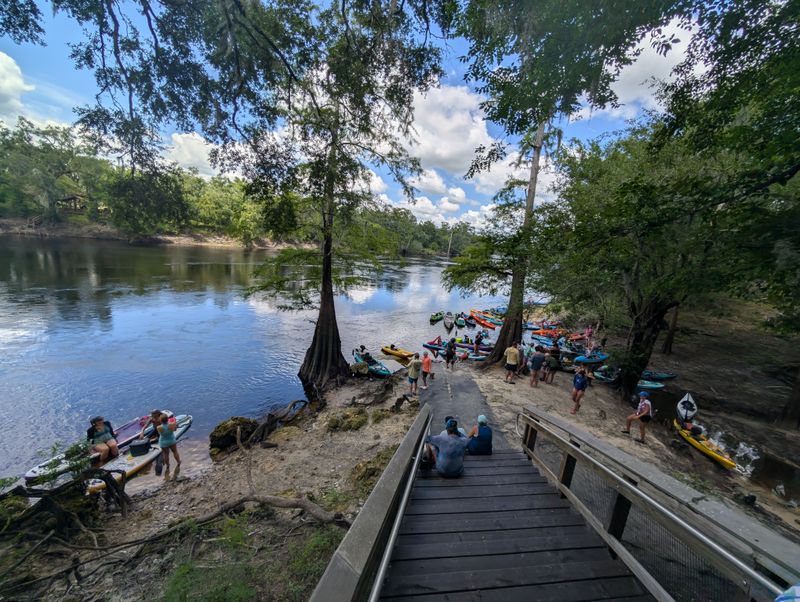
The Suwannee River Wilderness Trail threads past Holton Creek, weaving access points, sandy beaches, and cozy river camps into one continuous journey. You can walk segments along the banks or paddle between landings to link quiet forest sections.
Platforms and screened shelters at select camps make overnight trips simple and satisfying.
Even day hikers feel the thru trip energy here, passing bluffs, floodplain curves, and whispering hammocks. The river moves unhurried, carrying leaf shadows and the scent of wet limestone.
When you beach a kayak, the soft sand and gentle current make rest stops easy and safe.
Expect birdsong to follow you: barred owls, red shouldered hawks, and migratory visitors in season. In cooler months, the light is crisp and the views wide, while summer brings lush greenery and refreshing swims where allowed.
String together a custom loop, or linger at one camp to watch the stars unspool over the dark, tannin waters.
3. Big Shoals State Park
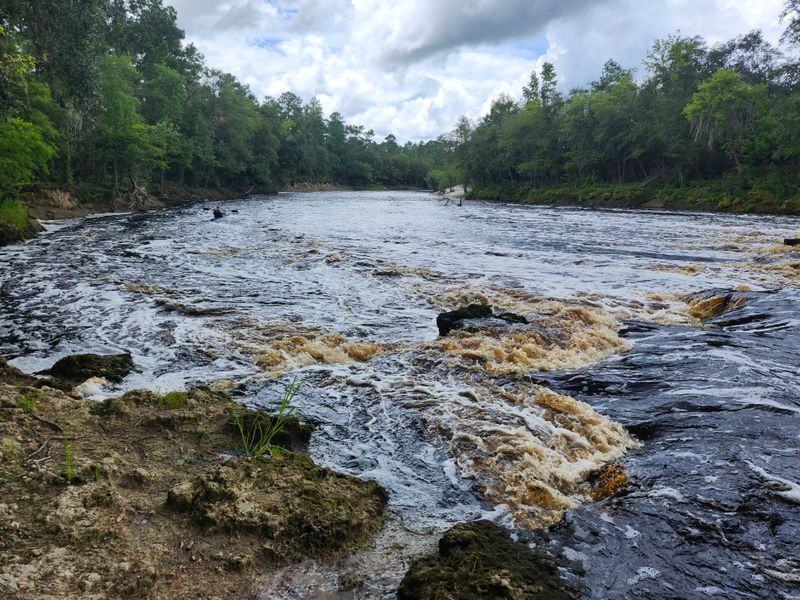
Upstream from Holton Creek, Big Shoals delivers Florida’s loudest water, a roar you feel before you see. Trails skirt limestone bluffs where the river tightens and turns muscular, showcasing froth and turbulence rare in this state.
From overlooks, you watch water hammer through shoals while swallowtail kites circle overhead.
Hike miles of sandy singletrack through pines and hardwood hammocks, catching glimpses of the river’s shifting moods. The terrain stays rolling but friendly, with roots, sand, and patches of shell adding texture underfoot.
In lower water, exposed rock gardens appear, inviting careful scouting and long gazes.
Paddlers should always check water levels and skill requirements before attempting the run. Hikers, meanwhile, can pack a lunch and settle into breezy shade above the rapids.
As you head back toward Holton Creek country, the memory of that whitewater rumble stays with you, a wild drumbeat tucked into the quieter bends downstream.
4. Lafayette Blue Springs State Park
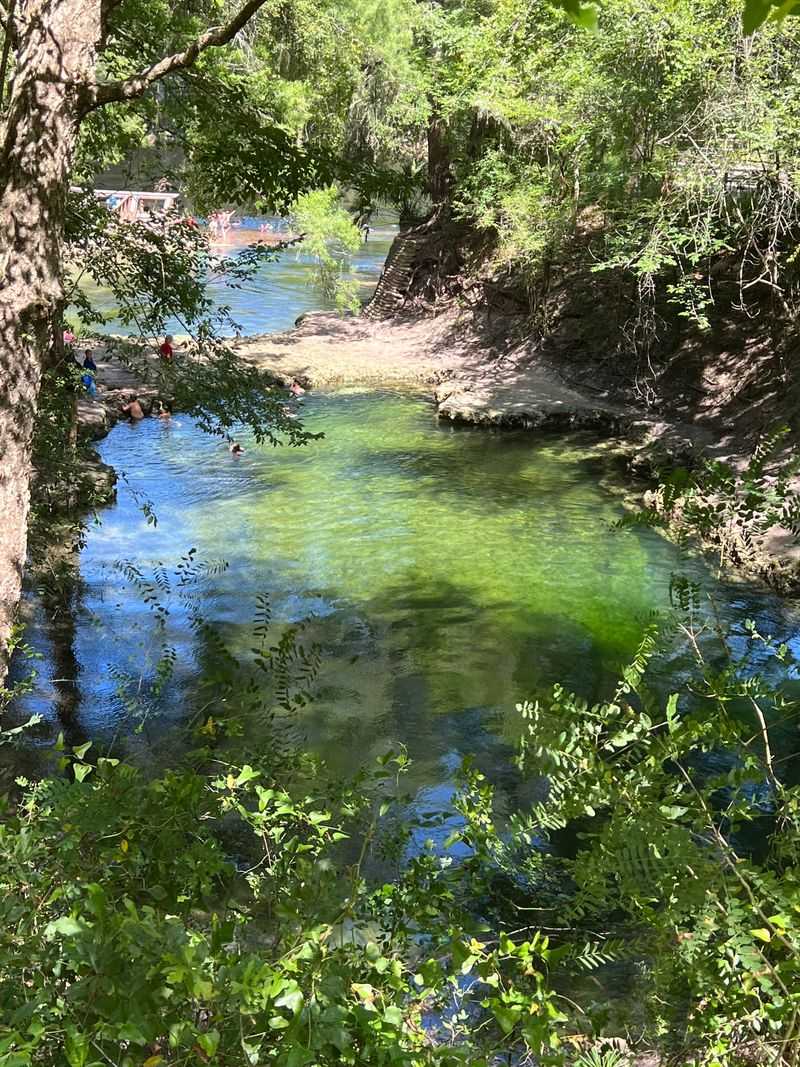
At Lafayette Blue Springs, the water shifts from turquoise to amber where it meets the Suwannee, a color story you will not forget. Boardwalks and shaded paths ease you between overlooks, picnic tables, and gentle entry spots.
On cooler mornings, mist rises and lights the spring run with a silver veil.
Hikers can loop through hammocks to find quiet nooks while paddlers stage for downstream trips. Limestone ledges frame fish darting in glassy windows, and turtle heads pop like periscopes.
When the river is high, the spring blends, painting swirling gradients that catch every eye.
This is a perfect pause on a Holton Creek itinerary: swim, snack, stroll, then drift back toward the river’s quieter reaches. Pack sandals for slick limestone and keep an eye on river conditions before you plan long paddles.
The mix of blue spring clarity and Suwannee moodiness makes every visit feel fresh and new.
5. Madison Blue Spring State Park
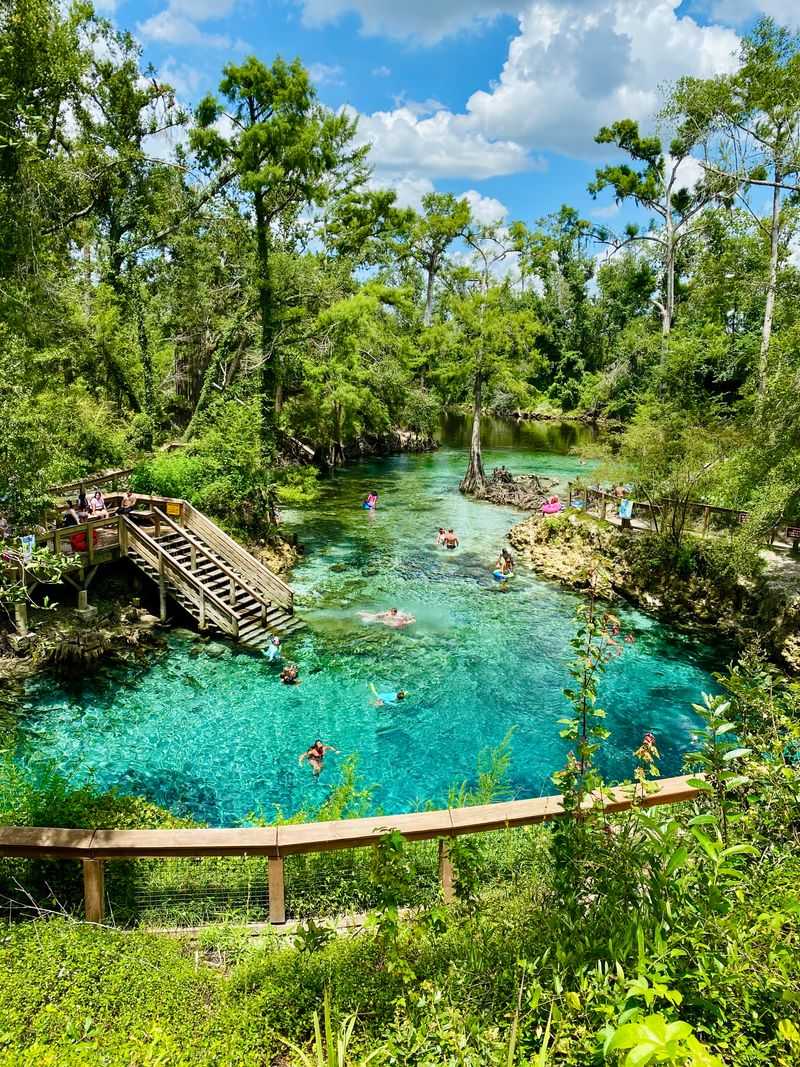
Madison Blue Spring shines like a gemstone on the Withlacoochee, a short hop from Holton Creek adventures. The spring pool glows aqua against pale limestone, with fish swirling over sand boils.
Trails wander the rim through hardwoods, where you catch birdsong and cool shade even on hot days.
Entry points make swimming simple, though you will want water shoes for slick rocks. Snorkelers float over ledges while photographers chase sunrays knifing through clear water.
When the river rises, tannin tones blend at the vent, creating a striking two color seam.
Between laps, wander short paths for views of cypress buttresses and river bends. The park’s compact layout keeps everything close, so families can relax while still exploring.
Pair this stop with Holton Creek for a perfect contrast: the Suwannee’s tea stained hush balanced by this bright, blue spring heartbeat.
6. Ichetucknee Springs State Park
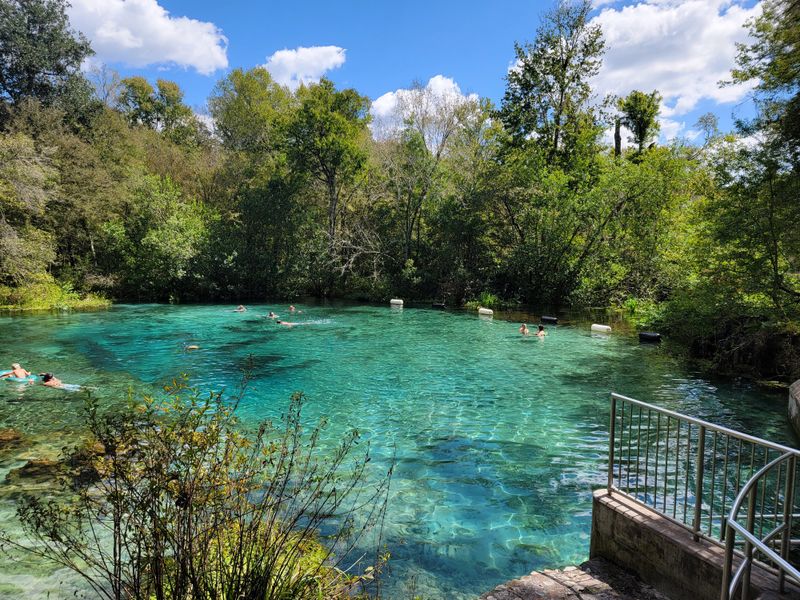
Ichetucknee is a cool rush of clarity, a ribbon of blue green that feels like air conditioning for the soul. Tubers, paddlers, and hikers share this corridor, moving under live oaks, cabbage palms, and moss drapes.
Boardwalks lift you above wetlands where herons stalk and turtles stack in perfect lines.
Footpaths parallel the river, offering quiet moments when you let tubers glide by and listen for warblers. The water’s gentle push makes paddling relaxed while fish schools flicker like liquid mercury.
In the off season, it feels especially peaceful, with crisp light and fewer voices on the run.
Plan early starts on busy weekends, bring reef safe sunscreen, and carry a dry bag for small essentials. Pair your float with a post river hike to stretch legs and gather one more set of views.
Then steer back toward Holton Creek, refreshed and ready for the Suwannee’s shaded calm.
7. Suwannee River State Park
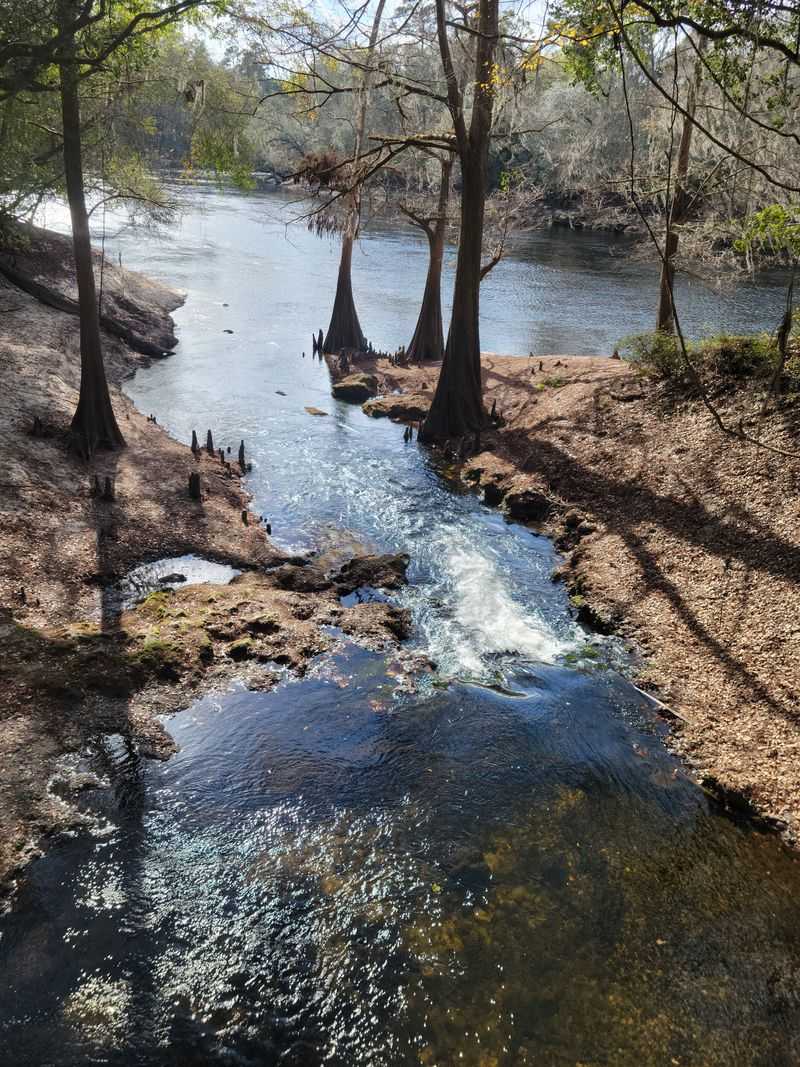
At Suwannee River State Park, the landscape opens into big river drama, with overlooks that catch the confluence and long bends. Trails wander floodplain forests, past earthen mounds, old ferry sites, and quiet creeks feeding the main stem.
You feel the river’s history in the bluff views and the hush between wind gusts.
Hikes stay mostly gentle, perfect for families or anyone easing into miles before Holton Creek. Canoe launches make water access straightforward, while picnic areas offer breezy lunch breaks.
Wildlife shows up in flashes: otter wakes, swallowtail kites, and deer stepping from shadow to sun.
Bring a map to link loops for a half day sampler, then linger at the overlooks for golden hour. The Suwannee’s tea toned sheen takes on bronze in late light, doubling the beauty.
When you return toward Holton Creek, you carry that big sky feeling into the quieter forest corridors.
8. Stephen Foster Folk Culture Center State Park
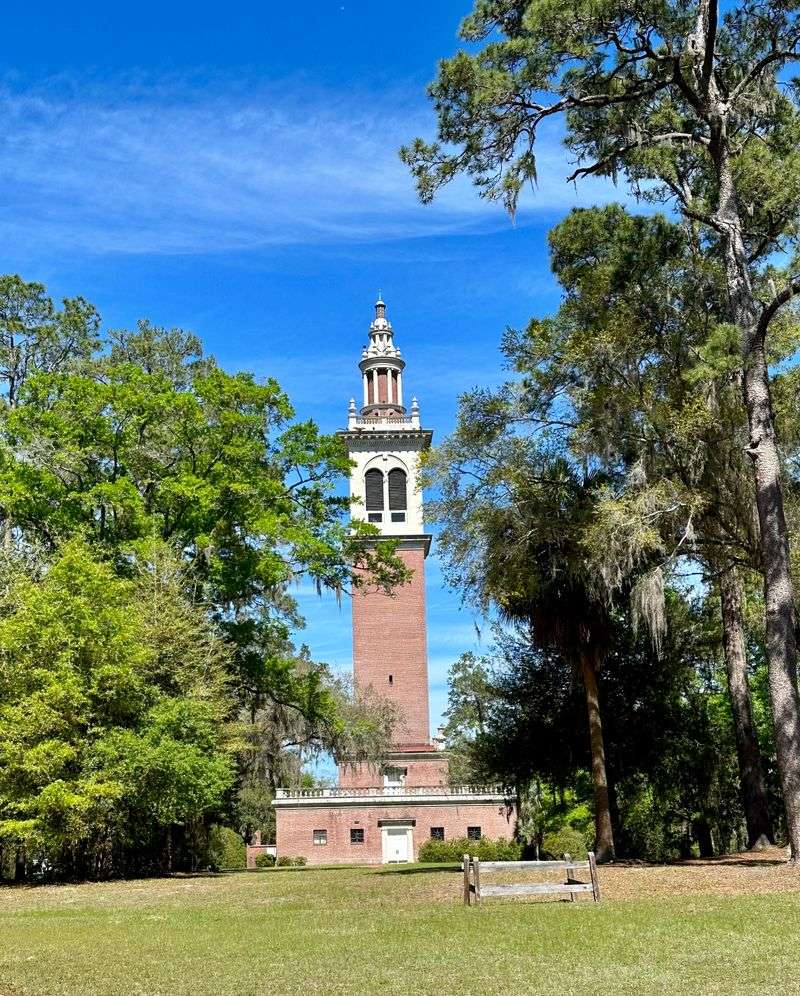
Stephen Foster State Park adds a cultural heartbeat to your river loop near Holton Creek. The carillon’s notes drift over live oaks while trails slip down to shaded overlooks along the Suwannee.
It is an easy place to balance museum style exhibits with real dirt under your boots.
Walk the riverside paths, watch paddlers slide past, then explore craft displays and historic details. The vibe is unhurried, with plenty of benches and lawns for a snack or quick rest.
When festivals are on, music and makers animate the grounds without drowning the river’s quiet.
Photographers love the tower, the moss hung branches, and the reflective river light. Add a short paddle or bank stroll, then point back to Holton Creek’s deeper wilderness feel.
You leave with songs in your head and sand on your shoes, a perfect Suwannee pairing that keeps the day balanced and bright.
9. Fanning Springs State Park
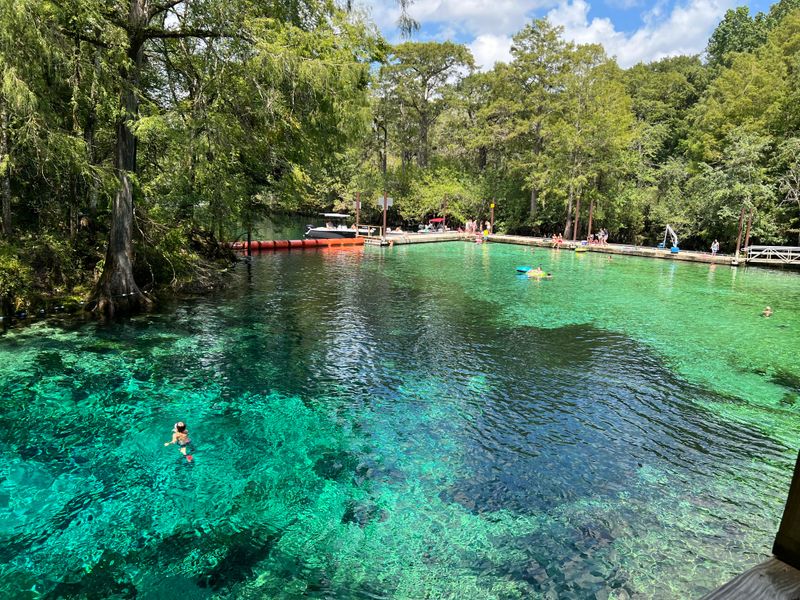
Fanning Springs State Park sits on the Suwannee River and is centered around one of Florida’s famed first‑magnitude springs, whose clear water historically flowed with millions of gallons daily. Though water levels fluctuate, the spring’s head basin remains a cool, inviting place for swimming, snorkeling, and observing fish and turtles year‑round, with manatees sometimes visiting in cooler months.
The park features a boardwalk and nature trail that winds through shaded floodplain forests, offering short paths for walking and wildlife viewing. Picnicking areas, grills, and shady oak hammocks make it ideal for families and day visitors.
Nearby, cyclists can join the Nature Coast State Trail for wider exploration. Fanning Springs’ peaceful riverfront vibe and ease of access make it a beloved North Florida stop for those seeking serene water views and a taste of classic spring country.
10. Peacock Slough River Camp (Suwannee River Wilderness)
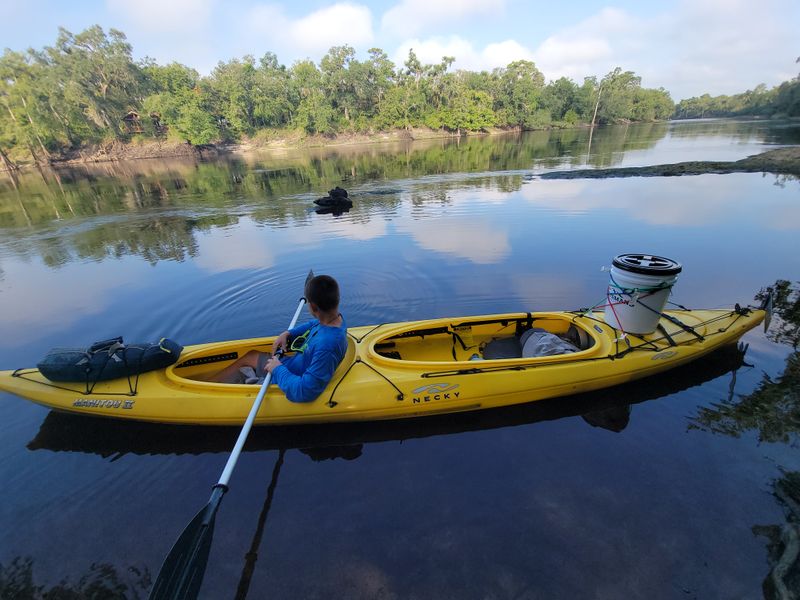
Peacock Slough River Camp is part of the Suwannee River Wilderness Trail river camp network, positioned right on the banks of the Suwannee River south of Peacock Springs State Park. Unlike traditional parks with trailheads and parking lots, this camp is accessible only by river – ideal for paddlers on multi‑day canoe or kayak trips.
The site provides basic amenities such as picnic tables, restrooms, and sheltered camping platforms in a quiet, forested riverside setting. Large river views, water access, and the outpouring of freshwater at the slough make this an excellent spot to pause on a wilderness float.
The river‑only access preserves its rustic feel and draws outdoor enthusiasts who enjoy slow adventures, river hikes on adjacent banks, birdwatching, and peaceful water scenery.
11. Dowling Park River Camp
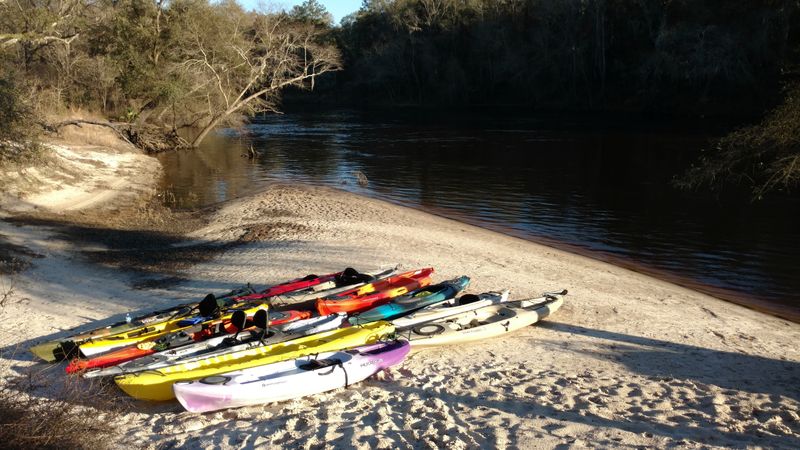
Dowling Park River Camp is another stop along the Suwannee River Wilderness Trail, offering travelers a scenic wilderness experience beside one of Florida’s most iconic rivers. Like other river camps in the series, it is accessible only by water and provides primitive camping spaces, picnic areas, and simple shelters amidst riverine hardwoods and floodplain forests.
This setting gives visitors uninterrupted views of slow‑moving river sections, rich birdlife, and riverbank trails that blend into the surrounding forest. Ideal for paddlers seeking a multi‑day float down the Suwannee, Dowling Park allows adventurers to rest, explore nature trails along the river’s edge, and enjoy sunset reflections on water without the distraction of urban development.
While camping conditions are rustic, the essence of this river camp lies in its serene, unspoiled natural beauty and proximity to the water.
12. Gibson Park (Suwannee County)
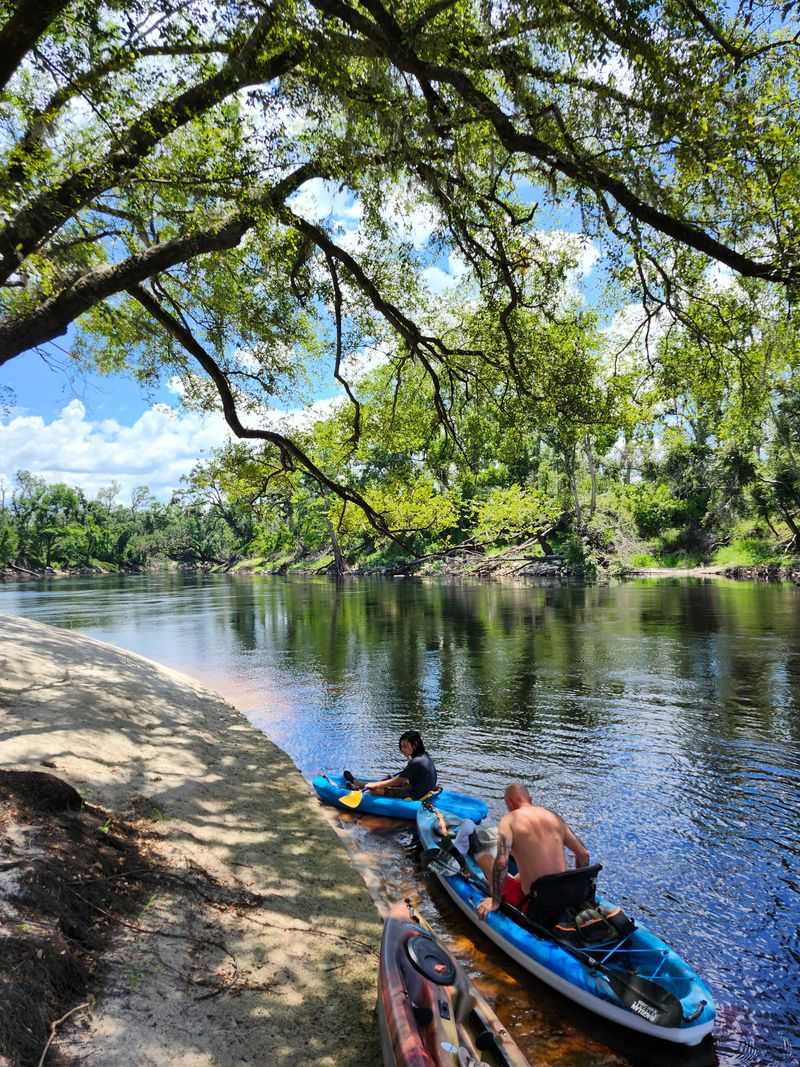
Gibson Park – sometimes known locally as Hutch Gibson Park & Boat Ramp – is a small park along the scenic Suwannee River in Hamilton County. The riverside setting features a public boat ramp, picnic areas, fishing spots, and direct access to flat, open waters.
Outdoor lovers can launch canoes, kayaks, or fishing boats, stroll along the riverbank, and enjoy birdwatching under towering trees draped with Spanish moss. The park also functions as a trailhead for the Florida Trail, making it a gateway for those exploring North Florida’s long‑distance hiking corridor.
Rustic camping and RV hookups are available, giving visitors a peaceful base from which to explore riverside paths or paddle downriver. Its quiet, unpretentious nature makes Gibson Park a laid‑back complement to bigger parks in the region.
13. O’Leno State Park
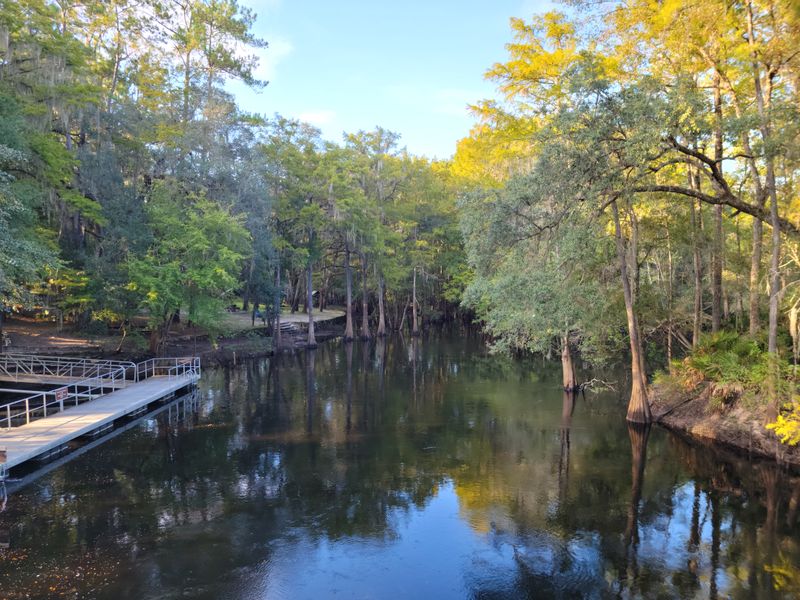
O’Leno State Park, one of Florida’s classic state parks developed in the 1930s, offers a unique blend of natural wonder and history. The Santa Fe River flows through the park before disappearing underground into a sinkhole – only to re‑emerge miles away at River Rise Preserve State Park – creating a rare natural land bridge.
The park’s hammock forests, river swamps, and limestone sinkholes provide beautiful scenery for hiking, biking, and horseback riding along more than a dozen miles of trails. A wooden suspension bridge crosses the Santa Fe, evoking a storybook sense of place.
Picnicking areas and camping facilities allow visitors to stay overnight surrounded by nature. O’Leno’s rich mix of ecosystems, geological oddities, and wooded trails makes it a favorite for families, hikers, and history lovers alike.
14. Gilchrist Blue Springs State Park
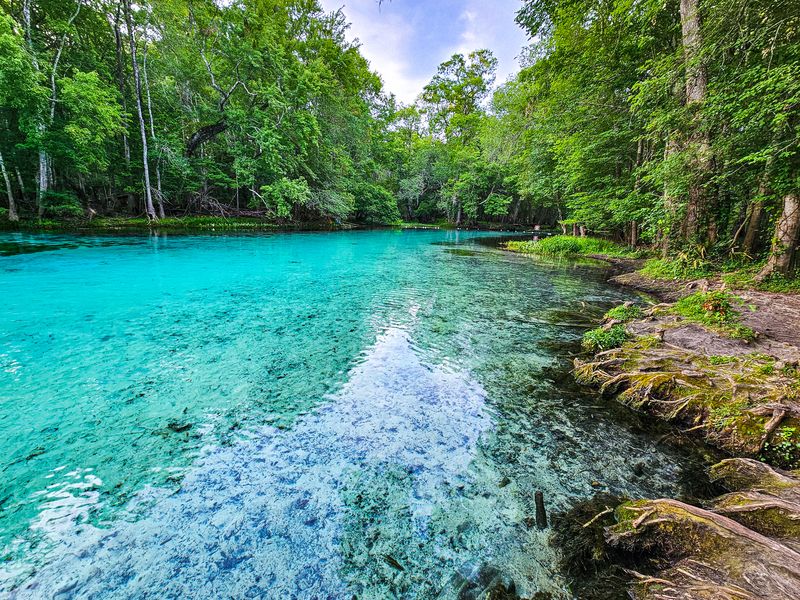
Gilchrist Blue Springs State Park, designated Florida’s 175th state park, is a picturesque spring complex on the Santa Fe River near High Springs. The park contains multiple natural springs – including Gilchrist Blue Spring and Little Blue Spring – that produce millions of gallons of sparkling clear water daily into the river.
Visitors can hike shaded trails through wooded areas, enjoy picnics in riverfront settings, swim or snorkel in the refreshingly cool spring runs, and paddleboard or canoe along calm river sections. Wildlife such as turtles, bass, and sunfish frequent the waterways – perfect for nature observation and photography.
With its scenic beauty and easy access, Gilchrist Blue Springs provides a classic North Florida outdoor experience rooted in pristine springs and shady forest pathways.
15. Big Talbot Island State Park
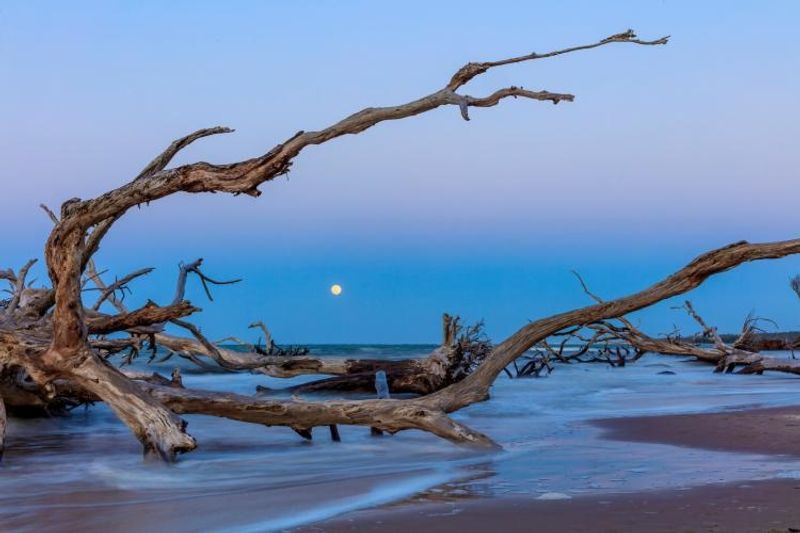
Big Talbot Island State Park, just north of Jacksonville, preserves a unique stretch of coastal barrier island habitat along Florida’s Atlantic coast. Unlike typical inland river parks, Big Talbot features salt marshes, estuaries, and beach ecosystems that offer striking contrast and scenic diversity.
Visitors can explore nature trails and bike paths through maritime forests and dunes, stroll along the sandy beaches, cast a fishing line, or watch birds and marine life in tidal waters. A fishing pier and picnic pavilions enhance the outdoor experience, while calm kayaking and boating opportunities on nearby waterways broaden the possibilities.
The island’s dramatic landscapes and open vistas make it one of Northeast Florida’s most photogenic natural areas.



