Canada is a massive country, and most people only see a fraction of it. But summer changes everything.
Between June and September, frozen tundras turn into wildflower meadows, mountain trails reopen, coastal towns wake up, and wildlife appears almost everywhere you look. The country holds some of the most dramatic natural landscapes on the planet, and many of them are genuinely hard to reach or enjoy any other time of year.
Think red sand beaches on the Atlantic, turquoise glacier lakes in the Rockies, and beluga whales surfacing in Arctic bays. Each destination on this list offers something distinct, whether that is raw wilderness, rich history, or outdoor adventure on a grand scale.
Get ready to start planning, because these 15 Canadian destinations are worth every mile of the journey.
1. Prince Edward Island, Prince Edward Island
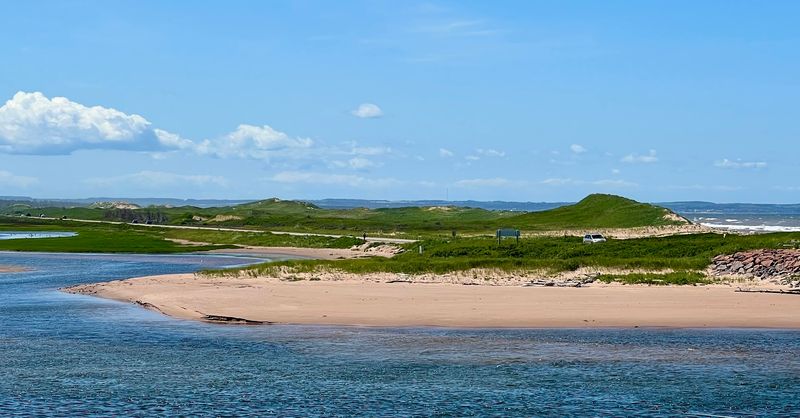
Canada’s smallest province packs a surprising amount of charm into its modest size. Prince Edward Island is known for its striking red-sand beaches, particularly at Cavendish and Basin Head Provincial Park, where the sand reportedly makes a squeaking sound when you walk on it.
The Confederation Trail runs across much of the island and offers one of the best cycling routes in the country. Families, couples, and solo travelers all find something worth stopping for here.
Farmers markets and roadside seafood stands are everywhere during peak season, and the lobster served fresh from local waters is genuinely hard to beat. Fans of Anne of Green Gables will recognize the lush green landscapes straight away.
The island’s relaxed pace makes it a natural fit for long, unhurried summer days.
2. Banff National Park, Alberta
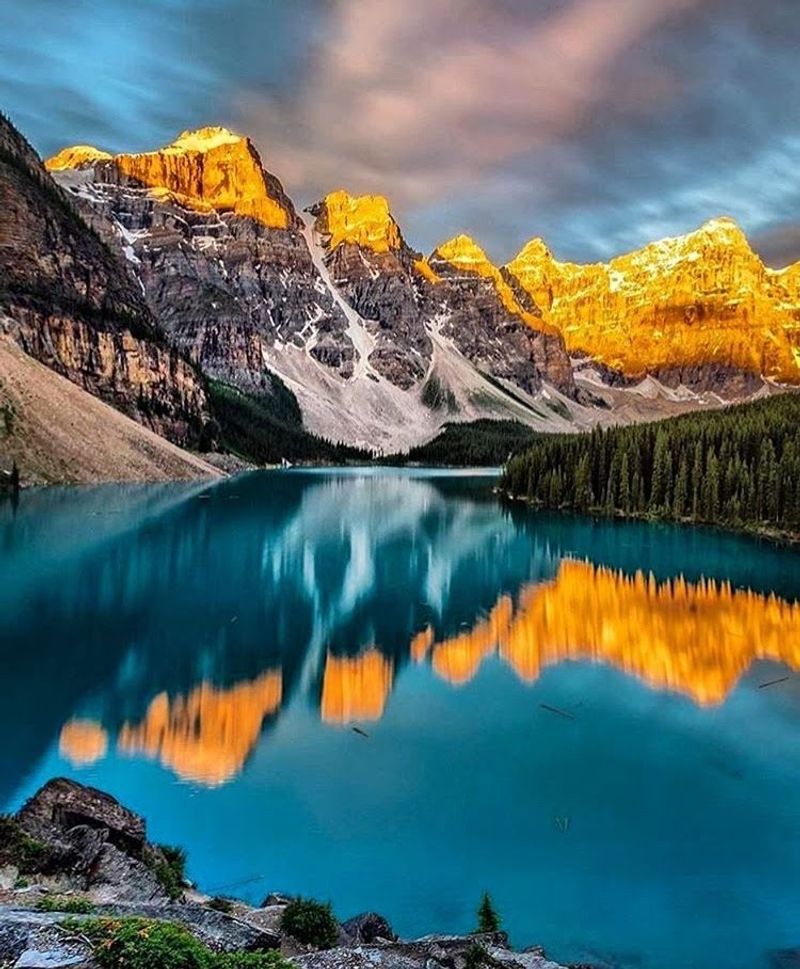
Few places on Earth pull off the color turquoise quite like Banff does in summer. Lake Louise and Moraine Lake shift into almost unbelievable shades of blue-green once the glacial meltwater fills them each season, and the surrounding mountain peaks complete a view that genuinely looks edited.
Hiking trails reopen across the park as snow retreats, giving visitors access to alpine meadows, canyon walks, and ridge routes that winter keeps locked away. Wildlife sightings spike dramatically during the warmer months, with elk, black bears, and mountain goats regularly spotted near roads and campgrounds.
Canoeing, horseback riding, and gondola rides up Sulphur Mountain round out the activity list. Banff town itself offers great restaurants and shops for days when the weather calls for something more low-key.
Summer here is simply the full experience.
3. Cape Breton Island, Nova Scotia
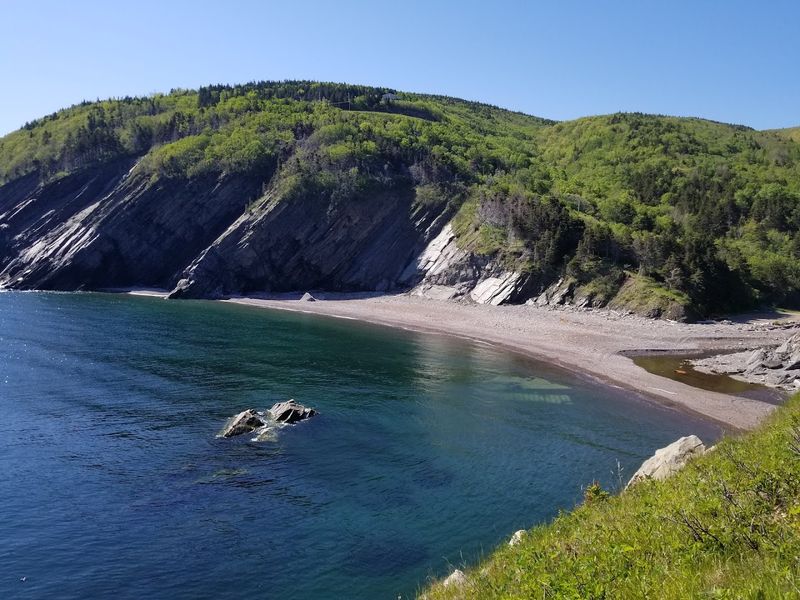
The Cabot Trail regularly appears on lists of the world’s greatest scenic drives, and summer is the season that makes the case most convincingly. The route winds along dramatic Atlantic cliffs, through fishing villages, and across forested highlands for roughly 300 kilometers of remarkable views.
Whale-watching season peaks during the warmer months as humpbacks and pilot whales move through offshore waters, and several operators run daily tours from local docks. Celtic music is deeply woven into the island’s culture, and live performances happen in pubs and community halls nearly every night through the summer.
Fresh lobster rolls served at roadside shacks with ocean views are practically a rite of passage here. The island has a lively yet uncrowded feel that makes it easy to slow down and actually take things in.
Cape Breton rewards those who take their time.
4. Okanagan Valley, British Columbia
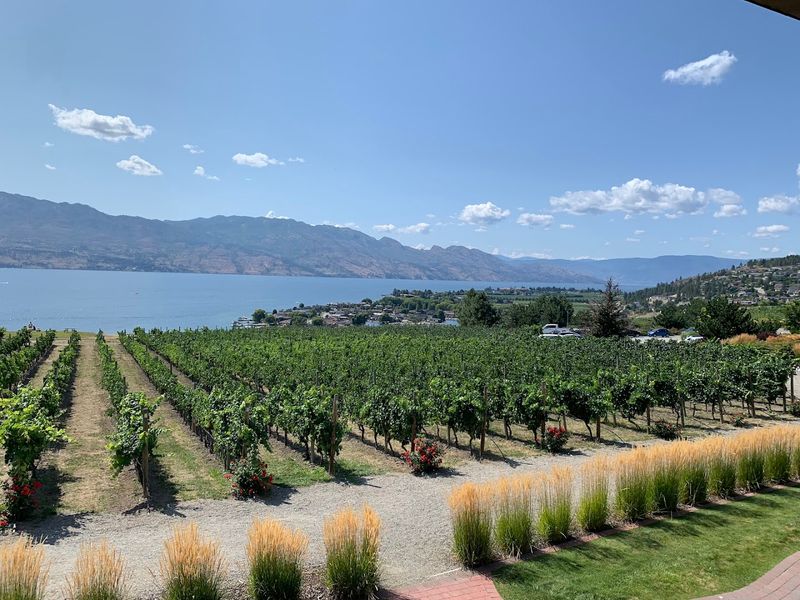
Most people do not picture Canada when they think of hot summers, vineyards, and peach orchards, but the Okanagan Valley makes a strong argument for reconsideration. Temperatures regularly climb into the mid-30s Celsius here during July and August, making it one of the warmest corners of the country.
Osoyoos Lake, located at the southern end of the valley, holds the title of warmest freshwater lake in Canada, which makes it a prime spot for swimming and paddleboarding. Roadside fruit stands sell fresh cherries, apricots, and peaches through the summer months, and the quality is hard to match anywhere.
The valley around Kelowna and Penticton is home to dozens of wineries offering tastings with lake and mountain views as the backdrop. It is a destination that surprises people, and then keeps them coming back every year after that.
5. Quebec City, Quebec
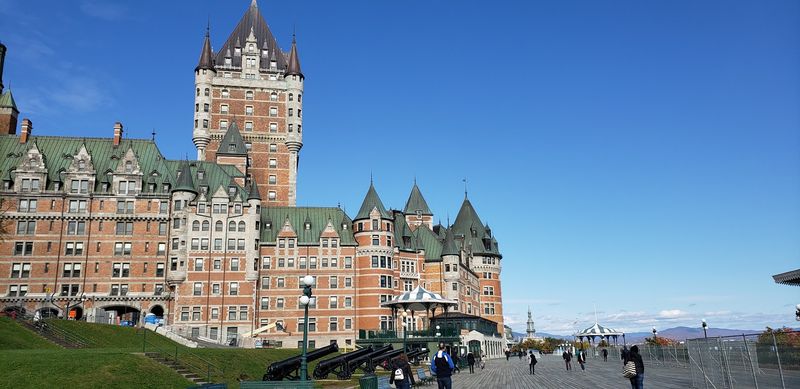
Quebec City in summer is the kind of place that makes you forget you are still in North America. The narrow cobblestone streets of Old Quebec, a UNESCO World Heritage Site, fill with street performers, outdoor patios, and festival crowds from June through August.
The Promenade Samuel-de Champlain offers a long riverside walkway above the St. Lawrence River, and the suspended footbridge at nearby Montmorency Falls gives a genuinely impressive view of the 83-meter cascade. The city also has more than 400 kilometers of cycling paths for those who prefer to explore on two wheels.
Fireworks competitions light up the waterfront on summer weekends, drawing large and enthusiastic crowds. The European architecture and French-speaking culture give the city a personality unlike anywhere else in Canada.
Summer simply brings out its most confident and welcoming side.
6. Tofino, British Columbia
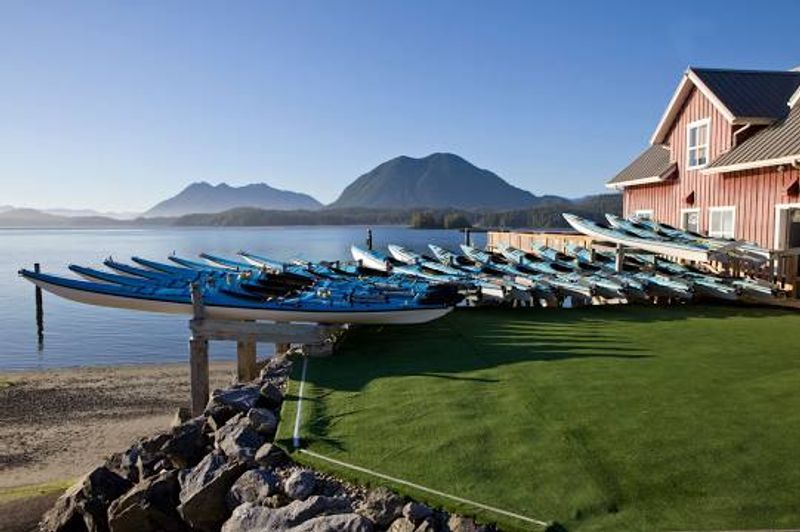
Tofino sits at the edge of Vancouver Island where the Pacific Ocean meets ancient rainforest, and summer is when the town’s outdoor personality really takes over. The beaches here, particularly Long Beach and Chesterman Beach, stretch for kilometers and attract surfers from across North America during the warmer months.
Whale-watching tours operate daily, and gray whales, orcas, and sea otters are all realistic sightings depending on timing. Kayaking through the Clayoquot Sound Biosphere Reserve offers a quieter way to explore the region’s maze of inlets and forested islands.
The town itself has a laid-back character that draws artists, outdoor enthusiasts, and food lovers in roughly equal measure. Local restaurants focus heavily on fresh Pacific seafood, and the quality consistently reflects how close everything is to the water.
Tofino earns its reputation without much effort.
7. Churchill, Manitoba
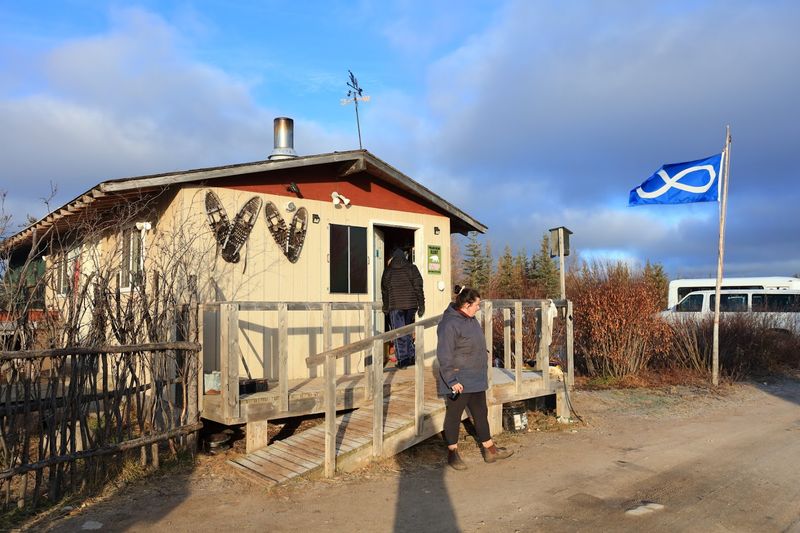
Churchill is famous for polar bears in autumn, but summer brings an entirely different and equally extraordinary wildlife event. Thousands of beluga whales migrate into the Churchill River estuary and Hudson Bay each June and July, creating one of the most accessible whale-watching opportunities anywhere in the world.
Visitors can kayak directly alongside belugas in shallow water, which is a genuinely rare experience that few other places on Earth can offer. The tundra surrounding the town transforms during summer, with wildflowers covering the landscape and Arctic fox pups appearing near the roads.
Birdwatchers arrive in large numbers to spot rare species that breed in the region, including snowy owls and Arctic terns. The extended daylight hours give explorers plenty of time to cover a lot of ground each day.
Churchill is remote, but that is a large part of what makes it extraordinary.
8. Bay of Fundy, New Brunswick
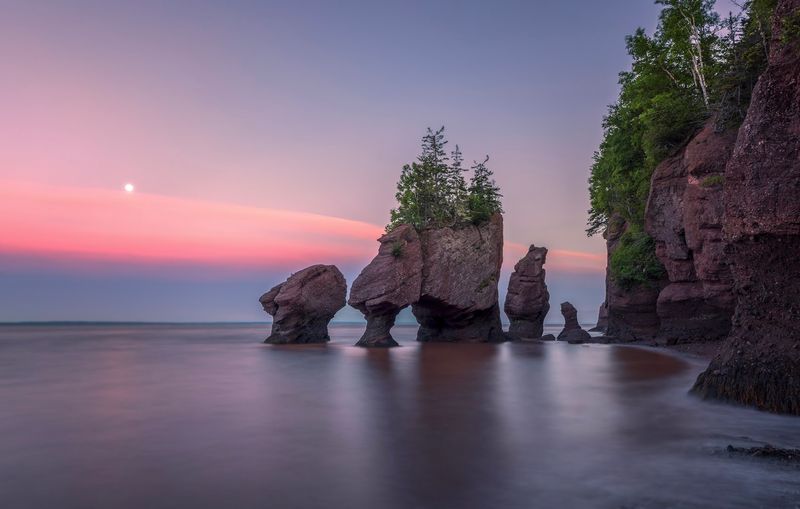
The Bay of Fundy holds the world record for the highest tides on the planet, with water levels rising and falling by up to 16 meters twice a day. That fact alone makes it one of the most geologically dramatic places in Canada, and summer is the ideal time to experience the full cycle in comfort.
At low tide, visitors can walk directly on the ocean floor along sections of the coastline, exploring sea caves and examining rock formations that are underwater most of the day. A few hours later, those same spots are completely submerged, which makes timing your visit a genuine part of the adventure.
Fundy National Park features over 25 waterfalls, excellent coastal hiking trails, and strong bald eagle and peregrine falcon populations. Fresh seafood restaurants line the coastal towns throughout the season.
The bay’s constantly shifting landscape keeps things interesting on every visit.
9. Jasper National Park, Alberta
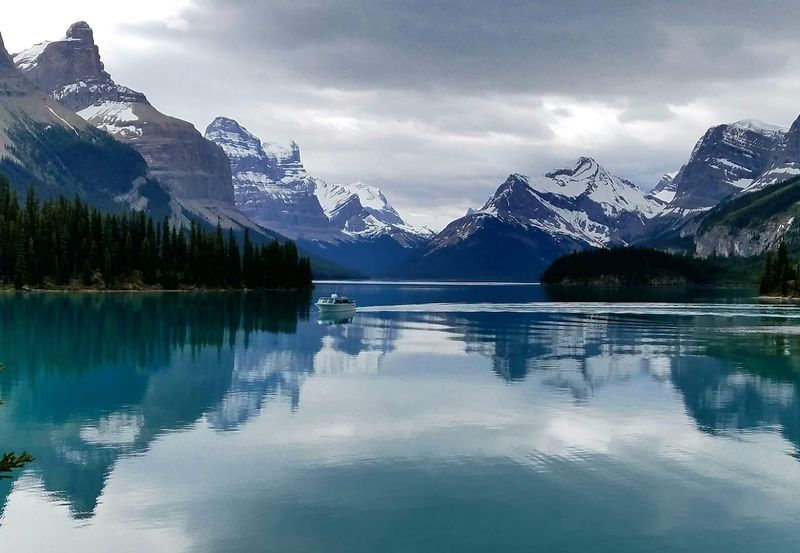
Jasper is often described as Banff’s quieter neighbor, but that description undersells it considerably. The park covers more than 11,000 square kilometers of the Canadian Rockies and contains some of the most spectacular mountain scenery in North America, all with noticeably smaller crowds than the parks to the south.
Maligne Lake, one of the most photographed natural sites in Canada, sits within the park and offers boat tours to the iconic Spirit Island viewpoint during summer. The Icefields Parkway connects Jasper to Banff through a 230-kilometer corridor of glaciers, waterfalls, and alpine lakes that genuinely has no weak sections.
Jasper is also a designated Dark Sky Preserve, making summer nights exceptionally good for stargazing when skies are clear. Wildlife including moose, caribou, and wolves roam throughout the park year-round.
Summer opens the full trail network and makes the backcountry properly accessible.
10. Niagara-on-the-Lake, Ontario
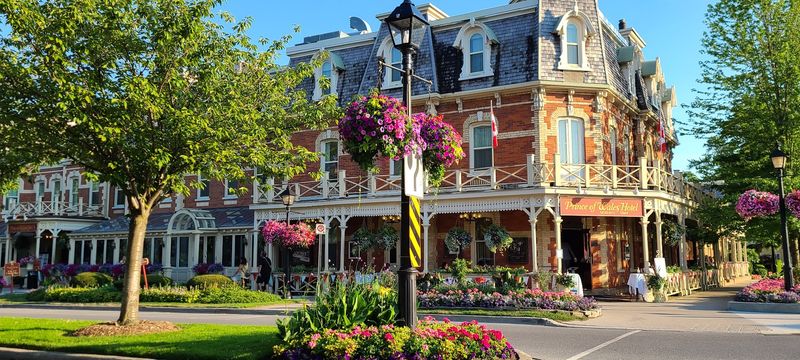
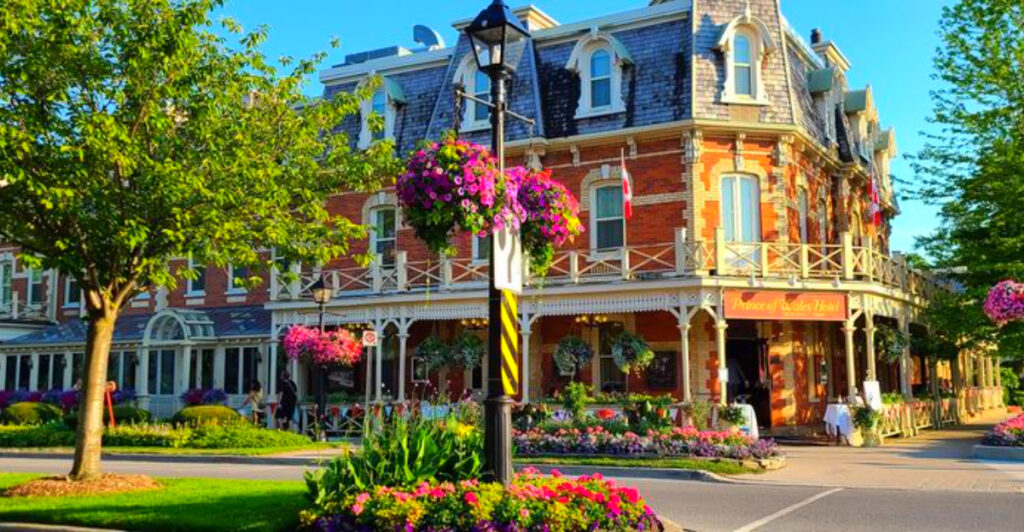
Niagara-on-the-Lake has the kind of main street that makes people slow their walking pace without quite realizing why. Heritage buildings, flower-lined sidewalks, and independently owned shops create a setting that feels genuinely well-preserved rather than artificially constructed for tourism.
The Shaw Festival, one of Canada’s most respected theater events, runs through the summer and draws audiences from across the country and beyond. Cycling routes through the surrounding countryside pass orchards, historic forts, and vineyard properties with views of the Niagara River.
The town sits close enough to Niagara Falls to make a day trip easy, but the atmosphere here is considerably calmer and more refined than the falls area. Patios and garden restaurants fill up quickly on warm weekends, so booking ahead is worth the effort.
Summer gives this town its best and most photogenic version of itself.
11. Thousand Islands, Ontario
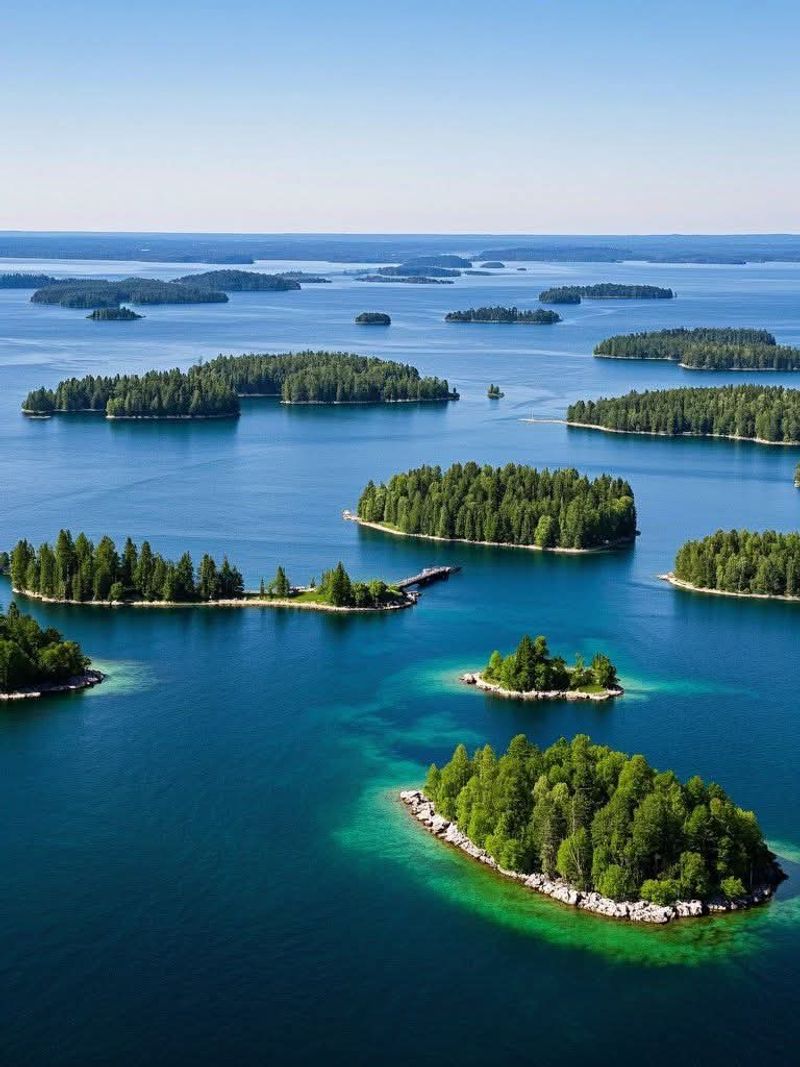
The Thousand Islands region stretches along the St. Lawrence River between Ontario and New York State, and the name is not much of an exaggeration. There are actually 1,864 islands in the area, ranging from large enough to hold a castle to barely big enough for a single tree.
Boldt Castle, built on Heart Island in the early 1900s, is one of the most visited landmarks in the region and accessible by boat tour from several towns along the river. Summer boat cruises are the most popular way to explore, but kayaking between smaller islands offers a more personal and flexible experience.
The waterfront towns of Kingston and Gananoque both serve as excellent bases for exploration, with good restaurants and accommodations close to the water. The scenery is peaceful and surprisingly varied given the compact geography.
This region rewards slow, unhurried exploration more than any rushed day trip can deliver.
12. Gros Morne National Park, Newfoundland and Labrador
Gros Morne is one of those places where the geology is so unusual that it helped scientists confirm plate tectonic theory. The Tablelands, a flat orange plateau within the park, contains rock from the Earth’s mantle that was pushed to the surface hundreds of millions of years ago.
That alone earns it UNESCO World Heritage status.
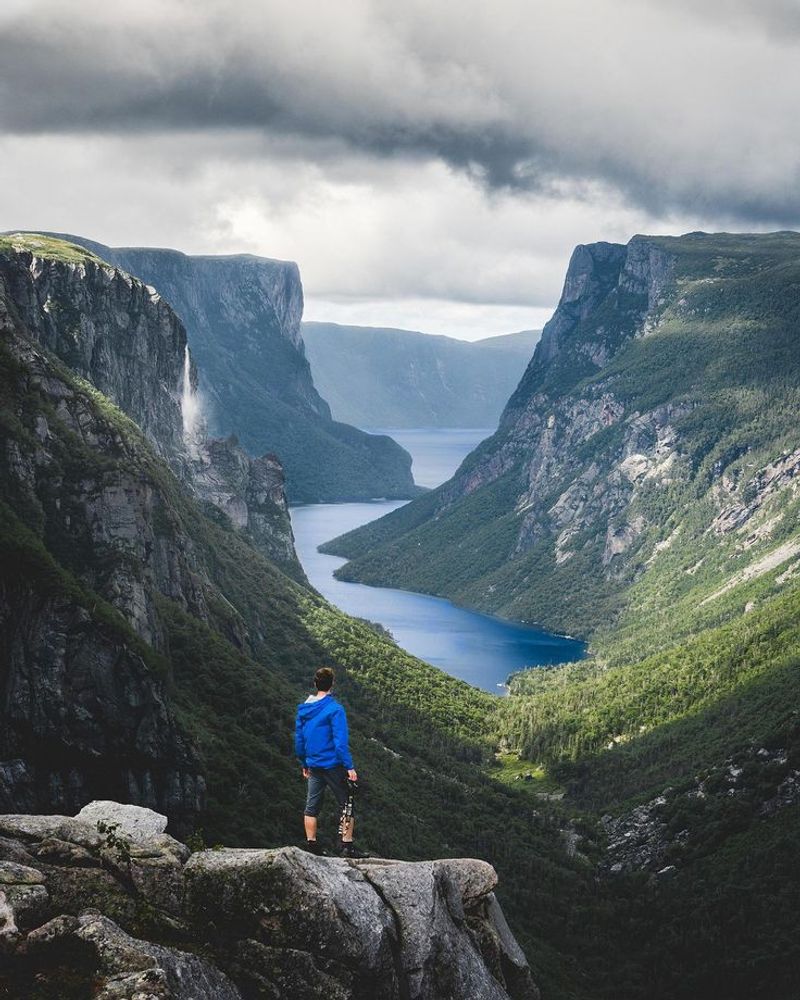
Western Brook Pond, technically a landlocked fjord, offers boat tours through a canyon flanked by 600-meter cliffs that have no road access whatsoever. Summer is when these tours run daily and hiking trails across the park are fully open and at their most rewarding.
Wildflowers fill the coastal meadows through June and July, and moose sightings are so common that road signs throughout Newfoundland treat them as a serious traffic concern. Local fishing villages nearby add cultural depth to the natural spectacle.
Gros Morne is remote, rugged, and completely worth the trip.
13. Yukon Territory
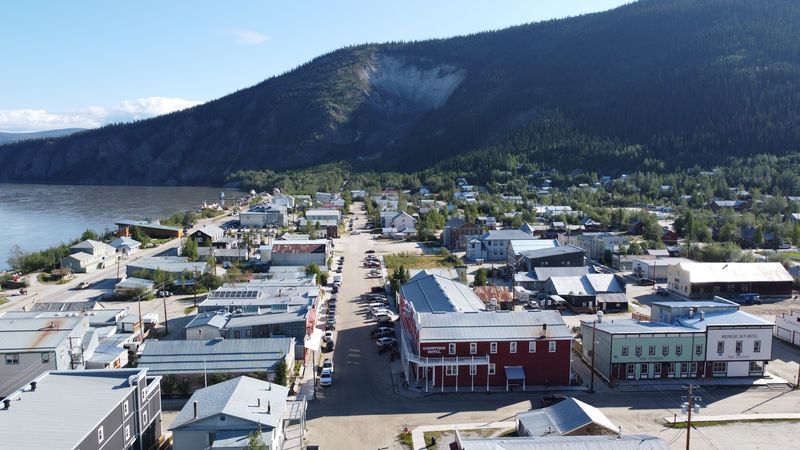
The Yukon operates on a different schedule from the rest of the country during summer. Days stretch so long that the sun barely sets in late June, giving travelers an almost absurd amount of daylight to work with.
Locals call it the Midnight Sun, and it genuinely changes how you experience the outdoors.
Kluane National Park, home to the largest non-polar ice field in the world, offers hiking, glacier viewing, and some of the most isolated backcountry routes in Canada. The Klondike Highway connects travelers to Dawson City, a former Gold Rush boomtown that still carries its history with considerable pride.
Wildlife density in the Yukon is remarkable, with moose, caribou, Dall sheep, and grizzly bears all regularly sighted along major roads and trails. River paddling routes through remote wilderness are popular with experienced adventurers.
Few places feel as genuinely untamed as this one does in summer.
14. Vancouver Island, British Columbia
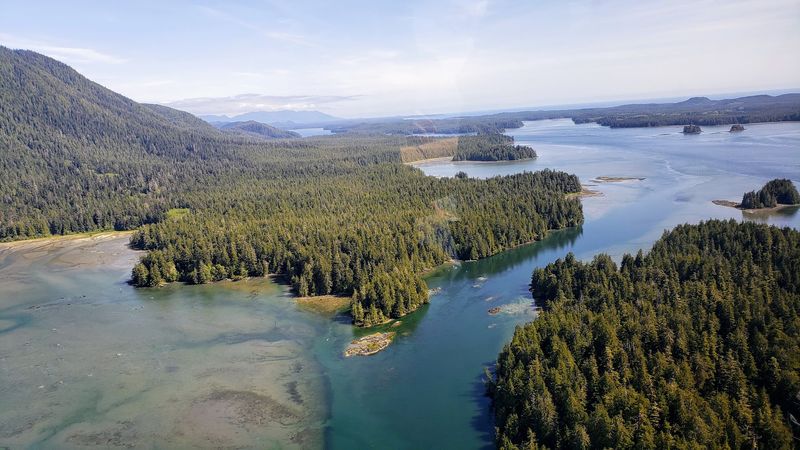
Vancouver Island is essentially its own country in terms of landscape variety. Within a single trip, visitors can surf near Tofino, kayak around the Inner Harbour in Victoria, hike through Cathedral Grove’s ancient Douglas fir forest, and spot orcas from the northeastern shoreline near Telegraph Cove.
Victoria, the provincial capital located at the island’s southern tip, is known for its British-influenced architecture, world-class gardens, and a waterfront that becomes genuinely lively during summer months. The Butchart Gardens, located just outside the city, draw visitors from around the world with 55 acres of meticulously maintained displays.
The Pacific Rim National Park Reserve on the island’s west coast combines old-growth rainforest with long, open beaches and a strong Indigenous cultural presence. Summer also brings ideal conditions for whale-watching tours off the coast, with multiple species active in the surrounding waters.
The island simply does not run out of things to offer.
15. The Canadian Rockies, Alberta and British Columbia
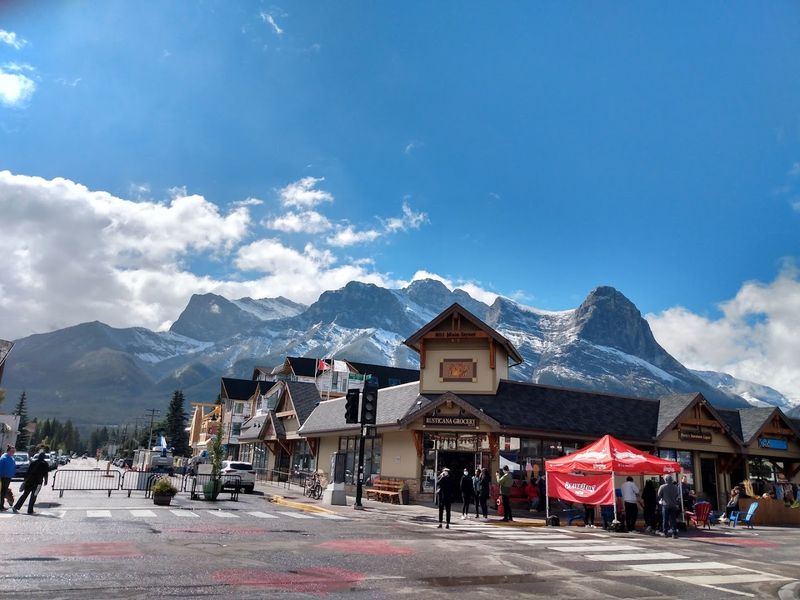
There is a reason the Canadian Rockies appear on more travel bucket lists than almost any other destination in North America. The combination of scale, color, and accessibility makes this mountain range genuinely hard to compete with, and summer is when every part of that combination reaches its peak.
The Icefields Parkway between Banff and Jasper is widely considered one of the greatest road trips on the planet, passing glaciers, waterfalls, and turquoise lakes for 230 uninterrupted kilometers. Hiking options range from easy lakeside strolls to multi-day backcountry routes through passes that see almost no traffic.
Rafting on glacier-fed rivers, horseback riding through mountain meadows, and wildlife viewing from pullouts along the highway all compete for space on the itinerary. Summer temperatures in the valleys are comfortable, making long days outdoors genuinely enjoyable rather than a test of endurance.
The Rockies in summer set a standard that is very difficult to forget.
Share this story