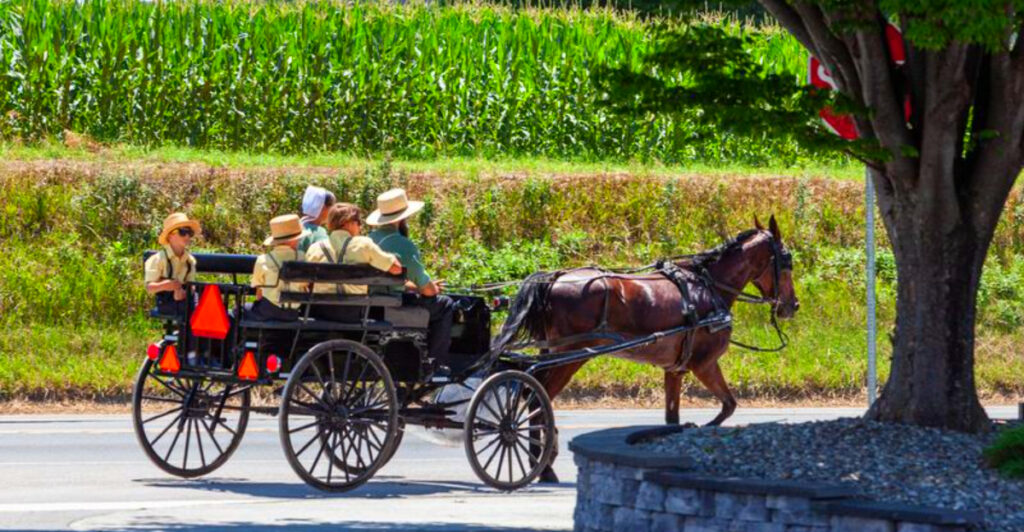
Pennsylvania Amish Country offers a unique glimpse into a way of life that has remained rooted in tradition for generations. Centered in Lancaster County, the region is known for its horse-drawn buggies, family farms, handcrafted goods, and welcoming small-town charm.
From historic markets and working farms to scenic train rides and local museums, these 15 destinations showcase the culture, history, and traditions that make Amish Country one of Pennsylvania’s most memorable places to visit.
1. Kitchen Kettle Village, Intercourse, Pennsylvania
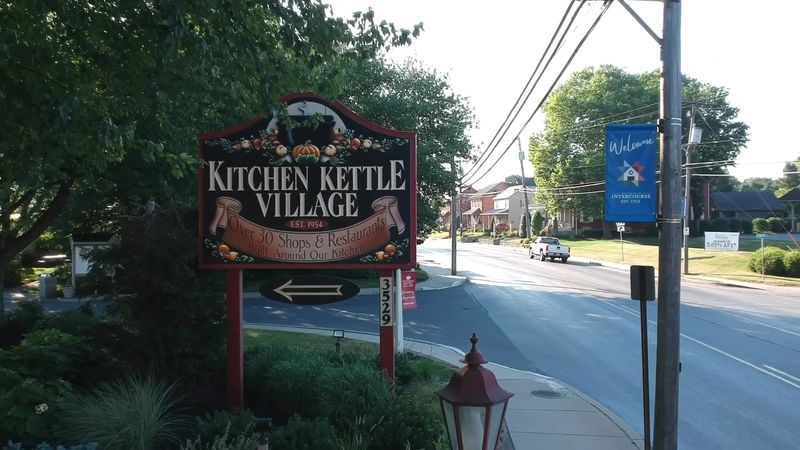
Over 40 locally owned shops and restaurants packed into one walkable village might sound like a lot, but Kitchen Kettle Village earns every square foot of that real estate.
The specialty here is Pennsylvania Dutch culture made accessible, with homemade jams, fresh baked goods, and handcrafted gifts filling storefronts that have a genuinely independent character rather than a chain-store sameness.
Seasonal festivals keep the calendar interesting throughout the year, drawing visitors back for events tied to local traditions and harvests. The layout encourages wandering at your own pace, with covered porches and colorful shop fronts making it easy to spend far more time here than originally planned.
For first-time visitors to Amish Country, this village works as an excellent starting point before heading deeper into the countryside.
2. The Amish Village, Ronks, Pennsylvania
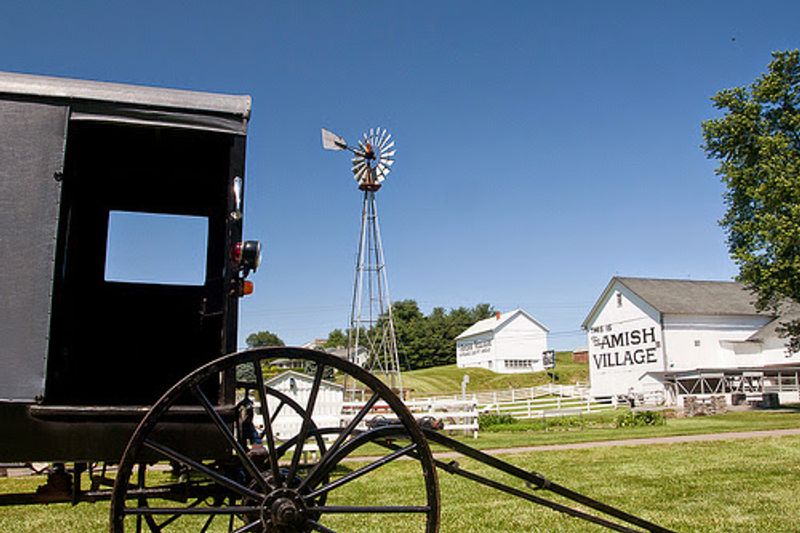
Twelve acres of authentic Amish farmland, a historic farmhouse, a one-room schoolhouse, and a working barnyard make The Amish Village one of the more informative stops in all of Lancaster County.
Guided tours explain Amish traditions, farming practices, and daily routines in a way that respects the community rather than turning it into a performance. The 90-minute Backroads Bus Tour is a standout option for visitors who want to see the surrounding countryside beyond the main property.
A market on-site sells Amish-made crafts and food items, giving visitors a direct way to support local producers. The Village operates daily from March through October, with weekend hours available in February, November, and December.
3. Strasburg Rail Road, Ronks, Pennsylvania
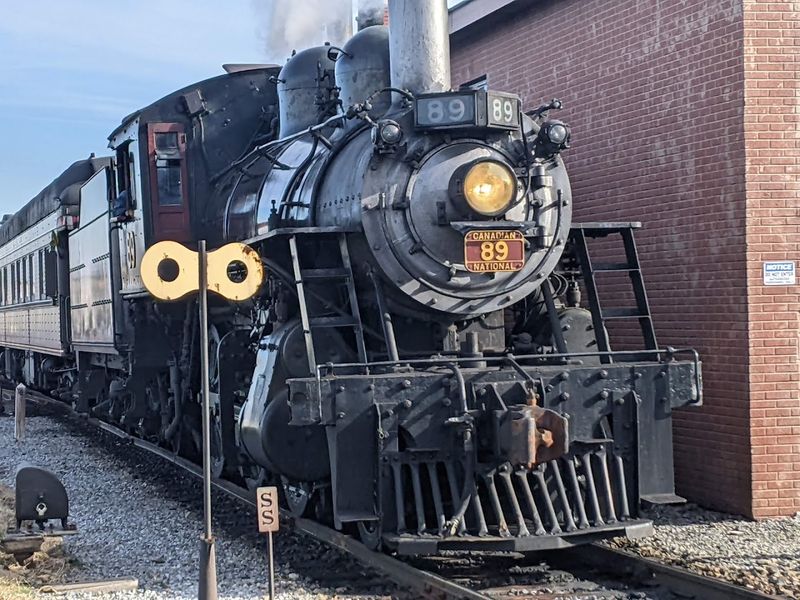
America’s oldest continuously operating railroad still runs on steam, still passes through some of the most unchanged farmland in the eastern United States, and still manages to feel like a genuine event rather than a tourist gimmick.
The Strasburg Rail Road carries passengers through Lancaster County on meticulously restored cars, with the route winding past Amish homesteads, open fields, and country roads that have remained largely the same for generations.
The trains themselves are worth the visit independently of the scenery, with beautifully maintained equipment that reflects serious historical care rather than a quick cosmetic polish. Families with young children tend to find this one of the most popular stops in the region, though the appeal extends well beyond any single age group.
Nostalgia hits early here, usually right around the first curve out of the station.
4. Railroad Museum of Pennsylvania, Strasburg, Pennsylvania
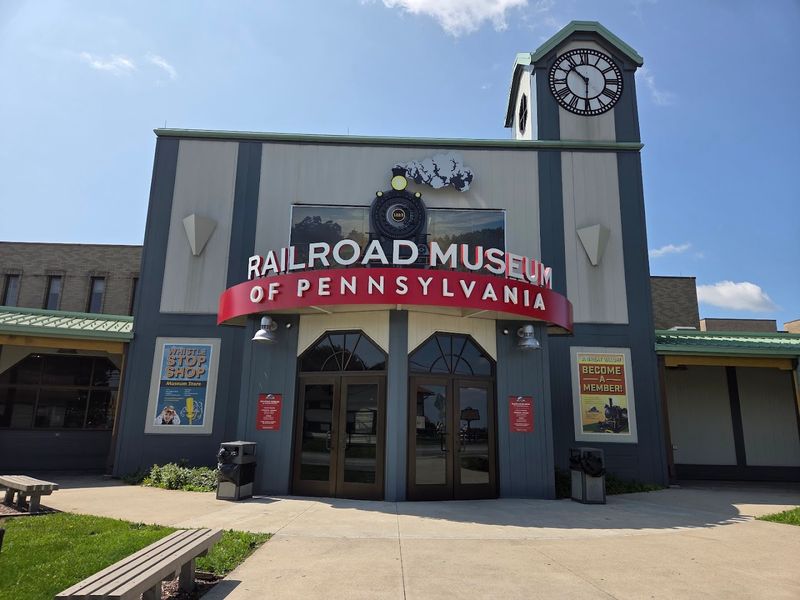
Right across the road from the Strasburg Rail Road sits a museum that could occupy an entire afternoon on its own, which makes the two destinations a natural pairing for anyone serious about Pennsylvania’s railroad history.
The Railroad Museum of Pennsylvania holds one of the finest collections of historic locomotives and railcars in the country, with massive steam engines parked alongside elegant passenger cars that once served major lines across the state.
Interactive exhibits make the history approachable for visitors of all ages, and the sheer scale of the machinery on display tends to produce a few genuinely impressed silences. The museum does an excellent job of connecting mechanical history to the broader story of how railroads shaped communities across the region.
Combined with a ride on the neighboring railroad, this makes for one of the most complete history days available in Lancaster County.
5. Cherry Crest Adventure Farm, Ronks, Pennsylvania
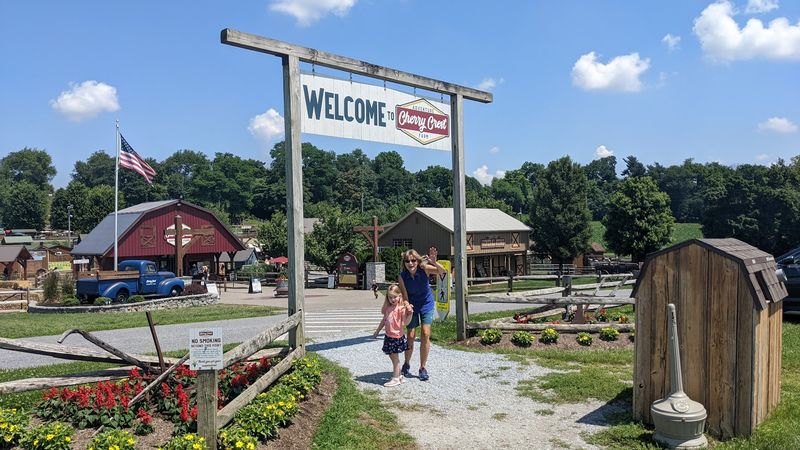
A five-acre corn maze with over 2.5 miles of paths, 60-plus activities, and nine food venues on a single working farm is either a planner’s dream or a very entertaining way to lose track of time entirely.
Cherry Crest Adventure Farm operates on real agricultural land, meaning the seasonal calendar reflects actual harvest cycles rather than arbitrary theme park scheduling. Sunflower picking, pumpkin selection, wagon rides, pedal carts, hay slides, and an Animal Grove where visitors can feed and interact with farm animals all contribute to a full-day itinerary.
Seasonal festivals including the Baby Animal Festival and Pumpkin Madness Festival draw repeat visitors year after year. The farm strikes a balance between genuine agricultural experience and family-friendly programming that keeps it relevant across different visitor types.
It is one of those places where the schedule fills up faster than expected.
6. Lapp Valley Farm, New Holland, Pennsylvania
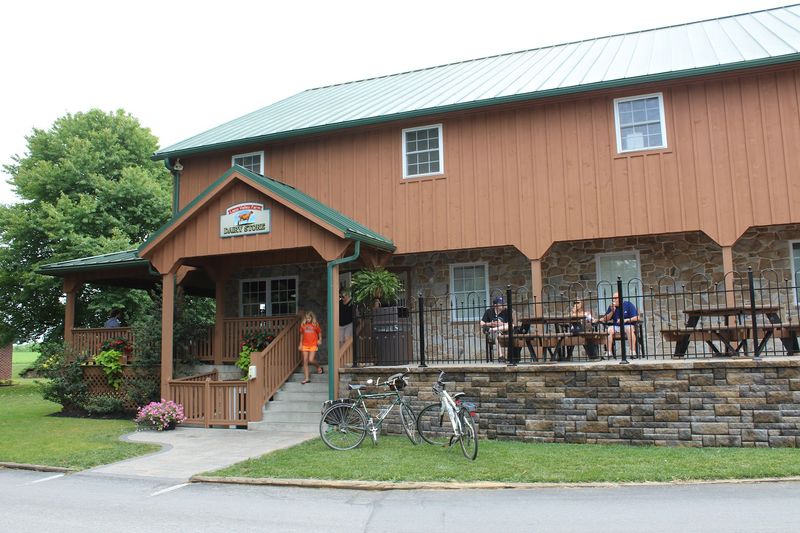
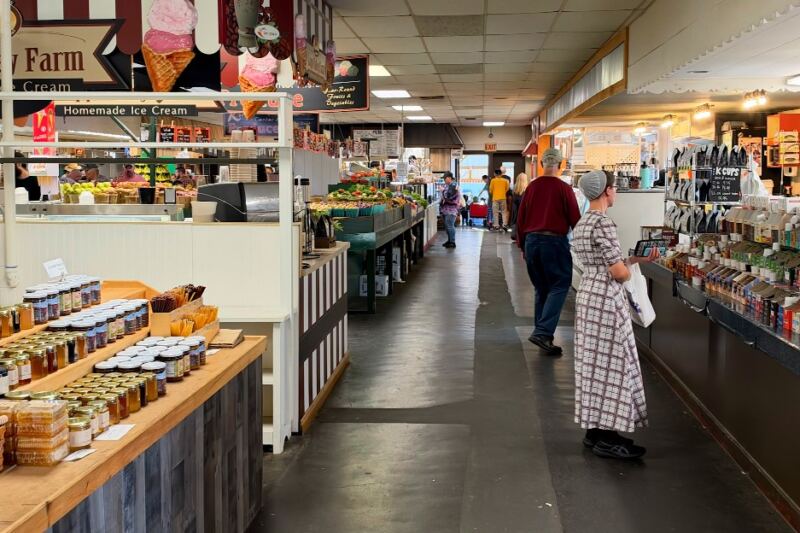
Since 1975, this family farm has been turning milk from its own Jersey cows into 16 varieties of homemade ice cream, which makes the farm-to-cone claim here about as literal as it gets.
Lapp Valley Farm operates a dairy store directly on the property, and visitors can watch the Jersey cows being milked and spend time with calves while they are there. The farm is part of Pennsylvania’s official Scooped Ice Cream Trail, which is a real thing and a genuinely excellent road trip concept.
Fresh milk and butter are also available alongside the ice cream, giving the visit a broader agricultural context beyond dessert. The surrounding pastures and traditional farm layout make the setting feel like a working operation rather than a retail experience dressed up in farm clothing.
Bring a cooler for the drive home.
7. Bird-in-Hand, Pennsylvania
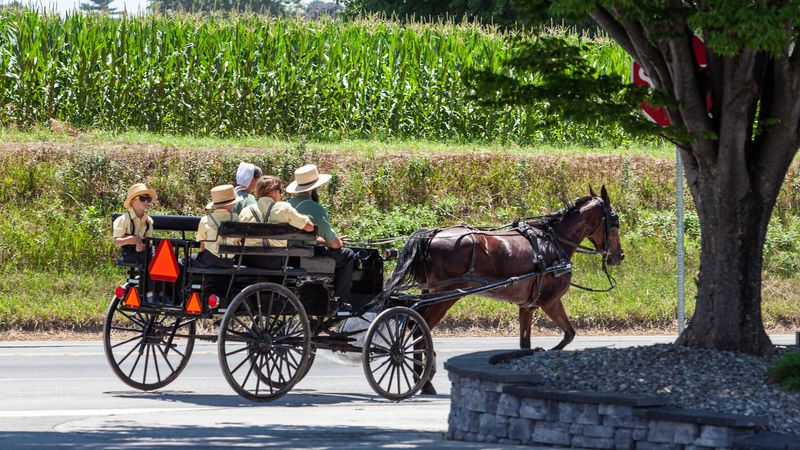
The name alone is enough to stop people mid-scroll, but Bird-in-Hand has a history that goes well beyond its memorable title. The village dates to a Quaker settlement established in 1715 and later gained its name from an 18th-century inn sign showing a man holding a bird.
During the era of the Underground Railroad, the community reportedly helped more than 1,000 people reach freedom, a fact that adds real weight to its quiet roads and modest storefronts.
Today, horse-drawn buggies share the road with cars in a way that feels completely natural rather than staged. The Bird-in-Hand Farmers Market is a reliable stop for meats, cheeses, baked goods, and handmade crafts.
Family-owned businesses and traditional Pennsylvania Dutch meals round out a village that has stayed true to its roots without trying too hard.
8. Shady Maple Farm Market, East Earl, Pennsylvania
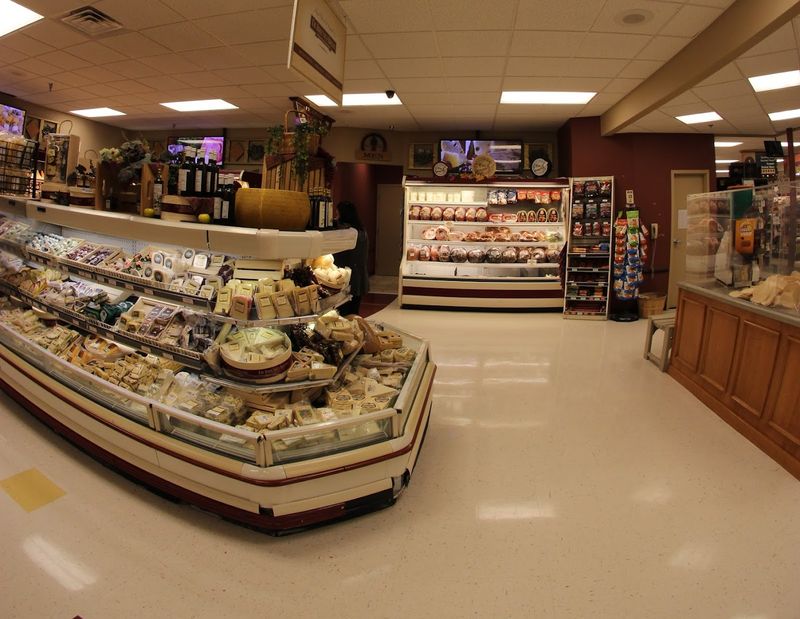
At 130,000 square feet, Shady Maple Farm Market is not a quick stop; it is more of a strategic mission requiring comfortable shoes and a flexible schedule.
The market carries fresh local produce, artisanal products, a 50-foot full-service deli case, in-house sushi, a fresh seafood section, and a bulk food department stocked with grains, herbs, spices, soup mixes, and a variety of candies. The homemade macaroni salad, prepared using traditional family recipes, has reportedly earned its own loyal following among regular shoppers.
Pennsylvania Dutch specialties fill entire sections, making this one of the most thorough introductions to regional food culture available in a single location. The market is open Monday through Saturday from 7 AM to 8 PM, which gives visitors plenty of time to cover the ground properly.
Plan for at least an hour, and budget accordingly.
9. Shady Maple Smorgasbord, East Earl, Pennsylvania
Two hundred feet of serving tables and nearly 400 menu items make this the largest smorgasbord in the United States, a title that comes with a serious responsibility to deliver.
Shady Maple Smorgasbord specializes in Pennsylvania Dutch cooking, with standout items including slow-roasted prime rib, chicken pot pie, stuffed sole, seafood croquettes, baked cod, scrapple, and the regional classic shoofly pie. The breakfast buffet runs an omelet station where eggs and pancakes are prepared to order alongside French toast and a full baked goods selection.
The sheer variety means most visitors end up making multiple passes, which is both the point and a testament to the kitchen’s range. Open Monday through Saturday with last seating at 7:30 PM, the smorgasbord functions as a destination rather than a meal stop.
Arrive with an appetite and leave with a plan to return.
10. Old Windmill Farm, Ronks, Pennsylvania
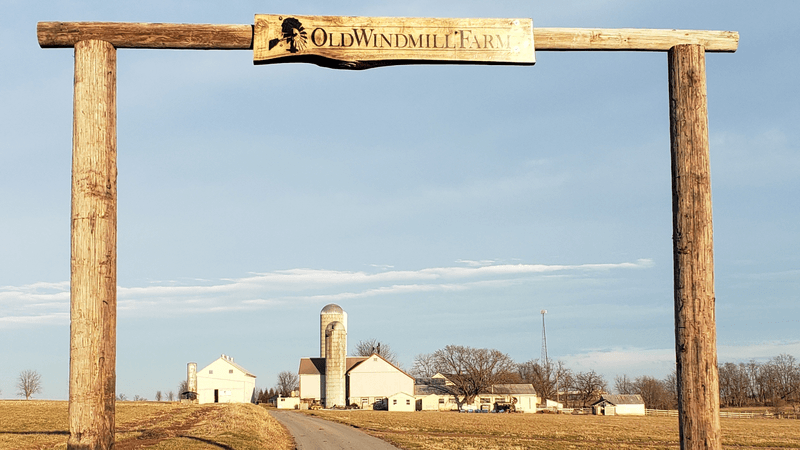
Milking a cow, bottle-feeding calves, and collecting eggs are not activities most people get to practice on a Tuesday afternoon, which is part of what makes Old Windmill Farm a genuinely different kind of stop in Amish Country.
The one-hour guided tour covers everyday farming practices on a working Amish operation, with animals including mules, pigs, bunnies, cows, and pygmy goats all part of the experience. An authentic Amish hayride is included, adding a traditional element that connects visitors directly to the agricultural rhythms of the region.
Seasonal additions include an Autumn Farmhouse Tour along with activities like Amish soup canning and vegetable preserving, which shift the focus toward food preservation traditions. The farm keeps the experience grounded in actual daily practice rather than performance, which gives it a credibility that more polished attractions sometimes lack.
11. Landis Valley Village & Farm Museum, Lancaster, Pennsylvania
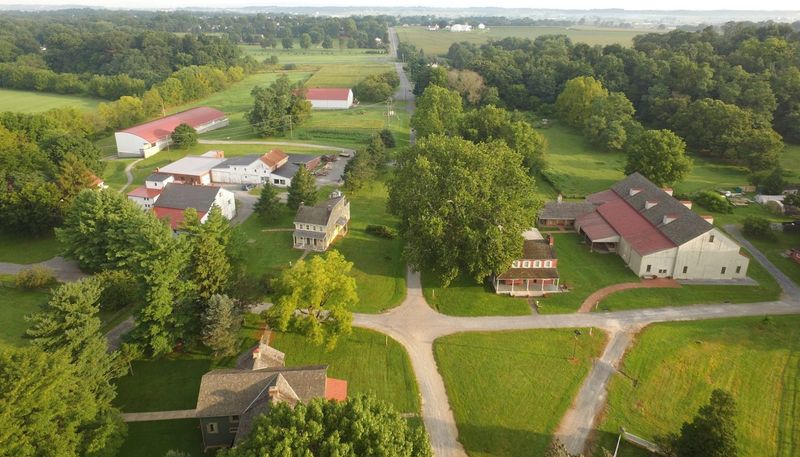
One hundred acres, more than 40 historic structures, and over 100,000 Pennsylvania German artifacts make Landis Valley Village and Farm Museum the largest collection of its kind in the entire country.
The museum covers Pennsylvania German rural life from 1740 through 1940, with costumed guides explaining traditions and folklore while skilled artisans demonstrate open-hearth cooking and traditional crafts in restored workshops and homes. The Bitzer Barn focuses specifically on 19th-century agriculture, and a Collections Gallery rotates artifacts from the museum’s extensive holdings.
An Heirloom Seed Project runs alongside the main exhibits, preserving historic plant varieties connected to Pennsylvania German farming traditions. Seasonal events change the programming throughout the year, making repeat visits genuinely worthwhile rather than just a repeat of the same walkthrough.
12. Intercourse, Pennsylvania
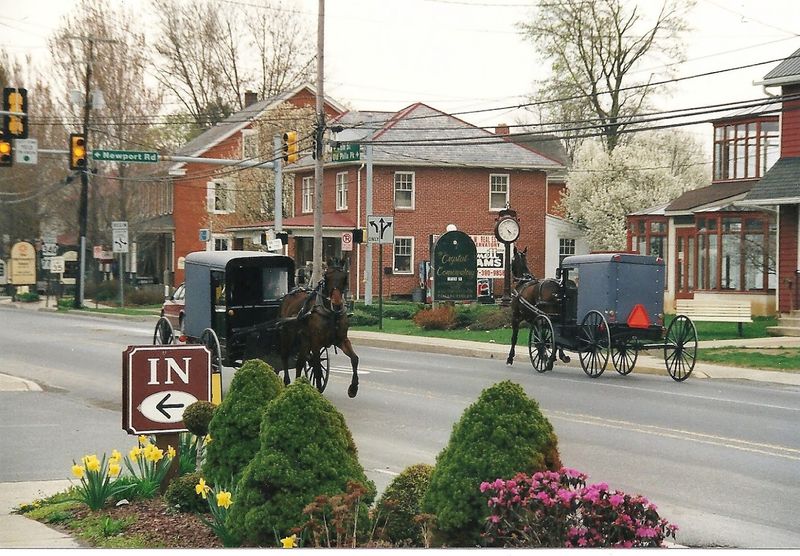
Yes, the name is real, and yes, the village has fully leaned into the good humor it generates, but Intercourse is also a genuinely worthwhile destination beyond the inevitable double-takes at the road signs.
The village sits within fertile Lancaster County farmland and maintains an old-fashioned character built around independent shops, local restaurants, and craft stores rather than national brands. Buggy traffic moves through regularly, reinforcing the sense that this is an active community rather than a preserved snapshot.
The Old Country Store, established here in 1833, anchors the village with one of the region’s most recognized retail operations. Visitors consistently report staying longer than planned, partly because the shops are genuinely interesting and partly because it takes a few extra minutes to compose yourself for the selfie in front of the welcome sign.
13. Lancaster Central Market, Lancaster, Pennsylvania
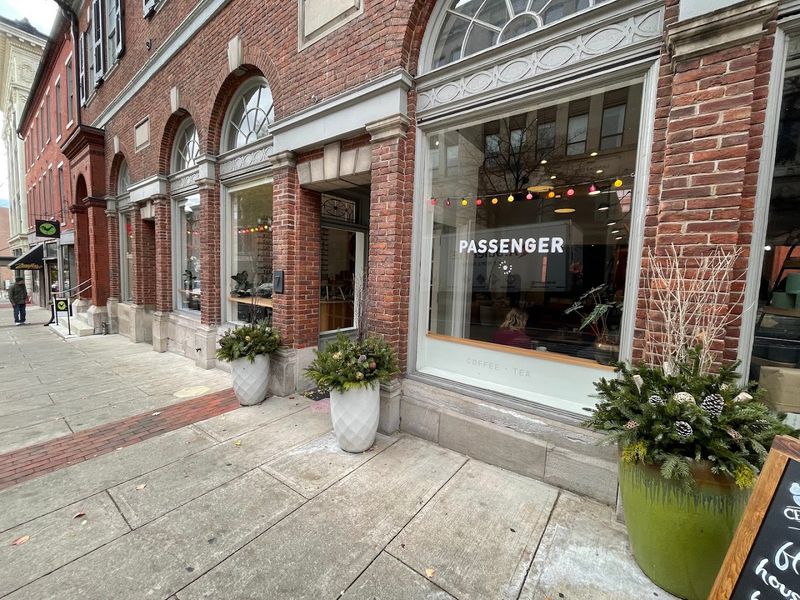
Operating continuously since 1730, Lancaster Central Market holds a legitimate claim to being one of the oldest public markets still running in the United States, which puts it in genuinely rare company.
The market is housed in a Romanesque Revival building in downtown Lancaster, and inside, local farmers, bakers, cheesemakers, and specialty food vendors fill the stalls with products that reflect the agricultural traditions of southeastern Pennsylvania. The atmosphere is rooted in community commerce rather than tourist programming, which gives it a different energy than most attraction-focused stops in the region.
Lancaster Central Market serves as both a practical shopping destination for locals and an excellent introduction to regional food culture for visitors. Arriving early on market days provides the best selection and a clearer view of how the space operates at full capacity.
It has been doing this for nearly 300 years, so the formula clearly works.
14. Aaron & Jessica’s Buggy Rides, Bird-in-Hand, Pennsylvania
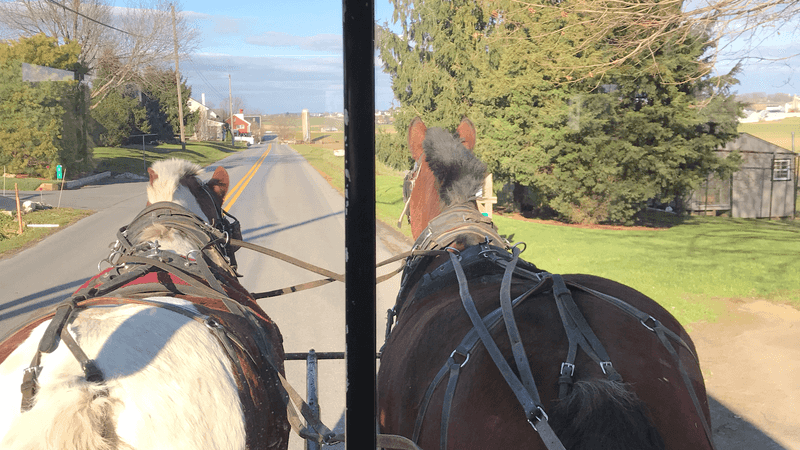
Most Lancaster County visitors see Amish buggies from their car windows; Aaron and Jessica’s operation puts you inside one, traveling along private Amish roads that are not accessible by typical tourist routes.
The tours are led by drivers from Amish, Brethren, and Mennonite communities who share firsthand knowledge of their lifestyle and customs throughout the ride. Multiple options are available, including a four-mile regular ride, a Country and Cookie Tour, and an Amish Farm Tour that includes a stop at a working farm.
The operation is based at Plain and Fancy Farm on Old Philadelphia Pike in Bird-in-Hand, making it easy to combine with other nearby stops. The pace of a buggy ride naturally slows things down in a way that a car tour simply cannot replicate, and that unhurried rhythm is exactly the point.
15. The Old Country Store, Intercourse, Pennsylvania
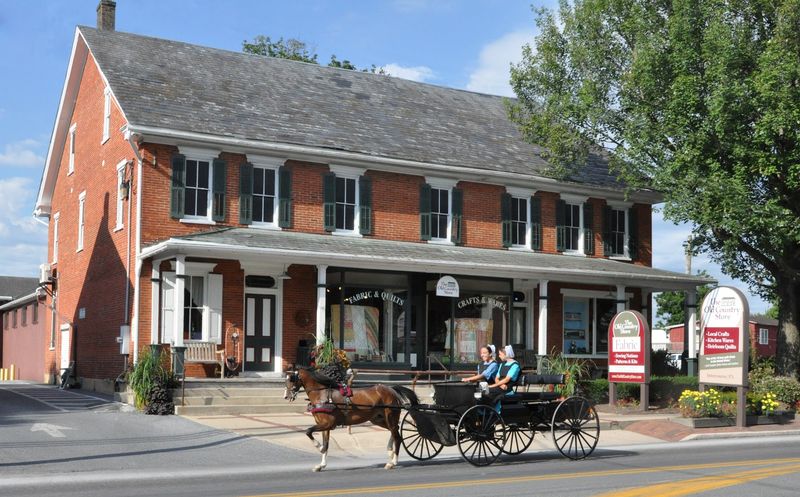
Founded in 1833, The Old Country Store is the oldest retail establishment in Intercourse and has spent nearly two centuries building a reputation serious enough to earn recognition from Better Homes and Gardens’ Quilt Sampler Magazine as one of the ten best quilt shops in the United States.
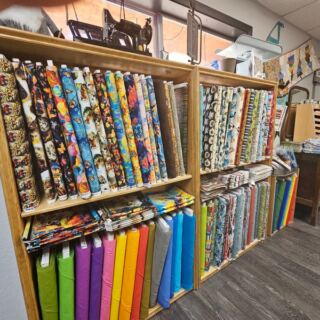
The store carries more than 6,000 bolts of fabric alongside handmade Amish and Mennonite quilts, kitchen gadgets, books, locally made preserved foods, and handcrafted gifts. Every quilt sold is hand-quilted, which distinguishes the inventory from mass-produced alternatives found at less specialized retailers.
Sewing and quilting classes are offered on-site, and Story Walk signs on the building detail the history of the surrounding town for curious visitors. The combination of retail depth and historical character makes this a stop that holds up even for visitors who arrived with no particular interest in quilts.
Share this story