 Unearth The Voyage
Some deaths are so powerful they don’t just end a life, they redirect the course of history. A single bullet, a poison cup, or a cross on a hill can set off waves that reshape nations, religions, and entire ways of thinking.
I’ve always been fascinated by how one person’s last moment can become the world’s turning point. These 15 lives, and the way they ended, prove that death isn’t always the end of the story.
Archduke Franz Ferdinand: The Assassination That Helped Trigger World War I
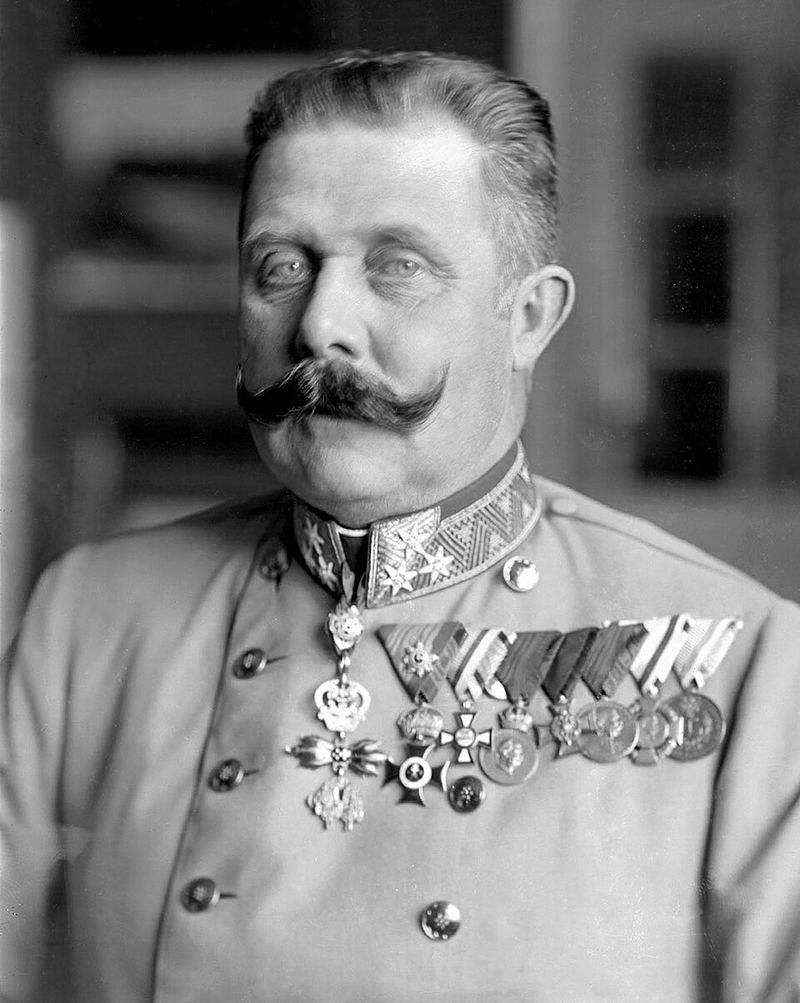
One wrong turn in Sarajevo changed the entire 20th century. On June 28, 1914, Archduke Franz Ferdinand, heir to the Austro-Hungarian throne, was shot by Gavrilo Princip.
His driver had taken a wrong turn, accidentally placing the car right in front of the waiting assassin. Talk about bad luck.
The assassination set off a chain reaction of political alliances, ultimatums, and mobilizations. Within weeks, the major powers of Europe were at war.
World War I killed over 17 million people and redrew the map of the entire world.
Empires crumbled. The Ottoman, Austro-Hungarian, Russian, and German empires all collapsed as a result of the war.
New nations were born from the rubble. The seeds of World War II were also planted in the harsh peace terms that followed.
One bullet, fired by one man, on one wrong street, changed absolutely everything.
Julius Caesar: The Murder That Helped End the Roman Republic
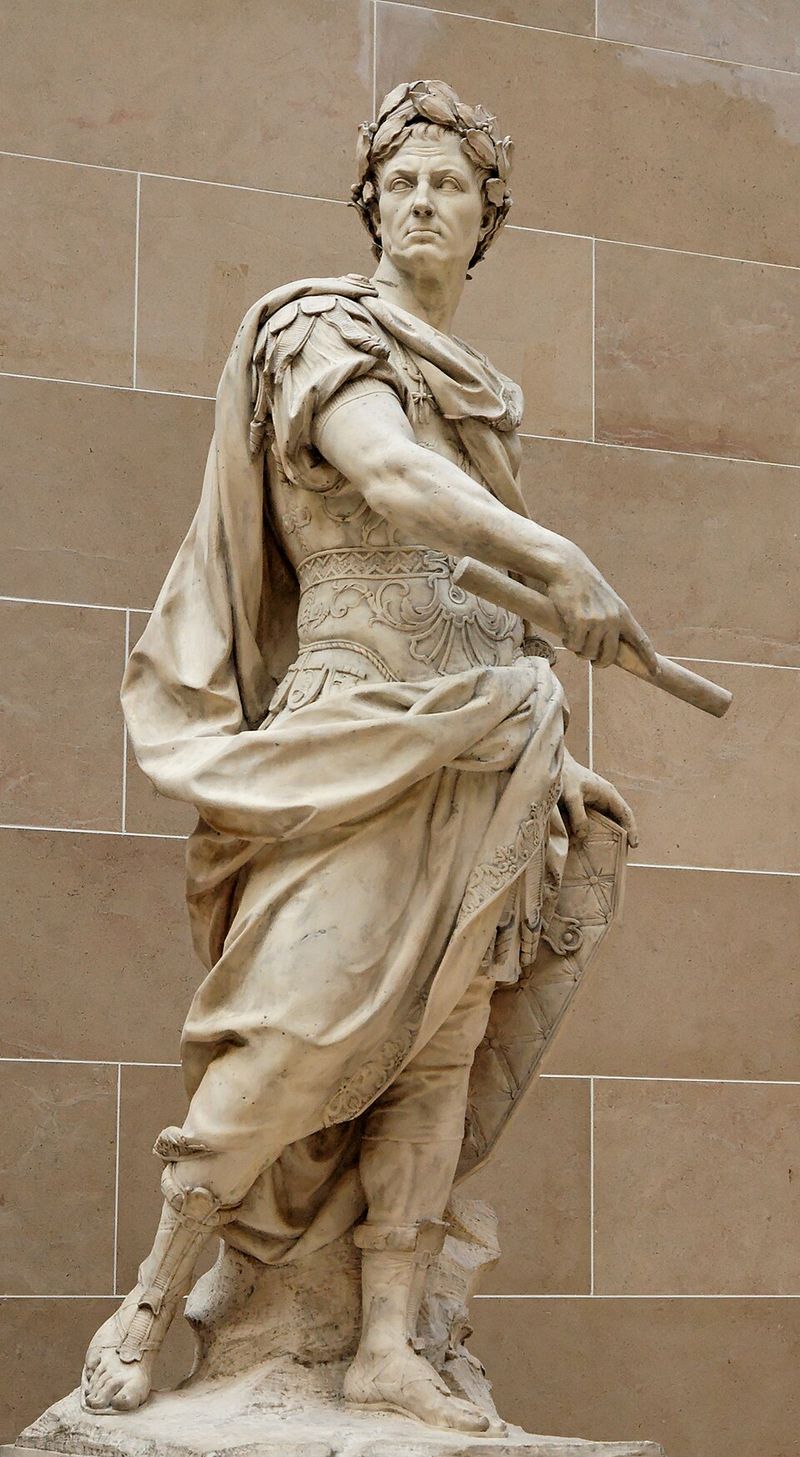
Et tu, Brute? Those three words have echoed through history for over 2,000 years.
On March 15, 44 BC, Julius Caesar was stabbed 23 times by a group of Roman senators who feared he was becoming too powerful. The date is now famously known as the Ides of March.
The senators thought killing Caesar would save the Roman Republic. Instead, it destroyed it.
His death triggered a brutal civil war between his allies and his assassins. Rome never recovered its republican form of government.
Caesar’s adopted son Octavian eventually won the power struggle and became Augustus, Rome’s first emperor. The Republic was officially over.
Caesar’s murder is one of history’s greatest backfires. The men who stabbed him thought they were protecting democracy.
Instead, they accidentally handed absolute power to a new dynasty that would rule for centuries.
Abraham Lincoln: The Assassination That Altered America’s Reconstruction
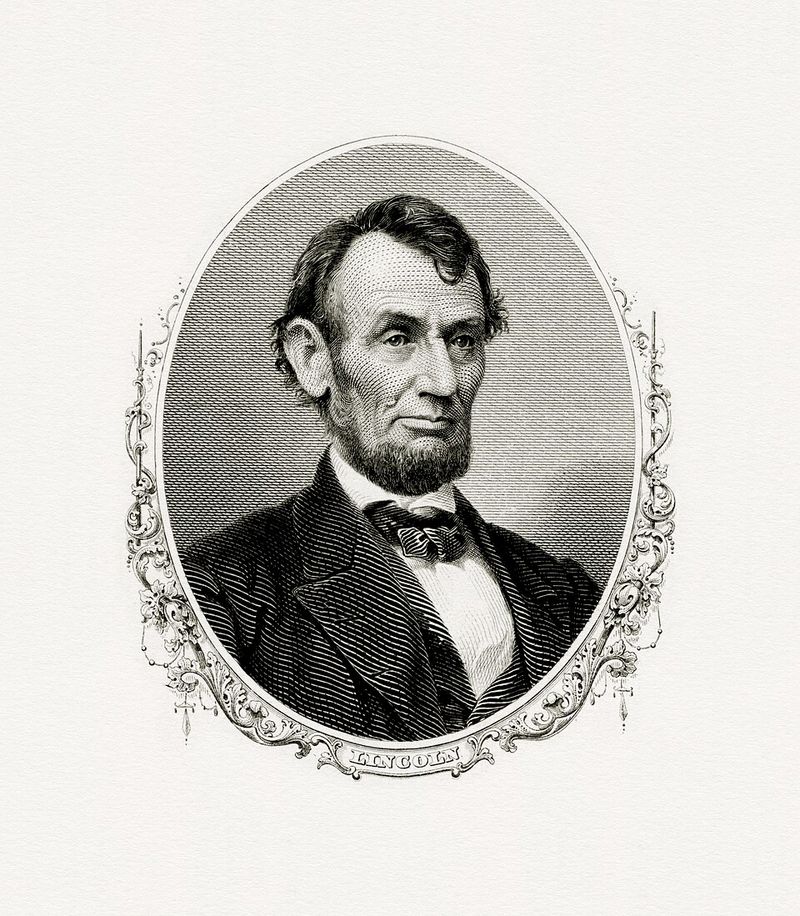
Abraham Lincoln was shot on April 14, 1865, just five days after the Civil War effectively ended. John Wilkes Booth fired the fatal bullet at Ford’s Theatre in Washington, D.C.
Lincoln died the next morning, becoming the first U.S. president to be assassinated.
His death came at the worst possible moment for the country. Lincoln had planned a relatively lenient Reconstruction policy for the defeated Southern states.
He wanted to reunite the nation quickly and peacefully. That vision died with him.
Vice President Andrew Johnson took over and proved far less capable of managing the political chaos that followed. Radical Republicans in Congress clashed with Johnson repeatedly.
The result was a messy, incomplete Reconstruction that left formerly enslaved people without the full protections and rights Lincoln had hoped to secure. The wounds of the Civil War took far longer to heal than they should have, largely because Lincoln was gone.
Martin Luther King Jr.: The Death That Shook the Civil Rights Movement
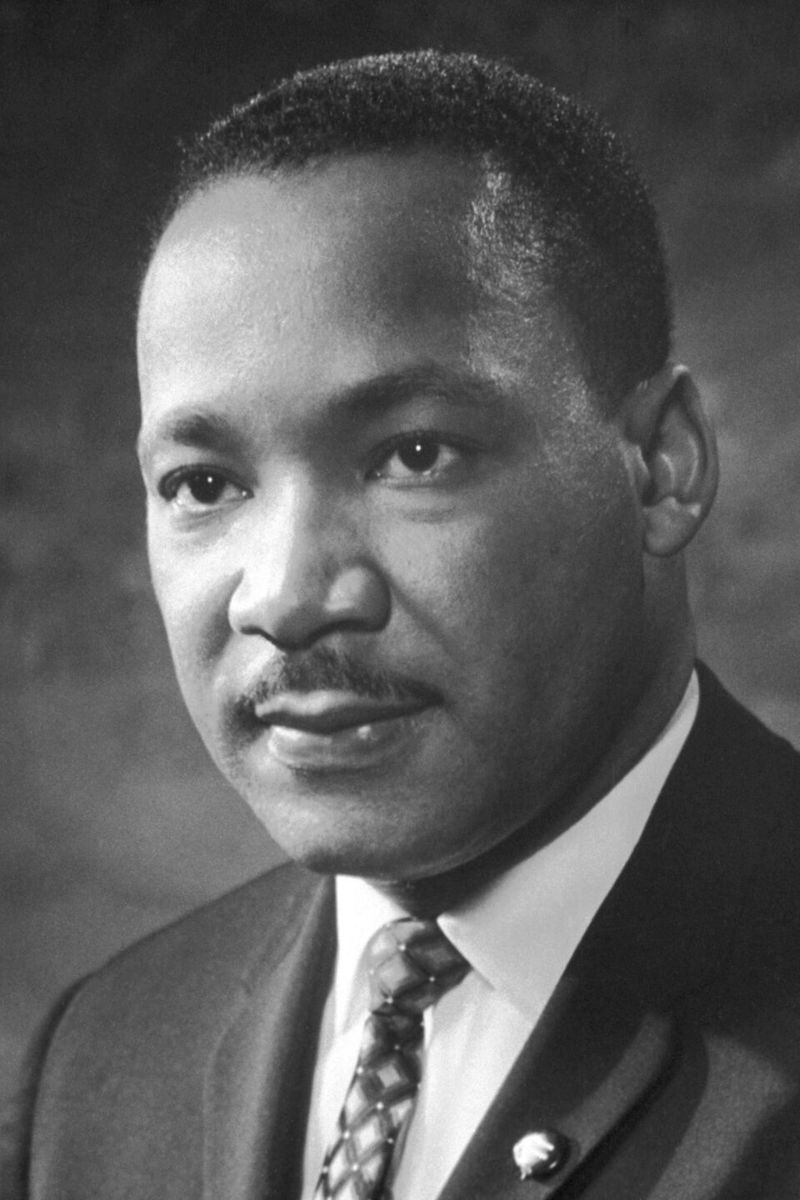
Martin Luther King Jr. was shot on April 4, 1968, while standing on the balcony of the Lorraine Motel in Memphis, Tennessee. He was only 39 years old.
The nation erupted in grief and rage. Over 100 cities experienced riots in the days that followed.
King had been the moral backbone of the American civil rights movement. His philosophy of nonviolent protest had guided some of the most important social changes in U.S. history.
Losing him felt like losing the movement’s compass.
His death actually accelerated the passage of the Fair Housing Act of 1968, signed just one week later. But the movement never quite found another leader with his combination of charisma, strategy, and moral authority.
King’s assassination reminded the world that speaking truth to power is dangerous work. His legacy, however, has only grown stronger with every passing decade.
Alan Turing: The Brilliant Mind Lost Too Soon
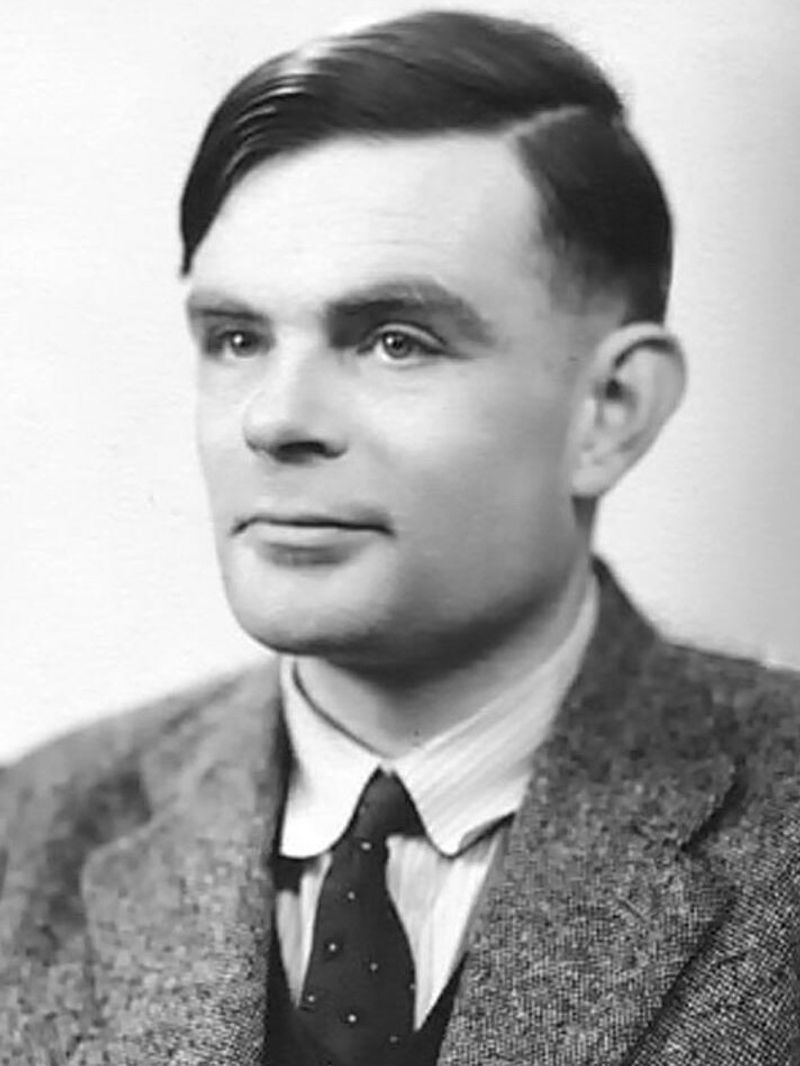
Alan Turing cracked Nazi Germany’s Enigma code during World War II, helping the Allies win the war. Some historians estimate his work shortened the war by two years and saved over 14 million lives.
Then, in 1952, the British government prosecuted him for being gay.
He was convicted of gross indecency and forced to undergo chemical castration as punishment. Two years later, in 1954, he died from cyanide poisoning.
The official verdict was suicide, though some historians still debate it.
The man who helped save the world was destroyed by the very country he served. Turing is now widely regarded as the father of modern computing and artificial intelligence.
In 2013, the British government issued him a posthumous royal pardon. In 2021, his face appeared on the British 50-pound note.
His death remains one of history’s most shameful examples of how societies punish brilliance when it doesn’t fit their narrow rules.
Marie Curie: The Scientist Whose Death Exposed the Risks of Radiation
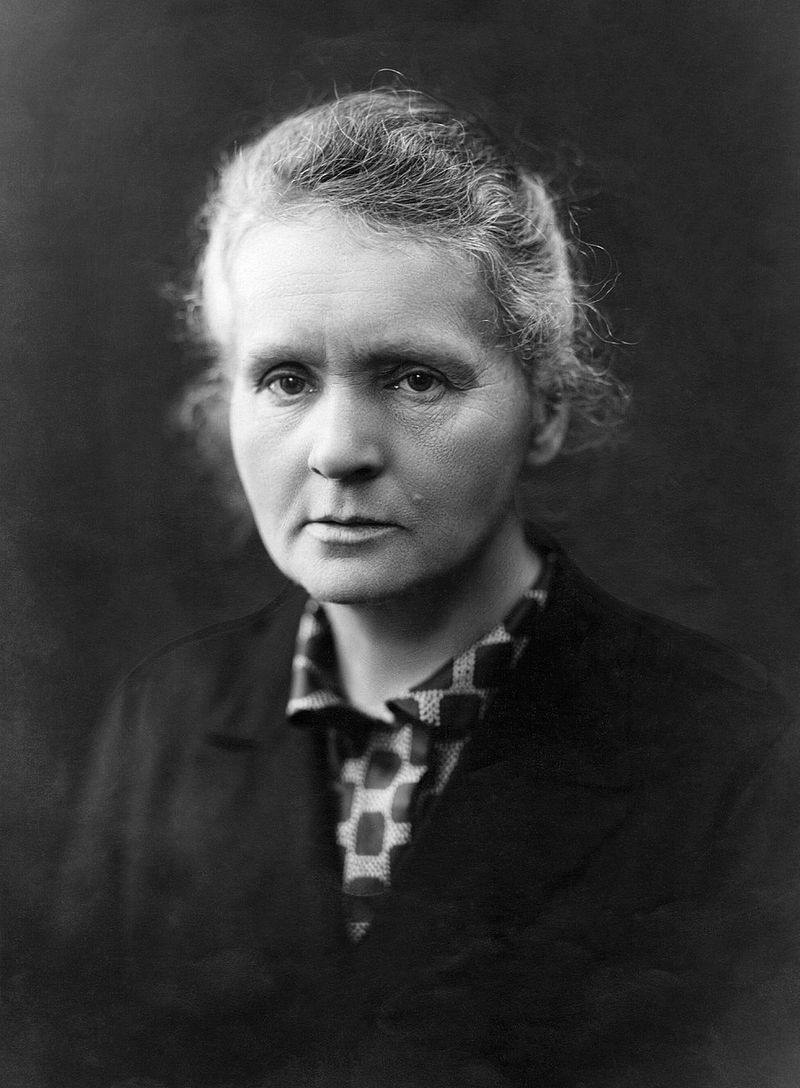
Marie Curie won two Nobel Prizes, which is already extraordinary. She was the first woman to win one, and still the only person to win in two different sciences.
But her greatest, most unintentional contribution may have been the way she died.
Curie died in 1934 from aplastic anemia, a blood disease caused by decades of radiation exposure. She had carried radioactive isotopes in her pockets and stored them in her desk drawers without protection.
Nobody fully understood the dangers back then.
Her death became a stark, undeniable warning to the scientific community. Safety protocols around radioactive materials were developed and tightened significantly in the years that followed.
Today, her personal notebooks are still so radioactive they’re kept in lead-lined boxes in Paris. Researchers who want to read them must sign a waiver.
Curie gave the world nuclear science, and then her own body became the most convincing safety lecture in scientific history.
Socrates: The Execution That Shaped Western Philosophy
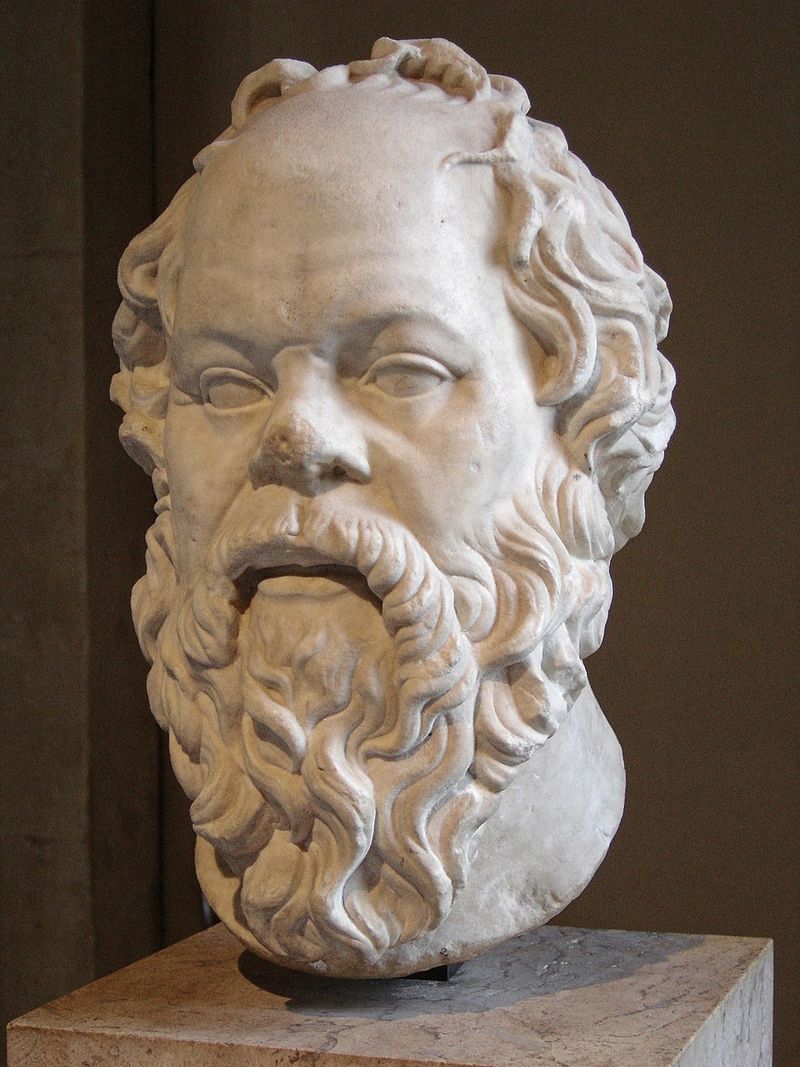
Socrates never wrote a single word. Everything we know about him comes from his students, especially Plato.
Yet this barefoot philosopher who wandered the streets of Athens asking uncomfortable questions became the foundation of Western thought. Then Athens decided it had enough of his questions.
In 399 BC, Socrates was put on trial for corrupting the youth and disrespecting the gods. He was found guilty and sentenced to death by drinking hemlock poison.
He refused to flee or beg for mercy, choosing to die on principle.
His execution scandalized his students and inspired them to write furiously. Plato’s dialogues, which documented Socrates’ ideas, became the cornerstone of Western philosophy.
The concept of questioning everything, the Socratic method used in classrooms today, came directly from his life and death. Killing Socrates didn’t silence him.
It gave him a megaphone that has been echoing for 2,400 years.
John Lennon: The Killing That Marked the End of an Era in Music
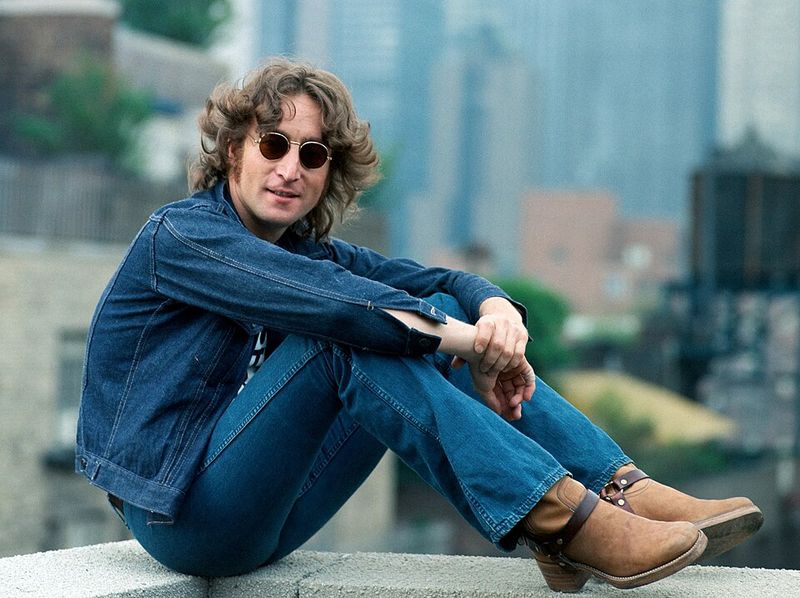
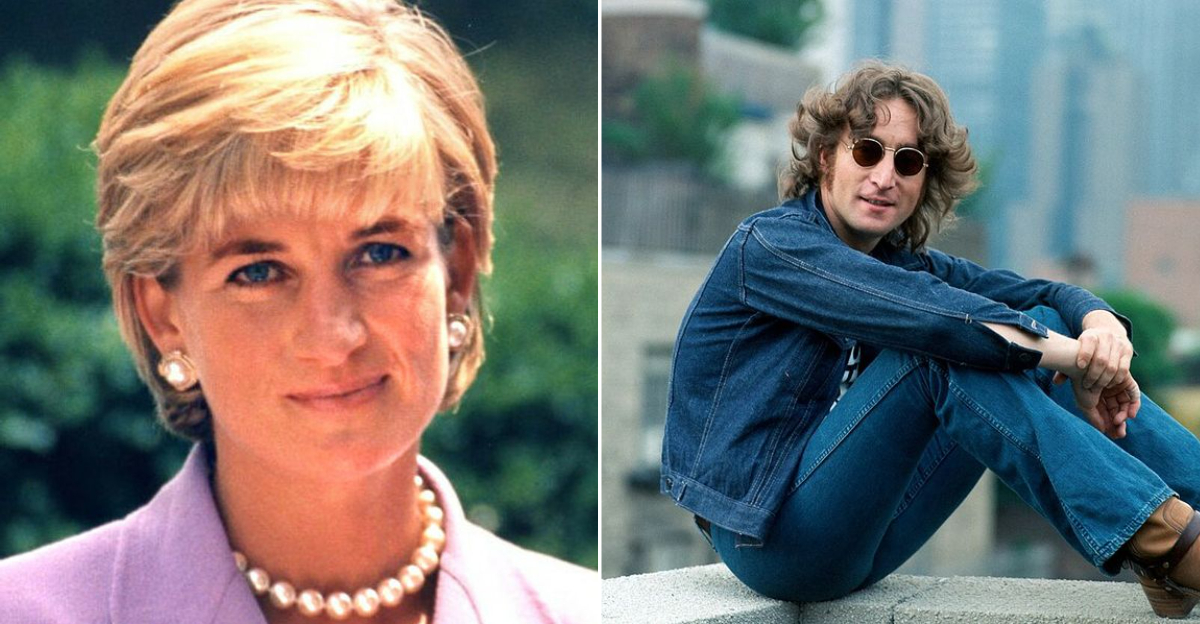
John Lennon was shot outside his apartment building in New York City on December 8, 1980. He was 40 years old.
Fans gathered outside the Dakota building and wept openly. Radio stations around the world stopped their regular programming to play Beatles songs.
The world went quiet in a way it rarely does.
Lennon had been one of the most influential voices in music and politics. He had used his fame to protest the Vietnam War, champion peace, and challenge authority.
His song Imagine is still one of the most recognized pieces of music ever written.
His death marked the definitive end of the 1960s idealism that the Beatles had helped create. There was no reunion possible anymore.
No coming back. A generation that had grown up believing music could change the world suddenly had to face that the world could also take its music away.
It hurt in a very specific, irreplaceable way.
Princess Diana: The Tragedy That Changed the Public’s View of the Royals and the Press
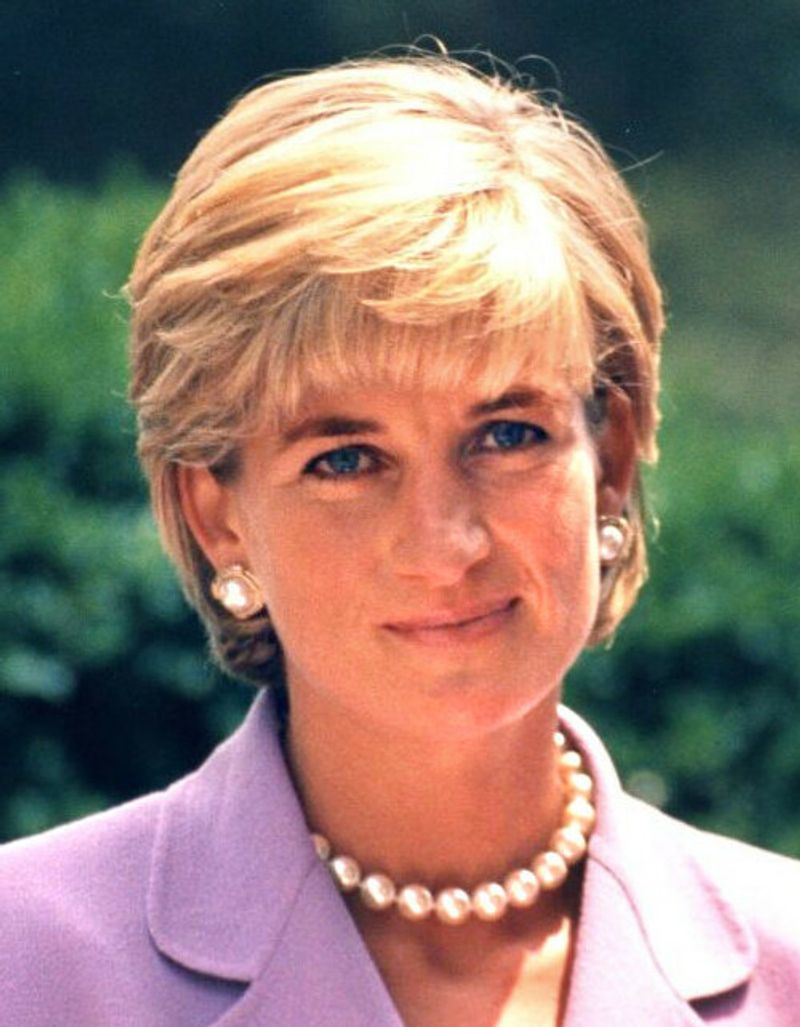
Princess Diana died in a car crash in a Paris tunnel on August 31, 1997. She was 36 years old.
The paparazzi had been chasing her car when it crashed. Within hours, the entire world was in mourning, and a very uncomfortable conversation about press intrusion had begun.
The public’s grief was enormous and raw. Over a million people lined the streets of London for her funeral.
The floral tributes outside Kensington Palace stretched for acres. Queen Elizabeth II’s initially cold public response triggered a genuine crisis of confidence in the monarchy.
Diana’s death forced the royal family to modernize its public image significantly. It also sparked serious debates about media ethics and the dangerous obsession with celebrity.
New laws regulating press behavior were eventually introduced in Britain. She had spent her life challenging the stuffy formality of royal life, and even in death, she forced the palace to change.
Tupac Shakur and The Notorious B.I.G.: Two Deaths That Changed Hip-Hop Forever
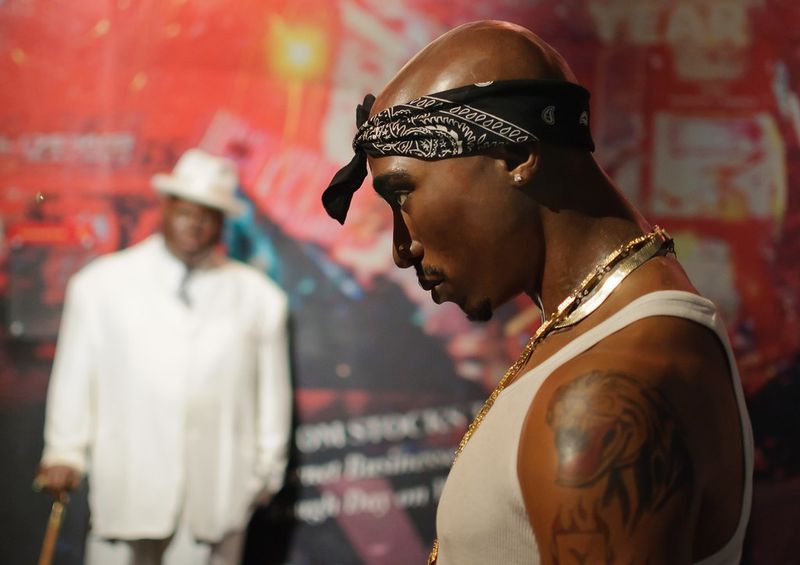
Within seven months of each other, hip-hop lost its two biggest stars. Tupac Shakur was shot in Las Vegas in September 1996 and died at 25.
The Notorious B.I.G. was killed in Los Angeles in March 1997 at just 24. Neither murder has ever been officially solved, which somehow made everything worse.
Their deaths ended the East Coast versus West Coast rap rivalry in the most devastating way possible. The feud had been fueled by record labels, media hype, and real personal beef.
When it resulted in two actual funerals, the entire industry was forced to reckon with what it had created.
Hip-hop became more introspective after their deaths. Artists started questioning the culture of violence that had been glamorized.
Both Tupac and Biggie’s music continued selling millions of albums posthumously. They became legends, almost mythological figures.
Their deaths didn’t shrink hip-hop. They accidentally made it bigger, more global, and more serious.
Jesus Christ: The Crucifixion That Reshaped World History
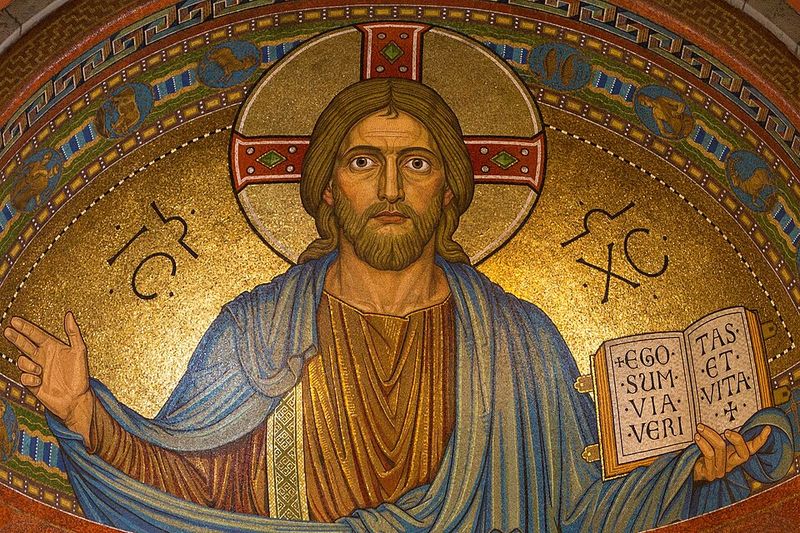
No death in human history has had more lasting consequences than the crucifixion of Jesus of Nazareth. Around 30 AD, Roman authorities executed him by crucifixion, a method reserved for criminals and enemies of the state.
His followers expected that to be the end. It was only the beginning.
Christianity grew from a small Jewish sect into the world’s largest religion, with over 2 billion followers today. The life and death of Jesus influenced art, law, ethics, politics, and culture across every continent for two millennia.
The calendar most of the world uses today is literally divided by his birth. Christmas, Easter, and countless holidays all trace back to him.
Universities, hospitals, and legal systems across the Western world were built on Christian foundations. Whether viewed through faith or history, it is nearly impossible to overstate how completely the death of one man in Roman-occupied Judea altered the entire trajectory of human civilization.
Hypatia of Alexandria: The Murder That Became a Symbol of Lost Knowledge

Hypatia of Alexandria was one of the most brilliant people of the ancient world. She was a mathematician, astronomer, and philosopher who taught in Alexandria, Egypt, around 400 AD.
In a time when women were rarely educated, she ran her own school and advised political leaders. Then a Christian mob murdered her in the street.
In 415 AD, she was dragged from her carriage, killed, and her body was burned. Her murder marked a symbolic turning point.
The great Library of Alexandria had already suffered damage, and her death represented the final snuffing out of classical learning in the city.
Historians often point to her death as a moment when religious extremism overtook intellectual inquiry. The Dark Ages weren’t entirely caused by her murder, but she became the symbol of everything that was lost.
Her story has inspired writers, scientists, and feminists for centuries, proving that erasing a brilliant mind never truly works.
Osama bin Laden: The Death That Marked a Turning Point in the War on Terror
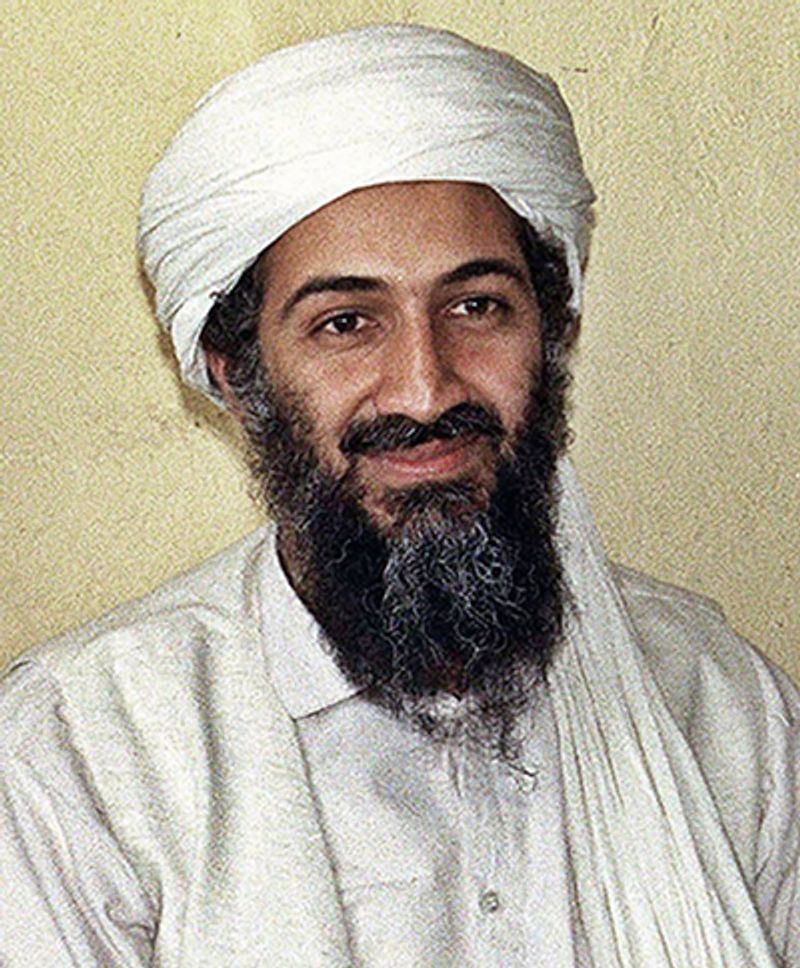
On May 2, 2011, U.S. Navy SEALs raided a compound in Abbottabad, Pakistan, and killed Osama bin Laden, the mastermind behind the September 11, 2001 attacks.
Almost ten years of searching had finally ended. President Obama announced the news to the world late that night, and crowds gathered outside the White House to cheer.
Bin Laden’s death didn’t end terrorism, and nobody seriously claimed it would. But it was a massive symbolic and operational victory.
Al-Qaeda lost its most recognizable figurehead, its chief fundraiser, and its propaganda engine in one night.
The War on Terror had cost thousands of American lives and trillions of dollars. His death offered a moment of closure, even if the underlying conflicts continued.
It also sparked debates about drone warfare, surveillance, and the moral costs of the decade-long hunt. His killing reshaped U.S. foreign policy and changed the global conversation about how wars against non-state actors should be fought.
George Floyd: The Killing That Sparked a Global Reckoning
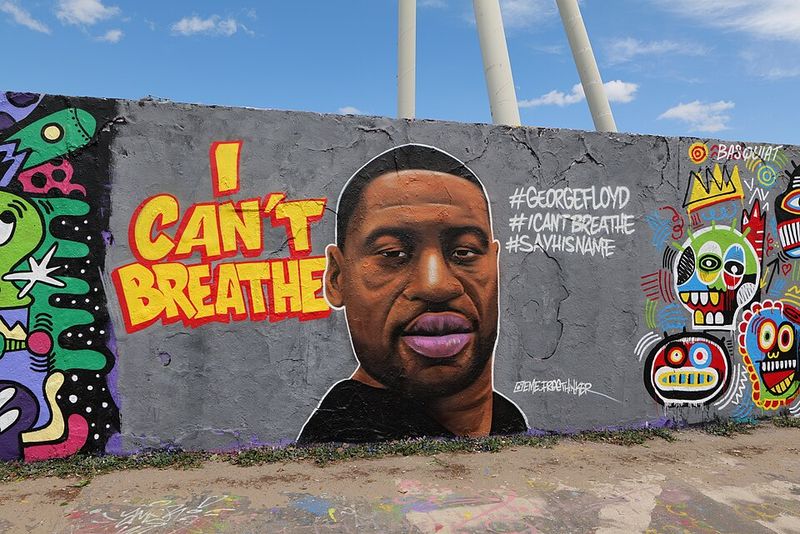
On May 25, 2020, George Floyd, a 46-year-old Black man, was killed by Minneapolis police officer Derek Chauvin, who knelt on his neck for over nine minutes. A bystander filmed the entire thing.
Within days, the video had been watched hundreds of millions of times around the world.
The protests that followed were unlike anything seen in decades. Demonstrations erupted in all 50 U.S. states and in over 60 countries.
Statues of historical figures linked to slavery and racism were toppled from London to Richmond. The phrase Black Lives Matter became one of the most recognized slogans on the planet.
Floyd’s death forced corporations, governments, and institutions to publicly address systemic racism in ways many had avoided for years. Police reform moved to the center of political debate.
His death didn’t solve racial inequality, but it cracked open a global conversation that had been building for generations. Some reckonings take a tragedy to finally begin.
Mahatma Gandhi: The Assassination That Tested a New Nation
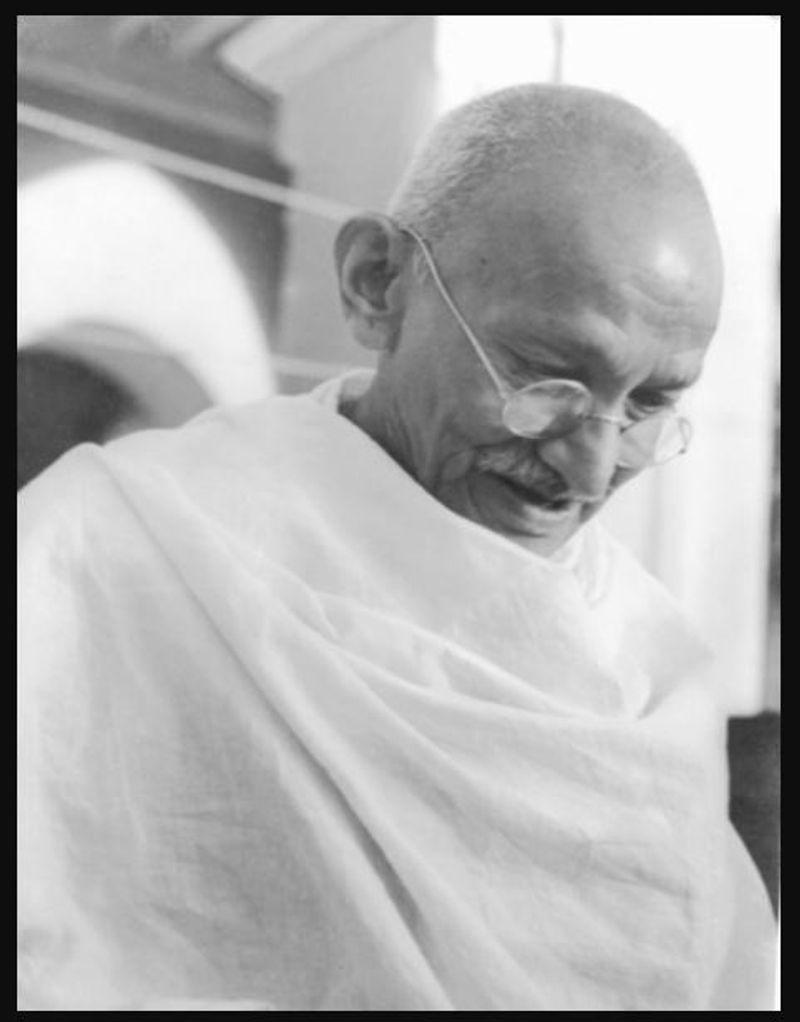
Mahatma Gandhi was shot on January 30, 1948, just months after he had helped lead India to independence from British rule. He was 78 years old.
The man who had spent decades preaching nonviolence was killed by a Hindu nationalist who blamed him for being too conciliatory toward Muslims during the partition of India.
The irony was brutal and painful. Gandhi’s entire philosophy was built on ahimsa, meaning nonviolence.
His death by violence was a gut punch to everything he stood for.
India’s first Prime Minister, Jawaharlal Nehru, announced the news on the radio with the famous words: The light has gone out of our lives. Gandhi’s assassination shocked the world and briefly united a nation torn apart by partition violence.
His death became a permanent reminder of the cost of hatred and division. Today, he remains one of the most cited moral figures in human history, a man whose ideas outlived his killers by centuries.



