Our planet is full of breathtaking beauty, but some corners of the world are more unsettling than anything you could imagine. From forests with dark histories to volcanic islands wrapped in toxic gas, these real places push the limits of what nature and humanity can create.
Whether shaped by geological forces, war, or legend, each location carries a story that is hard to forget. Get ready to explore 15 of the scariest real places on Earth.
1. North Yungas Road (Death Road) – Bolivia
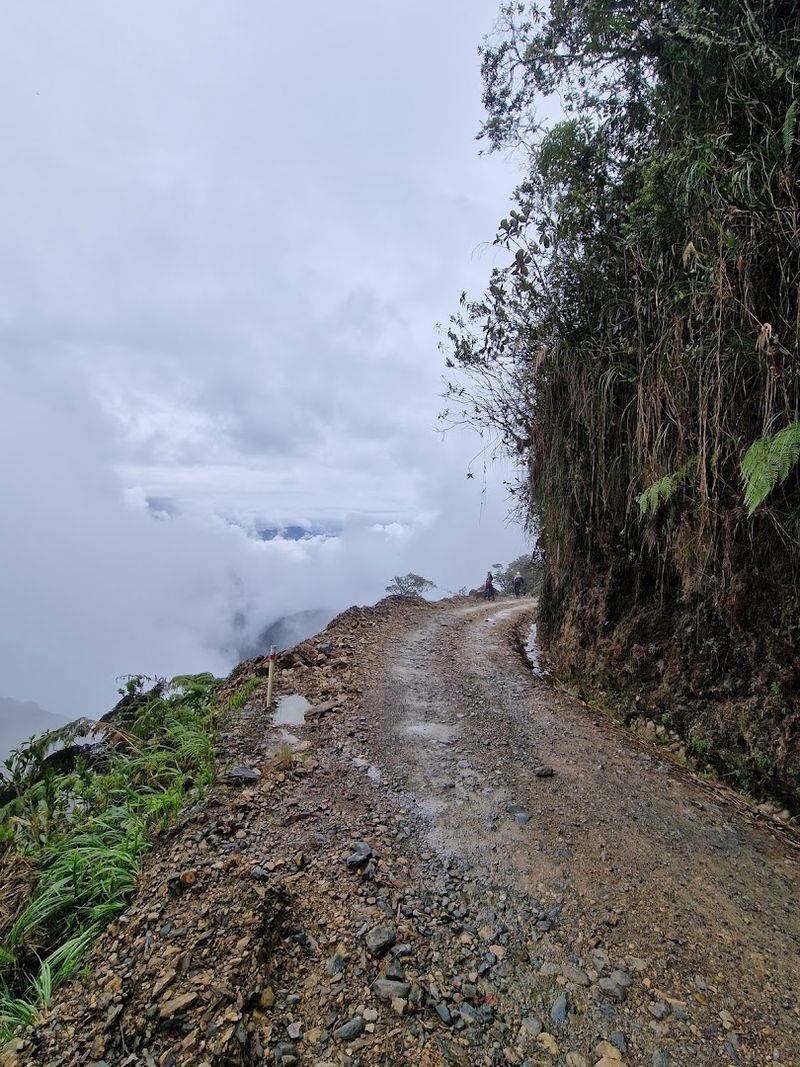
Carved into the Bolivian Andes, North Yungas Road earned its nickname “Death Road” the hard way. At its narrowest, the path stretches just 10 feet wide, hugging cliffs that drop more than 2,000 feet straight down.
There are no guardrails. Fog, rain, and falling rocks make every trip an act of courage.
For decades, this was the only route connecting the Amazon rainforest region to La Paz. Hundreds of people lost their lives on it annually before a safer bypass was built in the 1990s.
Today, thrill-seeking mountain bikers come from around the world to ride it.
Wooden crosses and memorials dot the roadside, marking where vehicles plunged into the jungle below. It remains one of the most dangerous roads ever documented.
Even experienced drivers who know the route admit the road demands complete respect at every single turn.
2. Danakil Depression – Ethiopia
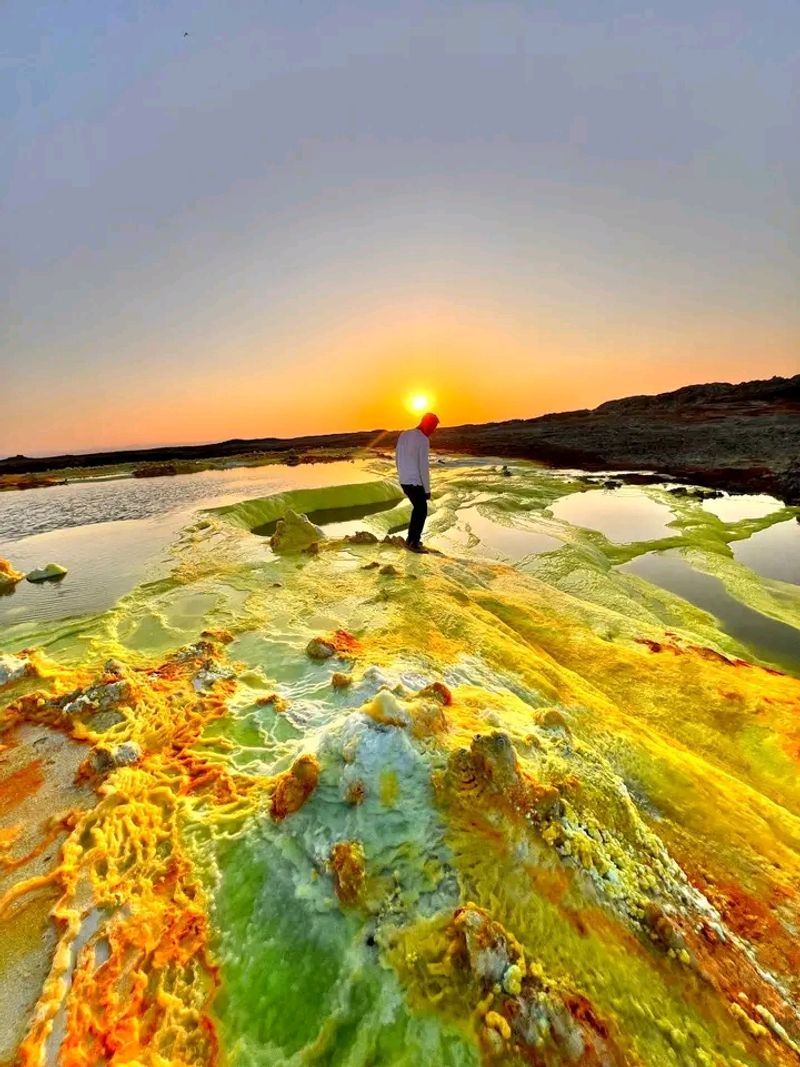
Standing in the Danakil Depression feels like visiting another planet. Located in northeastern Ethiopia, this region sits nearly 400 feet below sea level and regularly records temperatures above 120 degrees Fahrenheit.
It is widely considered one of the hottest places on Earth year-round.
Hydrothermal vents push up boiling acid pools and sulfur fields that glow in vivid yellows, greens, and oranges. The air smells of rotten eggs and can be toxic without proper protection.
An active lava lake called Erta Ale bubbles nearby, adding molten drama to an already extreme environment.
Despite these conditions, the Afar people have lived and worked near this area for generations, mining salt from the ancient lake beds. Scientists visit to study how life survives in such extreme conditions, hoping the findings could even provide clues about life on other planets.
3. Snake Island (Ilha da Queimada Grande) – Brazil
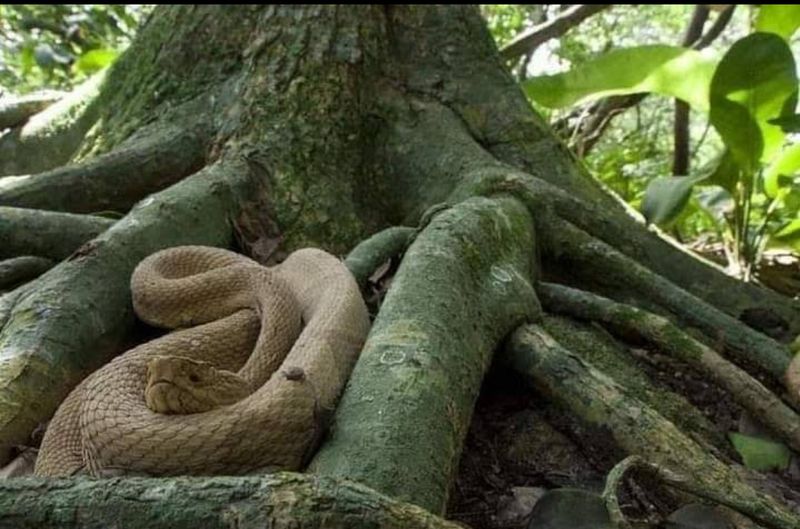
About 90 miles off the coast of Sao Paulo lies a small island that the Brazilian Navy has officially closed to the public. The reason is straightforward: Ilha da Queimada Grande is home to an estimated 2,000 to 4,000 golden lancehead pit vipers, one of the deadliest snake species in the world.
Researchers estimate there is roughly one snake for every square meter in some parts of the island. The golden lancehead’s venom is so potent it can melt human flesh around the bite wound.
Even with treatment, survival is not guaranteed.
The snakes evolved in isolation after rising sea levels cut the island off from the mainland thousands of years ago. With no land predators, their population grew unchecked.
Only authorized scientists with special permits may visit, and even they must bring a doctor along for safety during every expedition.
4. The Door to Hell (Darvaza Gas Crater) – Turkmenistan
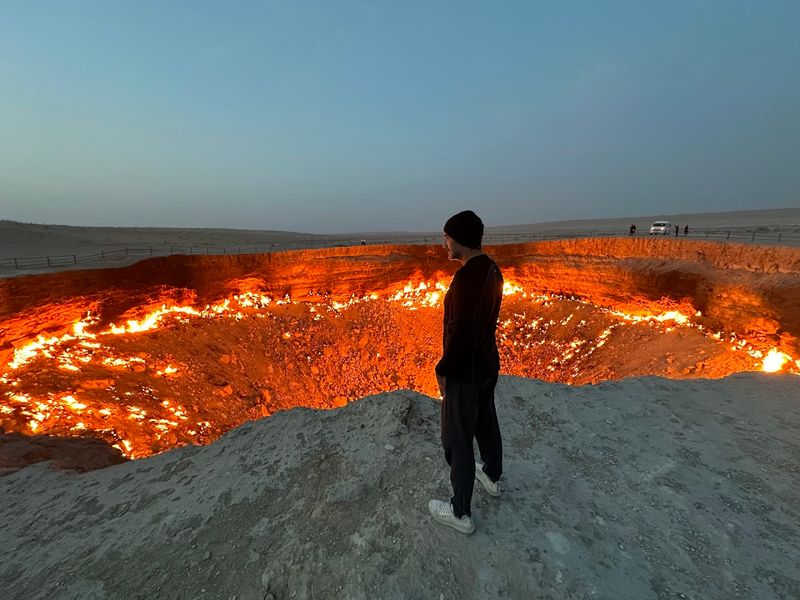
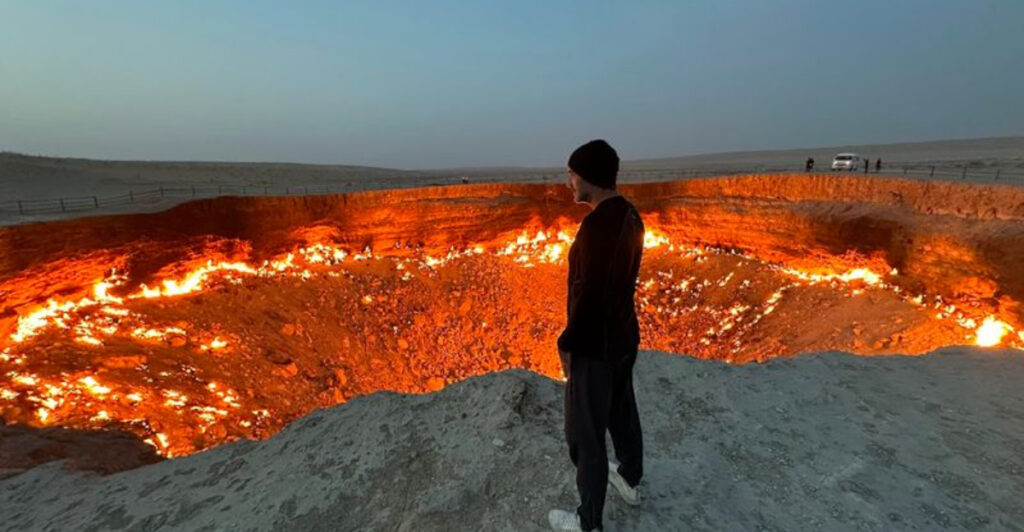
In the middle of Turkmenistan’s Karakum Desert, a crater about 230 feet wide has been burning continuously since 1971. Soviet engineers accidentally created it while drilling for natural gas, causing the ground to collapse into a massive sinkhole.
To prevent dangerous methane from spreading, they set it on fire, expecting it to burn out within weeks.
More than five decades later, the flames are still going. Locals call it the Door to Hell, and looking into it at night, you understand why.
The glowing pit roars with heat, and the orange light can be seen from miles across the flat desert landscape.
Turkmenistan’s government has talked about extinguishing it, concerned about wasted natural resources. Explorer George Kourounis became the first person to descend into the crater in 2013, collecting soil samples.
Surprisingly, he found bacteria living in the extreme heat at the bottom.
5. Aokigahara Forest – Japan
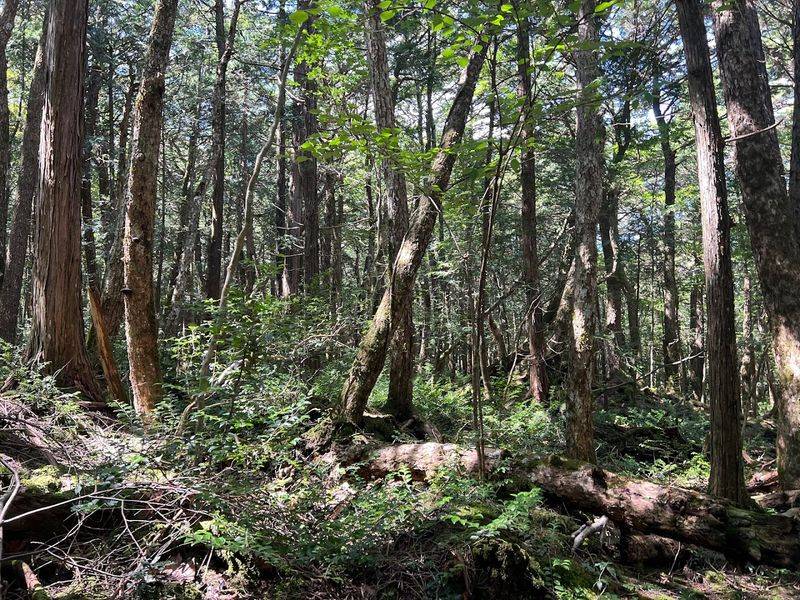
At the base of Mount Fuji, a dense woodland called Aokigahara stretches across nearly 14 square miles of hardened lava. The forest grows so thick that wind barely penetrates it, creating an almost total silence that many visitors find deeply unsettling.
Compasses and GPS devices frequently malfunction here due to magnetic iron in the volcanic rock below.
Aokigahara has been associated with death in Japanese culture for centuries, appearing in literature as a place tied to sorrow and isolation. Authorities have placed signs throughout the forest encouraging anyone struggling emotionally to seek help.
Volunteers and officials conduct annual searches through the woods.
Despite its somber reputation, the forest itself is ecologically remarkable. Rare wildlife, ancient trees, and lava caves filled with ice even in summer make it a genuinely unique natural environment.
Many visitors come respectfully, drawn by both the forest’s eerie quiet and its undeniable natural beauty.
6. Sedlec Ossuary (Bone Church) – Czech Republic
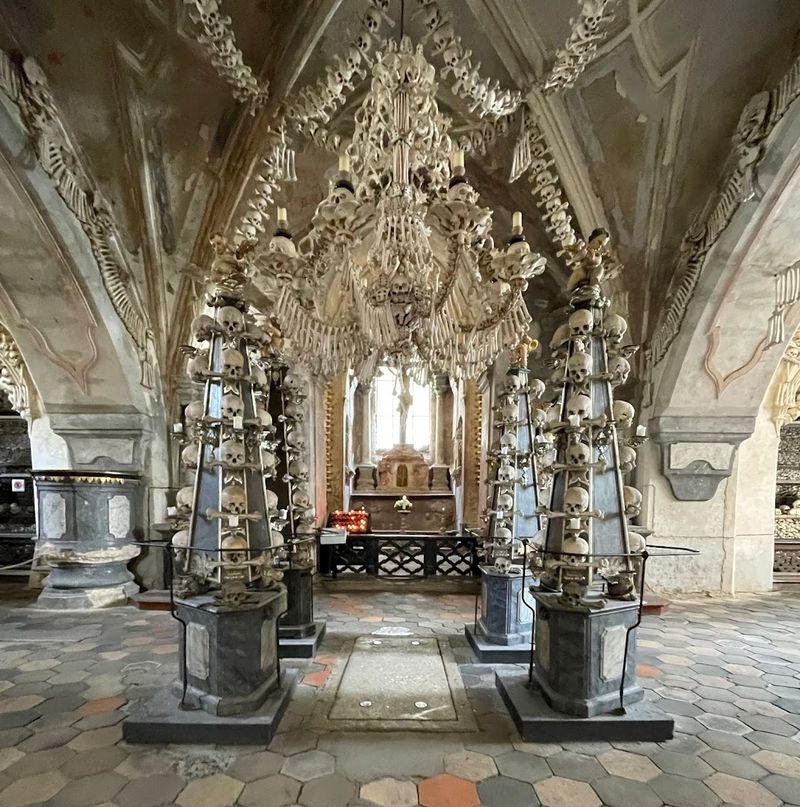
Walking into the Sedlec Ossuary in Kutna Hora feels like stepping into something out of a dark fairy tale. Every chandelier, every garland hanging from the ceiling, and every decorative coat of arms inside this small Catholic chapel is made from actual human bones.
The ossuary holds the skeletal remains of an estimated 40,000 to 70,000 people.
The bones came from victims of the Black Death and the Hussite Wars during the 14th and 15th centuries. When the cemetery became overcrowded, a half-blind monk was tasked with organizing the remains.
Woodcarver Frantisek Rint was later hired in 1870 to arrange the bones artistically, creating the extraordinary interior visitors see today.
Despite its unusual decor, the ossuary is a functioning religious site, not just a tourist attraction. It draws around 200,000 visitors each year, making it one of the most visited places in the entire Czech Republic.
7. Catacombs of Paris – France
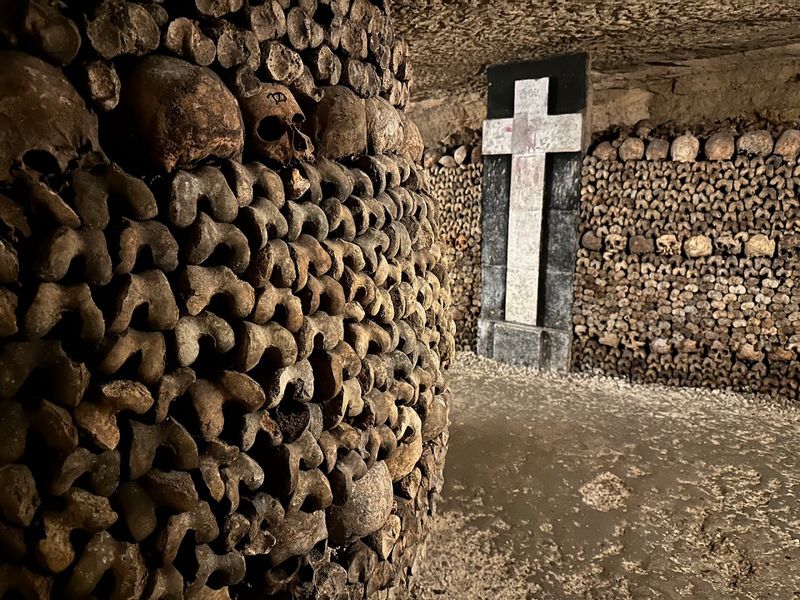
Beneath the romantic streets of Paris lies a 186-mile network of tunnels holding the bones of more than six million people. The Paris Catacombs were created in the late 18th century when city cemeteries became dangerously overcrowded.
Authorities began transferring remains from overflowing graveyards into the abandoned limestone quarries below the city.
Today, a small section of the catacombs is open to the public as a museum. Skulls and bones are stacked in carefully arranged rows along the tunnel walls, some forming patterns and crosses.
Signs mark which cemeteries the remains originally came from, giving a strange sense of order to the underground city of the dead.
Beyond the official tour route, hundreds of miles of tunnels remain off-limits. Known as cataphiles, urban explorers illegally enter the restricted areas regularly.
The tunnels are disorienting, dark, and easy to get lost in, making unauthorized visits genuinely dangerous.
8. Lake Natron – Tanzania
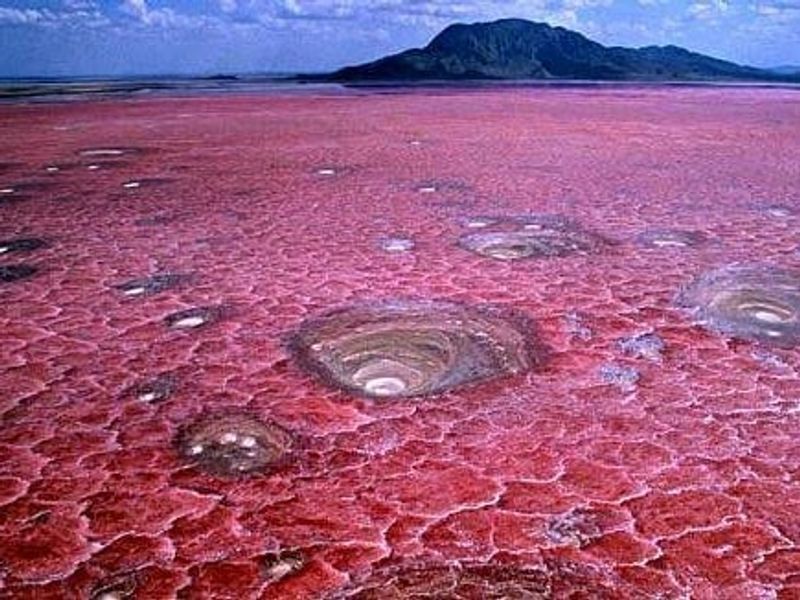
Lake Natron in northern Tanzania looks like something painted in blood. The lake’s water turns deep red and orange due to salt-loving microorganisms called haloarchaea that thrive in the extreme alkaline conditions.
The water’s pH can reach as high as 10.5, nearly as caustic as ammonia, and temperatures in the shallows can exceed 140 degrees Fahrenheit.
Animals that fall into the lake are quickly calcified by the sodium carbonate in the water, turning into eerie stone-like statues. Photographer Nick Brandt documented these calcified creatures along the shoreline in 2013, producing haunting images of birds and bats frozen mid-pose on the lake’s edge.
Oddly, Lake Natron supports an important ecosystem. It is the primary breeding ground for East Africa’s flamingo population.
The caustic conditions that kill most animals actually protect flamingo nests from predators, making this deadly lake a critical refuge for one of Africa’s most iconic birds.
9. Pripyat and the Chernobyl Exclusion Zone – Ukraine
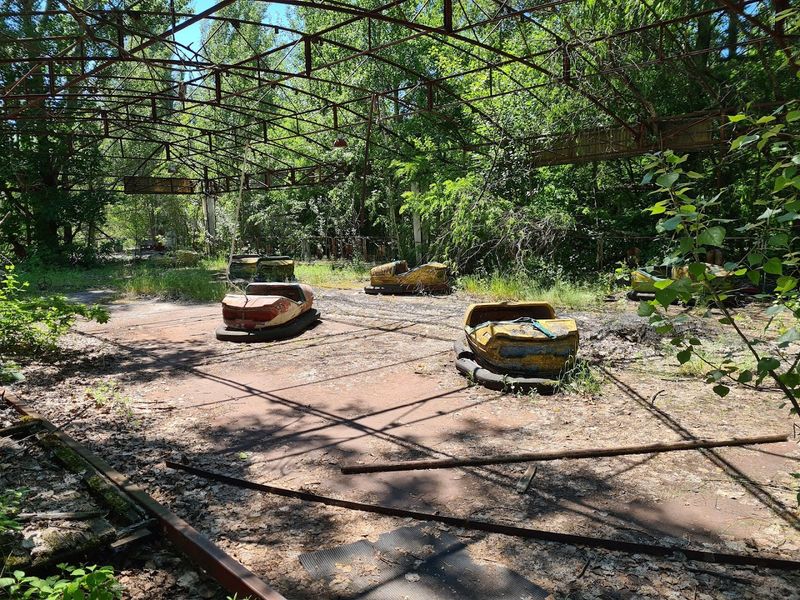
On April 26, 1986, Reactor No. 4 at the Chernobyl Nuclear Power Plant exploded, triggering the worst nuclear disaster in history. The nearby city of Pripyat, once home to nearly 50,000 people, was evacuated within 36 hours.
Residents were told the evacuation would be temporary. Most never returned.
Today, Pripyat sits frozen in time inside a 1,000-square-mile exclusion zone. School books still lie open on classroom floors.
Bumper cars rust in an amusement park that never officially opened. Trees and vines push through cracked concrete, slowly reclaiming the city block by block.
Radiation levels in most parts of Pripyat have dropped enough that guided tours are now permitted. Thousands of visitors come each year, drawn by the haunting silence and the preserved snapshot of Soviet-era life.
Wildlife has returned in surprising numbers, filling a landscape that humans abandoned more than three decades ago.
10. The Catacombs of the Capuchins – Palermo, Sicily, Italy
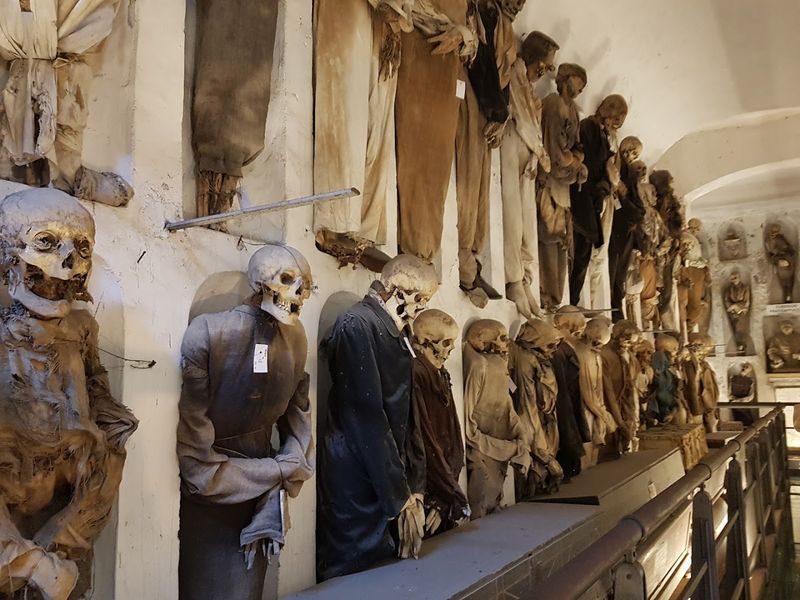
Most burial sites hide their dead from view. The Capuchin Catacombs of Palermo do the opposite.
Stretching beneath a monastery in Sicily, these underground corridors display approximately 8,000 mummified bodies, dressed in their finest clothes and arranged upright along the walls as if standing at attention.
The practice began in 1599 when Capuchin monks developed a preservation method using dehydration and arsenic treatments. Wealthy Palermo families considered it an honor to have their loved ones displayed here.
The bodies range from monks and priests to noblemen, lawyers, and even children, all preserved with varying degrees of success.
The most famous resident is Rosalia Lombardo, a two-year-old girl who died in 1920. Her preservation is so remarkable that her features remain nearly intact, earning her the nickname “Sleeping Beauty.” Visitors come from around the world to see her, though many find the experience deeply moving rather than frightening.
11. Island of the Dolls (Isla de las Munecas) – Xochimilco, Mexico
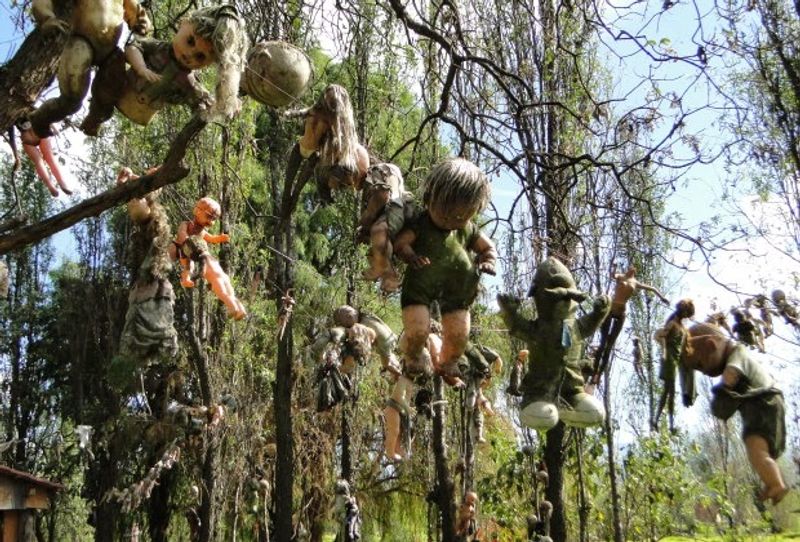
Hanging from nearly every tree and fence post on this tiny island in Mexico City’s canal network are hundreds of decaying dolls. Their cracked faces, missing eyes, and tangled hair create an atmosphere that most visitors describe as deeply unsettling.
The island was the creation of one man: Julian Santana Barrera.
According to the story, Julian found a young girl drowned in the canal near his island in the 1950s and shortly after found a doll floating nearby. Believing the doll belonged to the girl, he hung it as a tribute.
He continued collecting and hanging dolls for the next 50 years, convinced the spirits of the canal demanded it.
In a strange twist, Julian was found drowned in the same spot where he claimed the girl had died, in 2001. His family now maintains the island as a tourist attraction.
Whether you believe the legends or not, the sight of those weathered dolls is genuinely unforgettable.
12. Mount Washington – New Hampshire, United States
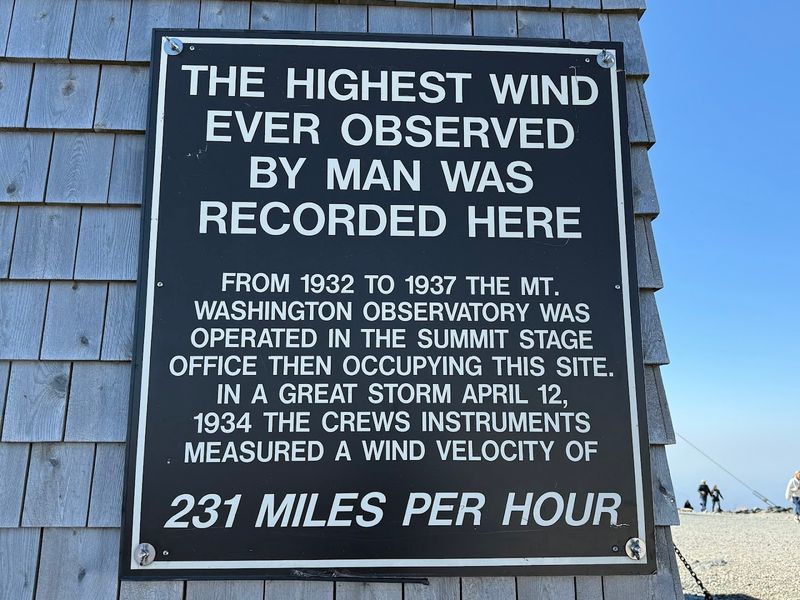
For 62 years, Mount Washington held the world record for the highest wind speed ever recorded at Earth’s surface: 231 miles per hour, measured on April 12, 1934. That record stood until 1996.
Even on an average day, winds at the summit routinely exceed hurricane force, making it one of the most meteorologically extreme spots on the planet.
The mountain sits at the convergence of three major storm tracks, funneling brutal weather conditions to its 6,288-foot peak year-round. Snow has been recorded in every month of the year.
Temperatures regularly plunge well below zero in winter, and the wind chill can make it feel even colder. Hikers have died on its slopes despite careful preparation.
A road and a cog railway bring visitors to the summit, where a weather observatory has operated continuously since 1870. Staff live on the summit through brutal winters, monitoring conditions and studying some of the most violent weather patterns found anywhere on Earth.
13. Bhangarh Fort – Rajasthan, India
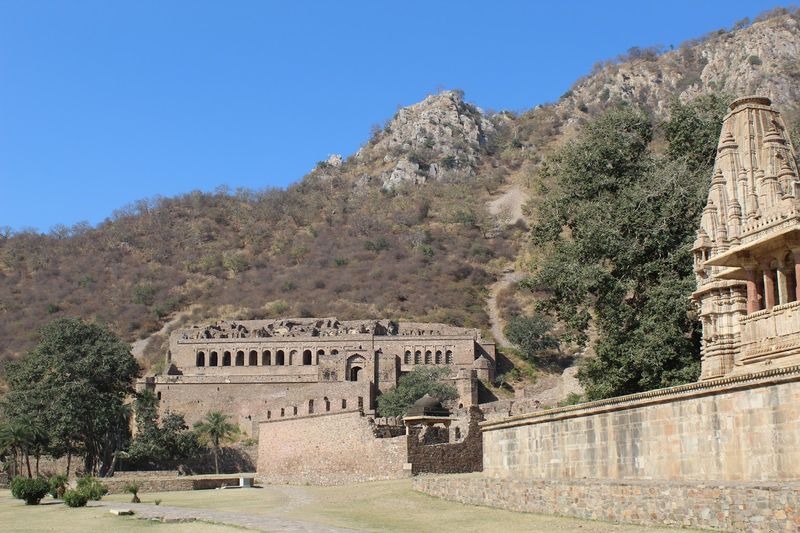
Built in the 17th century in the Aravalli hills of Rajasthan, Bhangarh Fort is often called the most haunted place in India. The Archaeological Survey of India has placed signs at the entrance warning visitors not to enter after sunset or before sunrise.
That kind of official caution is rare and adds genuine weight to the fort’s reputation.
Local legends offer two explanations for the fort’s cursed status. One involves a holy man named Guru Balu Nath, who supposedly warned that any building tall enough to cast a shadow on his meditation spot would doom the city.
Another story blames a sorcerer who fell in love with the local princess and placed a dark curse on the entire settlement after she rejected him.
History records that Bhangarh was indeed abandoned suddenly, though drought and war are the likely practical causes. Today, the ruins are hauntingly beautiful in daylight, drawing curious tourists who test their nerves by visiting as close to dusk as the rules allow.
14. Miyake-jima – Japan
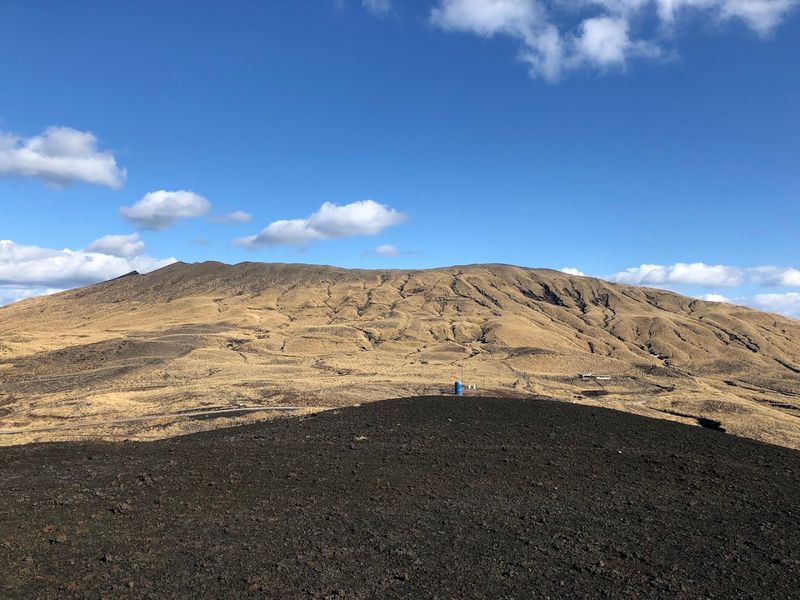
Living on Miyake-jima means carrying a gas mask every single day. This small volcanic island, located about 110 miles south of Tokyo, has been venting toxic sulfur dioxide gas continuously since its volcano, Mount Oyama, erupted in 2000.
The eruption was so severe that all 3,800 residents were evacuated and kept off the island for more than four years.
When residents were finally allowed to return in 2005, it was under strict conditions. Sirens sound whenever gas levels spike dangerously high, and everyone must carry a gas mask at all times.
Outdoor activities can be suspended without warning. Some parts of the island remain permanently off-limits due to sustained toxic gas concentrations.
Despite all of this, most residents chose to come back. The community’s attachment to its home, fishing traditions, and island culture proved stronger than the hazard.
Miyake-jima stands as a remarkable example of human determination to coexist with one of nature’s most persistent and dangerous forces.
15. Houska Castle – Czech Republic
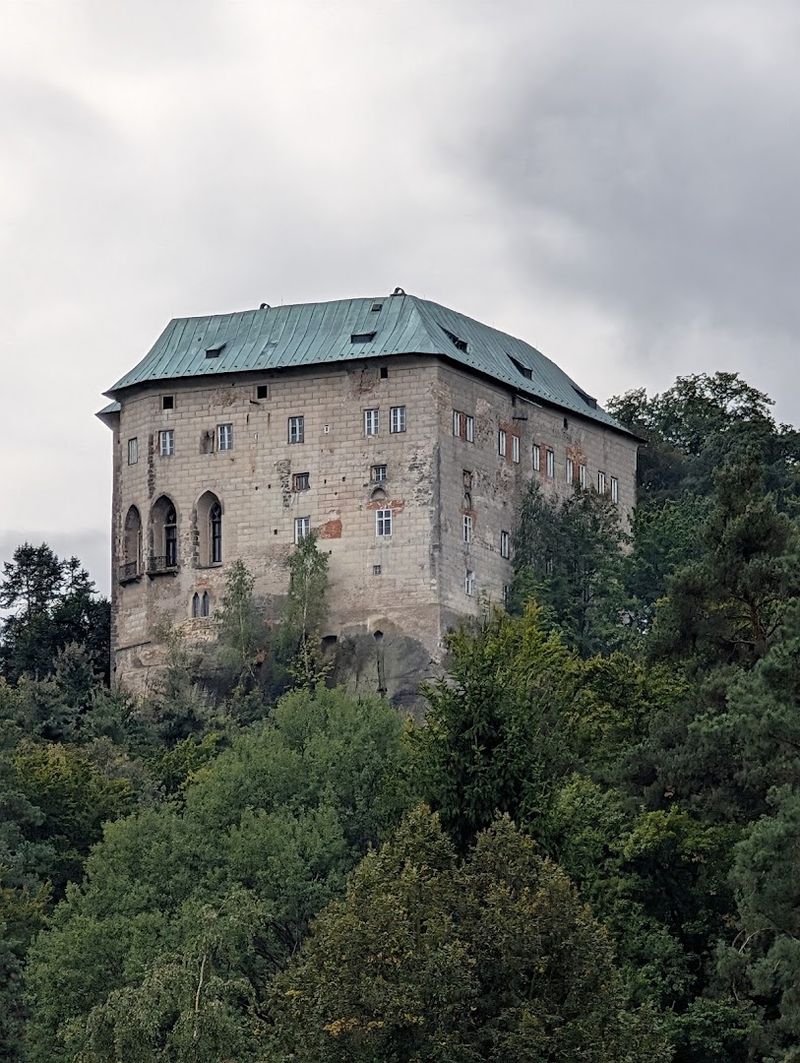
Houska Castle in the Bohemian forests of the Czech Republic was not built to keep enemies out. According to local legend, it was built to keep something in.
The castle was constructed in the 13th century over a large pit in the rock, which local stories described as a gateway to the underworld, a place from which dark creatures reportedly emerged.
What makes the legend stranger is the castle’s design. It has no water source, no fortifications facing outward, and no strategic military value.
Early historical accounts mention that condemned prisoners were offered pardons if they agreed to be lowered into the pit and report what they found. None reportedly came back unchanged.
Whether you treat the legends as folklore or something more, Houska is a genuinely fascinating medieval structure. It still stands today, open to visitors, and its Gothic chapel contains unusual frescoes depicting a woman riding a horse alongside hybrid creatures, imagery that historians still debate to this day.
Share this story