 Unearth The Voyage
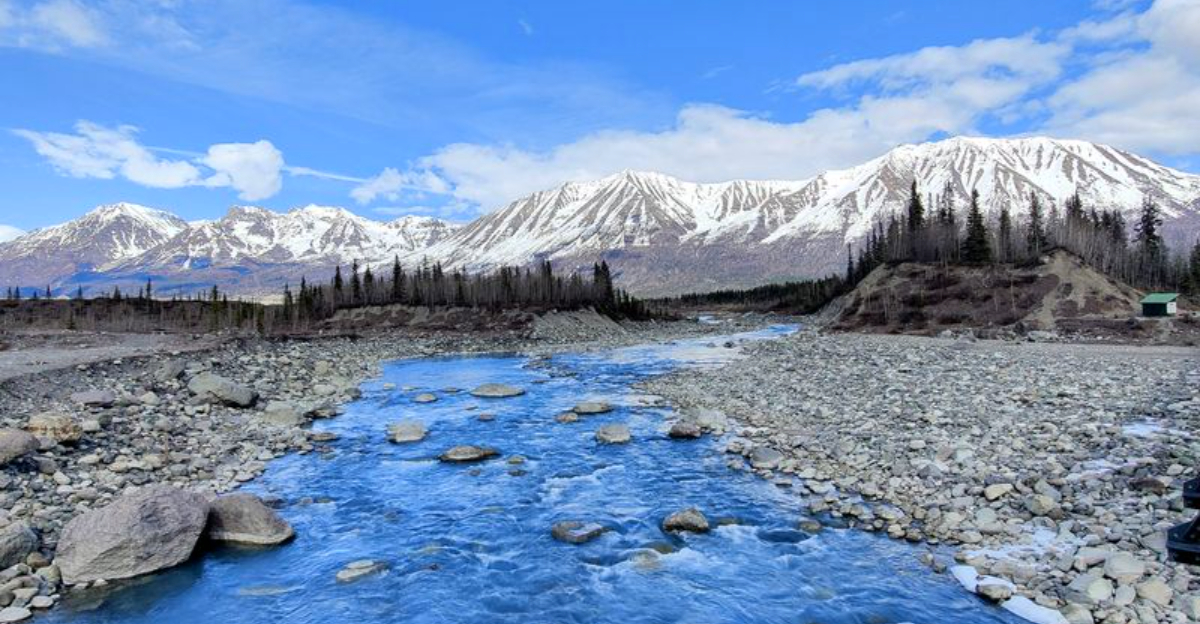
America is home to some of the wildest, most untouched places on the planet, where human presence takes a backseat to the powerful forces of nature. These remote corners are ruled by weather, wildlife, and geological forces that have shaped the land for millions of years. In these remarkable locations, you must adapt to nature’s schedule, not the other way around. Get ready to explore where the wilderness truly remains wild.
1. Gates of the Arctic National Park, Alaska
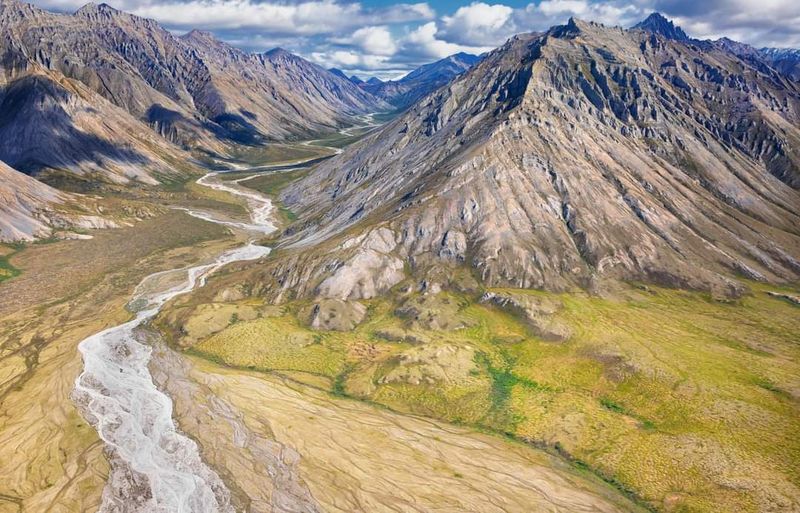
Imagine a place so remote that not a single road leads to it. Gates of the Arctic sits entirely above the Arctic Circle, covering over eight million acres of pure wilderness. You can only reach this incredible park by chartered plane or on foot, which means nature decides when and how you visit.
Grizzly bears, caribou, and wolves roam freely across tundra and mountains, following ancient migration patterns. Weather changes rapidly here, and temperatures can plummet without warning. Visitors must be completely self-sufficient, carrying everything they need on their backs.
No visitor centers, no marked trails, and no cell service exist in this vast landscape. The park remains one of the least visited in America, with only a few thousand adventurers making the journey each year. Here, survival skills and respect for the environment are absolutely essential for anyone brave enough to explore.
2. Death Valley National Park, California & Nevada
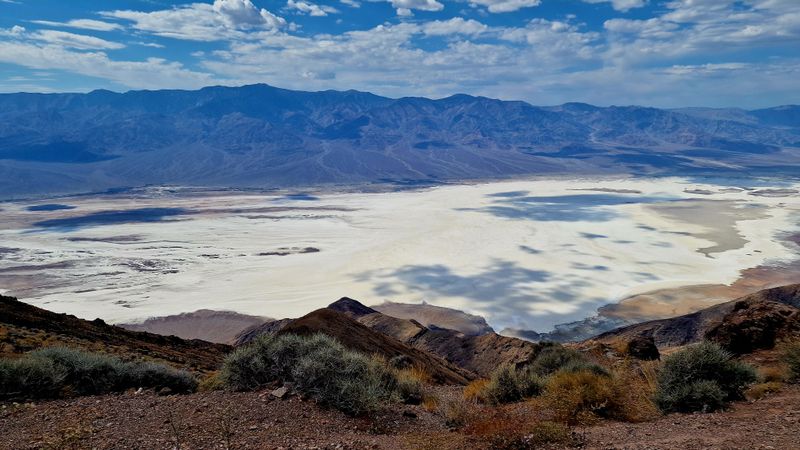
Death Valley holds the record for the hottest temperature ever reliably recorded on Earth at 134 degrees Fahrenheit. This scorching desert stretches across nearly 3.4 million acres, where summer heat can literally melt shoes and crack car windshields. Ancient geological forces created salt flats, sand dunes, and colorful badlands that look like another planet.
Water is incredibly scarce, and what little rain falls often evaporates before hitting the ground. Plants and animals here have adapted to extreme conditions over thousands of years. Kangaroo rats never need to drink water, getting all moisture from seeds they eat.
During summer months, park rangers strongly discourage hiking after 10 a.m. because temperatures become deadly. The landscape constantly shifts as wind sculpts dunes and rare flash floods carve new canyons. Despite its harsh reputation, Death Valley supports surprising biodiversity when conditions allow.
3. Aniakchak National Monument & Preserve, Alaska
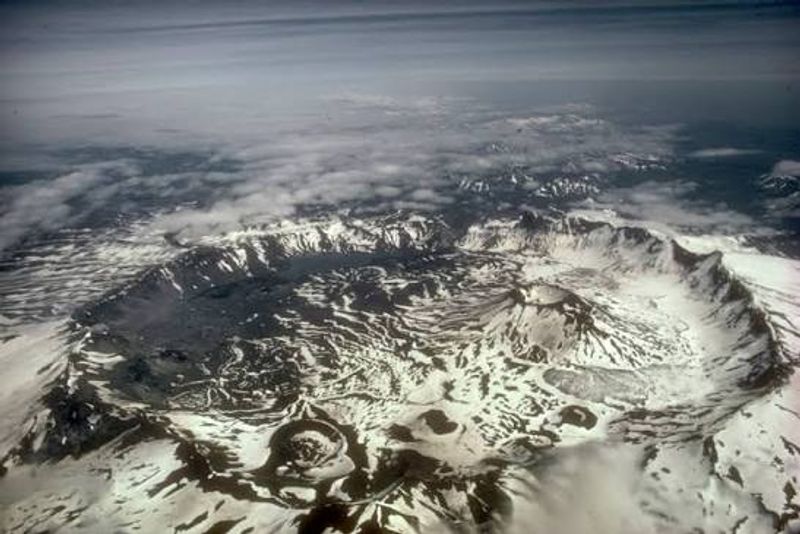
With fewer than 100 visitors annually, Aniakchak ranks as one of America’s most remote and least explored parks. The centerpiece is a massive volcanic caldera, six miles wide, created by a catastrophic eruption 3,500 years ago. Weather conditions are notoriously unpredictable, with fog, wind, and rain dominating most days.
The volcano remains active, with its last major eruption occurring in 1931. Surprise Lake sits inside the caldera, and the Aniakchak River dramatically cuts through the crater wall in a spectacular waterfall called The Gates. Access requires a challenging float plane landing inside the caldera or a difficult coastal approach.
Brown bears fish for salmon in the rivers, completely undisturbed by human presence. Volcanic ash and pumice cover much of the landscape, creating an otherworldly environment. The extreme isolation and harsh weather make this preserve a place where nature’s power is on full display, and humans are merely brief visitors.
4. Misty Fjords National Monument, Alaska
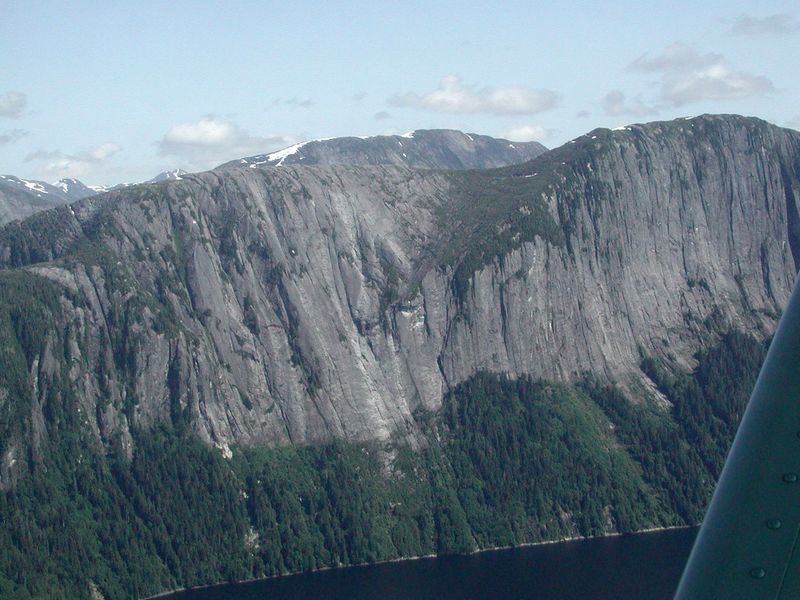
Towering granite cliffs rise straight up from the ocean, some reaching 3,000 feet high, draped in waterfalls and thick rainforest. Misty Fjords earned its name from the constant fog and mist that blanket the deep glacial valleys carved over millennia. Ocean tides surge through narrow passages, creating powerful currents that dictate boat travel.
Temperate rainforests cling to steep slopes, receiving over 150 inches of rain each year. Seals, whales, and sea otters navigate the cold waters, while bald eagles nest in ancient trees. The monument covers 2.3 million acres, most of it accessible only by floatplane or boat.
Storms can roll in quickly, trapping visitors for days until conditions improve. Volcanic dikes create striking black stripes against the gray granite walls. The sheer scale and raw beauty of this place remind you that humans are just temporary guests in a realm shaped entirely by water, rock, and time.
5. Katmai National Park & Preserve, Alaska
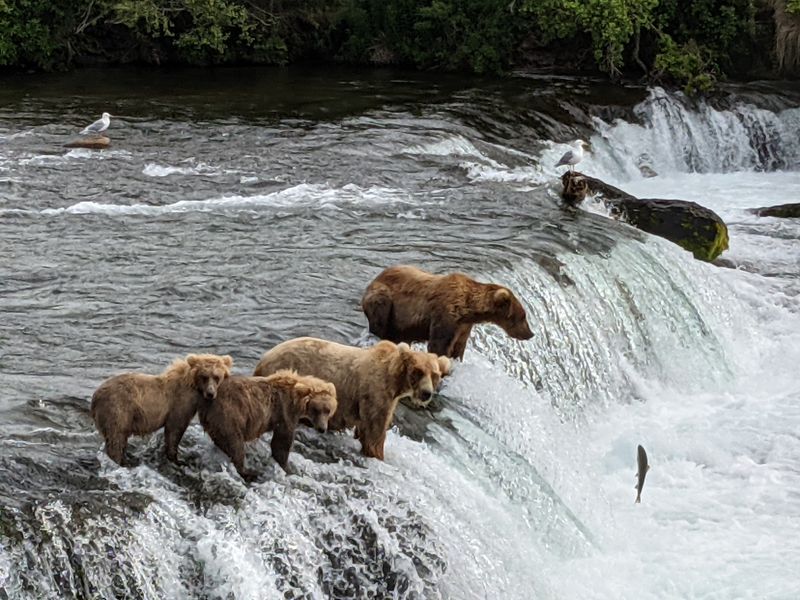
Brown bears rule Katmai, with over 2,000 of these massive predators calling the park home. Every summer, they gather at Brooks Falls to catch salmon leaping upstream, creating one of nature’s greatest wildlife spectacles. The park sits on the Ring of Fire, with 14 active volcanoes constantly reshaping the landscape.
The Valley of Ten Thousand Smokes was created by the massive 1912 Novarupta eruption, one of the largest volcanic events of the 20th century. Ash deposits still cover 40 square miles, and steam vents occasionally hiss from the ground. Access to Katmai requires a floatplane, as no roads connect to this four-million-acre wilderness.
Weather patterns change hourly, with fog, rain, and wind common throughout the year. Sockeye salmon runs drive the entire ecosystem, feeding bears, eagles, and other wildlife. Visitors must follow strict protocols around bears, always remembering that this is their territory first and foremost.
6. Lake Clark National Park & Preserve, Alaska
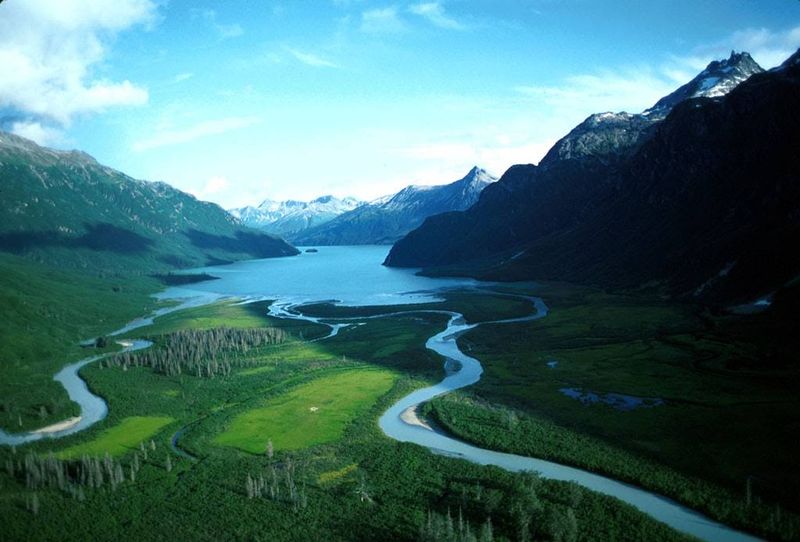
Glaciers, volcanoes, and wild rivers converge in this stunning four-million-acre park across Cook Inlet from Anchorage. Two active volcanoes, Redoubt and Iliamna, regularly emit steam and occasionally erupt, reminding everyone of the earth’s power. Turquoise glacial lakes contrast sharply with dense forests and alpine tundra.
Salmon streams attract brown bears and support entire food chains throughout the region. No roads reach Lake Clark, so floatplanes provide the only practical access for most visitors. Weather conditions can strand travelers for days when storms move through the area.
The park protects critical habitat for caribou, Dall sheep, moose, and countless bird species. Local Native communities have lived in harmony with this landscape for thousands of years, following seasonal patterns. Hiking here requires serious wilderness skills and preparation, as rescue can take days in bad weather. The raw, untamed beauty makes every challenge worthwhile for those who venture here.
7. Boundary Waters Canoe Area Wilderness, Minnesota
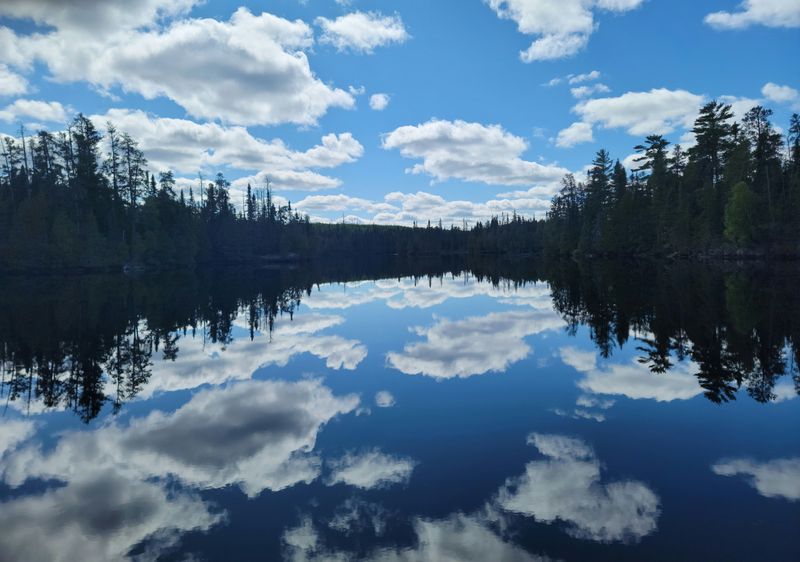
Over 1,000 lakes and streams weave through 1.1 million acres of northern forest, creating a paddler’s paradise where motors are banned. The only way to truly experience the Boundary Waters is by canoe, portaging your gear between waterways just as Indigenous peoples and voyageurs did centuries ago. Wind determines your daily progress, sometimes pinning you on shore for hours.
Wolves howl at night, and moose wade through shallow bays feeding on aquatic plants. Common loons call across the water at dawn, their haunting voices echoing through the mist. Forest fires occasionally sweep through, part of the natural cycle that has shaped these woods for thousands of years.
Winter transforms the landscape into a frozen wonderland accessible only by ski or snowshoe. Lakes freeze solid, and temperatures can drop to 40 below zero. The wilderness demands respect and preparation, but rewards visitors with profound solitude and connection to the natural world rarely found elsewhere.
8. Fitzpatrick Wilderness, Wyoming
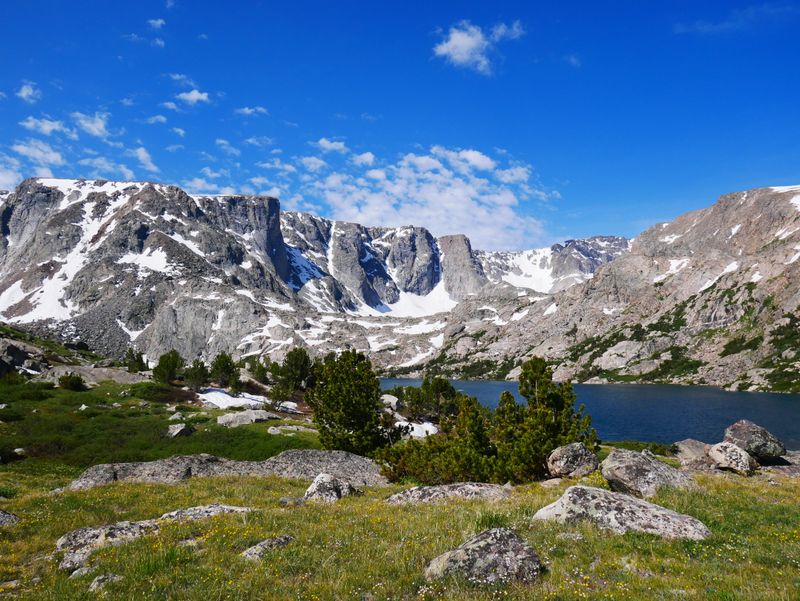
Rugged peaks of the Wind River Range soar above alpine lakes in this 198,000-acre wilderness where motorized vehicles and equipment are strictly prohibited. Glaciers still cling to north-facing slopes, slowly carving the granite landscape. Mountain weather can change from sunshine to snowstorm in less than an hour, even during summer months.
Grizzly bears have returned to these mountains after decades of absence, reclaiming their ancestral territory. Backpackers must hang food properly and stay alert in bear country. The Continental Divide runs through the wilderness, sending water either to the Pacific or Atlantic oceans.
Trails climb steeply through pine forests into treeless alpine zones where only the toughest plants survive. Afternoon thunderstorms build regularly, sending lightning across exposed ridges. Crystal-clear streams rush down from snowmelt, providing the only reliable water source. The wilderness experience here is raw and authentic, demanding physical fitness and mental toughness from anyone who ventures beyond the trailhead.
9. Everglades National Park, Florida
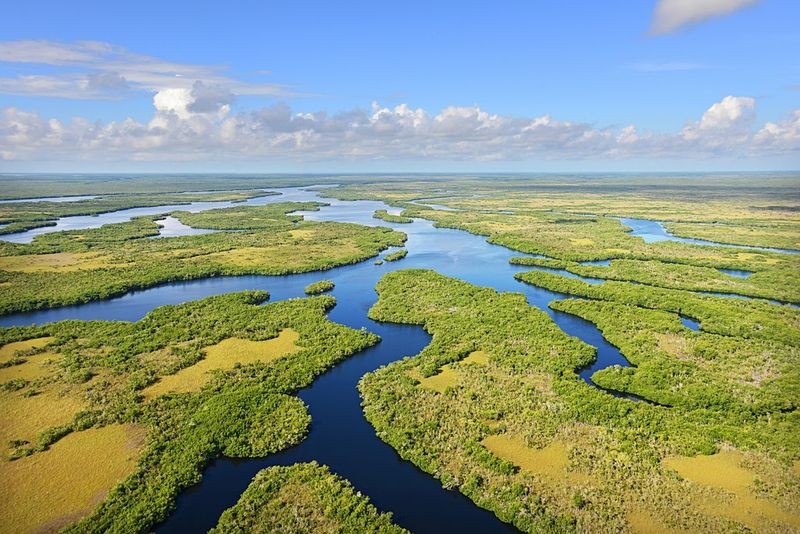
Slow-moving water creates the largest subtropical wilderness in North America, where alligators sun themselves on muddy banks and wading birds stalk fish in shallow marshes. The Everglades is actually a wide, shallow river flowing south from Lake Okeechobee to Florida Bay. Seasonal flooding controls everything here, with wet and dry cycles dictating where animals can find food and water.
Mangrove forests line the coast, their tangled roots providing nurseries for fish and protection from storm surges. American crocodiles share the brackish waters with manatees and dolphins. Sawgrass prairies stretch to the horizon, punctuated by hardwood hammocks rising just a few feet above the water.
Mosquitoes swarm in biblical proportions during summer months, making human visits nearly unbearable without protection. Panthers, the rarest large mammals in North America, hunt through the cypress swamps. The ecosystem remains incredibly fragile, sensitive to water levels and quality beyond park boundaries.
10. Havasupai / Supai Village & Havasu Falls, Arizona
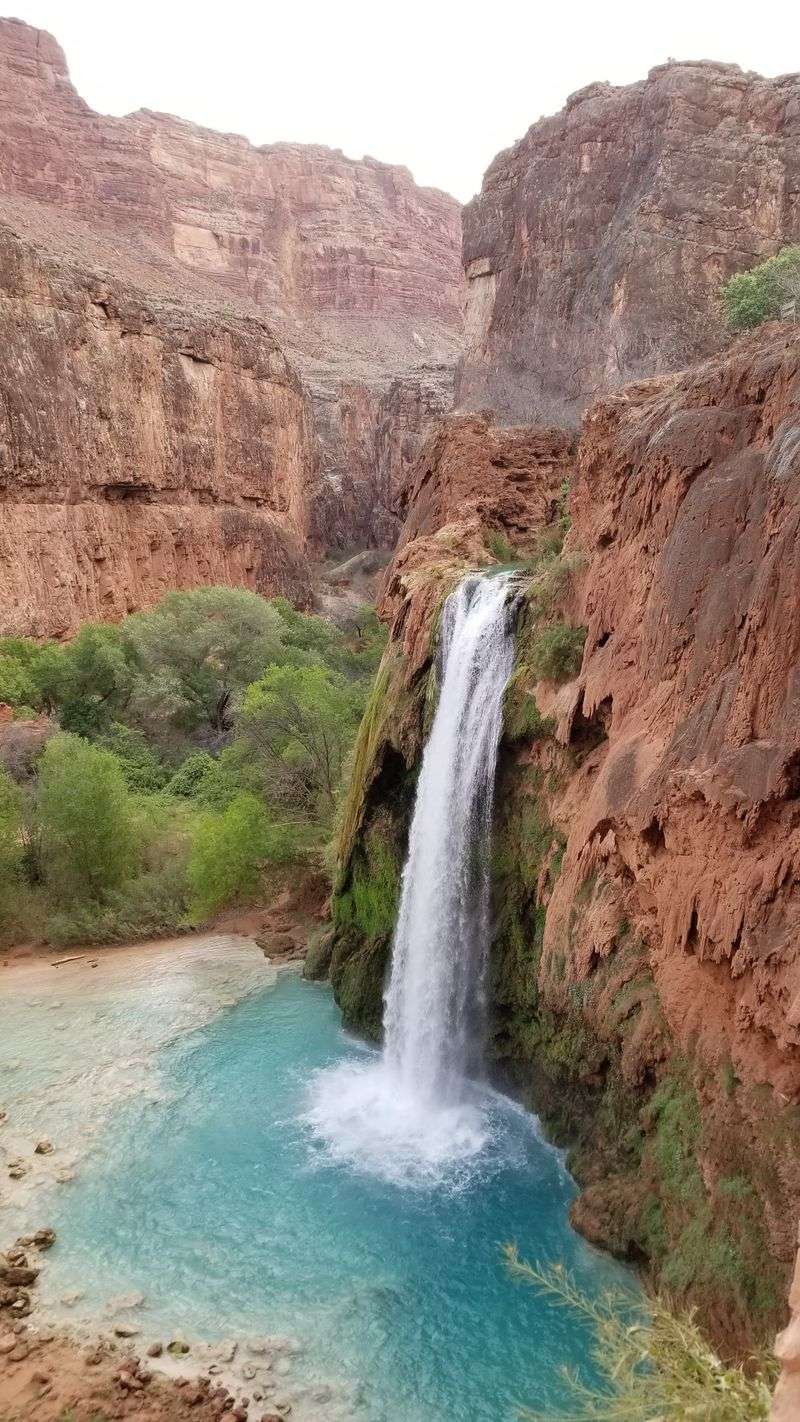
Deep within the Grand Canyon, Supai Village sits as one of America’s most remote communities, where mail still arrives by mule train. The only ways to reach the village and its famous turquoise waterfalls are hiking 10 miles down a steep trail, riding a horse or mule, or taking a helicopter. No roads connect this isolated canyon home of the Havasupai people.
Havasu Creek creates stunning blue-green waterfalls that cascade over red rock cliffs into crystal pools. The water gets its distinctive color from dissolved limestone and other minerals. Flash floods can rage through the canyon without warning, occasionally changing the waterfalls’ shape and location overnight.
Summer temperatures soar above 100 degrees in the canyon bottom, while winter can bring freezing conditions. The tribe limits visitor numbers through a permit system, protecting both the land and their way of life. Living here means adapting to nature’s rhythm and accepting isolation as part of daily existence.
11. Big Bend National Park, Texas
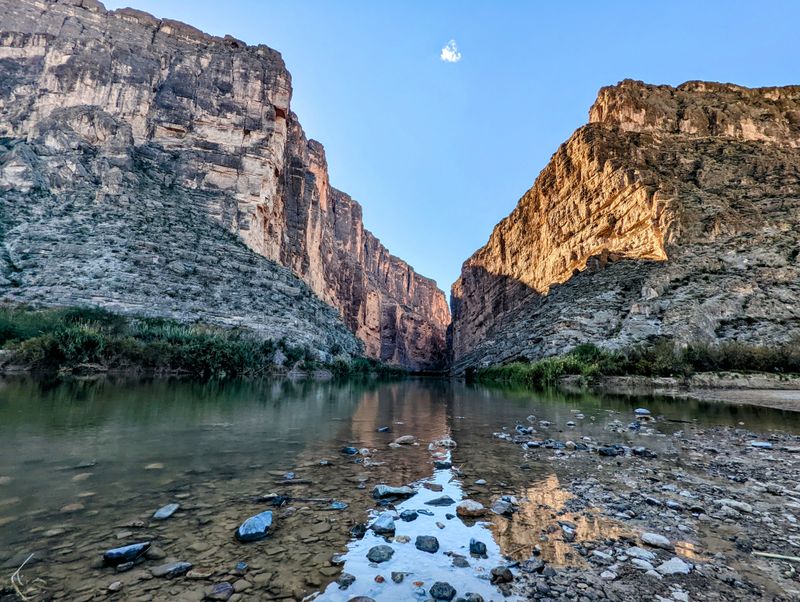
Where the Rio Grande makes a dramatic bend, creating a natural border with Mexico, lies one of America’s largest and most remote parks. Desert mountains rise abruptly from the Chihuahuan Desert floor, with temperatures regularly exceeding 110 degrees in summer. Water scarcity defines life here, with plants and animals evolving clever strategies to survive months without rain.
Mountain lions prowl the rugged backcountry, while javelinas root for food in the thorny brush. The Rio Grande provides the only reliable water source, though it often runs low or even dry in drought years. Night skies here rank among the darkest in the continental United States, with minimal light pollution.
Hiking requires carrying massive amounts of water, as dehydration can become life-threatening within hours. Flash floods occasionally roar through dry canyons, carving deeper channels into ancient limestone. The park’s extreme isolation means help is far away if something goes wrong, making preparation and respect for the environment absolutely critical.
12. Wrangell-St. Elias National Park & Preserve, Alaska
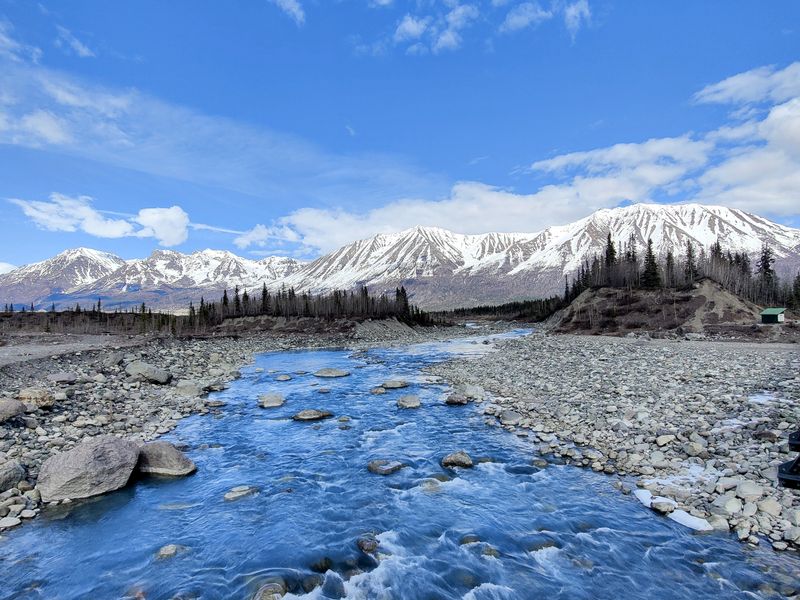
Six times larger than Yellowstone, Wrangell-St. Elias is America’s largest national park, covering 13.2 million acres of glaciers, mountains, and wild rivers. Nine of the 16 highest peaks in the United States rise within park boundaries, including Mount St. Elias at 18,008 feet. Massive glaciers flow down from icefields, some over 100 miles long.
Weather systems sweep in from the Gulf of Alaska, dumping enormous amounts of snow and creating some of the most unpredictable conditions anywhere. Grizzly bears, wolves, and caribou roam freely across terrain that sees fewer than 80,000 visitors annually. Two rough gravel roads penetrate the park’s edges, but the vast interior remains completely roadless.
Mountain climbers attempt challenging routes on peaks that see only a handful of summits each year. The scale of this wilderness is difficult to comprehend, with valleys stretching for dozens of miles between mountain ranges. Here, human ambitions must bow to weather, terrain, and sheer distance.
13. Olympic National Park, Washington
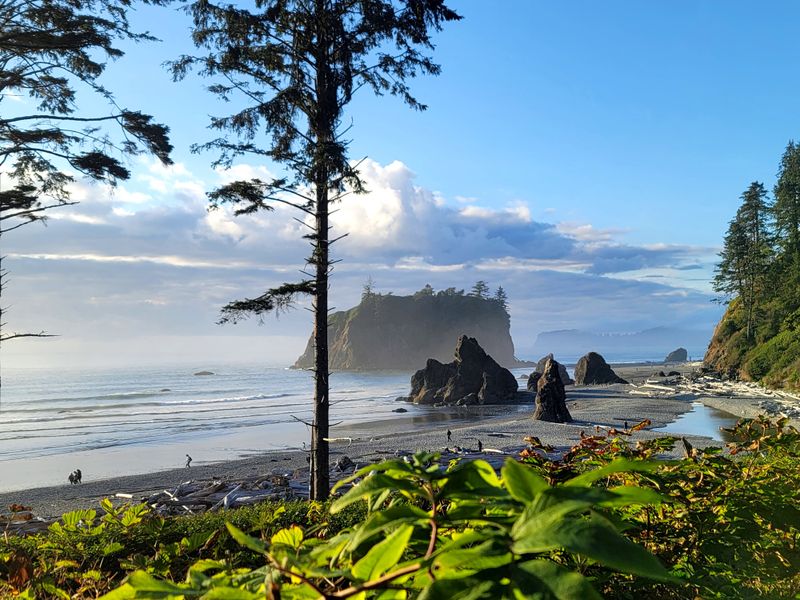
Three distinct ecosystems come together in Olympic: temperate rainforests receiving over 140 inches of rain annually, rugged Pacific coastline battered by storms, and glaciated mountain peaks rising nearly 8,000 feet. Each ecosystem operates by its own rules, shaped by elevation, moisture, and exposure to ocean weather. Roosevelt elk wander through moss-draped forests where trees grow to enormous sizes.
The Hoh Rainforest feels like stepping into a prehistoric world, with ferns covering every surface and nurse logs sprouting new generations of trees. Coastal sections feature tide pools teeming with sea stars, anemones, and other marine life exposed twice daily by tides. Mountain glaciers retreat and advance with climate cycles, carving valleys and shaping peaks.
Storms roll off the Pacific Ocean with tremendous force, bringing high winds and heavy rain that can last for days. The park’s diverse terrain means conditions vary dramatically within short distances, requiring visitors to prepare for multiple environments on a single trip.
14. Redwood National and State Parks, California
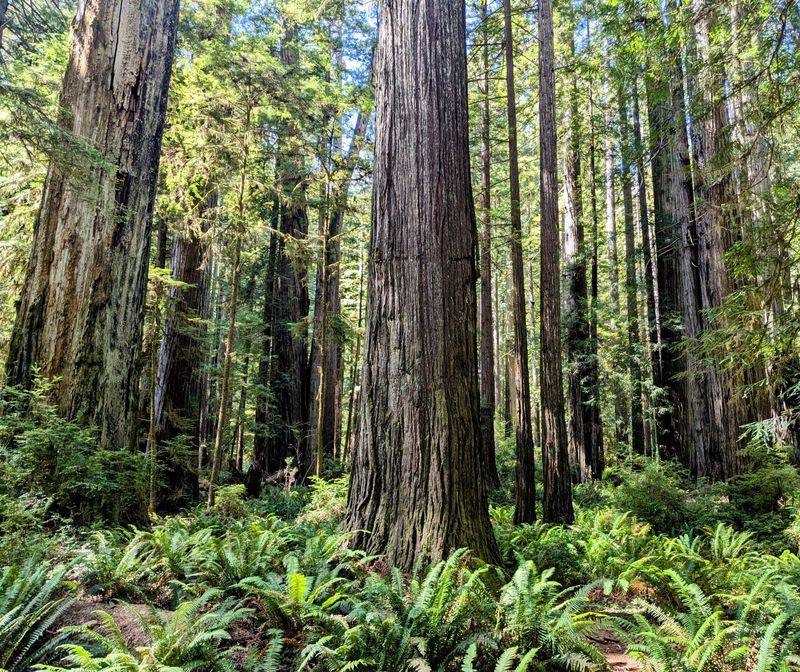
Coast redwoods, the tallest trees on Earth, tower up to 380 feet high in ancient forests along California’s northern coast. These giants have stood for over 2,000 years, surviving fires, floods, and storms through thick bark and shallow but extensive root systems. Fog rolling in from the Pacific Ocean provides essential moisture during dry summers, literally dripping water from the canopy.
Walking among these massive trees creates a cathedral-like atmosphere, with filtered light and hushed sounds. Banana slugs, some reaching 10 inches long, slide across the forest floor breaking down plant matter. Roosevelt elk graze in prairie openings between forest groves.
The ecosystem depends on a delicate balance of fog, rainfall, and moderate temperatures that exist only in this narrow coastal strip. Logging removed 95 percent of old-growth redwoods before protection efforts began. The remaining forests show nature’s resilience and power, with trees continuing their slow growth measured in centuries rather than decades.
15. Yellowstone National Park, Wyoming/Montana/Idaho
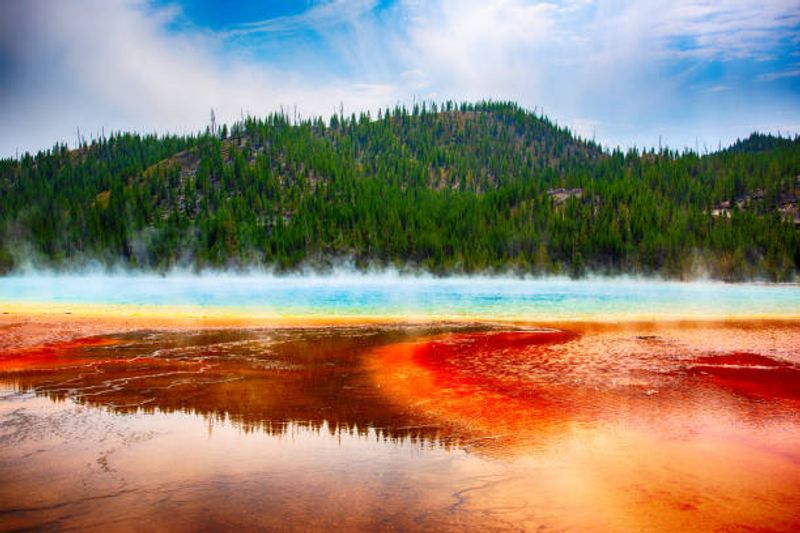
Sitting atop a supervolcano, Yellowstone showcases geothermal features found nowhere else in such concentration, with over 10,000 hydrothermal features including geysers, hot springs, and mud pots. Old Faithful erupts roughly every 90 minutes, powered by magma just a few miles below the surface. The Yellowstone Caldera last erupted 640,000 years ago, and scientists closely monitor ongoing volcanic activity.
Bison herds migrate through valleys following ancient patterns, sometimes stopping traffic as they cross roads. Wolf packs hunt elk across sagebrush flats, their reintroduction in 1995 restoring natural predator-prey dynamics. Grizzly bears emerge from dens each spring, searching for food after months of hibernation.
Winter brings extreme cold, with temperatures dropping to 40 below zero and snow burying the landscape under several feet. Thermal features remain active year-round, creating surreal scenes of steam rising against frozen backdrops. The park’s geology and ecology operate on timescales far beyond human lifespans, a humbling reminder of nature’s enduring power.



