Iran is one of those countries that quietly holds more history than most people realize. From ancient empires to Islamic dynasties, the country has been building breathtaking structures for thousands of years.
Walking through its cities feels like flipping through a living history book. Whether you love history, art, or just really cool buildings, Iran has something that will genuinely stop you in your tracks.
Persepolis (Takht-e Jamshid)
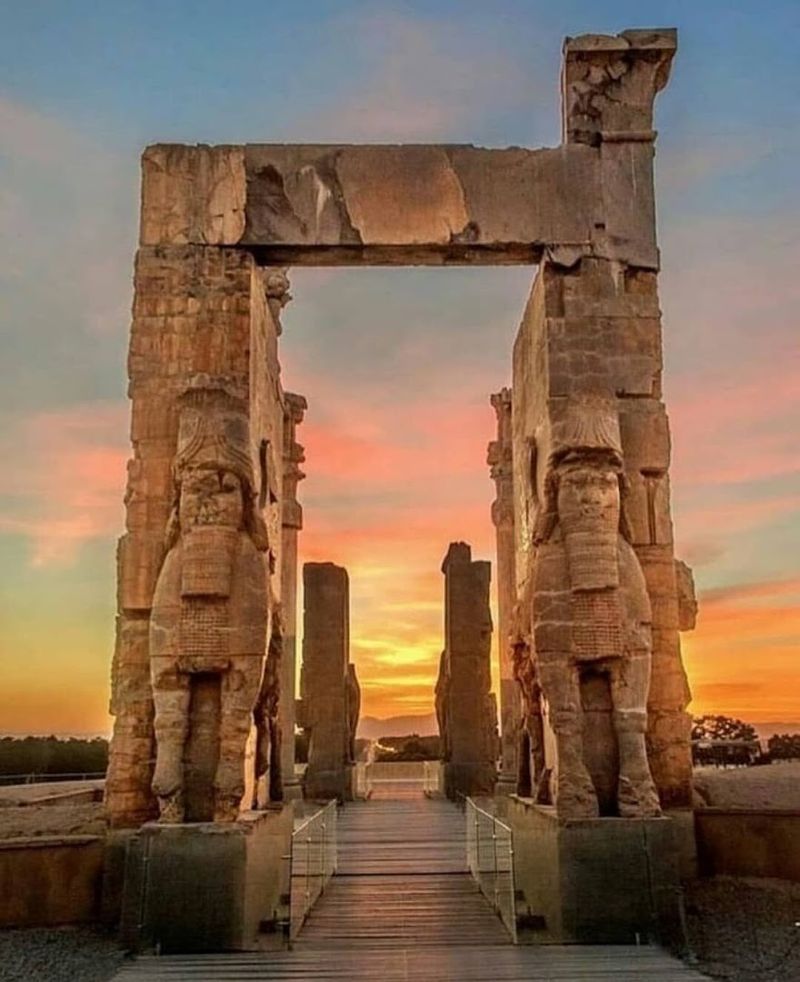
Back in the 6th century BCE, the Persian kings were not just ruling the world. They were decorating it.
Persepolis was the ceremonial capital of the Achaemenid Empire, and every stone here was placed with royal intention. The grand staircases alone could make a modern architect feel slightly inadequate.
The bas-reliefs carved into the walls show processions of people from across the empire, a kind of ancient Instagram feed frozen in stone. There are over a dozen towering columns still standing after 2,500 years, which honestly puts most modern construction to shame.
Darius the Great commissioned this complex, and his taste was clearly spectacular.
UNESCO recognized Persepolis as a World Heritage Site in 1979. Visiting means standing where kings once walked, surrounded by carvings that have survived empires, invasions, and centuries of wind.
It is humbling, awe-inspiring, and a little bit unbelievable all at once.
Naqsh-e Jahan Square, Isfahan
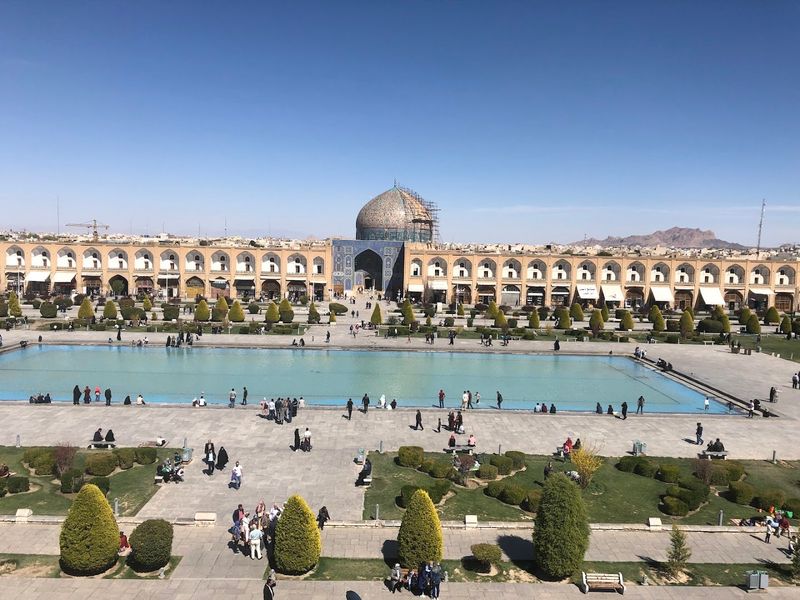
Few public squares in the world can match this one for sheer ambition. Naqsh-e Jahan, which translates to Image of the World, was built during the Safavid dynasty and is one of the largest public squares on the planet.
Standing at its center, you are surrounded by architectural masterpieces on every side.
The Shah Mosque anchors one end with its towering turquoise dome, while Ali Qapu Palace rises on the west side like a royal stage overlooking the action below. Two-story arcaded shops line the perimeter, adding a lively market atmosphere that has existed for centuries.
I visited on a weekday and still had to dodge polo players practicing on the open ground.
Yes, polo was actually played here. The original goal posts are still visible.
This UNESCO-listed square proves that the Safavid rulers understood both grandeur and good city planning in equal measure.
Sheikh Lotfollah Mosque, Isfahan
No minarets. No courtyard.
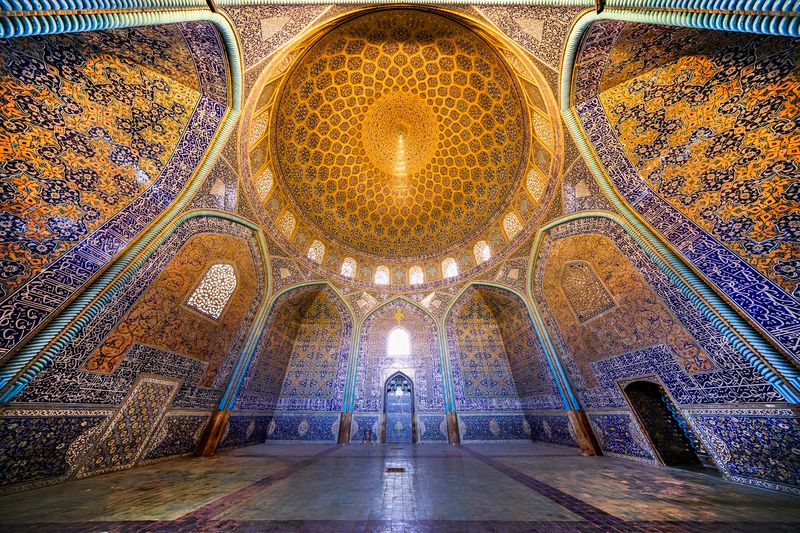
Just pure, concentrated architectural genius. Sheikh Lotfollah Mosque breaks every rule you might expect from a Persian mosque, and that is exactly what makes it so extraordinary.
Built for the royal harem during the Safavid period, it was never meant for the general public, which explains its intimate and unusual design.
The dome is a creamy beige color that shifts to a warm rose-gold depending on the time of day. Step inside, and the light filtering through the latticed windows creates shifting patterns across the tilework that genuinely look like they are moving.
The craftsmanship here is so detailed it borders on obsessive.
The entrance corridor is deliberately angled so you cannot see the prayer hall until the last second. That reveal moment is the architectural equivalent of a plot twist.
Sheikh Lotfollah is smaller than nearby mosques but arguably the most refined building in all of Isfahan.
Shah Mosque (Imam Mosque), Isfahan
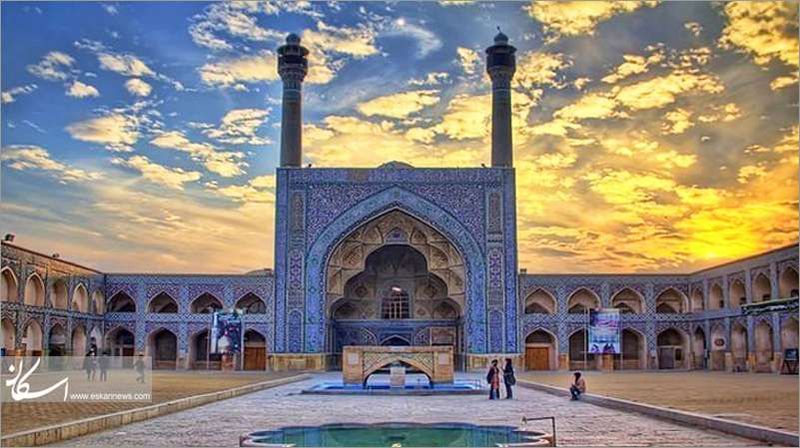
The Shah Mosque is not subtle, and it was never meant to be. Built in the early 17th century under Shah Abbas I, this mosque was designed to announce Persian power and artistic mastery to the entire Islamic world.
The entrance portal alone stands over 27 meters tall and is covered in some of the finest tile mosaic work ever produced.
The dome rises to 54 meters and is covered in a swirling pattern of blue and turquoise tiles that seem to breathe when the light changes. The calligraphy wrapping around the arches was executed by the master calligrapher Ali Reza Abbasi, which is essentially the Renaissance equivalent of hiring Michelangelo.
Every surface inside has been considered, calculated, and decorated with purpose.
The mosque is also cleverly rotated 45 degrees from the square entrance to properly face Mecca. That kind of geometric problem-solving, hidden inside breathtaking beauty, is exactly why this building belongs on every architecture lover’s list.
Historic City of Yazd
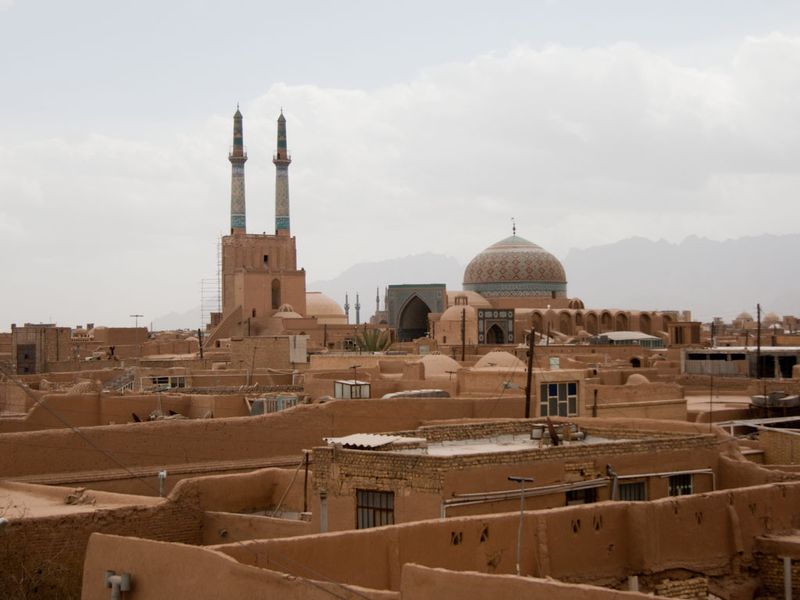
Yazd might be the world’s most ingeniously engineered city. Sitting in the middle of two deserts, it should not really be livable, and yet people have thrived here for thousands of years.
The secret is in the architecture, specifically those tall tower-like structures called badgirs, or windcatchers, that catch even the slightest breeze and funnel cool air into buildings below.
The entire city is built from mud brick, which sounds fragile but is actually one of the best natural insulators available. The narrow winding alleyways between buildings create shade and reduce heat, a passive cooling system designed centuries before air conditioning existed.
UNESCO added Yazd to its World Heritage list in 2017, calling it one of the best-preserved historic cities in the world.
Walking through the old town feels genuinely timeless. The buildings blend so naturally into the desert landscape that it is sometimes hard to tell where the city ends and the earth begins.
That is intentional design, not happy accident.
Golestan Palace, Tehran
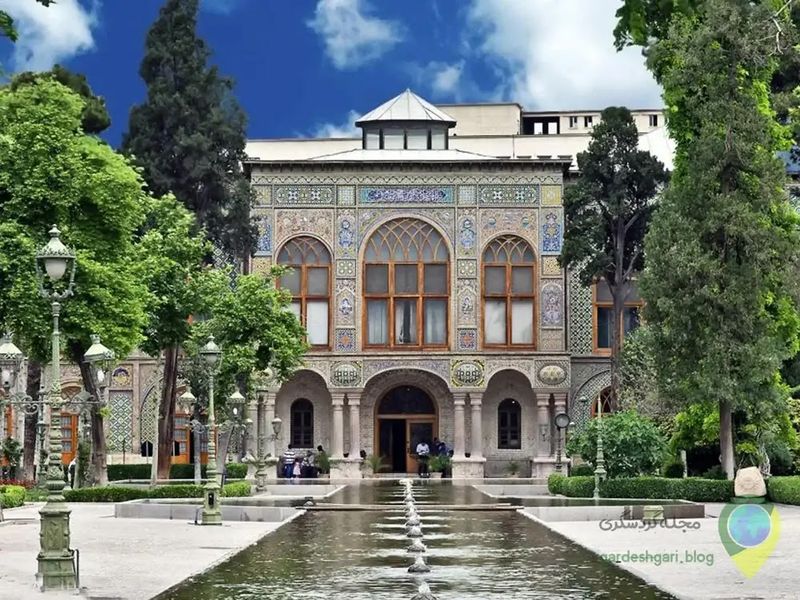
Golestan Palace looks like someone took Persian craftsmanship, mixed it with Victorian Europe, and turned the result up to maximum volume. Built and expanded during the Qajar dynasty, this royal complex in the heart of Tehran is a fascinating cultural collision that somehow works beautifully.
The Qajar kings had a habit of traveling to Europe and then coming home wanting mirrors, chandeliers, and oil paintings alongside their Persian tile mosaics.
The result is rooms that feel simultaneously familiar and completely unlike anything else. The Mirror Hall is a personal favorite, with its ceiling covered entirely in thousands of small mirror fragments that scatter light in every direction.
It is dazzling in a way that photographs genuinely cannot capture.
UNESCO listed Golestan Palace in 2013, recognizing it as an outstanding example of the blending of Persian arts with European architectural elements. The gardens surrounding the buildings are beautifully maintained and offer a surprisingly calm escape from the busy streets of Tehran just outside the gates.
Nasir al-Mulk Mosque (Pink Mosque), Shiraz
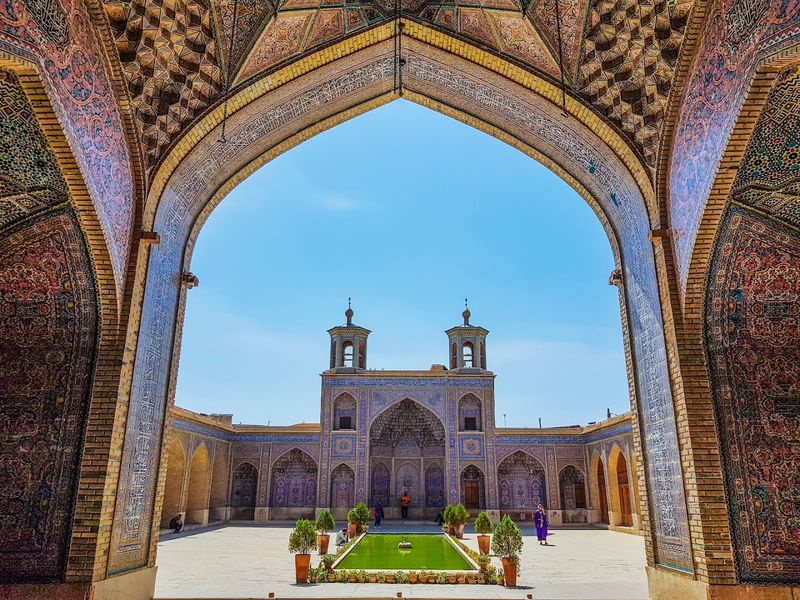
Every morning, something magical happens inside this mosque. As the sun rises, light pours through the stained-glass windows and the entire prayer hall transforms into a kaleidoscope of color.
The Nasir al-Mulk Mosque in Shiraz has earned its nickname honestly. The Pink Mosque is genuinely, spectacularly pink, and the tilework inside is among the most intricate in Iran.
Built in the late 19th century, this mosque was commissioned by a Qajar-era nobleman named Mirza Hasan Ali Nasir al-Mulk, who clearly had excellent taste and a generous budget. The exterior features delicate pink rose tiles that give the building its rosy reputation, while the interior arches are covered in floral arabesque patterns that seem almost too detailed to be handmade.
Visiting early in the morning is the move here. By mid-morning, tour groups arrive in force and the light display starts to fade.
Get there at sunrise, find a quiet corner, and let the colors do their thing. Worth every early alarm.
Jameh Mosque of Isfahan
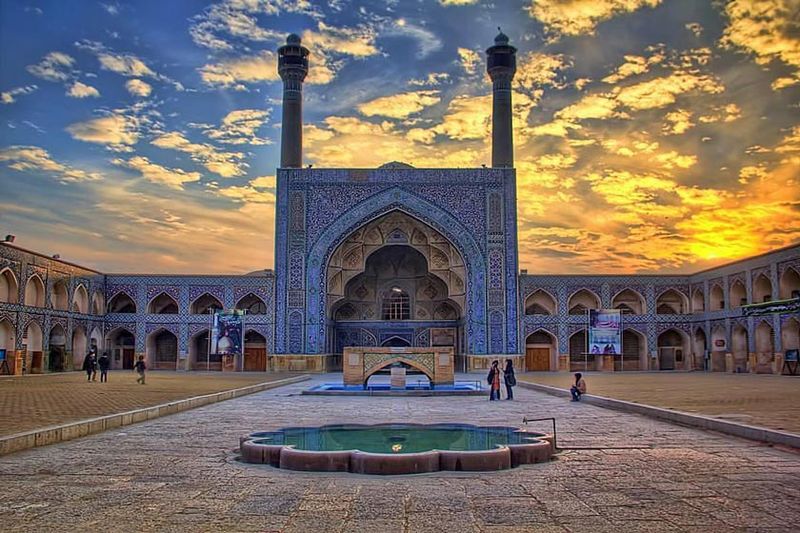
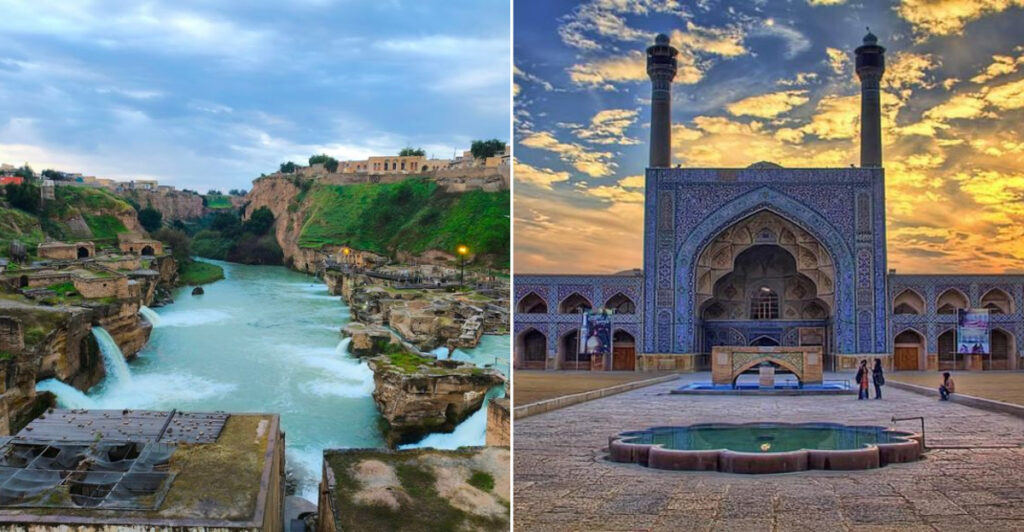
Think of the Jameh Mosque as a living textbook of Islamic architecture. Unlike most historic sites that belong to a single period, this mosque has been built, rebuilt, expanded, and modified by nearly every major dynasty that ruled Iran for over 1,400 years.
The result is a layered architectural timeline you can actually walk through.
The oldest sections date back to the 8th century, while later additions include stunning Seljuk-era domes considered among the finest examples of brick architecture in the Islamic world. Two of those domes were built in direct competition with each other by rival court officials, which is honestly the most dramatic architectural backstory I have ever heard.
Their rivalry produced masterpieces.
UNESCO added the Jameh Mosque to its World Heritage list in 2012, describing it as a prototype for mosque architecture across the Islamic world. Every arch, every dome, every courtyard tells a different chapter of a very long and very beautiful story.
Bring comfortable shoes. You will be here a while.
Arg-e Bam (Bam Citadel)
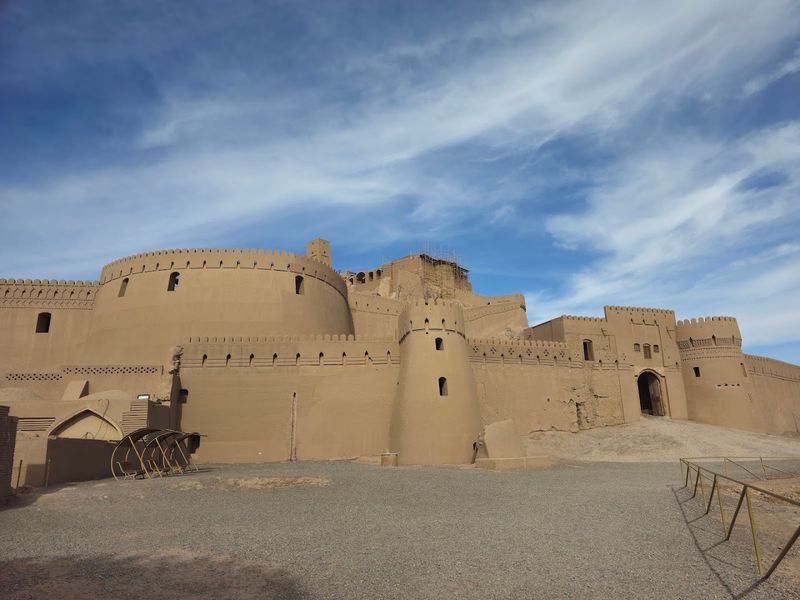
The largest adobe structure on Earth is not in Egypt or Mexico. It is in the Iranian desert, and it has been there for over 2,000 years.
Arg-e Bam is a complete ancient city built entirely from mud brick and straw, with walls, towers, a bazaar, a governor’s house, and even a military garrison all still recognizable within its footprint.
At its peak, Bam supported a population of around 9,000 people inside these walls. The city thrived along the Silk Road, serving as a trading hub between East and West.
Then a devastating earthquake in 2003 caused severe damage, collapsing much of what had stood for millennia in a matter of seconds.
The rebuilding and restoration effort that followed has been one of the most significant heritage conservation projects in the Middle East. UNESCO listed Arg-e Bam as a World Heritage Site in 2004, just one year after the earthquake.
Today it stands as both an architectural wonder and a symbol of remarkable human resilience.
Gonbad-e Qabus Tower
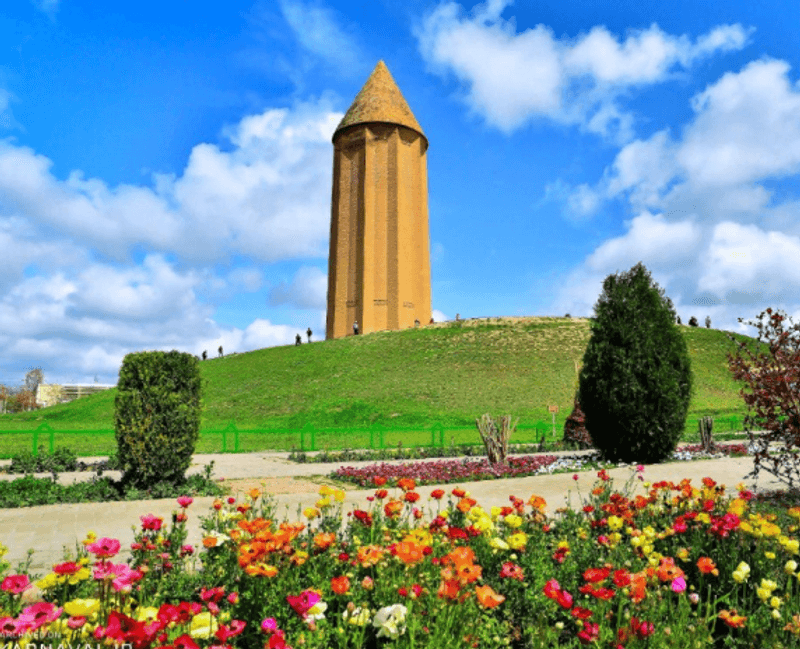
Built in 1006 AD, Gonbad-e Qabus is a tower that has absolutely nothing to prove and knows it. Standing 53 meters tall, it was constructed as a tomb for the Ziyarid ruler Qabus ibn Wushmgir, and it remains one of the most remarkable early Islamic structures in the world.
What makes it extraordinary is not decoration but pure engineering precision.
The tower has a ten-pointed star-shaped cross-section, which was a deliberate structural choice that gave it incredible stability. No mortar was used in much of its construction.
The bricks were laid with such mathematical exactness that the tower has stood for over a thousand years without significant repair. That is not luck.
That is genius.
UNESCO listed it as a World Heritage Site in 2012. The inscription carved near the top translates roughly to: this tower was built for the glory of the world.
Over a millennium later, it is hard to argue with that assessment. The tower delivers exactly what it promised.
Armenian Monastic Ensembles of Iran
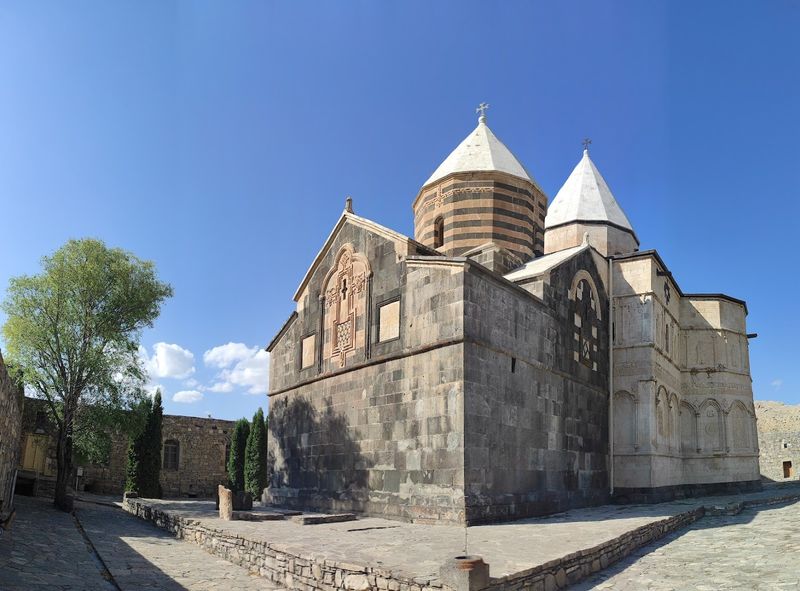
Tucked into the mountains of northwestern Iran are three monasteries that have quietly stood for over a thousand years. St. Thaddeus, St. Stepanos, and the Chapel of Dzordzor together form the Armenian Monastic Ensembles, a UNESCO World Heritage Site that represents a remarkable fusion of Armenian Christian and Persian architectural traditions.
St. Thaddeus, known locally as Qara Kelisa or the Black Church, is said to have been founded by the apostle Thaddeus himself in 66 AD. Its walls alternate between black and white stone in a striking pattern that makes it look almost striped from a distance.
The contrast is bold, dramatic, and completely intentional.
Every year, Armenian Christians from around the world make a pilgrimage to these monasteries, keeping a living tradition alive inside buildings that have survived empires, earthquakes, and centuries of change. The fact that these monasteries exist in Iran and are protected by the Iranian government is itself a remarkable story of cultural coexistence.
Shushtar Historical Hydraulic System
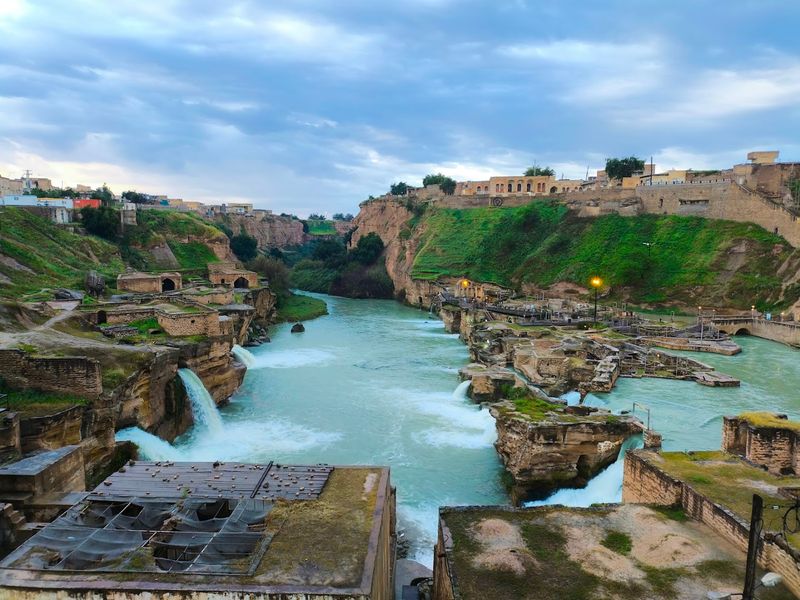
The ancient engineers of Shushtar were solving water management problems 2,000 years ago that some modern cities still struggle with today. This UNESCO-listed hydraulic system in Khuzestan Province is a complex network of dams, bridges, tunnels, water mills, and canals built during the Sassanian era.
It diverted water from the Karun River to irrigate the surrounding plains and power industrial mills simultaneously.
The system includes two main diversion canals, one of which was carved directly through rock, and a series of cascading waterfalls that still flow today. Standing above the falls, watching water rush through channels that were cut by hand over two millennia ago, is genuinely mind-bending.
The sound alone is worth the trip.
UNESCO listed Shushtar as a World Heritage Site in 2009, calling it a masterpiece of creative genius. The site demonstrates that ancient Persian engineers understood hydraulics, structural engineering, and urban planning at a level that was centuries ahead of their time.
Respect is the only appropriate response.
Persian Gardens (Various Locations)
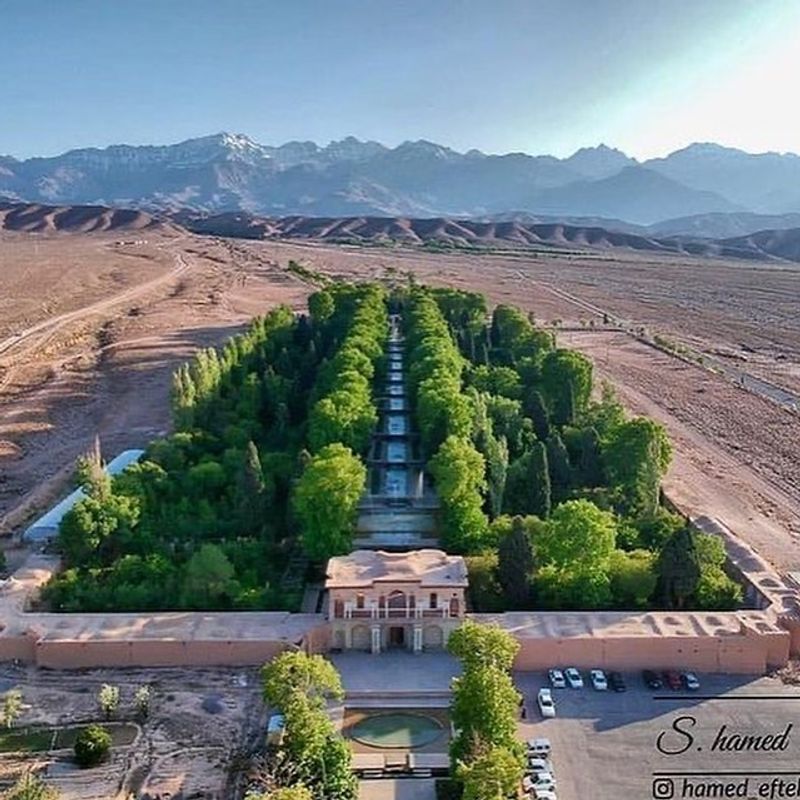
The word paradise actually comes from the Old Persian word pairidaeza, meaning walled garden. So when ancient Persians designed their gardens, they were literally building paradise on Earth.
The Persian garden tradition, recognized as a UNESCO World Heritage Site across nine historic examples in Iran, is one of the most influential landscape design traditions in history.
Each garden follows a structured layout based on the chahar bagh, or four-garden concept, divided by water channels into four quadrants representing the four elements. The water is not just decorative.
It serves as an irrigation system, a cooling mechanism, and a symbolic representation of life flowing outward from a central source. Practical and poetic at the same time.
Gardens like Fin Garden in Kashan and Shazdeh Garden in Kerman have been maintained for centuries. Walking through them on a hot afternoon, with water running alongside the path and cypress trees providing shade, feels like a reward the designers intended specifically for you.
They thought of everything.
Bisotun
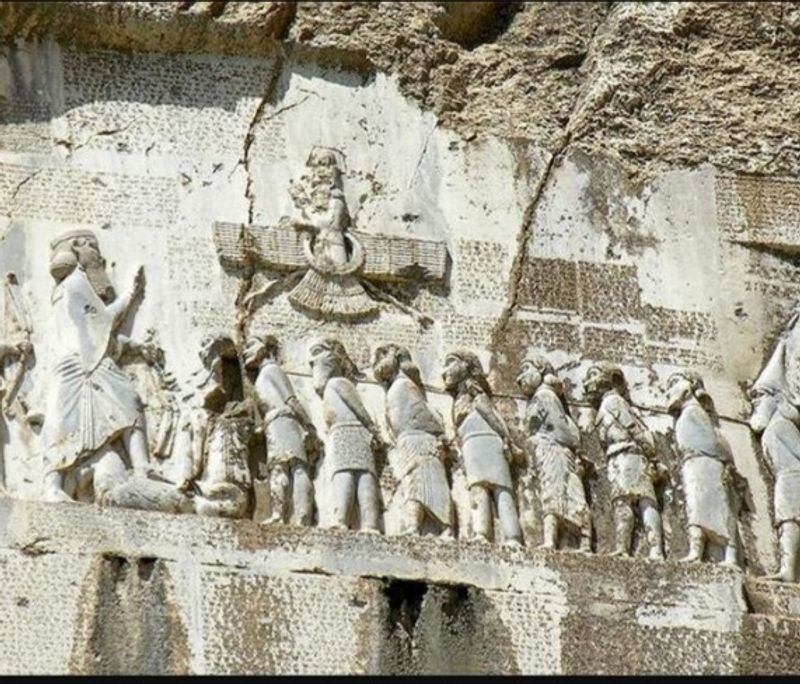
Darius the Great was not the kind of king who wrote his autobiography on paper. He carved it into a cliff face 100 meters above the ground, in three languages, with a giant portrait of himself standing on his defeated enemies.
That is a level of confidence in your own legacy that is hard to argue with.
The Bisotun inscription in Kermanshah Province dates to around 515 BCE and was actually the key that unlocked the decipherment of cuneiform script, much like the Rosetta Stone did for Egyptian hieroglyphics. Scholars used its trilingual text to decode an entire ancient writing system.
One carved cliff changed the course of historical understanding.
UNESCO listed Bisotun as a World Heritage Site in 2006. The site also includes earlier prehistoric rock carvings and a Parthian-era statue, making it a layered archaeological treasure.
The sheer scale of the relief, combined with its historical significance, makes Bisotun one of the most underrated ancient sites in the entire world.
Cultural Landscape of Hawraman (Uramanat)
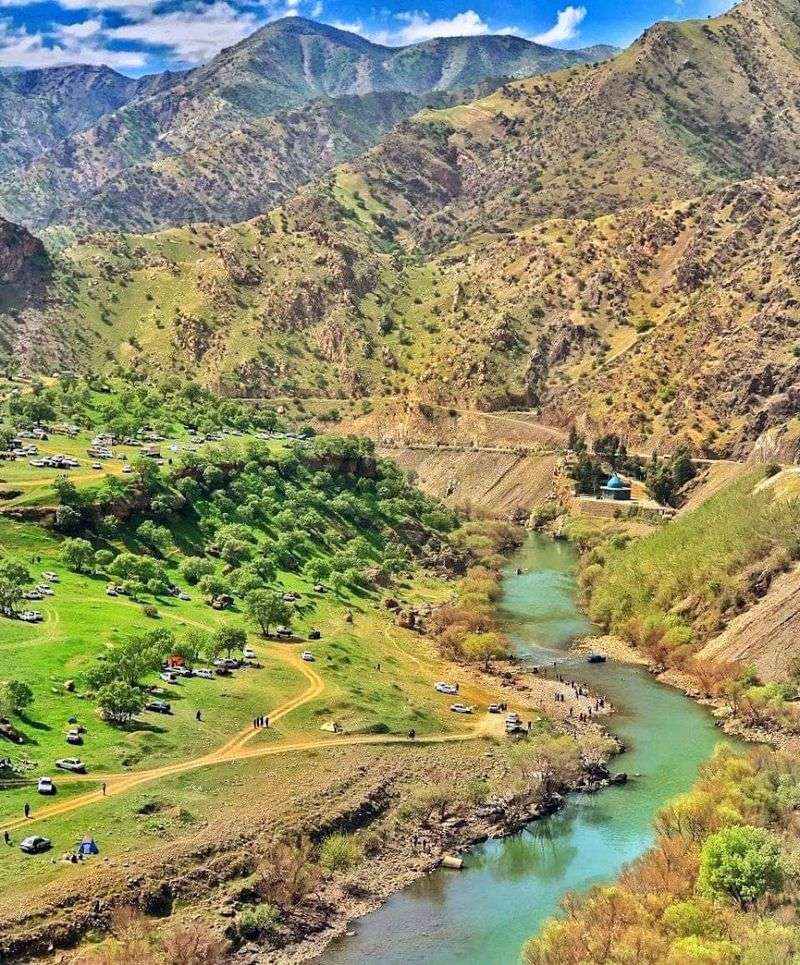
In the mountains of Kurdistan Province, there is a village where the roof of one house is the front yard of the house above it. The Hawraman region features a series of terraced settlements built directly into steep mountain slopes, where homes are stacked on top of each other in a vertical chain that climbs the hillside like a stone staircase.
This architectural style was not a design trend. It was a practical response to the rugged terrain, where flat land is scarce and every horizontal surface counts.
The villages of Hawraman have been continuously inhabited for at least 3,000 years, and the building techniques passed down through generations have barely changed. If it works, do not redesign it.
UNESCO added the Cultural Landscape of Hawraman to its World Heritage list in 2021. The region is also home to the Hawrami people, who have maintained their own distinct language and cultural traditions alongside their extraordinary architecture.
This place is proof that the most creative architecture often comes from necessity, not luxury.
Share this story