 Unearth The Voyage
Maps do not just show where things are, they show what people believe about the world. For centuries, different cities claimed the middle seat, drawing lines of power, faith, and science straight through their streets.
You will meet oracles, emperors, surveyors, and cartographers who all insisted their center was the one that truly counted. Keep reading and you will see how the world keeps moving its bullseye while the stories stay unforgettable.
1. Delphi, Greece
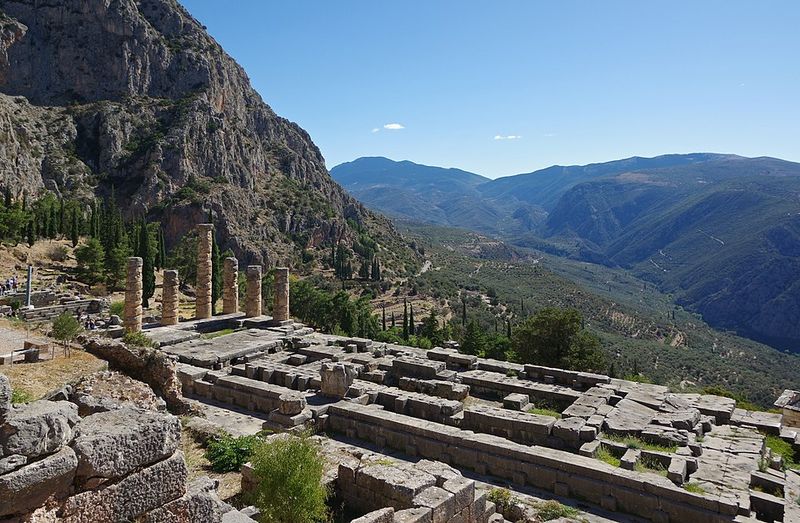
Legend rings loud here, and the stones seem to answer back. The Greeks marked their navel of the world with the Omphalos, setting Delphi as a cosmic anchor that tied gods, travelers, and questions into one place.
Oracles spoke in riddles, but the message was clear enough for kings and farmers who waited for guidance. You can picture the processional way, the treasuries shimmering with offerings, and the amphitheater perched with an unapologetic view of cliffs and sky.
Practical matters still add shape. Visit the Temple of Apollo ruins, then trace inscriptions that read like civic to do lists carved in stone.
Mount Parnassus rises like a backstage wall, and the museum keeps the Charioteer steady under calm light. The idea of a center feels less like a point and more like a heartbeat.
2. Rome, Italy
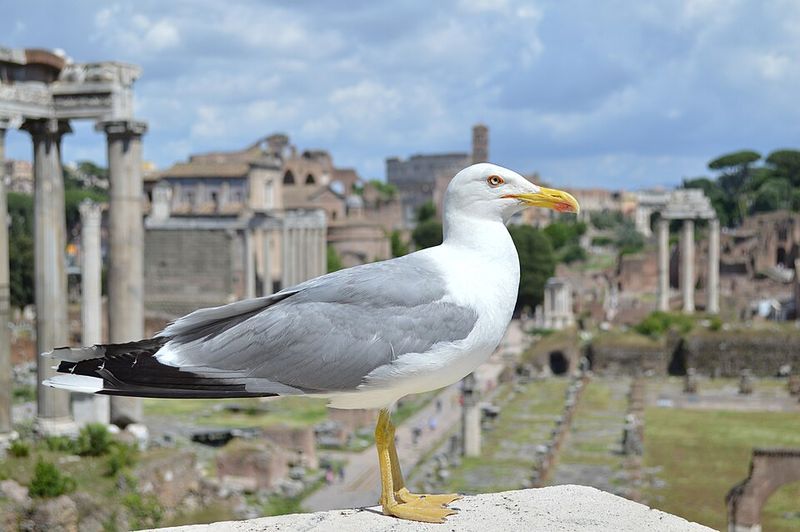
Power once flowed here like traffic on the viae, steady and relentless. Caput Mundi was not a boast, it was a job description stamped onto legions, laws, and stone.
The Forum threads temples and arches into a living syllabus of governance. You can walk past the Senate House and sense the paperwork of empire humming beneath the marble.
Practical Rome makes room for grandeur and errands. The Colosseum outlines entertainment policy in concrete, while aqueducts and roads explain how to run a continent without scrolling.
Museums pack centuries into neat rooms, yet the best archive sits outdoors under a soft Roman sky. Standing on Capitoline Hill, the center feels like a network, not a dot.
3. Constantinople (Istanbul, Turkey)
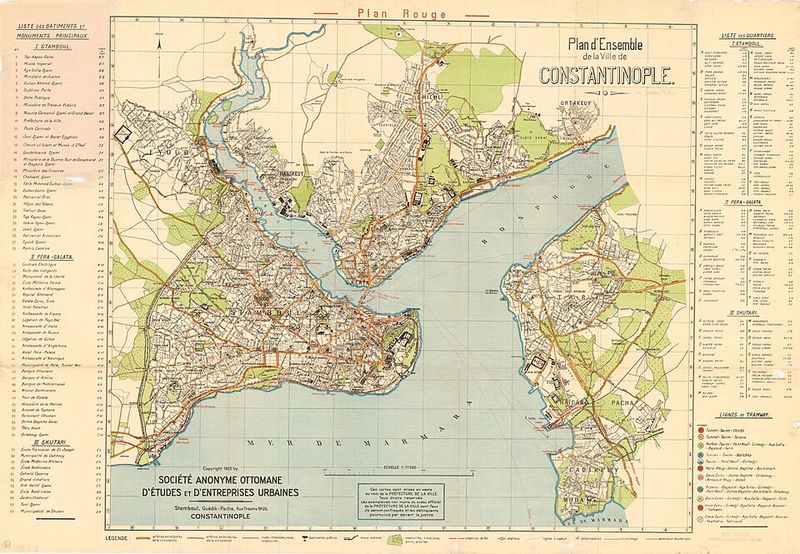
Two continents shake hands here and never let go. The city wore crowns from Byzantium to Ottoman courts, and each era set the compass needle on its own terms.
Hagia Sophia floats with quiet confidence, a space that teaches lessons in arches and light. The Hippodrome tells racing stories, while Topkapi whispers about power arranged in courtyards and keys.
Ferries cut tidy lines across the Bosphorus, redefining center as a crossing rather than a point. The Grand Bazaar tangles trade into a geography of textiles, metalwork, and scented air.
Walk the walls of Theodosius, and the map seems to fold around you like careful paper. Here, middle means movement, a pulse that tracks caravans, fleets, and ideas.
4. Babylon (Mesopotamia, modern-day Iraq)
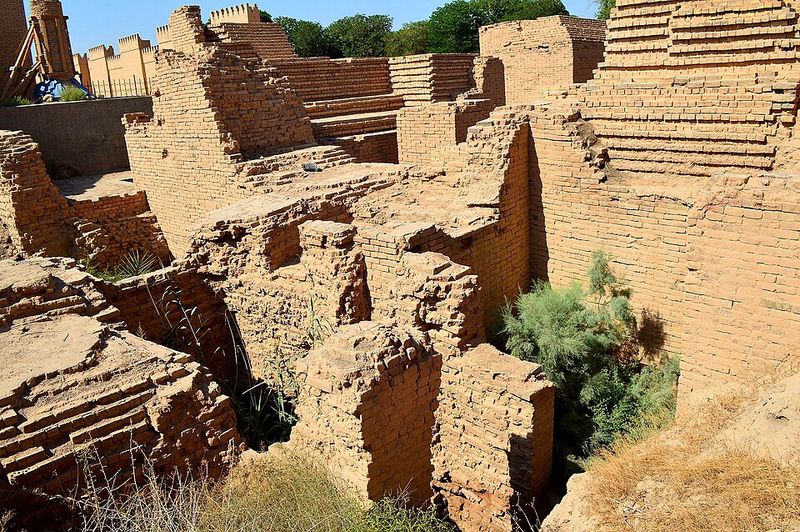
Blue-glazed lions still pace your imagination before you reach the gate. Babylon measured its importance in brick and myth, setting a rhythm for kings who counted time with building projects.
The Ishtar Gate announces a city that loved pageantry as policy. The processional way leads straight through ceremony into administration, where tablets stored agreements with tidy cuneiform logic.
Scholars trace gardens that may have climbed in terraces, part engineering, part legend. What remains invites careful steps, a reminder that centers can be both massive and fragile.
Stand near reconstructed panels and the desert light turns pigment into memory. Babylon’s middle was ambition shaped into walls so wide that chariots found room to pass without apology.
5. Chang’an (Xi’an, China)
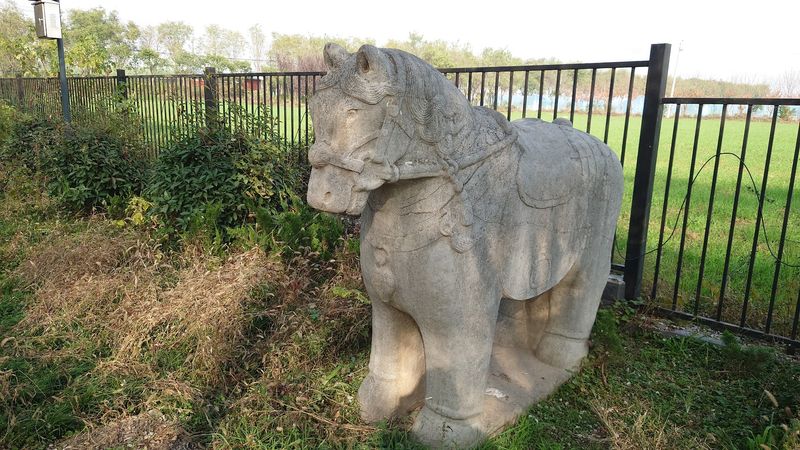
Caravans once ended here like sentences with a crisp period. Chang’an gathered spices, scripts, and astronomers, then translated them into urban order.
The grid plan felt confident, with markets split east and west like a tidy notebook. Court rituals handled protocol, while poets tracked moonlight across eaves with patient detail.
Today, Xi’an’s walls still square the horizon and bicycles sketch calm loops on the ramparts. The Terracotta Army waits nearby, a silent audience of clay logic and imperial planning.
Food stalls underline trade with steam, noodles, and cumin on the air. In Chang’an, center meant hospitality backed by logistics, a place that counted horizons rather than fences.
6. Tenochtitlán (Mexico City, Mexico)
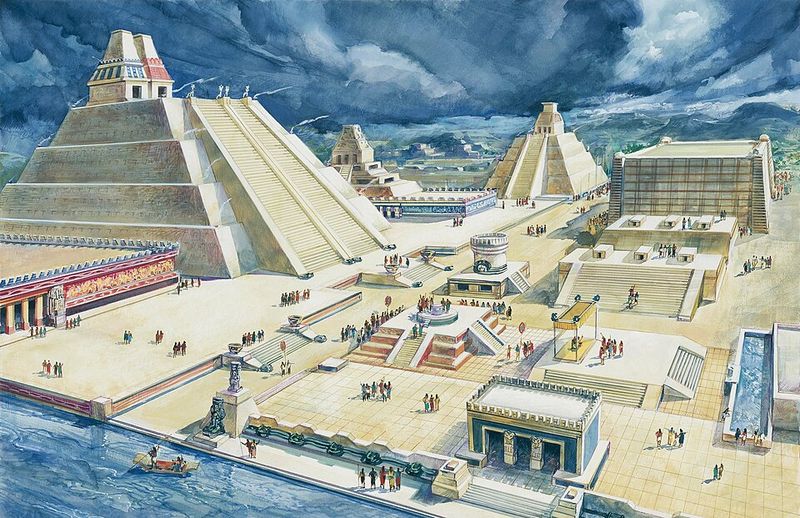
Water framed this city like a mirror that never blinked. Tenochtitlán pulled geometry from lakes and mountains, placing the Templo Mayor as a precise reply to the cosmos.
Causeways stitched islands to shore, turning travel into choreography. Markets at Tlatelolco surged with cacao, obsidian, and practical arithmetic, a ledger balanced in feathers and maize.
Archaeology peeks through modern streets, and the Templo Mayor Museum fills gaps with clean displays. You can stand over layers where ceremony, daily life, and strategy kept tight schedules.
Chinampas made farmland float, proof that center can be engineered with patience and reeds. The city still speaks under Mexico City traffic, its pulse filtered but steady.
7. Cusco, Peru
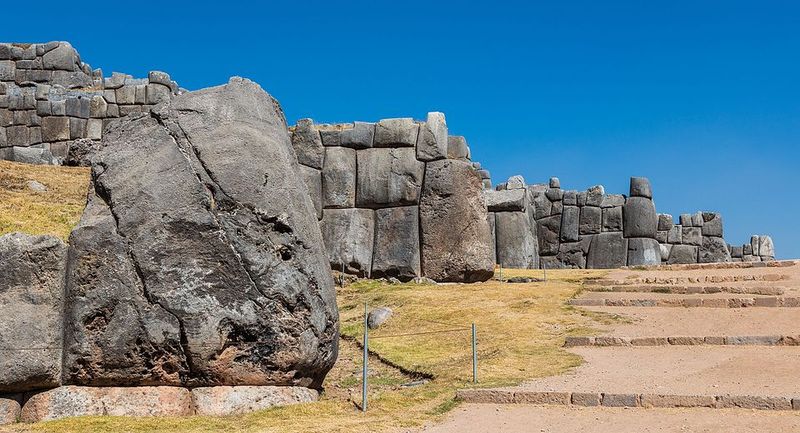
Stones here fit so closely that time struggles to slip between them. The Inca named Cusco the navel of the world, and the masonry still makes that claim feel practical.
Qorikancha once reflected sunlight with deliberate shine, engineering and ceremony clasped together. Street lines follow puma shapes mapped by planners who thought in animals, seasons, and duty.
Walk uphill and the city answers with terraces and views that reset your breathing. Markets handle the essentials with textiles, fruit, and quiet negotiations that keep mornings moving.
Nearby Sacsayhuamán shows walls that curve like confident handwriting. Here, center means a good fit, a meeting of stone, sky, and routes that lead deeper into the Andes.
8. Mecca, Saudi Arabia
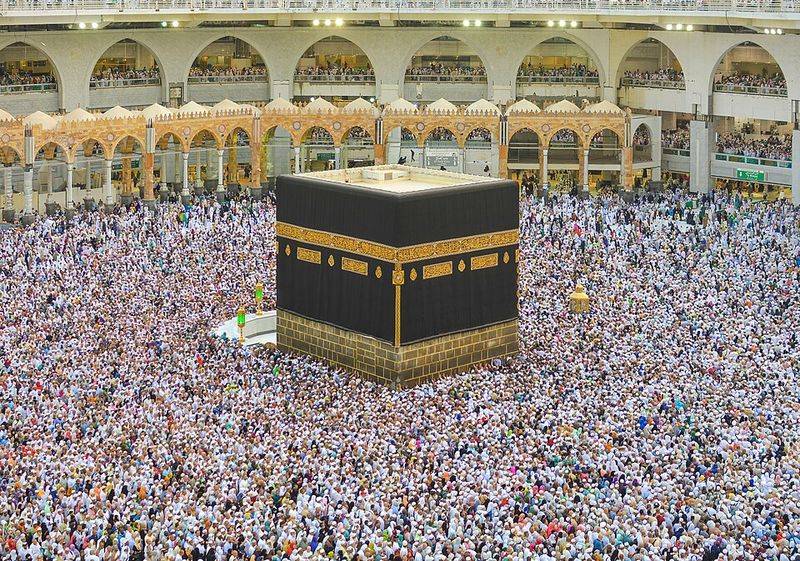
Direction becomes visible here. The Kaaba anchors daily prayer for millions, setting a shared orientation that folds distance into community.
Architecture supports devotion with courtyards, colonnades, and careful flow. The sightline to the central cube is simple, and that simplicity holds remarkable weight.
For visitors where access is appropriate, logistics are organized to care for crowds with clarity. Guidance, routes, and timing keep the rhythm calm and focused.
The center here is spiritual alignment rather than borders. Maps trace lines back to this point, reminding you that meaning can chart a stronger path than any compass.
9. Alexandria, Egypt
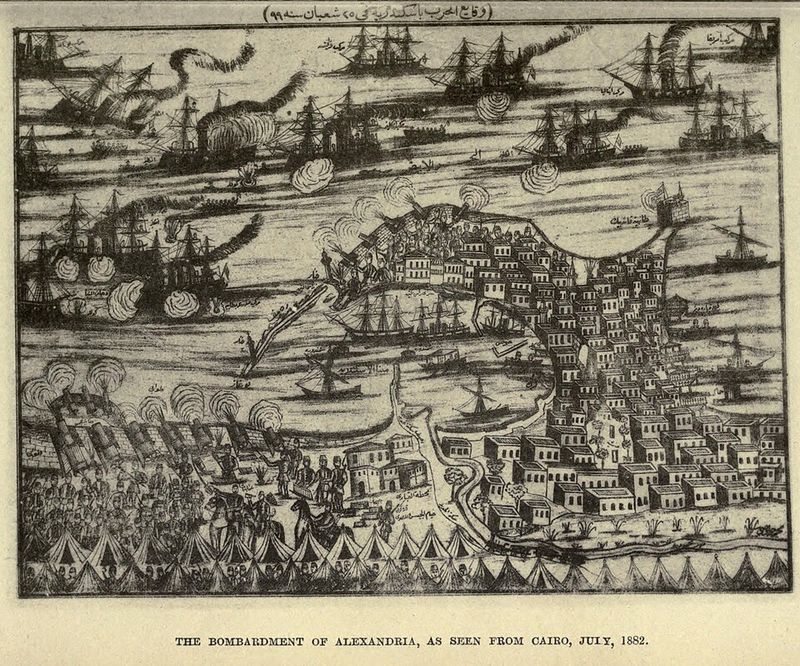
Ideas once docked here as eagerly as ships. Alexandria arranged scholarship like a harbor, with scrolls moored in shelves and debates tied off neatly by night.
The Lighthouse of Pharos stood as a navigational sentence you could read across the water. The old Mouseion coordinated thinkers the way a port schedules arrivals and departures.
Today, the Bibliotheca Alexandria curves toward the sea with a confident tilt. Exhibits speak many languages, and the reading rooms glow with the math of sun and glass.
Cafes face the corniche where gulls outline punctuation marks in the air. Knowledge still feels tidal here, and the center sounds like pages turning.
10. Paris, France
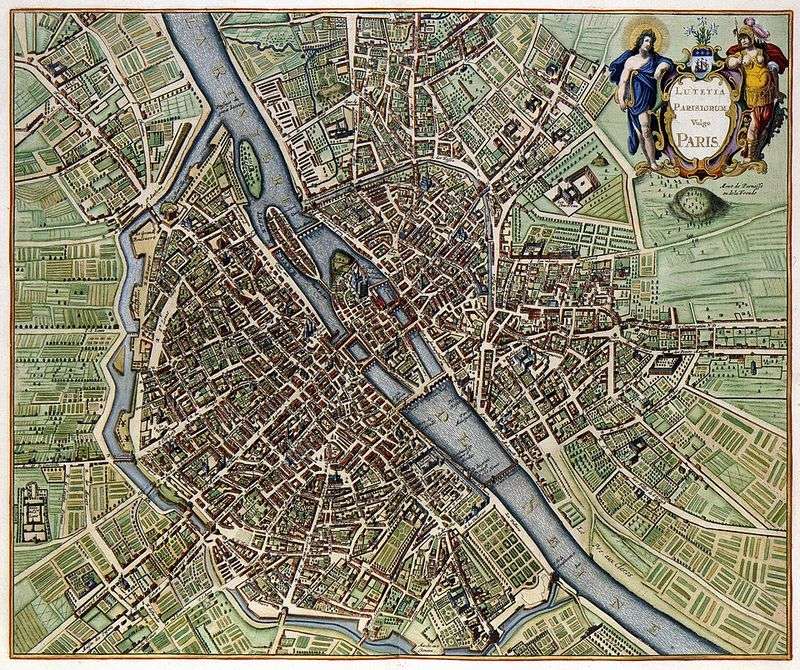
Ideas wear good tailoring in this city. Paris steered thought through salons, presses, and classrooms, making debate feel as essential as bread.
Walk along the Seine and the city arranges itself into chapters. Île de la Cité sets an early page, while the Left Bank annotates margins with bookstores and arguments.
Museums keep conversation lively without raising their voices. Paintings, sculptures, and design objects nod across rooms like colleagues who share deadlines.
Paris claimed a center that prized critique as civic duty. Here, questions move the map as surely as armies or trade routes.
11. London, England
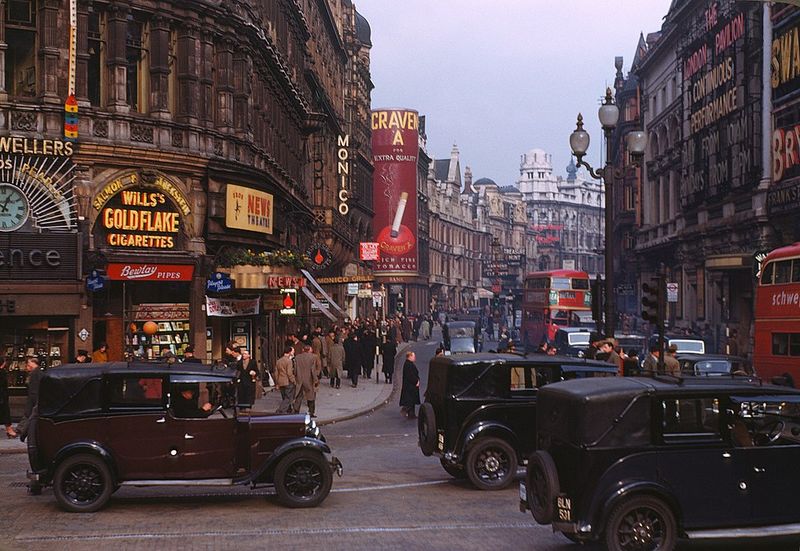
A river drew the lines, and the ships did the rest. London’s reach grew with insurance ledgers, cables, and ports that made distance feel negotiable.
The Royal Observatory at Greenwich settled time, while the City settled accounts with tidy ruthlessness. Museums catalog global stories in rooms arranged like careful drawers.
Walk the docks and you still sense schedules written on tides. Language, law, and measurement stamped passports that few countries could ignore.
For a season, the center sat here on ledgers and hulls. The echo remains in newspapers, finance screens, and a stubborn taste for mapping things precisely.
12. Beijing, China
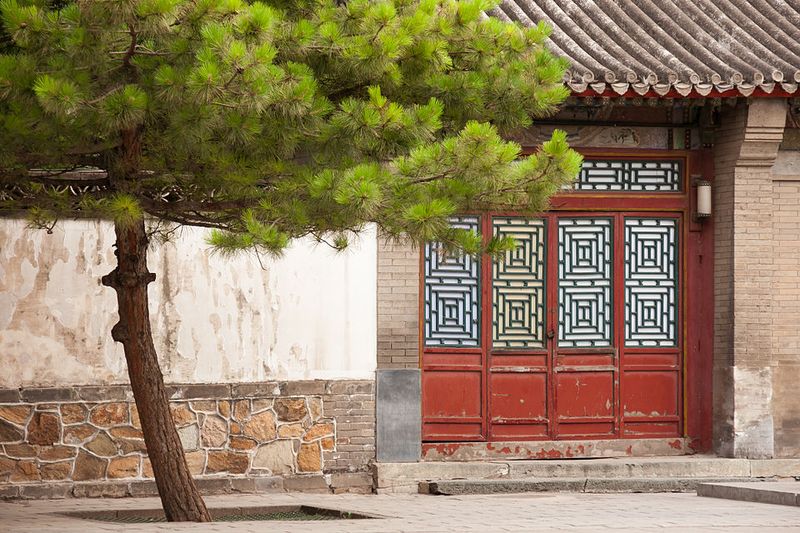
Symmetry speaks fluently here. The Forbidden City draws a straight line through gates and halls, aligning authority with a ruler’s calm handwriting.
Courtyards tune sound and shadow, turning ceremony into measured steps. The old cosmology of the Middle Kingdom placed order at this axis and let the world orbit politely.
Modern Beijing hums around the grid with bikes, subways, and a sprinting schedule. Parks offer pauses where willows sketch loose notes on the lake.
The center as presented here is structure, not volume. Stability sits in alignment, and the map obeys the plan even when traffic does not.
13. Baghdad, Iraq
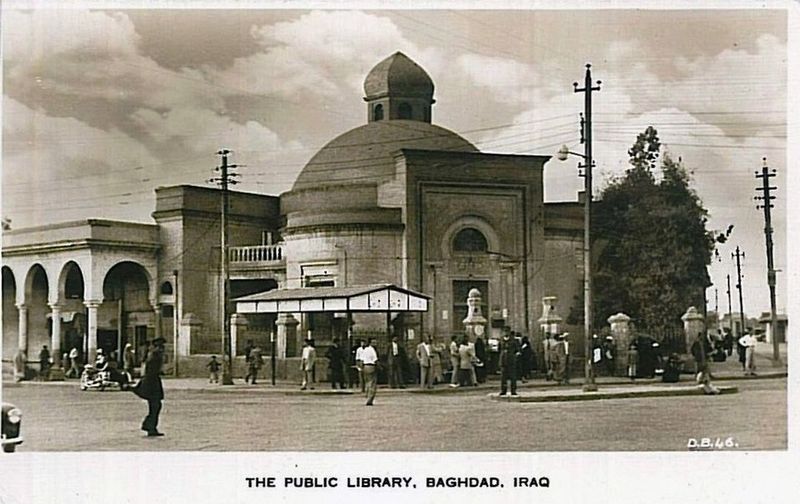
Knowledge once wrote circles here. The Abbasid Round City arranged authority in a ring, then filled it with scholars who treated curiosity as infrastructure.
The House of Wisdom turned translation into a continental project. Mathematics, medicine, and astronomy met at long tables stacked with patient manuscripts.
The Tigris carried ideas as faithfully as grain. Workshops and markets solved problems with tools, ink, and practiced hands.
Baghdad’s center felt like a study group scaled to a city. The legacy still threads through science classrooms and the small triumph of a proof that finally balances.
14. New York City, USA
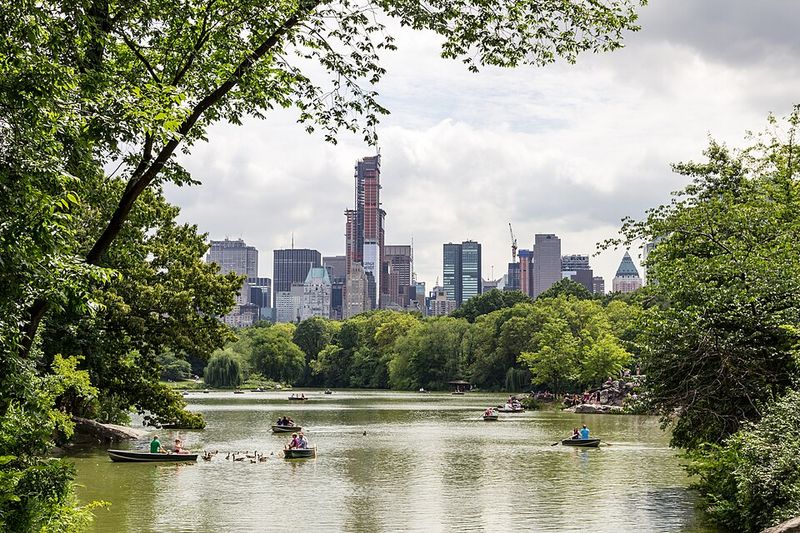
Energy here refuses to use its indoor voice. New York took the 20th century by the lapels and arranged finance and media into daily weather.
Skyscrapers operate like filing cabinets for ambition. Trading floors make numbers act like verbs, while studios and newsrooms refresh the narrative before lunch.
Parks and stoops add punctuation where sentences run long. Neighborhoods keep their accents and their priorities, then share a subway politely or not.
The center in this era was speed tied to scale. Stand on a corner, and you can time zones crossing the street.
15. Jerusalem
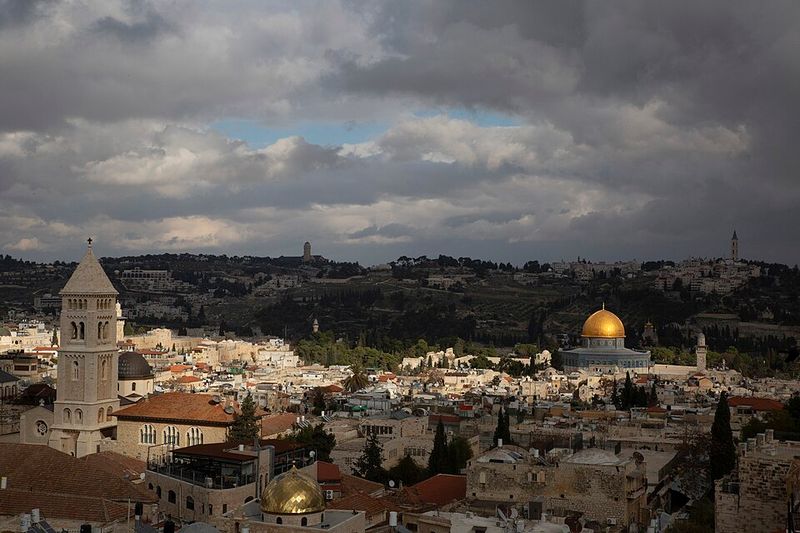
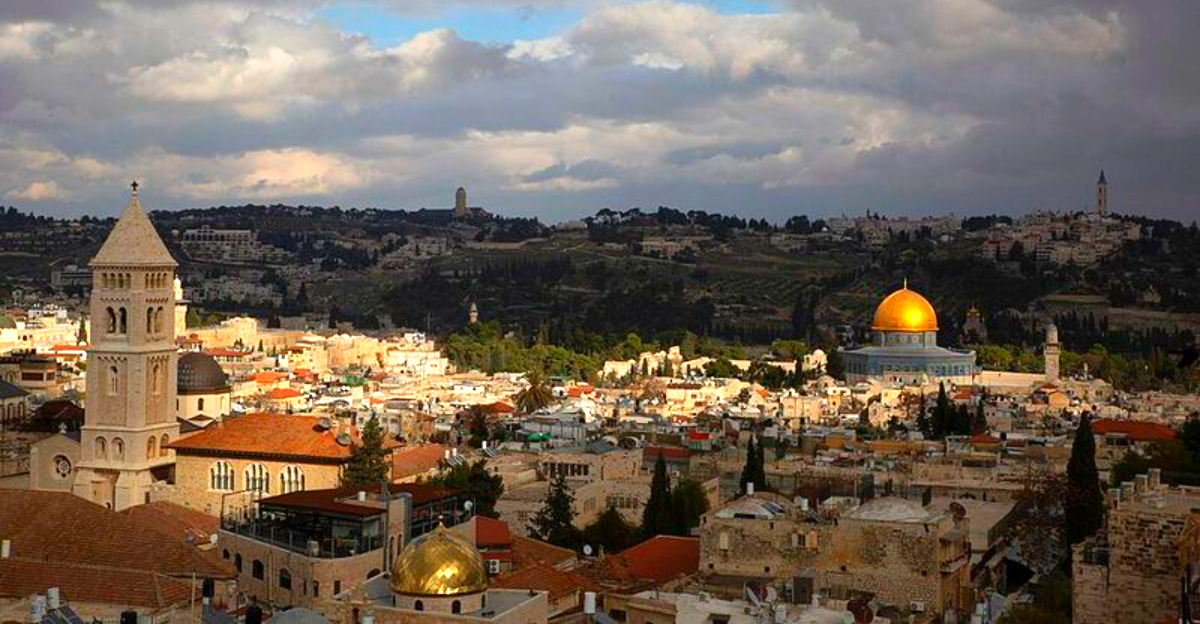
Many maps once aimed their arrows here without hesitation. Medieval cartographers centered the world on faith, and the streets still carry that layered attention.
Quarter by quarter, history stacks into walkable chapters. Pilgrims trace routes with steady steps, while scholars read stones and margins at the same pace.
Markets add color and errands to the day. Spices, textiles, and greetings build a rhythm that keeps browsers moving kindly along.
Jerusalem’s middle is significance multiplied across traditions. The city does not ask you to choose a single story, only to notice how close they stand.



