Some places are so extraordinary that they redefine what we think nature is capable of creating. Towering waterfalls, glowing glaciers, volcanic landscapes, pristine reefs, and ancient forests make these destinations true once-in-a-lifetime experiences.
Whether you are an avid adventurer or simply love breathtaking scenery, these natural wonders deserve a place on every travel bucket list. Pack your bags and prepare to be seriously impressed.
Torres del Paine National Park, Chile
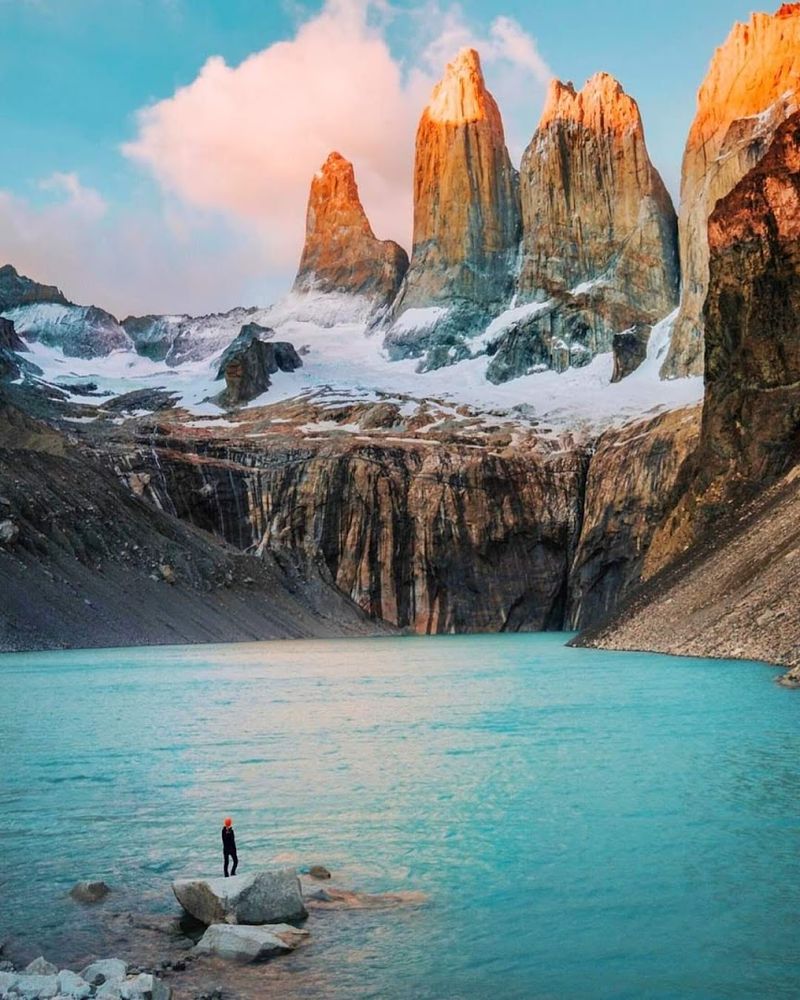
Standing beneath the granite towers of Torres del Paine feels less like hiking and more like walking into a painting someone forgot to finish. These jagged peaks shoot straight up from the Patagonian steppe, surrounded by turquoise lakes so vivid they almost look fake.
No filter required, seriously.
The park covers over 700,000 acres of wild southern Chile, offering trails for every fitness level. The famous W Trek takes four to five days and winds through some of the most jaw-dropping scenery on the planet.
Shorter day hikes are equally rewarding and far less punishing on the knees.
Wildlife here roams freely and confidently. Guanacos stroll past hikers without a care, condors circle overhead, and the occasional puma has been spotted near the park’s more remote corners.
The best time to visit is between November and March, when Patagonian weather is most cooperative. Even then, expect sudden wind gusts and four seasons in a single afternoon.
That unpredictability is actually part of the charm, and honestly, it keeps things exciting.
Milford Sound, New Zealand
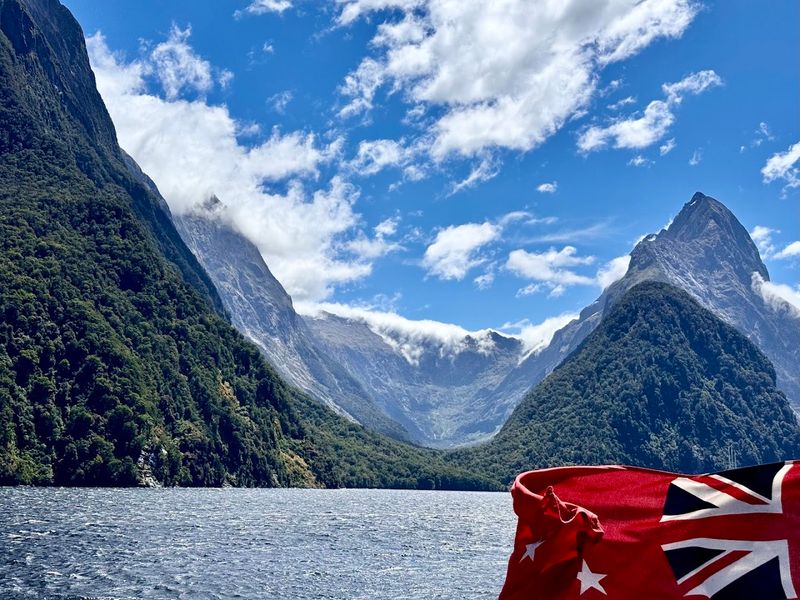
Rudyard Kipling once called Milford Sound the eighth wonder of the world, and after one look at those sheer cliffs disappearing into the sea, you will understand why he was not exaggerating. Located in Fiordland National Park on New Zealand’s South Island, this fiord is carved so dramatically it feels almost theatrical.
Waterfalls tumble hundreds of feet down moss-covered rock faces, and the water below is so dark and deep it barely reflects the sky. Boat cruises are the best way to experience the sound up close.
You might spot dolphins riding the bow wave, fur seals lounging on rocks, or even a penguin waddling along the shoreline.
Interestingly, Milford Sound is actually a fiord, not a sound. The name stuck despite the geographical mix-up, which adds a quirky footnote to an otherwise awe-inspiring place.
Rain is frequent here, sometimes dramatically so, but that only feeds the hundreds of temporary waterfalls that cascade down the cliffs after a good downpour. Visiting on a rainy day is genuinely one of the best weather experiences a traveler can have.
Pack a good rain jacket and enjoy every single drop.
Iguazu Falls, Argentina and Brazil
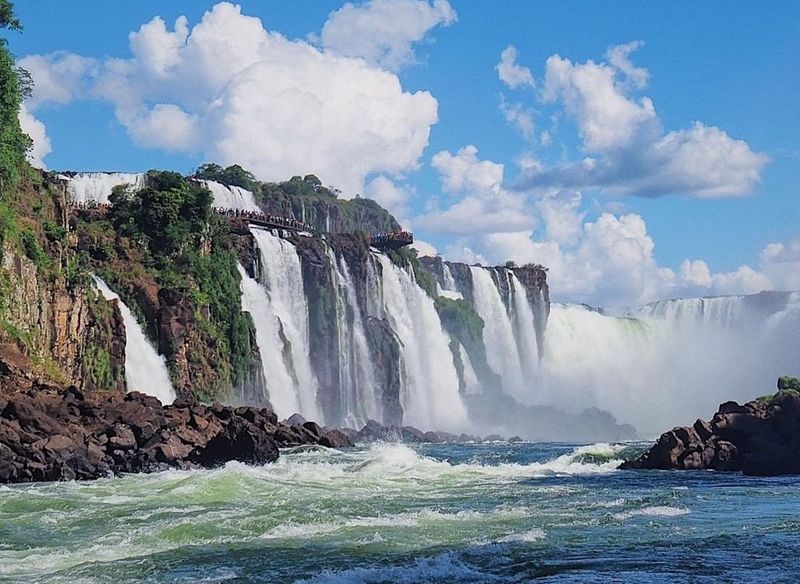
Eleanor Roosevelt reportedly saw Iguazu Falls for the first time and said, “Poor Niagara.” After seeing nearly 270 individual waterfalls roaring across almost two miles of river, that reaction makes complete sense. Iguazu makes other waterfalls feel slightly underdressed for the occasion.
Straddling the border between Argentina and Brazil, the falls can be explored from both sides, and each offers a completely different perspective. The Argentine side puts you close enough to feel the spray on your face, while the Brazilian side delivers sweeping panoramic views that are perfect for photography.
Visiting both countries is absolutely worth the extra effort.
The surrounding subtropical rainforest is packed with wildlife. Toucans, coatis, butterflies, and caimans all share the park with millions of annual visitors.
The most dramatic section is called the Devil’s Throat, a U-shaped canyon where the river drops nearly 270 feet in a thunderous curtain of white water. Walking to that viewpoint and feeling the ground vibrate beneath your feet is something your nervous system will remember long after you have returned home.
Plan at least two full days here to do it justice.
Yellowstone National Park, United States
Yellowstone sits on top of one of the largest active volcanoes on Earth, which makes every steaming geyser and bubbling mud pot feel just a little more thrilling than your average park visit. Old Faithful erupts roughly every 90 minutes, right on schedule, and watching it shoot boiling water 100 feet into the air never gets old no matter how many times you see it.
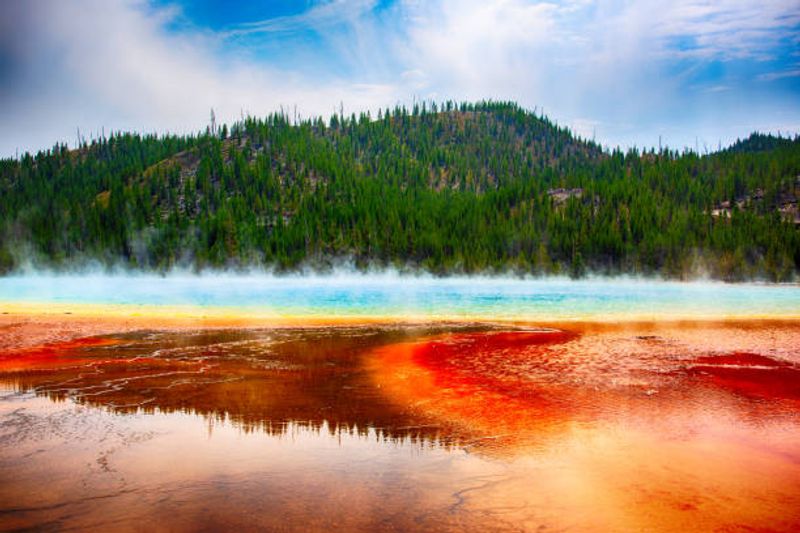
The Grand Prismatic Spring is the park’s most photographed feature, and for good reason. Its rings of orange, yellow, green, and deep blue come from heat-loving microorganisms called thermophiles, making it one of the few places where biology and geology team up to create something genuinely spectacular.
Viewing it from the overlook trail gives you the full rainbow effect.
Wildlife watching here is world-class. Bison jams, where traffic stops because a herd decides the road belongs to them, are a uniquely Yellowstone experience.
Wolves were reintroduced in 1995, and spotting a pack near Lamar Valley is now one of the most sought-after wildlife sightings in North America. Visit in spring for newborn animals or fall for dramatic elk bugling.
Either way, Yellowstone rewards patience and early mornings generously.
Norwegian Fjords, Norway
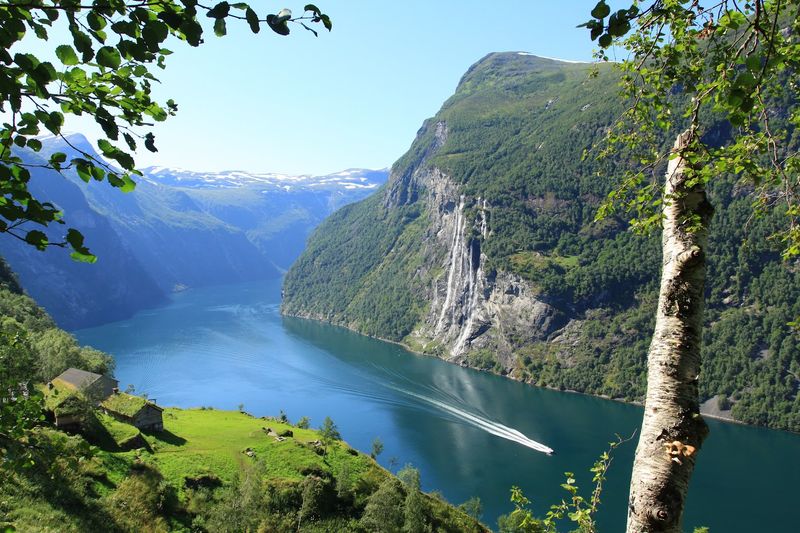
Carved by glaciers over millions of years, Norway’s fjords look like the planet decided to show off what serious geological effort can accomplish. The walls of rock rise hundreds of meters straight from the water, draped in green and dusted with snow at the peaks.
It is the kind of landscape that makes you feel very small in the best possible way.
Sognefjord, the longest and deepest fjord in Norway, stretches over 200 kilometers inland and plunges nearly 1,300 meters below sea level. Nærøyfjord, a narrower branch of Sognefjord, is a UNESCO World Heritage Site and arguably the most dramatic of them all.
Kayaking through it on a calm morning is the kind of experience people talk about for decades.
Tiny villages cling to the fjord edges, their brightly colored wooden houses reflecting in still water. The region is accessible year-round, but summer brings long daylight hours that give you more time to explore.
Winter visits offer a shot at the Northern Lights dancing above the fjord walls, which is arguably even more spectacular. Norway is not the cheapest destination, but the scenery makes every spent krone feel like a bargain of a lifetime.
Great Barrier Reef, Australia
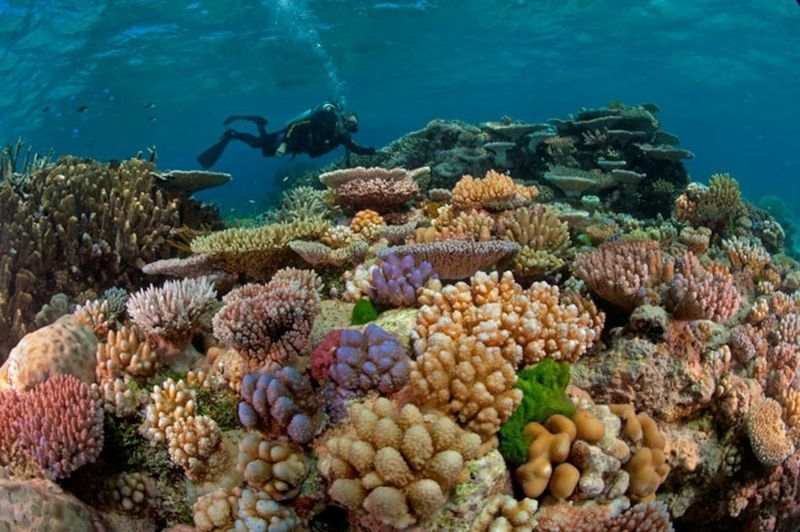
Stretching over 2,300 kilometers along Australia’s northeast coast, the Great Barrier Reef is so large it can be seen from space, which gives you some idea of the scale you are dealing with. It is the world’s largest coral reef system, built by billions of tiny coral polyps over thousands of years.
That is a construction project worth respecting.
Beneath the surface, the reef hosts over 1,500 species of fish, 4,000 types of mollusk, and six of the world’s seven sea turtle species. Snorkeling here is genuinely accessible for beginners, and the visibility on a calm day is extraordinary.
Scuba divers can explore deeper walls, caves, and shipwrecks that add history to the underwater adventure.
The reef faces real challenges from climate change and ocean warming, making a visit feel both joyful and a little urgent. Conservation efforts are ongoing, and many tour operators now focus on sustainable, low-impact experiences.
Visiting from Cairns or Port Douglas gives you excellent access to the outer reef, where the coral is most vibrant. Go early in the morning when the water is calmest and the marine life is most active.
You will leave with a completely new appreciation for what lives below the surface.
Salar de Uyuni, Bolivia
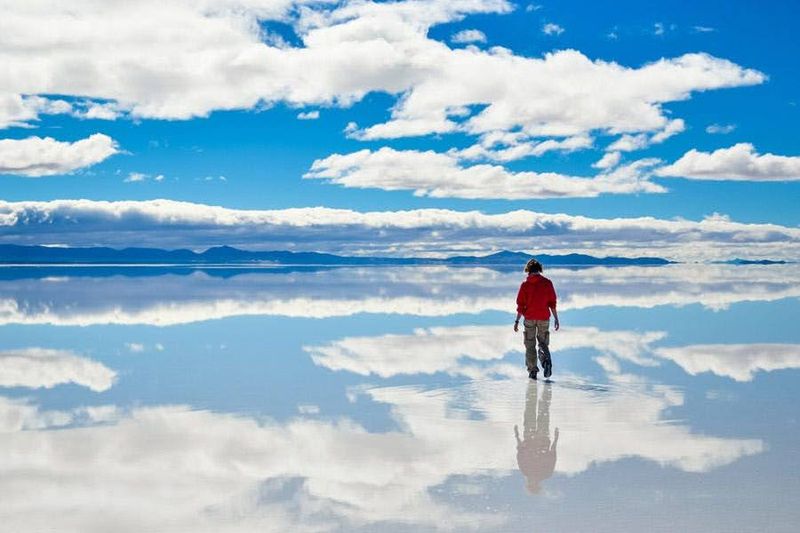
After seasonal rains, the world’s largest salt flat turns into a mirror so perfect that the sky and ground become indistinguishable from each other. Standing on Salar de Uyuni during this transformation feels genuinely disorienting, like the planet briefly forgot which way was up.
It is one of the most surreal natural phenomena you can witness without a spacecraft.
Located in southwest Bolivia at an altitude of nearly 3,700 meters, the salt flat covers over 10,000 square kilometers. During the dry season, the cracked white salt crust creates a completely different but equally mesmerizing landscape.
Both versions are stunning, and photographers tend to book entire trips around capturing them.
The area surrounding the flats is equally impressive. Active volcanoes, colored lagoons tinted red and green by algae, geysers, and flamingo colonies all sit within driving distance.
The Isla Incahuasi, a rocky island rising from the center of the flat and covered in giant cacti, is one of the most photogenic spots in all of South America. Tours typically depart from the town of Uyuni and range from one to three days.
Bring warm layers because temperatures drop sharply at night regardless of the season.
Plitvice Lakes National Park, Croatia
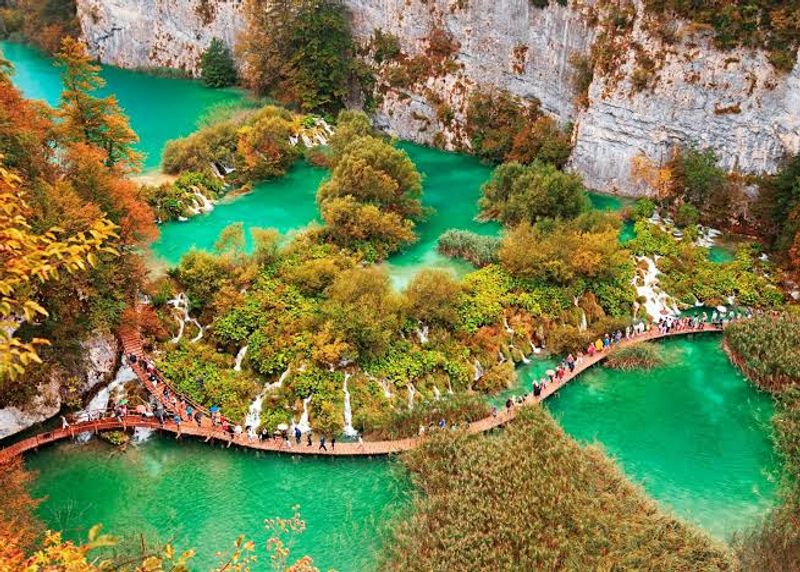
Sixteen lakes connected by waterfalls, all linked by wooden boardwalks that put you right above the crystal-clear turquoise water. That is the Plitvice Lakes experience in a sentence, though no sentence really does it justice.
The color of the water changes constantly depending on the minerals, organisms, and angle of sunlight, ranging from vivid teal to deep emerald to soft blue.
Croatia’s oldest and largest national park has been a UNESCO World Heritage Site since 1979, and the designation is completely deserved. The park is split into upper and lower lake sections, and most visitors spend a full day exploring both.
The lower lakes contain the most dramatic waterfalls, including the 78-meter Veliki Slap, the tallest waterfall in Croatia.
Spring and early summer are the best times to visit, when snowmelt boosts the waterfalls to their most powerful flow. Autumn turns the surrounding forest into a stunning display of red and gold that frames the turquoise water beautifully.
Summer is peak season, so arriving early in the morning is highly recommended to beat the crowds. The park operates a timed entry system, so booking tickets in advance is essential.
Wear comfortable shoes because you will want to walk every single boardwalk at least twice.
Namib Desert, Namibia
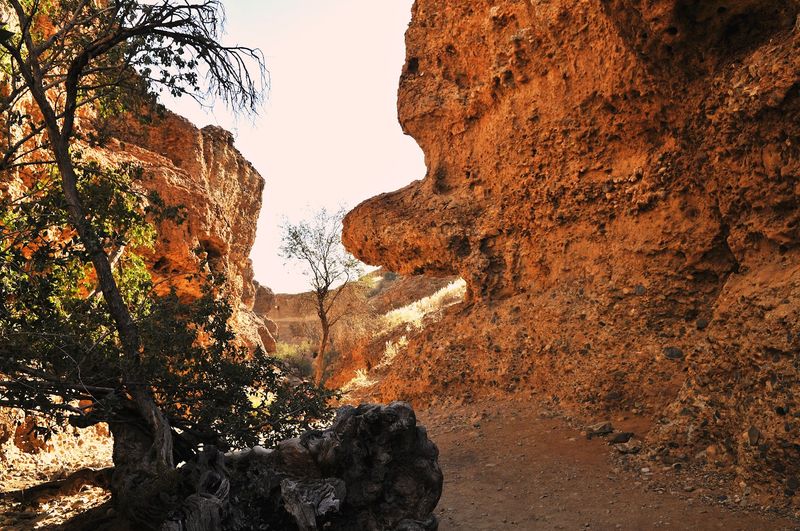
Deadvlei might be the most hauntingly beautiful place on Earth. Ancient camel thorn trees, dead for nearly 900 years, stand like dark sculptures against a blinding white clay pan, all framed by the tallest sand dunes in the world glowing orange in the morning light.
No one needs a filter at Deadvlei because reality already looks like a professional photo shoot.
The Namib Desert is considered one of the oldest deserts on the planet, estimated to be around 55 million years old. Despite its extreme dryness, it supports a surprising variety of life adapted to survive on coastal fog rather than rainfall.
Oryx, springbok, and even desert-adapted lions have been spotted roaming these landscapes.
Sossusvlei is the gateway to the famous dunes, with Dune 45 and Big Daddy being the most popular climbs. Getting to the top of Big Daddy before sunrise and watching the desert light up in shades of red, orange, and pink is worth every step of the sandy, leg-burning ascent.
The park is best visited between May and October when temperatures are more manageable. Namibia as a whole is one of Africa’s most underrated travel destinations, and the Namib Desert is its crown jewel.
Banff National Park, Canada
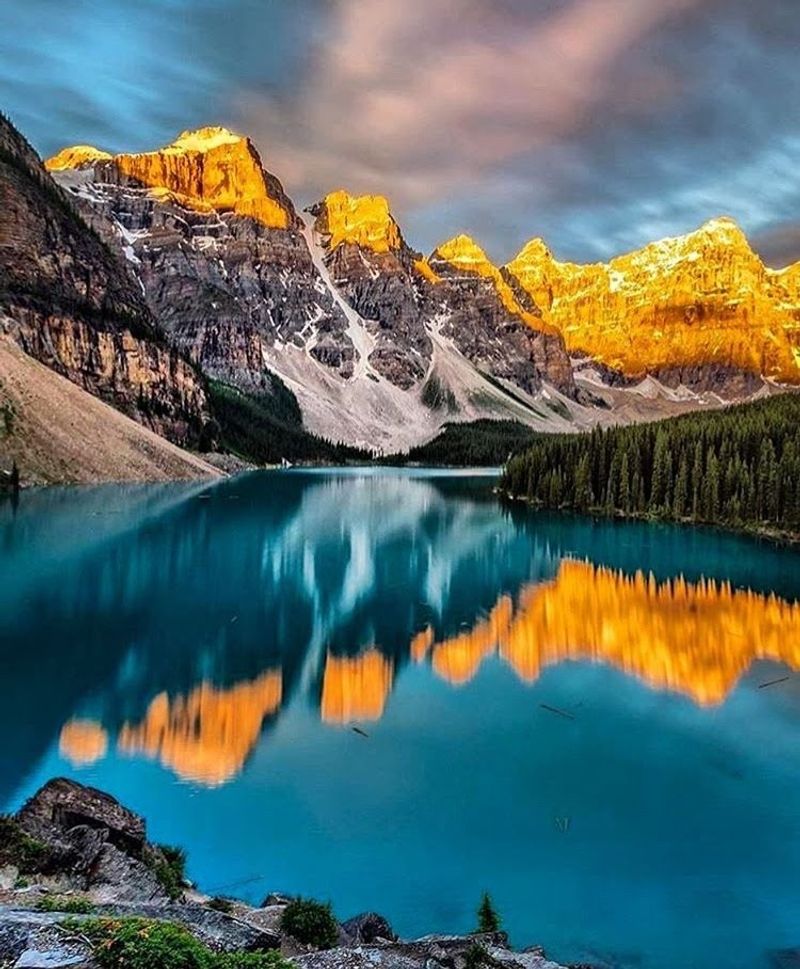
Lake Louise looks photoshopped even in real life. The turquoise water is so intensely colored from glacial rock flour suspended in it that first-time visitors often stop and stare for a full minute before remembering to take a photo.
Banff National Park, Canada’s oldest, delivers this kind of visual impact around nearly every bend in the road.
The park sits in the heart of the Canadian Rockies in Alberta and covers over 6,600 square kilometers of mountains, glaciers, forests, and meadows. Moraine Lake, another turquoise gem just minutes from Lake Louise, was so iconic it appeared on the Canadian twenty-dollar bill for years.
Both lakes are best visited early in the morning before the crowds arrive and the parking lots fill up.
Wildlife encounters here are genuinely common. Bears, elk, bighorn sheep, and wolves all share the park with visitors, and the Icefields Parkway connecting Banff to Jasper is considered one of the world’s great scenic drives.
The Columbia Icefield allows visitors to walk on a glacier, which is a surreal and increasingly precious experience given the rate of glacial retreat. Summer is peak season, but winter transforms Banff into a world-class ski destination with equal amounts of charm and frozen beauty.
Ha Long Bay, Vietnam
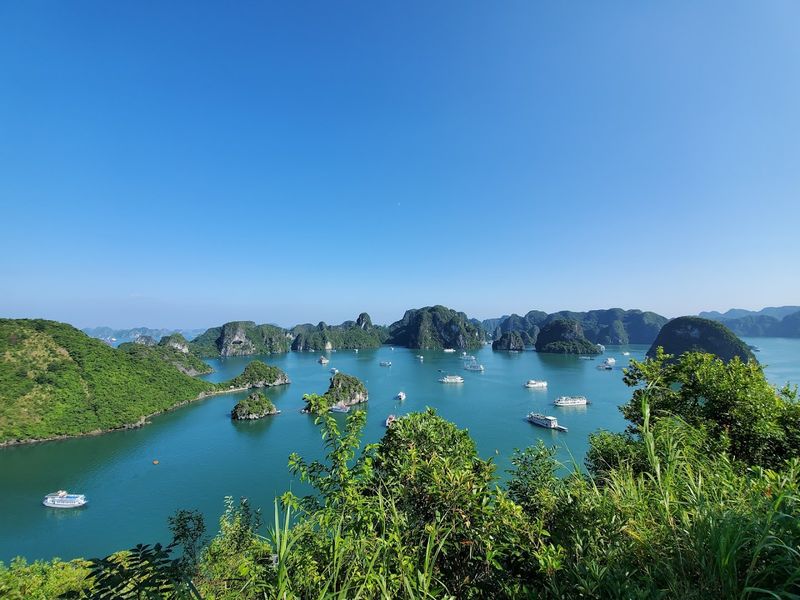
Nearly 2,000 limestone islands rise from Ha Long Bay’s emerald waters, each one draped in jungle and shaped by millions of years of erosion into formations so dramatic they seem borrowed from a fantasy novel. Vietnamese legend says a dragon descended here and its thrashing tail carved the islands into existence.
Looking out at the landscape, the story feels entirely plausible.
Located in northeastern Vietnam, Ha Long Bay is a UNESCO World Heritage Site and one of Southeast Asia’s most visited natural attractions. Exploring it by overnight cruise is the definitive experience.
Boats wind through narrow passages between karst islands, stop at floating fishing villages, and anchor beside caves large enough to fit entire cathedrals inside.
Kayaking through the smaller passages and into sea caves is an absolute highlight. Some caves open into hidden lagoons surrounded entirely by vertical rock walls, creating a sense of discovery that is hard to replicate anywhere else.
Sunrise from the deck of a junk boat, with mist rolling off the water and islands emerging slowly from the haze, is the kind of moment that becomes a core travel memory. Book a reputable cruise operator to ensure quality and responsible environmental practices.
Two nights on the bay is the sweet spot for most visitors.
Iceland’s South Coast, Iceland
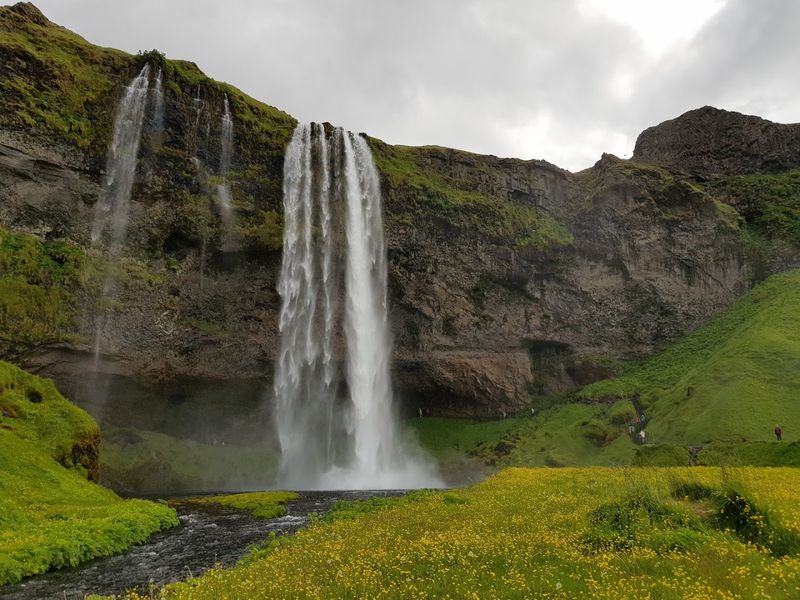
Iceland’s South Coast packs more geological drama per kilometer than almost any other stretch of road on Earth. Drive Route 1 from Reykjavik eastward and within a few hours you have passed thundering waterfalls, black sand beaches, glaciers creeping toward the sea, and volcanoes that have rewritten European history.
It is a landscape that absolutely refuses to be boring.
Seljalandsfoss and Skogafoss are two of the most iconic waterfalls, and both are easily accessible from the road. Seljalandsfoss has a path that lets you walk behind the curtain of water, which is cold and wet and completely worth it.
Reynisfjara Black Sand Beach is striking but notorious for dangerous sneaker waves, so staying well back from the water line is genuinely important safety advice.
Jokulsarlon Glacier Lagoon sits near the eastern end of the South Coast route and is one of Iceland’s most photographed locations. Massive blue-tinged icebergs calve from the glacier and drift slowly toward the sea, sometimes washing up on the nearby Diamond Beach as glittering ice sculptures on black sand.
The Northern Lights are visible from this region between September and March on clear nights. Iceland rewards slow travelers who stop often, look around carefully, and resist the urge to rush to the next destination.
Zhangjiajie National Forest Park, China
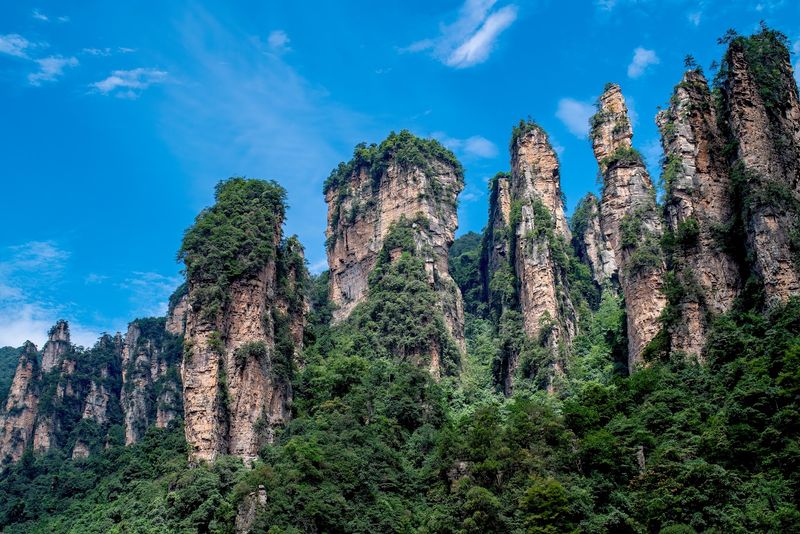
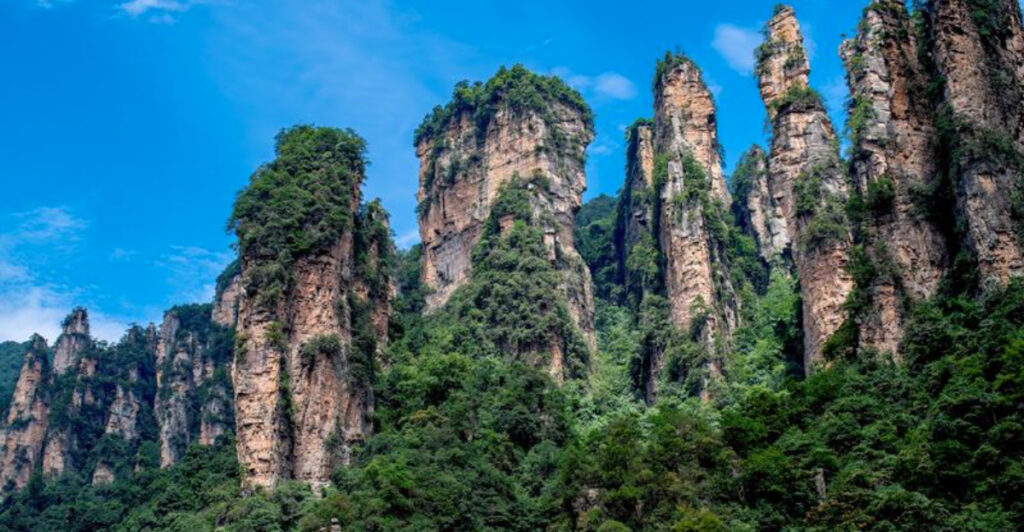
Imagine hundreds of sandstone columns shooting hundreds of meters into the sky, each one topped with trees and wrapped in mist. That is Zhangjiajie on a typical morning, and it is exactly as extraordinary as it sounds.
The park’s otherworldly landscape inspired the floating Hallelujah Mountains in the film Avatar, and once you see it in person, that creative connection makes perfect sense.
Located in Hunan Province, the park was designated China’s first national forest park in 1982. The sandstone pillars, some reaching over 200 meters tall, were formed by water and wind erosion over hundreds of millions of years.
Walking among them on the park’s extensive trail network feels like exploring another planet while remaining very much on this one.
The Tianmen Mountain cable car, one of the world’s longest at nearly 7.5 kilometers, delivers riders above the clouds for views that are genuinely hard to process. The glass-bottomed Zhangjiajie Grand Canyon Bridge, once the world’s highest and longest glass bridge, offers a stomach-dropping walk above a deep gorge.
Autumn is particularly beautiful when the forest foliage adds warm reds and yellows to the already dramatic scenery. Spring brings lush green growth and frequent mist that makes the pillars look like they are floating.
Either season is spectacular.
Amazon Rainforest, South America
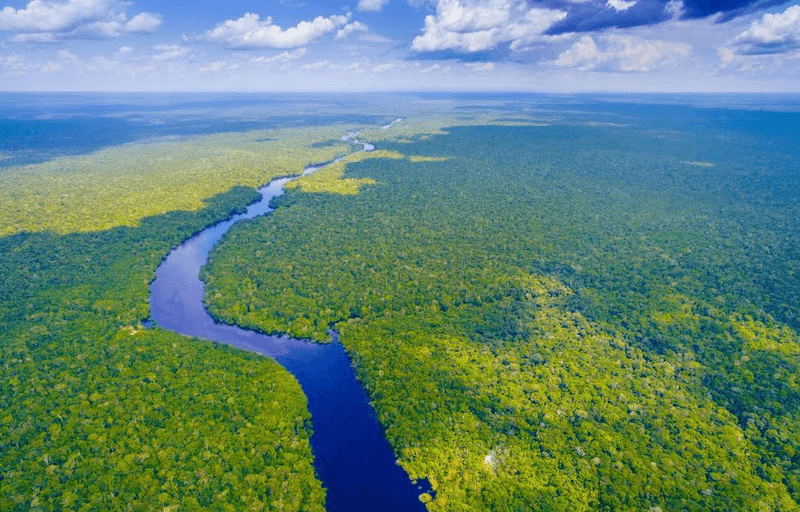
The Amazon Rainforest produces about 20 percent of the world’s oxygen, which means every breath you take has a small but real connection to this place. Covering over 5.5 million square kilometers across nine South American countries, it is the largest tropical rainforest on Earth by a significant margin.
Nothing else on the planet comes close to its sheer biological richness.
Roughly 10 percent of all known species live here, including jaguars, anacondas, river dolphins, poison dart frogs, and more bird species than exist on any other continent. The biodiversity is so dense that scientists regularly discover new species during research expeditions.
Guided jungle walks reveal a world of detail invisible to the untrained eye, from leaf-cutter ant highways to camouflaged insects that look exactly like sticks and leaves.
River cruises along the Amazon and its tributaries offer one of the most immersive ways to experience the forest. Floating through narrow channels flanked by cathedral-like jungle walls while listening to howler monkeys and macaws is genuinely humbling.
Jungle lodges in Peru, Ecuador, and Brazil offer comfortable bases for multi-day expeditions without sacrificing the wild experience. The rainy season, from December to May, brings flooded forests that create unique kayaking opportunities.
Visiting with a responsible, conservation-minded operator makes a meaningful difference to local communities and the forest itself.
Vatnajokull National Park, Iceland
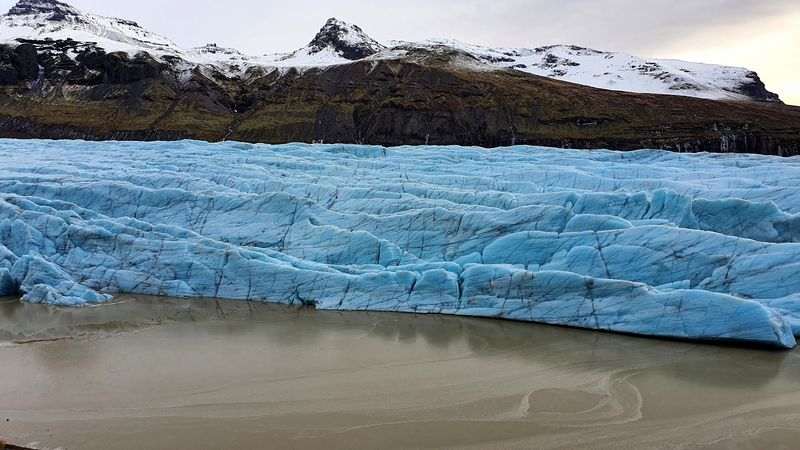
Europe’s largest national park protects a landscape so varied it feels like several planets crammed into one country. Vatnajokull covers about 14 percent of Iceland’s entire surface area and sits on top of the island’s most active volcanic zone, creating a place where fire and ice genuinely coexist in dramatic, constantly changing ways.
The Vatnajokull glacier itself is the largest ice cap in Europe, and beneath it, volcanoes continue to rumble and erupt. When they do, the resulting floods called jokulhlaups reshape entire river valleys almost overnight.
The park also contains Hvannadalshnukur, Iceland’s highest peak, and Skaftafell, a lush green oasis surrounded by glaciers that feels almost tropical by comparison.
Ice caves form naturally inside the glacier each winter, and their interiors are strikingly beautiful. Blue light filters through the translucent ice walls, creating an atmosphere that feels both silent and electric at the same time.
Guided glacier walks and ice cave tours run from November through March when the caves are stable and safe to enter. Skidoo tours across the glacier surface are available in summer and offer a completely different but equally thrilling perspective.
Vatnajokull rewards visitors who come prepared for cold weather, unpredictable conditions, and the very real possibility of standing somewhere that looks like the beginning of the world.
Share this story