 Unearth The Voyage
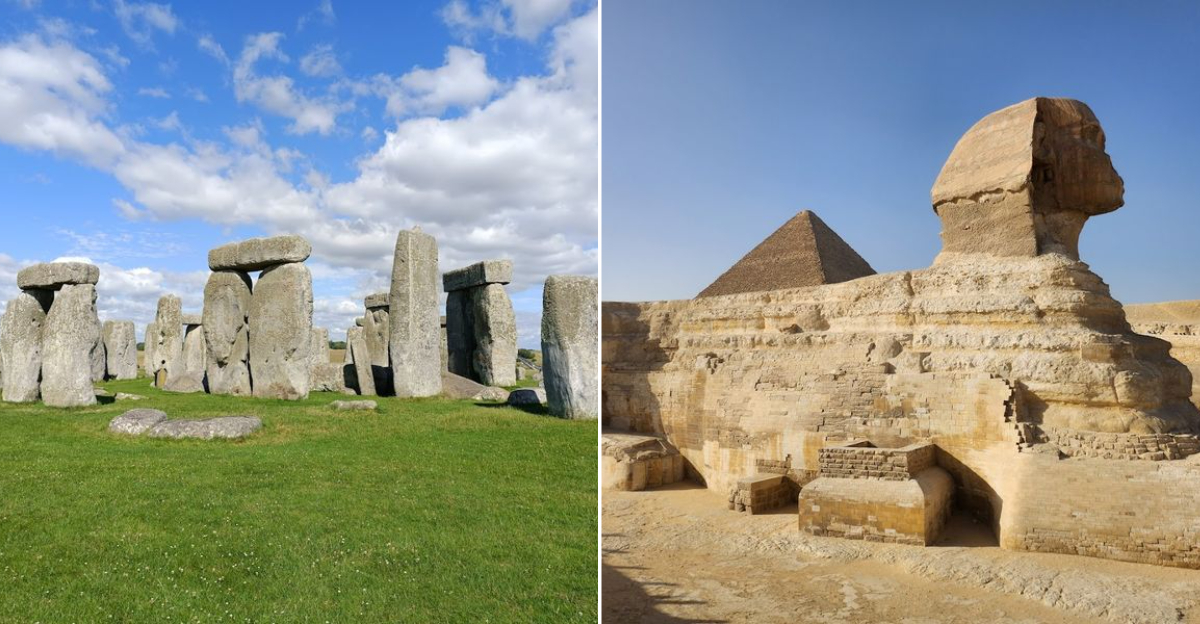
History class is one thing, but standing inside a 2,000-year-old bakery is a completely different experience. Some places around the world let you walk through streets, temples, and tombs that real people used thousands of years ago.
These sites are not just old ruins on a postcard. They are windows into lives, beliefs, and civilizations that shaped everything we know today.
Pompeii (Italy)
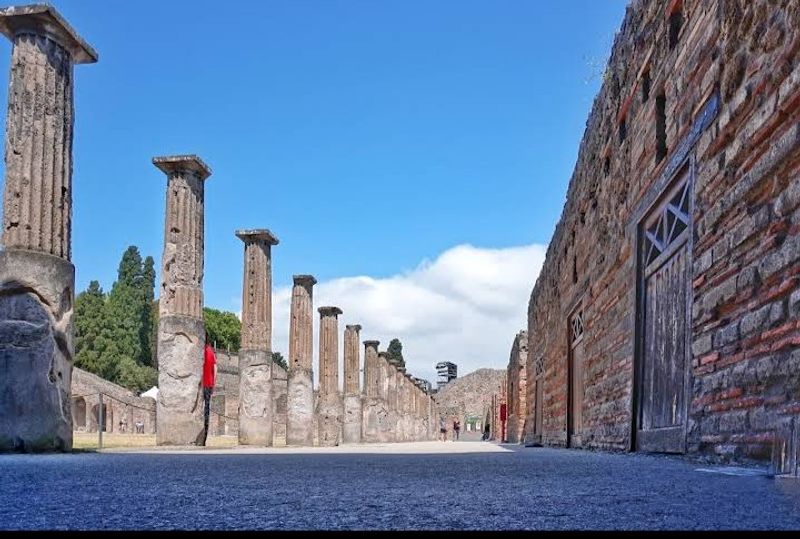
Pompeii got buried alive in 79 AD, and honestly, it never really left. When Mount Vesuvius erupted, volcanic ash covered an entire Roman city so fast that it froze everything in place.
Stepping into Pompeii today feels less like a museum visit and more like wandering into someone else’s afternoon.
You can walk into actual homes, peek into bakeries that still have stone ovens, and stroll down roads worn smooth by Roman cart wheels. The detail is wild.
Graffiti on the walls. Lunch counters.
Garden layouts. None of it feels staged.
Pompeii is located near Naples in southern Italy and is very well organized for visitors. Comfortable shoes are a must since the streets are uneven stone.
Tickets and visitor info are available through the official Pompeii sites portal. Go early in the day to beat the heat and the crowds.
This place rewards slow exploration.
The Colosseum, Roman Forum, and Palatine Hill (Rome, Italy)
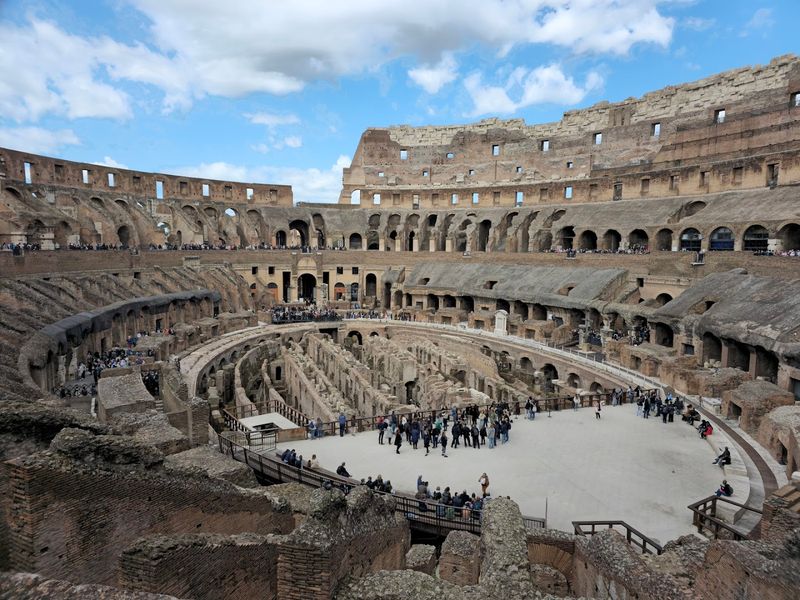
The Colosseum held up to 80,000 spectators. That number hits differently when you are standing inside the actual arena.
Rome’s most famous landmark is surprisingly emotional in person, partly because you keep reminding yourself it was built nearly 2,000 years ago without modern machinery.
The combined ticket also gets you into the Roman Forum and Palatine Hill, which is genuinely the better deal. The Forum was Rome’s civic heart, where speeches were made, elections held, and temples dedicated to gods.
Palatine Hill sits above it all with sweeping views and the ruins of imperial palaces.
Many visitors skip the Forum and Palatine after the Colosseum, which is a mistake. Budget at least half a day for all three.
The official combined ticket system handles entry for the whole complex. Book ahead since walk-up lines can be brutal, especially in summer.
Rome rewards the prepared traveler.
The Acropolis of Athens (Greece)
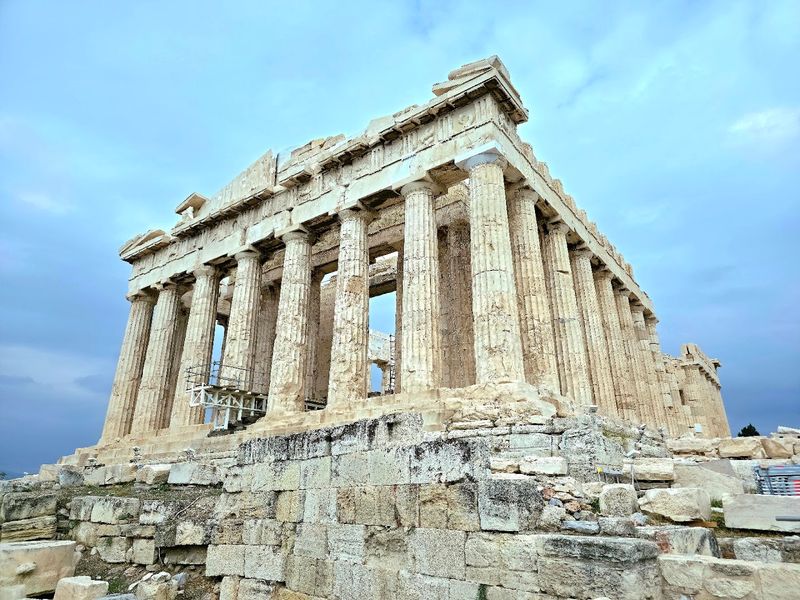
There are hills, and then there is the Acropolis. Rising above the city of Athens, this rocky outcrop has been sacred ground for over 3,000 years.
The Parthenon sitting on top is so recognizable that seeing it in person almost feels surreal.
What surprises most visitors is how much is still standing. The marble columns of the Parthenon, the elegant Erechtheion with its famous Caryatid figures, the sweeping views over modern Athens below.
The whole site is remarkably intact for something built in the 5th century BC.
Greece’s official e-ticket platform is the standard booking channel for the Acropolis and many nearby sites. A combo ticket covering multiple Athens archaeological sites is available and genuinely worth it.
Wear sturdy shoes because the marble pathways get slippery. Morning visits are cooler and less crowded.
The Acropolis Museum at the base of the hill is also excellent and worth adding to your plan.
Stonehenge (England)
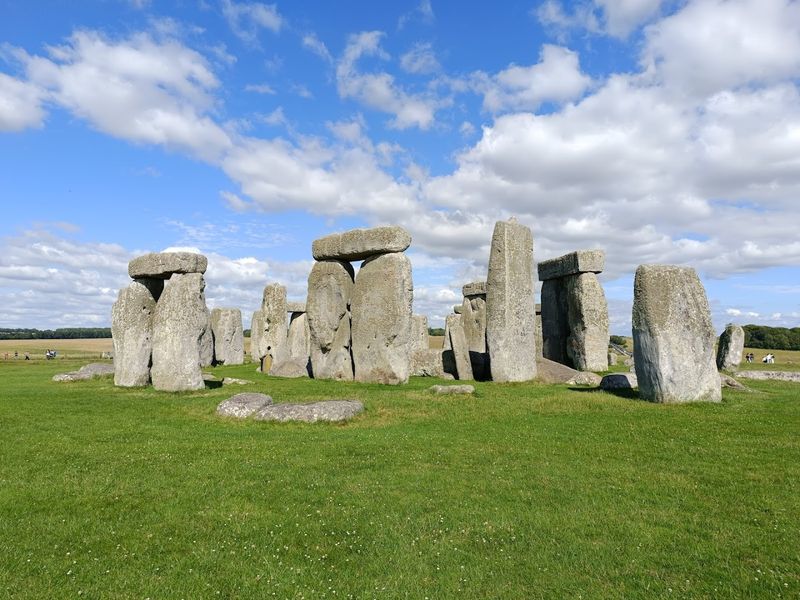
Nobody knows exactly why Stonehenge was built, and that mystery is a huge part of its appeal. These massive stones were hauled from Wales, some weighing over 25 tons, and arranged with surprising astronomical precision thousands of years ago.
The how is impressive. The why is still up for debate.
Standing near the stones feels genuinely strange in the best way. The landscape around Stonehenge is dotted with ancient burial mounds and earthworks, making the whole area an open-air prehistoric park.
It is not just one monument. It is an entire ancient neighborhood.
English Heritage manages the site and handles all ticketing and visitor planning. Standard visits follow a path around the stones, but special access tickets allow closer contact during certain times of year.
The visitor center nearby has excellent exhibits explaining the history and ongoing research. Stonehenge is located in Wiltshire, about two hours from London by road or a direct bus from Salisbury.
Petra (Jordan)
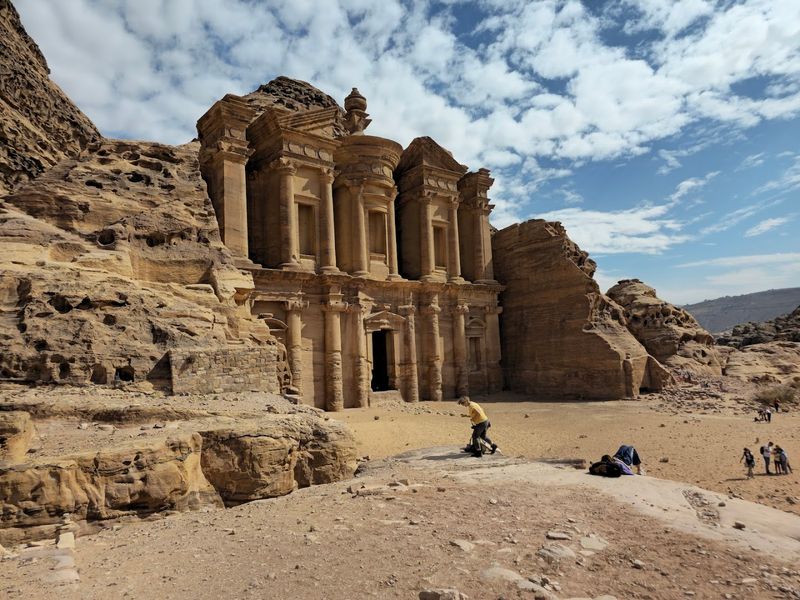
Walking through the Siq, a narrow canyon with walls towering above you, and then suddenly seeing the Treasury carved directly into the rose-red cliff face is one of travel’s genuinely jaw-dropping moments. Petra does not ease you in gently.
It just hits.
The Nabataean people built this city around 2,000 years ago, carving tombs, temples, and staircases straight into the sandstone mountains of southern Jordan. The Treasury is the famous postcard shot, but Petra is enormous.
Most visitors only scratch the surface.
The Monastery, another massive carved facade, is a long uphill hike but absolutely worth it. Petra by Night, a candlelit evening experience, runs several times a week and adds a completely different atmosphere.
Official visitor services and ticket information are available through Jordan’s tourism resources. Comfortable walking shoes and water are non-negotiable.
Plan for a full day at minimum, and two days if you want to explore beyond the main trail.
Angkor Wat (Cambodia)
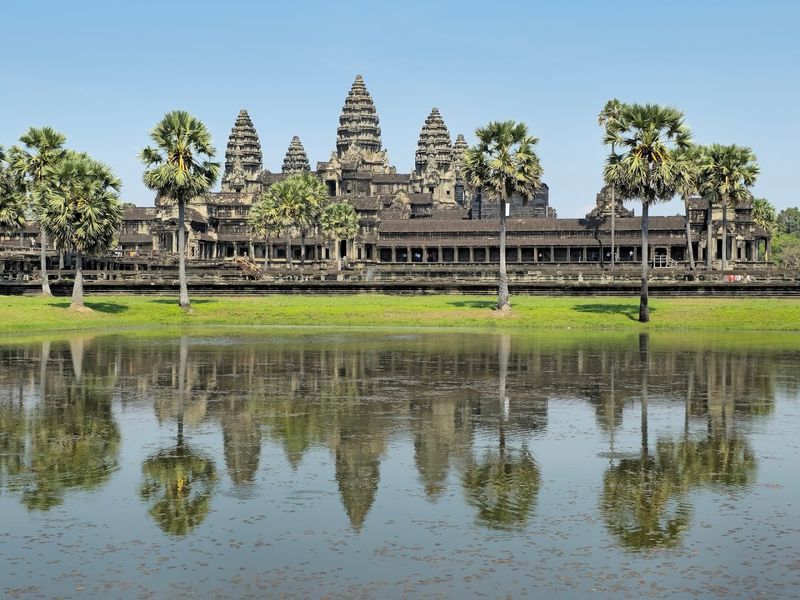
Angkor Wat is the largest religious monument ever built, covering over 400 acres. That fact sounds abstract until you spend an entire day walking through it and still feel like you have barely covered the highlights.
This is not one temple. It is an ancient city.
Built in the 12th century by the Khmer Empire, Angkor covers a massive archaeological park near Siem Reap. Beyond Angkor Wat itself, sites like Bayon with its giant carved faces and Ta Prohm with its famous tree roots growing through the walls are equally spectacular.
A multi-day pass is strongly recommended because trying to see everything in one day is exhausting and honestly impossible. Renting a tuk-tuk driver for the day is the most popular and practical way to get between temples.
Practical visitor information is widely published online for trip planning. Sunrise at Angkor Wat, reflected in the front pool, is one of the most photographed scenes on earth for good reason.
Machu Picchu (Peru)
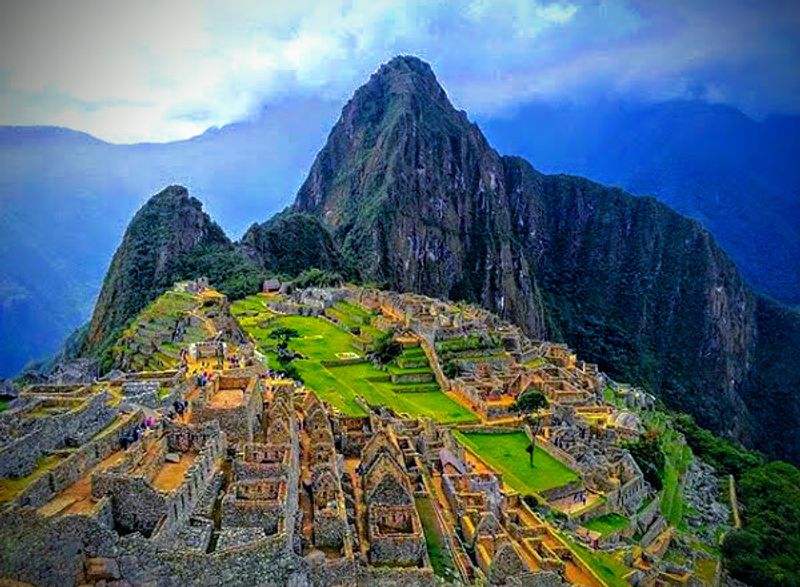
Machu Picchu sits at roughly 8,000 feet above sea level, tucked between mountain peaks in the Peruvian Andes. The Inca built it in the 15th century without wheels, iron tools, or mortar, and the stonework is so precise that you cannot slide a piece of paper between the blocks.
That detail never gets old.
The site includes agricultural terraces, temples, plazas, and residential areas, all connected by stone staircases. The Sun Gate, reached by a hike above the main ruins, offers a sweeping view that explains why this place became so legendary.
Tickets are managed through Peru’s official government platform for cultural visits, and daily visitor numbers are strictly capped. Book well in advance, especially for peak travel months between June and August.
Most visitors arrive from the town of Aguas Calientes via bus. Altitude sickness is real at this elevation, so take a day to acclimatize in Cusco first before heading up.
Chichen Itza (Mexico)
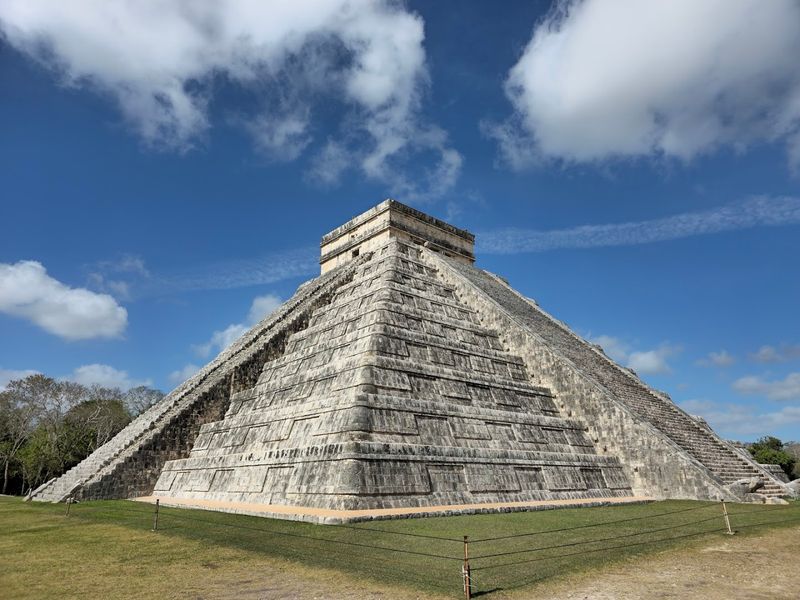
Twice a year, during the spring and autumn equinoxes, a shadow falls across El Castillo pyramid at Chichen Itza in a way that creates the illusion of a serpent crawling down the staircase. The Maya engineered that on purpose.
That is the level of brilliance you are dealing with here.
El Castillo is the centerpiece, but Chichen Itza is packed with other structures. The Great Ball Court is the largest ancient ball court in the Americas.
The Temple of the Warriors is flanked by hundreds of carved columns. The Sacred Cenote, a natural sinkhole, was used for ritual offerings.
Chichen Itza is located in the Yucatan Peninsula, about two hours from Cancun. INAH’s official zone page provides authoritative site information and visitor guidelines.
Arrive early since midday heat at this site is intense. Vendors set up around the perimeter, so be prepared for a lively atmosphere outside the ruins.
Climbing El Castillo has been banned since 2006 to protect it.
The Pyramids of Giza and the Sphinx (Egypt)
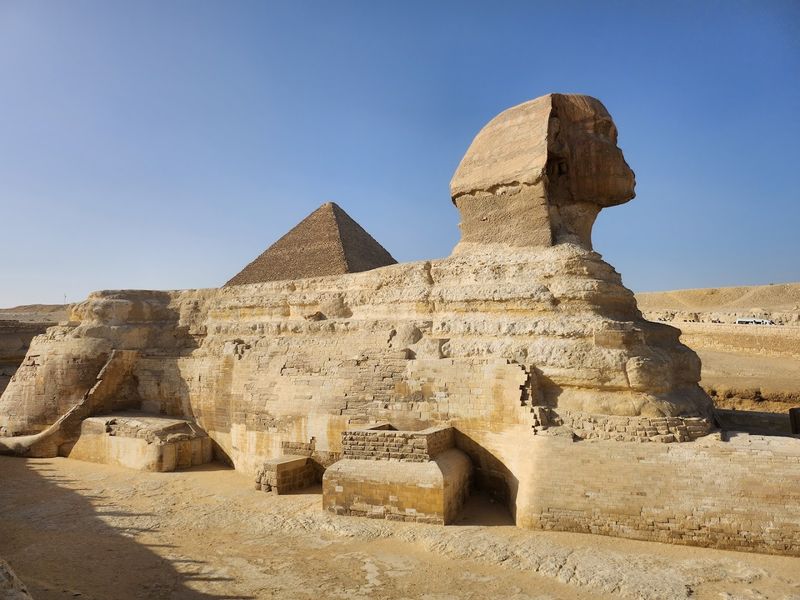
Photos do not prepare you for the scale. Standing at the base of the Great Pyramid of Giza, which is still one of the tallest man-made structures ever built, your brain takes a moment to process what it is seeing.
These things are enormous. The Sphinx crouching nearby does not help you feel any less small.
The three main pyramids were built over 4,500 years ago as royal tombs for pharaohs Khufu, Khafre, and Menkaure. The construction methods remain a topic of serious academic debate.
The Valley Temple beside the Sphinx is remarkably well preserved and often overlooked by visitors rushing between the big structures.
The site is located on the outskirts of Cairo in Giza. Entry tickets cover the plateau, but access inside specific pyramids costs extra and has limited daily availability.
A local guide adds enormous value here. Go in the morning before the heat peaks.
Camel and horse rides are offered around the site if you want that classic photo.
Valley of the Kings (Luxor, Egypt)
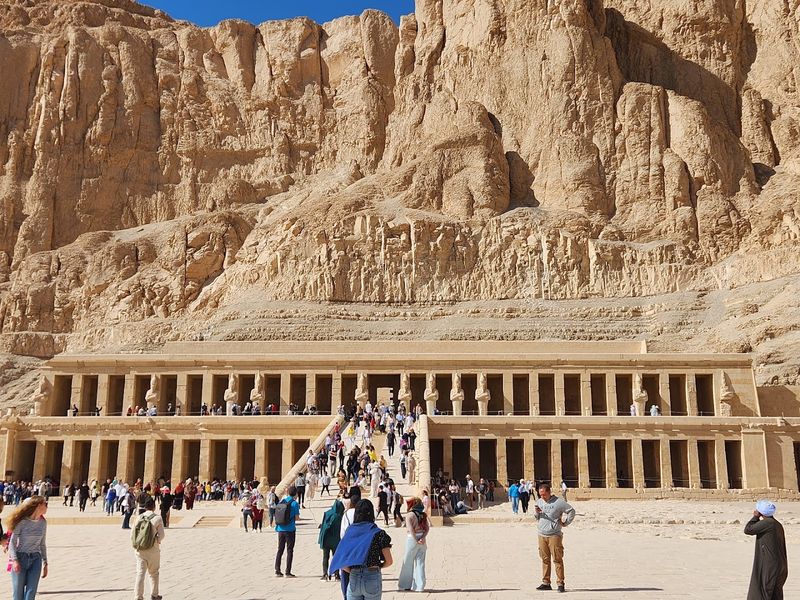
The Valley of the Kings holds over 60 royal tombs, and the painted walls inside some of them still look shockingly vivid after 3,000 years. That is not a restoration trick.
The dry desert climate simply preserved everything remarkably well. Walking into a burial chamber and seeing full-color scenes of the afterlife is a genuinely unique experience.
Tutankhamun’s tomb is here, though it is smaller than most people expect. The tombs of Ramesses II and Seti I are far more elaborate and visually stunning.
Each tomb tells a different story through its art and inscriptions, so visiting multiple tombs in one session is very much worth the time.
The Valley is located on the west bank of Luxor in southern Egypt. Egypt’s monuments ticketing site publishes visitor regulations and entry guidance.
Standard tickets cover a set number of tombs, with some requiring separate paid entry. Photography rules vary by tomb, so check before you click.
Hot-air balloon rides over the valley at sunrise are a popular and spectacular option.
Terracotta Army (Xi’an, China)
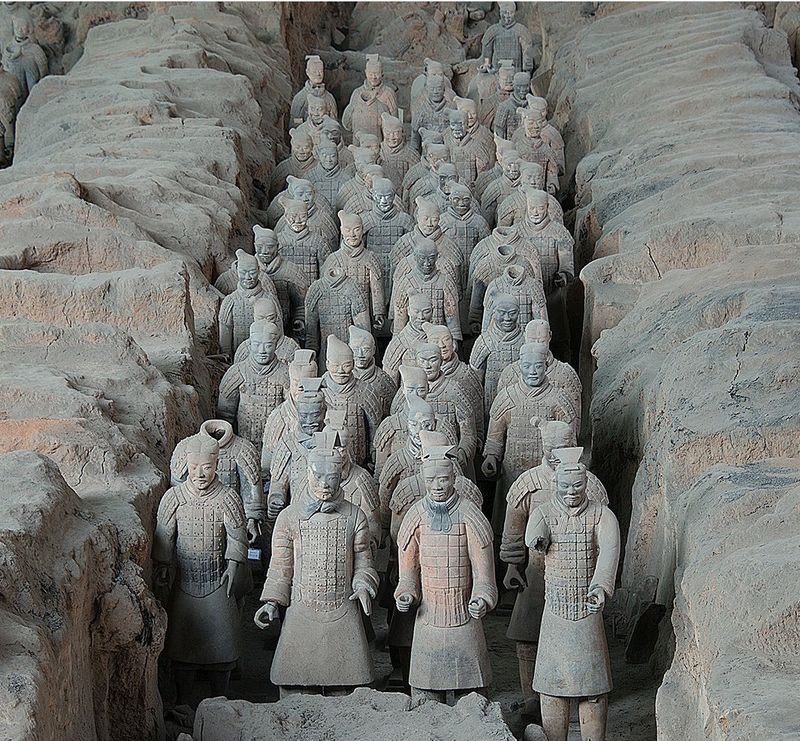
In 1974, farmers digging a well near Xi’an accidentally discovered one of the greatest archaeological finds in human history. The Terracotta Army, over 8,000 life-sized clay soldiers buried to guard Emperor Qin Shi Huang in the afterlife, had been underground for more than 2,200 years.
That farmer’s well turned into a world-famous museum.
Each warrior has distinct facial features, hairstyles, and armor details. No two are identical.
The sheer scale of Pit 1, the largest excavation hall, is breathtaking when you first walk in. Pits 2 and 3 show different military formations and ongoing excavation work.
The museum is located about 30 miles east of Xi’an city center and is easily reached by public bus or taxi. The museum’s official site posts seasonal entry times and visitor guidelines.
A good audio guide or local guide is highly recommended since the context makes the experience far richer. The gift shop sells officially licensed replica warriors, which make genuinely impressive souvenirs.
Gobekli Tepe (Turkiye)
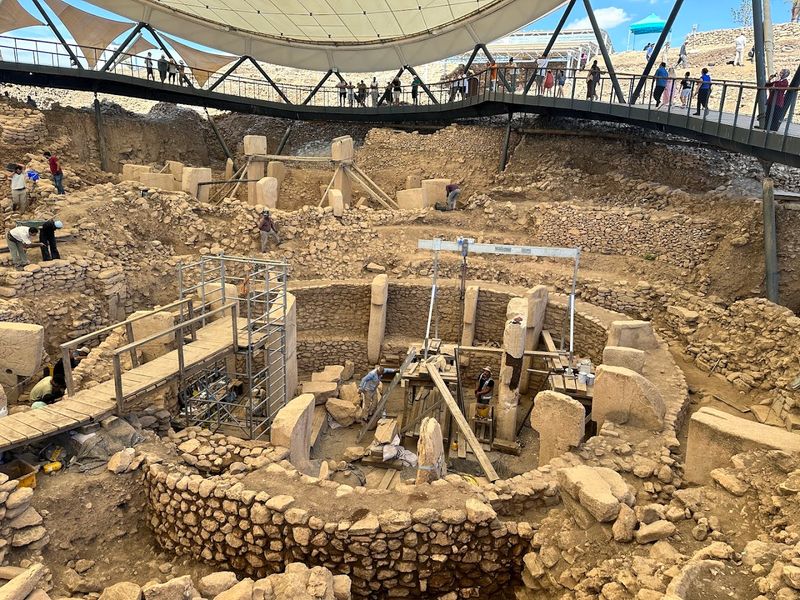
Gobekli Tepe rewrote the history books, and it did so without any warning. Discovered in the 1990s in southeastern Turkiye, this site features massive T-shaped stone pillars carved with animals and symbols dating back roughly 12,000 years.
That makes it about 7,000 years older than Stonehenge. Let that number settle in.
The wild part is that no permanent settlement has been found nearby. Whoever built it came specifically to build it, which challenges everything historians assumed about prehistoric hunter-gatherer societies.
Current thinking suggests it was a ceremonial or religious gathering place of enormous significance.
Gobekli Tepe is located near the city of Sanliurfa in southeastern Turkiye. A protective roof now covers the main excavation area, which helps preserve the carvings and makes visiting comfortable in any weather.
Turkiye’s museum authority lists it as open daily with posted hours. The site is still being actively excavated, so what you see today is genuinely just the beginning of what is buried there.
Ephesus (Turkiye)
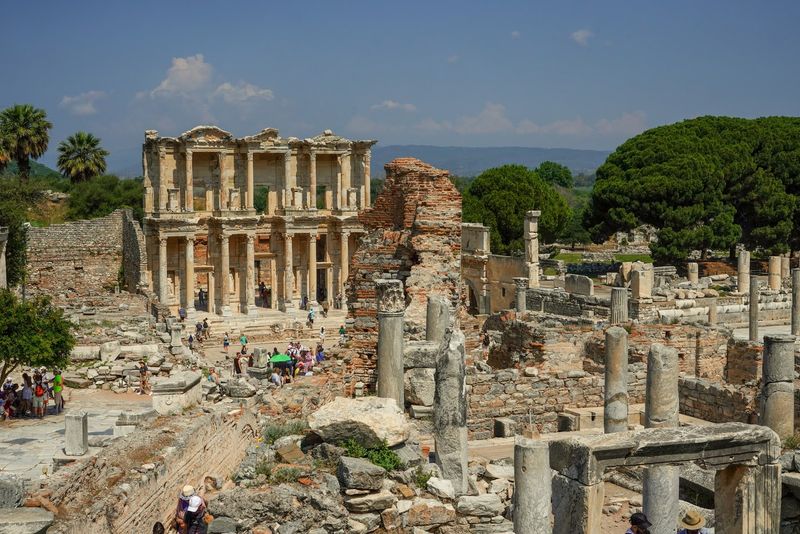
Ephesus was once one of the largest cities in the Roman Empire, home to over 200,000 people at its peak. Walking through it today, you can still see the layout of a real functioning city.
Streets, drainage systems, public toilets, a massive library facade, and a theater that seated 25,000 people. The urban planning alone is impressive.
The Library of Celsus is the most photographed structure here, and it earns every photo. The Terrace Houses, a separately ticketed section showing the luxurious homes of wealthy Ephesian residents, are genuinely one of the best-preserved Roman domestic interiors anywhere in the world.
Ephesus is located near the town of Selcuk on Turkey’s Aegean coast, close to the city of Izmir. Turkiye’s official museum portal hosts the Ephesus site page with current visiting information.
The site is partially shaded but still hot in summer, so morning visits are recommended. The nearby Temple of Artemis, one of the Seven Wonders of the Ancient World, is a short drive away and worth the detour.
Tikal (Guatemala)
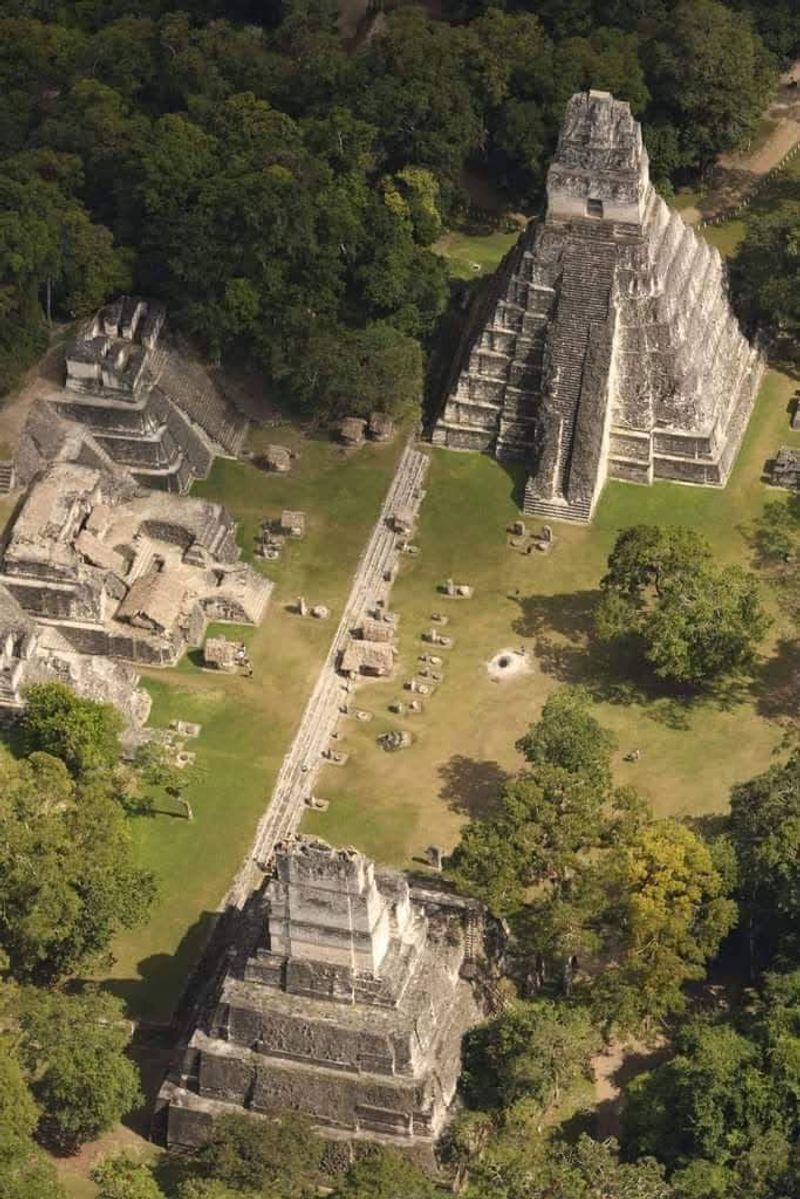
Tikal’s tallest temple rises 230 feet above the jungle floor, and from the top, all you can see in every direction is an endless green canopy broken by other pyramid peaks. This was one of the most powerful cities in the ancient Maya world, home to tens of thousands of people at its height between 200 and 900 AD.
The Great Plaza, flanked by Temple I and Temple II facing each other, is the dramatic centerpiece. But Tikal’s real magic is how the jungle wraps around everything.
Howler monkeys, toucans, and coatis are common sightings between ruins. The wildlife viewing here is genuinely excellent.
Tikal is located in northern Guatemala within a national park that also protects a large area of tropical forest. Guatemala’s official cultural ticketing portal publishes access-hour guidance and entry fees.
Guides are available at the entrance and strongly recommended since the site is vast and easy to get lost in. Arriving before dawn to catch sunrise from the temples is one of the most popular and rewarding experiences on offer.
Mesa Verde National Park (USA)
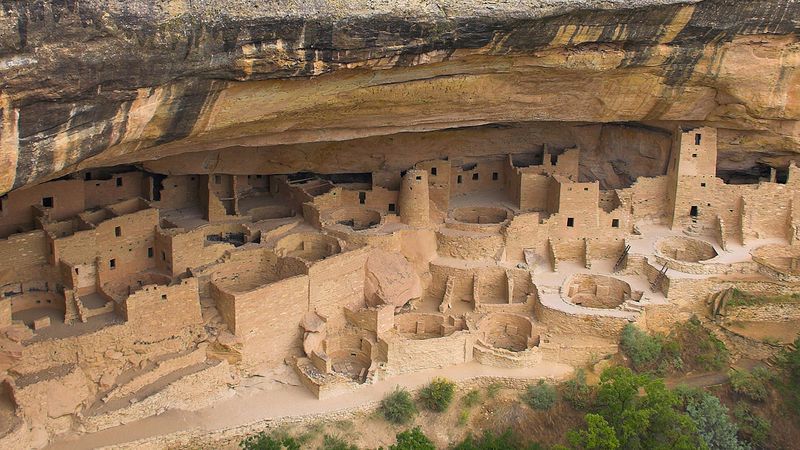
Mesa Verde is proof that ancient history is not just an overseas adventure. Tucked into the sandstone cliffs of southwestern Colorado, the Ancestral Puebloans built entire villages inside natural alcoves in the cliff face around 700 to 1,400 AD.
Cliff Palace, the largest cliff dwelling in North America, has 150 rooms and 23 kivas.
What makes Mesa Verde especially fascinating is how much is still unknown. The people who built these communities left around 1300 AD, and the exact reasons remain debated by archaeologists.
Drought, social pressure, and resource depletion all play into current theories.
Mesa Verde National Park is located near Cortez, Colorado, in the Four Corners region of the American Southwest. The U.S.
National Park Service posts operating hours and seasonal planning details on their official site. Ranger-led tours are required to enter Cliff Palace and some other dwellings, so booking in advance during summer is essential.
The park is open year-round, though some tours are seasonal.



