 Unearth The Voyage
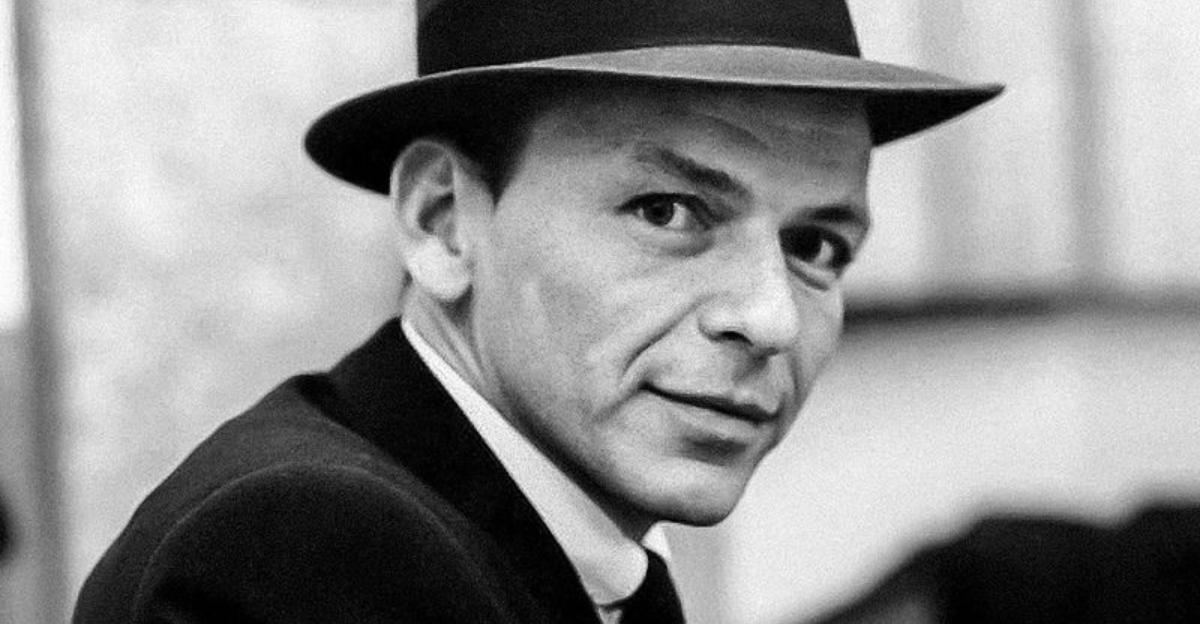
Music stardom is one thing, but truly conquering the big screen takes a different kind of spotlight. These pop icons did more than dabble in acting; they earned awards, box office clout, and lasting cinematic respect.
As you read, you will see how reinvention, grit, and surprising range turned chart toppers into movie heavyweights. Ready to revisit the roles that made them undeniable on film?
1. Elvis Presley
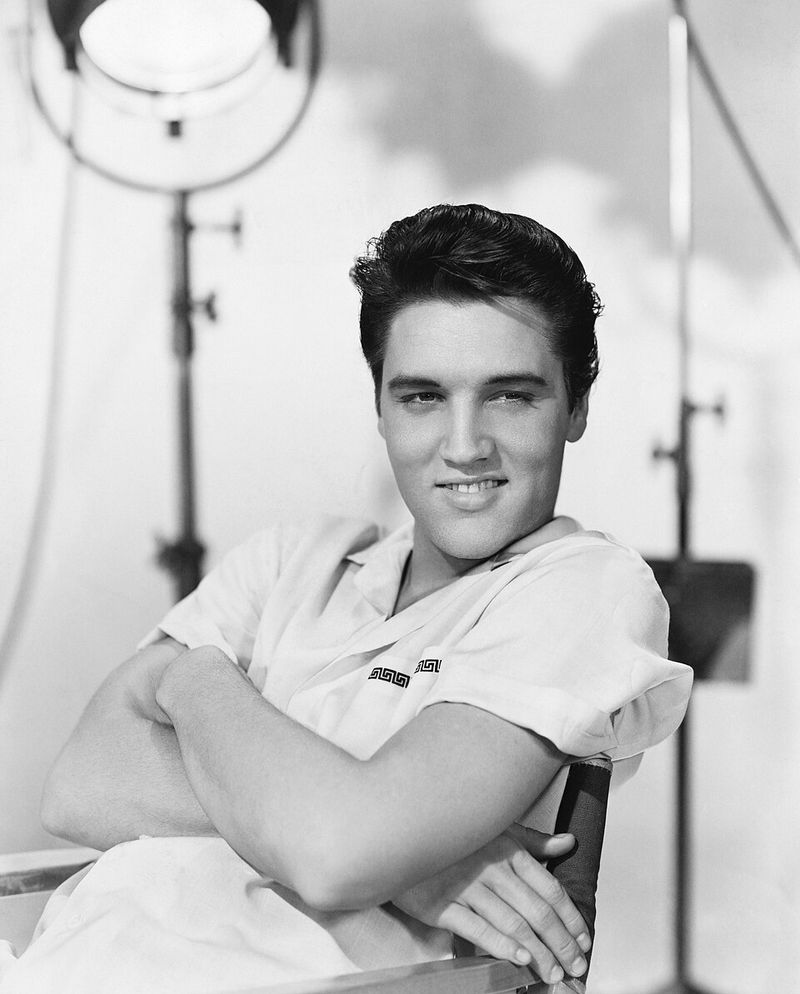
Elvis Presley did not just bring rock and roll to the movies, he turned it into box office gold. With more than 30 films to his name, he balanced charisma, music, and screen magnetism that drew massive audiences.
Jailhouse Rock captured his rebellious energy, while King Creole showcased a darker, more dramatic edge. Critics often debated his film choices, yet even skeptics admitted he had undeniable presence.
Jailhouse Rock remains iconic for its kinetic performance sequences and stylish production design. King Creole gave him a richer character arc and critical acclaim, proving he could ground a narrative beyond concert numbers.
Presley’s filmography became a blueprint for musician crossovers, blending soundtrack synergy with star image. You can feel how studios learned to market a personality as a full cinematic package.
While he never chased awards, his commercial success and cultural impact were undeniable. The fact that both Jailhouse Rock and King Creole earned critical and commercial success cemented his legacy on screen.
He bridged teen culture and Hollywood spectacle with effortless cool. For many, those films are the moment the King became a movie king too.
2. Cher
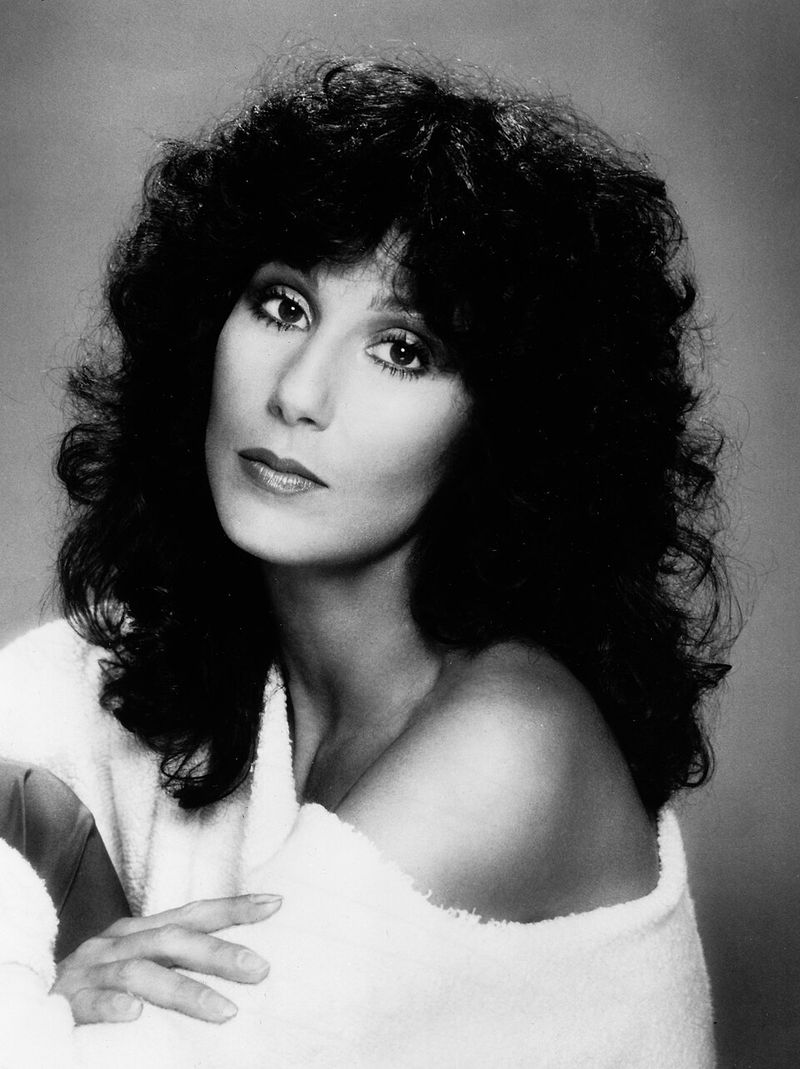
Cher’s film career often surprises people who know her first as a music icon. Moonstruck did more than win her an Academy Award, it validated her instincts as a nuanced, generous performer.
You feel the warmth and clarity in her timing, the human softness beneath the glamour. Before that triumph, she earned acclaim in Silkwood and Mask, where restraint and empathy guided every choice.
Opposite powerhouse ensembles, Cher never overreaches, letting character detail do the heavy lifting. The effect is striking, a reminder that screen stardom can coexist with genuine craft.
Her path shows a willingness to take risks, shed persona, and honor the story. Audiences responded because the performances felt lived in and present.
For anyone chasing a second act, Cher’s example feels both practical and inspiring. Moonstruck remains a master class in romantic comedy timing and emotional clarity.
Silkwood and Mask prove the range was there from the start. Together, they mark Cher as an artist who conquered two industries without losing her voice.
3. Barbra Streisand
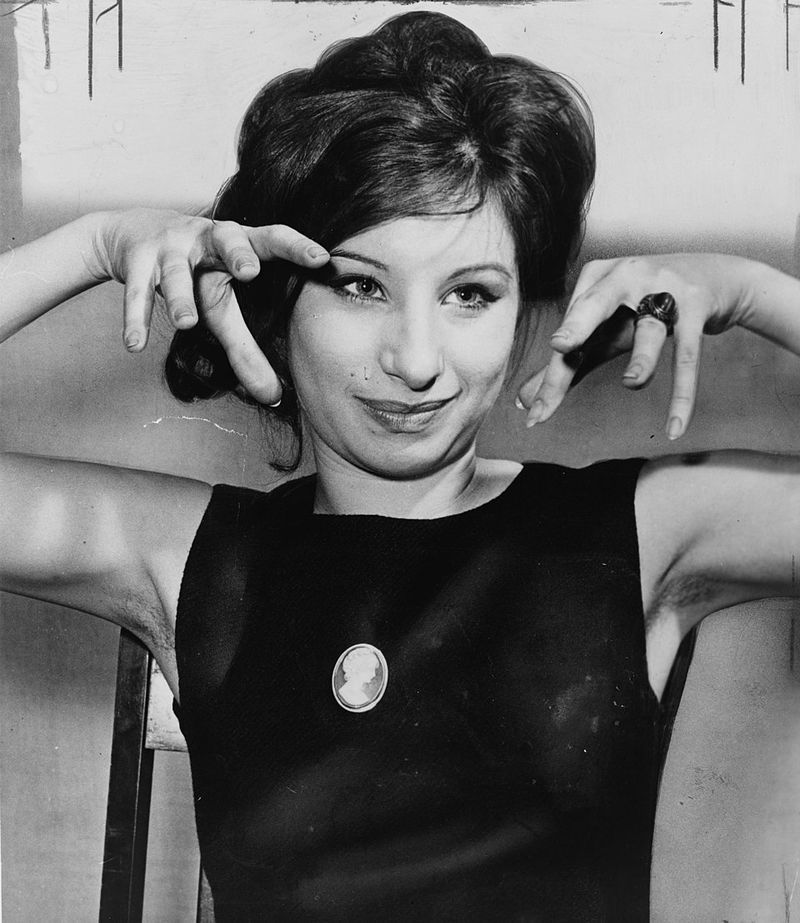
Barbra Streisand’s screen story begins with a thunderclap: an Oscar-winning turn in Funny Girl that announced a once in a generation talent. The voice dazzled, but the acting did the quiet, exacting work.
She crafted characters with intelligence, timing, and comic elegance. Streisand did not stop at acting.
She moved behind the camera, directing Yentl and winning an Academy Award for the music, while earning respect as a filmmaker. You can feel the ambition, the insistence on telling stories with control and intention.
Audiences rewarded her with box office longevity across dramas, comedies, and musicals. She blended star power with technical detail, shaping performance, music, and visual rhythm.
That holistic approach made even intimate scenes feel epic in purpose. Streisand’s career stands as proof that a pop superstar can command the entire filmmaking apparatus.
Funny Girl’s triumph and Yentl’s audacity formed a rare double legacy. Few artists have matched her combined impact as actor, singer, producer, and director.
4. Frank Sinatra
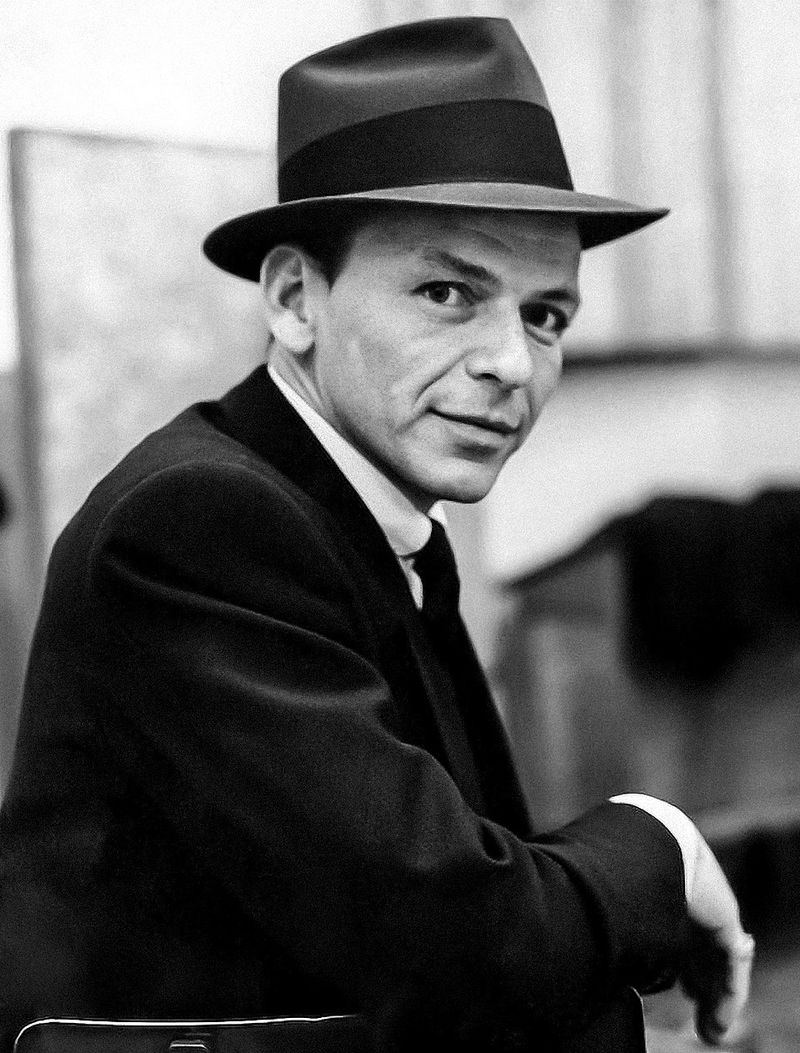
Frank Sinatra’s film legacy rests on toughness, vulnerability, and immaculate timing. From Here to Eternity delivered the Oscar and a career reset, proving he was more than a crooner.
Suddenly, Hollywood saw a sharp dramatic actor with cool restraint. Sinatra built a respected filmography that ran alongside his music dominance.
He slipped between noir, drama, and musical with a professional’s economy. You sense the jazz of his choices, the space between notes, the refusal to overplay.
His best roles combine edge and melancholy, as if the songs’ late night ache bled into the frame. The camera liked his stillness, the way a glance could carry a scene.
That economy created tension and earned critical regard over decades. From Here to Eternity’s success anchored a long, serious acting career, not a novelty detour.
Sinatra’s dual legacy remains a gold standard for crossover credibility. He showed that star power and craft can coexist without apology.
5. Will Smith
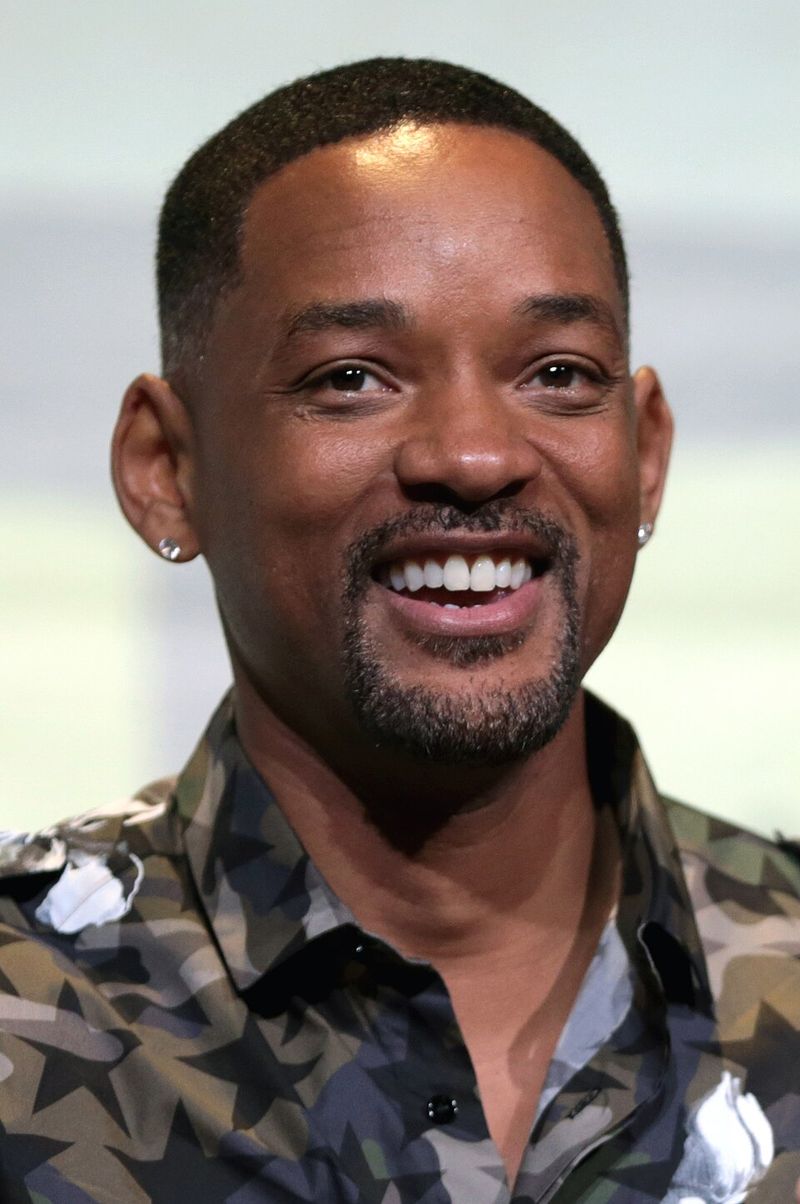
Will Smith’s leap from Grammy winning rapper to global movie star felt like destiny, then discipline. He learned how to own the camera, calibrate charm, and deliver action with emotional stakes.
Blockbusters turned into a reliable brand built on wit and heart. Over time, the work deepened.
King Richard brought an Oscar and a reminder that Smith’s restraint can be devastatingly effective. You feel the protective fire, the strategic patience, the hard earned vulnerability that keeps scenes grounded.
His longevity owes to smart project choices and relentless audience rapport. Whether wisecracking or wounded, he moves cleanly between spectacle and sincerity.
That agility makes him one of the most bankable actors of his generation. King Richard capped years of growth rather than a sudden reinvention.
It proved the star persona could serve a complex, human story. The result is a career both commercially dominant and critically validated.
6. Lady Gaga
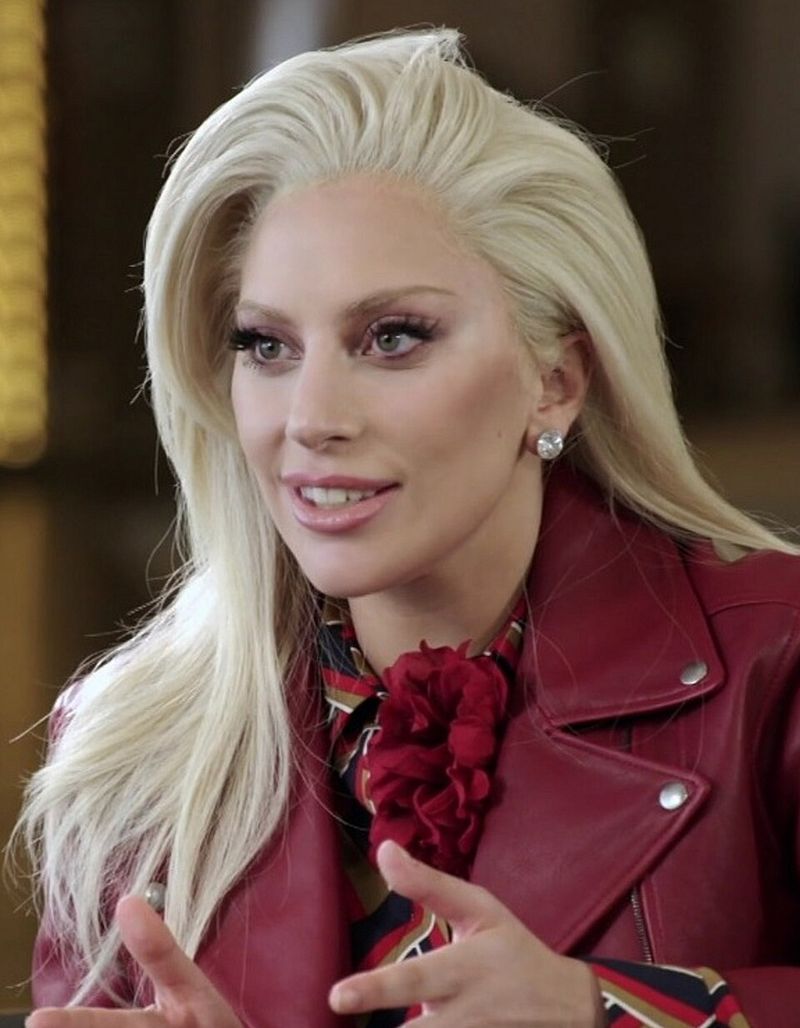
Lady Gaga arrived on screen with the shock of recognition, like we had been waiting for her all along. A Star Is Born fused voice, vulnerability, and presence, earning an Oscar for Best Song and acting nominations.
The performance felt raw yet precise, a careful study of celebrity and trust. From there, she stepped into major studio roles, showing range that surprised skeptics.
You can see the stage discipline in her stillness and the musician’s phrasing in her line readings. The camera finds honesty in her eyes, not just spectacle.
What works is commitment to character over persona. Even moments of glamour carry a spine of truth, a sense of risk.
Viewers respond because the performances feel emotionally accountable. A Star Is Born was not a detour, it was a launchpad.
The awards attention confirmed that Gaga’s storytelling instincts translate on film. It set her up as a modern screen presence with both star wattage and craft.
7. Ice Cube
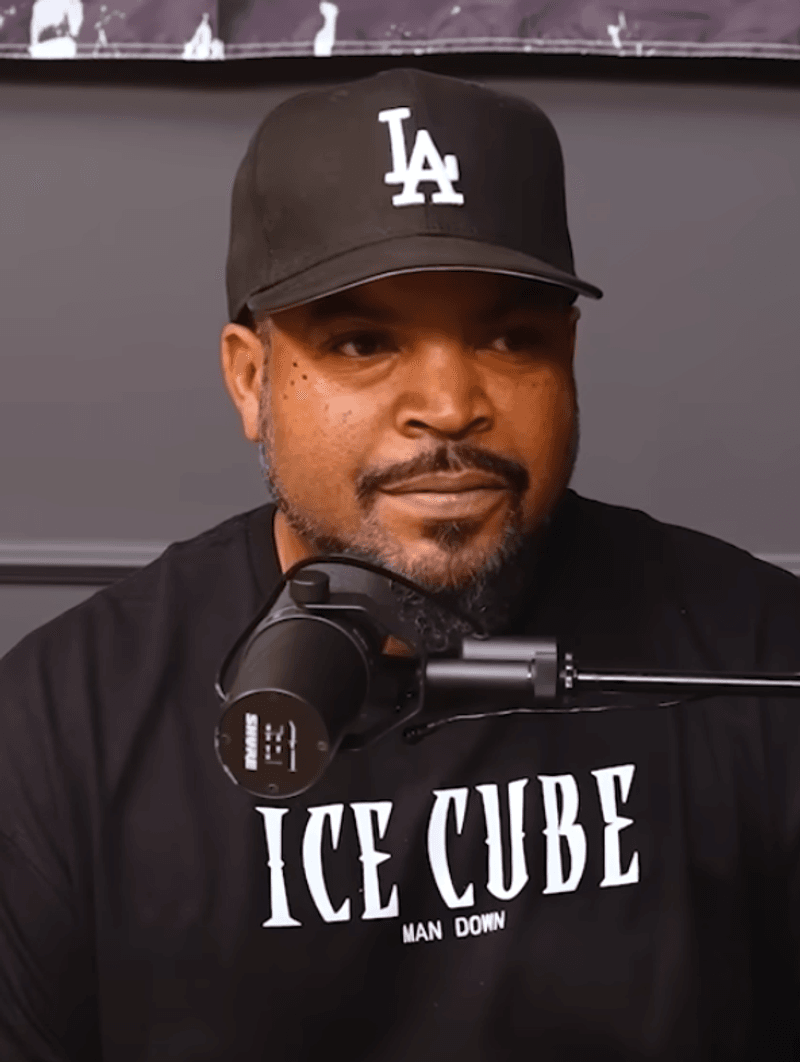
Ice Cube’s debut in Boyz n the Hood announced a serious actor with gravity and control. He brought authenticity without showboating, grounding scenes in quiet menace and wounded pride.
Critics noticed, and doors opened for a career with unusual range. Commercially, he helped build comedy empires with Friday and Barbershop, translating streetwise intelligence into crowd pleasing rhythm.
You can feel the writer’s mind at work, the setup, payoff, and lived in banter. Those films became quotable culture, a lasting footprint.
Cube’s credibility comes from purpose and work ethic. He respects tone, whether drama or comedy, and he trusts ensembles to breathe.
That confidence lets audiences relax into the story’s world. From Boyz n the Hood’s impact to franchise success, he moved from potent newcomer to industry mainstay.
He proved hip hop perspective could thrive in multiplexes. The result is a career both critically respected and wildly commercial.
8. Queen Latifah
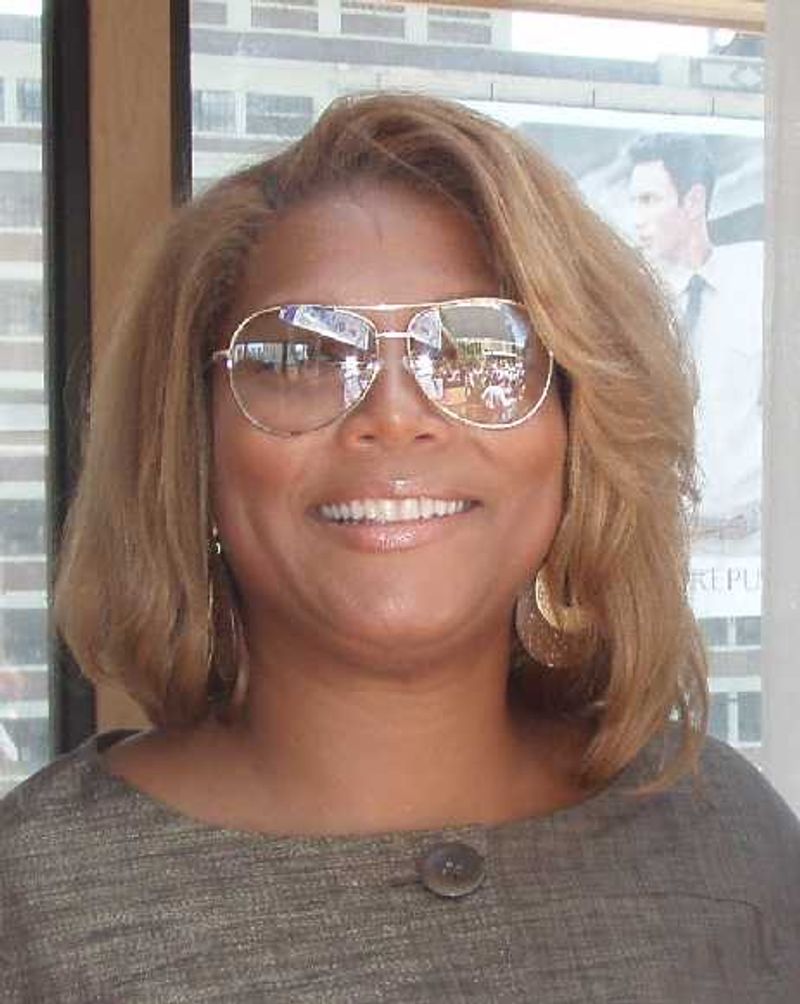
Queen Latifah’s crossover worked because it felt effortless and earned. In Chicago, she landed an Oscar nomination with sly command and musical poise.
You could sense the stage authority translating cleanly to camera, note by note. Her film résumé is broad and durable, extending into long running television success.
Whether playing tough, tender, or comic, she fills frames with generosity and steadiness. Audiences lean in because the performances feel trustworthy and grounded.
Latifah’s strength lies in control of tone and rhythm. She knows when to dazzle and when to let silence communicate.
That balance creates characters who feel lived in and complete. From Chicago to mainstream hits and TV leadership, she built a career that travels well across formats.
The consistency is the achievement, not just the highlights. She stands as proof that hip hop royalty can wear many crowns on screen.
9. Jennifer Lopez

Jennifer Lopez’s film ascent began with a revelation in Selena, a performance full of grace and spark. She embodied a legend without imitation, anchoring the film with poise and emotional openness.
From there, Hollywood saw a true leading actor, not just a pop star trying acting. Out of Sight sharpened her cool, pairing sly charm with assured dramatic beats opposite a starry cast.
You feel the precision in her reactions and the quiet power of her confidence. It is a role people revisit to remember her range and command.
Years later, Hustlers reintroduced her as a magnetic force, earning critical praise and awards buzz. The role synthesized glamour, danger, and heart, a signature Lopez blend.
Audiences recognized the discipline behind the dazzle. Across genres and decades, she turned versatility into a brand.
Selena, Out of Sight, and Hustlers form a clear arc of growth and mastery. The result is a film career that stands proudly beside her music.
10. Diana Ross
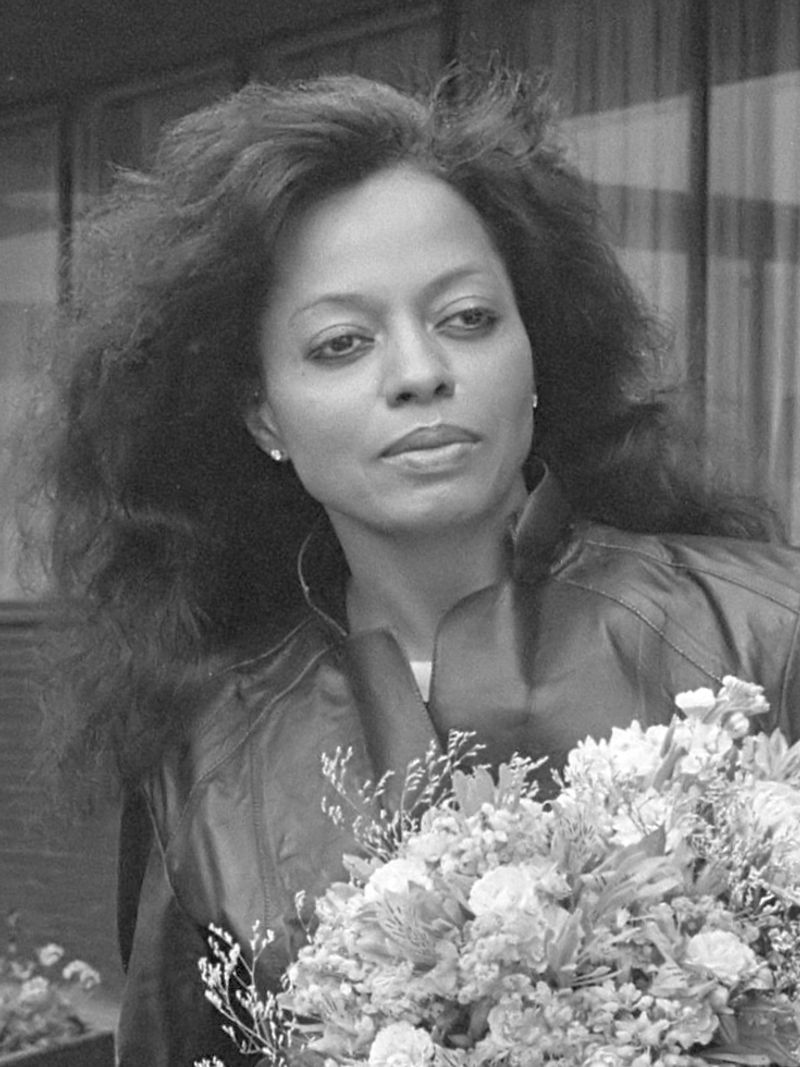
Diana Ross stepped into film with the kind of cultural impact few debuts achieve. Lady Sings the Blues earned her an Oscar nomination and placed her squarely in the conversation as a serious actor.
She approached Billie Holiday with empathy and stylized control, balancing vulnerability and iconography. Early roles cemented a unique screen aura, where grace met grit under luminous lighting.
You could feel a new kind of star power, one that brought Motown poise to cinema. The performance helped expand how audiences imagined pop divas on film.
Her influence rippled far beyond awards chatter. Designers, directors, and performers referenced her look, presence, and emotional directness.
That visual legacy remains embedded in pop and film aesthetics. Lady Sings the Blues stands as the centerpiece, but the early film work collectively shaped expectations.
Ross proved that cultural resonance can translate into honest character work. The nomination merely recognized what the audience already knew.
11. Eminem
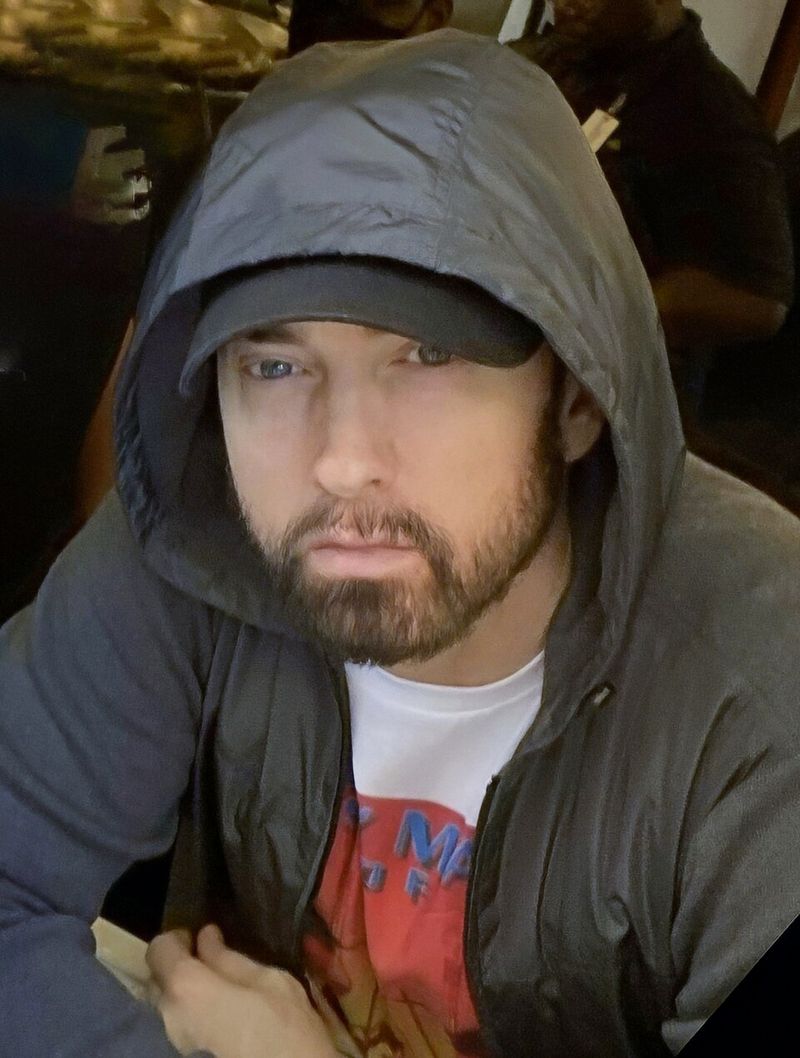
Eminem’s 8 Mile worked because it blurred fiction and autobiography without vanity. He carried the film with tight focus, letting silence and small gestures speak loudly.
Critics praised the authenticity, the refusal to glamorize the grind. Lose Yourself won the Oscar, stitched directly into the film’s narrative spine.
You can feel the pulse of the verse in the editing rhythms and performance beats. The synergy between music and image made the story breathe.
What lingers is the discipline, not just the bravado. He underplays where others might posture, trusting the camera to catch the truth.
That restraint gave the film an enduring credibility. 8 Mile’s success proved a rapper could lead a serious studio drama and win awards in the process. The achievement was artistic and commercial, a rare alignment.
It remains the benchmark for hip hop on film.
12. David Bowie
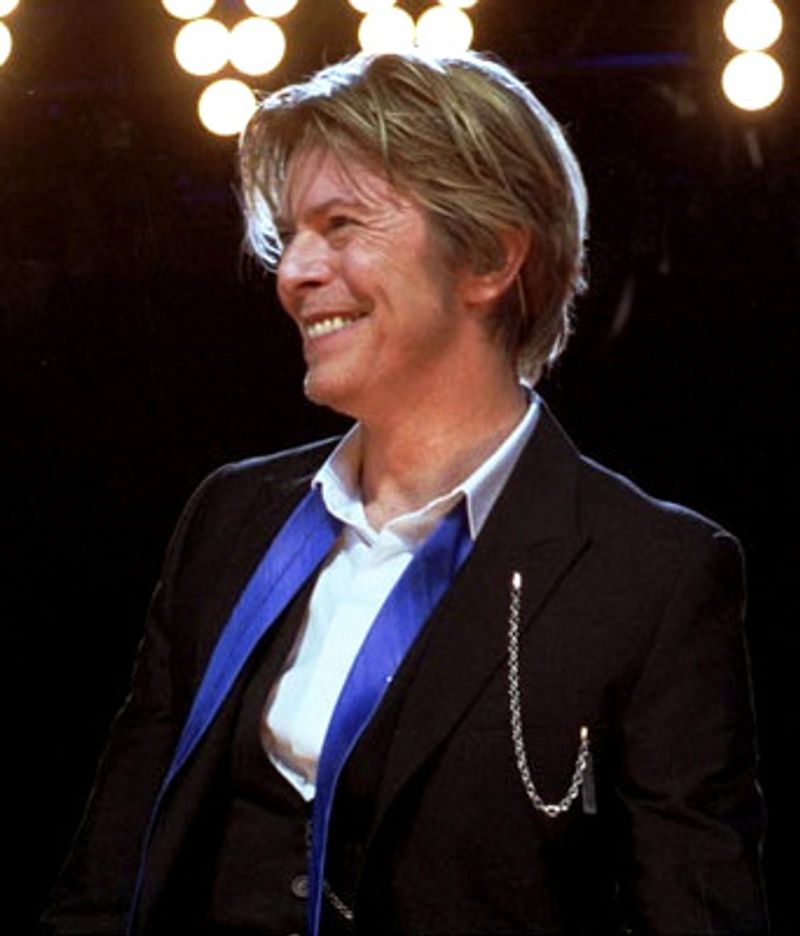
David Bowie moved through film like a shapeshifter, bending genre to his magnetism. The Man Who Fell to Earth captured his alien elegance, a performance that felt inevitable and uncanny.
He seemed born for that camera gaze, both intimate and distant. Merry Christmas, Mr. Lawrence revealed a quieter discipline, the tension of a soldier and a poet.
In Labyrinth, he became a cult icon, balancing menace and mischief with musical swagger. You can feel the theater in his precision, the painter in his framing.
Bowie’s acting rests on presence as much as technique. He listens with his eyes, turns silence into style, and lets ambiguity bloom.
That makes each frame a little mysterious, a little electric. Together, those films secured him as a respected film actor with cultural aftershocks.
He did not imitate humanity, he refracted it. Decades later, the performances still feel strangely modern.
13. Bette Midler
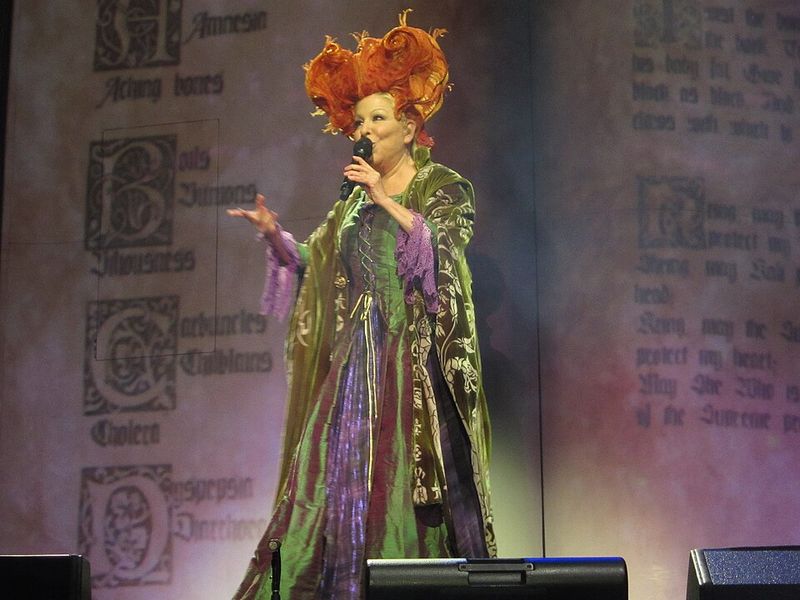
Bette Midler built a film career on fearless emotion and comic snap. The Rose gave her a volcanic showcase that earned awards attention and cemented screen credibility.
She could belt, break, and build a character in a single scene. Beaches displayed tenderness and friendship chemistry that resonated for decades.
Then Hocus Pocus turned her into a family favorite, proving broad appeal without losing edge. You can sense the stage craft guiding her timing and presence.
Midler’s range spans heartbreak, farce, and musical bravura. She treats tone with respect, letting stories swing between laughter and tears.
Audiences trust her because she commits fully, never coasting on persona. The Oscar nominations and box office success are mile markers on a longer road of consistency.
She keeps delivering performances that feel big hearted and precise. The result is a film legacy that sings as loudly as her records.
14. Janet Jackson
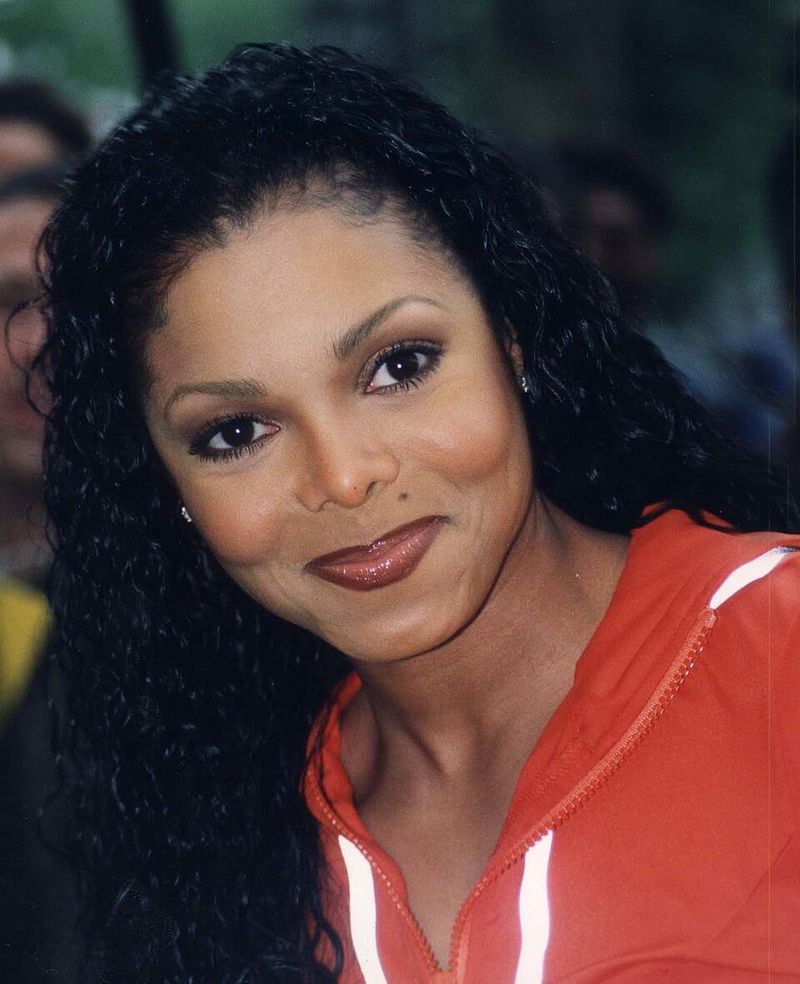
Janet Jackson’s film presence arrived with quiet confidence. In Poetic Justice, she brought a soft, searching performance that matched the film’s intimate road trip poetry.
You could feel the discipline beneath the vulnerability, a dancer’s control repurposed for camera. Later, Nutty Professor II delivered box office muscle, expanding her reach with broad comedy.
She fit the tonal shift by keeping reactions clear and grounded. The charm played naturally, letting star aura support the story rather than overshadow it.
Jackson’s approach values sincerity over flash. She listens well on screen, giving partners space and shaping scenes through rhythm.
That generosity helps audiences connect with the character’s interior life. Poetic Justice remains the dramatic benchmark, while Nutty Professor II proves her mainstream pull.
Together, they outline a credible film path for a pop icon. It is a legacy built on care, craft, and quiet strength.
15. Mark Wahlberg
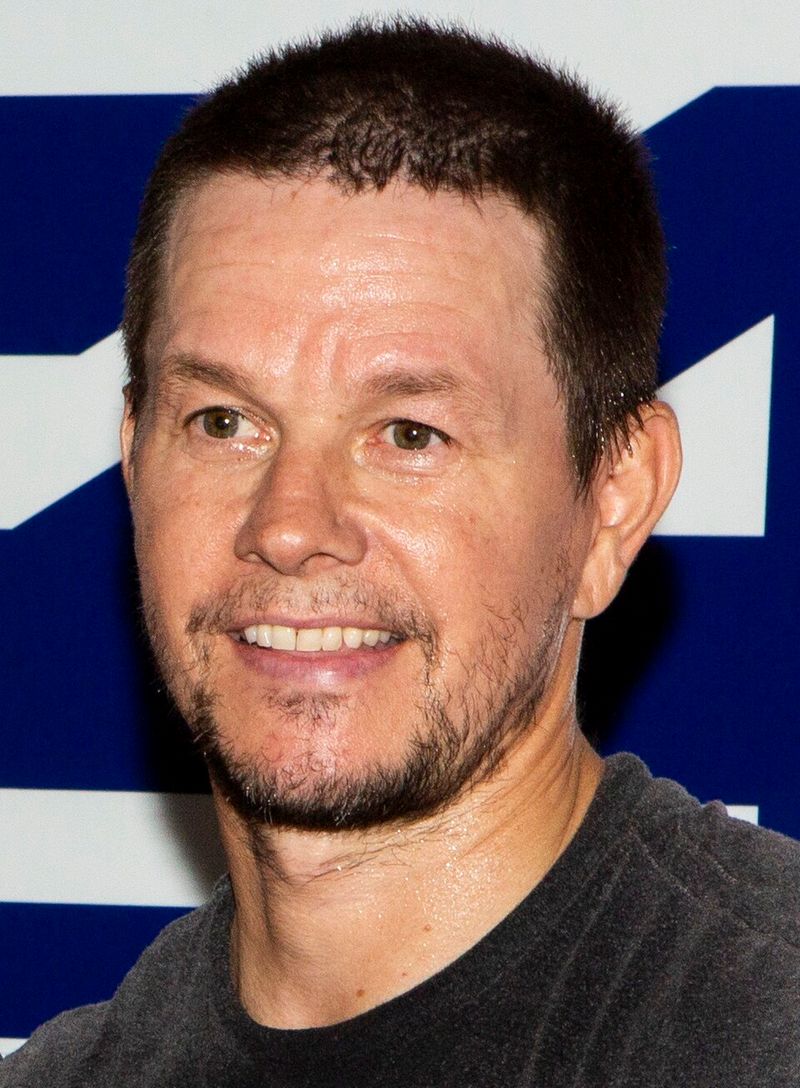
Mark Wahlberg transitioned from Marky Mark to serious actor through persistence and smart choices. The Departed showcased his razor sharp rhythm, earning an Oscar nomination for a role packed with punchy lines.
He brought intensity without waste, a streetwise edge honed to precision. The Fighter cemented that credibility with bruised humanity and producer savvy.
You feel the weight of family, ambition, and body in every scene. The combination of physicality and restraint made the performance linger.
Wahlberg’s best work mixes toughness with surprising vulnerability. He respects genre mechanics yet insists on emotional truth.
That balance keeps him compelling across crime dramas, comedies, and action films. From pop rapper to awards contender, the arc feels earned rather than rebranded.
The Departed and The Fighter are pillars that support a broad film career. He turned early fame into a long game built on craft and grit.



