 Unearth The Voyage
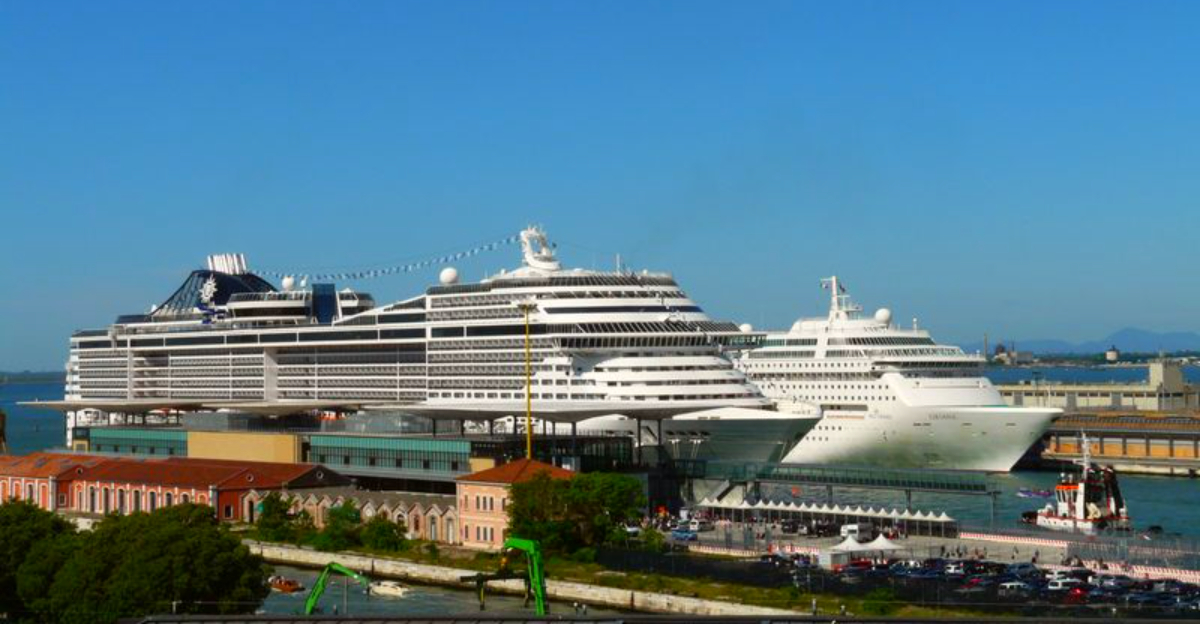
Europe’s most beloved cities have always drawn travelers seeking history, culture, and unforgettable experiences. But lately, something’s changed.
The magic that once made these destinations special is fading under the weight of mass tourism, rising costs, and overwhelmed infrastructure. From Venice’s sinking canals to Barcelona’s protest-filled streets, the very popularity that put these places on the map is now threatening what made them worth visiting in the first place.
Barcelona, Spain — Mass Tourism vs. Local Life
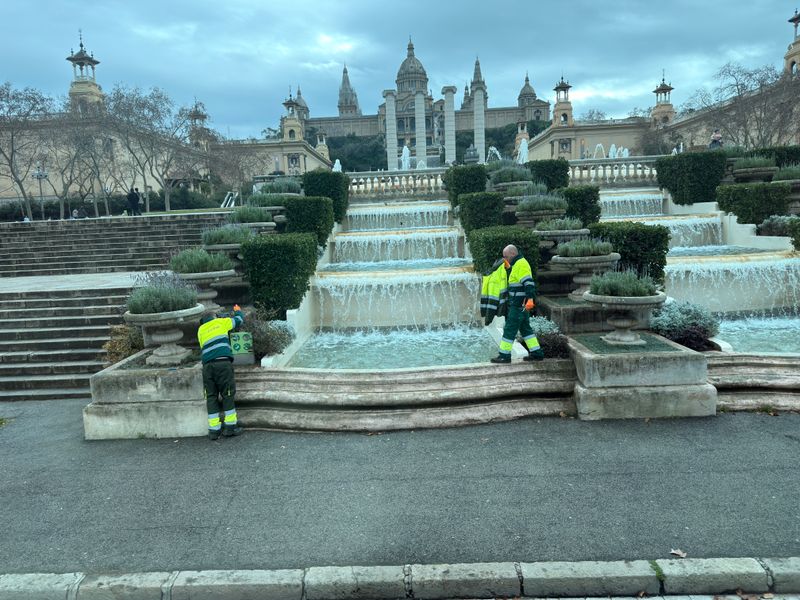
Barcelona used to pulse with Catalan pride, artistic energy, and Mediterranean soul. Now?
It’s ground zero for the tourism wars, where residents have literally taken to the streets with spray paint and protest signs. La Rambla, once a vibrant boulevard where locals strolled and socialized, has morphed into a tacky tourist corridor.
You’ll find more people dressed as human statues than actual Catalans. The Gothic Quarter’s medieval charm is buried under a avalanche of pub crawls and bachelor parties.
Short-term rentals have gutted entire neighborhoods. Families who lived in the same building for generations are being priced out so investors can rent apartments to tourists for triple the cost.
Housing activists estimate that over 10,000 residential units have been converted to vacation rentals. The locals aren’t taking it quietly anymore.
Anti-tourism graffiti declares “Tourists go home” across once-welcoming walls. Neighborhood associations have organized to block new hotels and push for stricter regulations.
What made Barcelona magical—that authentic blend of beach life, architecture, and local culture—is drowning in selfie sticks and sangria buckets. The city that inspired Gaudí’s wildest dreams is becoming someone else’s nightmare.
Amsterdam, Netherlands — Party Tourism and Noise
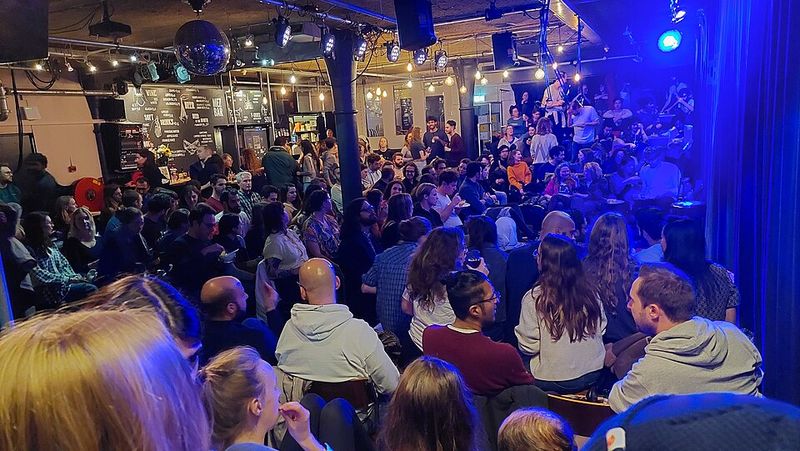
Amsterdam’s postcard-perfect canals are still there, but nowadays they’re more likely to be clogged with beer bikes than elegant houseboats. The city’s reputation for tolerance has attracted a different breed of visitor—one more interested in bachelor parties than Rembrandt.
Budget airlines made Amsterdam a weekend playground for stag dos and hen parties. The Red Light District, once a quirky if controversial part of Dutch culture, has become a drunken circus.
Residents in the city center report sleepless nights from noise, public urination, and general chaos. The city government finally said “genoeg is genoeg” (enough is enough).
They’ve banned guided tours through the Red Light District, restricted Airbnb rentals to 30 days per year, and are actively discouraging certain types of visitors through marketing campaigns. One campaign literally told young British men to stay away if they’re just coming to party.
Long-time Amsterdammers are fleeing the center for quieter neighborhoods. The cozy brown cafés where locals once gathered are being replaced by tacky cannabis-themed tourist shops.
That sophisticated, artsy vibe that made Amsterdam cool? It’s being drowned out by drunk tourists on floating hot tubs.
Dubrovnik, Croatia — Film Fame Meets Overcrowding
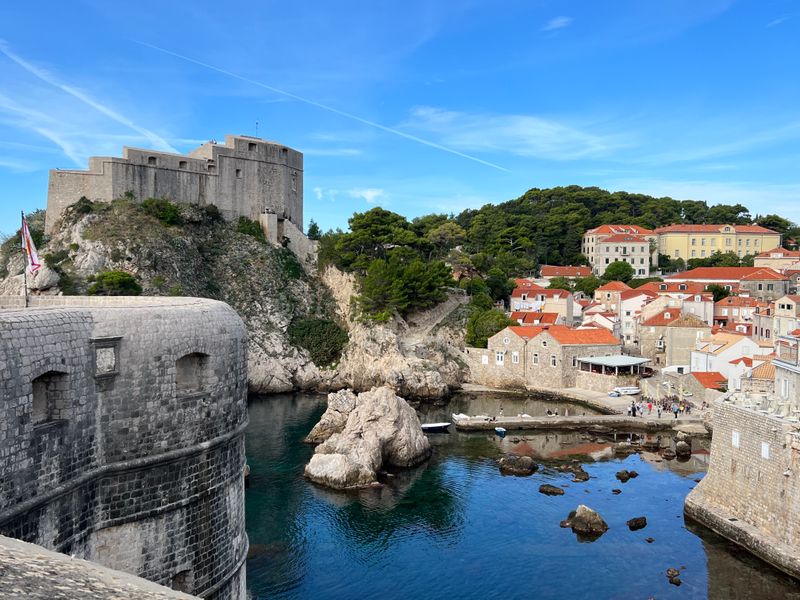
Blame it on the dragons. Ever since Game of Thrones made Dubrovnik the stand-in for King’s Landing, this Adriatic jewel has been absolutely mobbed.
The show brought fame—and about 10,000 daily cruise passengers during peak season. The Old Town’s marble streets, designed for medieval foot traffic, now groan under tour groups following guides with numbered paddles.
UNESCO even threatened to revoke the city’s World Heritage status because overtourism was damaging the historic fabric. That’s right—the tourism meant to celebrate the city’s beauty was literally destroying it.
Locals report feeling like extras in someone else’s vacation movie. The population inside the ancient walls has plummeted as residents escape the madness.
Meanwhile, housing costs have soared, and traditional shops have been replaced by souvenir stands selling “I Drink and I Know Things” t-shirts. Authorities implemented visitor caps and staggered cruise ship arrivals, but the damage to daily life continues.
That peaceful sunset walk along the city walls? Now you’re shoulder-to-shoulder with selfie-takers.
The intimate konobas serving fresh seafood? Overrun and overpriced.
Dubrovnik traded its soul for Instagram fame, and the locals are paying the price.
Venice, Italy — Crowds, Cruise Ships, and Rising Costs
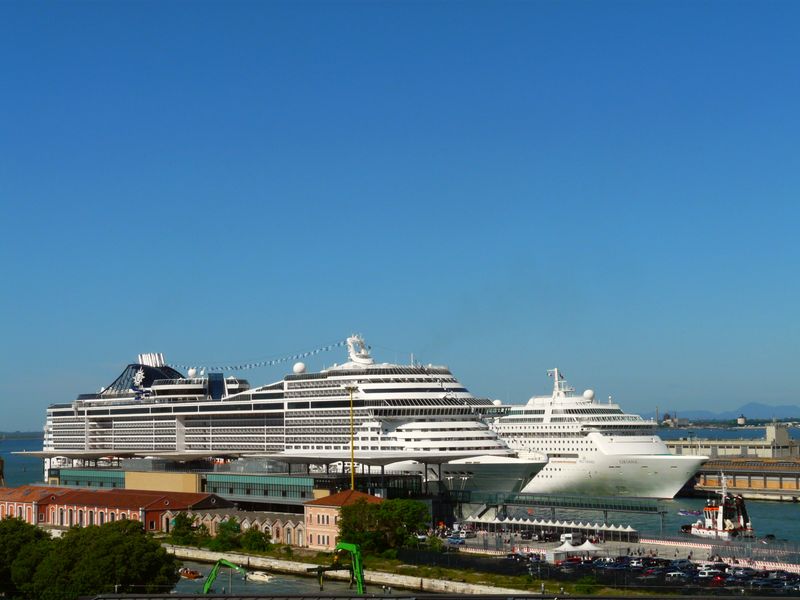
Venice has become the poster child for what happens when tourism spirals out of control. The city now sees more visitors in a single day than it has actual residents living in its historic center.
Cruise ships the size of apartment buildings loom over delicate Renaissance architecture, their wake literally eroding the city’s foundations. Day-trippers flood in, snap their photos, and leave without spending much money—leaving locals with all the headaches and none of the economic benefits.
Housing costs have skyrocketed as Airbnb conversions replace long-term rentals. Venetians are abandoning their ancestral homes because they simply can’t afford to stay.
The city introduced entry fees and visitor caps, but many worry it’s too little, too late. What was once a living, breathing city of artisans and merchants now feels like Disneyland with better architecture.
The authentic neighborhood trattorias? Replaced by overpriced tourist traps selling microwaved pasta.
I visited last spring and couldn’t find a single local grocery store in the entire San Marco district—just endless souvenir shops peddling plastic gondolas and Murano glass knockoffs.
Lake Como, Italy — Instagram Idyllic but Unsustainable
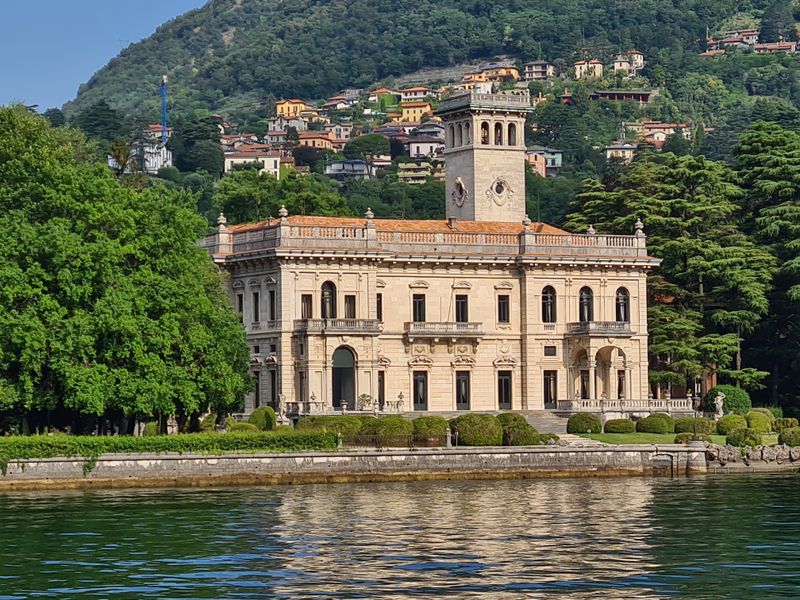
George Clooney has a villa here, and apparently everyone wants to be his neighbor—at least for a weekend. Lake Como exploded from elegant retreat to Instagram hotspot faster than you can say “gelato.” The numbers tell the story: nearly 5 million overnight stays recently, up dramatically in just a few years.
Those charming lakeside villages with narrow medieval streets weren’t built for tour buses and rental car convoys. Traffic jams now rival Los Angeles, and finding parking requires divine intervention or serious cash.
Local residents are experiencing serious whiplash. Property values have skyrocketed, which sounds great until you realize it means your kids can’t afford to live anywhere near where they grew up.
Small villages are losing their year-round populations as homes convert to vacation rentals. Public transit is overwhelmed during peak season.
Ferries meant for locals commuting to work are packed with tourists hauling luggage and tripods. The authentic Italian lake life—morning espresso at the neighborhood bar, evening passeggiate along the water—is being steamrolled by tourism infrastructure.
What was once a peaceful escape for stressed-out Milanese is now just as hectic as the city they’re fleeing. The irony isn’t lost on anyone.
Santorini, Greece — Crowds Eclipse Calm
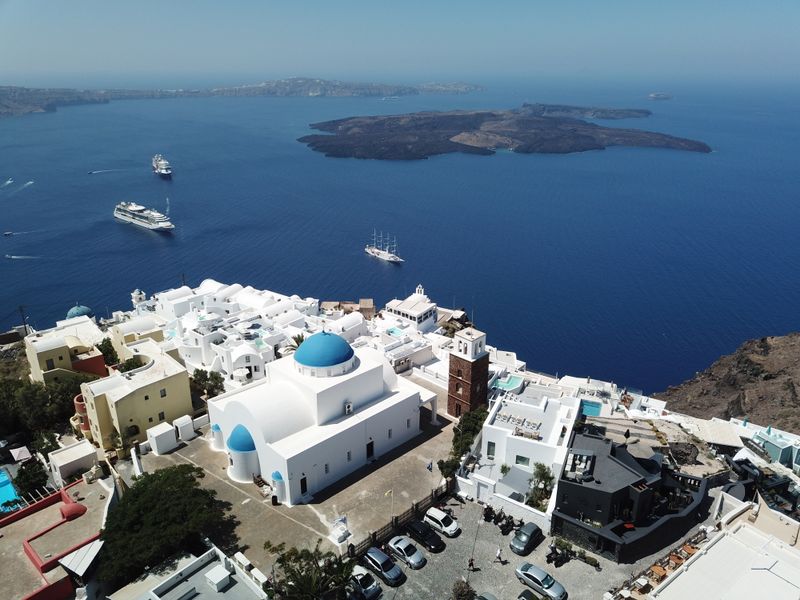
Santorini’s sunset might be the most photographed moment in Europe—and therein lies the problem. What should be a serene, soul-stirring experience has become a rugby scrum of elbows and selfie sticks.
During peak season, the island welcomes thousands of visitors daily, many from cruise ships that deposit passengers for just a few hours. The result?
Gridlock on the narrow paths of Oia, hour-long waits for the cable car, and donkeys overworked hauling tourists up steep steps. The island’s infrastructure simply wasn’t designed for this volume.
Water shortages are common in summer. Waste management struggles.
The iconic white-and-blue villages are beautiful, sure, but try enjoying them when you’re stuck behind a 50-person tour group moving at glacial pace. Many visitors now complain that Santorini feels more like a theme park than a Greek island.
The tranquil, romantic escape promised in the brochures? It’s been replaced by long queues, overpriced restaurants with mediocre food, and that nagging feeling you’re just another body in the crowd.
Even the famous sunset seems less magical when you’re watching it through a forest of raised smartphones. The charm that put Santorini on everyone’s bucket list is being crushed under the weight of that very popularity.
Reykjavik & South Iceland, Iceland — Small City Squeeze
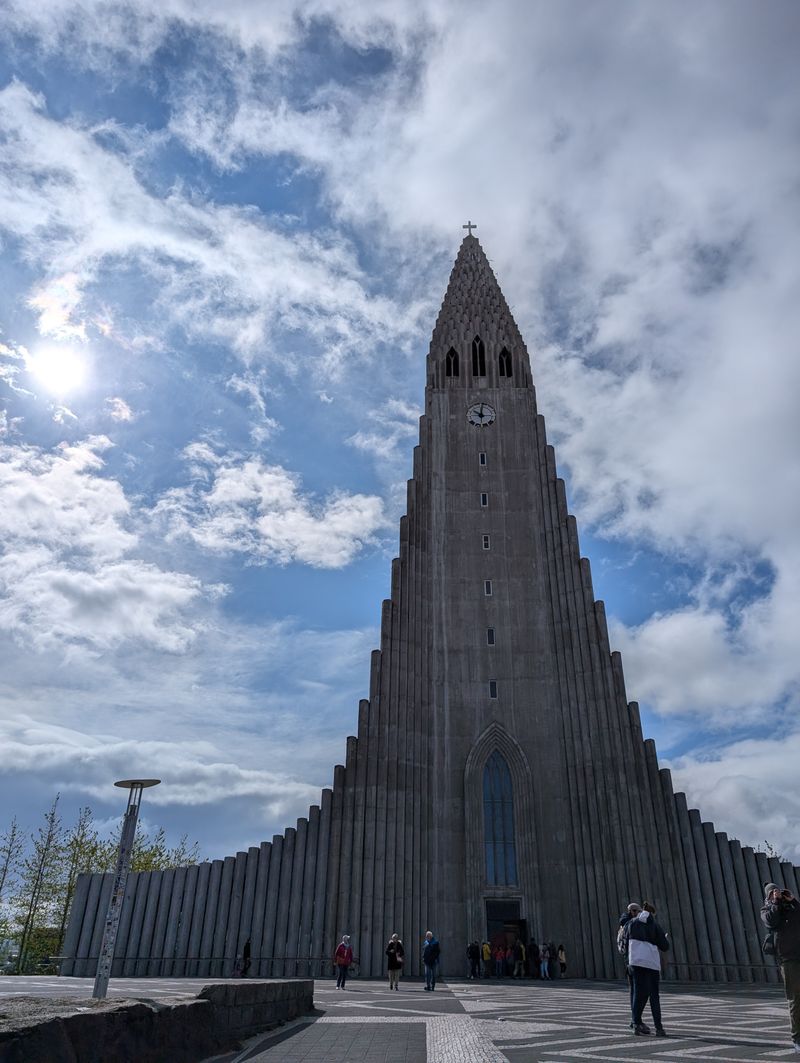
Iceland went from Europe’s best-kept secret to overtourism victim in record time. When I say record time, I mean tourism increased by over 400% in less than a decade.
That’s insane growth for a country with barely 370,000 people. Reykjavik, a compact capital designed for a small population, suddenly found itself hosting millions of annual visitors.
The cute downtown area became clogged with tour groups. Accommodation prices shot through the roof—we’re talking hostel beds costing more than nice hotels elsewhere in Europe.
The Golden Circle route became a traffic jam of rental cars and tour buses. Natural sites that locals treasured for their isolation and beauty turned into crowded attractions with parking problems.
Some residents report feeling like strangers in their own neighborhoods as downtown businesses shifted entirely to serving tourists. Housing became a crisis issue as short-term rentals proliferated, pricing locals out of central areas.
The unique, quirky vibe that made Reykjavik special—that small-town feel with big-city culture—is being homogenized into generic tourist infrastructure. Locals joke that their city has become just a stopover between the airport and the waterfalls.
The land of fire and ice is getting burned by its own popularity.
Paris, France — Icon Status, Tourist Saturation
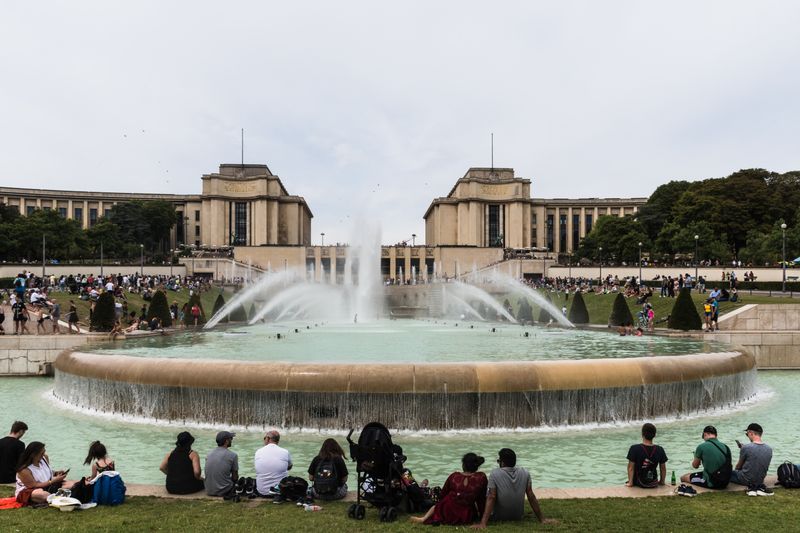
Even the City of Light isn’t immune to tourism’s dark side. Paris hosts around 30 million visitors annually, and while the city is certainly equipped to handle crowds, there’s a tipping point—and some neighborhoods have crossed it.
The Louvre has become so overwhelmed that they’ve had to implement timed entry and online reservations. Good luck getting a spontaneous glimpse of the Mona Lisa—you’ll be booking weeks ahead and then shuffling through crowds six deep.
The Eiffel Tower area resembles a circus, complete with aggressive street vendors and pickpockets working the distracted tourists. But it’s not just the monuments.
Entire arrondissements have shifted from residential neighborhoods to tourist zones. The Marais, once a vibrant mix of historic Jewish quarter and trendy local hangouts, now features more souvenir shops than boulangeries.
Rents have skyrocketed, pushing out the artists, students, and working-class Parisians who gave the city its authentic character. Parisians are famous for their attitude toward tourists, but can you blame them?
When your neighborhood metro is constantly packed with lost visitors dragging suitcases, and your corner café has been replaced by a chain selling overpriced croissants to people who don’t know better, you’d be cranky too. The romance is still there—you just have to fight through more crowds to find it.
Rome, Italy — Ancient Beauty, Contemporary Pressure
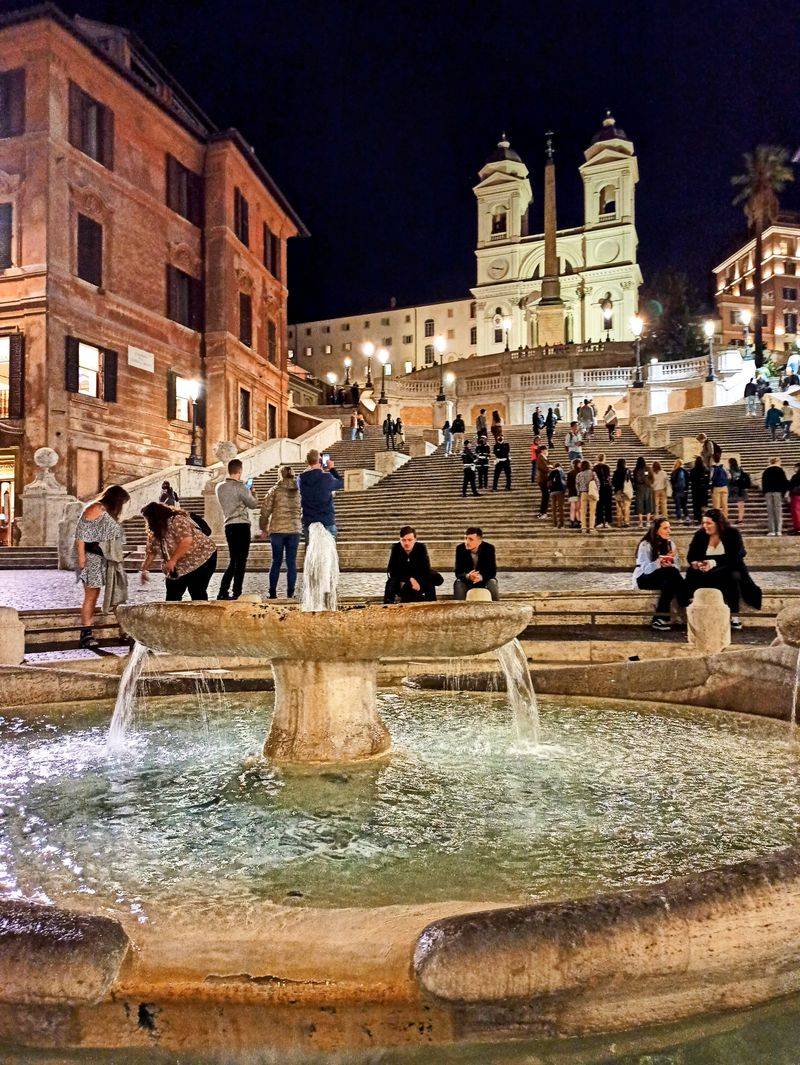
Rome wasn’t built in a day, but tourism is wearing it down faster than centuries of history ever did. The Eternal City welcomes over 10 million overnight visitors annually, and its ancient infrastructure is showing the strain.
The Spanish Steps now come with a hefty fine if you dare sit on them—a rule implemented because the sheer volume of tourists was damaging the 18th-century monument. The Trevi Fountain area is a shoulder-to-shoulder mob scene where pickpockets work with industrial efficiency.
Tossing a coin for good luck now requires strategic elbowing. Short-term rentals have hollowed out the historic center.
Entire buildings that once housed Roman families are now rotating Airbnb units. Neighborhood shops—the butcher, the baker, the wine merchant—have closed, replaced by gelato stands and tourist-trap restaurants serving microwaved carbonara at inflated prices.
Authorities are trying to push back. New regulations limit short-term rentals and ban tour groups from certain areas during peak hours.
But enforcement is challenging, and the damage to community life continues. Long-time Romans are abandoning the center for suburbs, taking with them the authentic culture that made Rome more than just an open-air museum.
The city is becoming a victim of its own magnificence.
Florence, Italy — Crowded Renaissance Treasures
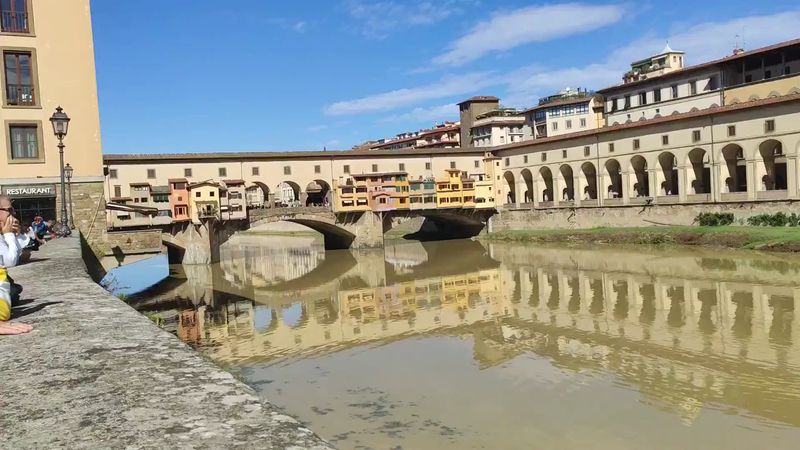
Florence contains roughly 25% of Italy’s artistic treasures in a city center you can walk across in 30 minutes. That concentration of genius attracts about 16 million visitors annually—and the city is buckling under the weight.
The Ponte Vecchio, that iconic medieval bridge, is now an impassable bottleneck of tourists and street vendors. The narrow streets around the Duomo resemble theme park queues more than Renaissance thoroughfares.
During peak season, you’ll spend more time looking at the backs of other tourists’ heads than at Brunelleschi’s architectural masterpiece. The Uffizi Gallery, home to Botticelli’s Birth of Venus and countless other masterpieces, has become an exercise in crowd management.
Even with timed tickets, you’re shuffled through packed rooms where actually contemplating the art requires ninja-level positioning. The experience feels more like a Renaissance-themed cattle drive than cultural enlightenment.
City authorities are considering radical measures: banning new short-term rentals in the historic center, implementing tourist caps, and restricting tour groups. Why?
Because the city’s residential population has plummeted. Artisans and families who gave Florence its soul are being replaced by key-box lockboxes and rolling suitcases.
The birthplace of the Renaissance is dying from its own popularity, one selfie at a time.
Tenerife, Spain — Overcrowding and Protests
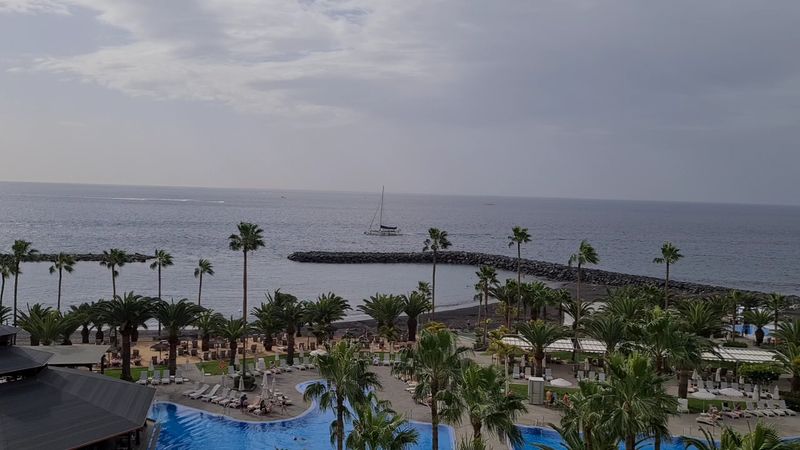
When residents of a sunny holiday island start hunger strikes over tourism, you know things have gone seriously wrong. Tenerife, the largest of Spain’s Canary Islands, has reached a breaking point.
The island welcomes over 6 million tourists annually—that’s roughly 30 times its resident population. Beaches are packed beyond capacity.
Roads designed for island life now suffer daily traffic jams. Water resources are strained in a place where water was never abundant to begin with.
Local activists have organized major protests demanding limits on tourism development. Their message is clear: the island’s environment and quality of life are being sacrificed for tourism profits that mostly benefit outside investors, not local communities.
Affordable housing has become nearly impossible to find as properties convert to vacation rentals. The irony cuts deep—people visit Tenerife for its natural beauty and relaxed island vibe, but mass tourism is destroying both.
The volcanic landscapes and unique ecosystems face environmental pressure. The laid-back Canarian culture is being commercialized into resort entertainment.
Locals feel like they’re becoming service workers in their own homeland, unable to afford the life their parents enjoyed. The sunshine still shines, but the island’s soul is in shadow.
Mallorca, Spain — Volume Over Local Identity
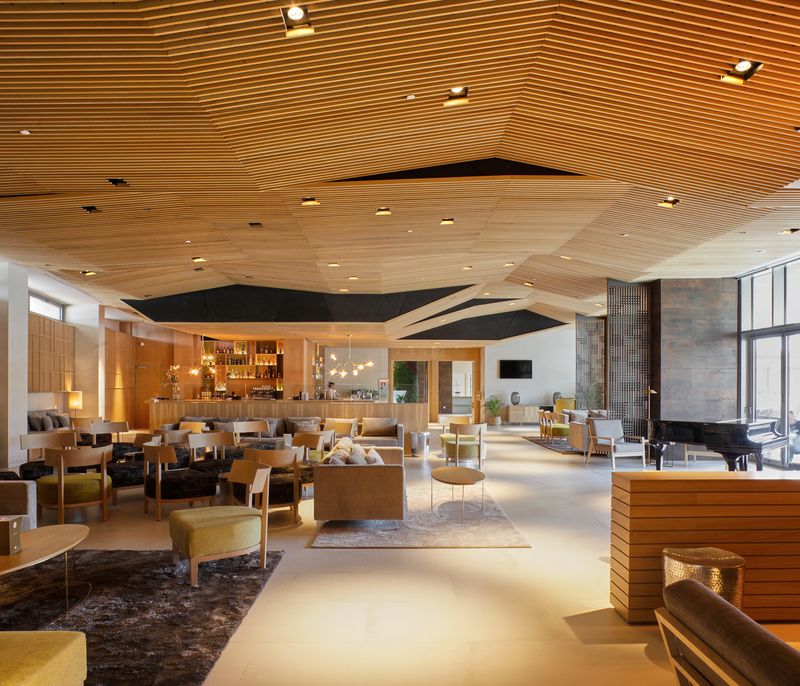
Mallorca hosts more tourists in a single year than the entire population of Spain. Let that sink in.
We’re talking tens of millions of overnight stays on an island roughly 60 miles across. The sheer volume has transformed entire coastlines into concrete resort corridors.
Palma, the historic capital with beautiful Gothic architecture and charming old town, struggles to maintain identity as cruise ships disgorge thousands of day-trippers who clog the narrow streets, snap photos, and leave. The authentic Mallorcan culture—the language, traditions, and community life—is being drowned out by package tourism.
Infrastructure simply can’t keep up. Water resources are stretched thin.
Waste management is overwhelmed. Roads are gridlocked during peak season.
And locals? They’re being priced out of their own island as housing costs skyrocket and short-term rentals proliferate.
Environmental damage is becoming severe. Beaches are eroded from overuse.
Natural areas suffer from foot traffic and development pressure. The island that inspired Chopin and countless artists is becoming a cautionary tale of tourism without limits.
Residents have organized movements demanding sustainable tourism models that respect the island’s carrying capacity and preserve what makes Mallorca special. Otherwise, they warn, there’ll be nothing authentic left to visit.
Capri, Italy — Day Trippers vs. Local Life
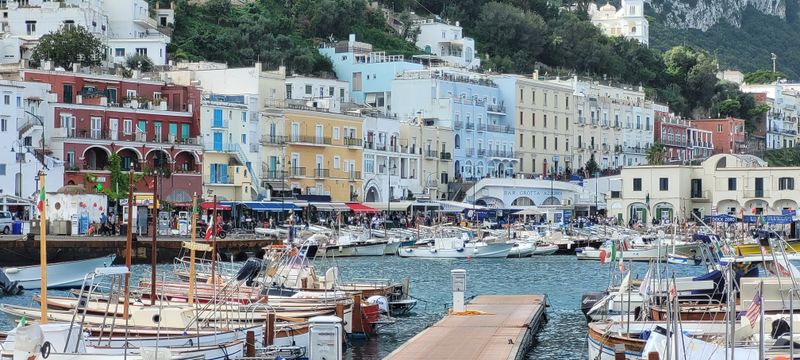
Capri has a day-tripper problem. Thousands arrive each morning from Naples and the Amalfi Coast, swarm the island for a few hours, contribute minimally to the local economy, and leave behind trash, crowding, and frazzled residents.
The Blue Grotto, that stunning sea cave with ethereal light, now operates like a poorly managed amusement park ride. You’ll wait in a bobbing boat for an hour, pay inflated fees, and get maybe five minutes inside before being rushed out for the next group.
The magic is somewhat diminished when you’re being barked at by impatient boatmen. The island’s narrow streets and limited infrastructure weren’t designed for this volume.
During peak hours, you can barely move through Capri town. The elegant boutiques and charming cafés are besieged by crowds who aren’t really there to shop or linger—they’re there to check Capri off their list and move on.
Local authorities have experimented with visitor limits and higher landing fees to discourage day-trippers and encourage overnight stays, which contribute more economically and spread out the impact. But enforcement is tricky, and the cruise ships keep coming.
The island that was once a refined retreat for artists and aristocrats now feels more like a crowded ferry terminal with nice views.
Cinque Terre, Italy — Fragile Trails Under Footfall
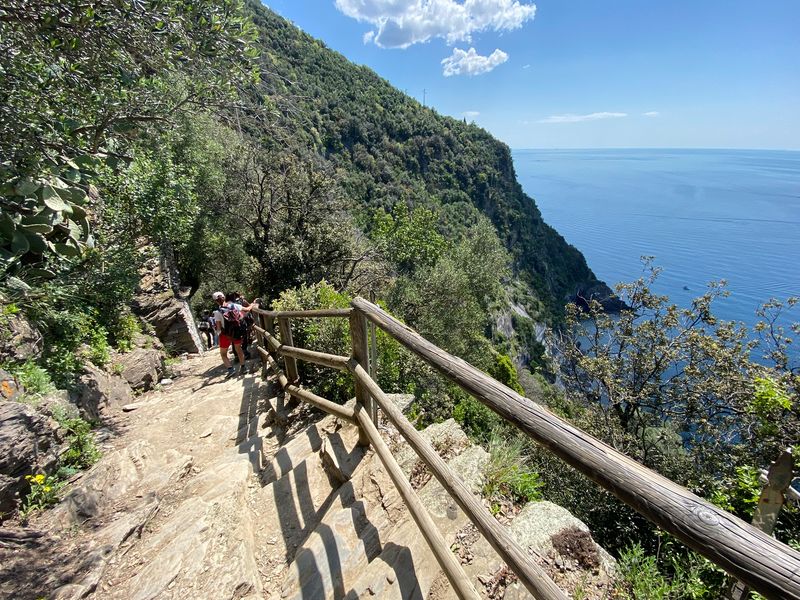
Those postcard-perfect villages clinging to Liguria’s cliffs are being loved to death—literally. Cinque Terre’s hiking trails, which connect five impossibly picturesque fishing villages, now see millions of footsteps annually, and the fragile paths are crumbling.
The famous Sentiero Azzurro (Blue Trail) has suffered landslides and erosion partly due to overtourism and climate impacts. Sections are frequently closed for repairs, which frustrates visitors but is necessary to prevent environmental collapse.
The villages themselves—Monterosso, Vernazza, Corniglia, Manarola, and Riomaggiore—are tiny places never meant to accommodate thousands of daily visitors. During peak season, you can barely walk through the narrow lanes without being swept along in human currents.
The small harbors are clogged with day-trippers arriving by train from nearby La Spezia. Restaurants and shops have shifted entirely to serving tourists, with prices to match.
Finding authentic local life requires serious detective work. Authorities implemented a visitor cap and ticketing system for the trails to control numbers and fund maintenance.
It’s a necessary measure, but it highlights how the region’s charm is endangered. What was once a quiet maritime culture of fishermen and vineyards is now a UNESCO site struggling to balance preservation with tourism demand.
The colors are still vibrant, but the soul is fading.
Giverny, France — Monet’s Garden Overrun?
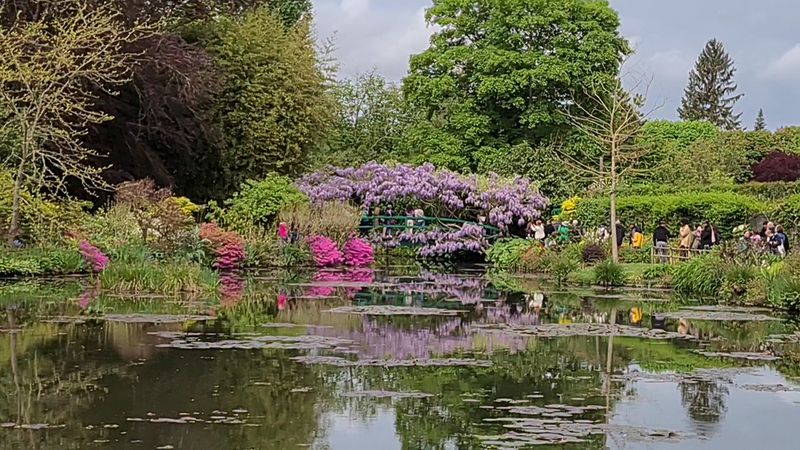
Even tiny cultural gems aren’t safe from tourism’s heavy footsteps. Giverny, a village of barely 500 residents in Normandy, attracts nearly a million visitors annually—all coming to see Monet’s house and gardens.
Do the math on that ratio. The water lily pond that inspired some of art history’s most serene paintings is now surrounded by crowds jostling for photos.
The experience of contemplating Monet’s vision in peaceful reflection? Forget it.
You’ll be lucky to get a clear view between the tour groups and selfie-takers. The village itself has been transformed.
What was once a quiet Norman farming community now exists primarily to serve tourism. Restaurants, gift shops, and parking lots have sprouted to accommodate the flood.
Housing costs have risen, and long-term residents feel increasingly disconnected from their own village. This is what some call “fast tourism”—visitors who rush through, tick the box, buy the souvenir, and move on without really connecting to the place or its culture.
It generates revenue but at the cost of authenticity and community. Giverny’s charm was its quiet, artistic atmosphere—the very thing that inspired Monet.
That tranquility is now a rare commodity, available only in the off-season or before the tour buses arrive. Progress, right?



