 Unearth The Voyage
Our planet holds secret corners where nature still rules completely, untouched by modern civilization’s reach. These rare places offer glimpses into what Earth looked like before highways, cities, and industry reshaped the landscape.
From frozen Arctic tundra to remote tropical islands, these pristine environments remind us of nature’s raw power and beauty, standing as precious refuges for wildlife and natural processes that have existed for millennia.
Northeast Greenland National Park — Arctic Majesty
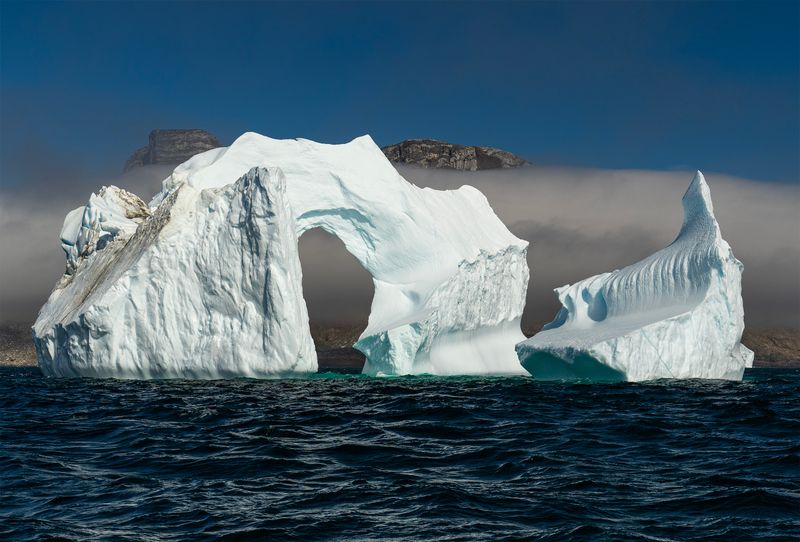
Spanning a mind-boggling 972,000 square kilometers, Northeast Greenland National Park holds the title as Earth’s largest national park. No one lives here permanently, making it one of the planet’s most isolated wilderness areas.
Towering ice sheets dominate the landscape, their ancient frozen surfaces stretching endlessly toward horizons unmarked by human construction. Deep fjords cut through the terrain like nature’s sculptures, while sprawling tundra provides home to iconic Arctic wildlife.
Polar bears prowl the ice, musk oxen graze the sparse vegetation, Arctic wolves hunt in packs, and walruses haul out on remote shores—all thriving in virtually undisturbed habitat. Getting here demands expedition-level travel and meticulous planning, as standard tourism infrastructure simply doesn’t exist.
The reward for such effort, however, is experiencing elemental nature at its absolute grandest. Crystal-clear glacial vistas extend in every direction, and the silence of the far north becomes almost tangible.
Temperatures plummet year-round, creating an environment that has remained largely unchanged for thousands of years. This preservation through extreme climate and remoteness offers scientists invaluable insights into pristine Arctic ecosystems and serves as a baseline for understanding environmental change elsewhere on the planet.
Kamchatka Peninsula — Russia’s Volcanic Wilderness
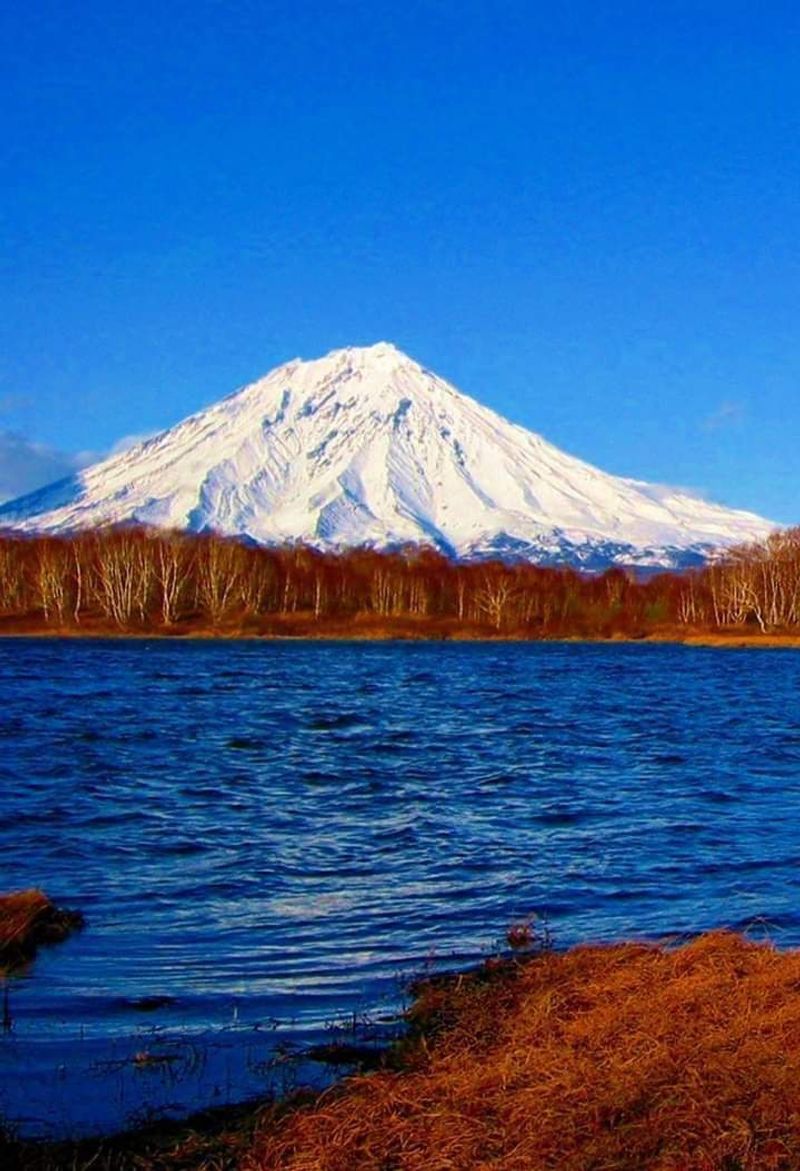
Russia’s far eastern edge harbors one of the world’s most dramatically rugged landscapes. The Kamchatka Peninsula boasts over 300 volcanoes, with 29 still actively rumbling and occasionally erupting, creating a constantly evolving terrain.
Steaming geothermal fields bubble across the landscape, their otherworldly appearance resembling scenes from Earth’s earliest days. Remote rivers carve through pristine boreal forests, their waters untainted by industrial pollution.
The peninsula’s extreme isolation has protected it from the development pressures that have transformed more accessible regions. Human impact here remains minimal, allowing ancient ecological rhythms to continue uninterrupted.
Wildlife follows migration patterns established over countless generations, and legendary salmon runs surge through rivers exactly as they have for millennia. Brown bears gather at riverbanks during spawning season, feasting on fish in scenes unchanged since prehistoric times.
Visiting Kamchatka requires serious commitment—flights from Moscow take nine hours, and much of the peninsula lacks roads entirely. Helicopter transport becomes necessary for reaching the most remote volcanic zones.
Yet this inaccessibility has proven the peninsula’s greatest protection, preserving wilderness that would otherwise face exploitation for its geothermal energy and mineral resources.
Amazon Rainforest (Remote Zones) — South America’s Untamed Heart
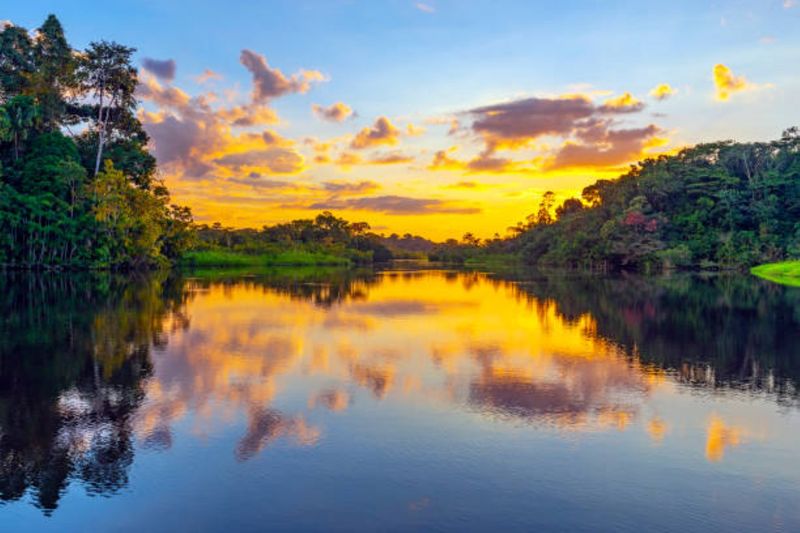
While deforestation threatens certain Amazon regions, the rainforest’s deepest interior zones remain remarkably untouched. These remote areas—far from roads, settlements, and logging operations—harbor ecosystems functioning much as they did thousands of years ago.
Unparalleled biodiversity thrives in these hidden depths. Species discovered here regularly astonish scientists, from tiny poison dart frogs to jaguars prowling beneath the canopy.
Indigenous communities who’ve lived sustainably in these forests for generations possess knowledge about plant medicines and ecological relationships that science is only beginning to understand. Natural processes unfold without interference in these pristine zones.
Nutrient cycles, predator-prey relationships, and seasonal flooding patterns follow ancient rhythms. The forest’s role as Earth’s largest terrestrial carbon sink depends heavily on these intact areas remaining undisturbed.
Accessing these remote regions requires boat travel lasting days or even weeks along winding rivers, followed by challenging jungle treks. No hotels or tourist facilities exist—only research stations and indigenous villages.
This inaccessibility frustrates some travelers but delights others seeking authentic wilderness experiences. Such pristine areas prove vital for global ecology, showcasing nature in forms resembling Earth’s primordial jungles and providing crucial habitat for species found nowhere else on the planet.
Minkébé National Park — Africa’s Hidden Wilderness
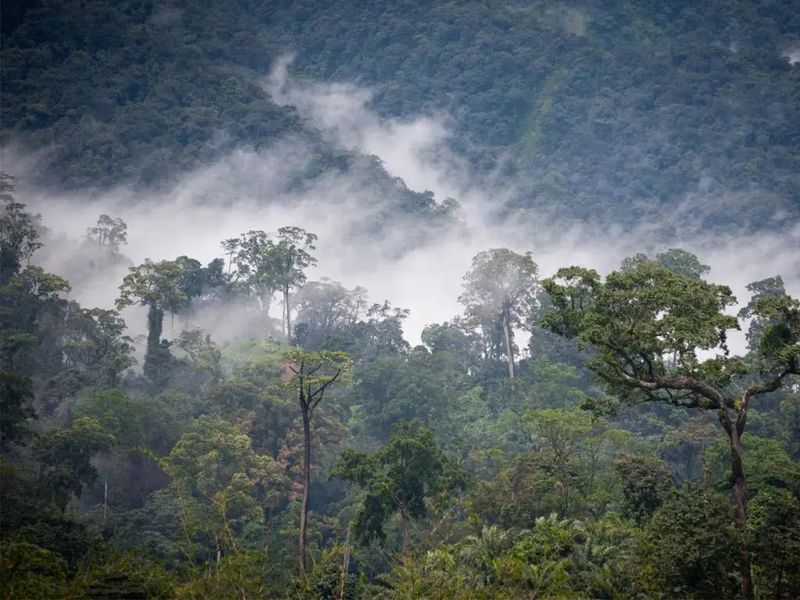
Northern Gabon harbors one of Central Africa’s best-kept secrets. Minkébé National Park protects expansive rainforests that have escaped the development pressures affecting much of the continent, maintaining ecological integrity increasingly rare elsewhere.
Little human settlement exists within the park’s boundaries, allowing forest elephants to roam freely across their traditional ranges. These smaller cousins of savanna elephants have adapted specifically to forest life, playing crucial roles in seed dispersal that maintains forest health.
Rare bird species flutter through the canopy, their calls echoing through trees that have stood for centuries. Dense tropical ecosystems here function with minimal human interference.
Gorillas forage for fruit, leopards hunt in shadows, and countless insect species perform pollination services essential to forest reproduction. The park’s isolation has proven its greatest asset, creating a refuge where nature’s processes continue uninterrupted.
Visiting Minkébé requires expedition-style travel with experienced guides, as infrastructure remains deliberately minimal to protect the wilderness. Travelers seeking deep, verdant nature find themselves immersed in one of Africa’s last true wilderness areas.
The park represents hope for conservation—proof that protecting large, intact ecosystems remains possible even as human populations grow and development pressures increase across the continent.
Tso Moriri — High-Altitude Serenity in India
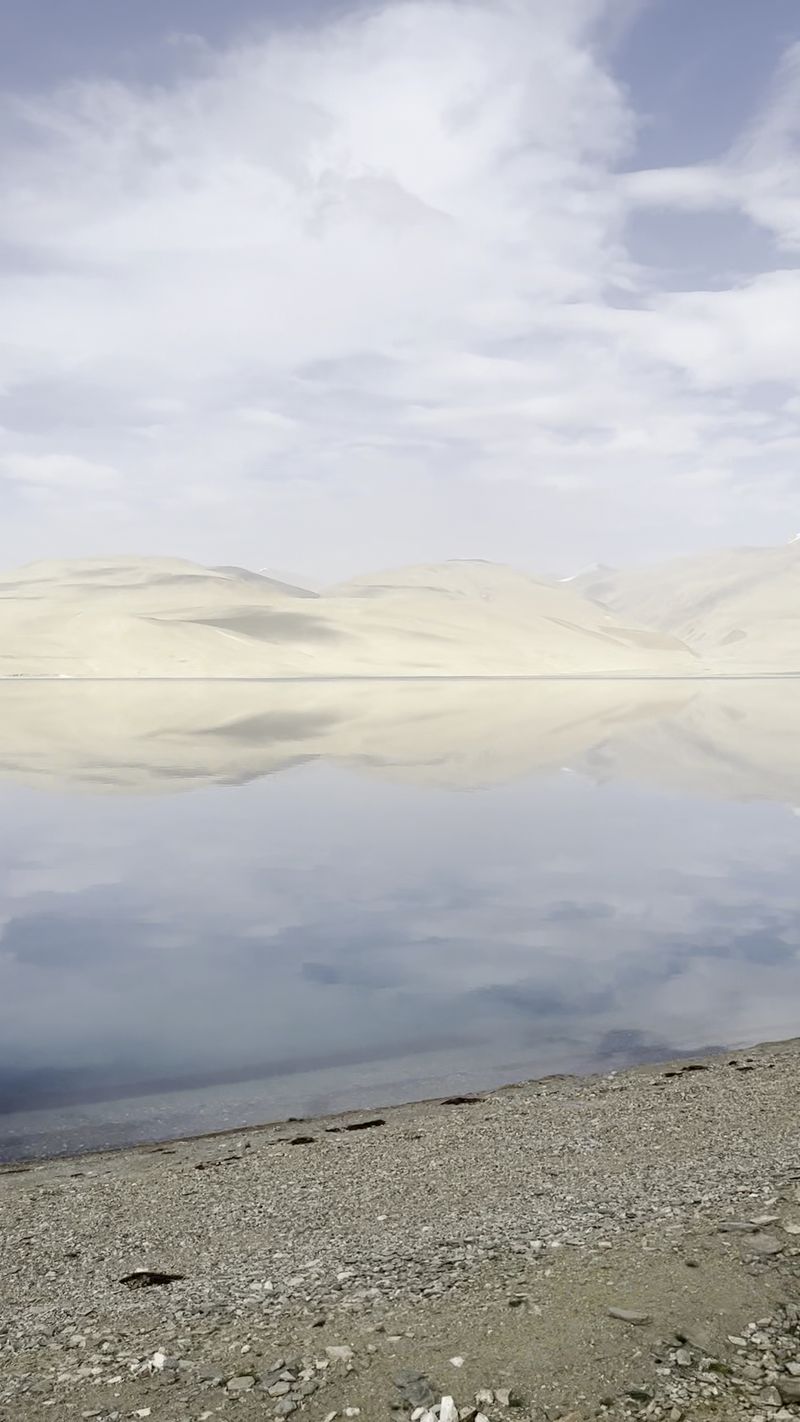
High in India’s Trans-Himalayan plateau, where oxygen grows thin and temperatures plummet, Tso Moriri spreads across the landscape like a massive mirror. This glacial lake sits at over 4,500 meters elevation, framed by stark mountain peaks that seem to touch the sky.
Protected as a Ramsar Wetland Site, Tso Moriri’s crystalline waters and surrounding marshlands support unique biodiversity adapted to extreme altitude. Bar-headed geese—which migrate over the Himalayas—rest here during their incredible journeys.
Rare black-necked cranes wade through shallow waters, and Tibetan gazelles graze nearby slopes. Though a small settlement of nomadic herders exists nearby, the lake’s surroundings feel remarkably untouched by mass tourism.
No large hotels mar the shoreline, and visitor numbers remain low due to the challenging journey required to reach this remote location. The thin air and rough roads deter casual tourists, preserving the area’s pristine character.
Pure Himalayan solitude defines the Tso Moriri experience. The silence here feels almost overwhelming, broken only by wind across the water and occasional bird calls.
Nights reveal star fields so brilliant they seem unreal to visitors from light-polluted areas. This high-altitude wilderness offers rare glimpses into ecosystems functioning at Earth’s extreme limits, where life persists despite harsh conditions.
Caroline Island — Pacific Atoll Eden
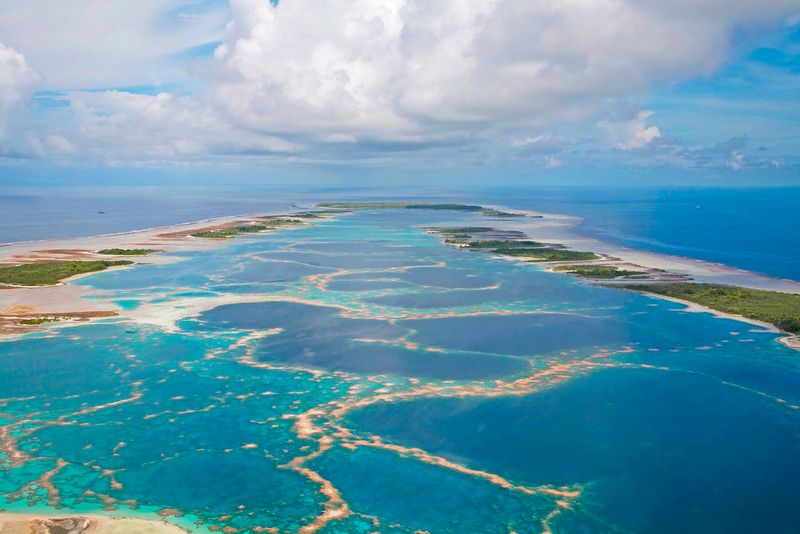
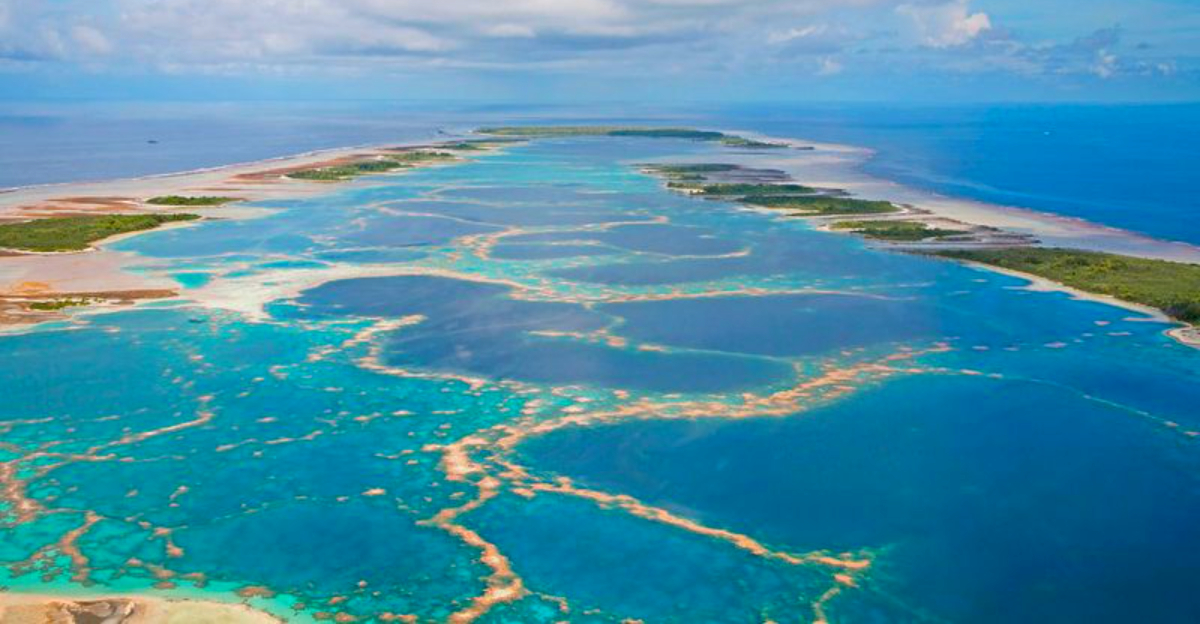
Caroline Island, also called Millennium Island, floats in the Pacific Ocean’s Line Islands as one of Earth’s most pristine tropical environments. This uninhabited coral atoll remains virtually untouched by human development, preserving oceanic nature in nearly original condition.
Coral reefs surrounding the island thrive in remarkable health compared to degraded reefs elsewhere. Fish populations explode in diversity and abundance, creating underwater scenes resembling what much of the Pacific looked like before industrial fishing.
Sea turtles nest on beaches undisturbed by artificial light or human foot traffic. Massive seabird colonies blanket portions of the island, their numbers sustained by abundant fish stocks in surrounding waters.
Coconut crabs—the world’s largest terrestrial arthropods—scuttle across the interior, growing to impressive sizes in the absence of human predation. The atoll functions as a complete ecosystem, its natural processes uninterrupted by outside interference.
No permanent human habitation or infrastructure exists here. Visiting requires special permits and typically involves scientific expeditions rather than tourism.
This inaccessibility has proven the island’s salvation, protecting it from the resort development and fishing pressure that have degraded so many Pacific islands. Caroline Island serves as a living laboratory, showing scientists what healthy coral reef ecosystems look like and providing baseline data crucial for restoration efforts elsewhere.
Arctic National Wildlife Refuge — Alaska, USA
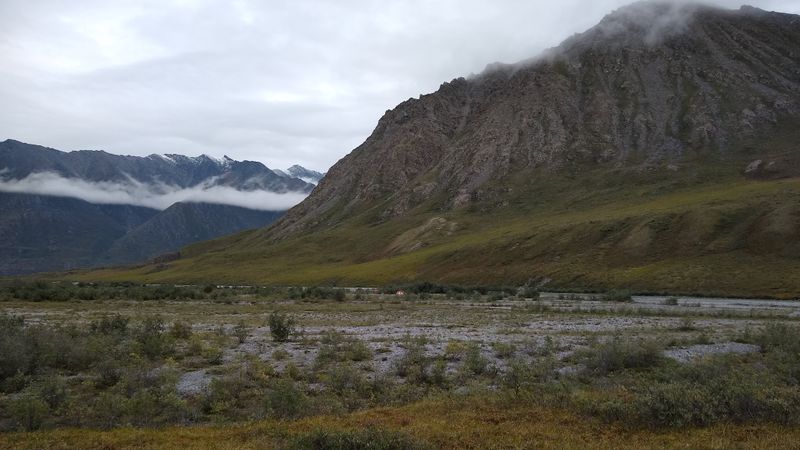
Spanning millions of acres across northeastern Alaska, the Arctic National Wildlife Refuge protects some of North America’s last truly wild landscapes. Minimal human development exists within its boundaries, preserving tundra, mountains, and river valleys in near-original condition.
Grizzly bears roam freely here, their populations healthy and undisturbed by the habitat fragmentation affecting bears elsewhere. Massive caribou herds migrate across the refuge following ancient routes, their seasonal movements unchanged for thousands of years.
Arctic foxes hunt lemmings across the tundra, and wolverines prowl remote valleys rarely seen by human eyes. Migratory birds arrive each summer from six continents, relying on the refuge’s wetlands for nesting.
The coastal plain provides crucial habitat for these species, functioning as an international nursery. Polar bears den along the coast, and muskoxen graze the sparse vegetation, their shaggy coats protecting them from brutal Arctic winters.
Strict conservation measures have kept the refuge pristine despite ongoing debates about oil drilling. Its remoteness helps—reaching most areas requires bush plane flights followed by backpacking expeditions.
No roads penetrate the refuge’s interior, and visitor facilities remain minimal. Those seeking authentic Arctic experiences find raw, unspoiled wilderness that tests endurance while rewarding spirit, offering connections to nature increasingly rare in our developed world.
Patagonia (Remote Zones) — Wind-Swept Southern Wilderness
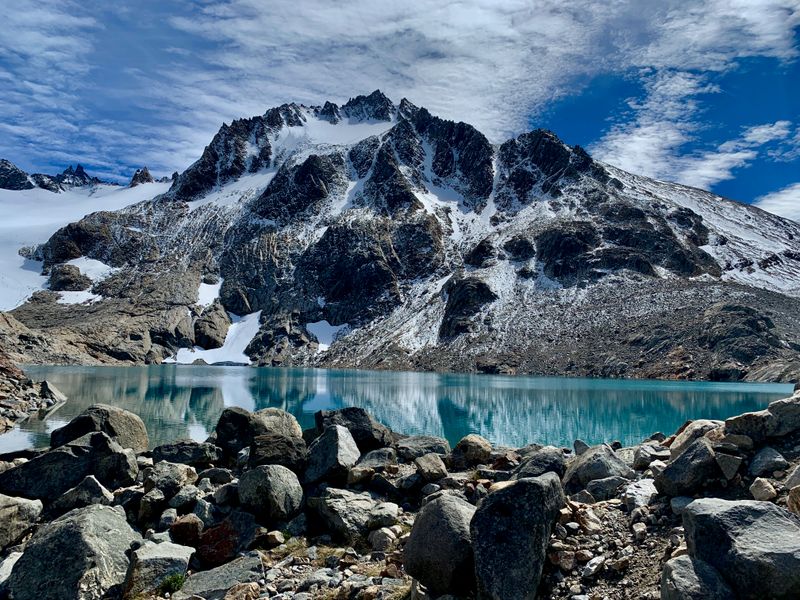
Far from Patagonia’s growing tourist towns, remote sections of this southern wilderness remain remarkably pristine. These areas—accessible only by multi-day treks or boat journeys—embody windswept beauty that appears untouched by time.
Towering granite spires pierce the sky like nature’s cathedrals, their dramatic forms carved by millions of years of glacial action. Glacial lakes reflect these peaks in shades of turquoise and emerald, their colors created by suspended rock flour from grinding ice.
Sprawling steppe plains extend toward distant horizons, grass bending beneath constant winds that have shaped the landscape’s character. These remote expanses attract adventurers seeking minimal human footprint.
Pumas hunt guanacos across the plains, condors soar on thermal currents, and huemul deer—endangered elsewhere—find refuge in isolated valleys. The harsh climate and challenging terrain have protected these areas from development, preserving wilderness that showcases nature’s raw power.
Weather here changes rapidly and dramatically. Sunshine can transform to blizzard within hours, and winds regularly exceed 100 kilometers per hour.
These extreme conditions demand respect and preparation from visitors but have also kept human impact minimal. Experiencing remote Patagonia means accepting nature on its terms—unpredictable, unforgiving, and utterly magnificent.
The region offers profound solitude and landscapes that dwarf human presence, reminding travelers of their small place in Earth’s grand story.
Sahara’s Emptiest Sands — North Africa’s Untamed Desert
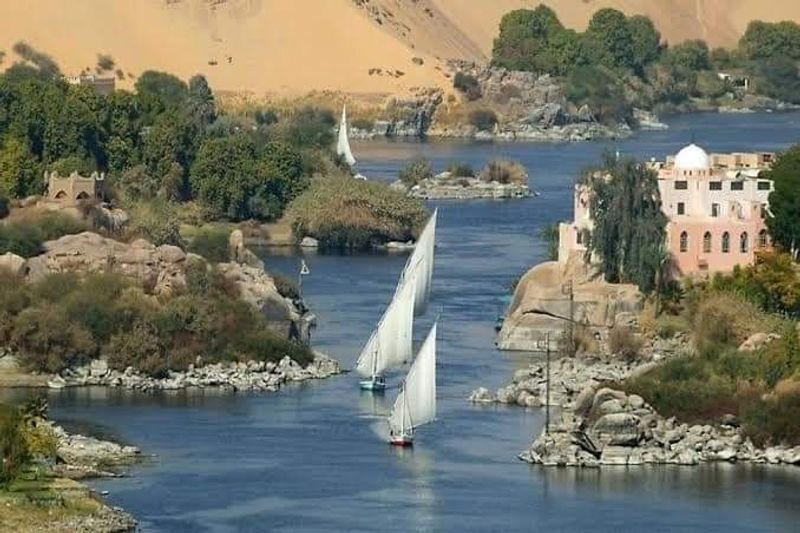
The Sahara’s most remote sections stretch across North Africa as some of Earth’s least inhabited lands. Wide dunes roll toward horizons unmarked by human structures, their shapes constantly reshaped by wind into patterns both beautiful and alien.
Endless plains extend between volcanic plateaus that rise like islands from sandy seas. These isolated formations create microclimates where specialized life clings to existence, adapted to extreme aridity and temperature swings exceeding 40 degrees Celsius between day and night.
Rock art created by ancient peoples decorates some remote canyon walls, evidence that even these harsh environments once supported human communities. Wind-sculpted landscapes evolve continuously without permanent human influence.
Sand grains travel hundreds of kilometers, building dunes that can reach 180 meters high before collapsing and reforming elsewhere. The desert’s arid realms offer primeval senses of planet Earth’s rugged extremes, showcasing what landscapes look like when water—the sculptor of most terrain—plays minimal role.
Visiting these emptiest sections requires expert guides and serious preparation. Water and fuel must be carried for journeys lasting days without resupply.
Navigation becomes challenging where landmarks shift with sand movement. Yet those who venture here experience solitude and silence so complete they become almost physical sensations.
The Sahara’s remotest zones preserve wilderness through harshness, their extreme conditions creating protection more effective than any legal designation.
Siberian Tundra — Russia’s Frozen Wilderness
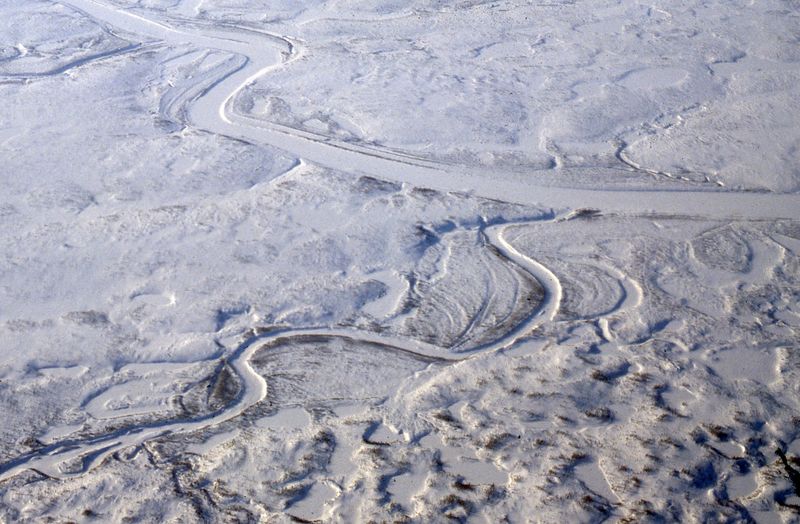
Across Siberia’s vast stretches, tundra and boreal forests represent some of Earth’s least human-influenced lands. Harsh winters and sparse populations have combined to preserve ecosystems where wildlife moves unimpeded and nature’s cycles unfold with minimal interference.
Temperatures here routinely plummet below minus 40 degrees Celsius, creating conditions that challenge human survival but suit specially adapted species perfectly. Reindeer migrate across the tundra in herds numbering thousands, following routes established over millennia.
Siberian tigers prowl the southern forests, and wolverines range across territories spanning hundreds of square kilometers. The region’s remoteness has protected it from the industrial development affecting more accessible areas.
Permafrost underlies much of the landscape, creating unique ecological conditions where decomposition proceeds slowly and ancient organic matter remains frozen for thousands of years. When summer briefly arrives, the tundra explodes with wildflowers and insect life, supporting migratory birds that travel here from as far as Africa.
Human settlements exist but remain widely scattered, connected by roads that often become impassable during winter. This isolation has preserved wilderness that frames a true frontier of pristine wildness.
Scientists value Siberian ecosystems as indicators of climate change, since warming affects Arctic regions more dramatically than temperate zones. The tundra serves as both refuge and warning, showing what pristine nature looks like while revealing how quickly it can change.
Fiordland National Park — New Zealand’s Wild Coast
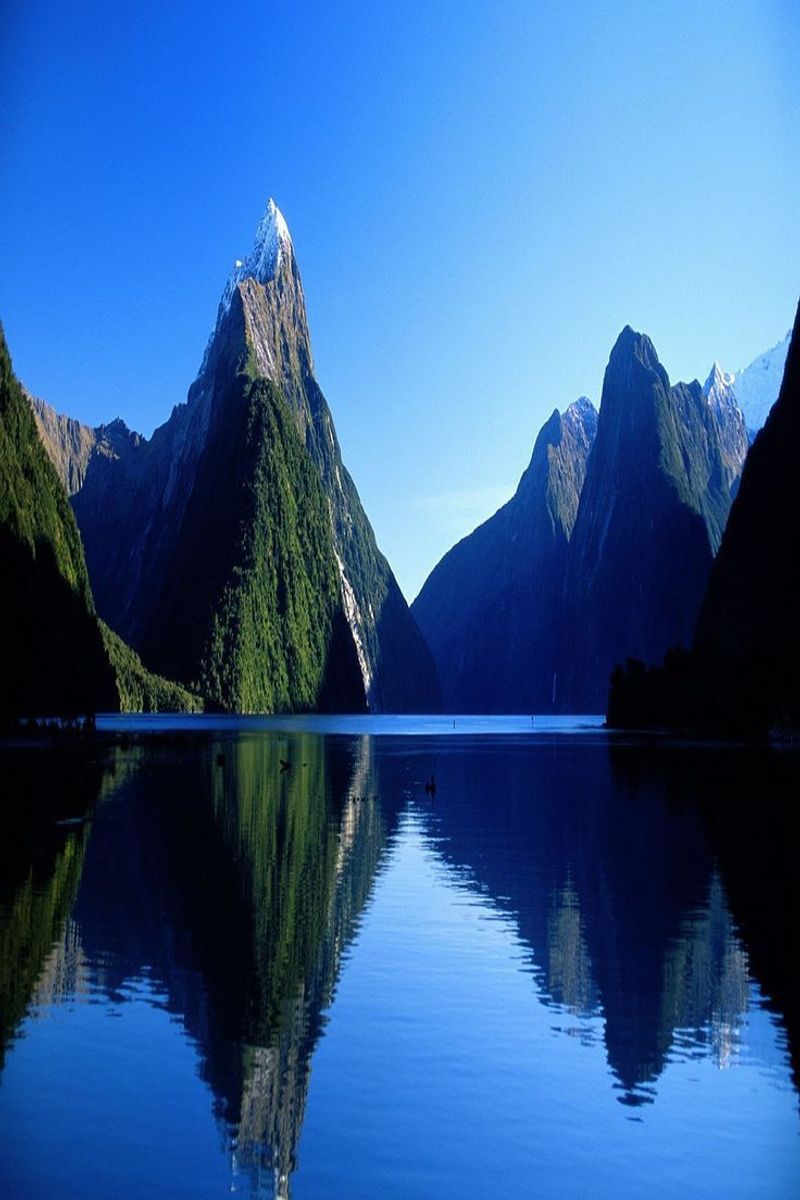
New Zealand’s South Island harbors wilderness so rugged that large sections remain virtually unvisited. Remote parts of Fiordland National Park—especially deep fjords and alpine valleys—showcase nature largely untouched by human presence, despite the park’s protected status for over a century.
Towering waterfalls plunge hundreds of meters from clifftops, their sources hidden in alpine lakes perched in hanging valleys. Lush temperate rainforest extends into almost unvisited reaches, where ancient trees draped in mosses and ferns create environments resembling fantasy worlds.
Fiords cut deep into the coastline, their waters so dark and deep that black coral—usually found only in deep ocean—grows in shallow depths. Visitors who venture beyond popular spots like Milford Sound discover landscapes where nature still reigns supreme.
Kea parrots—the world’s only alpine parrots—investigate hikers with bold curiosity. Endangered takahe, flightless birds once thought extinct, survive in protected valleys.
Fur seals haul out on remote beaches, and dolphins patrol the fiords. The park’s western boundary meets the Tasman Sea in a coastline so rugged and weather-beaten that it remains largely inaccessible.
Rainfall here ranks among Earth’s highest, exceeding seven meters annually in some locations. This constant deluge feeds the waterfalls and maintains the rainforest’s lushness while discouraging human settlement, preserving wilderness through climate as much as conservation policy.
Patagonia’s Southern Ice Fields — Argentina & Chile
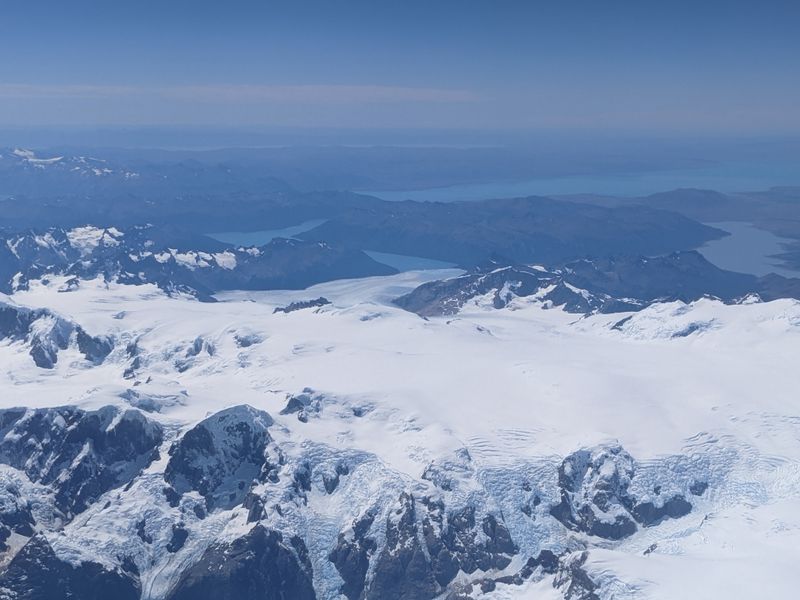
In Patagonia’s heart, the Southern Ice Fields stretch across the Andes as some of the largest continuous ice expanses outside polar regions. These frozen wildernesses remain pristine and vast, their scale difficult to comprehend until witnessed firsthand.
Ice flows extend in every direction, their surfaces crevassed and fractured by the constant movement of glaciers advancing and retreating. Glacial valleys carved by ice over millions of years create landscapes of almost otherworldly beauty.
Seracs—massive ice towers—rise like frozen skyscrapers, and meltwater creates rivers of startling blue that flow beneath and through the ice. Silence characterizes this remote wilderness.
The occasional crack of shifting ice echoes across the frozen expanse, and wind whistles across exposed surfaces, but otherwise quiet reigns. Human presence here is minimal—occasional scientific expeditions and extreme mountaineering attempts represent the only visits most areas receive.
Nature’s power becomes palpable in the ice fields. Glaciers advance with force capable of grinding mountains to dust, while their retreat reveals landscapes unseen for thousands of years.
Climate change affects these ice fields dramatically, with glaciers retreating at measurable rates. Yet their sheer size means they remain remarkably pristine, preserving frozen wilderness that existed long before humans walked Earth.
The ice fields serve as both time capsules and climate indicators, storing ancient atmosphere while revealing current environmental changes.
Gabon’s Lopé National Park (Remote Tracts)
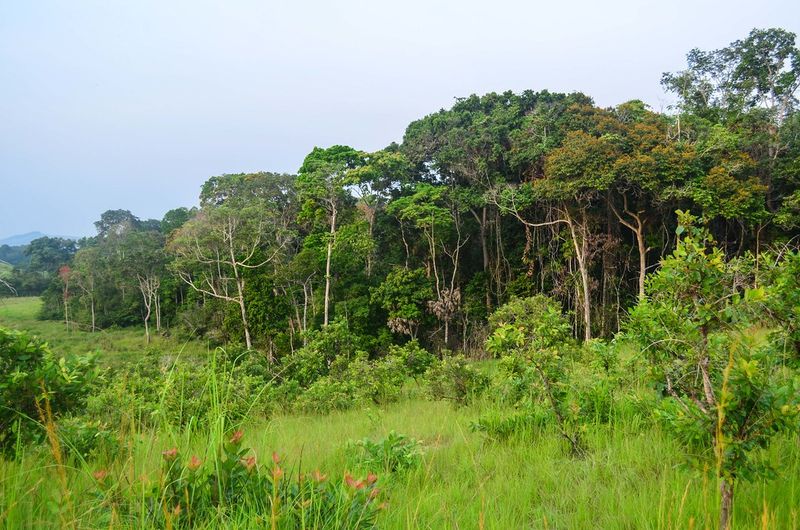
While certain sections of Lopé National Park receive visitors, its deep forested tracts remain remarkably pristine. These remote zones serve as refuge for Central Africa’s forest wildlife, where biodiversity thrives and human impact stays limited.
Forest elephants move through these areas following traditional pathways established over generations. Their presence shapes the forest itself—they clear vegetation, disperse seeds across vast distances, and create clearings that benefit other species.
Western lowland gorillas inhabit the densest sections, their families foraging for fruit and vegetation in areas rarely seen by humans. Dense tropical ecosystems here function with complexity that scientists are still working to understand.
Thousands of plant species exist in small areas, their relationships with pollinators, seed dispersers, and decomposers creating webs of interdependence. The forest produces its own weather, with transpiration from billions of leaves creating clouds that bring afternoon rains.
Accessing these remote tracts requires multi-day expeditions with experienced guides who know the trackless forest. No trails exist in many areas, and navigation relies on intimate landscape knowledge.
This inaccessibility has proven crucial for conservation, protecting wilderness that might otherwise face logging or agricultural conversion. Lopé’s remote zones offer profound wild beauty, immersing visitors in forests that have stood for millions of years and showcasing tropical nature functioning at its most complex and magnificent.
The Amazon Basin’s Wild Core — Brazil & Peru
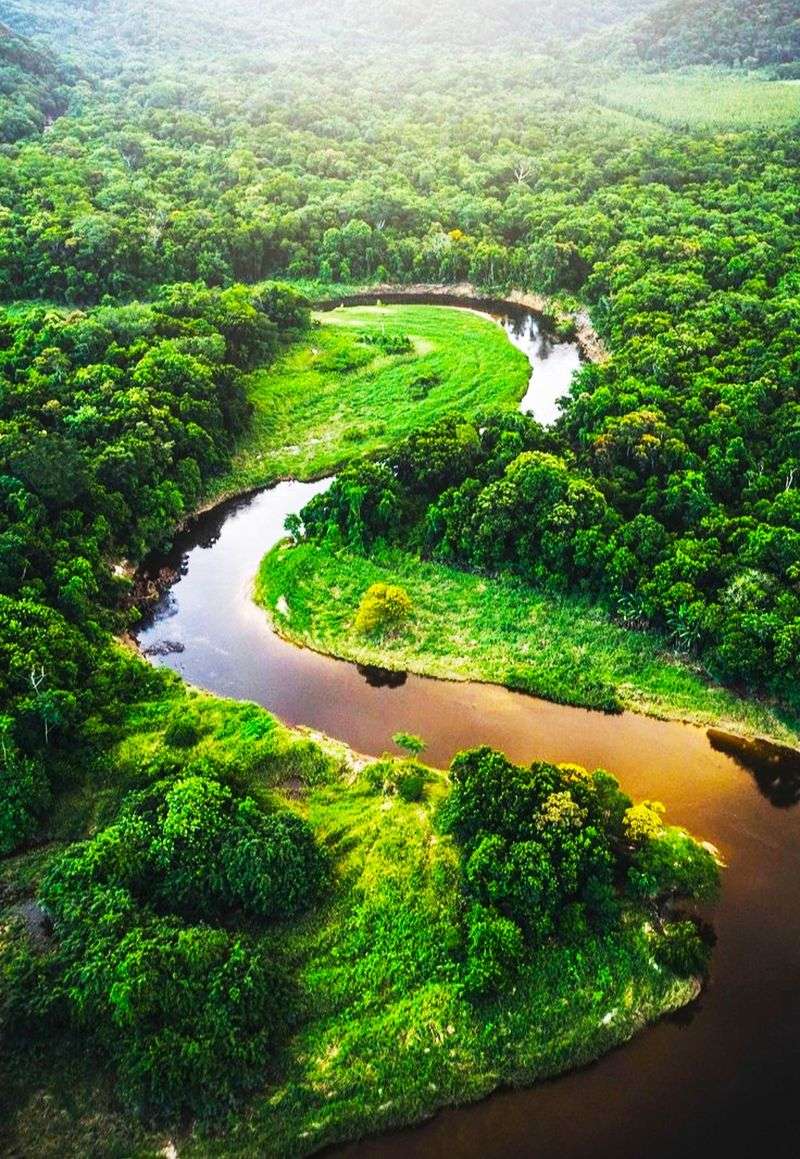
Deep within the Amazon Basin, certain stretches of rainforest remain nearly untouched by roads or settlements. These areas provide some of the planet’s most intact ecological processes, where nature functions much as it has for millions of years.
Flora and fauna follow ancient patterns here. Jaguars hunt along riverbanks at dawn and dusk, their territories spanning dozens of square kilometers.
Harpy eagles—among the world’s most powerful raptors—nest in emergent trees, hunting monkeys and sloths in the canopy. Poison dart frogs display warning colors on the forest floor, their skin toxins derived from the insects they consume.
Ancient patterns persist in these wild cores. Seasonal flooding transforms vast areas into aquatic forests where fish swim between tree trunks and dolphins hunt in what becomes temporarily underwater jungle.
Waterways flow true to natural rhythms, their courses changing gradually through natural meandering rather than human alteration. Microbial life thrives in complexity, breaking down fallen trees and recycling nutrients that feed new growth.
Indigenous peoples inhabit some of these remote regions, their sustainable practices developed over thousands of years. Their presence demonstrates that pristine doesn’t necessarily mean human-free—it means ecological processes remain largely undisturbed.
Reaching these wild cores requires boat journeys lasting weeks, followed by challenging treks through trackless jungle. The effort rewards travelers with glimpses of Earth as it existed before industrial civilization reshaped so much of the planet.
Remote Coral Reefs of the Pacific — Untamed Underwater Worlds
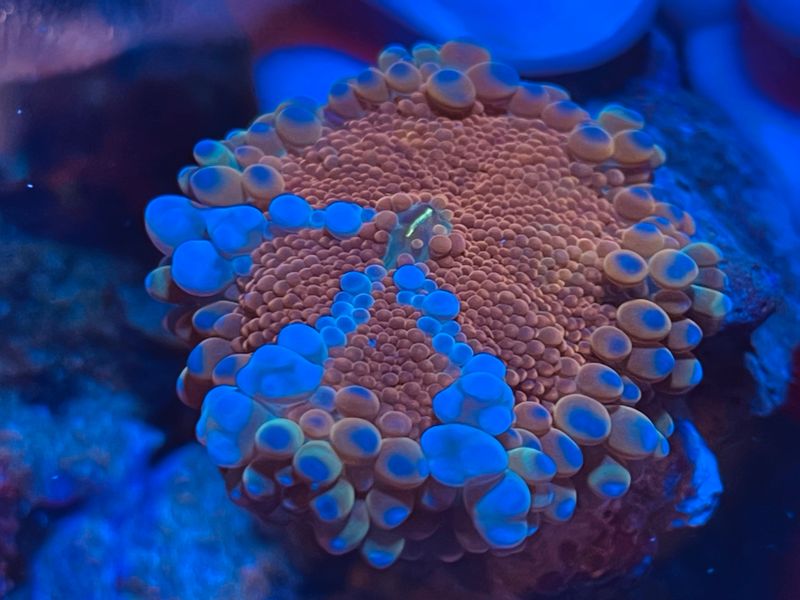
Scattered across the central Pacific, remote coral atolls and reef systems maintain ecosystems largely untainted by tourism or industrial activity. These underwater realms represent living remnants of pristine ocean life, teeming with biodiversity in near-original conditions.
Coral coverage in these remote reefs often exceeds 80 percent—dramatically higher than degraded reefs closer to human populations. Fish populations explode in diversity, with species ranging from tiny cleaner wrasses to massive groupers that can weigh over 100 kilograms.
Shark populations remain healthy, with reef sharks, hammerheads, and occasionally even whale sharks patrolling the reefs. These reefs function as complete ecosystems should.
Herbivorous fish control algae growth, allowing corals to thrive. Predators maintain prey populations at sustainable levels, preventing any single species from dominating.
Sea turtles nest on associated islands, and manta rays visit cleaning stations where smaller fish remove parasites. The reefs’ isolation protects them from overfishing, pollution, and the physical damage caused by boat anchors and careless divers.
Accessing these remote reefs requires expedition vessels capable of long ocean crossings, as they lie hundreds or thousands of kilometers from major ports. This remoteness frustrates casual visitors but delights serious divers and marine researchers.
These untamed underwater worlds provide crucial baselines for understanding reef health and offer hope that protection and isolation can preserve marine ecosystems even as climate change and ocean acidification threaten reefs worldwide.



