Italy is one of those countries that never stops surprising you. Beyond the famous canals and crowded coastal towns, there are hidden corners built for slow mornings, shared wine, and long walks with nowhere to be.
Whether you love rolling vineyards, quiet islands, or medieval hilltop villages, Italy has a romantic escape waiting for you. These 15 peaceful destinations prove that sometimes the best trips are the ones nobody else knows about.
Lake Orta
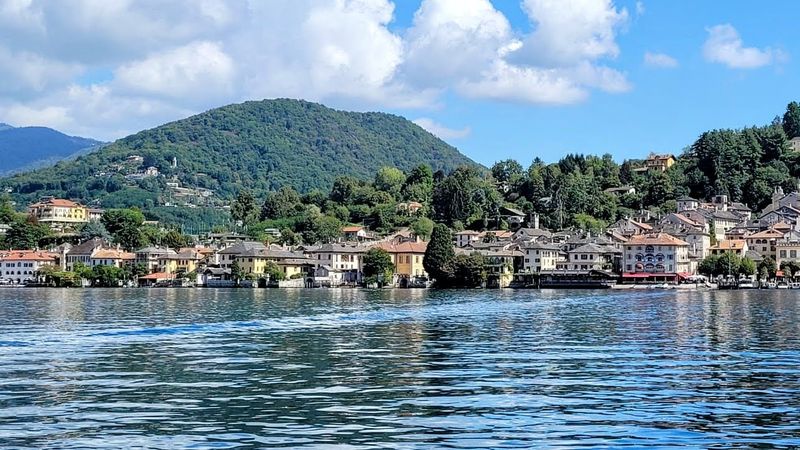
Forget everything you think you know about Italian lakes. Lake Orta sits quietly in northern Italy, consistently overlooked by travelers rushing to Lake Como or Lake Maggiore, and that is exactly what makes it so special.
The lake has a hushed, almost magical quality that wraps around you the moment you arrive.
At the heart of the lake sits Isola San Giulio, a tiny island you can reach by rowing boat. The island holds an ancient basilica and a single narrow path circling it, lined with stone walls carved with thoughtful quotes.
Walking it together takes about ten minutes and feels genuinely timeless.
The lakeside village of Orta San Giulio is equally charming, with cobblestone lanes, frescoed buildings, and waterfront cafes perfect for long afternoon coffees. Local restaurants serve classic Piedmontese dishes like risotto and braised meats paired with regional wines.
Spring and autumn bring fewer visitors and cooler temperatures, making those seasons ideal for couples who prefer unhurried exploration over summer crowds. Pack comfortable shoes and leave the itinerary loose.
Montepulciano
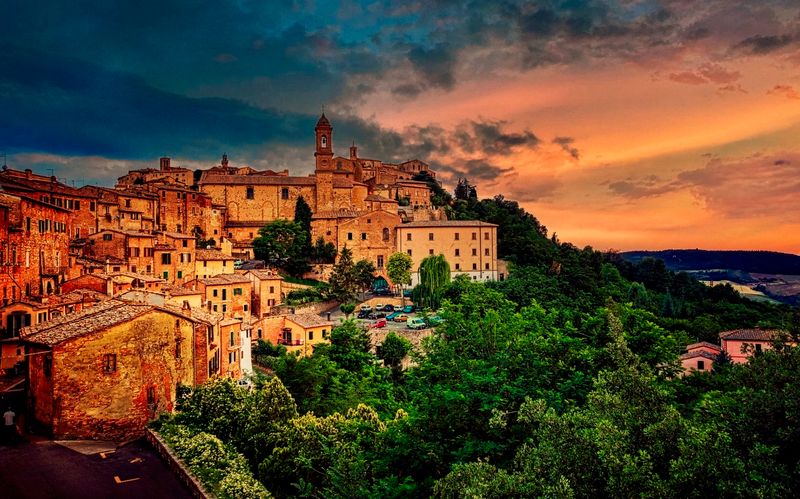
Perched high above Tuscany’s vineyard-covered valleys, Montepulciano is the kind of town that makes you want to slow down and stay forever. The streets climb steeply between Renaissance palaces, carved stone doorways, and wine cellars that have been aging Vino Nobile for centuries.
Every corner seems designed for lingering.
Wine lovers will feel completely at home here. The town’s famous Vino Nobile di Montepulciano is among Tuscany’s most respected reds, and many local cellars offer tastings directly in their underground barrel rooms.
Sharing a glass while surrounded by centuries-old stone walls is a surprisingly intimate experience.
Beyond wine, Montepulciano rewards couples who simply wander. The main street, Corso, winds upward past churches, artisan shops, and small restaurants serving wild boar pasta and hand-rolled pici noodles.
The piazza at the top offers sweeping views across Val d’Orcia that are especially stunning at golden hour. Staying in one of the town’s small boutique hotels means waking up to birdsong and church bells rather than traffic noise.
Tuscany rarely gets quieter or more beautiful than this.
Portovenere
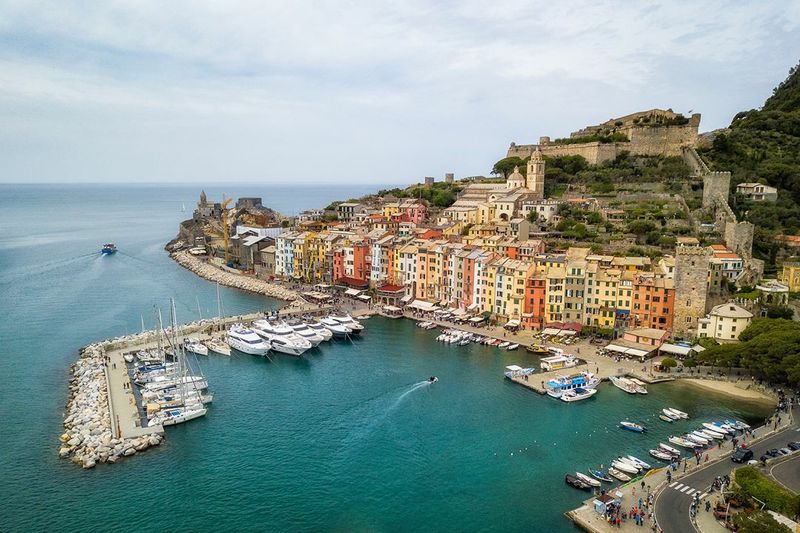
Cinque Terre gets all the Instagram attention, but just a short boat ride south sits Portovenere, a village so beautiful that Lord Byron reportedly swam across the bay from here just to visit a poet friend. Whether or not you plan any dramatic swims, the setting is genuinely breathtaking.
Tall, colorful houses line the harbor in shades of terracotta, yellow, and deep red, their reflections shimmering in the clear water below. At the far end of the village, the medieval Church of San Pietro sits right on the rocky headland, surrounded by sea on three sides.
Watching the sunset from that spot with someone you love is difficult to top.
Portovenere also connects by boat to three small islands: Palmaria, Tino, and Tinetto. A short ferry to Palmaria gives couples access to quiet beaches and snorkeling spots away from the main village bustle.
The village itself has excellent seafood restaurants serving mussels, anchovies, and fresh-caught fish. Compared to the Cinque Terre towns, Portovenere stays remarkably calm even during summer, making it a far more relaxed base for exploring this stunning stretch of Ligurian coastline together.
Spoleto
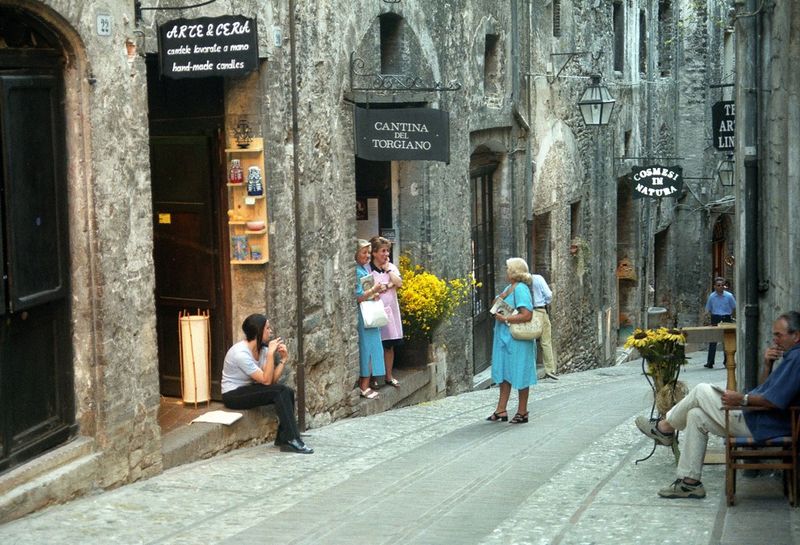
Umbria is often called the green heart of Italy, and Spoleto sits right at its most beating, vibrant center. The town rises on a hillside in layers of history, from Roman amphitheaters and aqueducts to medieval towers and Baroque churches, all packed into a compact area that couples can explore comfortably on foot.
One of Spoleto’s most impressive features is the Ponte delle Torri, a soaring medieval aqueduct bridge that stretches dramatically across a forested gorge. Walking across it together, with the valley dropping away beneath you and hawks circling overhead, is genuinely exhilarating.
The views from the far side back toward the town are equally stunning.
Spoleto is also famous for hosting one of Italy’s most prestigious arts festivals each summer, drawing musicians, dancers, and performers from around the world. Outside of festival season, the town is wonderfully quiet, with excellent Umbrian restaurants, small wine bars, and artisan shops filling the medieval lanes.
Try the local black truffle pasta, which is earthy, rich, and deeply satisfying. Couples who enjoy history, good food, and peaceful evenings without tourist crowds will find Spoleto one of central Italy’s most rewarding discoveries.
Isola del Giglio
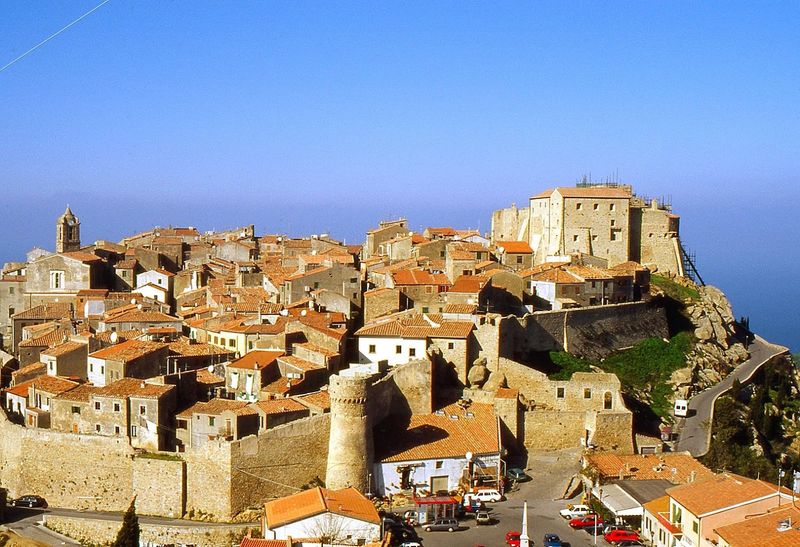
Some islands make you feel like you have genuinely escaped the world, and Giglio is one of them. Reached by a short ferry from the Tuscan port of Porto Santo Stefano, this small island sits in the Tyrrhenian Sea with the kind of clear water that makes you question why you ever chose a swimming pool over the real thing.
The island has three main areas: the port, the hilltop village of Giglio Castello, and the small beach settlement of Giglio Campese. Giglio Castello is the one worth exploring slowly, with its medieval walls, narrow alleys, and tiny wine bars serving the island’s own Ansonaco white wine, a rare local variety you won’t easily find anywhere else.
Cars are limited on the island, which means the pace of life is genuinely slow. Couples can hike coastal trails between secluded coves, snorkel in water so clear you can count the fish, or simply find a quiet rock and watch the sea.
There are no big hotels or resort pools here, just small guesthouses, fresh seafood, and the kind of unhurried island rhythm that makes you forget what day it is. Giglio rewards those willing to unplug completely.
Lucca
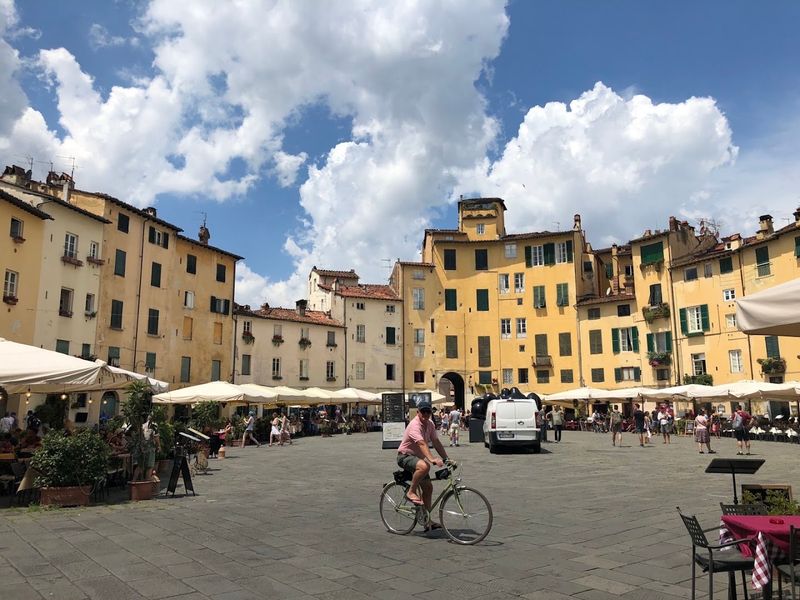
Not many cities let you cycle along the top of their ancient walls, but Lucca does, and it turns a simple afternoon ride into one of the most charming experiences in all of Tuscany. The Renaissance-era ramparts form a complete ring around the city, wide enough for a tree-lined promenade that locals and visitors share equally and happily.
Inside the walls, Lucca is a beautifully preserved medieval city with elegant piazzas, Romanesque churches, and streets narrow enough that you almost have to walk side by side. Piazza dell’Anfiteatro, built on the foundations of a Roman amphitheater, is shaped in a perfect oval and lined with cafes that fill up pleasantly in the evenings.
Lucca also has a strong musical heritage as the birthplace of opera composer Giacomo Puccini, and the town celebrates this with regular concerts and a dedicated museum. The food scene is excellent, with local specialties including tordelli, a hand-filled pasta unique to this area, and buccellato, a sweet anise bread sold in the historic bakeries.
Unlike Florence or Siena, Lucca rarely feels overwhelmed by visitors, giving couples the rare gift of exploring a genuinely beautiful Italian city at their own relaxed pace.
Bevagna
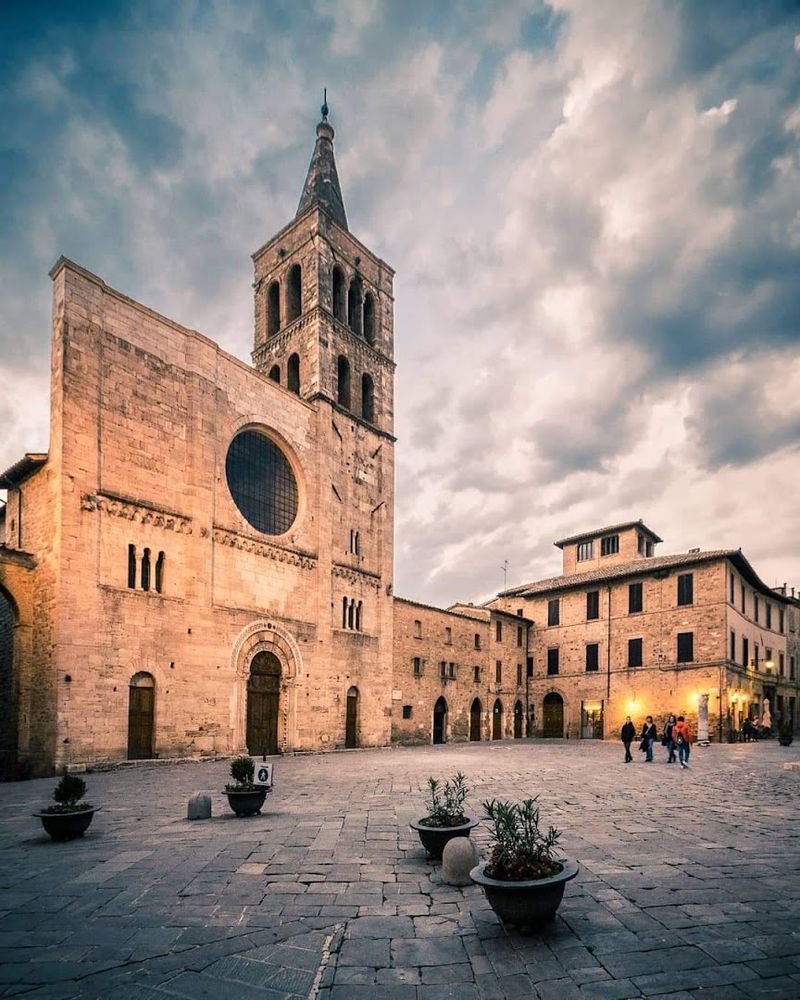
Stumbling upon Bevagna feels like finding a secret that the rest of Italy somehow forgot to share. This tiny Umbrian town sits in the valley below Assisi and Spello, surrounded by olive groves and wheat fields, and it sees a fraction of the visitors those more famous neighbors attract.
That quiet is its greatest gift.
The medieval center is remarkably intact, with a central piazza flanked by two Romanesque churches and a small Roman theater foundation visible beneath a modern building’s floor. Artisan workshops line the backstreets, where you can watch craftspeople weaving, dyeing, and making paper using techniques unchanged for centuries.
It sounds niche, but watching someone create something beautiful by hand is genuinely moving.
Bevagna hosts the Mercato delle Gaite each June, a medieval festival where the town splits into four competing districts and recreates 13th-century crafts, foods, and games. Visiting during this period adds a layer of festive color to an already atmospheric place.
Outside of festival season, the town is wonderfully peaceful, with small trattorias serving Umbrian classics like lentil soup and roasted pigeon. Couples looking for somewhere entirely free of tourist crowds will find Bevagna quietly unforgettable.
Orvieto
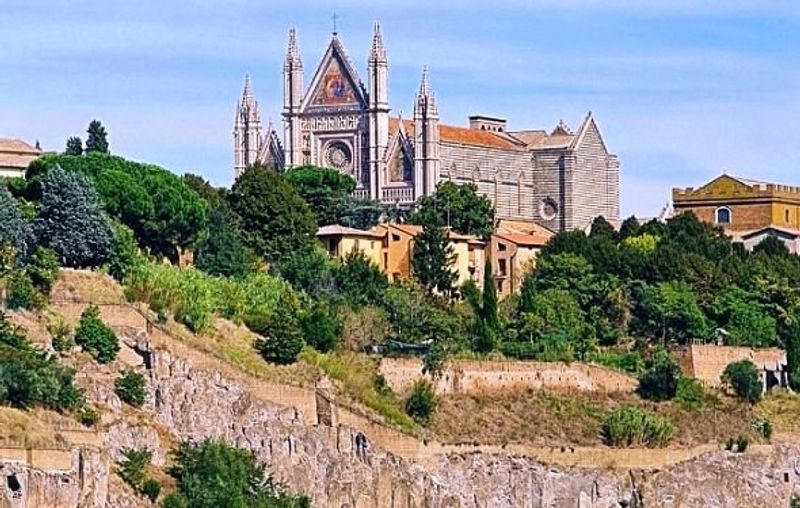
The first glimpse of Orvieto rising from its volcanic plateau is genuinely jaw-dropping. The town sits on a flat-topped butte of tufa rock, its Gothic cathedral facade shimmering with gold mosaics visible from miles away.
Arriving by the funicular railway, which climbs the cliff face from the valley below, feels appropriately theatrical for such a dramatic setting.
The cathedral itself is one of the finest examples of Italian Gothic architecture anywhere in the country. Its striped black and white stone interior houses the Chapel of the Madonna di San Brizio, decorated with vivid Renaissance frescoes by Luca Signorelli that influenced Michelangelo’s later work in the Sistine Chapel.
Art lovers will want to spend a long time here.
Beneath Orvieto’s streets lies an equally fascinating world. The town is riddled with over 1,200 caves, tunnels, and underground chambers carved into the soft tufa over two millennia.
Guided tours take couples through Etruscan wells, medieval pigeon houses, and olive oil presses hidden beneath the city. Above ground, the wine bars serve Orvieto Classico, a crisp local white perfect for sipping on a terrace overlooking the valley.
The combination of dramatic scenery, remarkable history, and excellent wine makes Orvieto genuinely hard to leave.
Tellaro
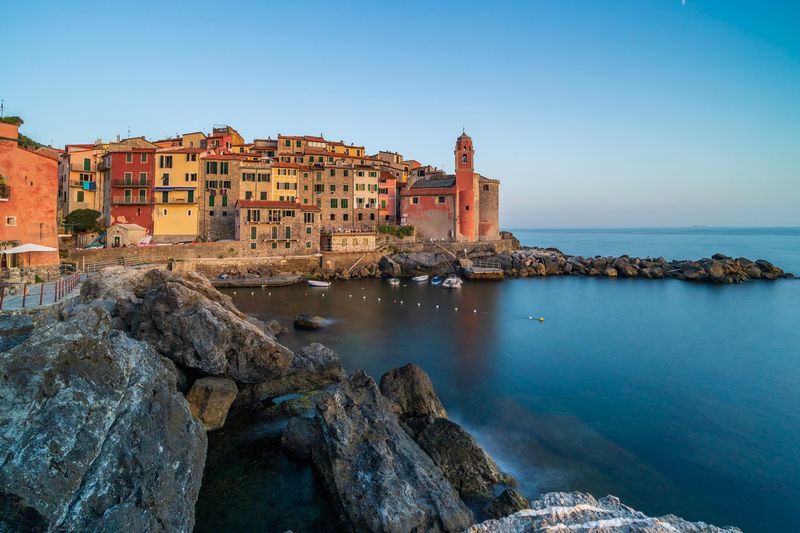
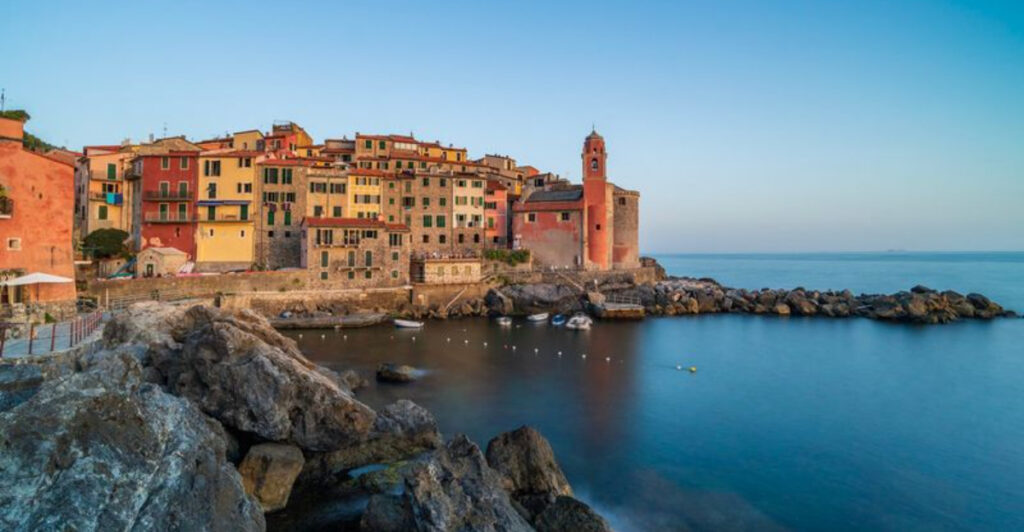
Tellaro is the kind of village that painters dream about and photographers can never quite capture. Tucked into the rocky Ligurian coastline between La Spezia and Lerici, this tiny cluster of pastel houses clings to the cliffs above a small harbor, connected by stone steps and alleyways so narrow two people barely fit side by side.
That closeness feels entirely appropriate for a romantic escape.
According to local legend, an octopus once saved the village from a Saracen pirate attack by ringing the church bell with its tentacles. Whether you believe it or not, the story perfectly captures Tellaro’s quirky, storytelling spirit.
The church itself sits right on the water’s edge, its doors opening practically onto the sea.
There are no large restaurants or souvenir shops here, just a handful of small trattorias serving fresh seafood and the kind of unpretentious cooking that relies entirely on quality ingredients. The swimming spots below the village are rocky but rewarding, with exceptionally clear water.
Sunset from the small terrace near the church, with the Ligurian Sea turning pink and gold, is the kind of moment couples talk about for years. Tellaro is tiny, but its impact on visitors is anything but small.
Rasiglia
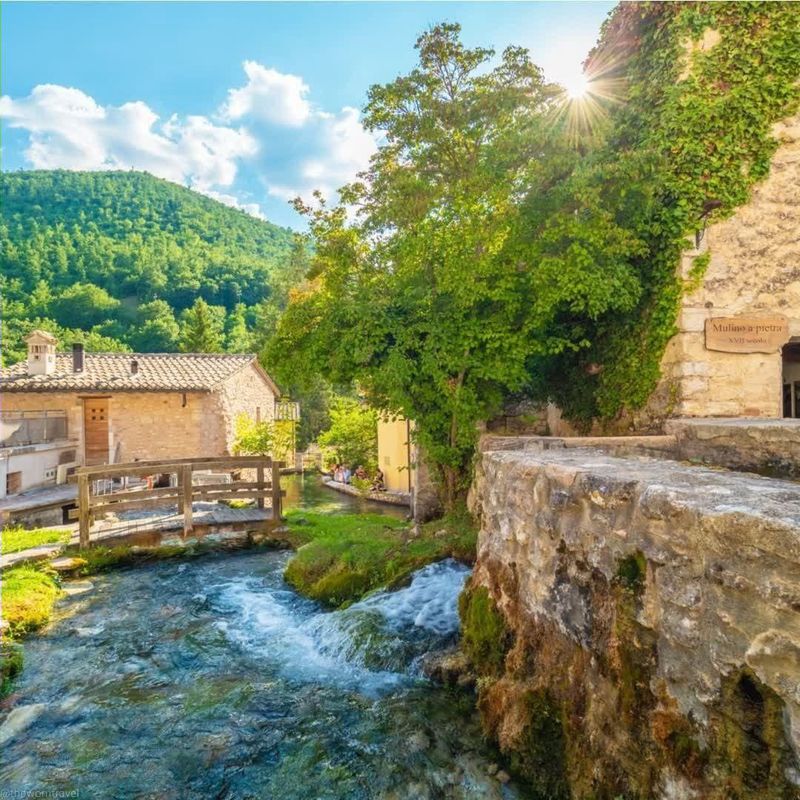
Water runs through Rasiglia the way blood runs through veins, constantly, clearly, and in every direction. This tiny Umbrian hamlet sits above a series of natural springs that feed streams channeled directly through the village, flowing under stone bridges, alongside old mill buildings, and between houses that look unchanged for five centuries.
Walking through it feels surreal in the best possible way.
Rasiglia is not widely known outside Italy, and even many Italians haven’t visited. That obscurity is precisely what makes it so refreshing.
There are no ticket booths, no audio guides, and no gift shops. Just water, stone, and the occasional cat watching you from a windowsill with complete indifference.
The village is small enough to explore in an hour, making it ideal as part of a wider Umbrian road trip. Combine it with nearby Foligno, Spello, or Bevagna for a full day of uncrowded Umbrian exploration.
The surrounding countryside is lush and green, ideal for short walks between villages. Autumn is particularly beautiful here when the leaves turn and the streams run fuller after early rains.
Couples who appreciate quiet, genuinely off-the-beaten-path discoveries will find Rasiglia one of Italy’s most unexpectedly lovely surprises.
Urbino
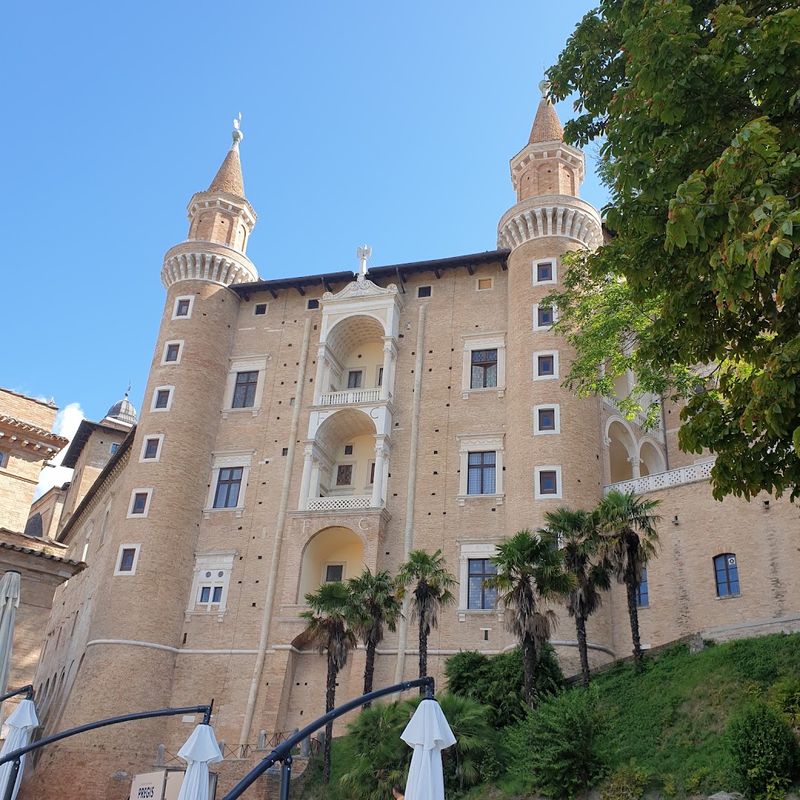
Raphael was born here. That single fact tells you something important about Urbino’s relationship with beauty.
This Renaissance hilltop town in the Marche region produced one of history’s greatest painters, and the city itself looks like it was designed with the same careful attention to proportion and elegance. The Ducal Palace, home to the National Gallery of the Marche, is one of Italy’s finest Renaissance buildings.
Despite its UNESCO World Heritage status, Urbino attracts a fraction of the visitors that Florence or Siena see. The town has a lively university population that keeps the cafes and bars buzzing without the chaos of mass tourism.
Walking the steep cobbled streets feels like wandering through a living Renaissance painting, with warm stone facades, arched doorways, and unexpected viewpoints around every corner.
The surrounding Marche countryside is equally beautiful and almost entirely unknown to international tourists. Rolling hills, small vineyards, and medieval villages spread in every direction, ideal for leisurely drives between meals.
Local food specialties include crescia, a flatbread cooked on a hot stone, and vincigrassi, a rich baked pasta unique to the region. Couples who enjoy art, history, and excellent regional cooking without fighting through tourist crowds will find Urbino quietly extraordinary.
Cetara
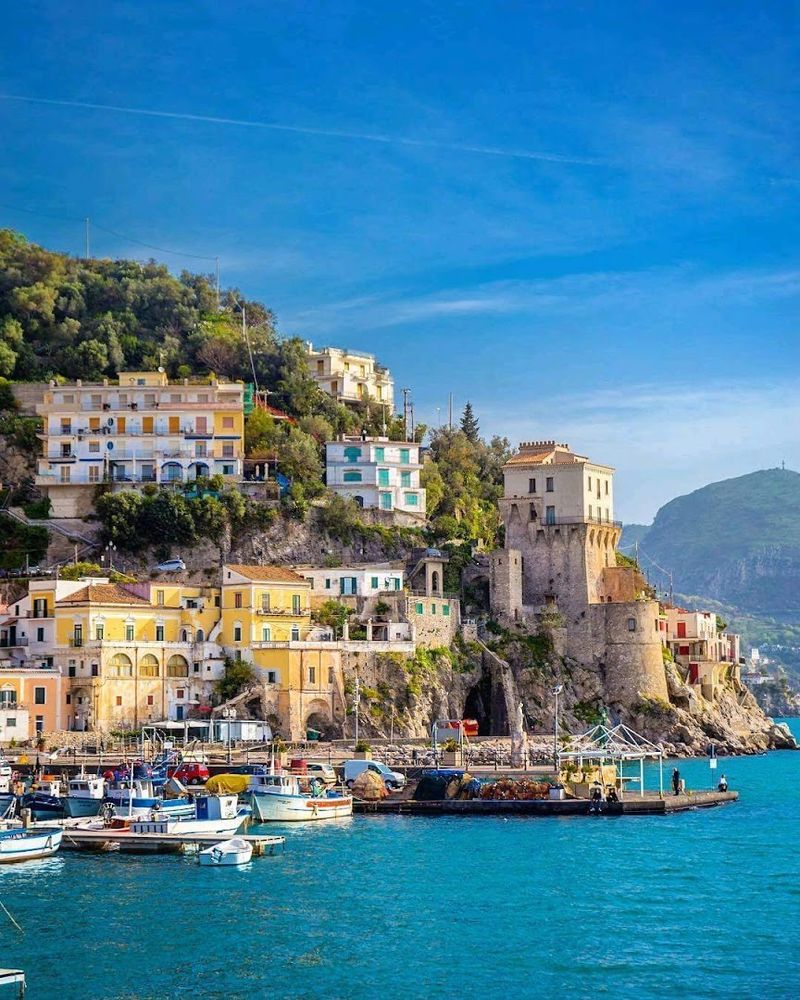
The Amalfi Coast has a reputation for breathtaking scenery and equally breathtaking crowds, but Cetara quietly sidesteps both problems. This small fishing village sits near the eastern end of the coast, past the point where most tour buses turn back, and its harbor still fills with working fishing boats rather than tourist ferries.
The atmosphere is noticeably more local and relaxed than its famous neighbors.
Cetara is famous throughout Italy for two things: its anchovies and its colatura di alici, a potent amber-colored fish sauce made from salted anchovies that has been produced here since at least the medieval period. A few drops stirred into pasta transforms a simple dish into something extraordinary.
Several restaurants in town specialize in anchovy-based cooking, and the results are consistently impressive.
The village beach is small but pleasant, and the surrounding water is ideal for swimming. Evenings in Cetara have a genuinely local feel, with families gathering on the waterfront and fishermen returning with the day’s catch.
The main piazza fills up after dinner with a relaxed, unhurried energy that feels worlds away from the selfie crowds of Positano. Couples who want the Amalfi Coast experience without the performance of it will find Cetara an honest and deeply satisfying alternative.
Gubbio
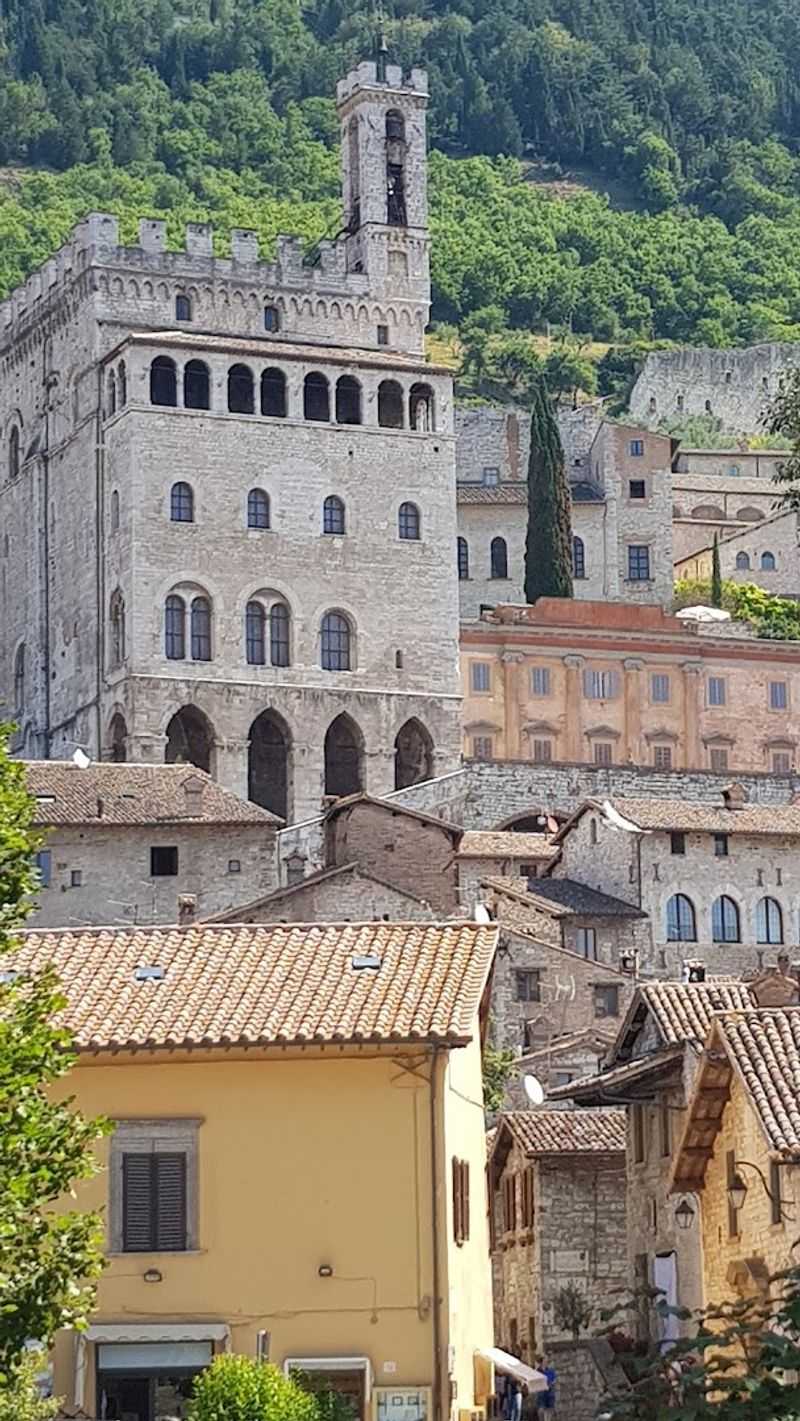
Gubbio looks like it was built by someone who genuinely believed that architecture should match the landscape rather than fight it. The medieval stone town climbs steeply up Monte Ingino in tight terraced layers, its buildings the same warm grey as the rock beneath them.
From the valley below, the effect is almost theatrical, a perfectly composed medieval cityscape that has barely changed in 700 years.
The town’s centerpiece is the Palazzo dei Consoli, a massive Gothic civic building perched dramatically on a terrace above the valley. Inside, the Eugubine Tablets, bronze plates from the 2nd and 1st centuries BCE, offer one of the most important surviving examples of ancient Umbrian language.
History enthusiasts will find them genuinely fascinating.
For couples who enjoy a bit of gentle adventure, the Funivia cable car carries passengers up the mountain in small open baskets to a sanctuary near the summit. The ride is slightly hair-raising but the views across the Umbrian valley are spectacular.
Gubbio also hosts the Corsa dei Ceri each May, one of Italy’s most dramatic medieval festivals, with enormous wooden structures carried through the streets at full speed. Outside of festival season, the town is wonderfully atmospheric and rarely overwhelmed by visitors.
Val d’Orcia
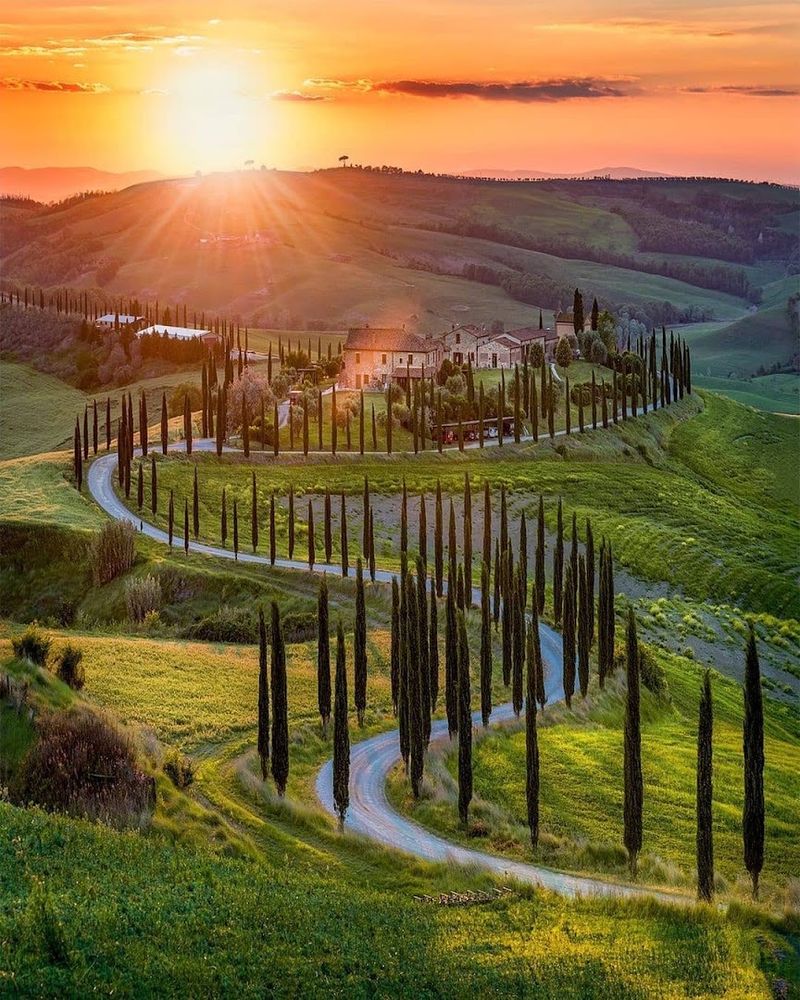
No photograph of Tuscany fully prepares you for Val d’Orcia in real life. The valley stretches south of Siena in a series of rolling hills so perfectly composed that they look almost unreal, especially in early morning when mist settles in the low ground between golden fields and dark cypress rows.
Driving through it together for the first time is a memory you’ll carry for years.
The valley contains several small towns worth exploring at a relaxed pace. Pienza, designed in the 15th century as an ideal Renaissance city, is compact and elegant, famous for its pecorino cheese and views across the valley.
San Quirico d’Orcia has a beautiful Romanesque church and peaceful public gardens perfect for a quiet afternoon. Bagno Vignoni offers something unusual: a central piazza filled not with a fountain but with a large thermal pool that has been used since Roman times.
Wine lovers should not skip Montalcino, perched on a hilltop at the valley’s western edge and home to Brunello, one of Italy’s most celebrated red wines. Many estates offer tastings in their cellars with views across the vineyards.
Val d’Orcia rewards slow travel, so resist the urge to rush. A few days of scenic drives, long lunches, and unhurried village wandering will leave you genuinely restored.
Pietrapertosa
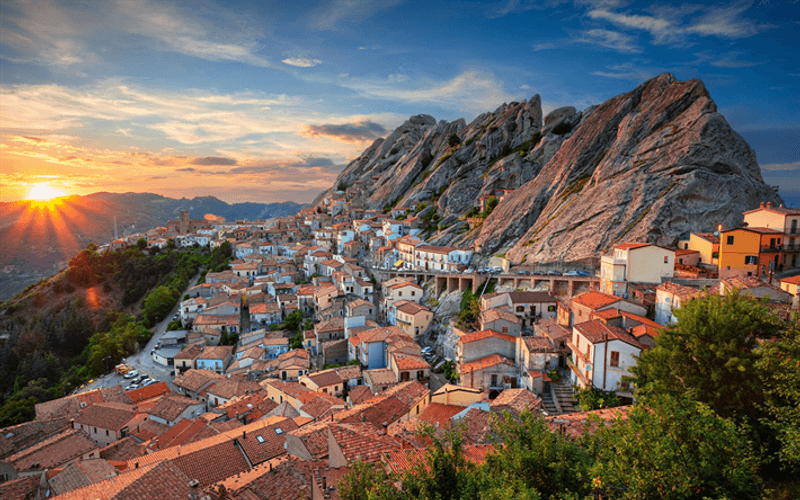
Clinging to the jagged peaks of the Dolomiti Lucane mountains at over 1,000 meters above sea level, Pietrapertosa is arguably the most dramatically located village in southern Italy. The ancient stone houses seem to grow directly from the rock, the boundaries between building and cliff so blurred that the whole settlement looks carved rather than constructed.
First-time visitors tend to stand and stare for a long time.
The village is connected to the neighboring town of Castelmezzano by the Volo dell’Angelo, a zip line that sends you flying between the two peaks at speeds of up to 120 kilometers per hour. For adventurous couples, this is one of Italy’s most exhilarating shared experiences.
The views from the wire, suspended between two mountain villages with the valley far below, are completely unforgettable.
Pietrapertosa itself is quiet and largely unchanged, with steep stone lanes, a ruined Saracen fortress at the summit, and small restaurants serving hearty Basilicata cooking including lamb, peppers, and the region’s distinctive crusco chili peppers dried to a sweet, papery crisp. Basilicata remains one of Italy’s least visited regions, which means Pietrapertosa offers something increasingly rare: genuine solitude in a landscape of extraordinary drama.
Southern Italy’s best-kept secret deserves to be discovered together.
Share this story