History class never warned us that some of the most jaw-dropping stories belong to the people we thought we already knew everything about. From scientists moonlighting as inventors to writers who vanished into thin air, famous figures have led lives far stranger than any textbook dares to admit.
I remember flipping through an old encyclopedia as a kid and stumbling on a footnote so bizarre I actually laughed out loud. Get ready, because these 15 facts are about to completely change the way you see some of history’s biggest names.
1. Hedy Lamarr Helped Invent Wi-Fi and Bluetooth Technology

Before your Wi-Fi password existed, a Hollywood actress was busy co-inventing the technology that made it possible. Hedy Lamarr, one of the biggest movie stars of the 1940s, had a secret life as a brilliant inventor.
Most fans knew her face from the silver screen, but almost nobody knew what was happening inside that brilliant mind.
During World War II, Lamarr co-developed a frequency-hopping communication system designed to prevent enemy forces from jamming radio-guided torpedoes. She partnered with composer George Antheil to patent the idea in 1942.
The military did not use it right away, but the concept eventually became a foundation for modern wireless communication.
Wi-Fi, Bluetooth, and GPS all owe a quiet debt to her genius. She never received financial credit during her lifetime, but in 2014 she was inducted into the National Inventors Hall of Fame.
Not bad for a movie star.
2. Albert Einstein Helped Design a Refrigerator
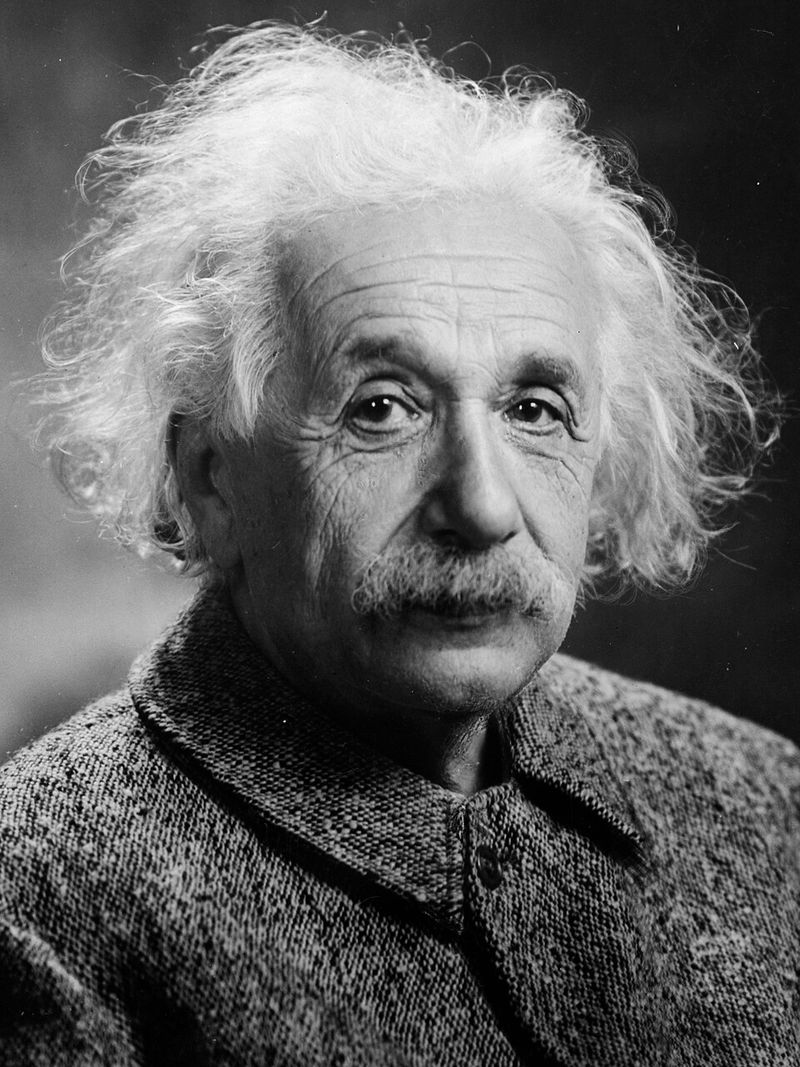
Most people picture Einstein scribbling equations on a chalkboard, not sketching out kitchen appliances. But in the 1920s, he and Hungarian physicist Leo Szilard came up with a refrigerator design that had zero moving parts.
The inspiration came from a tragic newspaper story about a family killed by toxic fumes leaking from their refrigerator’s mechanical seals.
Einstein wanted to fix that. Together, they patented an absorption refrigerator that used only heat as its energy source, making it far safer than the models of the time.
The design never made it to mass production because freon-based refrigerators took over the market soon after.
Fast forward nearly a century, and researchers at Oxford University have revisited the Einstein-Szilard design as a potential eco-friendly cooling solution. So the next time your fridge hums quietly in the kitchen, spare a thought for the man who wanted to make it safer for everyone.
3. Queen Elizabeth II Trained as a Mechanic During World War II
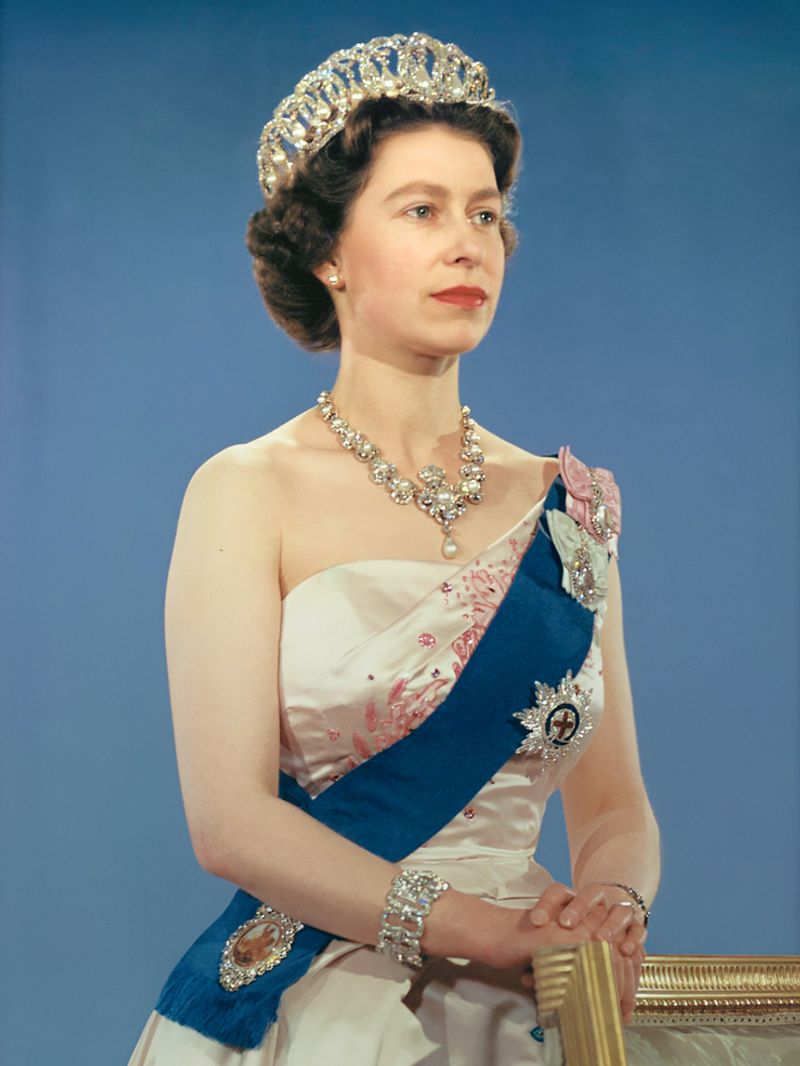
Not every queen gets her hands dirty under the hood of a military truck, but Queen Elizabeth II was not every queen. In 1945, she joined the Auxiliary Territorial Service at just 18 years old, making her the first female member of the British royal family to serve in the armed forces.
She trained as a driver and mechanic, learning to repair engines and navigate military vehicles. By all accounts, she took the work seriously and completed the full training program rather than just showing up for the photo opportunity.
That kind of dedication earned real respect from her fellow servicewomen.
Later in life, she was famously photographed at Balmoral Castle driving Land Rovers well into her 90s. Turns out, once you learn to fix an engine during a world war, the skill tends to stick around.
Respect, Your Majesty.
4. Mark Twain Correctly Predicted the Year of His Own Death
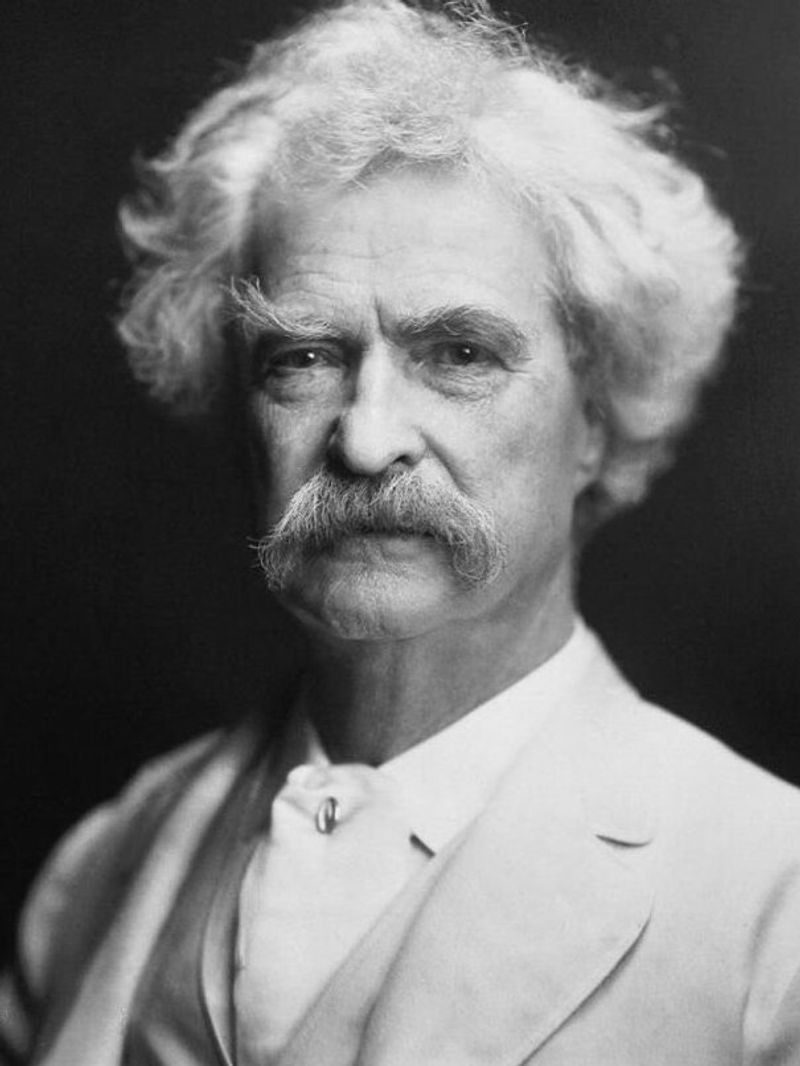
Mark Twain once said, “I came in with Halley’s Comet in 1835, and I expect to go out with it.” That quote sounds like the punchline to a cosmic joke, except it turned out to be completely accurate. Twain was born on November 30, 1835, just two weeks after the comet made its appearance in the night sky.
He made his prediction in 1909, and on April 21, 1910, one day after Halley’s Comet reached its closest point to Earth, Mark Twain died. The timing was so precise that even skeptics had to raise an eyebrow.
Whether it was luck, intuition, or sheer stubbornness, the man kept his word.
It remains one of the most eerily perfect coincidences in literary history. Twain had a gift for sharp observations about life, but predicting his own death with comet-level accuracy?
That takes the cake entirely.
5. Isaac Newton Stuck a Needle Behind His Eyeball for Science
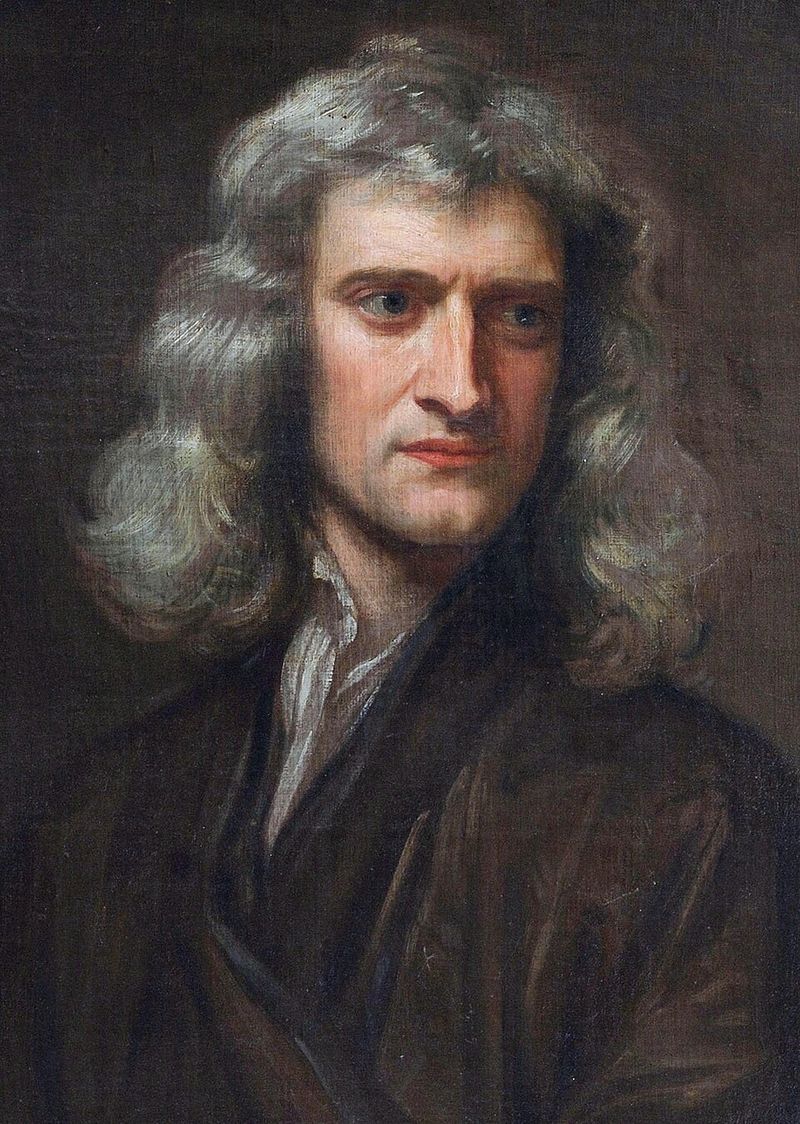
Science has always required a certain level of dedication, but Isaac Newton took things to a level that makes most people squirm just reading about it. In his early experiments on light and vision, he pressed a blunt needle, called a bodkin, between his eye and eye socket to see how pressure affected his perception of color and light.
He actually recorded what he saw, noting the colored circles and patterns that appeared when he manipulated the pressure. This was Newton being Newton, relentlessly curious even when the experiment involved his own eyeball.
Thankfully, he used a blunt instrument and did not seriously injure himself.
The experiment helped him understand how the eye processes light, contributing to his groundbreaking work in optics. Still, it is safe to say that this particular research method did not make it into standard school science curricula.
And honestly, good call on that one.
6. Walt Disney Drove Ambulances in France Before Creating Mickey Mouse
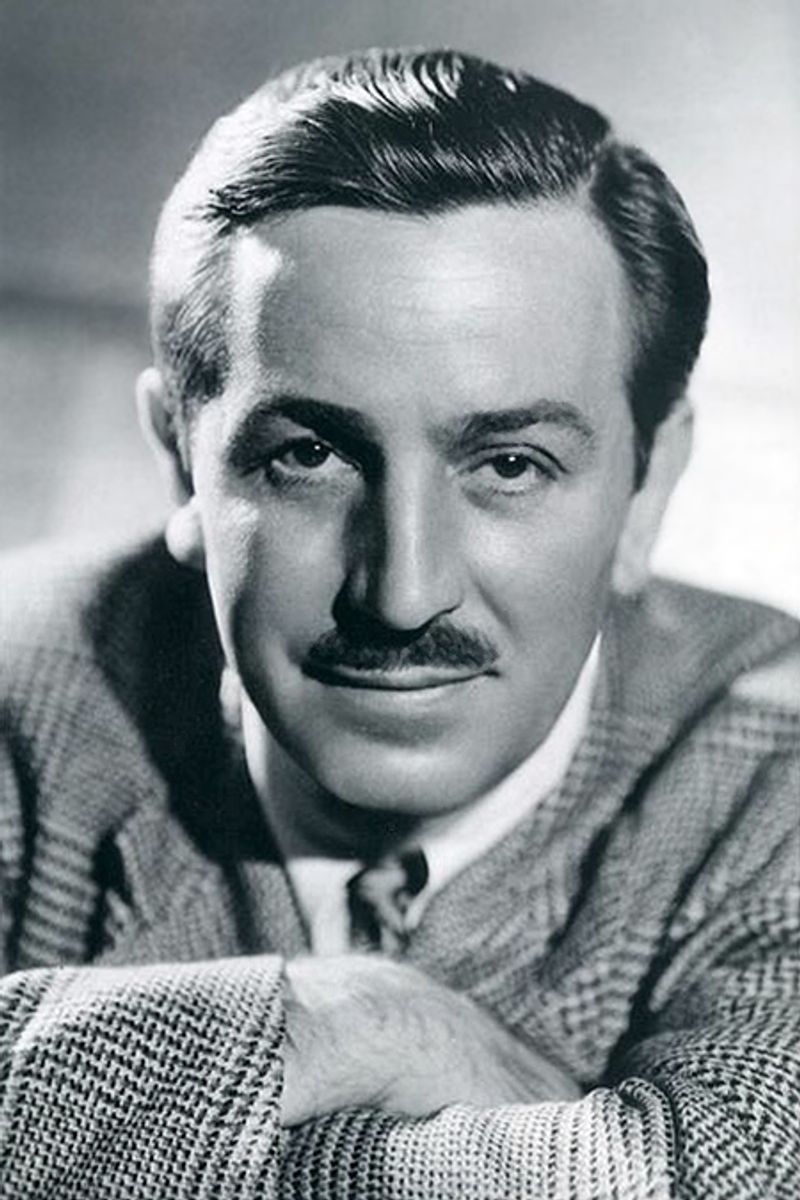
Long before Disneyland existed, Walt Disney was navigating muddy French roads in a Red Cross ambulance. At just 16 years old, Disney tried to enlist in the U.S.
Army to fight in World War I but was turned away for being too young. Undeterred, he altered his birth year on paperwork and joined the Red Cross instead.
He was sent to France in 1918, arriving just after the armistice was signed. So while the fighting had ended, Disney still served overseas, driving ambulances and transporting supplies.
He even decorated his vehicle with cartoon characters, hinting at the creative genius that would later take over the entertainment world.
He returned home with stories, sketches, and a restless imagination that eventually gave us Mickey Mouse, Fantasia, and an entire kingdom in Florida. Not a bad follow-up act for a guy who started out dodging potholes in post-war Paris.
7. Beethoven Kept Composing Even When He Was Almost Completely Deaf
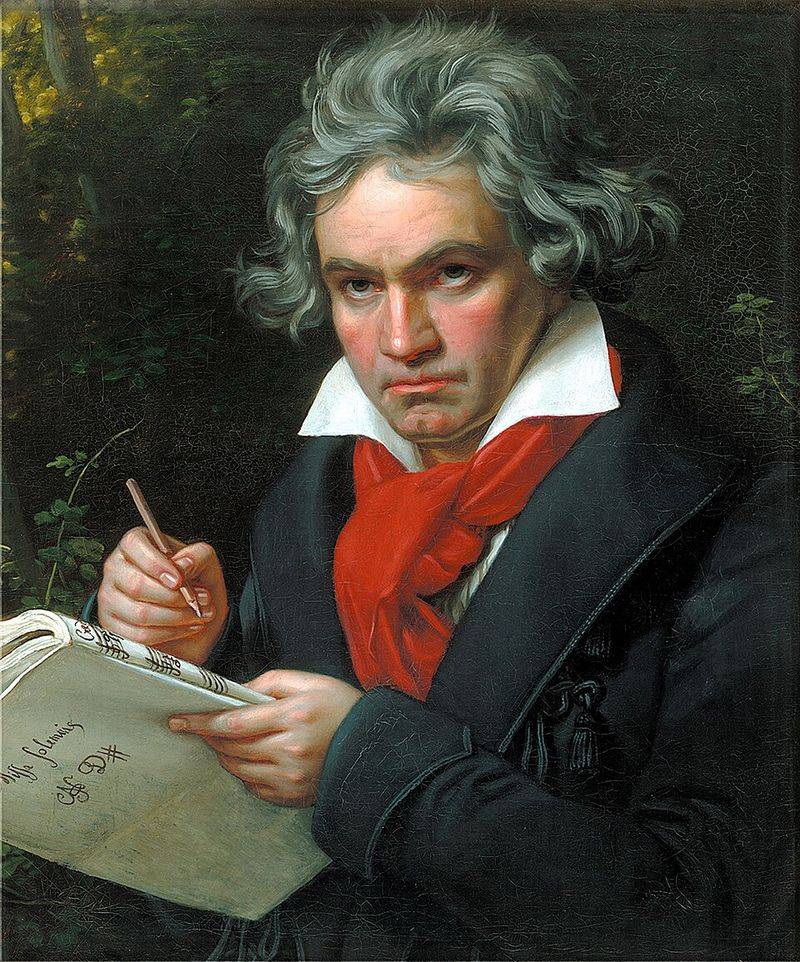
Imagine trying to write music you can barely hear. That was Ludwig van Beethoven’s reality for much of his career, and yet he produced some of the most powerful compositions in history while nearly deaf.
His hearing began deteriorating in his late 20s, which was devastating for a man whose entire world was built on sound.
By the time he composed his Ninth Symphony, widely considered one of the greatest musical works ever created, his hearing loss was almost total. At its premiere in 1824, Beethoven stood on stage and continued conducting even after the music had ended, completely unaware of the thunderous applause filling the hall.
A soloist had to gently turn him around to see the audience’s reaction.
He reportedly wept. That moment is one of the most quietly heartbreaking and inspiring scenes in all of music history.
Pure determination wrapped in a powdered wig era.
8. Marie Curie’s Notebooks Are Still Radioactive Today
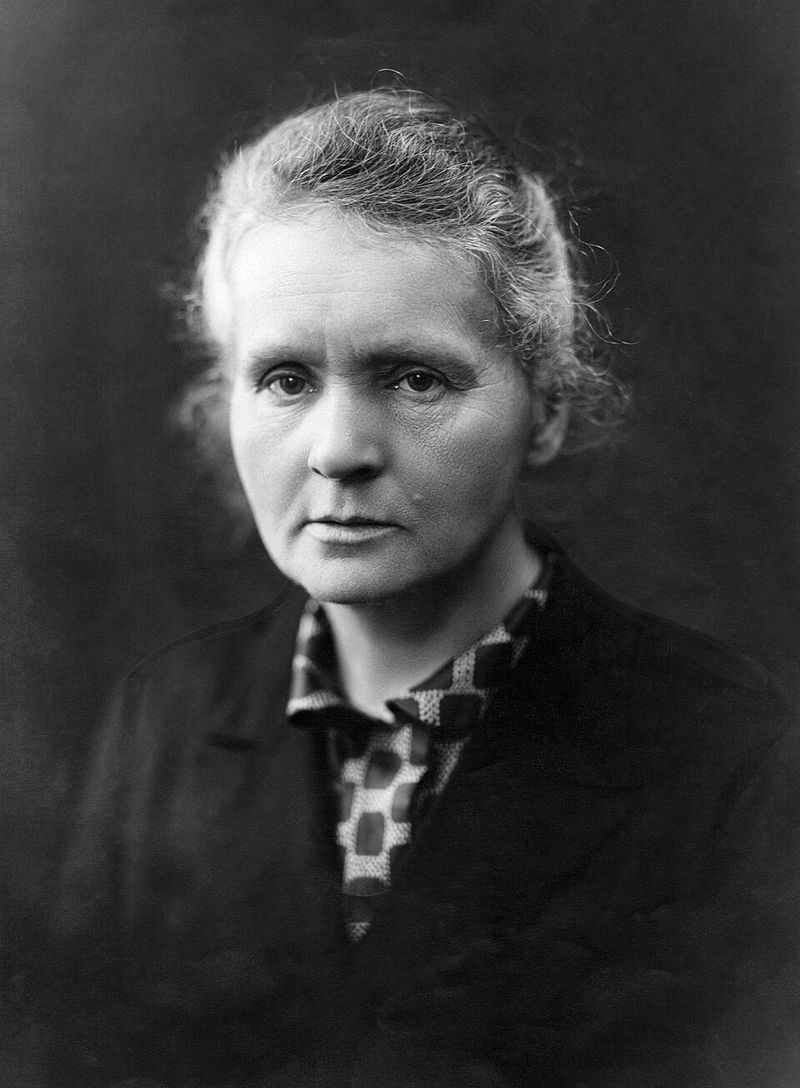
More than a hundred years after Marie Curie made her groundbreaking discoveries, her personal belongings are still considered hazardous. Her notebooks, clothing, and even her cookbook are so contaminated with radioactive material that they are stored in lead-lined boxes at the Bibliotheque nationale de France.
Anyone who wants to examine them must sign a liability waiver and wear protective gear.
Curie worked with radium and polonium for decades without understanding the full dangers of radiation exposure. The science of radiation safety simply did not exist yet.
She carried test tubes of radioactive isotopes in her coat pockets and stored them in her desk drawer without a second thought.
She died in 1934 from aplastic anemia, almost certainly caused by her years of radiation exposure. Her dedication to science cost her dearly, but her legacy reshaped medicine, physics, and chemistry forever.
She remains the only person to win Nobel Prizes in two different sciences.
9. Nikola Tesla Was Obsessed With the Number Three
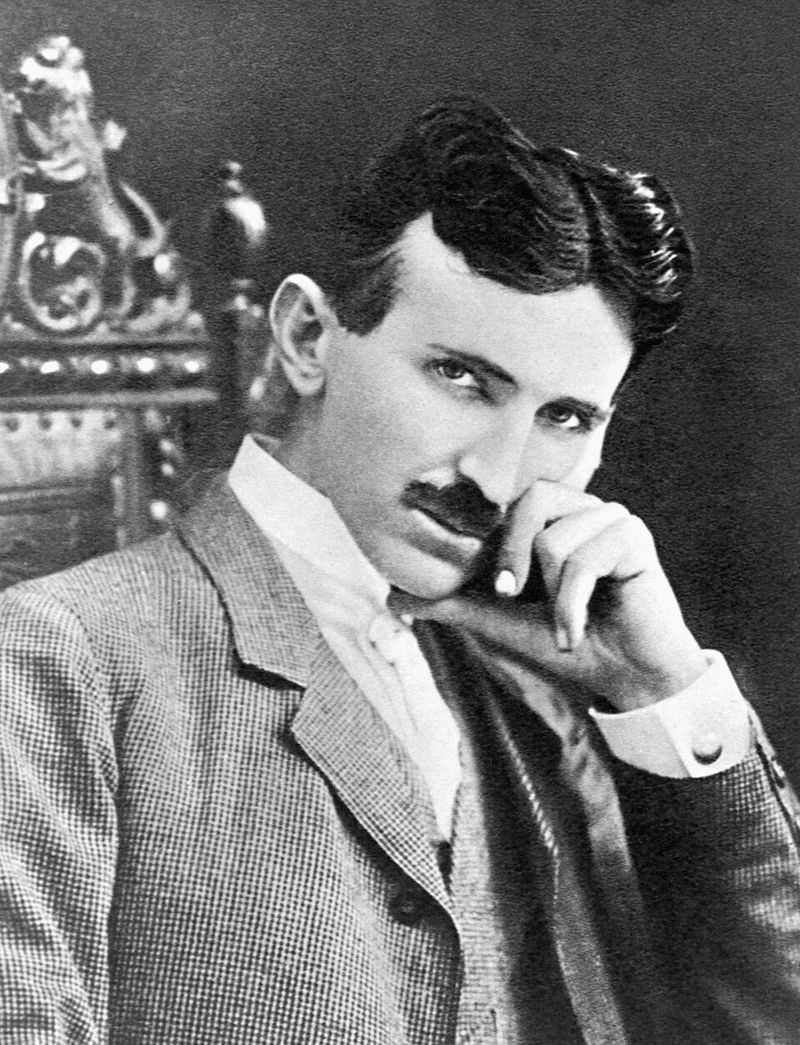
Nikola Tesla was a genius, but he was also deeply, fascinatingly quirky. Among his many unusual habits, his obsession with the number three stood out as particularly memorable.
Before entering any building, he reportedly felt compelled to walk around it three times. Not once, not twice, exactly three times, every single time.
He also insisted on hotel rooms with numbers divisible by three and preferred to do almost everything in sets of three. Tesla himself acknowledged these behaviors and linked them to his compulsive thinking patterns.
Some historians believe he showed signs of obsessive-compulsive disorder, though that diagnosis did not exist during his lifetime.
Despite these habits, or perhaps alongside them, Tesla produced some of the most revolutionary inventions of the modern age, including alternating current electrical systems and early radio technology. The moral of the story?
Brilliance and weirdness are not mutually exclusive. In Tesla’s case, they were practically roommates.
10. Leonardo da Vinci Sketched One of the Earliest Helicopter Concepts

Centuries before the Wright Brothers and long before anyone had even dreamed of a helicopter, Leonardo da Vinci was already sketching ideas for vertical flight. Around 1489, he designed what he called an “aerial screw,” a device with a helical surface intended to compress air and lift itself off the ground.
It looked a little like a giant spinning top made of linen and wire.
Da Vinci never built a working model, and the materials available in the 1400s would not have made it possible anyway. But the core concept, using a rotating blade to generate lift, is exactly what helicopters do today.
The man was basically writing memos to the future.
His notebooks were filled with hundreds of inventions that would not become reality for centuries, from solar power concepts to armored vehicles. Da Vinci did not just think outside the box.
He was apparently living in a completely different box altogether.
11. Charlie Chaplin Once Lost a Charlie Chaplin Look-Alike Contest
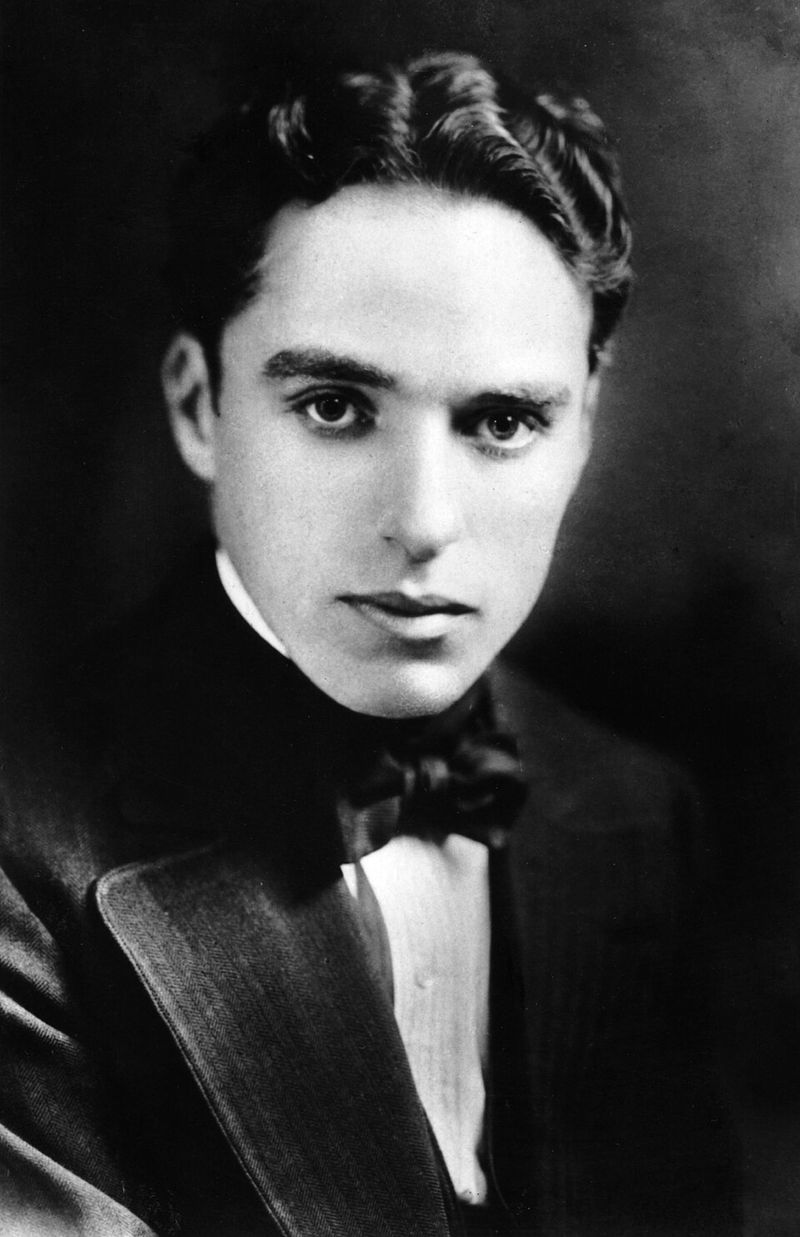
You would think that the one person guaranteed to win a Charlie Chaplin look-alike contest would be, well, Charlie Chaplin himself. Apparently not.
Reports from the early 1900s suggest that Chaplin once entered one of these contests anonymously, presumably just to see what would happen, and he did not even make the final round.
The story has become something of a legend, and while some historians debate whether it is entirely accurate, it has been cited often enough to stick around in popular culture. Whether true or embellished, it perfectly captures the absurdity that Chaplin himself loved to highlight in his films.
Chaplin built his entire career on the comedy of the little man being overlooked and underestimated by the world around him. So if the story is true, the universe had a wonderful sense of humor that day.
The Tramp, outcharlieing everyone except the actual Charlie. Perfect.
12. Napoleon Bonaparte Wrote a Romantic Novella
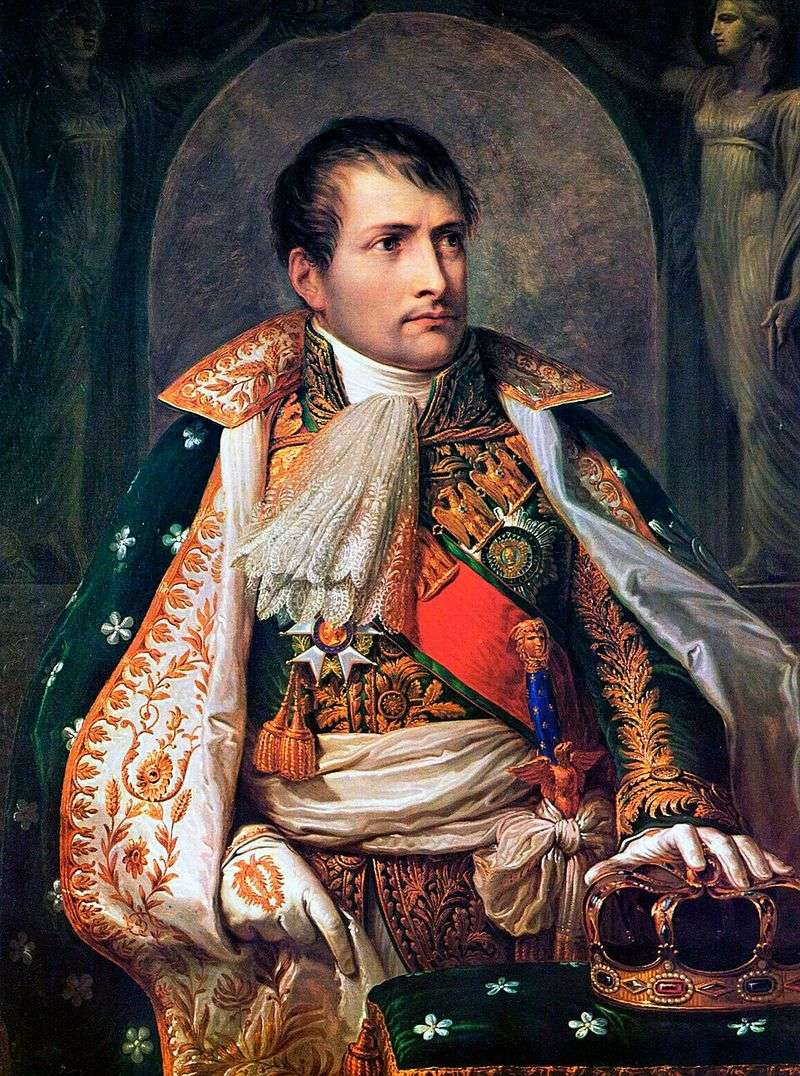
Before Napoleon was conquering Europe and rewriting legal codes, he was writing love stories. Around 1795, the young military officer penned a short romantic novella called Clisson et Eugenie.
The story follows a soldier who falls deeply in love, only to have his heart broken while away at war. Sound familiar?
It was based partly on Napoleon’s own romantic heartbreak.
The novella was never published during his lifetime and was only rediscovered and published in full in 2007. It reads as surprisingly emotional for a man history remembers mostly for battlefield tactics and a famously short temper.
The writing reveals a sensitive, lovelorn side that his military reputation tends to overshadow completely.
Scholars find it fascinating because it shows Napoleon as a young man still figuring out who he was before the ambition fully took over. Even future emperors, it turns out, sometimes just need to write through their feelings.
13. Mahatma Gandhi and Leo Tolstoy Exchanged Letters
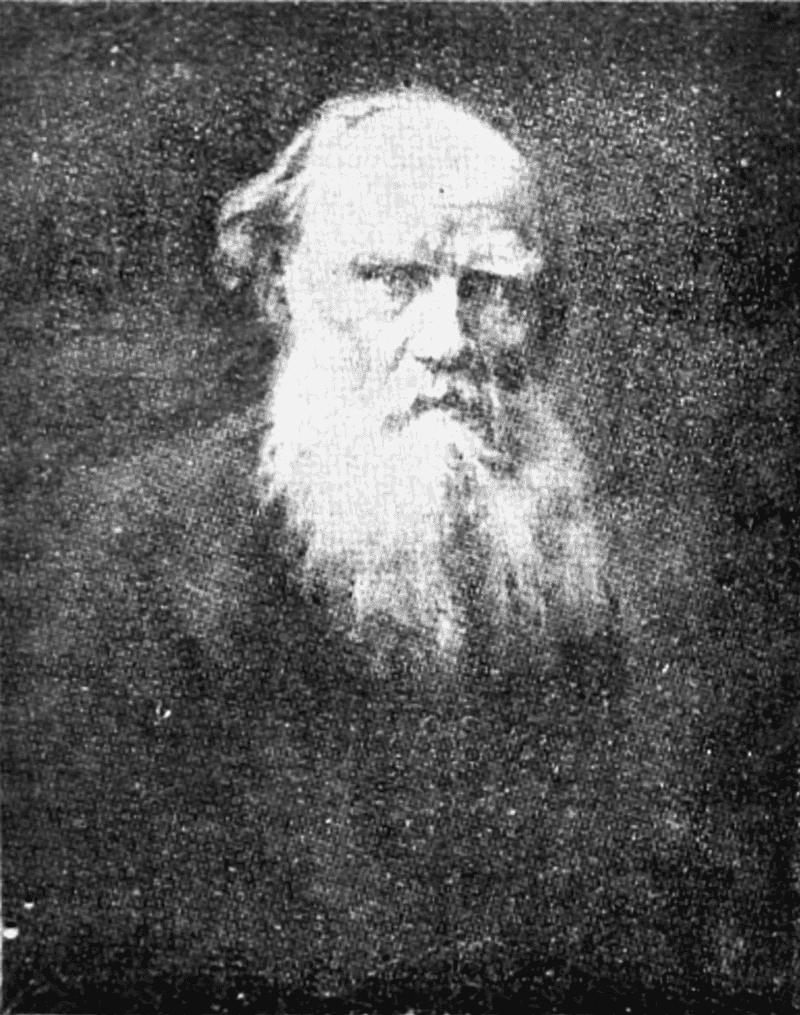
Two of history’s most powerful advocates for nonviolence actually wrote letters to each other, and the correspondence is as thoughtful as you would expect. Between 1909 and 1910, Mahatma Gandhi and Russian literary giant Leo Tolstoy exchanged a series of letters discussing nonviolent resistance, social reform, and the moral responsibilities of individuals facing oppression.
At the time, Gandhi was a young lawyer working in South Africa, fighting for the rights of Indian immigrants. Tolstoy, already in his 80s and near the end of his life, had long been writing about nonviolent civil disobedience as a moral philosophy.
Their exchange was brief but meaningful, with Tolstoy expressing deep admiration for Gandhi’s work.
Tolstoy died in November 1910, just months after their final letter. Gandhi later said the correspondence had a lasting influence on his thinking.
Two giants, separated by thousands of miles, shaping the future of peaceful protest through the postal service. Remarkable.
14. Agatha Christie Disappeared for 11 Days in 1926
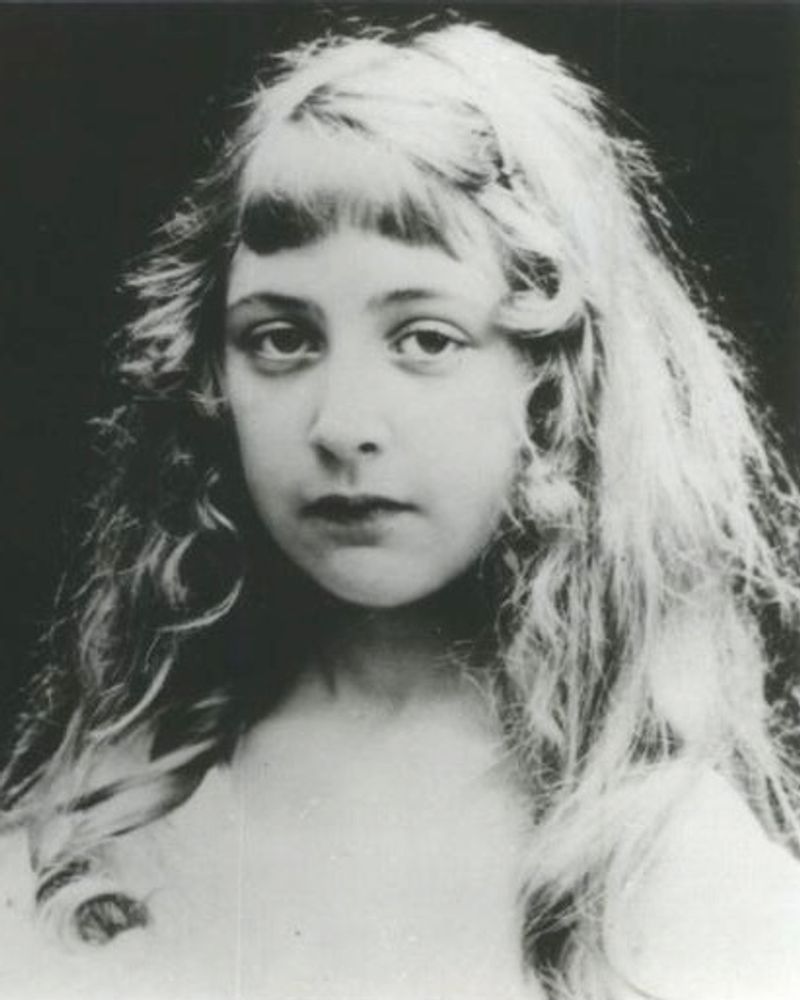
The world’s best-selling mystery novelist once became the subject of her own real-life mystery. On December 3, 1926, Agatha Christie vanished.
Her car was found abandoned near a lake in Surrey, and she was nowhere to be seen. Britain went into a full-scale panic, with over 1,000 police officers and 15,000 volunteers joining the search.
Eleven days later, she was discovered at a hotel in Harrogate, registered under a false name, calmly having breakfast. She claimed to have no memory of where she had been or how she got there.
Doctors suggested she may have suffered a dissociative fugue state, possibly triggered by the stress of her recent divorce and her mother’s death.
Christie never publicly explained what really happened, and the truth died with her. For a woman who spent decades creating unsolvable mysteries, it seems fitting that she left behind one of her own.
The ultimate plot twist from the queen of crime fiction.
15. Stephen Hawking Appeared on Both The Simpsons and Star Trek
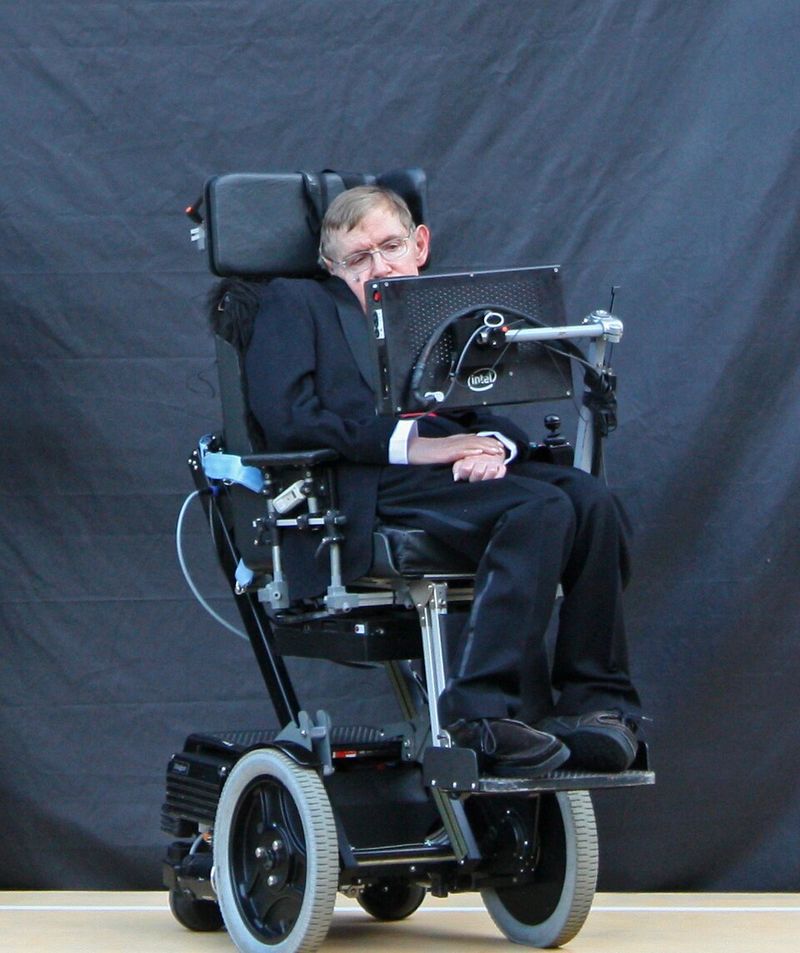
Stephen Hawking was one of the greatest minds in the history of physics, and he also had an absolutely brilliant sense of humor about his own celebrity. He appeared as himself in multiple episodes of The Simpsons, delivering sharp one-liners and poking fun at his genius reputation with perfect comic timing.
The writers loved writing for him because he was genuinely funny.
He also appeared in a memorable episode of Star Trek: The Next Generation, becoming the only person ever to play himself in the Star Trek universe. In the episode, a holographic version of Hawking plays poker with Einstein and Newton.
He reportedly loved filming it and joked that he was checking for design flaws in the warp drive on set.
Beyond the laughs, his willingness to engage with pop culture helped make science feel accessible and exciting to millions of people. Hawking understood that a good joke could reach people that equations never could.
Share this story