 Unearth The Voyage
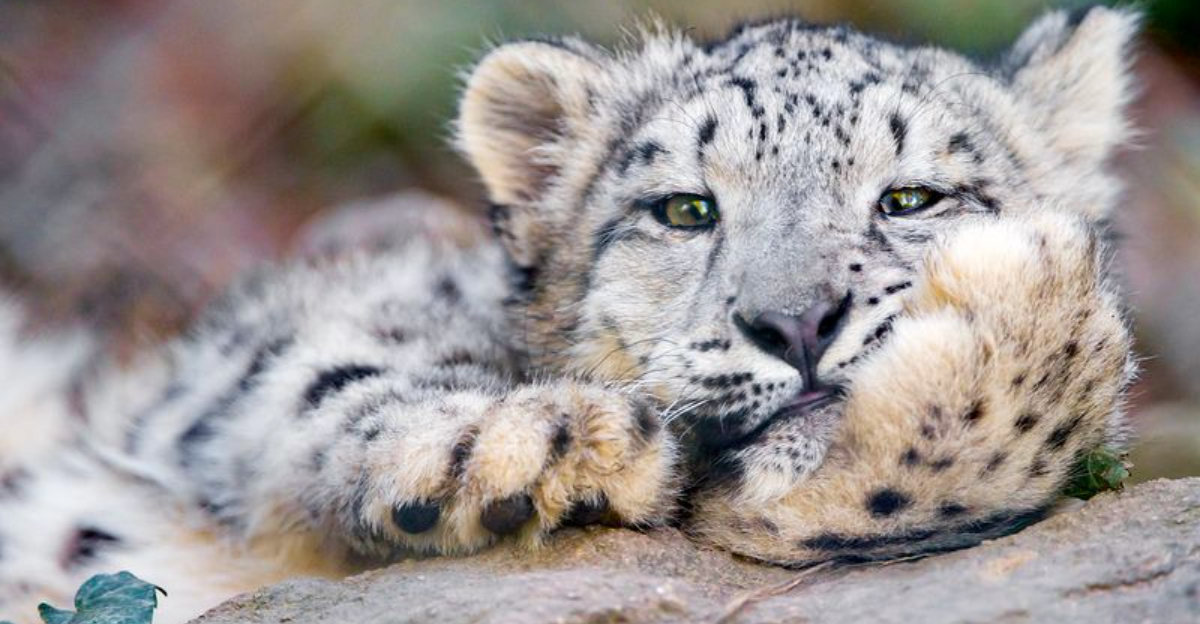
American zoos are home to some of the most extraordinary creatures on the planet, many of which you would never spot in the wild. From big cats prowling mountain ridges to tiny ferrets that were once declared extinct, these animals have incredible stories to tell.
Zoos do more than just display animals — they protect species, run breeding programs, and educate millions of visitors every year. Get ready to meet 15 rare and fascinating animals that make a trip to the zoo truly unforgettable.
Okapi
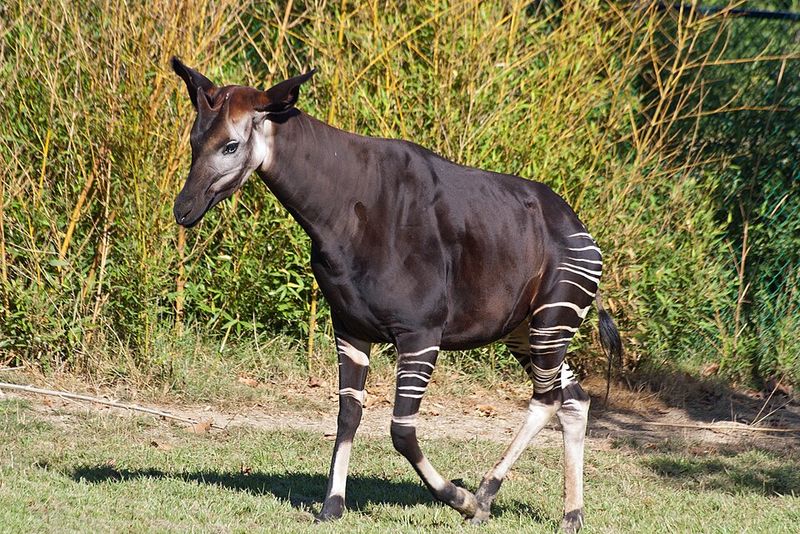
Spotted from a distance, the okapi looks like nature could not quite make up its mind. Zebra stripes on the legs, a body shape borrowed from a horse, and a long neck that hints at its only living relative — the giraffe.
This animal is a walking identity crisis, and that is exactly what makes it so captivating.
Native to the dense rainforests of the Democratic Republic of Congo, the okapi was unknown to Western science until 1901. It hides so well in the wild that researchers still struggle to study it.
Seeing one in a zoo feels like spotting a mythical creature that decided to show up.
Okapis use their long, dark tongues — stretching up to 18 inches — to grab leaves and even groom their own eyes and ears. Zoos that house okapis, like the San Diego Zoo, work closely with conservation groups to protect their rainforest habitat.
Fewer than 10,000 are believed to remain in the wild, making every zoo okapi a genuine ambassador for its species. If you ever get the chance to stand near one, take a good long look — it is well worth it.
Amur Leopard
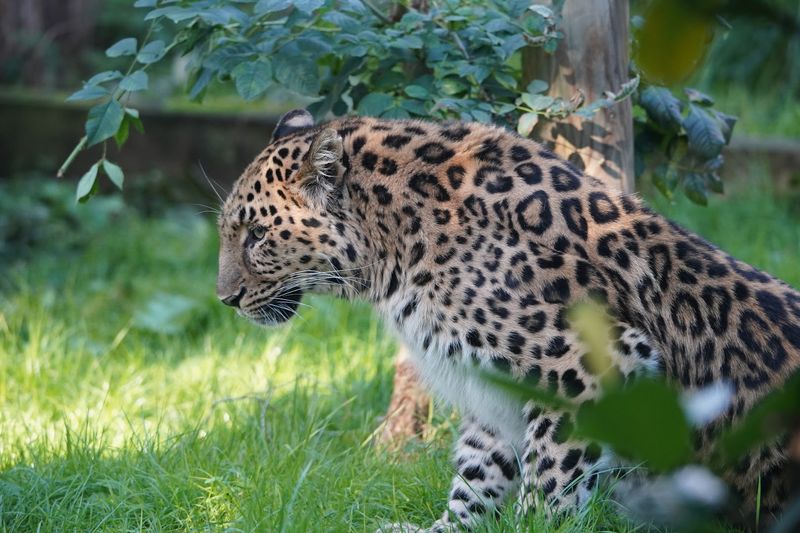
Fewer than 100 Amur leopards exist in the wild — which means this spotted cat is closer to disappearing than almost any big cat on Earth. That number is not a typo.
It is a wake-up call wrapped in fur and rosettes.
Originally from the Russian Far East and northeastern China, the Amur leopard has adapted to survive brutal winters. Its coat is thicker and paler than other leopard subspecies, and its spots are more spread out, almost like someone gave them extra breathing room.
Watching one pace through a zoo exhibit is both breathtaking and sobering.
Several U.S. zoos, including the San Diego Zoo Safari Park, participate in the Species Survival Plan for Amur leopards. These breeding programs carefully match animals to maintain genetic diversity, giving the population a fighting chance.
Cubs born in captivity are a huge deal — celebrated by zoo staff and visitors alike. The Amur leopard reminds us that extinction is not always a distant threat.
Sometimes it is just a few dozen animals away. Supporting zoos that protect these cats is one of the most meaningful things a wildlife fan can do.
Red Panda
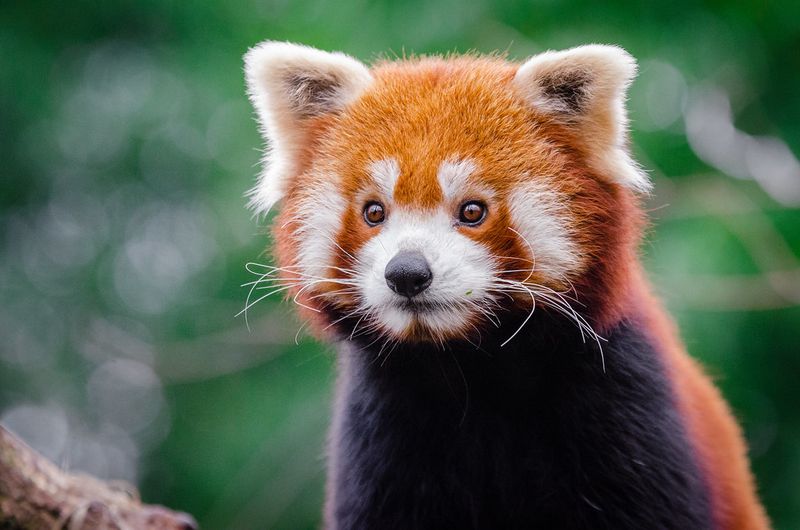
Part raccoon-looking, part fox-colored, and entirely adorable — the red panda is one of those animals that makes people stop walking and just stare. Despite sharing a name with the giant panda, it is not closely related to it at all.
Red pandas belong to their own unique family called Ailuridae.
These tree-loving animals are native to the eastern Himalayas and southwestern China, where they munch on bamboo and sleep curled up in branches with their fluffy tails wrapped around them like scarves. Habitat loss and poaching have pushed them onto the endangered species list, with fewer than 10,000 estimated in the wild.
Zoo Knoxville in Tennessee has become a true champion for red panda conservation, leading breeding efforts and welcoming cubs that make headlines every time. Their red panda program is considered one of the best in the world.
Zoos across the U.S. participate in coordinated breeding plans to keep the captive population healthy and genetically strong. Red pandas are proof that small animals can carry enormous conservation importance.
Next time you see one at a zoo, know that its very existence there is part of a much bigger rescue mission happening behind the scenes.
Clouded Leopard
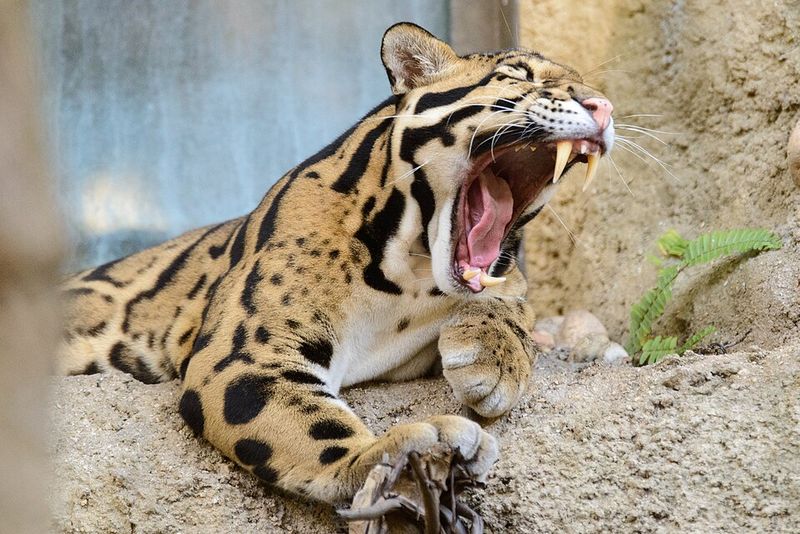
If a leopard and a house cat somehow collaborated on designing the perfect climbing machine, the result would probably look a lot like a clouded leopard. These cats have the longest canine teeth relative to body size of any living cat — making them look like tiny, spotted saber-tooths with a flair for drama.
Clouded leopards live in the forests of Southeast Asia and the Himalayas, spending much of their time in trees. They can hang upside down from branches and climb headfirst down tree trunks, which is genuinely impressive and slightly terrifying.
Their cloud-shaped spots provide perfect camouflage in dappled forest light.
In the wild, clouded leopards are so secretive that scientists rarely spot them. In zoos, they remain elusive in a different way — only a handful of U.S. facilities house them.
The Nashville Zoo and the National Zoo in Washington, D.C. have worked with clouded leopards as part of specialized conservation programs. Breeding them in captivity is notoriously tricky because males can be aggressive toward females.
Zookeepers use careful socialization techniques starting from cubhood. Every successful clouded leopard birth is treated as a major conservation milestone worth celebrating loudly.
Snow Leopard
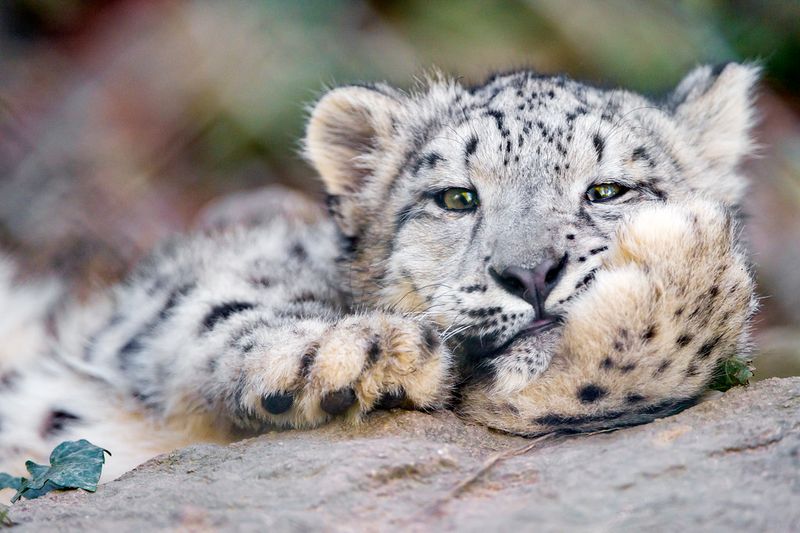
High in the mountains of Central Asia, the snow leopard rules a kingdom most humans will never visit. Thin air, freezing temperatures, and jagged cliffs are its everyday backdrop.
Its enormous paws act like natural snowshoes, and that famously thick tail doubles as a blanket when temperatures drop overnight.
Snow leopards are so elusive in the wild that researchers sometimes go years without a confirmed sighting. Camera traps have helped scientists learn more, but these cats remain one of the most mysterious large predators on the planet.
Seeing one in a zoo is genuinely one of those rare, jaw-dropping experiences.
Several American zoos — including the San Francisco Zoo and the Denver Zoo — house snow leopards in thoughtfully designed mountain-style enclosures. These exhibits mimic the rocky terrain the cats prefer, giving them space to climb, perch, and survey their domain just as they would in the wild.
Snow leopards are listed as vulnerable, with populations threatened by poaching and habitat loss. Zoo breeding programs help maintain a safety net population.
Fun fact: snow leopards cannot roar. Instead, they make a unique sound called a chuff — a soft, friendly puffing noise that is surprisingly charming for such a powerful predator.
Black-Footed Ferret
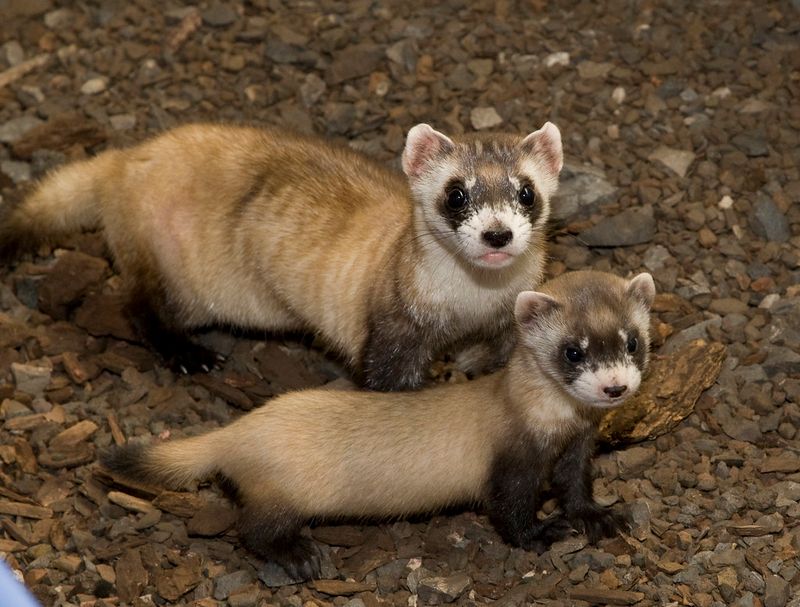
In 1979, scientists declared the black-footed ferret officially extinct. Then, in 1981, a ranch dog in Wyoming named Shep brought home a dead one, and everything changed.
That accidental discovery launched one of the most dramatic wildlife comebacks in American history.
Black-footed ferrets are the only ferret species native to North America. They depend almost entirely on prairie dogs for food and shelter, living in their burrows and eating them for nearly 90 percent of their diet.
When prairie dog populations collapsed due to disease and habitat loss, black-footed ferrets vanished right along with them.
Captive breeding programs at facilities like the Smithsonian Conservation Biology Institute brought the species back from just 18 surviving individuals. Today, thousands have been bred and reintroduced into wild prairies across the American West.
Zoos that display black-footed ferrets are not just showing off a cute face — they are showcasing a living symbol of what conservation can accomplish when people refuse to give up. These ferrets are feisty, curious, and endlessly entertaining to watch.
Seeing one pop its masked face out of a burrow replica at a zoo is a reminder that sometimes the most unlikely comeback stories turn out to be the most inspiring ones of all.
Komodo Dragon
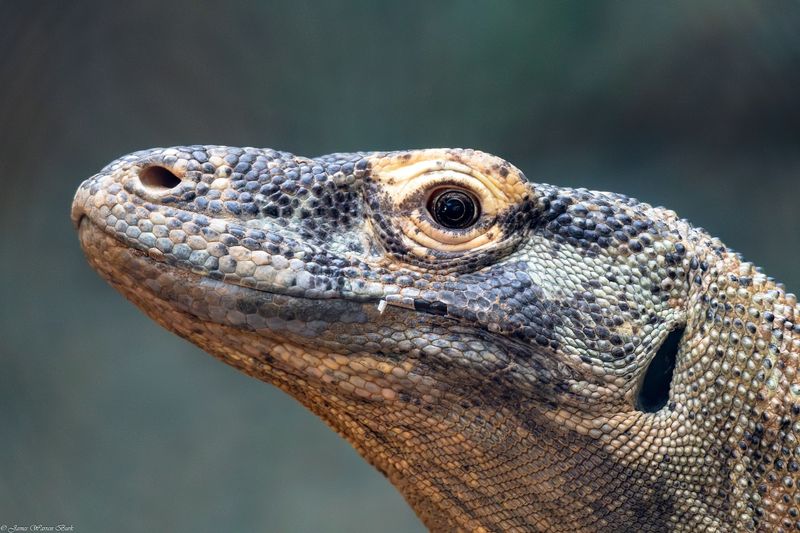
Walking up to the Komodo dragon exhibit at a zoo and realizing just how enormous these lizards are is a full-body experience. Adults regularly reach 10 feet in length and weigh over 150 pounds — and they carry themselves like they know exactly how impressive that is.
Native to a handful of Indonesian islands, including Komodo and Flores, these reptiles are the world’s largest living lizards. They hunt deer, pigs, and even water buffalo using a combination of serrated teeth and venom that prevents blood from clotting.
Prey that escapes the initial attack does not usually get far.
Only a select few U.S. zoos house Komodo dragons, including the Denver Zoo and Zoo Atlanta. Caring for them requires specialized heated enclosures, carefully managed diets, and handlers who understand that these animals are not just oversized iguanas.
They are powerful predators with ancient instincts. Komodo dragons can also reproduce through parthenogenesis — meaning females can produce offspring without a male under certain conditions.
That biological trick has surprised more than a few zookeepers over the years. Watching a Komodo flick its long forked tongue at zoo visitors is one of those moments that sticks with you long after you have left the reptile house.
White Alligator
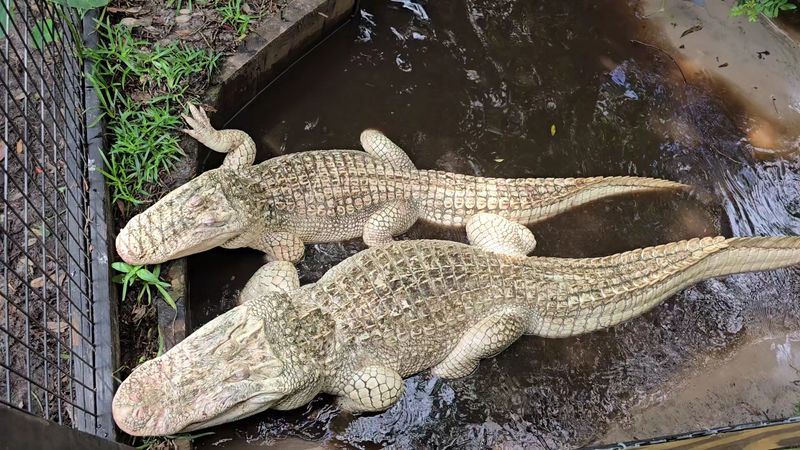
Most alligators are built for camouflage — dark, muddy, and practically invisible in swampy water. White alligators, on the other hand, seem to have skipped that memo entirely.
Their ghostly pale skin and piercing blue eyes make them look like something out of a fantasy novel rather than a Louisiana bayou.
White alligators are not albinos. They have a condition called leucism, which reduces pigmentation but leaves the eyes blue rather than pink.
True albino alligators do exist but are even rarer. Leucistic white alligators are believed to number fewer than 20 in the entire world, making each one genuinely extraordinary.
The Audubon Aquarium of the Americas in New Orleans is one of the most famous places to see white alligators in the U.S. Their exhibit draws enormous crowds, and for good reason.
In the wild, white alligators would struggle to survive — their lack of camouflage makes them easy targets for predators when young. Zoo environments give them a safe, climate-controlled home where visitors can appreciate their strange beauty without putting them at risk.
Spotting one stretched out under exhibit lighting is an unforgettable sight that even the most casual zoo visitor will remember for years.
Giant Panda
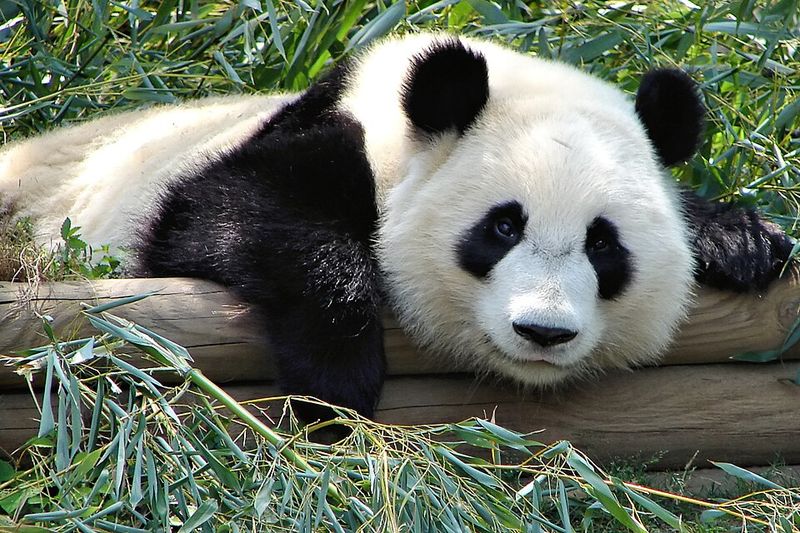
Few animals have ever commanded the kind of international attention that giant pandas do. Their black-and-white faces have appeared on conservation logos, magazine covers, and countless zoo gift shop items for decades.
They are, without question, the rock stars of the animal kingdom.
Giant pandas are native to the mountain forests of central China, where they spend up to 16 hours a day eating bamboo. Despite being classified as carnivores, their diet is almost entirely plant-based.
Their digestive systems are not particularly efficient at processing bamboo, which is why they need to eat so much of it.
For years, zoos like the Smithsonian’s National Zoo and Zoo Atlanta housed giant pandas through loan agreements with the Chinese government. These arrangements were expensive and required strict care protocols, but they gave millions of Americans a chance to see pandas in person.
As of recent years, most U.S. zoos have returned their pandas, though new agreements are being discussed. Giant pandas were downgraded from endangered to vulnerable in 2016, a direct result of conservation efforts.
Their story proves that with enough global cooperation and funding, even the most iconic endangered animals can be pulled back from the edge of extinction.
Manatee
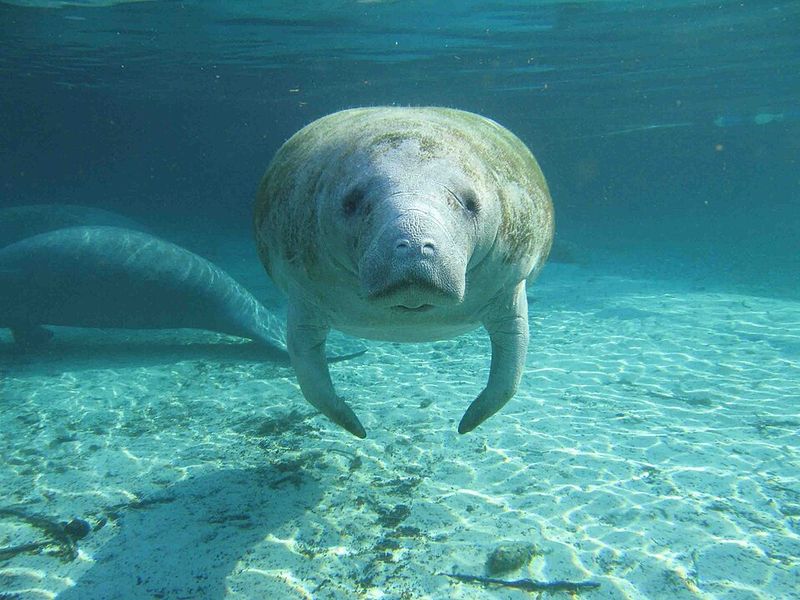
Sailors in the 1400s reportedly mistook manatees for mermaids — which says a lot about how long those sailors had been at sea. Up close, manatees are round, whiskered, slow-moving, and deeply peaceful.
They are the kind of animal that immediately calms you down just by existing.
Manatees live in warm coastal waters, rivers, and estuaries across Florida and the Caribbean. They are herbivores, grazing on seagrass for most of the day.
Boat propellers, cold water stress, and red tide algae blooms are among their biggest threats, landing them on the threatened species list.
Several U.S. aquariums and wildlife facilities, including SeaWorld Orlando and the Columbus Zoo, participate in manatee rescue and rehabilitation programs. Injured or sick manatees are brought in, treated, and — when healthy enough — released back into the wild.
Watching a manatee glide through a large tank, completely unbothered by the crowd pressing against the glass, is oddly therapeutic. These animals move at their own pace and refuse to be rushed by anyone.
Their quiet, unhurried presence is a welcome contrast to the busy world outside the aquarium walls. Manatees deserve every bit of protection they receive and then some.
Mexican Gray Wolf
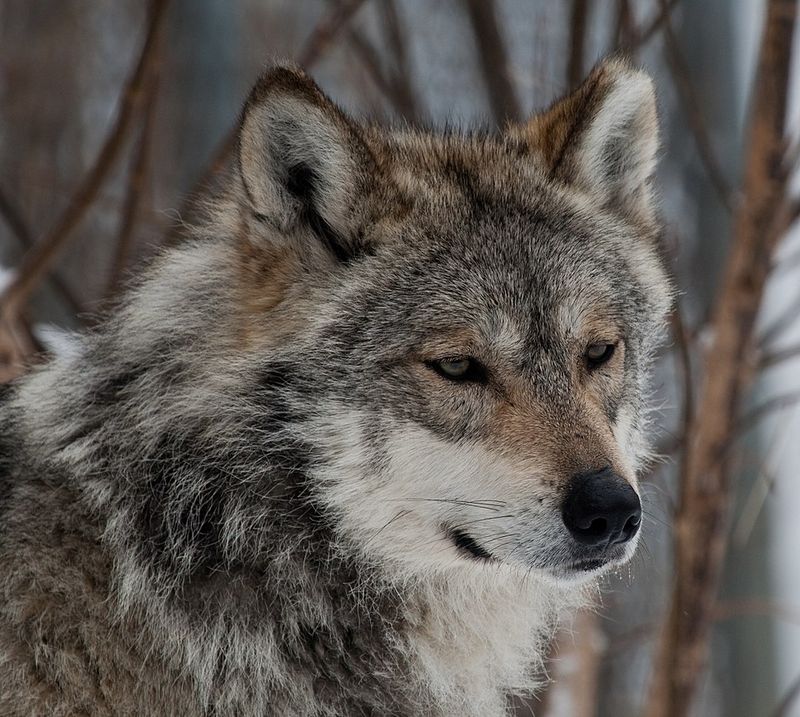
By 1980, the Mexican gray wolf had been hunted, trapped, and poisoned to the point where only a handful survived in captivity. The entire wild population was gone.
Zero. What happened next is one of the most determined wildlife recoveries ever attempted in North America.
Also called the lobo, the Mexican gray wolf is the smallest subspecies of gray wolf and the rarest wolf in North America. It once roamed across the southwestern U.S. and Mexico, playing a vital role in keeping deer and elk populations in check.
Without wolves, ecosystems tend to fall out of balance in ways that ripple through every species in the food chain.
Captive breeding programs involving U.S. zoos — including the Phoenix Zoo and the Rio Grande Zoo in Albuquerque — helped build up a population from those last surviving individuals. Wolves bred in captivity have since been reintroduced into the wild in Arizona and New Mexico.
The wild population has grown steadily, though it still faces threats from habitat loss and illegal shooting. Seeing a Mexican gray wolf pace through a zoo exhibit, amber eyes scanning the horizon, gives you a small window into a predator that nearly vanished forever — and almost did not get a second chance.
California Condor
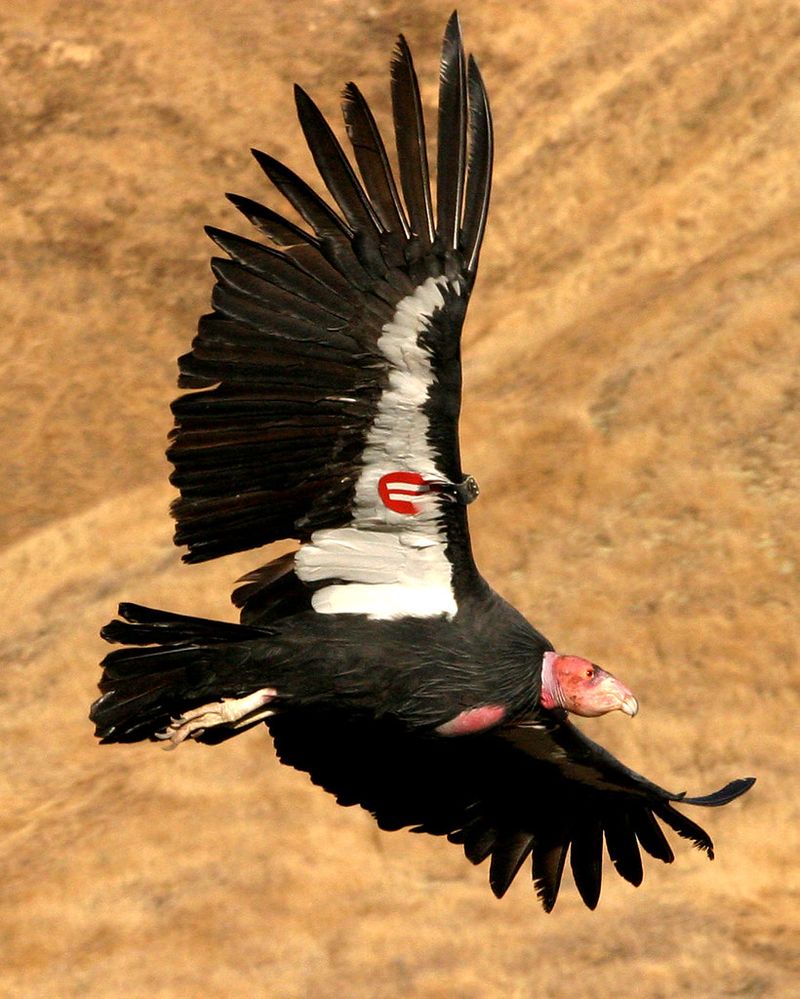
In 1987, the last wild California condor was captured and brought into captivity. All 27 remaining birds on Earth were now living in zoos.
That moment felt like a funeral — but it turned out to be a starting line instead.
California condors are North America’s largest flying land birds, with wingspans stretching up to nearly 10 feet. They are scavengers, soaring on thermal air currents for hours while scanning the landscape below for carcasses to feed on.
Their bald heads, which look a little alarming up close, are actually a hygienic adaptation that prevents bacteria from sticking to feathers during feeding.
Zoo breeding programs at the San Diego Zoo Safari Park and the Los Angeles Zoo became the backbone of the condor’s recovery. Today, over 500 condors exist, with more than half living in the wild across California, Arizona, Utah, and Baja California.
Lead poisoning from ammunition in hunter-killed carcasses remains a serious ongoing threat. Zoos continue to breed and release birds while also educating the public about using non-lead ammunition.
The condor’s comeback is remarkable — a species that touched the absolute bottom and clawed its way back. Standing beneath a condor exhibit and looking up at that wingspan puts the whole story into perspective.
Andean Bear (Spectacled Bear)
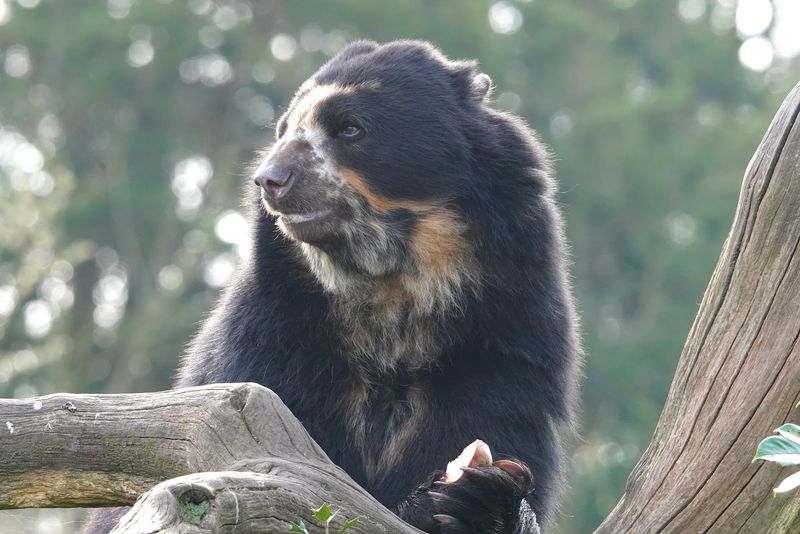
Every Andean bear has a unique set of facial markings — creamy white or yellowish rings and patches around the eyes that look like they were painted on. No two bears have the exact same pattern, which means each one is literally one of a kind.
Scientists actually use these markings to identify individuals in the wild.
The Andean bear, also known as the spectacled bear, is the only bear species native to South America. It lives in the cloud forests and Andean highlands of countries like Peru, Ecuador, and Colombia.
Unlike its grizzly and polar cousins, the Andean bear is mostly vegetarian, feasting on fruit, bromeliads, and cacti. It occasionally eats insects or small animals but prefers plants by a wide margin.
Outside of South America, these bears are rarely seen, making zoo exhibits featuring them genuinely special. The Houston Zoo and the Denver Zoo are among the U.S. facilities that house spectacled bears as part of international conservation programs.
Habitat destruction and hunting for body parts used in folk medicine are the primary threats to the species. Zoo visitors who encounter an Andean bear often remark on how calm and thoughtful the animal seems — almost as if it is carefully sizing you up with those distinctive, ringed eyes.
Blue Lobster
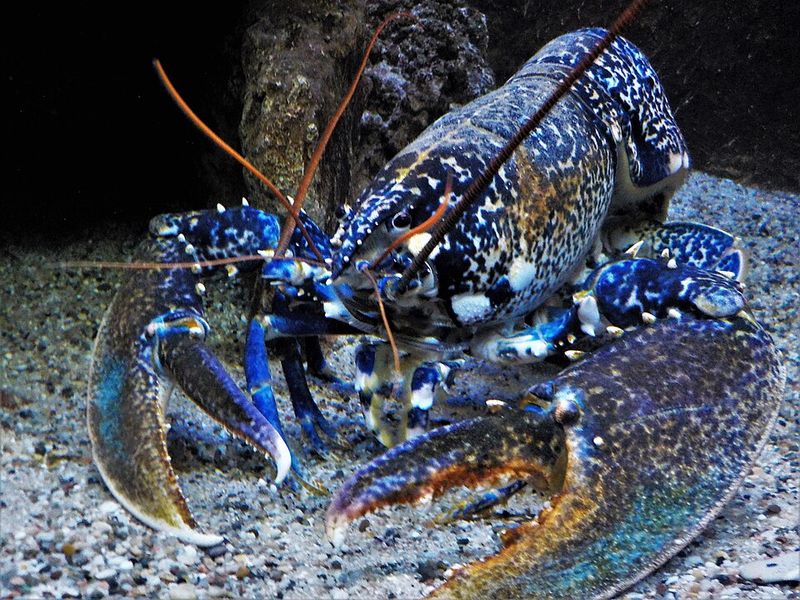
Picture cracking open a lobster trap in the middle of the Atlantic Ocean and pulling out something that looks like it belongs in a cartoon about the ocean. That is exactly what happens when a fisherman hauls up a blue lobster — a genetic rarity so uncommon that the odds of catching one are roughly 1 in 2 million.
The blue coloration comes from a genetic mutation that causes the lobster to produce an excess of a particular protein, creating that electric, almost unreal shade of blue. It has nothing to do with diet or environment — it is simply a biological lottery ticket that very few lobsters win.
Most blue lobsters discovered by fishermen are donated to aquariums rather than ending up on dinner plates.
Several U.S. aquariums display blue lobsters as living curiosities that stop visitors in their tracks. They are the same species as the common American lobster — same claws, same antennae, same grumpy expression — just wearing a much more striking outfit.
Aquarium staff often report that the blue lobster tank draws more lingering visitors than almost any other exhibit nearby. It is a small creature with an outsized ability to spark wonder.
Sometimes the most fascinating animals are not the biggest or rarest — just the ones that make you do a genuine double-take.
Tasmanian Devil
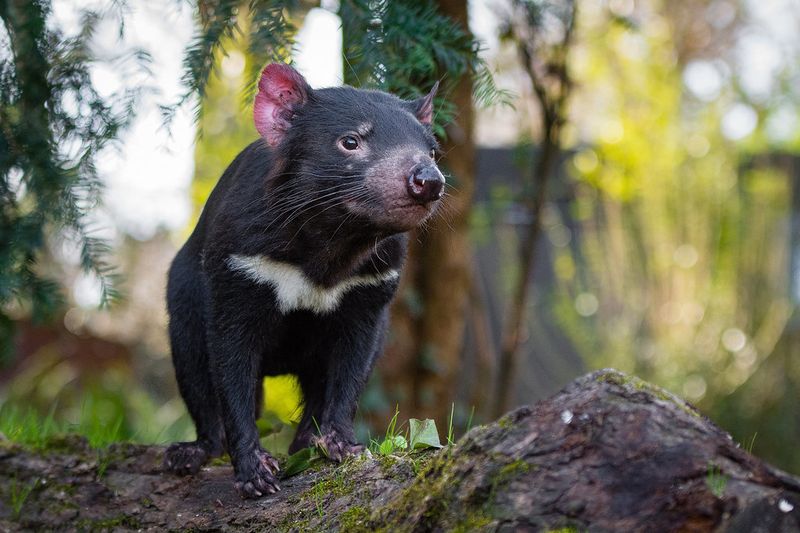
Do not let the small size fool you — a Tasmanian devil has one of the strongest bites relative to body size of any living mammal. It can crunch through bone with the same enthusiasm most animals reserve for much softer meals.
And it is not quiet about it. The screaming, snarling sounds these animals make during feeding are genuinely alarming the first time you hear them.
Tasmanian devils are marsupials native only to the island of Tasmania, off the southern coast of Australia. They are the world’s largest carnivorous marsupials, a title that sounds more impressive once you realize the Tasmanian tiger — which held that title previously — went extinct in the 20th century.
Devils are primarily scavengers, cleaning up carcasses and playing an important ecological role in their habitat.
A contagious facial cancer called Devil Facial Tumor Disease has devastated wild populations, wiping out up to 80 percent of some groups. American zoos, including the San Diego Zoo, have stepped up by housing Tasmanian devils and supporting conservation programs in Australia.
Insurance populations in zoos help protect the species in case wild populations collapse further. Visitors who see a Tasmanian devil for the first time are often surprised by how compact and almost dog-like it looks — right up until it opens that jaw.



