 Unearth The Voyage
If you crave wild encounters without the crowds, these rare habitats keep the magic intact. Each place hides extraordinary species and stories, from desert cheetahs to cave-dwelling arthropods.
You will need patience, a trusted guide, and respect for local rules to see them at their best. Ready to trade famous parks for quiet edges where nature still whispers first-hand secrets?
1. Khar Turan National Park – Iran
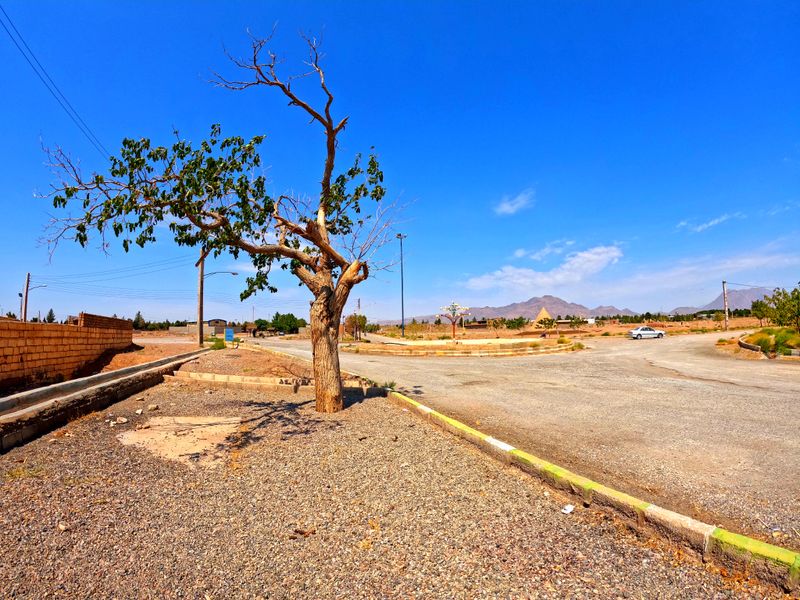
Khar Turan feels like a mirage that refuses to vanish. Vast gravel plains and salt flats stretch toward low mountains, and you quickly learn to read tracks rather than expect roadside sightings.
With luck and skilled local scouts, you might glimpse the critically endangered Asiatic cheetah or Persian onager moving at dusk.
This is a patient traveler’s park, best approached with humble expectations. Birds of prey cruise thermals, sandgrouse stitch the sky, and foxes ghost between dunes.
Nights are ink dark, the kind that sharpen hearing so every distant call feels important.
Services are sparse, which protects the quiet. Bring extra water, respect seasonal closures, and hire conservation-minded guides who know the routes.
Your presence should leave no trace beyond appreciation, because here the animals come first and the road is barely a suggestion.
2. Jomotsangkha Wildlife Sanctuary – Bhutan
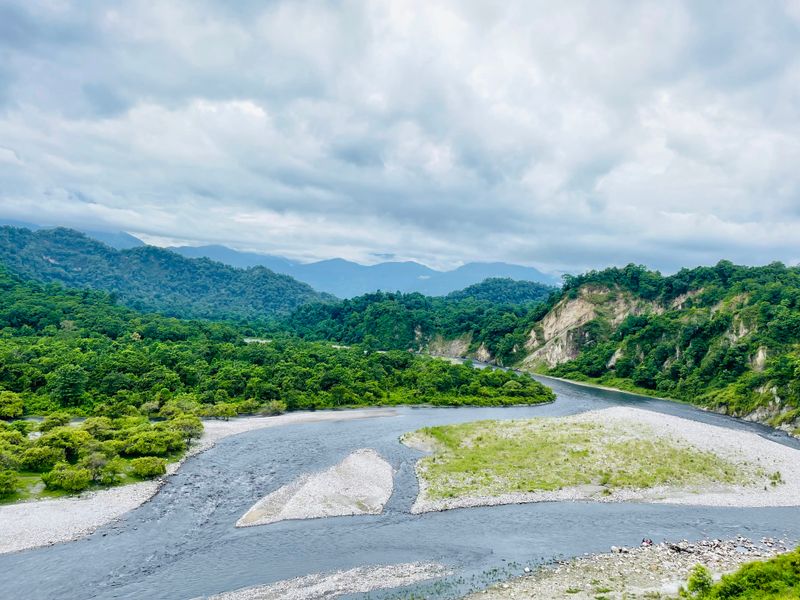
Jomotsangkha sits quiet on Bhutan’s remote southeastern edge, where the Himalayan foothills fold into humid forest. Trails thread through bamboo thickets and sal stands, perfect for shy species like pygmy hog and hispid hare.
Elephants and gaur pass through, leaving signs that reward slow walking and alert eyes.
Local rangers keep watch with gentle authority, and you learn quickly to follow their lead. Birders find trogons and hornbills in the canopy while riverine glades glow at dawn.
The sanctuary’s small size hides its scientific importance for fragmented lowland fauna.
Travel demands permits, patience, and respect for village boundaries. You hear bells on distant cattle and the sudden hush of rain, then the forest breathes again.
Come with a light footprint and flexible plans, because wildlife moves on its own timetable and Jomotsangkha prefers it that way.
3. Princess Sirindhorn Wildlife Sanctuary – Thailand
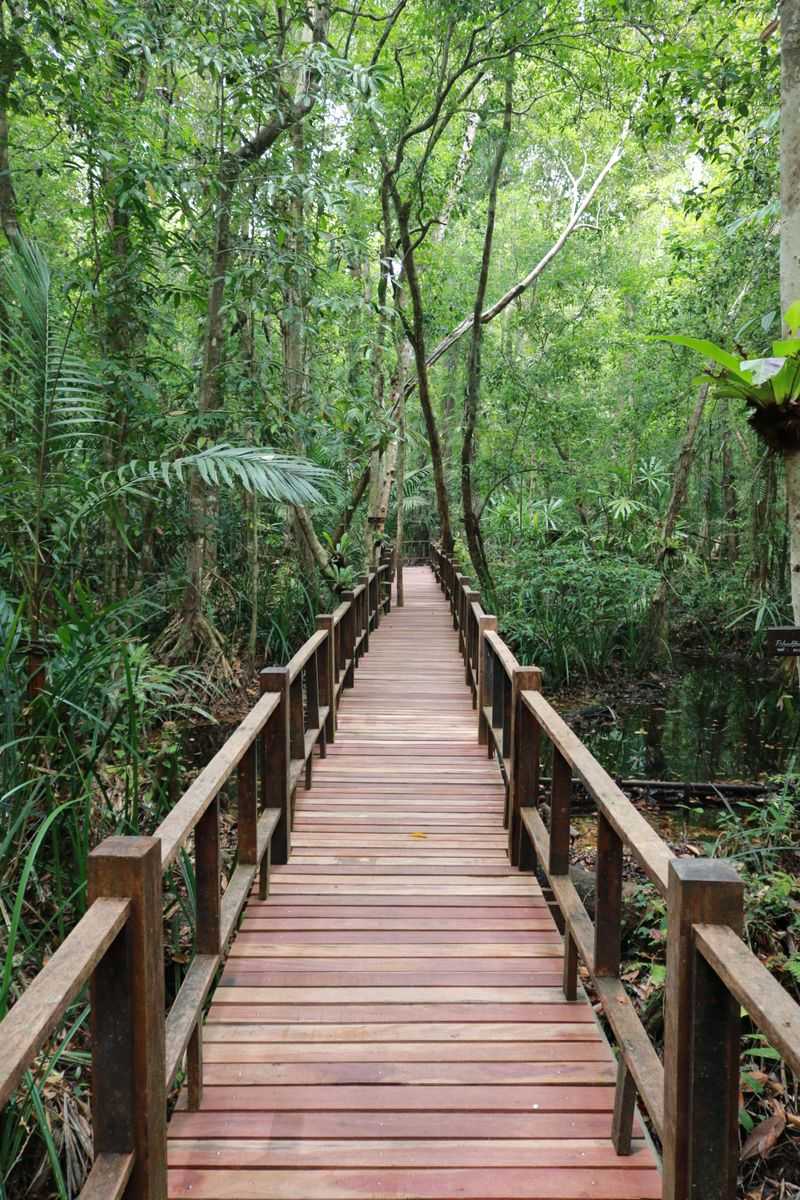
In Thailand’s far south, this sanctuary wraps around peat swamps and slow blackwater channels that few travelers ever see. Camera traps recently confirmed the flat-headed cat here, a semi-aquatic phantom that hunts fish along muddy banks.
You move quietly on boardwalks, listening for kingfishers and the soft plop of something unseen.
Wetlands can feel claustrophobic, but light pools in surprising places. Rattan palms, pandanus, and mangroves knit a maze where otters thread invisible routes.
Guides point to tracks like a language, translating smudges and claw marks into stories.
Expect heat, insects, and gratitude for rubber boots. Afternoon storms can flip plans, yet the sanctuary repays patience with intimate moments.
If you never see the flat-headed cat, remember that rarity is the point here, and the forest’s health is written in the water’s slow, steady flow.
4. Klamath Basin National Wildlife Refuges – USA
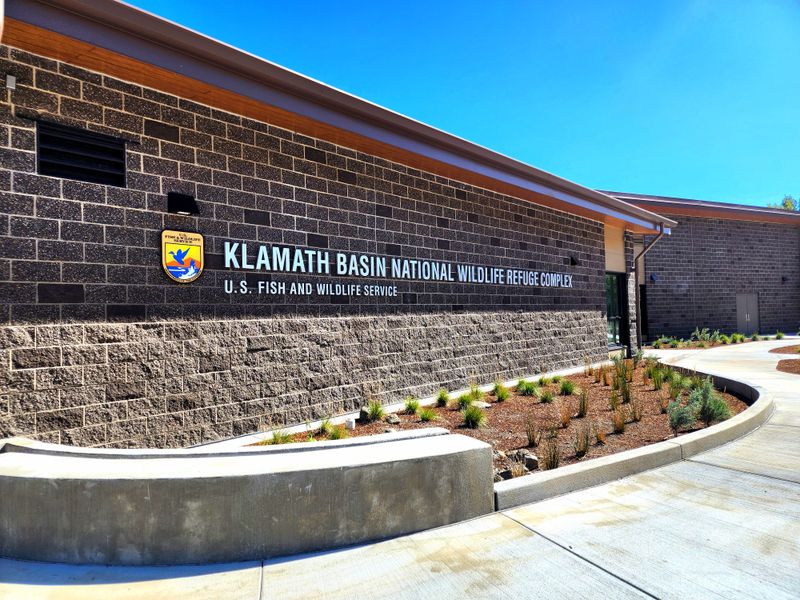
The Klamath Basin breathes winter like a cathedral. Frosted reeds glow at sunrise, and bald eagles lift from cottonwoods in numbers that feel unreal.
Drive the auto routes slowly, glass the fields, and watch for pronghorn on the sage flats and burrowing owls near levees.
This landscape lives at the meeting of water and fire, shaped by volcanoes and irrigation alike. Conservation challenges are real, so your visit carries weight.
Support local refuges, follow closures, and keep a respectful distance from roosts.
When the cold bites, the light turns crystalline. Swans bugle, swirls of pintail stitch the sky, and an eagle stoops with sudden certainty.
It is quieter than Yellowstone, cheaper than many famous parks, and rich with encounters that favor patience, binoculars, and a thermos that never runs dry.
5. Krishna Wildlife Sanctuary – India
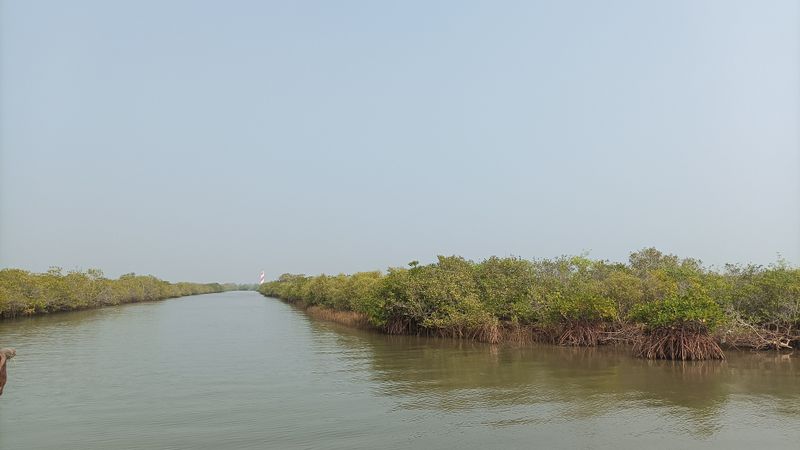
Where the Krishna River greets the Bay of Bengal, tangled mangroves anchor soil and shelter intricate lives. Egrets stab at glassy creeks while mudskippers hop between roots like impatient punctuation.
This sanctuary protects one of South India’s last big mangrove blocks, and you feel that preciousness in the silence.
Boats drift with the tide, avoiding nesting areas and shallow nurseries. You learn to scan for movement rather than form, because mangrove wildlife hides in texture.
Kingfishers flash, otters leave slick paths, and night brings soft choruses from unseen throats.
Local communities steward these channels with deep knowledge. Travel light, ask before landing anywhere, and keep engines low.
The reward is intimacy with a habitat too often dismissed until storms prove its worth, a reminder that resilience begins where roots braid water and earth together.
6. Jenolan Caves Reserve – Australia
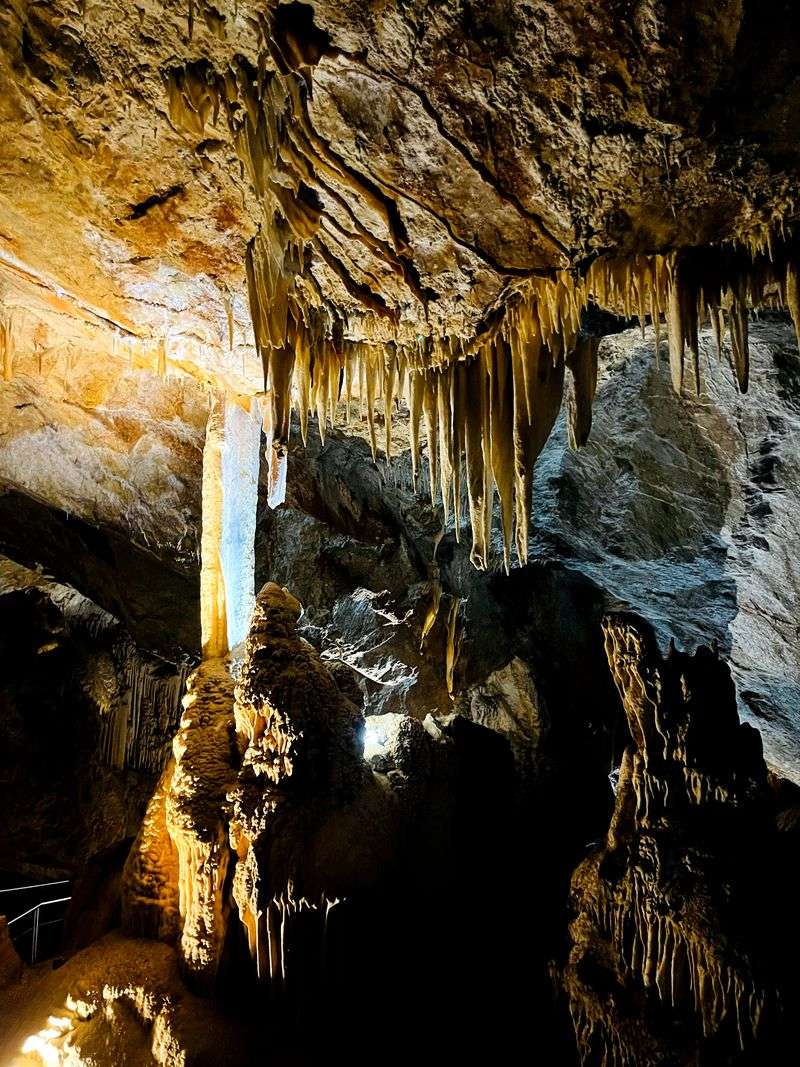
Above ground, blue haze rolls through eucalypt forest and cliffs hold brush tailed rock wallabies like secrets. Below, limestone halls drip with time, and streams run black as polished glass.
The reserve bridges two worlds where Greater sooty owls call and troglobitic arthropods keep to permanent night.
Guided tours help protect fragile formations while wild sections demand experience. Step softly, mind your light, and let the ceilings vanish into darkness.
The air smells of mineral and leaf litter, a strange duet that somehow fits.
Wildlife here is about edges and refuges. Look for wallaby silhouettes at dusk, then listen for wings slipping past in the forest.
You will leave with red dust on boots and a new respect for the lives that carved a home under the mountain long before people brought flashlights.
7. Loch Leven National Nature Reserve – Scotland
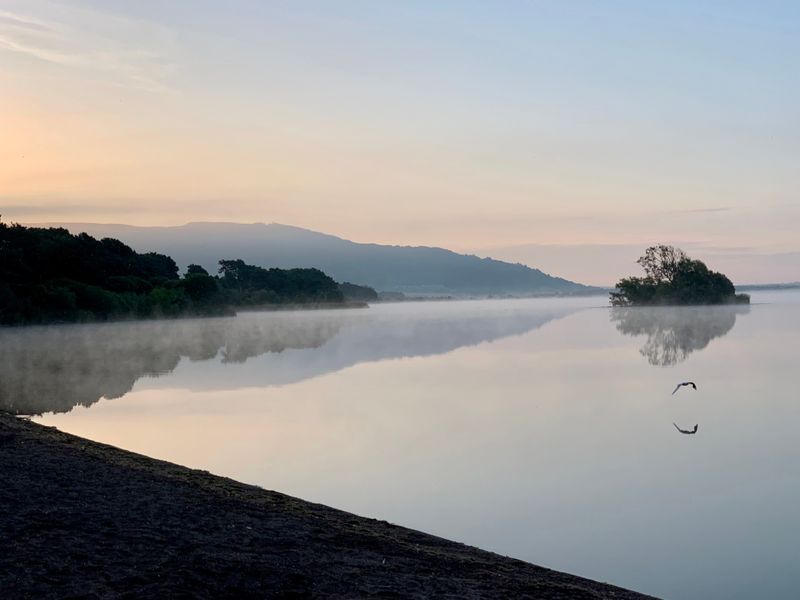
Loch Leven is small on the map but huge in motion. Winter brings tens of thousands of migratory birds, including a remarkable share of pink footed geese, and the sky becomes a living tide.
Paths loop the shoreline so you can settle into one hide and let the day assemble itself.
Geese murmur, teal whistle, and a harrier tilts like a hand tracing wind. The reserve feels friendly to beginners and rewarding for old hands.
Local volunteers share updates without fuss, a quiet hospitality that suits the place.
Pack layers and bring a scope if you have one. You will find patience rewarded at dawn and dusk when flocks lift as one body.
It is less dramatic than Highland peaks, yet the spectacle of arrivals and departures fills the horizon with heartbeats you can almost count.
8. Ballachuan Hazelwood – Scotland
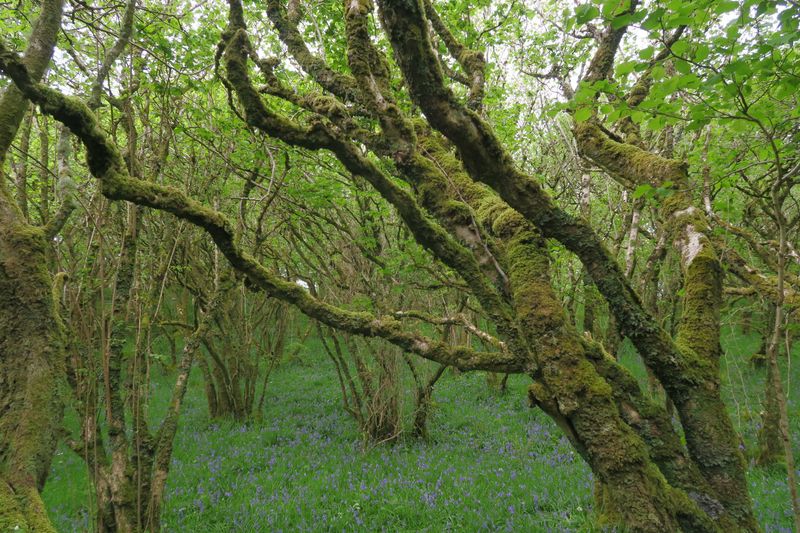
On Seil Island, Ballachuan Hazelwood hums with rain. Ancient hazel twists above mossy boulders while lichens dangle like pale beards, proof of clean air and continuity.
This is a place for slow steps, where rare fungi and bryophytes flourish in shade and time drips from every branch.
Birdsong is muted, but wrens stitch hedges and woodpeckers drum from hidden posts. The trail is short, yet you will linger over small galaxies on rotting logs.
Bring a lens that loves close work and eyes tuned to green.
Conservation here is as delicate as the organisms it protects. Stay on paths, keep dogs close, and let fallen wood be.
The reward is seeing a fragment of Scotland’s original rainforest, a humid whisper that reminds you wildness is not always large, only persistent.
9. Ol Pejeta Conservancy – Kenya
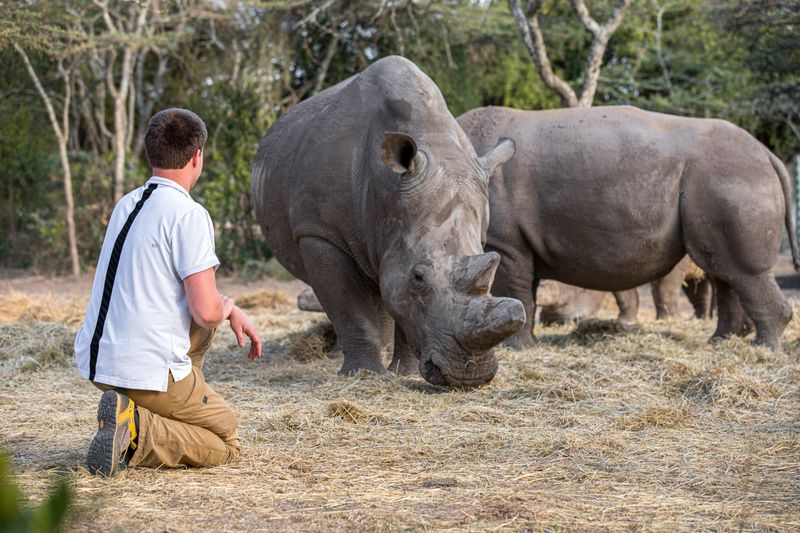
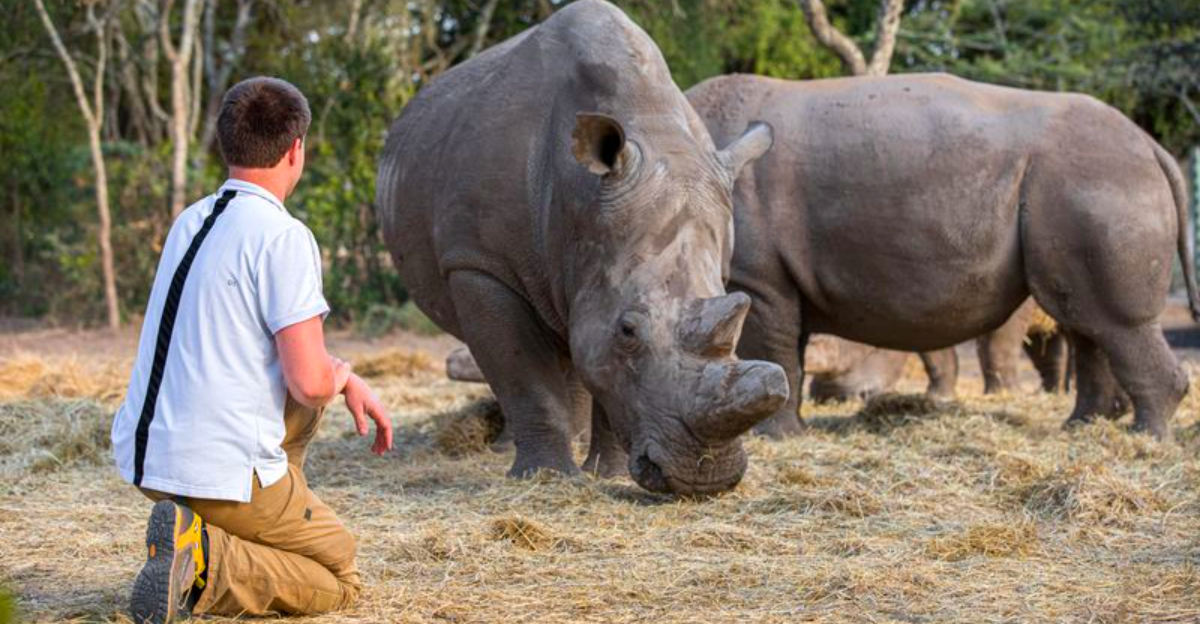
Ol Pejeta sits off mainstream circuits yet carries global weight. It is home to the last northern white rhinos under intensive protection, alongside thriving black rhinos and a chance of wild dog.
Drives move from open savanna to riverine thickets where giraffe and buffalo share uneasy truces.
Guides speak frankly about poaching, genetics, and the ethics of intervention. You may visit the rhino boma under strict rules and leave with a knot in your throat.
The conservancy balances tourism, livestock, and wildlife with unusual transparency.
Come ready to support conservation directly. Trackers read dust and droppings like paperwork in the wind.
Sunsets paint the Laikipia plateau, and you carry out more questions than photos, which feels right for a place working to keep a lineage from slipping into memory.
10. Okavango Delta Wilderness – Botswana
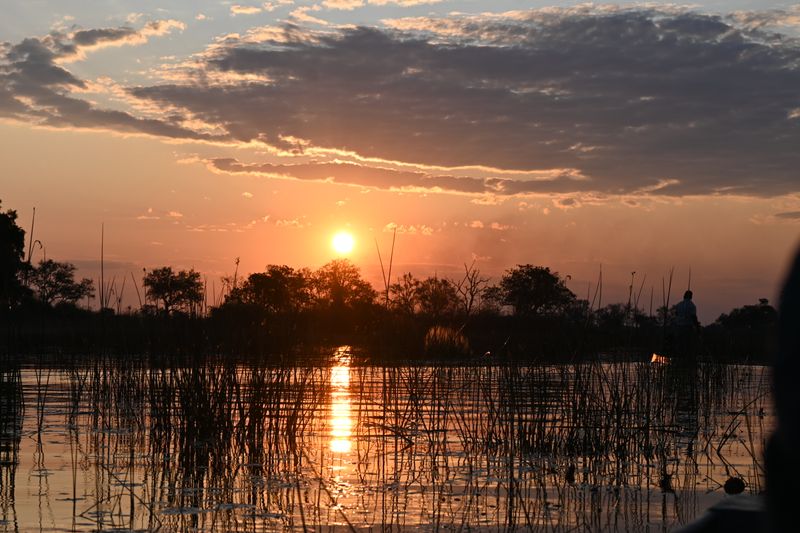
The Okavango’s quiet corners reward travelers willing to trade roads for channels. Glide by mokoro as lilies part and papyrus whispers, scanning for sitatunga footprints pressed like signatures in mud.
Islands hold wild dog packs that move like choreographed ideas across floodplains.
Light shifts constantly here, painting jacanas gold and crocodiles pewter. Camps are small, access is by plane or boat, and your days hang on water levels.
Guides read ripples, bird calls, and the angle of wind with easy mastery.
Expect minimal crowds and maximal listening. Engines stay low, conversations softer, and the night sky unrolls stitched with constellations.
If the dogs do not appear, the reeds still breathe, elephants pass like gray weather, and the delta proves wilderness is a verb that keeps flowing.
11. Manovo-Gounda St. Floris National Park – Central African Republic
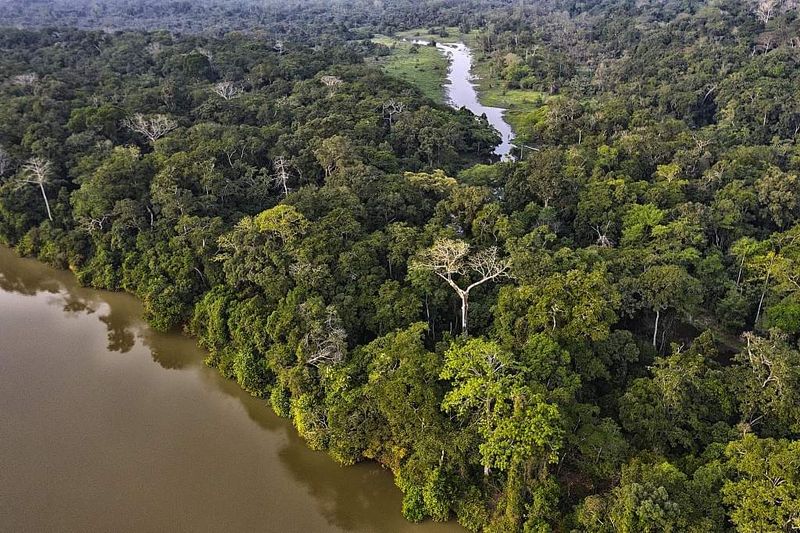
Manovo-Gounda sits beyond most maps, a huge World Heritage landscape strained by conflict yet still harboring quiet herds. Central African elephants roam between river systems and inselbergs, and rare antelope survive in pockets of stability.
Access is difficult, permits complex, and security concerns demand expert operators.
If you come, you do not chase checklists. You come to witness resilience and support on-the-ground conservation where attention is currency.
Flights skim endless woodland and floodplain, revealing patterns of water and grass that shape everything alive below.
Travel here is serious, and your footprint must be light. Patience replaces expectation, and each sighting feels earned.
The park’s future depends on careful visitors and sustained protection so the next generation can inherit more than stories carried home on tired boots.
12. Darien Gap – Panama/Colombia
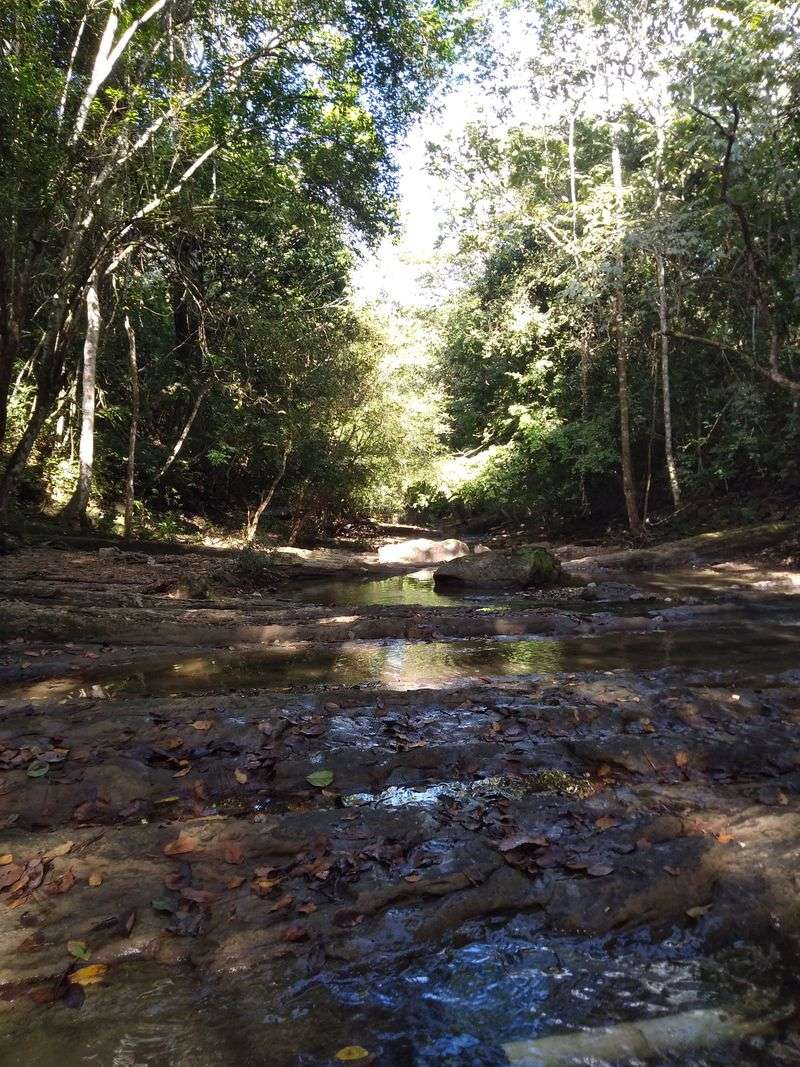
The Darien is a blank space on maps turned living green in person. Roadless and humid, it hides harpy eagles above and jaguars along riverbanks, with amphibians that glow like secrets after rain.
Expeditions rely on local Emberá and Wounaan guides who know the currents and the etiquette.
Travel is hard and rewarding. Canoes nose into creeks where blue morphos flicker like misplaced sky.
Camps feel temporary, respectful, and alert to weather that rewrites plans at will.
Permits and safety protocols are nonnegotiable. You take only photos, leave only camp ash, and listen more than you speak.
The Darien gives glimpses, not guarantees, and that humility is the ticket that keeps this forest from becoming a checklist.
13. Kidepo Valley National Park – Uganda
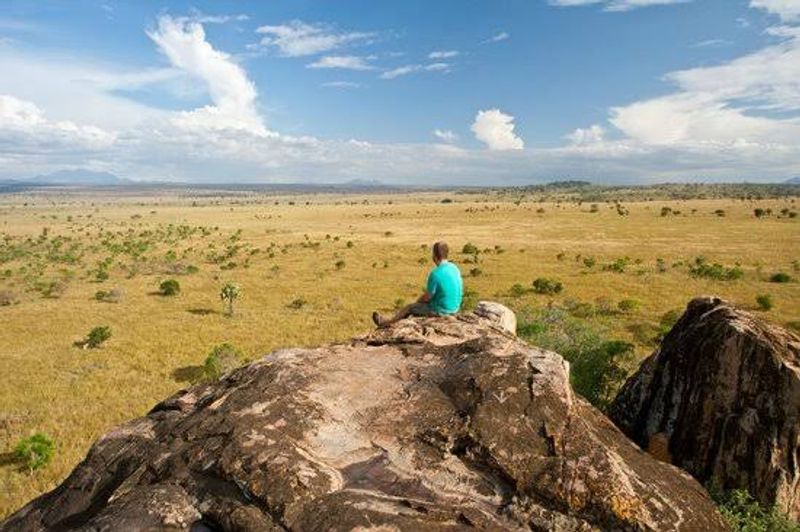
Kidepo sits in a bowl of mountains, a golden savanna far from the usual circuits. Lions sprawl on kopjes like royalty and cheetahs ghost across plains while giraffes stitch the horizon.
The air tastes dry and clean, with roads that feel like lines drawn in pencil.
Visitor numbers stay low, so you spend more time with sightings and less in traffic jams. Rangers share local history as well as tracks, turning drives into conversations.
At dusk, the valley echoes with guinea fowl chatter and distant roars.
Getting here takes time and planning, which filters crowds and heightens focus. Pack fuel, patience, and warm layers for starry nights.
Kidepo rewards people who value space and silence, a park where your memories will sound like wind moving through grass.
14. Isla Espíritu Santo – Mexico
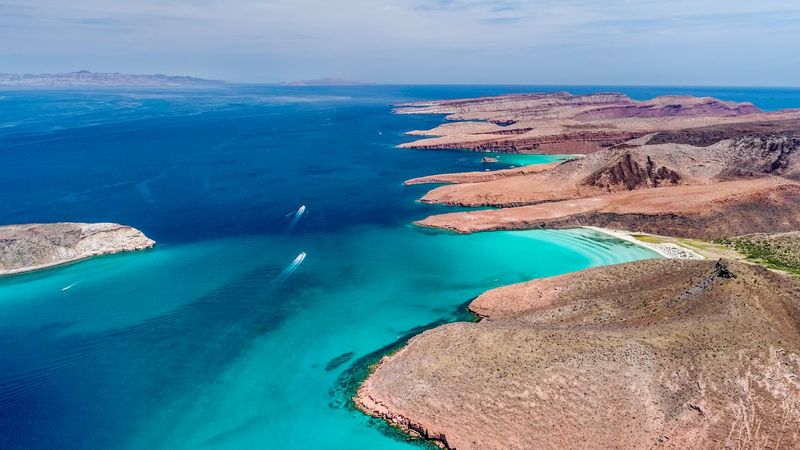
Just off La Paz, Espíritu Santo feels surprisingly wild. Red cliffs plunge into turquoise coves where green and loggerhead turtles feed and nest nearby.
Snorkeling reveals reef fish in confetti colors and sea lions that play like rowdy neighbors.
Guides steer you away from sensitive beaches and time visits to avoid nesting disturbance. Mornings are calmest, and wind can shut the door by afternoon.
Pack sun protection, plenty of water, and curiosity for geology as much as wildlife.
Camps are regulated and low impact. You will fall asleep to water tapping the hull and wake to frigatebirds painting loops above.
The island’s magic lies in its restraint, a reminder that close is not the same as crowded when stewardship sets the pace.
15. Gulf of California (Vaquita Refuge Areas) – Mexico
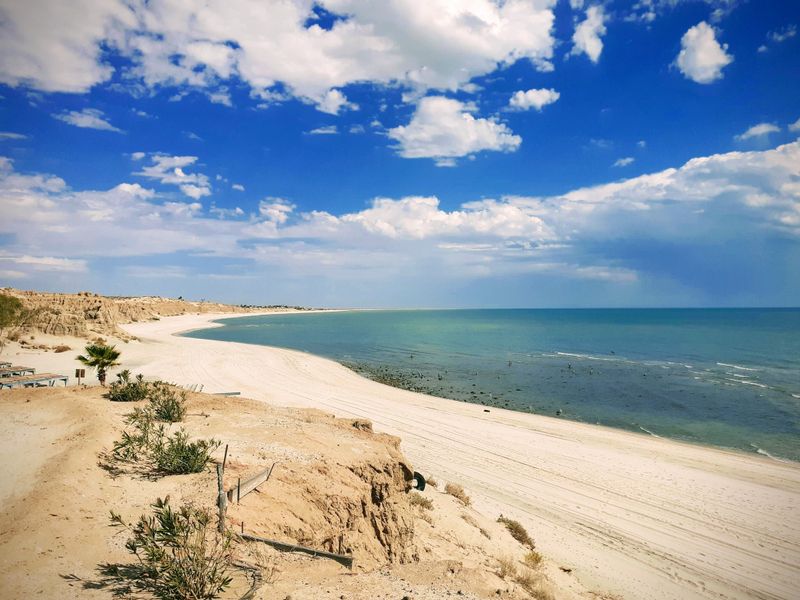
In the upper Gulf, the sea holds a near-vanished voice. The vaquita lives here, if barely, and sightings are almost mythical now.
You go not to see one, but to understand the stakes and support the science and communities fighting for their survival.
Days move with wind and swell. Researchers scan for brief fins while acoustic gear listens below.
Regulations are strict and nets are the heart of the conflict, so conversations carry weight alongside waves.
Travel with operators aligned to conservation and respect all closures. If luck never shows a fin, you still learn how fragile abundance can be.
The horizon looks ordinary, yet it frames one of the hardest conservation battles on Earth, asking us to measure success in futures rather than photographs.



