 Unearth The Voyage
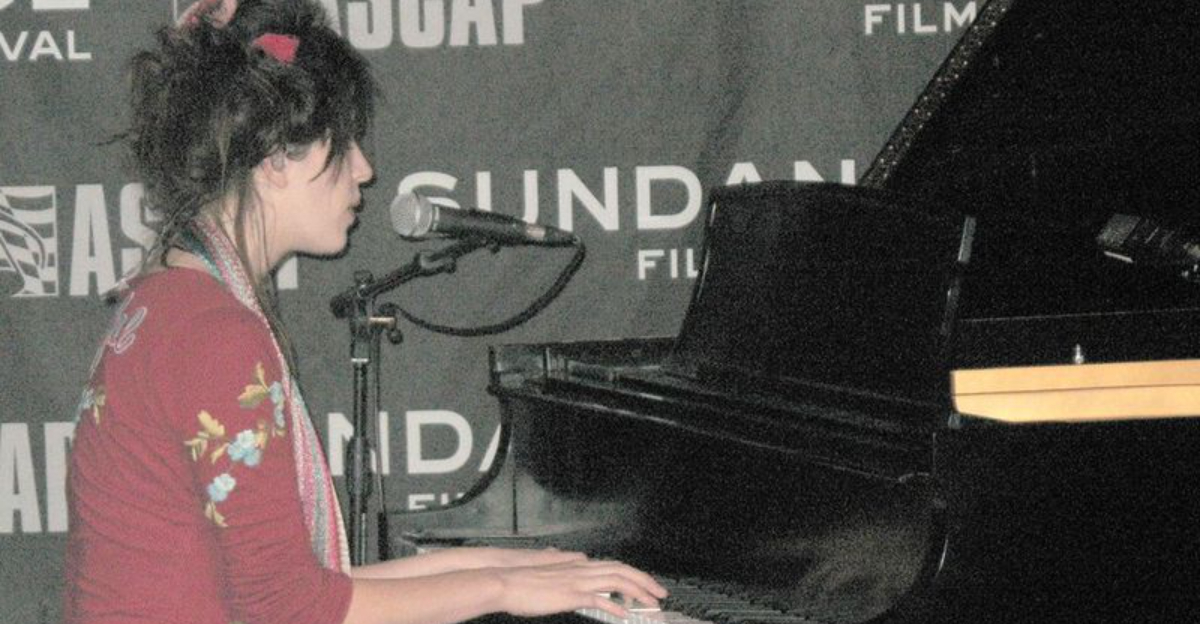
Some musicians are so talented that they don’t need a band at all. These artists write, record, and perform nearly every instrument on their albums entirely on their own.
From guitars and drums to keyboards and brass, they do it all. Get ready to meet 15 musicians who prove that one person can truly sound like a whole band.
1. Prince
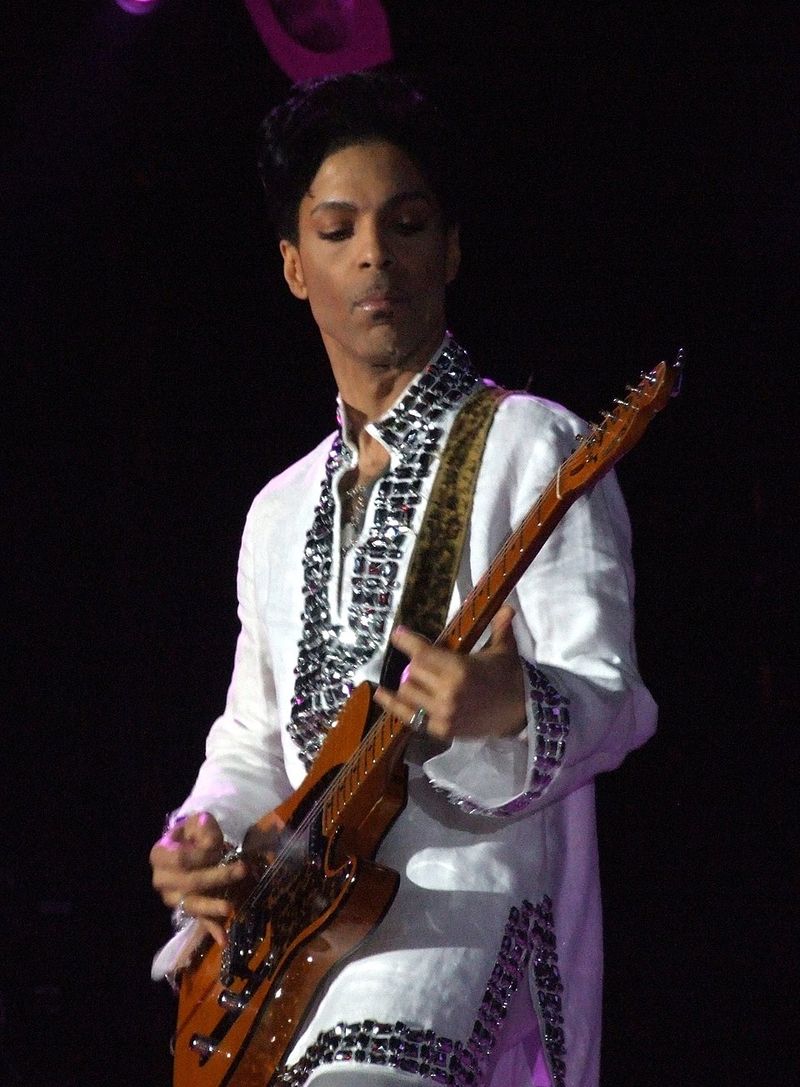
Before most people had even heard of him, Prince walked into a recording studio at age 19 and played nearly every instrument on his debut album himself. That album, called For You, was just the beginning of something extraordinary.
He reportedly mastered over 27 instruments throughout his career.
Prince could switch from guitar to drums to piano without missing a beat. His ability to layer sounds and build full arrangements solo was almost unheard of at the time.
Record labels were genuinely stunned by what he could do alone.
His albums Purple Rain and Sign O the Times are packed with his multi-instrumental brilliance. He rarely needed outside help in the studio.
Prince set a standard for musical independence that still inspires artists today, proving that creative vision and raw talent can replace an entire band.
2. Paul McCartney
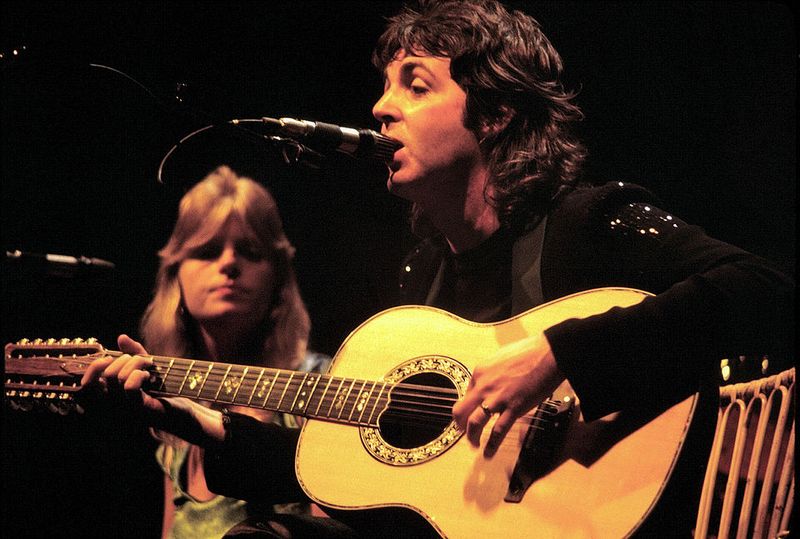
When The Beatles broke up in 1970, Paul McCartney did something quietly remarkable. He went home, set up a basic recording setup, and made an entire album called McCartney almost completely by himself.
He played every single instrument, from bass to drums to acoustic guitar.
The album had a raw, homemade feel that surprised fans used to the polished Beatles sound. But that simplicity was the whole point.
McCartney wanted to show what one person could create without a big production team behind them.
What makes this even more impressive is that McCartney was already one of the most famous musicians on the planet. He could have hired anyone.
Instead, he chose to go it alone. That decision helped shape how future generations of musicians thought about solo recording and creative independence in music.
3. Stevie Wonder
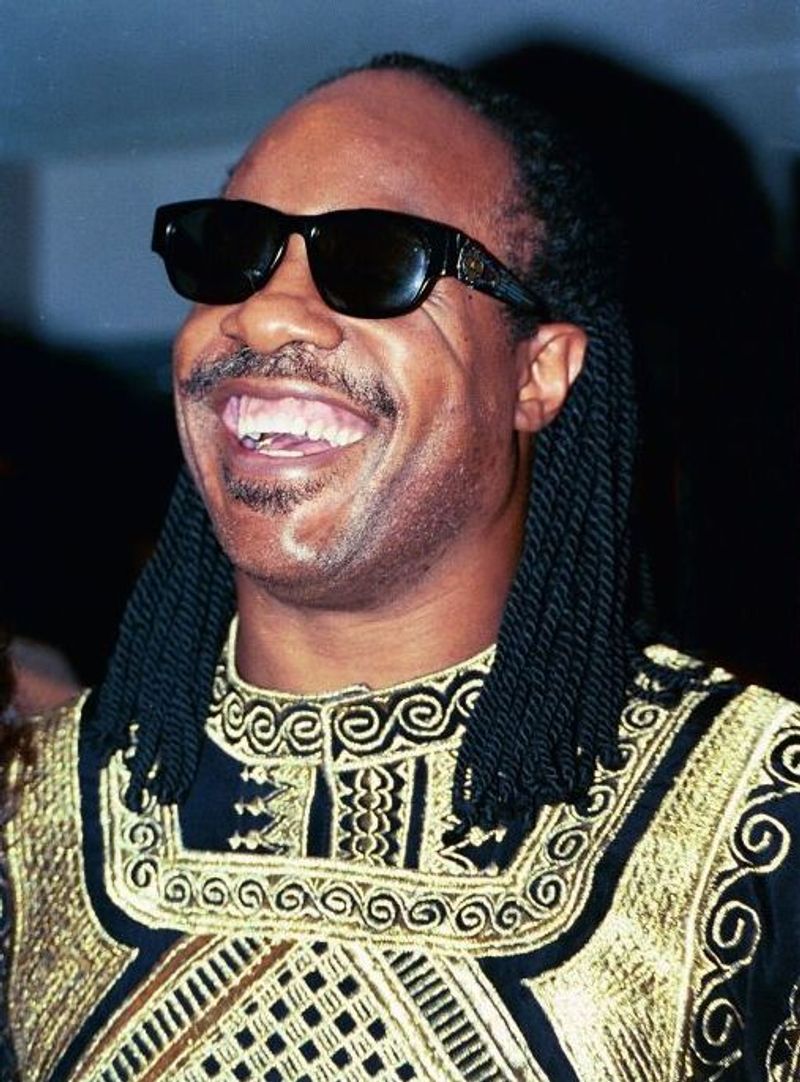
Stevie Wonder changed the music industry in the early 1970s when he renegotiated his Motown contract and gained full creative control over his albums. What followed was a golden era of music that he built almost entirely on his own.
Albums like Innervisions and Songs in the Key of Life are considered masterpieces.
On those records, Wonder played keyboards, drums, harmonica, bass, and more. He used synthesizers in ways that nobody had explored before, blending soul, funk, and jazz into something completely original.
His harmonica playing alone could make you stop and listen.
The fact that Wonder accomplished all of this while being blind from infancy makes his musical journey even more awe-inspiring. He navigated complex studio equipment and instruments with remarkable ease.
His work proved that musical genius has no limits, and that one dedicated artist can reshape an entire genre.
4. Todd Rundgren
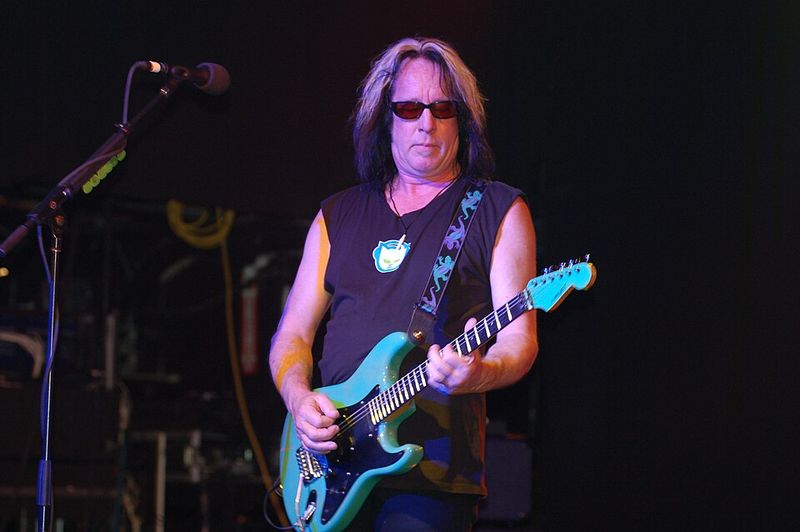
Todd Rundgren is the kind of musician that other musicians admire deeply but the general public often overlooks. His 1972 double album Something/Anything? is one of the most ambitious solo recording projects ever made.
He played virtually every instrument and produced the whole thing himself.
The album spans pop, rock, soul, and ballads, showing off Rundgren’s ability to jump between styles without losing quality. He sang, played guitar, bass, keyboards, and drums across four full album sides.
Critics called it a technical and creative marvel.
Rundgren later became a highly sought-after producer, working with bands like Meat Loaf and Hall and Oates. But his solo work remains his most personal statement.
Something/Anything? stands as proof that one musician with enough dedication and skill can create a record that sounds like a full band effort from start to finish.
5. Mike Oldfield
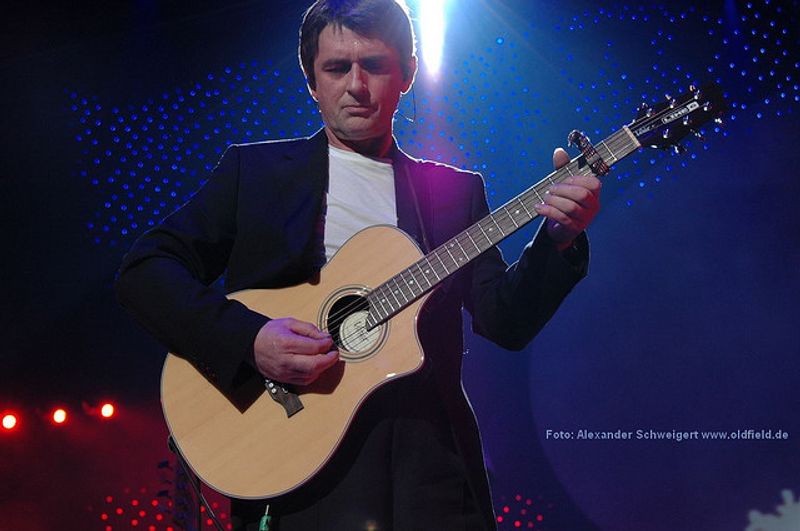
Mike Oldfield was just 19 years old when he recorded Tubular Bells, one of the most unusual and celebrated albums in rock history. He played more than 20 instruments on the record, including guitars, bass, piano, organs, and the iconic tubular bells percussion instrument.
The album runs nearly 50 minutes and shifts through many moods and styles.
Getting the album made was not easy. Many record labels rejected it before Virgin Records founder Richard Branson took a chance on it.
That gamble paid off enormously. Tubular Bells became a massive international hit and helped launch Virgin Records as a major label.
The opening theme later became famous as the music from the horror film The Exorcist, introducing Oldfield to millions of new listeners. His achievement on that album remains a benchmark for solo instrumental recording.
Few musicians have ever matched that level of ambition at such a young age.
6. Trent Reznor (Nine Inch Nails)
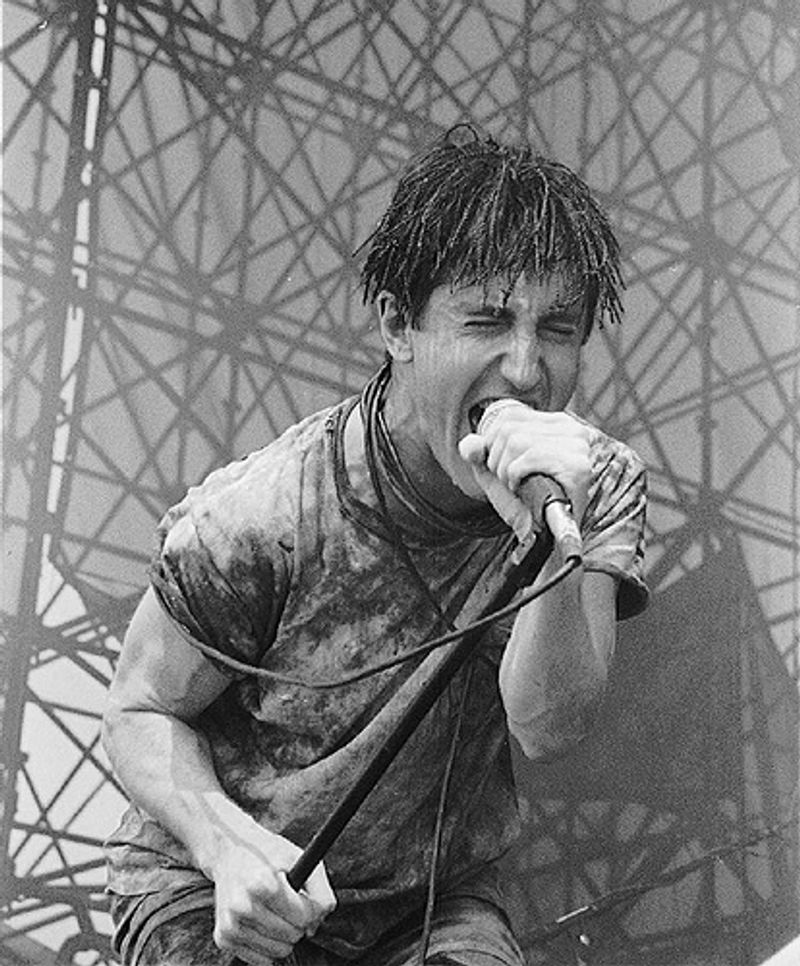
Nine Inch Nails is technically a band, but for most of its history, it has really been one person: Trent Reznor. He writes every lyric, programs every beat, plays most of the instruments, and produces every track.
Other musicians join for live tours, but the creative core is entirely Reznor.
His 1994 album The Downward Spiral is considered one of the greatest industrial rock albums ever made. Reznor built its dark, layered sound almost entirely on his own using synthesizers, guitars, drum machines, and his own voice pushed to emotional extremes.
Reznor has also won Academy Awards for his film scores, including The Social Network. His ability to craft mood through sound is exceptional.
What started as a one-man industrial project in Cleveland in the late 1980s grew into one of the most critically respected names in alternative music history.
7. Kevin Parker (Tame Impala)
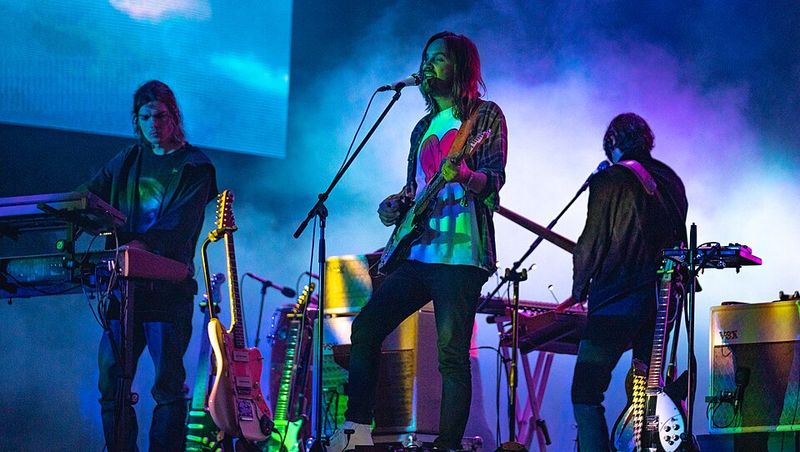
Tame Impala sounds like a full psychedelic rock band with a huge studio budget, but most of what you hear was made by one Australian guy named Kevin Parker in his home studio. Parker records guitars, bass, drums, keyboards, and vocals almost entirely by himself.
His process is slow, careful, and deeply personal.
His 2012 album Lonerism and 2015 follow-up Currents both received widespread critical praise. Currents in particular showed a shift toward electronic and pop sounds, which Parker also built from scratch on his own.
The album reached number one in Australia and made international waves.
Parker has become one of the most in-demand producers in pop music, working with artists like Lady Gaga, Kanye West, and Rihanna. But when it comes to Tame Impala, the studio is his private space.
Every sound you hear starts and ends with him, which makes the results feel incredibly focused and intentional.
8. Sufjan Stevens
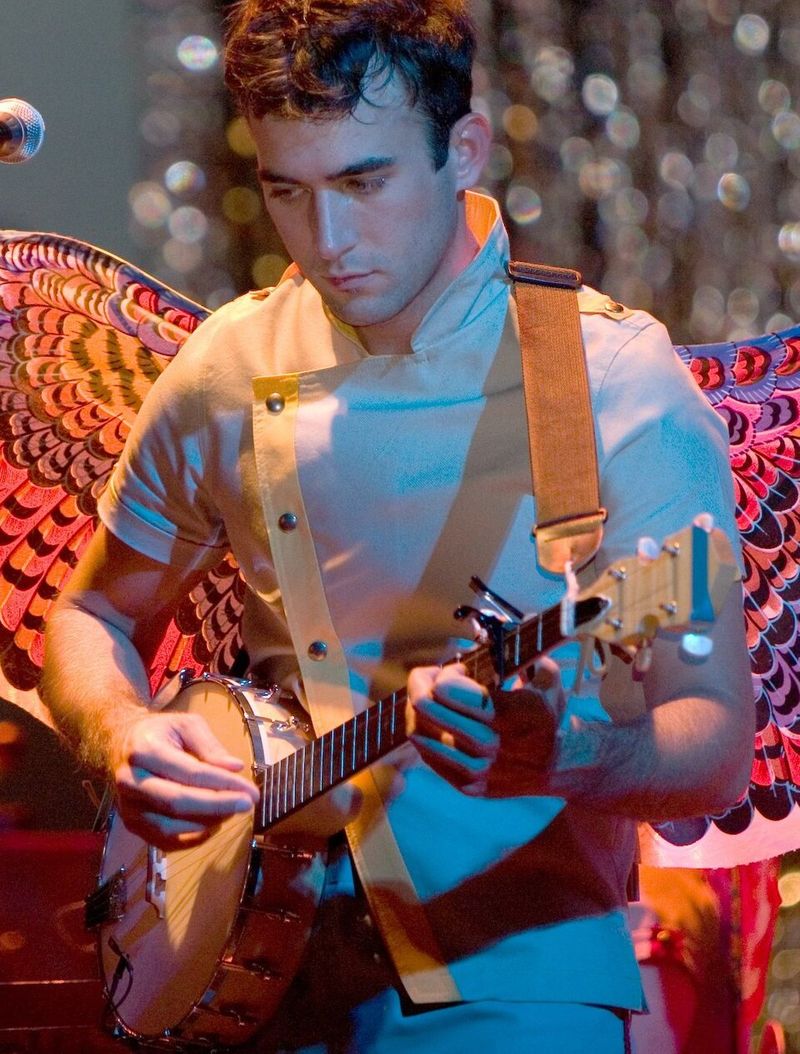
Sufjan Stevens approaches music like a poet approaches a blank page. He plays dozens of instruments across his albums, including banjo, guitar, piano, oboe, trumpet, and more.
His music blends folk, classical, and indie rock in ways that feel both intimate and grand at the same time.
His 2005 album Illinois is widely regarded as one of the best albums of the 2000s. Stevens filled it with orchestral arrangements, delicate guitar work, and layered vocals, much of which he performed himself.
The album tells stories about the American state of Illinois through song, which is as ambitious as it sounds.
Stevens once announced a project to make an album about every U.S. state, though he has only completed two so far. Even incomplete, that vision speaks to his extraordinary ambition.
He treats music as storytelling, and his multi-instrumental range is the vocabulary he uses to tell those stories.
9. Mac DeMarco
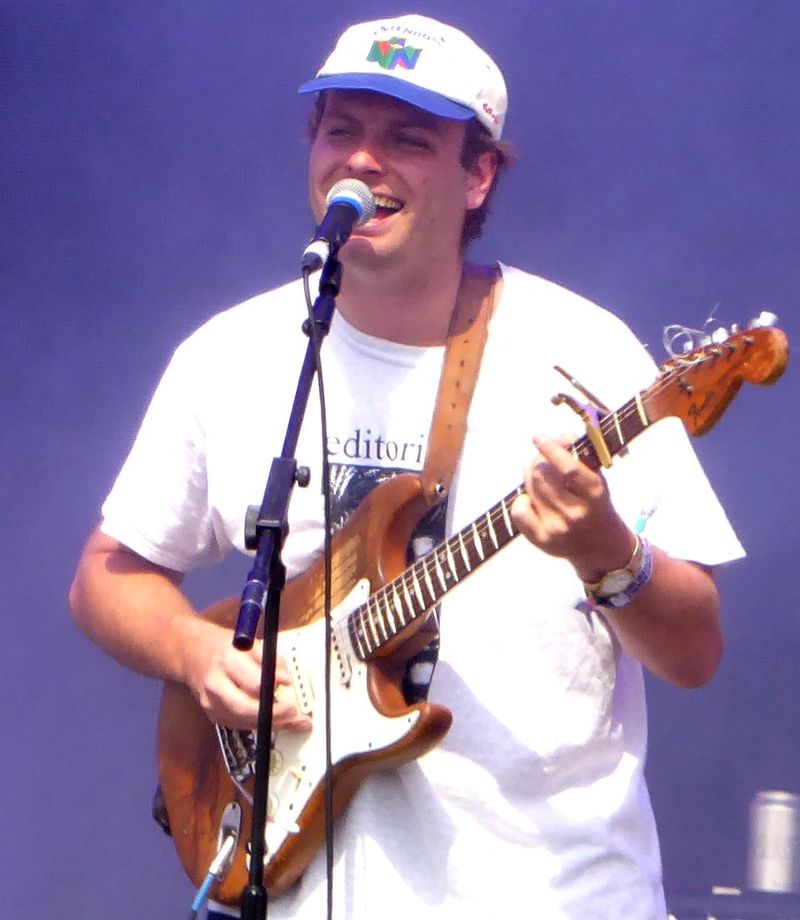
Mac DeMarco has built an entire career on the charm of doing everything himself. He records his albums at home, playing guitar, bass, keyboards, and drums on his own.
His music has a warm, wobbly quality that comes from his use of old recording equipment and a deliberately lo-fi approach.
Albums like Salad Days and This Old Dog became cult favorites among indie music fans. His lyrics are funny, honest, and sometimes surprisingly emotional.
DeMarco never tries to sound bigger than he is, and that authenticity is a huge part of his appeal.
He also has a goofy, approachable personality that has made him a favorite at music festivals around the world. Unlike many artists who hide behind a polished image, DeMarco lets listeners see exactly who he is.
His music feels like hanging out with a friend who just happens to be incredibly talented with instruments.
10. Bon Iver (Justin Vernon – Early Work)
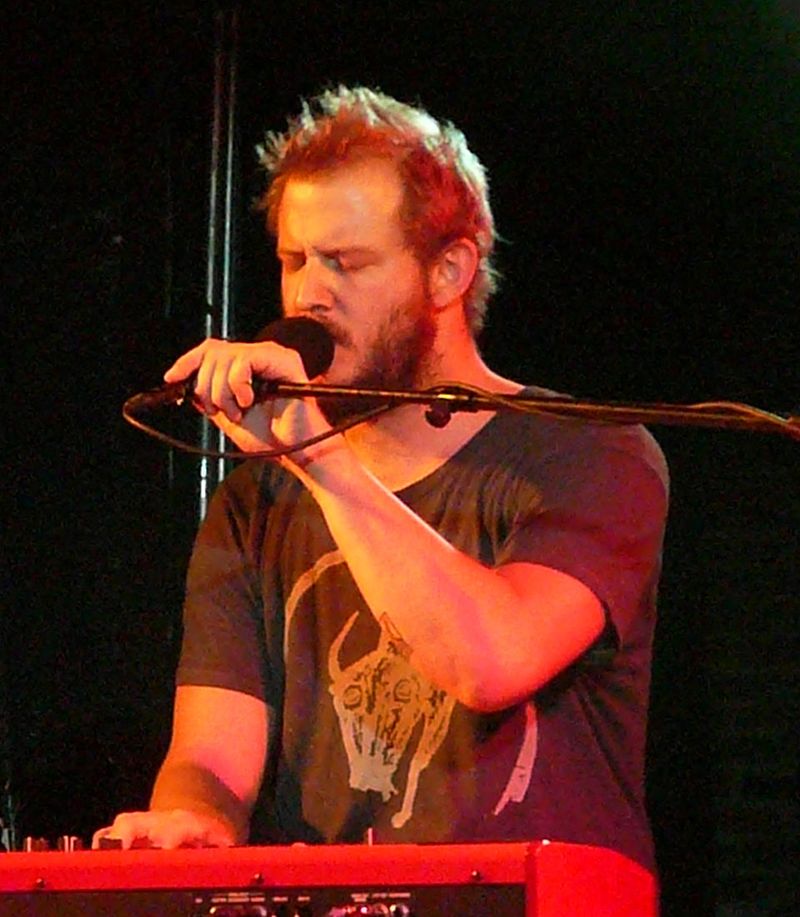
The story behind the first Bon Iver album is one of music’s most compelling origin stories. Justin Vernon retreated to a remote cabin in rural Wisconsin during a harsh winter after a painful breakup and a health scare.
Alone in the cold, he recorded For Emma, Forever Ago using just a few microphones and basic equipment.
Vernon played guitar, sang layered harmonies with himself, and built the album’s haunting sound almost entirely without outside help. The result was raw, vulnerable, and unlike anything else being released at the time.
When he shared it online in 2007, it spread quickly through music communities worldwide.
For Emma, Forever Ago earned Bon Iver a Grammy Award and launched Vernon into the spotlight. The album’s emotional honesty resonated with millions of listeners.
It stands as proof that sometimes the most powerful music comes not from a fancy studio but from one person working through pain in isolation.
11. Beck
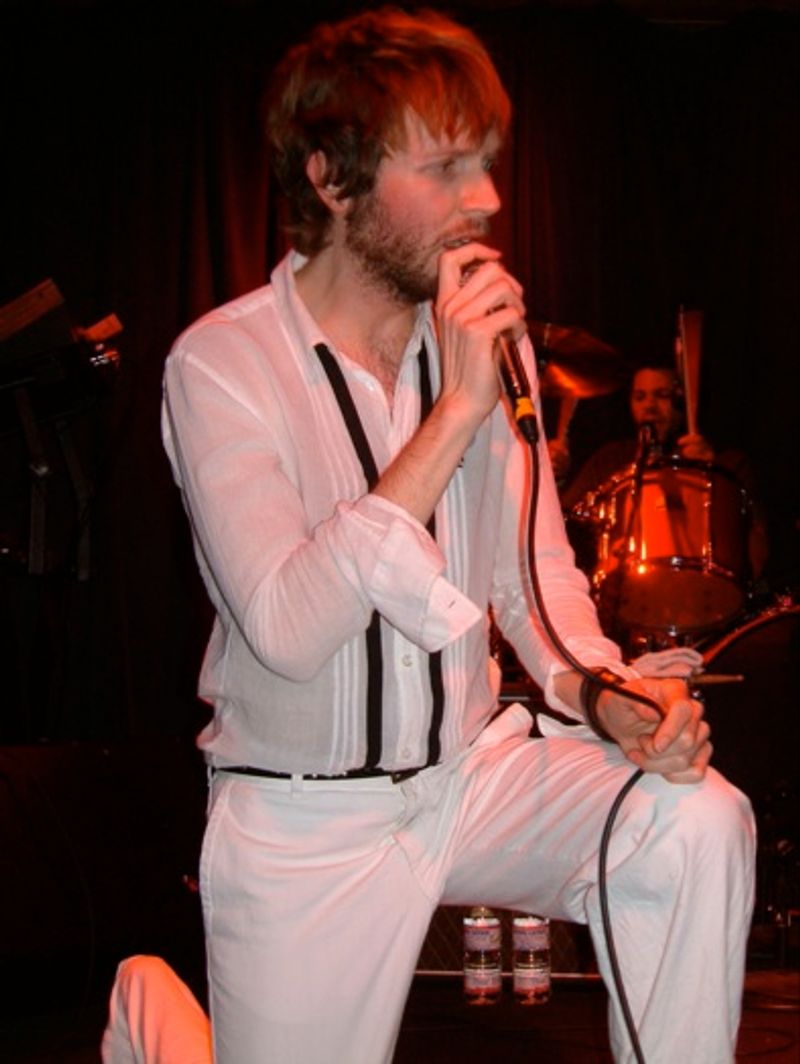
Beck Hansen has never been easy to categorize, and that is a big part of what makes him so fascinating. Over a career spanning more than three decades, he has mixed folk, hip-hop, rock, country, and electronic music in ways that feel both surprising and completely natural.
He plays a wide range of instruments and often handles many recording duties himself.
His 1996 album Odelay became a cultural moment, blending lo-fi guitar with sampled beats in a way that felt genuinely new. Beck played guitar, harmonica, and various other instruments across its tracks while collaborating with producers the Dust Brothers on the sonic framework.
His 2014 album Morning Phase won Album of the Year at the Grammy Awards, showing his range from chaotic experimentation to quiet, orchestral beauty. Beck remains one of the most unpredictable and musically adventurous artists working today, always finding new ways to challenge himself and surprise his audience.
12. St. Vincent (Annie Clark)
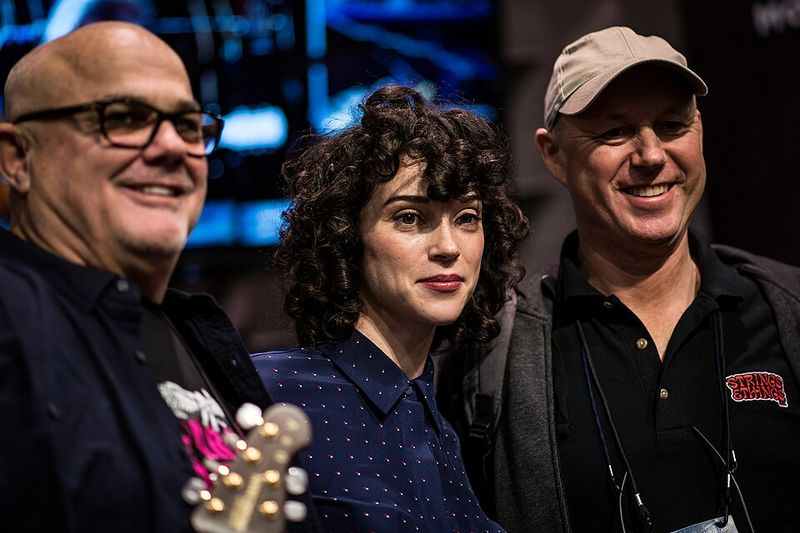
Annie Clark, who records and performs under the name St. Vincent, is one of the most technically skilled guitarists of her generation. She also plays piano, bass, and various other instruments while being deeply involved in every step of the recording and production process.
Her music blends art rock, pop, and experimental sounds in ways that are hard to predict.
Her 2014 self-titled album won the Grammy Award for Best Alternative Music Album. Clark built its layered, angular sound with careful attention to every detail.
She has spoken openly about wanting full control over her music, from the initial idea to the final mix.
Clark also designed her own signature electric guitar, which has become popular among musicians who admire its unique shape and playability. She approaches music like a sculptor approaches clay, shaping every element with precision.
Her work challenges what pop music can sound like when one person refuses to accept any creative limits.
13. Tash Sultana
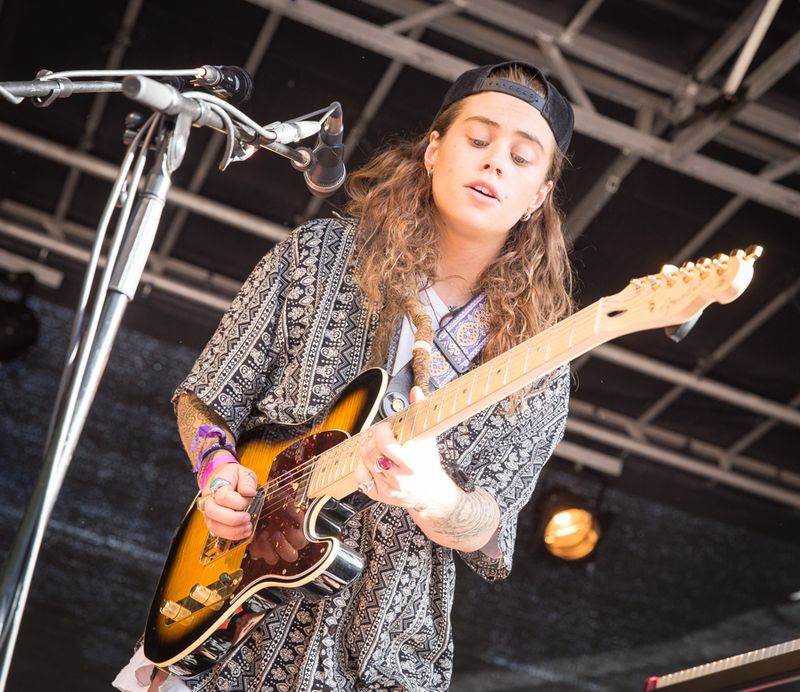
Watching Tash Sultana perform live is genuinely jaw-dropping. They stand on stage alone and build entire songs from scratch using loop pedals, layering guitar riffs, drum beats, bass lines, and vocal melodies one on top of another in real time.
By the end of a song, the stage sounds like a full band is playing.
Sultana grew up in Melbourne, Australia, and taught themselves to play more than a dozen instruments as a child. A home-recorded video of them performing went viral online in 2016, leading to a rapid rise in fame.
Their debut album Flow State was released in 2018 and reached number one in Australia.
What makes Sultana especially compelling is the energy they bring to every performance. There is no backup track, no pre-recorded loops.
Everything happens live, which means every show is slightly different. Sultana is living proof that a one-person band can fill an arena with sound and emotion.
14. Jacob Collier
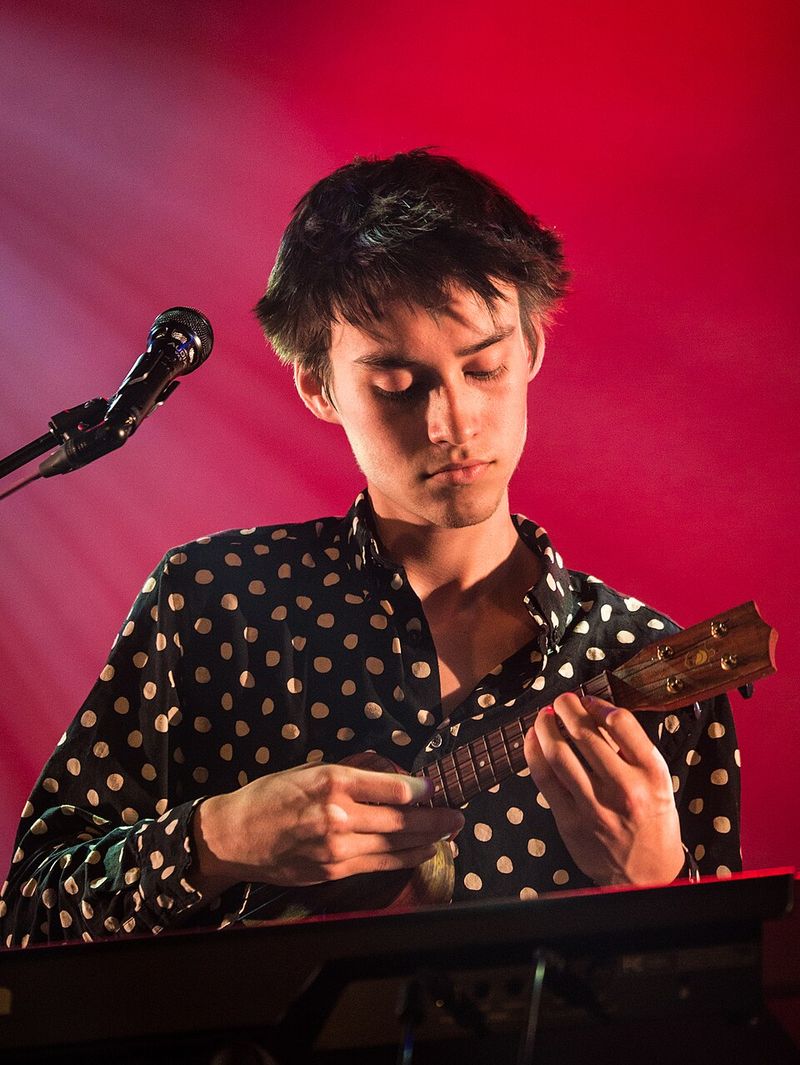
Jacob Collier grew up in a musical household in London and started posting YouTube videos of himself performing complex arrangements entirely alone. He would record each instrument separately and edit them together, creating videos that showed multiple versions of himself playing different parts simultaneously.
The internet quickly took notice.
Music legend Quincy Jones called Collier one of the most talented musicians he had ever encountered. That is high praise coming from someone who worked with Michael Jackson.
Collier plays piano, guitar, bass, drums, vibraphone, and numerous other instruments with equal confidence and skill.
His harmonic vocabulary is extraordinarily advanced, drawing from jazz theory in ways that most formally trained musicians find challenging. Yet Collier explains music in playful, accessible ways that make complex ideas feel approachable.
He has won multiple Grammy Awards and continues to push boundaries, always finding new ways to explore what one musician can create entirely alone.
15. Imogen Heap
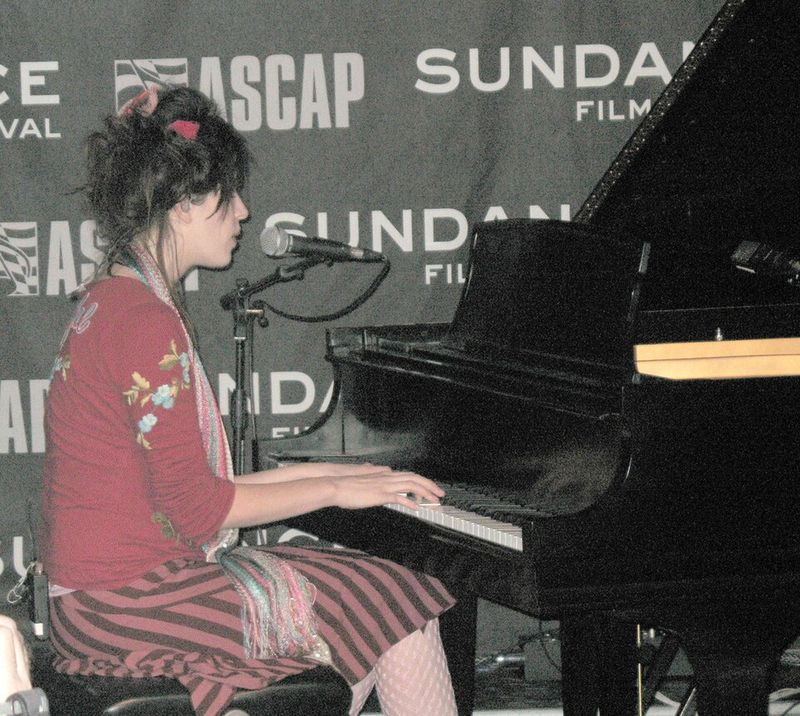
Imogen Heap is a musician, producer, and inventor who has always operated on her own terms. She records her albums almost entirely by herself, playing keyboards, guitar, and various electronic instruments while also handling all production duties.
Her music blends electronic pop with classical influences in a way that feels both futuristic and deeply emotional.
Her 2005 album Speak for Yourself contained the song Hide and Seek, an a cappella piece built entirely from layered vocals processed through a vocoder. It became one of the most recognizable pieces of music from that decade, appearing in television shows and films around the world.
Heap has also developed wearable technology called Mi.Mu gloves, which allow musicians to control sound using hand gestures. She is constantly exploring the edges of what music and technology can do together.
Her combination of artistic sensitivity and technical curiosity makes her one of the most genuinely innovative solo creators in modern music history.



