 Unearth The Voyage
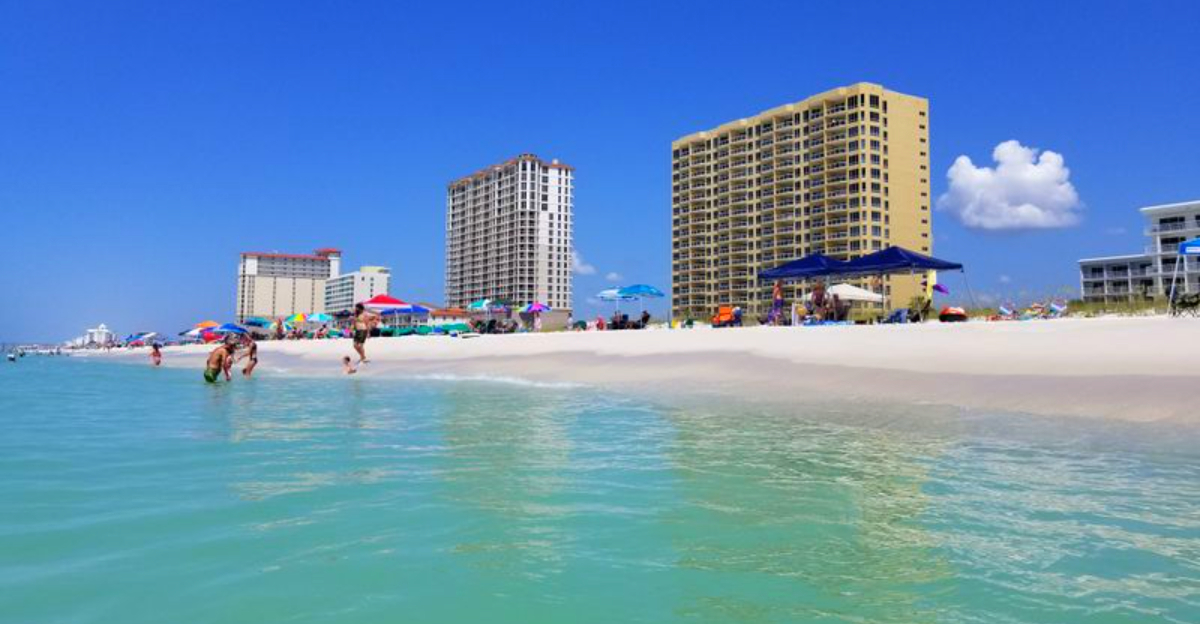
If you crave Gulf breezes without the crowds, Florida’s Panhandle still feels like a secret whispered at sunset. Here, weathered docks, family fish houses, and sugar sand beaches set a slower rhythm that invites you to linger. Menus shift with the tide, and conversations drift as easily as pelicans over the bay. Keep reading and you will understand why this stretch feels like Florida before the rush.
1. It Feels Like Florida Before the Crowds
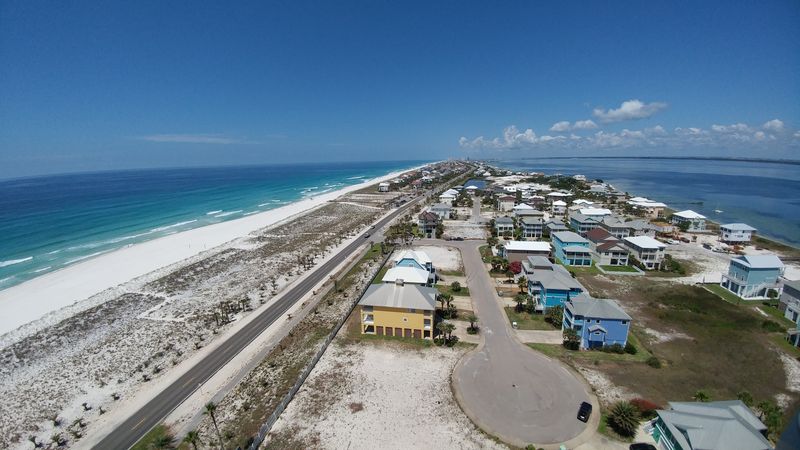
You feel it the moment your shoes hit the sand, that hush that means the day is yours. There are no blaring boardwalk speakers or towering condos throwing shade across the shoreline. Just open beach, breeze, and the click of a camera you barely remember pulling out.
Conversations carry, but never clamor. You hear gulls and the soft hush of waves instead of traffic and tour buses. The pace nudges you to drop plans, take the long way, and find yourself staying until the last blush of sunset.
It is Florida with room to breathe. You can stroll for a mile and meet only a couple of shell hunters and a friendly dog. Even the parking lots feel unhurried, like there is time enough for everyone.
2. Seafood Often Comes Straight Off the Boat
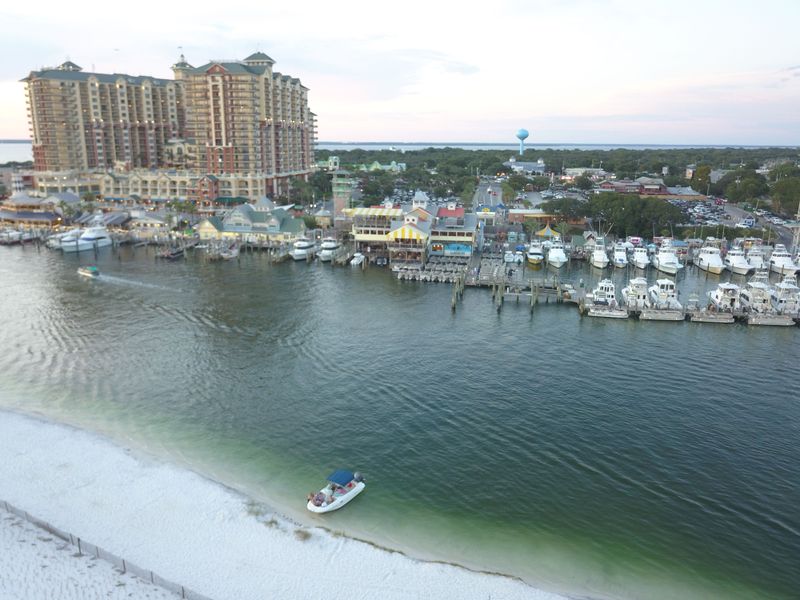
Here, menus read like tide charts. Shrimp still snap, oysters smell like brine and sunshine, and grouper hits the grill within hours of leaving the Gulf. You will taste the difference before you even sit down, because the air around the docks already tells the story.
At small counters, chalkboards change with the morning’s haul. Servers point to boats tied up just beyond the railing, the very vessels that brought your dinner in. It is all wonderfully direct, honest, and simple.
There is a pride that comes from knowing where your food lived. Butter melts, lemon sings, and you stop reaching for heavy sauces. When seafood arrives this fresh, restraint becomes the secret ingredient you did not know you missed.
3. Historic Fishing Towns Still Thrive
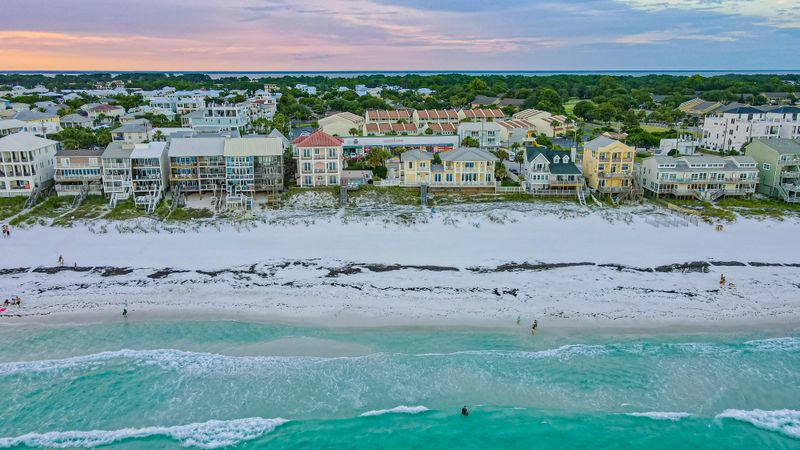
Names like Apalachicola and Port St. Joe ring with maritime grit and grace. Walk their streets and you smell rope, pine, and salt, punctuated by the clang of halyards tapping masts. The storefronts are practical, handsome, and just scuffed enough to feel honest.
You are not window shopping for souvenirs so much as glimpsing a working waterfront. Nets are mended on the dock. Boots dry on back steps. Coffee comes in thick mugs and conversations run long.
History is not a museum piece here. It is a living ledger kept by families who know the tides by heart. You will leave with stories, not just snapshots, and the sense that these towns still choose work before polish, substance before spectacle.
4. Oyster Culture Is a Way of Life
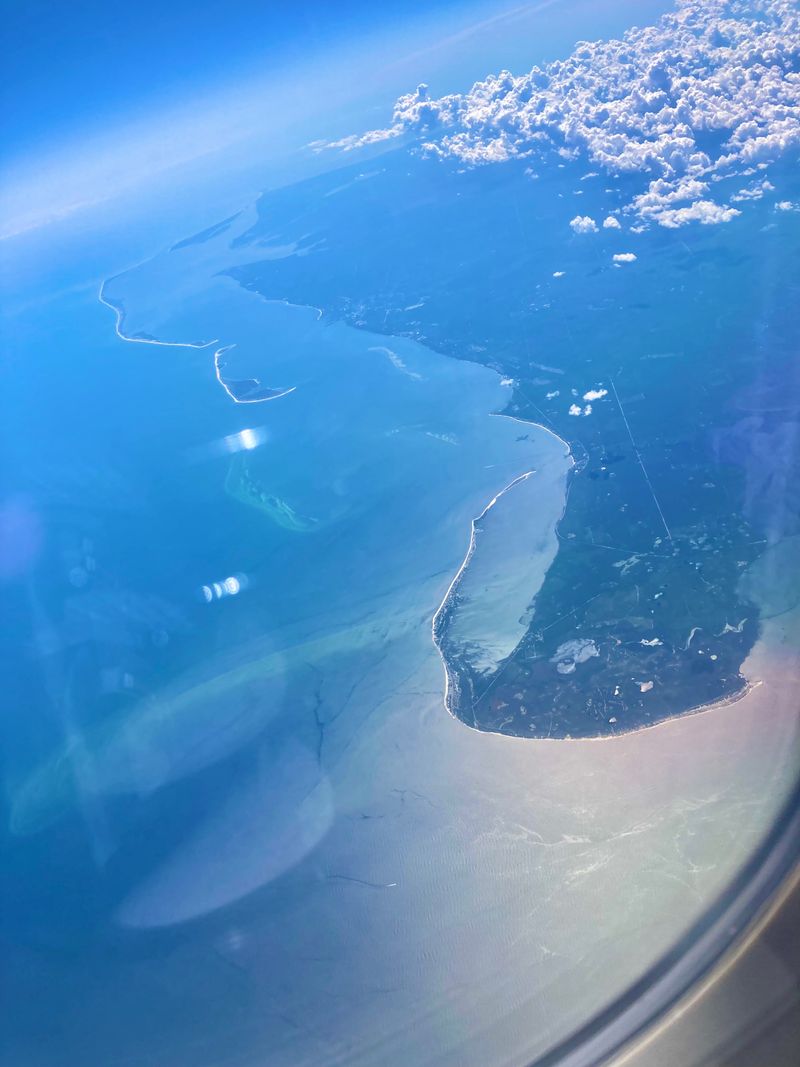
Oysters are more than menu items here. They are family legacies, morning routines, and porch talk after the day’s tide. Watch a tonger work the flats, and you will see skill passed from hand to hand, shell to shell.
Shucking is its own music. Knives whisper, shells chatter, and a briny plume rises like memory. You taste seawater, mineral, and a hint of wild marsh that no factory could package.
Even when harvests ebb and flow, the culture holds steady. Festivals, recipes, and old photos anchor the community to its beds. Sit with a dozen and a squeeze of lemon, and you are part of the lineage, even if only for a lingering hour.
5. Locally Owned Restaurants Dominate
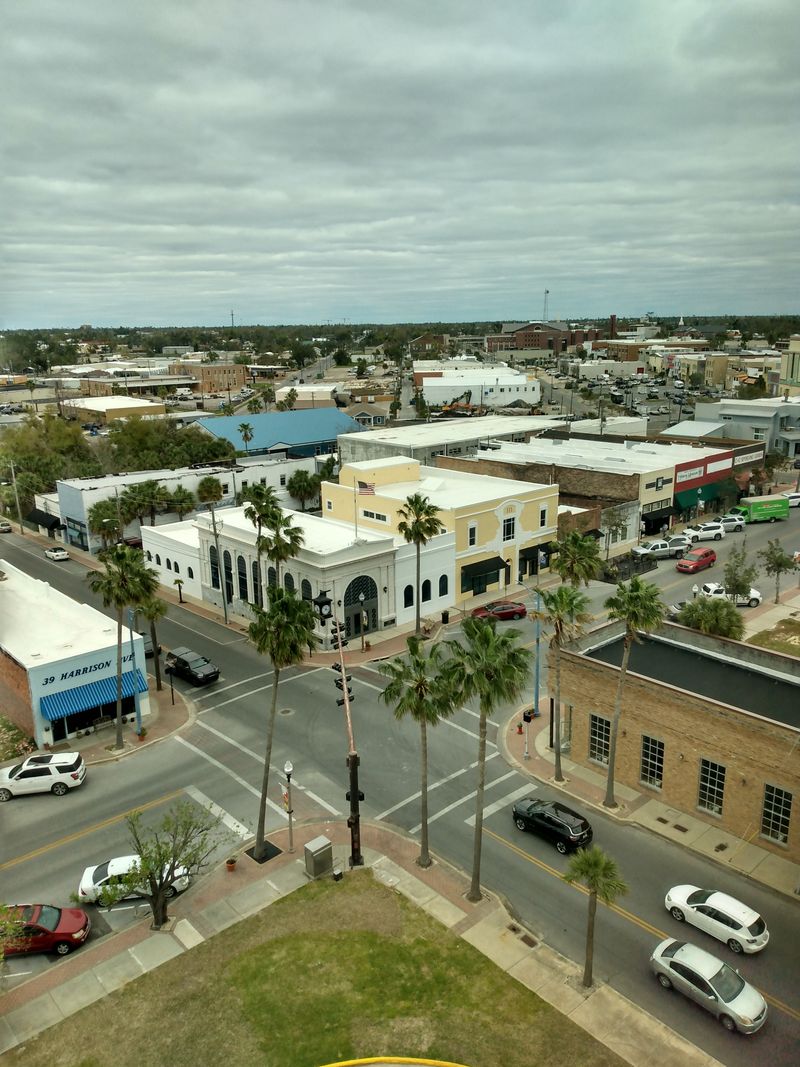
Chain logos fade out here. In their place are hand painted signs, crooked doors that stick in summer, and owners who remember your face by the second visit. You read menus that sound like conversations, not corporate scripts.
Specials are circled, not trademarked. The fryer squeaks, the grill pops, and someone’s grandmother still stirs the tartar sauce. You will sit under string lights and feel like you have been invited over, not processed through.
The result is food with fingerprints. It bears the touch of the person who washed the collards, prepped the slaw, and filleted the fish that morning. That intimacy tastes like home, even when you are miles from yours.
6. Beaches Are Wide, Quiet, and Unspoiled
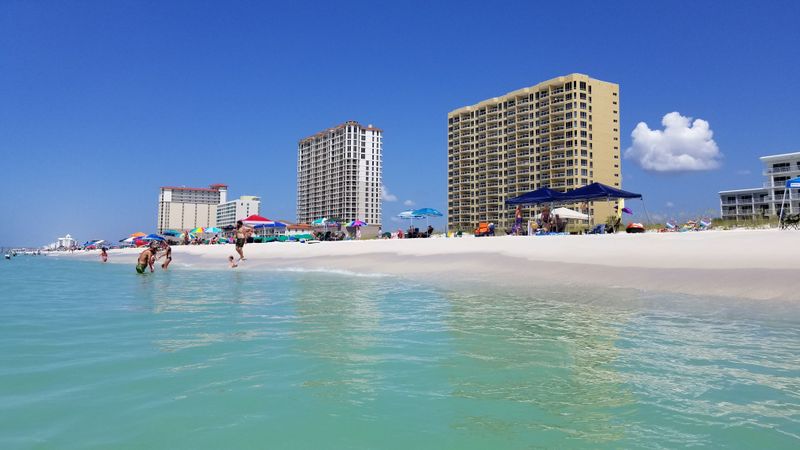
The sand here squeaks underfoot like fresh snow. Wide, bright, and open, the shoreline gives you space to breathe and space to wander. You can hear your thoughts, and they sound calmer somehow.
Sea oats nod. A heron stalks the shallows. Footprints stretch and then disappear at the next gentle tide. There is no scramble for shade or square footage, only the pleasure of choosing your own horizon line.
Bring a simple setup and settle in. Read, nap, watch the surf flirt with the dunes, and look up to find the day softly sliding by. You will leave sun kissed and unhurried, like the beach taught you a better way to keep time.
7. Sunsets Feel Personal
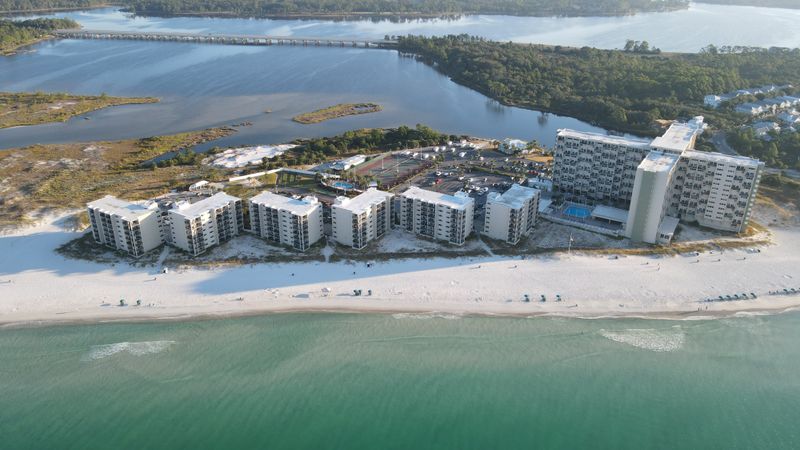
When the sun drops here, it feels like a private showing. The sky softens into sherbet shades, and the Gulf mirrors every hue. You will catch yourself whispering without knowing why.
With fewer people around, the moment stays intact. No chorus of cheers, no selfie scrum, just quiet gratitude and the slap of wavelets on the shoreline. Even gulls seem to glide more slowly, as if invited to linger.
Stay until the afterglow. That is when the colors turn secret and the breeze cools your shoulders. Walking back under the first stars, you will feel like the day handed you something you did not realize you needed.
8. Old Florida Architecture Still Exists
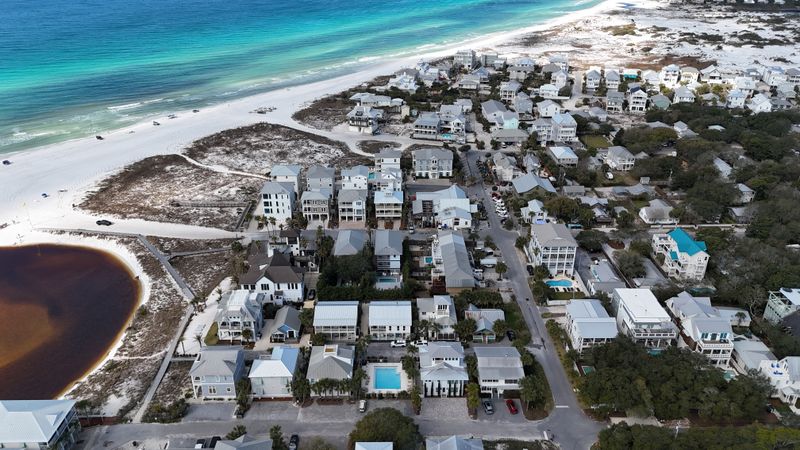
Look past the dunes and you will find porches built for talking. Cottages wear sun faded paint and sit under live oaks that drip Spanish moss like lace. Motels keep their vintage neon, winking on at dusk.
Nothing shouts for attention. It hums, steady and familiar, with screen doors that slap as kids run through. You will recognize the proportions and the modesty, the way houses seem to bow to storms and then straighten again.
Staying in places like these changes your pace. You sip coffee on steps, listen to mourning doves, and wave to neighbors you just met. It is architecture that keeps people close to the street, and close to each other.
9. Fishing Is Part of Everyday Life
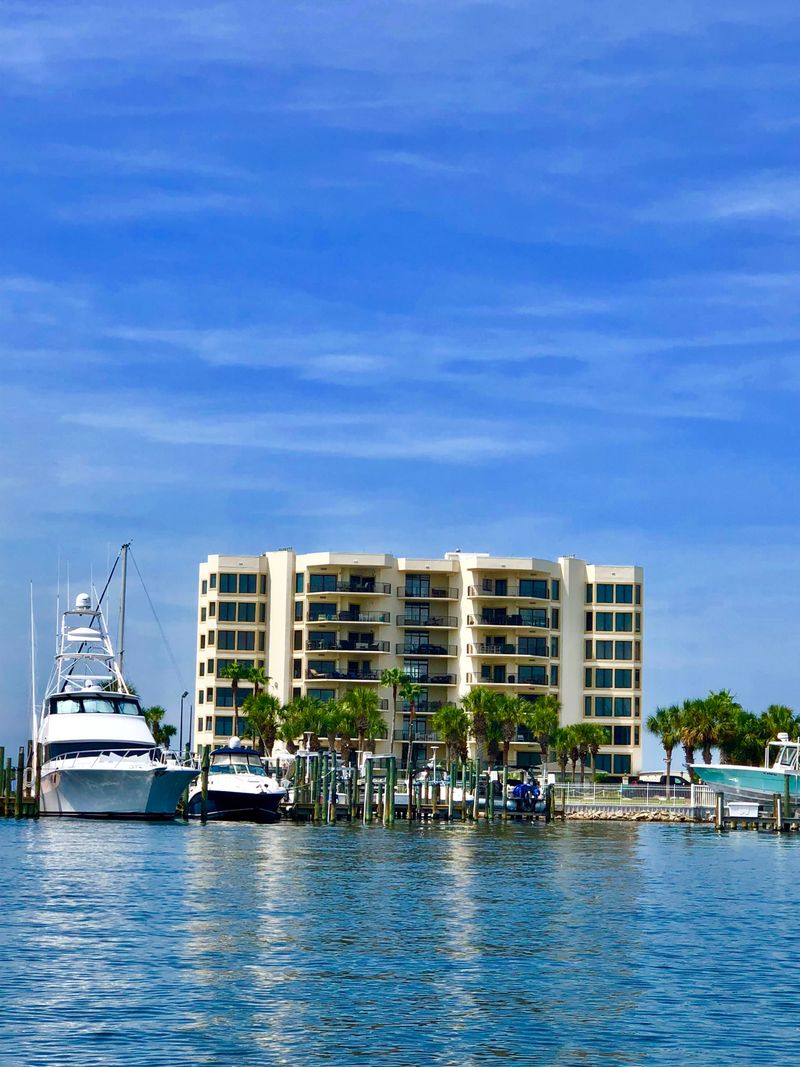
At dawn, the piers fill with quiet rituals. Buckets knock, lines whistle, and someone always knows which bait the speckled trout want today. You will learn by watching, then by doing.
Charters are not just for visitors. They are weekly routines for folks who keep their freezers stocked with redfish and snapper. Out on the bay, guides share stories that double as tide tables.
Fishing here is woven into errands and errands into fishing. A quick stop for ice becomes a dockside chat that ends with a spot tip. By sunset, you have bait under your nails and a grin you cannot shake.
10. Menus Change With the Catch

Do not fall in love with the menu. Fall in love with the chalkboard. It tells you what the Gulf said this morning, and that truth tastes better than any printed promise.
One night it is blackened grouper with field tomatoes. The next, amberjack grilled with a squeeze of lemon and a whisper of butter. Sides appear and vanish like weather, always seasonal, always close to home.
When you order, you are part of a small, daily story. Fishermen, cooks, and the tide make the plot together. You will want to come back tomorrow just to see how the next chapter reads.
11. Generations Run the Same Businesses
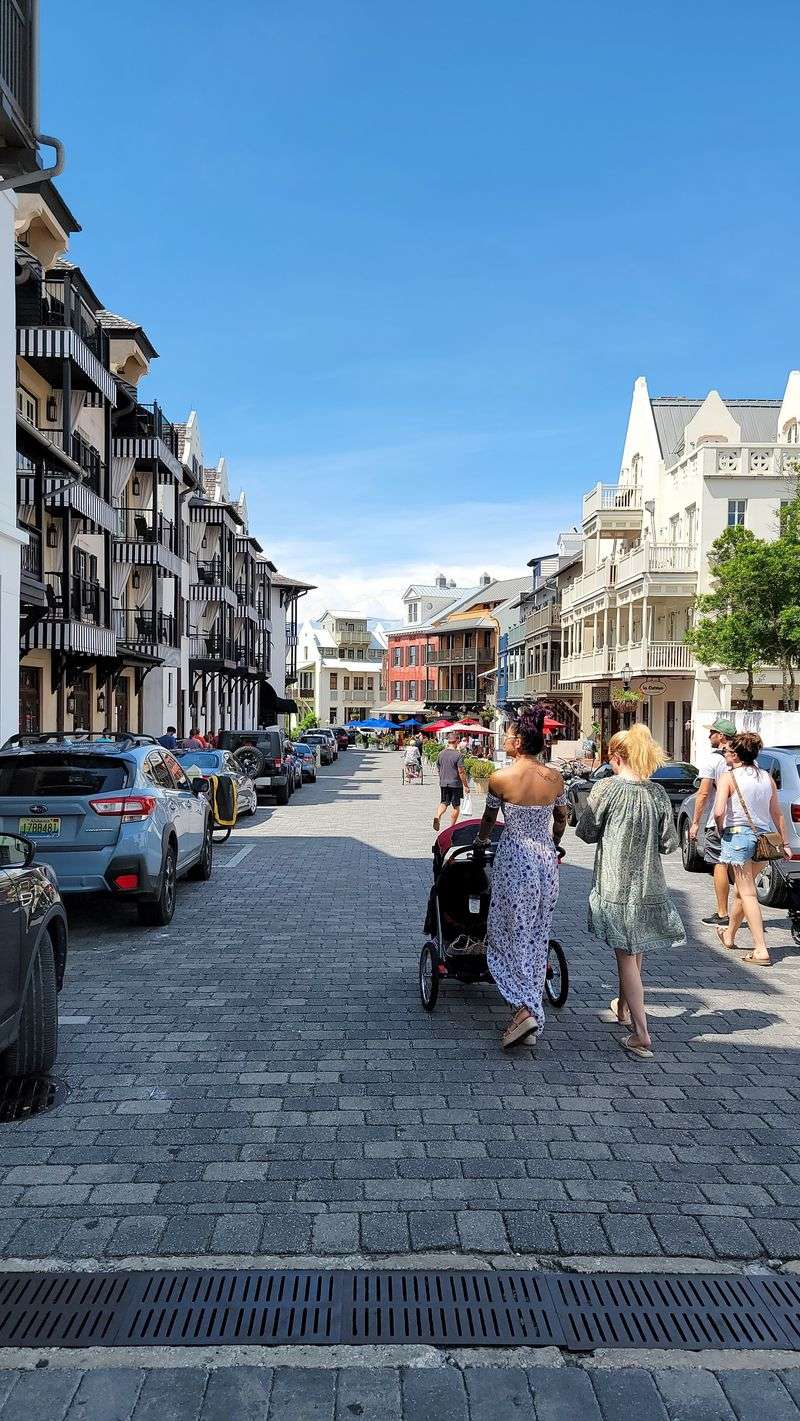
Family names repeat across menus, marinas, and market stalls like familiar songs. Grandparents still unlock the doors before sunrise, and kids learn customer names right after the alphabet. You feel welcomed, not managed.
Walls display black and white photos of big hauls and small victories. The same hands that fixed the roof last storm are the ones seasoning your chowder. There is continuity you can taste and see.
Loyalty grows naturally in a place like this. You return next season, and the same smile greets you over the same counter. It is steadiness that anchors a community, and you get to be part of it for a while.
12. The Pace Is Refreshingly Slow
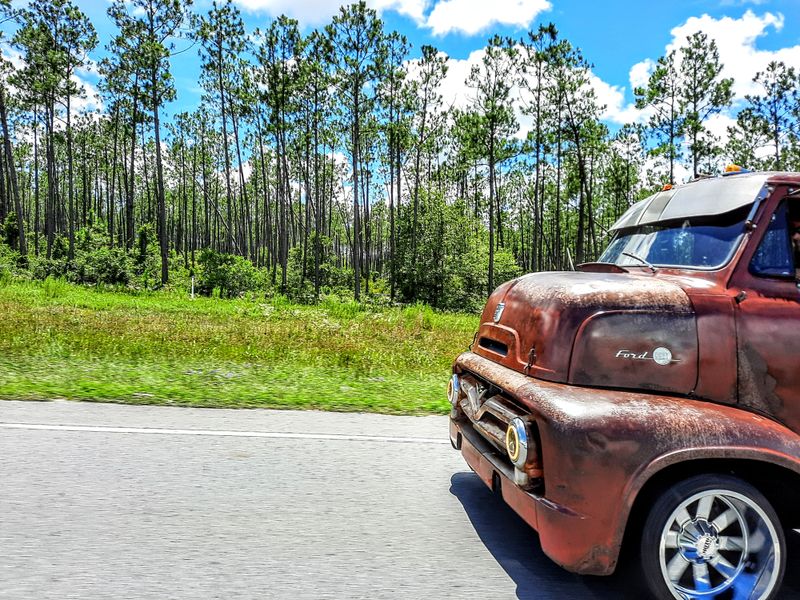
Here, schedules bend to tides and weather, not the other way around. Lunch drifts into late afternoon, and nobody hurries you from your table. You will find yourself measuring time by shadows and sea breeze.
Conversations stretch. Even errands feel like walks, not tasks. When the day runs long, it is because you chose to watch pelicans dive a little longer, not because traffic pinned you down.
Slowness is not laziness. It is intention. It lets flavors open, friendships deepen, and sunsets land without rush. Bring your patience, and you will leave with more of it.
13. Nature Is Still Front and Center
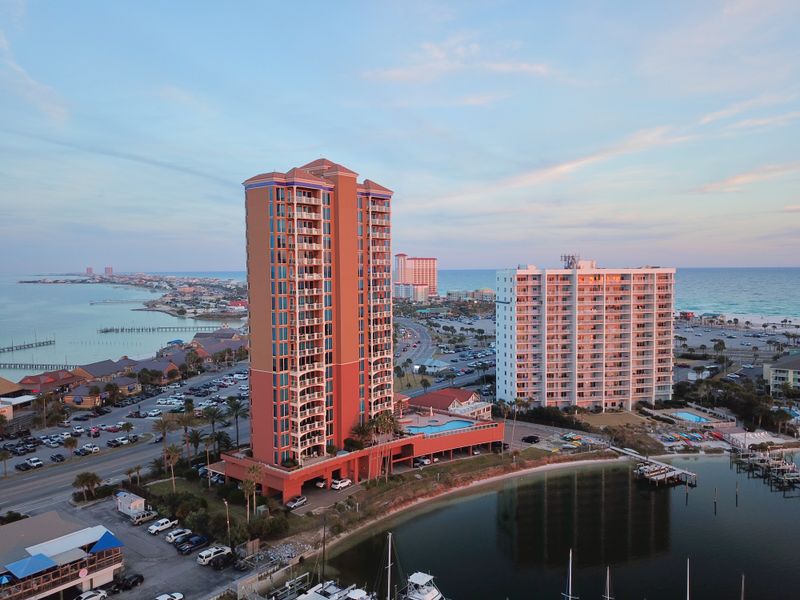
Beyond the beaches, marshes breathe in and out with the tide. Egrets stitch white threads across green water, and dolphin arcs cut silver lines through the bay. You are a guest, and the landscape sets the rules.
Trails wind through longleaf pines where red cockaded woodpeckers tap. Boardwalks cross wetlands that smell of grass, salt, and sun. The soundtrack is wind, wings, and your own footsteps.
After a day outside, seafood tastes even more like place. You will order grilled fish and taste the marsh breeze again. This is dinner with a view that starts hours before you sit down.
14. Tourism Hasn’t Erased Local Identity
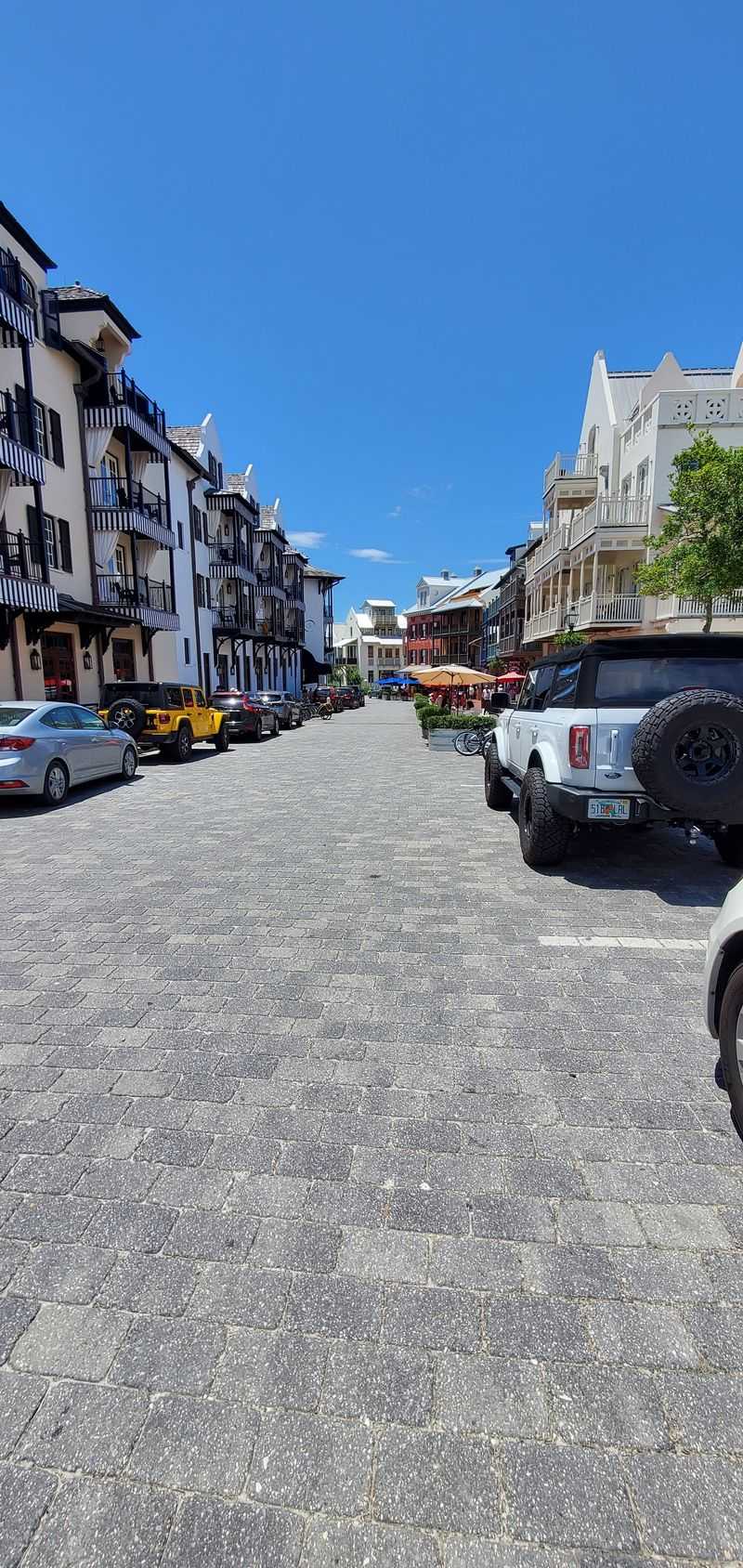
Visitors come, but the center holds. Murals celebrate fishermen, not mascots, and bulletin boards brim with church suppers and bay cleanups. You will find handmade soaps next to bait coolers, and both feel essential.
Festivals honor oysters, shrimp, and the people who work the water. Even in peak season, you can still grab a stool where everyone knows the local weather by smell. The emphasis stays on community first.
That balance makes you feel like a participant, not just a customer. Spend here, listen here, and you help keep the character intact. It is tourism that respects its host, and it feels right.
15. It Feels Like a Coastal Secret Worth Protecting
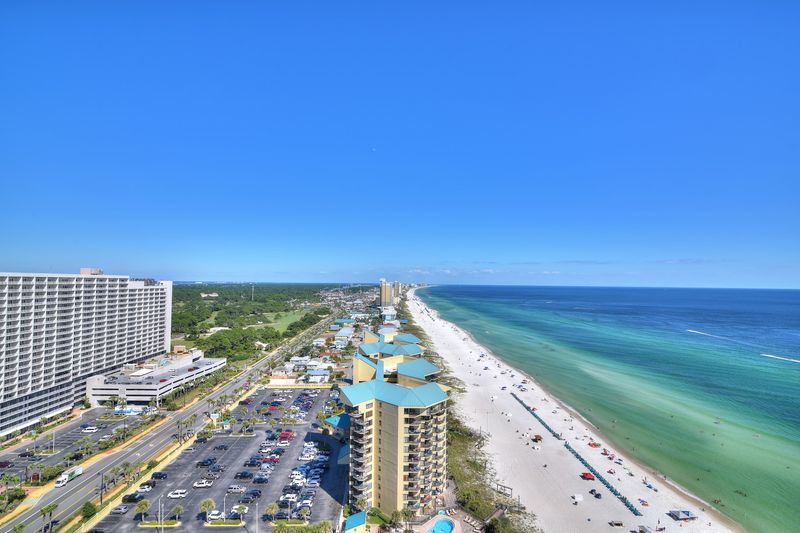
Some places earn your loyalty quietly. This stretch does it with real food, real people, and a coastline that still looks like itself. You will want to tell friends, and also keep it to yourself.
The secret is not about hiding. It is about caring. Pick up litter that is not yours. Tip the folks who fed you well. Choose the small shop with the creaky floorboards.
Protecting the feel means moving with care. Leave dunes undisturbed, waters clear, and local stories louder than your playlist. If we keep choosing like that, the Panhandle will keep choosing us back.



