 Unearth The Voyage
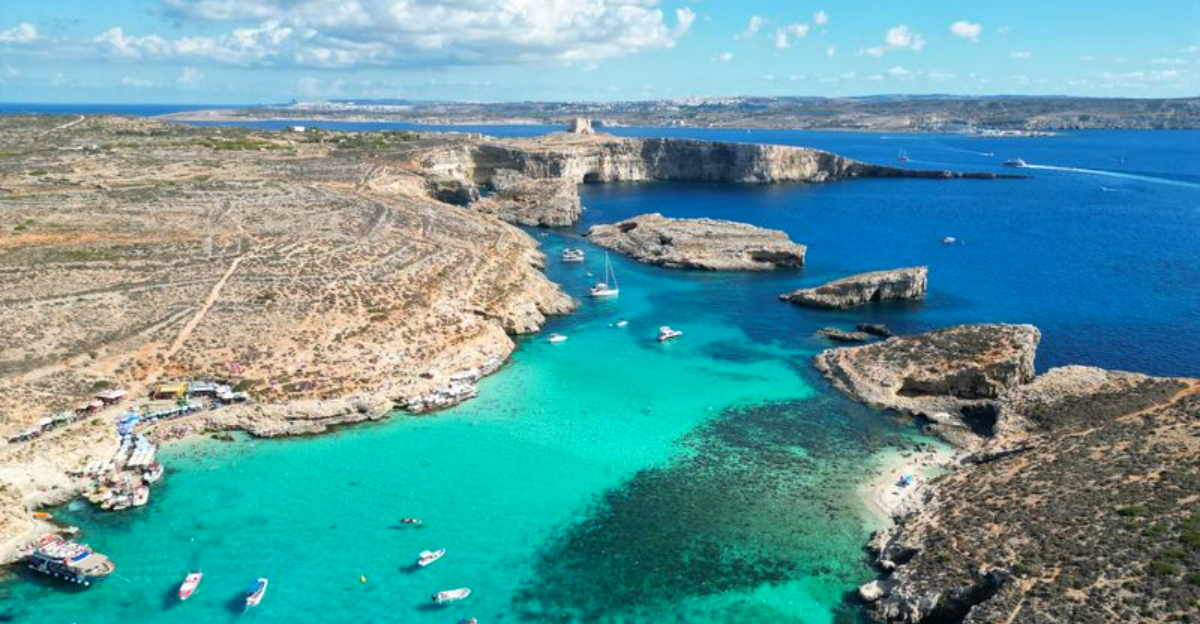
Malta in spring feels like the island is showing off in the best way. Winter is gone, the countryside pops with wildflowers, and the sun hits those honey limestone streets with that warm glow, not the sweaty summer kind.
If you’re here for ancient temples, cliffside walks that stop you in your tracks, or fresh seafood by the harbour, this is the season when everything just clicks. Keep reading, because Malta in spring is exactly the kind of trip that turns into a “when are we going back” story.
1. Pick your spring ‘personality’: March, April, or May
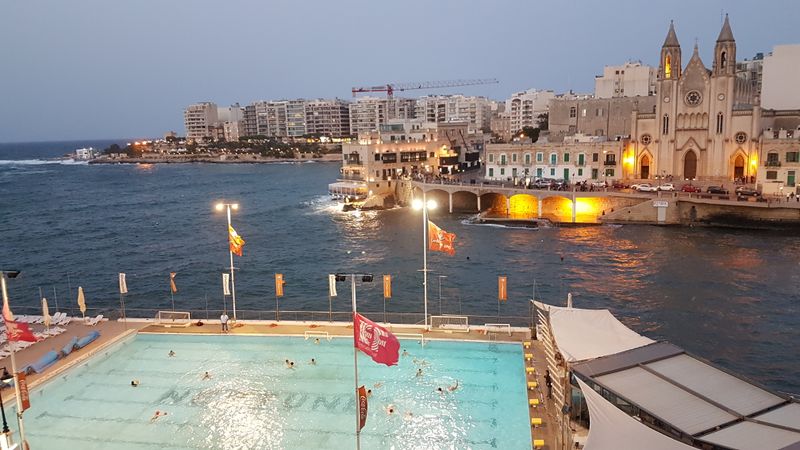
Not all spring months feel the same in Malta. Your choice shapes everything from what you pack to how the island greets you.
March brings cooler temperatures and the greenest landscapes you’ll see all year. Rain showers still happen occasionally, so a light jacket earns its place in your bag.
Long walks feel effortless when the air stays fresh.
April hits the sweet spot between comfortable and lively. Sightseeing becomes pure pleasure without sweat dripping down your back.
The island pulses with energy, yet you won’t battle crowds at every turn.
May edges closer to summer vibes. Days stretch longer, warmth settles in properly, and beaches start calling your name.
You get that almost-summer feeling without the peak-season chaos that follows.
Each month offers distinct advantages. March suits hikers and nature lovers craving green hillsides.
April works beautifully for culture-focused travelers wanting ideal exploration weather. May appeals to those seeking warmth and extended daylight for maximum adventure time.
Your spring personality matters. Match it to the right month, and Malta rewards you with experiences tailored perfectly to your travel style.
2. Walk Valletta slowly (it’s a UNESCO-packed open-air museum)
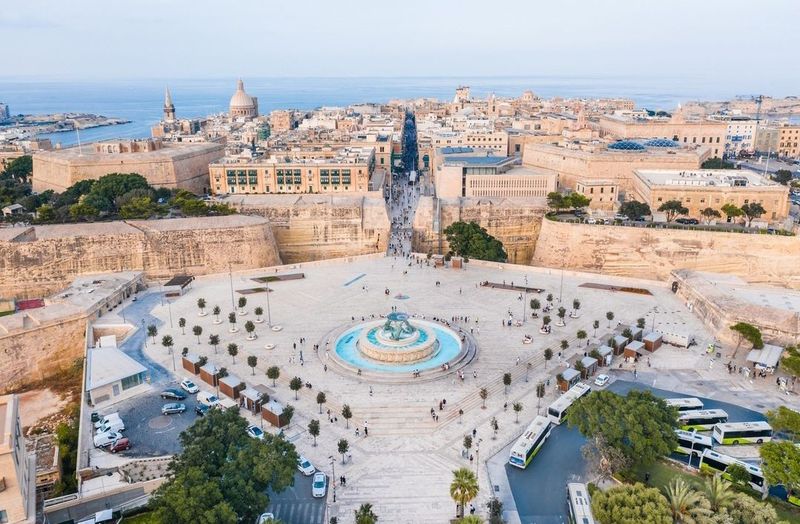
Valletta packs more history per square meter than almost anywhere else on Earth. UNESCO recognized this compact capital for good reason.
Baroque palaces lean over narrow streets. Bastions tower above harbours.
Every corner reveals another layer of Knights, empires, and centuries-old stories carved into stone.
You could sprint through the highlights in two hours, but that misses the point entirely. Valletta rewards slowness.
Pause at viewpoints where cannons once defended against Ottoman fleets. Duck into quiet courtyards hidden behind heavy doors.
Spring makes this leisurely approach absolutely delightful. Temperatures stay comfortable for uphill climbs to Upper Barrakka Gardens.
You can wander without that summer urgency to find shade every ten minutes.
The waterfront buzzes with cafe life and harbour activity. Street musicians add soundtrack to your exploration.
Small museums tucked between grand churches offer air-conditioned respites when you need them.
Plan a full day minimum. Bring curiosity instead of a rigid schedule.
Valletta unfolds best when you let yourself get slightly lost, then stumble onto something unexpected. That’s when the city reveals its real magic beyond the guidebook highlights.
3. Do a ‘golden hour’ loop: Upper Barrakka → Grand Harbour views
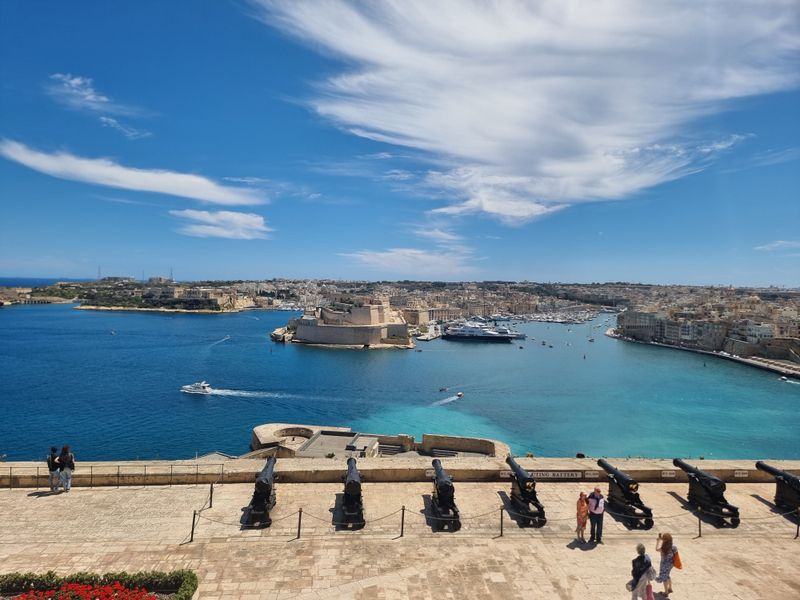
Golden hour in Malta hits differently. The light turns everything honey-warm and impossibly photogenic.
Build your evening around this simple loop. Start at Upper Barrakka Gardens as afternoon slides toward sunset.
The elevated position delivers sweeping views across Grand Harbour, with the Three Cities glowing in that perfect light.
Watch boats cut through golden water. Observe how the sun transforms fortress stones from pale yellow to rich amber.
Photographers crowd the best spots, but there’s room for everyone when the view stretches this wide.
After soaking in the spectacle, drift downward into Valletta’s side streets. Spring evenings stay pleasantly warm without daytime heat.
You can stroll comfortably, peeking into alleys and following your nose toward dinner.
Casual restaurants fill narrow lanes throughout the city. Pick one with outdoor seating if possible.
The evening energy feels relaxed yet vibrant as locals and visitors mingle over wine and conversation.
This loop costs nothing except time and delivers maximum reward. No midsummer heat haze obscures your view.
No winter chill cuts your outdoor time short. Just perfect spring conditions for one of Malta’s most stunning free experiences.
4. Step into Mdina, the ‘Silent City’, when you want calm

Your footsteps echo off ancient walls. That’s the soundtrack in Mdina, where silence feels intentional rather than accidental.
This fortified medieval city sits inland, perched high with views stretching across Malta. Narrow lanes wind between palaces and churches built when knights ruled these islands.
Time moves differently here, slower and more contemplative.
Spring transforms Mdina into something especially magical. Without summer’s tour bus crowds, you actually experience the silence the city’s nickname promises.
You might share a street with just one or two other wanderers.
The honey-colored limestone walls glow beautifully in spring light. Balconies overflow with flowering plants.
Small cafes tucked into corners offer perfect pause points for soaking up the atmosphere.
Walk the bastions for panoramic island views. Peek into courtyards through heavy wooden doors.
Visit the cathedral if you appreciate baroque art, or simply wander without agenda.
Mdina works perfectly as a half-day escape when you need respite from busier coastal areas. The contrast refreshes your travel rhythm.
You leave feeling like you’ve touched something genuinely timeless, not just tourist-packaged history.
5. Add the ‘Three Cities’ for a more local harbour-side vibe
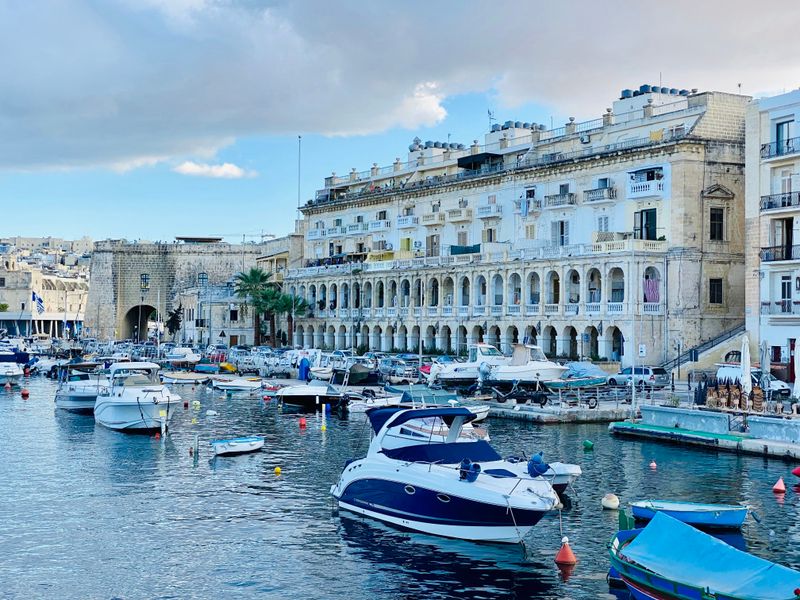
Across the harbour from Valletta, life unfolds at a different pace. The Three Cities area feels genuinely lived-in rather than museum-perfect.
Vittoriosa, Senglea, and Cospicua form this historic trio. Locals still hang laundry from balconies above streets where knights once walked.
Small shops sell everyday necessities alongside tourist trinkets.
Waterfront walks here reward you with layered history without the crowds. Fortifications tell stories of sieges and survival.
Marinas bob with traditional boats and modern yachts side by side.
Spring makes exploring these cities particularly pleasant. You can wander narrow lanes comfortably, ducking into churches or pausing at harbour viewpoints without overheating.
The atmosphere stays relaxed and authentic.
Vittoriosa offers the most concentrated historic sites, including the Inquisitor’s Palace and Fort St Angelo. Senglea provides stunning views back toward Valletta.
Cospicua spreads wider with residential streets that show everyday Maltese life.
Plan at least a half-day here. The ferry from Valletta takes minutes and costs little.
Once across, slow down and absorb the rhythm. Grab lunch at a waterfront spot where locals outnumber tourists.
This is Malta with its work clothes on, beautiful in a completely different way than the polished capital.
6. Hike Dingli Cliffs for that ‘edge of the island’ feeling
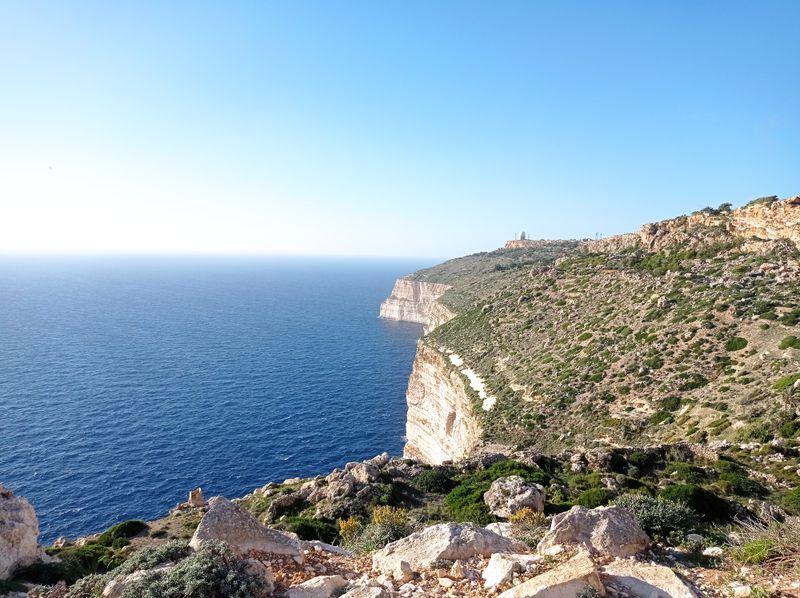
Standing at Dingli Cliffs, you feel Malta’s edge beneath your feet. Limestone drops dramatically toward the Mediterranean, and the horizon stretches endlessly blue.
These cliffs rank among Malta’s most dramatic natural features. Wide-open views make you stop talking mid-sentence.
Salty wind carries that distinct coastal energy that makes island landscapes so compelling.
Spring delivers ideal conditions for cliff walking. Temperatures stay comfortable for extended hiking without summer’s punishing heat.
Wildflowers dot the landscape, adding color to the rocky terrain.
The walking path runs along the cliff edge, offering constantly changing perspectives. You can hike for an hour or several, depending on your energy and schedule.
Each viewpoint reveals slightly different angles of sea meeting sky.
Bring water and sun protection despite spring’s gentler temperatures. The exposure means little shade along the route.
Proper walking shoes help on uneven limestone surfaces.
Early morning or late afternoon light creates the most photogenic conditions. Midday works fine too if you prefer warmth.
Just avoid windy days when the cliff edge feels less inviting.
Dingli Cliffs remind you why people fall hard for Mediterranean islands. Raw beauty meets accessible adventure, and spring weather makes the whole experience absolutely perfect.
7. Walk part of the Victoria Lines (Malta’s underrated “history trail”)
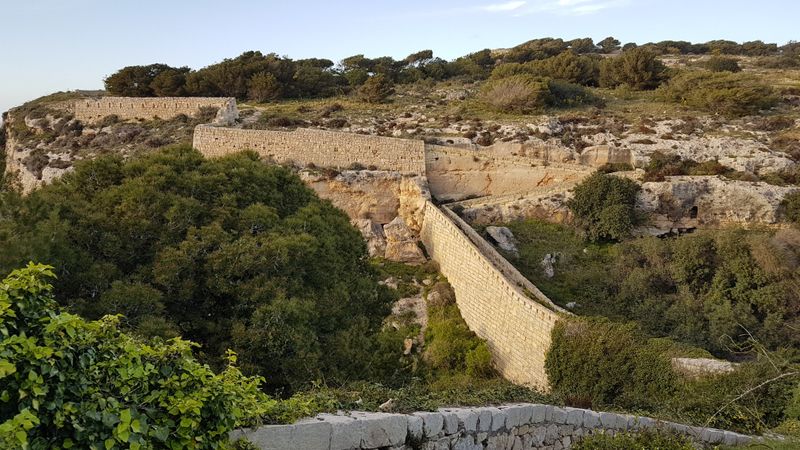
Military history meets nature hiking along the Victoria Lines. This fortification network stretches roughly twelve kilometers across Malta, following the natural Great Fault line.
Built by the British in the late 1800s, these defensive walls once divided the island strategically. Today they offer one of Malta’s most interesting walking experiences, blending rugged landscape with tangible history.
You don’t need to tackle the entire length. Pick a section that matches your fitness level and available time.
Even a two-hour segment delivers the essential experience.
Spring makes this hike particularly rewarding. The countryside shows its greenest colors after winter rains.
Wildflowers bloom along the trail. Comfortable temperatures mean you can focus on surroundings rather than survival.
The trail passes through varied terrain including valleys, ridges, and abandoned fortifications. You’ll encounter old gun emplacements and walls that once held strategic importance.
Information panels along the route explain the military context.
Bring plenty of water and snacks since services are limited once you start. Wear sturdy shoes for rocky sections.
A hat helps even in spring when sun exposure adds up.
This hike suits travelers who want something beyond beach and city experiences. You get exercise, history, and landscape all packaged together in one underrated Malta adventure.
8. Escape into Buskett Gardens for a green reset
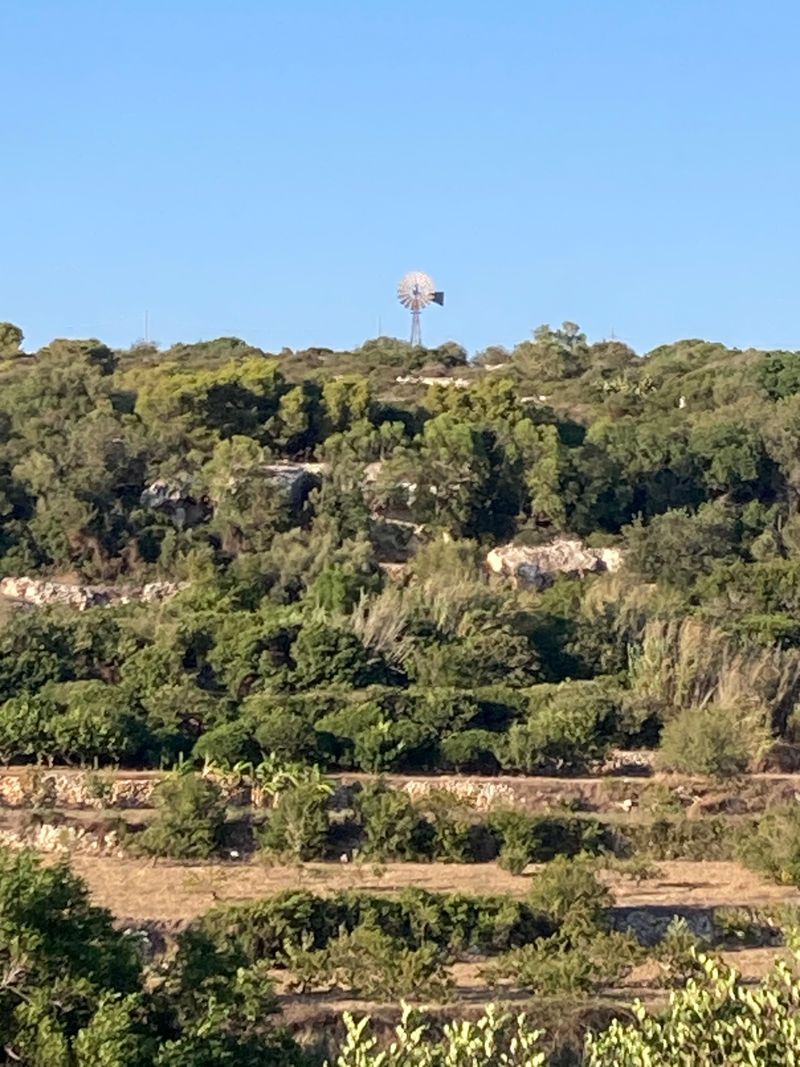
Malta doesn’t do forests often. Buskett Gardens stands out precisely because it feels so unexpected on this rocky island.
This woodland area offers one of Malta’s few genuinely shaded natural spaces. Mediterranean trees create canopy cover that feels refreshing after exploring sun-baked streets and archaeological sites.
The atmosphere shifts immediately when you enter.
Spring brings Buskett to life beautifully. Fresh growth greens everything up.
Birds sing actively. The temperature under the trees stays pleasantly cool even when the rest of Malta warms up.
Walking paths wind through the gardens without demanding serious hiking effort. You can stroll leisurely, finding quiet spots for sitting and simply being present.
Families often picnic here on weekends, adding gentle human energy without overwhelming the space.
The gardens connect to nearby Verdala Palace, though the palace itself isn’t open to public tours. The surrounding area offers additional walking opportunities if you want to extend your green escape.
Pack a simple picnic if you’re so inclined. Bring water and perhaps a book.
This isn’t about ticking off sights but rather resetting your pace after busier tourist activities.
Buskett proves Malta has more variety than many visitors expect. Sometimes the best travel moments come from simply sitting under trees and breathing differently.
9. Go to Marsaxlokk for colour, boats, and seafood energy
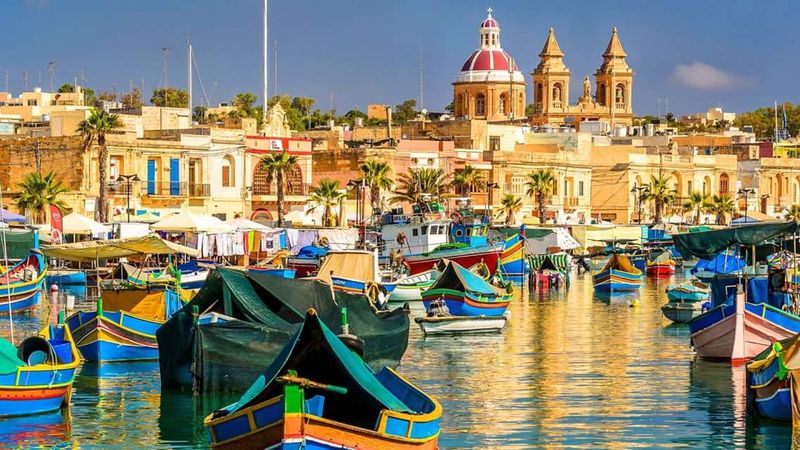
Marsaxlokk wraps you in colour from the moment you arrive. Traditional boats painted in bright blues, reds, and yellows bob in the harbour, each sporting the protective eye symbol on its prow.
This fishing village operates on a different rhythm than tourist-focused areas. Real fishermen still work these waters.
The Sunday market spreads along the waterfront with fresh catch and local produce.
You can spend hours here doing almost nothing productive. Wander the harbour watching boats come and go.
Study how light plays on water and painted wood. Simply sit with coffee and observe village life unfolding.
Spring makes Marsaxlokk especially appealing. The authentic atmosphere strengthens when fewer tour buses flood the waterfront.
You experience the village more like locals do, with breathing room and genuine interactions.
Seafood restaurants line the harbour, many family-run for generations. Pick one that looks busy with Maltese families rather than just tourists.
Fresh fish grilled simply often beats elaborate preparations.
The village also offers a lovely walking waterfront that extends beyond the main harbour area. You can stroll peacefully, taking in sea views and residential streets where daily life continues regardless of visitors.
Marsaxlokk delivers that fishing village experience without feeling overly staged. Spring timing helps you catch it at its most genuine.
10. Do the Blue Grotto by boat on a bright day
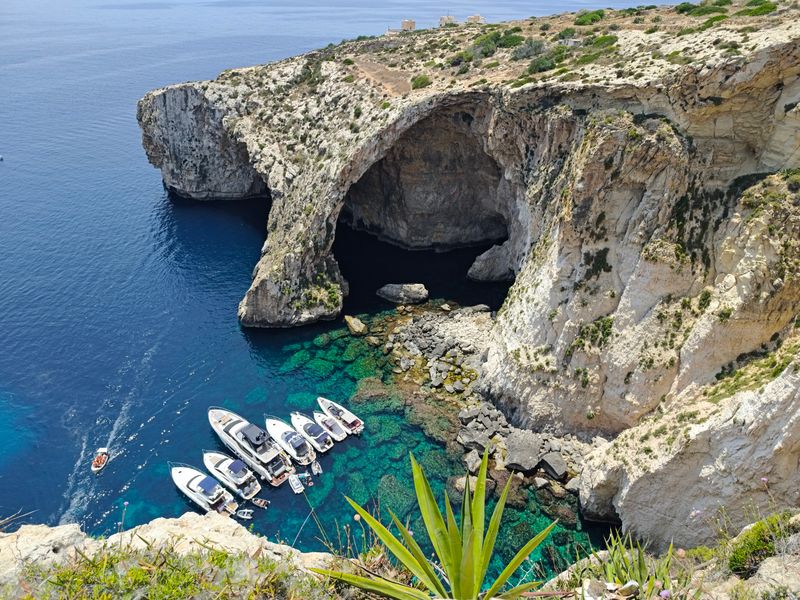
Sunlight bouncing off water into sea caves creates the Blue Grotto’s famous effect. Chemistry and geology collaborate to produce those impossible blues that photographs barely capture.
Small boats ferry visitors into the cave system when seas cooperate. The experience depends entirely on conditions and timing.
Bright days deliver the most dramatic colour payoff.
Spring offers advantages over other seasons. Seas typically calm down compared to winter’s rougher conditions, increasing your chances of boats actually running.
Yet you avoid summer’s peak crowds that can make the experience feel rushed.
Go earlier in the day when possible. Morning light often works beautifully, and you beat the worst of any crowds.
The boat ride itself takes maybe twenty minutes, but the colour show makes it worthwhile.
Weather matters more here than most Malta attractions. If clouds cover the sun, the grotto loses much of its magic.
Check conditions and be flexible with your schedule if possible.
The viewing platform above the grotto offers free views if boats aren’t running or you prefer staying dry. You miss the cave interior but still appreciate the coastal drama.
This isn’t an all-day activity, but it delivers a concentrated dose of natural beauty that justifies the trip. Spring conditions help you catch it at its best.
11. Visit Ħaġar Qim & Mnajdra (prehistoric sites with insane views)
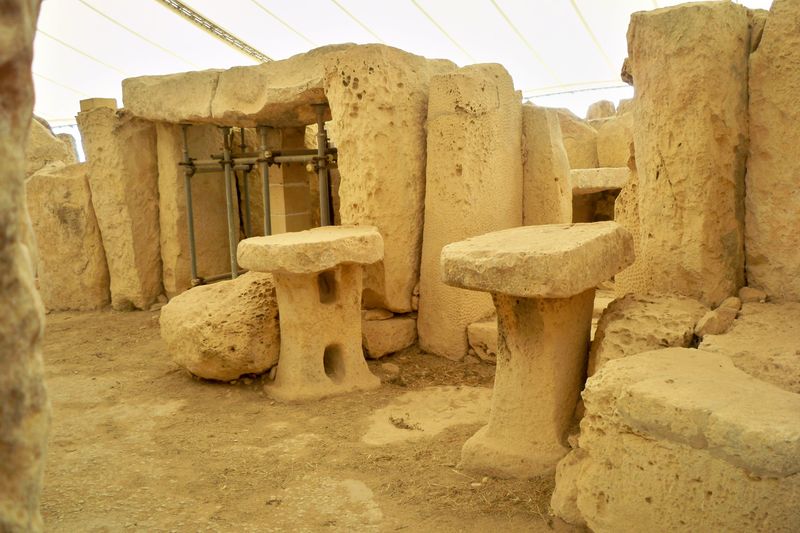
Some history predates your ability to mentally process it. Ħaġar Qim and Mnajdra fall squarely into that category.
These late Neolithic megalithic temples form part of Malta’s UNESCO-listed prehistoric complex. People built these structures before Stonehenge, before the pyramids.
They’re older than you can comfortably imagine.
The temples sit in stunning landscape above the sea. Massive limestone blocks somehow assembled by communities we barely understand.
The engineering alone boggles the mind when you consider available technology.
Spring makes visiting these sites particularly pleasant. You can explore the structures and surrounding landscape without summer heat beating down on exposed hilltop positions.
The views stretch endlessly toward blue Mediterranean horizons.
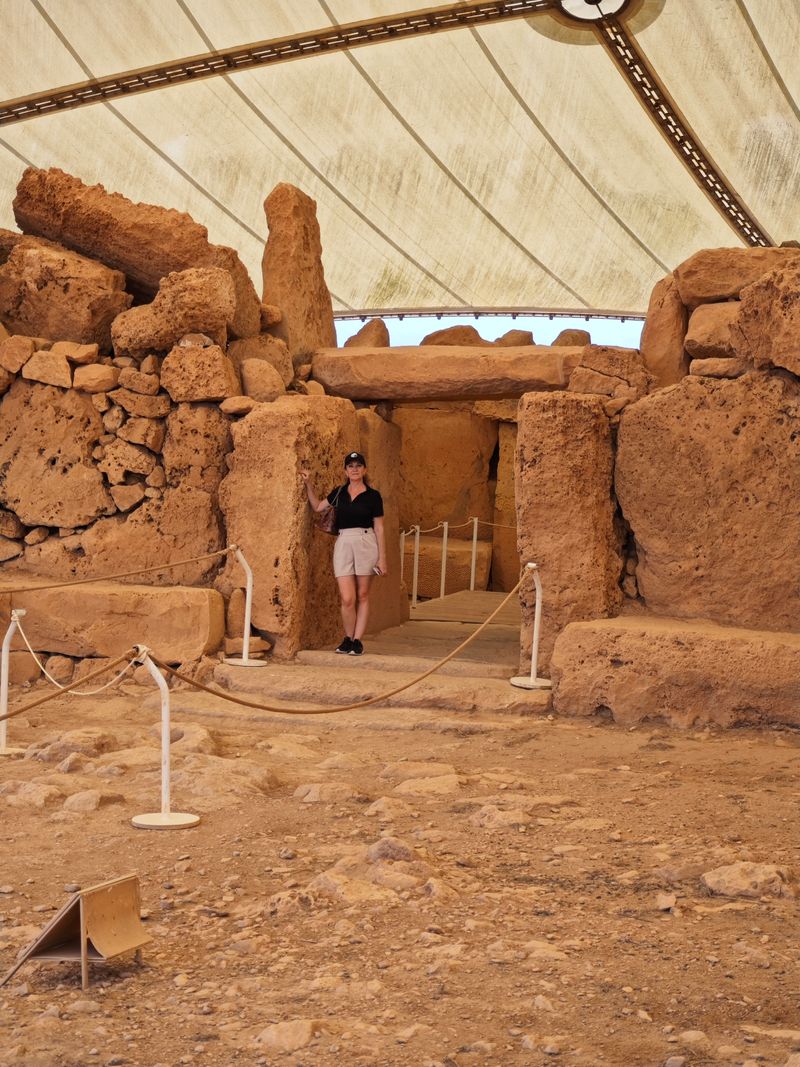
A protective tent now covers the main structures to prevent weather damage. Inside, you walk among chambers and altars used for purposes we can only guess at.
Information displays help contextualize what you’re seeing.
The site museum provides additional background before you approach the actual temples. Plan at least two hours for the full experience including both temple complexes and the interpretive center.
Standing among these ancient stones, you feel human history’s weight differently. Malta preserves layers of civilization that most places have lost.
Spring weather lets you absorb that significance comfortably.
12. Book the Ħal Saflieni Hypogeum early (seriously)
Underground Malta holds secrets carved from solid rock thousands of years ago. The Ħal Saflieni Hypogeum represents one of the island’s most unique experiences.
This prehistoric burial complex descends through multiple levels of hand-carved chambers. People created this subterranean labyrinth using stone tools, excavating and shaping limestone into rooms, passages, and ceremonial spaces.
UNESCO recognition confirms its global significance.
Visitor numbers are strictly limited to protect the delicate environment. Only eighty people enter daily, split into small guided groups.
This means tickets sell out well ahead, especially during popular travel seasons.
Spring attracts many visitors seeking ideal sightseeing weather. Book your Hypogeum tickets months in advance if possible.
Seriously, this isn’t exaggeration. Last-minute availability rarely happens.
The underground tour lasts about an hour. Guides explain the site’s history, construction methods, and archaeological significance.
The atmosphere feels genuinely otherworldly as you descend into spaces used for burial rituals millennia ago.
Photography isn’t permitted inside to preserve the environment. You’ll need to capture the experience through memory alone.
Honestly, that makes it more powerful.
Temperature underground stays constant year-round, so spring surface weather doesn’t affect your visit. Just secure those tickets early, and you’ll access one of Malta’s most remarkable historical treasures.
13. Take a day trip to Gozo: Citadel + Ġgantija + Ramla Bay
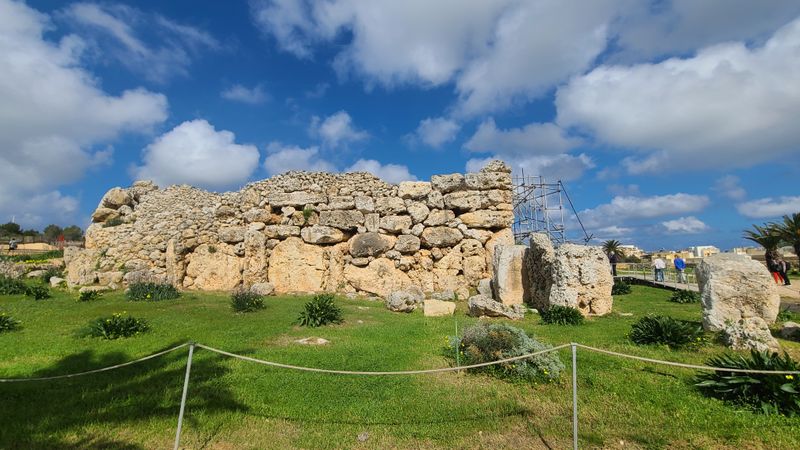
Gozo operates as Malta’s quieter sibling. More open landscapes, fewer people, and a pace that drops several gears from the main island.
A classic spring day trip hits three highlights beautifully. Start with the Citadel in Victoria, Gozo’s main town.
This fortified complex crowns a hill with commanding views across the island. Walk the bastions, explore the cathedral, and absorb the fortress atmosphere.
Next, visit Ġgantija Temples, part of Malta’s UNESCO megalithic listing. These massive stone structures predate even Ħaġar Qim.
The name translates roughly to “giant’s tower,” and standing among these blocks makes the mythology understandable.
Finish at Ramla Bay for that distinctive rust-red sand experience. Spring means you can walk the beach peacefully without summer’s crowds.
The water stays cool but swimmable for brave souls.
Ferry crossings from Malta to Gozo run frequently and take about twenty-five minutes. You can bring a rental car or use Gozo’s buses and taxis.
The island’s compact size makes day-tripping totally feasible.
Spring weather makes Gozo exploration particularly pleasant. Countryside blooms green.
Temperatures stay comfortable for moving between sites. You experience the island’s rural character without weather extremes in either direction.
Gozo deserves this day trip investment. It shows you Malta’s variety beyond the main island’s density.
14. Do Comino’s Blue Lagoon in spring for the ‘wow’ without the chaos
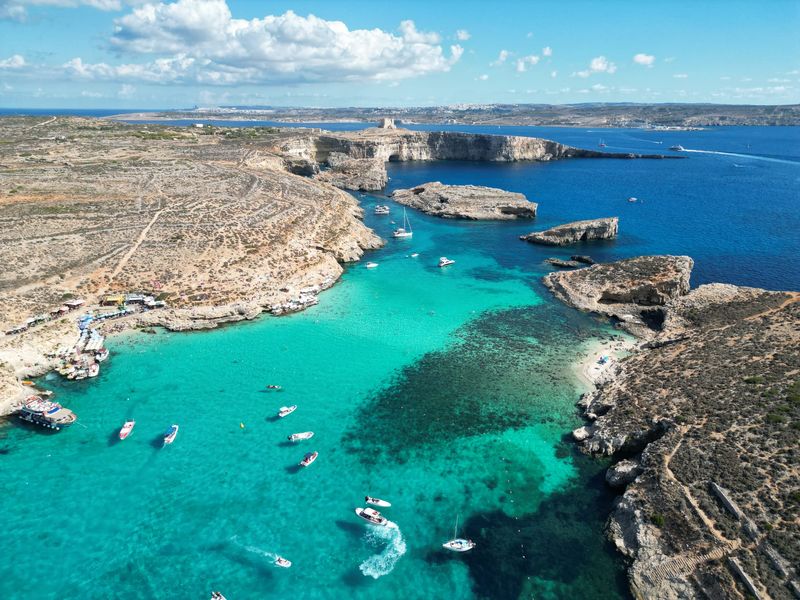
That impossibly turquoise water exists for real. The Blue Lagoon on tiny Comino island delivers the colour that launched a thousand Instagram posts.
Peak summer transforms this natural wonder into something resembling a theme park. Boats pack the bay.
Bodies cover every rock. The beauty remains, but the experience gets compromised by sheer human volume.
Spring changes everything. You still get the dramatic colour and scenic beauty.
The water glows that same unreal blue when sun hits right. But you can actually enjoy it without feeling like you’re in a crowd-control situation.
Most visitors do the Blue Lagoon as a boat day trip from Malta. Tours typically include swimming time and often stop at other Comino spots or sea caves.
The boat ride itself offers lovely coastal views.
Water temperature in spring stays cooler than summer, no question. Brave swimmers can absolutely handle it, especially on warmer May days.
Even if you skip swimming, the scenic value alone justifies the trip.
Bring sun protection and water. Comino has minimal facilities and shade.
The landscape stays rocky and exposed, so preparation matters even in spring’s gentler conditions.
Spring timing lets you treat the Blue Lagoon like the natural wonder it actually is rather than a overcrowded tourist scene. That difference matters enormously.
15. Build your spring itinerary around movement: cycling, kayaking, diving
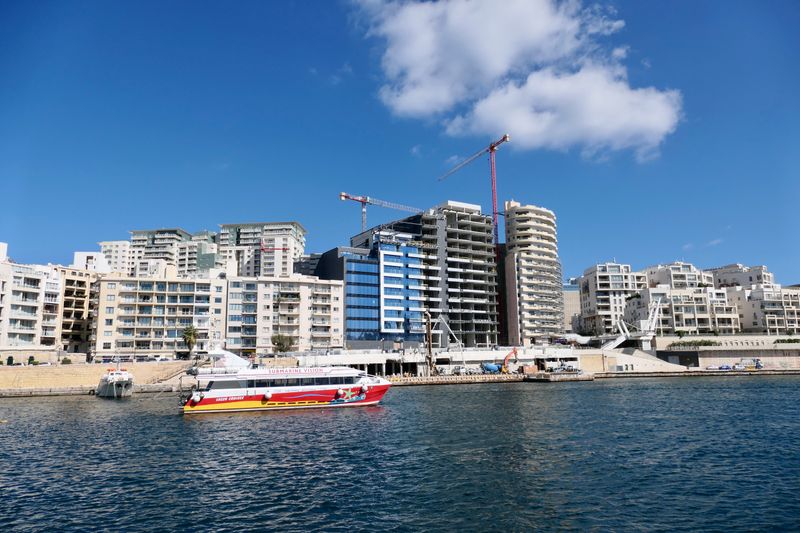
Spring unlocks Malta’s outdoor potential completely. Temperatures hit that perfect zone where physical activity feels energizing rather than punishing.
Cycling between villages becomes genuinely pleasant when you’re not fighting summer heat or winter rain. Malta’s compact size means you can cover serious ground without requiring Tour de France fitness.
Coastal routes deliver constant Mediterranean views.
Kayaking along the coastline reveals Malta from perspectives land-based exploration misses entirely. Paddle into hidden coves.
Explore sea caves up close. Spring’s calmer seas make this activity accessible even for moderate skill levels.
Diving and snorkeling work year-round in Malta, but spring offers sweet-spot conditions. Water stays cooler than summer but visibility often improves.
You avoid peak-season crowding at popular dive sites. The underwater landscape of reefs, caves, and wrecks doesn’t care what month it is.
These movement-based experiences let you engage with Malta beyond just looking at attractions. You feel the island through your body rather than just processing it visually.
That creates different, often deeper travel memories.
Spring weather supports this active approach perfectly. You can plan physical activities for any time of day without worrying about dangerous heat.
Recovery feels easier when temperatures cooperate.
Choose experiences that match your fitness and interests. Malta’s outdoor season peaks right now.
Take advantage of conditions that make movement pure pleasure.



