Rivers have always been more than just water flowing through the land. Throughout history, they provided food, transportation, and fertile soil that allowed entire civilizations to grow and thrive.
From ancient Egypt to modern China, the world’s greatest rivers have been at the heart of human progress. Here are 15 remarkable rivers that truly shaped the course of history.
1. Nile River (Egypt)
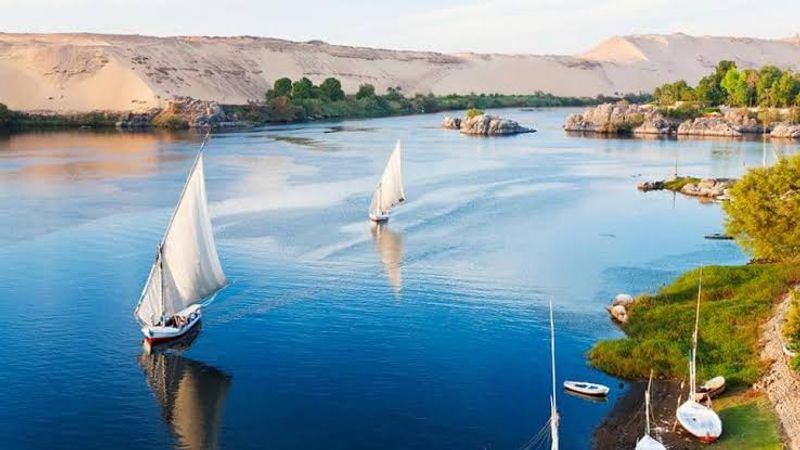
Often called the “gift of the Nile,” this legendary river made ancient Egyptian civilization possible in a way few natural features ever have. Every year, predictable floods deposited rich, dark silt along its banks, turning the surrounding desert into some of the most fertile farmland in the ancient world.
Without this annual renewal, the pyramids, temples, and pharaohs we study today might never have existed.
Ancient Egyptians organized their entire calendar around the Nile’s flood cycle. Farmers planted crops after the waters receded and harvested before the next flood season arrived.
This reliable rhythm gave Egyptian society a stability that lasted for over 3,000 years. The river also served as the main highway for trade and communication, connecting Upper and Lower Egypt into one powerful kingdom that left an unforgettable mark on human history.
2. Tigris River (Iraq and Turkey)
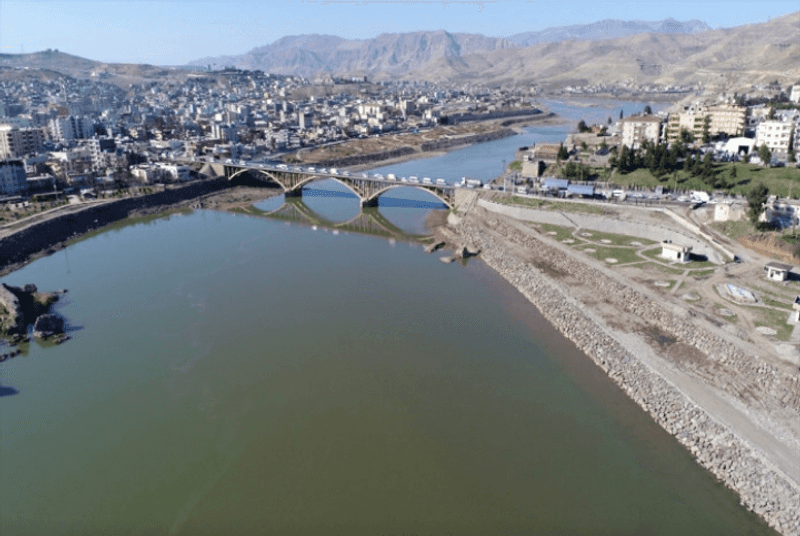
Long before skyscrapers and smartphones, the Tigris River helped spark one of humanity’s greatest achievements: the invention of civilization itself. Flowing through ancient Mesopotamia, a Greek word meaning “land between the rivers,” the Tigris partnered with the Euphrates to create one of the most productive agricultural regions the ancient world had ever seen.
Early farmers discovered that its seasonal floods left behind nutrient-rich soil perfect for growing grain.
Cities like Nineveh and Ashur rose along its banks, becoming powerful centers of politics, culture, and trade. The Assyrian Empire built its capital at Nineveh, right beside the Tigris, because the river offered both water security and a natural defensive boundary.
Writing, mathematics, and some of the world’s earliest legal codes all developed in this river-fed region. The Tigris was not just a water source; it was the engine of early human progress.
3. Euphrates River (Turkey, Syria, and Iraq)
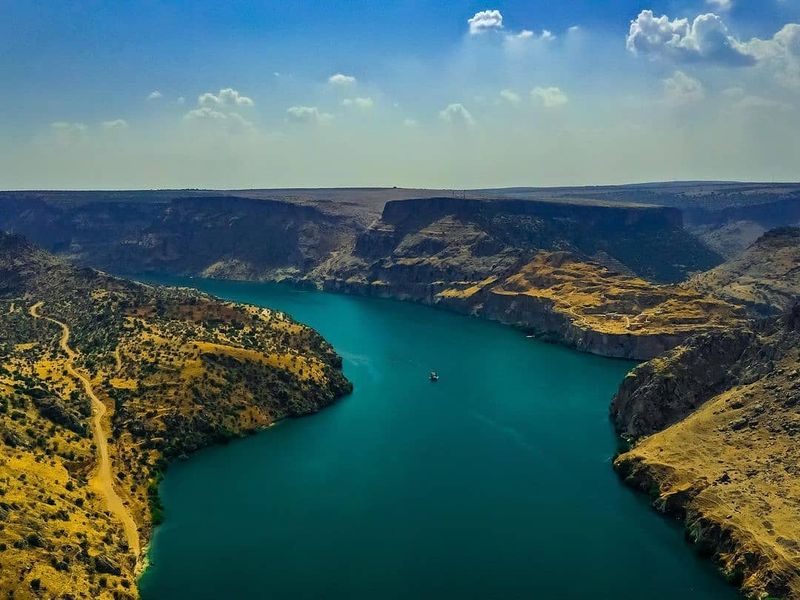
Stretching over 1,700 miles from the mountains of Turkey down through Syria and Iraq, the Euphrates River is one of the oldest and most historically significant waterways on Earth. The Sumerians, widely considered the world’s first true civilization, built their cities along its banks around 3500 BCE.
They developed cuneiform writing, one of the earliest writing systems ever created, largely to keep records of goods transported along this vital river.
Later, the Babylonians harnessed the Euphrates to build magnificent irrigation systems that supported massive urban populations. The famous Hanging Gardens of Babylon, one of the Seven Wonders of the Ancient World, may have drawn water directly from this river.
The Euphrates also served as a key trade route connecting the Mediterranean world to Persia and beyond. Civilizations rose, fell, and were reborn along its banks for thousands of years.
4. Indus River (Pakistan and India)
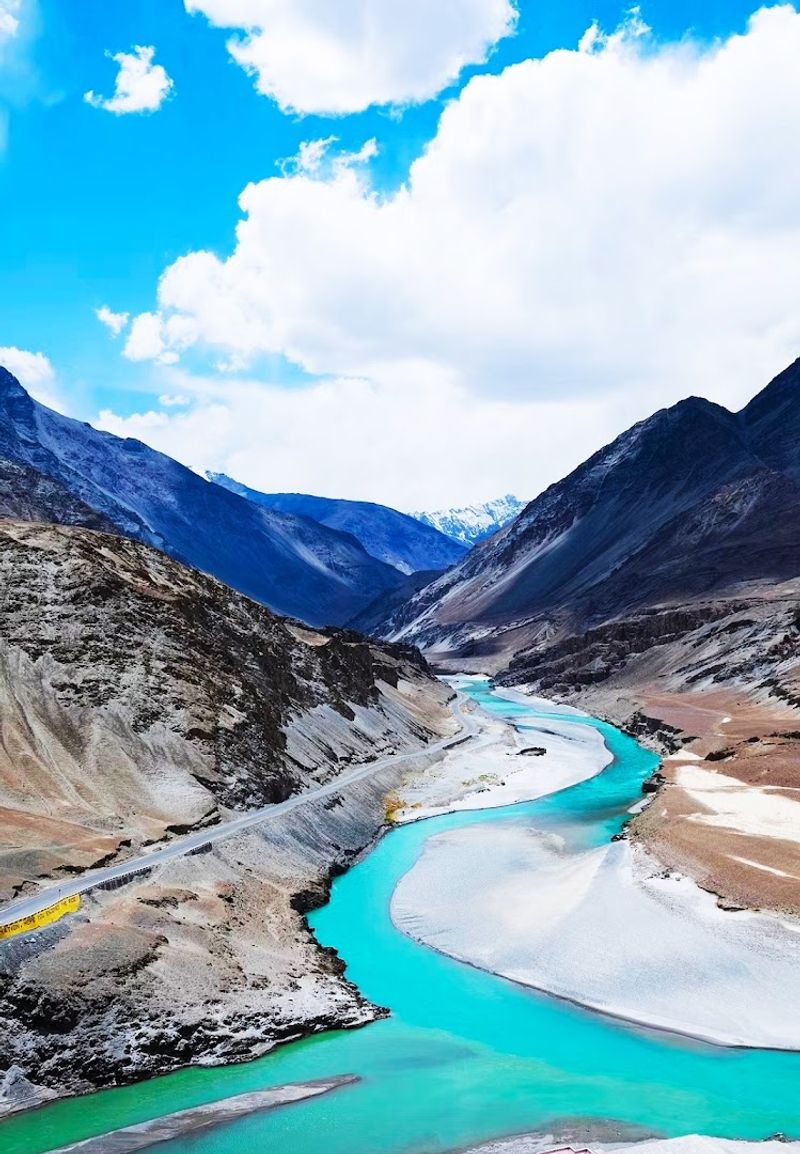
Around 2500 BCE, while Egypt was building pyramids and Mesopotamia was writing laws, another remarkable civilization was quietly flourishing along the Indus River. The Indus Valley Civilization stretched across what is now Pakistan and northwestern India, and it was surprisingly advanced for its time.
Cities like Mohenjo-daro and Harappa had organized street grids, sophisticated drainage systems, and standardized weights and measures that suggest a well-organized society.
What makes the Indus civilization especially fascinating is how much we still do not know about it. Archaeologists have yet to fully decode its writing system, leaving many mysteries unsolved.
What is clear, though, is that the river made it all possible. Annual floods deposited fertile silt, supporting agriculture for hundreds of thousands of people.
The Indus also enabled trade networks that reached as far as Mesopotamia, proving this civilization was far more connected to the wider world than once believed.
5. Yellow River (China)
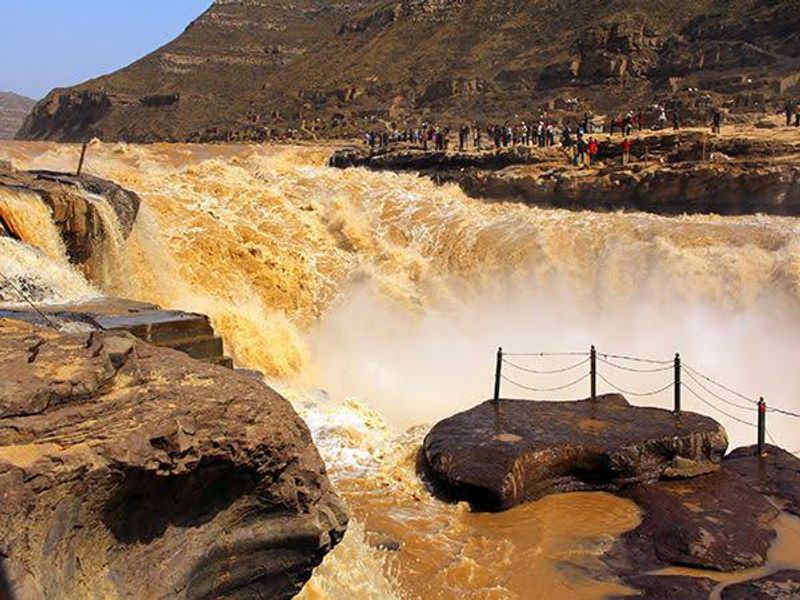
China’s Yellow River earned its name from the massive amounts of yellowish loess sediment it carries, but its nickname, the “Mother River of China,” tells a deeper story. For thousands of years, this river nurtured the earliest Chinese dynasties, including the Xia, Shang, and Zhou, along its fertile banks.
Chinese mythology even credits a legendary emperor named Yu the Great with taming the Yellow River’s floods, a story that reflects just how central this river was to early Chinese identity.
The river’s rich sediment made surrounding farmland extremely productive, supporting dense populations that fueled the growth of Chinese culture, language, and philosophy. However, the Yellow River has also been called “China’s Sorrow” because of its devastating floods, which have killed millions over the centuries.
Managing its power has been one of China’s greatest engineering challenges throughout history, pushing the development of large-scale water control systems that shaped Chinese governance itself.
6. Yangtze River (China)
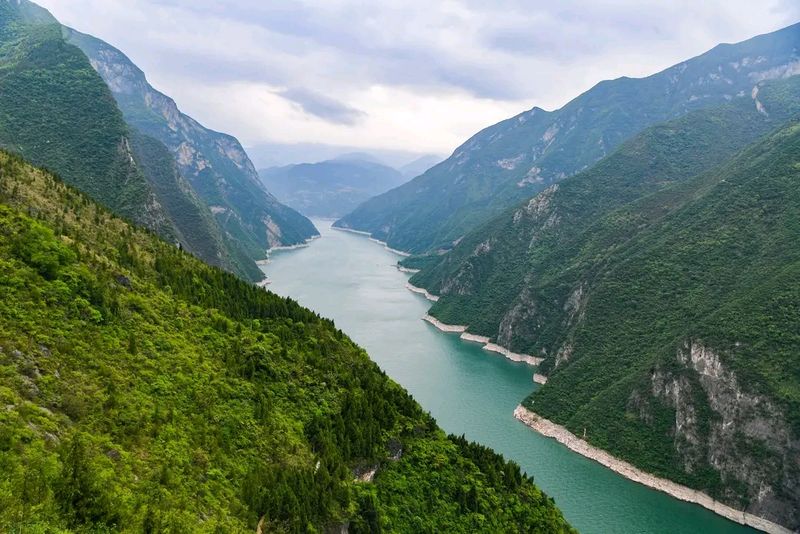
Stretching nearly 4,000 miles across China, the Yangtze River is Asia’s longest river and one of the most economically important waterways on the planet. While the Yellow River gets more credit for China’s earliest history, the Yangtze was equally vital to the country’s long-term development.
Rice cultivation along its fertile basin helped feed hundreds of millions of people and became the agricultural backbone of southern China for centuries.
The Yangtze also connected China’s interior to the coast, making it a superhighway for trade and military movement. Dynasties like the Han and Tang relied heavily on Yangtze commerce to sustain their empires.
Today, the river remains crucial, hosting the Three Gorges Dam, the world’s largest hydroelectric power station. With more than 400 million people living in the Yangtze River Basin today, its role in shaping Chinese civilization is as strong as ever.
7. Ganges River (India and Bangladesh)
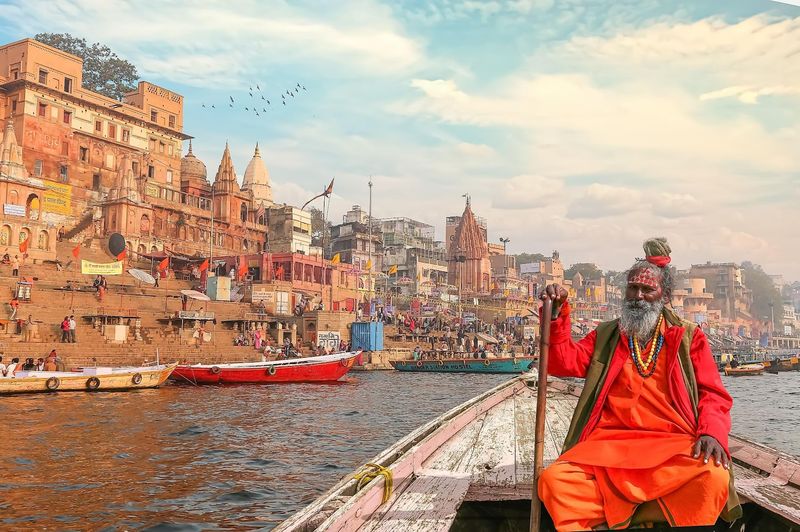
Few rivers in the world carry as much meaning as the Ganges. Flowing from the Himalayan glaciers down through northern India and into Bangladesh, it has been a source of life, faith, and culture for over 4,000 years.
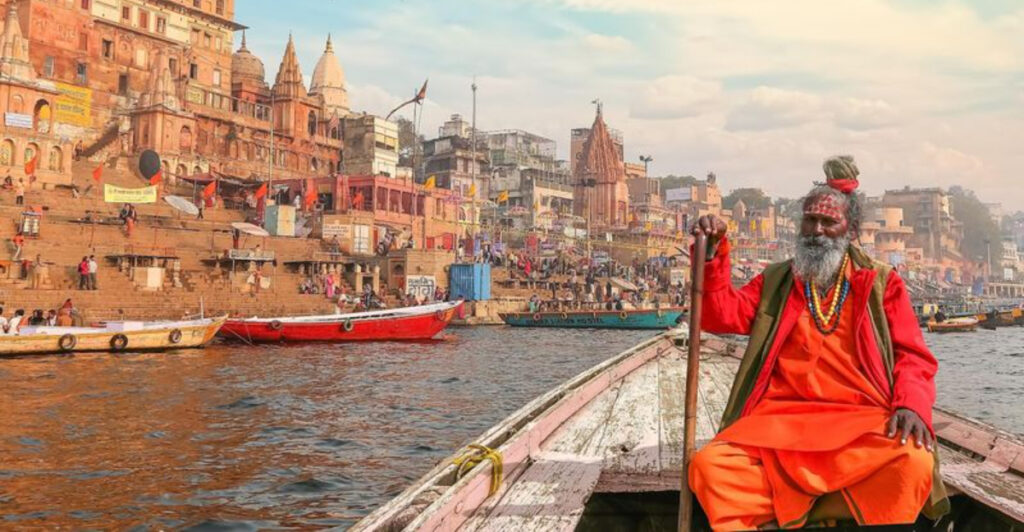
For hundreds of millions of Hindus, the Ganges is not just a river but a living goddess, known as Ganga Ma, whose sacred waters are believed to cleanse the soul. Pilgrims travel from across India to bathe in its waters at holy cities like Varanasi.
Beyond its spiritual role, the Ganges supports one of the most densely populated river basins on Earth, home to over 400 million people. Its floodplains have sustained agriculture for millennia, producing rice, wheat, and sugarcane that feed vast populations.
The river also influenced the rise of powerful ancient kingdoms, including the Maurya and Gupta empires, whose capitals sat along its fertile banks.
8. Mississippi River (United States)
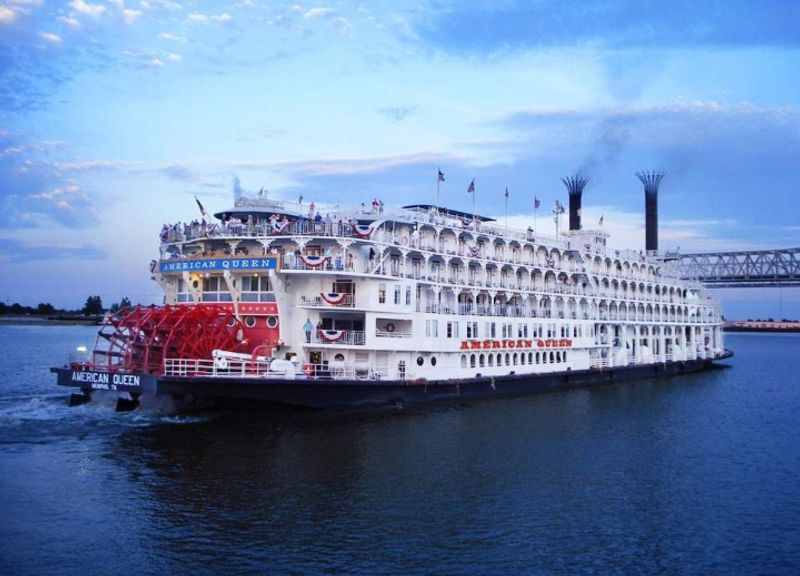
Long before European explorers arrived in North America, the Mississippi River was already at the center of thriving cultures. The Mississippian civilization, which peaked between 800 and 1600 CE, built large earthen mounds and complex trade networks that stretched from the Gulf of Mexico to the Great Lakes, all connected by this massive river.
Native communities depended on it for fish, fresh water, and transportation across a continent.
After European settlement, the Mississippi became the economic spine of a growing nation. Steamboats carried cotton, timber, and goods from the interior to New Orleans, which grew into one of America’s wealthiest cities.
Mark Twain immortalized the river in literature, capturing its wild personality and importance to everyday American life. Today, the Mississippi remains a major commercial waterway, moving millions of tons of agricultural products each year and connecting the American heartland to global markets.
9. Danube River (Europe)
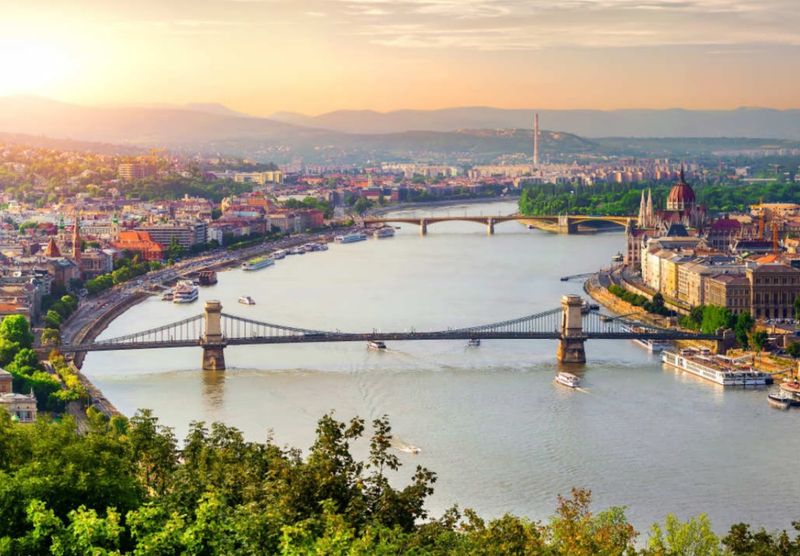
No river in the world flows through more countries than the Danube. Stretching nearly 1,800 miles from Germany’s Black Forest to the Black Sea, it passes through or borders ten nations, including Austria, Hungary, Serbia, and Romania.
This geographic reach made it one of Europe’s most important corridors for trade, migration, and military campaigns throughout history. The Roman Empire used the Danube as its northern frontier, building forts and settlements along its banks to defend against Germanic tribes.
During the medieval period, the Danube connected great kingdoms and trading cities, helping spread art, religion, and technology across Central and Eastern Europe. Cities like Vienna, Budapest, and Belgrade all grew powerful partly because of their position on this river.
The Danube was also a cultural bridge, allowing different peoples to exchange ideas, goods, and traditions over many centuries. Its influence on European history is simply impossible to overstate.
10. Rhine River (Europe)
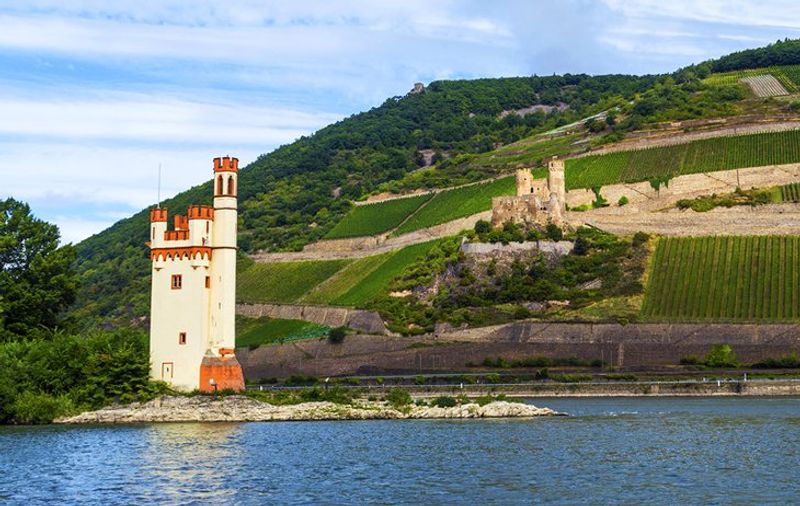
Winding through six countries from the Swiss Alps to the North Sea, the Rhine River has been a defining feature of European history for more than two thousand years. Julius Caesar crossed it to campaign against Germanic tribes, and later Roman emperors used it as a natural border between Roman civilization and the barbarian world beyond.
That boundary role shaped the cultural and political geography of Europe for centuries.
During the Middle Ages, the Rhine became one of Europe’s busiest commercial routes. Merchants transported wine, grain, and cloth along its waters, and powerful trading cities like Cologne and Strasbourg grew rich from river commerce.
Dramatic castles built on Rhine cliffs collected tolls from passing boats, making river control a source of enormous wealth and political power. Today, the Rhine remains one of the world’s most heavily used commercial waterways, still connecting European industry to global markets.
11. Mekong River (Southeast Asia)
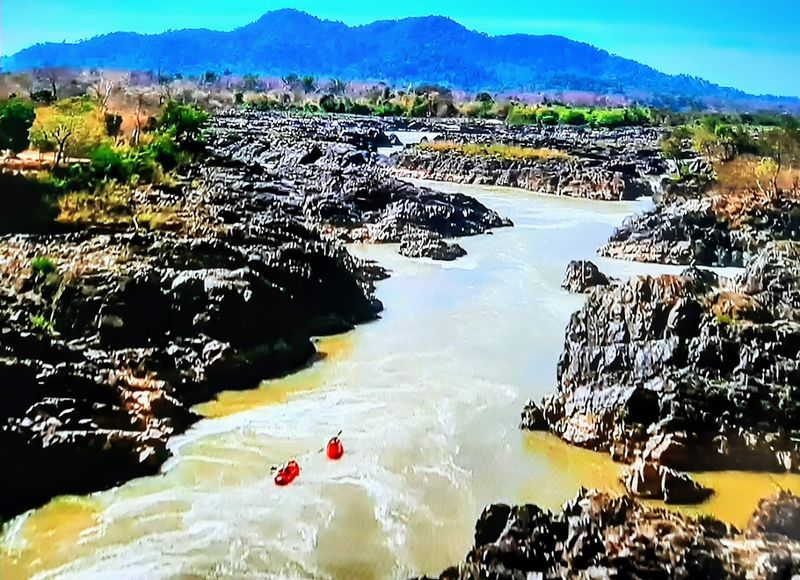
Running nearly 3,000 miles from the Tibetan Plateau through China, Myanmar, Laos, Thailand, Cambodia, and Vietnam, the Mekong River is Southeast Asia’s most vital waterway. It supports the livelihoods of around 70 million people who depend on it for fishing, farming, and transportation.
The Mekong River Basin is one of the most biodiverse regions on Earth, home to thousands of plant and animal species found nowhere else.
Ancient kingdoms understood the river’s power well. The Khmer Empire, builders of the magnificent Angkor Wat temple complex in Cambodia, relied on the Mekong’s seasonal floods to sustain their sophisticated hydraulic engineering systems.
These water management networks allowed the Khmer to feed large urban populations and maintain one of the most powerful empires in Southeast Asian history. Even today, millions of families in the region catch fish from the Mekong as their primary source of protein and income.
12. Niger River (West Africa)
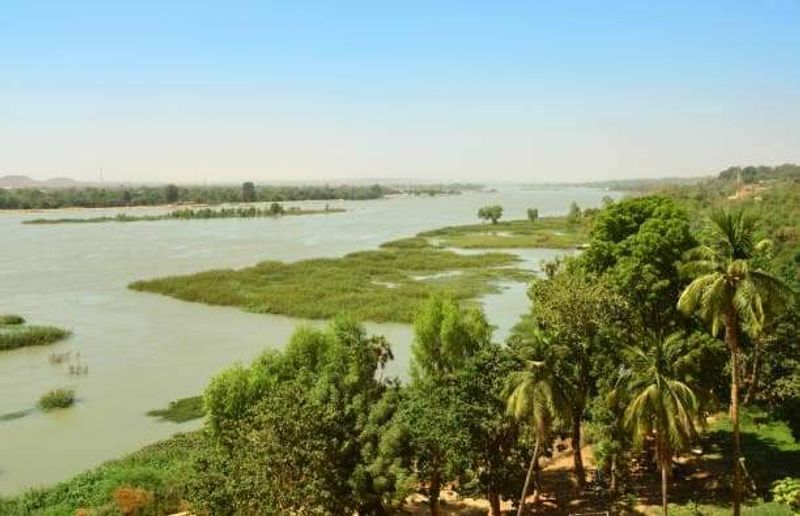
Curving through West Africa like a giant boomerang, the Niger River stretches nearly 2,600 miles through Guinea, Mali, Niger, Benin, and Nigeria before emptying into the Atlantic Ocean. Its unusual arc through the Sahel region created fertile inland delta areas that supported agriculture in an otherwise harsh environment.
Ancient kingdoms recognized this advantage early and built some of Africa’s most powerful empires along its banks.
The Mali Empire and later the Songhai Empire both flourished along the Niger, growing wealthy through gold and salt trade. The legendary city of Timbuktu, located near the river’s great bend, became a world-class center of Islamic scholarship, housing hundreds of thousands of manuscripts and attracting scholars from across the Muslim world.
At its peak in the 14th century, Mali’s ruler Mansa Musa was considered the richest person in all of recorded history, a fortune built largely on Niger River trade routes.
13. Volga River (Russia)
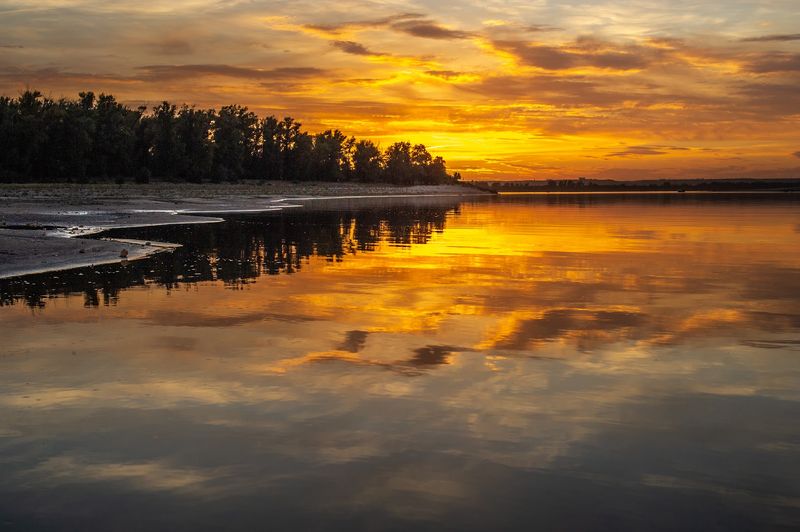
Russia is a country of staggering size, and for centuries the Volga River served as its backbone. Stretching nearly 2,300 miles from northwest Russia down to the Caspian Sea, the Volga is Europe’s longest river and has been called “Mother Volga” by the Russian people for generations.
It was not just a geographic feature; it was a lifeline that connected distant regions of a vast empire before roads or railroads existed.
Viking traders used the Volga as part of their famous trade route linking Scandinavia to Persia and the Arab world, exchanging furs and amber for silver coins. Later, Russian cities like Kazan, Nizhny Novgorod, and Volgograd grew into major centers of commerce and culture along its banks.
During World War II, the Battle of Stalingrad, fought on the Volga’s banks, became one of the deadliest battles in human history and a turning point in the war against Nazi Germany.
14. Amazon River (South America)
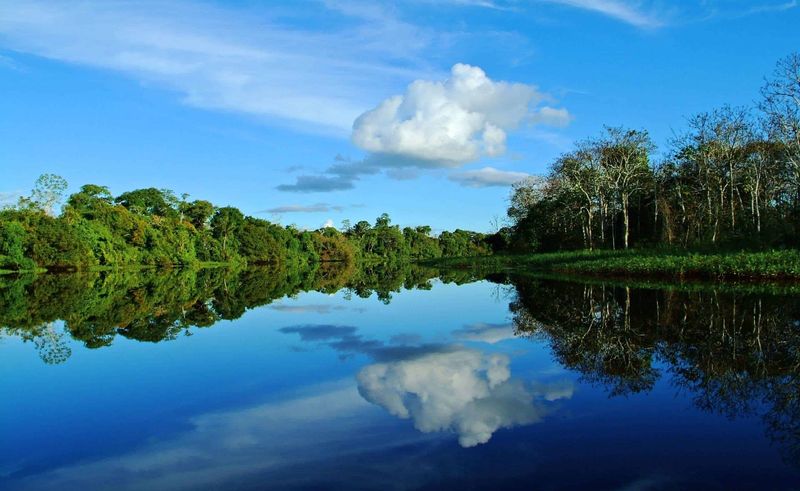
By sheer volume, the Amazon River is the largest river on Earth, carrying more water than the next seven largest rivers combined. Flowing nearly 4,000 miles across South America from the Andes Mountains to the Atlantic Ocean, it drains a basin that covers about 40 percent of the South American continent.
The surrounding Amazon rainforest produces roughly 20 percent of the world’s oxygen, making this river system critically important to the entire planet’s health.
Before European contact, the Amazon basin supported millions of Indigenous people living in complex societies. Recent archaeological discoveries suggest that large, sophisticated settlements once existed deep in the jungle, connected by networks of roads and managed landscapes.
These communities shaped the forest environment over thousands of years in ways scientists are still uncovering. Far from being an empty wilderness, the Amazon was a deeply inhabited and carefully managed landscape long before Europeans ever arrived on South American shores.
15. Jordan River (Middle East)
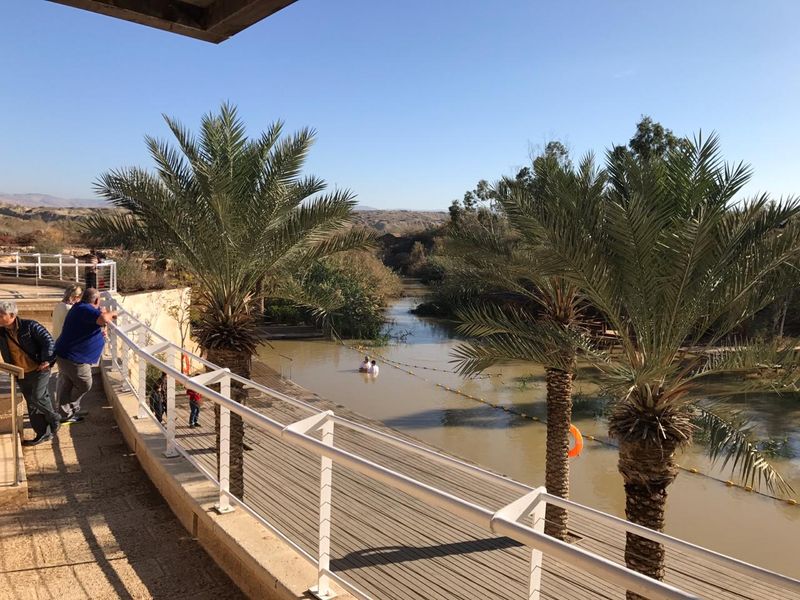
At only about 156 miles long, the Jordan River may seem modest compared to the giants on this list, but its impact on human history is extraordinary. Flowing from the Sea of Galilee down to the Dead Sea, it passes through one of the most historically contested and spiritually significant landscapes on Earth.
For three of the world’s major religions, Judaism, Christianity, and Islam, the Jordan River holds deep and enduring meaning.
According to the Hebrew Bible, the Israelites crossed the Jordan River when entering the Promised Land. Christians believe Jesus was baptized in its waters, and the site draws pilgrims from around the world to this day.
Long before these religious traditions took shape, the Jordan Valley was one of the earliest places humans settled in the region, attracted by its water and fertile soil. Jericho, one of the world’s oldest known cities, sits just a few miles from the river’s banks.
Share this story