Some bands hit a wall and decide to knock it down instead of turning back. Changing your sound is a huge risk, but for these rock bands, it paid off in a massive way.
A few of them went from playing small clubs to selling out stadiums overnight. Here are 15 rock bands that got way bigger after daring to sound completely different.
Fleetwood Mac
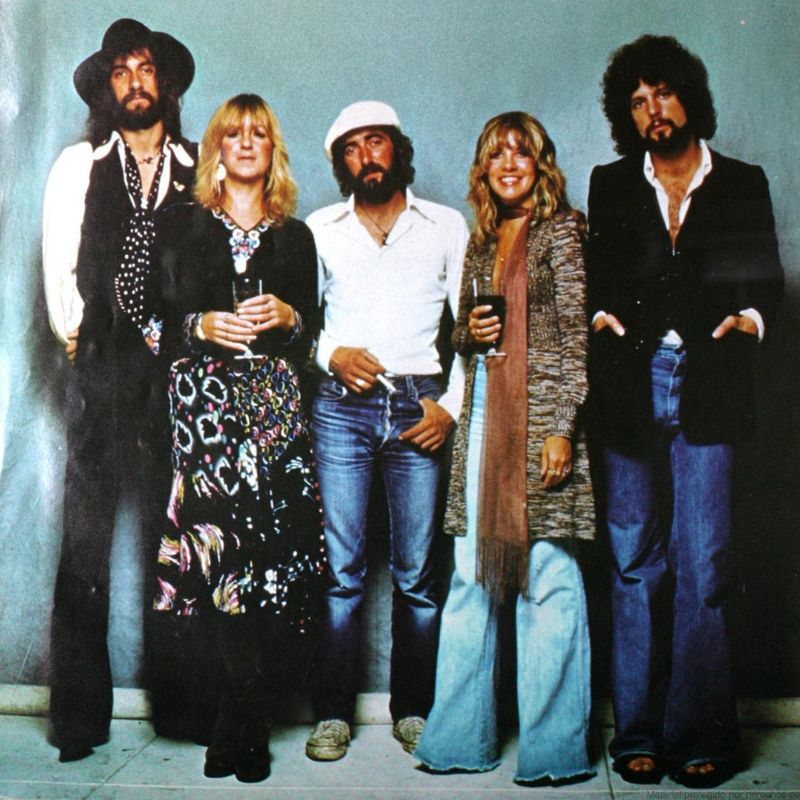
Few band makeovers in rock history are as wild as Fleetwood Mac’s. They started as a gritty British blues band in the late 1960s, the kind of group that wore muddy boots and meant it.
Blues purists loved them, but mainstream audiences barely noticed.
Everything changed when Lindsey Buckingham and Stevie Nicks joined in 1975. The sound shifted hard toward polished, melodic California pop-rock.
Suddenly, Fleetwood Mac had hooks you couldn’t shake loose even if you tried.
Their 1977 album Rumours sold over 40 million copies worldwide and became one of the best-selling albums ever recorded. The drama behind the music, band members breaking up mid-recording, only added fuel to the fire.
I remember hearing “Go Your Own Way” for the first time and not realizing it was the same band that once played straight Chicago blues. That kind of reinvention doesn’t happen often, and it rarely works this well.
Genesis
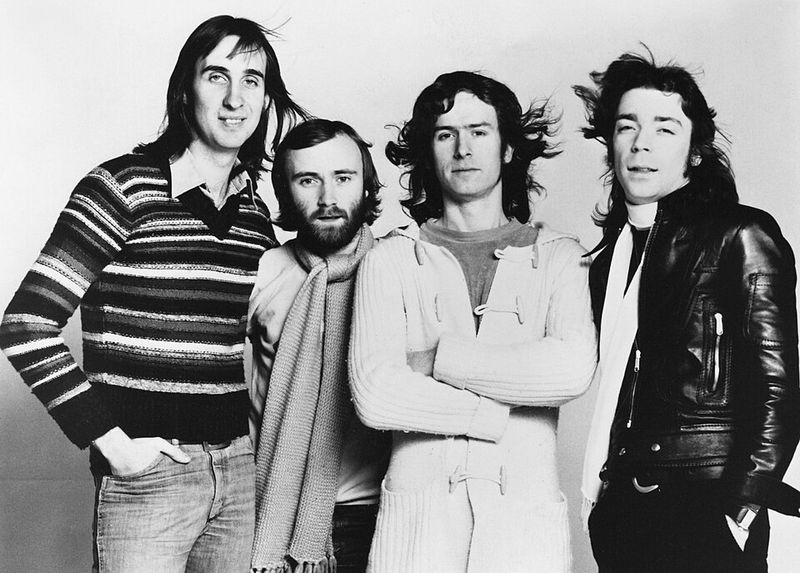
Genesis in the 1970s was basically homework for music nerds. Long concept albums, complex time signatures, Peter Gabriel wearing a fox head on stage.
It was brilliant, but it wasn’t exactly radio-friendly.
When Phil Collins took over lead vocals and the band shifted into polished pop-rock territory, something clicked hard. Their 1986 album Invisible Touch became their commercial peak, producing five Top 5 singles in the U.S. alone.
That’s not a coincidence, that’s a formula working perfectly.
The title track became their only U.S. number one single, which still feels like a fun fact to drop at parties. Prog fans grumbled, of course.
But millions of new listeners who had never owned a Genesis record suddenly couldn’t stop humming “In Too Deep.” The band didn’t abandon their musicianship. They just wrapped it in a much shinier package and handed it to a much bigger audience.
Pantera

Before Pantera became the heaviest thing in your CD collection, they were wearing spandex and big hair. Their 1980s glam-metal phase is something the band themselves tried to quietly bury, and honestly, you can see why.
Cowboys from Hell in 1990 was the hard reset. The glam was gone, replaced by groove-metal so heavy it practically needed its own zip code.
Phil Anselmo’s vocals, Dimebag Darrell’s riffs, and Vinnie Paul’s drumming clicked into something genuinely new and aggressive.
The album didn’t explode overnight, but it built a fanbase that was ferociously loyal. By the time Vulgar Display of Power dropped in 1992, Pantera were undeniable.
That reinvention wasn’t just a sound change, it was a full identity overhaul. The version of Pantera that most fans know and love never would have existed without the courage to scrap everything and start from scratch.
That takes guts.
Goo Goo Dolls

The Goo Goo Dolls’ early records sound nothing like the band that made you cry at prom. Their first few albums were scrappy, fast, and punk-influenced, the kind of music that came in loud and left quickly.
“Name” in 1995 was the turning point. It was softer, more vulnerable, and it connected with people in a way their earlier work never did.
Then “Iris” arrived in 1998 for the City of Angels soundtrack and basically owned every radio station for two solid years.
“Iris” spent 18 weeks at number one on the Hot 100 Airplay chart, which is almost absurd when you think about it. Lead singer John Rzeznik reportedly wrote it in one sitting.
The band’s willingness to slow down and get emotional opened a door to an audience that had never heard of them before. Sometimes the best punk move is knowing when to put the distortion pedal away.
Heart

Heart spent the 1970s proving that women could absolutely shred in hard rock, and they were right. Ann Wilson’s voice was monstrous in the best possible way, and the band had serious credibility.
By the mid-1980s, though, the landscape had changed. Their 1985 self-titled album leaned into polished arena-rock with big production and radio-ready ballads. “What About Love” and “Never” became massive hits, and “These Dreams” gave them their first ever number one single on the Billboard Hot 100.
Some longtime fans felt the rougher edges had been sanded off. Fair point.
But the tradeoff was a whole new generation of fans who discovered Heart through MTV and couldn’t get enough. The album became one of the most commercially successful releases of their career.
It’s a classic example of a band reading the room, adjusting the volume, and walking away with a much bigger crowd than they started with.
Journey
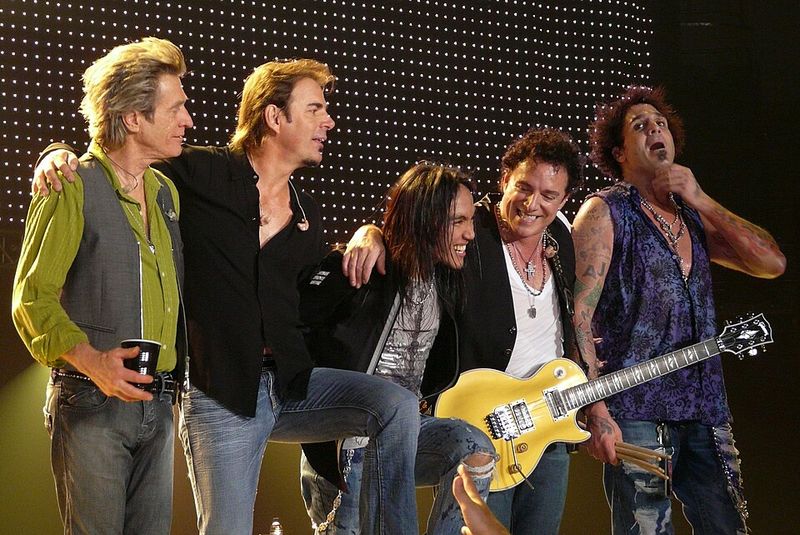
Early Journey was basically a jazz-fusion experiment with rock tendencies. Talented?
Absolutely. Filling arenas?
Not quite yet.
When Steve Perry joined and steered the band toward anthemic, melodic arena-rock, the whole equation changed. His voice was almost unfairly powerful, and the songs written around it were built for maximum emotional impact.
The 1981 album Escape hit number one on the Billboard 200 and became one of the defining rock records of the decade.
“Don’t Stop Believin'” is now so culturally embedded that it gets played at sporting events, weddings, and karaoke bars with equal enthusiasm. The song didn’t even chart that high originally, which makes its later life even more remarkable.
I grew up thinking Journey had always sounded like that, so learning about their jazz-fusion roots genuinely surprised me. The pivot Perry helped engineer didn’t just make Journey bigger.
It made them practically eternal. That’s a pretty solid return on one sound change.
Chicago
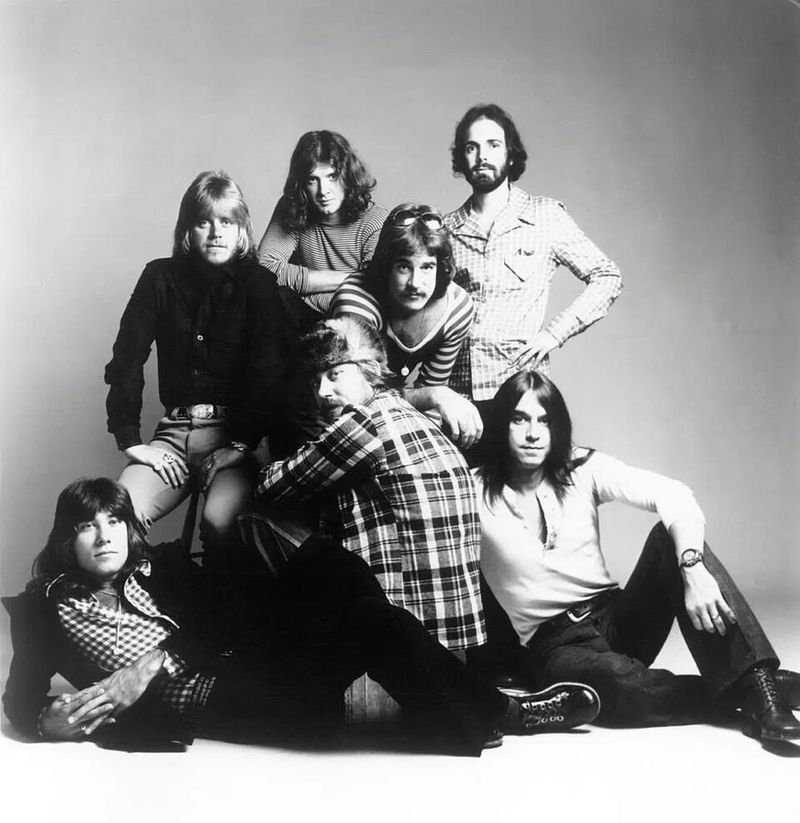
Chicago showed up in the late 1960s with a horn section, jazz-rock ambitions, and a name that doubled as a geography lesson. They were genuinely innovative and built a strong following among fans who liked their rock with a little sophistication.
Their commercial peak, however, came much later. After shifting toward slicker, ballad-heavy adult-oriented rock in the 1980s, Chicago 17 became their best-selling studio album. “Hard to Say I’m Sorry” and “Hard Habit to Break” were everywhere, and nobody was complaining.
Britannica specifically noted how the band thrived after moving to a lighter, ballad-oriented style. That’s a polite way of saying they traded their jazz chops for radio dominance and it worked brilliantly.
The horn section stayed, which was a smart call. Losing the horns would have been a step too far.
Instead, they kept the signature sound while wrapping it in something far more accessible. Result: their biggest commercial era by a wide margin.
Simple Minds

Simple Minds started their career deep in post-punk and art-rock territory, releasing albums that were critically respected but not exactly lighting up the charts in America.
Their U.S. breakthrough came from an unlikely source: a John Hughes movie. “Don’t You (Forget About Me)” was recorded for The Breakfast Club in 1985, and the band reportedly almost turned it down. That would have been a catastrophic mistake.
The song hit number one in the U.S. and became one of the defining anthems of an entire generation.
The track’s success pushed Simple Minds toward a bigger, glossier, more arena-sized sound that appealed to a massive new audience. Their willingness to step outside their art-rock comfort zone, even reluctantly, changed everything.
Sometimes the best career decisions are the ones you almost didn’t make. The Breakfast Club connection also gave the song a kind of immortality that most bands spend entire careers chasing and never find.
U2

U2 were already critically adored before The Joshua Tree, but adored and massive are two very different things. Their earlier work was angular, post-punk influenced, and earnest in a way that connected with serious music fans.
The Joshua Tree in 1987 opened the sound up completely. It was rootsier, more direct, and deeply influenced by American blues, gospel, and country.
That combination hit the world like a freight train. The album topped charts in over 20 countries and gave U2 their first U.S. number one album.
“With or Without You” and “I Still Haven’t Found What I’m Looking For” both reached number one in the U.S. as well. Time magazine put the band on its cover with the headline “Rock’s Hottest Ticket.” The Joshua Tree didn’t just make U2 bigger, it made them one of the biggest bands on the planet, a status they’ve held pretty much ever since.
No Doubt

No Doubt spent years grinding through the Southern California ska scene, building a following but never quite breaking through to a national audience. Their early sound was fun, but it had a ceiling.
Tragic Kingdom in 1995 was the record that blew the ceiling off. By blending ska with pop-rock, alternative rock, and new wave elements, the album created something that felt fresh and radio-ready at the same time. “Just a Girl” and “Spiderwebs” built momentum, but “Don’t Speak” was the real rocket ship, spending 16 weeks at number one on the Billboard Hot 100 Airplay chart.
Gwen Stefani’s personality and presence were a huge part of the appeal, but the sonic shift mattered just as much. No Doubt went from regional cult act to one of the defining mainstream bands of the 1990s in what felt like one album cycle.
Tragic Kingdom remains one of the best-selling albums of that decade.
AFI

AFI built their early reputation in the hardcore punk underground, releasing records that were fast, raw, and aimed squarely at a niche audience. That audience was devoted, but it was small.
The band’s gradual shift toward a darker, more melodic alt-rock and goth-tinged sound started turning heads. Sing the Sorrow in 2003 was a step in that direction, but Decemberunderground in 2006 was the full arrival.
It debuted at number one on the Billboard 200, which is not something hardcore punk bands usually do.
“Miss Murder” became their signature crossover hit, landing on mainstream radio and introducing AFI to listeners who had never worn a studded belt in their lives. The band kept their dark aesthetic intact while making the music more accessible.
That balance is genuinely hard to strike. Most bands either sell out completely or refuse to budge at all.
AFI found a middle ground that worked spectacularly well for them.
Ministry

Ministry’s origin story is genuinely one of the strangest in rock. Al Jourgensen launched the project in 1981 as a synth-pop act, releasing dance-friendly tracks that had more in common with Depeche Mode than anything metal-adjacent.
Jourgensen apparently hated that phase of his career so much that he tried to suppress those early recordings entirely. By the late 1980s, he had driven Ministry deep into industrial metal territory, layering distorted guitars over abrasive electronic production.
The result was brutal, confrontational, and completely original.
Psalm 69 in 1992 became their commercial high point, reaching gold status and bringing industrial metal to a mainstream rock audience. “Jesus Built My Hotrod” and “N.W.O.” became unexpected radio staples on alternative stations. The distance between their synth-pop debut and Psalm 69 is almost comically large.
It’s one of the most extreme sound reinventions in rock history, and it worked precisely because Jourgensen committed to the new direction with zero hesitation.
Incubus

Incubus in the mid-1990s was a very different beast. Their early records mixed funk-metal, hip-hop influences, and nü-metal into something heavy and chaotic.
Fans of that era still talk about it with genuine affection.
Make Yourself in 1999 was the pivot point. The funk and nü-metal elements were dialed back significantly, replaced by cleaner guitar work, more melodic songwriting, and a generally more radio-approachable sound. “Drive” became a massive hit and introduced Incubus to an audience far beyond their existing fanbase.
Brandon Boyd’s vocals had always been strong, but the new direction let them breathe more. The album eventually went double platinum, and Morning View in 2001 pushed that success even further.
Some early fans felt the band had moved away from what made them special. That’s a fair critique.
But the tradeoff was a significantly larger career with hits that still get played on rock radio more than two decades later. That’s hard to argue with.
Sugar Ray

Sugar Ray’s early material was genuinely chaotic in the best way. Their first album mixed funk metal, punk, and alt-rock into a loud, messy, and energetic record that didn’t have a mainstream hit within a hundred miles of it.
Then “Fly” happened in 1997, and everything changed overnight. The song was breezy, sunny, and ridiculously catchy, nothing like what the band had been doing before.
It hit number one and introduced Sugar Ray to a pop audience that had never heard of them.
Lead singer Mark McGrath became something of a pop culture fixture almost immediately. The band leaned fully into the new direction with follow-up hits like “Someday” and “Every Morning,” cementing their status as a staple of late-1990s pop-rock radio.
Their original fanbase was not thrilled. But the shift created a whole second chapter for the band, one that was considerably more commercially successful than anything in their earlier catalog.
Bring Me the Horizon

Bring Me the Horizon built their early reputation on metalcore so heavy it practically needed a warning label. Their first few albums were beloved in extreme metal circles but weren’t exactly getting mainstream radio play.
That’s the Spirit in 2015 was the album that changed the conversation completely. The metalcore was largely replaced by alternative rock, electronic elements, and enormous choruses built for arenas.
It hit number two in both the U.K. and the U.S., a result that would have seemed laughable to anyone who heard their debut album.
“Throne” and “Happy Song” became genuine crossover hits, and the band kept pushing further into the mainstream with each subsequent release. Amo in 2019 went even further into pop and electronic territory.
Not every longtime fan made the journey with them, which is understandable. But Bring Me the Horizon are now one of the biggest rock bands in the world, and that reinvention is exactly why.
Share this story