 Unearth The Voyage

Rock and roll has always had a rebellious spirit, but for some musicians, that rebellion crossed into real legal territory. From drug busts to violent incidents, the courtroom became just as familiar as the concert stage for many legendary artists.
These stories remind us that fame and fortune don’t shield anyone from consequences. Here’s a look at 15 rock legends whose legal troubles made headlines around the world.
1. Mick Jagger (The Rolling Stones)
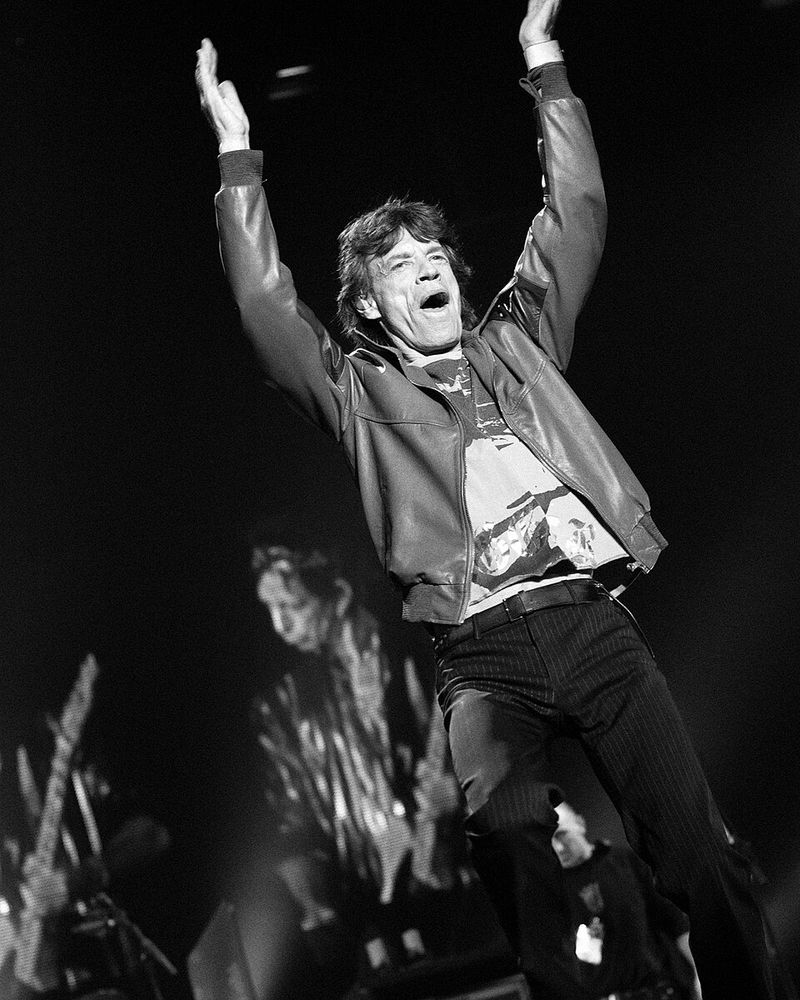
In February 1967, police raided guitarist Keith Richards’ home in West Sussex, England, and found Mick Jagger in possession of amphetamine tablets. Jagger was arrested, tried, and convicted, receiving a three-month prison sentence that shocked the British public.
The case became a cultural flashpoint, with a famous Times editorial titled “Who Breaks a Butterfly on a Wheel?” defending him.
The outcry was enormous, and his conviction was overturned on appeal just weeks later. Jagger walked free, but the incident left a permanent mark on his public image.
Rather than damaging his career, it arguably made him a symbol of counterculture resistance against authority. The Rolling Stones used the controversy to fuel their rebellious brand, and Jagger continued performing for decades.
The 1967 bust remains one of rock history’s most talked-about legal moments.
2. Keith Richards (The Rolling Stones)
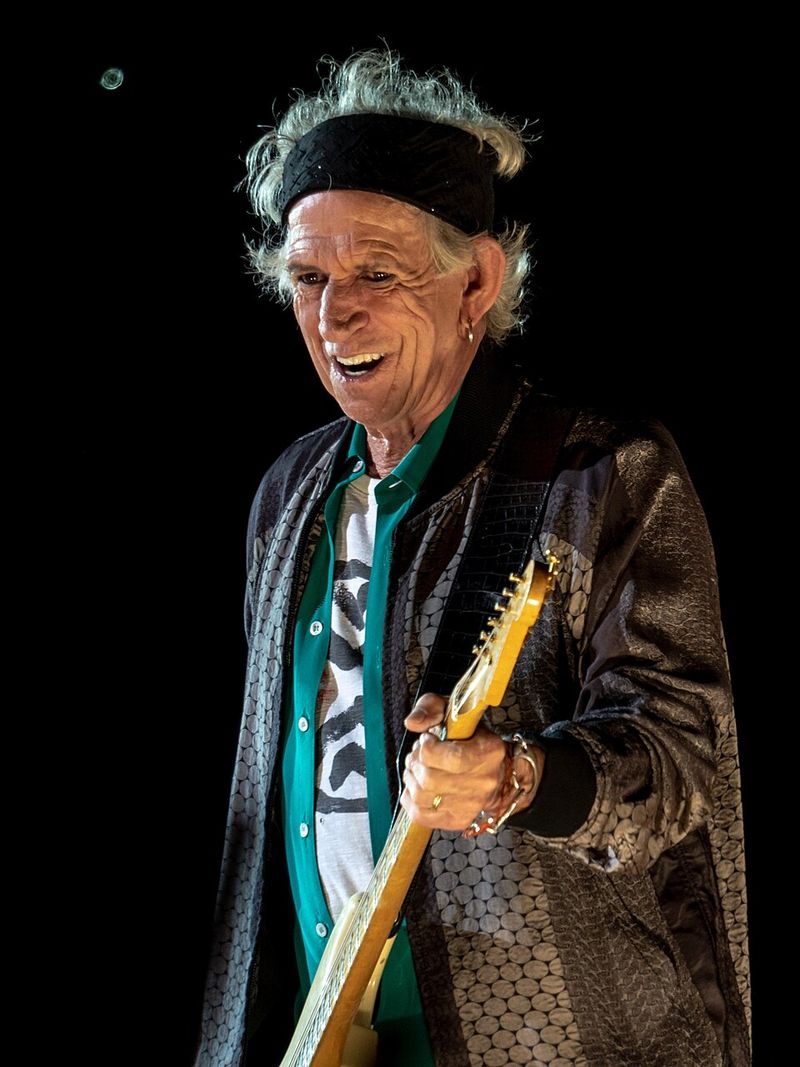
Keith Richards has had more run-ins with law enforcement than most people have had hot meals. His most serious legal moment came in February 1977 when Canadian authorities raided his Toronto hotel room and discovered heroin and cocaine.
The charge was possession with intent to traffic, which carried a potential life sentence in Canada at the time.
The rock world held its breath. Somehow, Richards avoided prison after a judge accepted that he was seeking treatment for addiction.
He was ordered to perform a benefit concert for the Canadian National Institute for the Blind, which he fulfilled with a 1979 show. Many legal experts were stunned by the lenient outcome.
Richards later wrote about the incident openly in his memoir, calling it a genuine wake-up call. It stands as one of the most remarkable legal escapes in music history.
3. Jim Morrison (The Doors)
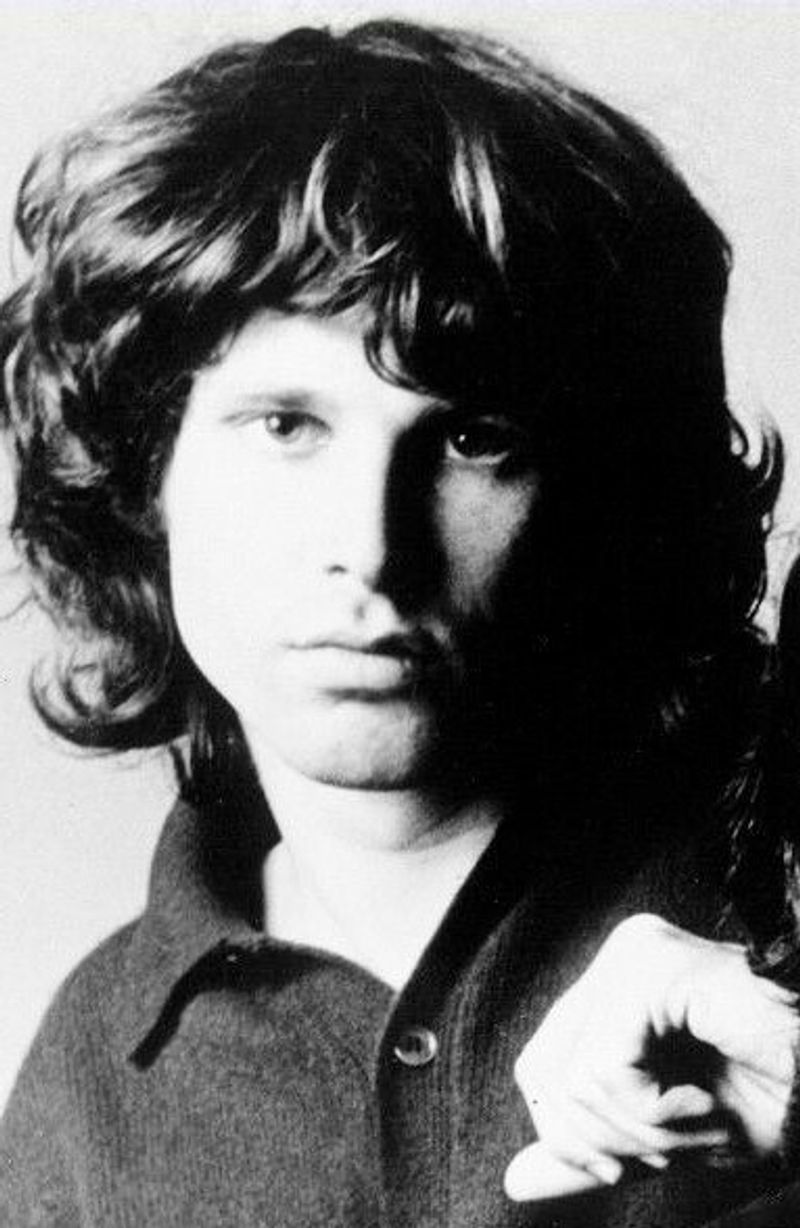
Few rock arrests generated as much controversy as Jim Morrison’s 1969 Miami incident. During a concert at the Dinner Key Auditorium on March 1st, Morrison allegedly exposed himself on stage and made lewd gestures to the crowd.
Police later issued a warrant for his arrest, and he was charged with indecent exposure, open profanity, and public drunkenness.
Morrison maintained his innocence throughout the legal process, and many witnesses disputed the charges. He was convicted in 1970 but died in Paris in July 1971 before his appeal could be heard.
The case lingered for decades as one of rock’s greatest unresolved controversies. In 2010, Florida Governor Charlie Crist granted Morrison a full posthumous pardon, clearing his name nearly 40 years after the incident.
The pardon was seen as long overdue recognition that the case had always been legally questionable.
4. Chuck Berry
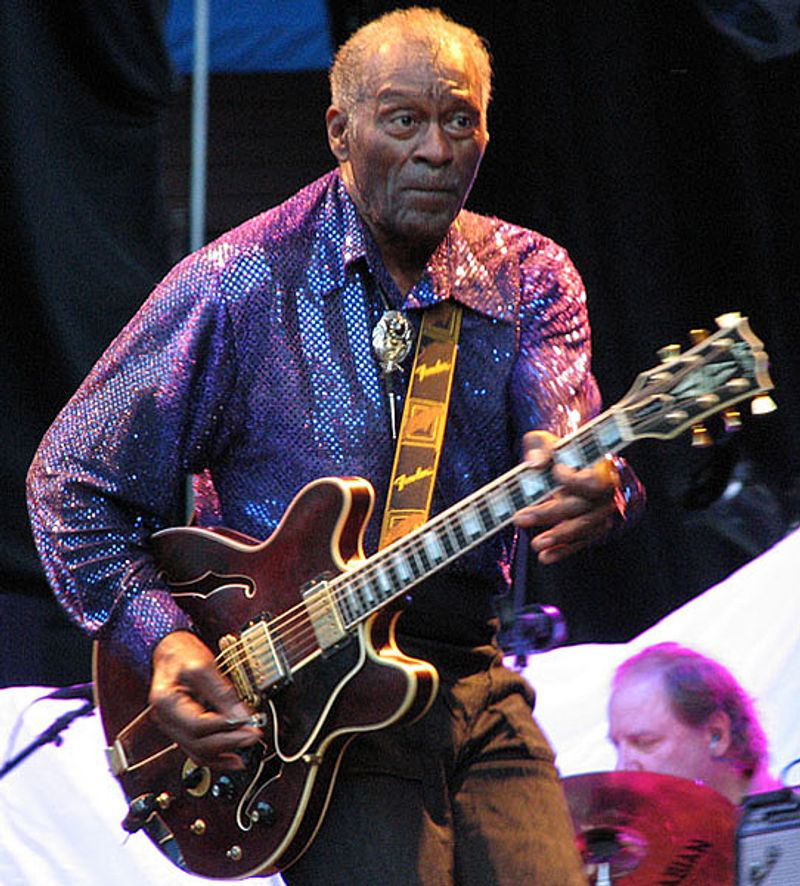
Chuck Berry is widely credited as one of the founding fathers of rock and roll, but his legacy is complicated by serious legal troubles. In 1959, he was arrested under the Mann Act after transporting a 14-year-old girl across state lines from Texas to Missouri.
He claimed he had hired her as a hat-check girl at his St. Louis nightclub, but prosecutors saw it differently.
Berry was convicted and sentenced to three years in federal prison, serving about two years before his release in 1963. The case derailed his career at a critical moment when his music was influencing a generation of British bands including The Beatles and The Rolling Stones.
He faced additional legal issues later in life, including tax evasion charges and civil lawsuits. Despite everything, Berry’s musical contributions remained undeniable, and he was among the first inductees into the Rock and Roll Hall of Fame in 1986.
5. Jerry Lee Lewis

Jerry Lee Lewis never faced criminal charges over his most infamous controversy, but the fallout was so severe it nearly ended his career entirely. In 1957, at the height of his fame as one of rock’s wildest performers, he secretly married Myra Gale Brown, his 13-year-old cousin once removed.
The marriage was not illegal under Mississippi law at the time, but that detail did little to calm public fury.
When the news broke during a 1958 UK tour, the backlash was immediate and brutal. British fans and media turned on him, and promoters canceled the rest of the tour.
Back in the United States, radio stations stopped playing his music, and his concert fees collapsed overnight. Lewis spent years rebuilding his reputation, eventually finding success in country music during the 1960s and 1970s.
The marriage scandal became one of the most cautionary tales in early rock history.
6. Ozzy Osbourne (Black Sabbath)
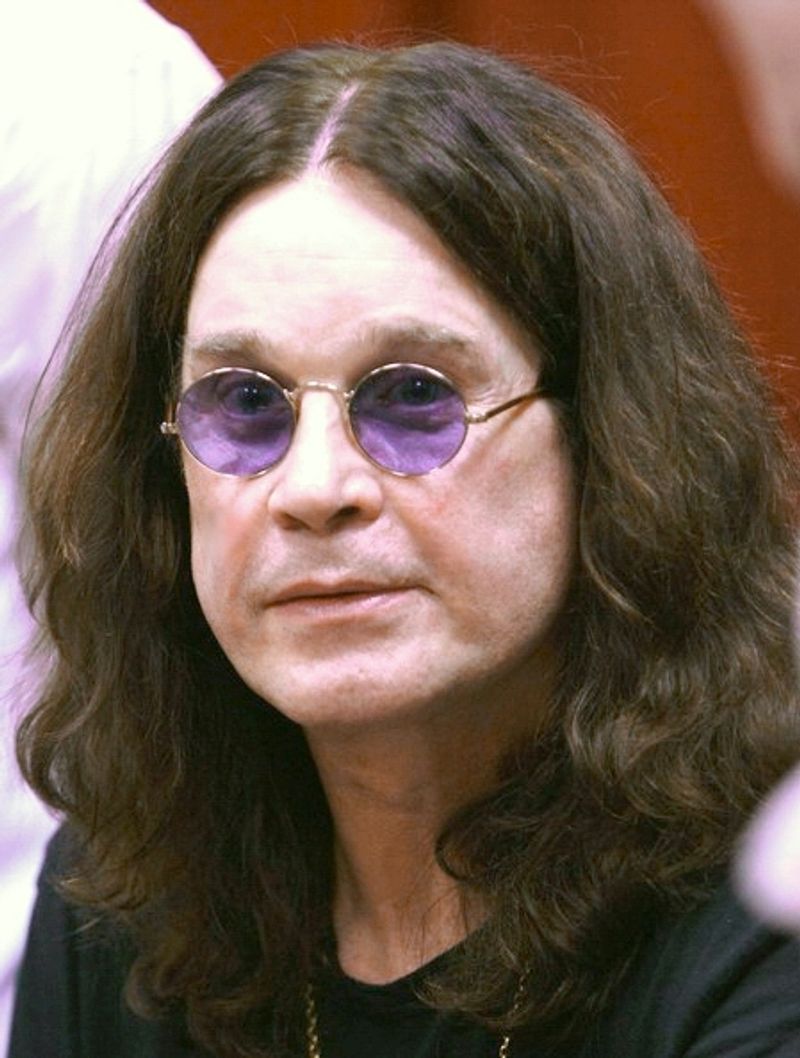
Ozzy Osbourne’s legal history reads like a highlight reel of rock excess. He was arrested in San Antonio, Texas in 1982 for urinating on the Alamo, one of the most sacred historical sites in the state.
Authorities arrested him on the spot, and he was banned from performing in San Antonio for a decade. He later donated $10,000 to the Daughters of the Republic of Texas as part of the resolution.
Beyond that incident, Osbourne faced a high-profile civil lawsuit from the family of a teenager who died by suicide in 1984. The family alleged that his song “Suicide Solution” had influenced their son.
The case was eventually dismissed, with the court ruling that the First Amendment protected the lyrics. Osbourne also dealt with public intoxication arrests and personal struggles throughout the 1980s.
Through it all, he maintained a devoted fanbase that seemed to embrace his chaotic lifestyle as part of his identity.
7. Vince Neil (Motley Crue)

On December 8, 1984, Motley Crue vocalist Vince Neil climbed into his car after a day of drinking and made a decision that cost a life. He crashed his car in Redondo Beach, California, killing Nicholas “Razzle” Dingley, the drummer for Finnish rock band Hanoi Rocks.
Two other passengers in the other vehicle suffered serious brain injuries that affected them for the rest of their lives.
Neil pleaded guilty to vehicular manslaughter and was sentenced to 30 days in jail, along with five years of probation and a fine. He served only 15 days due to jail overcrowding.
Many people felt the sentence was shockingly light given the severity of the outcome. Neil later expressed remorse publicly and has spoken about the tragedy in interviews.
The crash remains one of the darkest moments in 1980s rock history and a sobering reminder of the real consequences of drunk driving.
8. Tommy Lee (Motley Crue)

Tommy Lee’s 1998 legal case was one of the most publicly discussed celebrity criminal convictions of its decade. The Motley Crue drummer pleaded no contest to spousal battery charges after assaulting his then-wife, actress Pamela Anderson, in January of that year.
According to court records, the assault occurred while Anderson was holding their infant son. Lee was sentenced to six months in county jail and served about four months before his release.
The case attracted enormous media coverage, partly because of the couple’s high-profile relationship and the earlier leak of their private honeymoon tape. Lee was also ordered to complete counseling and pay fines.
Anderson later spoke publicly about the incident on multiple occasions. The conviction stood as a sharp contrast to Lee’s rock star image and forced a public reckoning with domestic violence in celebrity culture.
He has since spoken about personal growth and accountability in later interviews.
9. Axl Rose (Guns N’ Roses)

Axl Rose earned a reputation for volatility both on and off the stage throughout the late 1980s and early 1990s. One of his most notorious moments came at a July 1991 concert in St. Louis, Missouri, when he spotted a fan in the crowd photographing him without permission.
Rose jumped off the stage and lunged at the fan, triggering a full-scale riot that injured dozens of people and caused significant property damage.
Rose faced assault charges and was later indicted on four counts of assault and one count of property damage. He eventually settled the matter out of court.
He also faced earlier arrests related to altercations with neighbors and multiple civil suits tied to concert incidents. Promoters became increasingly reluctant to book Guns N’ Roses due to the unpredictability.
Despite the legal chaos, the band’s music remained enormously popular, and their albums continued selling millions of copies worldwide throughout the period.
10. Sid Vicious (Sex Pistols)

Sid Vicious, the bass player for the Sex Pistols, became the center of one of rock’s most tragic and unresolved criminal cases. On October 12, 1978, his girlfriend Nancy Spungen was found stabbed to death in their room at the Chelsea Hotel in New York City.
Vicious was arrested and charged with second-degree murder. He claimed he had no memory of what happened that night.
He was released on bail and immediately struggled with heroin withdrawal. After a brief period of sobriety, he relapsed and died of a heroin overdose on February 2, 1979, just months after his arrest.
Because he died before trial, the question of what truly happened to Nancy Spungen was never answered in court. The case has fascinated true crime researchers and music historians for decades.
It remains one of the most haunting unsolved mysteries in rock history.
11. Phil Spector
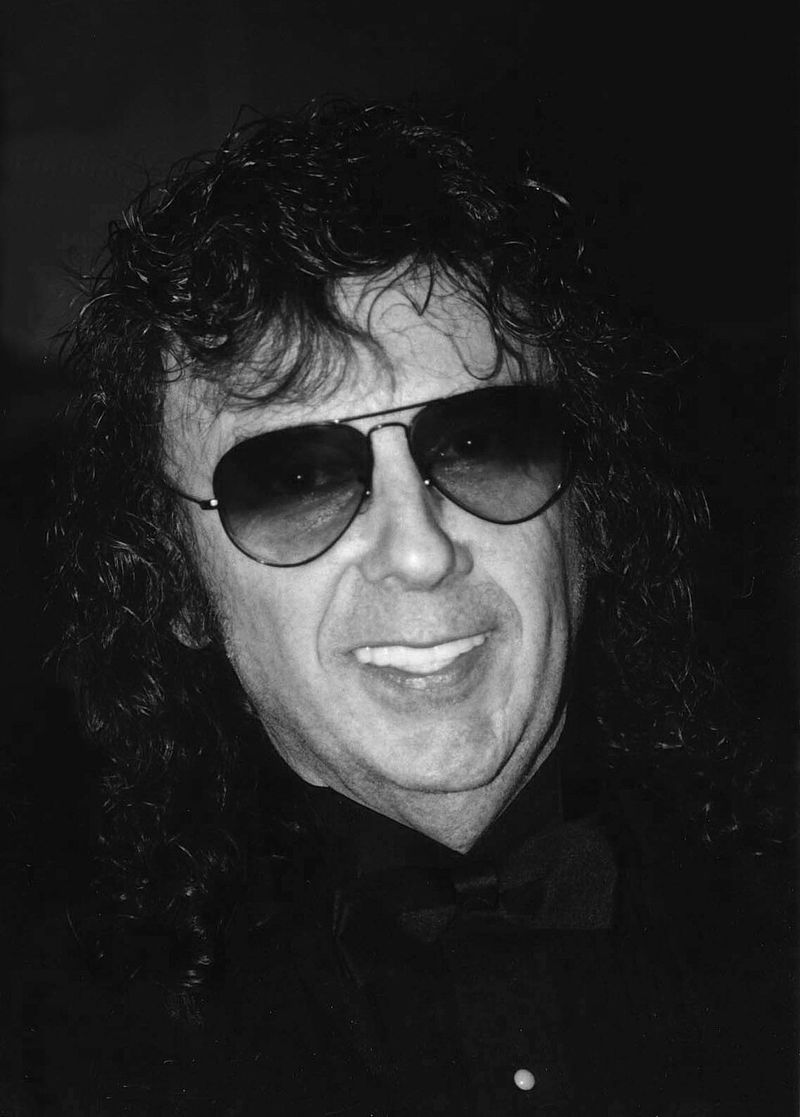
Phil Spector was one of the most influential record producers in rock history, responsible for crafting the famous “Wall of Sound” technique used on recordings by artists ranging from The Ronettes to The Beatles. But his story took a devastating turn on February 3, 2003, when actress Lana Clarkson was found shot dead at his Alhambra, California mansion.
Spector initially told police a woman had shot herself.
Investigators quickly focused on Spector as the primary suspect. His first trial in 2007 ended in a hung jury, but a second trial in 2009 resulted in a conviction for second-degree murder.
He was sentenced to 19 years to life in prison. Spector died in prison in January 2021 at the age of 81 due to complications from COVID-19.
His conviction was a stark reminder that creative genius and criminal behavior can exist in the same person.
12. Gary Glitter
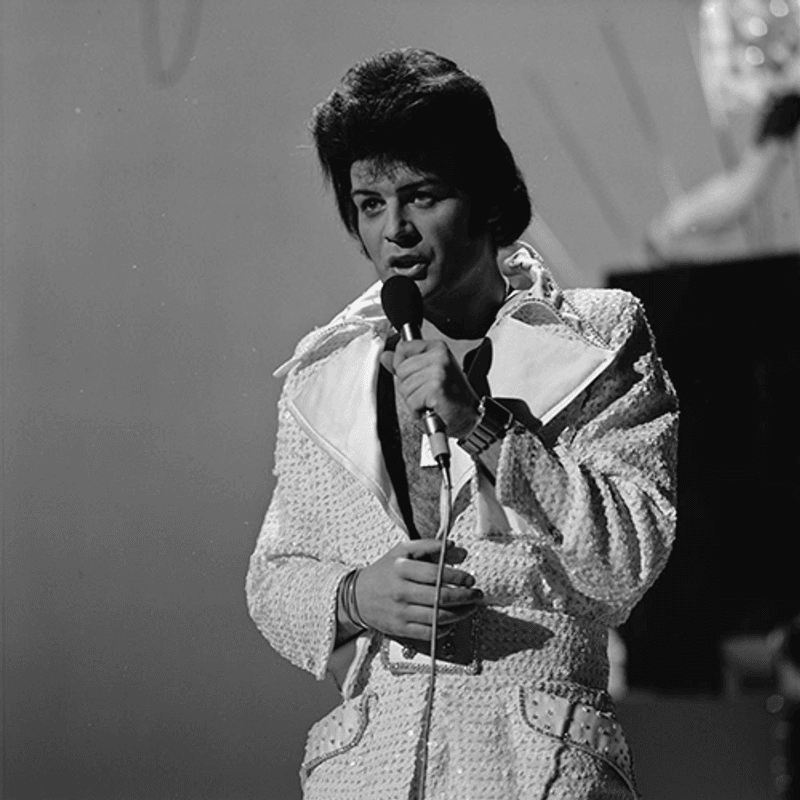
Gary Glitter was one of the biggest glam rock stars of the 1970s in the United Kingdom, scoring a string of hit singles and performing to massive arena crowds. His downfall began in 1997 when a computer technician discovered illegal images of children on his laptop while it was in for repairs.
Glitter was convicted in 1999 and served two months in prison in the UK before being released.
The legal troubles did not end there. He was later convicted of similar offenses in Vietnam and deported in 2008 after serving nearly three years in a Vietnamese prison.
Back in the UK, a 2015 trial resulted in convictions for a series of historical child sexual abuse offenses committed in the 1970s and 1980s. He was sentenced to 16 years in prison.
His music was removed from most commercial platforms, and his name became synonymous with the darkest betrayal of public trust.
13. Pete Townshend (The Who)

Pete Townshend, the legendary guitarist and songwriter behind The Who, found himself at the center of a deeply uncomfortable controversy in January 2003. British police cautioned him after he admitted to accessing a website containing illegal images of children.
Townshend insisted he was conducting research for a campaign against child abuse on the internet and that he had not downloaded or saved any material.
Authorities accepted his explanation to a degree, issuing a caution rather than pressing criminal charges. However, he was placed on the Sex Offenders Register for five years as a result of the caution.
The incident caused significant public debate about intent versus action in internet-related offenses. Townshend later wrote extensively about his own childhood experiences with abuse, which he said motivated his research.
His explanation divided public opinion sharply, and the controversy followed him throughout the rest of his career.
14. Don Henley (Eagles)

Don Henley, the Eagles drummer and vocalist known for classics like “Hotel California,” had a very public legal stumble in November 1980. Police were called to his Beverly Hills home after a 16-year-old girl was found naked and suffering from a drug overdose on his property.
Henley was arrested on charges of contributing to the delinquency of a minor and misdemeanor drug possession.
He pleaded no contest and received two years of probation along with a fine. No jail time was served.
The incident briefly overshadowed his solo career, which was just beginning to take shape after the Eagles had disbanded earlier that year. Henley bounced back commercially and went on to release some of his most celebrated solo work throughout the 1980s.
The arrest was a cautionary moment that he rarely addressed publicly in later years, though it remained part of his documented history.
15. Scott Weiland (Stone Temple Pilots / Velvet Revolver)
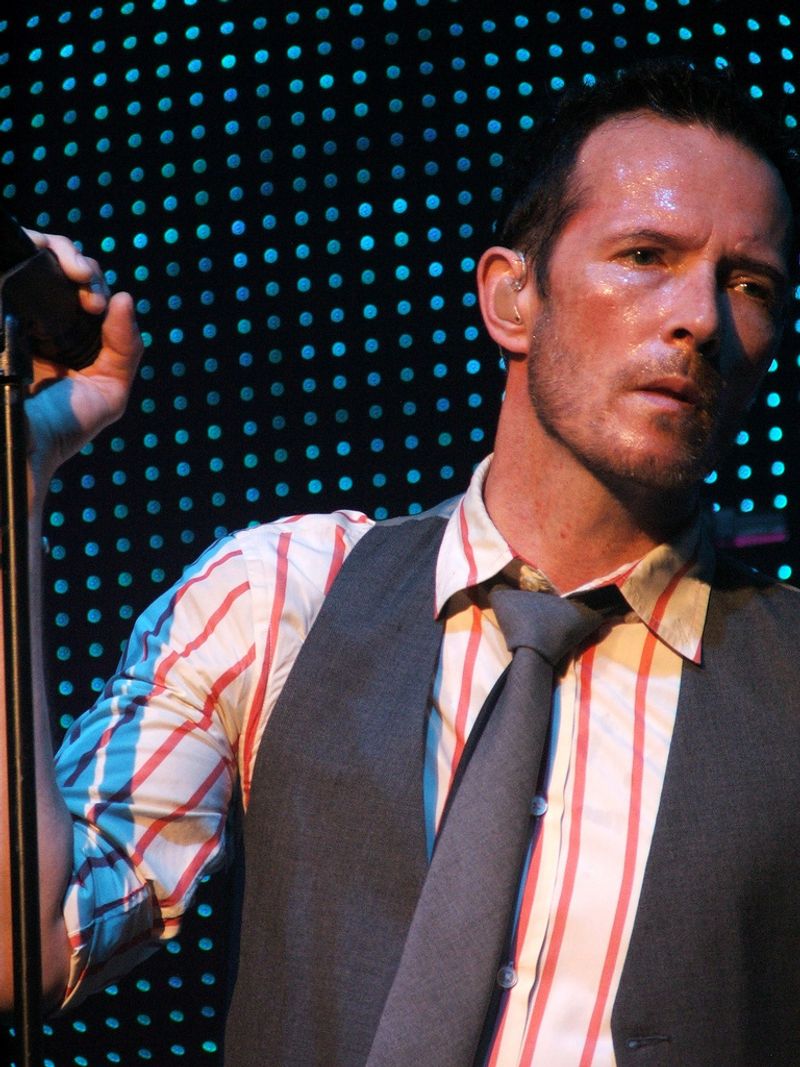
Scott Weiland’s powerful voice helped define the sound of 1990s rock through his work with Stone Temple Pilots and later Velvet Revolver. But behind the music was a years-long battle with addiction that repeatedly landed him in legal trouble.
His first major arrest came in 1995 for heroin possession in Pasadena, California. A court ordered him into a rehabilitation program, which he entered but struggled to complete.
Further DUI arrests and drug-related charges followed throughout the late 1990s and 2000s. At one point, he served jail time in a California facility after violating the terms of his probation.
Band members from both Stone Temple Pilots and Velvet Revolver publicly discussed his unreliability and the impact his addiction had on touring and recording. Weiland died on December 3, 2015, of an accidental drug overdose while on a solo tour.
His death brought renewed attention to the devastating toll of long-term substance abuse.



