 Unearth The Voyage
You know these songs before the first chorus lands, because they never really left. The 1970s minted rock staples that still command dials, playlists, and stadium speakers with unapologetic force.
From operatic epics to road tested riffs, these tracks became cultural touchstones you can spot in three notes. Settle in, turn it up, and feel why these classics refuse to fade.
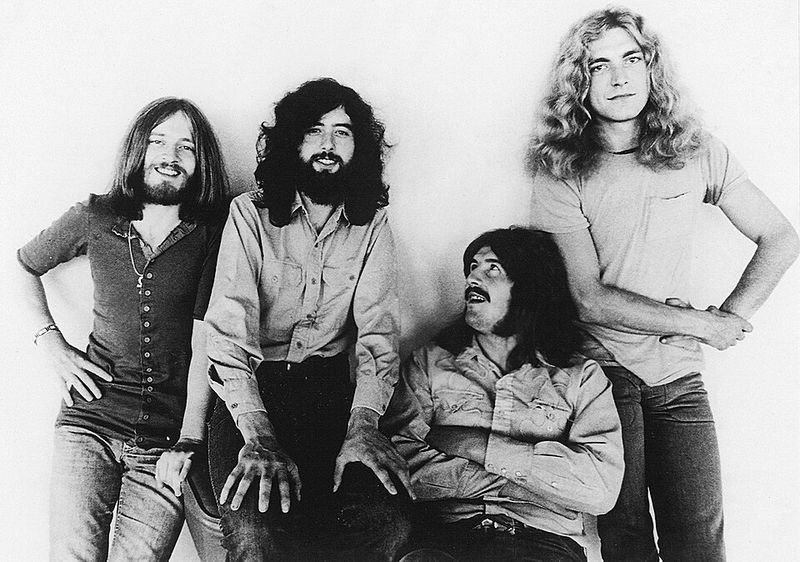
Stairway to Heaven – Led Zeppelin (1971)
From a whisper to a roar, this song builds like a story you have lived through without realizing it. The acoustic opening feels intimate, then the arrangement unfurls until the solo cuts through like lightning.
You hear mystery in every line and recognize how the crescendo turns quiet reflection into catharsis.
On radio, it became an unskippable rite of passage, the track you let finish even when late. Guitarists still chase its tone, and DJs still introduce it with hushed reverence.
You can almost see the stage lights bloom as the final minutes surge forward.
What keeps it timeless is balance, the way tenderness and power refuse to cancel each other out. Its mythology invites you to project your own meaning, and that keeps it fresh.
Decades on, the luster has not dulled, because the climb still feels earned.
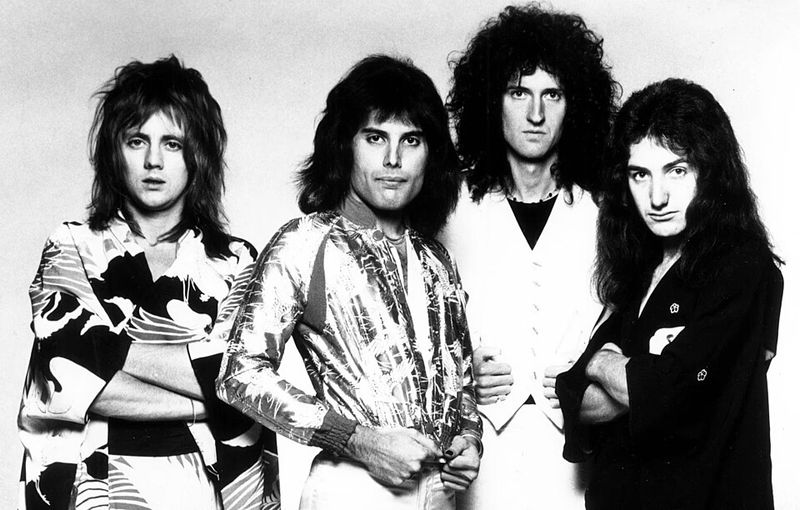
Bohemian Rhapsody – Queen (1975)
This is the moment rock decided it could be everything at once and still hit number one. Piano ballad, operatic cyclone, headbanging payoff, then a tender fade that feels like a bow.
You sing along even when you only half remember the words, because the emotion carries you.
Freddie’s voice leads like a high wire act, and the stacked harmonies keep daring gravity to intervene. Radio never tired of its audacity, and neither do listeners discovering it for the first time.
A chorus of generations meets every time the gong lands and the guitars bite.
It resurged with film and nostalgia, but it never truly left. You hear confidence and playfulness woven through meticulous craft.
The song is a carnival mirror that always reflects something new when you lean in.
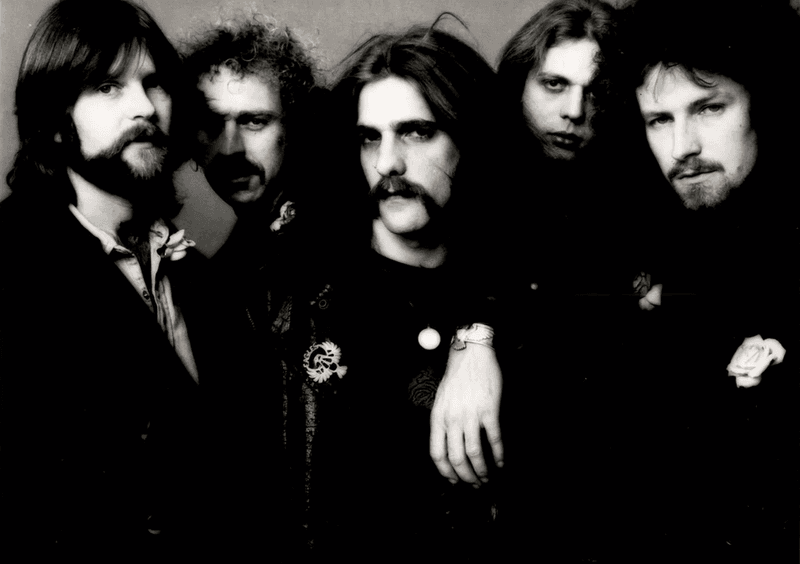
Hotel California – Eagles (1976)
A highway at dusk, a sign in the distance, and a story you cannot shake. The opening chords feel like a door swinging open to a place both alluring and unsettling.
You follow the narrative as if checking into a dream where guitars trade confessions.
The solo is practically its own landmark, a melody people hum without knowing why. Radio programmers never needed excuses to spin it, because listeners stay through the final note.
Its blend of soft edges and razor detail makes it float yet cut deep.
What keeps you returning is the ambiguity, the way escape and entrapment blur into one. The refrain lingers like perfume in a hallway you cannot leave.
And every time the last harmony fades, you swear you caught another clue.
We Will Rock You – Queen (1977)
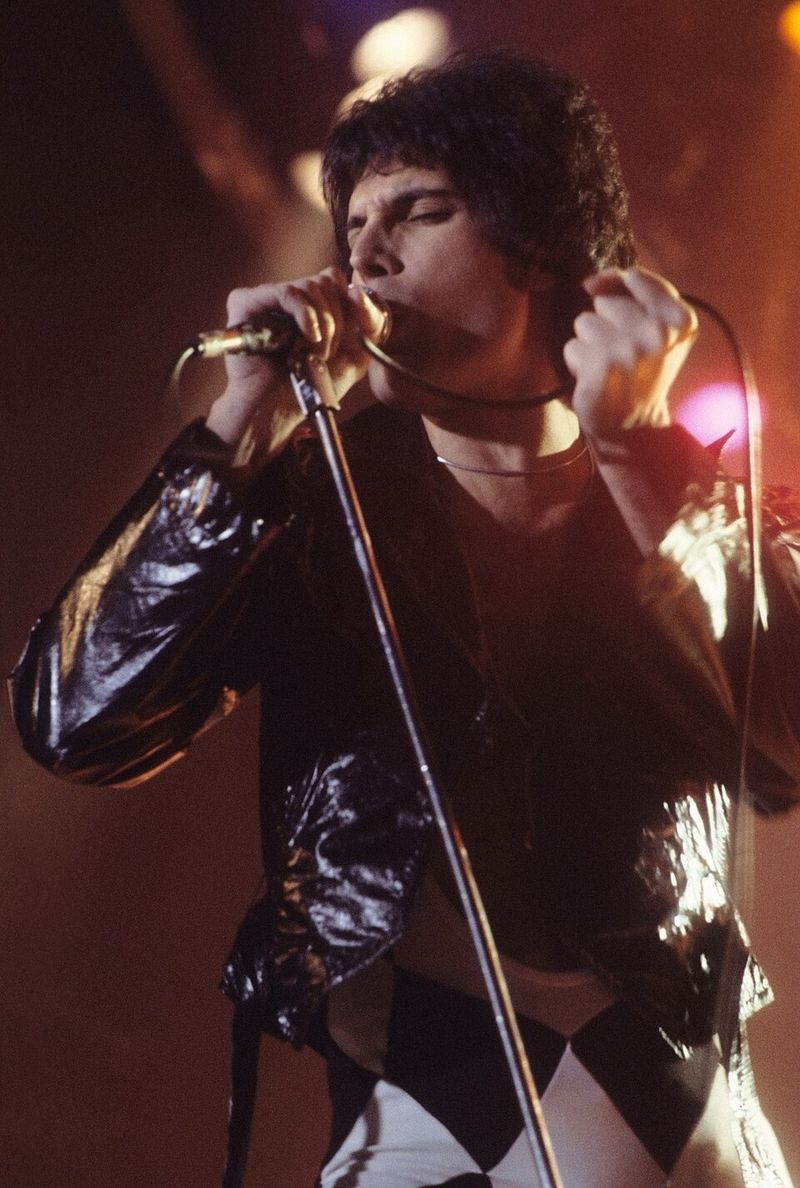
Two stomps, one clap, and suddenly a stadium belongs to you. This track turned audience participation into percussion, a beat you can summon on any surface.
The chant lands like a promise, then the crunchy guitar coda seals it with a grin.
Radio embraced its brevity and undeniable punch, slotting it between anthems and commercials without losing impact. Sports arenas adopted it as a rallying cry, so you hear it where adrenaline is currency.
Its power lives in simplicity, a blueprint many tried to copy but few matched.
Every playback feels like a countdown to action. You do not need verses to understand the message, because rhythm is the message.
When the last note hits, the echo keeps marching forward.
Born to Run – Bruce Springsteen (1975)
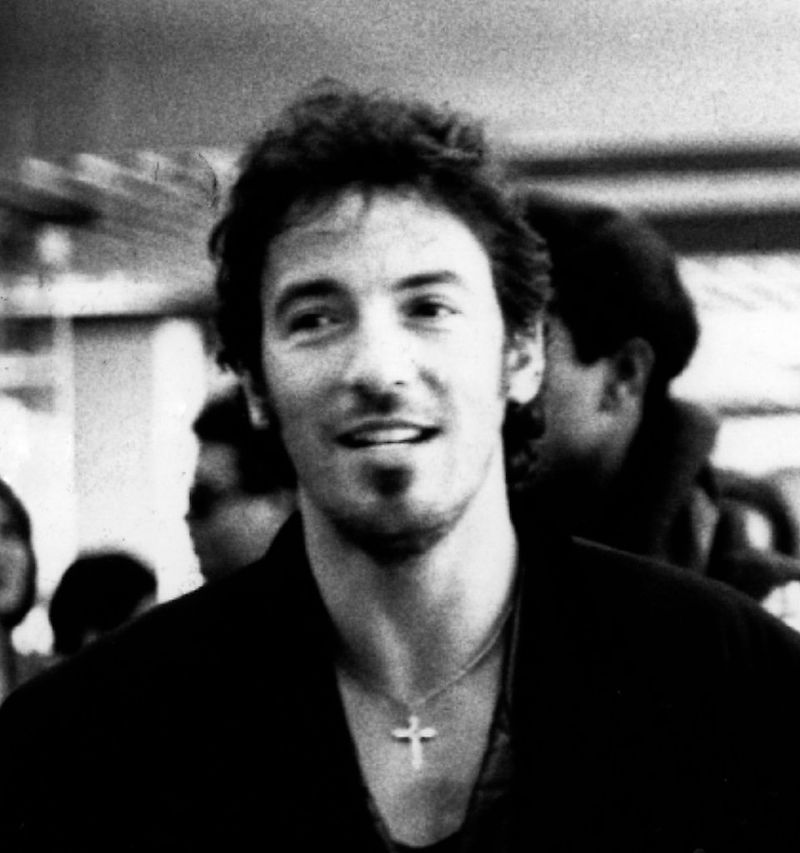
This song smells like gasoline, seaside air, and hope. The arrangement is widescreen, with saxophone and guitars sprinting alongside restless hearts.
You feel headlights flashing across the chorus as if the road itself sings back.
Radio locked it in rotation because the urgency never cools. It is youthful without being naive, desperate without surrendering grace.
You hear a promise that the next exit might change everything, even if it only changes you.
In concerts, it becomes a communal oath, lifting voices into a single shout. The record captures that feeling in four minutes of motion.
When it ends, silence sounds like a town you finally outran.
Go Your Own Way – Fleetwood Mac (1977)
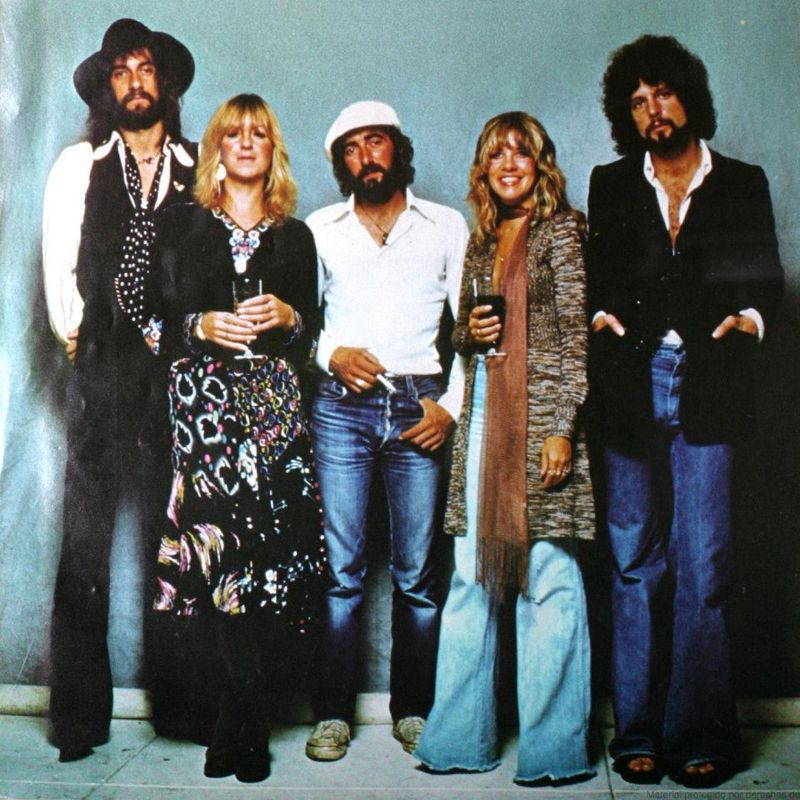
Breakups rarely sound this propulsive. The drums punch like a heartbeat trying to stay steady, while guitars carve out space for hard truth.
You hear candor in every line, a map of feelings no one neatly folds away.
Radio embraced the immediacy, because the hook lands even before you know the backstory. It is catharsis you can sing at volume, and a chorus that loves you enough to let go.
The production feels tight yet windswept, like arguments carried by coastal wind.
Decades later, the track still moves rooms and road trips with equal ease. You are not alone in the car when this comes on, because the past rides shotgun.
By the outro, resolve replaces regret, and the road opens wide.
More Than a Feeling – Boston (1976)
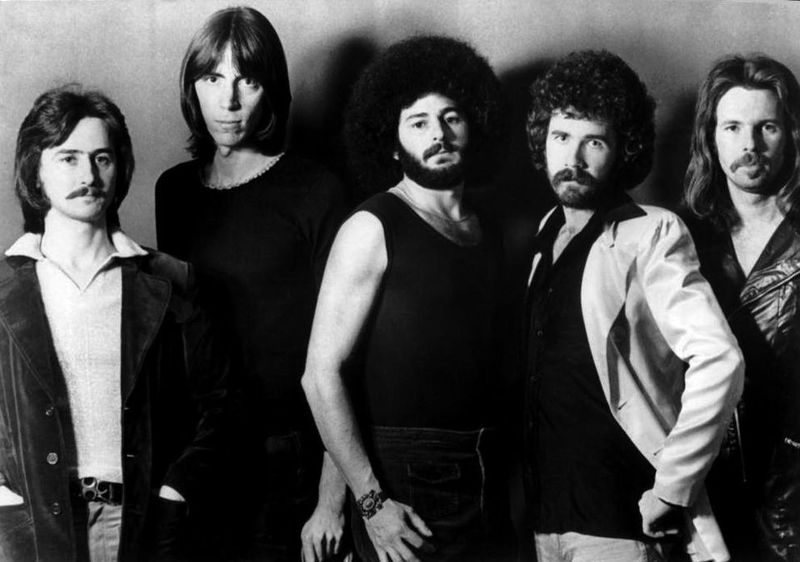
The first chords rise like a lighthouse through morning haze. Then the vocal soars, slicing cleanly across guitars that gleam like chrome.
You feel lift off in the chorus, a rush that makes everyday scenes look cinematic.
Radio loved its polish and its punch, a perfect balance of muscle and melody. Those layered harmonies stick to memory, and the guitar tone is unmistakable.
It is the kind of song that turns a commute into a montage you will remember.
What endures is craft meeting sentiment, crisp production married to yearning. You do not need context to feel its pull, because the feeling is the story.
Every replay is sunrise again, even at midnight.
Carry On Wayward Son – Kansas (1976)
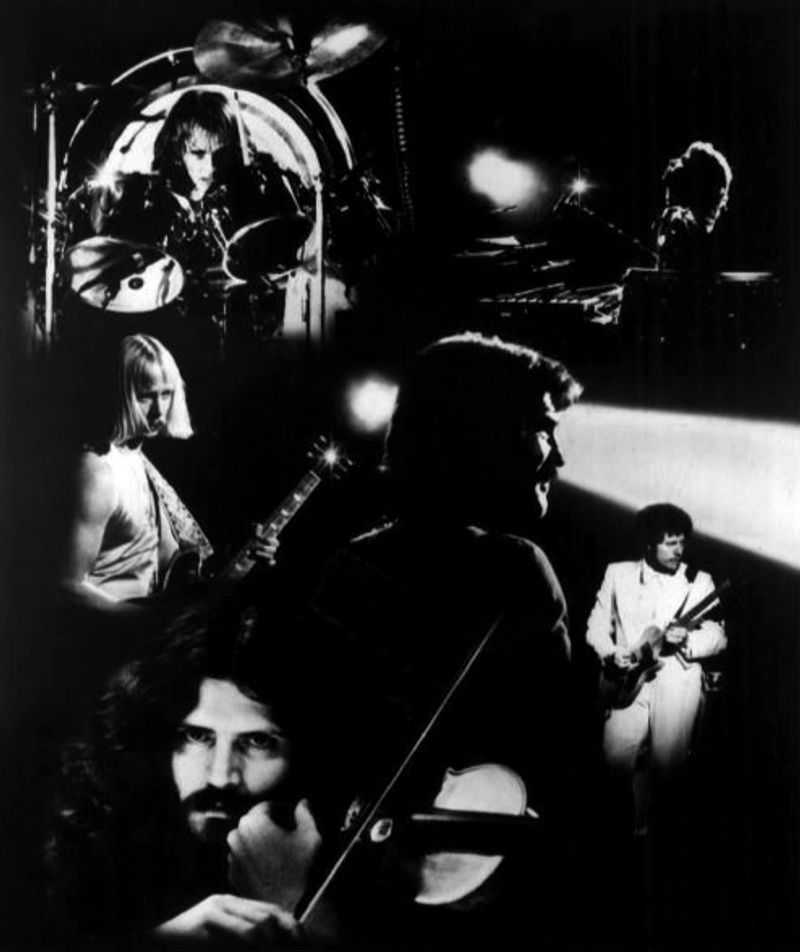
From the a cappella entry to the galloping riffs, this feels like resolve in musical form. The harmonies lift like stained glass catching light, while the rhythm section drives with purpose.
You hear mentorship in the lyric, a voice that acknowledges struggle then points forward.
FM radio found a natural home for its ambition, slotting it between epics without losing immediacy. The song’s progressive edges never dim its sing along core.
TV and film kept reintroducing it, so new listeners arrive already humming.
Endurance comes from precision and heart working as partners. You feel the pep talk, but you also feel the sweat it requires.
When the final chord lands, it sounds like a door closing behind doubt.
Old Time Rock and Roll – Bob Seger (1979)
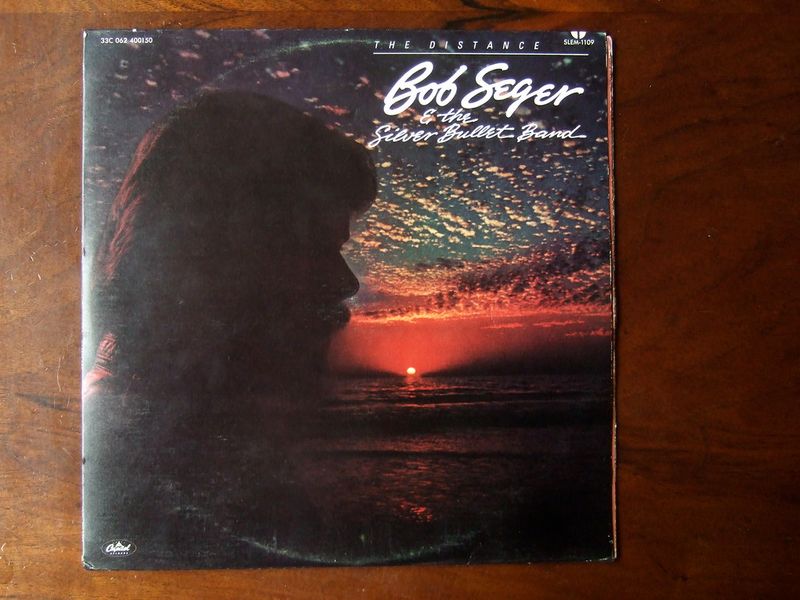
Sometimes the thesis is simple: turn it up and move. The piano riff walks in like an old friend, and the vocal insists on honest fun.
You can picture a crowded bar where the jukebox decides the night’s priorities.
Radio embraced the straight ahead energy, because it fits anywhere a pulse is needed. Film and television kept its profile high, turning a living room into a stage.
It honors roots while feeling immediate, a reminder that groove outlasts fashion.
What makes it stick is the invitation. You do not need permission or choreography, just a little space.
By the last chorus, memories feel lighter and the floorboards agree.
Sweet Home Alabama – Lynyrd Skynyrd (1974)
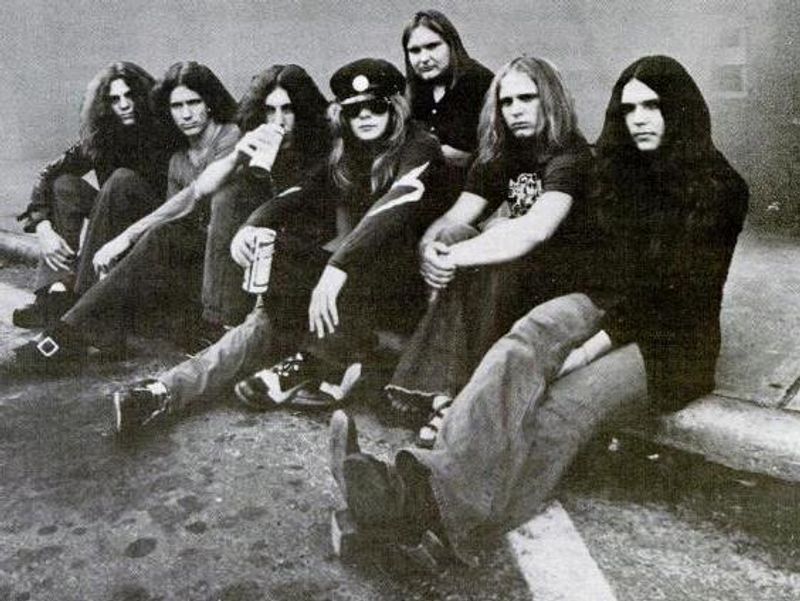
Three guitar notes and the scene snaps into focus. This anthem carries regional pride and radio ready swagger in equal measure.
You hear road dust and barroom volume baked into the groove.
Stations play it because everyone knows the chorus, whether they admit it or not. Controversy followed it, but the hook remains stubbornly magnetic.
It is a song that turns lawns, fairs, and tailgates into instant sing alongs.
Longevity comes from a riff that never tires and lyrics that spark talk. You can disagree with its stance and still feel the pull of that rhythm.
When the solo arrives, the sky seems to widen a notch.
Walk on the Wild Side – Lou Reed (1972)
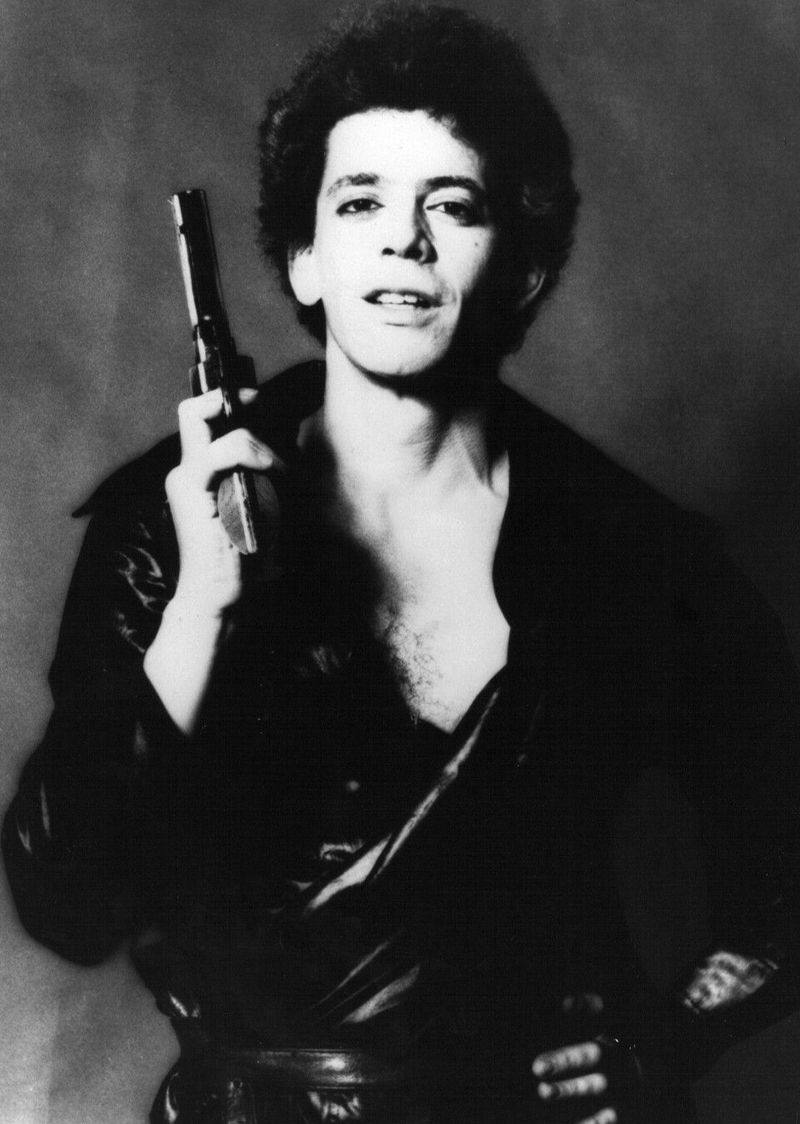
The bass line saunters like it knows every door person by name. Reed’s vocals keep everything conversational, letting stories unfold without rush.
You feel the city exhale as background voices glide like a breeze.
Radio found space for its cool restraint, because mood can be louder than volume. Its snapshots of lives rarely centered in pop gave it an edge that still intrigues.
Film and TV return to it whenever a scene needs downtown poise.
Endurance comes from understatement that invites repeat listens. You hear new details each time, from the sax winks to the whispered harmonies.
By the outro, the streetlights feel closer and kinder.
All the Young Dudes – Mott the Hoople (1972)
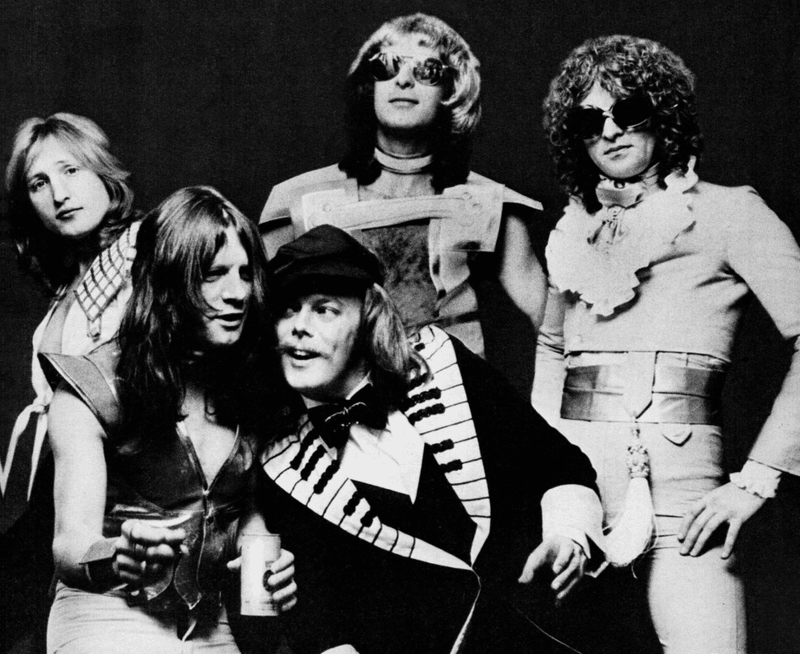
Written by Bowie and embraced by a band that wore swagger like sequins, this is a rallying cry with hooks. The chorus feels like arms over shoulders, a street corner choir ready for headlines.
You hear camp and grit share the same strut.
Radio loved its anthemic ease, and classic stations kept it parked in prime hours. Generations adopted it as a banner for belonging, no permission slip required.
Glam sheen meets rock muscle, making celebration sound like strategy.
It lasts because it makes community audible. When the chant rises, you feel counted, not counted out.
The fade leaves confetti in the air and purpose in your step.
Dream On – Aerosmith (1973)
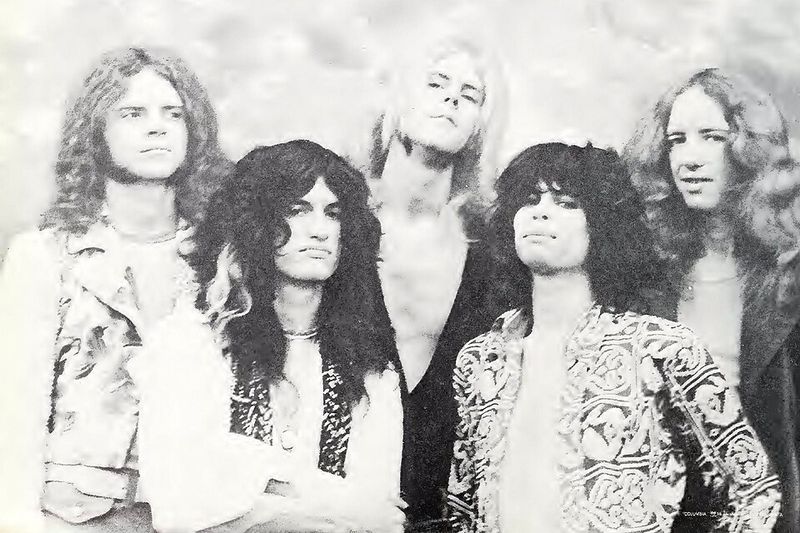
It begins like a confession and ends like a declaration. The piano sets a heartbeat while the vocal climbs toward a sky splitting scream.
You feel years compress into a single breath when the chorus returns.
Radio leaned on its dynamic shape, because tension and release never go out of style. It became the template for power ballads that followed, but none eclipsed its raw ache.
The guitars arrive like reinforcement, not decoration, sealing the promise.
Longevity is built into the lyric, a challenge to keep reaching even when tired. You sing along because the climb feels shared.
At the final note, silence glows for a second before life rushes back.
Baba O’Riley – The Who (1971)
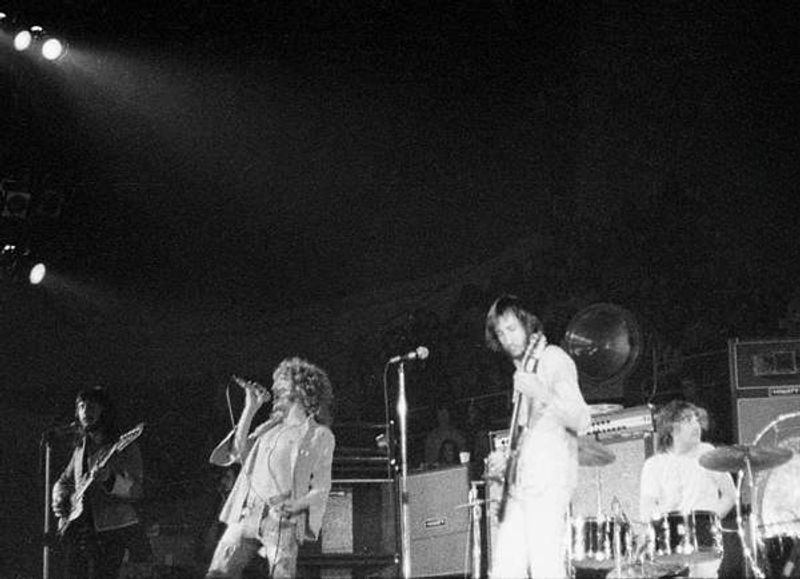
The synth pattern flickers on like a city waking, and suddenly the horizon opens. Drums hit, guitars surge, and the chorus arrives like a banner raised.
You feel the wind in your chest when the violin coda races the light.
Radio never hesitated, because those first seconds grab attention before words appear. Stadiums love it for the collective jolt it delivers.
It is rebellion harnessed to precision, a roar with clean edges that still cuts.
The track endures by sounding futuristic every decade it crosses. You stand taller when it plays, as if invited to step into the frame.
When it ends, the air seems charged and newly possible.



