Some cities get a bad reputation long before travelers ever set foot in them. Media headlines, outdated travel warnings, and word-of-mouth myths can paint a misleading picture of places that are actually calm, welcoming, and perfectly enjoyable to visit.
Many of these destinations surprise first-time visitors with clean streets, friendly locals, and a relaxed vibe that feels nothing like the scary image they imagined. If you have been holding back on visiting certain cities because of safety concerns, this list might just change your travel plans.
Medellín, Colombia
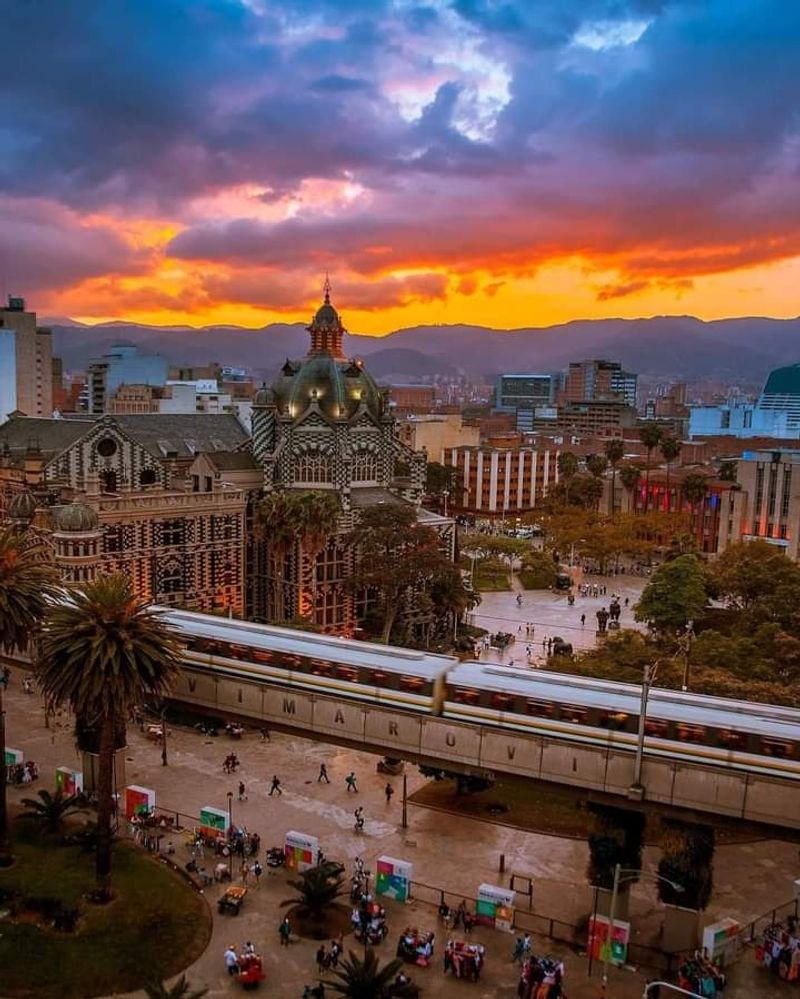
Once considered one of the world’s most dangerous cities, Medellín has pulled off one of history’s most remarkable urban turnarounds. The transformation is so dramatic that urban planners from around the world now visit just to study how it was done.
Cable cars connect hillside communities, public libraries dot working-class neighborhoods, and flower festivals fill the streets with color and music.
El Poblado is the neighborhood most travelers settle into first, packed with cafes, hostels, rooftop bars, and excellent restaurants. It feels busy but relaxed, and solo travelers regularly report feeling comfortable walking around well into the evening.
The locals have a warmth that is genuinely hard to describe until you experience it yourself.
Getting around is easy thanks to the Metro, which is clean, affordable, and runs on a strict no-eating policy that keeps it surprisingly spotless. Day trips to Guatapé, with its colorful lakeside town and massive rock viewpoint, are a favorite among visitors.
Medellín rewards curious travelers who give it a real chance with culture, creativity, and charm that few other cities in South America can match.
Warsaw, Poland
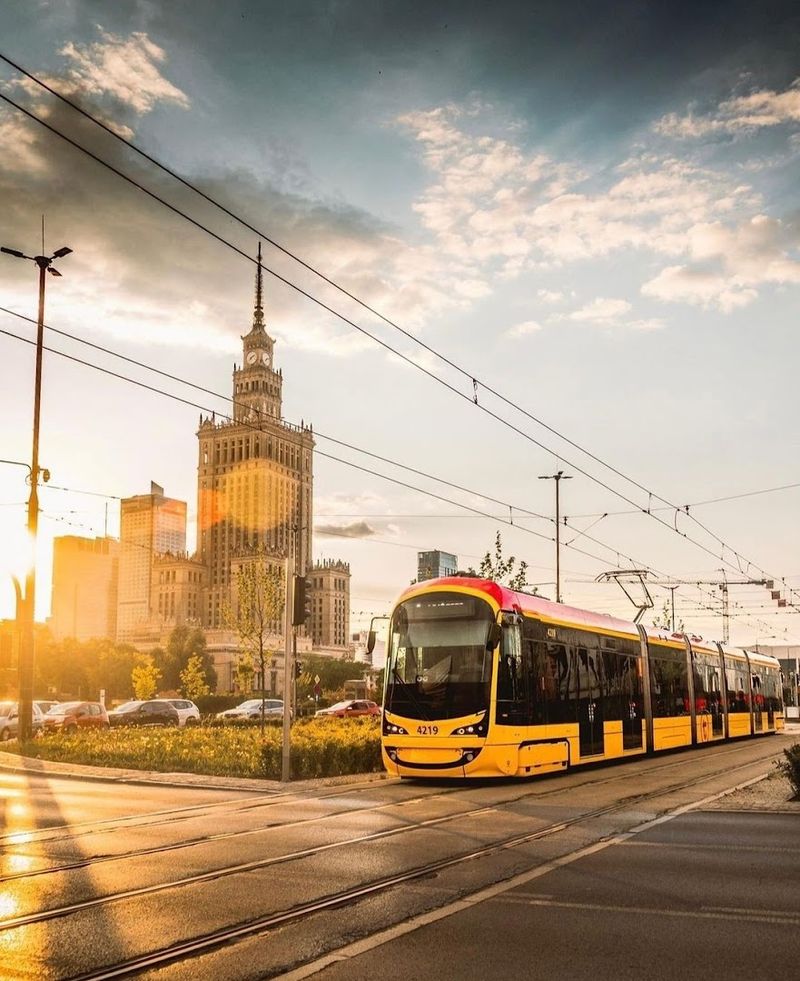
Warsaw has a way of catching visitors completely off guard. You might arrive expecting a gray, post-communist city and instead find wide boulevards lined with flowering trees, a beautifully reconstructed Old Town, and a café culture that rivals anything in Western Europe.
The city was almost entirely destroyed in World War II and was rebuilt brick by brick, which makes exploring it feel both inspiring and quietly emotional.
Safety here is rarely a concern for tourists. Violent crime rates are low, the public transit system is efficient and well-lit, and locals are generally helpful even when the language barrier makes communication a little awkward.
Women traveling solo consistently rate Warsaw as one of Europe’s more comfortable cities to navigate at any hour.
The food scene has exploded in recent years, with everything from traditional Polish dumplings to creative international cuisine available at very reasonable prices. Museums covering Polish history and Jewish heritage offer some of the most moving cultural experiences on the continent.
Warsaw is the kind of city that earns genuine loyalty from the travelers who take the time to look beyond its complicated past and see what it has become today.
Mexico City, Mexico
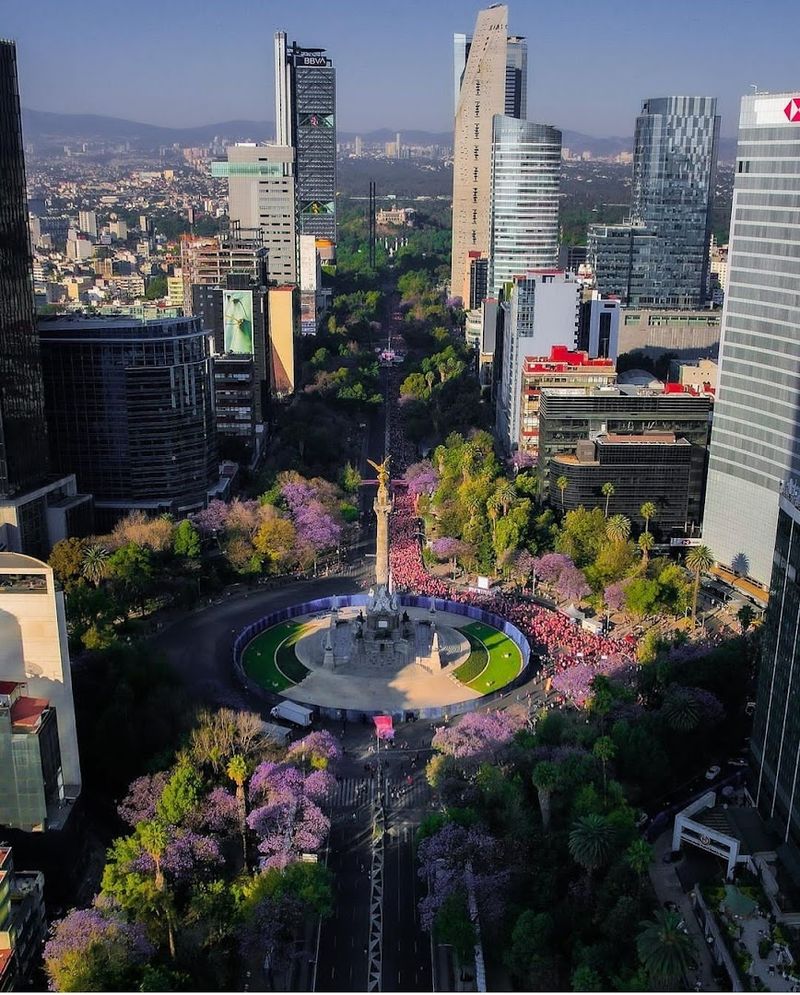
Ask someone who has never visited Mexico City what they think of it, and the answer usually involves some version of the word dangerous. Ask someone who has actually been there, and the conversation sounds completely different.
The neighborhoods of Roma, Condesa, and Polanco feel more like upscale European districts than anything resembling the chaotic city outsiders imagine.
Street tacos at midnight, world-class museums, and a thriving arts scene make CDMX one of the most culturally rich capitals on the planet. The Museo Nacional de Antropología alone is worth the entire trip.
Locals take pride in their city and are generally eager to point visitors toward the best spots, the best food, and the hidden corners that guidebooks tend to miss.
Smart precautions apply, just like in any major city. Sticking to well-trafficked neighborhoods, using reputable ride apps instead of hailing taxis off the street, and keeping valuables discreet goes a long way.
Travelers who do their homework find a city that rewards curiosity with some of the best food, architecture, and nightlife anywhere in the Western Hemisphere. Mexico City is not a city to fear but a city to savor.
Sarajevo, Bosnia and Herzegovina
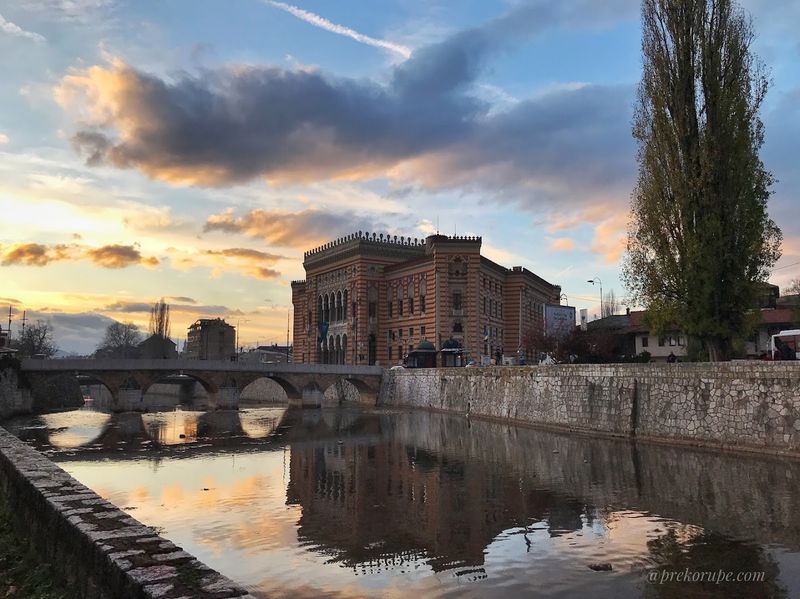
Sarajevo sits at a crossroads of cultures in a way that no other European city quite replicates. Ottoman mosques, Austro-Hungarian architecture, and Orthodox churches stand within walking distance of each other in the same compact city center.
The city hosted the 1984 Winter Olympics and carries that memory with a quiet pride that still shows up in conversations with locals.
Visitors arriving with concerns about safety often leave feeling slightly embarrassed for ever having worried. The streets of Baščaršija, the old bazaar district, are lively and welcoming, filled with the smell of grilled meat and freshly brewed Bosnian coffee.
Locals are famously hospitable, and it is not unusual for a stranger to invite a tourist in for a cup of coffee just to chat.
The city is also strikingly affordable by European standards, which means your money stretches further here than almost anywhere else on the continent. Food is hearty and delicious, accommodations are reasonably priced, and the surrounding hills offer hiking trails with views that would cost a fortune to access in Switzerland.
Sarajevo does not ask for much from its visitors. It just asks that you show up with an open mind.
Tbilisi, Georgia
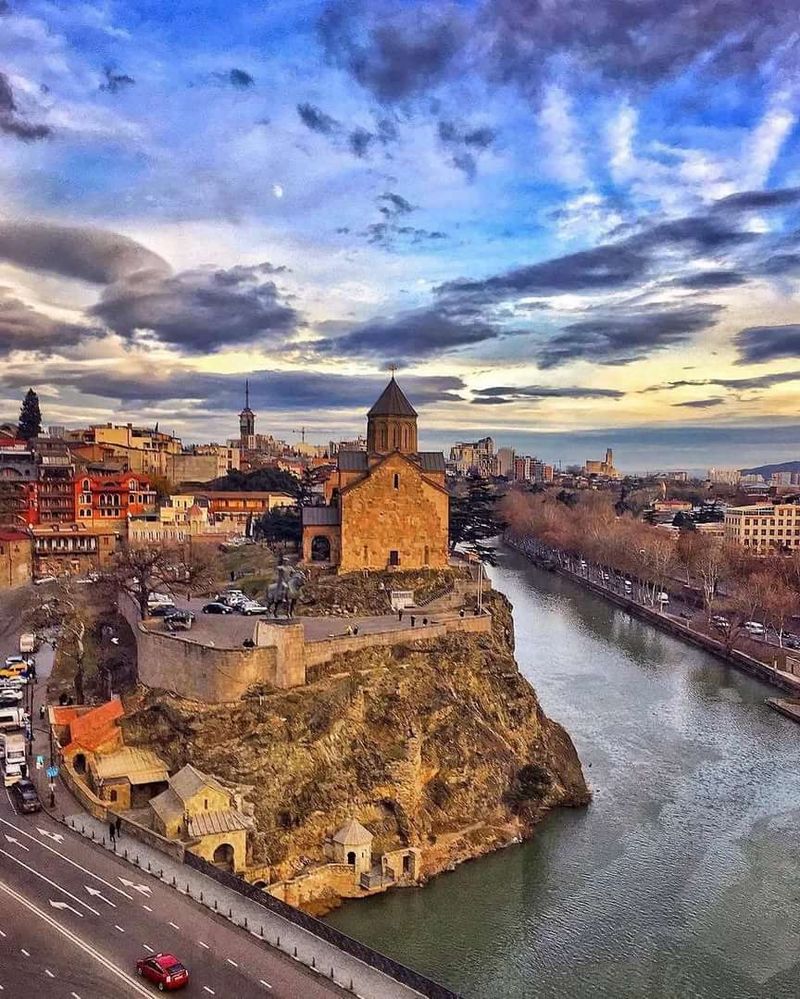
Tbilisi has a slightly ramshackle charm that travel writers struggle to put into words without sounding like they are describing a dream. Carved wooden balconies lean over narrow alleyways, ancient churches sit beside sulfuric bathhouses, and a castle watches over the whole scene from a hilltop.
It is the kind of city that makes you feel like you stumbled onto something most of the world has not discovered yet.
Crime rates in Tbilisi are genuinely low by any international standard, and travelers frequently mention how safe they feel wandering through the Old Town well after dark. The local wine culture, which dates back thousands of years, gives every evening out a festive and relaxed quality that is hard to replicate elsewhere.
Georgia as a country has made tourism a priority, and the infrastructure has improved noticeably in recent years without losing the authentic character that draws visitors in the first place. Budget travelers especially love Tbilisi because excellent food, guesthouses, and even guided tours remain impressively affordable.
The people are warm, the landscapes surrounding the city are stunning, and the food is unlike anything else in the region. Tbilisi has a way of turning a short visit into a much longer stay.
Curitiba, Brazil
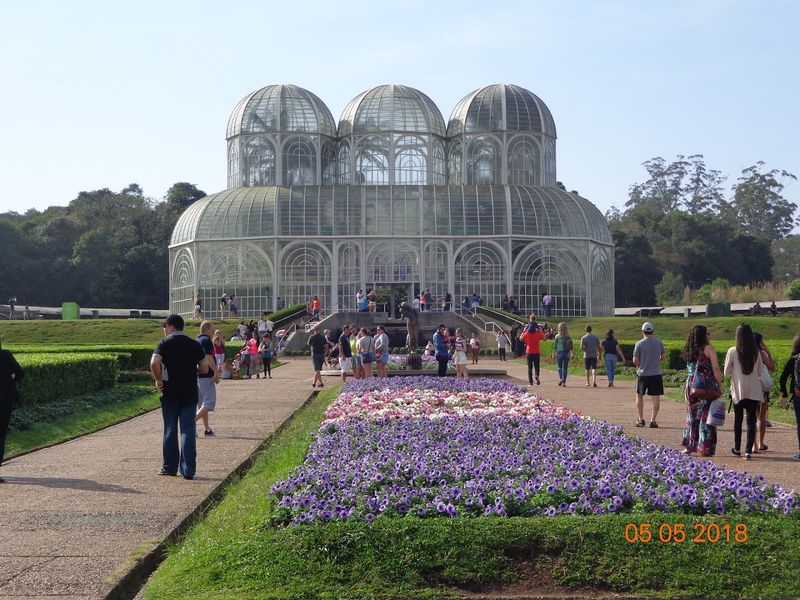
Brazil does not always get credit for its calmer, more organized cities, and Curitiba might be the best example of that oversight. The capital of Paraná state has been celebrated internationally for its urban planning, its bus rapid transit system, and its extensive network of parks and green spaces.
Urban design students study this city the way art students study the Louvre.
For travelers, what that planning translates to is a city that simply feels manageable. The streets are cleaner than most Brazilian cities, public transport is reliable, and the overall vibe is more relaxed than you might expect from a major South American urban center.
Violent crime rates are lower here compared to São Paulo or Rio, which makes a noticeable difference in how freely visitors move around.
The food scene draws on strong European immigrant influences, particularly German and Italian, which gives Curitiba a culinary personality unlike anywhere else in the country. The Mercado Municipal is a great starting point for sampling local flavors in a lively, social setting.
Day trips to the nearby Serra Verde Express train route offer jaw-dropping Atlantic Forest scenery. Curitiba earns its reputation as Brazil’s quietly impressive overachiever.
Ljubljana, Slovenia
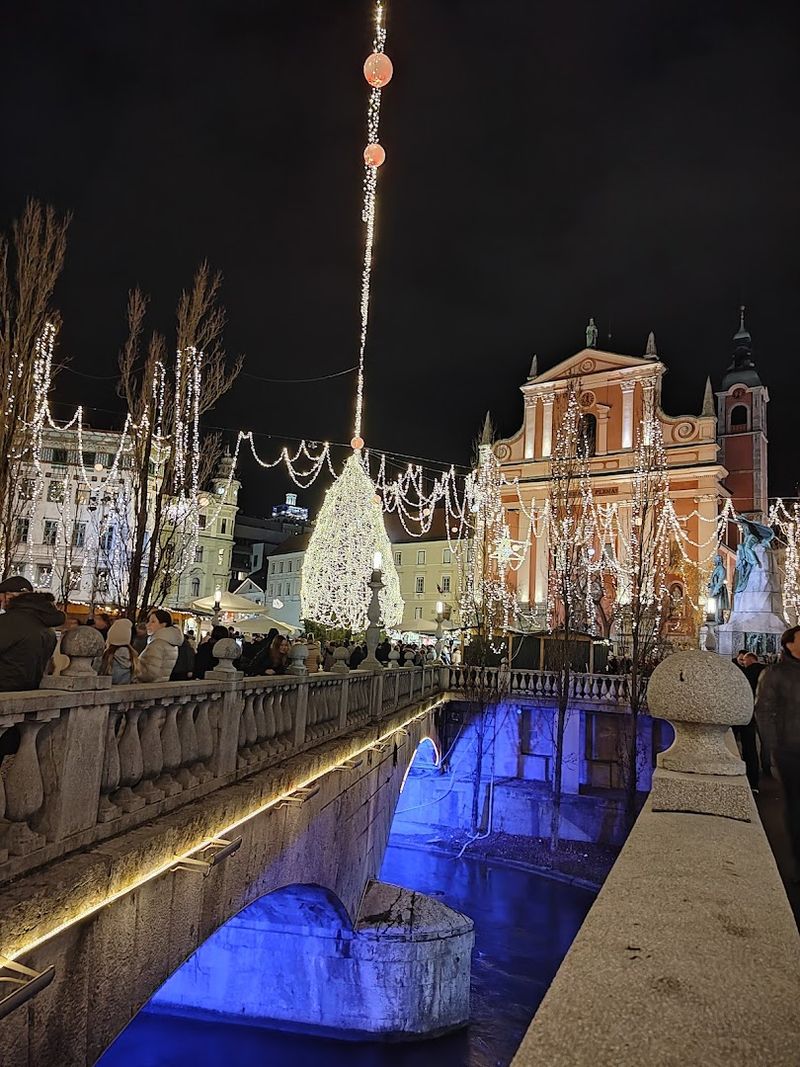
Ljubljana might be Europe’s most overlooked capital, which is both a shame and a secret gift to the travelers who do find their way here. The city center is almost entirely car-free, which immediately gives it a calm, unhurried energy that bigger European capitals simply cannot offer.
The castle sits on a hill above the old town, and the walk up through the trees takes about fifteen minutes and rewards you with views that feel disproportionately grand for such a compact city.
Crime here is so low that locals sometimes joke about it. Bags left on café chairs, bicycles parked without locks, late-night strolls along the river without a second thought.
For travelers used to the hypervigilance required in larger cities, Ljubljana feels almost disorienting in the best possible way.
The café culture along the Ljubljanica River is genuinely one of the most pleasant ways to spend an afternoon anywhere in Europe. Local food leans on Central European comfort dishes with a Slovenian twist, and the wine from nearby regions is excellent and affordable.
Ljubljana also serves as a perfect base for exploring Lake Bled, Triglav National Park, and the Adriatic coast. It packs an enormous amount of quality into a very small, very walkable package.
Amman, Jordan
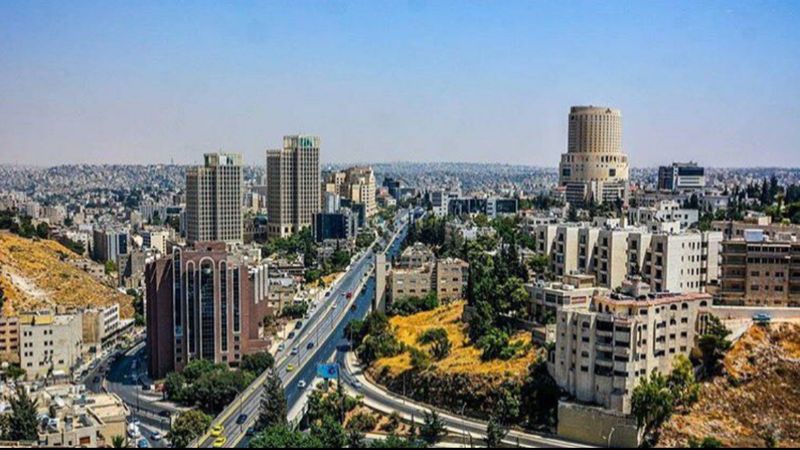
Jordan sits in a neighborhood that makes a lot of travelers nervous on paper. Surrounded by countries with serious ongoing instability, it would be easy to assume that Amman shares in that tension.
The reality on the ground is strikingly different. Jordan has maintained remarkable political stability for decades, and Amman consistently ranks as one of the safer cities in the entire Middle East region.
What really surprises most visitors is the warmth. Jordanian hospitality is not a cliché or a tourism slogan.
It is a genuine cultural value that shows up in how locals interact with strangers, offer directions, insist on sharing meals, and make visitors feel genuinely welcome rather than just tolerated. The city itself is built across a series of hills, giving it a layered, interesting geography that rewards walkers who are willing to climb.
The food alone is worth the trip. Mansaf, Jordan’s national dish of lamb cooked in fermented yogurt sauce, is a communal experience that travelers remember for years.
The Roman ruins at the Citadel, the rainbow street bar scene, and easy access to Petra and Wadi Rum make Amman a natural hub for an unforgettable regional journey. It is a city that quietly exceeds every expectation.
Laredo, Texas
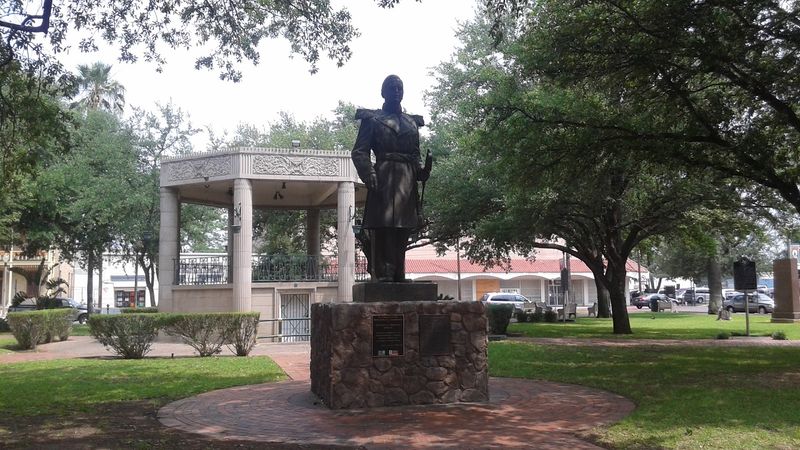
Laredo has one of the most unfair reputations of any American city. Sitting right on the US-Mexico border, it gets lumped into a narrative about border towns that rarely reflects the actual experience of people who live or visit there.
The numbers tell a different story. WalletHub has repeatedly ranked Laredo among the safest cities in Texas, outperforming cities that carry far more glamorous reputations.
The city has a deeply bicultural identity that makes it genuinely fascinating to explore. Spanish is spoken as commonly as English, the food blends Texas and northern Mexican influences into something entirely its own, and the community pride here is unmistakable.
The annual Washington’s Birthday Celebration is one of the largest of its kind in the country and draws visitors from across the region.
San Agustin Plaza in the historic downtown gives a sense of the city’s Spanish colonial roots, and the nearby Lake Casa Blanca International State Park offers outdoor recreation that feels surprisingly lush for a border city. Crossing into Nuevo Laredo for a meal and back again is a routine part of daily life for many residents.
Laredo rewards travelers who arrive without assumptions and leave with a far more nuanced understanding of what a border city can actually be.
Tallinn, Estonia
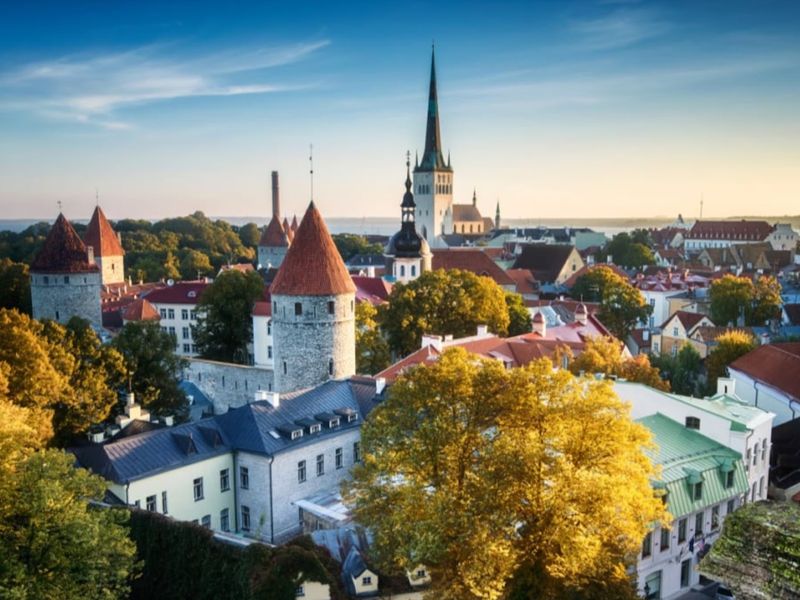
Stepping into Tallinn’s Old Town feels like walking onto a film set that nobody bothered to tell you was actually real. The medieval walls, gothic spires, and cobblestone lanes are so well preserved that the whole area is a UNESCO World Heritage Site, and it earns that designation without any argument.
Estonia is also one of the world’s most digitally advanced countries, which creates a fascinating contrast between its ancient skyline and its very modern infrastructure.
Safety in Tallinn is rarely a worry for tourists. Violent crime rates are low, the old town is well-lit and well-patrolled, and travelers consistently report feeling comfortable exploring late into the evening.
The city has a lively bar and restaurant scene that manages to stay welcoming without tipping into the rowdy chaos that plagues some other European party destinations.
Winters are cold and dark but give the city a moody, atmospheric quality that photography enthusiasts absolutely love. Summers bring long days, outdoor markets, and a festive energy that fills the squares with locals and visitors alike.
The ferry connections to Helsinki and Stockholm make Tallinn an easy addition to a broader Nordic itinerary. It is a city that earns genuine affection from almost everyone who visits.
Florianópolis, Brazil
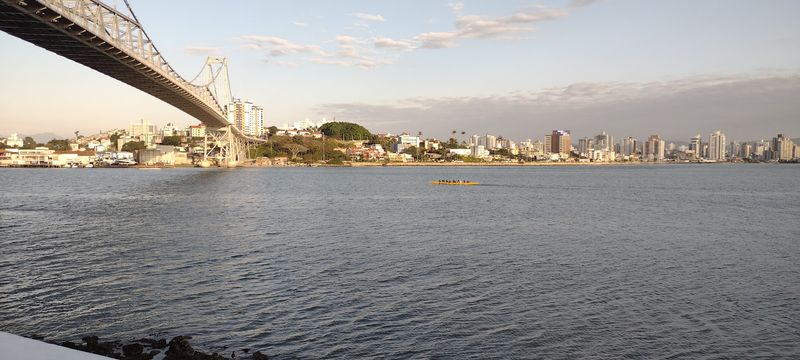
Brazil’s island capital has a reputation among Brazilians themselves as a place where life runs a little slower and a little safer than in the country’s larger urban centers. Florianópolis sits on a subtropical island connected to the mainland by two bridges, and that geography gives it a natural boundary that seems to contribute to its calmer character.
Locals call it Floripa, and they say it with genuine affection.
The city has over forty beaches, ranging from calm lagoon-side stretches perfect for families to exposed Atlantic-facing breaks that attract serious surfers from around the world. The outdoor lifestyle here is not just a tourism pitch.
It is genuinely how people live, with cycling paths, hiking trails, and beach volleyball courts woven into everyday routines.
International visitors are often surprised by how organized and clean the city feels compared to preconceived ideas about Brazilian urban life. The south of Brazil has a strong European immigrant influence, particularly from German and Italian communities, which shapes everything from the architecture to the food to the general sense of civic pride.
Seafood here is fresh, abundant, and often eaten right at the water’s edge. Florianópolis is the kind of place that makes you wonder why you did not book a longer stay.
Porto, Portugal
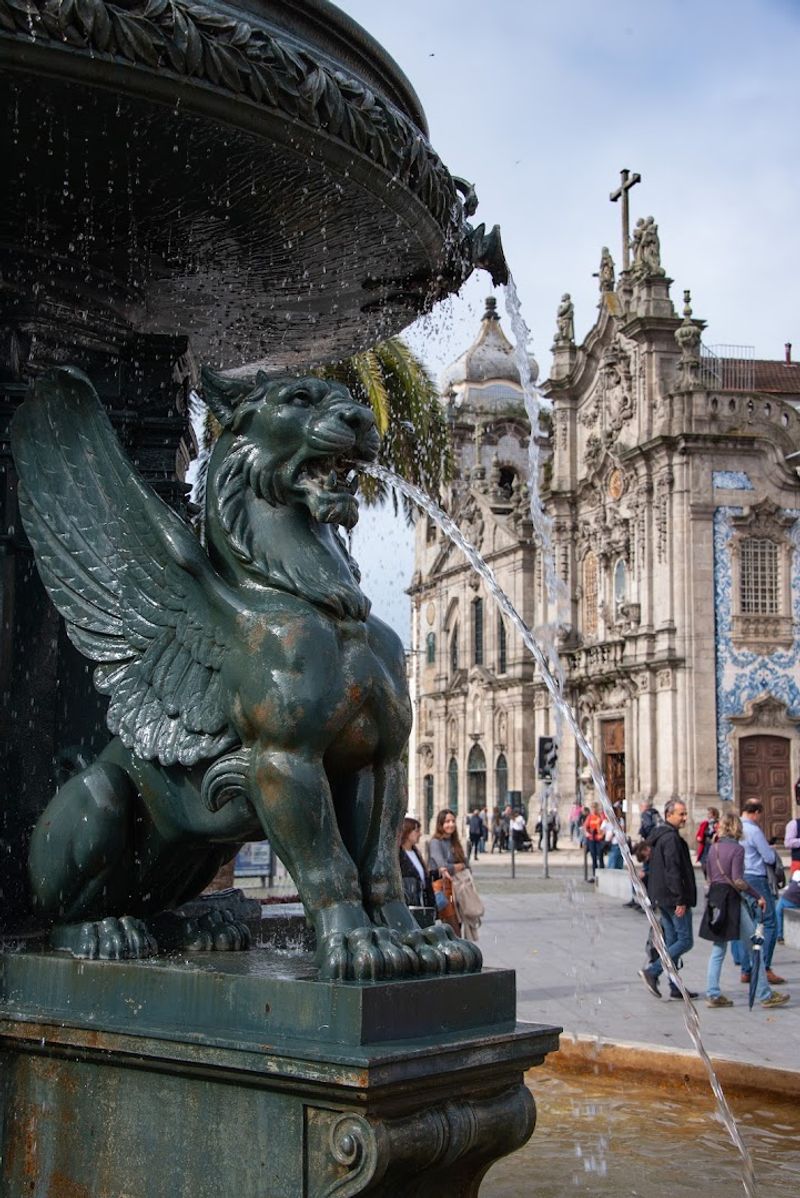
Portugal consistently earns some of the highest marks in global peace and safety indexes, and Porto is a shining example of why that reputation is well deserved. The city clings to the steep banks of the Douro River with a kind of charismatic stubbornness, its tiled facades and narrow alleys tumbling downhill toward the waterfront in a way that makes every corner feel like a postcard you have not seen yet.
Travelers who might feel anxious in busier European capitals often find Porto refreshingly relaxed. Petty theft exists, as it does in any tourist destination, but violent crime is rare and the overall atmosphere is calm and genuinely welcoming.
The locals have a reputation for being a bit reserved at first, but that reserve melts quickly once conversation gets going.
Port wine, obviously, is a major draw. The wine caves across the river in Vila Nova de Gaia offer tastings that range from casual and affordable to elaborate and educational.
Beyond the wine, the food scene has become increasingly celebrated, with creative chefs reimagining traditional Portuguese ingredients in ways that have earned international attention. Porto is also affordable by Western European standards, which makes the whole experience feel like an exceptionally good deal for the quality on offer.
Calgary, Alberta
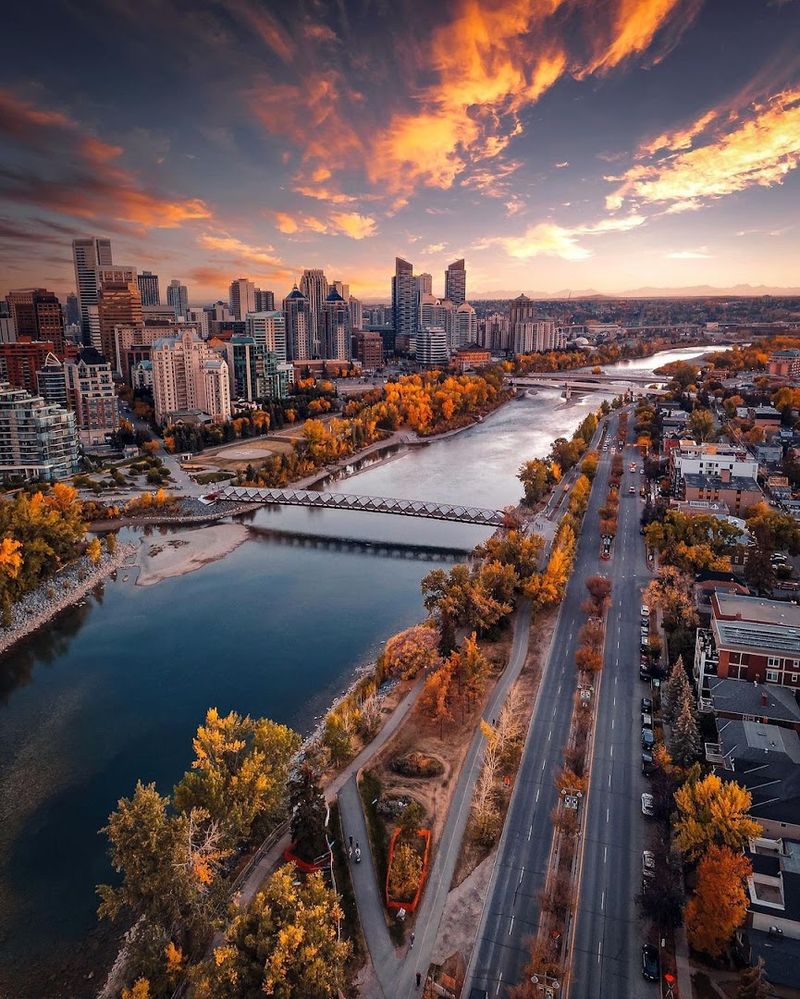
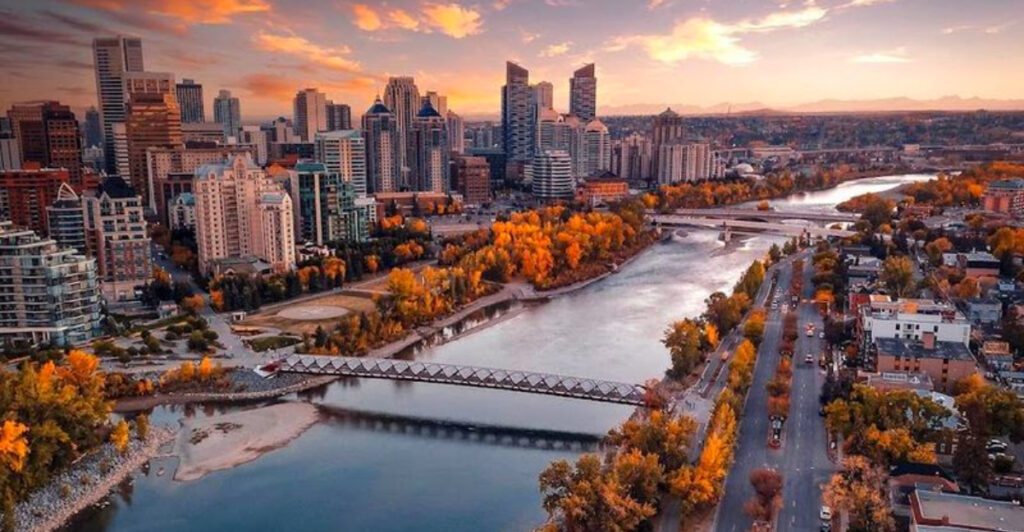
Calgary sometimes gets overshadowed by Vancouver and Toronto in conversations about Canadian cities worth visiting, which is genuinely unfair to a place this livable and this interesting. The city consistently ranks among the top in the world for quality of life, cleanliness, and public safety, and those rankings are not just bureaucratic statistics.
They reflect a city that actually functions well and takes care of its residents and visitors.
The Rocky Mountains are visible from downtown on a clear day, which sets up a visual backdrop that most cities could only dream of having. Banff National Park is about ninety minutes away by car, making Calgary an ideal base for anyone who wants to combine urban comfort with serious mountain adventure.
The city itself has excellent restaurants, a vibrant arts scene, and a walkable downtown core that surprises people expecting a purely industrial oil town.
The famous Calgary Stampede in July turns the city into a ten-day celebration of western culture, rodeo, live music, and enormous amounts of food that draws visitors from around the world. Outside of Stampede season, the city has a quieter confidence that feels genuinely inviting.
Safety-conscious travelers will find Calgary checks nearly every box they are looking for in a North American city destination.
Vilnius, Lithuania
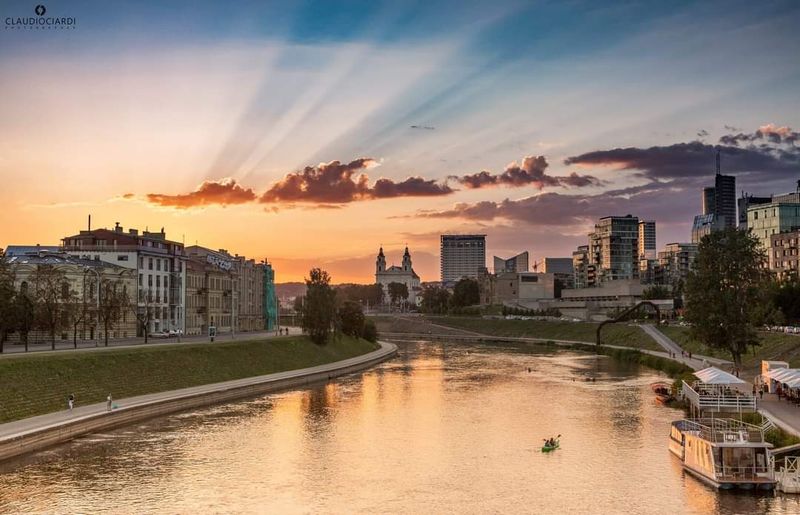
Vilnius has a slightly mischievous sense of humor about itself that you do not usually find in European capitals. The city once declared a neighborhood in the Old Town an independent republic as a protest art project, and that spirit of playful irreverence still runs through the local culture in ways that make it genuinely fun to explore.
The baroque architecture is some of the most impressive in northern Europe, yet somehow Vilnius never feels overrun with tourists.
That relative quiet is actually one of its biggest safety advantages. Without the crushing crowds of Prague or Amsterdam, the city feels more manageable, more local, and more relaxed.
Petty crime targeting tourists is minimal, and travelers routinely mention how comfortable they feel navigating both the historic center and the neighborhoods beyond it.
The food and drink scene has grown dramatically in recent years, with natural wine bars, creative Lithuanian cuisine restaurants, and specialty coffee shops filling spaces that a decade ago were empty storefronts. Uzupis, the self-declared republic neighborhood, is full of galleries, cafes, and murals that reward slow, aimless wandering.
Vilnius is also one of the most affordable capitals in the European Union, meaning your travel budget goes further here than almost anywhere else on the continent.
Kotor, Montenegro
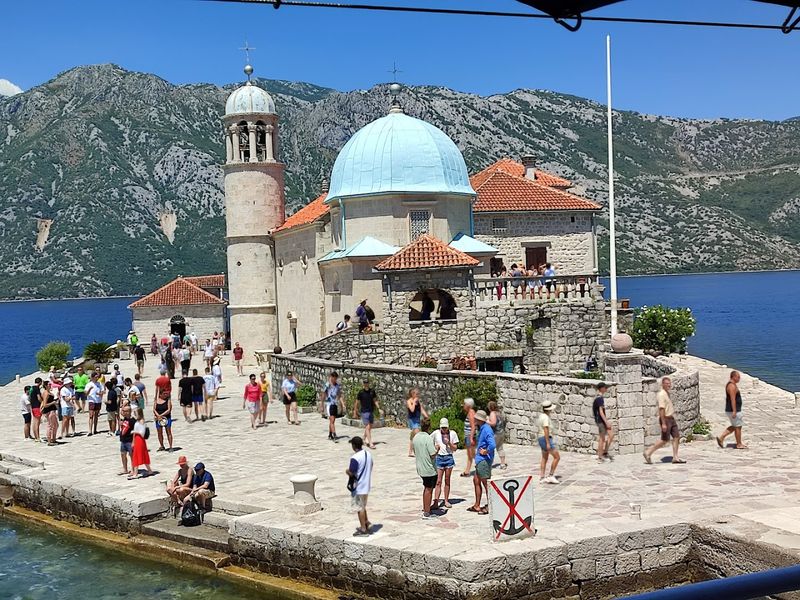
Tucked into a dramatic bay surrounded by walls of grey limestone, Kotor looks like someone took a medieval Italian city and relocated it to the most cinematic setting imaginable. The old town is entirely enclosed by ancient Venetian walls that climb the mountain behind it, and hiking to the fortress at the top rewards you with one of the most breathtaking panoramic views anywhere on the Adriatic coast.
Montenegro as a country is small, young, and still somewhat off the main tourist circuit, which keeps Kotor feeling authentic even as its reputation grows. The town is genuinely safe, calm outside of peak summer months, and populated by locals who are accustomed to visitors but have not yet grown weary of them.
Cats are famously everywhere in Kotor, practically a civic institution, which adds a certain warmth to wandering the narrow lanes.
The bay itself is often mistaken for a fjord because of how the mountains frame the water on all sides. Kayaking, swimming, and visiting the island church of Our Lady of the Rocks are popular half-day activities that keep the surrounding area just as interesting as the town itself.
Kotor is the rare destination that lives up to its photos, then quietly exceeds them once you actually arrive.
Share this story