When choosing where to travel or even where to live, safety matters more than most people realize. The Global Peace Index ranks 163 countries each year based on crime levels, political stability, and military activity, giving us a reliable picture of the world’s most peaceful places.
Some results might surprise you, while others will confirm what travelers have known for years. From volcanic islands in the North Atlantic to sun-soaked beaches in the Southern Hemisphere, these 15 countries prove that peace truly comes in many forms.
Iceland
Not a single year has passed since 2008 without Iceland claiming the top spot on the Global Peace Index. That is a record no other country comes close to matching.
With a population of just around 370,000 people, Iceland feels more like a tight-knit community than a nation.
Crime here is so rare that locals often leave their cars unlocked and front doors open without a second thought. The country has no standing army, and its police officers rarely carry firearms.
Political trust between citizens and their government is among the highest in the world.
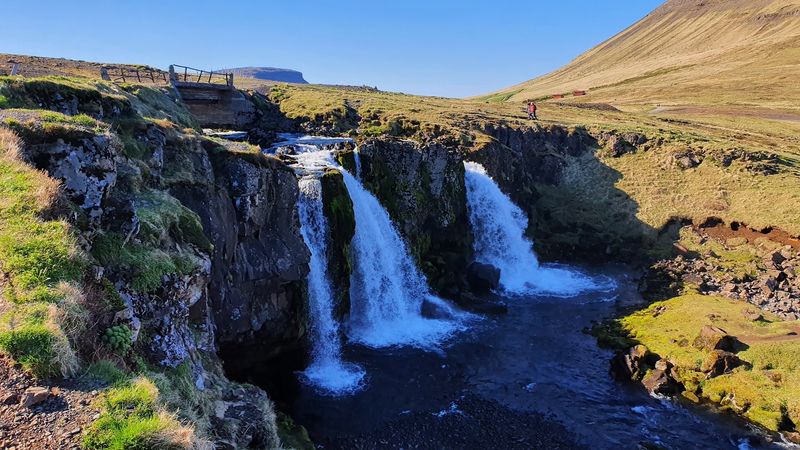
Beyond its remarkable safety record, Iceland rewards visitors with steaming geysers, dramatic waterfalls, and the unforgettable Northern Lights dancing overhead. The capital, Reykjavik, is small but packed with culture, great food, and a buzzing music scene.
Travelers exploring Iceland solo, especially women, consistently report feeling completely at ease. Whether you are hiking volcanic landscapes or soaking in a geothermal pool, Iceland offers an experience that is as safe as it is spectacular.
Ireland
Ask anyone who has visited Ireland and they will almost certainly mention how warmly they were welcomed. That legendary Irish friendliness is not just a cliche.
It reflects a culture built on community, storytelling, and genuine hospitality that makes travelers feel at home almost instantly.
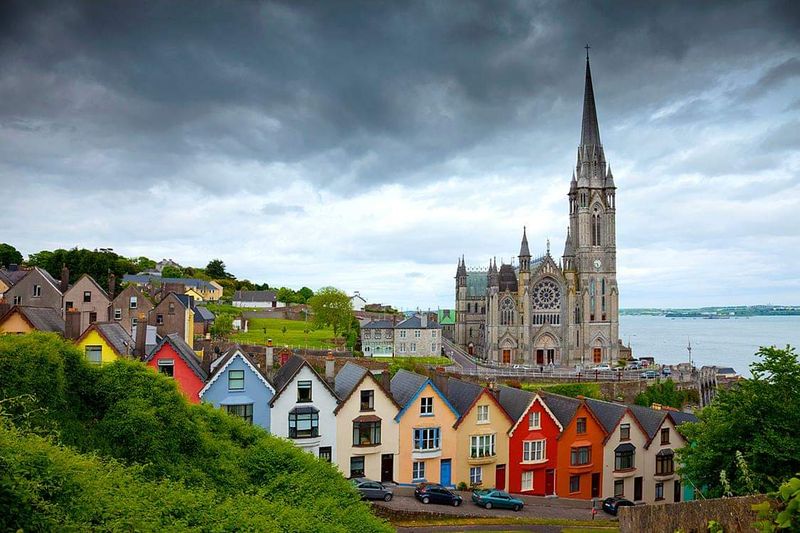
Ireland ranks consistently high on the Global Peace Index, thanks to low levels of violent crime, a stable democracy, and a long tradition of neutrality in international conflicts. Cities like Dublin, Galway, and Cork are vibrant yet safe, with well-lit streets and active local communities that keep neighborhoods thriving.
Rural Ireland offers a different kind of magic entirely. Wandering along the Wild Atlantic Way or exploring ancient castles in County Clare, you will rarely feel unsafe or out of place.
Public transportation is reliable in urban areas, and locals are almost always happy to point you in the right direction. Ireland also boasts a strong healthcare system and consistently high quality-of-life scores.
For families, solo travelers, or anyone relocating abroad, Ireland checks nearly every box on the safety checklist while also delivering stunning scenery and genuinely unforgettable experiences.
New Zealand
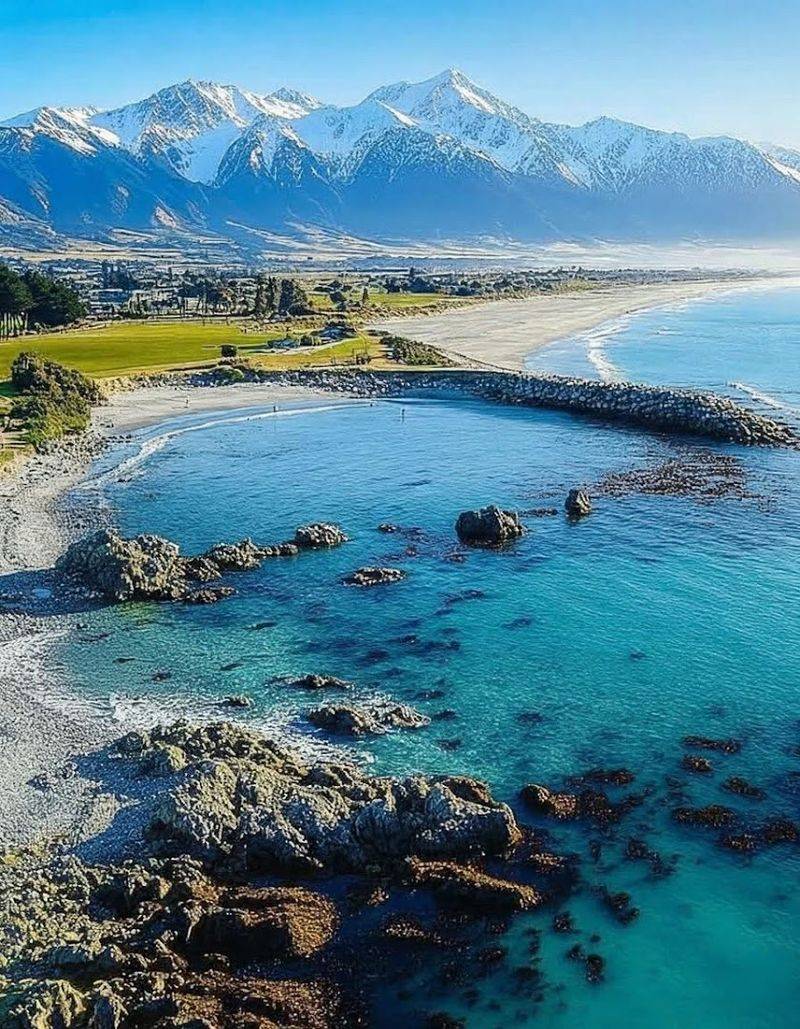
Tucked away in the southwestern Pacific Ocean, New Zealand sits so far from global conflict zones that it almost feels like a world apart. That geographical distance from tension is part of why it consistently ranks among the planet’s most peaceful nations.
New Zealand boasts extremely low crime rates, a transparent and stable government, and communities known for being genuinely open and welcoming. The country has a strong tradition of respecting human rights, and its legal system is considered one of the most fair and trustworthy in the world.
Solo travelers, backpackers, and families all report feeling safe exploring everything from Auckland’s busy streets to the remote fjords of Fiordland.
The natural scenery here is almost unfairly beautiful. Glowworm caves, volcanic plateaus, golden beaches, and the dramatic peaks of the Southern Alps all sit within a compact, easy-to-navigate country.
New Zealanders, affectionately called Kiwis, are famous for their laid-back, can-do attitude. Getting around is straightforward, tourist infrastructure is excellent, and emergency services are reliable and efficient.
For anyone dreaming of adventure without anxiety, New Zealand delivers both thrills and total peace of mind in equal measure.
Austria
Vienna has been called the world’s most livable city so many times that the title almost feels like a permanent fixture on its tourism posters. Austria’s capital earns that reputation through a combination of cultural richness, efficient public services, and a remarkably safe urban environment.
Austria performs strongly across all three Global Peace Index categories, scoring well on societal safety, low militarization, and minimal involvement in international conflicts. Its cities are clean, well-organized, and served by some of Europe’s best public transportation networks.
Even late at night, Vienna’s subway system runs smoothly and feels secure.
Beyond the capital, Austria’s alpine towns and lakeside villages offer equally safe and charming experiences. Salzburg, birthplace of Mozart, combines baroque architecture with a relaxed, small-city atmosphere.
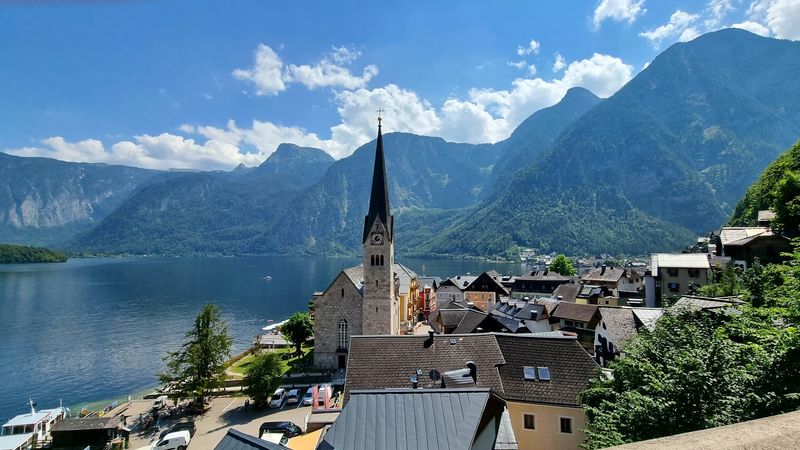
The Hallstatt lake district looks almost too picturesque to be real. Healthcare in Austria is excellent, and the country consistently scores high in education and social equality.
Expats who settle here often describe a sense of calm that is hard to find elsewhere in Europe. Whether you are sipping coffee in a Viennese cafe or skiing fresh powder in Tyrol, Austria makes safety feel effortless.
Switzerland
Switzerland has been officially neutral in international conflicts since 1815, which makes it one of the longest-standing examples of deliberate, principled peace anywhere on Earth. That neutrality is not just political policy.
It is woven into the national identity.
Crime rates in Switzerland are impressively low, and the country’s institutions, from its banking system to its healthcare network, are renowned for efficiency and reliability. Swiss cities like Zurich, Geneva, and Bern regularly appear at the top of global quality-of-life rankings, offering residents and visitors clean streets, outstanding public transport, and a general sense of orderliness that is genuinely reassuring.
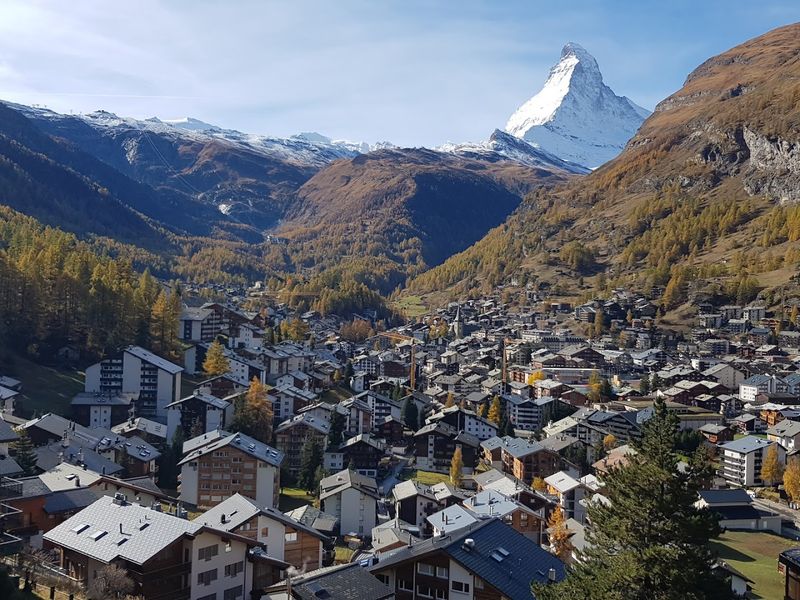
Switzerland is also a place where four official languages coexist peacefully, which says a lot about how the country handles diversity and difference. The Alpine scenery, of course, is extraordinary.
Snowcapped peaks, mirror-still lakes, and meadows dotted with wildflowers create a backdrop that feels almost therapeutic. Hiking trails are well-marked, mountain rescue services are top-notch, and tourist infrastructure is excellent throughout the country.
Whether you are attending a global conference in Geneva or riding a cog railway up to Jungfraujoch, Switzerland wraps every experience in a reassuring layer of calm and competence.
Singapore
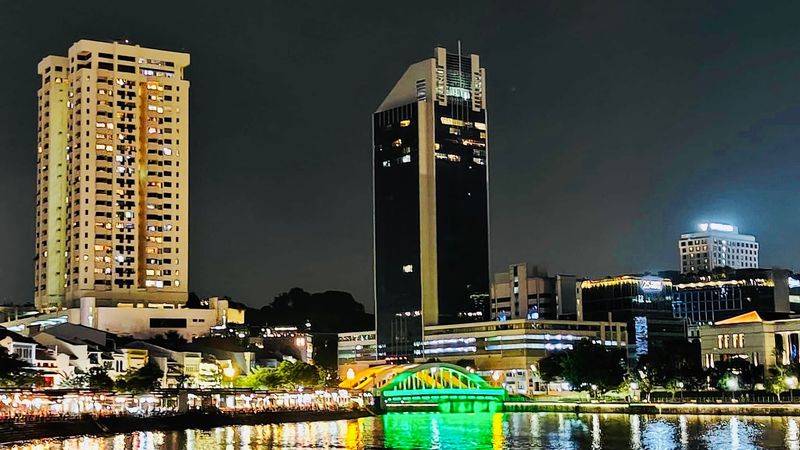
Singapore packs an extraordinary amount of safety, efficiency, and ambition into an island roughly the size of New York City. As Asia’s highest-ranked country on the Global Peace Index, it punches well above its weight when it comes to peace and security.
Strict laws and consistent enforcement have created an environment where petty crime is genuinely rare. Streets are spotless, public transportation runs with clockwork precision, and neighborhoods feel safe at any hour of the day or night.
Tourists often describe a sense of freedom here that is hard to find in most major world cities.
Singapore’s multicultural makeup, blending Chinese, Malay, Indian, and Western influences, creates a food scene and cultural calendar that are endlessly fascinating. Hawker centers serve incredible meals at affordable prices around the clock.
Green spaces like the Gardens by the Bay bring nature into the urban heart of the city. Healthcare is world-class, and the country’s infrastructure rivals anywhere on the planet.
First-time visitors are frequently stunned by how effortlessly everything seems to work. Singapore may have a reputation for its strict rules, but most travelers agree the result is a city that feels genuinely comfortable, welcoming, and remarkably easy to explore.
Portugal
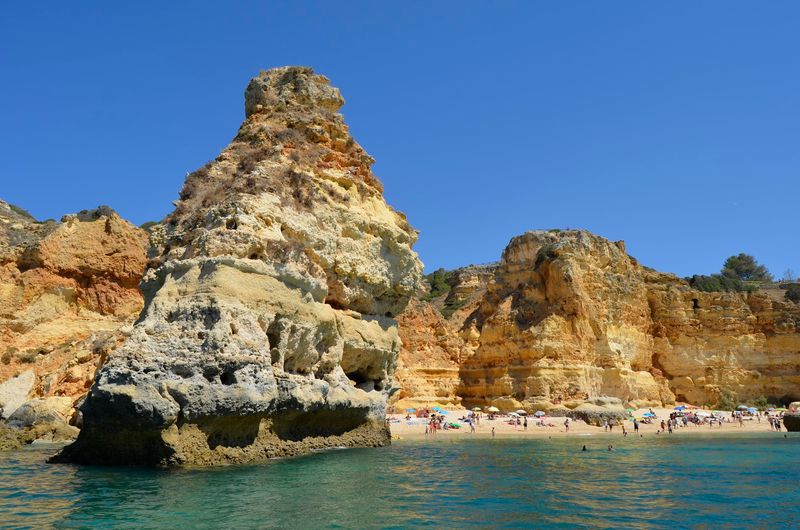
Portugal has quietly transformed itself into one of Europe’s most talked-about travel destinations, and safety is a big part of its growing appeal. Over the past decade, the country has steadily climbed international peace rankings, earning a reputation as one of the most relaxed and welcoming places on the continent.
Violent crime in Portugal is exceptionally low by European standards. Lisbon and Porto, the two major cities, feel lively and vibrant without the undercurrent of tension you might find in larger European capitals.
Locals are famously warm, and the culture of saudade, a kind of wistful, gentle longing, gives the whole country a reflective, unhurried quality that visitors find deeply soothing.
Portugal’s coastline stretches for nearly 1,800 kilometers, offering everything from dramatic Atlantic cliffs to calm southern beaches that rival anywhere in the Mediterranean. The Algarve region draws millions of tourists each year, and the infrastructure there is well-developed and tourist-friendly.
Cost of living is relatively affordable by Western European standards, making Portugal attractive to retirees and digital nomads alike. Add in excellent seafood, world-class wine, and a genuinely easygoing pace of life, and it becomes very clear why Portugal keeps rising on the global safety charts.
Denmark
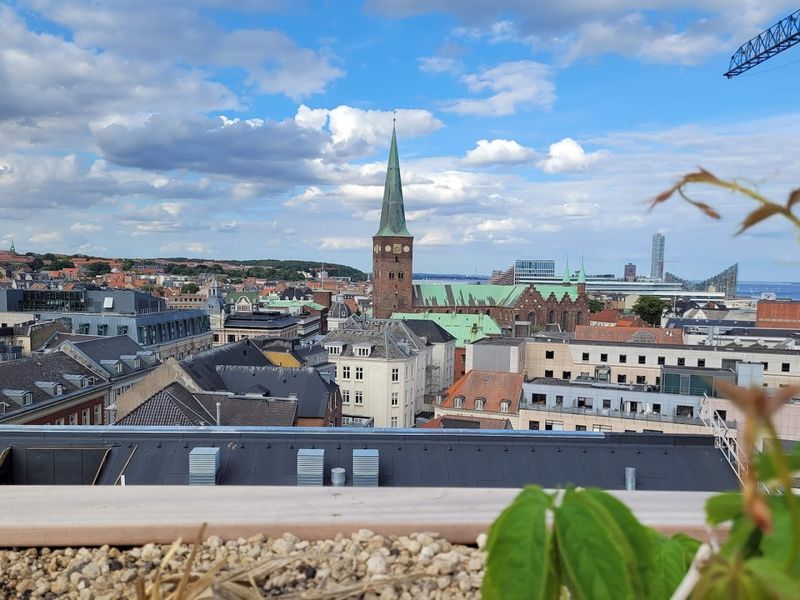
Hygge, the Danish concept of cozy contentment and warm togetherness, is not just a lifestyle trend. It is a genuine reflection of how Danish society operates.
Denmark consistently ranks among the world’s safest and happiest countries, and the two facts are not unrelated.
Social trust in Denmark is extraordinarily high. People trust their neighbors, their institutions, and their government to a degree that many other countries can only admire from a distance.
Crime rates are low, the justice system is fair and transparent, and public spaces feel genuinely safe for people of all ages and backgrounds.
Copenhagen regularly tops lists of Europe’s most livable and safest capitals. The city is famously bike-friendly, with hundreds of kilometers of dedicated cycling lanes that make getting around both easy and enjoyable.
Denmark’s healthcare and education systems are among the world’s best, both funded by high taxes that citizens largely accept as a fair trade for exceptional public services. The Danish coastline, charming market towns, and the fairytale landscapes of Jutland offer travelers a quieter, more genuine side of Scandinavia.
For anyone seeking a place where life genuinely feels balanced and secure, Denmark makes a very compelling case.
Slovenia
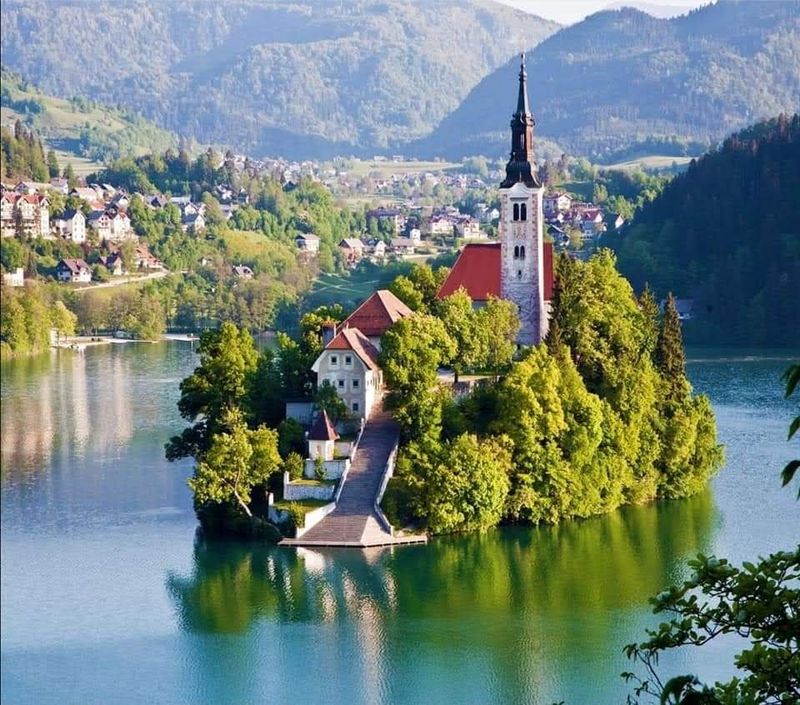
Most travelers could not point to Slovenia on a map ten years ago, but word has been spreading fast. This compact Central European gem has quietly earned a reputation as one of the most underrated and genuinely peaceful destinations in the world.
Slovenia ranks consistently in the top fifteen of the Global Peace Index, driven by political stability, low crime rates, and a society where trust between citizens and institutions runs deep. The capital, Ljubljana, is small enough to feel intimate but lively enough to keep visitors entertained for days.
Its pedestrian-friendly old town, vibrant cafe culture, and hilltop castle create an atmosphere that feels both safe and wonderfully atmospheric.
Outside the capital, Slovenia rewards explorers with jaw-dropping natural variety. Lake Bled, with its island church and medieval castle, looks straight out of a storybook.
The Soca Valley offers some of Europe’s most dramatic alpine scenery, while the Postojna Cave system is one of the largest and most accessible cave networks on the continent. Slovenia is also compact enough to explore entirely by car in a single week.
Low tourist crowds, affordable prices, and locals who genuinely seem happy to see you make this tiny nation one of Europe’s most pleasant surprises.
Finland
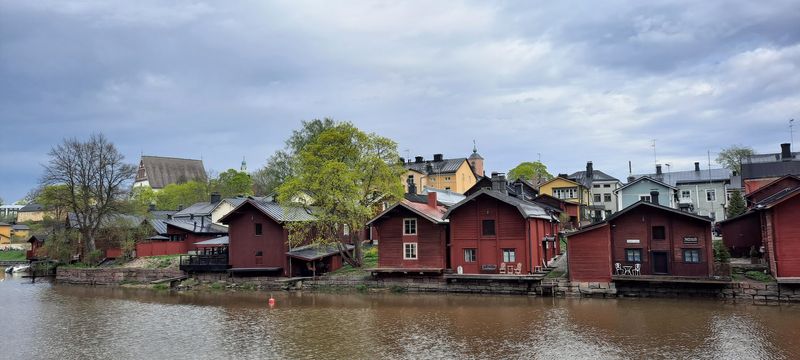
Finland holds a record that has nothing to do with saunas or reindeer. It has been ranked the world’s happiest country for seven consecutive years, and that happiness is built on a foundation of genuine safety, trust, and social equality that few nations can match.
After slipping slightly in previous Global Peace Index editions, Finland has returned firmly to the top ten. Its institutions are transparent and trustworthy, corruption is nearly nonexistent, and the country’s approach to criminal justice focuses on rehabilitation rather than punishment.
The result is one of the lowest reincarceration rates in the developed world.
Finnish cities like Helsinki, Tampere, and Turku are clean, well-organized, and safe at virtually any hour. Public transportation is reliable, healthcare is excellent, and the education system is globally respected.
Beyond urban life, Finland offers 188,000 lakes, vast boreal forests, and the magical experience of witnessing the Northern Lights in complete silence. The Finnish concept of sisu, a kind of quiet resilience and inner strength, shapes the national character in a way that is both admirable and deeply reassuring to visitors.
Finland does not shout about its qualities. It simply delivers them, consistently and without fuss.
Japan
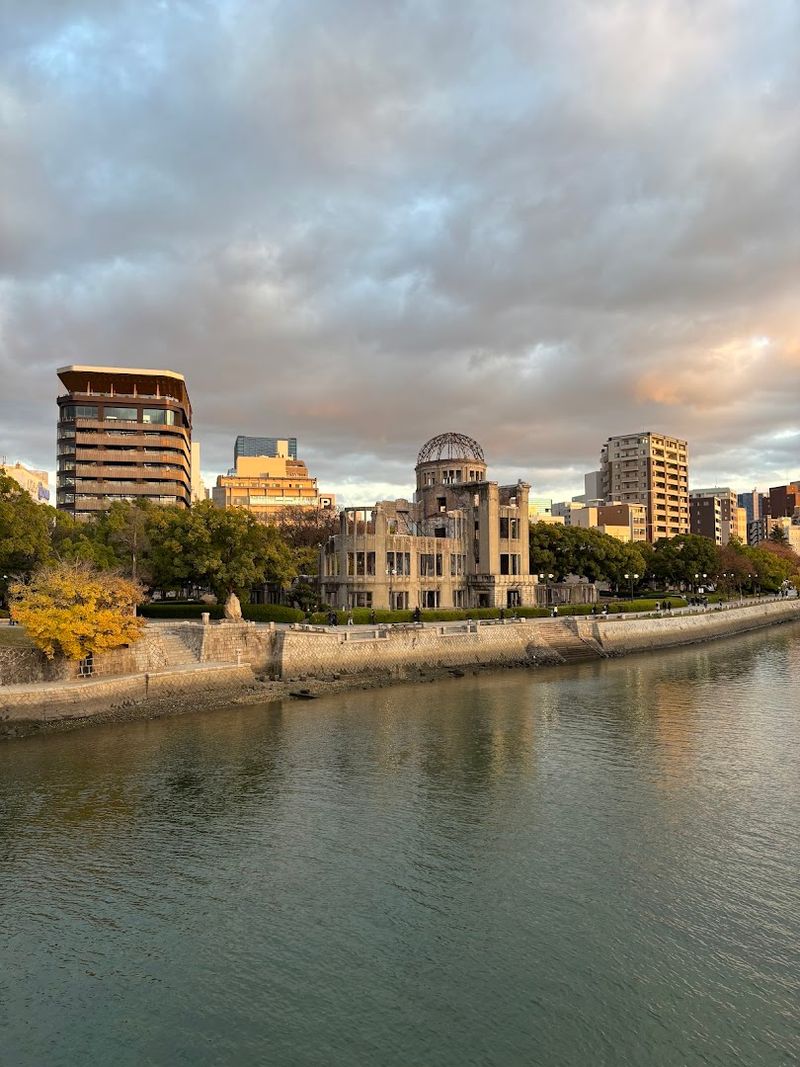
Leaving your wallet on a cafe table in Tokyo and coming back to find it exactly where you left it sounds like a fantasy in most cities. In Japan, it is a perfectly ordinary occurrence.
The country’s reputation for honesty, civic responsibility, and personal safety is not exaggerated.
Japan consistently scores among the top countries on the Global Peace Index, driven by exceptionally low crime rates, a culture of mutual respect, and one of the world’s most reliable and punctual public transportation networks. Even in Tokyo, a megacity of over 13 million people, streets feel orderly and safe at all hours.
Japanese culture places enormous value on consideration for others, which creates an environment where antisocial behavior is genuinely rare. Travelers frequently describe a sense of calm in Japan that contrasts sharply with the noise and tension of other major world cities.
Beyond Tokyo, the ancient temples of Kyoto, the deer parks of Nara, and the bullet train journeys through the Japanese Alps all deliver unforgettable experiences in an atmosphere of complete ease. Japan also has excellent healthcare and emergency services.
For first-time visitors, the combination of rich culture, remarkable cleanliness, and total personal safety makes Japan feel almost too good to be true.
Czechia
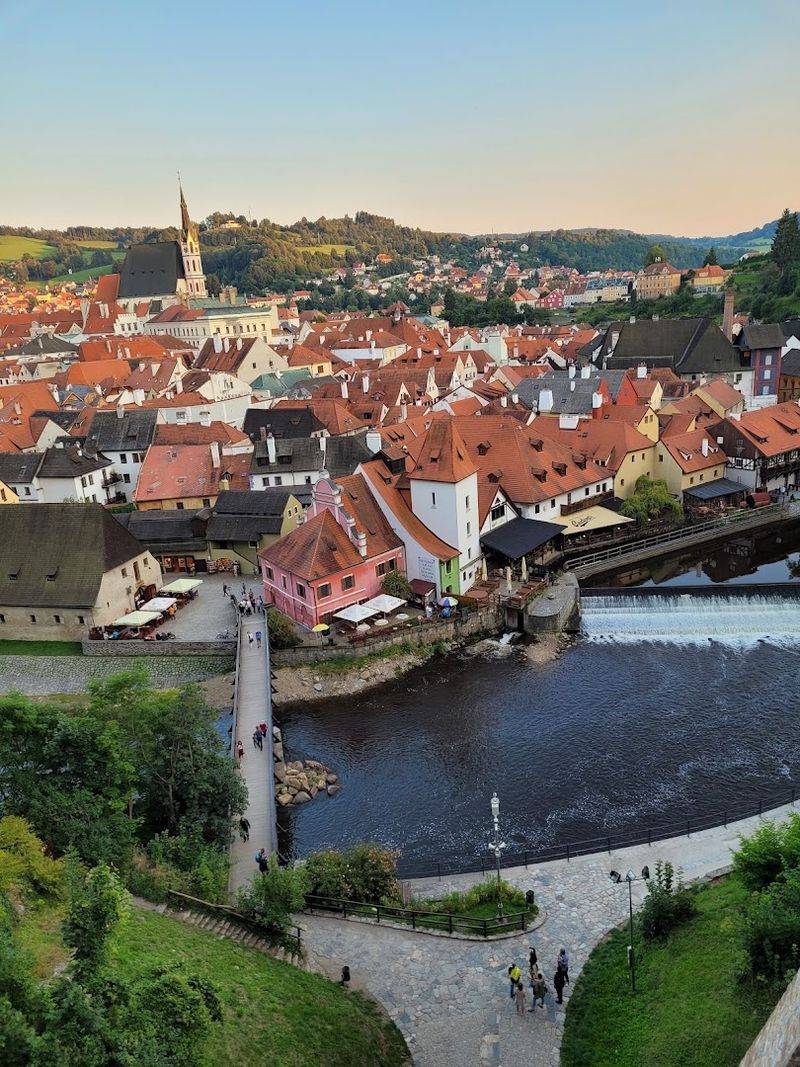
Prague is one of Europe’s most visited cities, and it earns that attention not just through its storybook architecture but through a quality of life and level of safety that makes it genuinely easy to explore. Czechia, formerly known as the Czech Republic, is Central Europe’s quiet overachiever on the peace index.
Crime rates in Czechia are relatively low by European standards, and violent crime is particularly rare. Prague’s historic center, while busy with tourists, is well-policed and feels safe even late into the evening.
Beyond the capital, cities like Brno and Olomouc offer authentic Czech culture without the tourist crowds, and both are equally safe and welcoming.
Czechia also punches above its weight in terms of value. Accommodation, food, and transport are significantly more affordable than in Western Europe, making it a favorite destination for budget-conscious travelers who refuse to sacrifice safety or quality.
The country’s beer culture is legendary, its medieval castles are genuinely spectacular, and the rolling Bohemian countryside offers peaceful hiking and cycling routes that feel worlds away from city life. Czechia may not always make the headlines, but travelers who know it understand exactly why it keeps appearing near the top of global peace rankings.
Canada
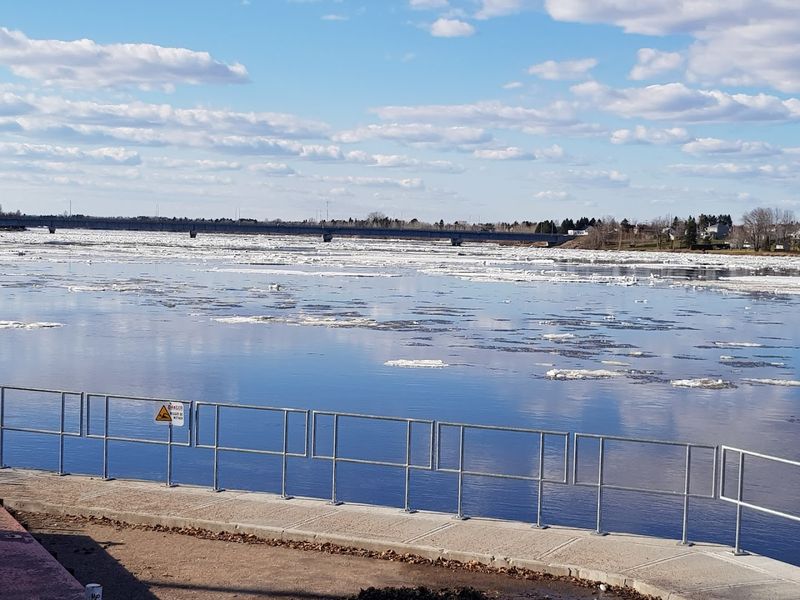
Canada is the kind of place where strangers apologize to you after you bump into them. That self-deprecating warmth is part of a broader national character defined by openness, tolerance, and a genuine commitment to peaceful coexistence across an extraordinarily diverse population.
With the second-largest land area on Earth, Canada offers an almost absurd range of landscapes, from the icy tundra of the Yukon to the wine country of British Columbia and the cosmopolitan energy of Toronto and Montreal. Despite its size and diversity, Canada maintains impressively low levels of violent crime and a political system that, while imperfect, functions with relative stability and transparency.
Canadian cities consistently rank among the world’s most livable, with Vancouver, Calgary, and Toronto all appearing regularly in global quality-of-life surveys. Healthcare is publicly funded and widely accessible, and the country’s multicultural communities create neighborhoods that feel welcoming to people from virtually every background.
National parks like Banff, Jasper, and Algonquin attract millions of visitors annually, offering world-class outdoor experiences in environments that feel both wild and well-managed. Canada’s reputation for kindness is not just marketing.
It reflects a society that has made peace, inclusion, and safety genuine national priorities worth protecting.
Australia
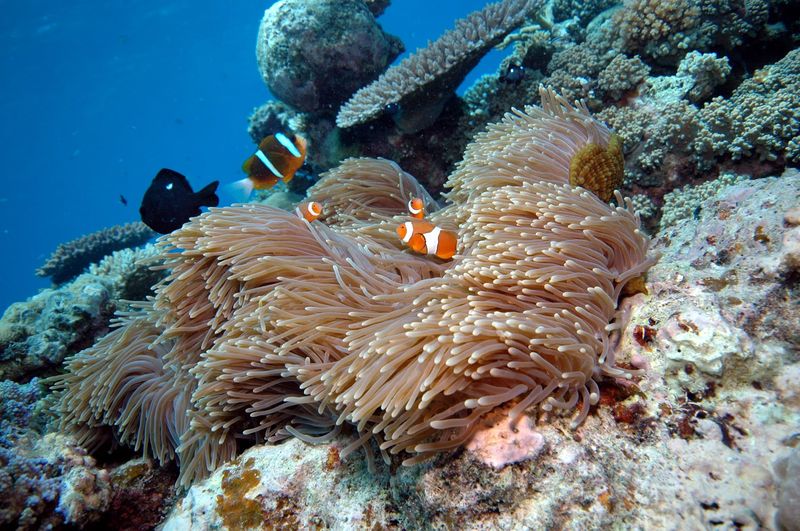
Australia greets visitors with a climate, a coastline, and a cultural confidence that is hard to resist. Beyond the iconic landmarks and the world-famous wildlife, Australia offers something equally valuable for travelers and residents: a stable, safe, and well-functioning society.
Violent crime rates in Australia are low by global standards, and the country’s institutions, from its legal system to its emergency services, are reliable and well-resourced. Major cities like Sydney, Melbourne, Brisbane, and Perth are modern, well-policed, and equipped with excellent public transportation and healthcare infrastructure.
Australia also benefits from geographical isolation, sitting far from most of the world’s active conflict zones.
Australian culture is famously relaxed and outdoors-oriented, shaped by a climate that encourages people to spend time at beaches, parks, and open-air markets rather than cooped up indoors. The Great Barrier Reef, the Red Centre, and the forests of Tasmania offer natural experiences found nowhere else on Earth.
Australians are generally direct, good-humored, and welcoming to visitors, which makes navigating a new country feel considerably less daunting. For families in particular, Australia combines natural wonder with the kind of practical safety and social stability that makes long-term living genuinely appealing.
Germany
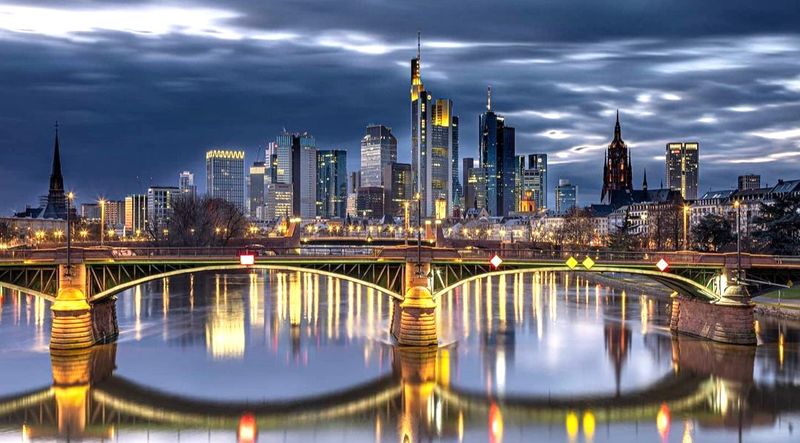
Germany runs on a kind of organized precision that extends well beyond its famous engineering and automotive industries. That same efficiency shapes its cities, its public services, and the everyday sense of safety that residents and visitors experience throughout the country.
Crime rates in Germany are relatively low for a nation of 84 million people, and violent crime is particularly uncommon outside of isolated urban hotspots. The country’s public transportation network, one of the most extensive in Europe, makes getting around straightforward and stress-free.
Emergency services are fast, well-trained, and accessible across both urban centers and rural regions.
Germany’s cities each have a distinct personality. Berlin pulses with creative energy and a fascinating layered history.
Munich pairs Bavarian tradition with modern cosmopolitan life. Hamburg’s harbor district and Frankfurt’s banking skyline both offer their own unique appeal.
Beyond the cities, the Black Forest, the Rhine Valley, and the Bavarian Alps provide spectacular outdoor experiences in environments that are well-maintained and visitor-friendly. Germany also invests heavily in education, healthcare, and social welfare, creating a society where most people’s basic needs are well met.
For travelers seeking a European destination that combines culture, history, and reliable safety, Germany delivers on every front.
Share this story