 Unearth The Voyage
Europe is packed with incredible places to visit, but knowing where you can feel truly safe makes all the difference. Whether you are traveling solo, with family, or with friends, picking a destination with low crime rates and welcoming locals can turn a good trip into an unforgettable one.
From the volcanic landscapes of Iceland to the fairy-tale streets of Estonia, Europe offers plenty of spots where safety and adventure go hand in hand. This guide highlights the top 15 safest destinations across the continent so you can plan your 2026 trip with total confidence.
Reykjavik, Iceland
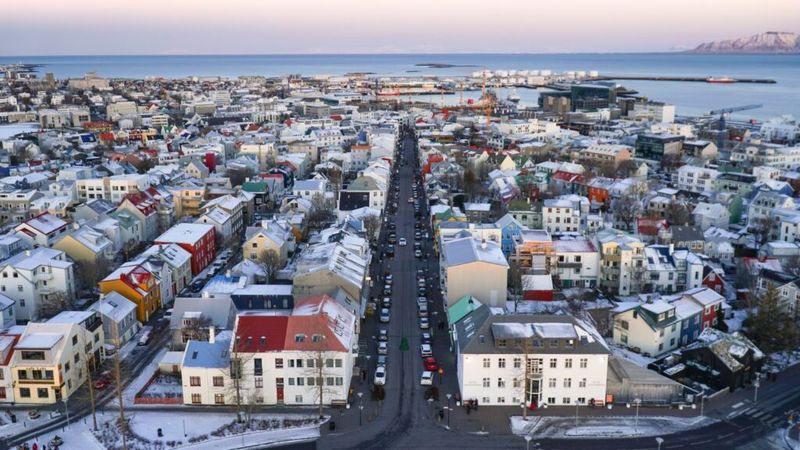
Forget locking your bike — in Reykjavik, people leave prams outside cafes while they pop in for coffee, and nobody bats an eye. That tiny detail tells you everything about how safe this city really is.
Iceland has topped global peace rankings for years running, and Reykjavik is the crown jewel of that reputation.
Violent crime here is almost unheard of, and locals are famously friendly toward visitors. Solo travelers, especially women, regularly describe walking home at midnight feeling completely at ease.
The city also has excellent lighting, clean streets, and a reliable public bus system that makes getting around simple.
Beyond safety, Reykjavik punches well above its weight for things to do. You can soak in a geothermal pool, chase the Northern Lights, or take a day trip along the legendary Golden Circle.
The colorful downtown area is walkable and full of quirky shops, great seafood, and lively bars. With a population of just over 130,000, it feels intimate rather than overwhelming.
For travelers wanting peace of mind alongside jaw-dropping scenery, Reykjavik is genuinely hard to beat in 2026.
Copenhagen, Denmark
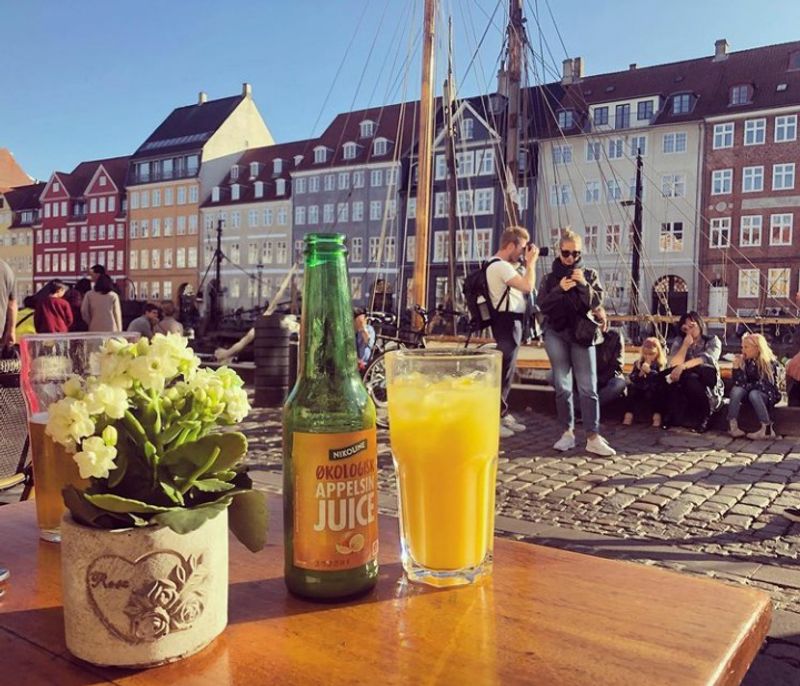
There is something almost effortlessly cool about Copenhagen — a city where thousands of people commute by bicycle every single day, and the biggest concern on most streets is whether you will get hit by a confident cyclist. Crime rates here are among the lowest of any major European capital, making it a dream for first-time solo travelers.
The Danish concept of “hygge” — a feeling of coziness and well-being — is basically built into the city’s DNA. You feel it in the warm glow of canal-side restaurants, in the unhurried pace of locals, and in the way strangers will cheerfully give you directions without being asked.
Neighborhoods like Nyhavn, Frederiksberg, and Vesterbro are all highly walkable and welcoming.
Public transportation in Copenhagen is clean, punctual, and easy to navigate even if you do not speak Danish. The metro runs around the clock on weekends, which is a huge bonus for night owls.
Families will love Tivoli Gardens, one of the world’s oldest amusement parks, while history buffs can explore Kronborg Castle. Copenhagen rewards curious travelers who wander without a plan and still somehow end up having the best day of their trip.
Zurich, Switzerland
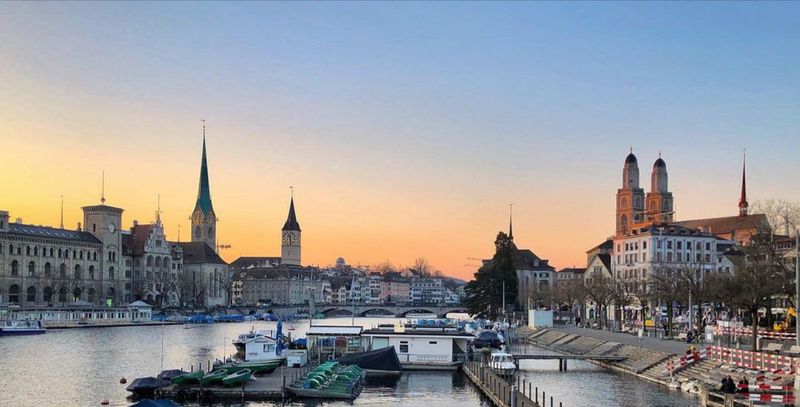
Zurich is the kind of city where the trams run on time, the streets are spotless, and you genuinely feel like the whole place was engineered for human comfort. Switzerland consistently earns top marks on global safety and quality-of-life indexes, and Zurich leads the charge as its largest and most visited city.
Law enforcement here is efficient and visible without being intimidating. Tourists report feeling safe exploring the city at any hour, from the medieval lanes of the Old Town to the trendy bars of Langstrasse.
Even the lake promenade at dusk feels calm, well-lit, and pleasantly lively.
Getting around is a breeze thanks to an outstanding network of trams, trains, and buses that connect every corner of the city. Most signage is in multiple languages, so navigating as a tourist is surprisingly stress-free.
Day trips from Zurich are spectacular — the Rhine Falls, Lucerne, and the Jungfrau region are all within easy reach. Yes, Zurich has a reputation for being expensive, but budget-savvy travelers can find affordable eats at market halls and lakeside picnic spots.
For a safe, polished, and genuinely beautiful European city break, Zurich consistently delivers.
Vienna, Austria
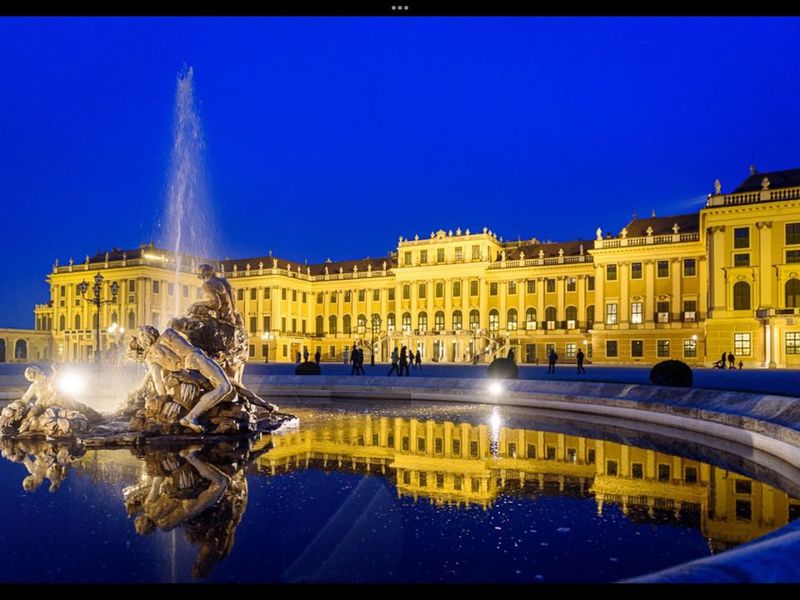
Walking through Vienna feels like stepping into a living museum — grand palaces, ornate fountains, and wide boulevards that seem designed to make you feel like royalty. But beyond the architectural drama, Vienna is quietly one of the safest major cities in Europe, ranking consistently in the top five on global peace indexes.
Austria as a whole has a very low violent crime rate, and Vienna reflects that well. Police presence is calm and professional, and the city invests heavily in public spaces that feel open, clean, and welcoming.
Tourists can wander the Ringstrasse at night, explore Christmas markets in December, or sit in a traditional coffee house for hours without any sense of unease.
The public transport network is exceptional — U-Bahn trains, trams, and night buses cover the entire city efficiently and affordably. Vienna is also extremely family-friendly, with world-class museums like the Natural History Museum and the Kunsthistorisches Museum offering something for every age group.
Music lovers are in their element here, with opera performances and classical concerts available almost every evening. Vienna manages to be both grand and approachable, a rare combination that keeps travelers coming back year after year.
Munich, Germany
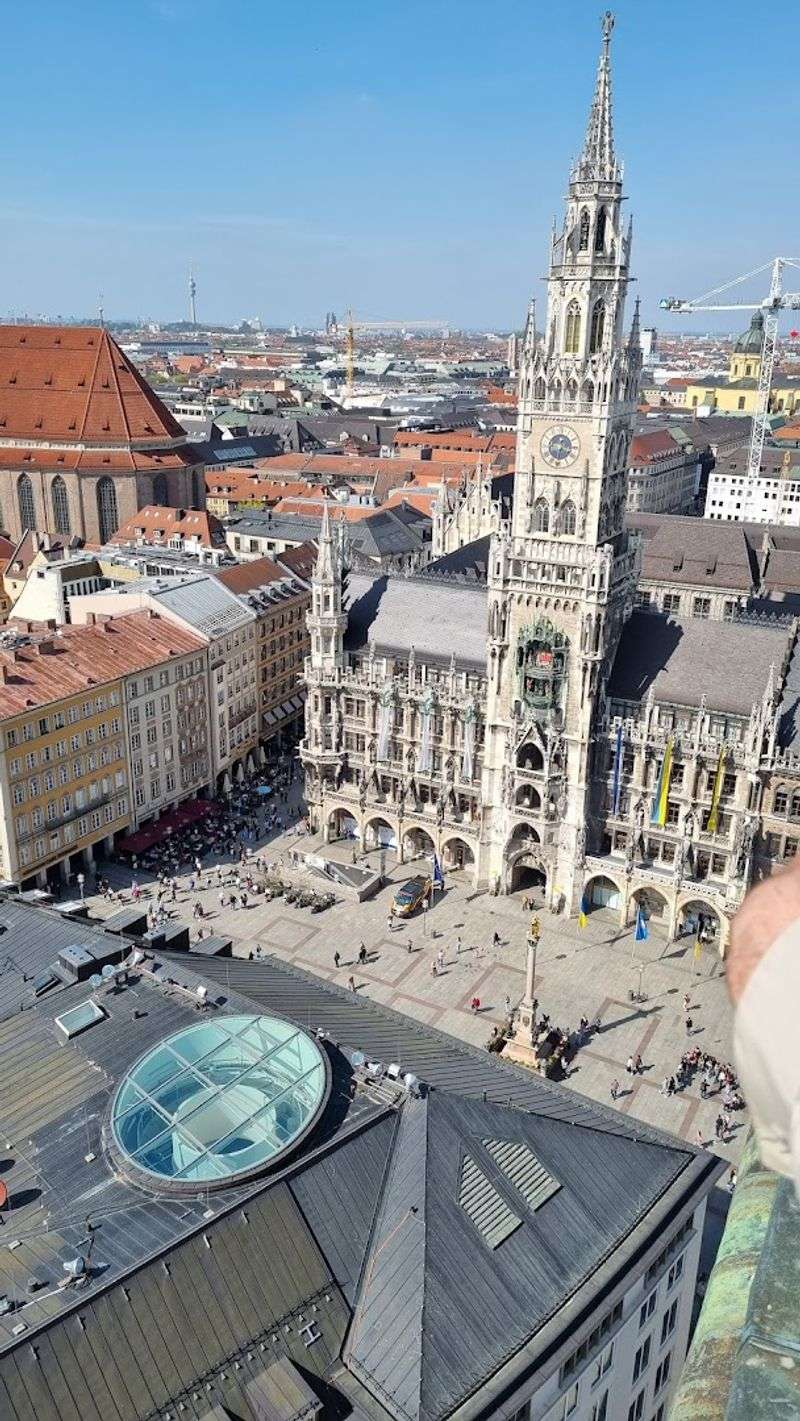
Most people hear “Munich” and immediately think of giant beer steins and Oktoberfest — fair enough, honestly. But this Bavarian capital has a lot more going on, and one of its most underrated qualities is just how safe and well-organized it is for visitors year-round.
Munich regularly places near the top of European safety rankings, even during its busiest tourist seasons.
The city center is clean, walkable, and full of pleasant surprises. Marienplatz, the main square, buzzes with energy from morning to night, while the English Garden — one of the largest urban parks in the world — offers a relaxed escape from the city buzz.
Crime targeting tourists is relatively low, though standard precautions like watching your belongings in crowded areas still apply.
Munich’s public transport system is outstanding, with U-Bahn, S-Bahn, trams, and buses all running on tight schedules. Day trips to Neuschwanstein Castle, the Bavarian Alps, or Lake Starnberg are easy and popular.
Families will appreciate the Deutsches Museum, one of the best science and technology museums anywhere in Europe. Munich strikes a rare balance — lively enough to be exciting, organized enough to feel effortlessly safe.
Ljubljana, Slovenia
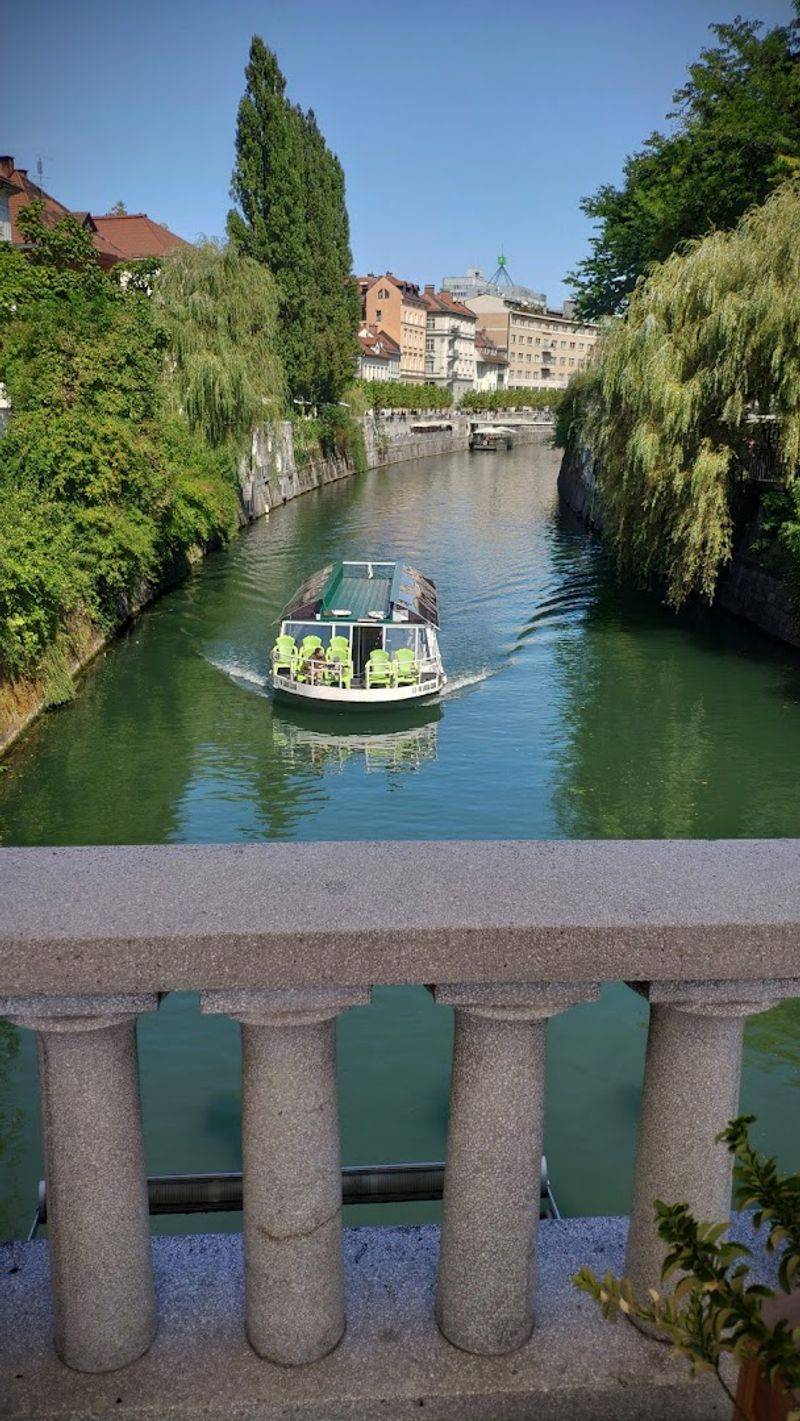
Not many European capitals can claim that their entire city center is pedestrian-only, but Ljubljana pulls it off beautifully. Cars are largely banned from the heart of the city, which instantly creates a calmer, safer atmosphere that both locals and tourists genuinely appreciate.
Slovenia often flies under the radar, but it ranks impressively well on European safety and quality-of-life measures.
The city has a refreshingly small-town feel despite being a capital. Locals are warm and approachable, English is widely spoken, and the overall pace of life is relaxed.
Violent crime is extremely rare, and tourists typically report feeling comfortable exploring alone, even in the evening hours.
Ljubljana is also surprisingly affordable compared to Western European capitals, which makes it a smart pick for budget-conscious travelers who do not want to compromise on safety or charm. The riverside promenade is lined with outdoor cafes where you can sit for hours watching boats drift by.
Ljubljana Castle, perched on a hill above the city, offers sweeping views and a free funicular ride. The city also serves as a great base for exploring nearby Lake Bled, one of the most photographed natural spots in all of Europe.
Ljubljana is a genuine hidden gem.
Bern, Switzerland
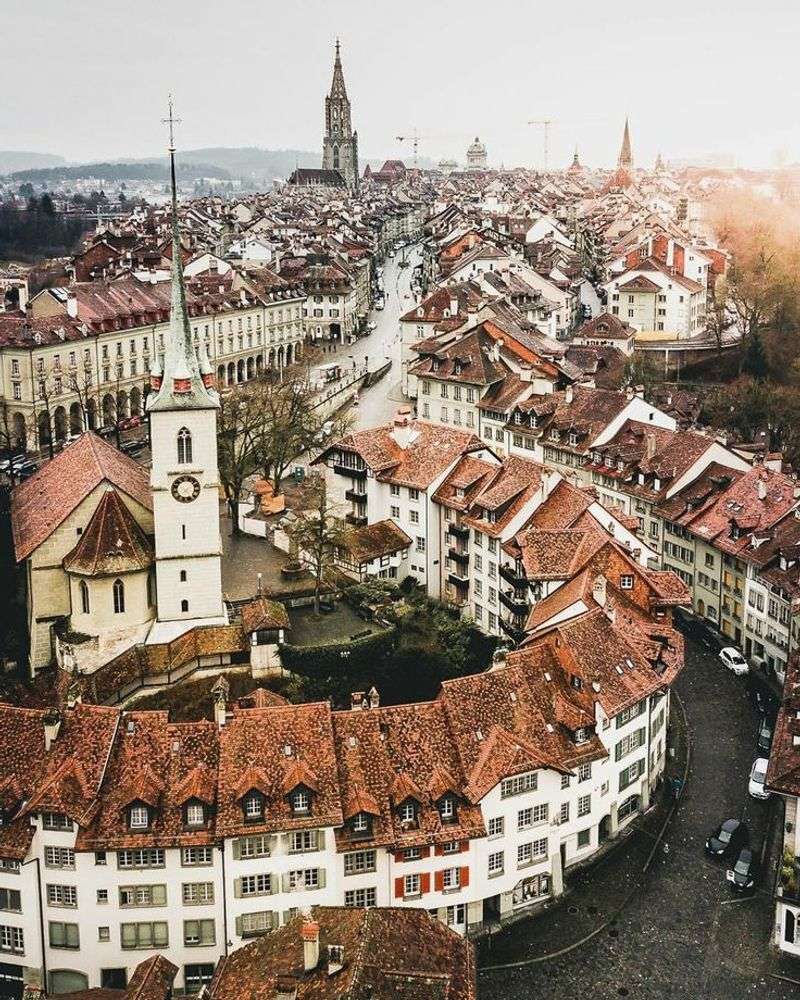
Switzerland’s capital city has a secret: it is one of the most peaceful, walkable, and genuinely charming places on the entire continent, yet it rarely gets the tourist spotlight that Zurich or Geneva enjoy. Bern’s medieval old town is a UNESCO World Heritage site, and wandering its six kilometers of covered arcades feels like traveling back in time — minus any of the safety concerns you might associate with old, winding streets.
Crime rates in Bern are exceptionally low even by Swiss standards. The city is compact and easy to navigate on foot, with the Aare River curving dramatically around the old town like a natural moat.
Locals are polite and reserved in that distinctly Swiss way, but always helpful when asked for directions.
The famous bear park — yes, Bern has live bears, because the city’s name literally means bear — is a fun and quirky stop for families. The Rose Garden above the old town offers some of the best views in the city, completely free of charge.
Bern also has excellent museums, including the Einstein Museum, located in the very apartment where Albert Einstein developed his theory of relativity. For a calm, safe, and quietly spectacular Swiss experience, Bern deserves far more credit than it typically receives.
Tallinn, Estonia
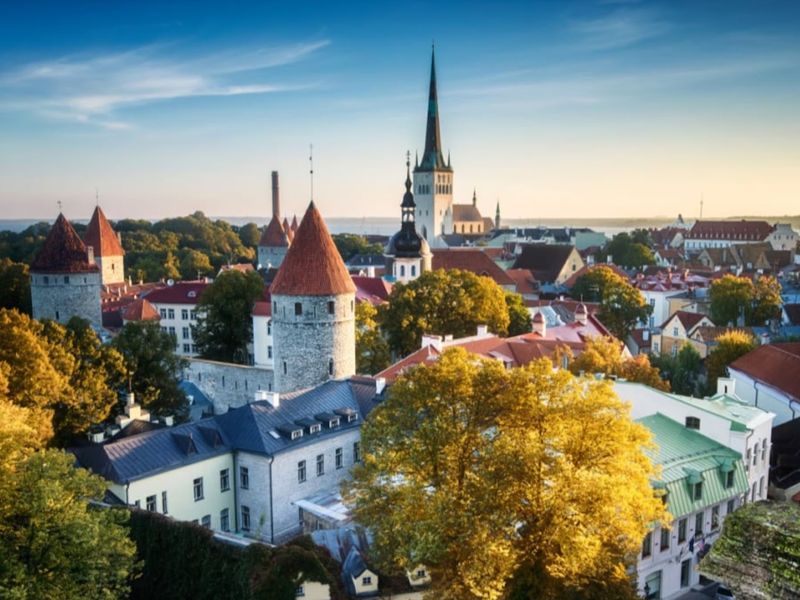
Step through Tallinn’s ancient city gates and you will feel like you have accidentally walked onto a medieval movie set — except everything is real, remarkably well-preserved, and completely safe to explore. Estonia has transformed itself into one of Europe’s most digitally advanced societies, and that same commitment to order and efficiency shows up clearly in its low crime rates and well-maintained public spaces.
Tallinn’s old town is a UNESCO World Heritage site and one of the best-preserved medieval city centers anywhere in Europe. Tourists can roam freely through cobblestone alleyways, climb ancient towers, and enjoy panoramic views over the Baltic Sea without any real safety concerns.
Pickpocketing in crowded areas is the most common issue, and staying alert in tourist hotspots is always smart practice.
Outside the old town, Tallinn has a vibrant, modern side with trendy cafes, tech startups, and a buzzing food scene. The city is also remarkably affordable compared to Scandinavian neighbors, offering excellent value for money on accommodation, food, and activities.
Getting around is easy thanks to a reliable tram and bus network. Tallinn also makes a fantastic base for day trips to Finnish Helsinki, reachable by a two-hour ferry across the Gulf of Finland.
It is genuinely one of Europe’s most underrated travel destinations.
Trondheim, Norway
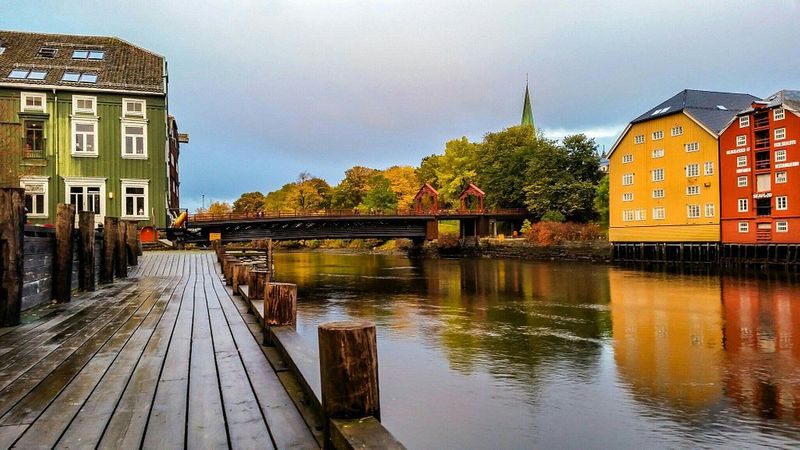
Norway’s third-largest city quietly goes about being one of the safest places on earth, without making too much fuss about it. Trondheim sits along a scenic fjord, backed by rolling hills and forests, and its colorful waterfront warehouses — known as Bryggen-style buildings — make it one of the most photogenic cities in all of Scandinavia.
Violent crime here is genuinely rare, and the city has a relaxed, trusting atmosphere that puts visitors immediately at ease. Norway’s strong social safety net contributes to low inequality, which in turn keeps crime rates impressively low across the country.
Trondheim benefits from all of that, plus the added bonus of being a university town with a young, international, and welcoming population.
The Nidaros Cathedral, the northernmost medieval cathedral in the world, is a must-visit and one of Norway’s most iconic landmarks. The old town bridge, Gamle Bybro, offers a classic view of those colorful riverside warehouses and is one of the most photographed spots in the city.
Cycling is hugely popular here — the city even has the world’s first bicycle lift to help riders up steep hills. Day trips into the surrounding fjord landscape are breathtaking and easy to arrange.
Trondheim rewards slow, relaxed exploration.
Helsinki, Finland
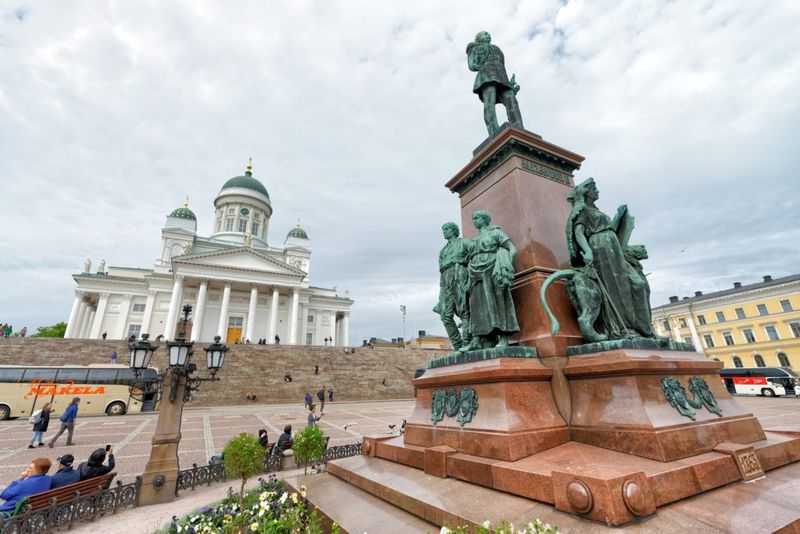
Finland has been named the happiest country in the world seven years in a row — and spending even a few days in Helsinki will give you a pretty good idea why. The Finnish capital combines clean design, honest friendliness, and a deep respect for personal space and public order that creates an atmosphere unlike almost anywhere else in Europe.
Crime rates in Helsinki are very low, and the city feels safe at all hours. The streets are well-lit, public transportation runs reliably late into the night, and locals are the kind of helpful that does not feel forced or performative.
Solo travelers consistently rate Helsinki as one of the most comfortable European cities to explore independently.
The city’s design heritage is genuinely impressive — from the iconic white Helsinki Cathedral overlooking Senate Square to the striking Rock Church carved directly into solid granite. The Market Square waterfront is a wonderful place to sample fresh Finnish foods like smoked salmon and cloudberry jam.
Nature lovers will appreciate that Helsinki’s island archipelago is accessible by public ferry, offering peaceful escapes just minutes from the city center. Saunas are a cultural institution here, and many public ones welcome tourists.
Helsinki is calm, cool, and quietly wonderful.
Zagreb, Croatia
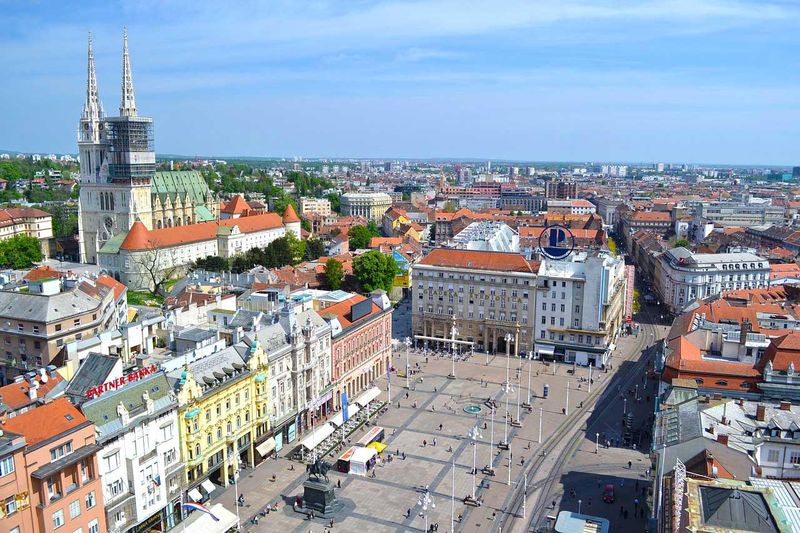
Croatia might be better known for Dubrovnik’s Game of Thrones walls and Split’s Adriatic beaches, but Zagreb has been quietly building a reputation as one of Central Europe’s most livable and safest capitals. The city combines Austro-Hungarian elegance with a warm Mediterranean spirit, and that combination makes it incredibly welcoming for first-time visitors.
Zagreb ranks highly on European safety indexes, with low violent crime rates and a relaxed urban atmosphere. The city center is compact and easily explored on foot, with Ban Jelacic Square serving as the lively, sociable heart of daily life.
Locals are genuinely friendly and most younger residents speak excellent English.
The upper town, Gornji Grad, is full of charming cobblestone streets, historic churches, and panoramic viewpoints — all completely safe to wander at any time of day. Zagreb also has a fantastic cafe culture, with outdoor terraces filling up every morning for long, leisurely coffees that locals call “špica.” The city’s museum scene is surprisingly creative, home to the quirky Museum of Broken Relationships, which has become one of Croatia’s most visited cultural attractions.
Zagreb is also significantly more affordable than most Western European capitals, offering great value without compromising on safety, culture, or charm.
The Hague, Netherlands
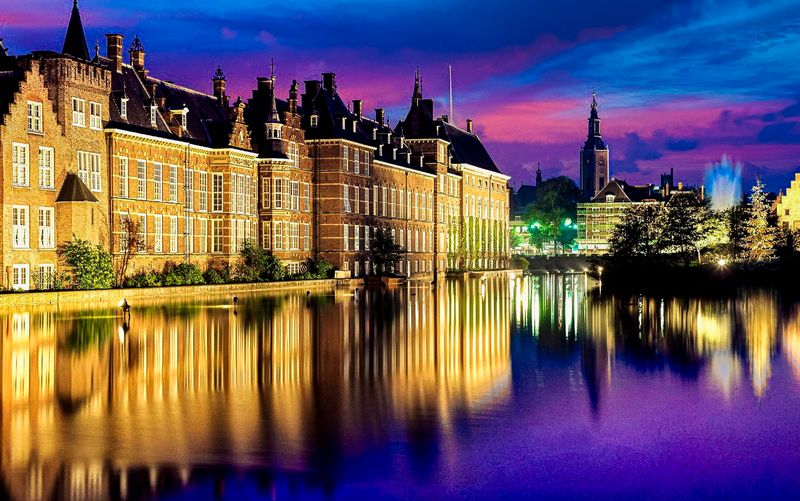
Home to the International Court of Justice and the International Criminal Court, The Hague is arguably the legal capital of the entire world — which gives you some sense of just how seriously this city takes order, rules, and doing things properly. It is one of the safest cities in the Netherlands and consistently ranks among the top safe destinations in Europe.
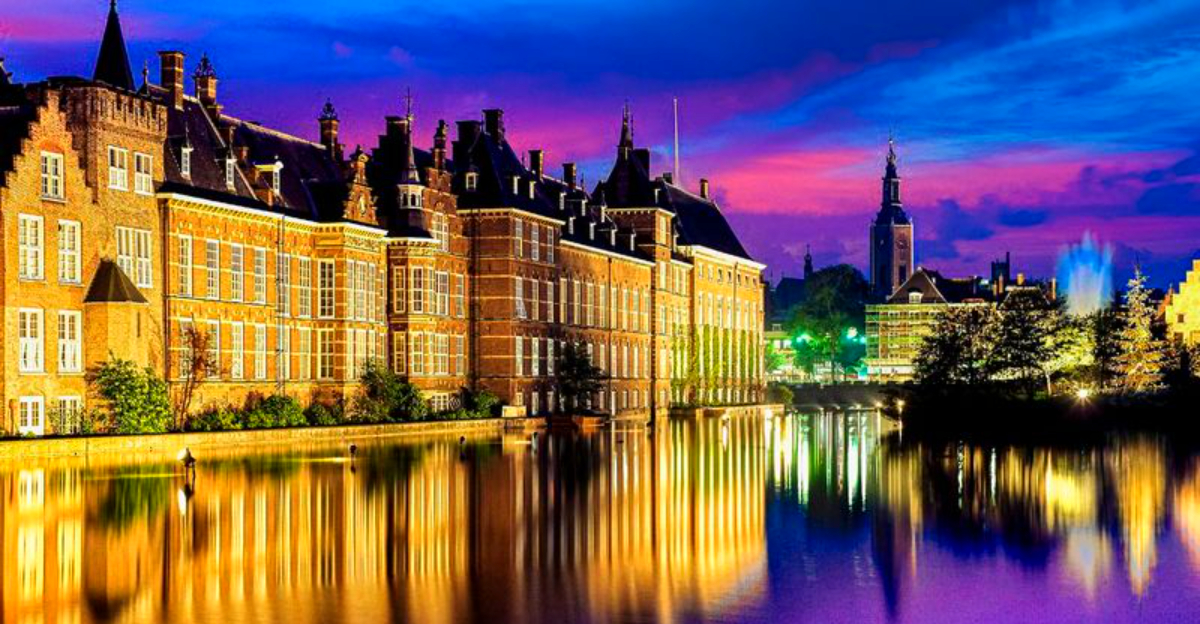
Unlike Amsterdam, The Hague does not get overwhelmed by large tourist crowds, which helps maintain a calmer and more pleasant atmosphere year-round. The historic Binnenhof parliament complex, sitting prettily beside a reflecting lake, is one of the most beautiful government buildings in Europe and completely free to admire from outside.
The nearby Mauritshuis museum houses Vermeer’s “Girl with a Pearl Earring” — worth the visit alone.
The North Sea beach resort of Scheveningen is just a short tram ride away, giving visitors a fun coastal day trip option that most tourists staying in Amsterdam miss entirely. The city’s tram network is clean, reliable, and easy to use.
Street crime is low, and the overall vibe is professional, calm, and genuinely welcoming. The Hague is a smart, underappreciated alternative to the more crowded Dutch tourist trail, offering culture, safety, and seaside charm in one compact package.
Prague, Czech Republic
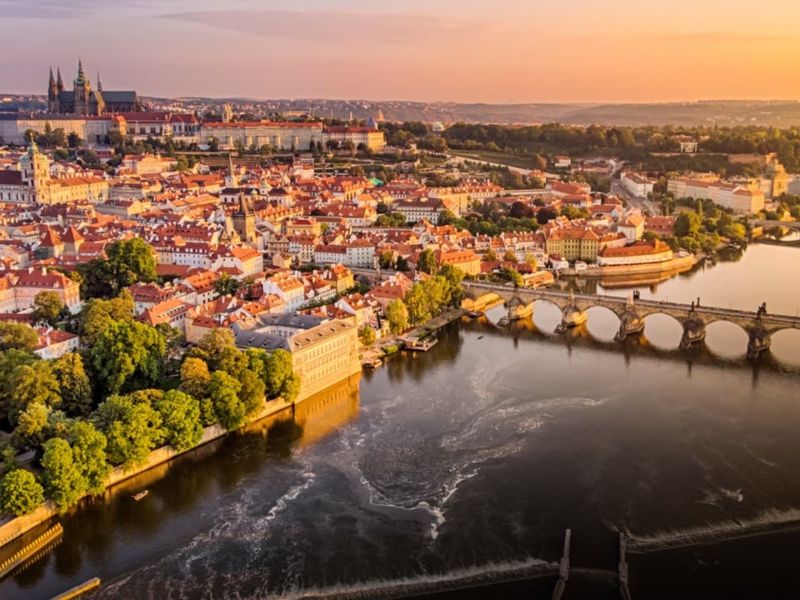
Around 8 million tourists visit Prague every year, drawn by one of the most breathtaking historic city centers on the planet — and yet, for a city that busy, it manages to stay remarkably safe. The Czech capital is not crime-free, but violent crime targeting tourists is genuinely rare, and most visitors complete their entire trip without a single incident.
The main thing to watch for in Prague is pickpocketing, particularly around Charles Bridge, Old Town Square, and crowded tram routes like the number 22. Keeping your phone in a front pocket and staying aware in busy spots will take care of most risks.
Beyond that, Prague is a very comfortable and accessible city to explore.
The city is incredibly walkable, with most major attractions clustered within a short distance of each other. Prague Castle, the Astronomical Clock, and the Jewish Quarter are all stunning and easy to reach on foot.
The Czech food scene has improved dramatically in recent years — beyond the classic svickova and goulash, the city now has a thriving modern restaurant culture. Nightlife is legendary here, with everything from jazz bars in cellar venues to rooftop cocktail lounges.
Prague offers serious atmosphere, serious history, and a travel experience that is genuinely hard to replicate anywhere else in Europe.
Porto, Portugal
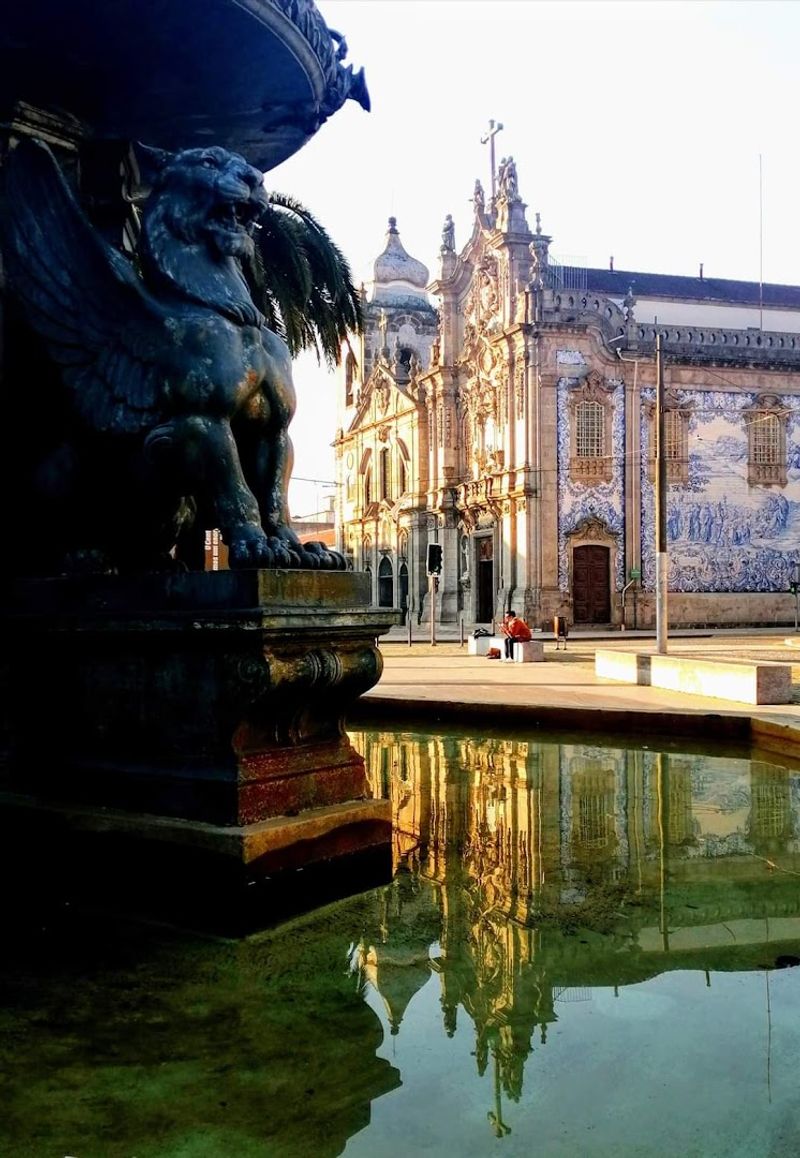
Porto smells like fresh pasteis de nata, sounds like fado drifting from a narrow alleyway, and looks like someone stacked a hundred colorful tile-covered buildings along a river and called it a city — which is basically what happened. Portugal has earned a rock-solid reputation as one of Europe’s safest countries for travelers, and Porto is a shining example of why.
Violent crime here is very low, and the overall atmosphere is relaxed and welcoming. Locals are warm, patient with tourists, and genuinely proud of their city.
The Ribeira district, Porto’s UNESCO-listed riverside neighborhood, is safe to explore both day and night, with plenty of well-lit streets and active outdoor restaurant terraces keeping things lively.
Porto is a walker’s paradise — though fair warning, the hills are no joke. Comfortable shoes are non-negotiable.
The Dom Luis I Bridge offers stunning views over the Douro River and the famous port wine lodges of Vila Nova de Gaia, which sit just across the water and offer free or low-cost tasting tours. Getting around by metro, tram, or Uber is affordable and reliable.
Porto also has excellent day trip options, including the Douro Valley wine region and the beaches of Matosinhos. It is one of Europe’s most rewarding cities to explore slowly and at your own pace.
Cluj-Napoca, Romania
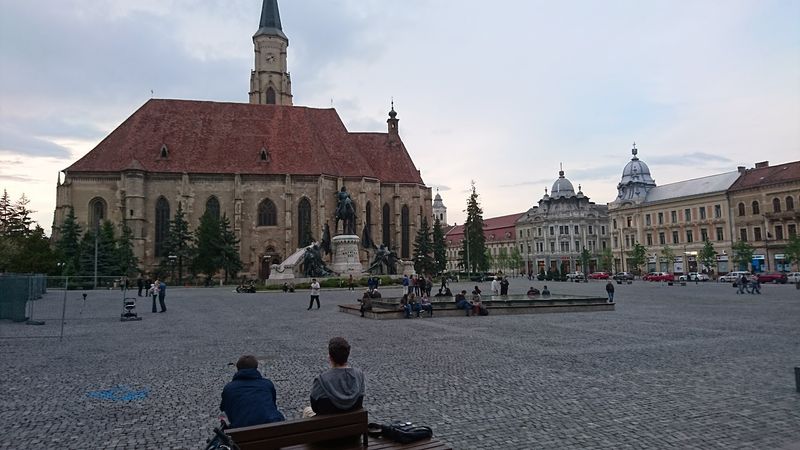
Cluj-Napoca does not always make the top of European travel lists, but travelers who discover it tend to become instant evangelists for the place. Romania’s unofficial cultural capital is a fast-growing university city with a vibrant arts scene, historic architecture, and a safety record that compares favorably to many far more famous European destinations.
The city ranks well on Eastern European safety indexes, with low violent crime rates and a generally welcoming attitude toward visitors. Students make up a large portion of the population, giving the city a youthful, open-minded, and international energy that is immediately noticeable.
English is widely spoken, especially among younger locals.
Union Square, the heart of the old town, is lined with colorful baroque buildings and outdoor cafes that stay busy from morning to midnight. The Gothic Saint Michael Church dominates the square and is one of the most impressive medieval buildings in Transylvania.
Cluj is also home to the famous UNTOLD music festival, one of Europe’s largest, which draws hundreds of thousands of visitors every summer in a safe and well-organized environment. Accommodation and food here are significantly cheaper than Western Europe, making it outstanding value.
Cluj-Napoca is proof that safety, culture, and affordability can absolutely coexist in one brilliant destination.



