Sardinia is an island that seems almost too beautiful to be real. Tucked in the heart of the Mediterranean Sea, it boasts sparkling turquoise waters, ancient stone towers, colorful hilltop towns, and a food culture that stands entirely on its own.
Whether you crave adventure, history, relaxation, or unforgettable meals, Sardinia delivers in a way few places can match. Here are the highlights that make this Italian island truly special.
Costa Smeralda
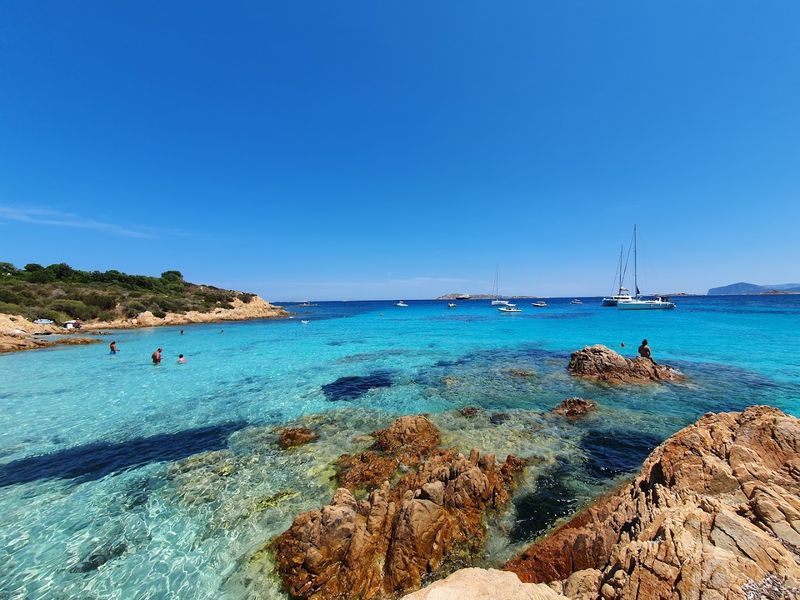
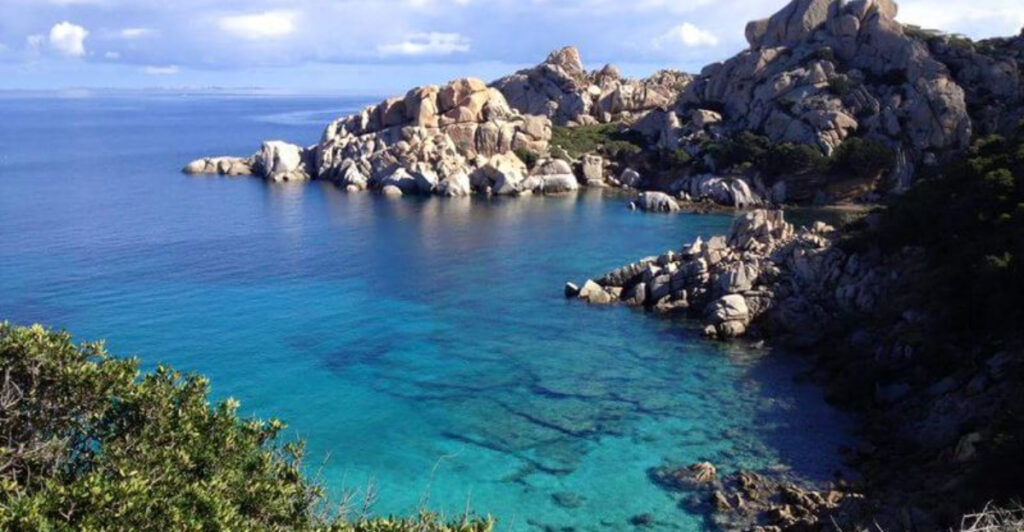
Imagine a coastline so impossibly green that someone named it after an emerald. Costa Smeralda earned that nickname honestly, with water so clear you can count the pebbles from the surface.
Developed in the 1960s by a group of international investors led by Aga Khan IV, the region was designed from the ground up to blend luxury with natural beauty.
Porto Cervo sits at the heart of Costa Smeralda and serves as the social hub of the entire area. Upscale boutiques, waterfront restaurants, and sleek marina promenades give it a glamorous atmosphere that attracts visitors from across the globe.
Celebrities and yacht owners have made it a summer playground, but the coastline itself never loses its natural charm.
Travelers who prefer quieter moments will still find plenty to love here. Several smaller coves sit just beyond the busiest spots, offering calmer swimming and fewer crowds.
Sunsets along Costa Smeralda paint the sky in colors that feel almost theatrical. Whether you splurge on a luxury resort or simply park yourself on the beach with a snack, the scenery alone makes the trip completely worth it.
Su Nuraxi di Barumini
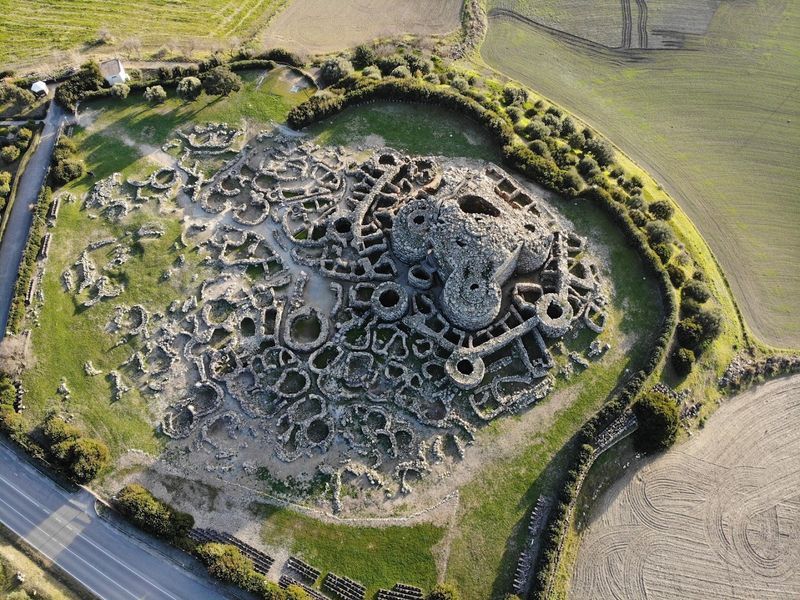
Some ruins whisper history at you quietly, but Su Nuraxi practically shouts. This massive Bronze Age fortress rising from the Sardinian countryside was built over 3,500 years ago by a civilization that historians still struggle to fully understand.
It earned UNESCO World Heritage status in 1997, recognizing it as one of Europe’s most significant prehistoric sites.
The Nuragic people constructed these towers without mortar, stacking enormous basalt stones with remarkable precision. Su Nuraxi features a central tower surrounded by four additional towers, all connected by thick walls and a network of underground passages.
A surrounding village of circular stone huts adds to the scale and complexity of the site.
Walking through Su Nuraxi feels genuinely surreal. You are standing inside a structure older than the Roman Empire, built by people whose language, beliefs, and daily lives remain largely a mystery.
Guided tours help bring context to the stones, pointing out storage rooms, water cisterns, and gathering spaces. Sardinia has thousands of nuraghi scattered across the island, but Su Nuraxi is the crown jewel.
History lovers and curious travelers alike leave this site with a new appreciation for just how ancient human ingenuity really is.
La Maddalena Archipelago
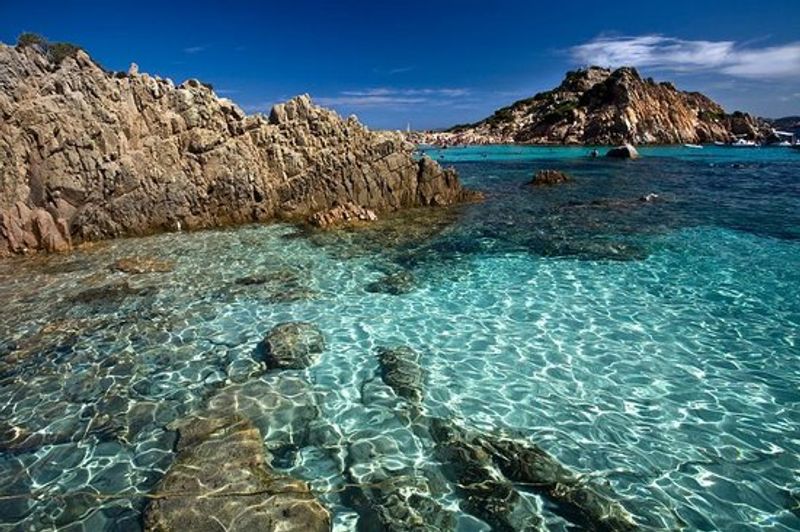
There is a cluster of islands off northern Sardinia where the water looks like someone mixed sapphire and glass together and forgot to add any impurities. La Maddalena Archipelago is made up of seven main islands and dozens of smaller ones, all protected within a national park established in 1994.
The result is some of the cleanest, most spectacular marine scenery anywhere in the Mediterranean.
Getting there is half the fun. Ferries depart regularly from the coastal town of Palau, making the islands easy to reach.
Once you arrive on the main island of La Maddalena, you can rent a boat, join a sailing tour, or hop between beaches that somehow keep getting more beautiful the further you explore. Budelli Island is especially famous for its pink-tinged Spiaggia Rosa, though landing restrictions protect it from foot traffic.
Snorkeling and sailing conditions here are genuinely outstanding. The water visibility can stretch for meters, revealing rocky seabeds, sea grass meadows, and colorful marine life.
Smaller beaches like Cala Coticcio have earned comparisons to the Caribbean, and honestly those comparisons are not exaggerated. Visiting during shoulder season in May or September means fewer crowds without sacrificing any of the beauty.
Cagliari
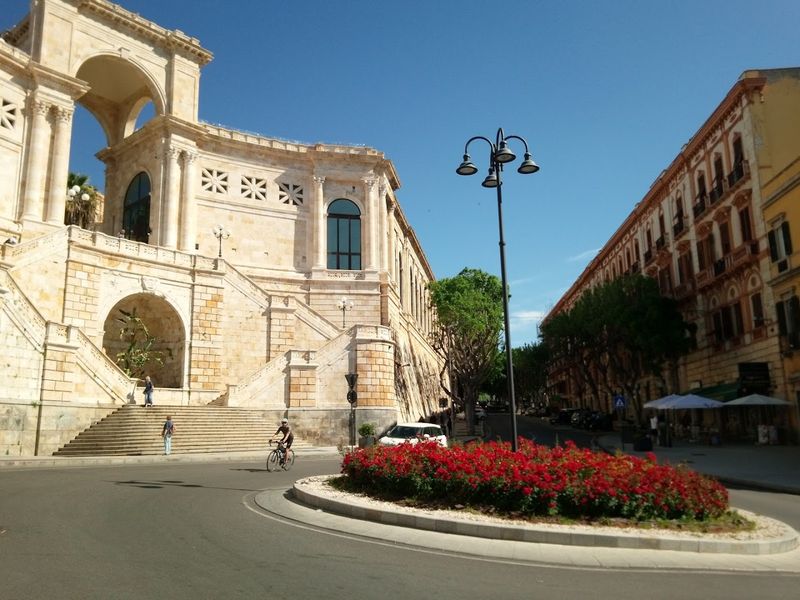
Cagliari is the kind of city that rewards people who wander without a plan. Sardinia’s capital spreads across a series of hills overlooking the sea, and every neighborhood has its own distinct personality.
The ancient Castello district sits at the top, its medieval walls and narrow lanes offering sweeping views over the city and the Gulf of Angels below.
History runs deep here. Roman amphitheaters, Phoenician ruins, and medieval towers all share space within the city limits.
The National Archaeological Museum of Cagliari holds an impressive collection of Nuragic bronze figurines that provide a fascinating window into the island’s prehistoric past. Wandering through the Stampace and Villanova districts reveals layers of architecture spanning centuries.
Cagliari also knows how to have a good time. The Mercato di San Benedetto is one of Italy’s largest covered markets, filled with fresh seafood, local cheeses, and seasonal produce that make food lovers genuinely emotional.
Nearby Poetto Beach stretches for nearly eight kilometers and fills up with locals on warm evenings. Restaurants along the waterfront serve bottarga-topped pasta and fresh grilled fish with a relaxed confidence that reminds you Sardinians have been perfecting this cuisine for generations.
Gulf of Orosei
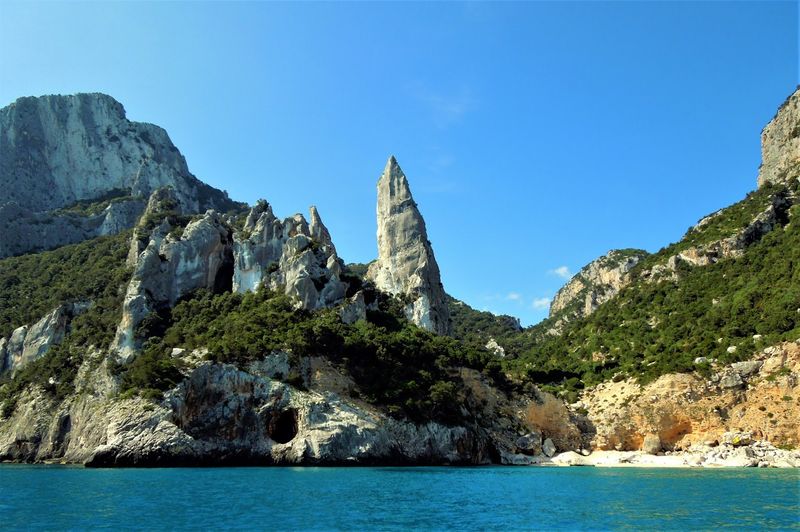
Cala Goloritzé has a sea stack rising from the water like a stone exclamation point, and it is just one reason the Gulf of Orosei regularly stops people mid-sentence. This stretch of eastern Sardinian coastline is arguably the most dramatic in the entire Mediterranean.
Limestone cliffs rise hundreds of meters above the sea, and hidden beaches tucked at their base can only be reached by boat or on foot.
Hiking the trails above the gulf rewards those willing to work for it. The path down to Cala Luna passes through fragrant macchia scrubland before opening up to a crescent-shaped beach framed by caves and overhanging rock.
Boat tours departing from Cala Gonone are extremely popular and allow visitors to hop between multiple beaches in a single day without the physical effort of hiking.
The water quality throughout the gulf is exceptional. Shades shift from pale green in the shallows to deep cobalt further out, and the clarity makes every swim feel like floating inside an aquarium.
Rock climbers from around the world travel specifically to tackle the cliffs at Cala Goloritzé. Whether you arrive by sea or trail, the Gulf of Orosei delivers a coastal experience that is genuinely hard to top anywhere in Europe.
Sardinian Beaches
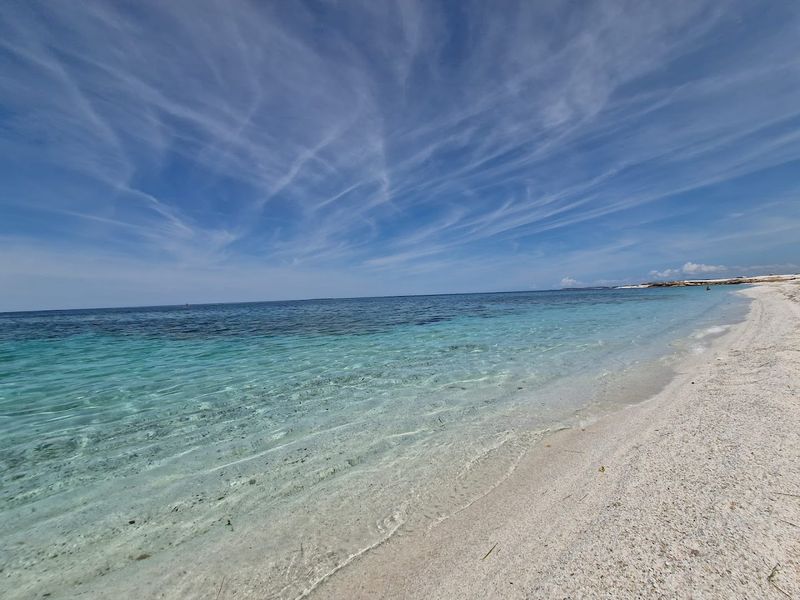
Sardinia has over 200 beaches, and somehow a remarkable number of them deserve to be called exceptional. From the powder-white sands of Spiaggia di Tuerredda near Villasimius to the shallow lagoon-like waters of Lo Stagnone near Stintino, the variety is genuinely staggering.
No two beaches feel exactly alike, which makes beach-hopping across the island an endlessly satisfying activity.
Stintino’s La Pelosa Beach is probably Sardinia’s most photographed shoreline, featuring knee-deep turquoise water and views of an old stone watchtower. The beach now requires timed entry tickets during peak summer to protect it from overuse, which is actually a sign of how seriously Sardinia takes preserving its natural assets.
Chia in the southwest offers a completely different vibe, with rolling dunes, flamingo-filled lagoons, and long stretches of sand backed by juniper trees.
Timing matters more here than almost anywhere else in Italy. July and August bring serious crowds and higher prices to the most popular spots.
Visiting in June or September gives you nearly identical weather with far more breathing room on the sand. Renting a scooter or small car unlocks dozens of lesser-known coves that never appear on tourist maps but absolutely deserve to.
Nuragic Civilization Sites
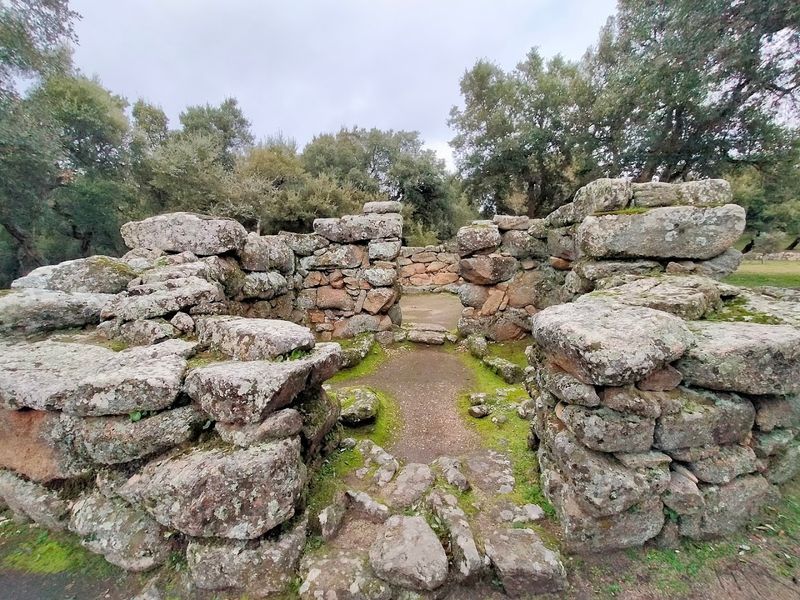
Sardinia is essentially an open-air archaeology museum, and nobody gave the nuraghi the memo that they should be harder to find. Over 7,000 of these prehistoric stone towers survive across the island, making them one of the most concentrated ancient monument collections anywhere on Earth.
Built between roughly 1800 and 500 BCE, nuraghi were constructed without metal tools or written instructions, which makes their precision genuinely baffling.
Santu Antine in the Logudoro region stands among the tallest surviving examples, with its central tower reaching nearly 17 meters. Nuraghe Arrubiu in Orroli is named for its reddish lichen-covered stones and features an unusually complex layout with five secondary towers surrounding the main structure.
Both sites offer guided tours that help visitors understand the spatial logic behind these remarkable buildings.
Beyond individual towers, entire Nuragic villages have been excavated, revealing wells, meeting halls, and craft workshops that paint a picture of organized community life. The Nuragic people also created stunning bronze figurines, many of which ended up in collections around the world.
Visiting these sites scattered across Sardinia’s interior feels like discovering a civilization that history somehow undervalued. Every farmer’s field seems to hide another stone tower waiting to be explored.
Alghero
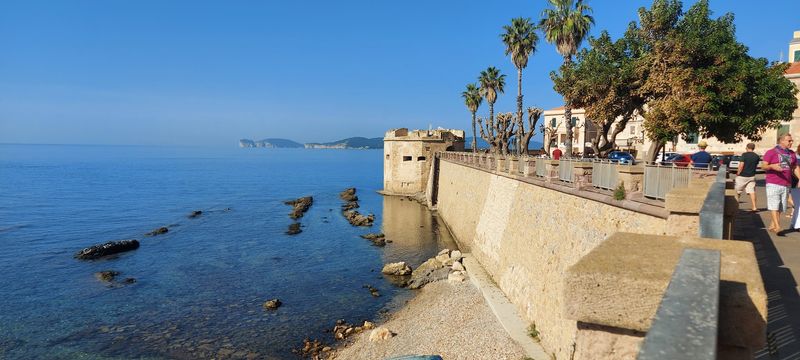
Walk through Alghero’s old town and you might briefly wonder if you accidentally stepped into Spain. The streets carry Catalan names, local dialect still borrows from the Catalan language, and the architecture reflects centuries of Spanish rule that began in the 14th century.
This cultural layering gives Alghero a personality unlike any other town in Sardinia or, for that matter, the rest of Italy.
The medieval walls that once defended the city now serve as one of the best sunset promenades in the Mediterranean. Locals and visitors alike stroll the ramparts in the early evening, watching the sky turn orange over the water while restaurants below start filling with the smell of fresh seafood.
Lobster prepared alla catalana, with tomato and onion, is the dish Alghero is most famous for, and it earns every bit of that reputation.
Day trips from Alghero open up even more reasons to visit the area. Neptune’s Grotto, one of Italy’s most spectacular sea caves, lies just a short boat ride away.
The nearby Nuraghe di Palmavera offers a well-preserved Bronze Age site within easy driving distance. Alghero also has a lively market scene and a compact historic center that takes just an afternoon to explore but lingers in memory for much longer.
Gorropu Gorge
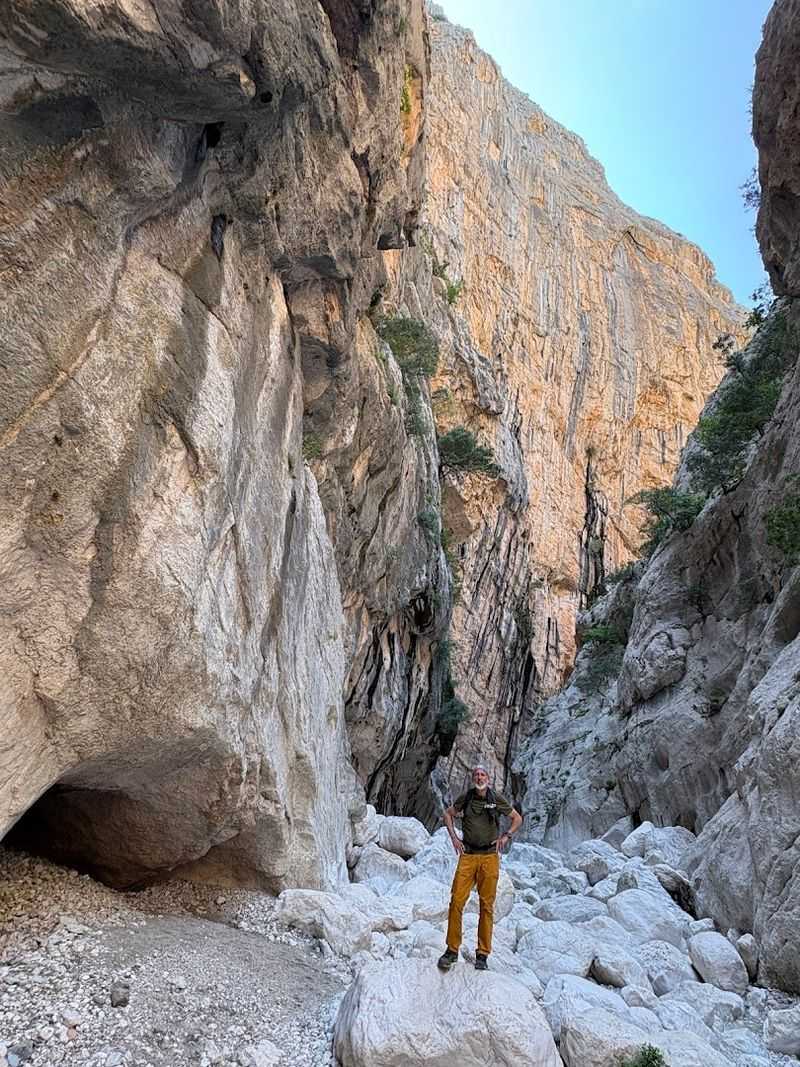
Gorropu Gorge has walls that rise up to 500 meters on either side, making hikers feel roughly the size of an ant. Often called the Grand Canyon of Europe, this limestone canyon cuts through the heart of Sardinia’s rugged Supramonte mountain range.
The gorge is not the easiest place to reach, but that is precisely part of its appeal.
The most popular access route begins at the Sa Barva bridge in the Flumineddu river valley, following a rocky trail that requires some scrambling over boulders. The hike is rated moderate to challenging and takes several hours round trip.
Guides are available and strongly recommended for anyone unfamiliar with the terrain, especially during warmer months when heat inside the canyon can become intense.
What makes Gorropu extraordinary beyond its sheer scale is the silence. Deep inside the gorge, the outside world disappears completely.
The only sounds are water trickling over rocks and the occasional echo of your own footsteps. Rare endemic plants cling to the canyon walls, and raptors sometimes circle overhead.
Sardinia’s interior often gets overlooked in favor of the coast, but Gorropu is a compelling argument for exploring the island’s wilder, less-photographed landscapes. Adventure travelers consistently rank it among Italy’s top outdoor experiences.
Sardinian Cuisine
Sardinian food evolved in near-isolation for centuries, and the result is a culinary tradition that operates entirely by its own rules. Mainland Italian pasta shapes and sauces are largely absent here, replaced by local creations like culurgiones, handmade pasta pockets stuffed with potato, mint, and pecorino that are pinched shut in a distinctive wheat-sheaf pattern.
Each village in the Ogliastra region has its own slightly different version, and locals take those differences seriously.
Porceddu, or roasted suckling pig, is the centerpiece of celebrations across the island. Cooked slowly over myrtle wood, the meat develops a crackling, herb-scented crust that makes it one of the most memorable things you can eat in Italy.
Bottarga, the cured roe of grey mullet, is another Sardinian specialty that shows up grated over pasta or sliced thin with olive oil and lemon.
Cannonau wine, made from the Grenache grape grown across Sardinia, pairs beautifully with the island’s bold flavors and is also noted for its high antioxidant content. Mirto, a sweet liqueur made from myrtle berries, is the traditional after-dinner drink that signals a meal is winding down.
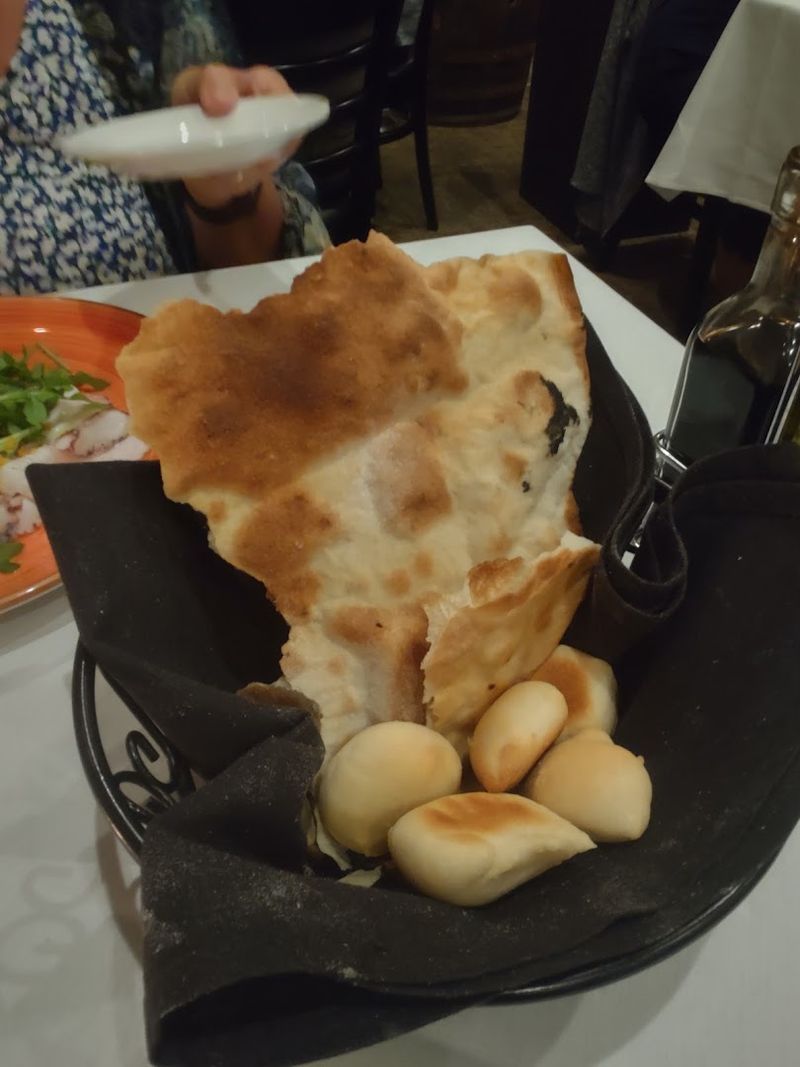
Bread culture here is also remarkable, with carta di musica flatbread serving as a crispy, versatile staple found on nearly every table.
Bosa
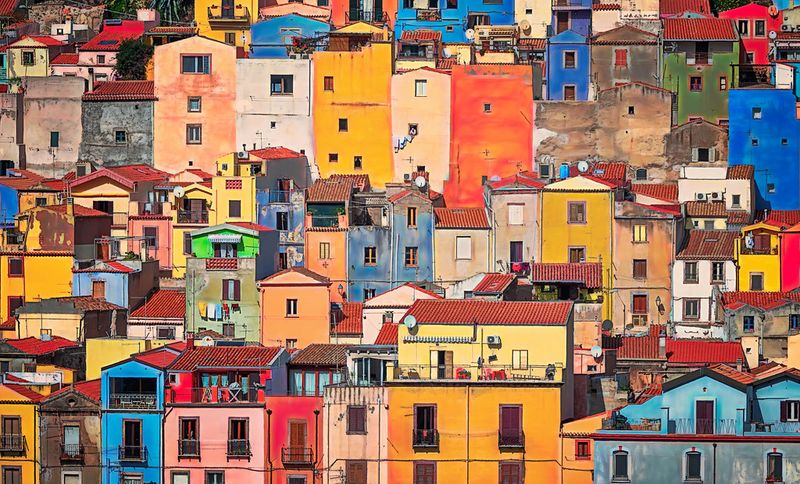
Bosa might be Sardinia’s most underrated town, and the locals seem perfectly happy keeping it that way. Pastel-colored houses in shades of terracotta, lemon yellow, and dusty rose stack up a hillside beside the Temo River, Sardinia’s only navigable waterway.
The whole scene looks like a painting that someone forgot to finish because it was already good enough.
Castello Malaspina crowns the hilltop above the town and dates back to the 12th century. The views from its walls stretch across the river valley and out toward the sea, making the climb worthwhile on a clear day.
Inside the castle’s small church, remarkably well-preserved medieval frescoes cover the walls in faded but beautiful detail.
Down by the river, tanneries that once processed leather now house a small museum dedicated to the craft that shaped Bosa’s economy for generations. The town is also known for lace-making, a tradition kept alive by older residents who still work on intricate patterns in doorways and courtyards.
Bosa Marina, the beach area a short distance away, offers calm swimming and excellent fresh fish restaurants. Visiting Bosa feels like finding a secret that the rest of the tourism industry has not fully discovered yet, which makes the experience feel genuinely special.
Asinara National Park
Asinara Island has had one of the most dramatic identity changes in Italian history. For most of the 20th century it served as a high-security prison, housing some of Italy’s most dangerous criminals in near-total isolation.
When the prison closed in 1997, the island became a national park almost overnight, and nature wasted no time reclaiming the territory.
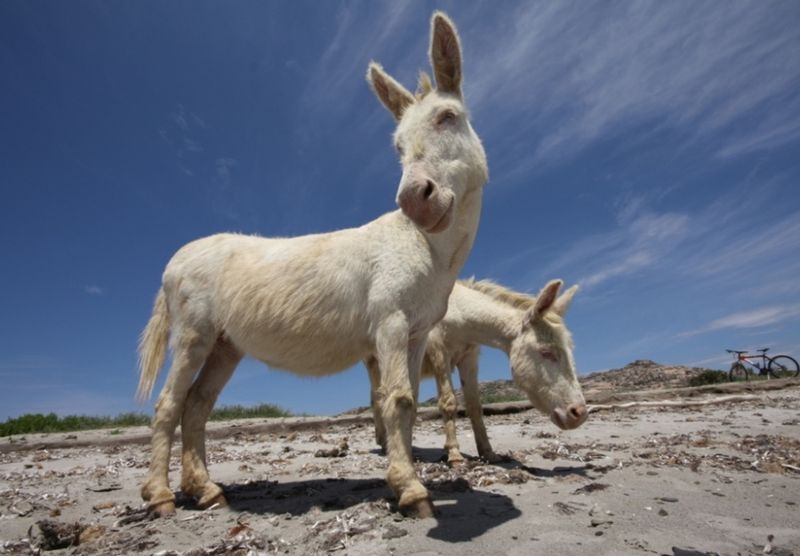
Today, Asinara is best known for its population of rare albino donkeys, small pale creatures that wander freely across the island’s rocky terrain. Seeing them in person is genuinely delightful, especially for younger visitors.
The island has no permanent civilian residents, which means the landscapes remain unusually pristine even by Sardinian standards.
Access is tightly controlled, which actually works in the island’s favor. Visitors arrive by ferry or private boat from Porto Torres or Stintino and can explore by foot, bicycle, or electric vehicle on guided tours.
The coastline alternates between dramatic cliffs and sheltered bays with extraordinarily clear water. Marine life around Asinara thrives under strict protection, making it a popular spot for snorkeling and diving.
The combination of strange history, exotic wildlife, and untouched scenery makes Asinara one of Sardinia’s most genuinely surprising destinations. Few places manage to be this wild and this accessible at the same time.
Neptune’s Grotto
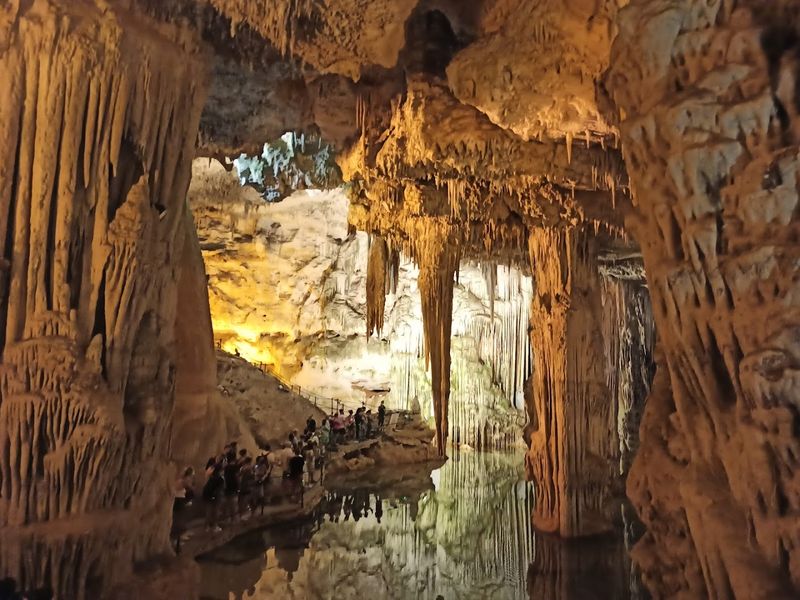
Neptune’s Grotto earns its dramatic name with absolutely zero effort. Located along the Capo Caccia cliffs near Alghero, this sea cave stretches for several kilometers underground and features some of the most spectacular geological formations in Italy.
Stalactites hang from the ceiling like stone curtains, and underground lakes reflect the cave’s interior in perfectly still water.
Getting there is part of the adventure. Boat tours from Alghero’s harbor offer the most scenic approach, arriving at the cave entrance from the sea.
Alternatively, the Escala del Cabirol staircase descends 654 steps directly down the cliff face, offering breathtaking views over the water on the way down and a workout on the way back up. Both options deliver you to the same extraordinary entrance.
Inside the grotto, guided tours lead visitors through illuminated chambers filled with formations that took millions of years to develop. The cave maintains a constant cool temperature year-round, which makes it a welcome escape during hot summer afternoons.
Photography enthusiasts find the lighting challenges genuinely rewarding, with the reflections and dramatic shadows creating endlessly interesting compositions. Neptune’s Grotto is one of those rare natural attractions that actually lives up to its reputation.
People who visit expecting to be impressed are rarely disappointed.
Piscinas Dunes
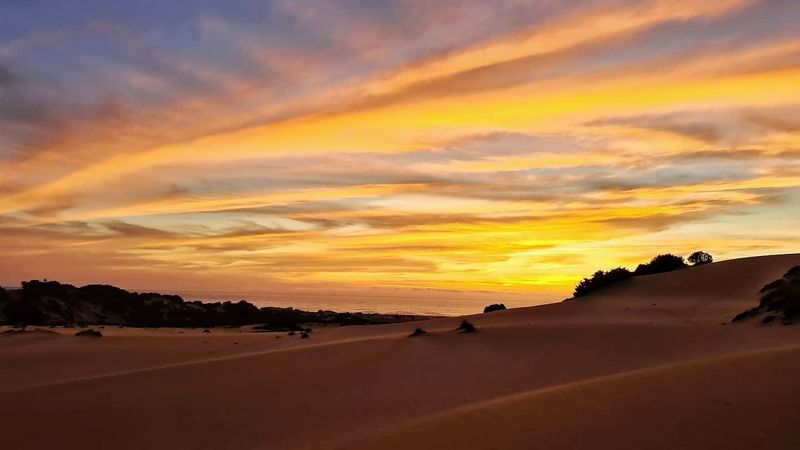
Piscinas Beach looks like the Sahara decided to take a vacation on the Italian coast and never went home. Located in the remote Costa Verde region of southwestern Sardinia, this stretch of coastline features sand dunes that rise up to 60 meters high, making them some of the tallest in all of Europe.
The sheer scale of the landscape creates an almost surreal experience that feels nothing like a typical beach visit.
The area has been left deliberately undeveloped, with only a small hotel converted from an old mining building offering accommodation nearby. No beach clubs, no umbrella rentals, no souvenir shops.
Just enormous dunes, wild sea grass, and a long stretch of beach where the only soundtrack is wind and waves. The isolation is the entire point, and visitors who seek it out tend to leave feeling genuinely restored.
Swimming at Piscinas requires some caution because the surf can be stronger here than at Sardinia’s more sheltered coves. The currents are worth respecting, especially for younger swimmers.
Climbing the dunes at sunrise or sunset is a reward in itself, with golden light turning the sand into something that resembles a landscape painting. Piscinas is the kind of place that travel writers tend to describe as a hidden gem, even though that phrase rarely does it justice.
Sardinia’s Blue Zone Lifestyle
Sardinia holds a genuinely remarkable demographic distinction. The mountainous region of Barbagia in the island’s interior has one of the highest concentrations of male centenarians anywhere on Earth.
Researchers studying longevity identified this area as one of the world’s five original Blue Zones, regions where people consistently live past 100 in unusually high numbers. The discovery sparked global interest in what exactly Sardinians are doing right.
The answer turns out to be refreshingly low-tech. Residents in these mountain villages walk constantly, tend gardens, eat local food, drink moderate amounts of Cannonau wine, and maintain tight-knit family and community bonds well into old age.
Stress levels tend to be low, and purpose tends to be high. Grandparents remain active participants in family life rather than sidelined observers.
Visiting these villages offers a window into a pace of life that modern culture has largely abandoned. Towns like Orgosolo and Oliena in the Barbagia region are also known for their striking painted murals, traditional festivals, and distinctive local costumes.
The Blue Zone concept has inspired books, documentaries, and lifestyle movements worldwide, but experiencing it firsthand in Sardinia feels remarkably grounding. It is a reminder that longevity is less about expensive supplements and more about community, movement, and genuinely good food.
Share this story