Some writers pick up a pen and change the world. Others pick it up and set the world on fire.
History is full of authors who pushed so far past the limits of acceptable thought that governments banned their books, courts put their words on trial, and entire countries called for their heads. These 15 writers did not just break the rules.
They rewrote them.
Marquis de Sade and the Writing That Made Sadism a Word
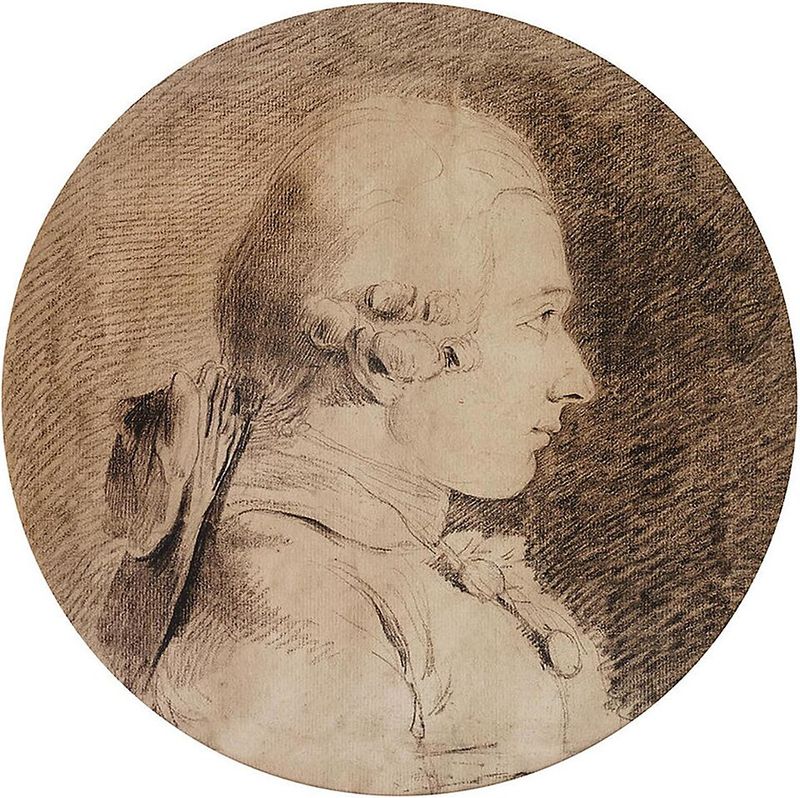
A word in your everyday dictionary literally comes from this man’s last name, which tells you everything you need to know about Marquis de Sade. Born in 1740, he wrote erotic and violent fiction so extreme that readers across generations could barely believe a human mind produced it.
His most notorious works include Justine120 Days of Sodom and , books that made censors reach for smelling salts.
French authorities did not just ban his books. They locked him up repeatedly, which, honestly, gave him more time to write.
According to Britannica, his works directly gave rise to the term “sadism,” meaning pleasure derived from others’ pain. The word stuck around long after he was gone.
His legacy is genuinely complicated. Scholars still argue whether he was a monster, a philosopher, or a satirist pushing society to confront its darkest impulses.
Possibly all three.
Machiavelli and the Book That Made Ruthlessness Famous
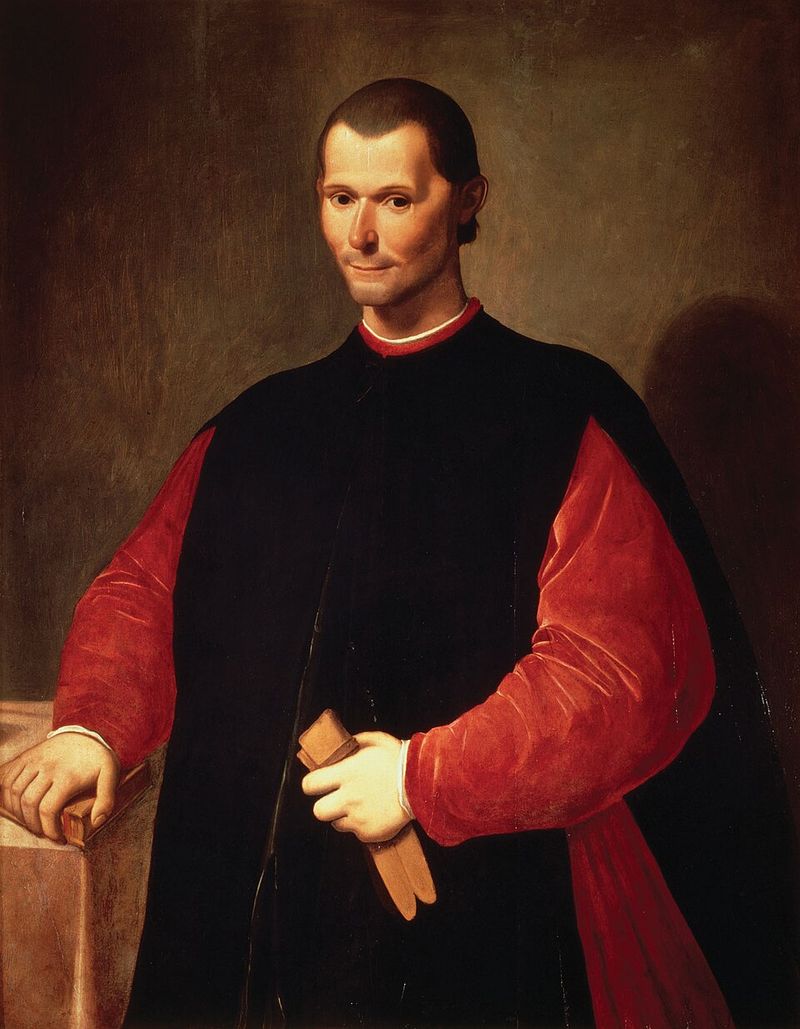
Nobody turned political cold-bloodedness into a literary career quite like Niccolo Machiavelli. He wrote The Prince in 1513 while essentially under house arrest after being accused of conspiracy against the Medici family.
The irony of a political exile writing history’s most famous guide to political power is almost too good.
Britannica notes that the book focused sharply on how rulers gain and keep power, with zero sentimentality and maximum calculation. His name became so associated with cunning and deceit that “Machiavellian” became its own adjective.
That is a special kind of literary immortality.
The book was not even published until 1532, after his death. He never saw the chaos it caused.
Centuries of politicians, dictators, and CEOs have quietly kept a copy nearby while publicly claiming they had never read it. That alone might be the most Machiavellian twist of all.
James Joyce and the Novel Once Banned as Obscene
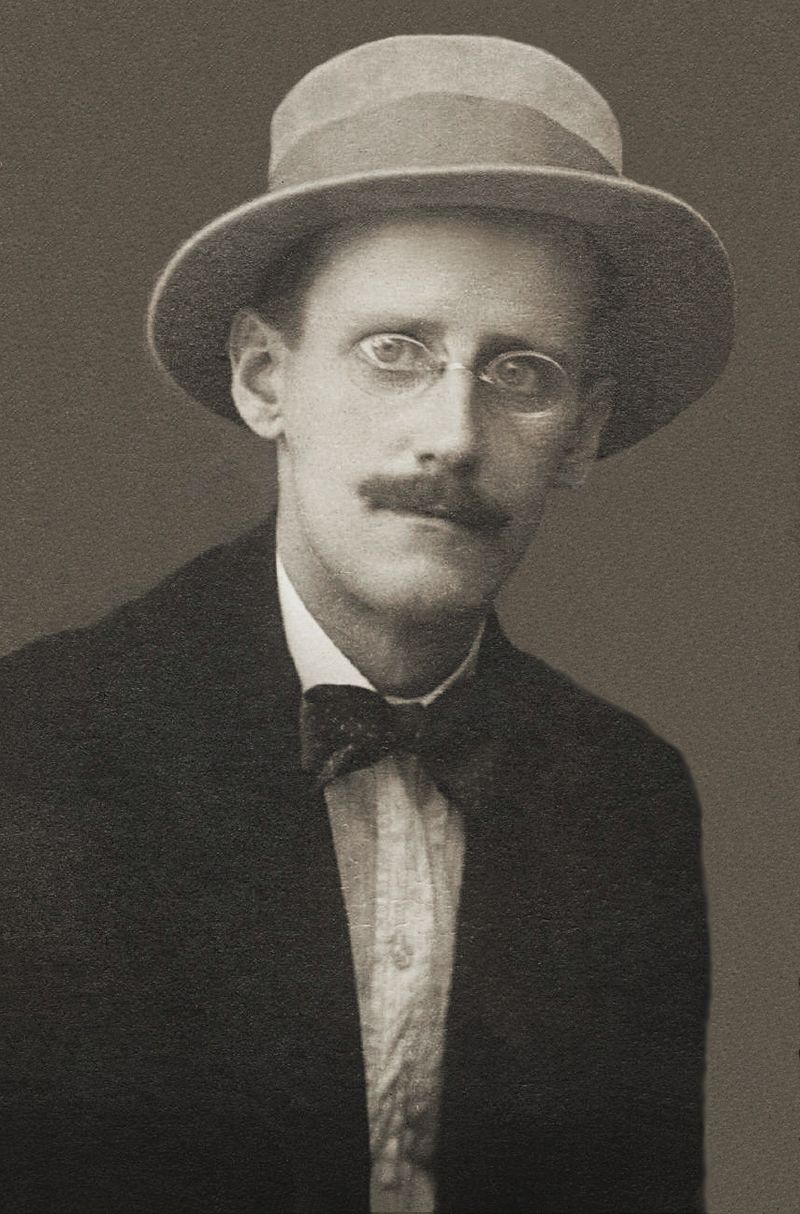
James Joyce wrote a novel so dense, so experimental, and so controversial that courts in multiple countries spent years arguing about whether it was literature or smut. Ulysses follows a single day in Dublin with such radical detail that early readers did not know whether to be impressed or offended.
Many chose offended.
Portions of the novel were serialized in an American literary magazine, and those sections were judged obscene, leading to a ban that lasted years. According to History, a U.S. federal judge finally ruled in 1933 that the book was not obscene, a decision that changed American publishing forever.
Britannica confirms that the obscenity case became one of the most famous in literary history. Joyce himself spent years living abroad, broke and half-blind, while lawyers fought over his masterpiece.
He reportedly said the book was designed to keep critics busy for centuries. Mission accomplished, honestly.
D.H. Lawrence and the Trial That Changed Publishing Forever
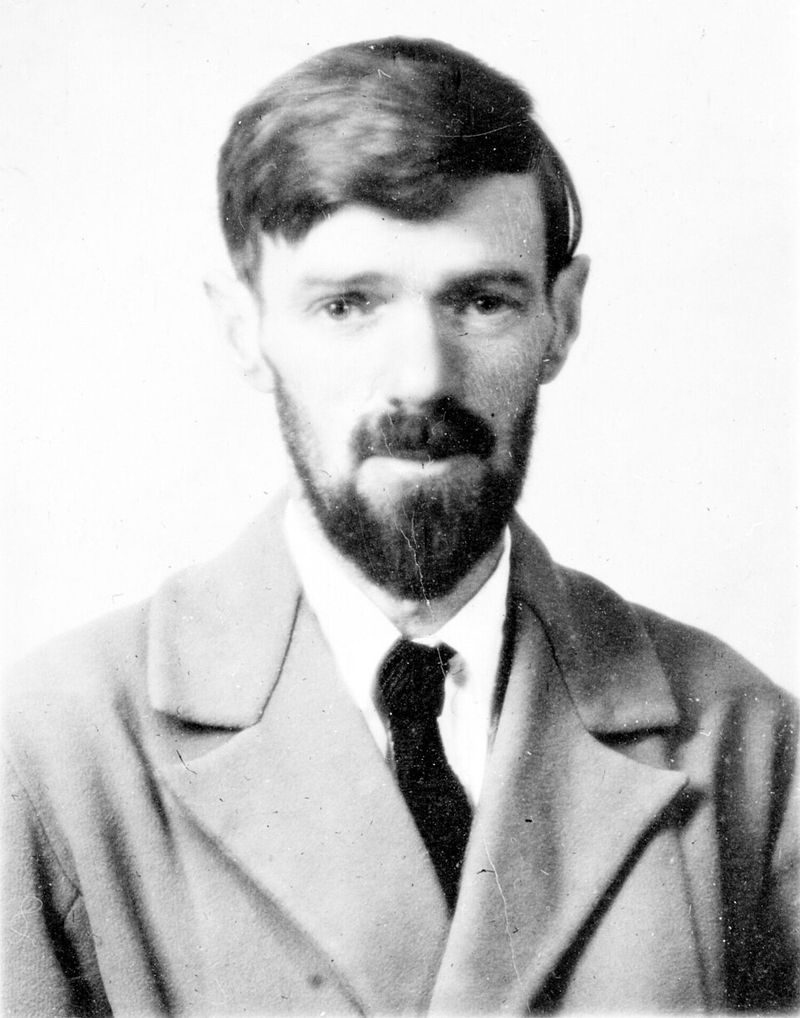
Few books have spent as much time in a courtroom as Lady Chatterley’s Lover. D.H.
Lawrence wrote it in 1928, and for decades it was considered so sexually explicit that full publication in Britain was simply out of the question. The book sat behind a legal wall for more than thirty years.
Then came 1960. Penguin Books decided to publish an unexpurgated edition in Britain and faced prosecution under the Obscene Publications Act.
The trial became a cultural turning point. According to History, Penguin was acquitted, and the verdict cracked open the door for a new era of literary freedom in publishing.
The prosecution famously asked jurors whether it was a book they would allow their wives or servants to read. That question alone tells you everything about the social attitudes the trial was really about.
Lawrence had been dead for thirty years by then, but he won anyway.
Nabokov and the Novel That Still Divides Readers
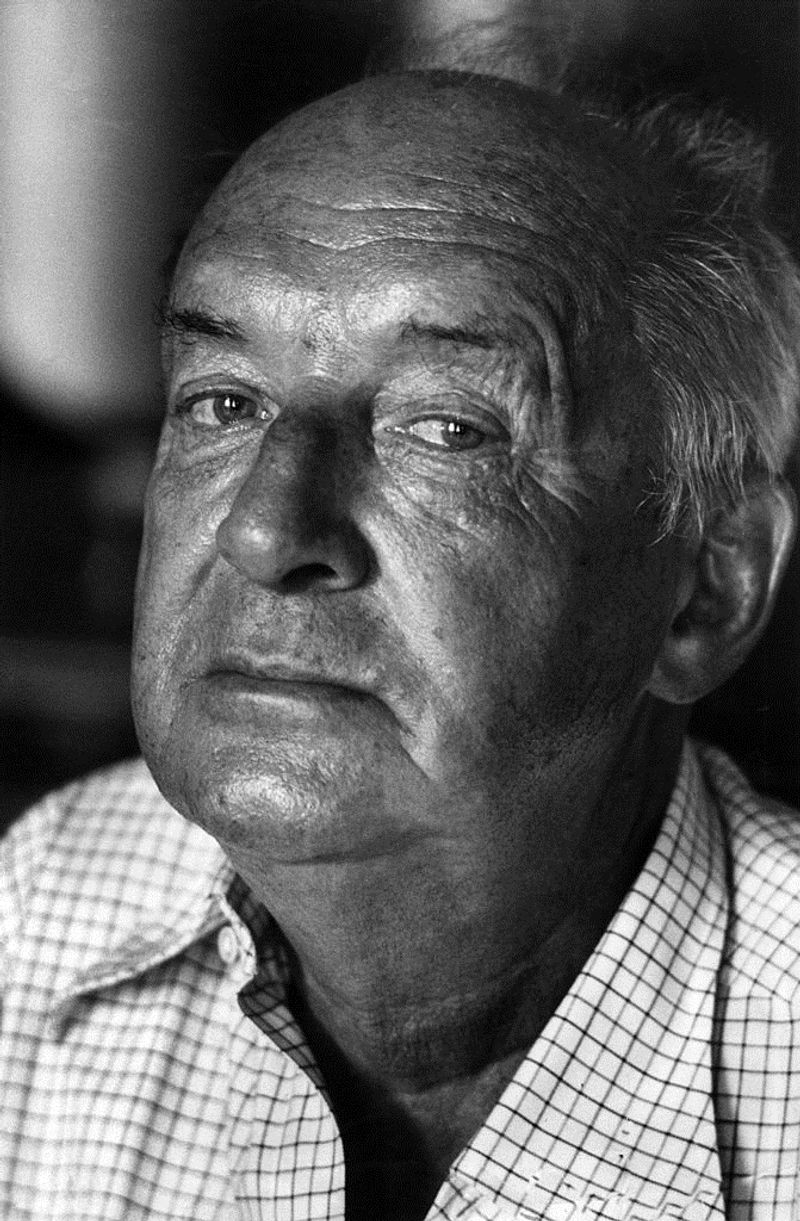
Vladimir Nabokov wrote one of the most technically brilliant and morally disturbing novels of the twentieth century, and he knew exactly what he was doing. Lolita, published in the United States in 1958, tells the story of Humbert Humbert, a man obsessed with twelve-year-old Dolores Haze.
The prose is gorgeous. The subject matter is deeply uncomfortable.
That tension is the whole point.
Britannica describes the book as a cultural and literary sensation upon its U.S. release. Publishers in America initially refused to touch it, so it first appeared through a Paris press in 1955.
The combination of beautiful writing and repulsive narrator left critics genuinely unsure how to respond.
Readers still argue about it today. Some call it a masterpiece of unreliable narration.
Others refuse to finish it. I read it in college and spent a week arguing with myself about whether I admired it.
Both sides of that argument had strong points.
Henry Miller and the Book That Redefined Censorship
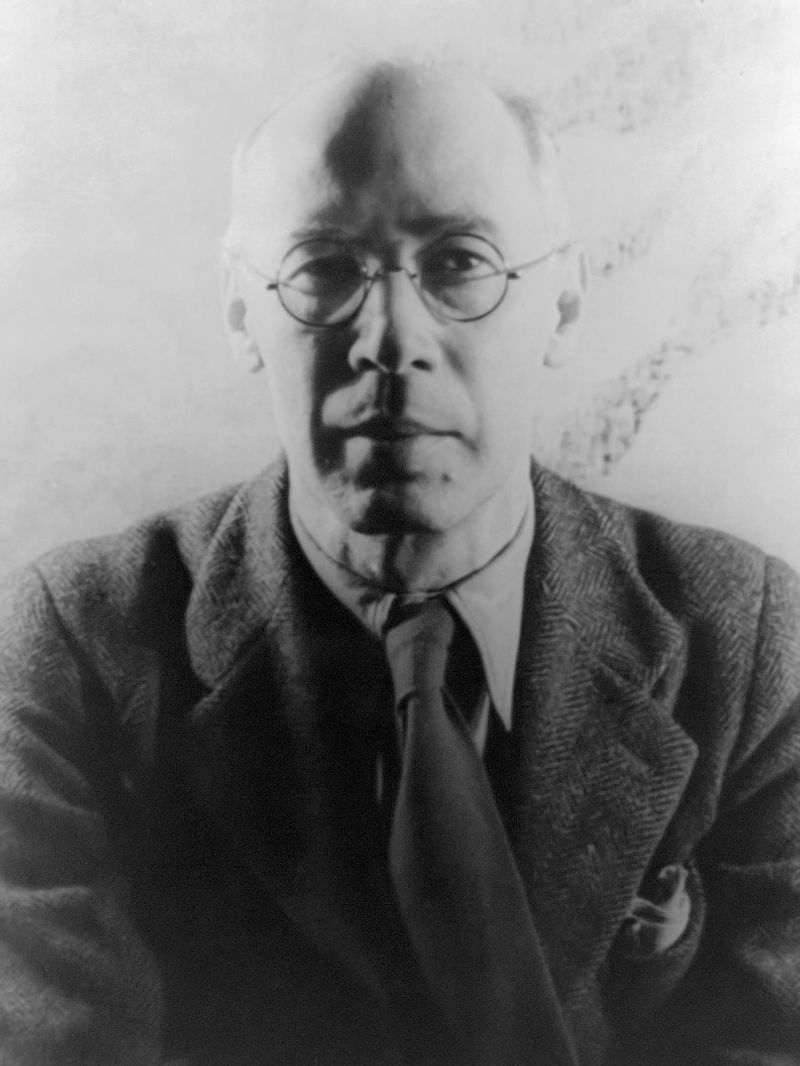
Henry Miller wrote Tropic of Cancer while living broke and restless in Paris, and the result was so sexually explicit that it could not legally enter the United States for nearly three decades. According to Britannica, the novel first appeared in France in 1934 through the Obelisk Press, a publisher that specialized in books too hot for American customs agents.
The book finally reached American readers in 1961 when Grove Press published it, immediately triggering a wave of obscenity lawsuits across multiple states. Booksellers were arrested.
Courts were packed. Miller became either a free-speech hero or a pornographer depending on who you asked.
What makes the story fascinating is that Miller never wrote the book to be provocative for shock value alone. He wrote it as raw autobiography, a portrait of poverty, hunger, and desire in Paris.
The controversy followed naturally. He once said he wrote to live, and living, for Miller, was always slightly illegal.
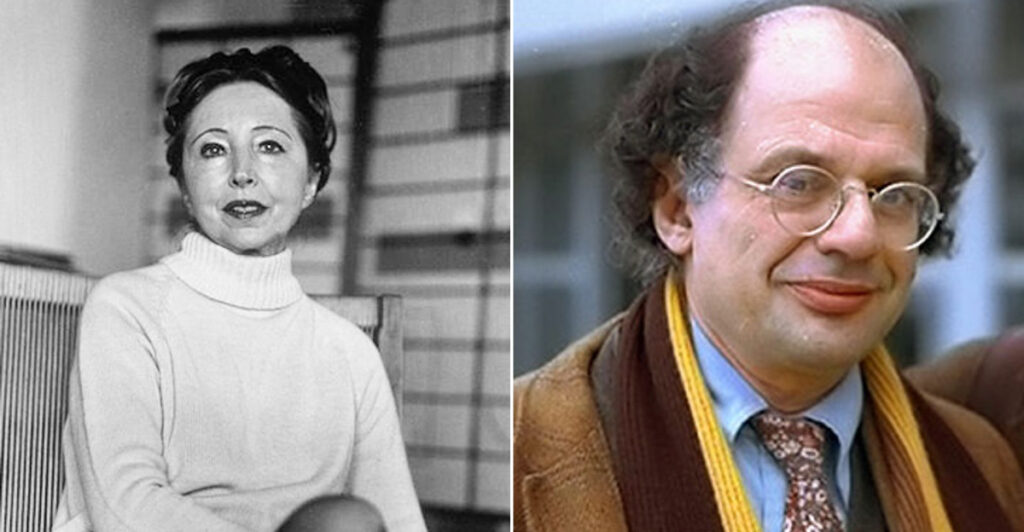
Anais Nin and the Diaries That Broke Every Taboo
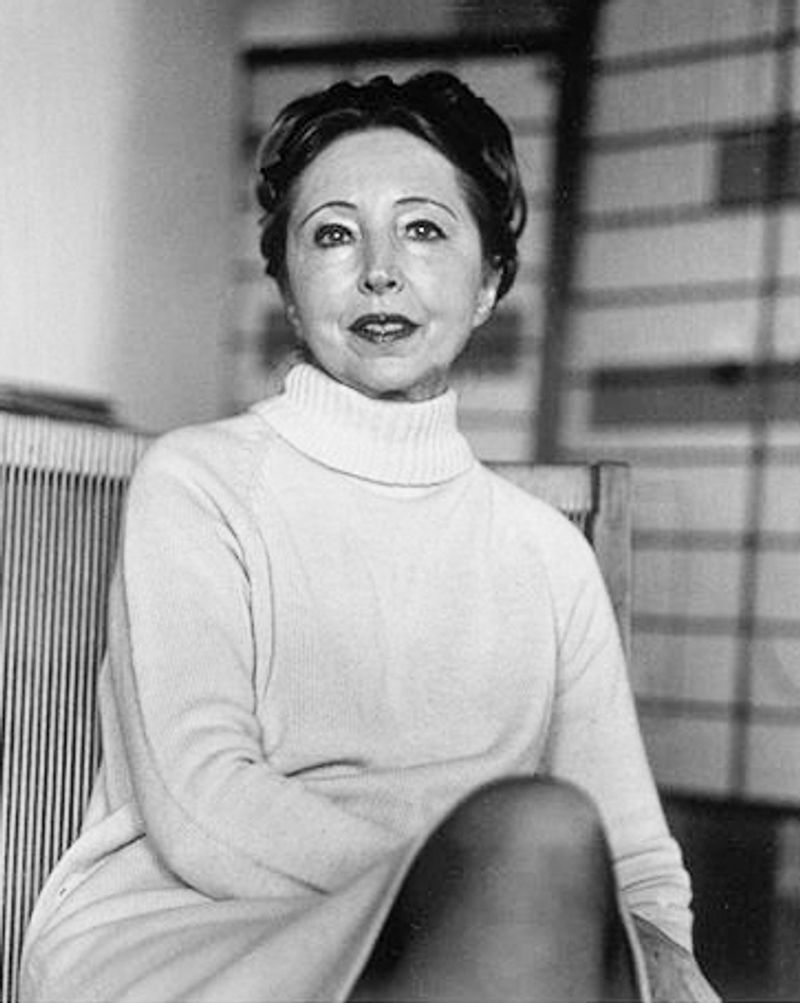
Anais Nin kept diaries her entire adult life, and when those diaries were published, they hit the literary world like a small earthquake. She wrote openly and unapologetically about desire, relationships, and her own inner life at a time when women were not supposed to have any of those things on paper.
Britannica notes that her reputation rests largely on those published diary volumes, which established her as one of the most distinctive confessional voices of the twentieth century. She also wrote erotic fiction, some of it commissioned for a private collector, which later became widely published and widely read.
What made Nin genuinely radical was not just the content but the confidence. She did not apologize, hedge, or soften.
She wrote about female desire as though it were completely normal, which, of course, it is. The scandal was that so few writers had said so before her.
Her diaries remain some of the most intimate writing ever published.
Jean Genet and the Novel Written Behind Bars
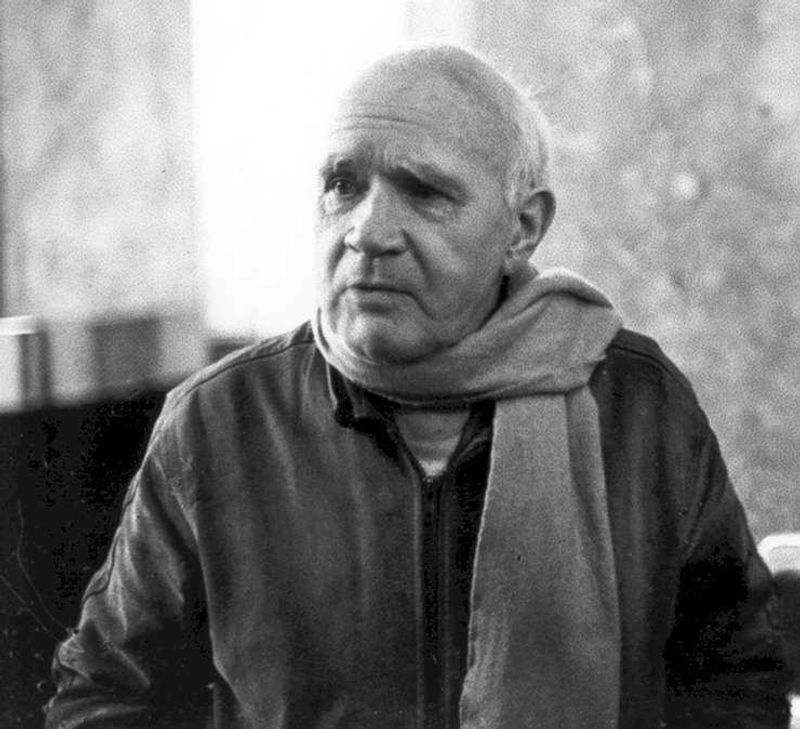
Jean Genet wrote his first novel while serving time in prison for burglary, which is arguably the most on-brand origin story in literary history. Our Lady of the Flowers, written on scraps of brown paper bags, explored crime, homosexuality, and life on the absolute fringes of society with zero interest in making readers comfortable.
Prison guards reportedly destroyed early drafts, so Genet rewrote the whole thing from memory. That level of commitment to a manuscript is either inspiring or terrifying, possibly both.
According to Britannica, the finished novel eventually drew admiration from major literary figures including Jean-Paul Sartre and Jean Cocteau.
Sartre wrote a massive study of Genet’s life and work, essentially arguing that society’s rejection of him was what made him an artist. Genet spent years as a thief, drifter, and social outcast before becoming one of France’s most celebrated writers.
That is a career arc no creative writing program could ever teach.
Burroughs and the Book That Landed in Obscenity Court
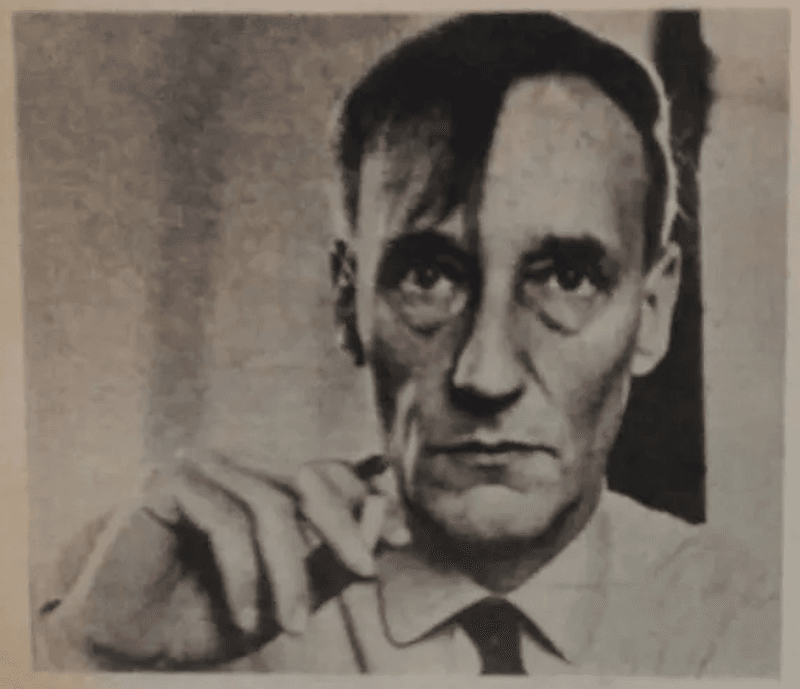
William S. Burroughs assembled Naked Lunch by literally cutting up pages and rearranging them at random, which sounds like a creative experiment until you realize the resulting book was graphic, hallucinatory, and legally explosive enough to end up in court.
Britannica identifies it as a 1959 novel that became a central document of countercultural literature.
The book faced obscenity proceedings that made it a landmark free-speech case. Testimony in its defense came from writers and critics who argued it had serious literary merit.
The case helped establish important legal precedents about what American publishers could print.
Burroughs himself lived a genuinely chaotic life that included accidentally shooting his common-law wife during a drunken party game, a fact that haunted him and shaped much of his work. He wrote about addiction, control systems, and paranoia with the authority of someone who had lived all of it.
Naked Lunch was not fiction so much as a fever dream transcribed.
Allen Ginsberg and the Poem That Went on Trial
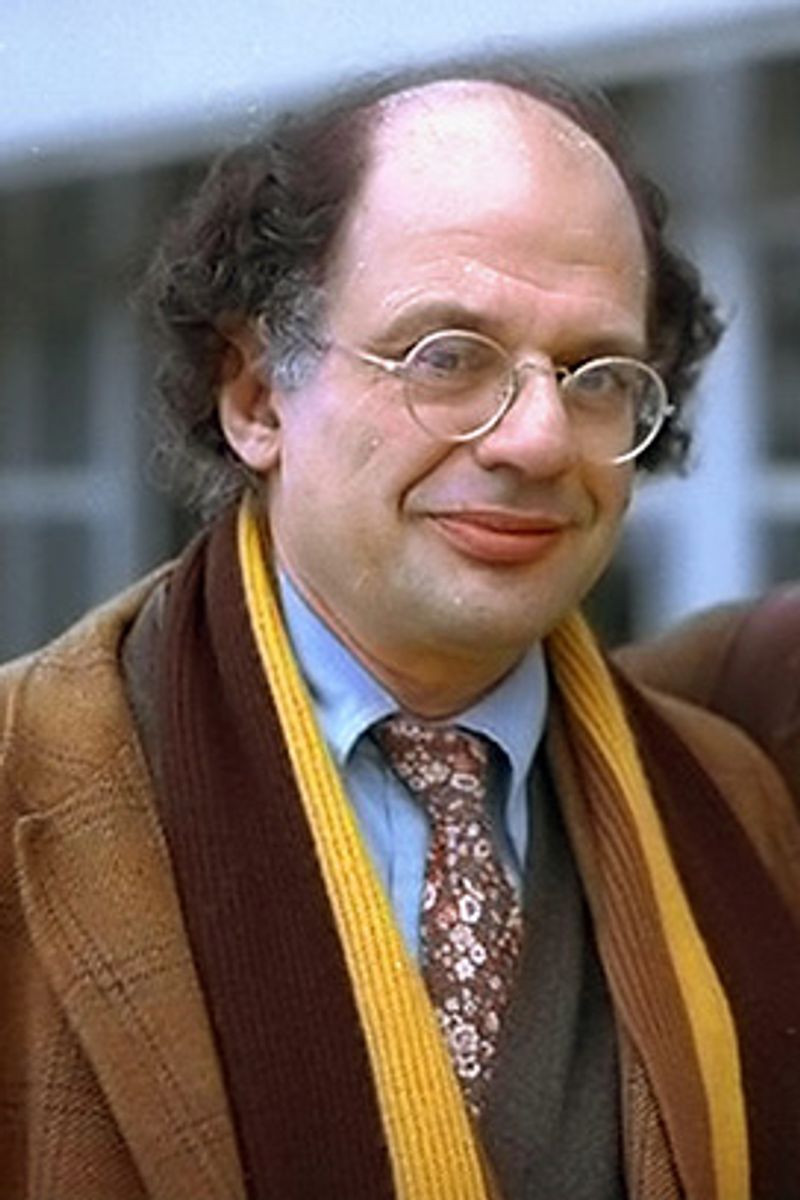
Allen Ginsberg stood up at a San Francisco gallery in 1955 and read a poem so raw, so loud, and so furiously alive that the audience reportedly wept. Howl was a howl in the truest sense, a long, breathless cry against conformity, repression, and the destruction of the best minds of a generation.
Then the police got involved.
The City Lights bookshop was raided, and its owner, Lawrence Ferlinghetti, was arrested for publishing the poem. The resulting obscenity trial became one of the defining free-expression cases of the Beat era.
According to Britannica, the poem was groundbreaking, and the case helped expand what American publishers could legally print.
The judge ruled in favor of the poem. Ginsberg went on to become one of the most famous poets in American history, a voice for civil rights, anti-war protests, and LGBTQ+ visibility.
Not bad for a poem that nearly got its publisher sent to jail.
Norman Mailer and the Novel That Fueled a Culture War
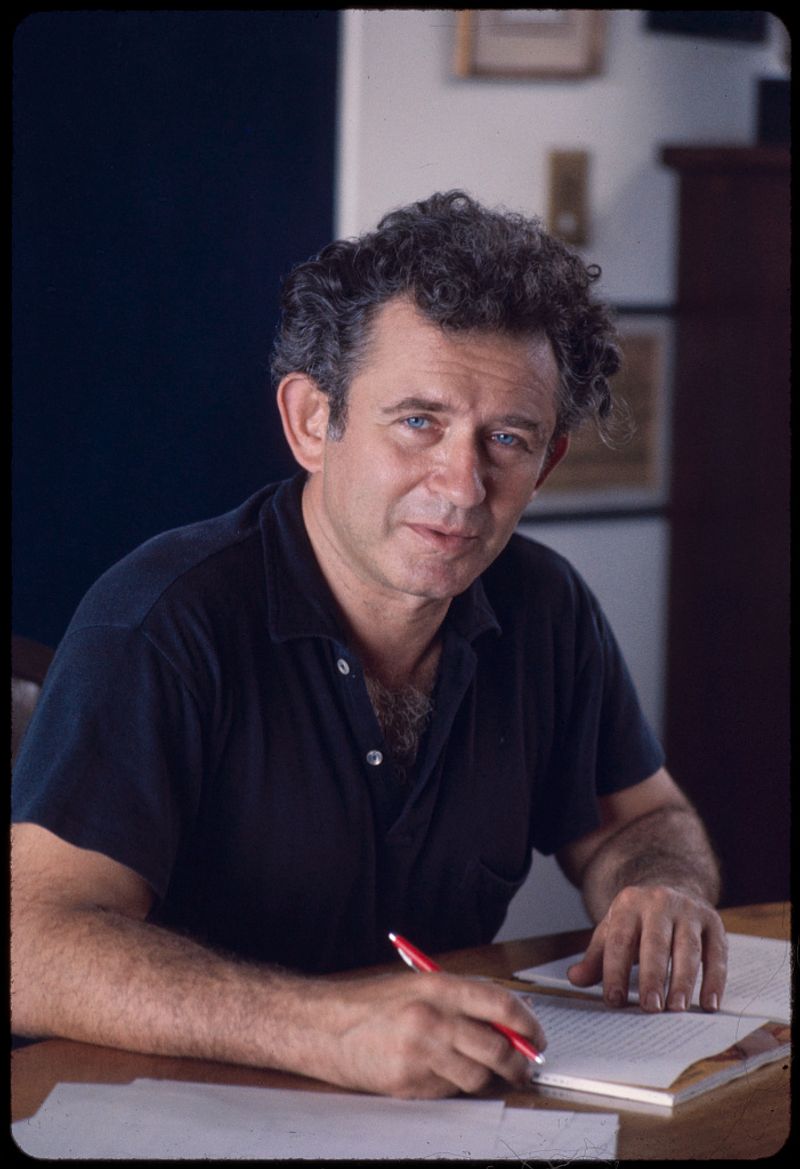
Norman Mailer had a gift for making people furious, and he seemed to enjoy every second of it. His 1965 novel An American Dream opens with its narrator strangling his wife and throwing her body out a window, which set the tone for the controversy that followed.
Mailer did not write books you could ignore.
Britannica describes the novel as the story of a man who murders his wife, a premise that fueled fierce debate about Mailer’s treatment of women, power, and violence. Feminist critics were particularly pointed in their responses, and Mailer, never one to back down, argued back publicly and loudly.
Beyond the fiction, Mailer’s personal life added fuel to every fire. He ran for mayor of New York, stabbed his second wife at a party, and somehow still won the Pulitzer Prize twice.
His career was less a literary trajectory and more a controlled explosion that lasted fifty years. Quietly irrelevant was never an option for him.
Salman Rushdie and the Novel That Sparked a Global Crisis
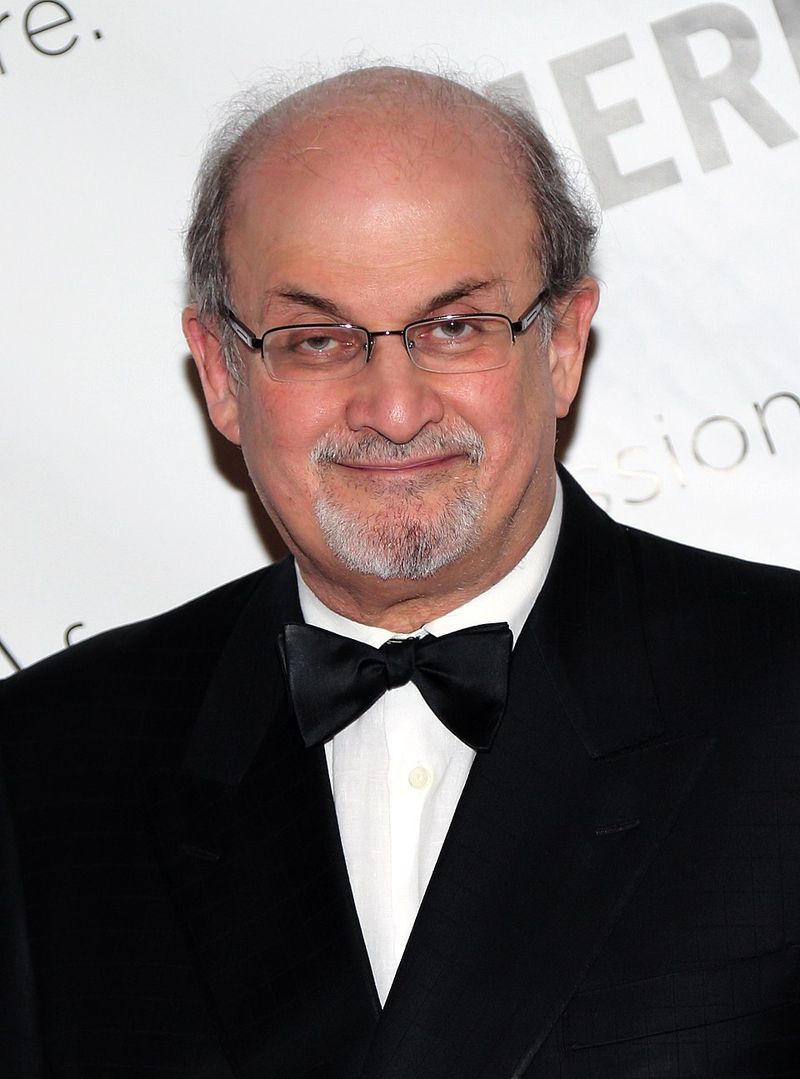
Few books in history have triggered a genuine international crisis, but The Satanic Verses managed it within months of publication. Salman Rushdie published the novel in 1988, and the backlash from parts of the Muslim world was immediate, organized, and terrifying in its scale.
Book burnings happened. Riots followed in multiple countries.
Then came February 1989. Iran’s Ayatollah Khomeini issued a fatwa, a religious ruling calling for Rushdie’s death.
According to Britannica, the novel was condemned by some Muslims as blasphemous. Rushdie spent years in hiding under British police protection, moving constantly and living under an assumed name.
The fatwa was never formally lifted during Khomeini’s lifetime. In 2022, Rushdie was stabbed on stage at a lecture in New York, losing sight in one eye.
He survived, and in 2023 published a memoir about the attack. If literary controversy has a most extreme example, Rushdie’s story is almost certainly it.
Dan Brown and the Thriller That Infuriated the Church
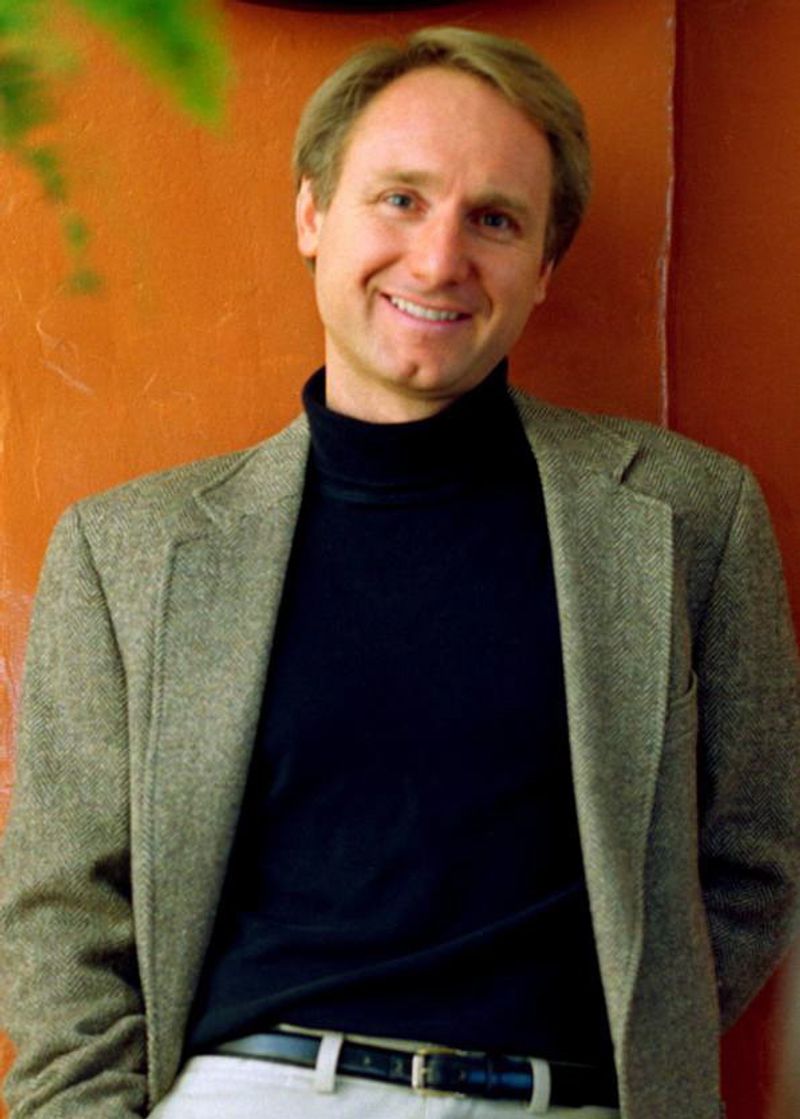
Dan Brown is not exactly a literary provocateur in the tradition of Genet or Burroughs, but he managed to infuriate the Catholic Church and millions of believers worldwide with a paperback thriller, which is a genuinely impressive achievement. The Da Vinci Code sold over eighty million copies while simultaneously being accused of spreading dangerous historical misinformation.
Britannica identifies the novel as one of Brown’s signature works. The book’s central claims, including suggestions about Jesus’s bloodline and Church cover-ups, drew fierce criticism from religious scholars and Church officials who called the history irresponsible.
Several countries considered banning it.
What made the controversy so fascinating was that Brown presented fiction as though it were research, complete with author’s notes claiming historical accuracy. Critics pointed out that almost none of it held up to scrutiny.
Readers mostly did not care. The book stayed on bestseller lists for years, which perhaps says more about the public appetite for forbidden-feeling stories than anything else.
J.K. Rowling and the Firestorm Beyond the Books
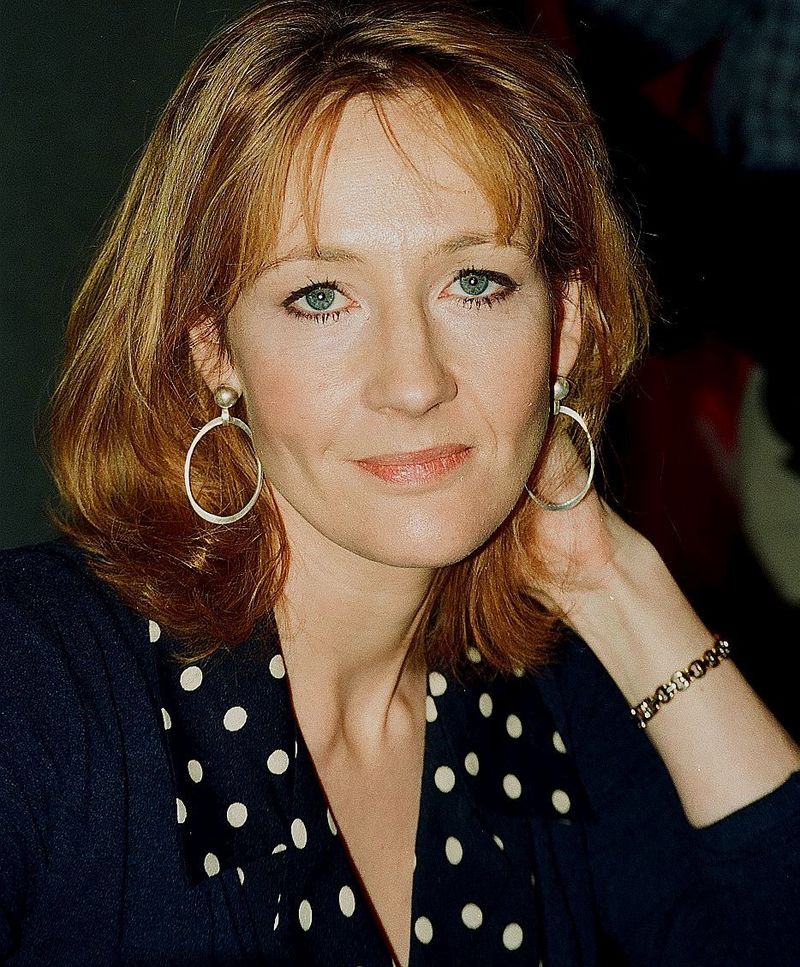
J.K. Rowling gave the world Harry Potter, one of the most beloved book series in history, and then stepped into one of the most divisive public controversies of the twenty-first century.
Her scandal has nothing to do with banned novels or obscenity trials. It started with an essay.
In 2020, Rowling published a lengthy essay on her own website expressing concerns about aspects of transgender rights policy, particularly around single-sex spaces. The backlash was swift and enormous.
Cast members from the Harry Potter films publicly distanced themselves. Fans split hard along ideological lines.
The debate around her comments has not quieted since. Supporters argue she raised legitimate concerns about women’s rights.
Critics argue her views cause real harm to transgender people. Both camps are loud, organized, and deeply committed.
Rowling has not backed down or gone quiet. Whatever your position on the debate, her willingness to absorb the blowback without retreating is hard to ignore.
Michel Houellebecq and the Novels Accused of Crossing Every Line

Michel Houellebecq has built an entire career on making people deeply uncomfortable, and he does it with the cheerful dedication of someone who genuinely does not care what you think. Britannica describes him as a writer, satirist, and provocateur whose work is often offensive and deeply misanthropic.
That description reads like a five-star review to Houellebecq.
His 2015 novel Submission caused particular uproar for depicting a future France governed by an Islamic political order. The book was published on the same day as the Charlie Hebdo attacks in Paris, timing that made its reception even more charged and complicated.
Critics argued about whether it was satire, provocation, or something more troubling.
Houellebecq has also faced accusations of racism and Islamophobia in interviews, been taken to court by Muslim organizations in France, and won the Prix Goncourt, France’s most prestigious literary award. He manages to be condemned and celebrated simultaneously, which, for a provocateur, is probably the ideal outcome.
Share this story