 Unearth The Voyage
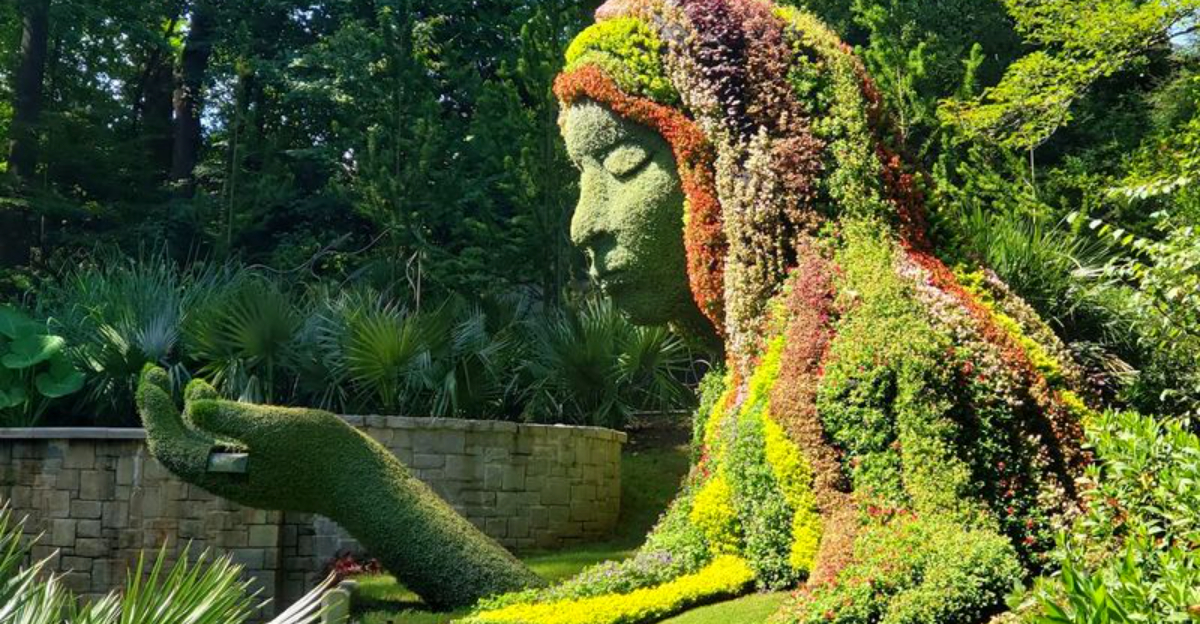
Spring has a way of turning ordinary places into something truly magical, and nowhere is that more obvious than in America’s most stunning gardens. From cherry blossoms in Brooklyn to tulip fields in Washington State, the U.S. is packed with floral destinations worth exploring.
Whether you’re a seasoned garden lover or just someone who enjoys a good walk surrounded by color, these 15 gardens offer something special. Pack your camera, wear comfortable shoes, and get ready to be amazed by what nature and careful planning can create together.
Longwood Gardens — Pennsylvania
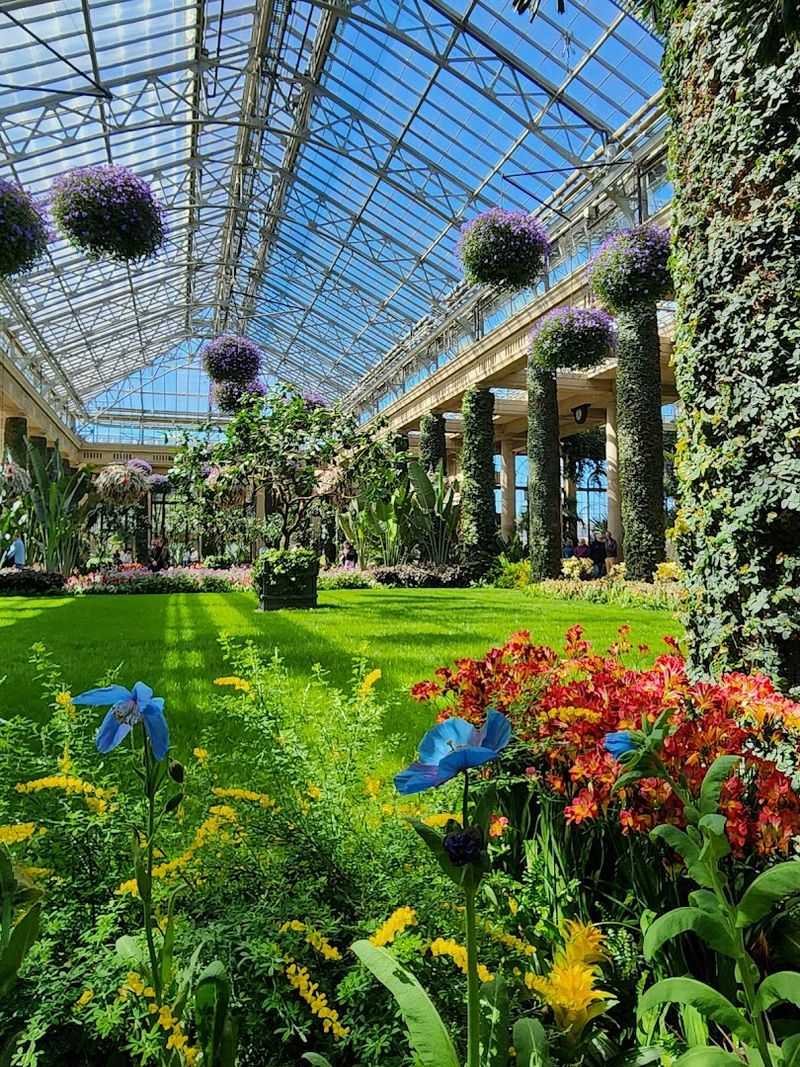
Walking through Longwood Gardens in spring feels like stepping inside a painting that someone turned all the way up to full brightness. Hundreds of thousands of spring bulbs line the walkways, creating waves of color that stretch as far as you can see.
Tulips, daffodils, and hyacinths compete for your attention at every turn.
Located in Kennett Square, Pennsylvania, Longwood is one of the most celebrated gardens in the entire country. Founded by Pierre du Pont in the early 1900s, it sits on over 1,000 acres of stunning landscape.
The sheer scale of it is hard to believe until you’re actually standing in the middle of it.
Spring is hands-down the best time to visit. The outdoor gardens are at their most vibrant, and the conservatory adds an extra layer of floral drama with themed displays.
Families, photographers, and casual visitors all find something to love here. Arrive early on weekdays to avoid the biggest crowds and get the best photos.
Longwood also hosts evening fountain shows, making it worth sticking around past sunset for a completely different kind of magic.
Brooklyn Botanic Garden — New York
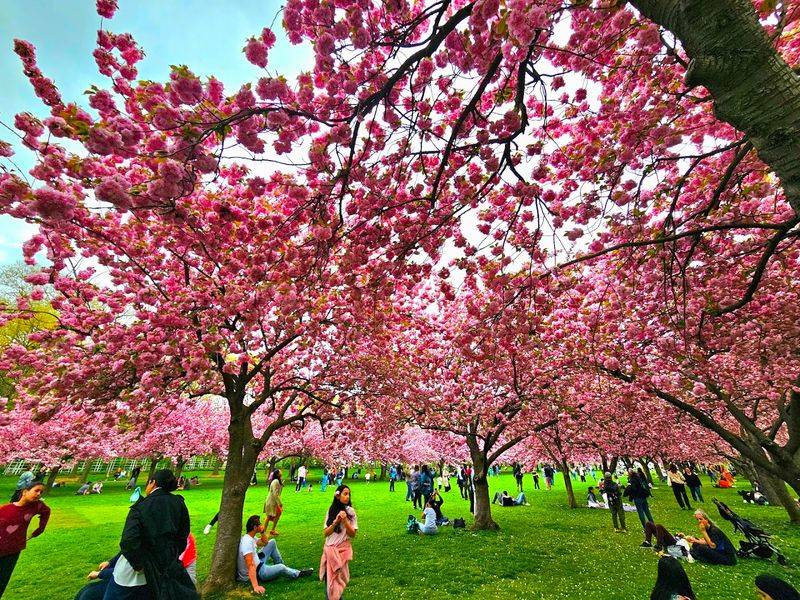
Every spring, Brooklyn Botanic Garden transforms into one of the most photographed spots in all of New York City, and it earns every single click of the shutter. The garden is legendary for its cherry blossom season, where different varieties bloom in a carefully timed sequence.
This means the pink and white display lasts longer than most other blossom destinations.
Founded in 1910, the garden sits right in the heart of Brooklyn and covers about 52 acres. What makes it especially cool is that it’s completely free on certain days, making it one of the most accessible botanical experiences in the country.
The Japanese Hill-and-Pond Garden is a must-see, especially when the cherry trees overhead are in full bloom.
Sakura Matsuri, the garden’s annual cherry blossom festival, draws thousands of visitors each year with live performances, cultural activities, and of course, spectacular blooms. Timing your visit around this event adds a whole extra layer of fun.
Go on a weekday morning if possible, because weekend afternoons get genuinely packed. Even on a busy day, the beauty of the blossoms makes the crowds completely worth it.
U.S. National Arboretum — Washington, D.C.
Forget the Tidal Basin crowds — the U.S. National Arboretum is where savvy cherry blossom fans go when they want beauty without the chaos.
Spread across 446 acres in northeast Washington, D.C., this hidden gem features over 1,000 cherry trees and a blooming season that tends to last longer than the more famous spots in the city. That means more time to enjoy, more flexibility to visit, and fewer elbows in your photos.
The arboretum is run by the U.S. Department of Agriculture and is actually free to enter, which makes it one of the best deals in the capital.
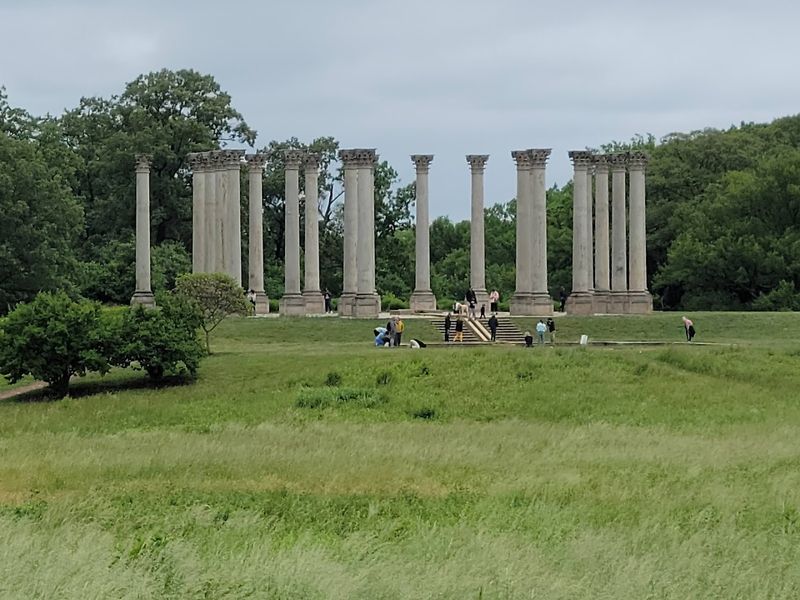
Beyond cherry blossoms, spring brings azaleas, dogwoods, and flowering crabapples into bloom across the sprawling grounds. The famous Capitol Columns — original columns from the U.S.
Capitol building — make for a dramatic backdrop during any season.
Spring mornings here feel genuinely peaceful, with birdsong and light breezes making the whole experience feel a world away from the busy city. Bring a picnic blanket and plan to stay a while.
The arboretum also has a bonsai collection that’s well worth a detour. It’s a place that rewards slow, unhurried exploration.
Skagit Valley Tulip Fields — Washington
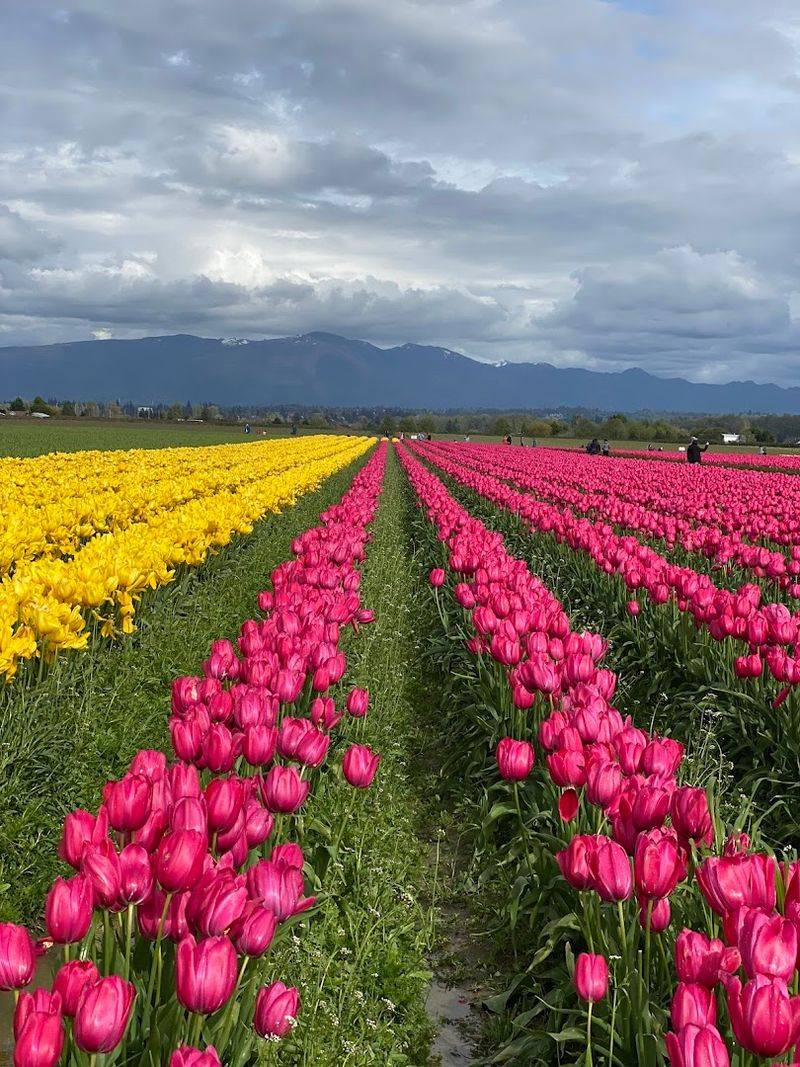
Nowhere else in the United States puts on a floral show quite like Skagit Valley in northwestern Washington. Every April, millions of tulips and daffodils erupt across the valley floor in perfectly planted rows of red, yellow, pink, orange, and purple.
From a distance, the fields look like a giant patchwork quilt someone draped across the earth.
The Skagit Valley Tulip Festival runs throughout April and draws around a million visitors each year, making it one of the largest springtime events in the Pacific Northwest. Local farms like RoozenGaarde and Tulip Town open their fields to visitors who can walk among the blooms, take photos, and even purchase fresh-cut flowers.
The backdrop of the Cascade Mountains adds an almost cinematic quality to the whole scene.
Getting there early in the morning is the smartest move — the light is gorgeous, the crowds are thinner, and the colors pop in the soft morning glow. Weekends during peak bloom can get extremely busy, so a Tuesday or Wednesday visit will feel much more relaxed.
Wear waterproof boots because the fields can get muddy after rain. This is a bucket-list spring experience that genuinely lives up to its reputation.
Missouri Botanical Garden (Seiwa-en) — St. Louis

Seiwa-en, the Japanese garden at Missouri Botanical Garden in St. Louis, holds the title of one of the largest Japanese gardens in North America — and in spring, it becomes something close to otherworldly. Cherry blossoms drift over still water, traditional bridges arch over koi-filled ponds, and the whole scene feels designed for quiet reflection.
It’s the kind of place that makes you want to slow down and just breathe.
The Missouri Botanical Garden itself was founded in 1859, making it one of the oldest botanical gardens in the country. Spring activates the entire 79-acre property, with flowering trees, tulip beds, and colorful borders bringing the formal gardens to vibrant life.
The Climatron, a geodesic dome greenhouse, adds a tropical twist that’s fun to contrast with the outdoor spring scenery.
Visiting during the garden’s Sakura Festival is highly recommended for anyone who enjoys live cultural performances alongside their flower viewing. The event typically includes Japanese drumming, tea ceremonies, and traditional arts demonstrations.
Entry fees are reasonable, and members get free unlimited access, making a membership genuinely worthwhile if you live in the St. Louis area. Spring mornings here are calm, beautiful, and genuinely restorative.
Lewis Ginter Botanical Garden — Virginia
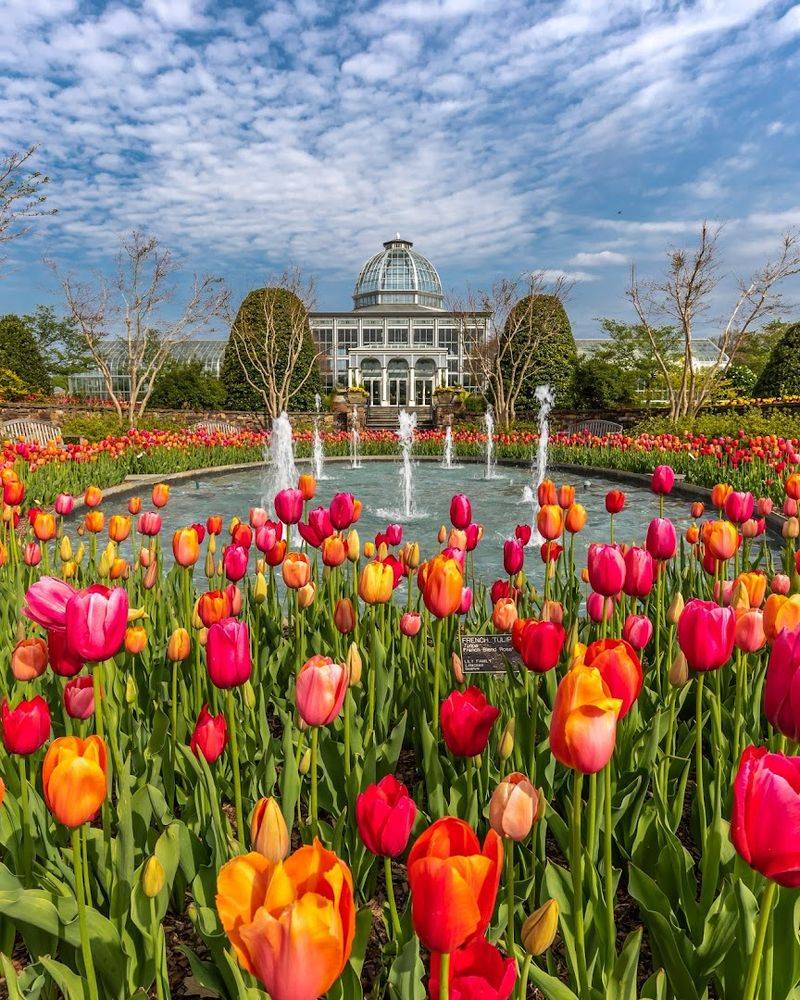
Ranked consistently among the top botanical gardens in the United States, Lewis Ginter in Richmond, Virginia, hits its absolute peak during the spring months. Colorful flower displays, themed garden sections, and seasonal installations create a visual experience that feels both curated and wonderfully alive.
The central conservatory dome makes for a striking architectural centerpiece surrounded by waves of blooming color.
Spring at Lewis Ginter is particularly special because the garden leans into its seasonal events in a big way. Garden festivities, outdoor concerts, and family-friendly programming make it more than just a pretty walk — it becomes a full afternoon of entertainment.
Kids love the Children’s Garden, which features interactive water elements and playful garden designs that make botanical education genuinely fun.
The garden covers about 50 acres and includes a lakeside area that’s gorgeous when spring blooms reflect off the still water. Tulips, pansies, flowering crabapples, and cherry trees all join the party at roughly the same time, which means a single visit captures a huge variety of spring color.
Parking is free and plentiful, which is a rare luxury for a garden of this caliber. Plan for at least two to three hours to really do it justice.
Dixon Gallery & Gardens — Tennessee
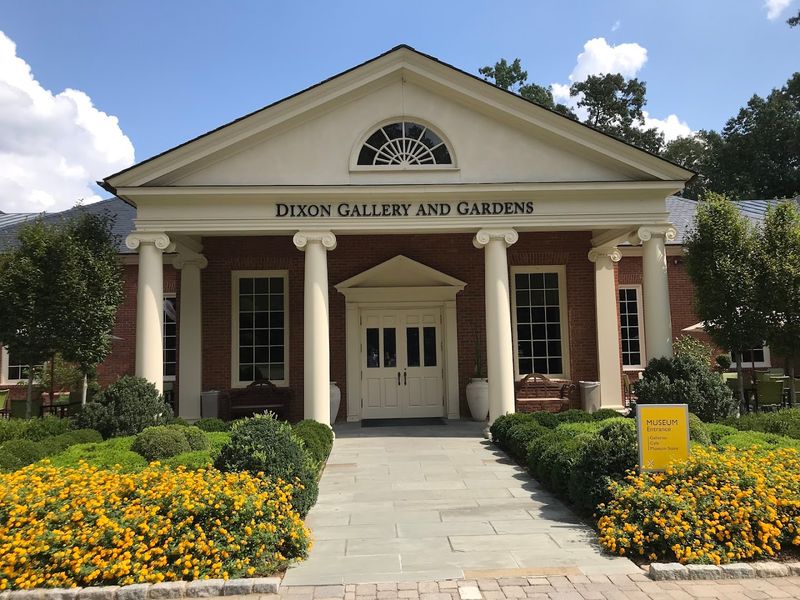
Don’t let the smaller size fool you — Dixon Gallery and Gardens in Memphis, Tennessee, packs an absolutely jaw-dropping spring punch. Over 250,000 tulips burst into bloom across its intimate grounds each spring, turning the garden into a sea of saturated color.
Combined with the classic Southern architecture of the gallery building itself, the whole scene feels like something out of a storybook.
The Dixon is a combined art museum and garden, which makes it one of the more unique cultural destinations in the South. The art collection inside features Impressionist and Post-Impressionist works, and there’s something poetic about viewing paintings inspired by nature and then stepping outside into a garden that looks like a painting itself.
Spring timing aligns perfectly with some of the gallery’s most popular seasonal exhibitions.
Because it’s smaller and less widely publicized than some of the country’s mega-gardens, the Dixon retains a hidden-gem quality that feels genuinely special. Weekday visits in particular feel wonderfully unhurried, with plenty of room to wander and linger.
The garden is also beautifully maintained year-round, but spring is when it truly shows off. Admission is affordable, and the combination of art and nature makes it worth every penny.
Portland Japanese Garden — Oregon
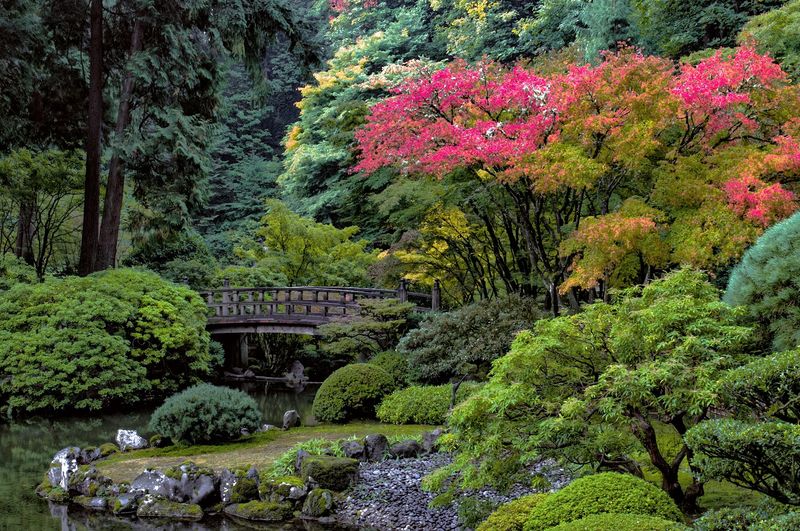
Ask any garden expert to name the most authentic Japanese garden outside of Japan, and Portland’s Japanese Garden will almost always come up in the first breath. Perched in the West Hills above the city, this stunning space is wrapped in cherry blossoms each spring, with layers of pink petals drifting across raked gravel, moss-covered stones, and serene koi ponds.
The effect is genuinely breathtaking.
Designed with input from Japanese garden master Takuma Tono, the garden opened in 1967 and has been refined ever since into a place of extraordinary calm. Spring layers the existing lush greenery with soft bursts of color from cherry and plum trees, while azaleas add splashes of pink and red to the garden’s lower sections.
The misty Portland weather actually enhances the atmosphere, giving everything a soft, dreamlike quality.
Mindful, slow exploration is the best way to experience this garden. Rushing through it would be a genuine shame.
The garden offers cultural programs, tea ceremonies, and special spring events that deepen the experience for those who want more than a visual tour. Timed entry tickets are required, so booking ahead is essential during peak spring weeks.
Arriving at opening time gives you the quietest, most magical experience possible.
Centennial Arboretum — Philadelphia
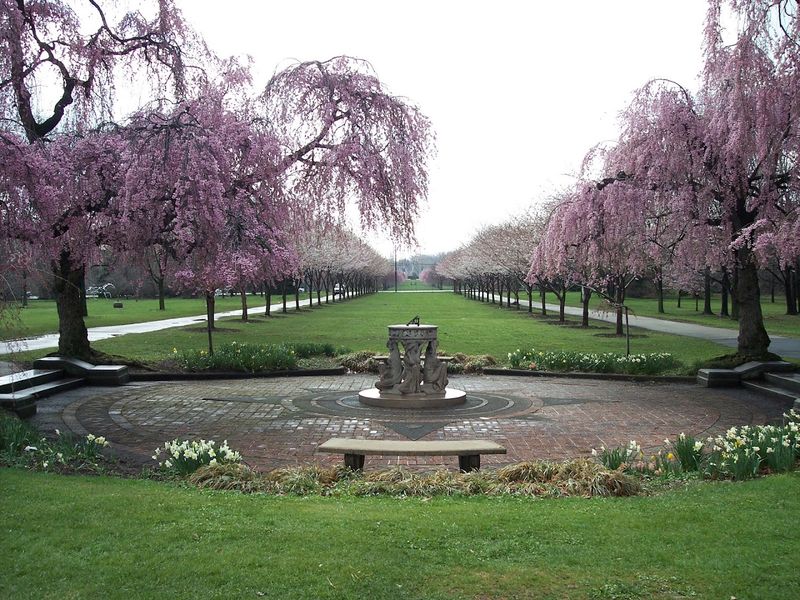
History and horticulture collide beautifully at the Centennial Arboretum in Philadelphia, a site with roots going back to the 1876 Centennial Exposition. Each spring, the arboretum hosts a major cherry blossom festival that draws visitors from across the region, turning the historic grounds into a celebration of both culture and seasonal beauty.
The combination of old-growth trees and spring blooms creates a layered visual experience that feels genuinely rich.
The arboretum features a diverse plant collection that goes well beyond cherry trees. Flowering magnolias, ornamental crabapples, and spring bulbs fill the landscape with color from early March through May.
The variety means that even if you miss peak cherry blossom week, there’s always something spectacular in bloom during your visit.
Spring events here often include guided tours, cultural performances, and educational programs that make the visit feel interactive rather than just passive. Families especially enjoy the programming because it gives kids a reason to engage with the plants beyond just looking at them.
The arboretum is well-connected to Philadelphia’s broader cultural scene, making it easy to combine with a visit to nearby museums or historic sites. Comfortable walking shoes are a must, as the grounds are extensive and well worth exploring fully.
Desert Botanical Garden — Arizona
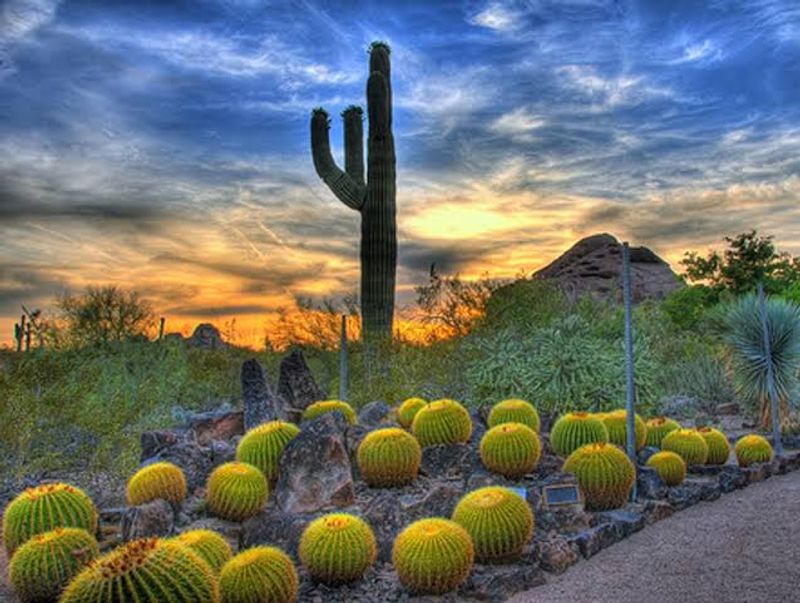
Spring in the desert sounds like a contradiction until you visit the Desert Botanical Garden in Phoenix, Arizona, and realize that the Sonoran Desert has its own spectacular version of the season. Wildflowers carpet the ground between towering saguaro cacti, and blooming desert plants produce colors that rival anything you’d find in a more traditional garden.
It’s a spring experience unlike anywhere else in the country.
The garden spans 140 acres and features over 50,000 plants representing more than 4,000 species. Spring activates a significant portion of them simultaneously, with poppies, lupines, brittlebush, and penstemon creating sweeping displays of yellow, purple, orange, and red.
The iconic saguaro cacti produce waxy white flowers at their tops, which is a surprisingly delicate sight from such a rugged plant.
Morning visits are ideal here, both for the cooler temperatures and the quality of light for photography. The Desert Botanical Garden also hosts a popular spring butterfly exhibit that adds an extra layer of magic to the experience.
Butterflies flutter freely through a specially designed enclosure filled with nectar-rich flowers, making it a huge hit with younger visitors. Comfortable, breathable clothing and sunscreen are non-negotiable for a comfortable spring visit to this sun-drenched destination.
Atlanta Botanical Garden — Georgia
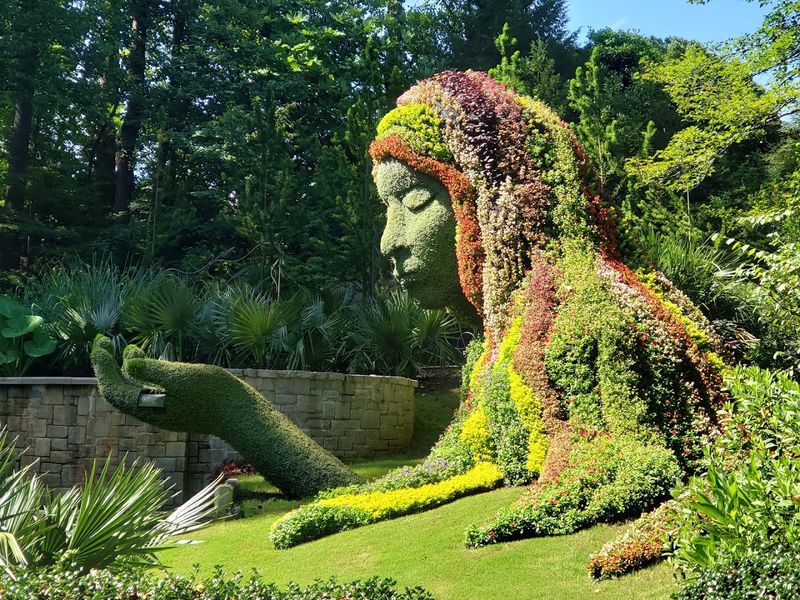
Suspended 40 feet above the ground on a steel walkway winding through the treetops, Atlanta Botanical Garden’s famous canopy walk alone is worth the trip — but in spring, the whole garden kicks it up several notches. Tulips, azaleas, and dogwoods bloom simultaneously, turning the 30-acre Midtown Atlanta property into a full-sensory spring celebration.
The combination of elevated views and ground-level color is genuinely thrilling.
The garden is known for going all-in on seasonal displays, and spring is where that commitment really shows. Themed garden sections like the Rose Garden, the Japanese Garden, and the Children’s Garden all receive spring-specific plantings that make each area feel fresh and distinct.
Thousands of tulip bulbs are planted every fall specifically to create the spring display, which takes serious planning and dedication to pull off.
Atlanta Botanical Garden also partners with local artists for outdoor sculpture installations that appear throughout the grounds, adding a creative dimension to the natural beauty. Spring evenings are particularly lovely here, as the garden stays open late on select nights with special lighting and programming.
Membership is popular among locals for good reason — the garden changes enough between visits to reward repeat trips throughout the season. Bring a wide-angle lens if you’re into photography.
Dallas Arboretum & Botanical Garden — Texas
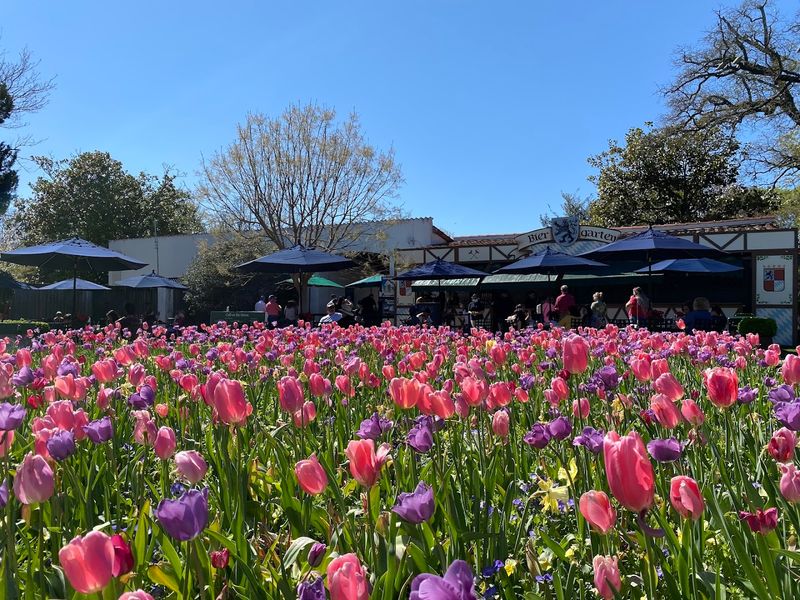
Everything really is bigger in Texas, and the Dallas Arboretum’s spring festival — Dallas Blooms — is proof of that. Hundreds of thousands of spring bulbs erupt across the garden’s sloped hillsides in a display so vivid and massive that first-time visitors often stop dead in their tracks just to take it all in.
Set against the shimmering backdrop of White Rock Lake, the visual effect is genuinely spectacular.
Dallas Blooms is officially one of the largest spring floral festivals in the Southwest, running from late February through early April each year. The garden plants over 500,000 bulbs specifically for this event, featuring tulips, daffodils, hyacinths, and pansies in coordinated color themes that change annually.
This means even returning visitors get a fresh experience each spring.
The arboretum covers 66 acres and includes several themed areas like the A Tasteful Place culinary garden and the Rory Meyers Children’s Adventure Garden, which is a fantastic interactive space for younger visitors. Spring weekends get busy, but the garden is large enough that it rarely feels uncomfortably crowded.
Food vendors and seasonal pop-up events add a festive atmosphere to the floral experience. Arrive before 10 a.m. for the best parking and the most comfortable exploring conditions.
Chicago Botanic Garden — Illinois
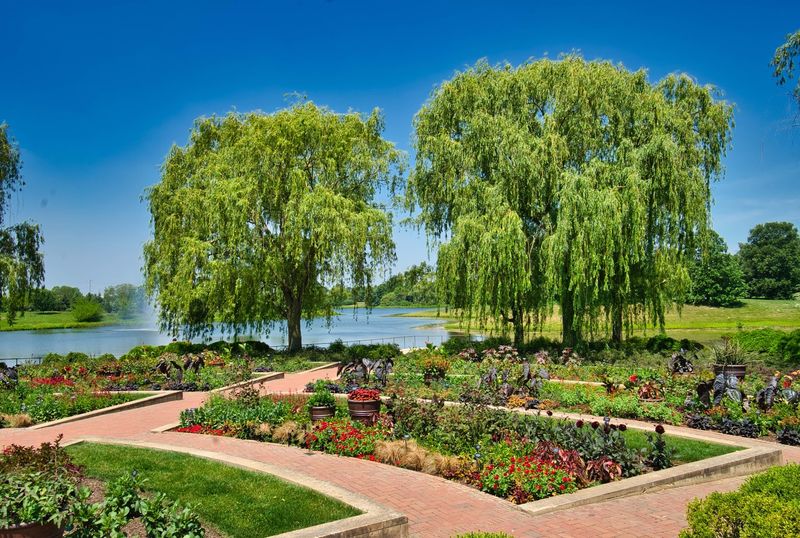
Spread across a series of islands connected by bridges and waterways, the Chicago Botanic Garden is one of those places that feels bigger and more varied than you expect every single time you visit. Twenty-seven distinct gardens fill its 385 acres, and spring activates them in a rolling wave of color that starts with early bulbs and builds toward a crescendo of flowering trees and perennials.
Few gardens in the country offer this much botanical diversity in one visit.
Spring highlights include the Bulb Garden, which features over 30,000 bulbs including tulips, alliums, and fritillaries, and the Waterfall Garden, where flowering trees frame cascading water in a scene that’s practically designed for photography. The Japanese Garden — one of three island-based spaces — becomes especially beautiful when its cherry trees bloom above the reflective water below.
The Chicago Botanic Garden is free to enter, though parking fees apply, making it one of the best-value garden experiences in the Midwest. Programs and events run throughout the spring season, including guided walks, photography workshops, and family-friendly activities.
The garden’s café and several food kiosks make it easy to spend a full day without needing to leave. Spring weekdays here feel genuinely relaxed and are highly recommended over busy weekend visits.
Huntington Botanical Gardens — California
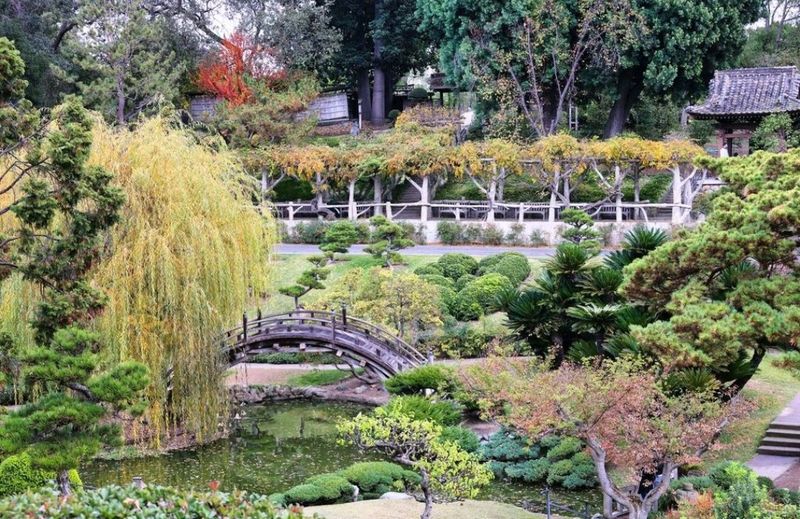
Part art museum, part research library, part world-class botanical garden — the Huntington in San Marino, California, is one of those rare places that delivers on every front simultaneously. Spring is when the property’s diverse themed gardens reach peak beauty at the same time, creating an almost overwhelming variety of color and texture across its 207 acres.
Visiting in spring feels like getting multiple gardens for the price of one admission.
The Japanese Garden features cherry blossoms arching over a traditional teahouse and moon bridge, while the Desert Garden showcases hundreds of cacti and succulents erupting in unexpected spring blooms. The Rose Garden — one of the most celebrated in California — begins its first flush of the season in spring, filling the air with fragrance and color that stops visitors in their paths.
The Huntington was founded by railroad magnate Henry Huntington in the early 1900s, and the estate grounds reflect that era’s grand ambitions. The art collections inside the galleries are world-class, featuring Gainsborough’s iconic Blue Boy among many other treasures.
Combining a gallery visit with garden exploration makes for a genuinely full and satisfying day out. Timed entry tickets are recommended during spring weekends, as the property draws significant crowds when multiple gardens are simultaneously at their peak.
Butchart-Inspired Gardens (Biltmore Estate Gardens) — North Carolina
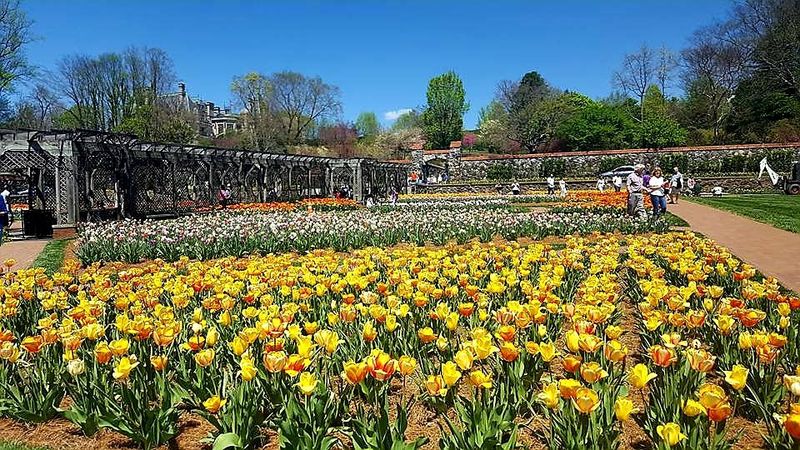
Designed by Frederick Law Olmsted — the same landscape architect behind New York City’s Central Park — the gardens at Biltmore Estate in Asheville, North Carolina, carry a pedigree that’s hard to match. Spring brings his formal design to vivid life, with tulips, azaleas, and flowering shrubs filling the structured beds in front of America’s largest private home.
The French Renaissance chateau looming behind the blooms adds a dramatic backdrop that feels genuinely cinematic.
The Walled Garden is the spring showstopper, featuring thousands of tulips planted in geometric patterns that Olmsted’s original design helped inspire. Azalea bushes throughout the grounds explode in shades of pink, red, coral, and white, while dogwood trees add delicate layers of bloom to the wooded areas of the estate.
The combination of formal and naturalistic planting styles gives the garden a complexity that rewards careful exploration.
Biltmore Estate tickets are on the pricier side, but the experience goes well beyond the garden. The house tour, winery, and restaurants make it a full-day destination that justifies the investment.
Spring is consistently the most popular season to visit, so booking tickets well in advance is strongly advised. The Asheville setting, surrounded by Blue Ridge Mountain scenery, adds a scenic bonus that makes the drive there part of the experience.



