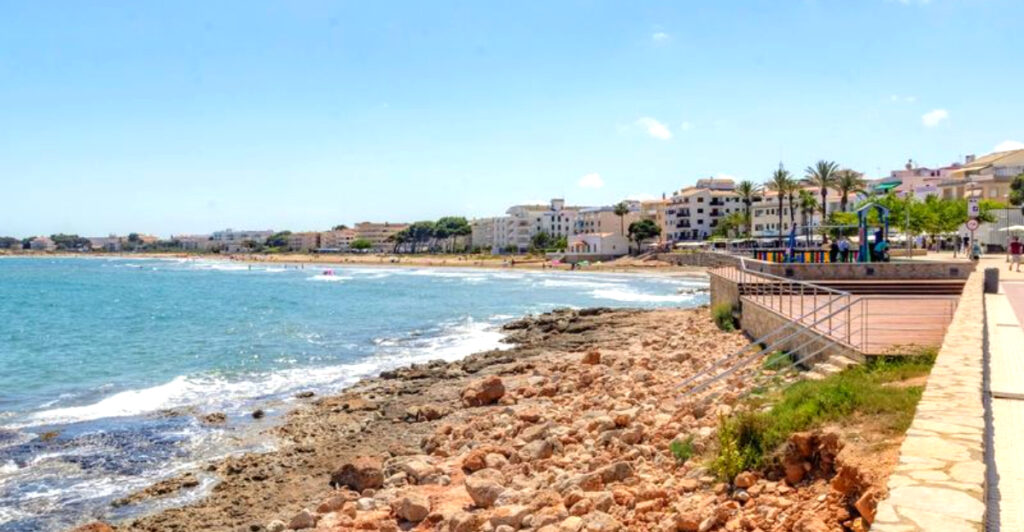
Spain’s coastline stretches for nearly 5,000 miles, brushing against the Mediterranean Sea, the Atlantic Ocean, and the Bay of Biscay. While famous beach resorts grab most of the headlines, locals and seasoned travel experts know that the real magic hides in smaller, quieter coastal towns.
These places offer authentic food, stunning scenery, and genuine culture without the overwhelming crowds. Whether you’re planning your first Spanish trip or your tenth, these recommendations will help you discover a side of Spain most tourists never see.
San Sebastián — Basque Country
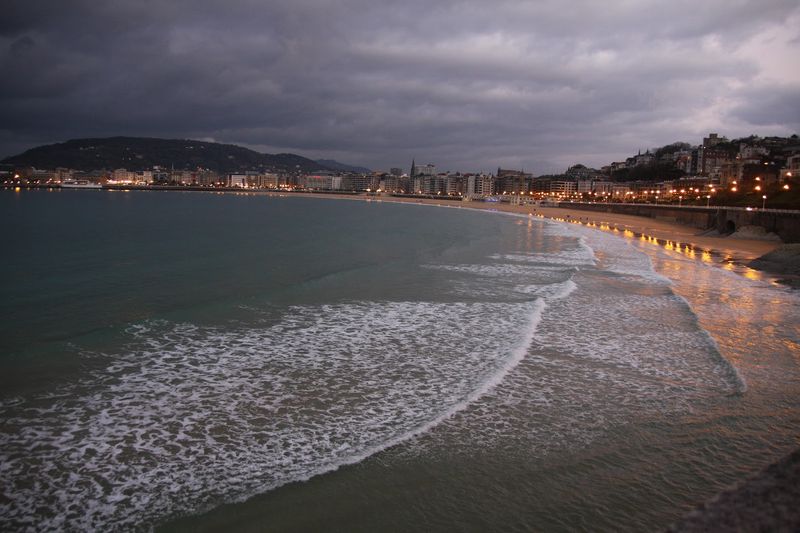
Foodies, beach lovers, and architecture fans all somehow end up in San Sebastián, and none of them leave disappointed. La Concha Beach curves like a perfect smile along the bay, offering calm waters and a backdrop of lush green hills that feel almost too scenic to be real.
It’s the kind of place where you show up for the beach and stay for everything else.
The pintxo bars in the old town, known as Parte Vieja, are legendary. Locals crowd around counters stacked with bite-sized snacks on crusty bread, and the unwritten rule is simple: eat standing up, drink local Txakoli wine, and move on to the next bar.
This city takes food seriously, with more Michelin stars per square mile than almost anywhere else on Earth.
Belle Époque buildings line the waterfront promenade, giving the city an elegant, old-world feel that contrasts beautifully with its vibrant modern energy. The surrounding green hills invite hikers, while the nearby surf breaks attract wave riders.
San Sebastián manages to be both relaxed and exciting at the same time, which is exactly why travel experts keep recommending it year after year.
Cadaqués — Catalonia
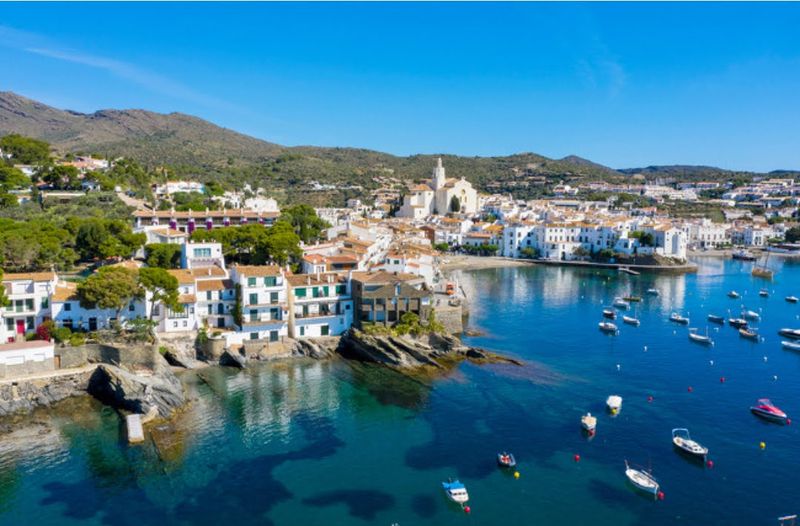
Salvador Dalí chose to spend much of his life near Cadaqués, and honestly, you can see why. The whitewashed houses tumble down toward a sparkling bay, the narrow cobblestone lanes twist in every direction, and the light here has a quality that painters have chased for centuries.
This is one of those towns that looks like it was designed by someone with very good taste.
Located on the rugged Costa Brava, Cadaqués sits at the end of a winding mountain road that kept it isolated for decades. That isolation turned out to be its greatest gift.
While other fishing villages were transformed into busy resorts, Cadaqués stayed small, charming, and almost unchanged. The surrounding Cap de Creus Natural Park protects the dramatic rocky coastline nearby.
Visitors can explore the Dalí House Museum in nearby Portlligat, where the artist lived and worked for nearly 40 years. The town’s art galleries, seafood restaurants, and laid-back cafes make it easy to fill several days without any kind of structured plan.
Go in spring or early autumn to enjoy the beauty without the summer peak crowds that descend on this beloved Catalan gem.
Nerja — Andalusia
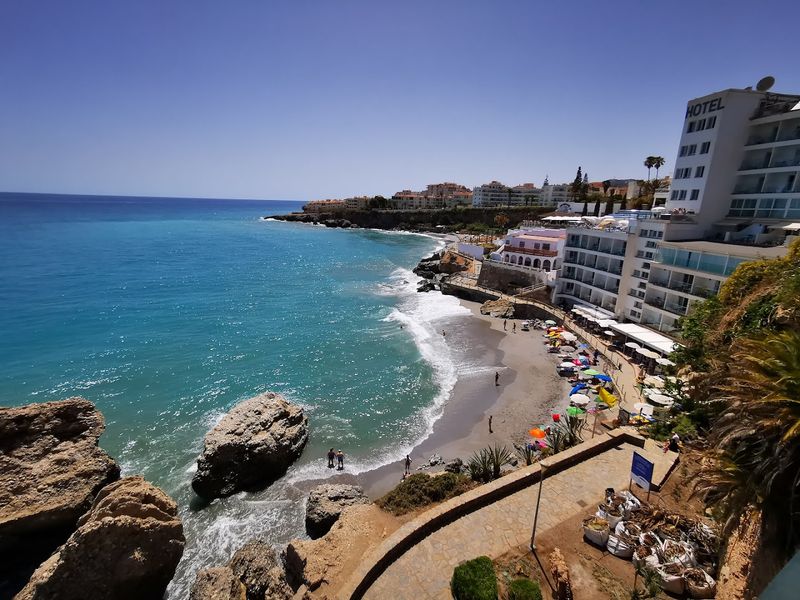
Standing on the Balcón de Europa in Nerja feels like being handed the best seat in the house for free. The viewpoint juts out over the Mediterranean like a natural stage, with cliffs dropping to crystal-clear water on both sides and the Andalusian sun making everything glow golden.
King Alfonso XII visited in 1885 and reportedly named the spot himself, which explains the very royal name.
Unlike some of its busier neighbors along the Costa del Sol, Nerja has managed to keep its authentic Andalusian soul intact. The streets of the old town are filled with local tapas bars, flower-draped balconies, and the kind of slow afternoon pace that reminds you why people fall in love with southern Spain.
The beaches here range from wide sandy stretches to small hidden coves tucked between limestone cliffs.
Just outside town, the Nerja Caves are one of Andalusia’s most impressive natural attractions. Discovered in 1959, the caves contain ancient paintings and one of the world’s largest known stalactite columns.
Combining beach time with a cave visit, a clifftop stroll, and a plate of fresh seafood makes for a genuinely full and satisfying day in this underrated coastal town.
Getaria — Basque Country
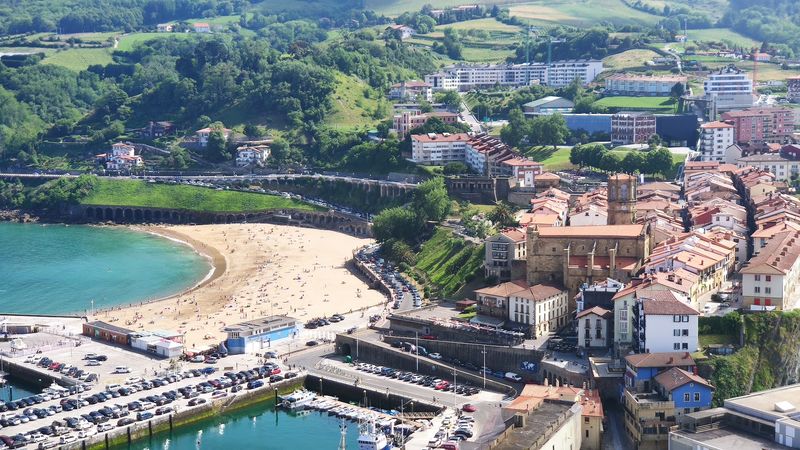
The smell of grilled fish drifting through Getaria’s narrow streets is essentially the town’s unofficial welcome sign. This small fishing village on the Basque coast has been sending boats out to sea for centuries, and that maritime identity is still very much alive today.
Fishermen unload fresh catches each morning, and the town’s restaurants grill them over open wood fires in a style that’s become famous across Spain.
Getaria is also the birthplace of Juan Sebastián Elcano, the first person to complete a circumnavigation of the globe after Magellan died during the voyage. A statue of Elcano stands proudly in the main square, watching over a town that clearly has a habit of producing people who go the extra mile.
Or, in his case, the extra 42,000 miles.
The surrounding Txakoli wine country adds another reason to linger. Local vineyards produce a crisp, slightly sparkling white wine that pairs perfectly with the town’s seafood.
The combination of fresh fish, local wine, medieval streets, and dramatic coastal scenery makes Getaria one of the most rewarding stops on the entire Basque coast. Small it may be, but it punches well above its weight.
Calella de Palafrugell — Catalonia
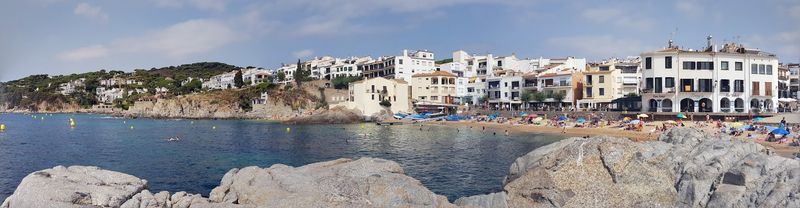
Some places feel like they exist specifically to make you forget your daily routine, and Calella de Palafrugell is one of them. Whitewashed buildings line a series of small rocky coves, fishing boats bob gently in the clear water, and the whole scene looks like it hasn’t changed much since the 1960s.
That’s not an accident; the town has made a conscious effort to preserve what makes it special.
Originally a working fishing village, Calella de Palafrugell still has that authentic feel that travelers increasingly search for. The waterfront promenade connects several small beaches, each one slightly different in character.
Some are calm and family-friendly, while others offer more seclusion for those willing to walk a little further along the rocky path.
The famous Habaneras music festival takes place here each summer, celebrating a style of song brought back by Catalan sailors who traveled to Cuba in the 19th century. Locals gather on the beach at night to listen, drink cremat, a warm rum punch, and enjoy the unique musical tradition together.
Travel experts consistently rank Calella de Palafrugell among the Costa Brava’s most authentic and visually stunning destinations, and a single visit makes it easy to understand exactly why.
Tarifa — Andalusia
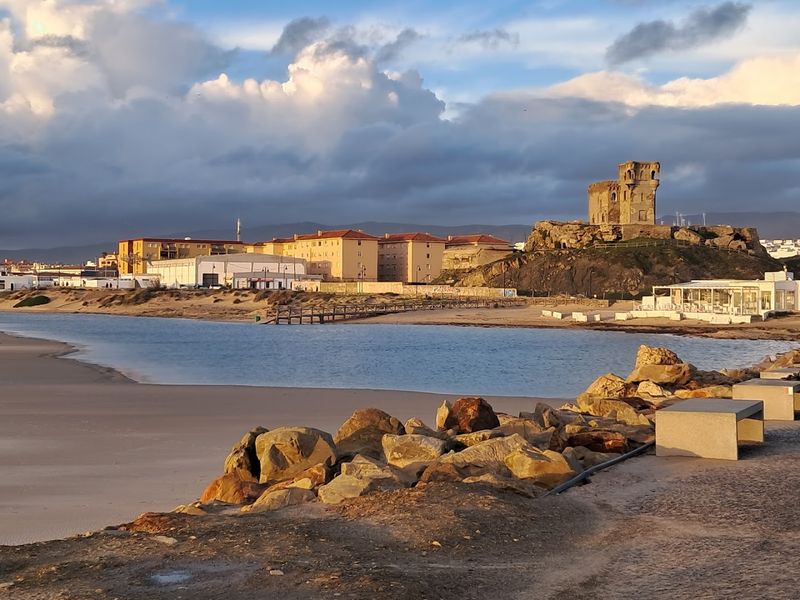
Tarifa sits at the very tip of Europe, where the Mediterranean Sea and the Atlantic Ocean shake hands and the African coast is close enough to see on a clear day. That geographical drama alone would be enough to make it interesting, but Tarifa also happens to be one of the windiest spots on the continent, which has turned it into a world capital for windsurfing and kitesurfing.
The beaches here are essentially one long, wild playground for anyone who loves the water.
Beyond the action sports, Tarifa has a genuinely atmospheric old town wrapped in ancient Moorish walls. Narrow lanes, independent boutiques, and laid-back cafes give it a bohemian character that’s quite different from the polished resort towns further along the coast.
The mix of surf culture and medieval history creates an energy that’s hard to find anywhere else in Spain.
Whale and dolphin watching boat trips run regularly from Tarifa’s port, taking advantage of the rich marine life that feeds in the Strait of Gibraltar. Morocco is just 14 kilometers away, making a day trip by ferry an easy and genuinely exciting option.
Tarifa rewards travelers who want more than just a sun lounger and a cocktail, though it delivers those too.
Villajoyosa — Valencian Community
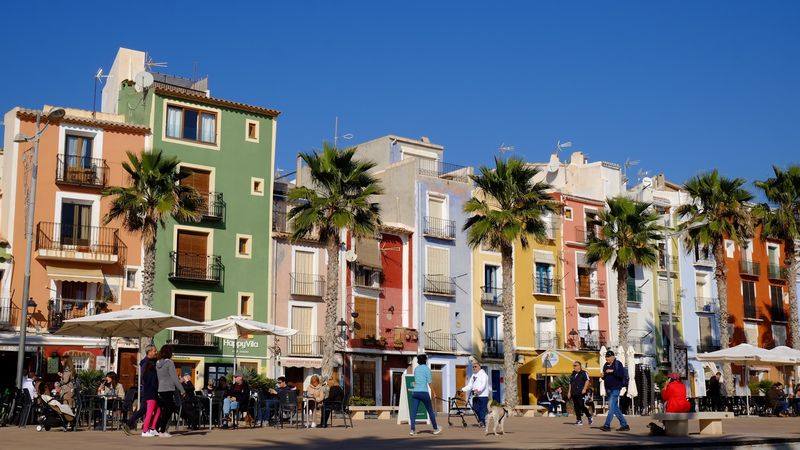
Villajoyosa might just be the most photogenic town on the entire Costa Blanca, and that’s saying something. The fishermen’s houses along the waterfront are painted in vivid shades of yellow, pink, red, and blue, a tradition that originally helped sailors spot their homes from the sea.
Today, those colors make the town look like something straight out of a travel magazine cover.
The town has a long and proud fishing heritage, and fresh seafood remains central to local life. The fish market is an early morning spectacle worth setting an alarm for.
Locals have been fishing these waters for generations, and that connection to the sea shows up in the food, the festivals, and the general rhythm of daily life in ways that feel completely genuine.
Here’s the unexpected twist: Villajoyosa is also famous for chocolate. The Valor chocolate factory has been operating here since 1881, and tours of the facility are genuinely fascinating for adults and children alike.
The town holds an annual chocolate festival that draws visitors from across the region. Sandy beaches, colorful architecture, fresh seafood, and world-class chocolate in one small town make Villajoyosa one of the most entertainingly surprising stops on any Spanish coastal road trip.
Sitges — Catalonia
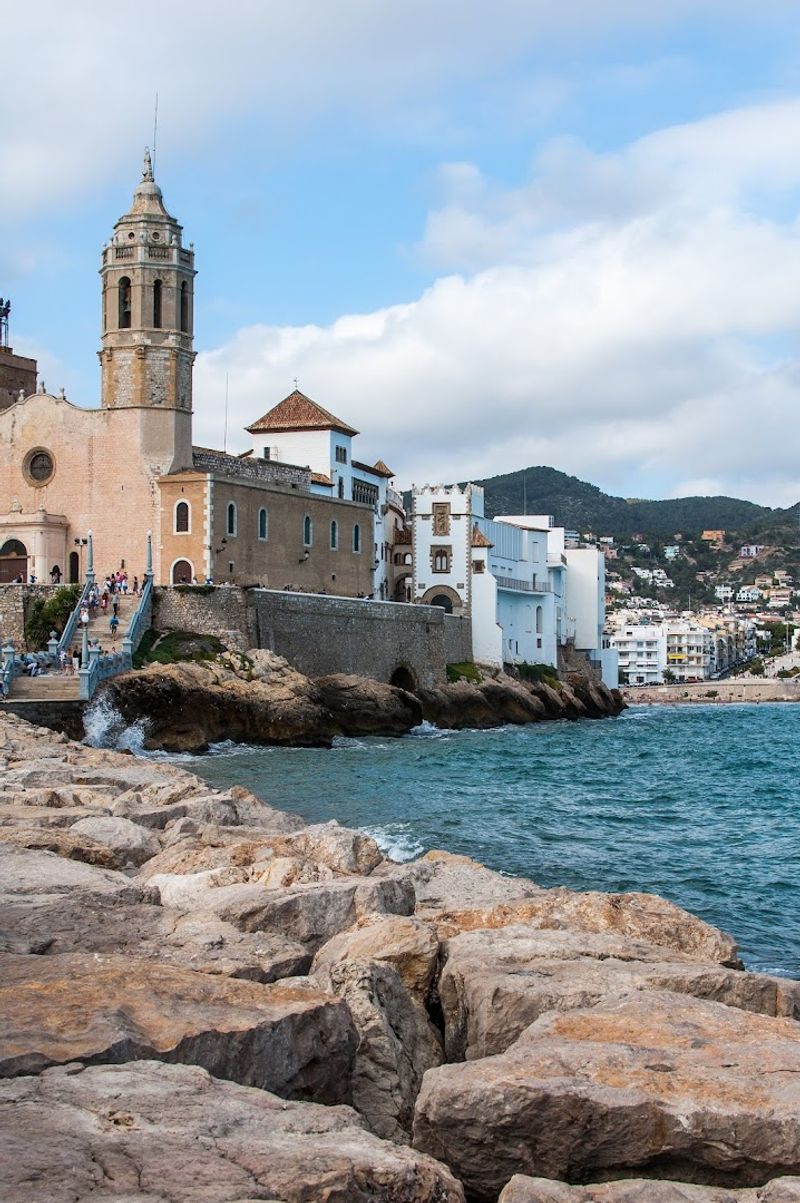
Just 35 kilometers south of Barcelona, Sitges has been attracting artists, writers, and free spirits since the late 19th century. The town’s famous Modernista church sits dramatically on a rocky promontory above the sea, palm trees line the promenade, and the beaches stretch out in both directions with that particular golden quality that makes Mediterranean sand so appealing.
It’s compact enough to explore on foot, which always earns bonus points.
The cultural calendar in Sitges runs at a pace that would exhaust most places three times its size. The international film festival each October draws industry professionals from across Europe.
The carnival celebrations in February are among the most spectacular and colorful in all of Spain. Even outside festival season, the town’s museums, galleries, and historic mansions give visitors plenty to explore.
Sitges has long been celebrated as one of Europe’s most welcoming and inclusive destinations, which contributes to its famously vibrant nightlife and open social atmosphere. The restaurant scene covers everything from traditional Catalan seafood to creative modern cuisine.
Day-trippers from Barcelona are common, but staying overnight transforms the experience entirely. The town takes on a different, quieter character after the day crowds head back north, revealing a more intimate and genuinely lovely side.
Llanes — Asturias
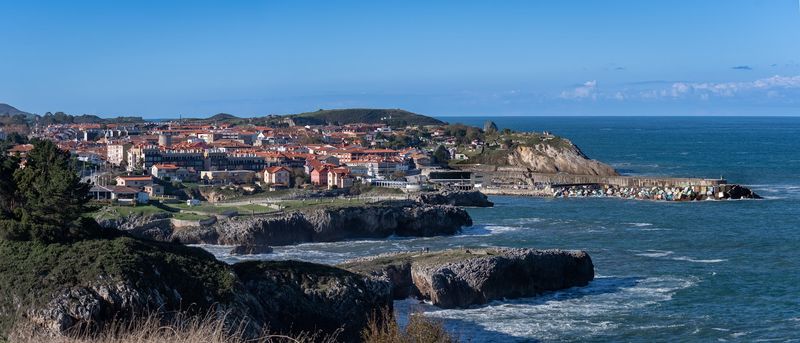
Forget everything you think you know about Spanish beach destinations, because Llanes operates by completely different rules. Located on Spain’s northern coast in Asturias, this medieval town is surrounded by lush green hills, dramatic Atlantic cliffs, and some of the most rugged and beautiful coastline in the entire country.
The sun doesn’t always shine here the way it does in the south, but that just makes the scenery feel more wild and alive.
The town itself is a genuine medieval gem. Ancient walls, a fortified harbor, and a well-preserved historic center give Llanes a sense of history that feels lived-in rather than performed for tourists.
The local sidra, or cider, poured from great heights by skilled waiters, is the drink of choice and pairs perfectly with the region’s excellent seafood and grilled meats.
The nearby beaches are extraordinary and often completely uncrowded even in summer. Playa de Torimbia, a naturist beach reached by a short hike, is regularly listed among Spain’s most beautiful.
The Picos de Europa mountain range rises dramatically just inland, making Llanes a perfect base for combining coastal relaxation with mountain hiking. For travelers who want something genuinely different from the typical Spanish beach holiday, Asturias delivers every time.
El Cotillo — Fuerteventura, Canary Islands
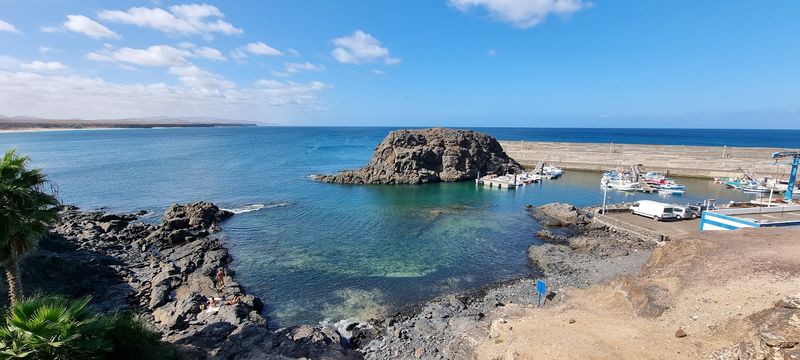
El Cotillo’s lagoons look like someone poured liquid turquoise into a frame of black volcanic rock and called it a beach. Located on the northwestern tip of Fuerteventura, this former fishing settlement has become a quiet favorite among travelers who want the Canary Islands experience without the all-inclusive hotel crowds.
The water inside the natural rock pools is calm, shallow, and spectacularly clear, making it ideal for families and snorkelers alike.
Fuerteventura is known for wind, and El Cotillo gets plenty of it. The northern beaches beyond the village are wild, open, and popular with experienced surfers who come for the powerful Atlantic swells.
The contrast between the sheltered lagoons in the south and the raw, wind-swept beaches in the north gives El Cotillo a dual personality that suits different moods on different days.
The village itself remains refreshingly low-key, with a small harbor, a 17th-century watchtower, and a handful of excellent fish restaurants where the catch comes straight from local boats. Sunsets here are genuinely spectacular, painting the volcanic landscape in shades of orange and pink that make every evening feel like a small event.
El Cotillo rewards slow travel, and the slower you go, the more it gives back.
Tossa de Mar — Catalonia
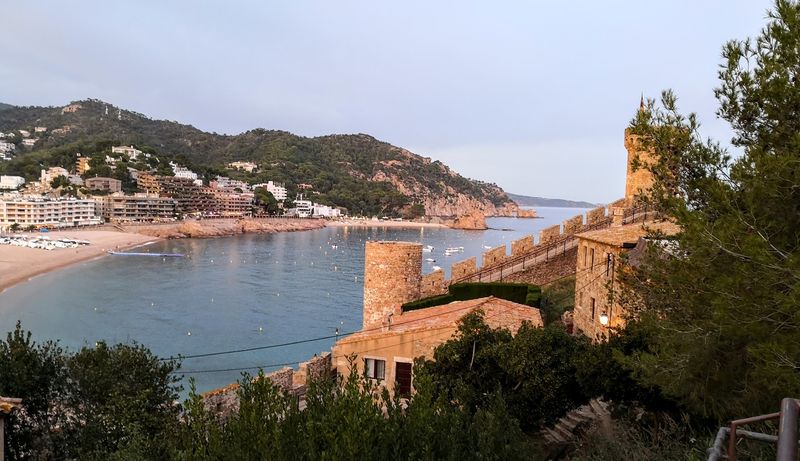
Very few beach towns in the world can claim a fully intact medieval fortress rising directly above their sandy shore, but Tossa de Mar is one of them. The Vila Vella, a walled old town perched on a rocky headland above the beach, dates back to the 12th century and is the only fortified medieval town on the entire Costa Brava.
Walking through its ancient gates feels genuinely cinematic, especially when the sea sparkles below.
The main beach, Platja Gran, curves beneath the castle walls and offers calm, clear water that’s ideal for swimming. Several smaller coves are accessible by boat or on foot along the coastal path, each one offering a slightly different character and level of seclusion.
The surrounding Costa Brava scenery, with its pine-covered cliffs and rocky inlets, is among the most dramatic in Spain.
Tossa de Mar has attracted artists and creative types for over a century. Marc Chagall visited and called it the Blue Paradise, a nickname that stuck and that you’ll see referenced around town with obvious local pride.
The town has a small but excellent art museum, several good seafood restaurants, and enough history to keep curious visitors happily occupied between beach sessions. It’s a genuinely well-rounded coastal destination.
San Vicente de la Barquera — Cantabria
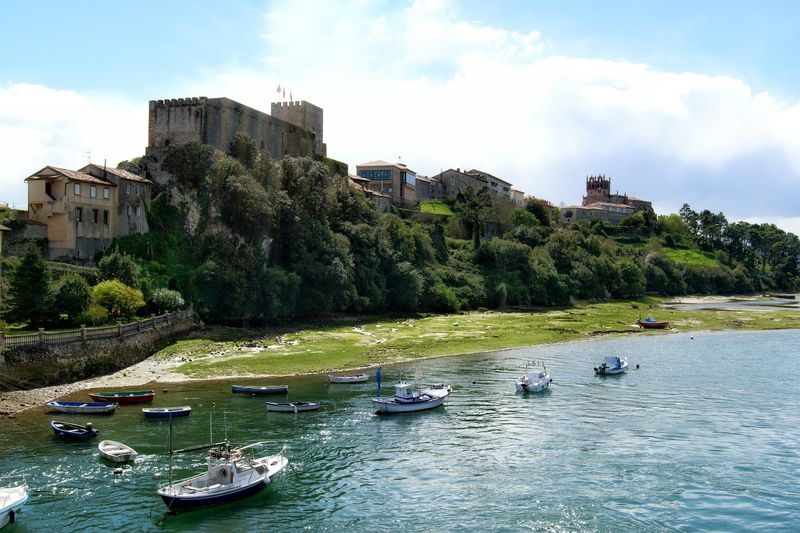
The view from the ancient bridge at San Vicente de la Barquera stops most visitors in their tracks. The medieval castle rises on one side, the estuary stretches out below, and the snow-capped peaks of the Picos de Europa loom on the horizon behind the town.
It’s the kind of view that appears on postcards, but experiencing it in person, with the salty sea air and the sound of gulls overhead, is something no photograph fully captures.
San Vicente de la Barquera has been an important port town since Roman times, and its seafood traditions run deep. The local merluza, or hake, prepared in a traditional Cantabrian style with clams and local wine, is considered one of the region’s signature dishes.
The fish market and the waterfront restaurants make it easy to eat very well without spending a fortune.
The beaches nearby include long stretches of golden sand backed by green dunes, and they’re rarely as crowded as equivalent beaches further south. The town’s medieval walls, Gothic church, and historic fishing harbor give it a layered character that goes well beyond the typical seaside visit.
Locals are genuinely proud of their town and happy to point visitors toward the best spots, which always makes exploring so much more enjoyable.
Garachico — Tenerife, Canary Islands
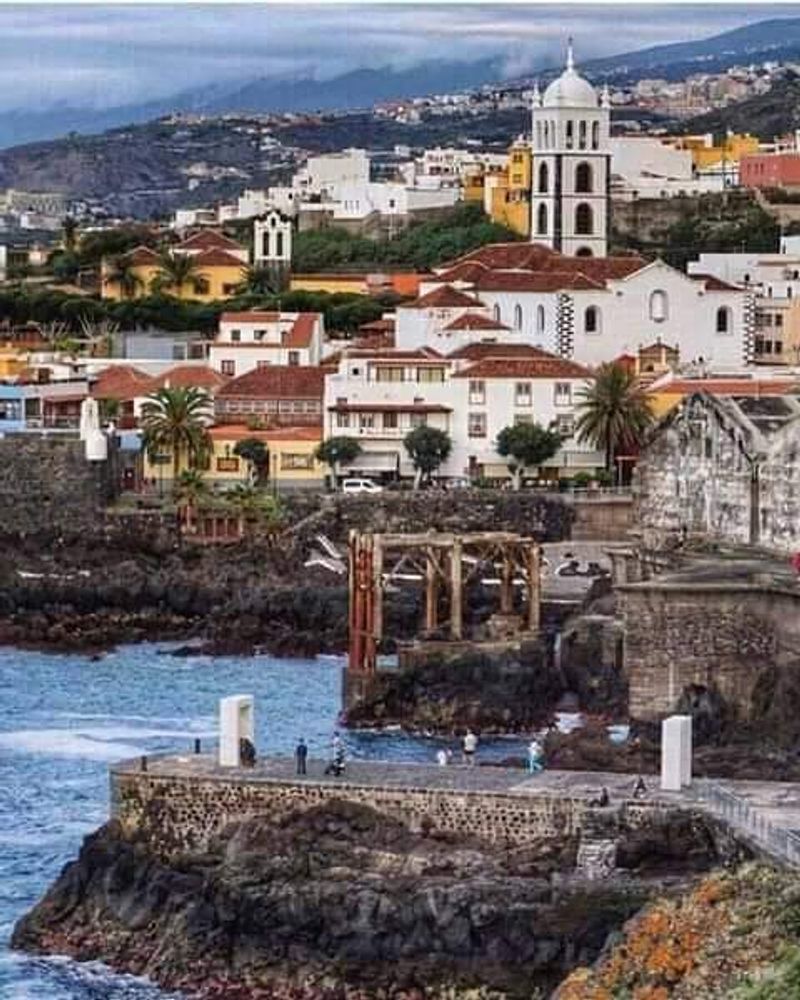
In 1706, a volcanic eruption buried most of Garachico under lava and wiped out what was then Tenerife’s most prosperous port. What the volcano left behind, though, was accidental magic: a series of natural rock pools carved into the hardened lava along the shoreline.
Today, those pools, known as El Caletón, are one of Tenerife’s most beloved swimming spots, and the story of the town’s rebirth gives every visit an extra layer of meaning.
The historic center that survived and was rebuilt after the eruption is beautifully preserved. A 16th-century castle, a convent, and several elegant plazas give the town a quiet, dignified atmosphere that feels refreshingly unhurried compared to the busy resort strips elsewhere on the island.
Walking the streets here feels like stepping into a different, slower version of Tenerife entirely.
Garachico sits on Tenerife’s rugged northern coast, where the landscape is greener and more dramatic than the sun-baked south. The surrounding area is excellent for hiking, with trails winding through forests and along coastal cliffs.
Local restaurants serve traditional Canarian food, including papas arrugadas, small wrinkled potatoes with mojo sauce, which are simple, satisfying, and completely addictive. Garachico rewards travelers who seek substance over spectacle.
Alcossebre — Valencian Community
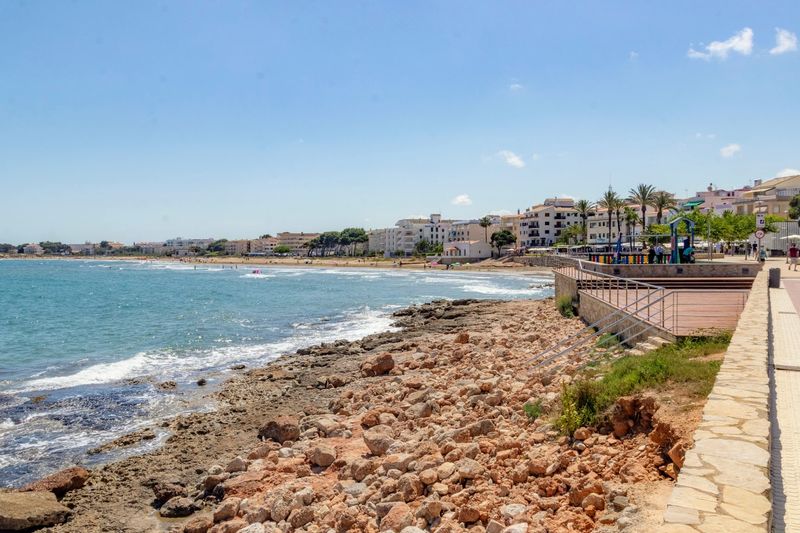
Alcossebre is the kind of place that regular visitors guard like a personal secret. Located on the Costa del Azahar in the Valencian Community, this low-key coastal town sits beside the Serra d’Irta Natural Park, giving it a rare combination of quality beaches and genuine wild nature within walking distance of each other.
International tourists haven’t yet discovered it in large numbers, which is very much part of the appeal.
The coastline here offers a mix of sandy beaches and rocky coves, with water clarity that regularly impresses even experienced Mediterranean swimmers. The absence of high-rise hotels and large resort infrastructure gives Alcossebre a relaxed, village-scale atmosphere that’s becoming harder to find along Spain’s Mediterranean coast.
Cycling paths, hiking trails, and boat rental options keep active visitors happily busy.
The Serra d’Irta Natural Park, one of the few protected coastal parks in the entire Valencian Community, borders the town and offers trails through pine forests, past ancient watchtowers, and along dramatic cliff paths above the sea. Local markets sell fresh produce and regional specialties, and the town’s restaurants serve excellent rice dishes, a nod to the broader Valencian culinary tradition.
Alcossebre is living proof that the best coastal discoveries are often the quietest ones.
Comillas — Cantabria
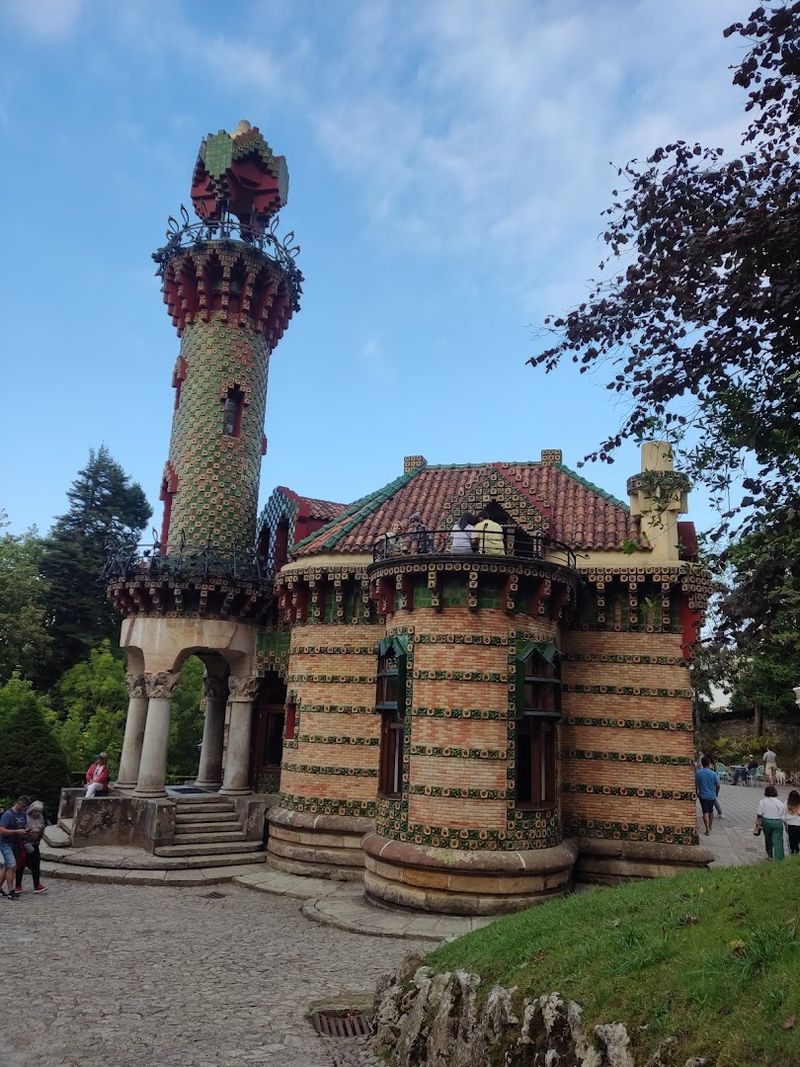
Comillas has a secret weapon that most Spanish seaside towns could only dream about: a building designed by Antoni Gaudí sitting quietly in the middle of town like it’s perfectly normal. El Capricho, completed in 1885 and one of Gaudí’s earliest works, is covered in sunflower-patterned ceramic tiles and topped with an elaborate minaret-style tower.
It’s extraordinary, unexpected, and absolutely worth a visit even if you never set foot on the beach.
The beach itself is very much worth visiting, of course. Playa de Comillas is a wide, clean stretch of golden sand backed by green hills, with the kind of Atlantic freshness that makes swimming here feel more invigorating than the warm Mediterranean.
The town’s elegant late 19th-century architecture reflects a period when wealthy Spanish families chose Comillas as their summer retreat, leaving behind a legacy of beautiful buildings and leafy plazas.
The Pontifical University, a dramatic neo-Gothic complex designed by Joan Martorell, adds yet another architectural landmark to a town that punches remarkably high for its size. Good restaurants, a lively local market, and easy access to other Cantabrian coastal spots make Comillas a genuinely rewarding base for exploring the north.
This is northern Spain at its most quietly impressive and culturally rich.
Share this story