Portugal is famous for Lisbon, Porto, and the Algarve coast, but the country hides dozens of places that most big-city travelers never get around to visiting. I stumbled onto a few of these spots by accident, and they completely changed how I travel through this country.
From boulder-built villages in the mountains to lagoon-side hamlets in the east, Portugal’s lesser-known corners are packed with history, charm, and genuine character. If you are ready to wander off the main route, this list is your starting point.
Monsanto: The Village That Looks Built by Giants
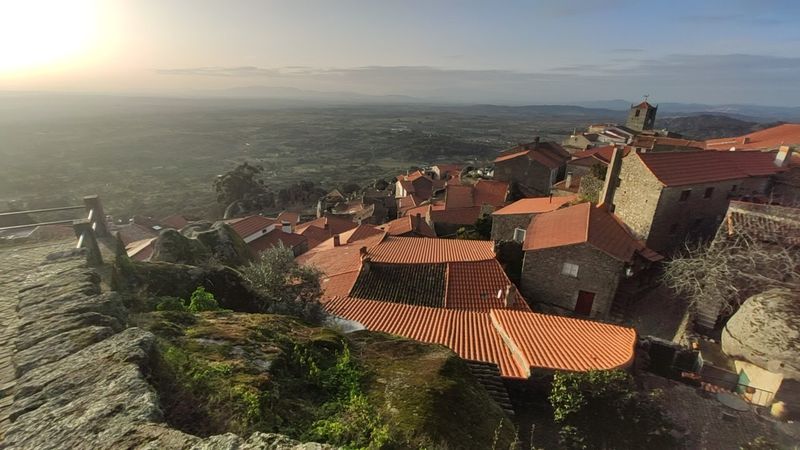
Granite boulders the size of houses are not usually part of a village’s architecture, but in Monsanto, they are the whole point. Someone, at some point in history, looked at this chaos of massive rocks on a hillside and said, “Yes, let’s live here.” Honestly, fair enough.
The stone houses are wedged between boulders so tightly that some rooftops sit directly under them. Narrow lanes twist uphill toward castle ruins and old viewpoints with sweeping views over the countryside.
There are no polished tourist attractions here, and that is exactly what makes it worth the trip.
Walk slowly. The streets are steep and the stone can be uneven, but the pace forces you to notice details: a door carved into rock, a house with a boulder for a ceiling, a cat napping on an ancient wall.
Monsanto is dramatic without being showy, and it feels like a secret hiding in plain sight.
Piódão: The Mountain Village That Glows at Night
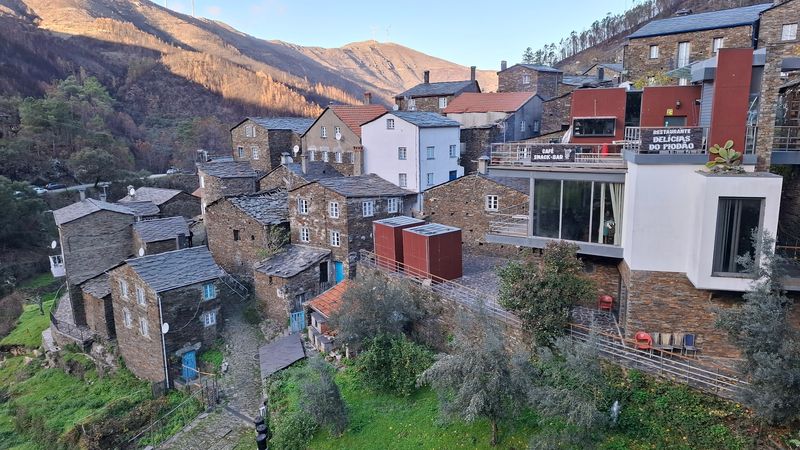
Piódão is the kind of place that makes you double-check whether you have accidentally walked into a film set. Set in the mountains of central Portugal, it is built almost entirely from dark schist stone, with blue-painted doors and windows that pop against the grey walls like a deliberate design choice.
By day, the village looks like it grew naturally from the hillside. The houses are stacked closely together in a pattern so striking it almost looks geometric.
At night, the lights turn the whole place into something that resembles a tiny glowing nativity scene perched in the mountains.
The roads to Piódão are winding and take patience, but that remoteness is the whole reason it still feels so untouched. Come here to wander without a checklist, breathe cooler mountain air, and enjoy the rare feeling of being genuinely far from everything.
Some places earn their reputation the quiet way, and Piódão is one of them.
Sortelha: Where Time Forgot to Keep Moving
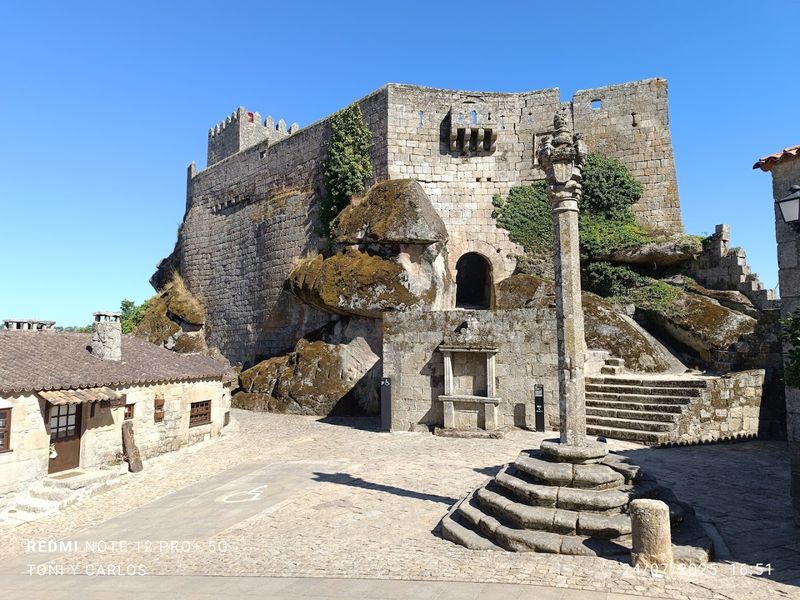
Sortelha is what happens when a medieval village decides to skip every century after the 1300s and just stay put. Built on granite and enclosed by old walls, this small historic gem has kept its character so well that walking through it feels slightly eerie in the best possible way.
The beauty here is in the silence. Stone houses, narrow lanes, old gates, rocky outcrops, and countryside views combine to create a place that does not need bright signs or loud attractions.
The village itself is the entire experience, and it does not apologize for that.
Walk without rushing. Pass through the old gates, follow the stone paths, and look for the unusual granite formations scattered around the village.
Everything feels solid, ancient, and slightly mysterious, like the walls are keeping a secret they will never fully share. Sortelha is perfect for travelers who like historic places that still feel raw rather than overly polished.
Marvão: The Walled Village Above the Clouds
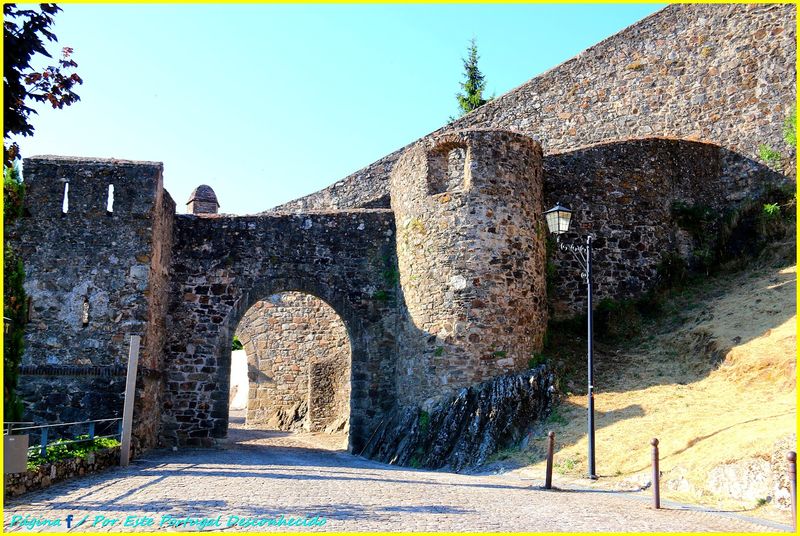
You do not stumble into Marvão by accident. Reaching it requires a deliberate climb up winding roads toward a walled village perched so high in the Alentejo that the views feel almost unfair.
Close to the Spanish border, this is one of the most dramatically positioned places in the country.
White houses, stone lanes, and sweeping views greet you once you pass through the walls. The castle is the obvious highlight, but the whole village rewards slow exploration.
Stay long enough to watch the light change over the Alentejo landscape, because it shifts from gold to amber to deep orange in ways that no filter can replicate.
Marvão asks very little from you as a visitor. Just arrive, walk, and look around.
It is peaceful, elevated, and almost surreal in a way that big cities never manage to be. For a place so high up, it has a remarkable way of making you feel completely grounded.
Monsaraz: A Whitewashed Village Watching Over Lake Alqueva
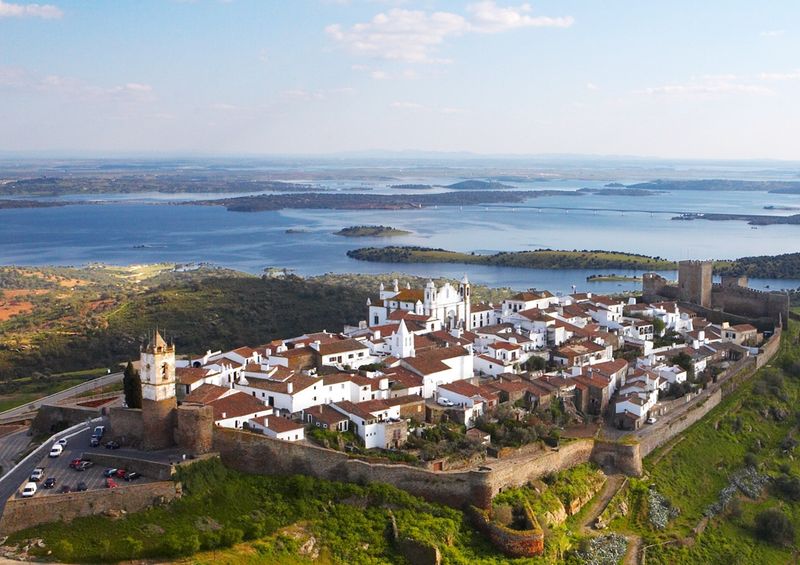
Few villages in Portugal have a view as quietly spectacular as Monsaraz. Sitting on a hilltop in the Alentejo, enclosed by old walls, it looks out over Lake Alqueva and the surrounding plains in a way that makes the outside world feel very, very far away.
The streets are small and bright, the houses trimmed in blue or earthy tones, and the whole place has a dreamlike quality that is especially strong in the late afternoon. That is when the white walls soften in golden light and every photo you take looks better than it deserves to.
Monsaraz works beautifully for travelers who want history without city crowds. Walk the village at a relaxed pace, stop for regional food, browse small shops, and enjoy the slow Alentejo rhythm.
It may be known among Portugal enthusiasts, but it still feels like a hidden world the moment you step inside those walls.
Cacela Velha: The Tiny White Secret Above the Lagoon
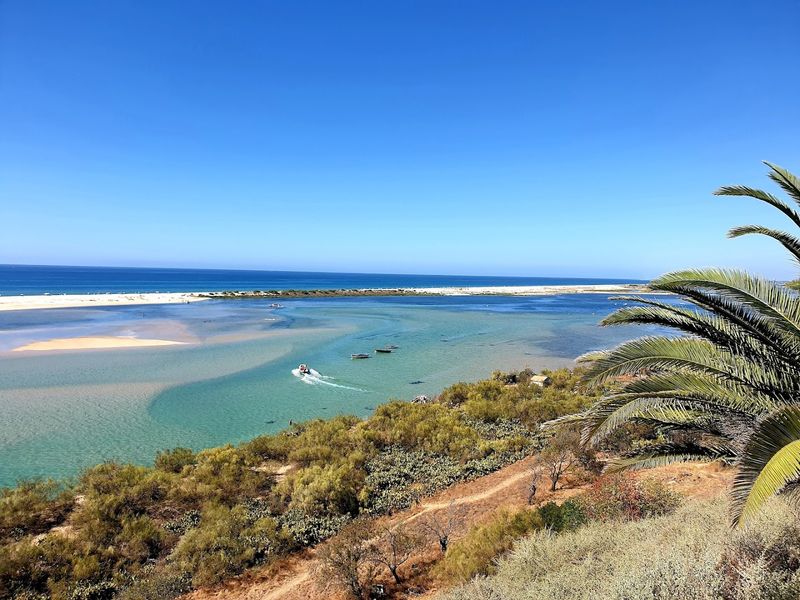
Most people drive straight past Cacela Velha on their way to busier Algarve spots, and those people are missing something genuinely lovely. Tucked above the Ria Formosa in the eastern Algarve, this tiny whitewashed village has a church, a fortress area, and views over a lagoon that look almost too beautiful to be real.
This is not the Algarve of beach bars and resort pools. Cacela Velha is quieter, softer, and slower.
The village is compact enough that you can see everything without a complicated plan. Just walk through the historic area, admire the views, and let the calm do its work.
At low tide, the landscape shifts completely. The sandbanks appear, the water changes shape, and the whole setting takes on a shifting, secretive beauty.
It is ideal for travelers who want a coastal moment without the noise. Small in size, enormous in character, Cacela Velha earns its place on this list easily.
Azenhas do Mar: The Cliff Village That Breaks Brains and Hearts
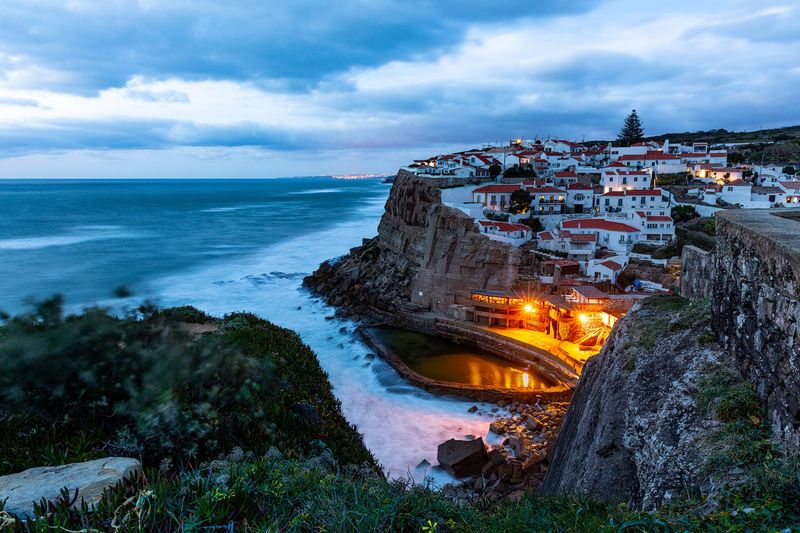
White houses tumbling down a cliff toward the Atlantic is not a sight you forget quickly. Azenhas do Mar, near Sintra, is one of the most photogenic villages in Portugal, and it earns that status without even trying very hard.
The village is small, but the setting is spectacular. Waves hit the rocks below, houses cling to the slope, and an ocean pool and beach area add to the drama.
It is the kind of place where people stop mid-sentence to look, which is either charming or annoying depending on where you are standing.
Skip the long checklist here. Azenhas do Mar is better experienced slowly: come for the view, take a walk along the cliffside, and time your visit around sunset if you can.
The beach is affected by tides, so the clifftop view is the most reliable reason to come. Close to famous Sintra, but it feels like its own quiet coastal secret.
Talasnal: A Schist Village the Forest Kept for Itself
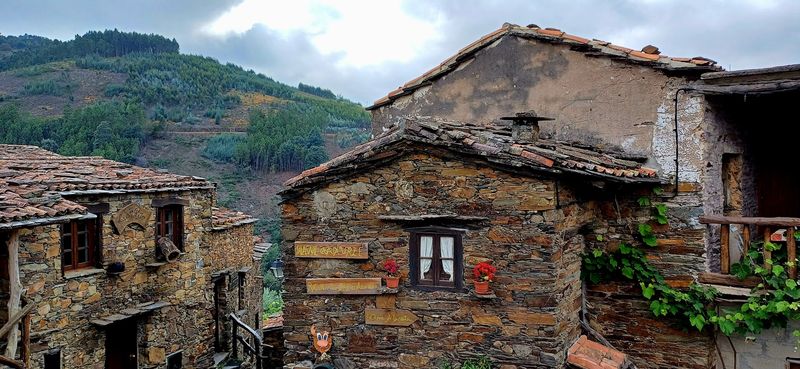
Hidden in the Serra da Lousã hills, Talasnal is part of Portugal’s Schist Villages network, a collection of small communities built from the dark stone of the region. The village looks like it grew out of the hillside rather than being built on it, and the forest surrounding it adds to that feeling.
Narrow lanes, stone houses, mountain air, and a cozy almost storybook atmosphere make Talasnal a wonderful place for travelers who love small villages, walking trails, and spots that feel genuinely close to nature. There are no grand monuments here, and that is the point.
The charm is intimate. It lives in the texture of the walls, the quiet of the lanes, and the forested surroundings that press in from every side.
I visited on a weekday and saw maybe four other people. For a secret-looking escape in central Portugal, Talasnal is one of the loveliest options you will find without a travel agency telling you about it.
Belmonte: The Village With More History Than It Lets On
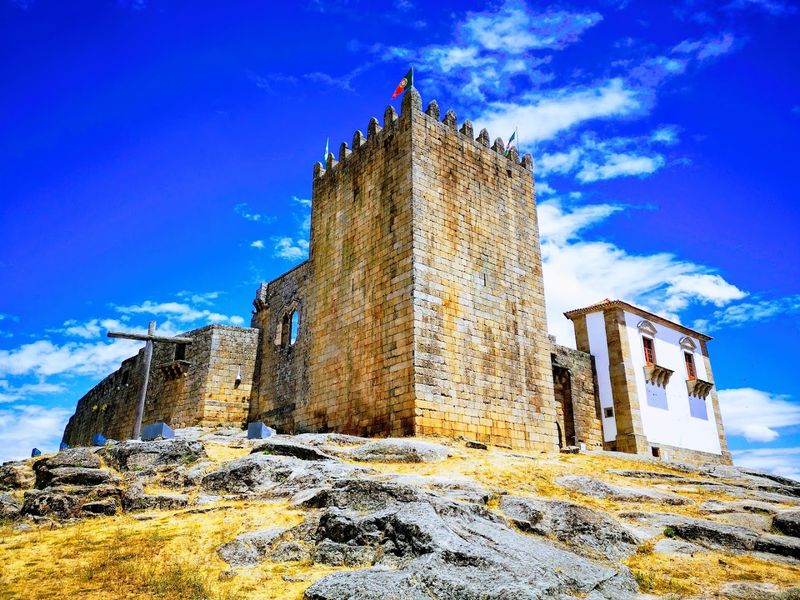
Belmonte does not shout about itself, which is probably why so many first-time visitors to Portugal walk right past it. Part of Portugal’s Historic Villages network, it holds layers of history that most travelers never hear about: medieval defenses, a significant Jewish heritage, and a connection to Pedro Álvares Cabral, the explorer credited with reaching Brazil.
That combination alone makes it worth a detour. The old center is walkable, calm, and full of small details that reward genuine curiosity.
It is a place for travelers who want more than pretty streets and a good photo.
Belmonte feels secret not because it is buried in the mountains, but because it carries stories that rarely make the highlight reels. Add it to a central Portugal route that includes Monsanto, Sortelha, or the Serra da Estrela region, and you will end up with one of the most historically satisfying journeys the country can offer.
Castro Marim: Salt, Fortresses, and the Algarve Nobody Talks About
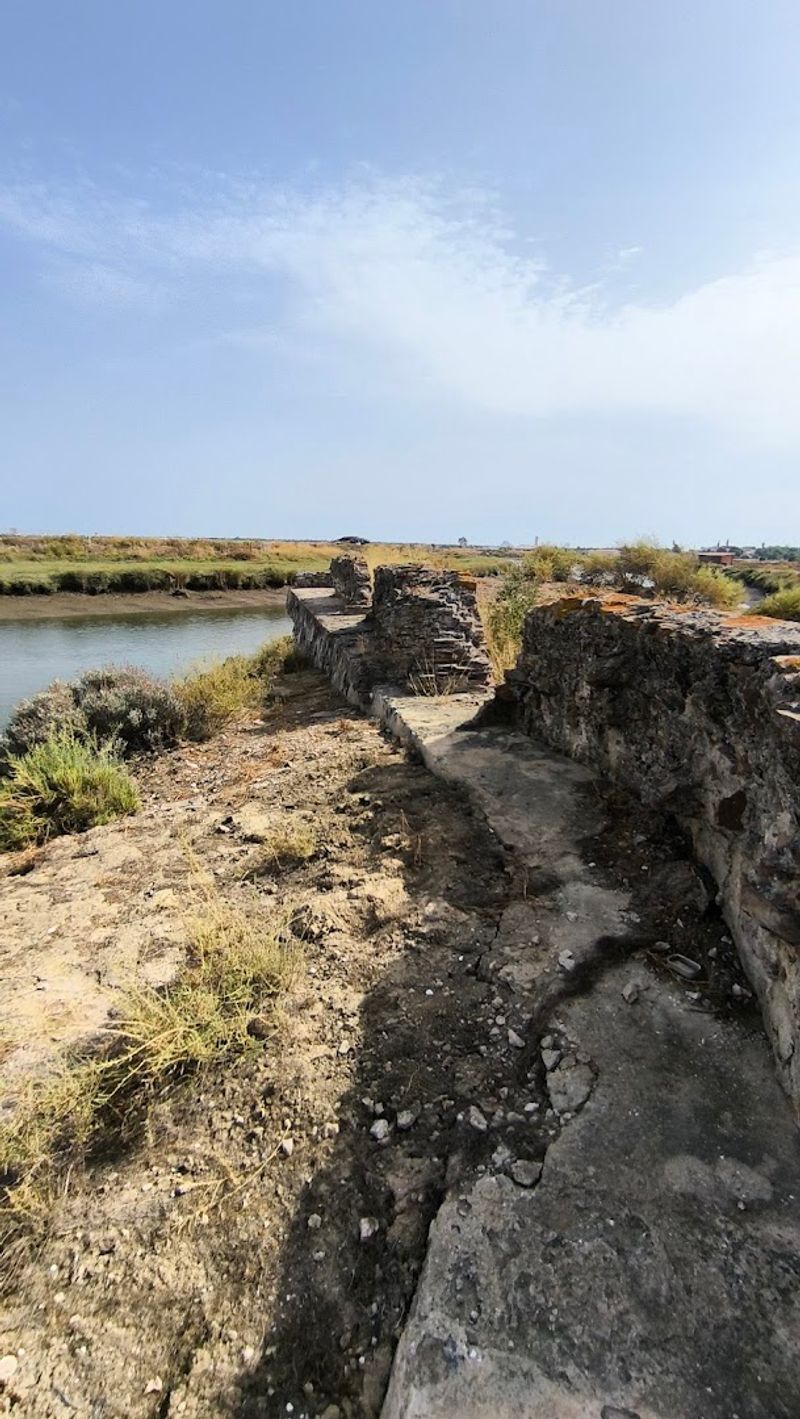
Castro Marim is the Algarve’s well-kept secret, and the locals seem perfectly happy keeping it that way. Instead of beach bars and resort crowds, you get historic fortifications, salt pans, marshland, and views toward the Guadiana River that are genuinely striking.
The town has a fascinating mix of elements: old stone walls, white salt landscapes, birds, river views, and a slower rhythm that the central Algarve abandoned somewhere around 1985. It is connected to a surrounding salt marsh nature reserve, which gives the whole area a wild, open quality.
Castro Marim works brilliantly for travelers who want the Algarve without the obvious Algarve feeling. Explore the town, climb to the higher points for views, and connect it with nearby eastern stops like Vila Real de Santo António or Cacela Velha for a full day of the quieter coast.
Sunlit, unhurried, and slightly forgotten in the best possible way.
Amarante: A River Town That Smells of Coffee and Old Stories
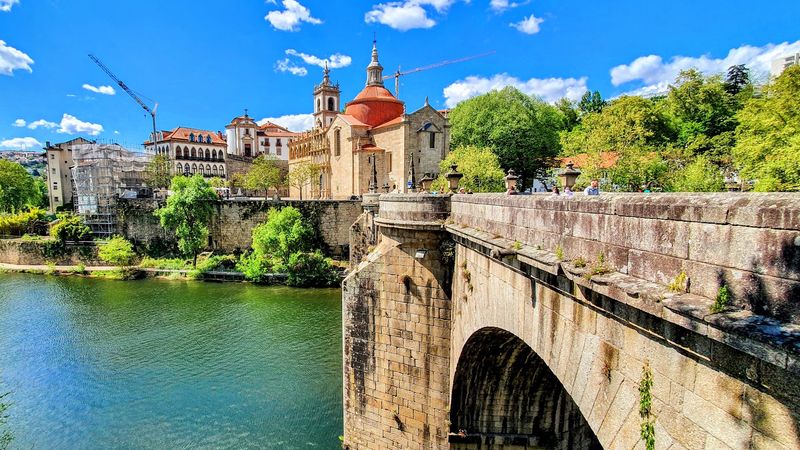
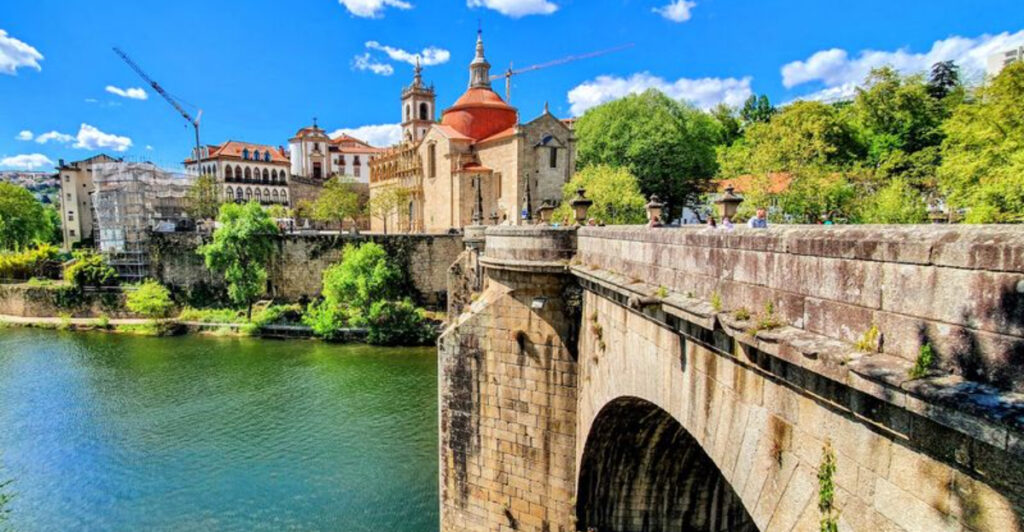
Amarante is not a village, but it is far easier to love than any large city. Set along the Tâmega River in northern Portugal, it has a beautiful historic bridge, riverside views, old churches, and a charm that sneaks up on you before you even have time to open a guidebook.
The town is also famous for its traditional sweets, which gives you a very solid reason to stop at every café you pass. The river reflects the buildings, the bridge anchors the old center, and the streets invite the kind of slow wandering that makes an afternoon feel like a complete mini-trip.
Amarante is cultured without being overwhelming, and romantic without trying too hard. Walk by the river, cross the bridge, order something sweet, and enjoy a place that carries real character without demanding anything from you in return.
For travelers who find Porto slightly intense, Amarante is the gentler, equally gorgeous alternative just up the road.
Ponte de Lima: The Town That Has Been Graceful Since Forever
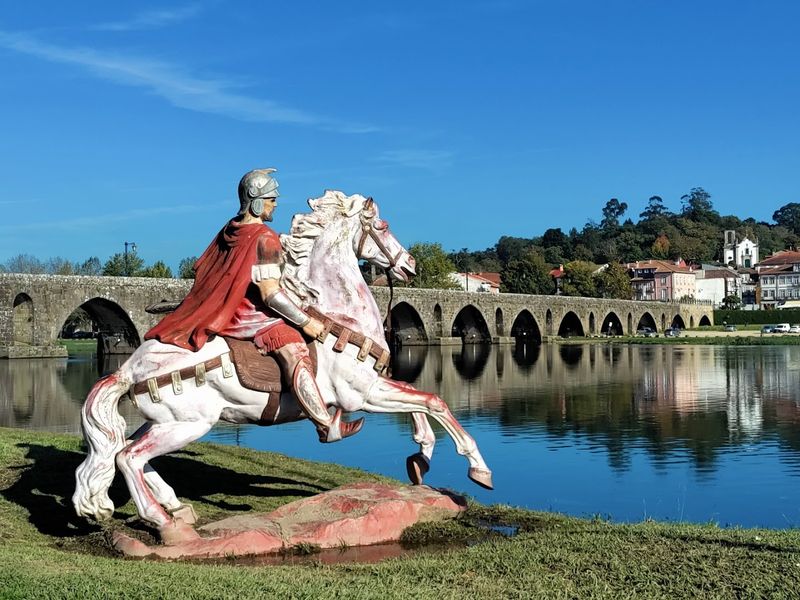
Ponte de Lima is one of Portugal’s oldest towns, and it wears that title with effortless elegance. The name comes from the bridge over the Lima River, and that bridge, along with the riverfront stretching beside it, is one of the prettiest sights in northern Portugal.
The town has a calm, open quality. Gardens, old streets, historic buildings, and wide river views give it a breathing room that urban travelers genuinely crave.
The Minho region’s softer side shows up here in the green landscapes, traditional food, and a pace that encourages you to stop and actually look around.
You do not need a long itinerary in Ponte de Lima. Walk along the river, cross into the old center, and enjoy a town that feels open and unhurried.
It rewards travelers who prefer charm over spectacle, and it pairs beautifully with a drive through the green Minho countryside. Old it may be, but it never feels tired.
Castelo Rodrigo: Ruins, Views, and a Beautifully Haunted Feeling
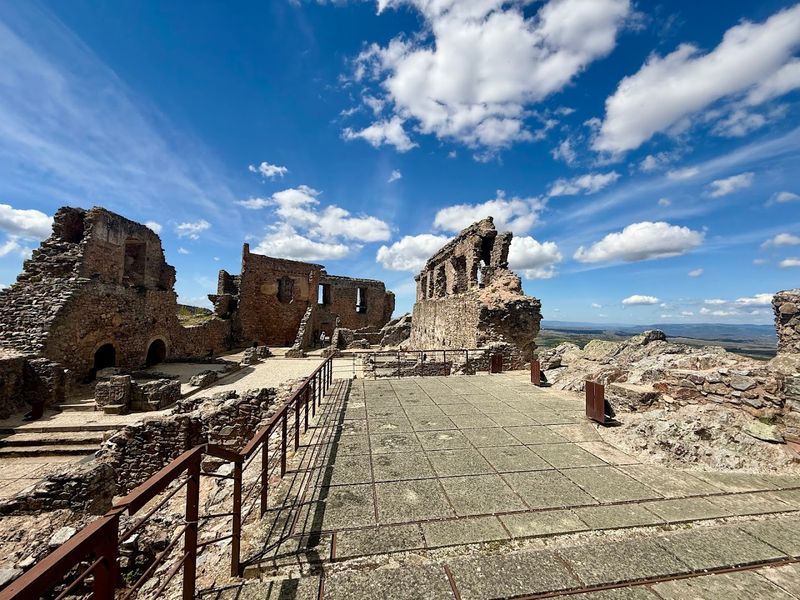
Castelo Rodrigo has a slightly haunted quality, and it earns every bit of it. Set on a hill in central Portugal, this historic village has stone streets, old walls, and the atmospheric ruins of structures that have been slowly returning to the landscape for centuries.
The silence here is powerful. You can feel the age of the place in the stones, the arches, and the remains of older buildings scattered through the village.
It is not crowded with distractions, which makes the whole experience feel more intense rather than less interesting.
Castelo Rodrigo works especially well for travelers exploring Portugal’s interior. It pairs nicely with other Historic Villages nearby, but it has enough personality to stand completely on its own.
Come for the views over the surrounding countryside, stay for the feeling that you have stepped into a forgotten chapter of Portuguese history that most tourists never bother to read. That is the whole reward.
Linhares da Beira: Where the Sky Feels Bigger Than Anywhere Else
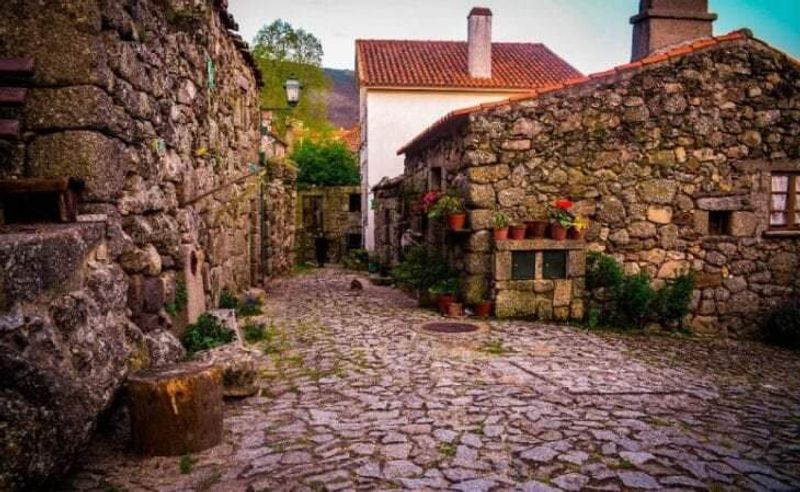
Linhares da Beira sits in the foothills of the Serra da Estrela, and the sky above it seems to stretch wider than anywhere else in Portugal. One of the country’s Historic Villages, it has a medieval castle, granite houses, old streets, and a setting that feels high, open, and genuinely windswept.
The stone architecture blends so naturally with the surrounding terrain that the village almost disappears into the landscape if you look at it from a distance. The castle area offers wide views over the region that are worth every step of the climb.
Linhares da Beira feels less visited than many of Portugal’s more famous villages, and that is precisely its appeal. The silence feels like part of the attraction rather than an absence of something.
For anyone searching for that true secret-looking feeling, this is one of the most rewarding spots in central Portugal. Bring a jacket.
The mountain air is serious about its job.
Ferragudo: The Algarve Fishing Village That Still Has a Soul
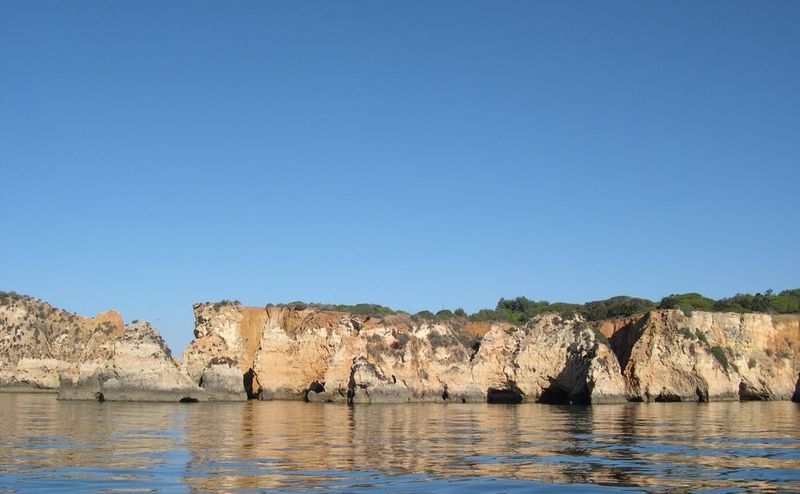
Ferragudo sits across the Arade River from Portimão and seems quietly amused by all the tourists heading the other direction. Whitewashed houses, narrow streets, a relaxed waterfront, and a fishing-village atmosphere that still feels genuinely local make this one of the Algarve’s most charming small towns.
It is not completely hidden, but Ferragudo feels gentler and more human-sized than most larger Algarve destinations. The old streets are lovely for wandering without a plan, and the waterfront is an excellent place to slow down over a meal or a coffee while watching the river do its thing.
The best approach is to not over-plan it. Walk through the village, climb toward the higher streets for views over the water, and enjoy the contrast between white houses, blue water, and golden light.
Ferragudo is a reminder that the Algarve still has places where the charm has not been packaged, branded, or sold in souvenir form.
Share this story