Some songs just refuse to leave your brain, and honestly, that is a good thing. The Baby Boomer generation grew up with a soundtrack so powerful that decades later, the lyrics still come flooding back the moment the first note plays.
From smoky bars to stadium concerts, these songs became more than music. They became memories.
Here are 15 timeless classics that boomers still belt out without missing a single word.
Hey Jude – The Beatles
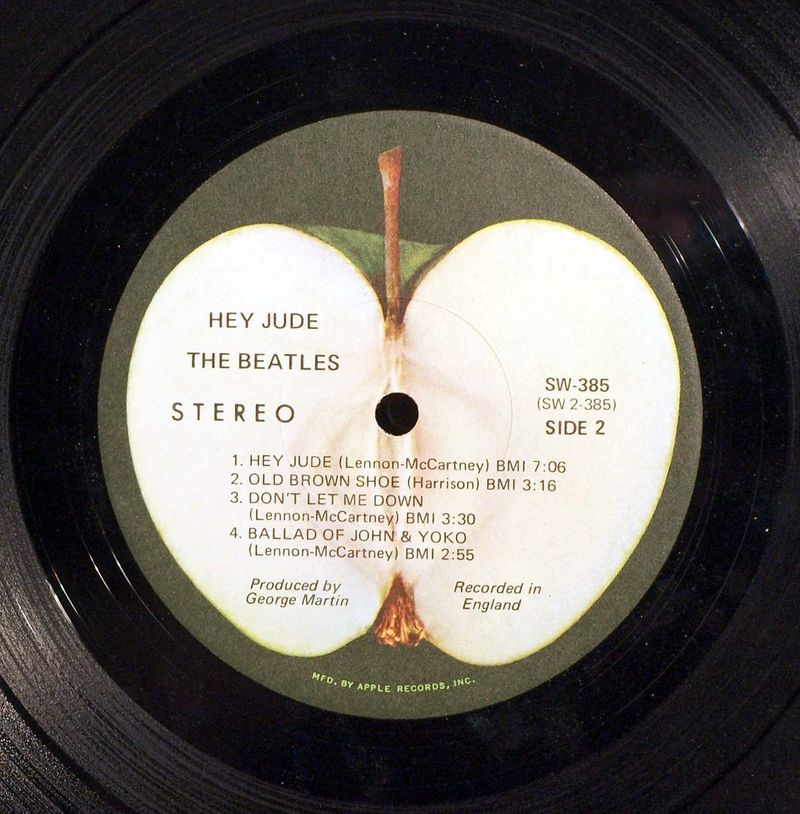
Nobody warned us that four minutes of “na-na-na” would rewire an entire generation’s brain forever. Released in 1968, “Hey Jude” started as Paul McCartney’s personal message to John Lennon’s son Julian during his parents’ divorce.
It somehow became everyone’s anthem at once.
The song clocks in at over seven minutes, which was unheard of for a pop single back then. Radio stations played it anyway, and listeners loved every second.
That outro does not wind down so much as it lifts off.
I still catch myself humming it in grocery store lines without realizing it started. The “na-na-na” section alone lasts nearly four minutes, turning any room into an accidental choir.
Boomers did not just learn this song. They absorbed it into their DNA, and no amount of time seems capable of washing it out.
Let It Be – The Beatles
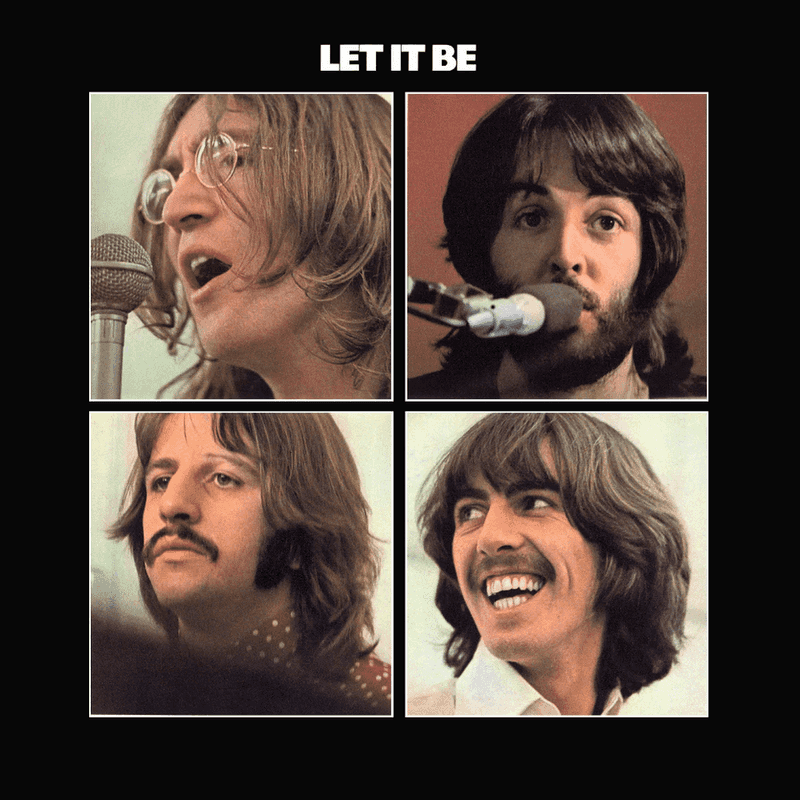
There is something quietly miraculous about a song that works equally well at a funeral and a Friday night gathering. “Let It Be” arrived in 1970 as The Beatles were falling apart, yet the song itself holds everything together with surprising grace.
McCartney wrote it after dreaming about his late mother, Mary, who appeared and offered him comfort. That personal grief turned into four minutes of universal reassurance.
The piano opening alone is enough to make a room go quiet.
Boomers did not just sing this one. They leaned on it during the hard years, the losses, the political chaos, the moments when nothing made sense.
The words “there will be an answer” are not complicated, but they land every single time. Simplicity, it turns out, is its own kind of genius.
This song proves that point better than most.
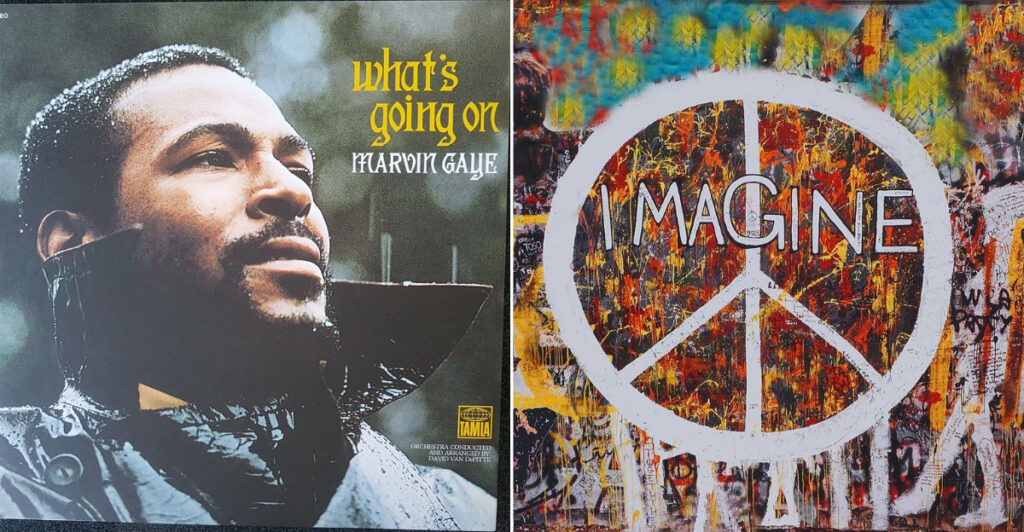
Imagine – John Lennon
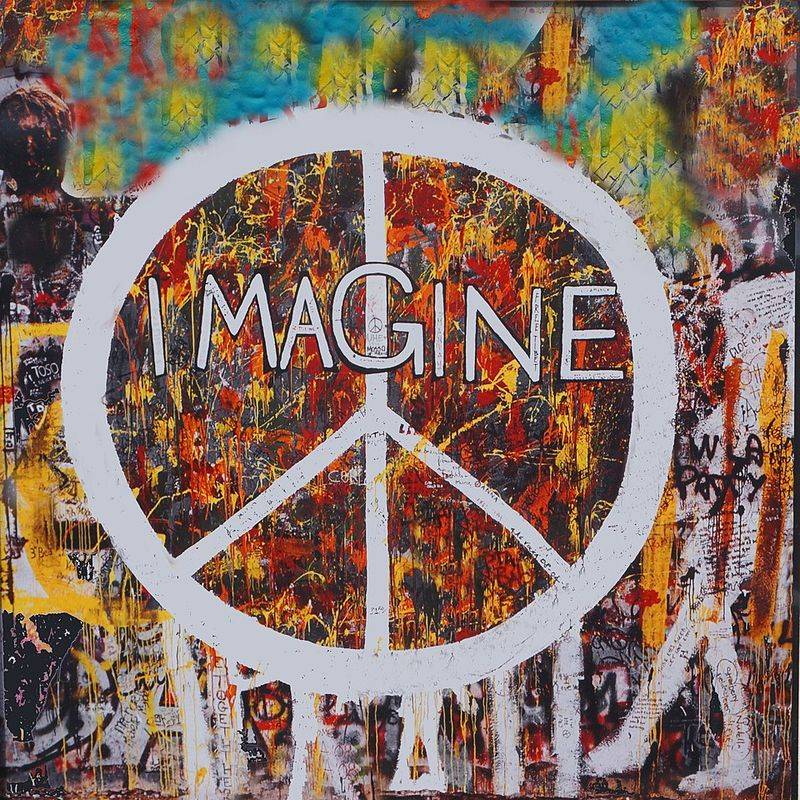
John Lennon released “Imagine” in 1971, and it promptly became the world’s most politely argued-about peace song. Critics called it naive.
Fans called it visionary. Lennon called it “anti-religious, anti-nationalistic, anti-conventional, anti-capitalistic” and somehow made it sound like a lullaby.
The genius move was keeping the melody so gentle that even people who disagreed with the lyrics could not help singing along. That quiet piano hook is basically a trap, and a beautiful one at that.
I remember the first time I really listened to the words rather than just humming along. The song asks for a lot, honestly.
No countries, no possessions, no religion. But it asks so softly that you almost agree before you notice.
Boomers grew up in a world desperate for that kind of hope, and this song gave it to them in three and a half unforgettable minutes.
American Pie – Don McLean
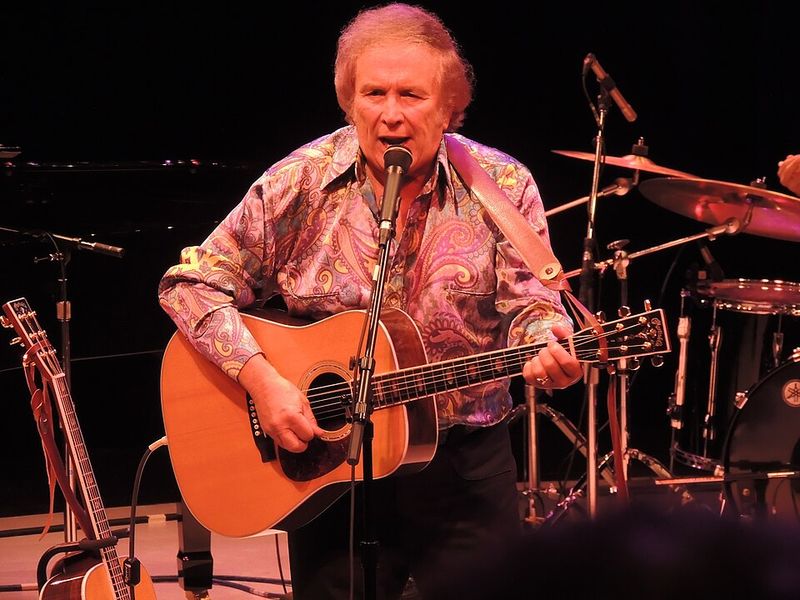
At eight and a half minutes long, “American Pie” is basically a short film disguised as a pop song. Don McLean released it in 1971, and people have been arguing about its meaning ever since.
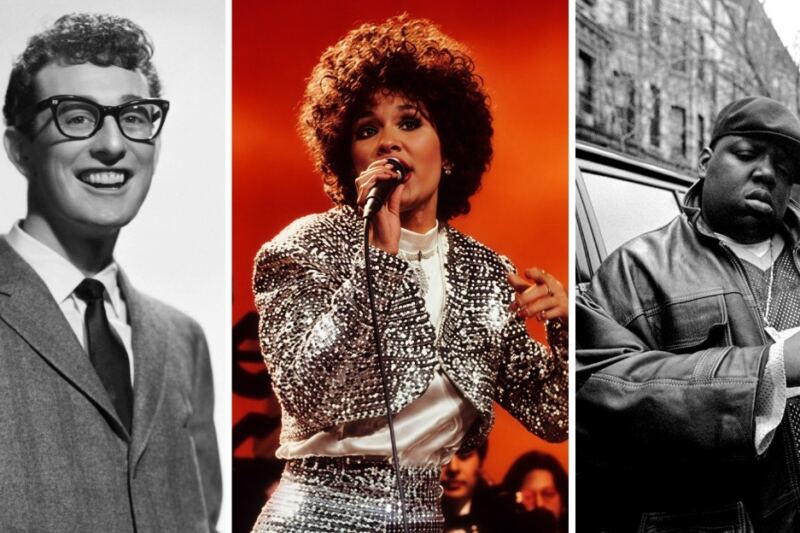
The “day the music died” refers to the 1959 plane crash that killed Buddy Holly, Ritchie Valens, and The Big Bopper.
Beyond that, the symbolism gets delightfully murky. The Jester, the King, the Sergeants?
Scholars, superfans, and bar regulars have proposed hundreds of theories. McLean himself stayed quiet for decades, which only made the mystery better.
What nobody debates is the chorus. Every boomer on the planet knows those words by heart.
It is one of those rare songs where the crowd sings louder than the artist. At karaoke nights, sporting events, and backyard parties, “American Pie” still clears the floor in the best possible way, turning strangers into a choir without warning.
Sweet Caroline – Neil Diamond
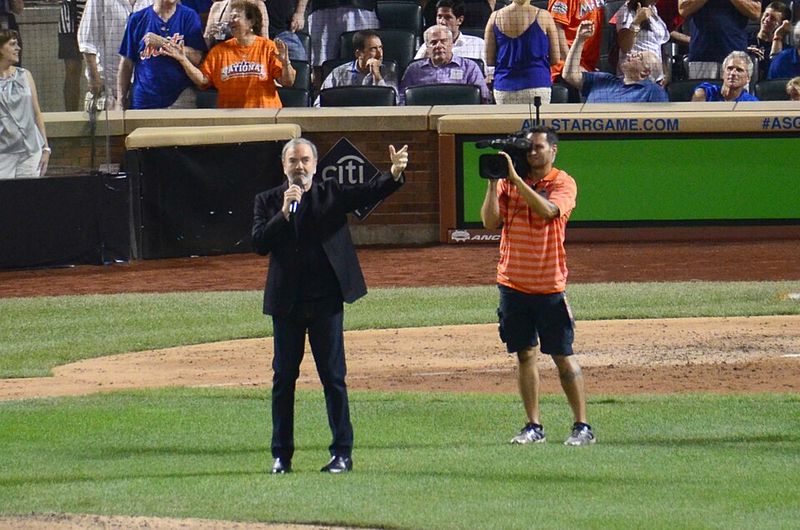
Few songs have the crowd-control power of “Sweet Caroline.” Neil Diamond released it in 1969, and it has since colonized sports stadiums, wedding receptions, and pub nights worldwide with alarming efficiency. The “ba-ba-ba” part is basically a call to action at this point.
Diamond later confirmed the song was inspired by a young Caroline Kennedy, though he kept that quiet for years. The song became a Boston Red Sox staple at Fenway Park, played every game since the late 1990s.
That connection gave it a whole second life in sports culture.
The magic is in the response. Nobody teaches people to sing “so good, so good, so good” back.
They just do it, automatically, every time. It is crowd participation baked directly into the melody.
Boomers who grew up with this song now watch their grandkids do the exact same thing at baseball games, and that might be the sweetest part of all.
My Girl – The Temptations
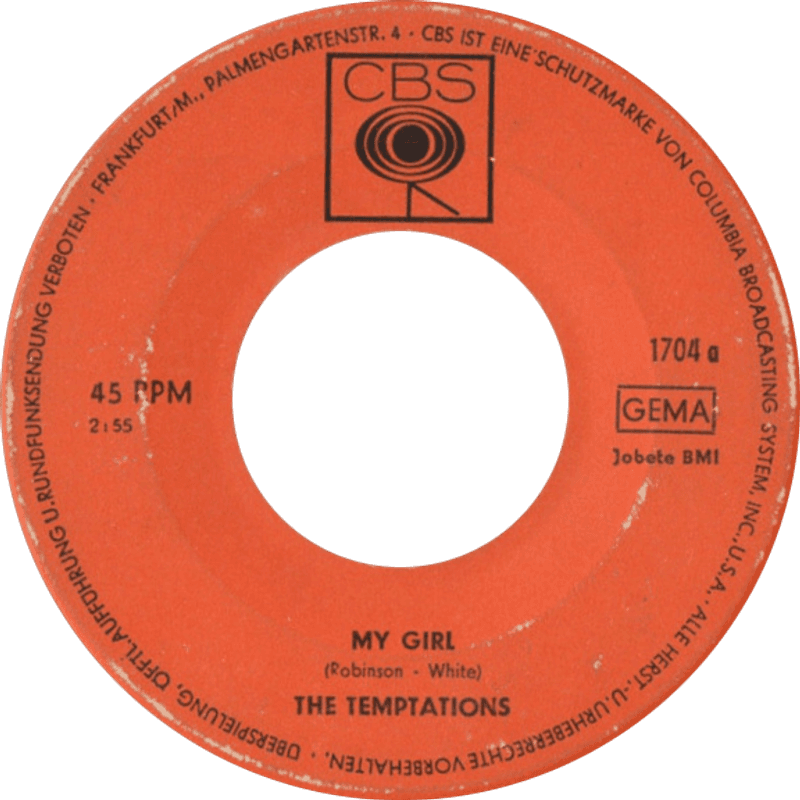
That opening bassline is basically a happiness delivery system disguised as music. “My Girl” hit shelves in 1965 and instantly became one of Motown’s crown jewels. David Ruffin’s lead vocal was so warm and effortless that the whole song feels like a sunny afternoon you never want to end.
Written by Smokey Robinson and Ronald White, the song was originally intended for The Miracles. The Temptations got it instead, and the rest is soul music history.
It peaked at number one and stayed there, because of course it did.
Boomers grew up dancing to this at school socials, playing it at first dates, and hearing it on every AM radio station that existed. Decades later, it still works the same magic.
The moment that intro kicks in, shoulders relax, feet start moving, and smiles appear without permission. Some songs just carry good energy permanently woven into their notes.
Sitting on the Dock of the Bay – Otis Redding
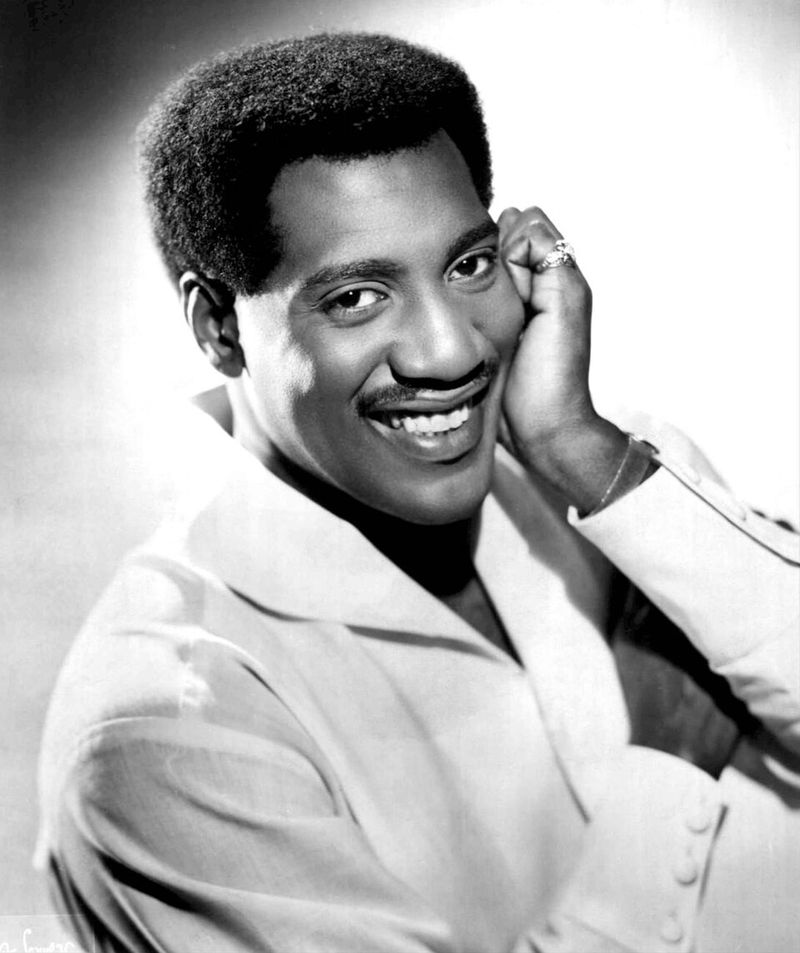
Otis Redding recorded this song just days before his death in December 1967, and it was released posthumously in 1968. That context adds a layer of emotion to every single listen, even for people who do not know the backstory.
The whistling at the end is one of the most iconic moments in soul music history. Redding reportedly added it because he had not finished writing the final verse.
What started as a placeholder became permanent, and it works perfectly. Happy accidents sometimes make the best art.
The song has a quietly restless feeling, a man watching the world go by from a dock, doing nothing but sitting and thinking. Boomers who came of age during the turbulent late sixties found that mood deeply relatable.
Life was moving fast, the world felt uncertain, and sometimes you just needed a song that understood the feeling of standing still.
Bridge Over Troubled Water – Simon & Garfunkel
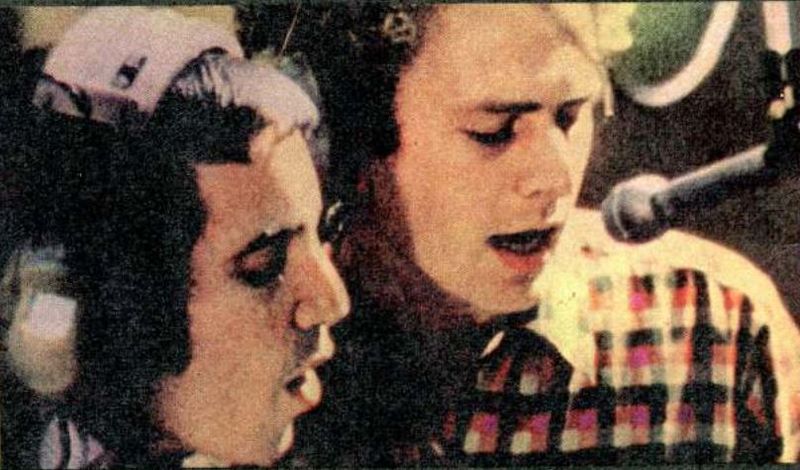
Art Garfunkel’s voice on this track does something that most singers can only dream about. Released in 1970, “Bridge Over Troubled Water” became Simon and Garfunkel’s biggest hit, and also the song that quietly ended their partnership.
Paul Simon later admitted he felt overshadowed by Garfunkel’s performance. Complicated legacy, extraordinary song.
The arrangement builds from a simple piano intro into a full orchestral swell that feels earned rather than forced. Producer Roy Halee and the duo spent weeks perfecting the sound.
That care shows in every note.
Boomers who grew up through the upheaval of the early seventies found this song to be a genuine emotional anchor. It spoke directly to loyalty, to showing up for the people you love when things fall apart.
The chorus hits differently when you have actually lived through some troubled water yourself. Most boomers have, which is exactly why this one never gets old.
Unchained Melody – The Righteous Brothers
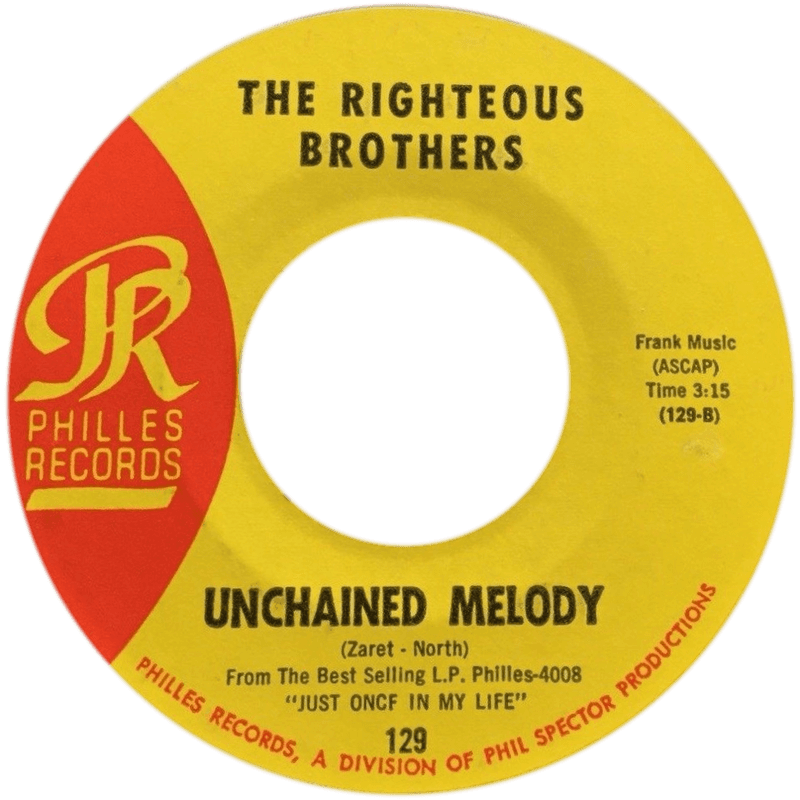
Originally recorded in 1955, “Unchained Melody” became a completely different animal when The Righteous Brothers got hold of it in 1965. Bobby Hatfield’s vocal performance on that recording is the kind of thing that makes people stop mid-conversation and just listen.
It demands attention without asking for it.
The song got a second massive wave of popularity after the 1990 film Ghost featured it during a pottery scene that became one of cinema’s most parodied and beloved moments. Suddenly a whole new generation was discovering what boomers already knew.
Slow dances at proms, weddings, anniversary dinners. This song has soundtracked more romantic moments than possibly any other track in history.
The dramatic build in the final chorus, where Hatfield reaches for those high notes, still gives people chills. Boomers who grew up with this song did not just love it.
They wrapped their entire idea of romance around it.
Hotel California – Eagles
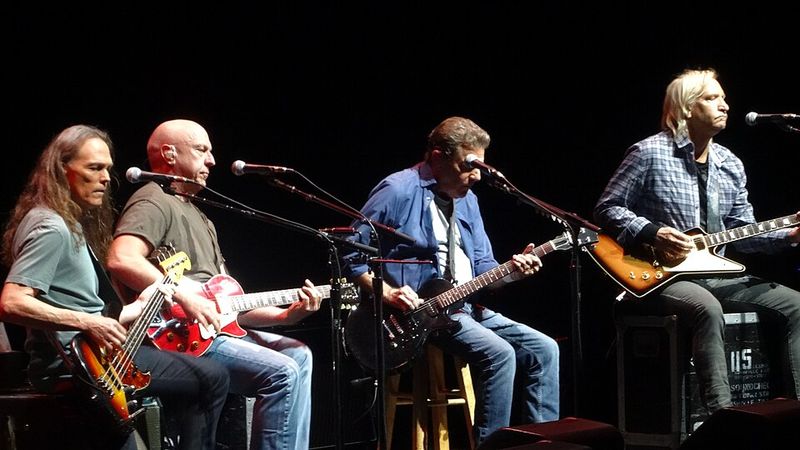
Hotel California is the kind of song that makes you feel slightly uneasy and completely thrilled at the same time. Released in 1977, the Eagles crafted something that sounded like classic rock radio but read like a fever dream written by someone who had spent too long in Los Angeles.
The twin guitar outro between Don Felder and Joe Walsh is one of the most celebrated instrumental moments in rock history. It runs for nearly two minutes and never overstays its welcome.
That is a rare achievement in any genre.
Nobody fully agrees on what the song means. Excess, addiction, the dark side of the American dream, Hollywood’s gilded trap.
The Eagles were not entirely forthcoming, which kept the mystery alive for decades. Boomers who grew up singing “you can check out any time you like, but you can never leave” knew, on some level, that they were singing about something bigger than a hotel.
They just liked the guitar solo too much to stop.
I Will Survive – Gloria Gaynor
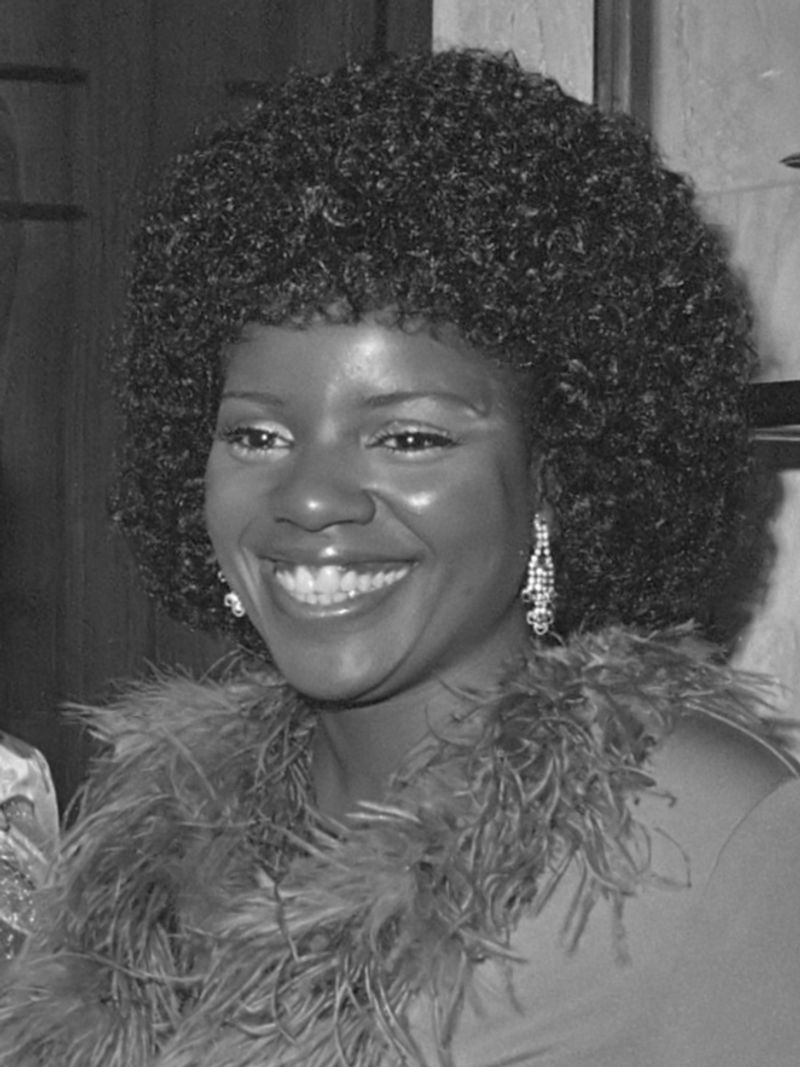
Gloria Gaynor did not just record a disco song in 1978. She accidentally wrote the breakup anthem for every generation that came after her. “I Will Survive” started as the B-side of a single.
Radio DJs flipped it over, played it instead, and the rest is chart history.
The spoken opening, where she describes being devastated and then finding her strength, is pure drama in the best possible way. Nobody half-sings this song.
People perform it. Arms out, full voice, complete commitment.
Boomers who came of age during the women’s liberation movement found this track at exactly the right moment. It was not just catchy.
It was a statement. Gaynor won the first-ever Grammy for Best Disco Recording for it in 1980.
Decades later, it still gets played at every event where someone needs a little extra courage. Some songs age like fine wine.
This one aged like a battle cry.
Piano Man – Billy Joel
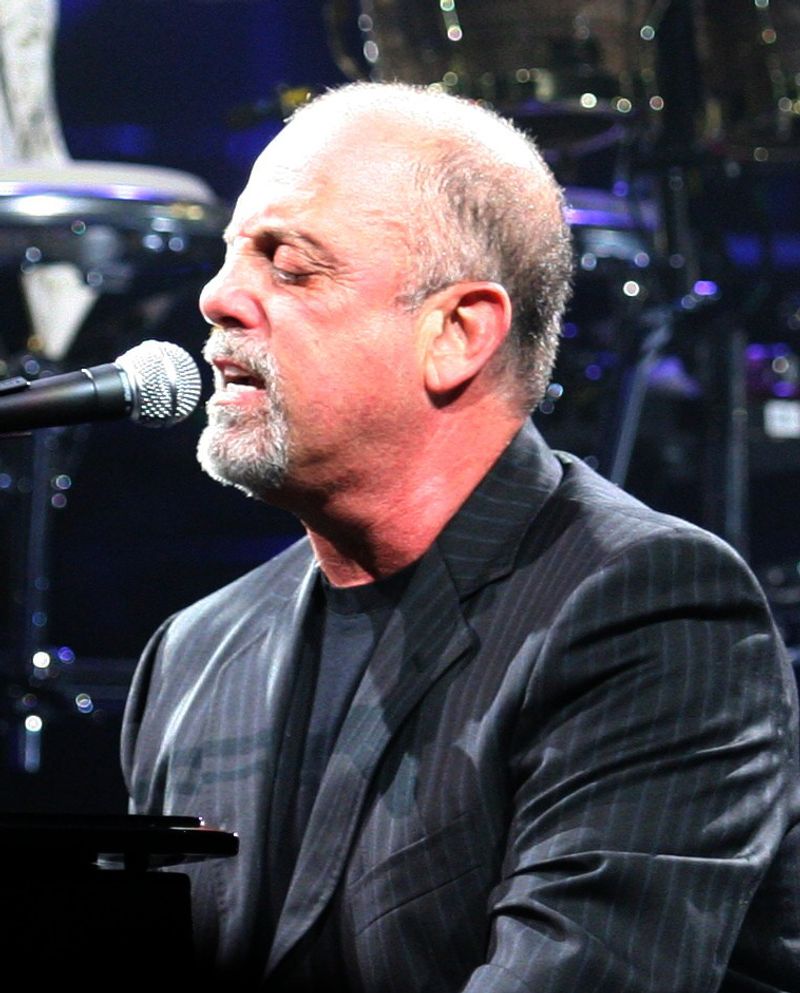
Billy Joel spent time playing piano in a Los Angeles bar called the Executive Room in 1972, and the regulars he met there became the characters in “Piano Man.” Released in 1973, the song is basically a short story with a harmonica hook, and it works brilliantly on both levels.
The sing-along chorus is one of the most reliable crowd-pleasers in live music. Joel has performed it thousands of times and audiences still treat it like a first listen every single time.
That kind of longevity is genuinely rare.
John the bartender, Paul the real estate novelist, the waitress practicing politics. These are not glamorous people.
They are regular folks trying to get through the week, and Joel portrays them with real affection. Boomers recognized those characters immediately because they knew people just like them.
The song turned an ordinary Tuesday night into something worth remembering, and it still does that now.
Brown Eyed Girl – Van Morrison
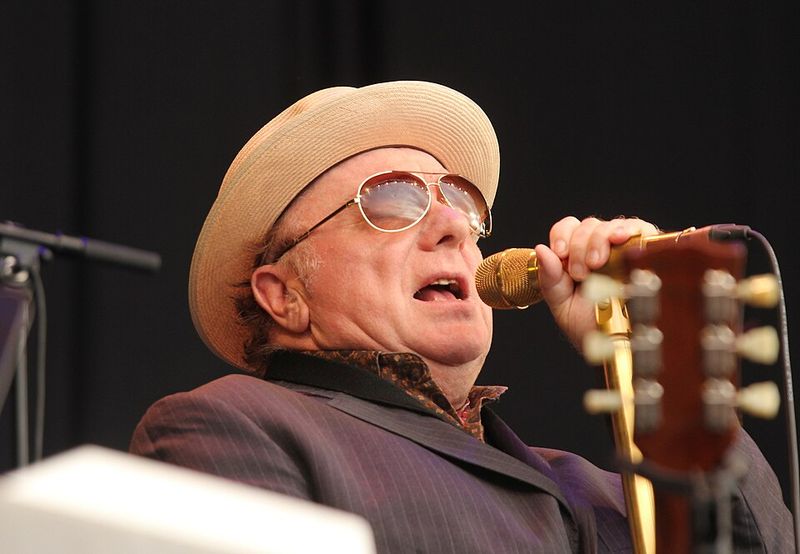
Van Morrison released “Brown Eyed Girl” in 1967 as his first solo single, and it has spent the decades since becoming the unofficial soundtrack of every warm-weather gathering ever organized. It is physically difficult to sit still when this song comes on.
Morrison originally titled it “Brown Skinned Girl” but changed it before recording. The song is about nostalgia, about looking back at youthful romance with a kind of sweet ache.
That feeling translates across every generation that hears it.
The “sha-la-la” chorus is the secret weapon. It requires zero vocal talent to participate in and maximum enthusiasm, which makes it perfect for parties.
Boomers who grew up in the late sixties associate this song with transistor radios, summer afternoons, and the specific feeling of being young with nowhere important to be. It is a time machine with a backbeat, and it never fails to deliver people straight back to their best memories.
Respect – Aretha Franklin
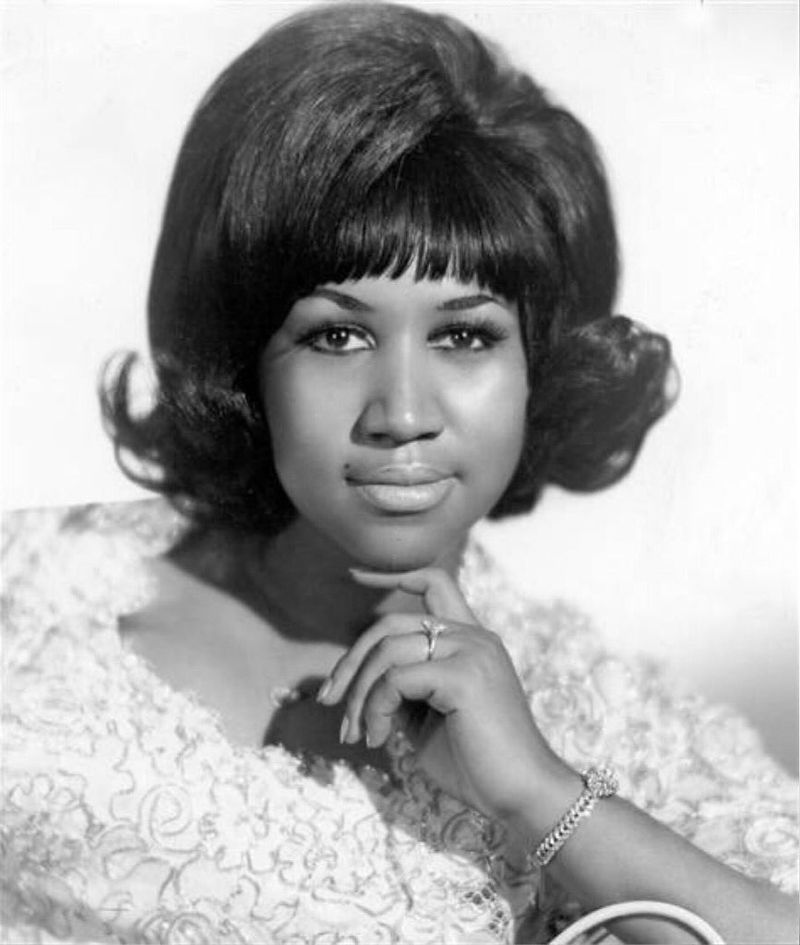
Otis Redding wrote “Respect” in 1965 as a plea from a working man to his partner. Aretha Franklin recorded it in 1967 and completely flipped the dynamic.
Suddenly it was a demand, not a request, and it landed like a thunderclap across American culture.
Franklin added the spelling out of R-E-S-P-E-C-T and the “sock it to me” section herself. Those additions turned a good song into a cultural landmark.
Her Atlantic Records producer Jerry Wexler later called it the “Declaration of Independence” of the civil rights and feminist movements.
Boomers did not just sing along to this track. They felt it in their bones.
The song hit at a moment when America was arguing loudly about who deserved dignity and equality, and Franklin answered with eight letters and a voice that could shake walls. Decades later, that spelling section still gets the whole room involved every single time it plays.
Nobody sits that one out.
What’s Going On – Marvin Gaye
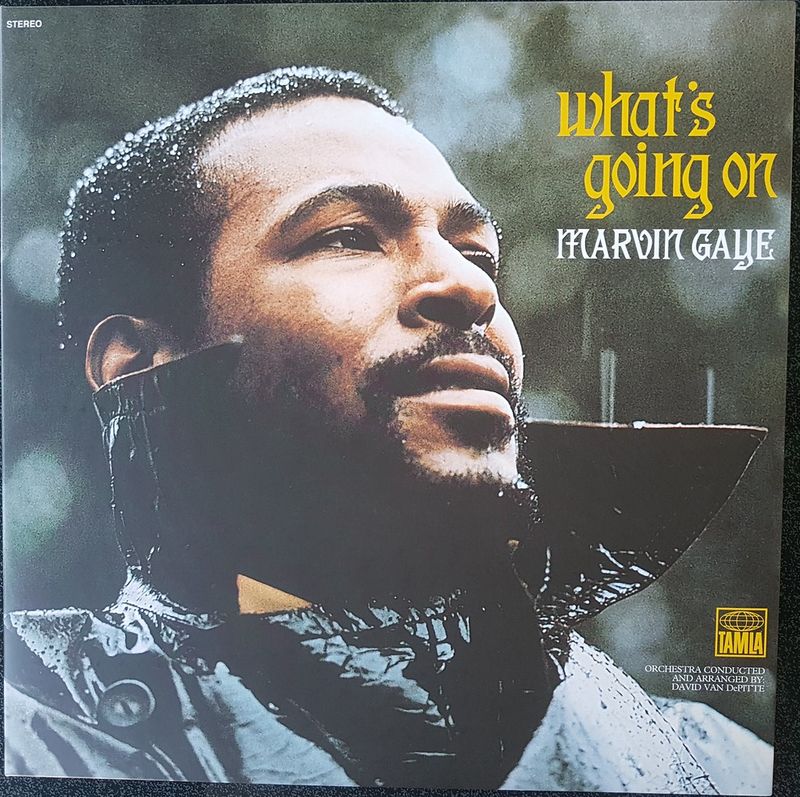
Marvin Gaye fought his own record label to release this song. Berry Gordy at Motown thought “What’s Going On” was too political and too risky for commercial radio.
Gaye refused to record anything else until it came out. It was released in 1971 and immediately became one of the best-selling Motown singles ever.
Gordy admitted he was wrong.
The song was inspired partly by the experience of Renaldo Benson of the Four Tops, who witnessed police violence at a Vietnam War protest and brought the idea to Gaye. The result was soul music with a conscience and a groove that made the message impossible to ignore.
Gaye’s delivery is conversational, almost like he is talking directly to you rather than performing at you. That intimacy is what made it so powerful.
Boomers who lived through Vietnam, civil unrest, and social upheaval heard this song as a mirror held up to their exact moment in history. It still reflects something true today.
Share this story